
31 Ways 1980s Moms Kept the House Running on One Paycheck
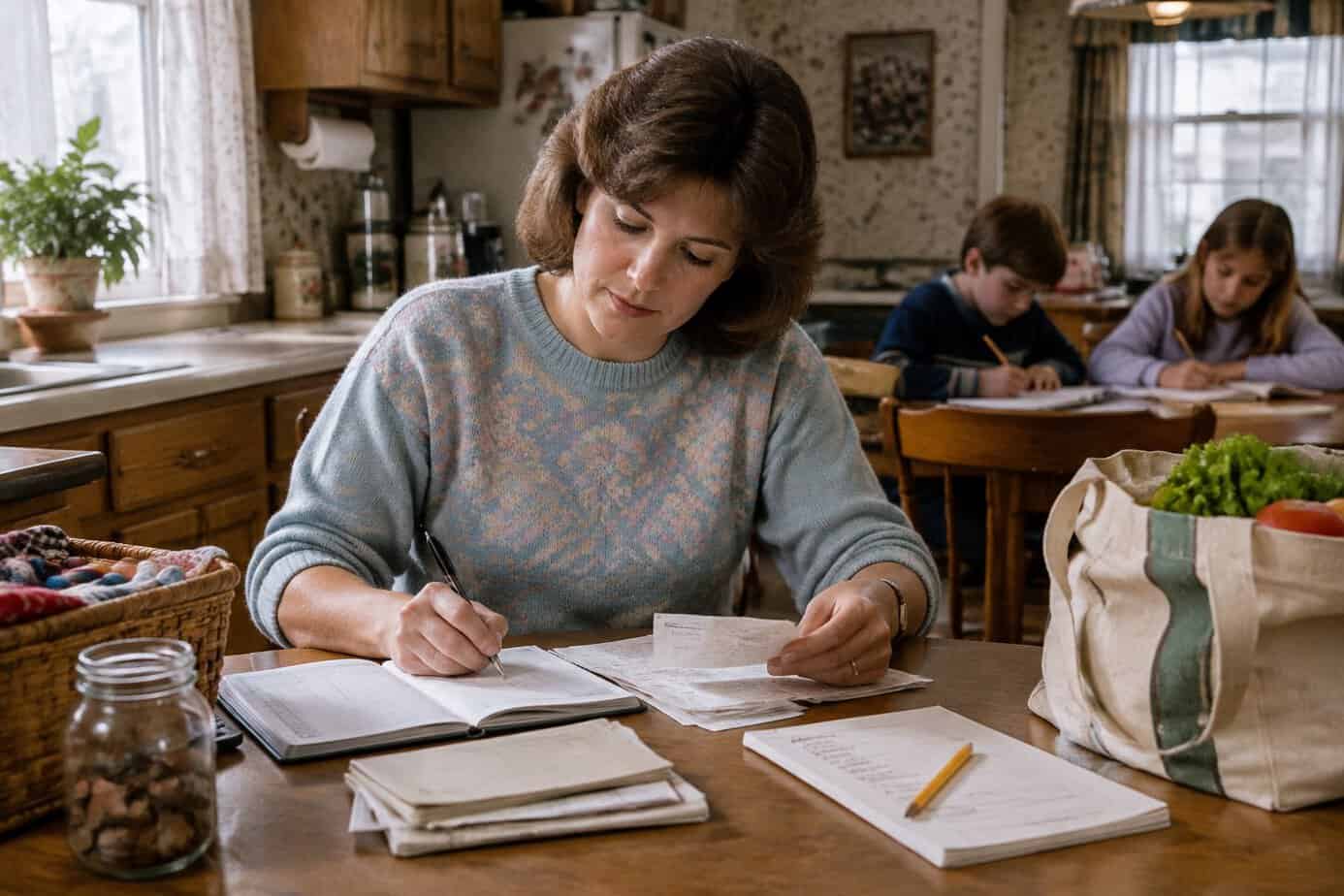
You were running a house in the 1980s, and one paycheck had to cover the mortgage, the groceries, the light bill, the school shoes and whatever broke that month. There was no budgeting app and no online coupon code. There was a kitchen table, a pencil and you.
Prices climbed fast at the start of the decade, and mortgage rates went through the roof. Plenty of families still made it work on one income, and in a lot of houses, the person who made it work was you.
You knew which store doubled coupons, which aisle the blue light was flashing in and exactly when the long-distance rates dropped. Here are 31 of the ways you kept the whole thing running, and a few that might make you laugh at how well you knew the system.
1. Planned the week around the grocery store’s weekly sale circular
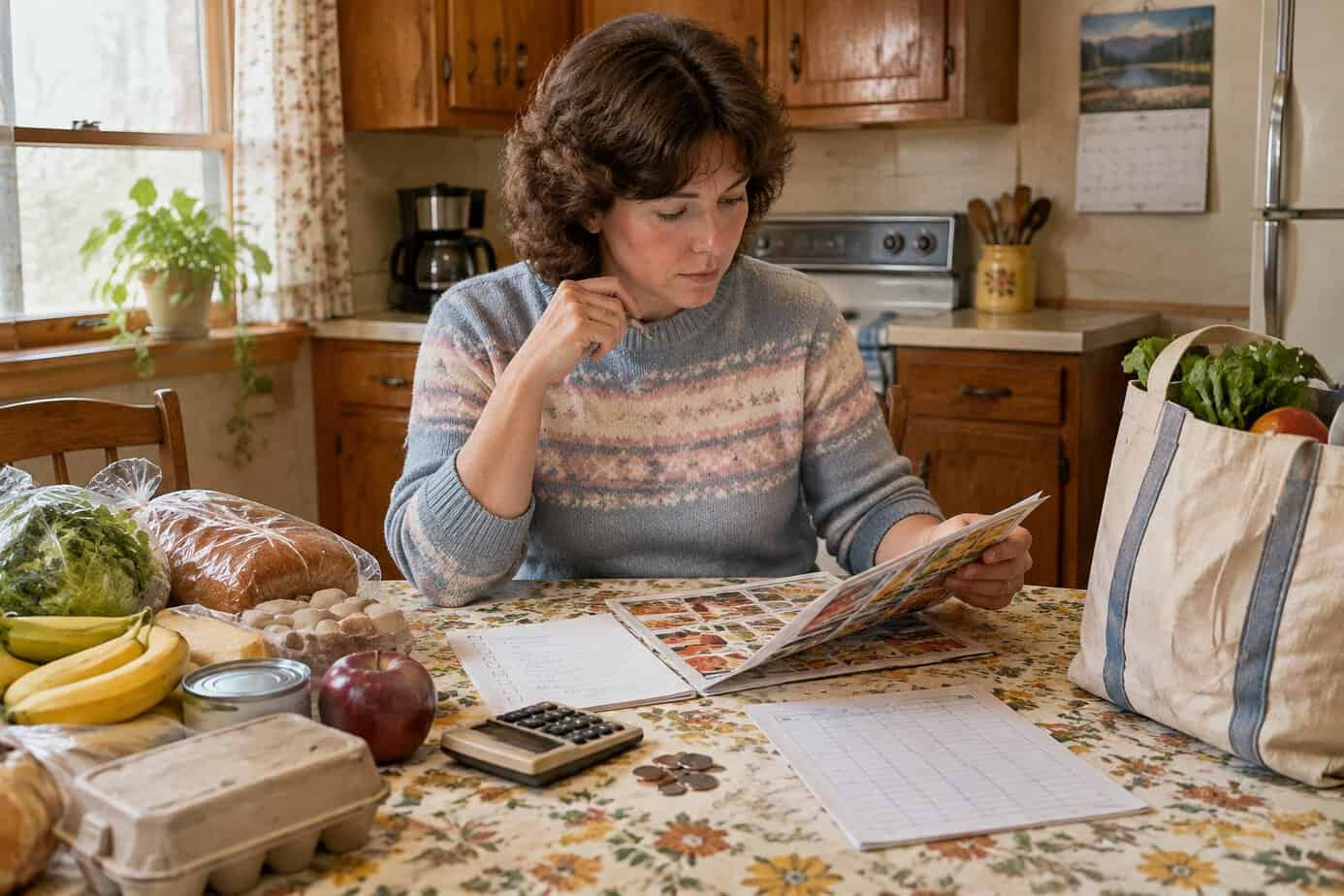
Your week’s menu didn’t start with what anybody was craving. It started with the grocery store’s sale circular, tucked into the midweek paper or the Sunday edition.
If chicken was the front-page special, chicken was on the table. Baked on Monday, in a casserole on Wednesday and in soup by Saturday. Nobody said a word. Well, maybe your husband noticed, but he knew better than to complain.
You sat down with a pen, the circular and your coupon envelope and matched one to the other. Ground beef on sale meant meatloaf, tacos and spaghetti sauce, with an extra pound browned and frozen for later.
Then you wrote the list around those deals and stuck to it. It took an hour on a weeknight, and that hour kept the grocery total small enough that the rest of the paycheck could breathe.
2. Saved your coupons for double-coupon day
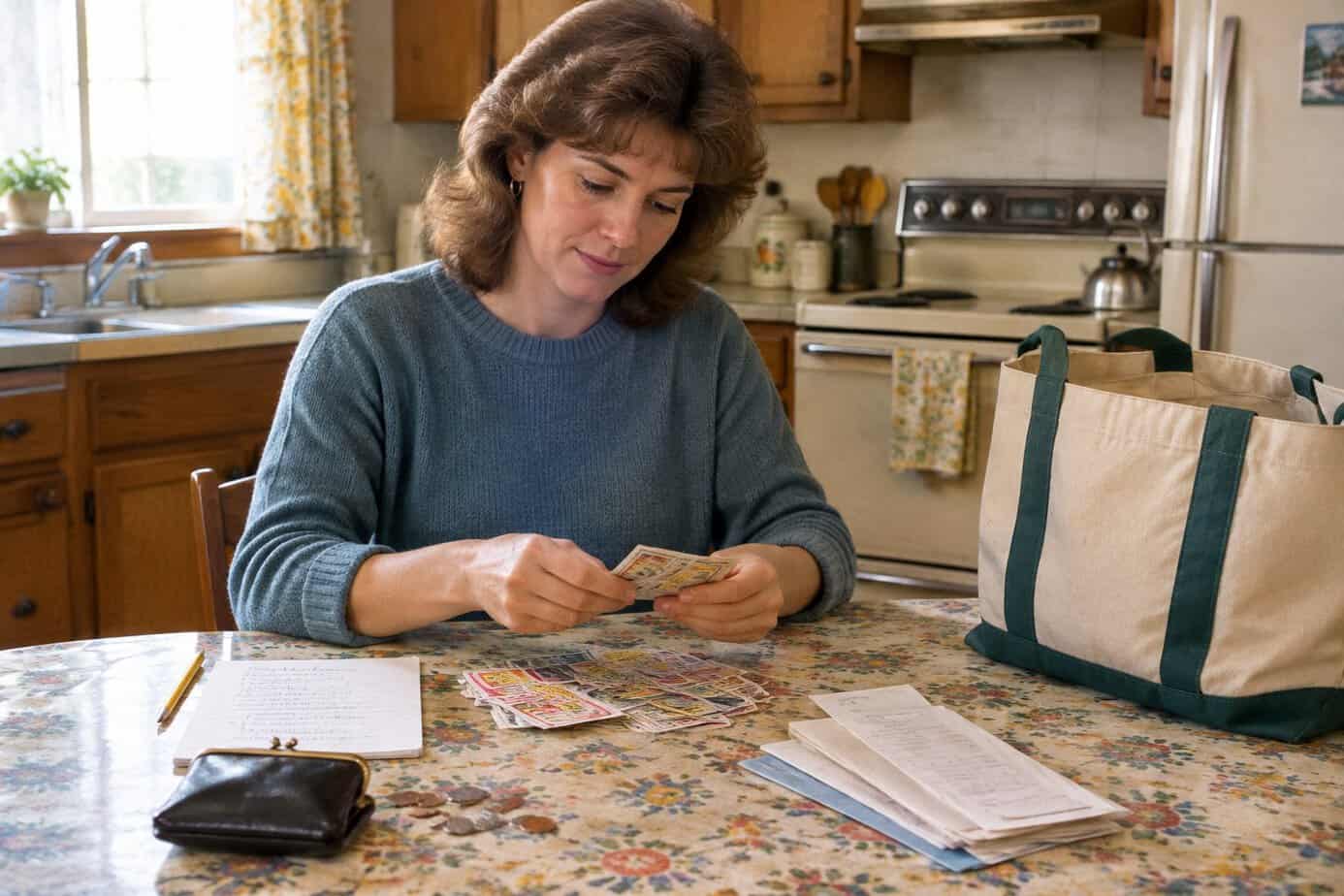
Somewhere in your kitchen there was an envelope, a recipe box or a rubber-banded stack of coupons clipped from the Sunday paper. You knew which ones to use right away and which ones to hold. Double-coupon day was the reason you held them.
Many supermarkets started doubling manufacturer coupons in the late 1970s and 1980s to win shoppers, usually up to a set limit. A coupon for 25 cents off suddenly took off 50. You lined up the cereal, detergent and coffee coupons like a general planning a campaign.
You also learned to pair a doubled coupon with a sale price. That was how a box of cereal could end up costing next to nothing.
The cart didn’t look fancy, but the receipt did. Watching the total drop line by line felt like winning something, and you earned every cent of it.
3. Shopped at Aldi and bagged your own groceries

If you lived near an Aldi, you already knew its rules. The first American store opened in Iowa in 1976, and the chain spread across the Midwest and the East from there. Its whole idea was keeping costs low, and that meant no frills.
You brought your own bags or boxes, because Aldi didn’t hand out free ones, and you packed everything yourself at the end of the lane. You may have grumbled the first time. By the third trip, you were faster than the cashier.
The shelves held mostly the store’s own labels in a small selection, often still sitting in their shipping cartons, and you learned which ones were just as good as the name brands.
The savings on any one trip were modest. Across a year of feeding a family on one paycheck, they added up to real money.
4. Joined a warehouse club like Price Club or Sam’s Club
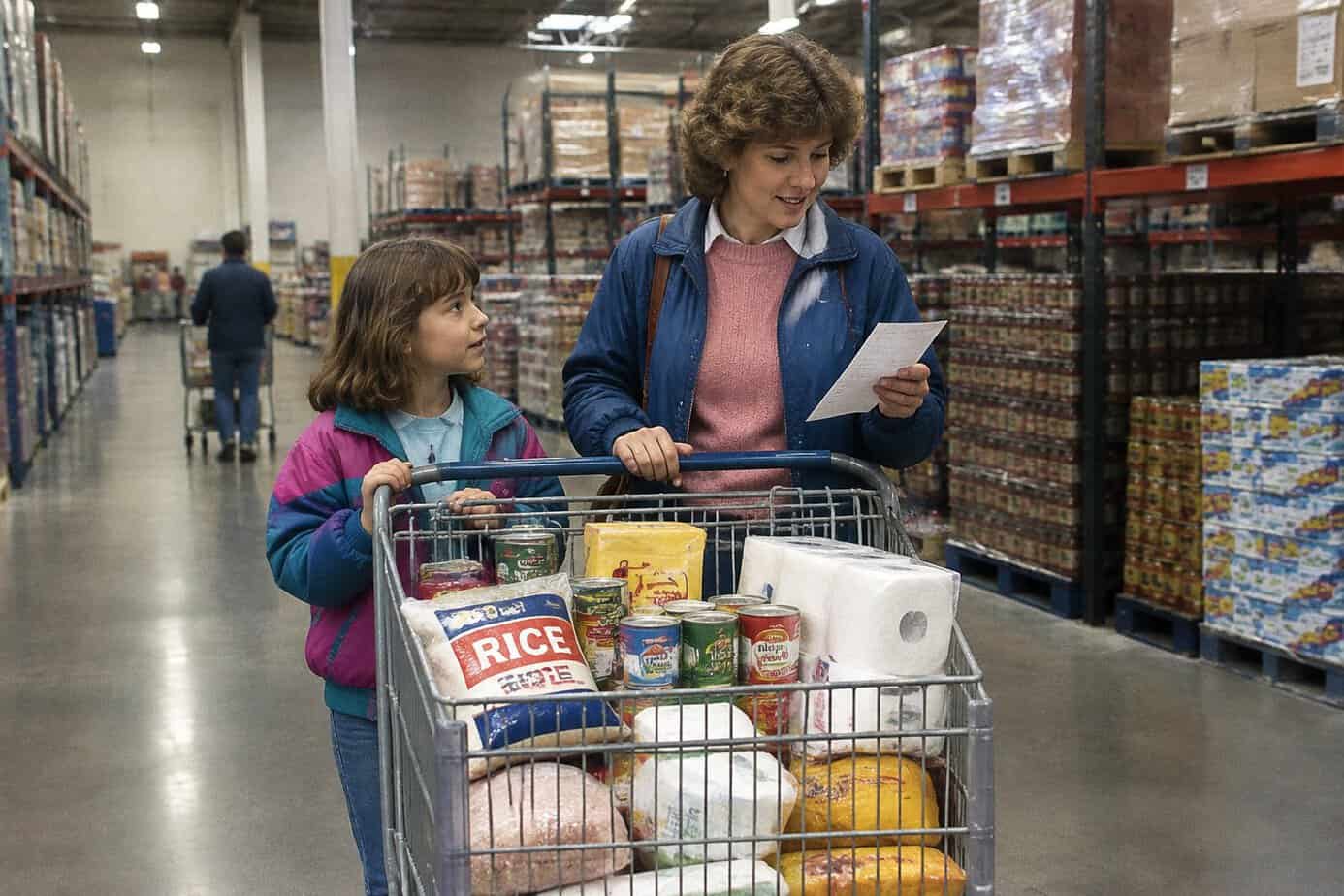
When the warehouse clubs came to town, you did the math at the kitchen table. Price Club opened in San Diego in 1976, and Sam’s Club and Costco both opened their first stores in 1983. Paying a yearly fee just to shop somewhere felt strange, but you figured out fast whether it paid for itself.
Buying big meant a lower price on every roll of paper towels, jar of peanut butter and box of diapers. Your trunk came home loaded with cases of canned vegetables, a giant bag of rice and a tub of mayonnaise that would last until spring.
Of course, it all had to go somewhere. The garage shelves and the basement corner became your own little stockroom.
And when a pack was just too big, a neighbor gladly took half. Nobody needs 36 rolls of toilet paper at once.
5. Grabbed the manager’s-special markdown meat
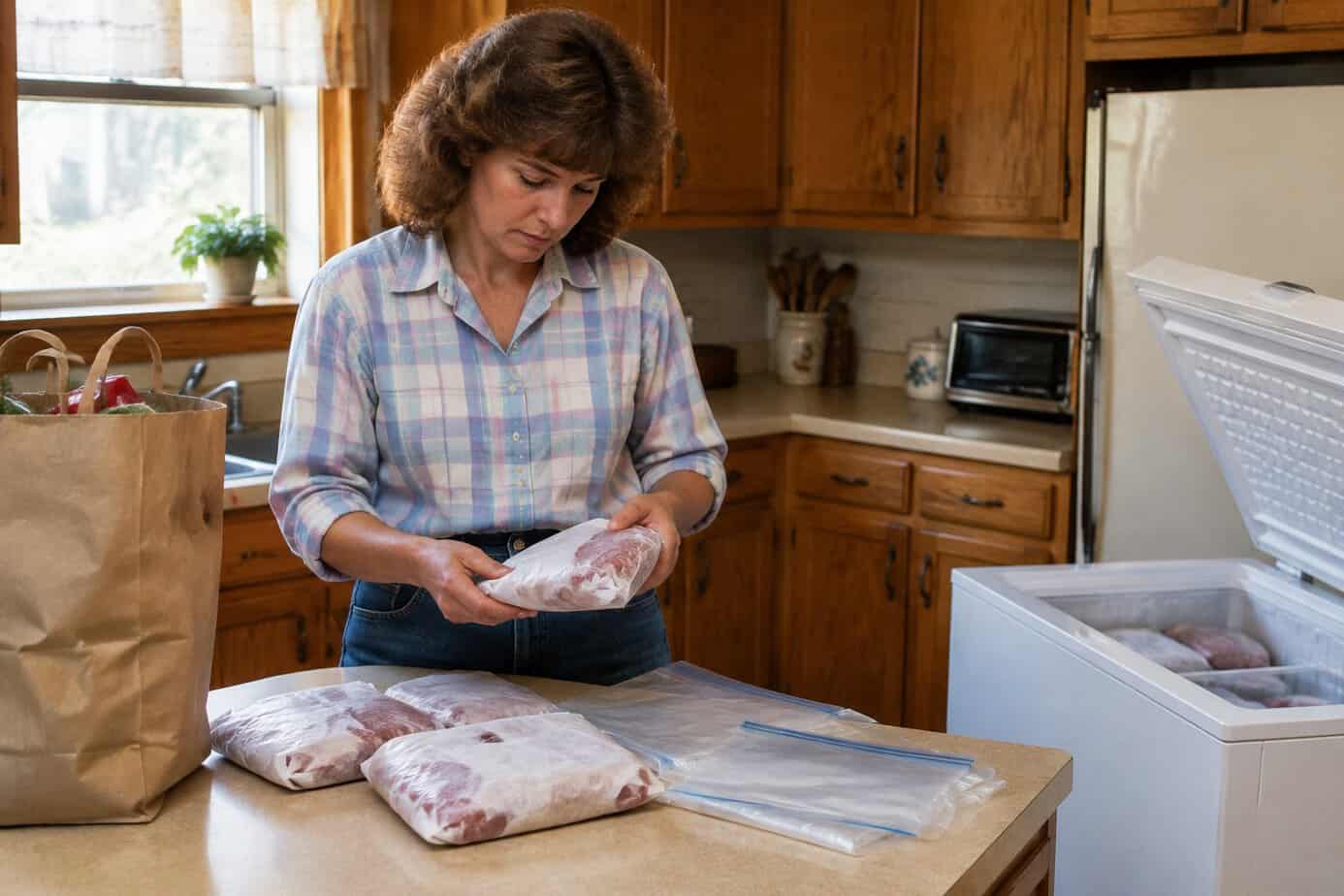
You knew the rhythm of the meat case better than the butcher did. Sometime during the day, an employee came by with a roll of bright stickers, and you made a point of being nearby.
Those markdowns didn’t mean the meat was bad. As the USDA explains, a “sell-by” date tells the store how long to display a product, not the day it goes bad. The store would rather sell a package of ground chuck for less than throw it away.
So you grabbed it, took it home and either cooked it that night or wrapped it up for the freezer. A few marked-down pounds turned into meatloaf, sloppy joes and spaghetti sauce for weeks.
You checked the color, gave it a sniff and trusted your own good sense. It was a small habit, and it trimmed the grocery bill every single week.
6. Mailed in rebates and refund forms for cash back
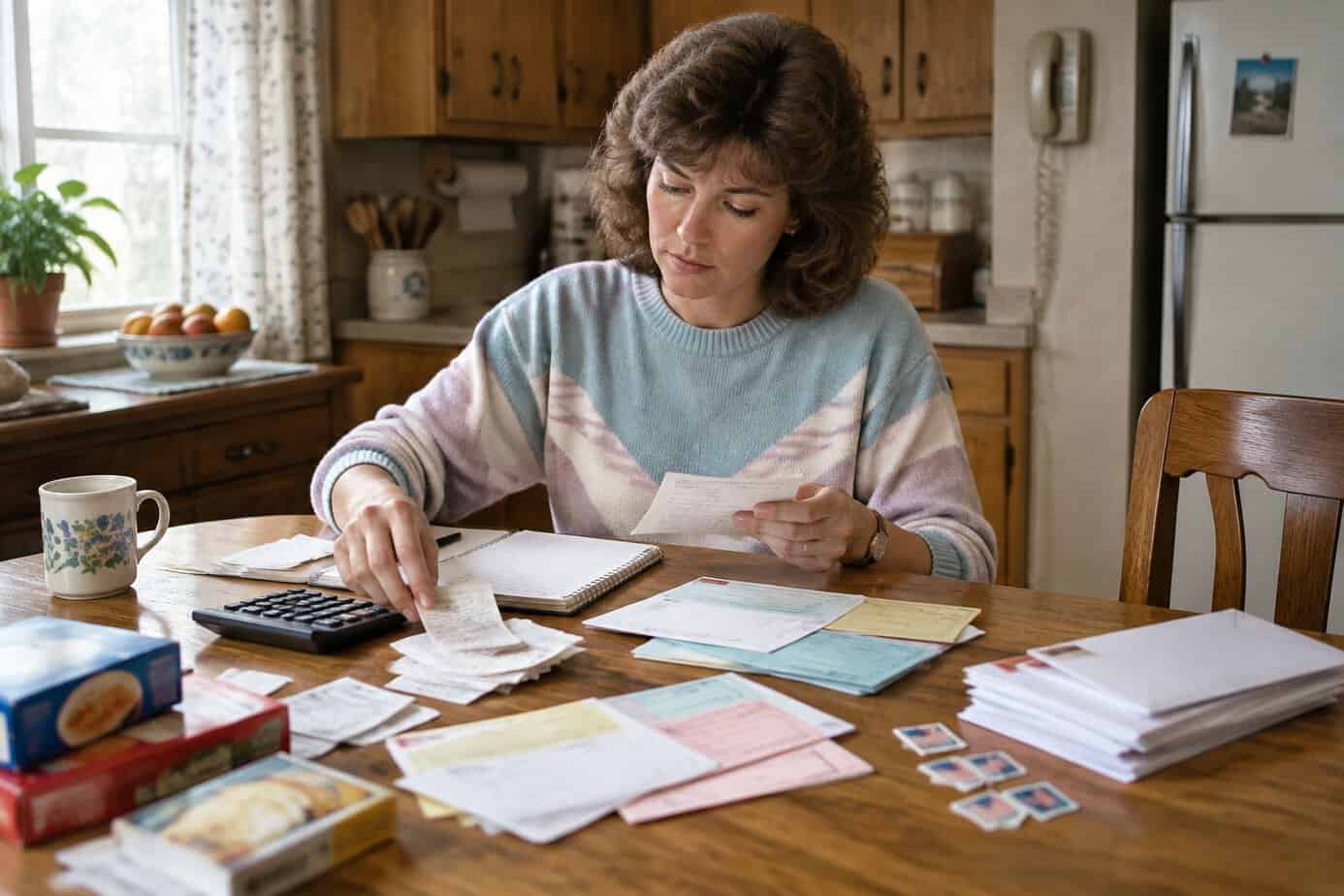
You knew the drill before the bags were unpacked. Cut the proof-of-purchase seal off the box, save the register tape and tuck both into the kitchen drawer with the rubber bands.
Manufacturers printed refund offers on cereal boxes, coffee cans, detergent and film, and you treated them like little treasure maps. A few minutes with a pen, an envelope and a stamp could turn into a check or a stack of coupons in the mail a few weeks later.
You probably kept a folder just for the forms you had out. Some were for a dollar back on laundry soap. Some were for a few dollars on a small appliance.
The waiting felt endless. But when that envelope with your own handwriting on it finally came back, it felt like free money, and over a year, those little checks added up.
7. Served Kool-Aid instead of soda
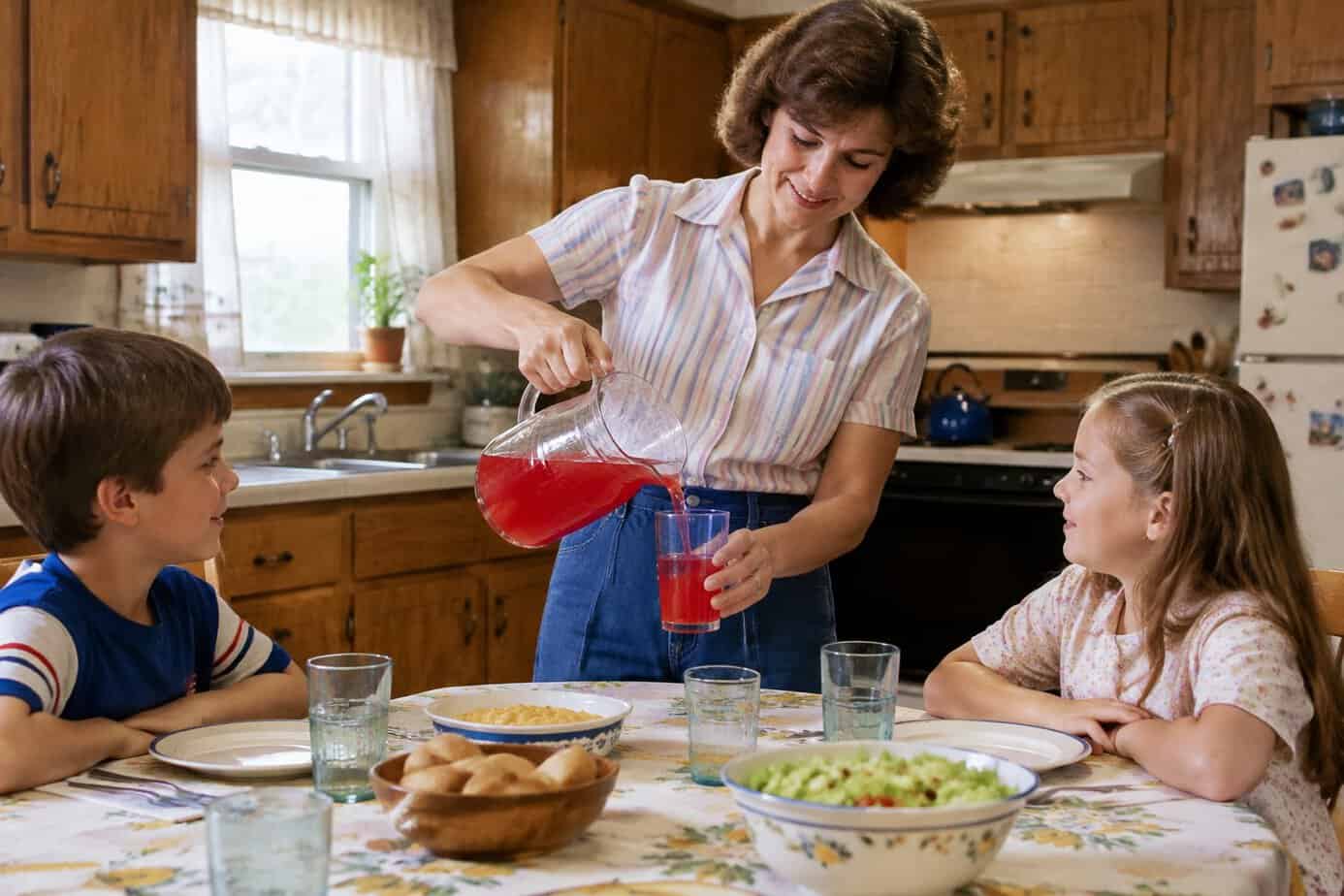
When the grocery bill got tight, you knew one easy cut. Soda cost real money by the bottle, and a packet of Kool-Aid cost pennies. Add a cup of sugar and cold water, and you had two quarts.
That pitcher lived in the fridge all summer. The kids filled their plastic cups, and nobody complained about the red mustaches.
Soda was saved for pizza night and birthday parties, which made it feel like a treat instead of an everyday thing. The rest of the time, cherry, grape and orange did the job just fine.
You may have frozen a batch into ice cubes so the pitcher didn’t get watered down, one of those small tricks nobody else in the house would ever think of.
It was a little thing, but at the register, little things were exactly what kept the total in line, week after week.
8. Made pizza night the big weekly splurge
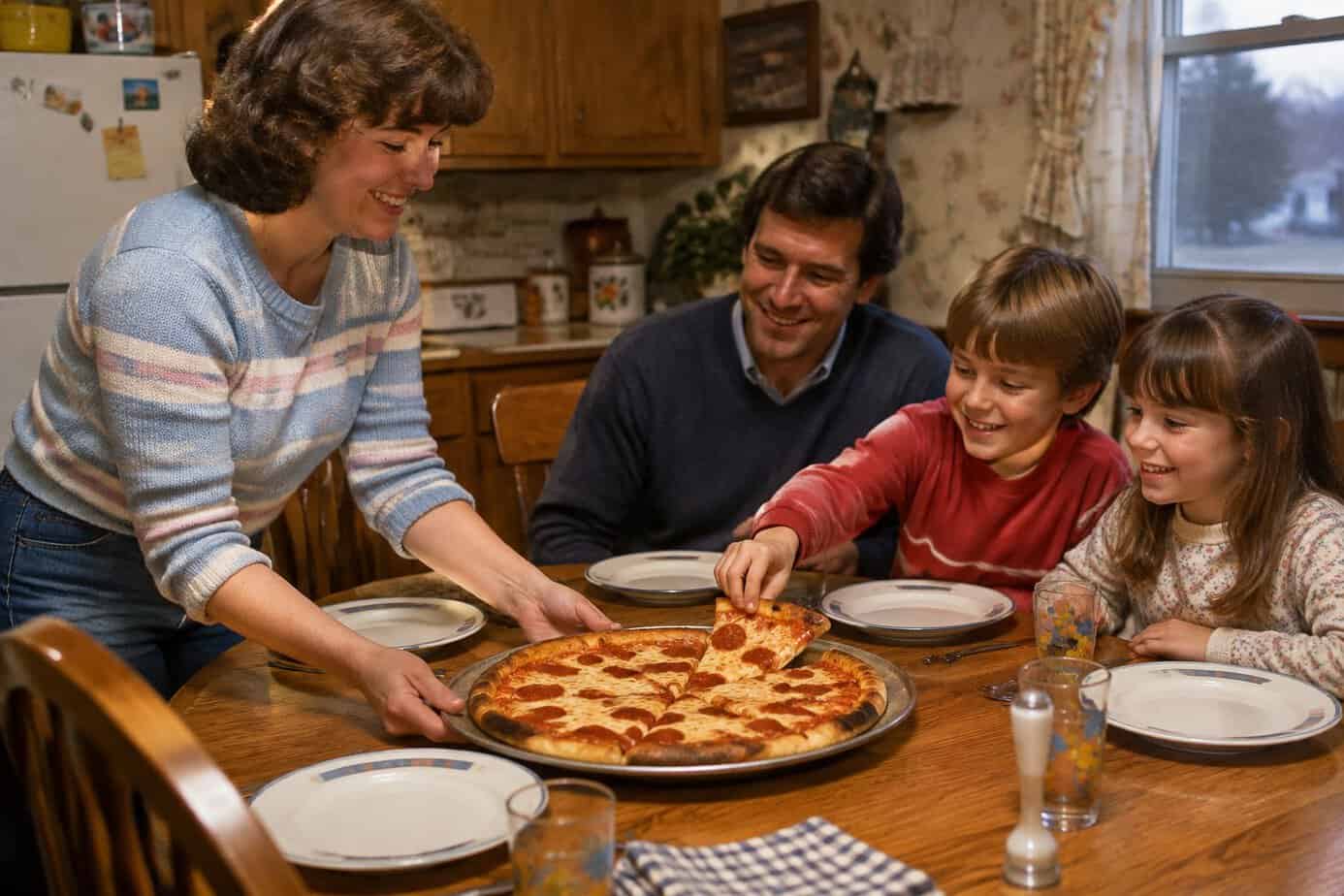
Friday night came around, and you knew what everybody was hoping for. Pizza. It was the one night of the week when dinner felt like an occasion, and you planned for it in the grocery budget without making a fuss.
Some weeks that meant a call to Pizza Hut, Domino’s or the little place down the road, with one large pie stretched to feed everybody. Other weeks it was homemade, with a boxed crust mix, a jar of sauce and a bag of shredded mozzarella. The kids loved building their own, even if half the pepperoni never made it onto the pizza.
You knew the tricks. A coupon from the paper, a big salad on the side and a two-liter of soda made the table feel generous. Everybody left happy, and the budget stayed right where you wanted it.
9. Hunted for Kmart Blue Light Specials
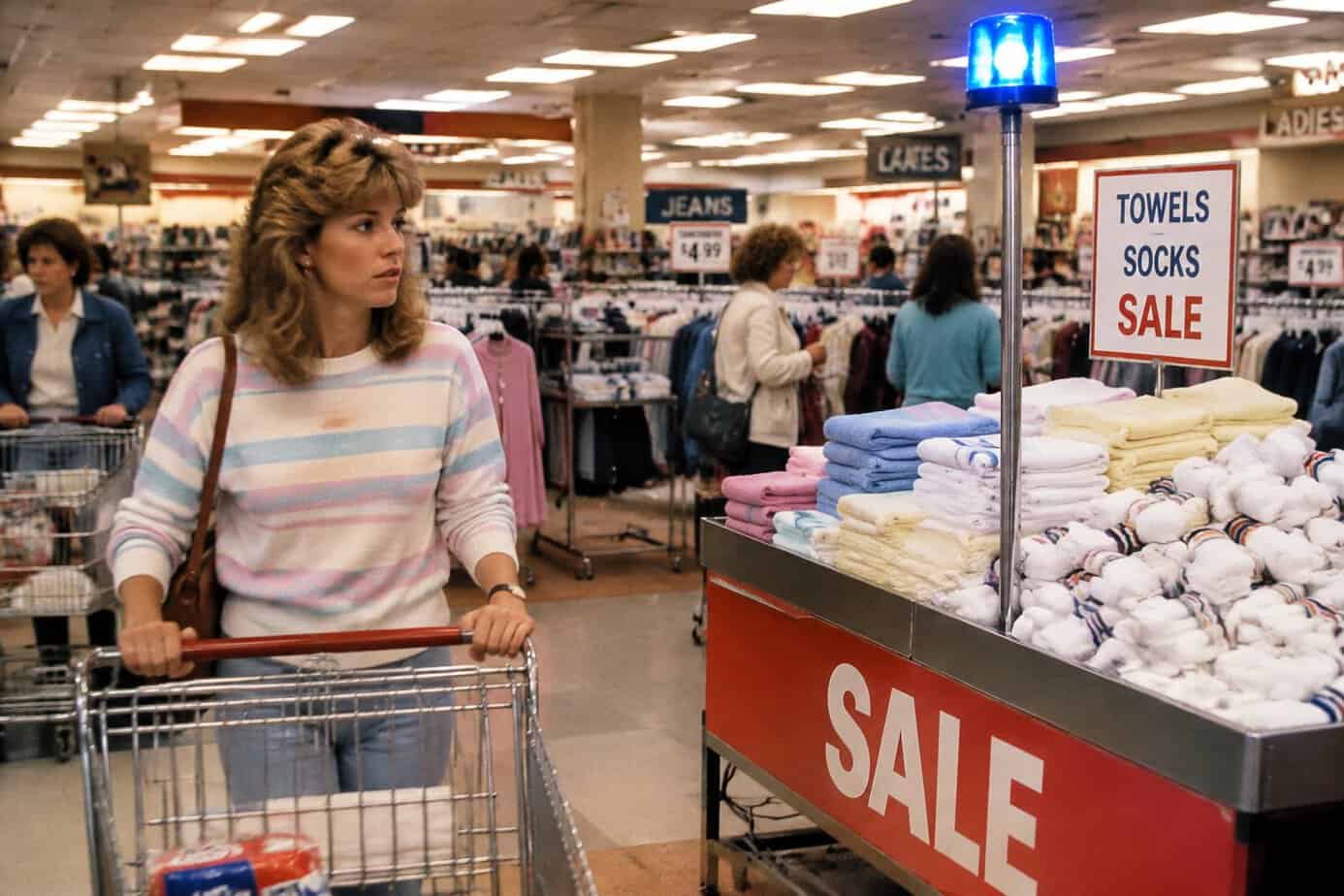
You knew the sound before you saw anything. “Attention, Kmart shoppers” came over the speakers, and somewhere in the store a blue light started flashing on a pole. Whatever aisle you were in, you turned the cart around.
The deals changed from trip to trip and only lasted a short while, so you kept one ear tuned to the announcements. A pack of socks, a set of towels, a toy you’d been eyeing for a birthday. If it beat the shelf price, it went in the cart.
You also knew how the crowd worked. A few other moms always drifted toward the same table, trying to look casual while eyeing the same bin of pajamas. Nobody ran, exactly. Everybody walked with purpose.
On one paycheck, a few dollars here and there added up fast. You carried those bags out feeling like you’d won.
10. Bought the whole family’s shoes at Payless
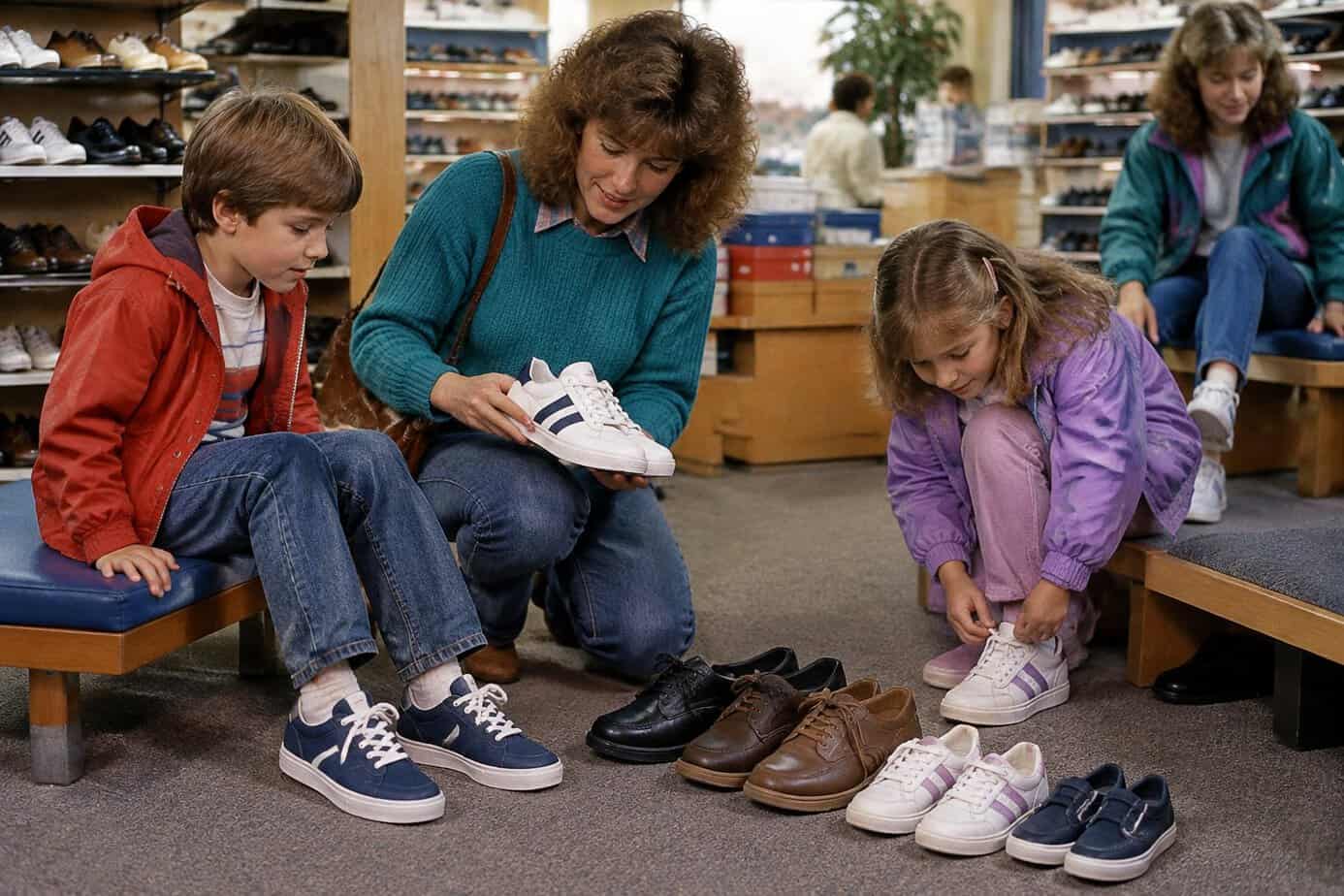
When school was about to start, you knew exactly where you were headed. Payless ShoeSource seemed to have a store in every strip mall, and the prices fit a one-paycheck budget. You could put shoes on several kids in one trip without redoing the grocery math afterward.
It was self-service, which suited you fine. School shoes, sneakers and sandals were stacked on open racks, and the kids pulled down boxes and tried them on right there on the little benches.
Then came your part. You pressed a thumb against the toe, sent them walking down the aisle and back and checked for room to grow. A little room was good. Too much meant tripping.
Velcro sneakers were a gift for the little ones who hadn’t learned to tie yet. They saved you a few minutes at the front door every morning, and you took every win you could get.
11. Bought Sears Toughskins because they outlasted the knees

You knew how it went with school clothes. Jeans went in the cart in August, and by October one knee had a hole you could stick a finger through. Then you found the Toughskins rack at Sears.
The pitch was simple. Sears sold them with the promise that kids would outgrow them before they wore them out. They were made from a tough blend of cotton, polyester and nylon, with the knees reinforced right where boys did their worst damage.
They were stiff, no question. The first few wears felt a little like cardboard, and your kids probably told you so. You told them they’d thank you later.
But the math was on your side. One pair that made it to summer beat three pairs that gave out by Halloween. And when the knees finally went, a patch bought you a few more months.
12. Drove to the factory outlet stores for name brands
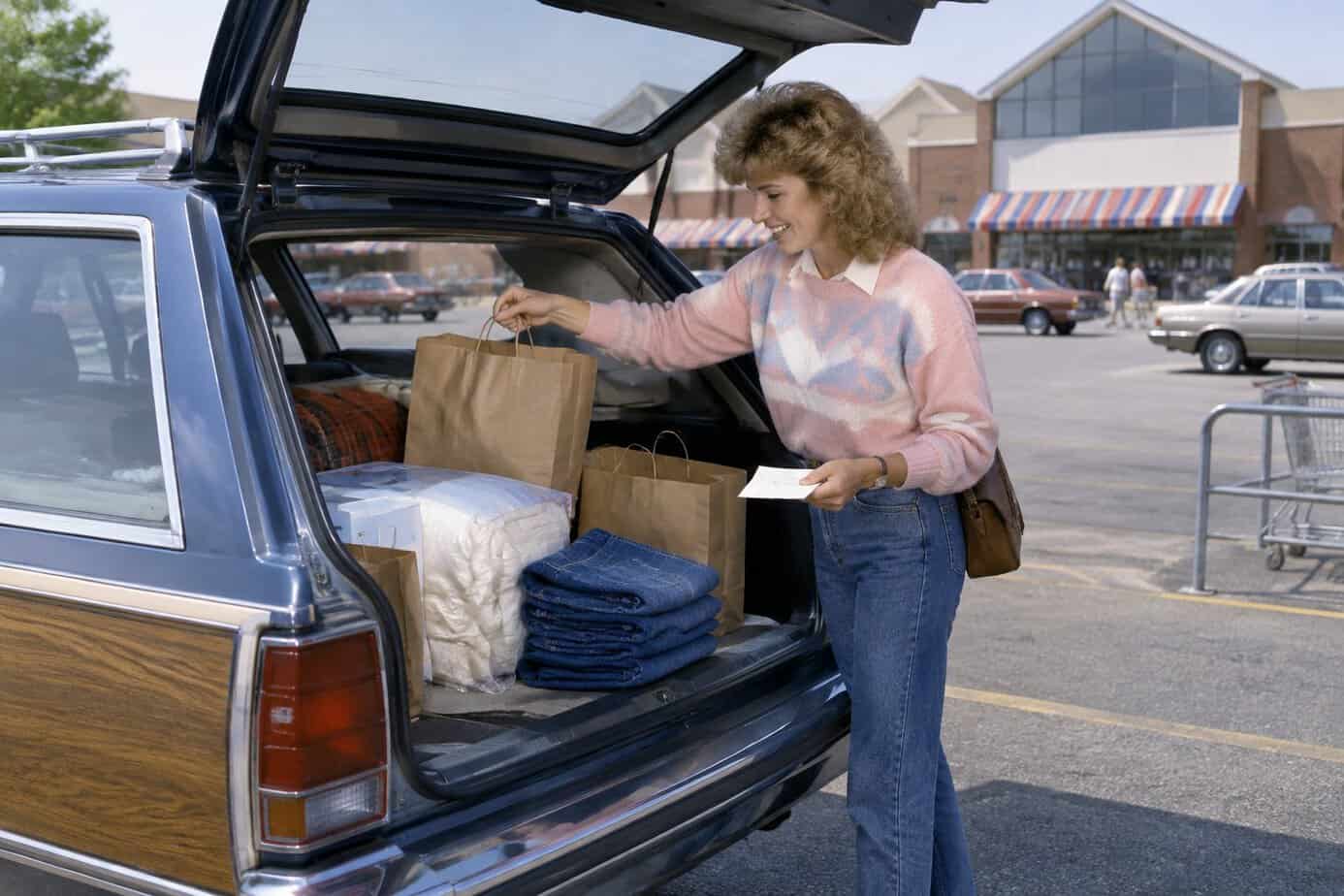
When there was no room in the budget for department store prices, you pointed the station wagon toward the outlet stores. Factory outlet centers spread fast in the 1980s, and you figured out quickly that one trip could more than pay for the gas.
You went looking for the brands the kids begged for. Name-brand jeans, sneakers, sweaters and even dishes could be had for well under what the mall charged.
The savings came with some work. You packed snacks, planned the route and went early. The racks were often picked over, and you learned to dig through the piles for the right size.
Some things were irregulars or last season’s styles. You knew a crooked seam nobody would ever notice was a fair trade for a much lower tag.
You came home with a full trunk and a little pride. Not bad for a Saturday.
13. Got your hair done at the beauty school
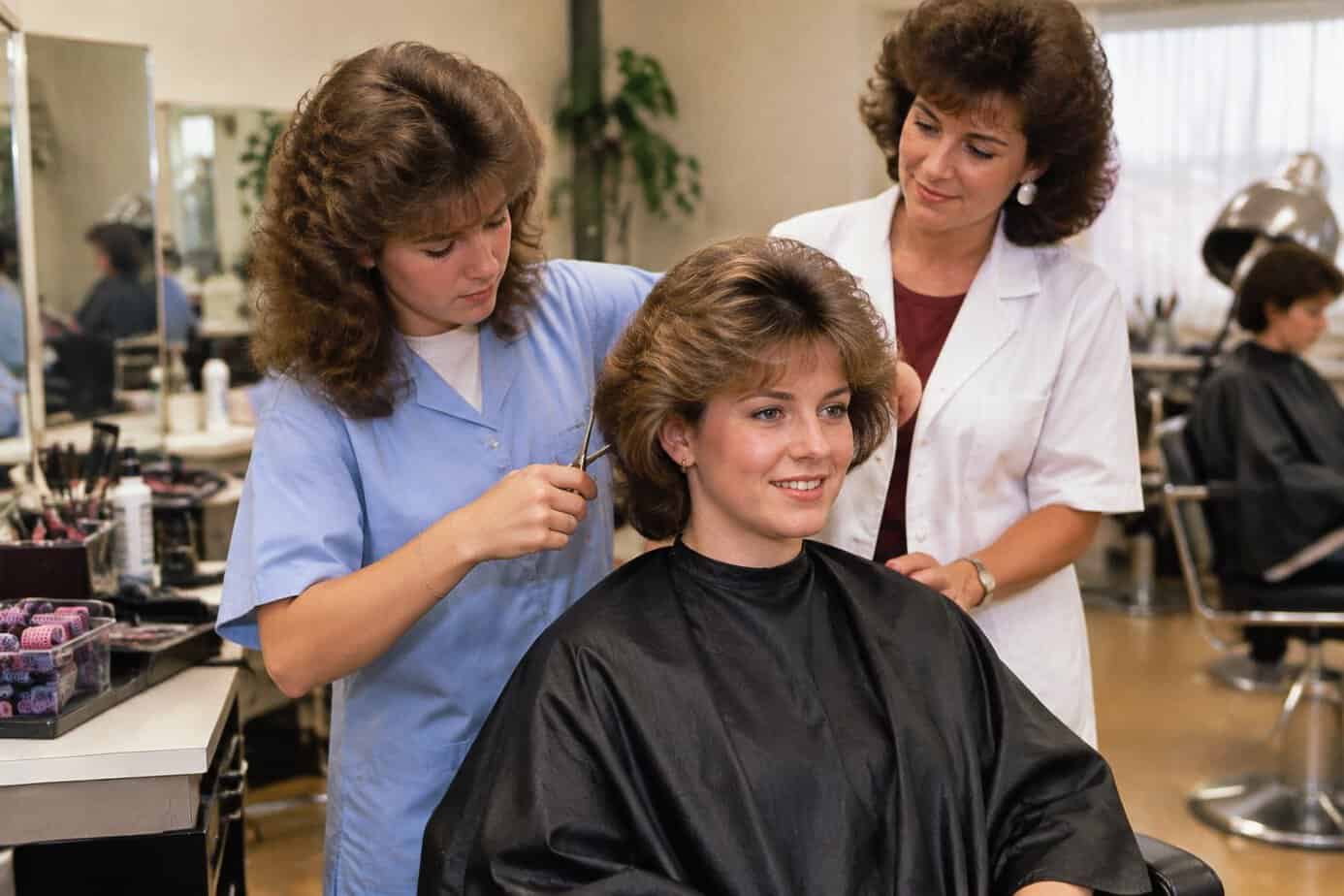
Why pay salon prices when the beauty school would do it for a fraction of the cost? You knew the trade-off going in. The students worked on real heads of hair, and an instructor walked the floor checking every cut, color and perm before you left the chair.
The prices were well below what a regular salon charged, and that mattered when one paycheck had to cover the mortgage, the groceries and the school shoes. A perm that would have taken a real bite out of the budget suddenly fit.
It took longer, of course. You brought a magazine, sat patiently and remembered that the student was probably more nervous than you were. You also learned to speak up, nicely, about how much to take off.
Most of the time you walked out with fresh hair and money still in your purse. That felt like a win.
14. Took family pictures at the Sears or JCPenney portrait studio
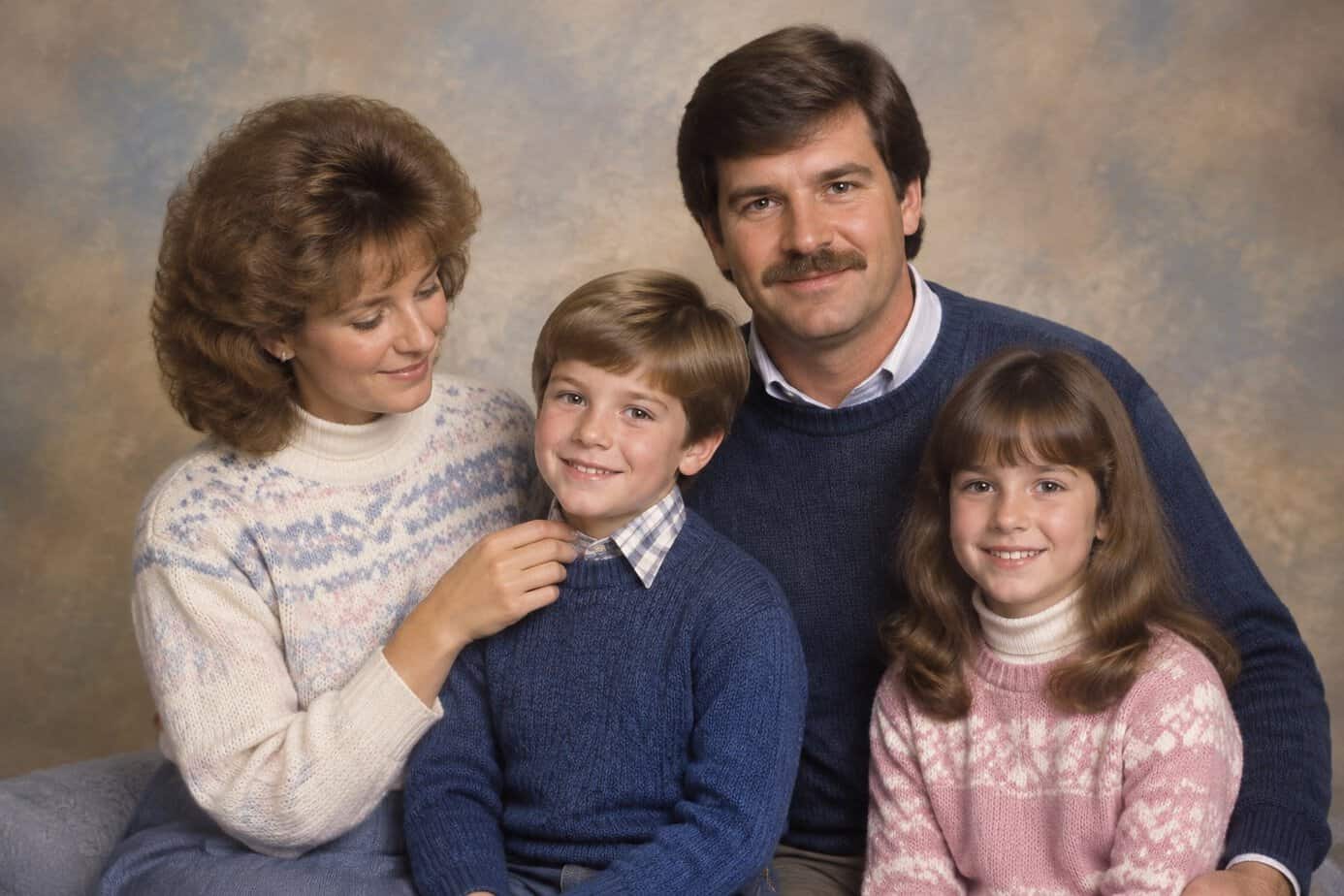
When you wanted a nice family picture without spending much, the portrait studio at Sears or JCPenney was the answer. You could pick up a few things in the store and walk right over.
Coupons and package deals in the Sunday paper kept the price reasonable. A small sitting fee plus a print package cost far less than a private photographer, and you knew exactly what you’d get.
The planning was half the work. You coordinated outfits so everybody matched, flattened cowlicks with a wet comb and negotiated who would stand next to whom. The backdrop was that soft blue, and there might be a wicker chair or a stuffed animal for the baby.
Somebody always blinked. You picked the best proof anyway, and those prints went to the grandparents, into frames on the wall and into the Christmas cards. They still make everybody smile.
15. Wrapped presents in the Sunday funnies
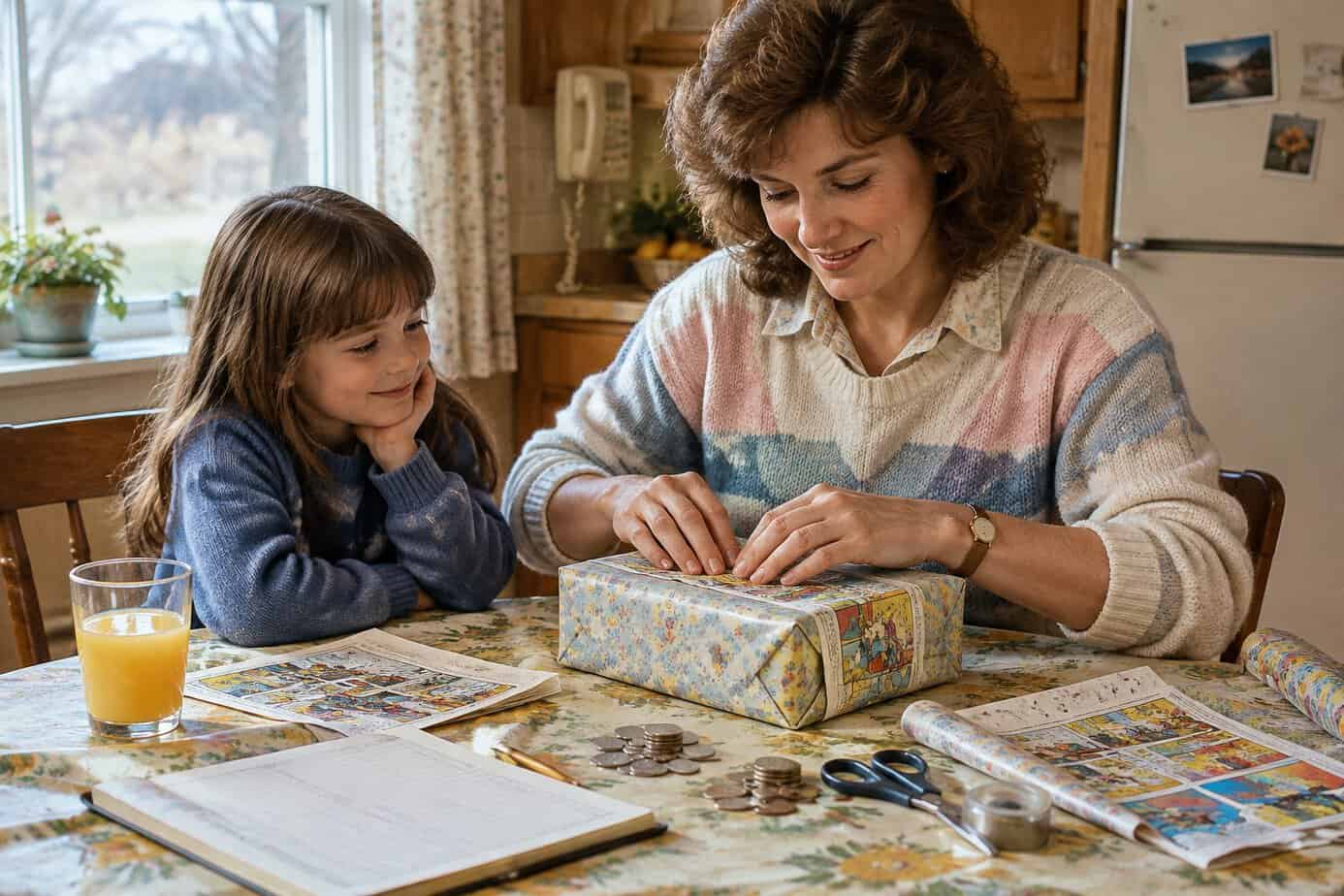
Gift wrap cost real money, and it ended up in a trash bag about thirty seconds into the birthday party. So you did what plenty of moms did and reached for the Sunday paper instead. The color comics were big, bright and already in the house.
You saved the pages once everybody had finished reading them. Blondie, Garfield and Peanuts made a cheerier package than paper covered in balloons, and a roll of tape and a little patience did the rest.
You even had a system. A shoebox got a full page. A small toy got a single strip, ideally one with a joke that fit the kid.
The kids tore into it and then stopped to read the panels, and some of them were still reading when the cake came out.
Best of all, the wrapping cost you exactly nothing.
16. Hosted a Tupperware party for the free hostess gift
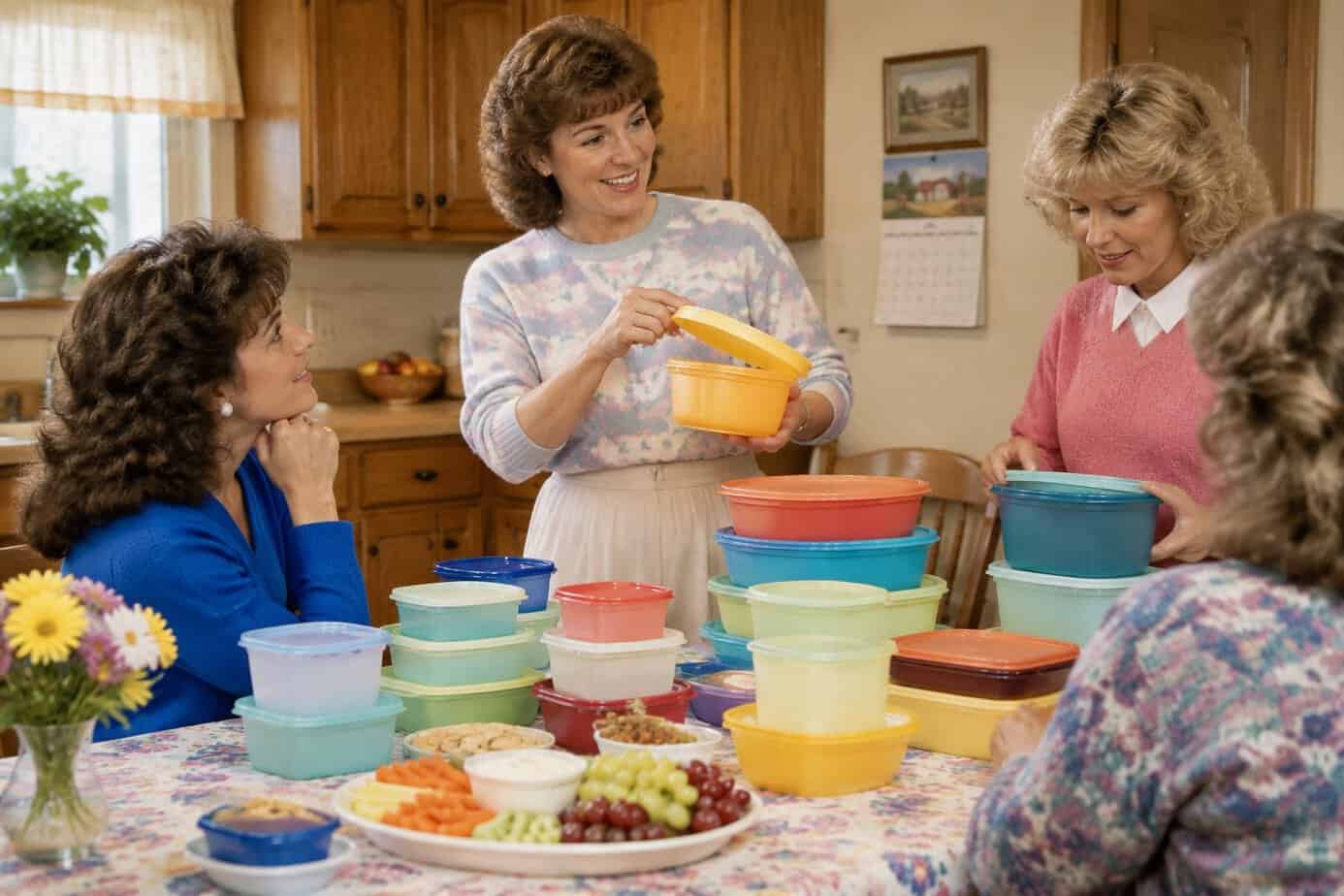
You opened up your living room, set out chips, dip and a pitcher of iced tea, and let the Tupperware lady do the talking. You never had to sell a thing. Your job was to fill the chairs with friends and neighbors.
The payoff was the hostess gift. Depending on how much your guests ordered, you earned free pieces, and they were usually things you would have bought anyway.
A new set of canisters or a cake carrier meant one less thing coming out of the grocery money. Your guests went home with something useful, and you ended up with a cabinet full of containers for leftovers.
It also helped that it was a night with people you liked. Nobody minded a little visiting while the consultant showed everybody how to burp a lid.
And if the first party went well, you just might book another.
17. Waited until after 11 p.m. or the weekend to call long distance
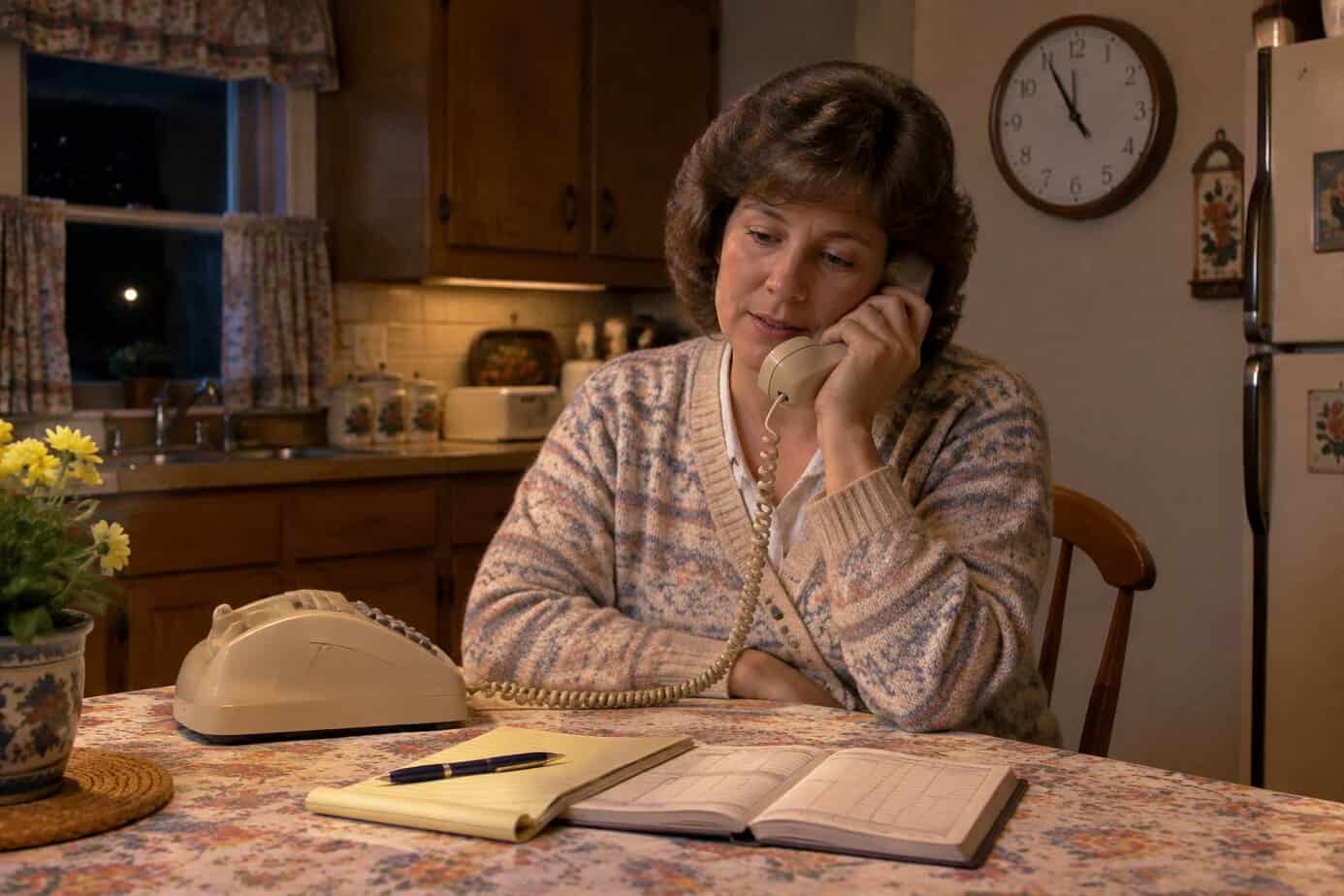
You knew the long-distance rates better than some of your relatives’ birthdays. Calling another state on a weekday afternoon cost real money, so the phone sat quiet until the cheaper hours came around.
The phone company charged less in the evening and least of all late at night and on weekends, and you planned around it. If your mother lived two states away, Sunday became her day, and the kids lined up to say a quick hello.
You kept one eye on the kitchen clock. When somebody started a long story at minute eight, you did the math in your head and wrapped it up with “Well, I’d better let you go.”
Some families even had a signal, like letting the phone ring twice and hanging up to say “we made it home safe.” It cost nothing, and everybody understood.
18. Stopped renting your telephone from the phone company
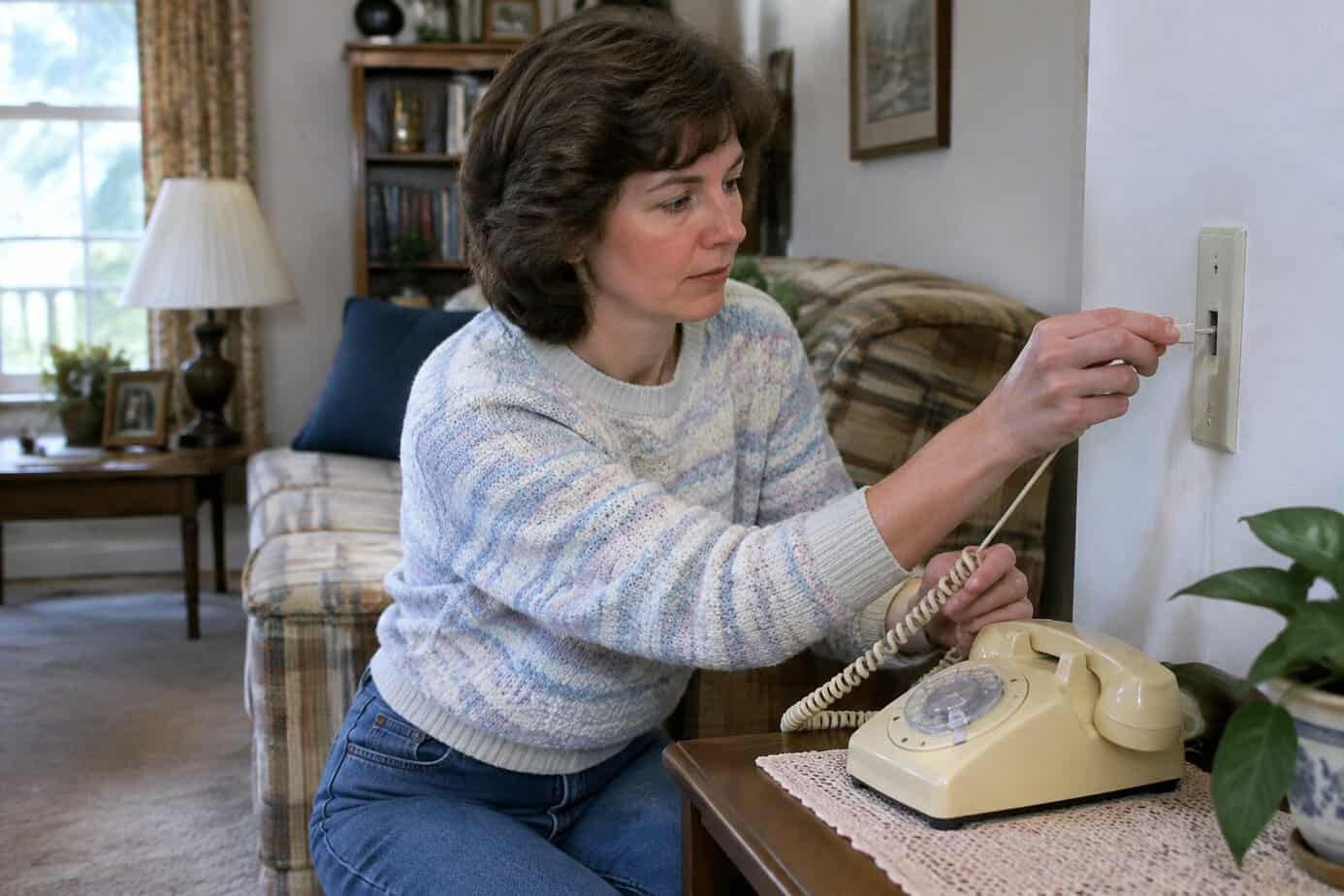
For years, the phone hanging on your kitchen wall probably didn’t belong to you. It belonged to the Bell System, and a small rental charge for it showed up on the phone bill every single month.
Then things changed. By the early 1980s you could buy a phone of your own at the store, and when the breakup of AT&T took effect on January 1, 1984, customers were offered a choice: keep renting, buy the phone they had or get a new one.
You did the math, and it wasn’t hard. A phone you owned cost money once. A rented one kept charging you for the same plastic receiver, year after year. Some families had paid for their phone several times over without ever thinking about it.
So you bought your own, plugged it into the jack and crossed one more charge off the bill. You even got to pick the color.
19. Kept the rabbit ears and skipped cable
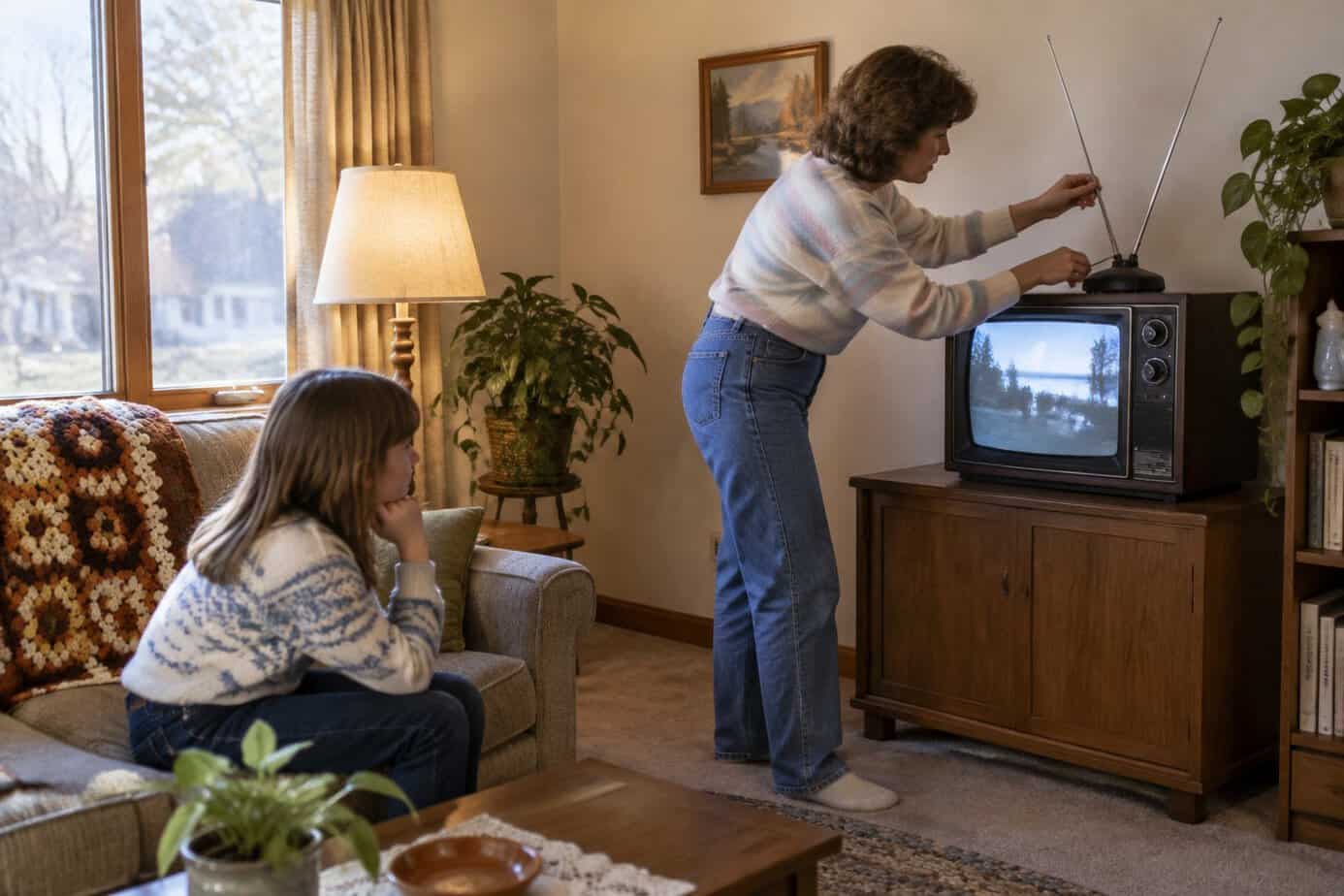
When cable came to your neighborhood, the pitch was hard to miss. More channels, a clearer picture and a brand-new monthly bill. You looked at the numbers and decided the rabbit ears were doing just fine.
So the antenna stayed on top of the set, and you became the household expert at aiming it. A little to the left, a bit higher, one side tilted just so. Aluminum foil on the tips sometimes helped. Sometimes it just made you feel clever.
You knew exactly where to put it for the best picture, and you warned more than one kid not to move a muscle once it came in clear. A handful of channels covered the news, the weather and the shows everybody watched anyway.
That cable money stayed in your pocket and went toward groceries instead. Not a bad trade for a little fiddling.
20. Called the TV repairman instead of buying a new set
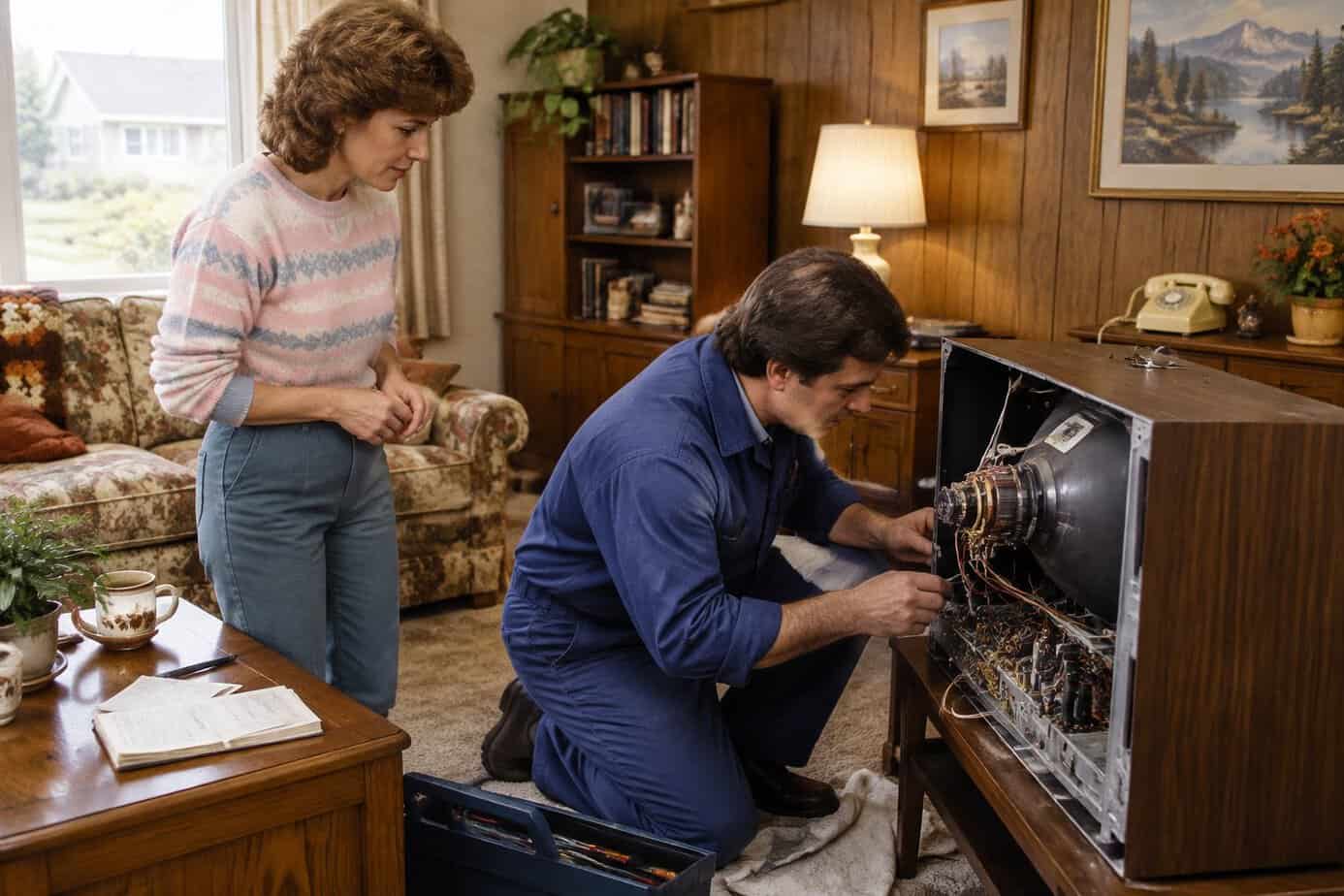
When the picture started rolling or turned to snow, you didn’t head to the store. You picked up the phone and called the TV repairman, because a color console was a real piece of furniture and not something you replaced on a whim.
He showed up with his toolbox, pulled the back panel off and peered inside, and more often than not he found the problem in a few minutes.
You hovered nearby, hoping it was something cheap. A new part or a loose connection was a much friendlier bill than a whole new set, and most towns still had a TV repair shop or two that could handle it.
Once it was fixed, that set could keep going for years. It sat in the living room long enough to show a whole lot of Saturday morning cartoons, and you got every penny’s worth out of it.
21. Drove the family station wagon well past 100,000 miles
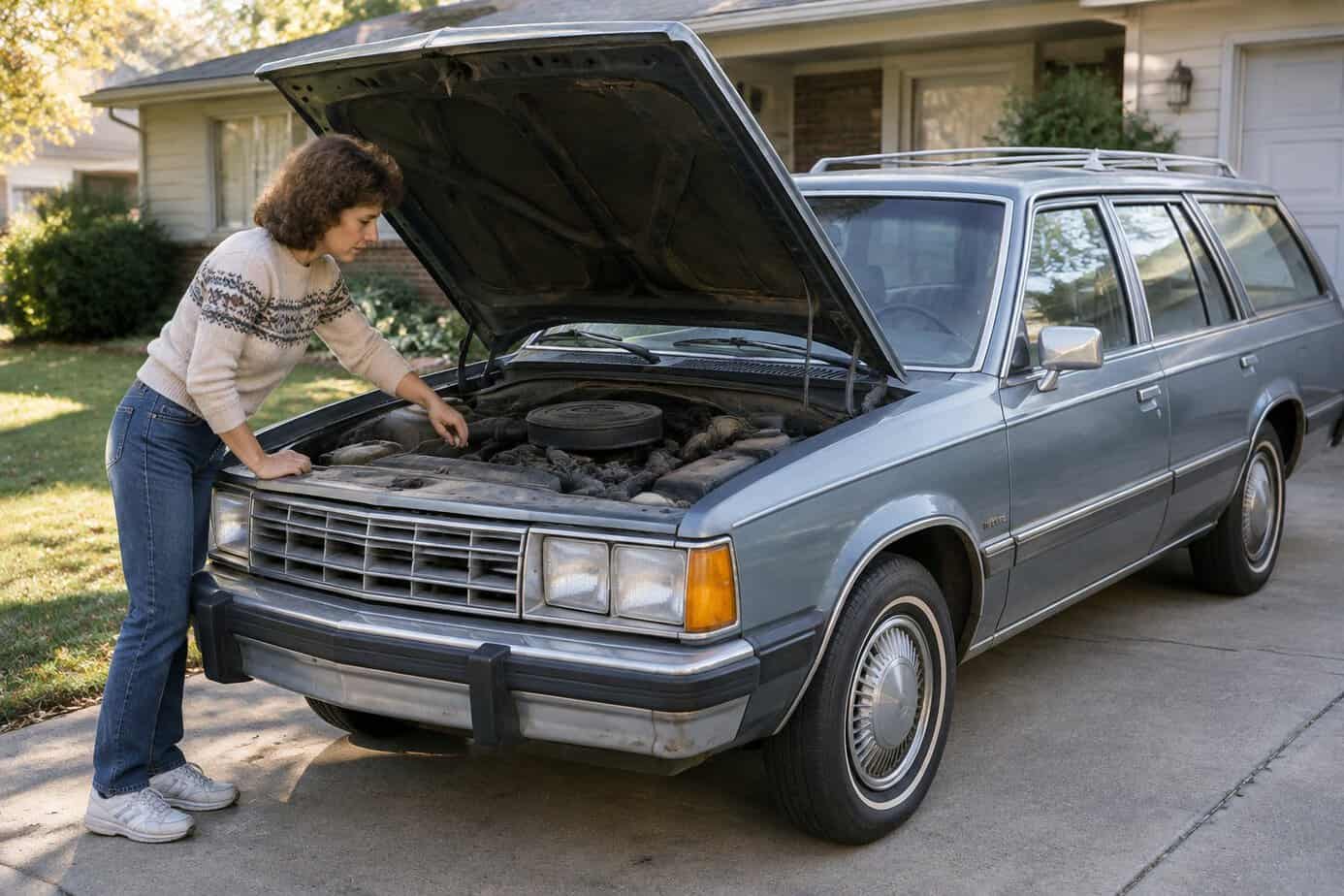
When the odometer rolled past 100,000, you didn’t panic. You patted the dashboard and kept driving. A new car meant a monthly payment, and the wagon in the driveway was already paid for.
So you kept up with the basics. The oil got changed on schedule, and you learned what every squeal under the hood meant. A neighbor or a brother-in-law probably helped with the brakes, and a quart of oil lived in the back next to the jumper cables.
That wagon hauled groceries, the carpool, the Little League team and a week’s worth of beach towels. The wood-grain sides faded, the vinyl seats burned the backs of everyone’s legs in July, and somebody always rode in the way back facing the wrong direction.
You kept it running anyway. And funny enough, it’s the car everybody remembers.
22. Traded the gas guzzler for a little Japanese compact
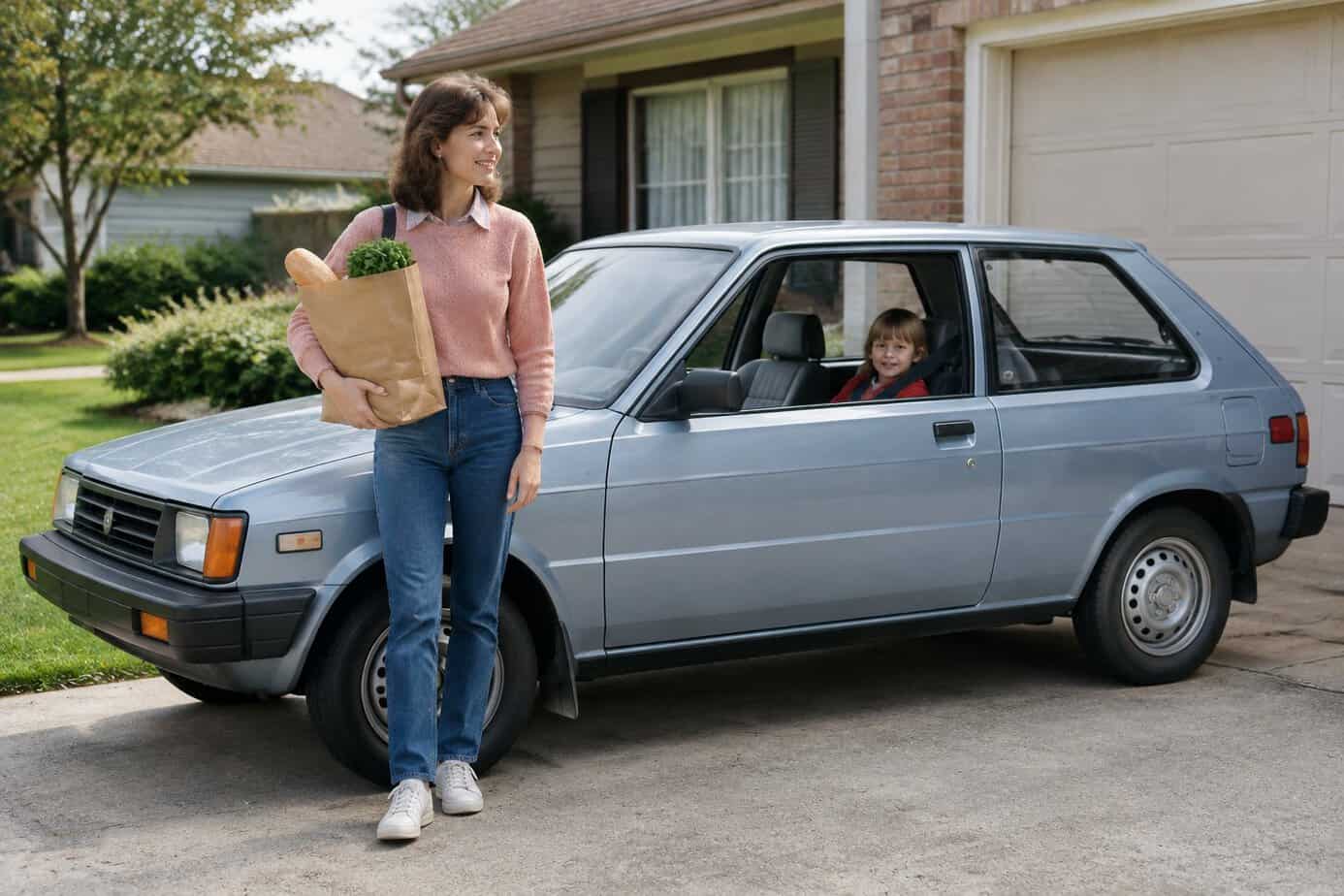
Remember when filling up the big car started to feel like a second mortgage? Gas prices shot up during the energy crises of the 1970s, and by 1980 a gallon cost well over a dollar in most of the country.
So you did the math again, on the back of an envelope. A Honda Civic, a Toyota Corolla or a little Datsun went a lot farther on a gallon, and the sticker price was often lower than a full-size car.
You gave up some trunk space and a little legroom. The stroller had to be folded just right, the groceries got packed like puzzle pieces and the kids learned to share the back seat.
But those little cars started every morning and rarely needed a surprise repair, which meant fewer bills from the mechanic. And you could park it in one try.
23. Put in a ceiling fan instead of running the air conditioner

You knew the air conditioner could eat a big piece of the electric bill in July. So you leaned on the ceiling fan instead.
Ceiling fans came roaring back into style in the late 1970s and 1980s, and they cost far less to run than an air conditioner. A fan doesn’t actually lower the temperature, but moving air across your skin makes a sticky room feel several degrees cooler.
You probably put the first one in the living room, since that’s where everybody ended up after supper. Then you pulled the blinds against the afternoon sun and opened the windows once the evening cooled off.
You also learned to switch it off when you left the room. A fan cools people, not furniture, and you weren’t about to pay to cool an empty couch.
The air conditioner waited for the worst week of the summer, and you felt pretty smart about it.
24. Heated the house with a wood stove
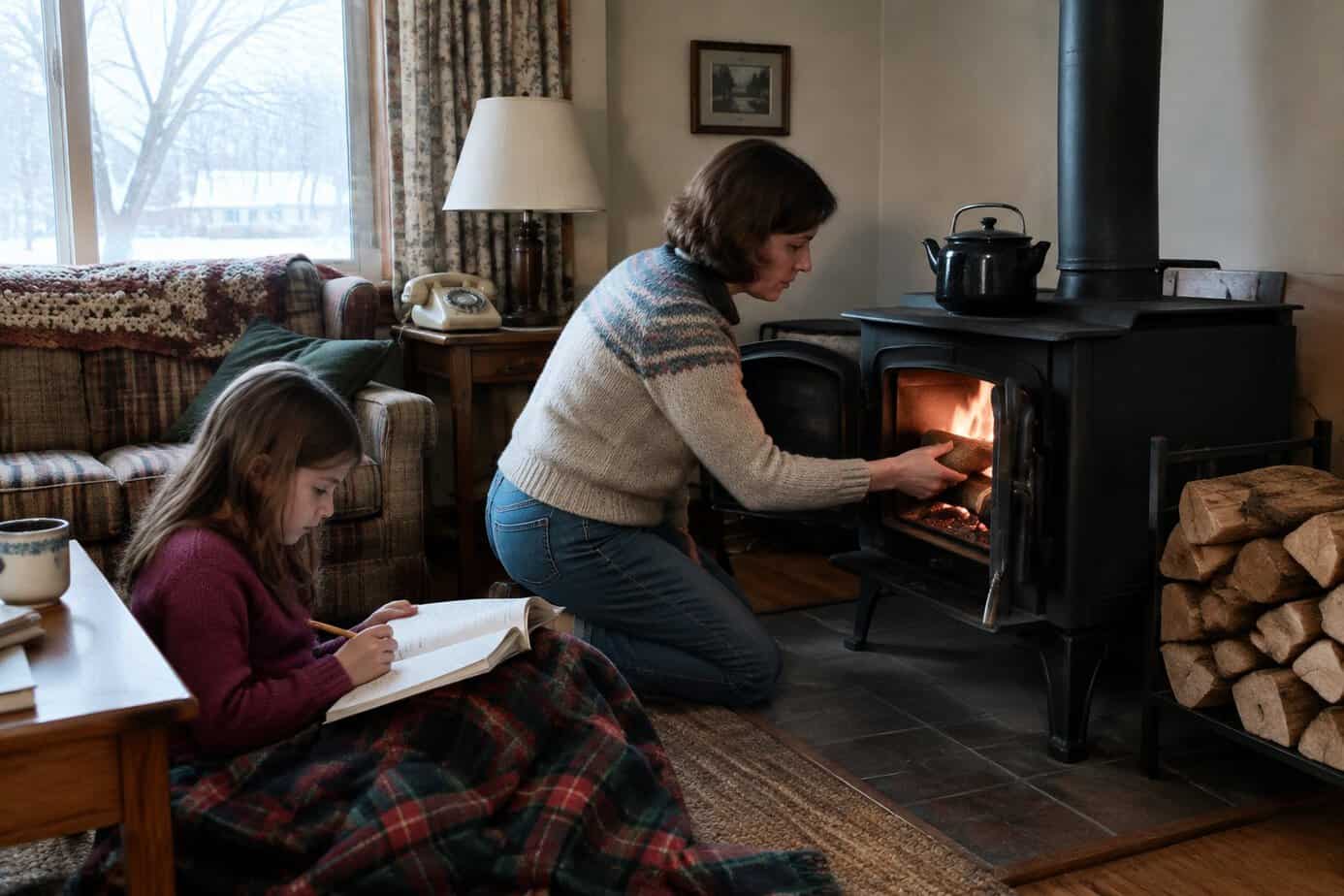
When heating oil prices climbed after the 1979 oil shock, a wood stove started looking like a smart answer. Wood stoves got hugely popular in those years, and maybe one ended up in your living room too.
Firewood was usually cheaper than oil, especially if you bought it by the cord from a local man with a pickup or had a relative with some woods. Some families cut and split their own, and the kids got drafted to stack it.
You learned that stove’s habits. You knew how to bank the coals at night so there was still a fire in the morning, and you kept the doors to the cold rooms shut.
It dried wet mittens, kept a kettle steaming on top and, in a pinch, warmed up a pot of soup. It was work, but every armload you carried in was money that stayed out of the oil man’s pocket.
25. Stayed in your starter house when mortgage rates hit 18 percent
In October 1981, the average 30-year mortgage rate reached a record 18.63 percent. You did the math on moving up to a bigger house and decided the starter house was just fine, thank you.
A bigger place at those rates would have meant a payment no single paycheck could cover. So you stayed put. The kitchen was small, everybody shared one bathroom, and the backyard was just big enough for a swing set and a clothesline.
If you’d bought before rates climbed, your old rate felt like a quiet little treasure, and you weren’t about to trade it for something shinier.
Instead, you made the house work. You painted the rooms yourself, moved the furniture around every so often and called it a remodel. A fresh coat of paint and new curtains cost very little, and the place felt brand new.
26. Put savings in a CD or money market account when rates were high
High interest rates were rough on borrowers, but they had one bright side. In the early 1980s, a certificate of deposit at your bank or savings and loan could pay double digits for a while.
So when a little money built up, you didn’t leave it sitting in checking. You moved it into a CD, even if that meant tying it up for six months or a year. When banks started offering money market accounts in late 1982, those became another favorite, since they paid well and let you get at the money more easily.
It felt a little like getting paid for being patient. You also knew that cashing in a CD early meant giving up some of the interest, so you thought twice before touching it.
That bit of discipline kept the rainy-day fund growing, and on one paycheck, a rainy-day fund was everything.
27. Made the tax refund cover the big things

Every year, you watched the mailbox. When the refund check finally came, it was already spoken for, and everybody in the house knew it.
It wasn’t play money. It was your once-a-year chance to handle the things that never fit into a regular paycheck. New tires. A used washing machine. The dentist bill that had been sitting on the counter since fall.
Back then you mailed in a paper return and waited weeks for a paper check, so you had plenty of time to plan. You kept a short list tucked in the kitchen drawer with the coupons and crossed things off as the money went out.
Somewhere along the way, you learned that winter coats and school shoes did more good than a big splurge. If there was anything left at the end, maybe the family went out for pizza. You’d earned that slice.
28. Took vacations by car with a cooler full of sandwiches
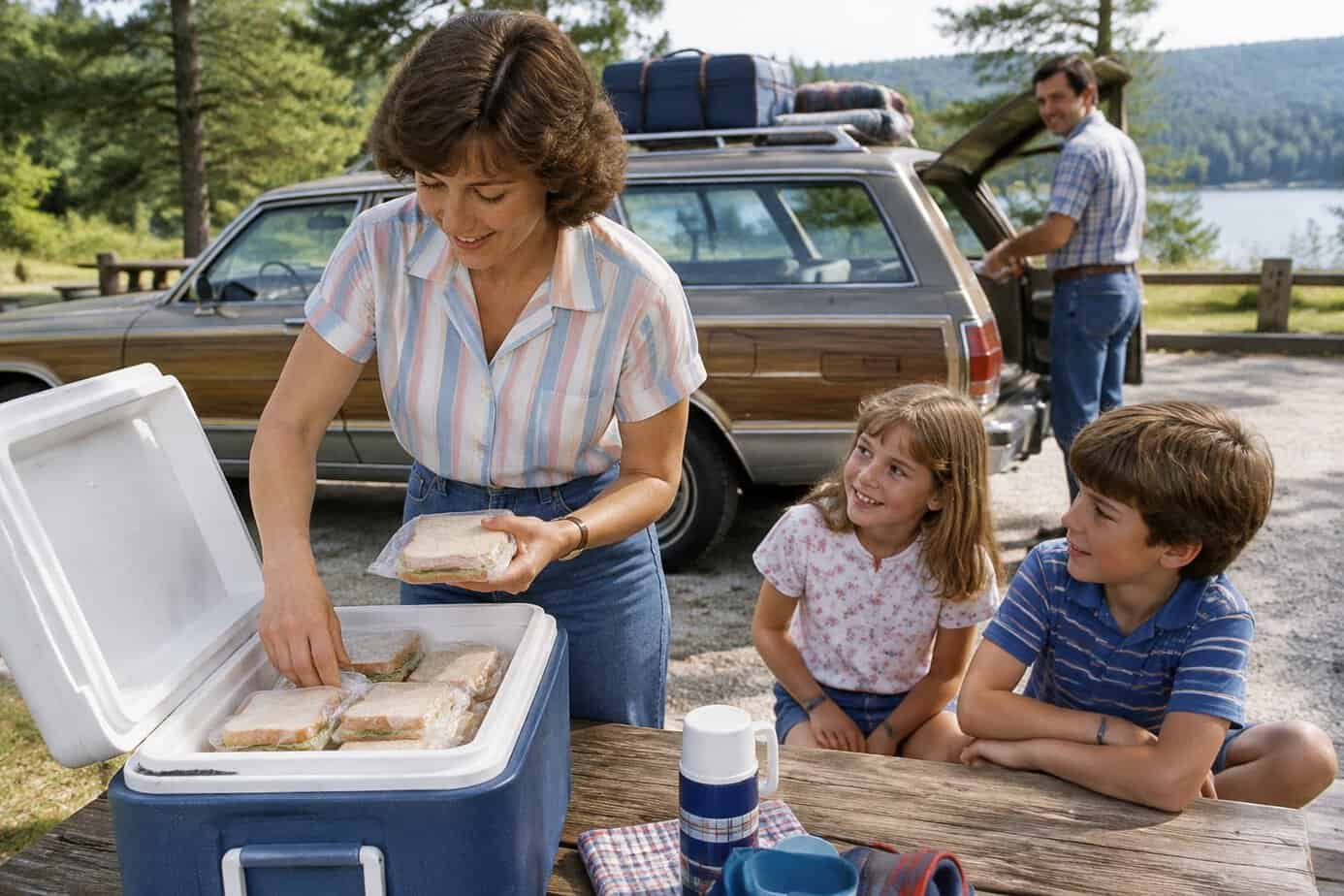
When the family needed a getaway, you skipped the airline tickets and loaded the car. A vacation on one paycheck meant gas money, a few nights at a motel or a campground and a plan that kept the extras to a minimum.
The cooler was your secret weapon. You made the sandwiches the night before, bologna or peanut butter and jelly, and packed them in with cans of pop, fruit and whatever snacks would fit.
Restaurants were saved for one special stop, if that. Lunch at a picnic table at a rest area cost a fraction of feeding everybody at a sit-down place.
You navigated with a paper road map and a lot of patience. Somewhere around the second hour, somebody asked if you were there yet.
You answered calmly, passed a sandwich over the seat and kept going. It cost far less than a resort, and the family still talks about it.
29. Sent the kids to Vacation Bible School for a free summer week

By late June, when you’d heard “I’m bored” about forty times, the church bulletin had the answer. Vacation Bible School was usually free or cost a few dollars for supplies, and it filled a whole week of mornings.
You signed them up and sent them off with name tags pinned to their shirts, and they came home with a yarn craft, a paper-plate project or a Popsicle-stick something that went straight onto the refrigerator.
The songs came home too. You may have caught yourself humming one while folding laundry.
For one week, you had a few quiet hours to catch up on chores, run errands without passengers or sit down with a glass of iced tea. Church volunteers ran the games and snacks, and the program on the last day usually came with cookies and punch.
It was a very good deal, and you knew it.
30. Had friends over for Trivial Pursuit instead of going out
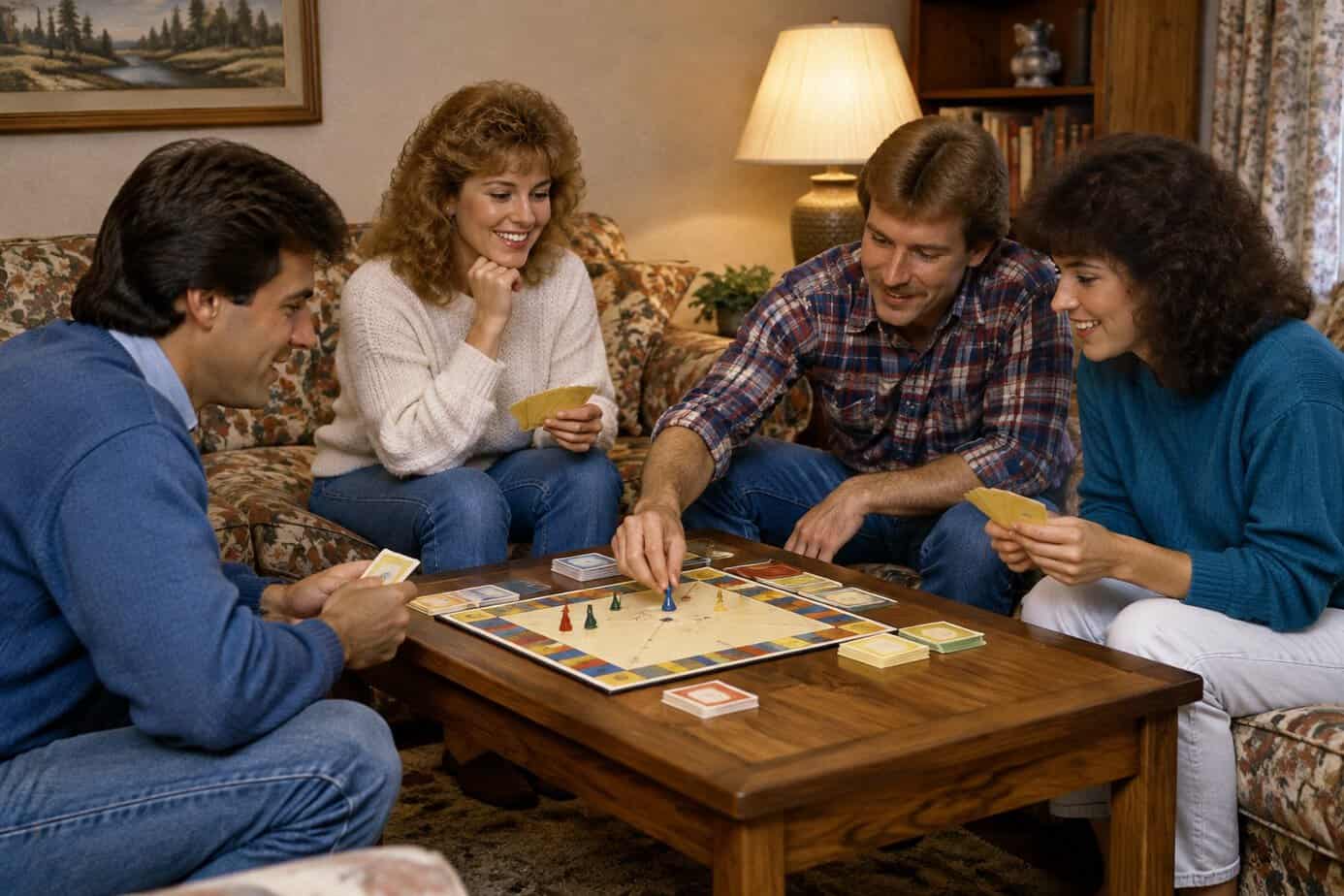
When Trivial Pursuit swept the country in the 1980s, you found the perfect night out that never left the living room. The box wasn’t cheap, but one game could entertain your whole crowd for years.
Compare that to a babysitter, a restaurant bill and maybe a movie. Even a modest night out added up fast on one paycheck.
So you hosted. A big bowl of popcorn, a pot of coffee and a bag of chips with onion dip covered the snacks for pennies a person. Friends brought a dessert or a six-pack, and nobody kept track of who spent what.
The kids were asleep down the hall, so there was no sitter to pay. The arguments over whether a question was fair were free entertainment.
And you probably remember the one friend who got far too competitive about those little pie wedges. That part was priceless.
31. Saw movies at the second-run dollar theater
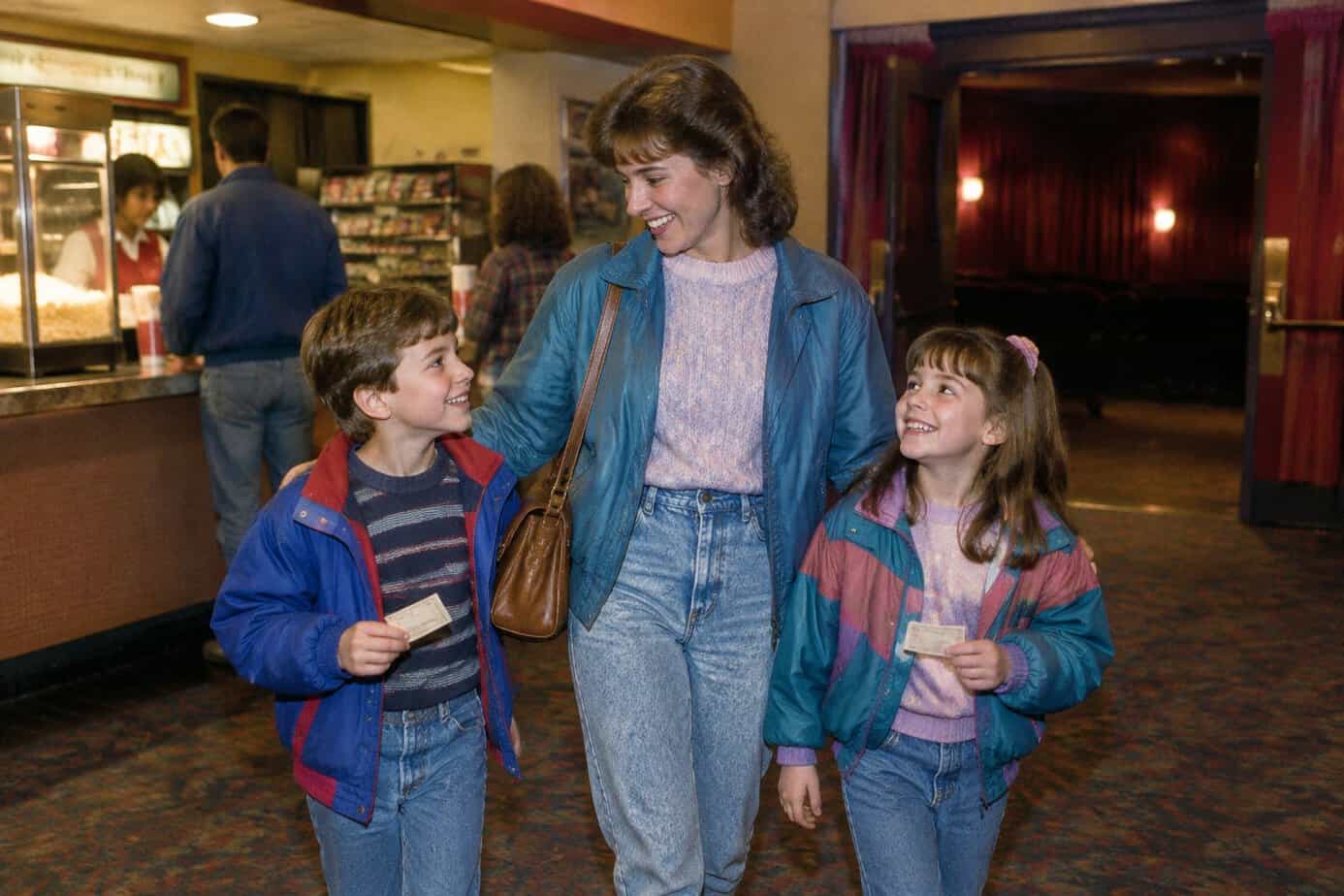
A first-run movie ticket cost a few dollars a person, and with the whole family along, that added up fast. So you waited. A few weeks or months after a movie left the big theaters, it turned up at the discount house across town for a dollar or so.
You knew the trade-off. The film was a little scratched, the sound crackled now and then and the seats had seen better decades. Nobody in your row cared.
You also got smart about snacks. A big purse with a few treats tucked inside saved a small fortune at the concession stand.
Everybody got a night out for about what one full-price ticket would have cost. You saw the same movies your friends were talking about, just a little later, and you still got the dark theater and the smell of popcorn.
You might also enjoy 29 ways 1970s housewives stretched a dollar and these 27 dinners every 1970s mom made on a budget.
What One Paycheck Was Up Against
The early 1980s were not an easy time to run a house on one income. Consumer prices rose 13.5 percent in 1980 alone, and mortgage rates topped 18 percent the next year. Inflation finally cooled by the middle of the decade, but by then you had learned to watch every dollar.
At the same time, more mothers were going to work every year, and the one-paycheck home was becoming less common. The families who managed it did it the way you did, with planning, patience and a long list of small habits that never showed up on anybody’s pay stub.
The Skill Nobody Gave You Credit For
Looking back, you were running a small business out of your kitchen. You were the buyer, the bookkeeper, the bargain hunter and the repair scheduler, and most of the time you did it with a pencil and the back of an envelope.
Plenty of those habits still work today. Watching the sales, keeping the old car running, saying no to the extras and saving the big money for the big things never go out of style.
So which ones did you do? If you’re like most women who kept a house running back then, the answer is probably “all of them, and a few more besides.”