
27 Childhood Experiences That Made the 1970s a Better Time to Grow Up Than Today
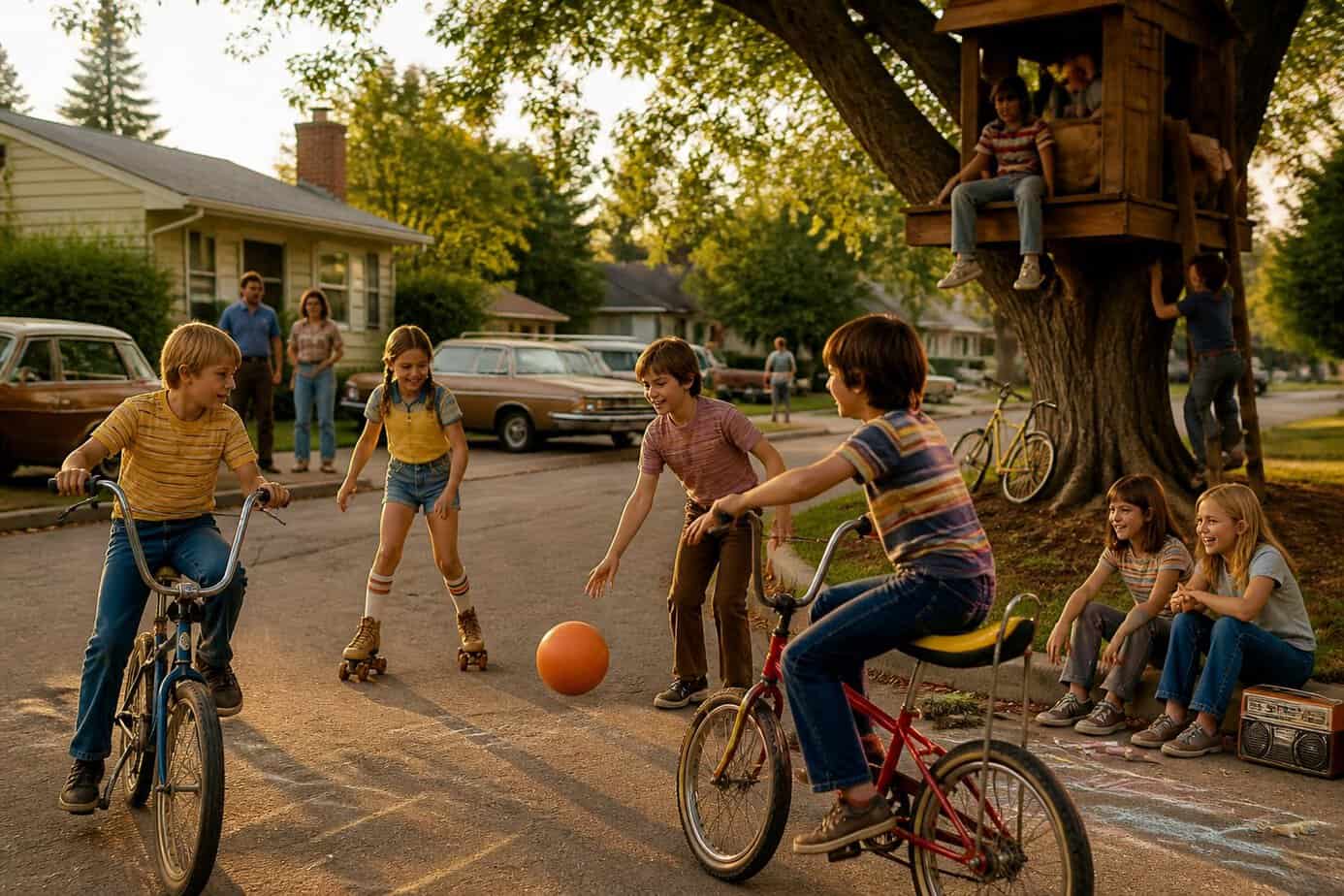
Kids growing up in the 1970s had a childhood that looked different from what most children experience now. Neighborhoods, schools, and families operated with less supervision and fewer scheduled activities, which gave children more room to make their own decisions.
These conditions shaped daily routines, friendships, and free time in ways that many people still recognize as valuable today. You can look back at specific parts of that decade to understand what set it apart from childhood in other eras.
1. Playing outside until the streetlights came on
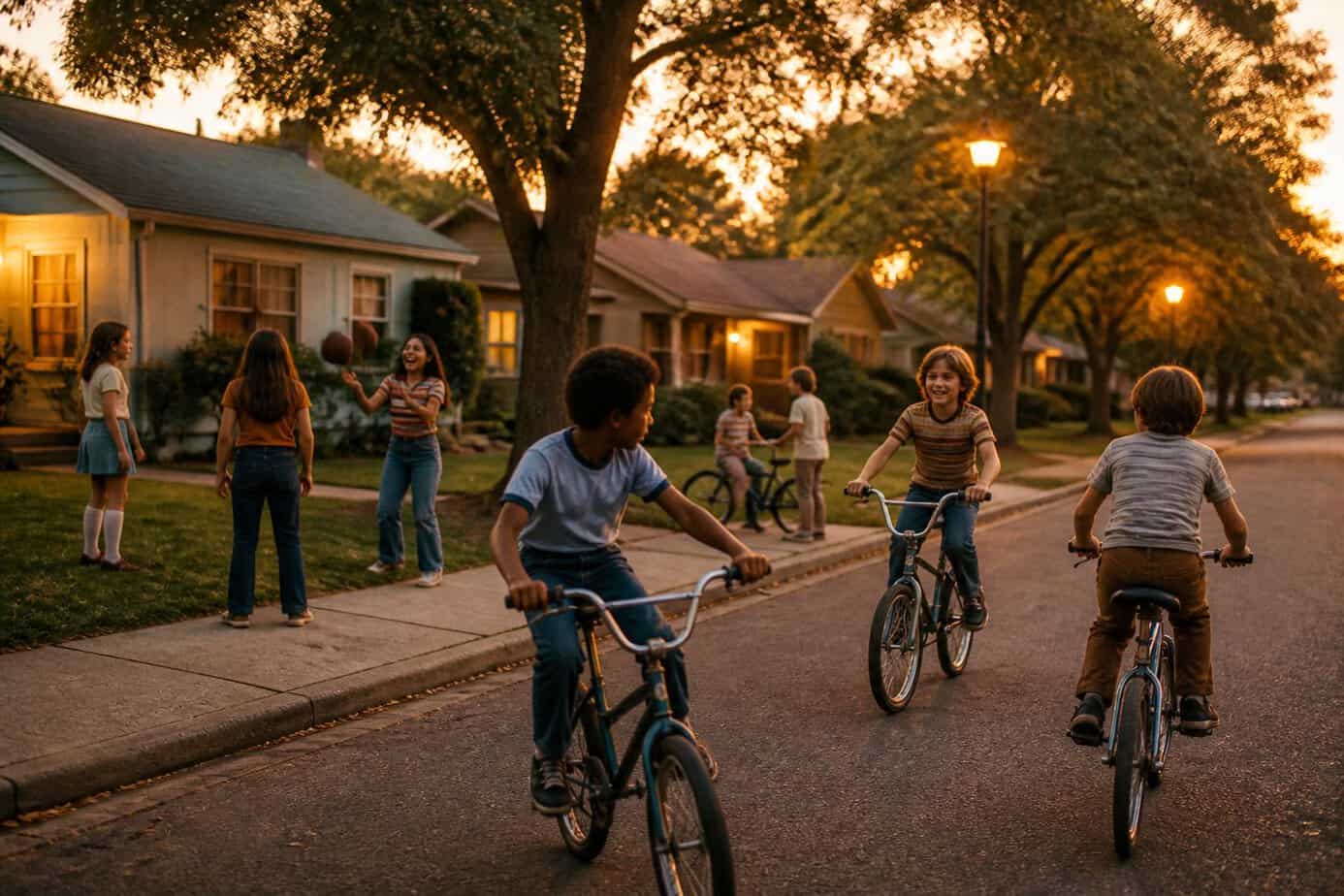
In the 1970s, your parents’ only real instruction was to be home before the streetlights turned on. There was no check-in call, no tracking app, and no set schedule for the hours in between.
You left the house after breakfast or right after school, and you found your own way through the day. Whether that meant riding bikes, building forts, or organizing a pickup game in someone’s yard, you figured it out with the kids around you.
Nobody planned your afternoon for you. You made the rules, settled the arguments, and decided when to move on to something else.
When the streetlights buzzed on at dusk, you knew it was time to head back. That signal worked because everyone understood it and everyone followed it.
2. Riding bicycles around the neighborhood without smartphones
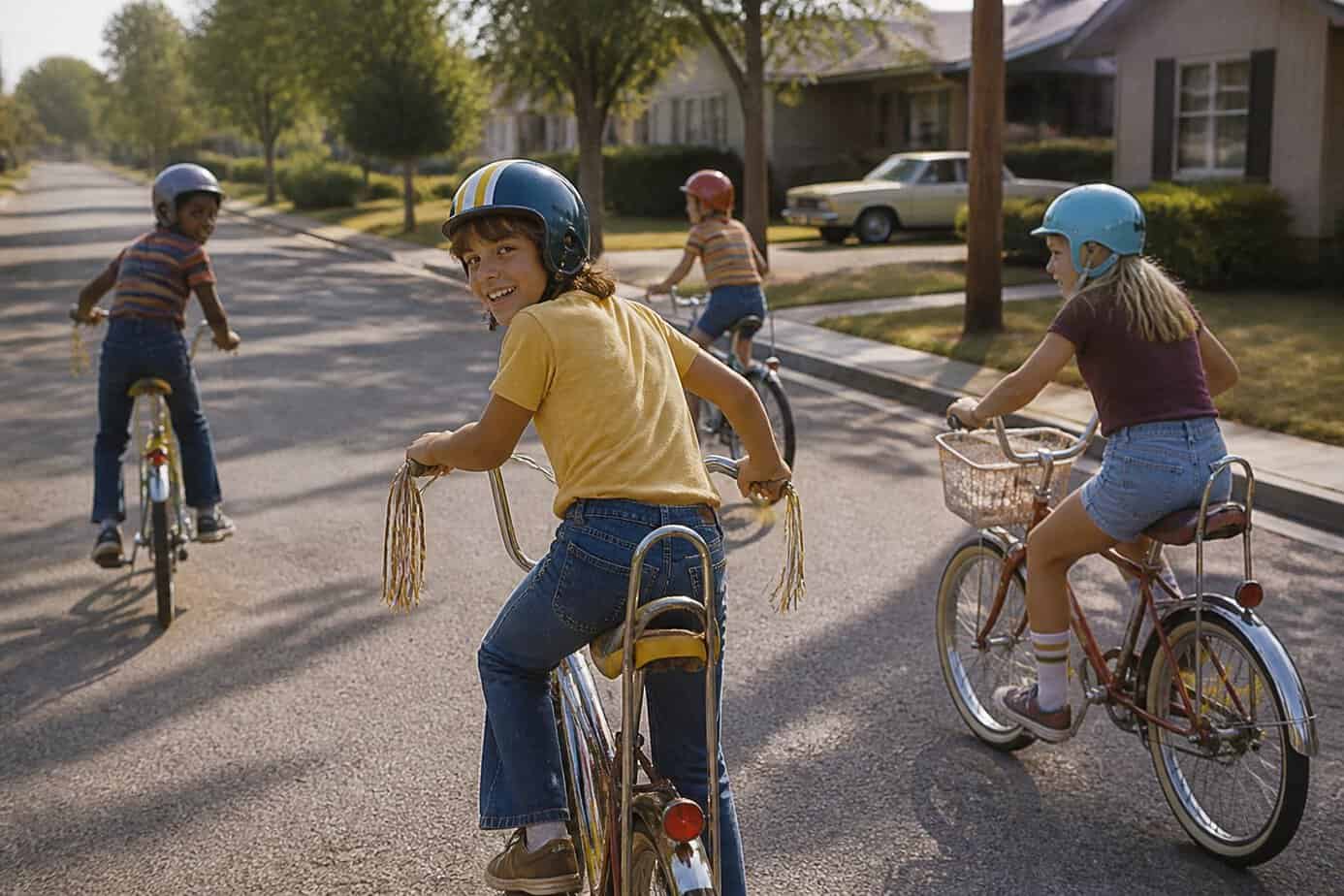
You left the house after breakfast and rode until the streetlights came on. No one tracked your location, and you didn’t check in unless you were changing plans.
Your bike was your main form of transportation. You used it to get to friends’ houses, the corner store, or wherever the day took you.
There was no group chat to plan a route. You just rode to a friend’s yard and figured out what to do once you got there.
If someone had a flat tire or chain problem, you fixed it yourself or found someone nearby who knew how. There was no calling for a ride home.
You paid attention to your surroundings because you had to. Street signs, landmarks, and memory were how you found your way back.
3. Building forts from blankets, boxes, and backyard materials
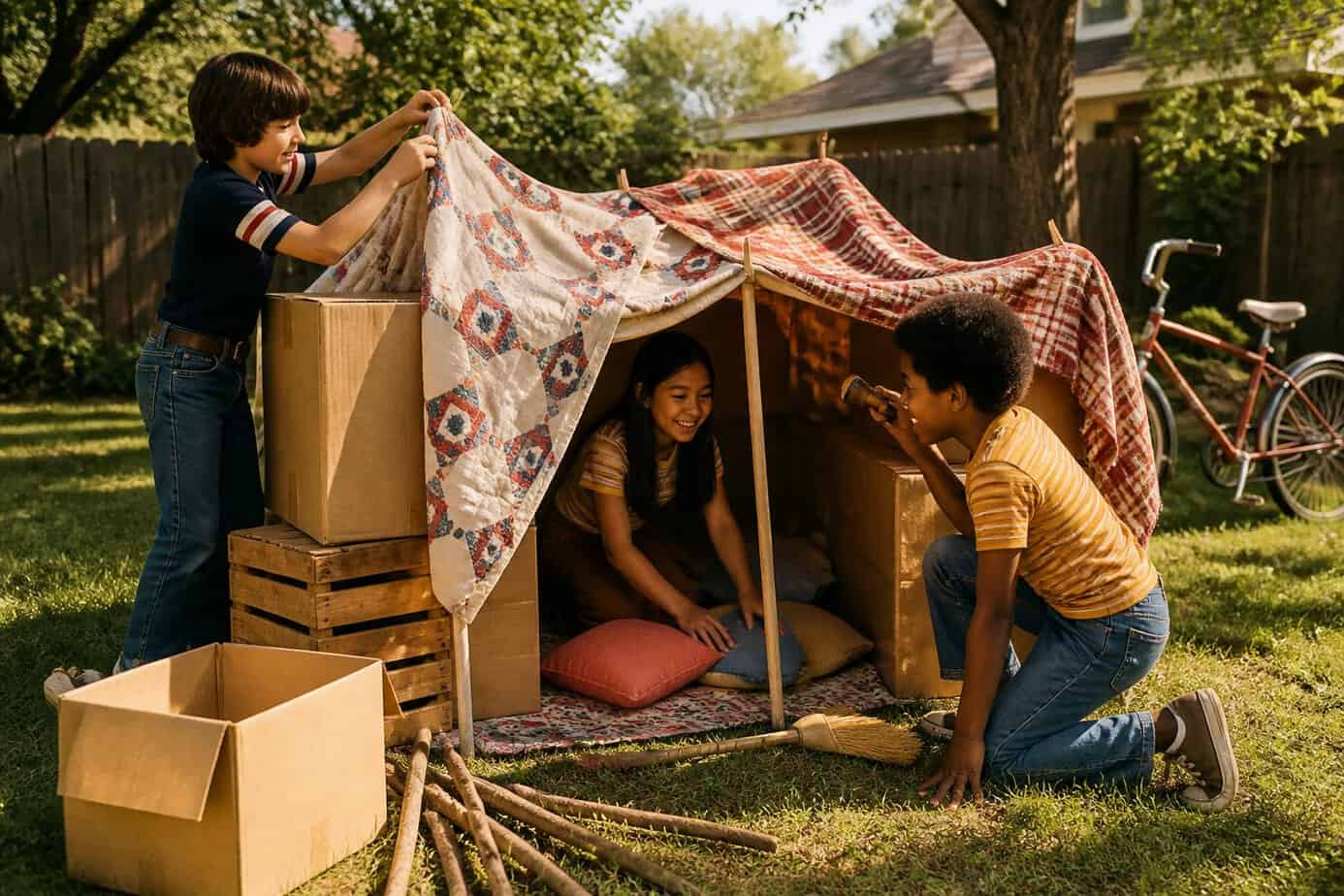
You didn’t need a kit or instructions. A stack of couch cushions, some old bedsheets, and a few clothespins gave you everything required for an afternoon project.
Cardboard boxes from the store became castles or spaceships with a little imagination. Scrap wood piled behind the garage turned into something sturdier, if you had a hammer and nails you weren’t supposed to use.
Nobody supervised the process, and that was part of it. You figured out which blankets stayed put and which ones collapsed the whole structure.
The fort itself mattered less than the fact you built it yourself. It gave you a space that belonged to you, even if it only lasted until dinner or the next windstorm.
4. Organizing pickup games of baseball, kickball, or touch football
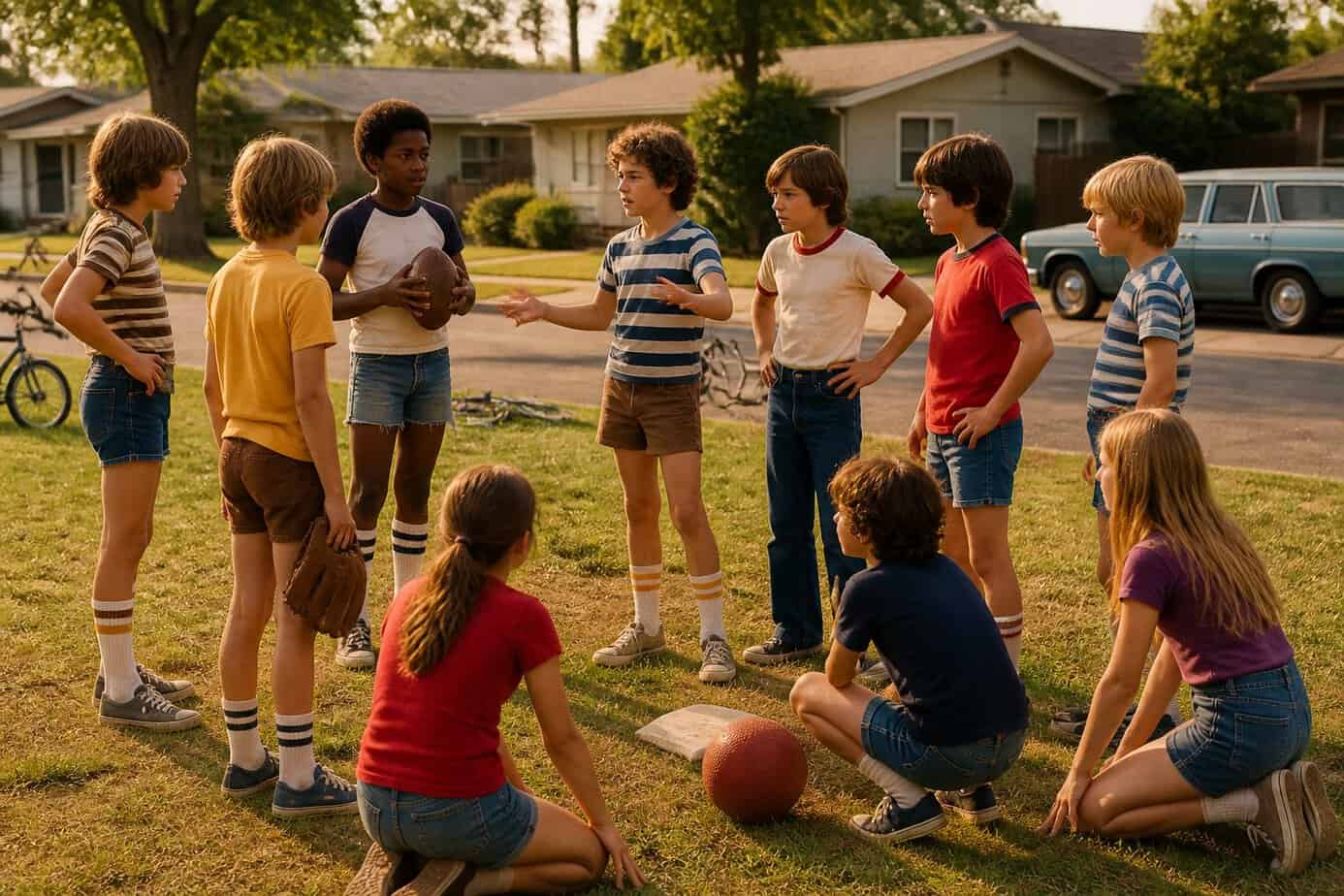
You gathered kids from up and down the street, and someone always had a ball or a bat ready to go. There were no coaches, no schedules, and no adults telling you how to play.
You picked teams yourself, often arguing over who got stuck with the slower kid or the younger sibling. Rules got adjusted on the spot depending on how many players showed up or how big the yard was that day.
If a dispute broke out over a call, you settled it right there without an umpire. You learned to negotiate, compromise, and sometimes just replay the point to keep things moving.
Games ended when it got dark, when someone’s mom called them in for dinner, or when the ball landed in a yard with an unfriendly dog. You showed up again the next day and started all over.
5. Making regular visits to the local playground
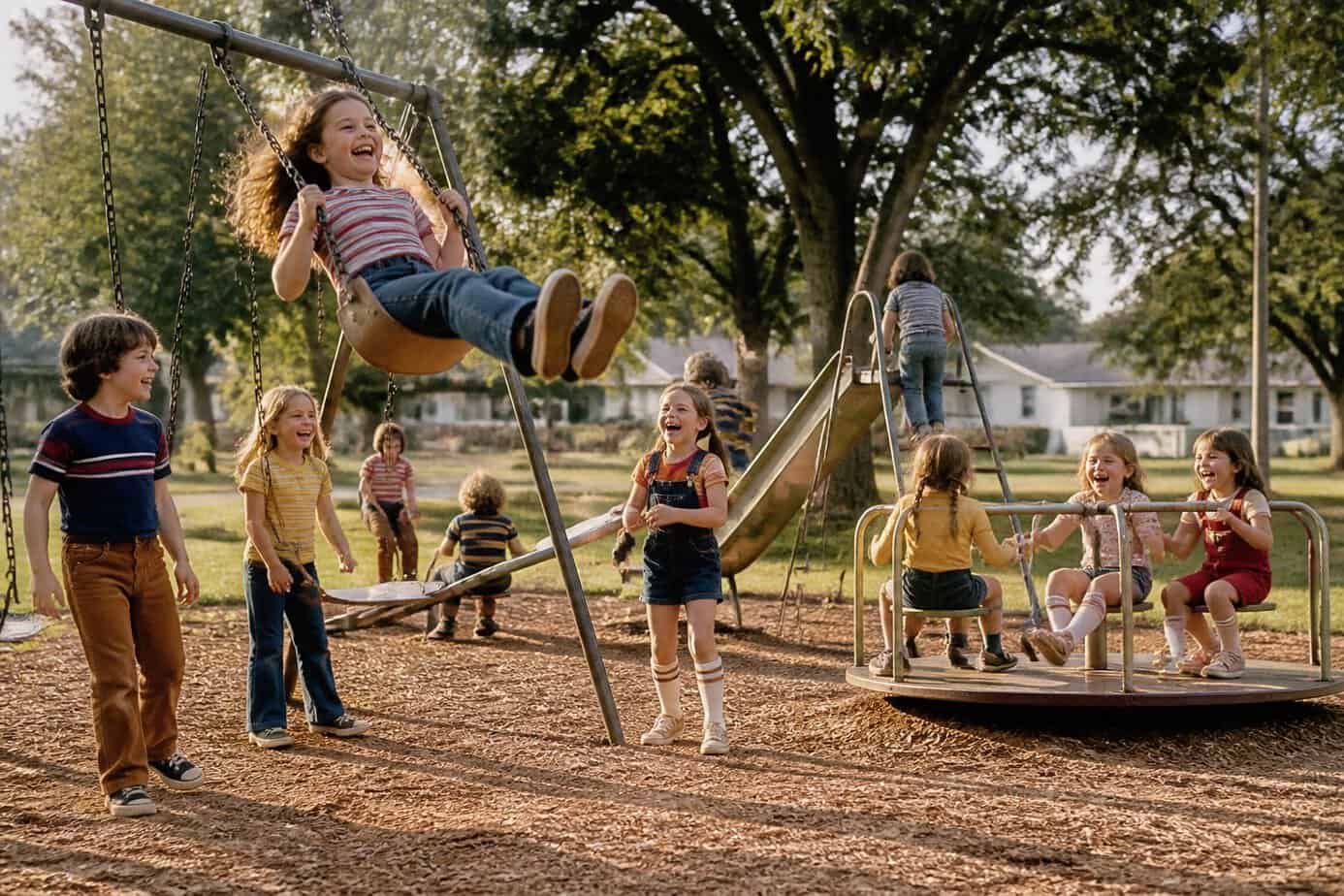
Local playgrounds in the 1970s were built almost entirely from metal, with little thought given to cushioning falls. Slides, monkey bars, and merry-go-rounds were made from durable, industrial-grade materials that could handle heavy daily use.
You likely remember burning your legs on a metal slide that had been sitting in the sun. Scraped knees and bruised elbows were common, and you learned to accept them as part of playing outside.
There were no rubber mats or foam padding underneath the equipment, only dirt, gravel, or concrete. This taught you to judge risk on your own and adjust how you played.
Visiting the playground gave you a chance to test your limits and build physical confidence. You learned quickly what your body could handle, often through direct experience rather than instruction.
6. Spending summer days at public swimming pools

Public pools were a central part of summer life in the 1970s. You’d show up early with a towel and some coins for admission, ready to stay until the sun went down.
There was no air conditioning at home for most families, so the pool served a practical purpose as well as a social one. You cooled off there because you had few other options.
Supervision was minimal compared to today’s standards. You and your friends could spend hours in the water without a parent watching every move.
The pool was also where you saw everyone from school and the neighborhood. Friendships formed on the concrete deck as much as in the water itself.
Sunscreen smelled distinct back then, and that scent became tied to the whole experience. You associated it with long afternoons outside, away from any screen.
7. Exploring nearby woods, fields, and vacant lots
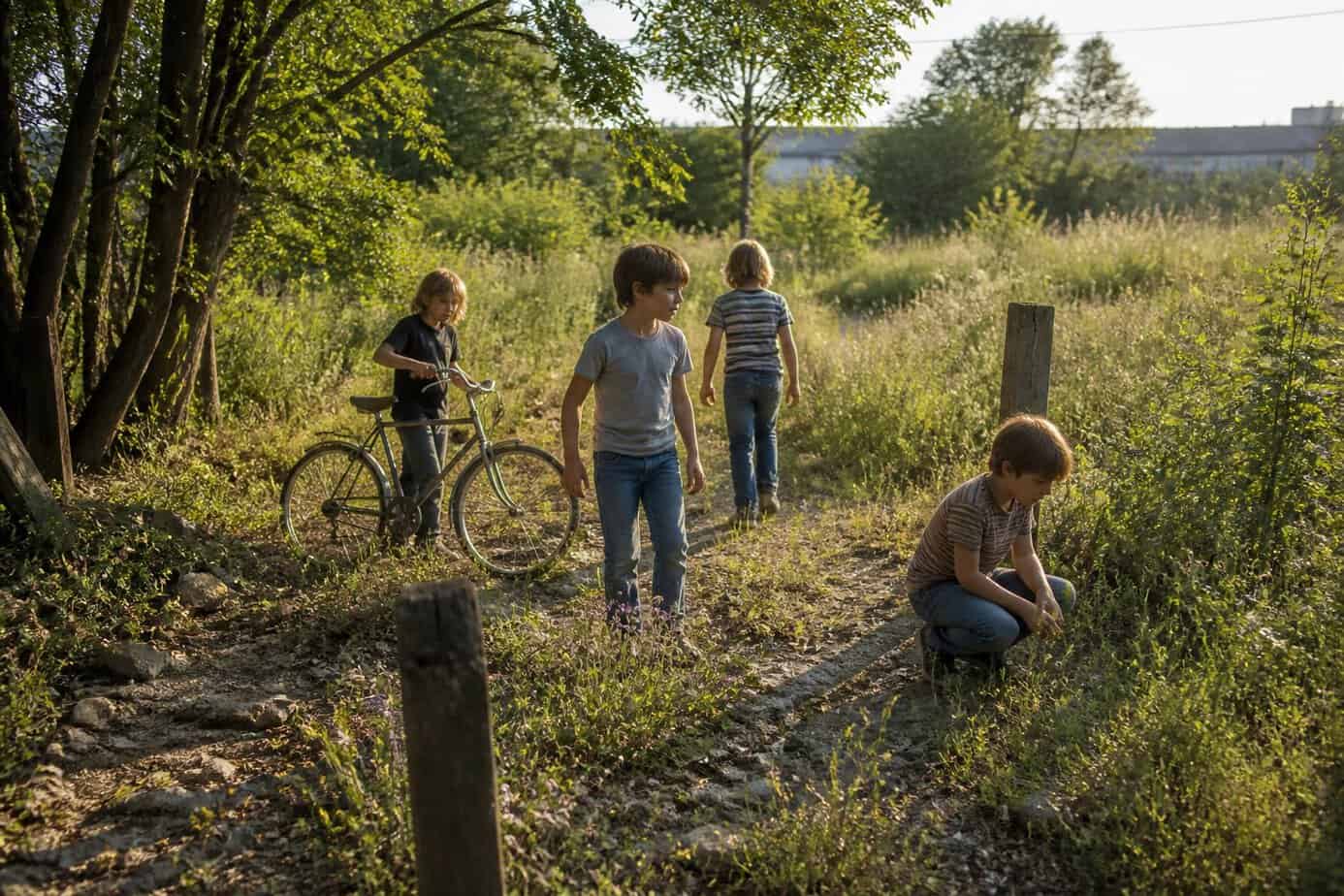
You didn’t need a destination. A patch of woods behind the neighborhood or an empty lot down the street was enough to keep you busy for an afternoon.
You built forts out of scrap wood and fallen branches. You dug through dirt, turned over rocks, and collected whatever caught your interest, sticks, bugs, bottle caps.
No one mapped out these spaces for you. You figured out the terrain yourself, learned which trees were easy to climb, and found shortcuts through brush that adults never noticed.
These areas didn’t have rules or supervision. You made up your own games, set your own boundaries, and settled disputes with friends on your own.
The land itself became familiar in a way that took time and repeated visits. You knew which lots flooded after rain and which fields dried out fastest in summer.
8. Using roller skates, skateboards, and Big Wheels for outdoor fun
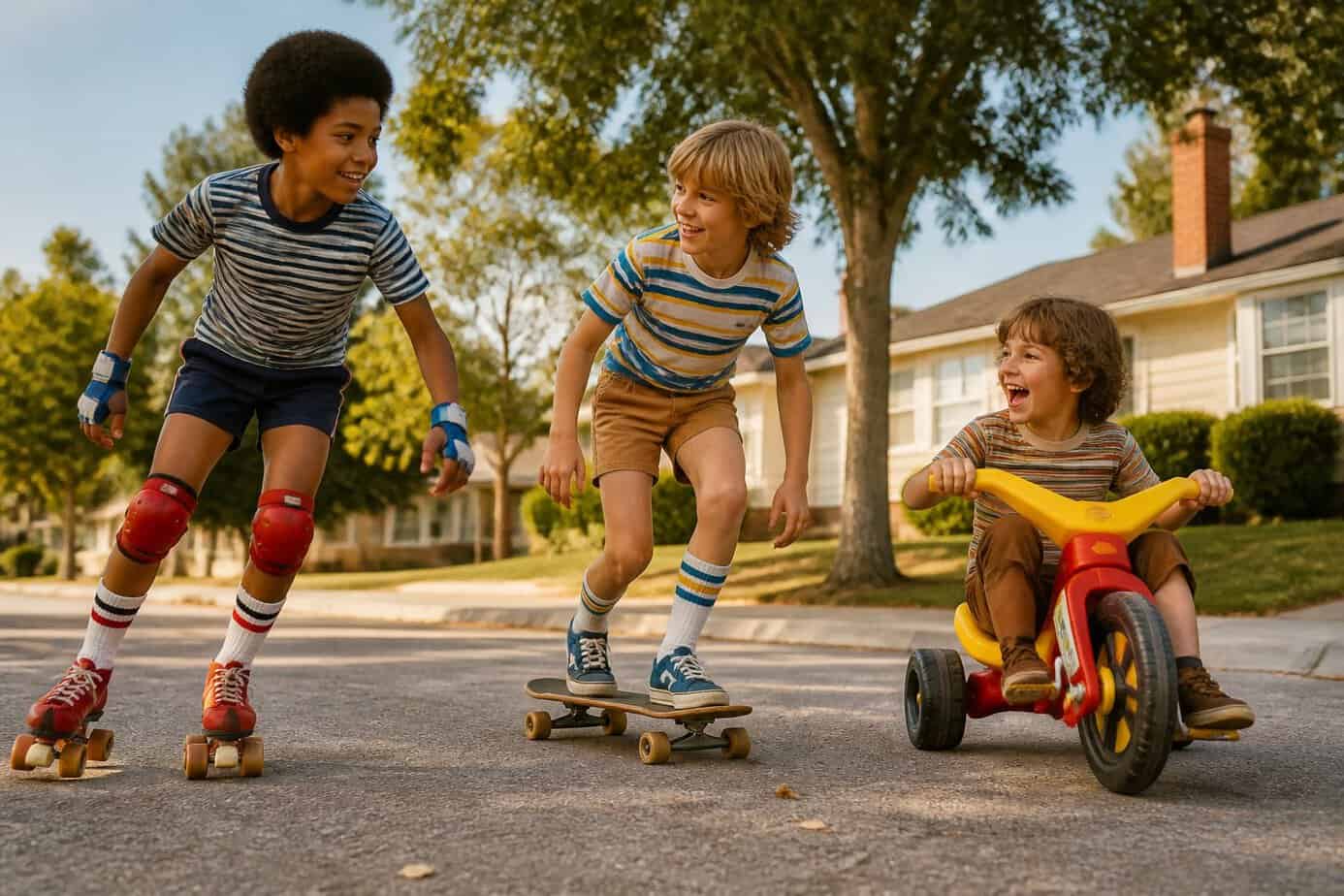
Metal roller skates were common through much of the decade. You clamped them onto your shoes with a skate key, and that key usually hung on a string around your neck so you wouldn’t lose it.
Skateboards changed significantly during the 1970s. Once polyurethane wheels replaced clay and metal ones, you got better grip and a smoother ride, which made the sport far more practical for everyday sidewalks.
Big Wheels gave you a lower, more stable ride than a traditional bike. The oversized plastic front wheel let you take corners fast, often with a deliberate skid that left marks on the driveway.
All three of these rode on pavement, and that meant your neighborhood streets and sidewalks became the main venue. You didn’t need a park or a special facility. A driveway, a hill, or a stretch of sidewalk was enough to keep you occupied for hours.
9. Trading baseball cards and collecting sports memorabilia
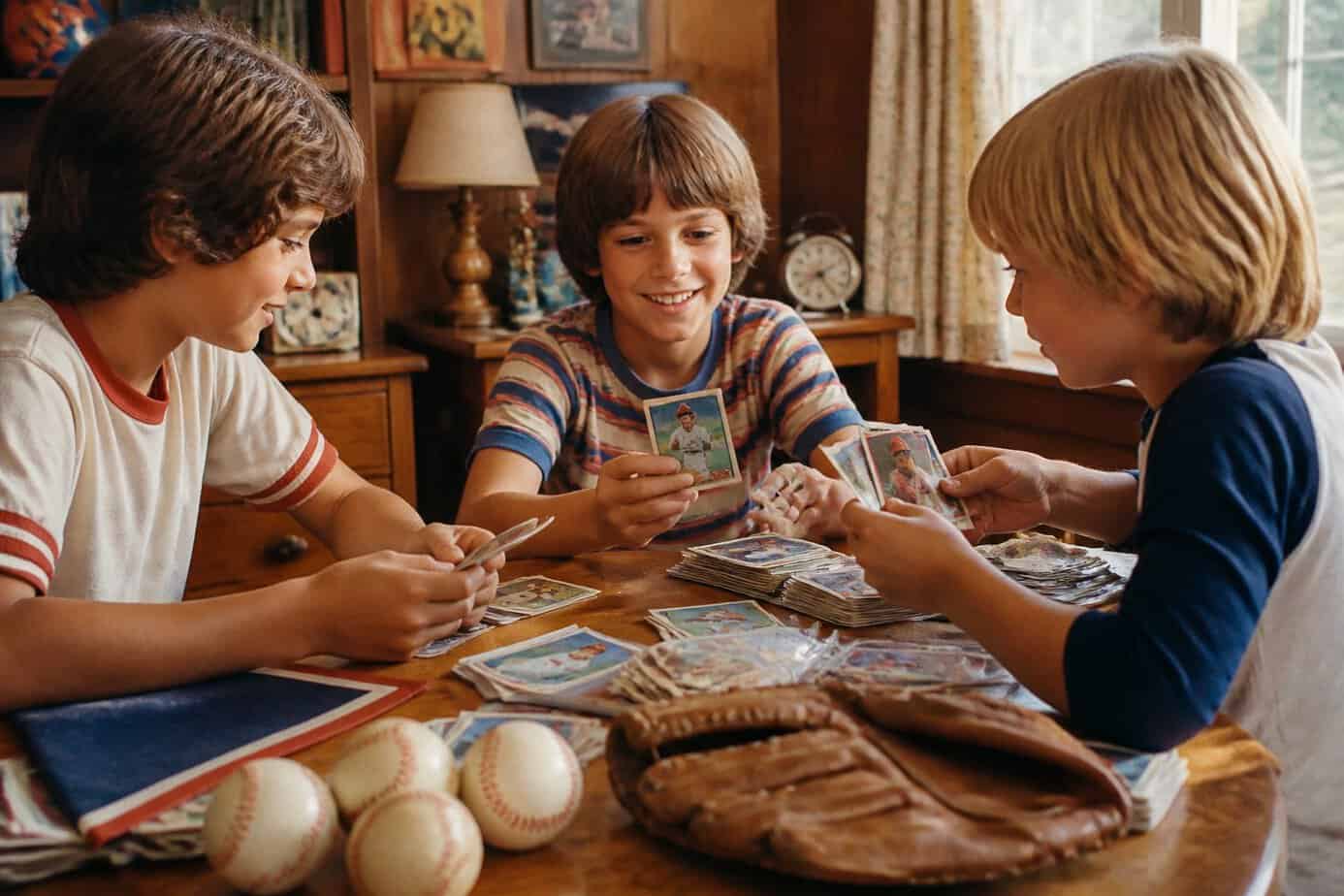
You kept your cards in shoeboxes, sorted by team or by year, and you knew the exact condition of every one. A trip to the corner store meant a fresh wax pack, a stick of stale gum, and the chance at pulling a player you needed.
You traded with kids on your block, working out deals that felt like real negotiations. A star rookie card was worth three or four commons, and everyone seemed to agree on the math without any adult setting the rules.
Topps issued new series throughout the season back then, so you had reasons to keep checking the shelves. You memorized stats off the card backs before you ever saw a box score in the newspaper.
None of it was about investment value. You collected because you loved the games and the players, and that was reason enough.
10. Playing with Matchbox cars and Hot Wheels tracks
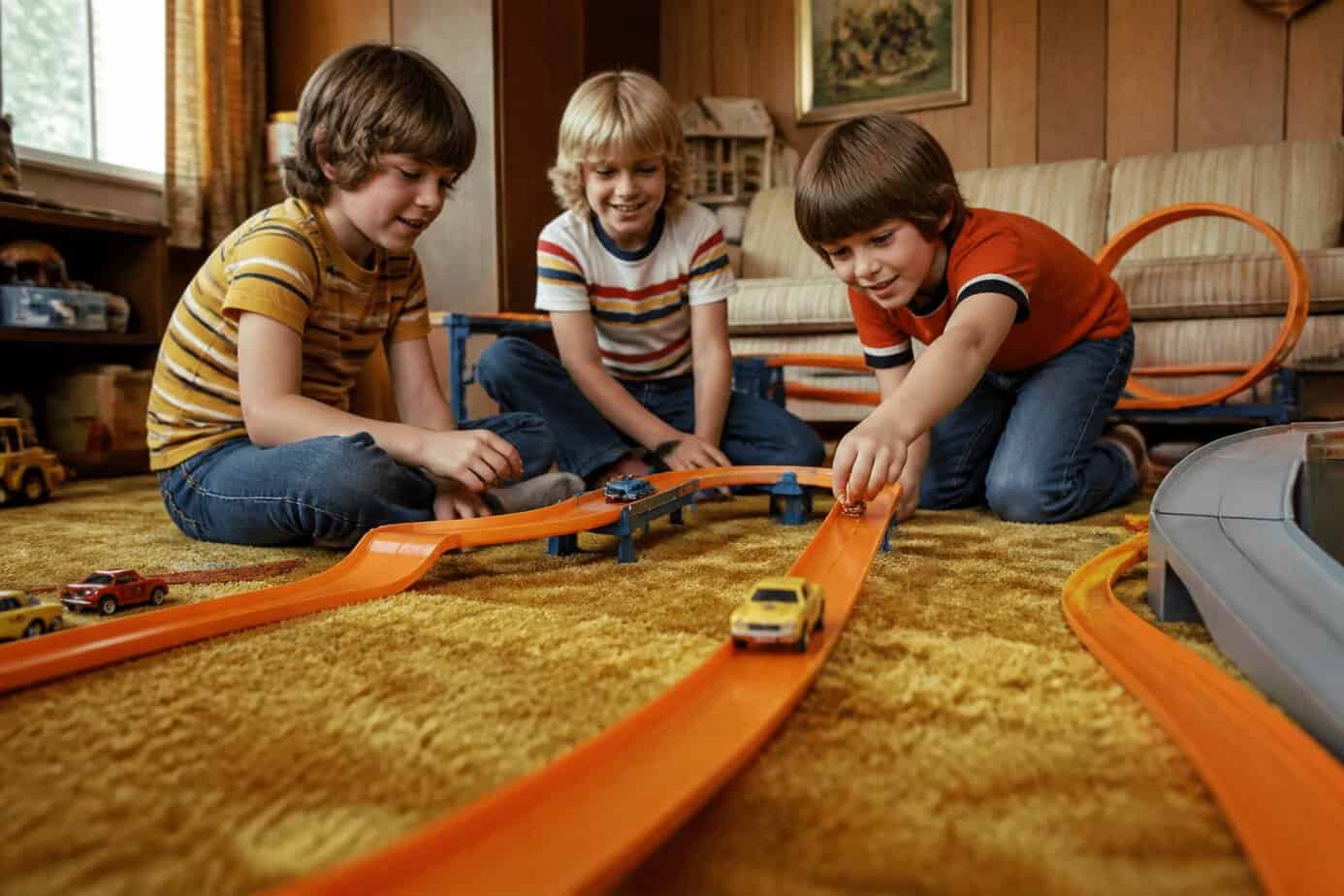
You spent hours arranging orange plastic track across your living room floor, connecting loops and clamps until the whole setup stretched from the couch to the hallway. Your Hot Wheels and Matchbox collection likely mixed muscle cars, custom hot rods, and whatever cheap imitation brand your parents could afford.
You didn’t need much to keep yourself entertained. A battery-powered acceleration station and a few feet of track could occupy an entire afternoon.
You learned basic physics without realizing it, figuring out how steep a loop needed to be before your car flew off the track. Trading cars with friends or siblings taught you the value of negotiation.
Storing your collection in shoeboxes or tackle boxes gave you a sense of ownership over something that was entirely yours.
11. Creating elaborate adventures with G.I. Joe figures
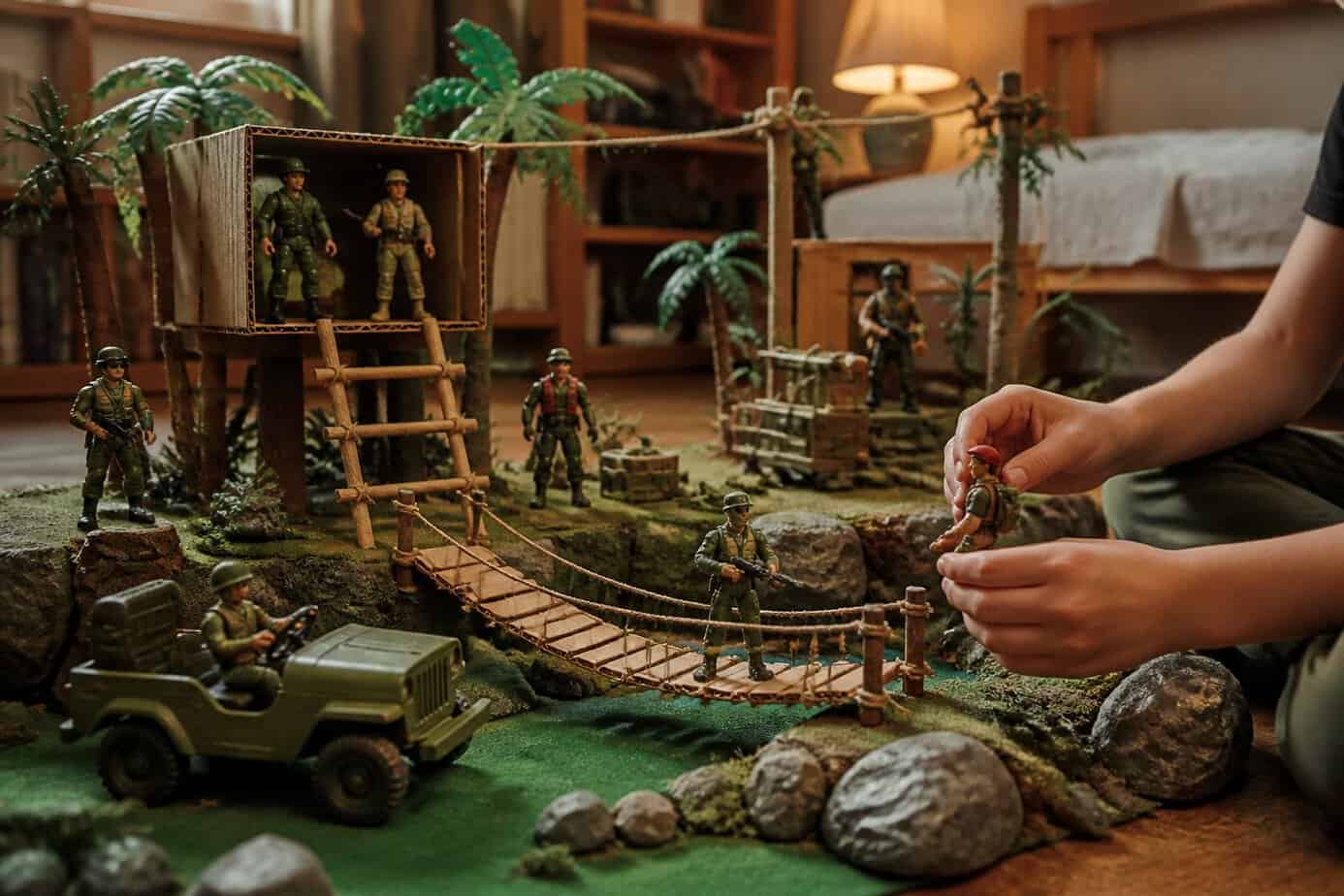
By the early 1970s, G.I. Joe had shifted away from strict military themes toward exploration and rescue missions. Hasbro rebranded the figures as the Adventure Team, and you likely noticed the difference right away.
Your Joes could search for treasure, capture wild animals, or rescue a downed astronaut. You built the missions yourself, using whatever backyard terrain or spare parts you had on hand.
Kung Fu Grip let your figures hold gear more convincingly, and the addition of lifelike hair and beards gave them more personality. You probably swapped accessories between figures constantly, mixing gear from different sets to fit your storyline.
None of it required a screen or an instruction manual. You decided what happened next, and that made every adventure feel like it belonged to you.
12. Building towns and vehicles with LEGO sets
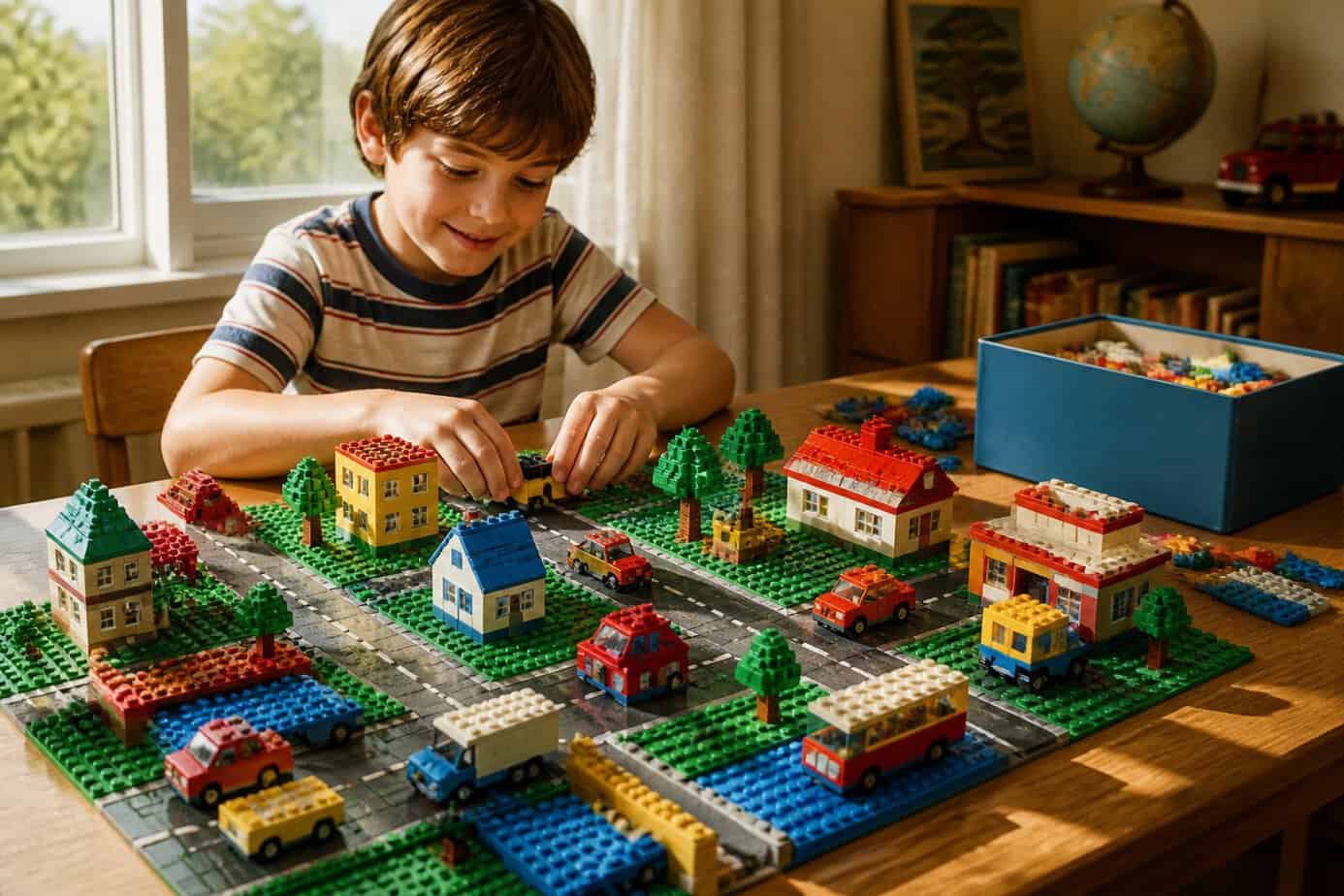
LEGO changed significantly during the 1970s. The decade introduced the minifigure, along with themed sets like Space and Castle that gave your imagination a clear direction.
You could build a whole town using basic bricks and plates, then add cars, trucks, and small buildings piece by piece. Sets from brands like Renault and Cadillac gave you the chance to construct realistic vehicles, not just generic ones.
There was no screen involved and no instructions to follow if you didn’t want them. You decided what your town needed and built it yourself, brick by brick.
Losing a piece meant searching under furniture for it, since replacements weren’t easy to find. That small inconvenience taught you to take care of what you had.
13. Playing board games such as Risk, Clue, and Monopoly
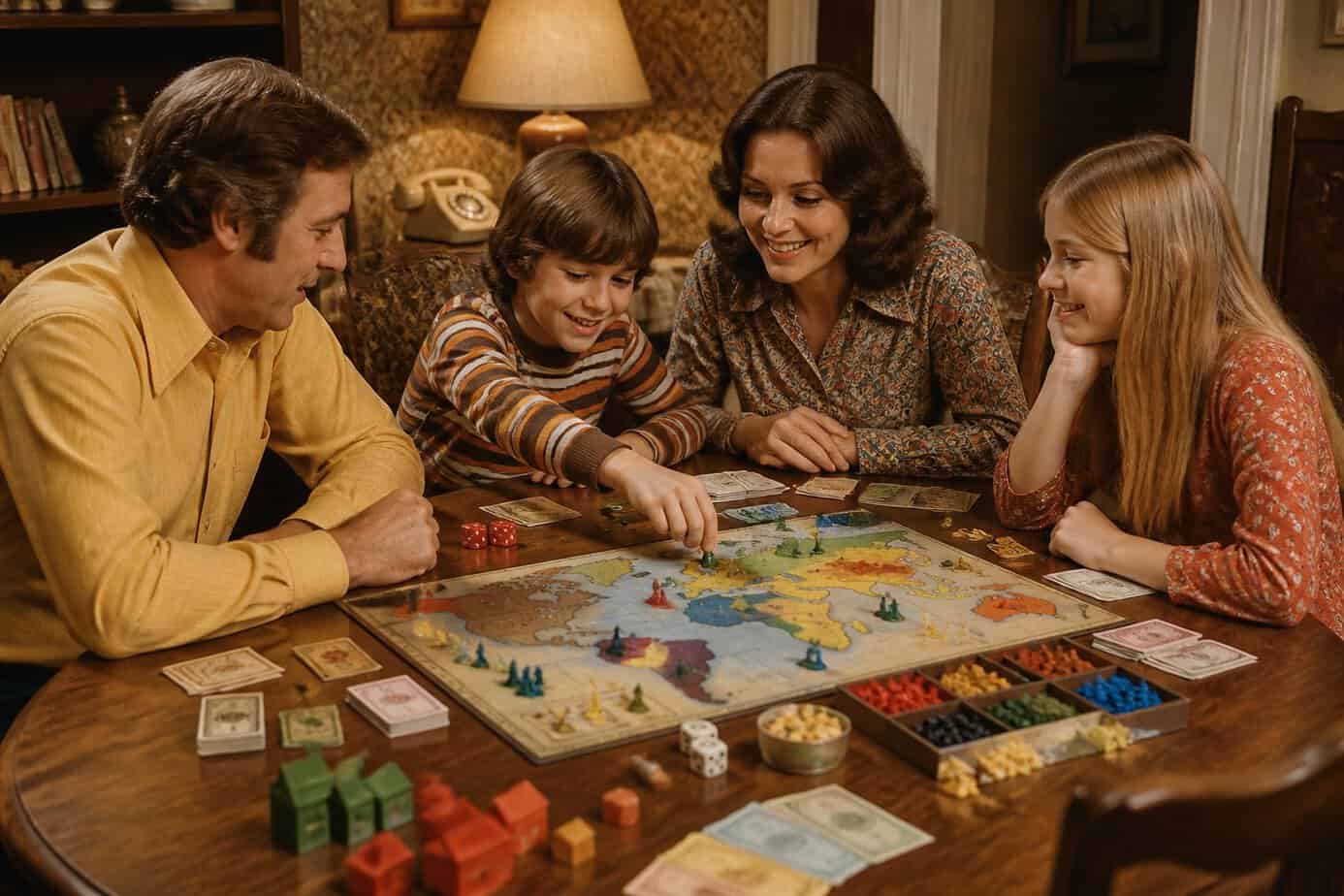
You spent countless evenings gathered around the kitchen table with a board game box between you and your family. Monopoly sessions often stretched for hours, sometimes lasting an entire afternoon before anyone claimed victory.
Risk taught you strategic thinking as you plotted territory takeovers and formed temporary alliances with siblings. Clue turned you into a detective, piecing together clues about the murderer, weapon, and room through careful deduction.
These games gave you more than entertainment. You learned patience waiting for your turn, practiced basic math counting Monopoly money, and developed problem-solving skills tracking suspects in Clue.
Winning felt satisfying, but losing taught you how to handle disappointment gracefully. You built these skills without realizing it, simply by playing games you enjoyed with people you cared about.
14. Gathering around the table for card games
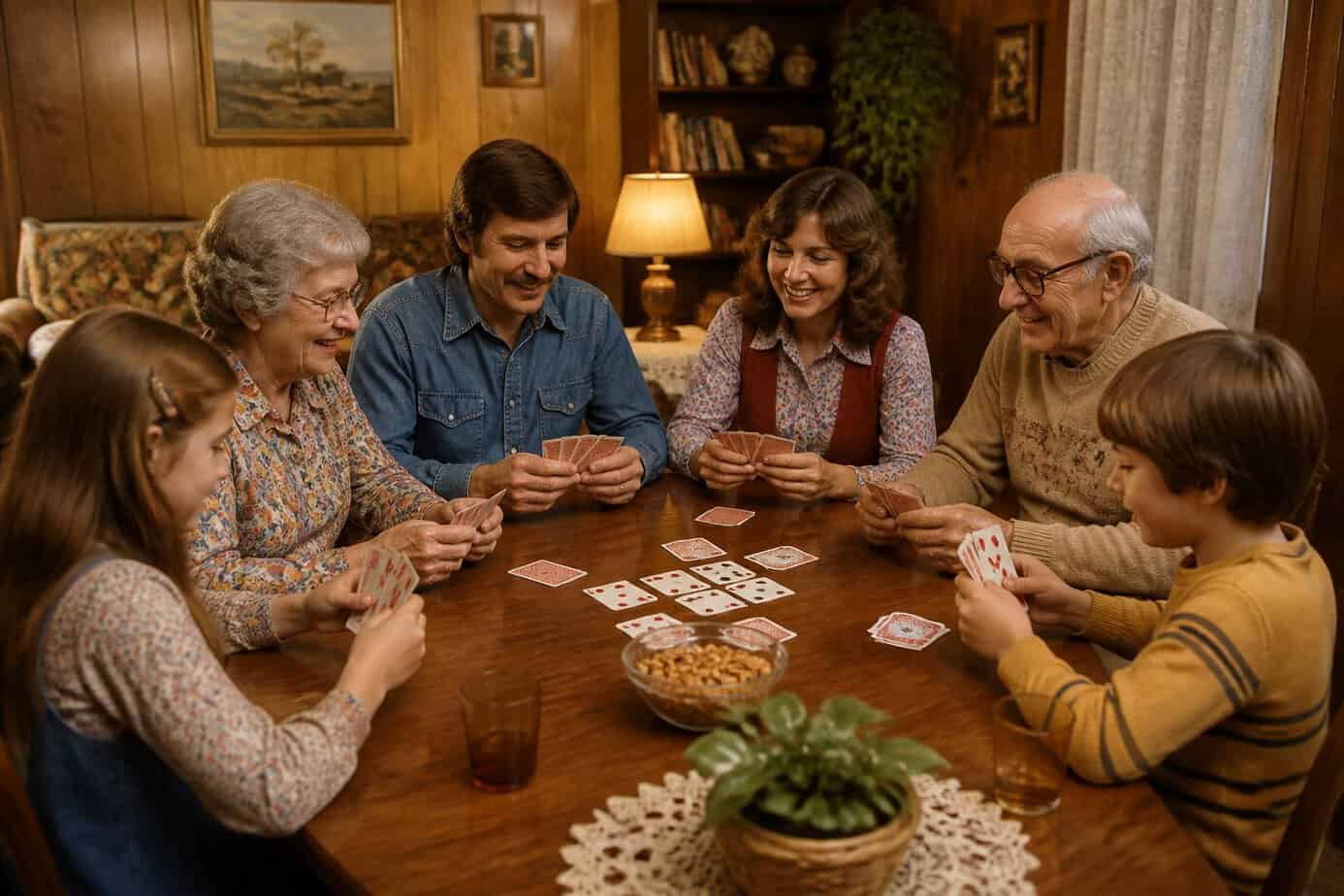
Card games gave you a reason to sit down together on evenings when there was nothing else planned. You learned Go Fish and War before you graduated to Rummy, Crazy Eights, and Spades. A deck of cards cost almost nothing, which made it an easy activity for any household.
You picked up math skills without realizing it, counting points and tracking scores on scrap paper. Your grandparents often taught you the rules, passing down games they had played decades earlier. That connection between generations mattered.
Rainy afternoons and long visits from relatives usually meant someone would suggest a card game. You argued over rules, kept informal scorecards, and sometimes played the same game for hours. There was no screen involved, just a table, a deck, and the people sitting across from you.
15. Using imagination during unstructured play
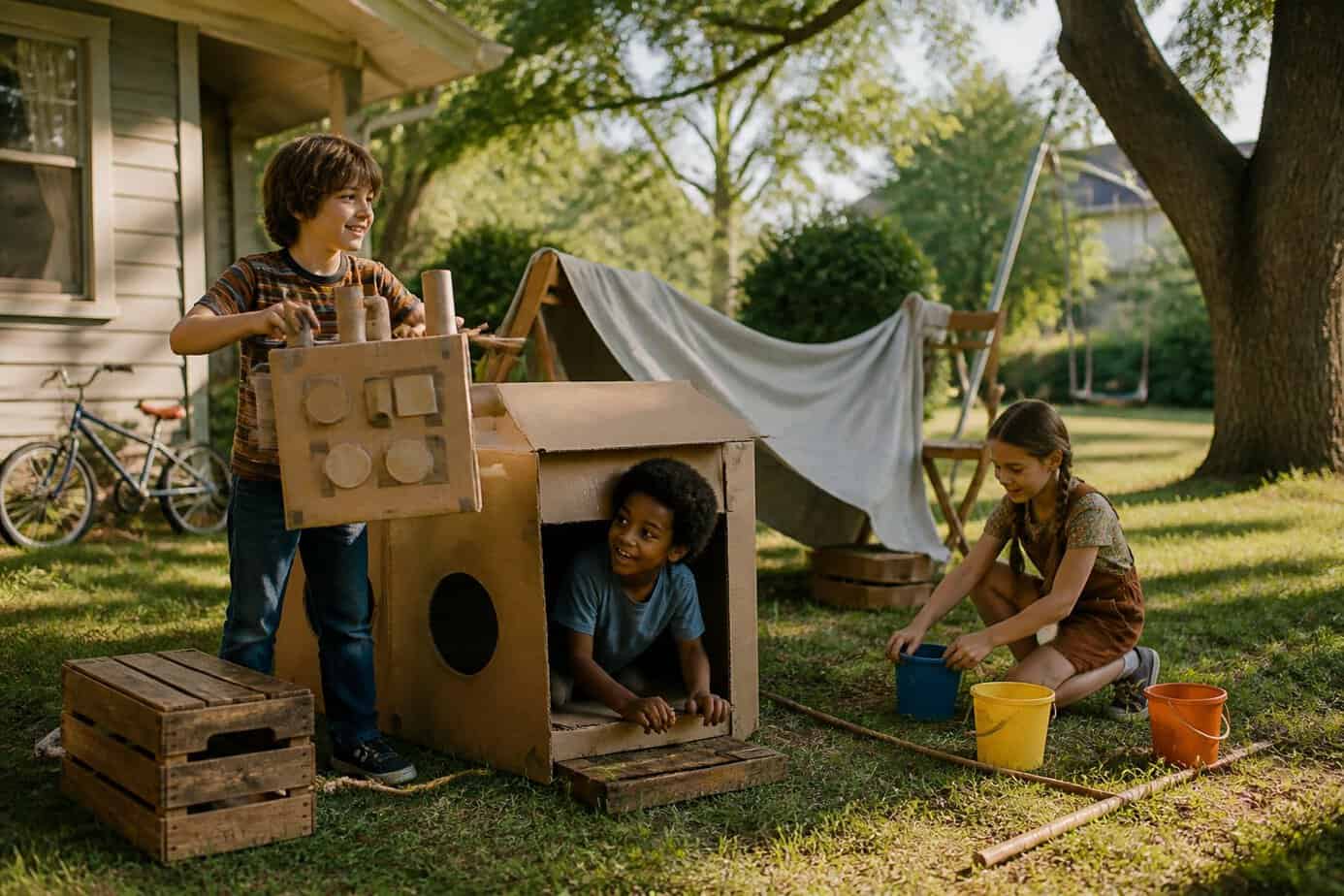
In the 1970s, you spent long stretches of time without adults directing your activities. Nobody scheduled your afternoons or told you what game to play next.
That gap forced you to invent your own entertainment. A stick became a sword, a cardboard box became a spaceship, and an empty lot became a battlefield or a campsite.
You made up rules for games as you went along, adjusting them when disputes came up. This taught you to negotiate and compromise with other kids without an adult stepping in to settle things.
You built stories in your head and acted them out with friends, filling hours that had no set plan. There was no script to follow and no one judging the outcome.
This kind of open-ended play gave you practice thinking independently. You learned to entertain yourself using only what was around you and whatever you could dream up.
16. Watching Saturday morning cartoons as a weekly ritual
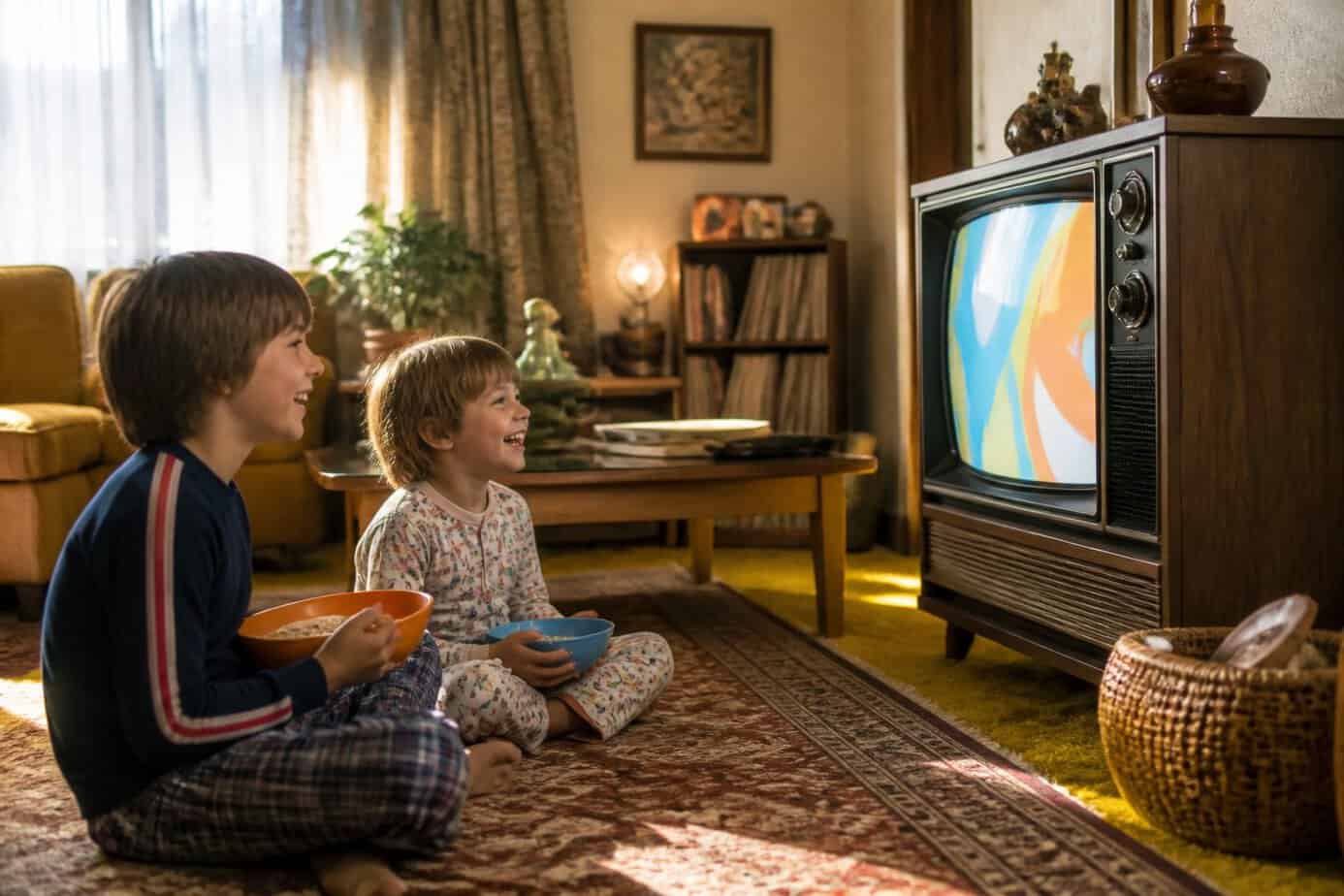
You woke up before your parents did, still in pajamas, and turned on the television without anyone telling you to. For a few hours, the whole schedule belonged to you.
There was no pausing, no rewinding, and no watching later. If you missed the opening of Scooby-Doo or Looney Tunes, you missed it for good, so you showed up on time every week.
You ate cereal out of the box or in a bowl, often more of it than you should have, while the same lineup of shows played across the whole country. Millions of other kids were doing the exact same thing at the exact same time.
That shared timing gave the ritual its weight. You didn’t just watch a show; you took part in something everyone your age understood without having to explain it.
17. Waiting all week for favorite television shows
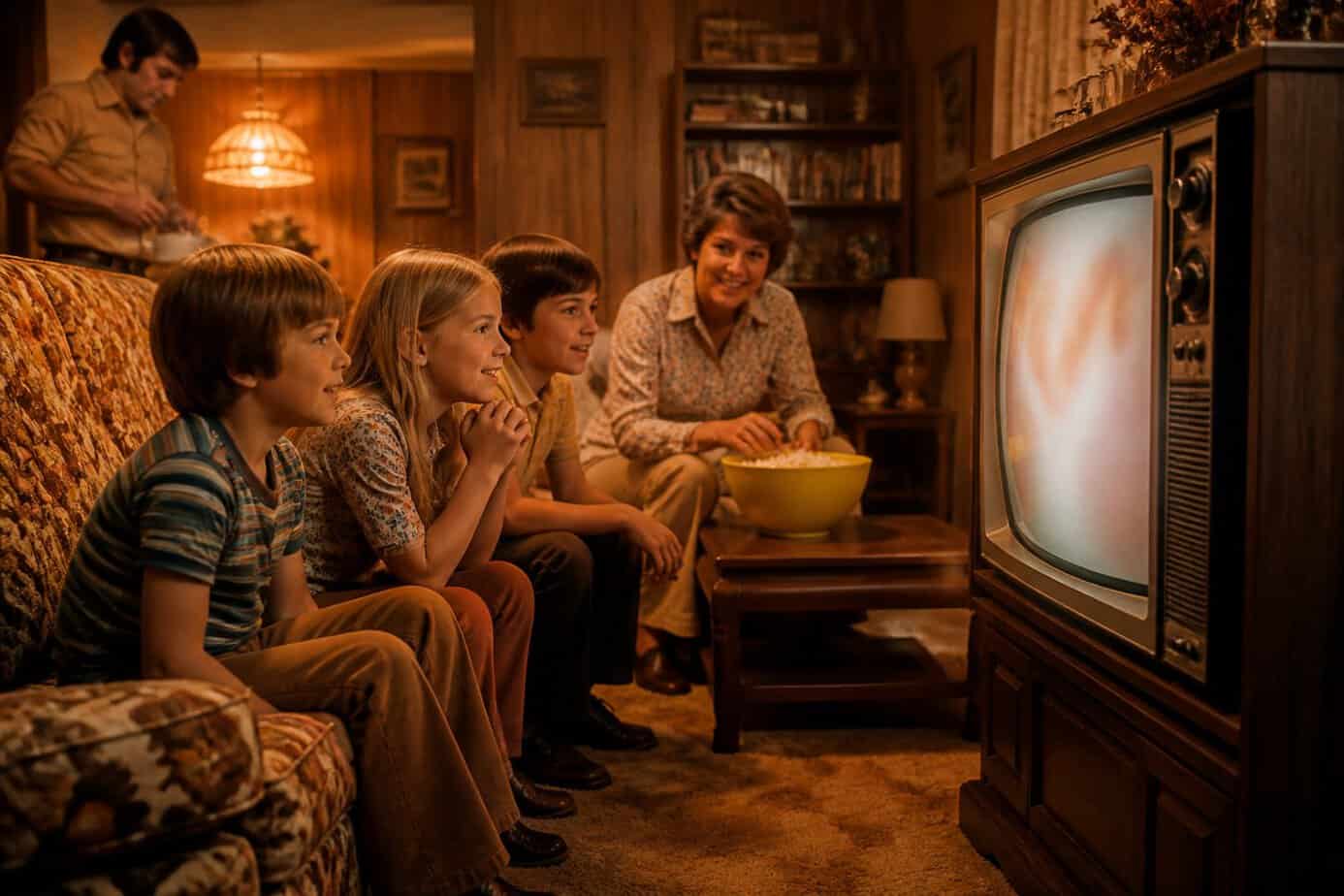
Your favorite show aired once a week, at a set time, on one of a few available channels. If you missed it, you didn’t see it again until reruns came around, sometimes months later.
This forced a kind of patience you don’t often see now. You planned your week around a single episode, and that anticipation made the actual viewing feel like an event.
There was no pausing, rewinding, or streaming on demand. You sat down when the show started, or you missed it entirely.
Talking about last night’s episode with friends at school the next day was part of the experience too. Everyone watched around the same time, so the conversation felt shared and immediate.
That weekly wait taught you to value things you couldn’t have instantly. It made the payoff feel earned rather than automatic.
18. Sharing one family television instead of having personal screens
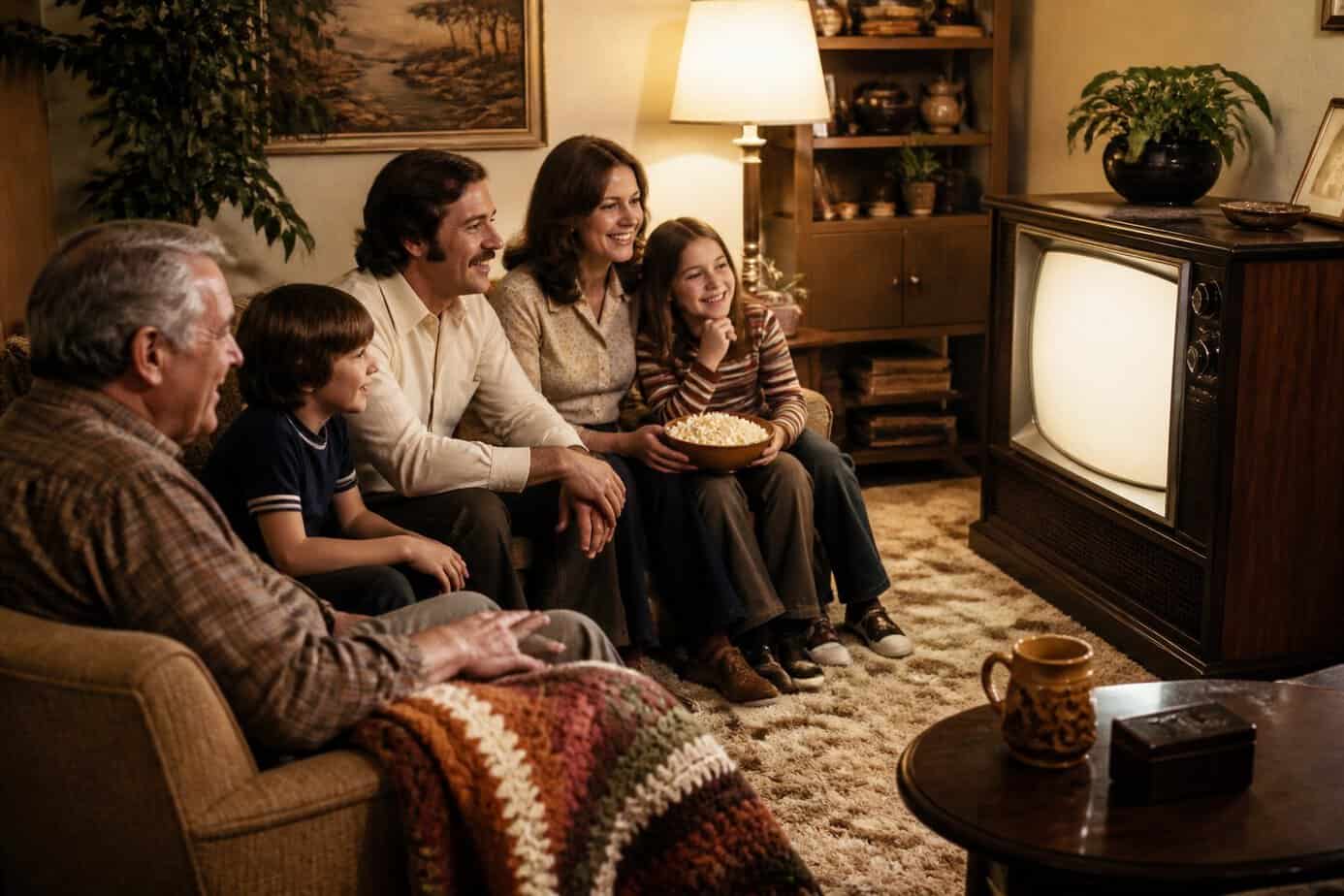
Most households in the 1970s had a single television set, usually placed in the living room. You didn’t get to pick a show and disappear into another room. Instead, you sat with your family and watched whatever was on, whether you loved it or not.
This setup forced conversation. You reacted to shows together, argued over channel choices, and learned to compromise. There was no scrolling through endless options or watching alone on a phone.
Commercial breaks became natural pauses for talking, grabbing snacks, or checking in with siblings. You knew what your family found funny or interesting because you experienced it side by side.
That shared screen time gave you a sense of togetherness that personal devices don’t replicate. You weren’t isolated in separate digital worlds. You were simply in the same room, watching the same thing, at the same time.
19. Visiting neighborhood cinemas for double features
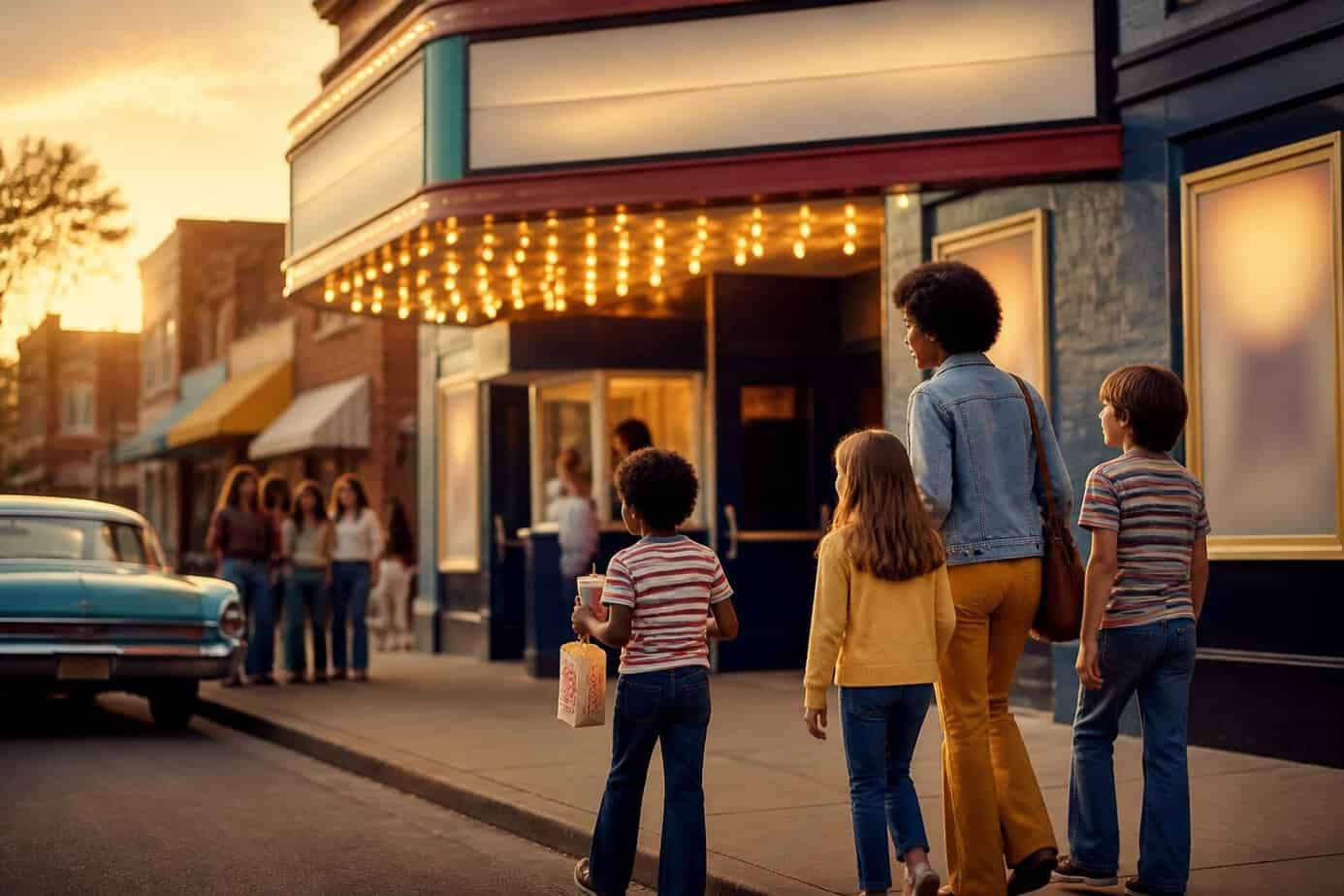
Growing up in the 1970s, you could walk into a local theater and watch two full-length movies for the price of one ticket. These neighborhood cinemas didn’t require reservations or advance planning. You simply showed up, paid a small fee, and settled in for an afternoon.
The pairings weren’t always carefully matched. Sometimes you got two similar films, other times a strange mix that made no obvious sense together. Either way, you stayed for both.
Weekends often meant spending hours in a single theater, sometimes watching the same films twice if you had nowhere else to be. This gave you exposure to different genres and styles you might not have chosen on your own.
The experience taught you patience and introduced you to a wider range of movies. It also made moviegoing feel like a full afternoon event rather than a quick outing.
20. Discovering music through vinyl records and eight-track tapes
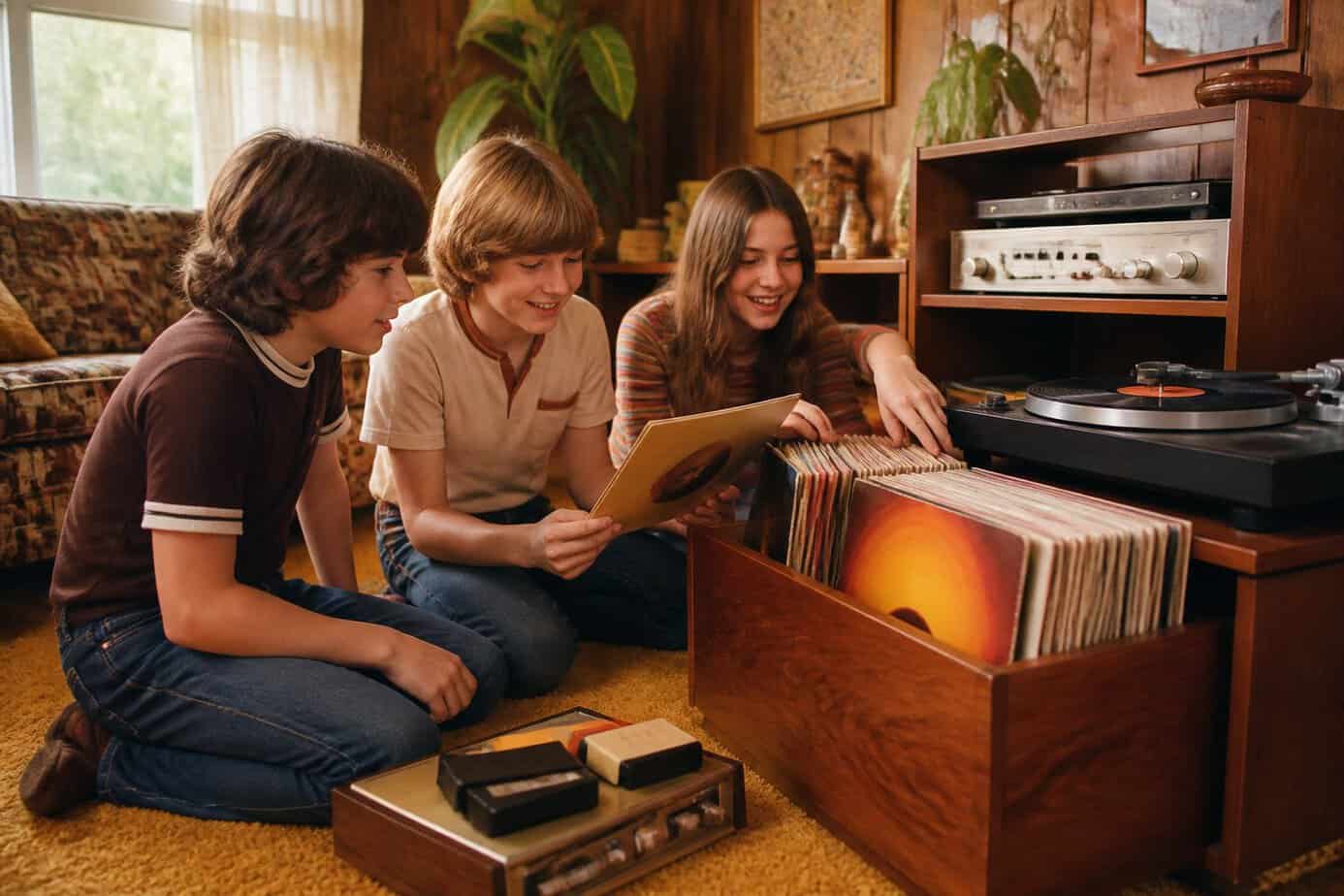
You flipped through record bins at the store, studying album covers before you ever heard a note. Vinyl gave you something to hold onto, literally, with liner notes and artwork you could examine while the music played.
Your car probably had an 8-track player, and you got used to that mid-song click as it switched tracks. It wasn’t perfect, but it meant you could bring your music with you instead of relying on the radio.
You learned patience with vinyl, too. Records needed careful handling, and a scratch could ruin a song for good.
Discovering an album meant sitting down and listening front to back, since skipping around wasn’t as easy as it is now. That gave you a different relationship with music, one built on attention rather than convenience.
21. Listening to radio countdowns to record favorite songs
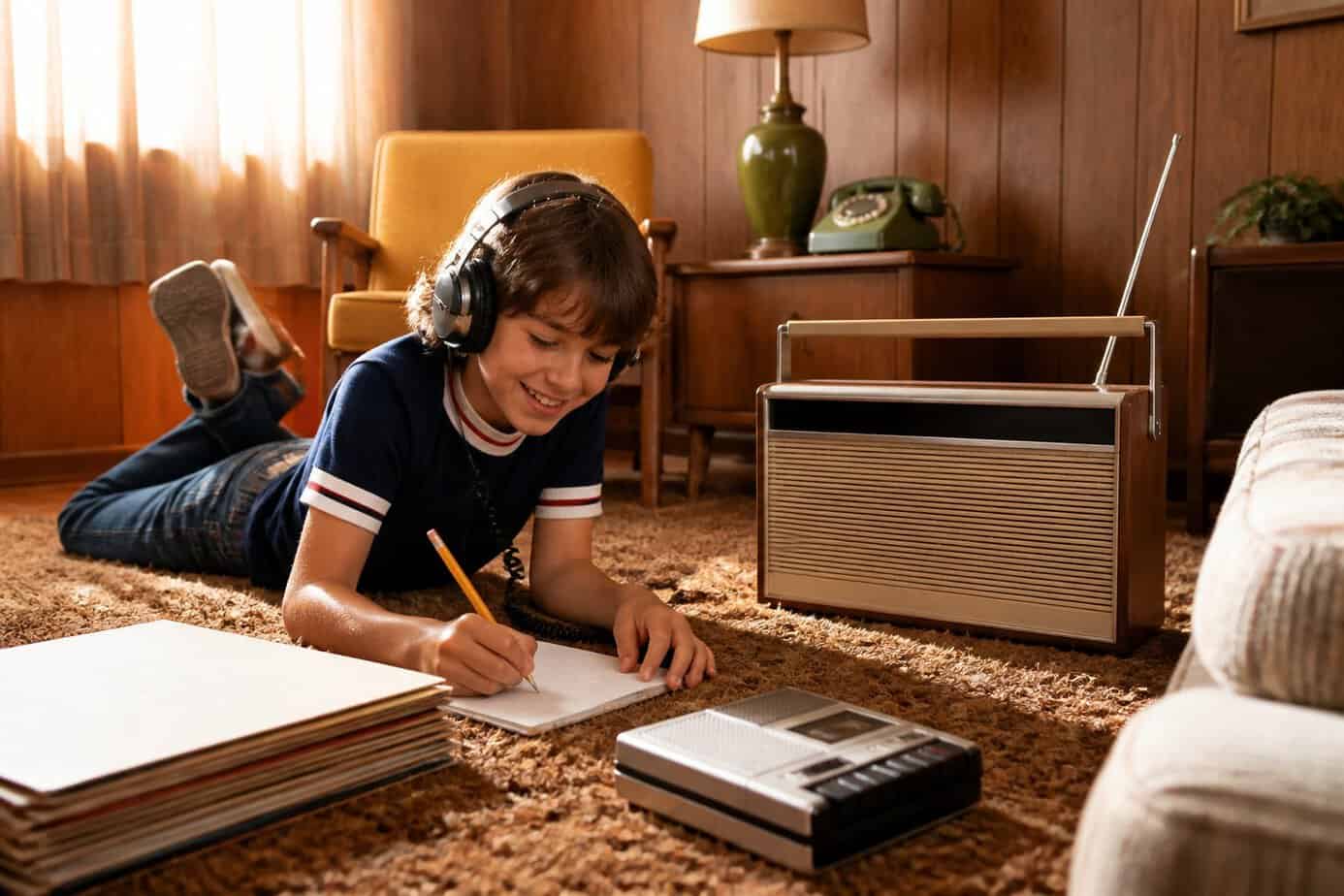
On Sunday mornings, you tuned in for Casey Kasem’s American Top 40. You sat by the radio with a blank cassette loaded and your finger hovering over the record button.
You had to time it right. If you hit record too late, you missed the opening notes. If you hit it too early, you caught the DJ talking over the song.
Countdown shows gave you a reason to pay attention every week. You learned which songs were climbing the charts and which ones were dropping off, and you kept track of your favorites moving toward the number one spot.
Recording songs this way took patience. You often had to sit through commercials and chart commentary just to get one track you wanted.
The mixtapes you built this way became personal collections, made entirely from what you caught live off the air.
22. Calling friends on a shared household telephone
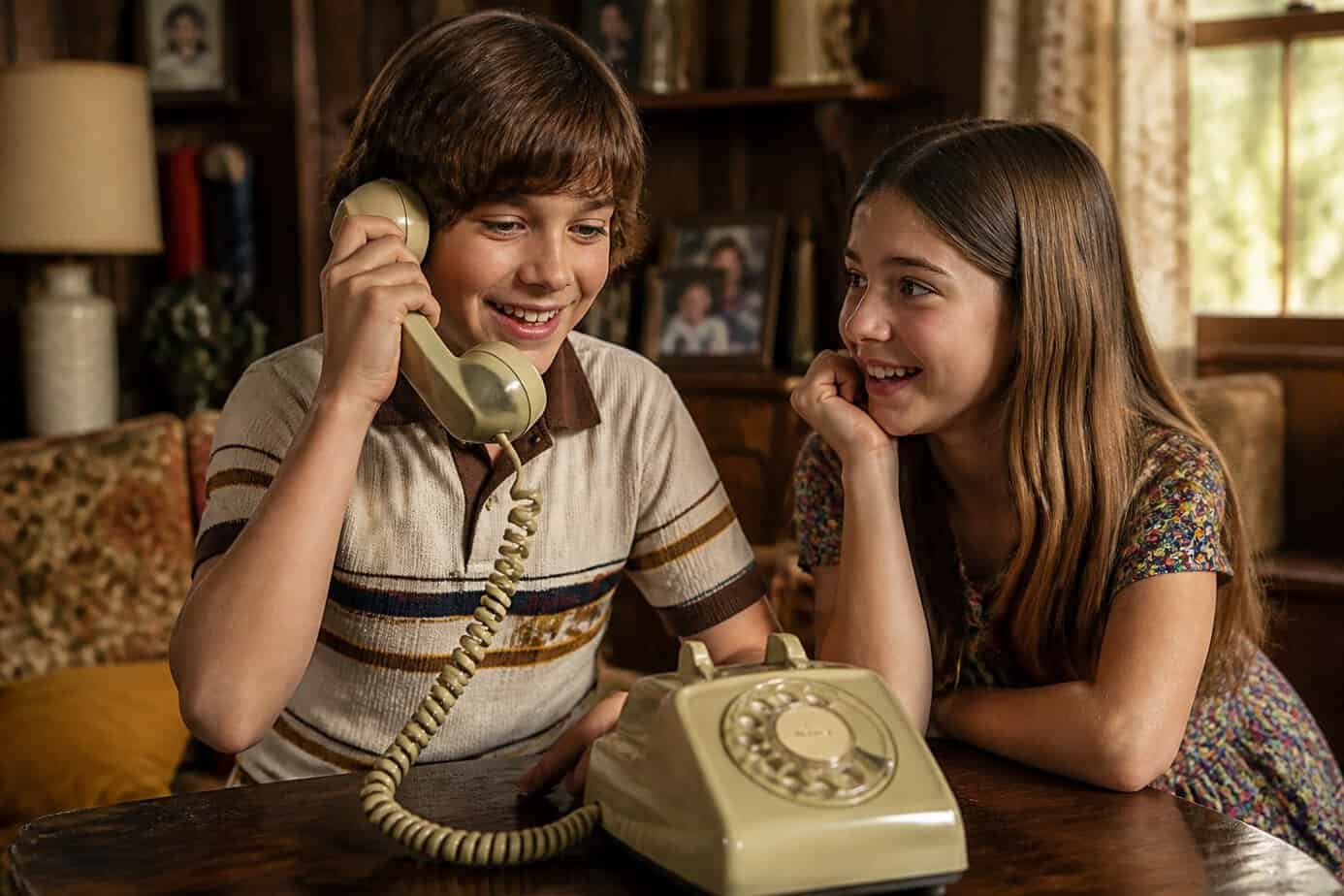
One phone served the whole family, usually mounted in the kitchen or hallway with a cord long enough to stretch around a corner for privacy.
You didn’t own the line. You borrowed it, and everyone in the house knew when you were using it.
If you wanted to call a friend, you checked first. Someone might be expecting a call, or a parent might need the phone free for their own use.
Conversations stayed short by necessity. Tying up the line for too long meant your sibling couldn’t call their friend, or your mom missed an important call.
You learned to say what you needed to say without dragging it out. Plans got made quickly, then you hung up.
Privacy was limited too. Family members overheard pieces of your conversations, whether you wanted them to or not.
23. Writing letters and exchanging notes with pen pals
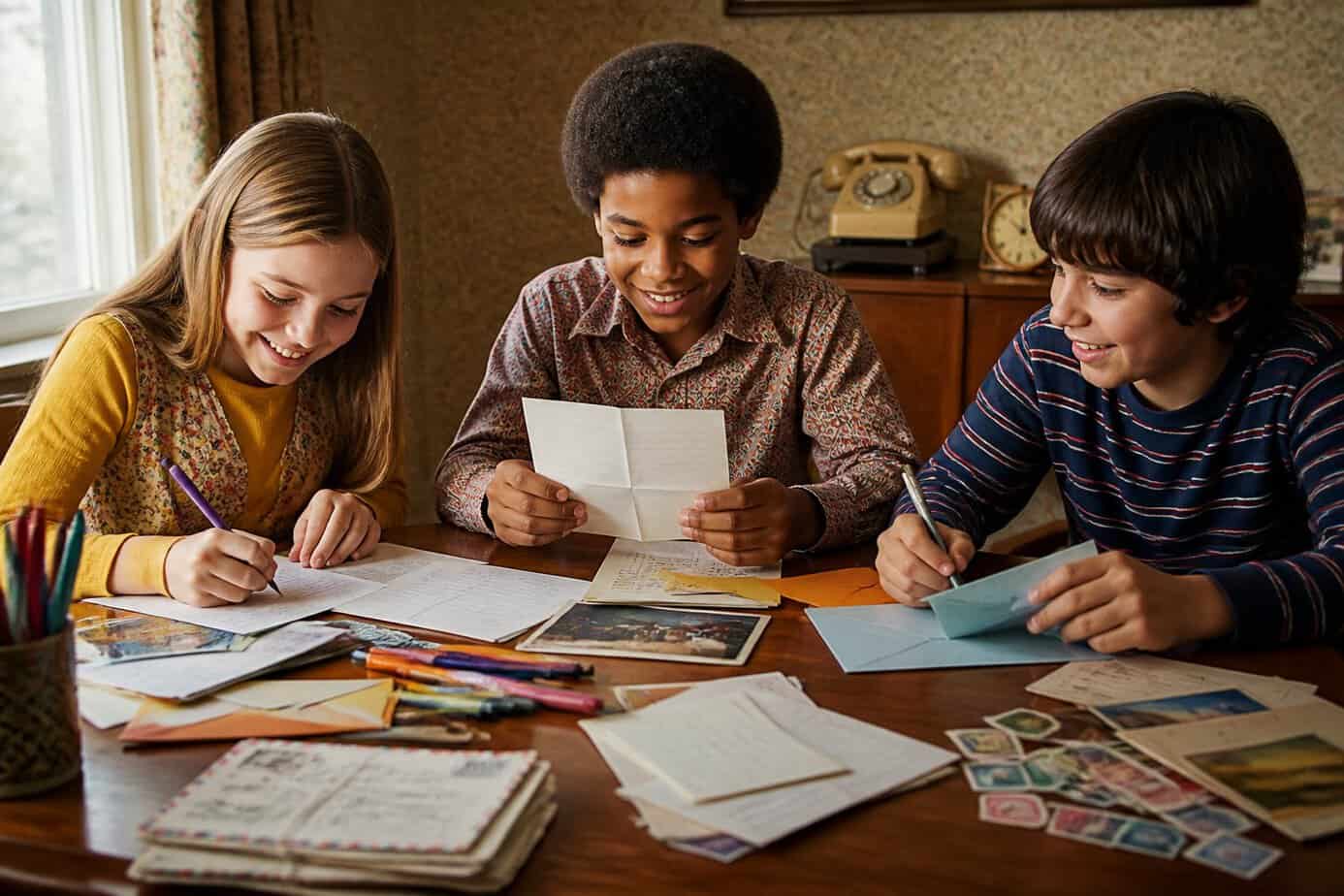
You picked out stationery, grabbed a pen, and sat down to write to someone you might never meet in person. Pen pal programs through schools often connected you with a student in another state or country. Waiting for a reply took weeks, sometimes longer.
You learned about other places through someone else’s handwriting and stories. A pen pal in England or Australia told you about school, weather, and daily life that felt different from your own. You compared notes on music, hobbies, and family.
Folding notes into small triangles or squares was its own skill you practiced during class. Passing them to friends required timing and a bit of nerve. These exchanges taught you patience, since replies never arrived instantly. You also learned to put thoughts into words on paper, something texting never demanded from you.
24. Reading comic books from local shops and newsstands
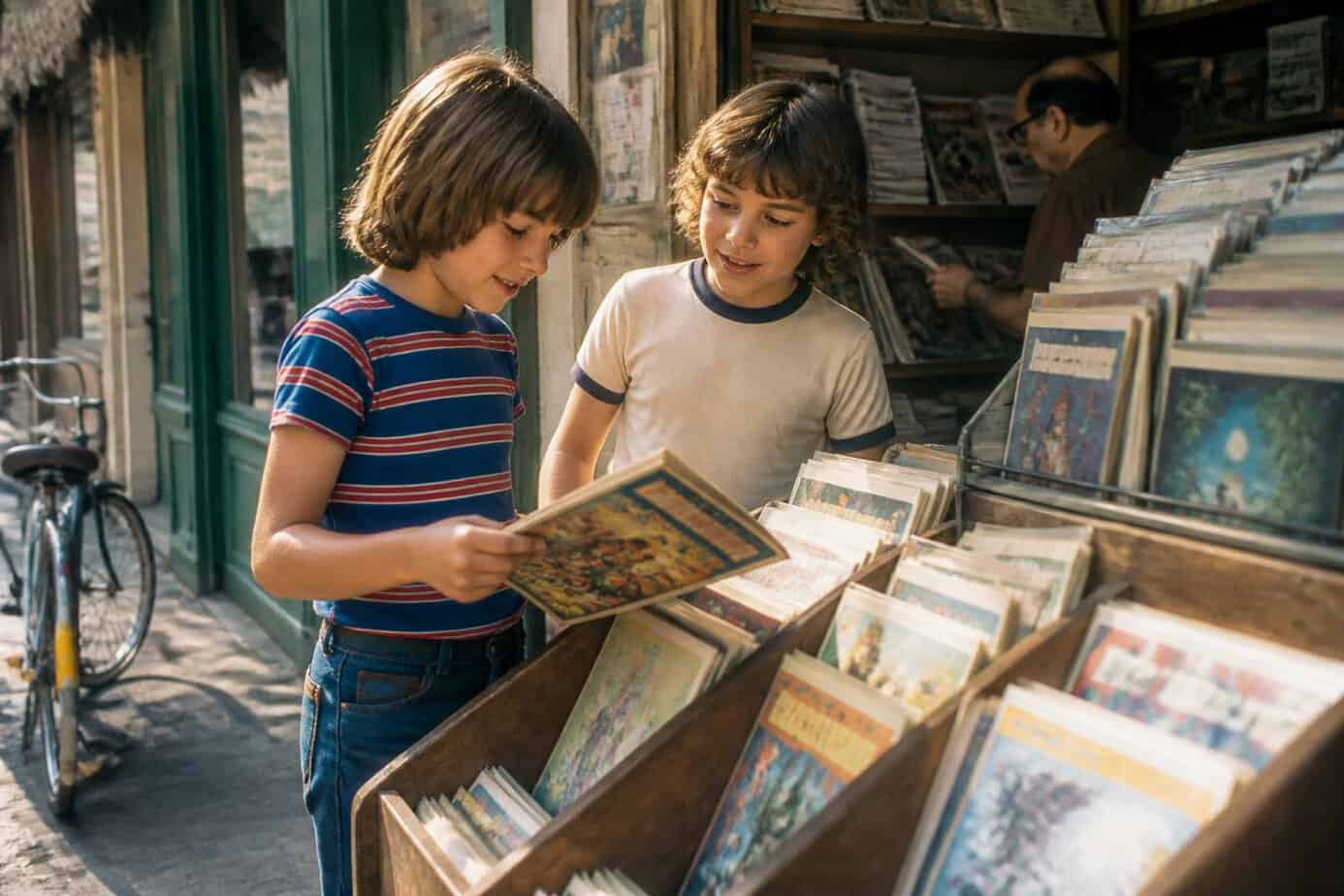
Before dedicated comic shops became common, you found your comics at the drugstore, the grocery store, or a corner newsstand. Spinner racks held rows of colorful covers, and a quarter or two usually covered your purchase.
You didn’t need a specialty store to keep up with your favorite characters. Newsstands carried a mix of superhero titles, westerns, and humor comics side by side, so you could sample different genres without much effort.
Some neighborhoods had small shops that sold used books, records, and comics together, often run by someone who knew regular customers by name. These places doubled as informal trading spots, where kids swapped issues or hunted for back issues missing from their collections.
Reading a new comic meant walking home with it right away, since there was no need to special order anything.
25. Browsing libraries for books without digital recommendations
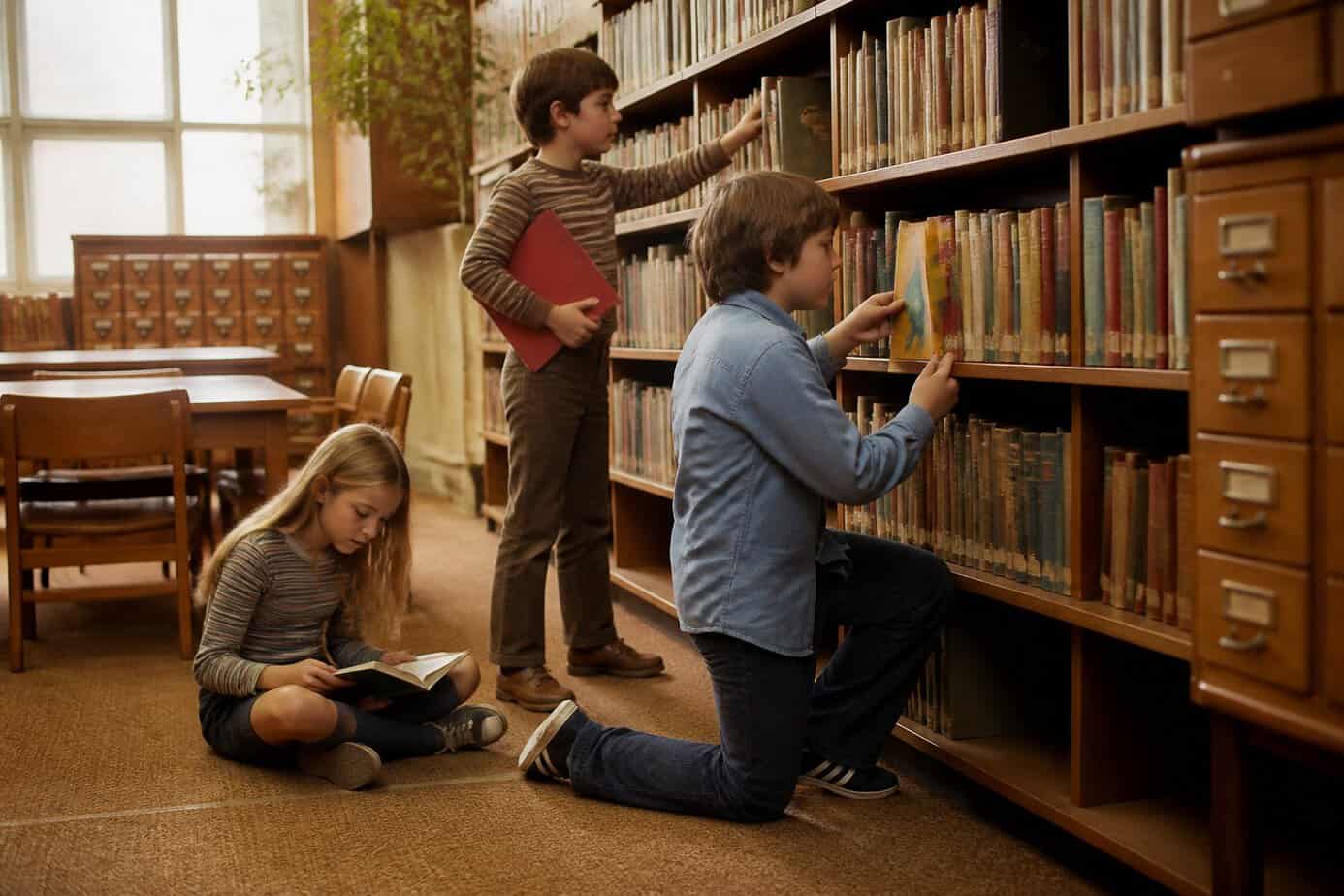
You walked into the library with no idea what you were leaving with. There was no algorithm suggesting your next read based on what you’d already borrowed.
You relied on card catalogs, spine titles, and your own curiosity. The Dewey Decimal System was your search engine, and patience was part of the process.
Librarians often knew the collection well and could point you toward something worth reading. Their recommendations came from experience, not data.
You might pick a book based on its cover or a title that caught your eye. Sometimes it turned out to be a disappointment, and other times you found something you never would have chosen otherwise.
This approach exposed you to unexpected authors and subjects. Without filters narrowing your options, the library felt larger and more open to exploration.
26. Using encyclopedias for school research
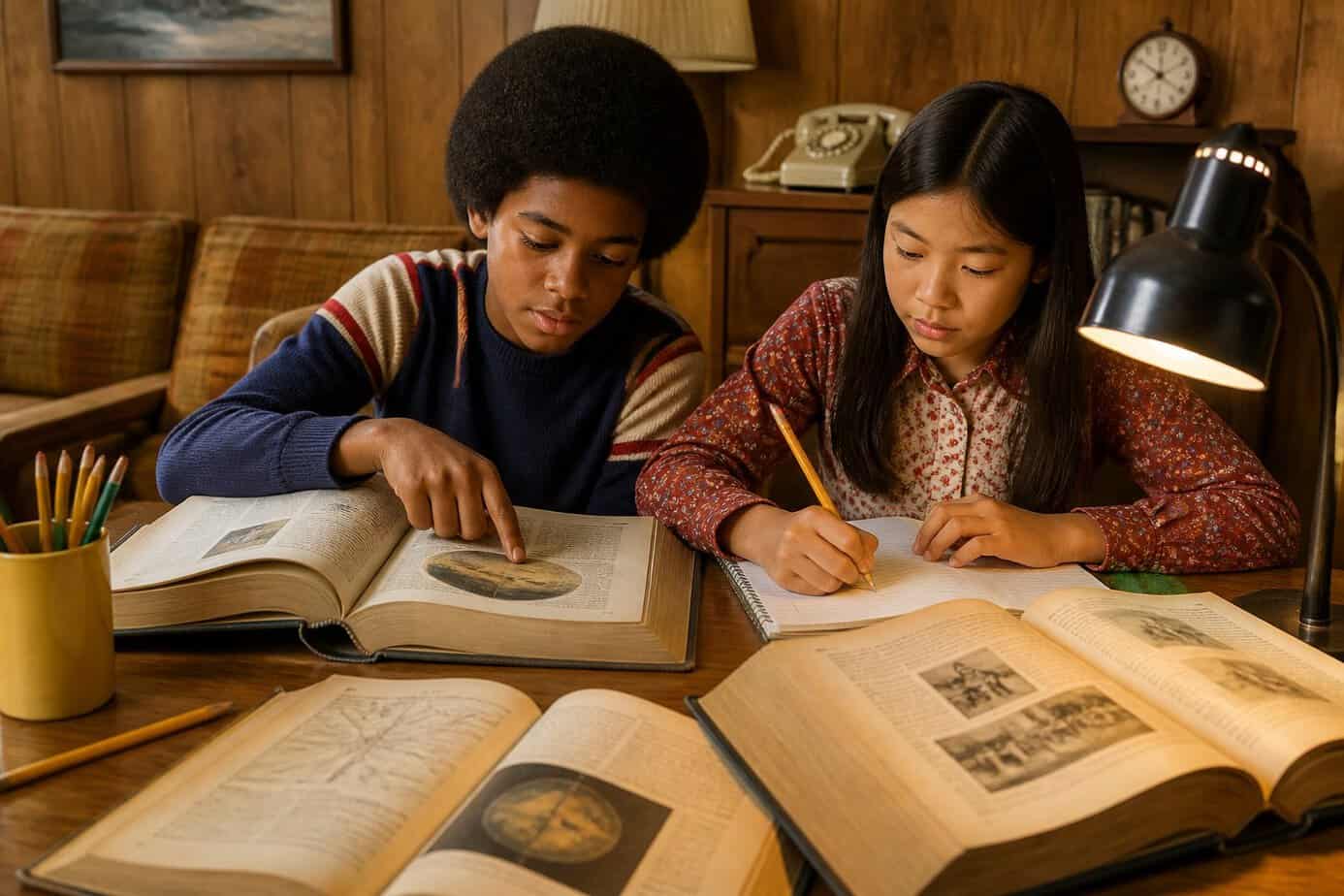
When you had a school report to write, you pulled out a volume from the encyclopedia set and started reading. Most families kept these books on a shelf at home, or you used the ones at your local library.
You learned to find information by flipping to the right letter and scanning entries. This process taught you how to skim for relevant facts and take notes by hand.
Cross-referencing was part of the routine, too. You checked the index at the back of each volume, then followed leads to related entries in other books.
There was no instant search bar to rely on. You had to think through where information might be located and work through the material yourself.
This gave you practical research skills that stuck with you, even after these reference sets became less common.
27. Attending drive-in movies with the family
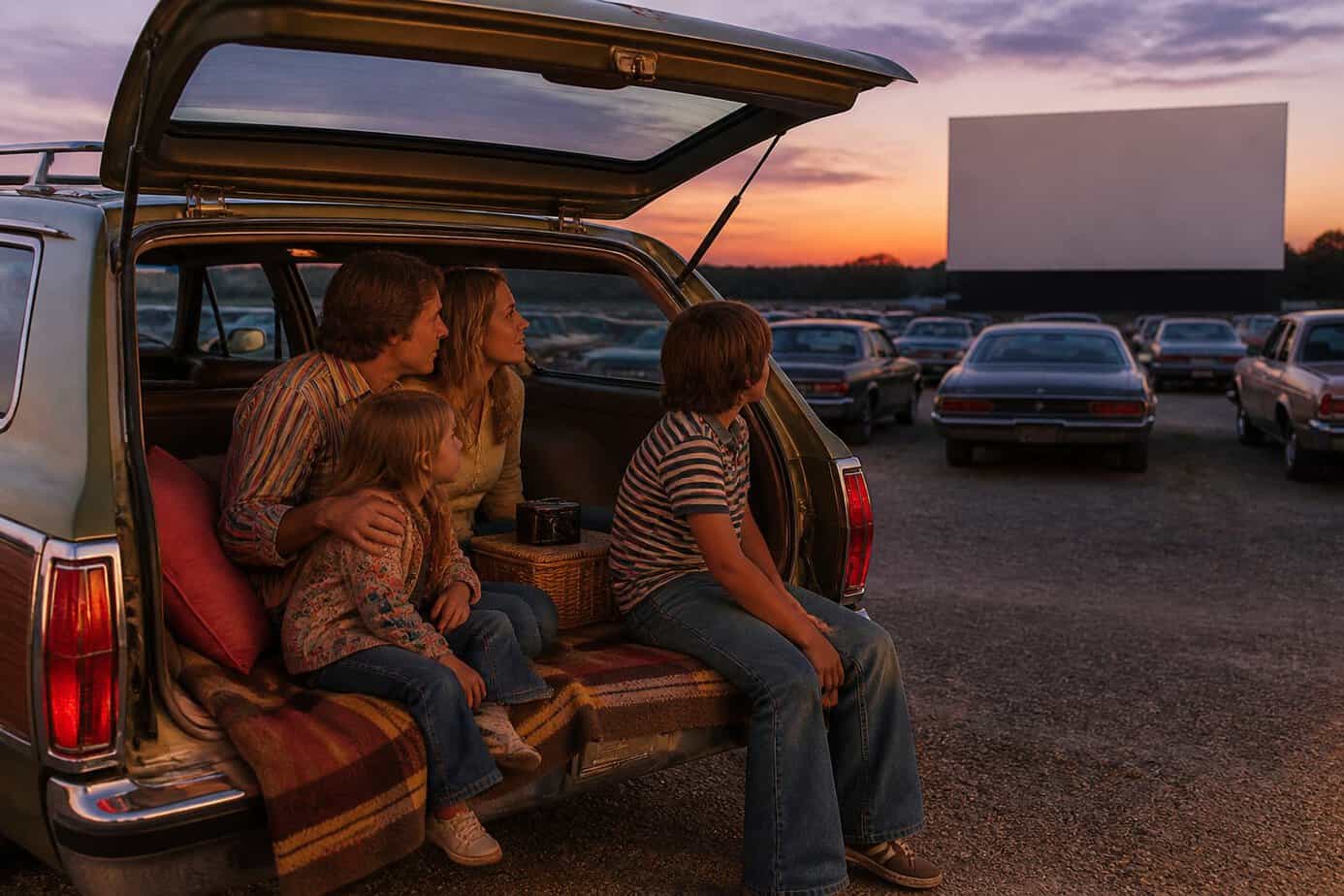
You packed the family into the station wagon, loaded up on blankets and homemade snacks, and headed to the drive-in for the evening. You paid one price per carload, which meant your family could go without worrying much about the cost.
You picked a spot early, angled the car just right, and set up the speaker on your window. Before the film started, you played with other kids nearby while your parents talked with neighbors parked next to you.
You watched double features that stretched late into the night, often falling asleep before the second movie ended. The setting mattered as much as what played on screen.
You experienced something indoor theaters couldn’t offer: a shared outdoor evening under the stars, where entertainment and family time happened at once, without much planning or expense involved.
Why Childhood Felt More Independent
Two factors drove this independence: the freedom to roam without constant adult oversight, and the absence of devices that would have kept you indoors or distracted.
Neighborhood Freedom And Unsupervised Play
You left the house after breakfast and didn’t check in again until dinner, or when the streetlights came on. Your parents rarely knew your exact location, and that wasn’t considered a problem.
You organized your own games with neighborhood kids, settled disputes without an adult stepping in, and figured out how to entertain yourself for hours. Bikes took you across town without a helmet or a planned route.
This setup taught you to solve problems on your own. If you got lost, hurt, or into an argument, you handled it yourself first.
Limited Technology And Everyday Presence
You didn’t have a phone to call for help or a screen to retreat to when boredom set in. Landlines existed, but they stayed at home, so once you left the house, you were on your own.
This meant you learned to entertain yourself with what was around you: books, sticks, bikes, or whatever game the neighborhood kids invented that day. There was no group chat to coordinate plans, so you simply showed up at a friend’s door and hoped they were home.
Without constant digital contact, you built patience and learned to adapt when plans changed at the last minute.
The Social And Cultural Legacy Of 1970s Childhood
The habits and structures of 1970s family life left a lasting mark on how you approach relationships, work, and daily responsibilities today. Those routines built patterns of independence and connection that still influence how families operate now.
How Family Routines Shaped Daily Life
Your family’s daily rhythm in the 1970s likely centered on fixed mealtimes, with dinner as a non-negotiable gathering point. Television schedules dictated evenings, since shows aired at set times with no way to pause or rewind.
You were expected to entertain yourself for large stretches of the day, especially during summer. Parents didn’t schedule every hour, so you learned to structure your own time.
Chores were a standard part of your week, not an occasional request. Common household patterns included:
- Assigned tasks like dishes, yard work, or babysitting siblings
- Set curfews tied to when streetlights came on
- Shared family meals with limited outside distractions
- One household phone, which meant scheduling calls and taking messages for others
These routines gave you a clear sense of responsibility and taught you to negotiate time with siblings and parents.
What Modern Families Can Learn From The Era
The structure of 1970s households offers practical lessons you can apply now, particularly around unstructured time and shared responsibility.
Building regular, distraction-free meals into your week strengthens communication, similar to how it functioned decades ago. Assigning consistent chores to children, rather than occasional favors, teaches accountability the way it did then.
Allowing kids unscheduled time to solve their own boredom builds independence that overly structured schedules can limit. You don’t need to replicate every aspect of that decade, but selectively adopting its routines can balance modern conveniences with practical skill-building for your own household.