
29 Ways 1970s Housewives Stretched a Dollar That Still Work Today
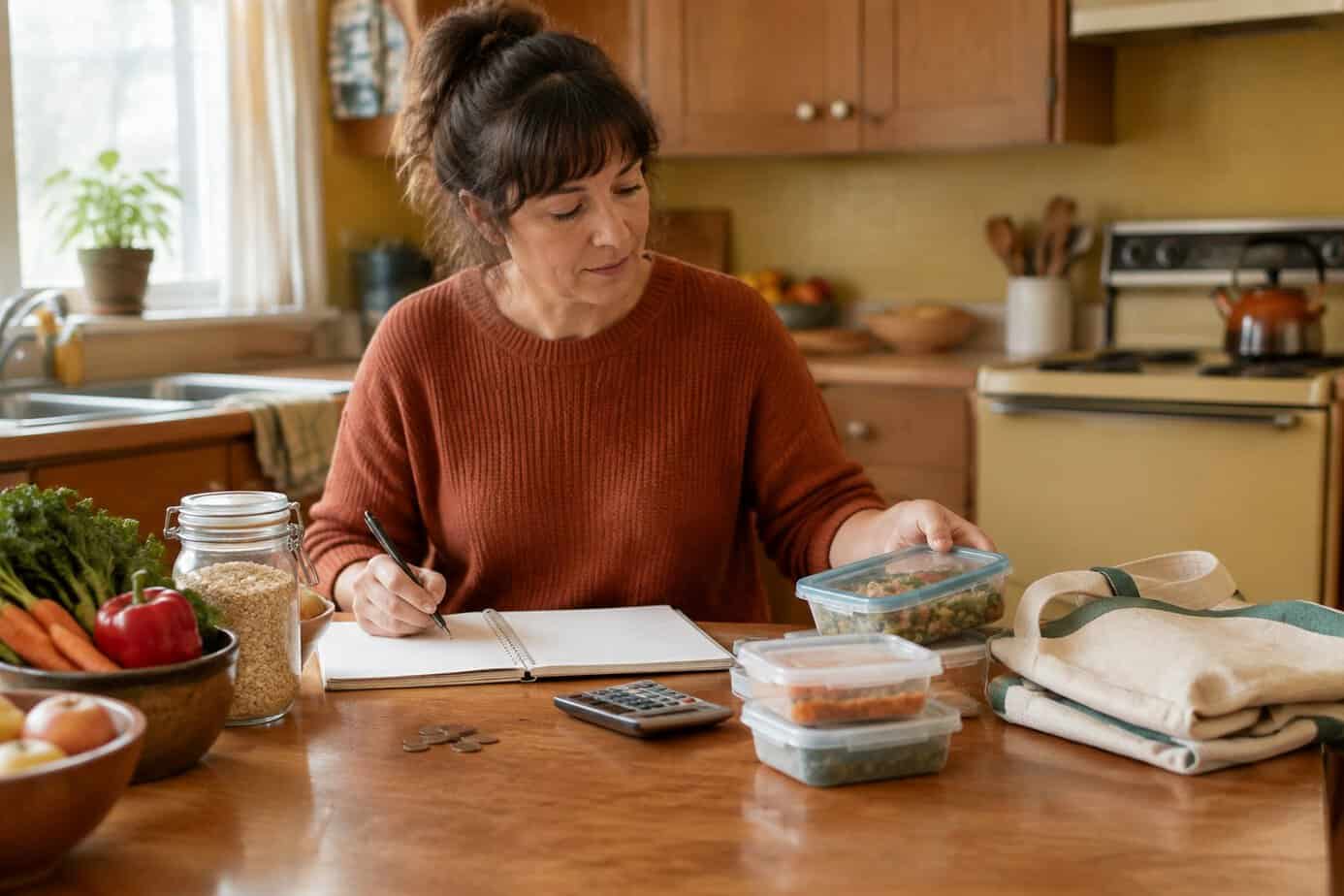
Back in the 1970s, you didn’t call it budgeting. You called it running a house. Prices seemed to climb every time you pushed a cart down the aisle, the gas lines and the energy crisis were on the evening news, and the same paycheck had to cover a little more every month.
So you got clever. You saved what other people threw away, you knew which store marked things down on which day, and you could make one dollar do the work of two without anyone at the supper table noticing.
Here’s the nice part: nearly every trick you used back then still works today. A few have new names, and some even have apps now, but the idea is exactly the same. Here are 29 of them.
1. Paying the bills from cash envelopes
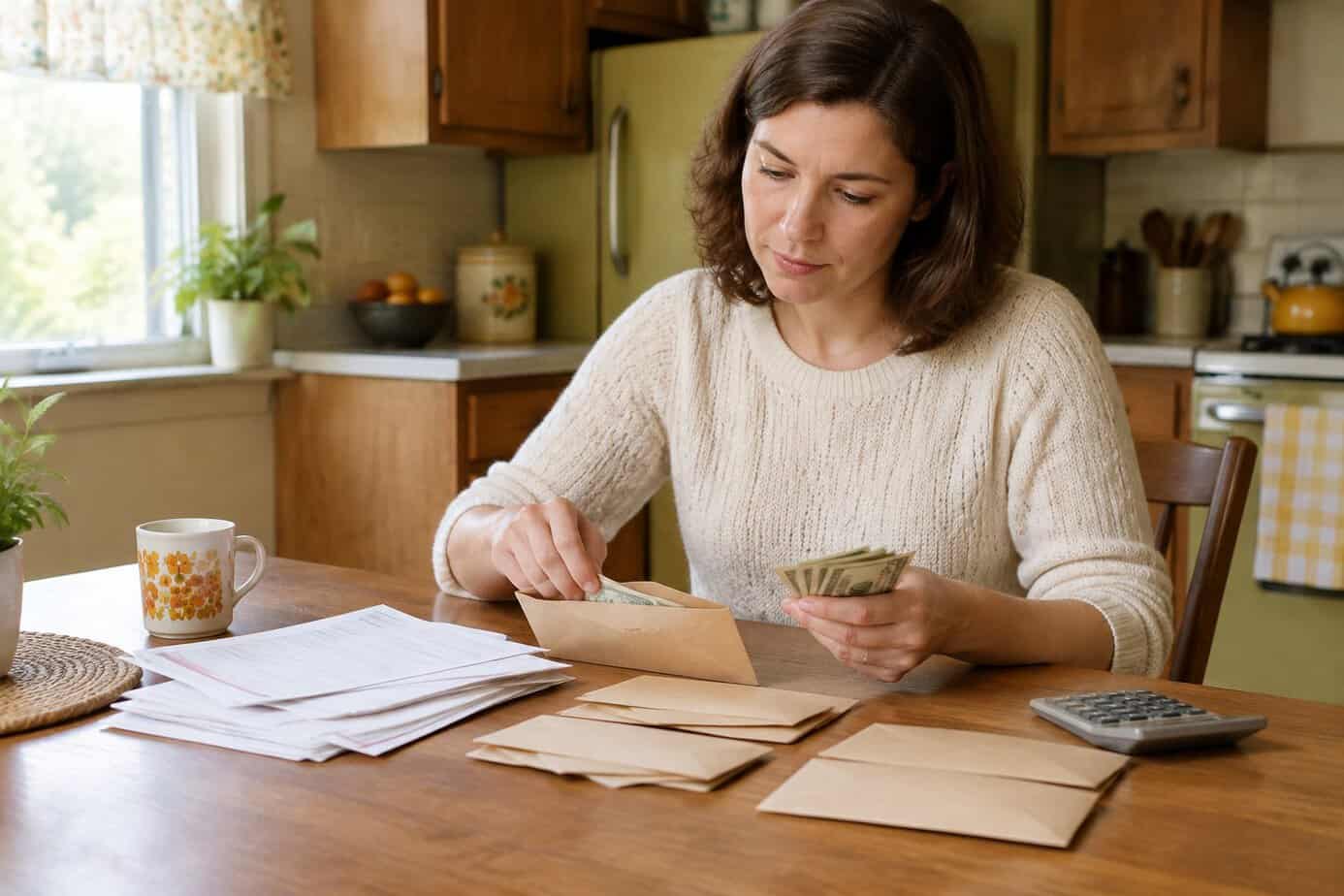
On payday you sat down at the kitchen table, cashed the check, and divided the money into envelopes. One said groceries, one said gas, one said the light bill, and maybe a thin one said Christmas. When an envelope was empty, that part of the month was done. There was no arguing with it and no surprise at the end of the month.
It worked because you could see the money and feel it getting thinner. Spending cash simply feels different from swiping a card, and you knew it long before anyone wrote a book about it.
The envelope method is back in a big way, and younger women even post videos of their cash envelopes online. If carrying cash isn’t practical, separate savings accounts or a budgeting app can do the same job: give every dollar a job before the month begins.
2. Keeping a little price notebook in your purse
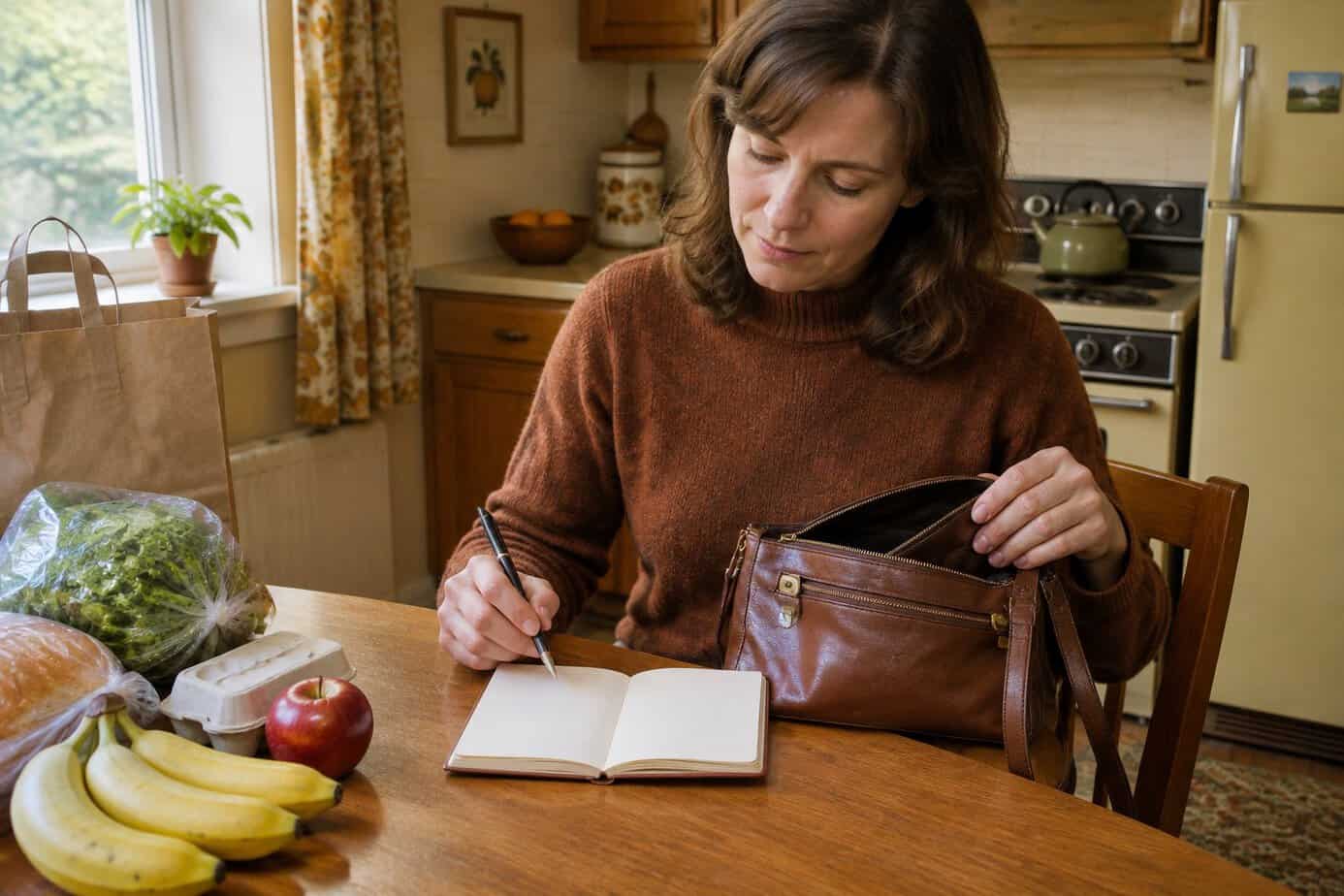
You knew what a can of tuna cost at three different stores, because you wrote it down. A small notebook in your purse held the regular prices of the things you bought most: coffee, ground beef, cereal, laundry soap. When a sale flyer came in the paper, you could tell right away whether it was really a bargain or just a big sign.
Over time you learned each store’s rhythm too. One always had the best price on meat, another on canned goods, and you shopped them that way.
A price book still works, and today it can live in the notes app on your phone. Write down the usual price of the 20 or so things you buy every week, and you’ll spot the real sales from the fake ones in a single trip.
3. Trying the plain black-and-white generic labels
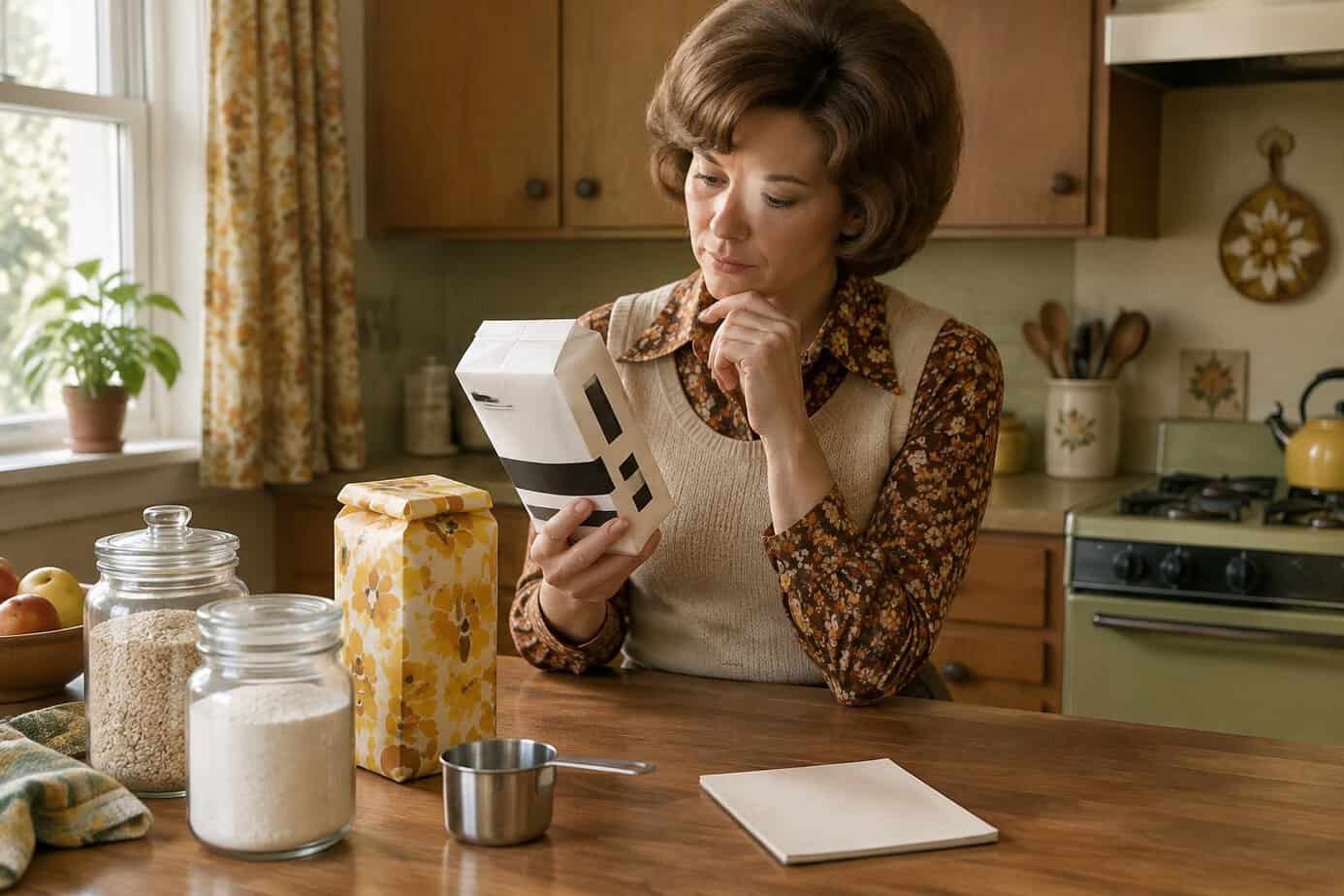
Toward the end of the 1970s, a new kind of shelf showed up at the supermarket. The packages had plain white labels with black letters that just said what was inside: CORN, PAPER TOWELS, BEER. No pictures and no brand names. They were cheaper than the name brands, and a lot of families tried them when prices were climbing fastest.
Some of them were just fine and some you only bought once. But you learned which ones you could swap in without anyone at home complaining, and that was money in your pocket every single week.
Those plain labels grew into the store brands that fill every aisle now. Many are made to the same standard as the big names. Try one item at a time, and keep the ones your family can’t tell apart.
4. Shopping the day-old bread store
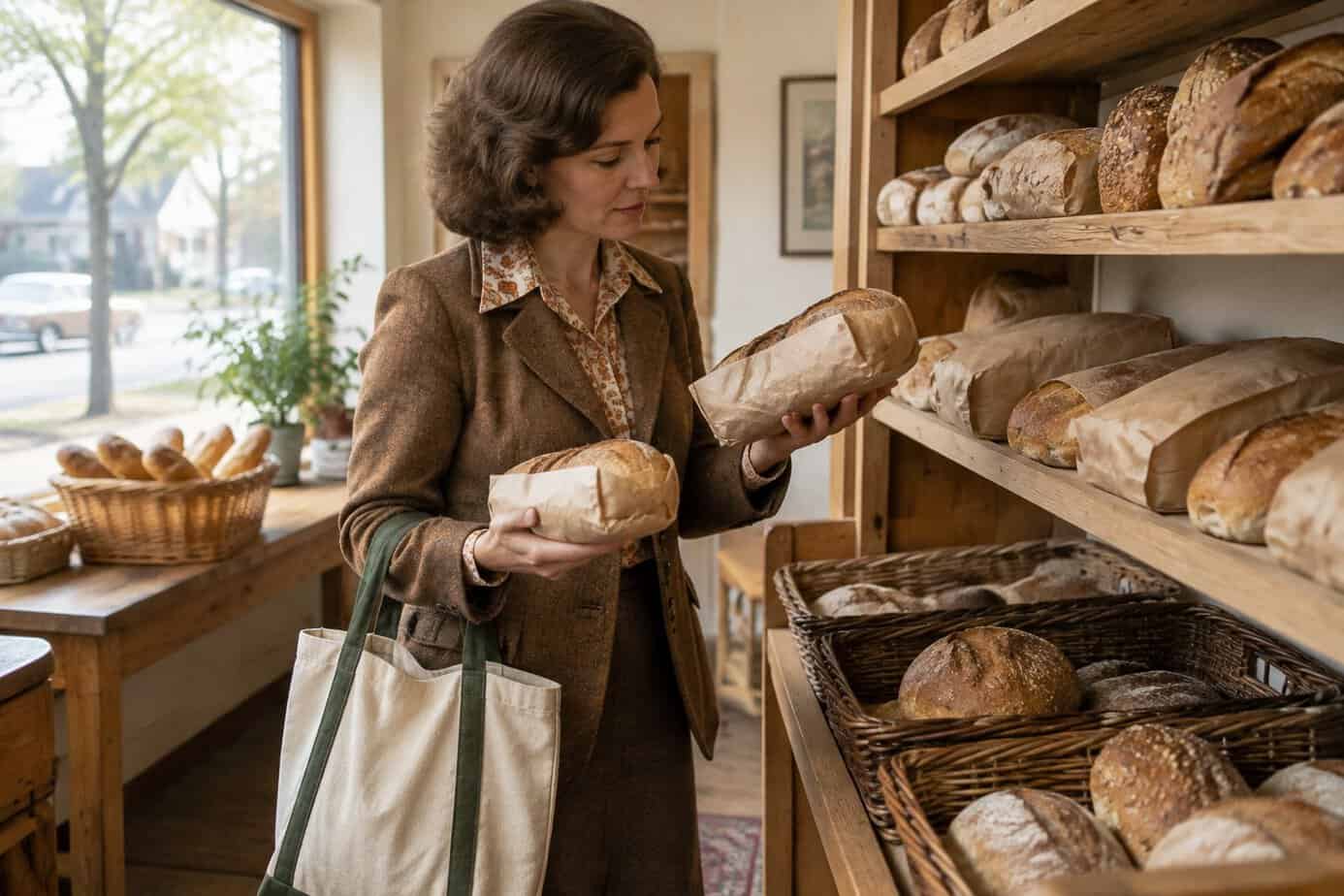
Many towns had a bakery thrift store, the outlet where the big bread companies sold yesterday’s loaves, snack cakes and buns for a fraction of the grocery store price. You’d go once a week, fill the cart, and come home with a trunk full of bread.
The bread was perfectly good. It had simply been pulled from store shelves to make room for the fresh delivery. You froze most of it and pulled out a loaf at a time, and nobody could ever tell.
Bakery outlet stores still exist in many areas, and grocery stores often have a marked-down bread rack near the bakery. Bread freezes beautifully for a couple of months, so buying several loaves at the outlet price is still one of the easiest ways to trim the grocery bill.
5. Mixing powdered milk into the whole milk
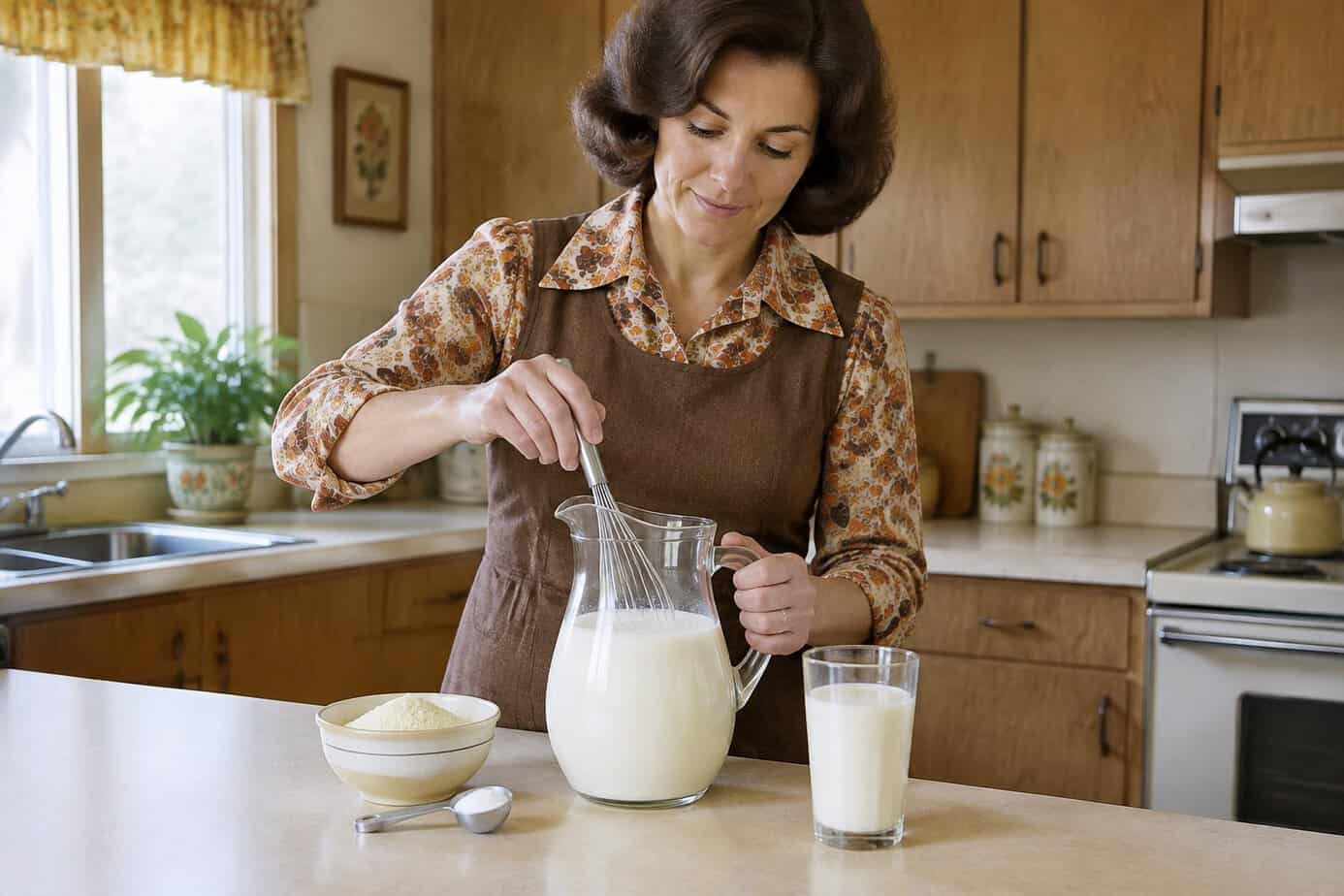
With a houseful of kids going through milk by the gallon, you found a way to make it last. You’d mix up a pitcher of nonfat dry milk and pour it in with the regular milk, half and half, then shake it up and put it back in the refrigerator. Served ice cold, most of the family never knew.
And if someone did notice, the box of powdered milk still went into pancakes, puddings, casseroles and baking, where nobody could taste the difference at all.
Nonfat dry milk is still sold in boxes and keeps for months in the pantry. It’s a handy way to stretch milk for cooking and baking, and it saves a trip to the store when you run out halfway through a recipe.
6. Buying the season’s produce at the farm stand

You didn’t buy strawberries in January. You bought them in June, by the flat, from the farm stand out on the county road, when they were cheap and tasted like strawberries. Corn came in August by the dozen ears, apples in the fall by the bushel, and the grocery store mostly filled in the gaps.
Cooking by the season meant the menu changed all year long. It also meant you were always buying what was plentiful, and plentiful means cheap.
It still works exactly the same way. Produce in season costs less at the farm stand, the farmers market and the supermarket alike. Buy a lot when the price drops, freeze or share the extra, and skip the out-of-season fruit that’s traveled halfway around the world.
7. Splitting a bulk sack or case with a neighbor
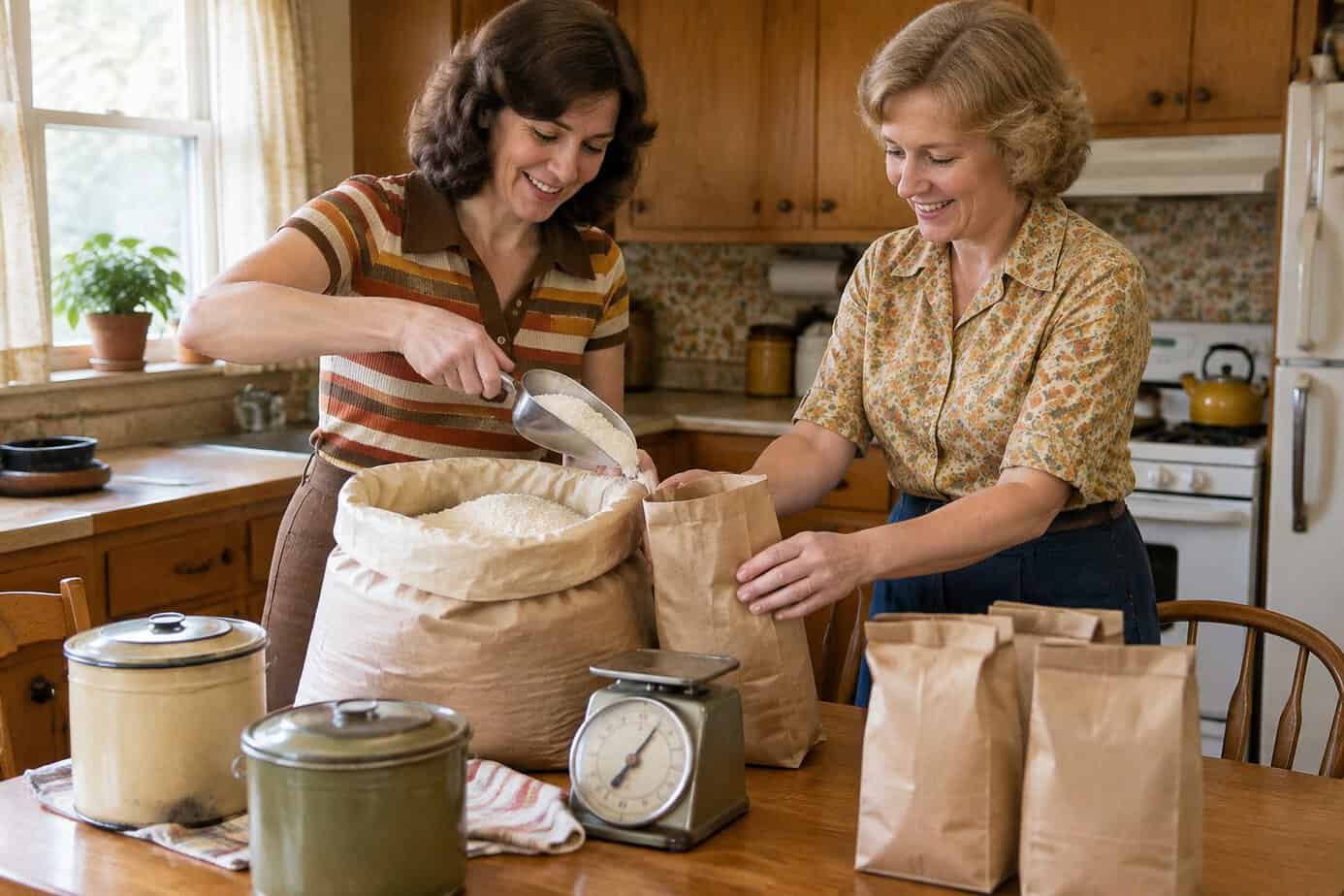
A 25-pound sack of flour or a whole case of canned tomatoes was a better deal than buying a little at a time, but it was more than one family could use. So you went in on it with the woman next door. You’d split the cost, divide it up at somebody’s kitchen table, and both come out ahead.
In a lot of neighborhoods this grew into food co-ops in the 1970s, where a group of families ordered in bulk together and took turns sorting the order.
The idea still saves real money. A warehouse club pack of paper towels, meat or produce is often too much for one or two people, so split it with a daughter, a friend or a neighbor. You both get the bulk price without a garage full of extras.
8. Serving breakfast for supper once a week
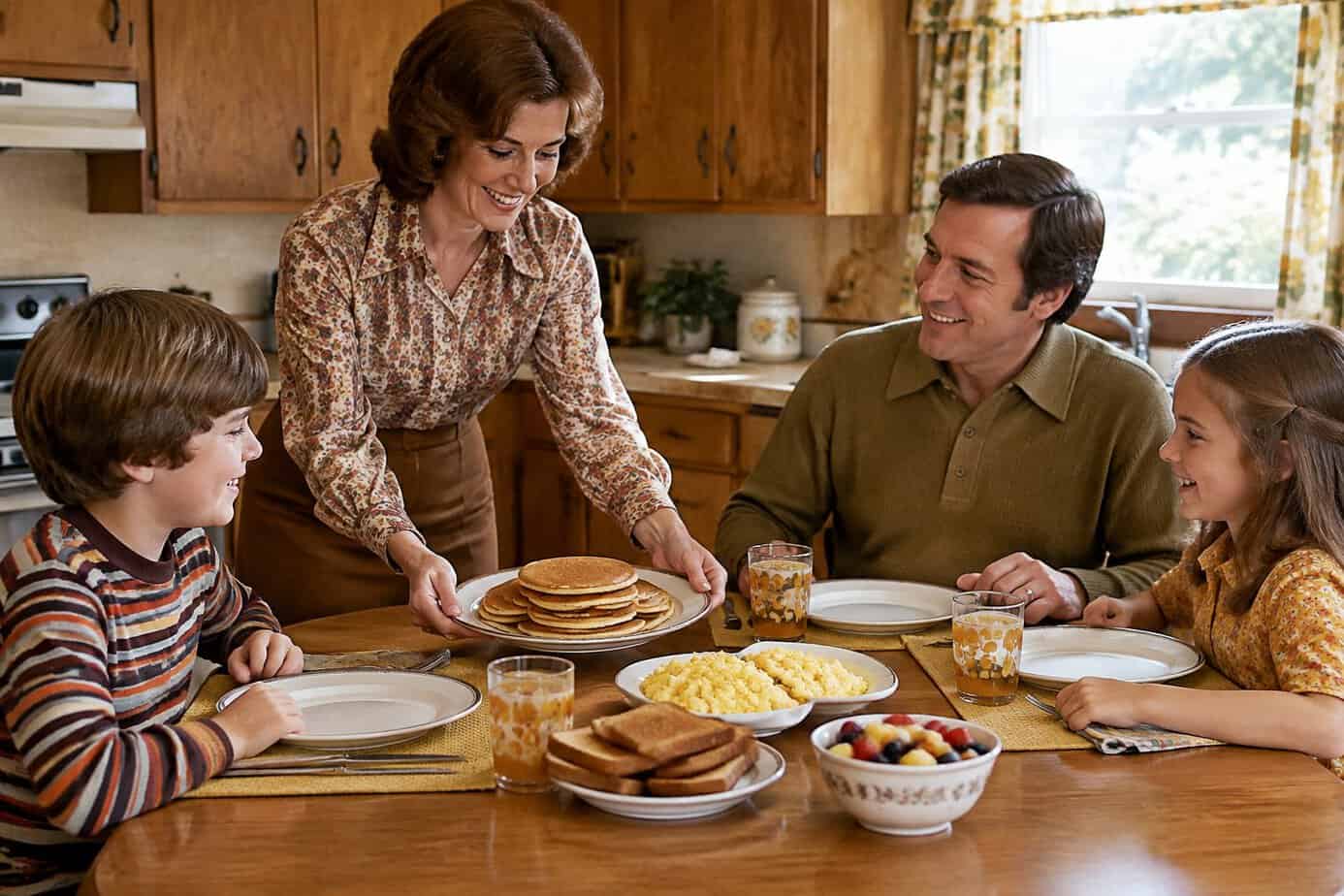
When the grocery money was nearly gone by Thursday, supper turned into pancakes, French toast, scrambled eggs or waffles. The kids thought it was a treat. You knew it was eggs, flour and milk, some of the cheapest food in the kitchen.
A meatless supper once or twice a week was common in plenty of homes, whether it was breakfast for supper, grilled cheese with tomato soup or a big pot of macaroni. Meat was usually the most expensive thing on the plate, so skipping it now and then made a real difference by the end of the month.
It still does. One meatless night a week trims the grocery bill noticeably, and breakfast for supper is still a favorite with grandkids, who will tell you it’s the best idea anyone ever had.
9. Cooking one big pot on Sunday to carry the week
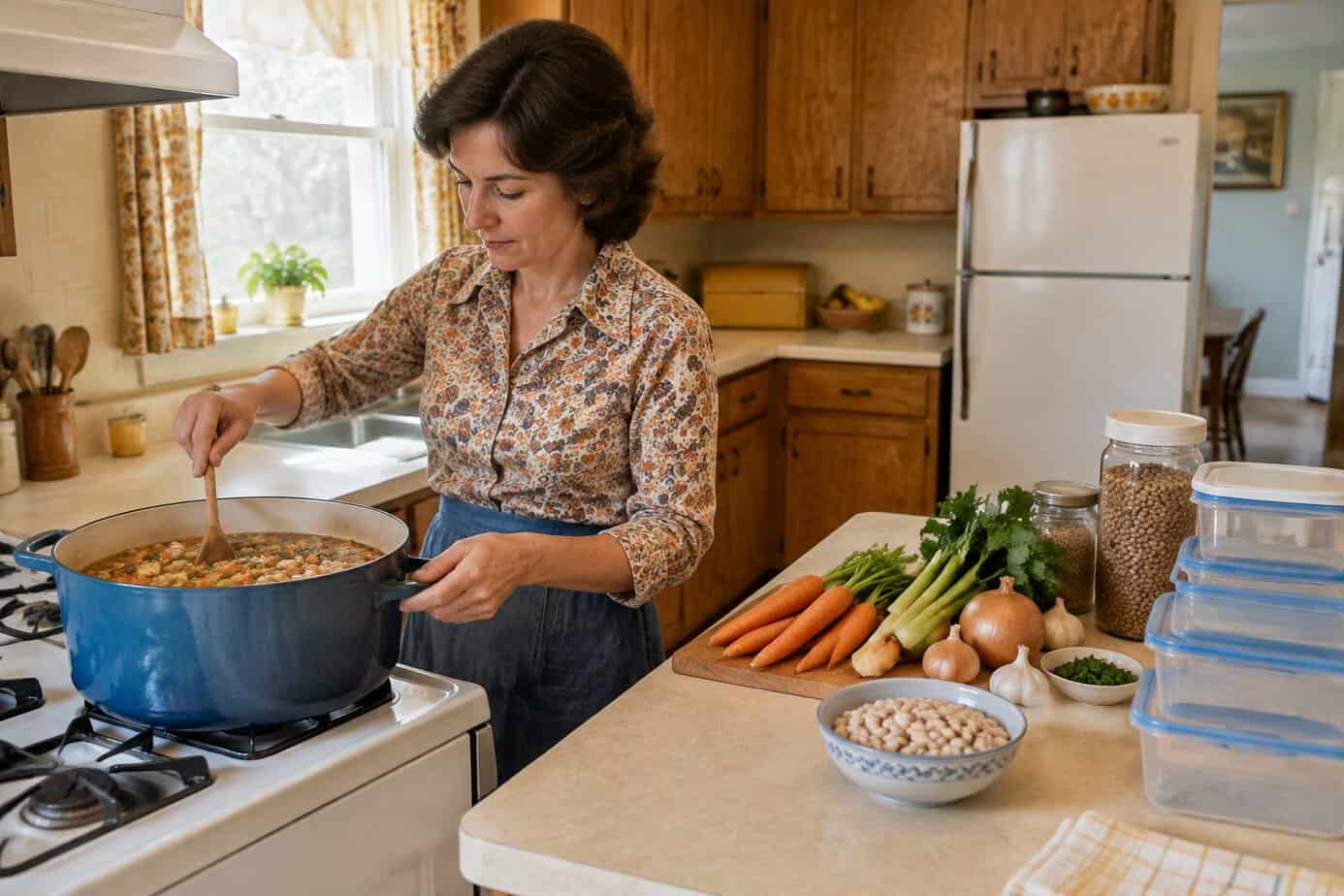
Sunday afternoon was for the big pot. Chili, spaghetti sauce, beef stew or a soup pot of vegetables simmered for hours while the house smelled wonderful. Whatever didn’t get eaten that night went into containers for busy weeknights, and some went into the freezer for a day when you couldn’t face cooking at all.
Cooking in one big batch saved more than food. It saved the gas or electricity of cooking every night, and it kept you out of the drive-in when the day got away from you.
The young women call it meal prep now and photograph it in neat little containers. It’s the same Sunday pot. Cooking once and eating three or four times is still one of the surest ways to spend less on food.
10. Scraping every last bit out of the jar
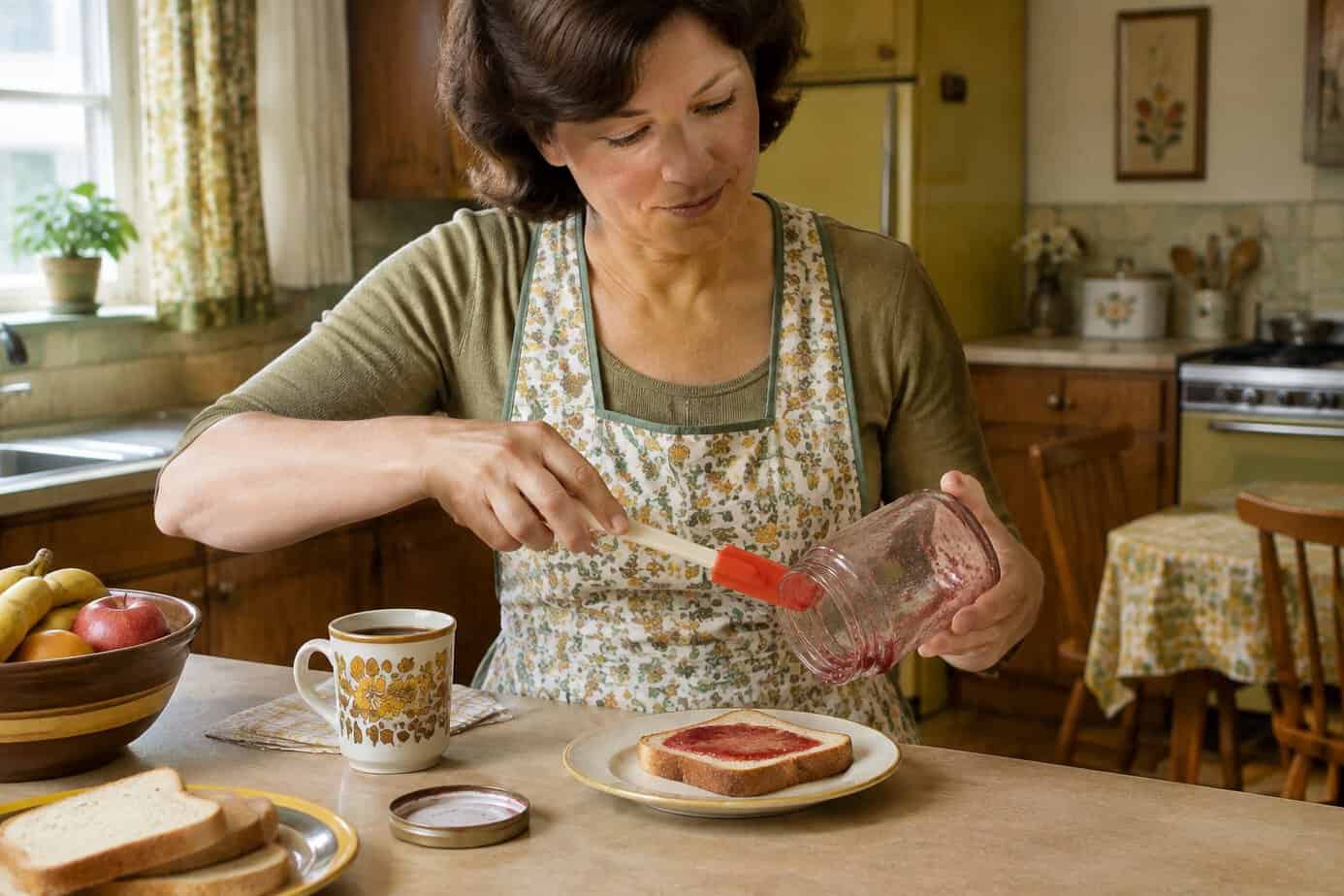
Nothing left your kitchen with food still in it. You ran a rubber spatula around the mayonnaise jar, added a splash of water or vinegar to the ketchup bottle and shook it, cut open the toothpaste tube to get at the last bit inside, and pressed old soap slivers onto the new bar.
It sounds small, but you knew those last spoonfuls added up over a year. Every jar you emptied completely was one you didn’t have to replace quite so soon.
This one still works, maybe better than ever, since packages are made to hold back a surprising amount. A good rubber spatula and a pair of scissors for tubes of lotion and toothpaste will keep money from going into the trash every week.
11. Washing and reusing aluminum foil
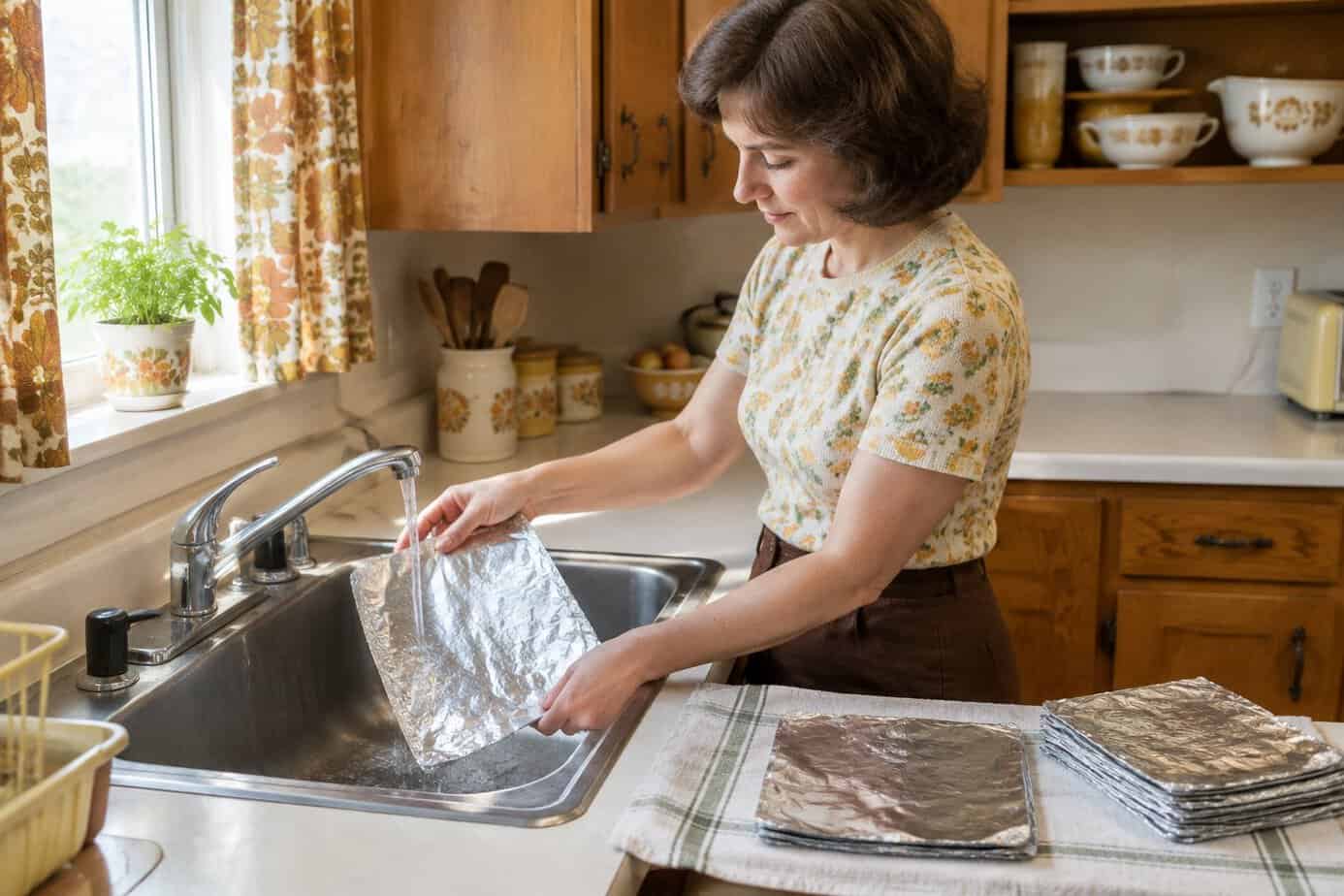
When you took the foil off a casserole, you didn’t throw it away. If it was clean enough, you washed it in the dishwater, smoothed it flat with your hand and folded it into the drawer to use again. A good sheet of foil might cover three or four dishes before it finally tore.
Plenty of women your age still can’t bring themselves to toss a clean piece, and with good reason. Foil was never cheap, and it was easy to make it last.
It still works for foil that covered a dish or wrapped bread, though anything greasy or touched by raw meat should go out. Foil that’s clean can usually go in the recycling bin too, so even the last piece doesn’t have to be waste.
12. Saving bread bags for everything
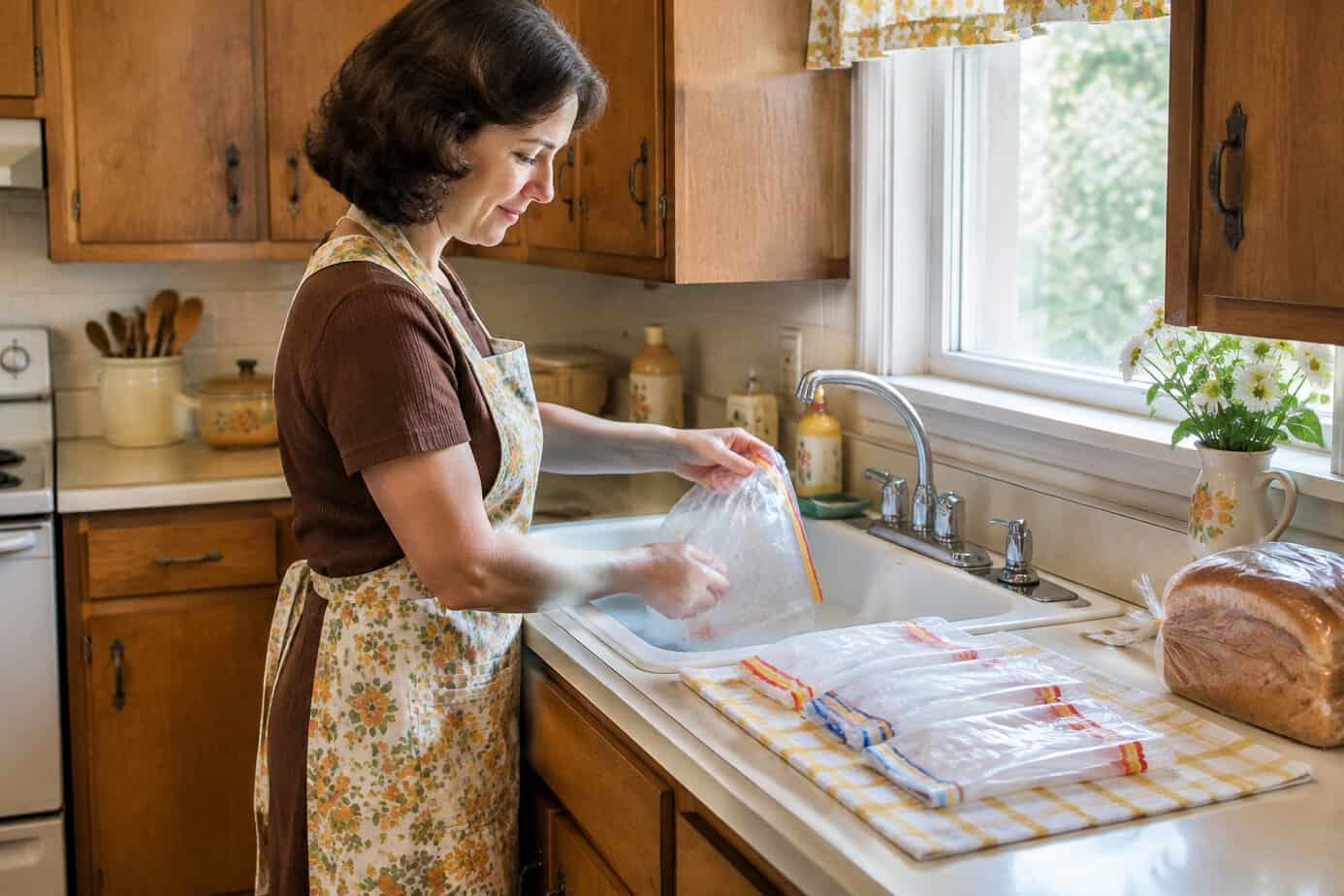
Every bread bag got a second life. You used them to wrap sandwiches for lunch, store leftovers in the freezer, line the little trash can in the bathroom, and hold the garden tomatoes you sent home with a neighbor. On snowy mornings, a bread bag over each child’s shoe kept their feet dry inside rubber boots.
A drawer or a hook full of folded bread bags meant you almost never had to buy plastic bags at all.
It still makes sense. Bread bags and produce bags are sturdy enough to reuse for freezing, packing lunches, holding wet umbrellas or bagging up kitchen scraps. Keeping a small stash means one less box of plastic bags on the grocery list.
13. Keeping margarine tubs instead of buying containers
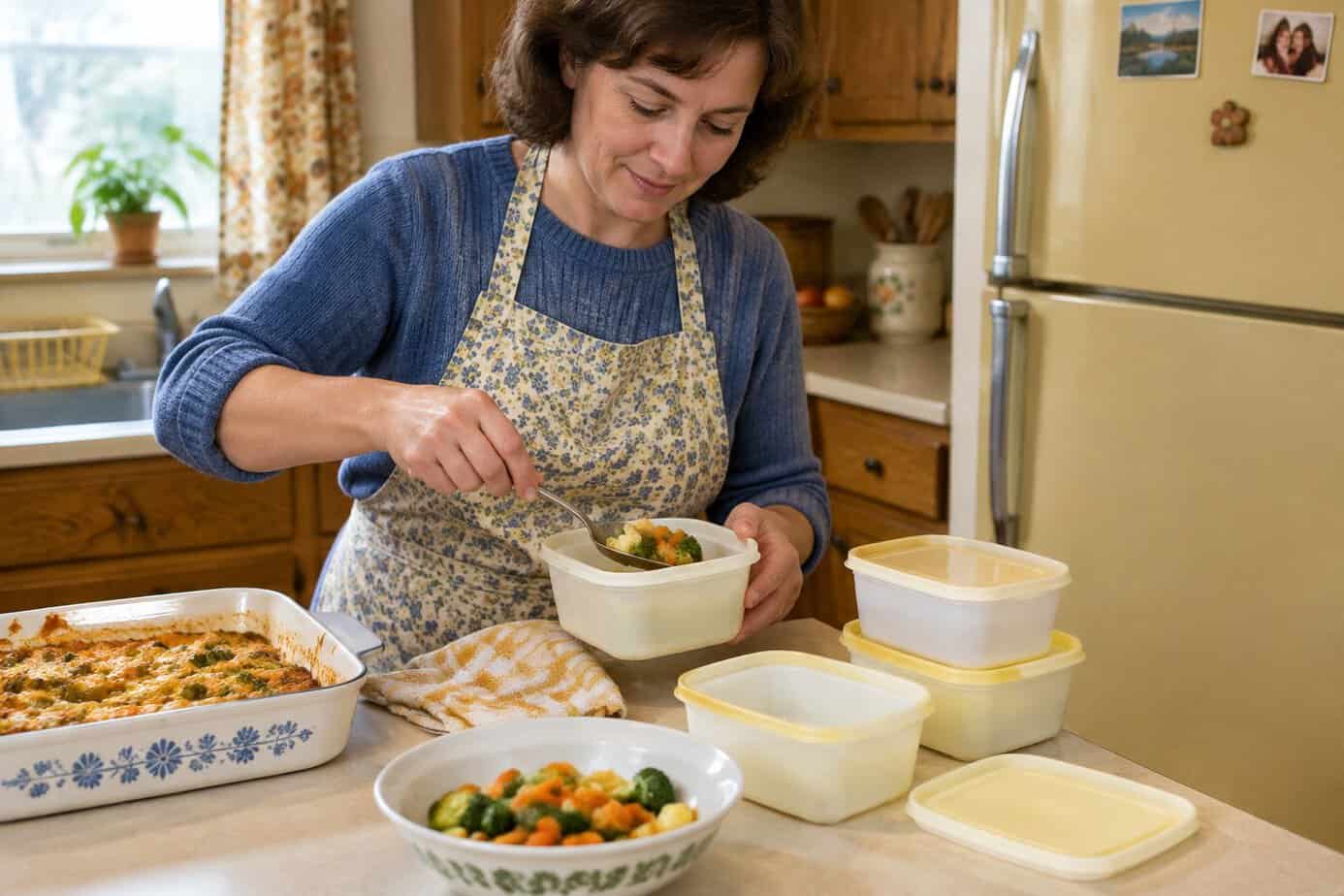
Open your refrigerator in 1975 and you’d find margarine tubs, cottage cheese cartons and whipped topping bowls, none of them holding what the label said. Everyone who grew up then remembers opening a butter tub hoping for butter and finding leftover green beans.
Those tubs were free storage. They held leftovers, soup for the freezer, buttons and screws, and cookies you sent home with company, and you never worried about getting them back.
They still work, with one change: plastic tubs from the store aren’t meant for the microwave, so warm food up in a glass dish. For the refrigerator, the freezer, the sewing basket or the garage shelf, a stack of clean tubs is still as good as anything you can buy.
14. Filling the junk drawer with rubber bands and twist ties
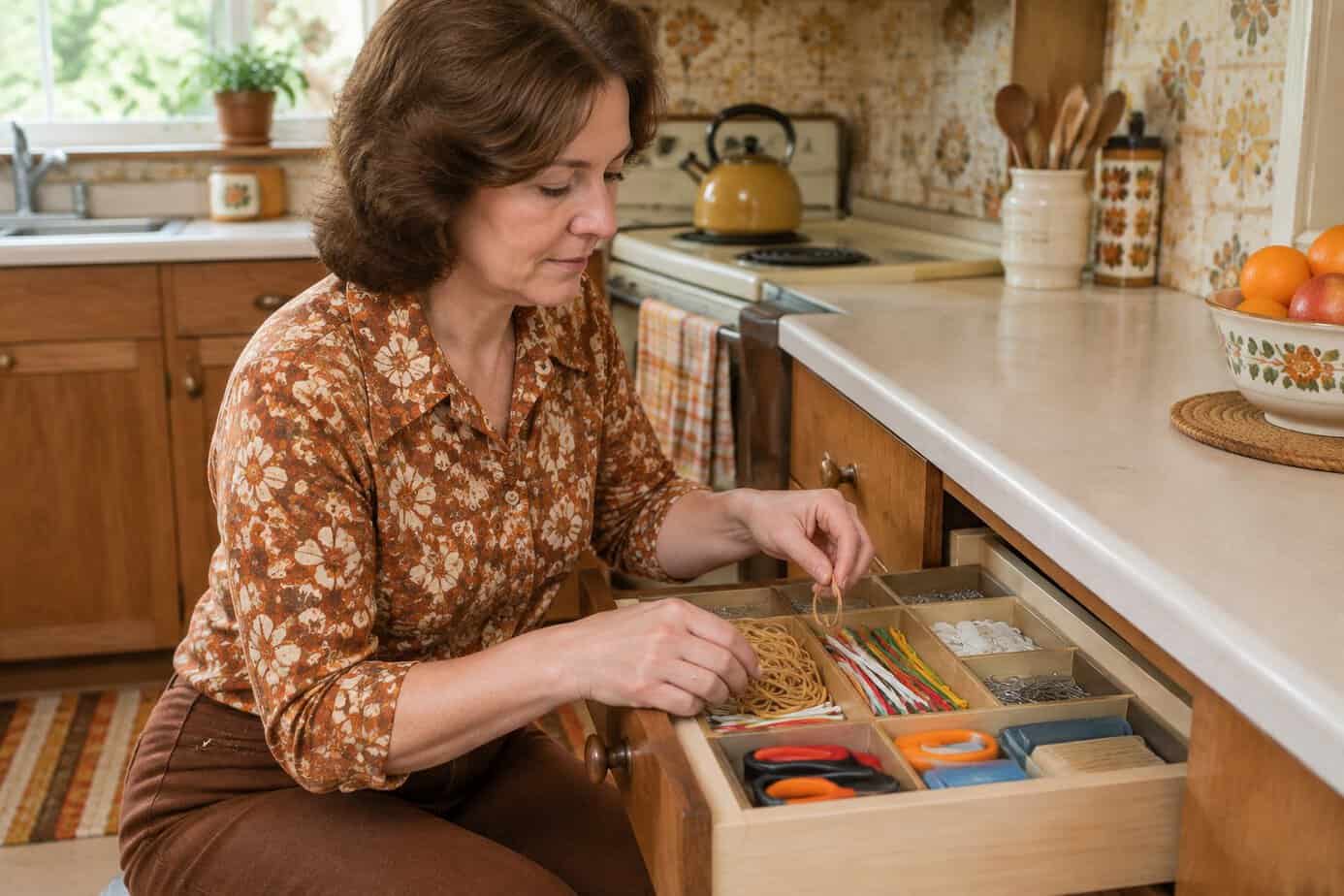
Every kitchen had one. The junk drawer held the rubber bands from the morning paper, twist ties from the bread, a ball of string, birthday candles, paper clips, a pencil stub and a few keys to nobody knew what. It looked like clutter, but it was really a little hardware store.
When you needed to close a bag, bundle the coupons or tie up the tomato plants, you didn’t buy anything. You opened the drawer.
The drawer still earns its keep. Rubber bands, twist ties, clips and string come into the house for free with groceries and mail, and saving a small handful means you’ll rarely need to buy them. Just clean it out once a year so it stays useful.
15. Cutting old towels and shirts into rags
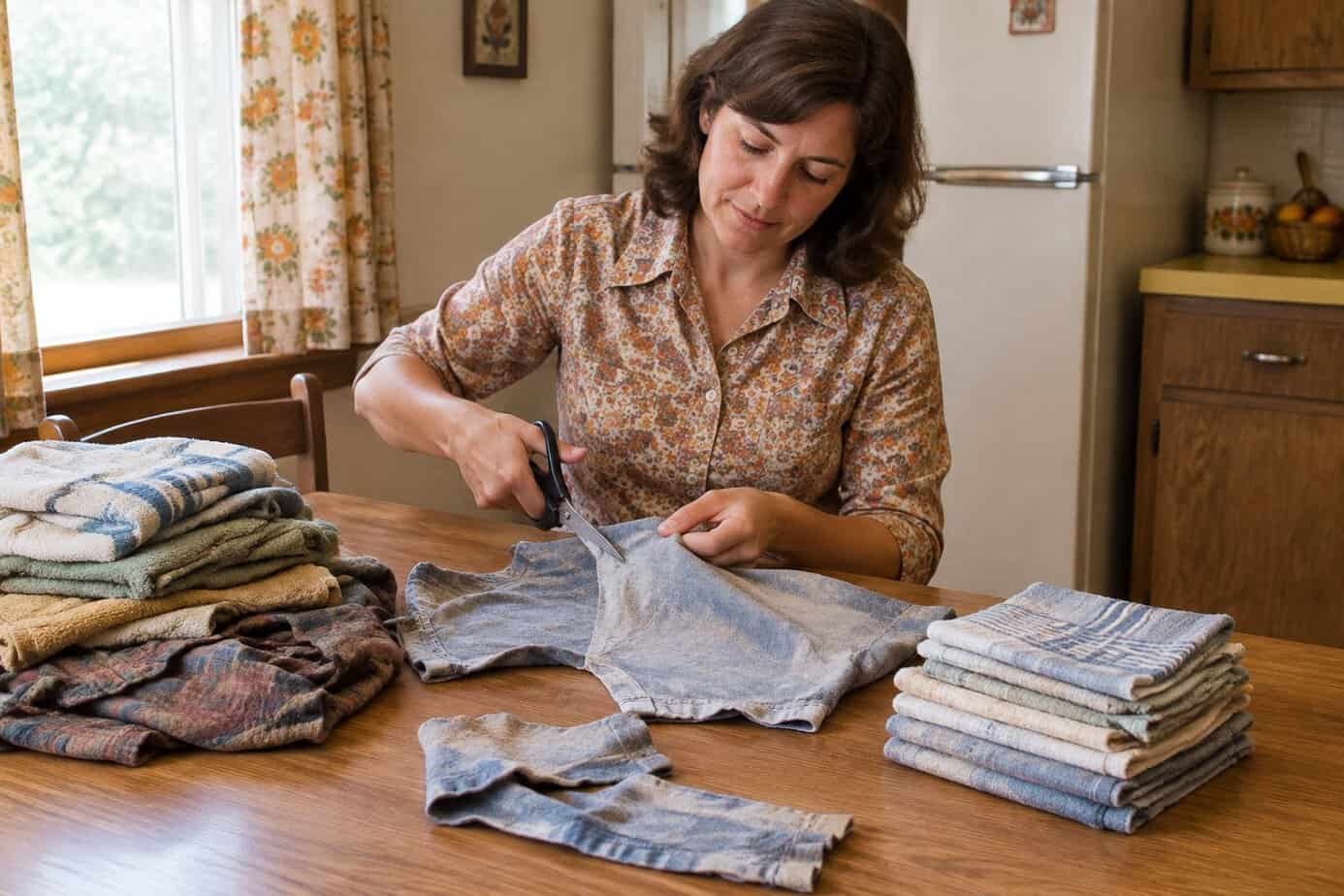
When a bath towel got thin or a T-shirt was too stained to wear, it went into the rag bag. Old cloth diapers were the best of all, and every woman who had some knew it. Rags washed the car, wiped up spills, dusted the furniture and polished the shoes, and paper towels were saved for the times you really needed them.
A roll of paper towels used to last you a long time, because the rag bag did most of the work.
It works just as well today. Paper towels are one of the things families spend the most on without thinking about it. A basket of cut-up old towels and shirts under the sink can cut that roll down to a fraction, and the rags wash right along with everything else.
16. Washing in cold water and running only full loads
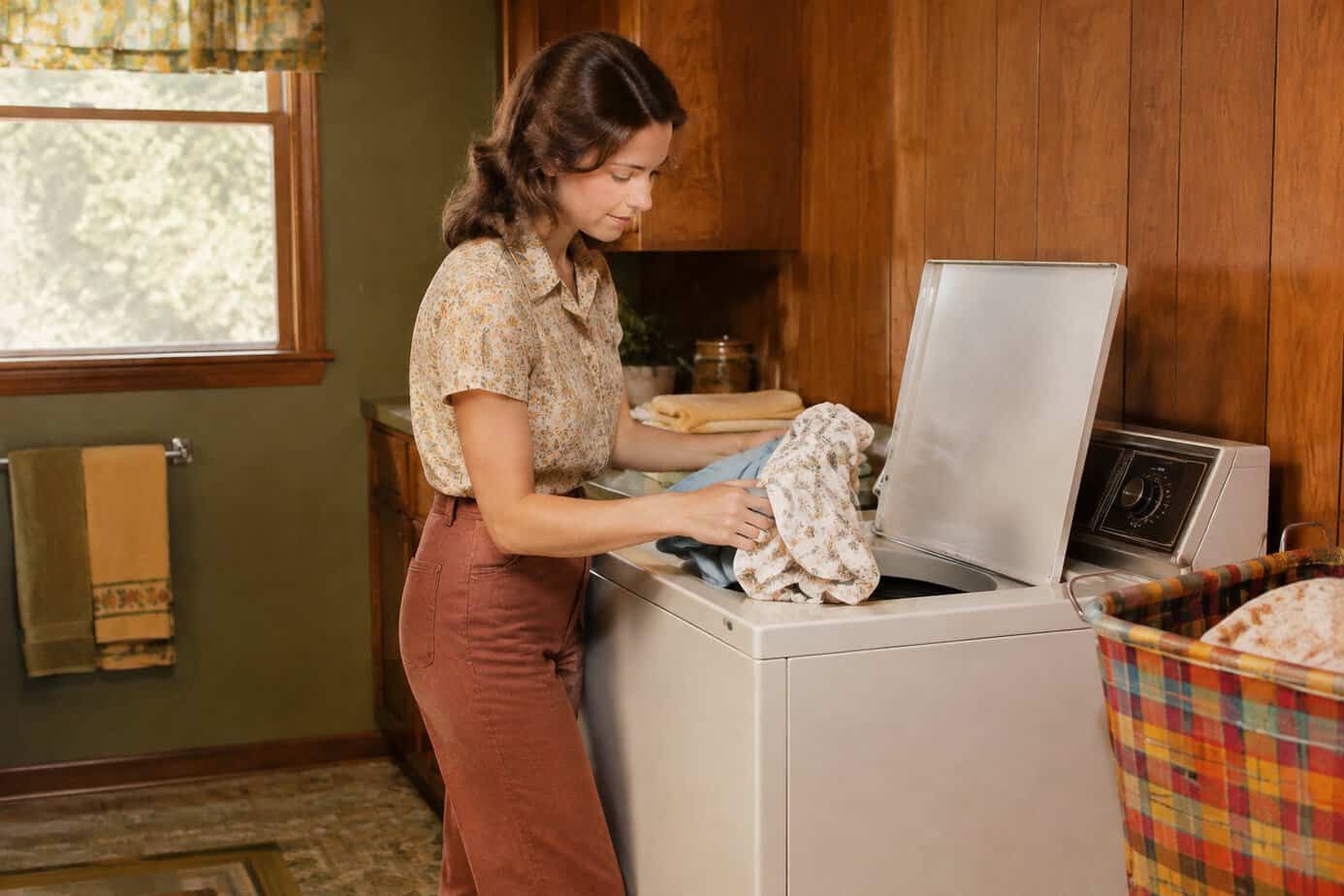
Hot water cost money, and you knew it. In the 1970s, detergents made especially for cold water were advertised on television, and many women switched most of their wash to cold. You also waited until you had a full load before running the machine, because a half-empty washer used nearly as much water and power as a full one.
The whites might still get hot water, but jeans, towels and everyday clothes did just fine in cold.
This is still one of the easiest savings in the house. Energy Star says that heating the water takes about 90% of the energy a clothes washer uses. Washing in cold and waiting for a full load saves money every week, and your clothes last longer too.
17. Turning down the thermostat and putting on a sweater
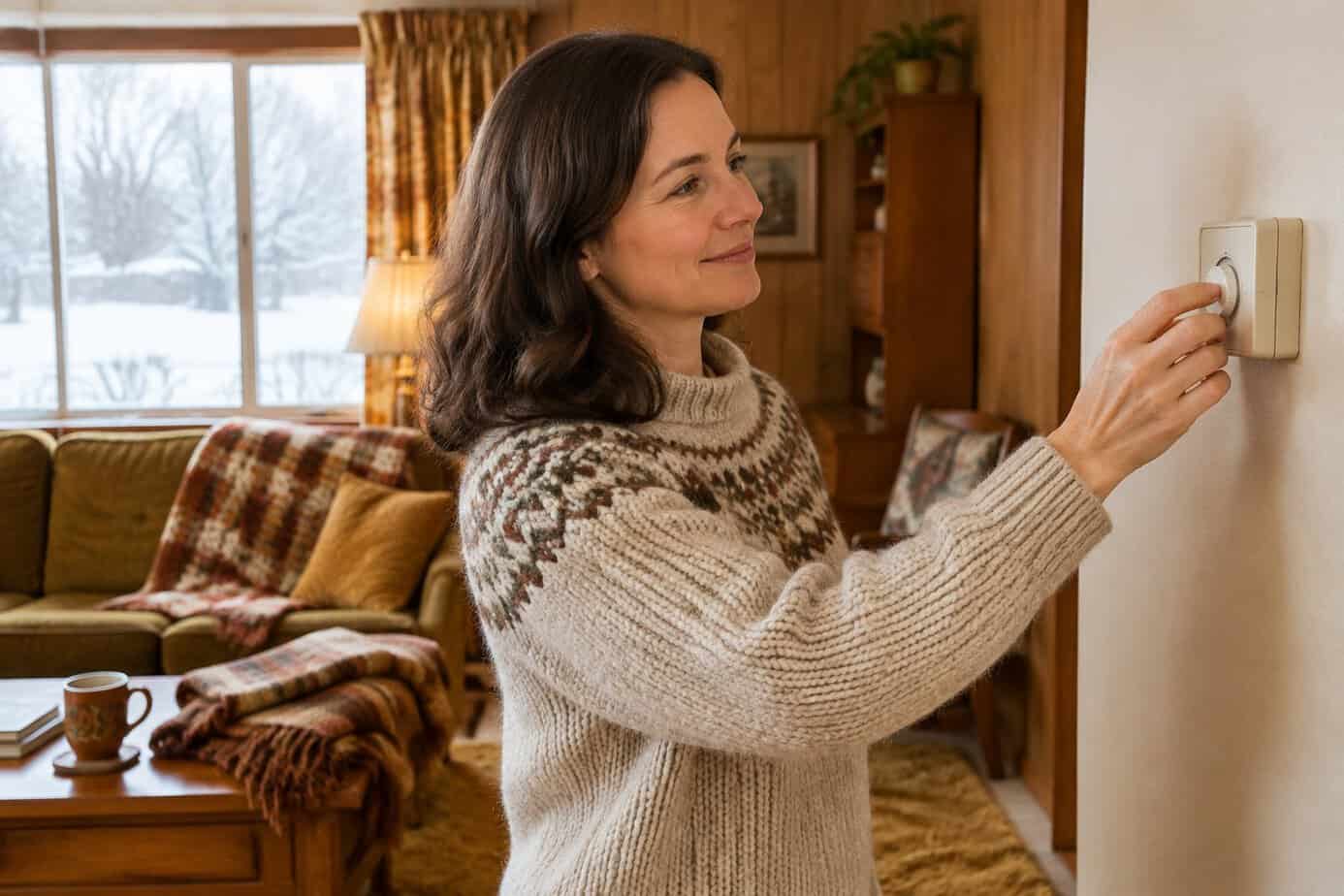
After the oil embargo of 1973, heating bills jumped, and Americans were asked over and over to turn their thermostats down. In February 1977, President Carter gave a televised talk on energy wearing a cardigan, and he asked families to keep the heat at 65 during the day and 55 at night.
You didn’t need to be asked twice. The thermostat went down, everyone got a sweater, the kids got flannel pajamas, and there was an extra quilt on every bed.
It still works. Heating and cooling are usually the biggest energy cost in a home, and every degree you turn the thermostat down in winter helps. A warm sweater, thick socks and a throw on the couch are still cheaper than the gas company.
18. Blocking drafts with rolled towels and heavy drapes

You knew exactly where the cold came in. A rolled-up towel or a fabric draft snake went along the bottom of the back door, plastic sheeting went over the drafty windows in the fall, and heavy lined drapes were pulled shut as soon as the sun went down to hold the heat in.
On sunny winter days you opened the south-facing drapes wide to let the sunshine warm the room for free, then closed them again before evening.
Every one of those tricks still works. Window insulation kits are sold at every hardware store, door draft stoppers cost very little, and closing heavy curtains at night still keeps a room noticeably warmer. Sealing drafts is one of the cheapest ways to lower a heating bill.
19. Passing clothes down from child to child and cousin to cousin

Very few children in the 1970s had a closet full of new clothes. The oldest got the new coat, and it went down the line to the next child, then the next, then to a cousin in another town. Grocery sacks of outgrown clothes traveled between sisters and neighbors all year long, and you’d sort through them on the bed to see what fit.
You sewed name tapes into the collars and let the children pick a favorite piece now and then so it felt like something new.
Hand-me-downs still save families a fortune, since children outgrow clothes long before they wear them out. Passing bags along to your grandchildren’s parents, or joining a neighborhood swap group online, keeps good clothes in use and money in everybody’s pocket.
20. Turning shirt collars and cuffs to make them last
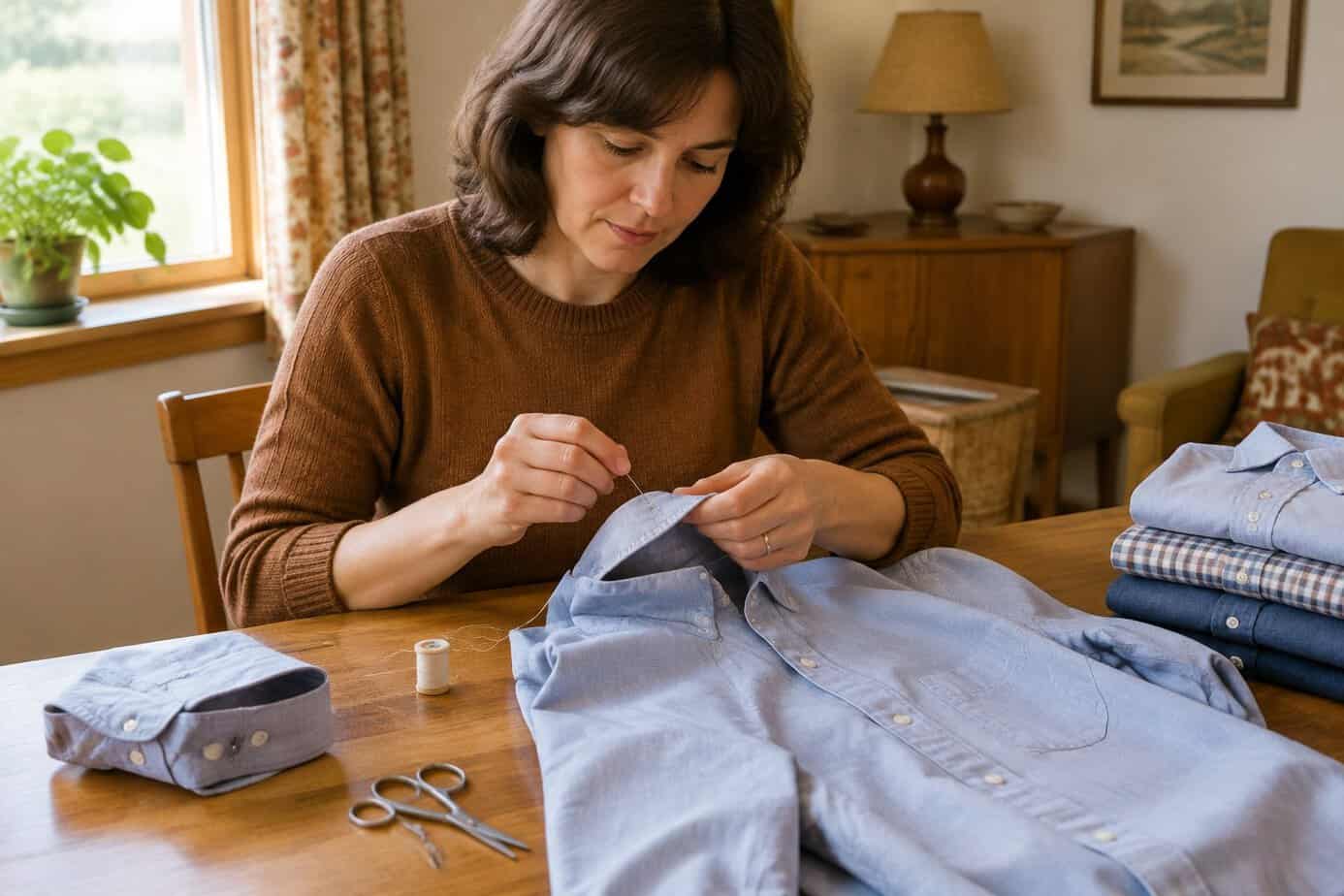
When the collar on a good dress shirt frayed along the fold, you didn’t throw the shirt away. You carefully took the collar off, flipped it over so the worn side was hidden underneath, and stitched it back on. Frayed cuffs could be turned the same way. The shirt looked nearly new and had years of wear left in it.
It took an evening with the sewing basket, but a man’s good shirt was worth saving, and you had the skill to do it.
It still works for a well-made shirt, and a tailor or alterations shop can do it for much less than a new shirt costs. Even simple fixes, like sewing on a button or patching a worn knee, keep good clothes out of the donation pile a few more years.
21. Taking shoes to the cobbler instead of buying new
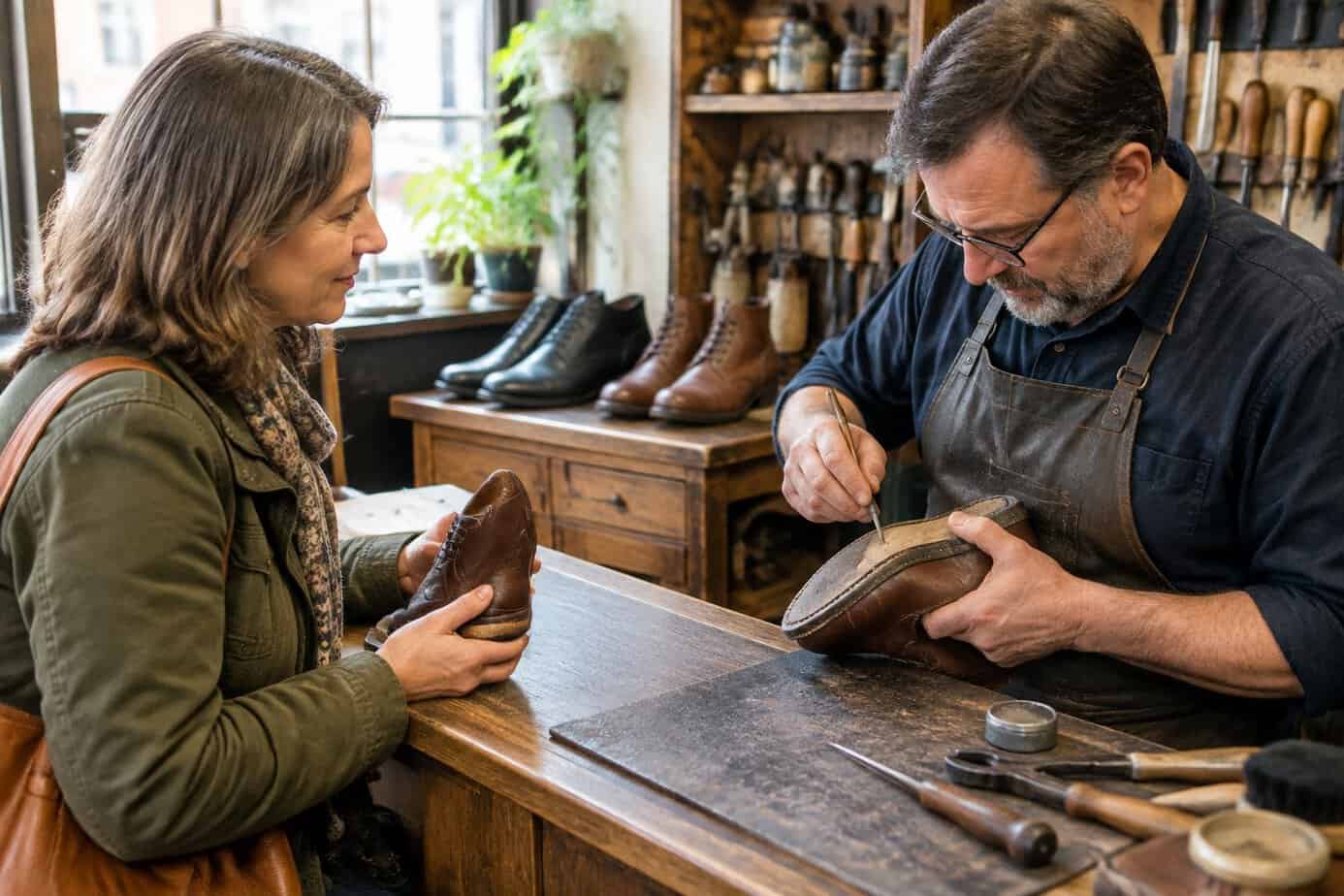
Most towns had a little shoe repair shop that smelled of leather and polish. When a heel wore down or a sole split, you took the shoes in, and a few days later they came back with new heels, new soles and a fresh shine for far less than a new pair. Good leather shoes could go through two or three rounds of that.
You bought fewer shoes because of it, but better ones, and they lasted for years.
Shoe repair shops are fewer now, but many are still in business, and some take shoes by mail. For a good pair of leather shoes or boots, new heels and soles cost far less than replacing them. A cheap pair won’t be worth fixing, which is one more reason to buy one good pair instead.
22. Shopping the church rummage sale
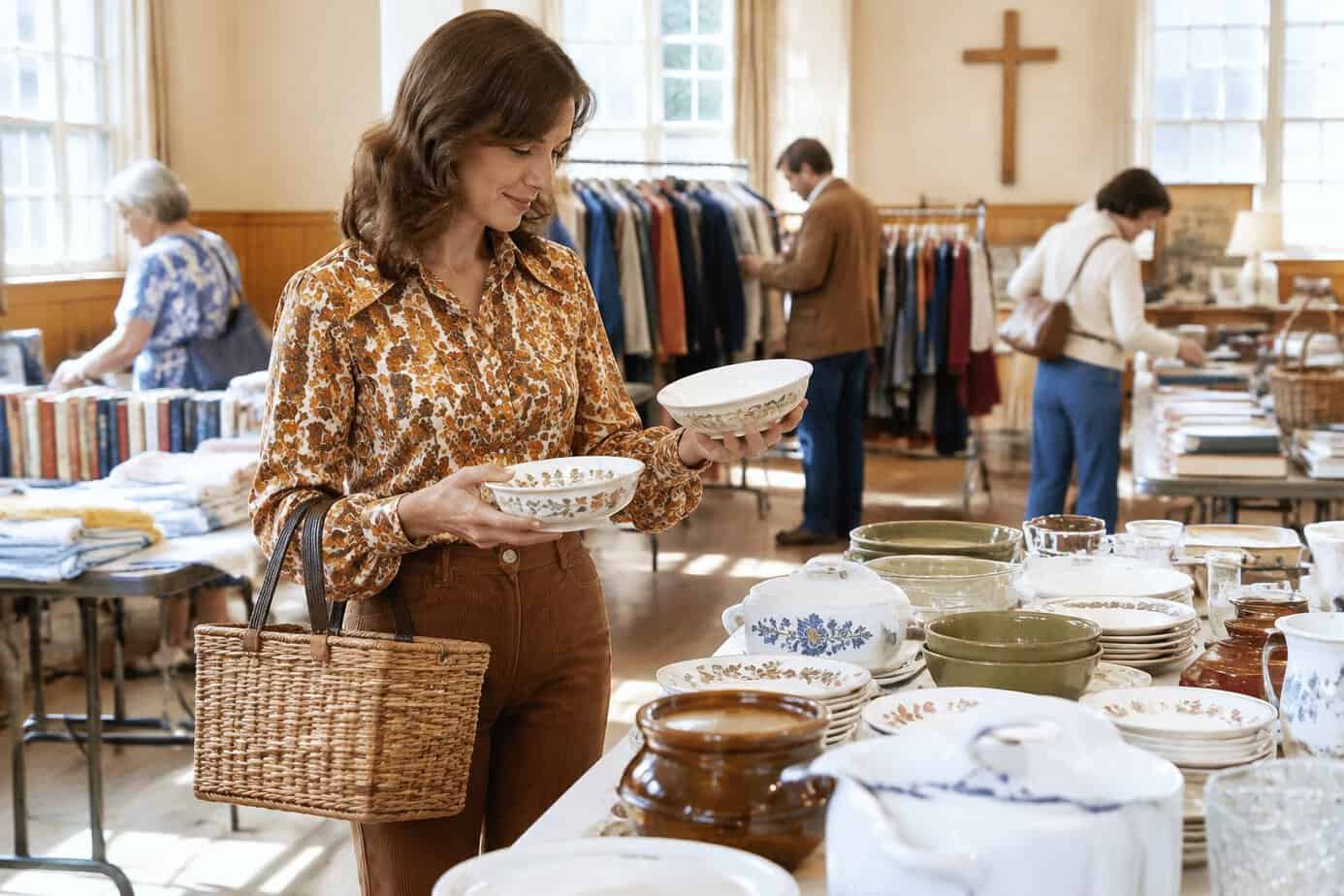
Twice a year the church basement filled with long tables of clothes, dishes, toys, books and lamps, all donated by the congregation. Women lined up early, and the smart ones knew to come back near closing for the bag sale, when you could fill a grocery sack for a dollar or two.
You found winter coats for the kids, a second set of dishes, Halloween costume makings and the occasional real treasure, and the money went to a good cause.
Church rummage sales are still going strong in many towns, along with thrift stores and charity shops. Clothes and housewares bought secondhand often cost a small fraction of new, and on the last day the prices drop again, just like they always did.
23. Making the Saturday garage sale rounds
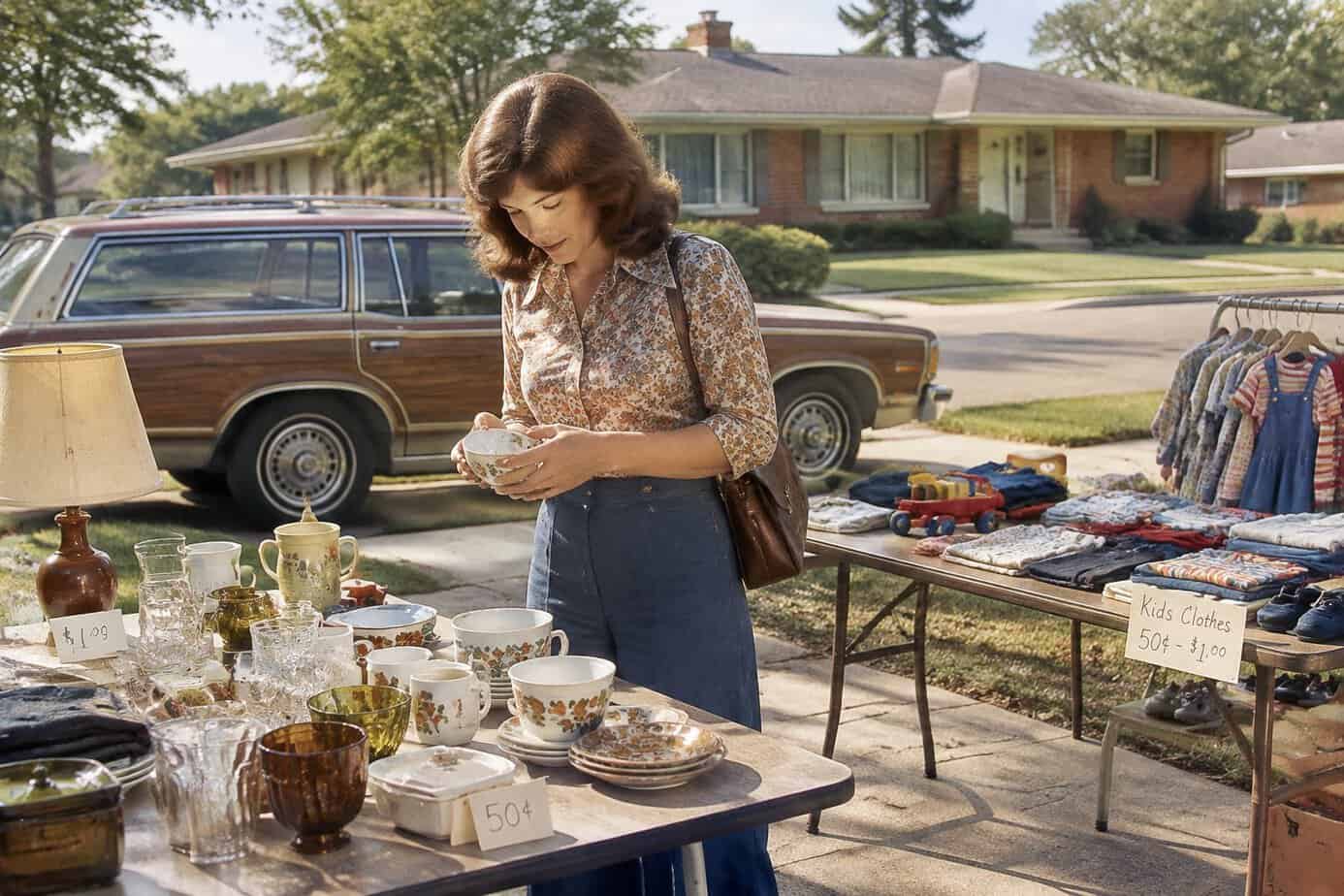
On Friday night you went through the classified ads in the paper and circled the garage sales. Saturday morning you were out early with a purse full of quarters and dollar bills, going house to house through the neighborhood before the best things were gone.
You came home with a crib, a lamp, a box of jigsaw puzzles or a bag of girls’ dresses for next to nothing. And when your own children outgrew things, you held your own sale and turned the attic into grocery money.
Garage sales still work the same way, though now they’re listed online and on neighborhood sites instead of the paper. Go early for the best choice, go late for the best prices, and don’t be shy about offering a little less.
24. Buying next year’s coat at the end-of-season sale
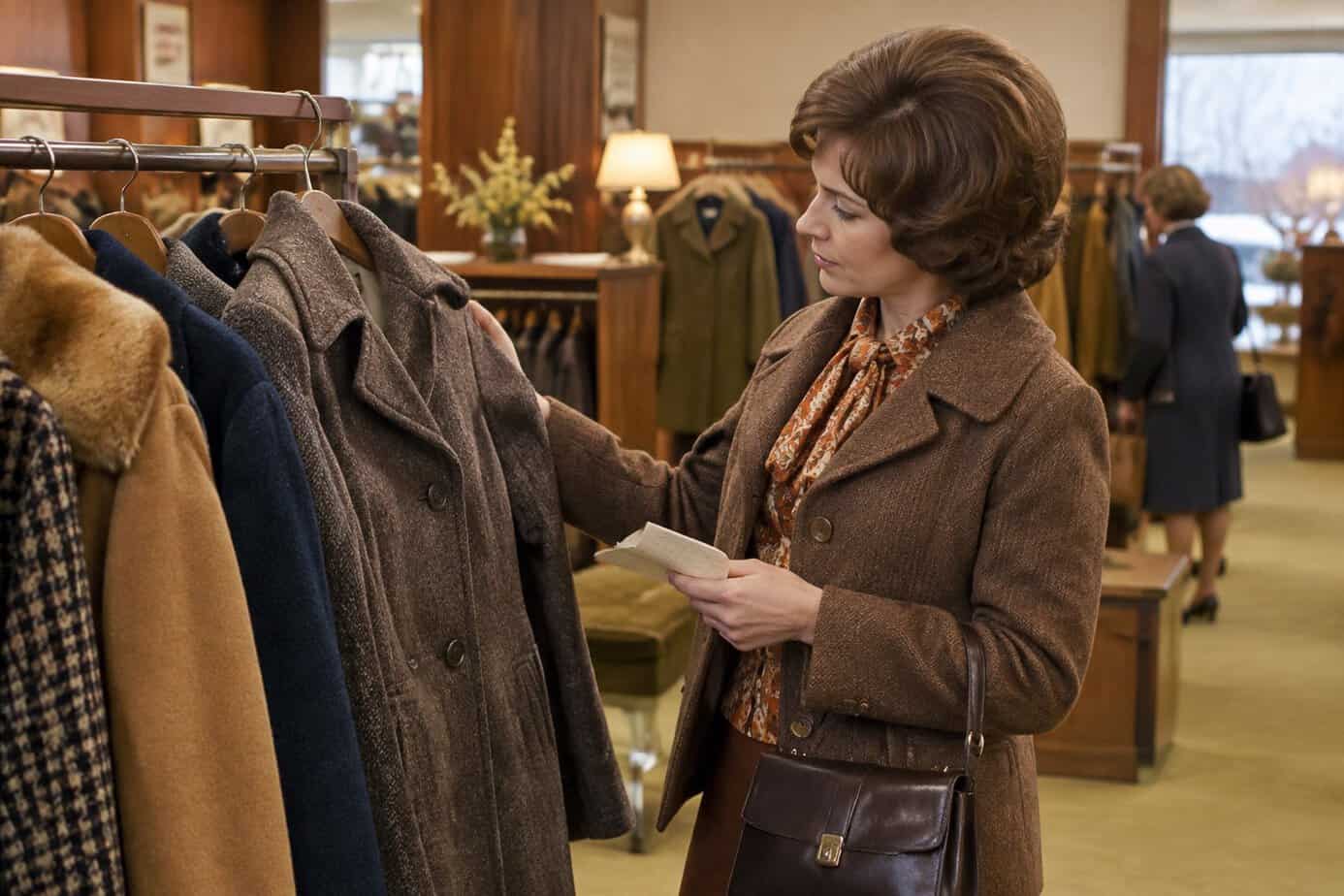
You never paid full price for a winter coat if you could help it. In late winter, when the stores were making room for spring clothes, coats, boots and snowsuits went on clearance. You bought them then, one size up, and put them away in the closet for next fall.
It took a little guessing about how much a child would grow, but you were usually right, and the savings were well worth it. Swimsuits and summer things went the same way in August.
End-of-season clearance is still the cheapest time to buy almost any seasonal item, from coats and boots to patio furniture and Christmas wrapping. Buy it when nobody else wants it, put it away, and you’ll be ready next year for a fraction of the price.
25. Borrowing books and magazines from the library

Books and magazine subscriptions were a luxury, but the public library was free. You took the children every week, let them check out a stack of picture books, and found a few novels and the latest magazines for yourself. In the country, the bookmobile came right to the end of the road.
The library also lent records, cookbooks, sewing patterns in some places, and plenty of quiet on a rainy afternoon.
The library is one of the best bargains left. Along with books and magazines, most libraries now lend e-books, audiobooks and movies you can borrow from home on a tablet or phone, and many lend things like cake pans, tools and museum passes. All of it is still free with a library card.
26. Trading babysitting with the neighbor

Paying a sitter every time you needed an afternoon to yourself added up fast. So you traded. You’d watch her children on Tuesday while she went to the dentist, and she’d watch yours on Friday so you could get your hair done. Some neighborhoods organized babysitting co-ops, where mothers traded hours using a simple point system so it always came out fair.
The children played with their friends, you both got a break, and nobody spent a cent.
Trading favors still works for any family. Young parents today pay a great deal for child care, and swapping babysitting, school pickups or meal nights with a trusted friend saves real money. Grandmothers can help by passing along how the old co-ops worked.
27. Keeping a gift shelf stocked from sales
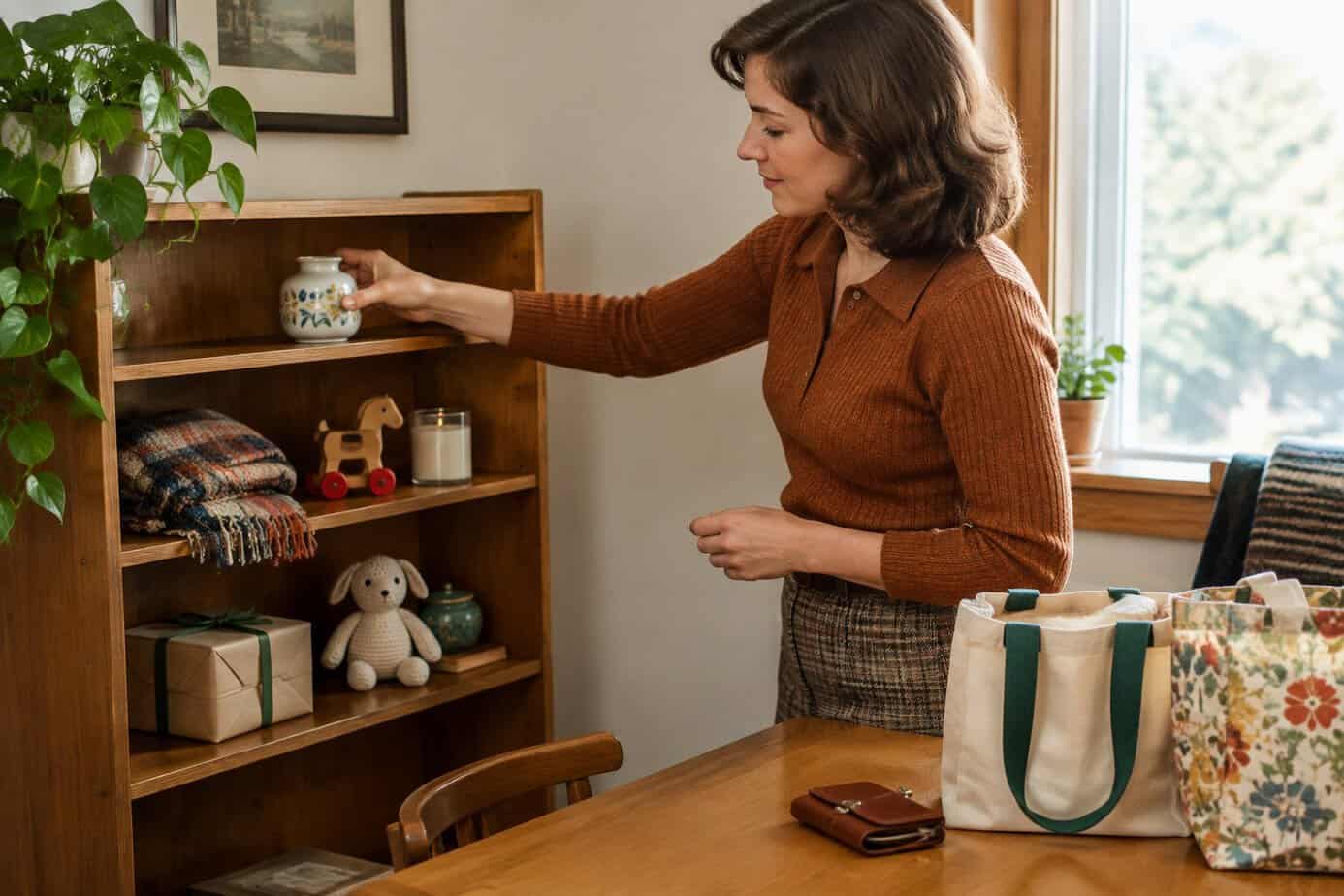
Somewhere in the house, usually the top of a closet, was a gift shelf. When you saw a good sale or a clearance table, you bought a few nice things, a game, a book, a scarf, some stationery, and tucked them away. When a birthday party invitation came home in a child’s lunch box, you went shopping on your own shelf.
It kept you from paying full price in a last-minute rush and from running to the store with three children in tow.
A gift shelf works just as well today. Pick up a few things during after-holiday sales and clearance events, keep a roll of paper and some tape with them, and you’ll always have something ready for a birthday, a hostess or a teacher.
28. Saving all year in a Christmas Club
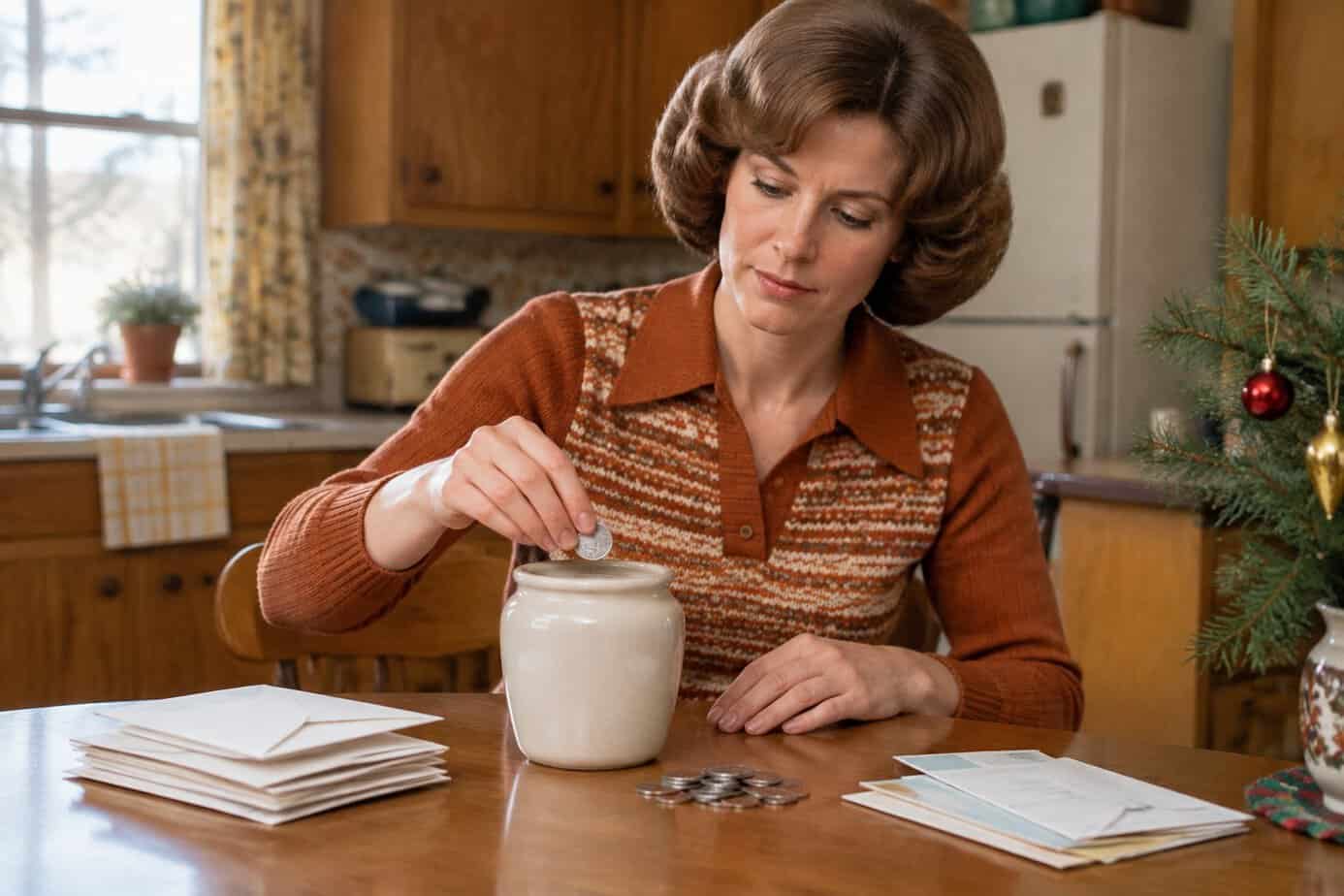
Many banks offered a Christmas Club account. You got a little coupon book and made a small deposit every week, a dollar or two or five, and in November the bank sent you a check with the whole amount. There was no reaching in for it in July, so it was there when you needed it.
Because of that check, Christmas was paid for with cash, not with bills that came due in January.
Some banks and credit unions still offer Christmas Club accounts. If yours doesn’t, you can set up a separate savings account with a small automatic transfer every payday. The idea is the same as it was in 1975: save a little all year, and December takes care of itself.
29. Dropping your loose change in a jar
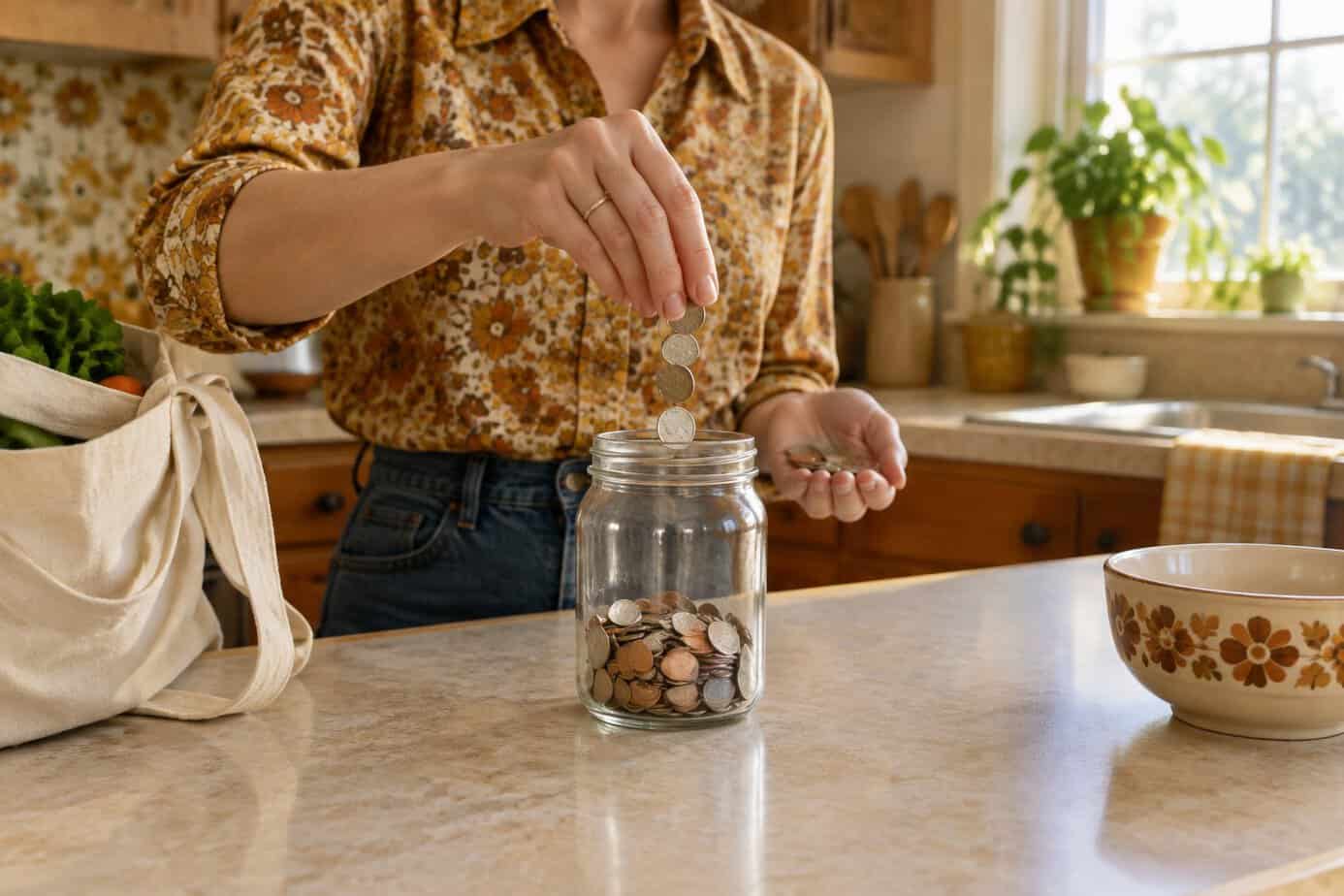
At the end of each day, the coins from your purse went into a jar on the dresser or the kitchen windowsill. When it was full, you sat at the table with the paper coin wrappers from the bank, rolled every quarter, dime and nickel, and took them in. It often added up to more than you expected, and it paid for a summer trip or a new pair of school shoes.
The children loved helping count, and it was a lesson about saving that cost nothing.
It still works, even if you carry less cash now. Many banking apps round up each purchase to the nearest dollar and move the difference into savings automatically, which is the same change jar done for you.
Why Stretching a Dollar Came So Naturally Then
Prices Kept Climbing
The 1970s were a decade of rising prices, and inflation ran into double digits more than once. You didn’t need an economist to tell you that. You saw it at the checkout every week, and you adjusted without making a fuss about it.
You Learned From Women Who Had Done Without
Many of you were raised by mothers and grandmothers who remembered the Depression and the war years, when nothing was wasted. The household rules Grandma followed were the same ones you grew up with, and they made you careful and clever with every dollar.
Putting These Habits to Work Today
Start With One or Two
You don’t need to do all 29 at once. Pick the ones that fit your life now, whether that’s the price notebook, the cold-water wash or the gift shelf, and watch what they save over a few months. Small habits are what made the difference back then, and they still do.
Pass Them Along
These tricks belong with the everyday skills every 1970s housewife knew, and the young women in your family can use them more than ever. Show a daughter or granddaughter how you did it. You may be surprised how interested she is.