
31 Things Every 1970s Housewife Knew How to Do That Young Women Today Don’t
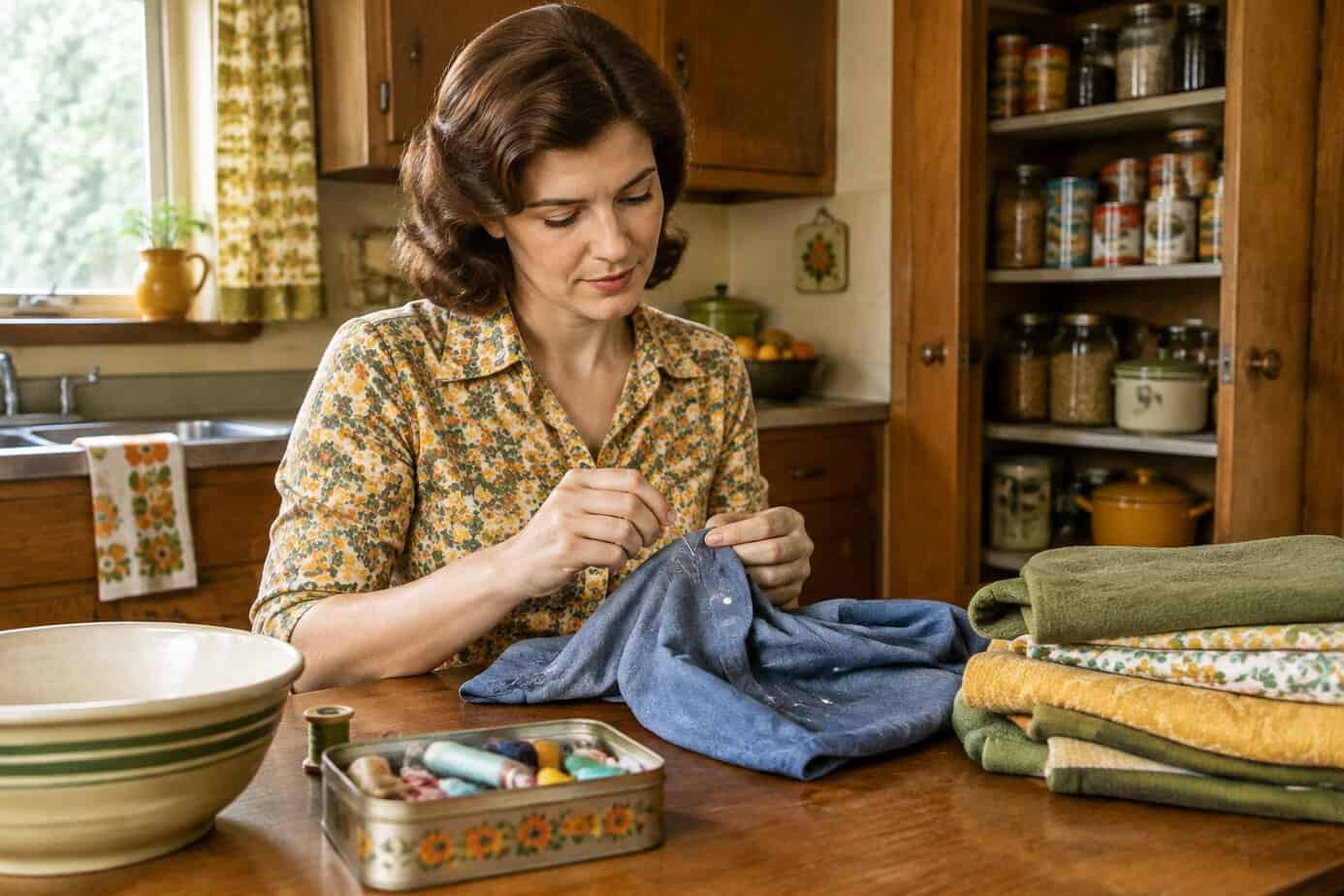
Running a home in the 1970s meant knowing how to do things yourself. There were no videos to watch and nobody to call for every little job, so you learned by watching your own mother, practicing, and making do with whatever was on hand.
You fed a family on a tight budget, kept everyone’s clothes in good repair and kept the house running, usually all in the same day.
Looking back, it adds up to a remarkable amount of know-how. Here are 31 things you probably knew how to do as a young wife and mom that most young women today never had to learn.
1. Plan a week of dinners around a tight grocery budget
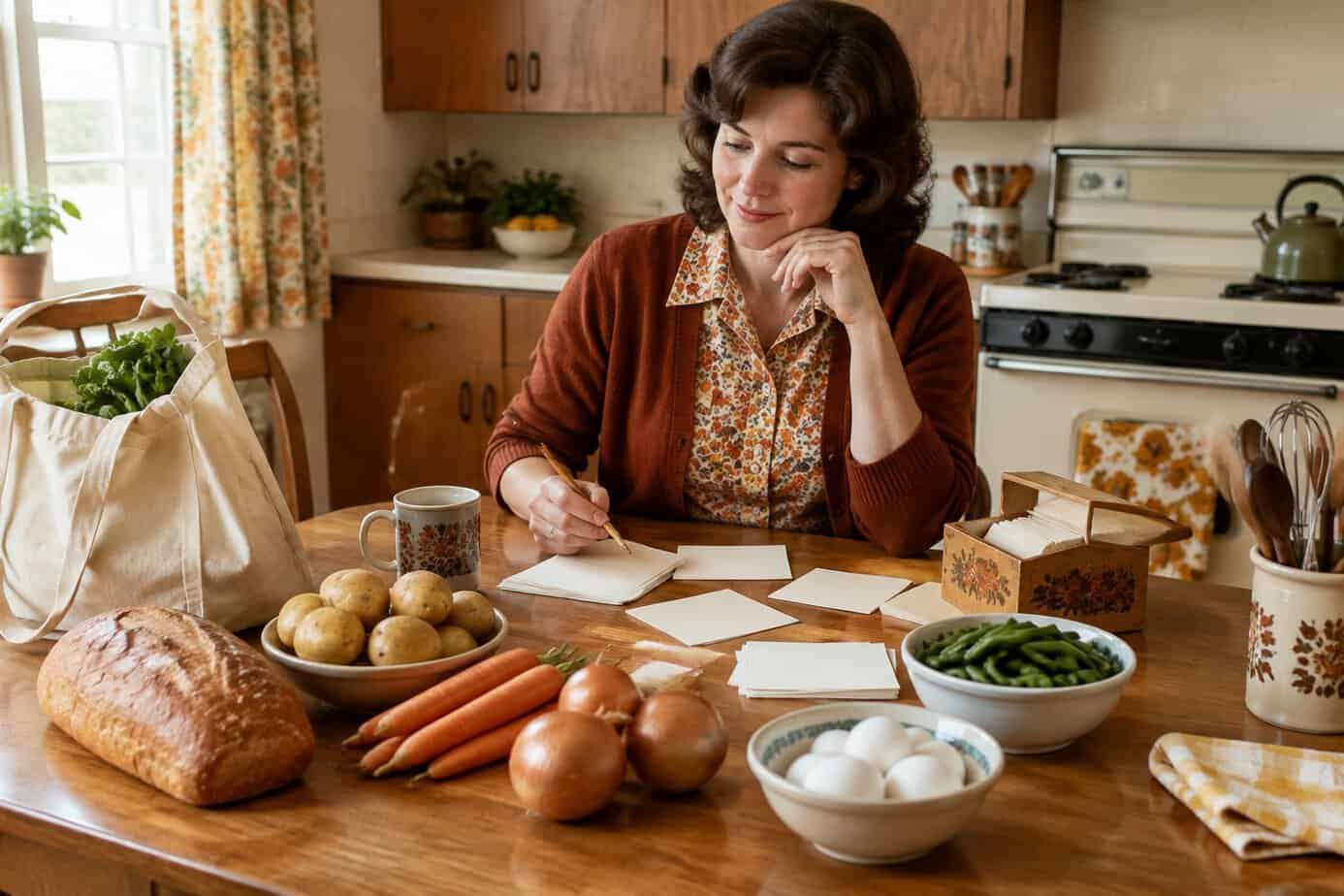
You sat down every Sunday with the grocery store flyer and figured out the week before you ever picked up your purse. Whatever meat was on sale decided what you cooked for the next seven days, and you built the rest of the meals around it.
You knew how far a single pound of ground beef could stretch if you added rice, beans, or a can of tomatoes. Meatloaf, casseroles, and soup were not boring choices to you. They were how you kept everyone fed without running short before payday.
You kept a running list in your head of which vegetables were cheap that season and used them without complaint. Potatoes, cabbage, and canned goods showed up often, and nobody thought twice about it.
Leftovers never went to waste in your kitchen. You turned Sunday’s roast into Monday’s sandwiches and Tuesday’s hash without a second thought.
You didn’t need a budgeting app or a spreadsheet to make it work. You carried the prices in your memory and knew exactly how far your grocery money needed to go.
2. Stretch leftovers into another meal
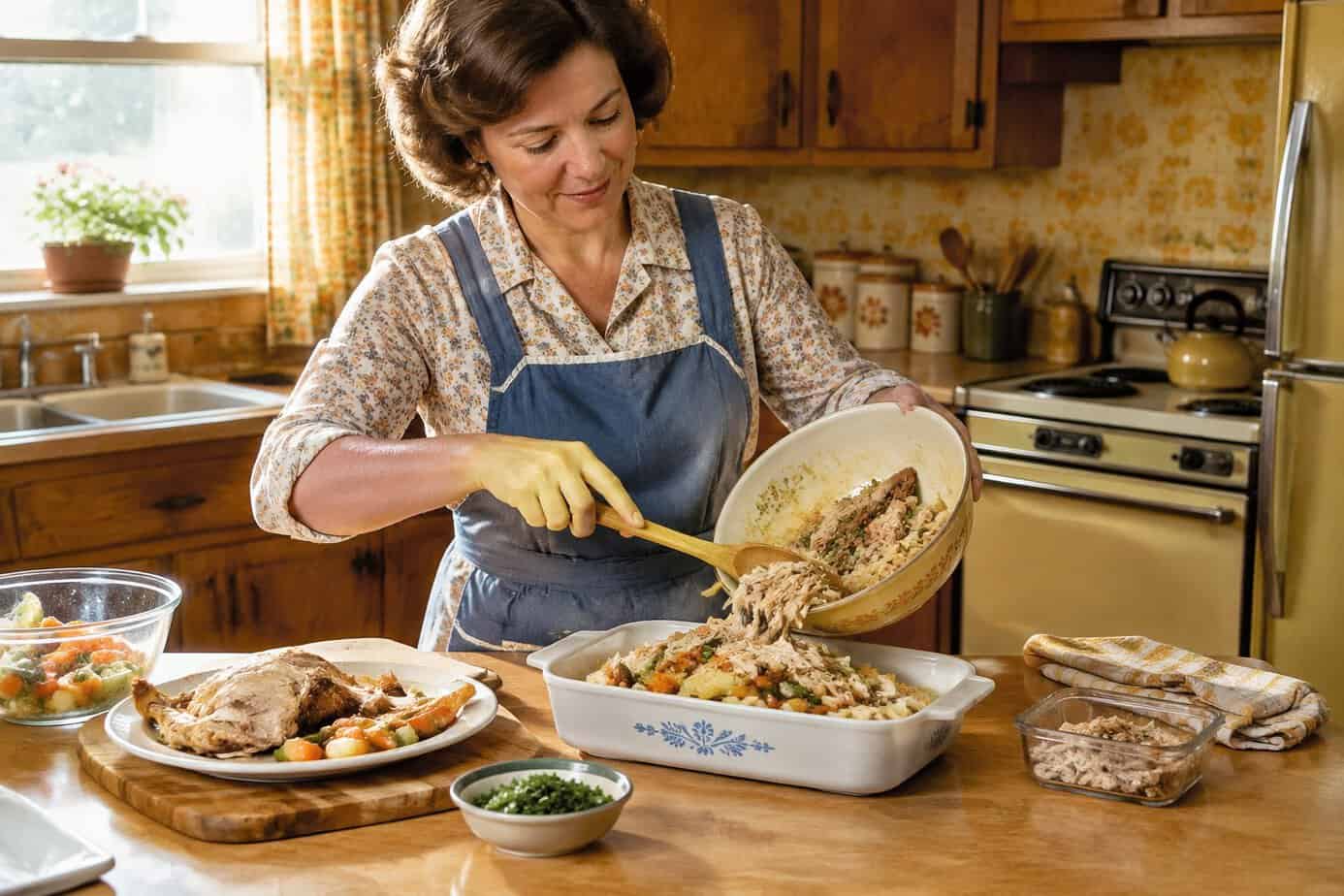
You never saw leftovers as something to dread. A roast on Sunday meant sandwiches on Monday, maybe a beef and vegetable soup by Tuesday, using every last bit before it went to waste.
Rice from last night’s dinner turned into fried rice with a beaten egg and whatever vegetables were left in the crisper drawer. Mashed potatoes became potato cakes, fried up golden in a little butter. Nothing sat in the refrigerator long enough to be forgotten.
You kept a mental list of what needed using and built your next meal around it, rather than starting from scratch every single day. A small amount of leftover chicken could stretch into a casserole with noodles and a can of soup, enough to feed everyone at the table. Vegetables that were a little past their best went straight into a pot of soup instead of the trash.
This wasn’t about being frugal for its own sake. It was simply how you were taught to run a kitchen, and it meant your grocery money lasted longer while your family never felt like they were eating scraps.
3. Cook a full meal from basic pantry staples
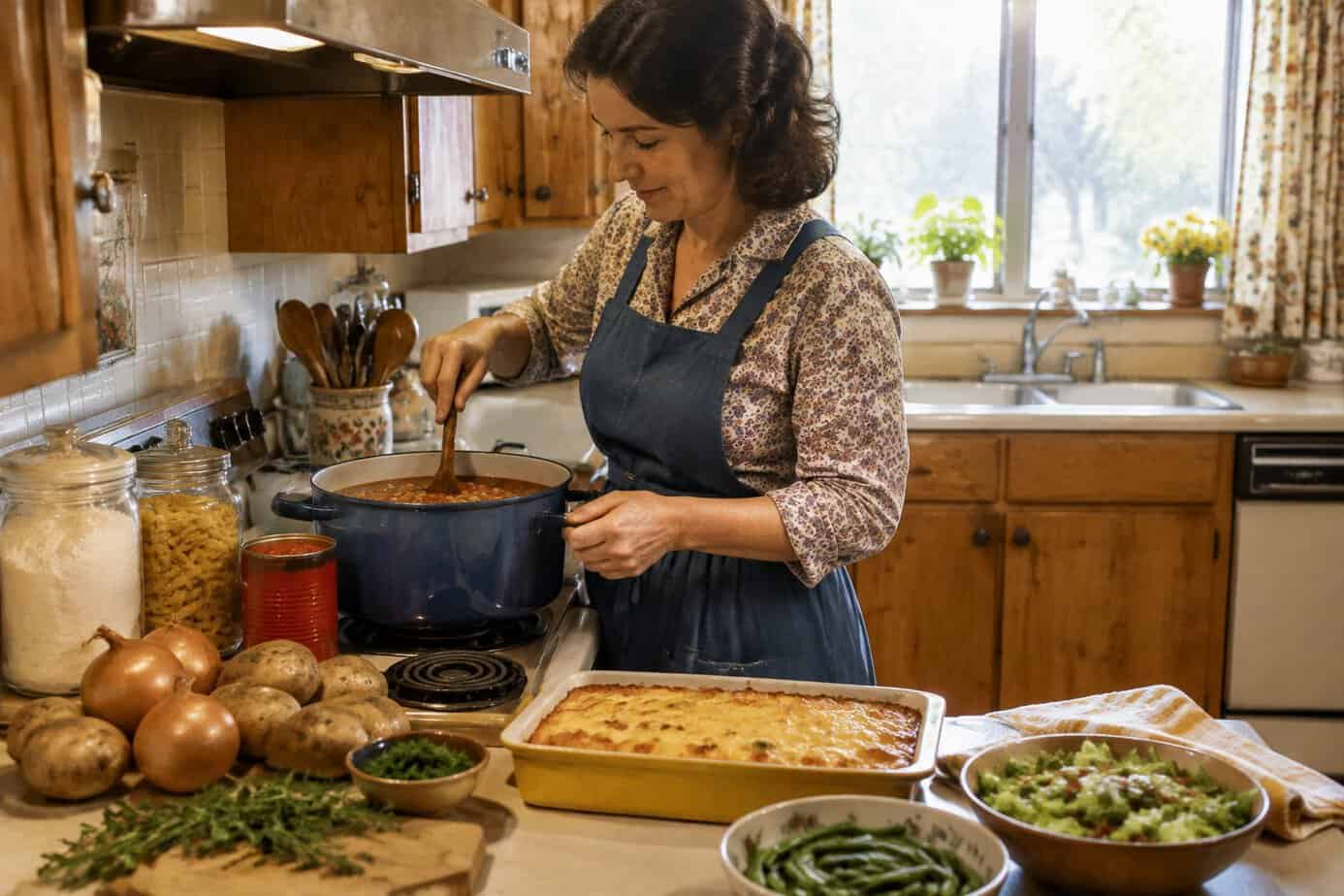
You remember your pantry shelf well: flour, rice, dried beans, canned tomatoes, a few spices, and maybe some pasta tucked in the back. There was no running to the store for a special ingredient. You worked with what you had, and you made it good.
A pound of ground beef could turn into a casserole, a meatloaf, or a pot of spaghetti sauce, depending on what else was on hand. You stretched a chicken across two or three meals without anyone feeling shortchanged. Leftovers became soup, hash, or a filling for something else entirely.
You learned to read a recipe loosely, substituting here and there when you didn’t have the exact item called for. Powdered milk, canned soup, and boxed mixes weren’t shortcuts to you; they were just part of how a kitchen worked. You knew how long rice needed to simmer and how to tell when beans were done just by tasting them.
Dinner came together most nights without much fuss, because you understood how simple ingredients could be turned into something a family would actually look forward to eating.
4. Bake bread or biscuits from scratch
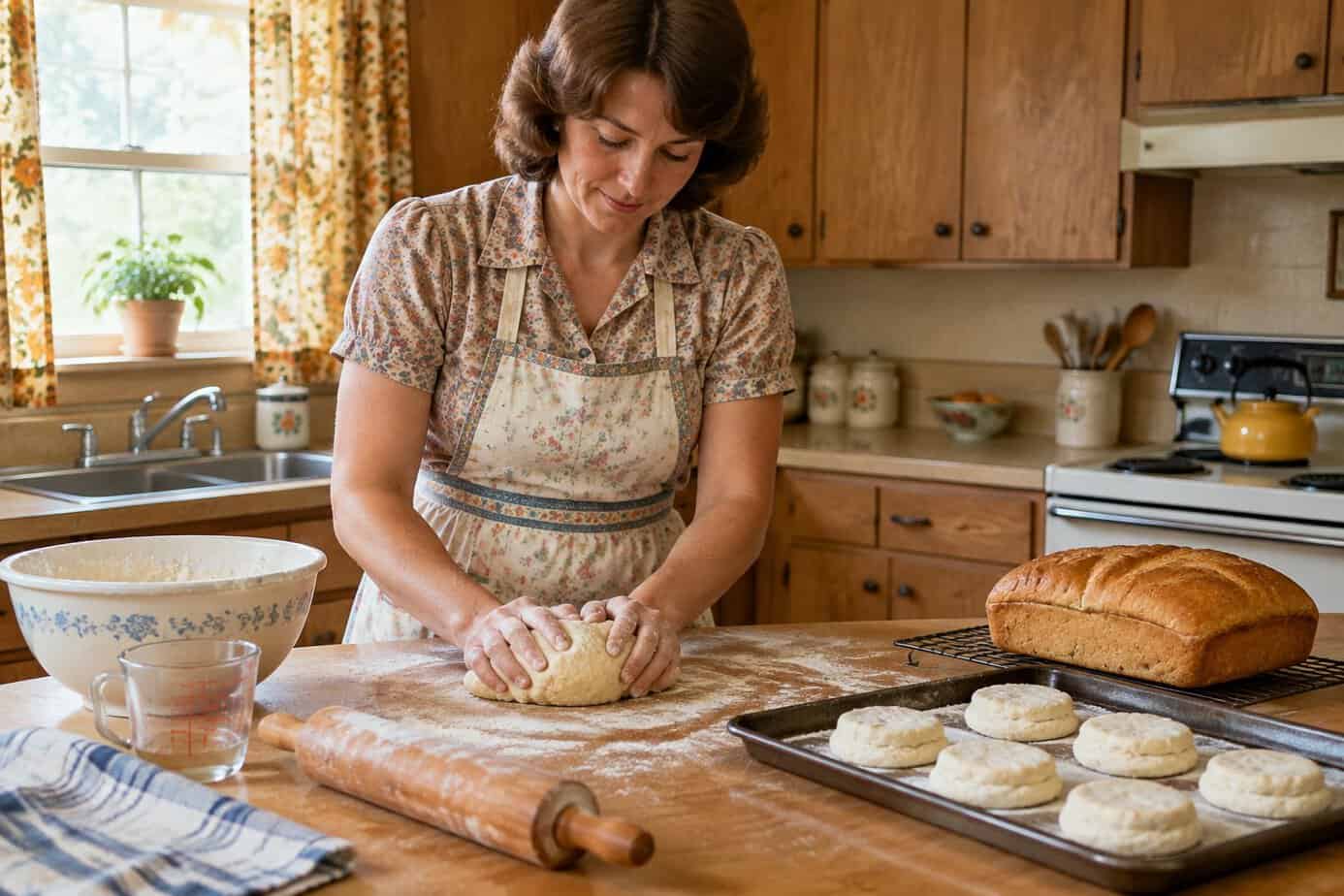
You didn’t need a recipe card to make biscuits. Your hands knew the feel of the dough, and you could tell by touch alone when it was ready for the oven.
Biscuits often came together in well under half an hour, which made them a practical choice for busy mornings. Flour, baking powder, fat, and a little milk or buttermilk were usually all you needed, and most of those staples were already sitting in your kitchen.
You learned to cut in the fat quickly so it stayed cold, and to handle the dough gently so the biscuits came out light instead of tough. A hot oven did the rest of the work, turning out golden, flaky rounds that made a simple meal feel complete.
Bread took more time and patience, but you understood how yeast worked and how dough changed as it rose. You could judge proofing by sight and smell, not a timer.
Baking from scratch wasn’t considered a special skill back then. It was just something you did, day after day, to feed your family well.
5. Can seasonal fruits and vegetables
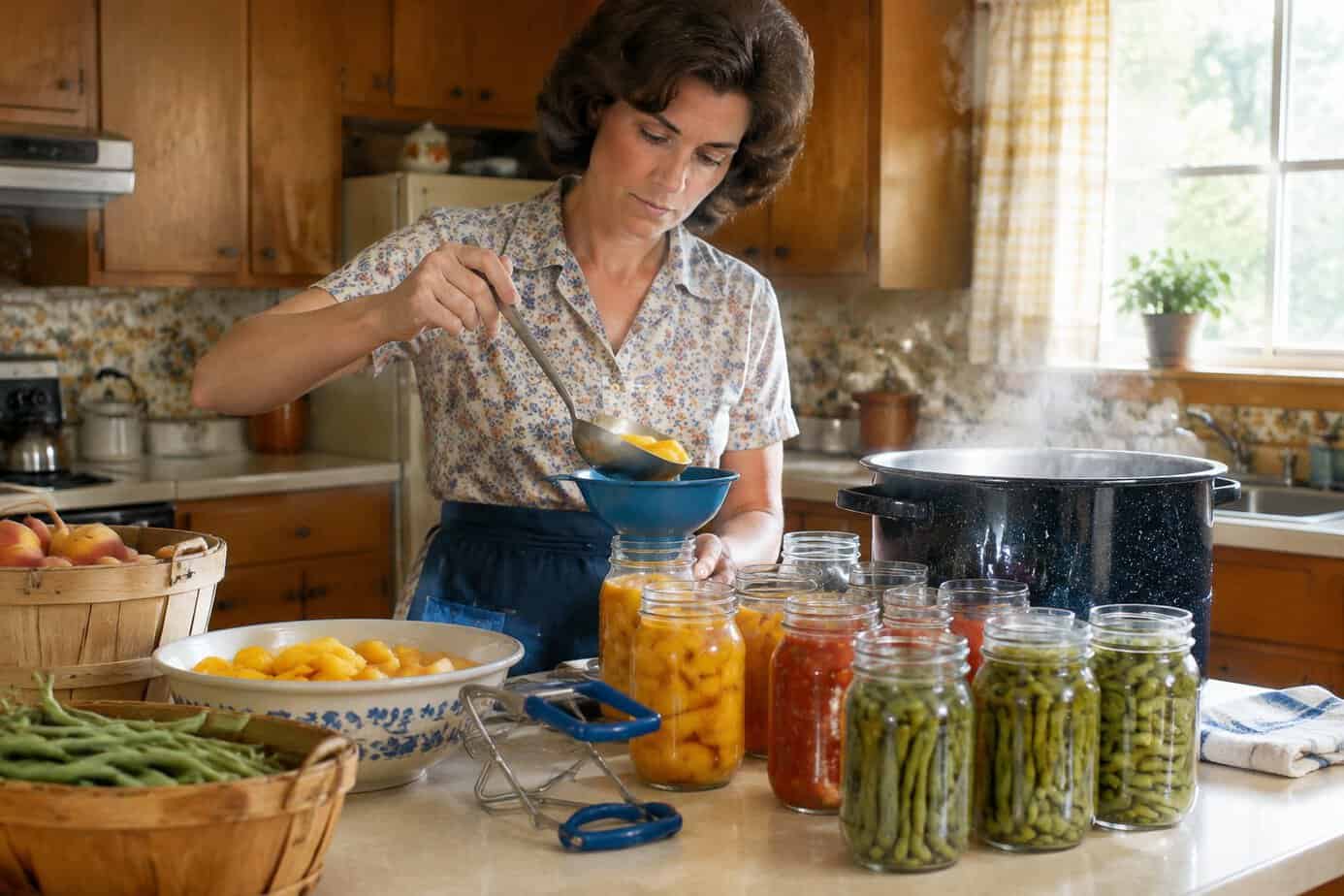
You remember standing over a hot stove in August, canning tomatoes while the kitchen windows fogged up with steam. Summer meant work, but it also meant filling your pantry for the months ahead. Nothing from the garden went to waste if you could help it.
When peaches came in season, you spent an afternoon peeling and slicing bushels of them, packing them into jars with syrup before sealing them tight. Green beans, corn, and cucumbers got the same treatment. You learned to read a recipe for pickling brine the way some people read a map, trusting it to get you where you needed to go.
The process took patience. You had to sterilize jars, time the water bath just right, and listen for that satisfying pop of the lids sealing as they cooled on the counter. A mistake could mean spoiled food, so you paid attention and did it carefully every single time.
By winter, your shelves were lined with jars of tomatoes, jams, and vegetables that tasted like summer. You knew exactly what was in each jar because you had grown it, picked it, and preserved it yourself.
6. Make homemade remedies for coughs, colds and scrapes
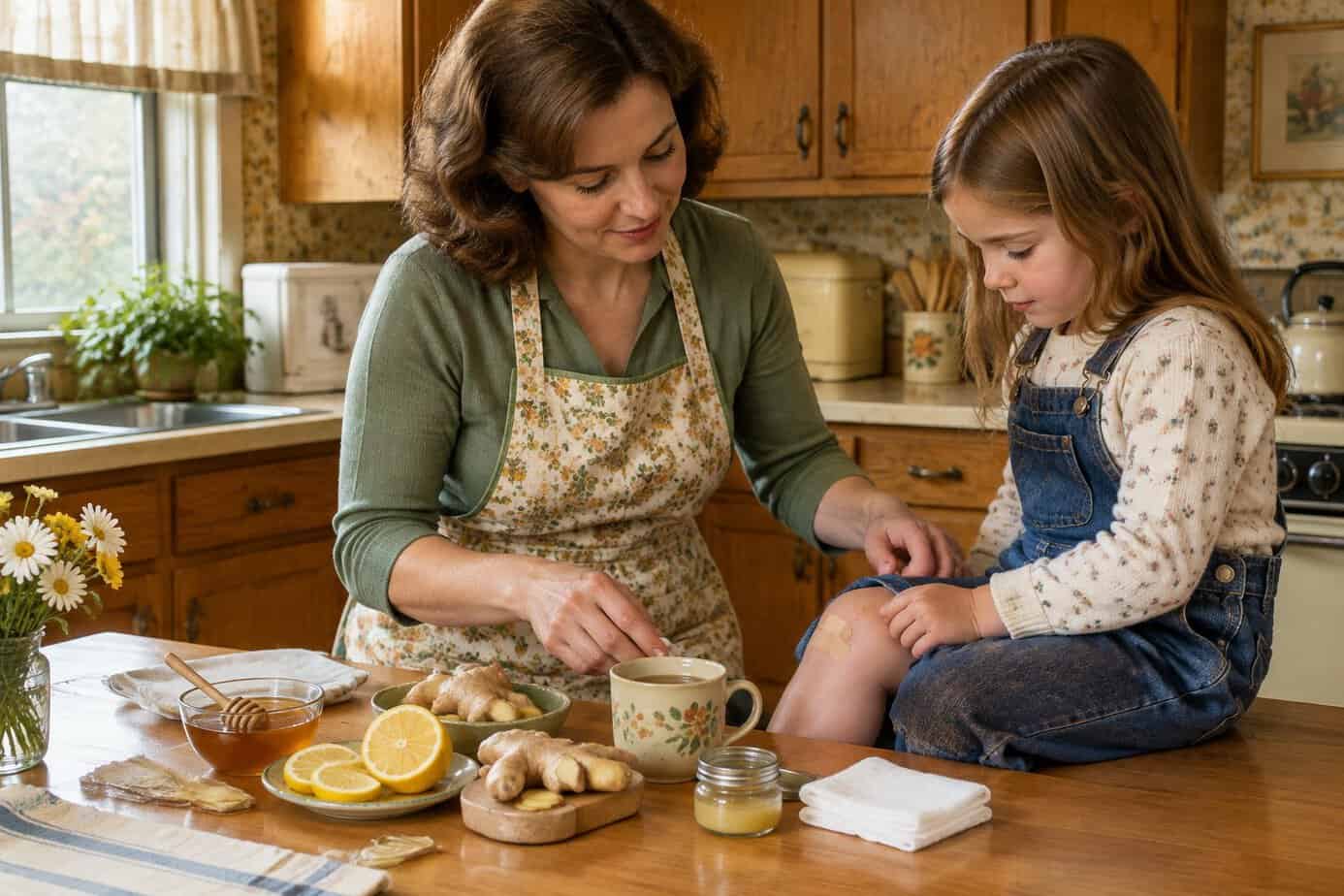
You kept a well-stocked medicine cabinet, but it looked nothing like the ones today. Honey, lemon, vinegar, baking soda, and a few basic herbs handled most minor complaints in your house. You didn’t run to the drugstore every time someone sneezed.
For a scratchy throat, you stirred honey and lemon into warm water, sometimes with a splash of whiskey if it was bedtime. A chest cold meant Vicks VapoRub and a warm cloth, or a pot of water simmering with eucalyptus to clear the sinuses. You knew chicken soup actually helped, long before anyone needed a study to prove it.
Scrapes and cuts got cleaned with soap and water, then dabbed with iodine or peroxide, even though the kids hated the sting. A paste of baking soda took the itch out of bug bites, and witch hazel calmed sunburn. You trusted these little fixes because they worked, and because your own mother had used them on you.
You didn’t think of it as old-fashioned at the time. It was just how you took care of your family.
7. Mend a torn seam by hand
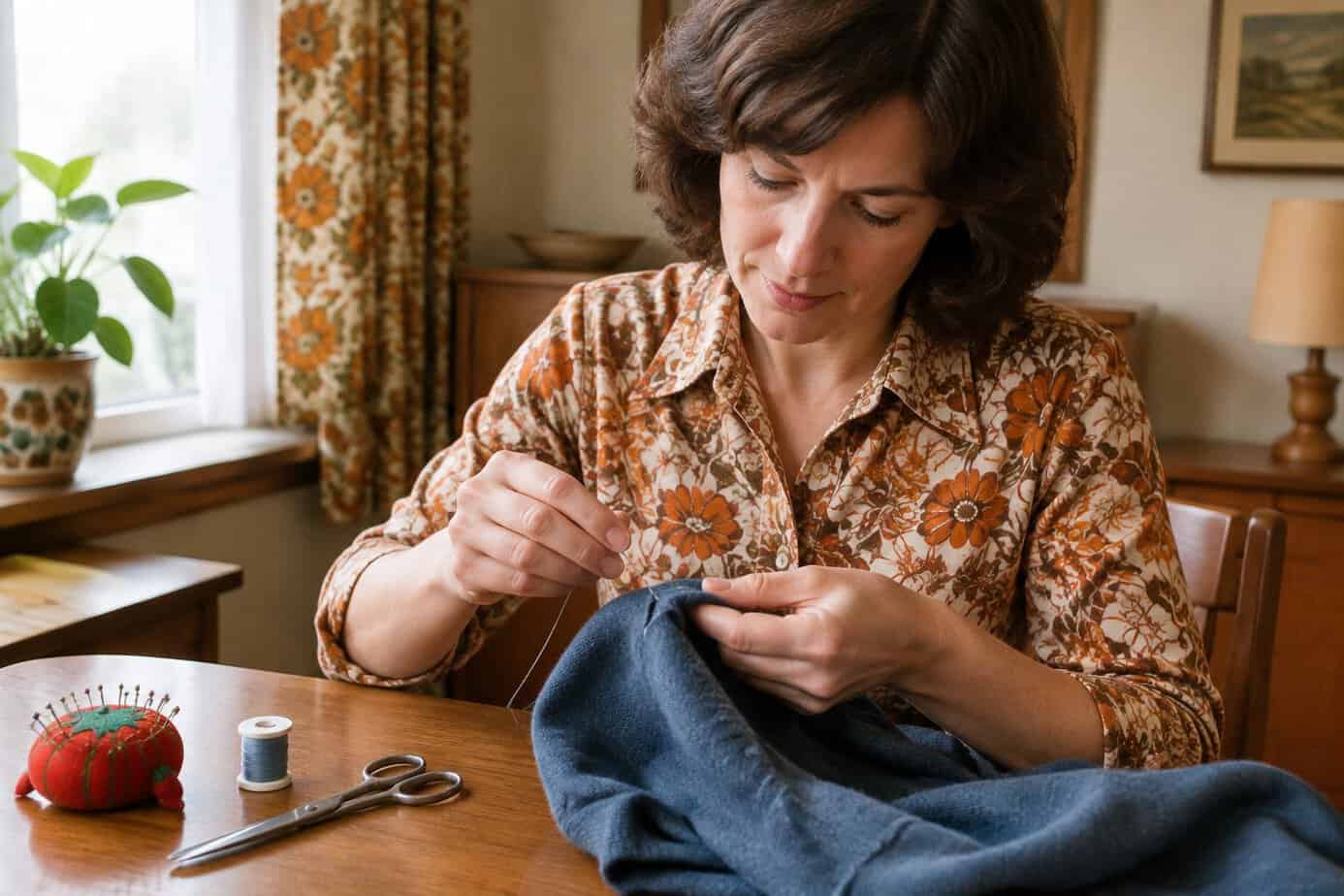
You kept a sewing kit close by, because seams split at the worst possible moments. A sleeve would tear at a dinner party, or your husband’s trousers would rip right before work. You didn’t panic. You just threaded a needle and got to it.
You knew to turn the garment inside out first, so you could see the seam line clearly and work from the wrong side of the fabric. A simple backstitch or whipstitch was usually enough to hold things together again. You matched the thread color as closely as you could, though you weren’t fussy if it wasn’t perfect.
You always kept your stitches small and even, pulling the thread snug but not so tight that it puckered the fabric. A thimble saved your fingers after a few passes with a stubborn needle. Clothes were meant to last back then, so a torn seam was never a reason to throw something out.
It only took a few quiet minutes at the kitchen table, often while keeping an ear on the kids or something simmering on the stove.
8. Sew a dress from a Simplicity or McCall’s pattern
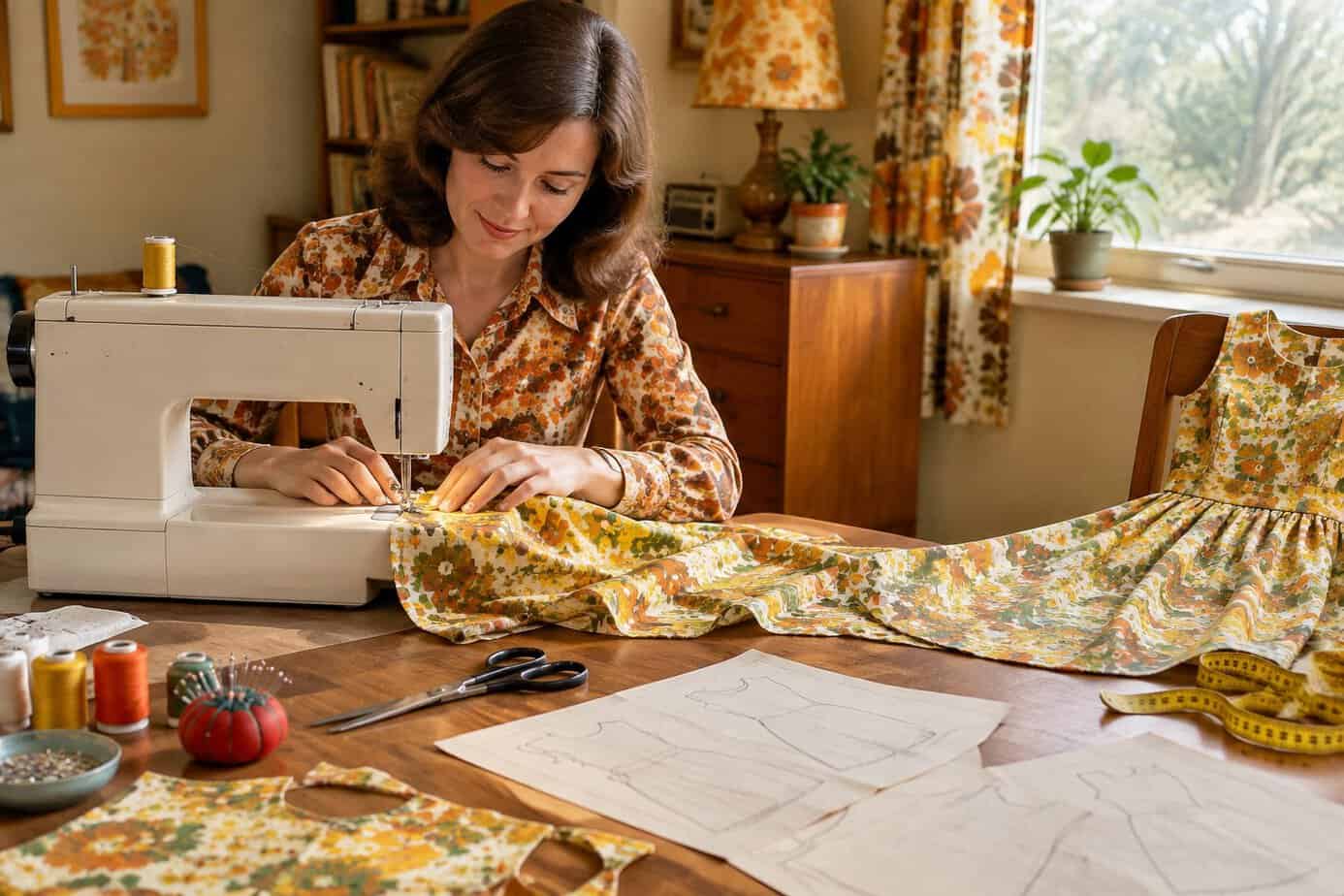
You remember standing at the fabric counter, flipping through those thick pattern catalogs until you found the dress you wanted. Simplicity and McCall’s patterns cost just a little money, and you could walk out with everything you needed to make something that actually fit you.
Laying out the tissue paper pattern pieces on the fabric took patience. You pinned each piece carefully, cut along the lines, and tried not to waste material, since every scrap mattered on a tight budget.
The sewing machine became part of your routine. You learned to read those pattern instructions step by step, sewing seams, setting in sleeves, and attaching zippers without anyone standing over your shoulder to help.
Mistakes happened, and you just pulled out the stitches and tried again. By the time you finished, you had a dress that looked like something from a store, except you knew every stitch in it.
That skill meant your family always had clothes, even when money was tight. You could make something new for a special occasion or just update your everyday wardrobe without spending much at all.
9. Hem pants or a skirt
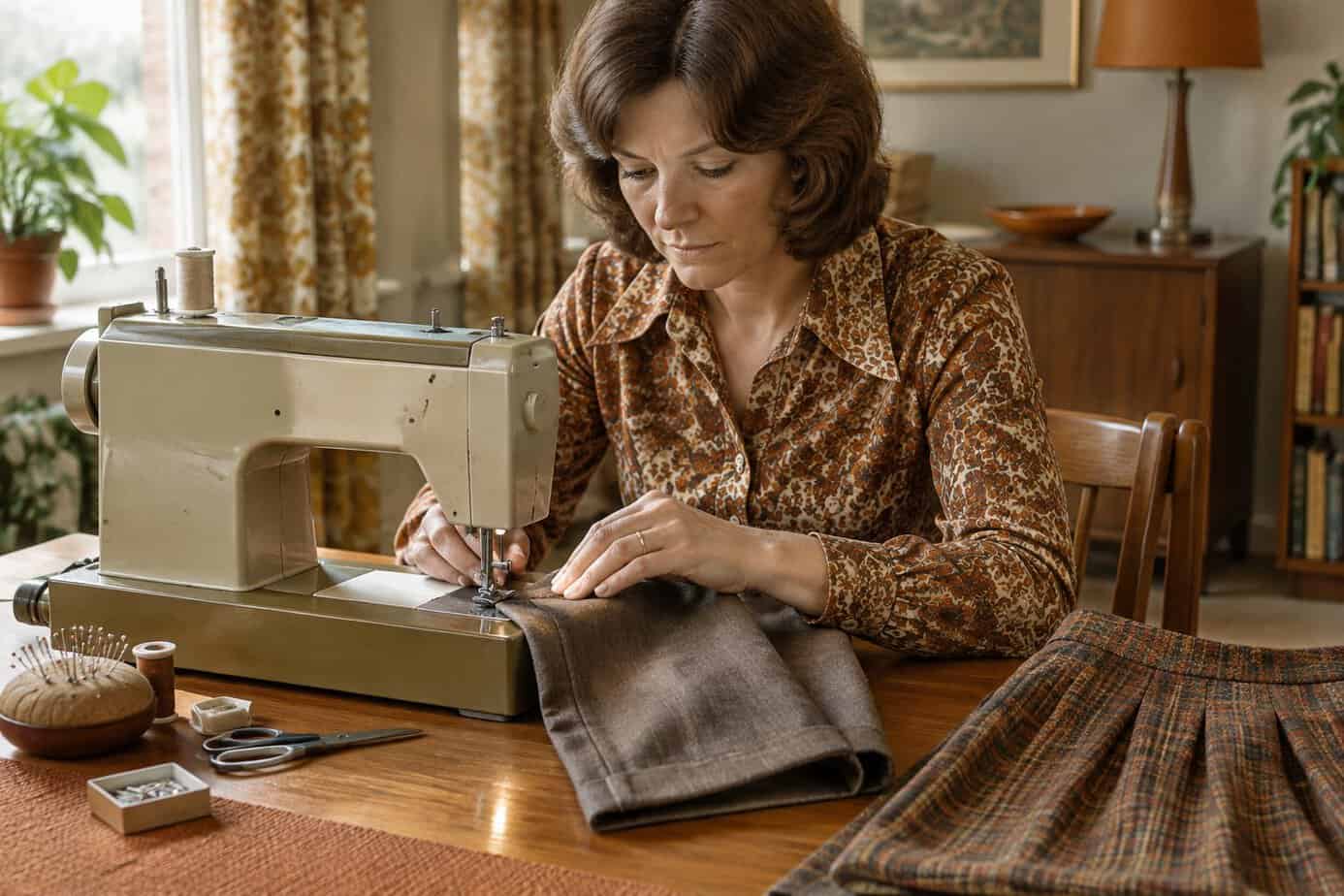
You knew how to hem a pair of pants or a skirt because store-bought clothes rarely fit anyone perfectly off the rack. Your husband’s work trousers needed shortening, your daughter grew two inches over the summer, and a new skirt always seemed to hit wrong until you fixed it yourself.
You kept pins, a needle, and thread in a sewing box within arm’s reach, usually right in the living room. Measuring the hem evenly around the whole garment mattered, and you learned to fold and press it before you ever threaded a needle.
A blind hem stitch kept the stitching invisible from the outside, which was the whole point. You pressed the fabric flat as you worked so the hemline stayed crisp and even all the way around.
Taking clothes to a tailor felt like an unnecessary expense when you could do it yourself in less than an hour. It also meant you could let a hem back out when a child grew, instead of buying something new every season.
10. Knit or crochet a simple household item
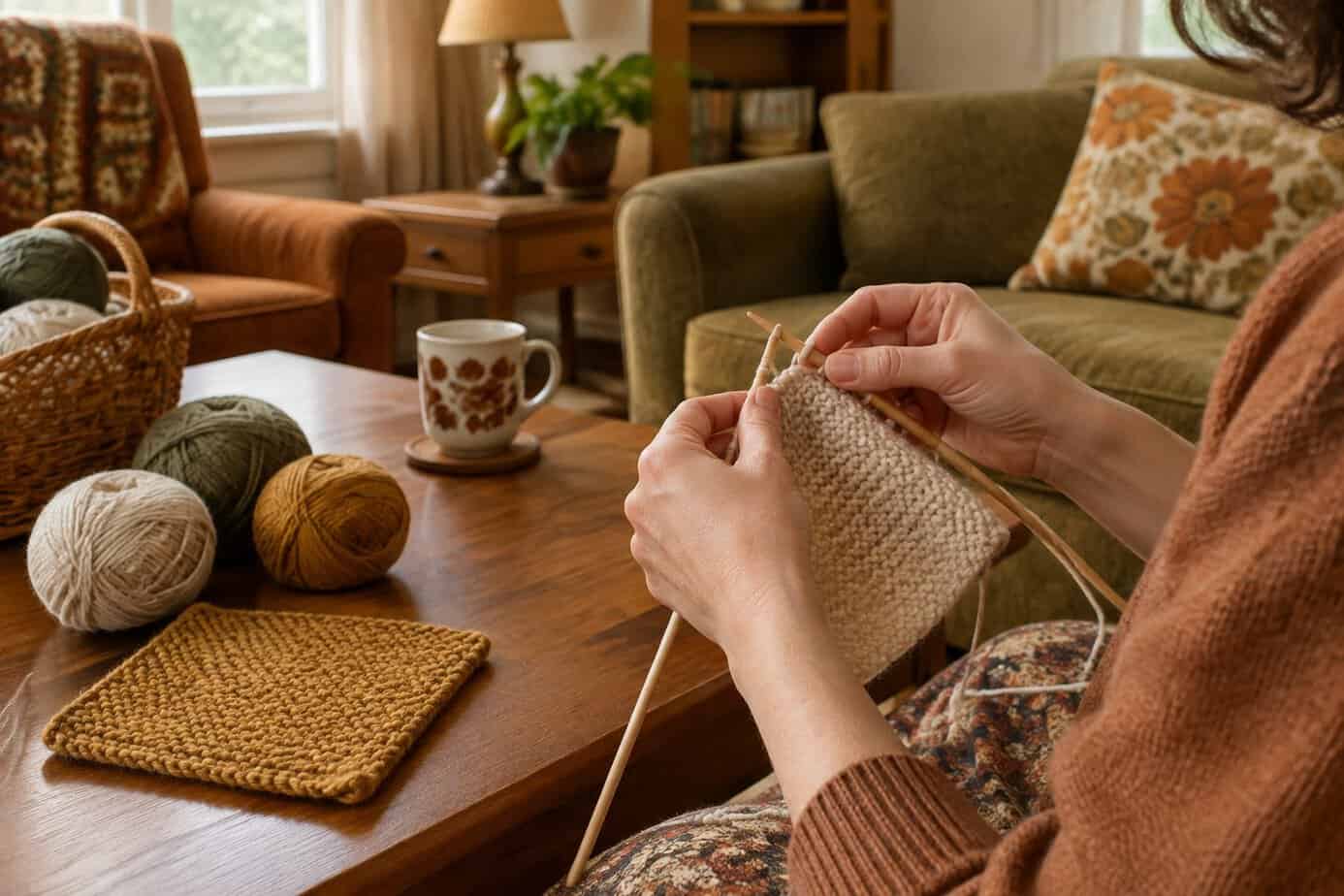
You probably had a crochet hook or a pair of knitting needles tucked in a basket by your favorite chair, ready whenever you had a few spare minutes. Your hands were rarely idle in the evenings in front of the television. You might work on an afghan square by square, adding to it over weeks until it became a full blanket for the couch or a baby’s crib.
Potholders were often a beginner project, and you probably made dozens over the years for your own kitchen and as gifts. Dishcloths, scarves, and simple baby booties were other go-to items you could finish without a pattern book in hand, since you had made them so many times before.
You learned these skills from your mother, a grandmother, or sometimes from a magazine with patterns printed in the back pages. Yarn was affordable, so it was an easy way to make something useful instead of buying it. There was real satisfaction in wrapping a hand-made gift or warming up under a blanket you had made stitch by stitch yourself.
11. Iron shirts and pleated skirts
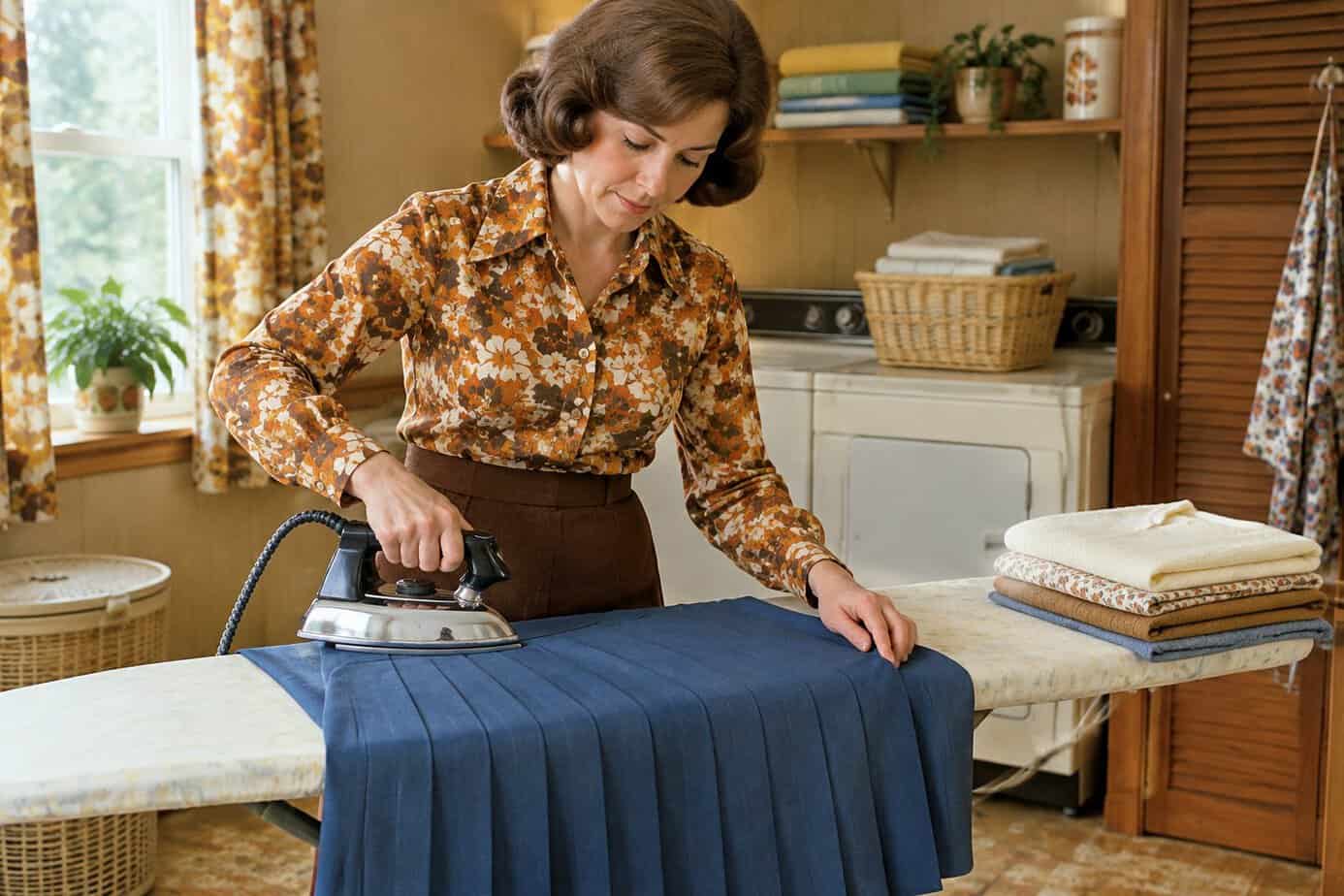
You knew that ironing was not a quick task you rushed through. You set up the board by a window, filled the iron with water for steam, and worked through a whole basket of clothes in one sitting.
Shirts had a method you followed without thinking about it. You started with the collar, then the cuffs, then the sleeves, and finally the body, so everything came out smooth and nothing got new wrinkles pressed into it by accident.
Pleated skirts took real patience. You lined up each pleat by hand, pressed it flat, and sometimes pinned them in place first so the lines stayed sharp from waist to hem.
You learned which fabrics needed a damp cloth between the iron and the fabric, and which ones scorched if you were not paying attention. Polyester behaved differently than cotton, and you adjusted the heat setting without having to think twice.
Your husband’s shirts were ironed for the week on the same day, often while something simmered on the stove. It was just part of keeping the household running, and you took quiet pride in sending everyone out the door looking neat.
12. Remove common stains with household methods
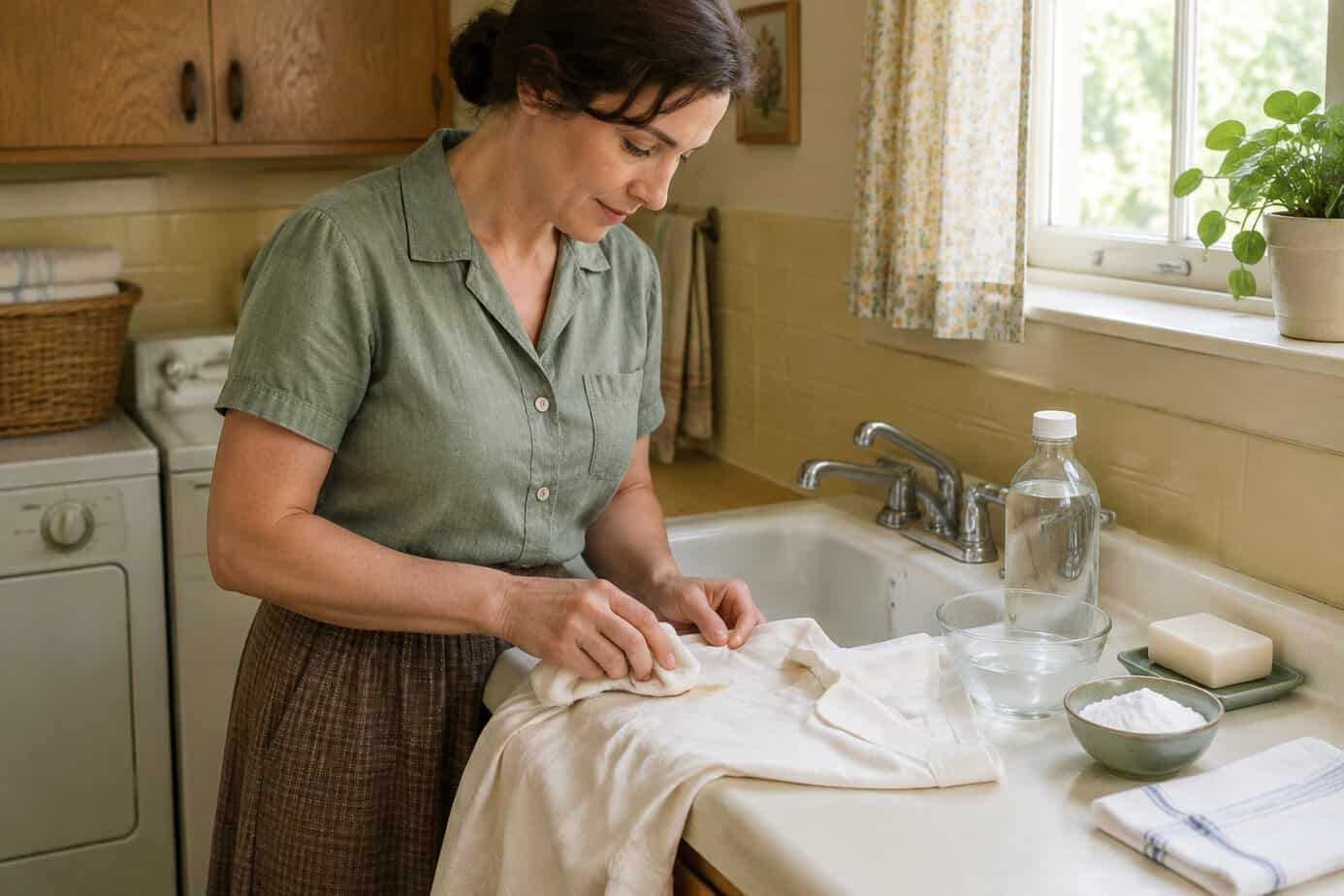
You didn’t run to the store every time something spilled on a shirt or the carpet. You knew that baking soda, white vinegar, and a little dish soap could handle most messes that came through your door. These were staples you always kept on hand, not just for cooking and cleaning, but for stains too.
Grass stains, grease spots, coffee drips, and blood from a scraped knee all had their own simple fix. You learned to treat a stain quickly, before it had a chance to set, because you knew waiting only made the job harder.
Salt worked on fresh red wine. Lemon juice and sunlight lightened certain marks on white fabric. A paste of baking soda and water lifted out odors and some discoloration. You trusted these methods because you’d watched your own mother use them, and they worked often enough that you never doubted them.
There was no internet to search for answers back then. You relied on memory, trial and error, and advice passed down at the kitchen table. It gave you a quiet confidence that you could handle whatever accidents your family brought home.
13. Cut the whole family’s hair at home
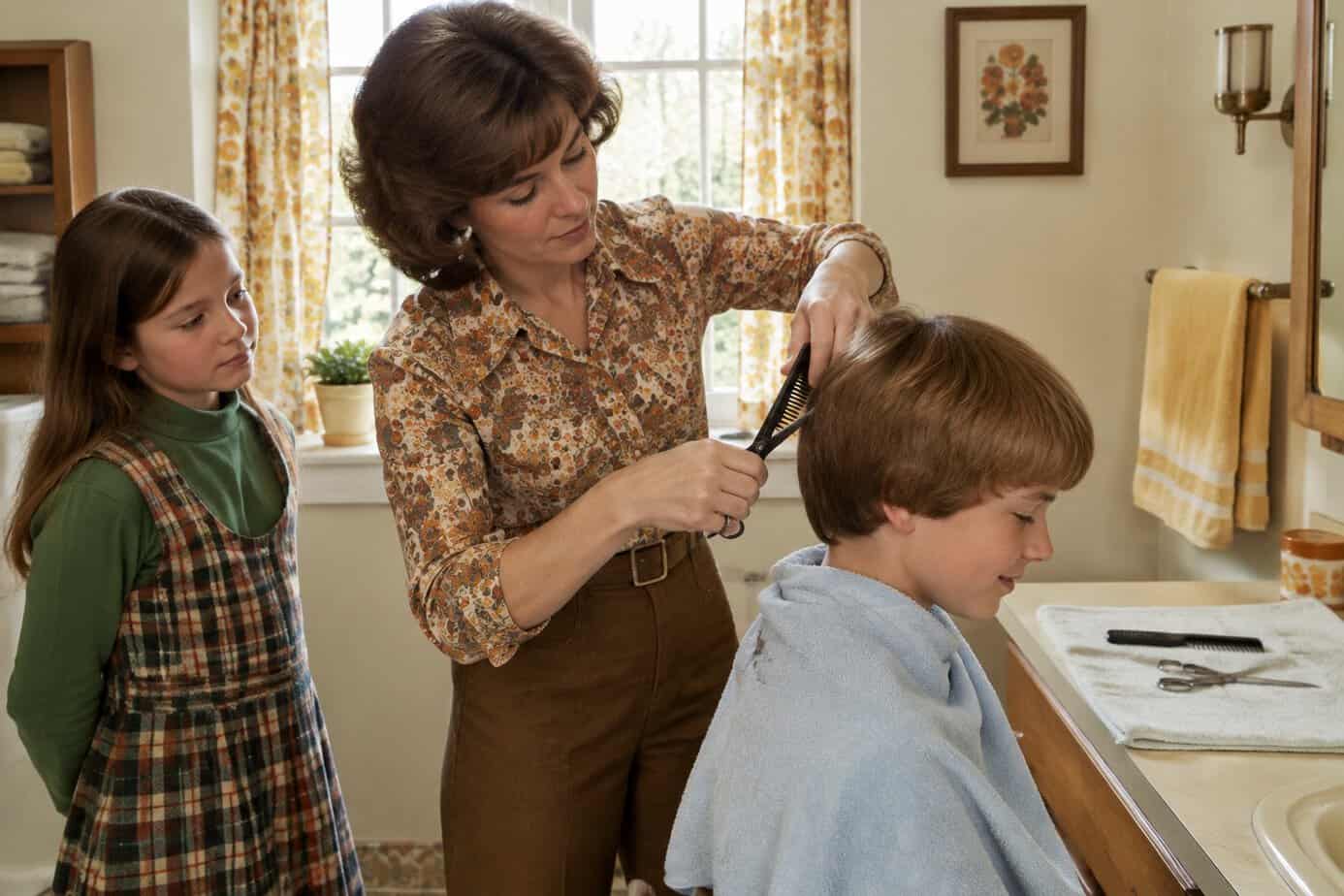
You kept a pair of good scissors and a comb set aside just for haircuts, and everyone in the house knew what that meant. Money was tight, and a trip to the barber or beauty shop for every family member added up fast. So you learned to do it yourself, usually at the kitchen table with a towel around the shoulders.
Cutting your husband’s hair meant keeping it neat around the ears and the back of the neck, nothing fancy, just clean and presentable for work. The kids were a different story, especially active boys who squirmed the whole time. You got good at working quickly and evening things out when one side came out shorter than the other.
You picked up little tricks along the way, like using a bowl to guide a straight line or dampening hair first to see how it would fall. It was not always perfect, and there were a few haircuts you still laugh about. But it saved real money, and there was something satisfying about handling it yourself instead of waiting for an appointment.
14. Make soup stock from bones and vegetable scraps
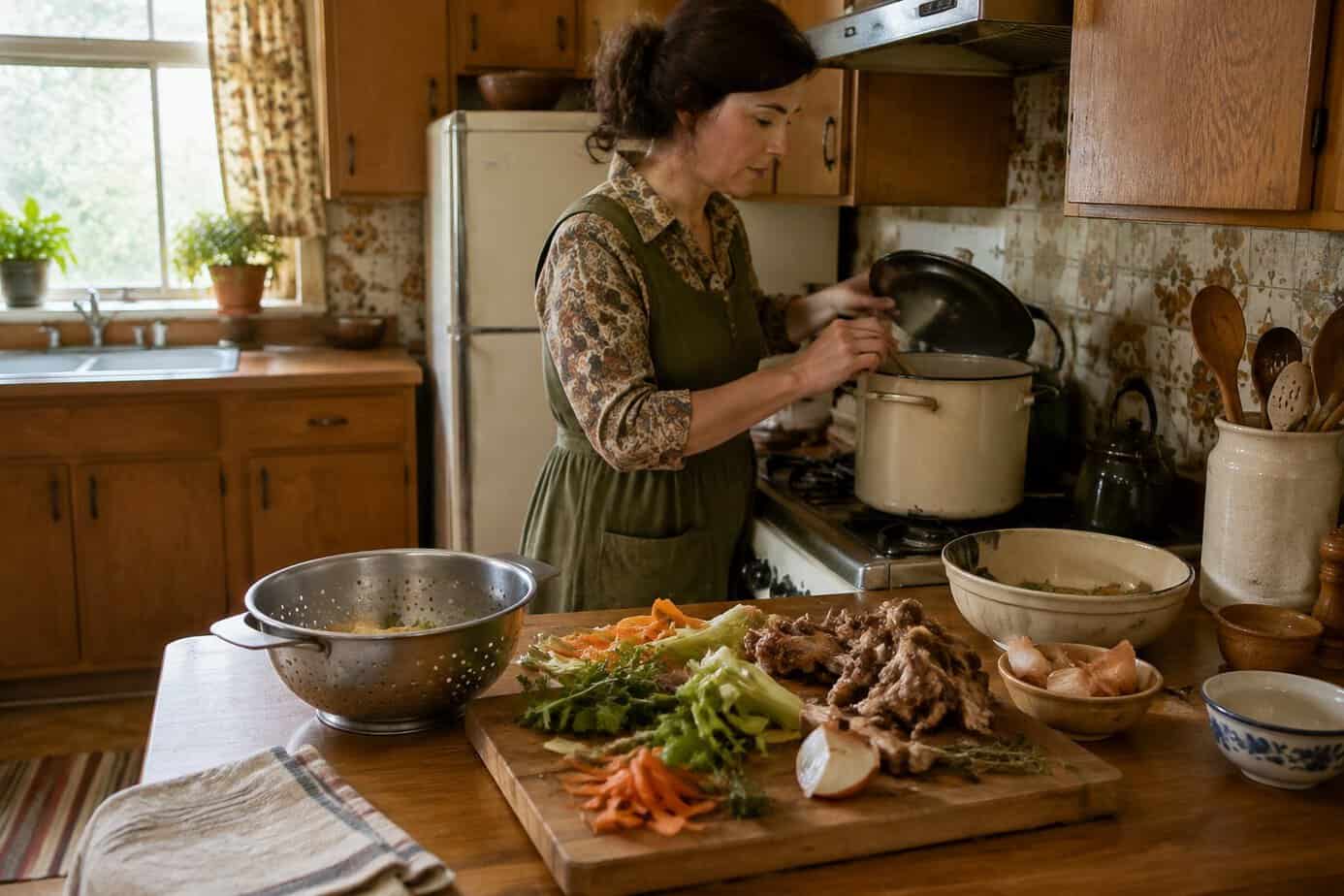
You never thought twice about saving a chicken carcass or the heel of a roast. Into a bag in the freezer it went, right alongside onion skins, carrot ends, and celery leaves you had trimmed off earlier in the week. Nothing useful got thrown away if you could help it.
When the bag filled up, you knew it was time to make stock. You tossed everything into a big pot, covered it with water, and let it simmer low and slow for hours. The whole kitchen smelled rich and savory by the time it was done.
Straining it through a colander, maybe with a bit of cheesecloth if you were feeling particular, gave you a clear, golden broth ready for soups and stews. You poured it into jars or containers and kept it in the fridge or freezer for whenever you needed it.
It felt good knowing you were not wasting a thing. Store-bought broth seemed like an unnecessary expense when you already had everything you needed sitting in your scrap bag. That habit of stretching every ingredient as far as it would go was just part of running a household back then.
15. Keep a household ledger by hand
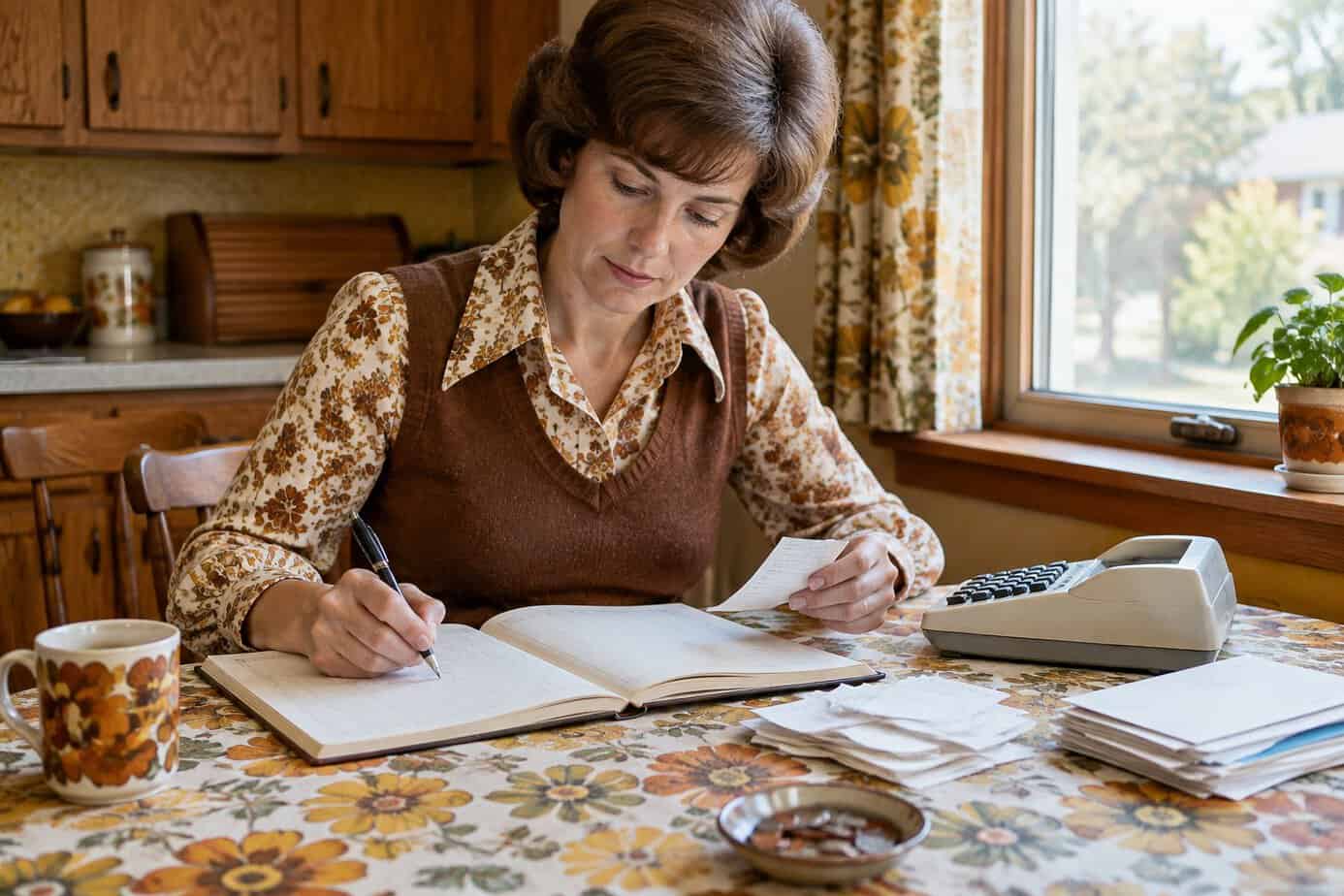
You kept a notebook in the kitchen drawer, and every week you sat down with it after the shopping was put away. Groceries went in one column, the electric bill in another, and whatever was left over for shoes or a haircut got its own line. It only took a few minutes, but you never skipped it.
That ledger told you the truth about your money. You could see at a glance whether you were ahead or behind before the bank statement ever showed it. If the numbers didn’t add up, you knew exactly where to cut back for the next few days.
There was no app doing the math for you, so you did it yourself with a pencil and sometimes an eraser. You got good at adding columns in your head while the kids were underfoot.
Looking back, that little book kept your family steady through months when money was tight. It gave you a quiet kind of confidence, knowing you always had a handle on where every dollar went.
16. Balance a checkbook

You remember sitting at the kitchen table with your checkbook, a pen, and the bank statement spread out in front of you. Every check you wrote got recorded right away in that little register, down to the penny.
There was no app to check your balance. You had to do the math yourself, subtracting each check and deposit by hand, and you learned to keep a running total so you always knew what you had.
Once a month, the statement came in the mail, and you sat down to reconcile it against your own records. If the numbers didn’t match, you went back through every entry until you found the mistake.
This habit kept you honest with yourself about spending. You could see exactly where the money went, and it was hard to fool yourself into thinking you had more than you did.
Bouncing a check felt embarrassing back then, so you were careful. Balancing your checkbook wasn’t a chore you dreaded; it was just part of taking care of your household, the same as anything else on your list.
17. Roll out a homemade pie crust
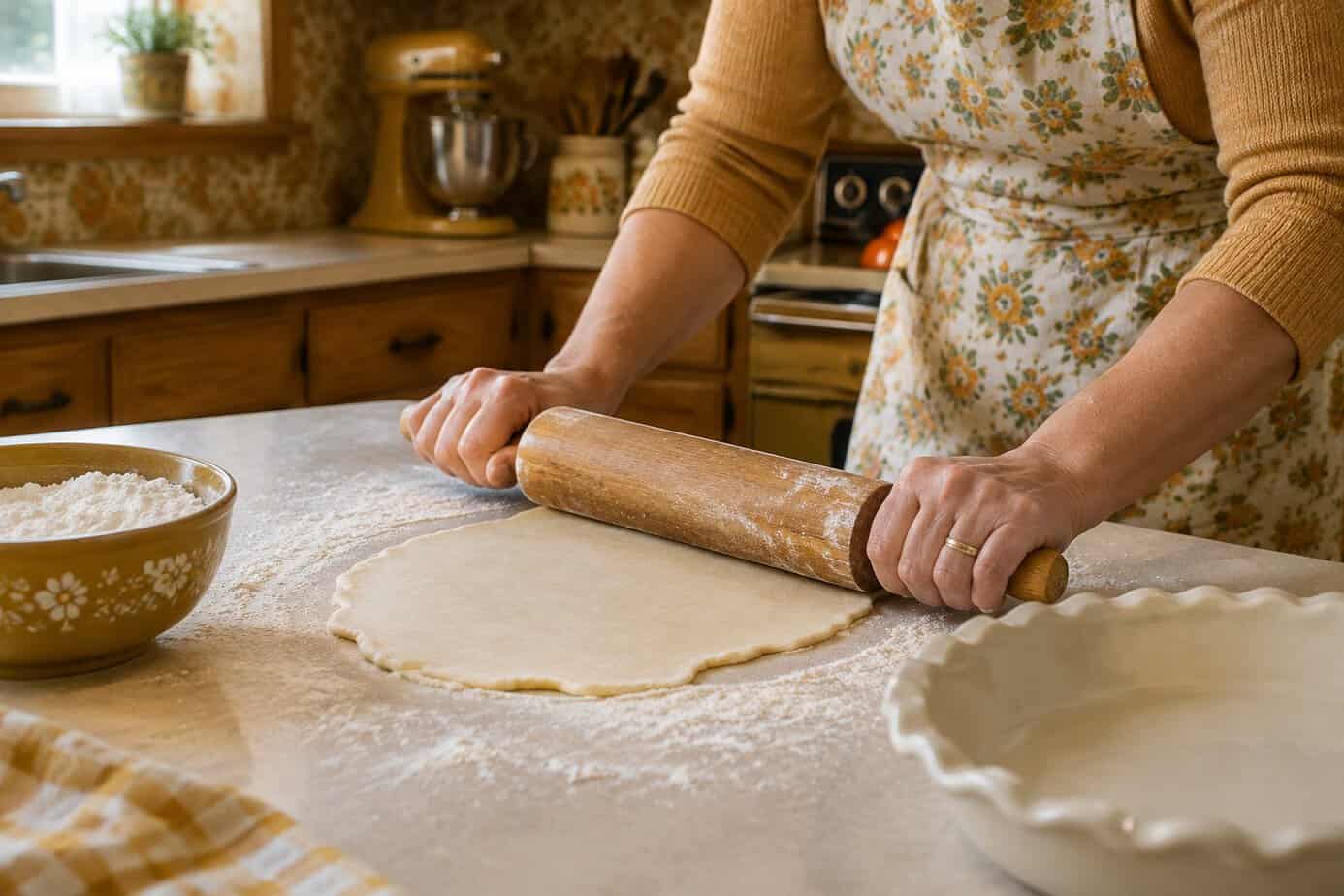
You remember standing at the counter with a bag of flour, a cold stick of butter or lard, and a little ice water, knowing exactly how the dough should feel under your hands. Too warm and it turned greasy. Too dry and it cracked. You learned by touch, not by a recipe card timer.
Your rolling pin was probably your mother’s, and before you used it, you dusted the counter and pin with just enough flour to keep things from sticking. You rolled from the center out, turning the dough a quarter turn after every pass so it stayed round and even.
Patching a crack wasn’t a crisis. You pressed the dough back together with wet fingers and kept going, because a pie didn’t need to look perfect to taste right.
Getting that dough into the pan without tearing it took a steady hand, usually by folding it gently over the rolling pin and unrolling it across the dish. You could tell by look and feel when it was ready to trim and crimp.
It wasn’t fancy. It was just something you knew how to do, pie after pie, year after year.
18. Plan errands to save time and fuel
You didn’t just hop in the car every time you thought of something you needed. Gas cost money, and so did the time it took to drive across town and back more than once in a day.
You kept a running list on the kitchen counter or taped to the fridge, adding to it all week as things came up. By the time Thursday or Friday rolled around, you knew exactly where you needed to go and in what order.
You mapped your route so the bank, the grocery store, and the dry cleaner all fell along the same stretch of road. Backtracking felt wasteful, so you avoided it whenever you could.
You also paid attention to timing. Running errands right before school let out, or squeezing them in during a baby’s nap, meant fewer trips with cranky kids in tow.
Combining errands with your husband’s work schedule or a neighbor’s trip into town was common too. If someone was already heading that way, you asked them to grab what you needed, saving both of you a separate drive.
19. Read a road map and navigate without GPS

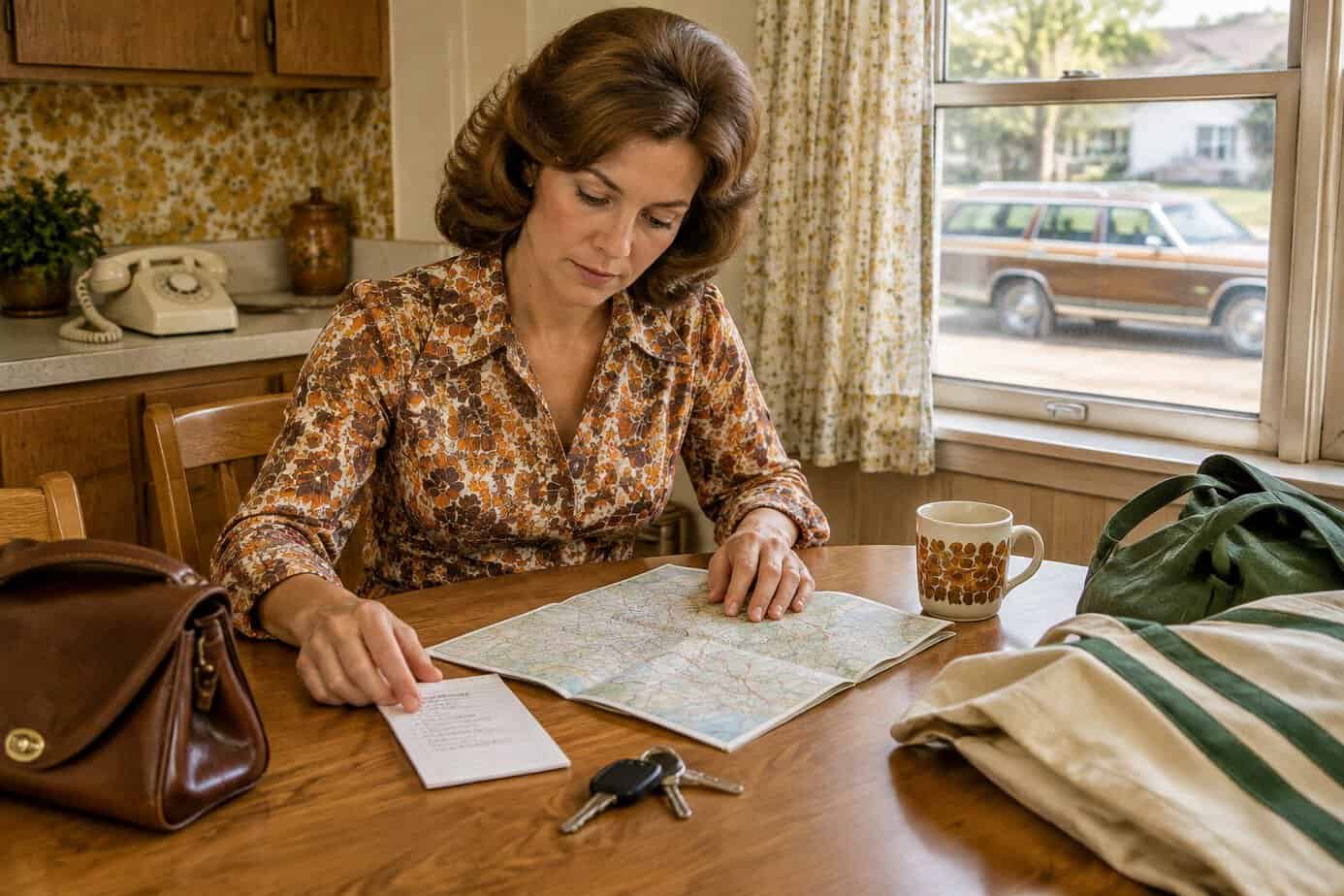
You remember unfolding a road map across the kitchen table before any family trip, tracing the route with your finger while you planned the best way to get there. Every car had a glove compartment stuffed with maps from gas stations, and you knew how to fold them back up properly, which was its own small skill.
You learned to read highway numbers, follow mile markers, and watch for road signs that told you how far the next town was. If you got turned around, you pulled over and figured it out yourself, or asked someone at a gas station for directions.
Navigating by map meant paying attention to your surroundings the whole way. You noticed landmarks, watched the sun for direction, and kept a general sense of north in your head without thinking much about it.
Road trips took real planning. You mapped out rest stops, figured mileage between towns, and left extra time in case you missed a turn. There was no voice telling you where to go, so you trusted the map, your memory, and your own common sense to get your family safely from one place to another.
20. Defrost the freezer by hand
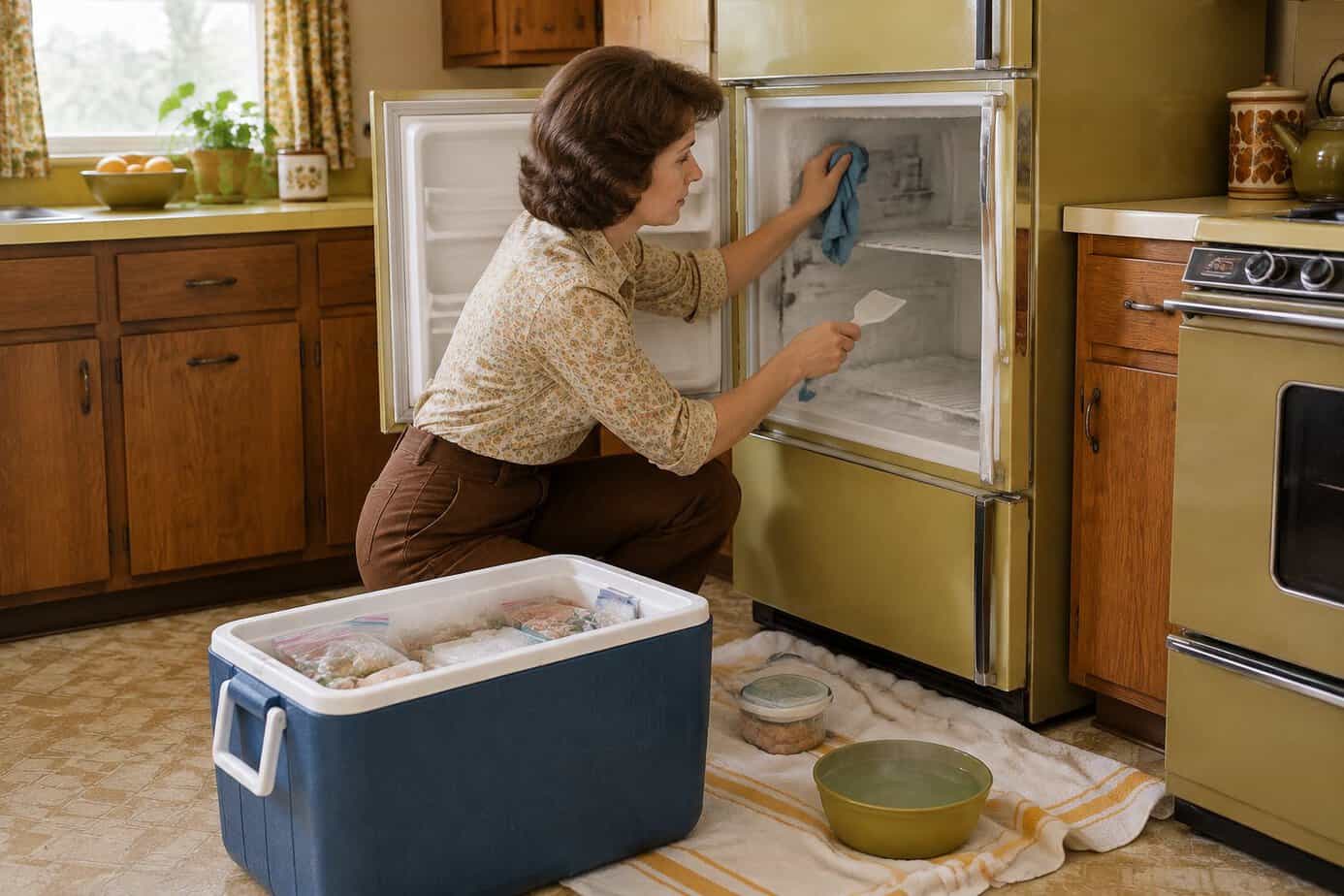
You remember the ritual well. Every few months, that thick layer of frost built up inside your freezer until there was barely room for a package of peas, and you knew it was time to tackle it.
You would unplug the whole unit first, then pull out everything frozen and pile it into a cooler or wrap it in towels to keep it cold while you worked. Then came the waiting game, watching the ice slowly loosen from the walls.
Setting a pan of hot water inside and closing the door helped speed things along. So did a wooden spoon or spatula for chipping away at the stubborn spots, though you learned early on to be careful not to scratch the walls or puncture anything.
Towels on the floor caught the melting water, and you kept a bucket handy for the bigger chunks of ice. It was a messy, time-consuming job, but a necessary one.
Once everything was dry, you plugged it back in and waited for it to get cold again before restocking. It felt satisfying to see that clean, frost-free interior, even knowing you would be doing it all again before long.
21. Write thank-you notes and letters to faraway family

You sat down at the kitchen table with your good stationery and a reliable ballpoint pen, and you wrote to the people who mattered. Your mother-in-law got a note after every visit. Your aunt across the state heard from you after every birthday gift she sent the kids.
Long-distance phone calls cost money, so letters carried the weight of staying close. You wrote about what the children were doing, what you’d planted in the garden, and how much the sweater or the five dollars tucked in a card meant to you. It wasn’t just politeness. It was how you kept family connected across the miles.
You taught your children to write their own notes, too, guiding their hand as they thanked a grandparent for a toy. A good thank-you note took real time to compose. You thought about what to say instead of dashing off a quick line.
Mail call meant something back then. You knew the feeling of finding a letter in the box and the quiet responsibility of writing one back.
22. Clean the whole house with vinegar and baking soda
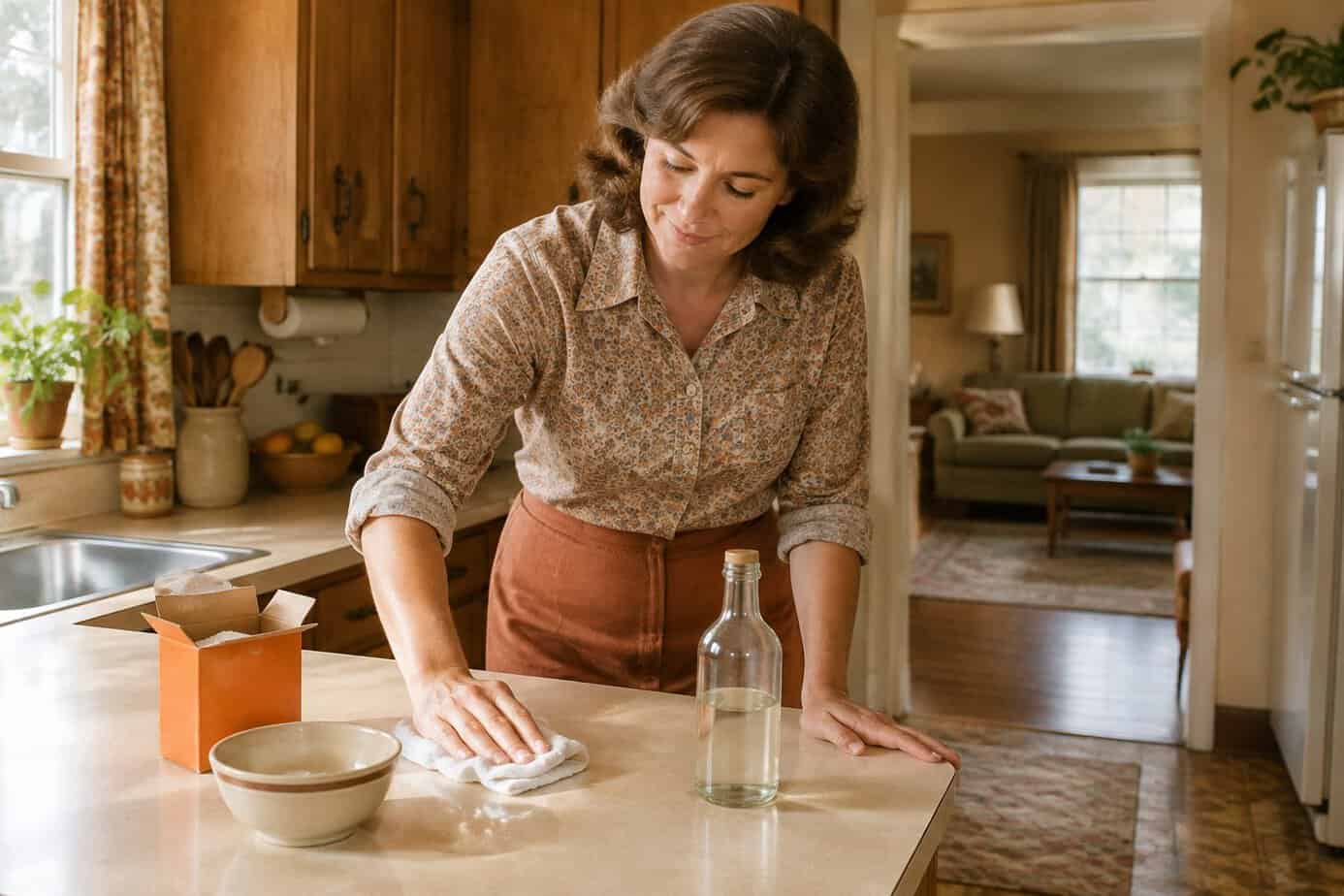
You kept a jug of white vinegar and a box of baking soda under your kitchen sink, and between the two of them, almost every cleaning job in the house got handled. You didn’t think of them as old-fashioned back then. They were just what you reached for first.
A mix of vinegar and warm water cleaned your windows and mirrors without leaving streaks, and newspaper worked better than paper towels for buffing them dry. Baking soda scrubbed away grease on stovetops and countertops without scratching the surface. You sprinkled it in the bathtub and sink, worked it with a damp cloth, and rinsed it clean.
You used vinegar to cut through soap scum on tile and to freshen up your washing machine every so often. A little baking soda in the bottom of the refrigerator kept odors down between grocery trips. You didn’t need a cabinet full of labeled sprays, just those two basics and a bit of elbow grease. It got the job done, and it cost next to nothing.
23. Wallpaper or paint a room yourself
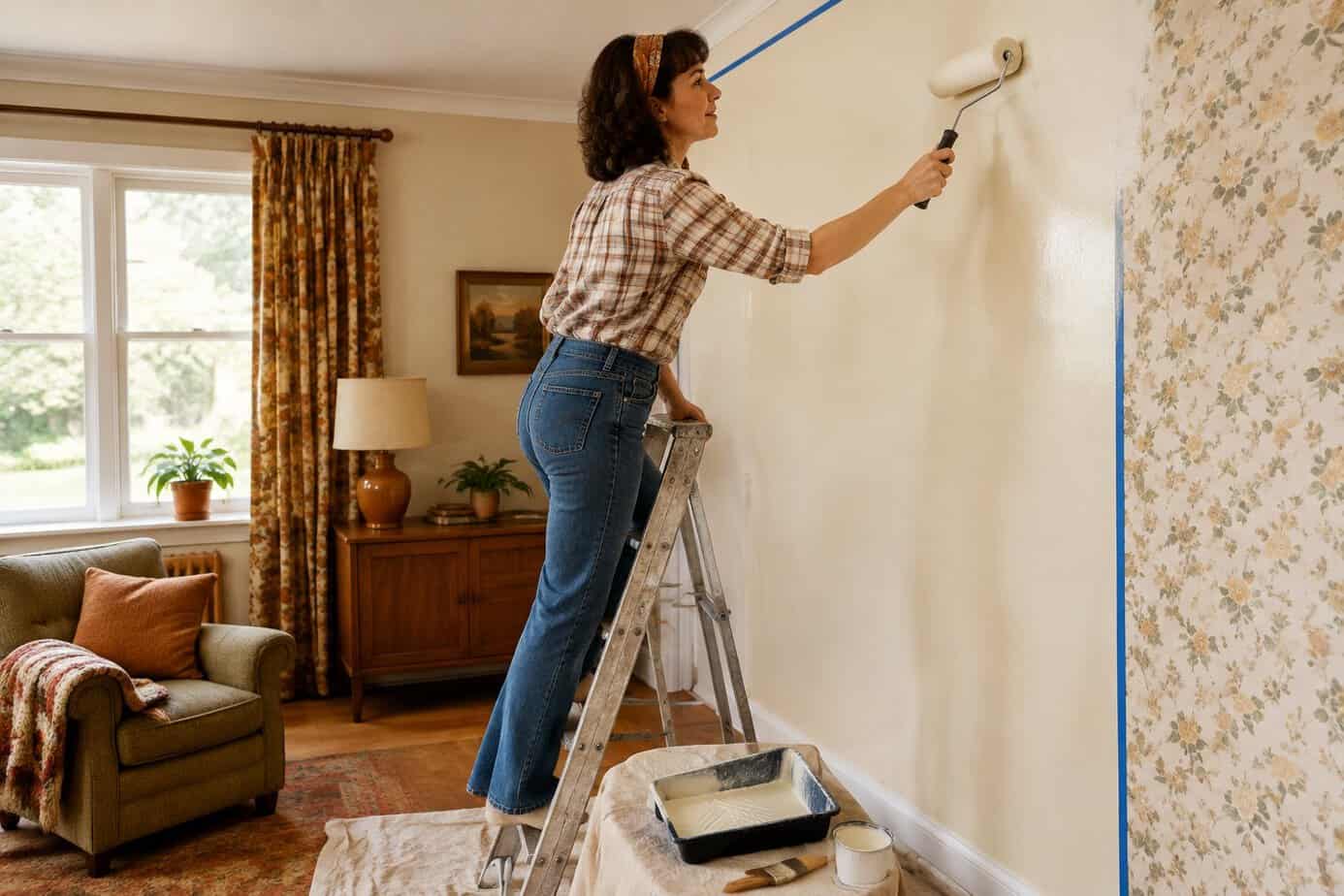
You did not call anyone when a room needed freshening up. You rolled up your sleeves, covered the floor with old sheets, and got to work yourself.
Wallpapering took patience and a steady hand. You mixed the paste, soaked the strips in water or brushed it on, then smoothed each piece against the wall while matching the pattern as you went. Bubbles and crooked seams were part of the learning curve, and you figured out how to fix them without panicking.
Painting was its own skill too. You knew how to tape off trim, cut in corners with a brush before rolling the walls, and pick colors that would hold up to a busy family household. You understood drying times and how many coats a wall really needed.
These projects usually happened on a weekend, with the whole family pitching in or at least staying out of the way. When you finished, you felt a real sense of accomplishment looking at a room you had transformed with your own two hands.
24. Fix a running toilet or a leaky faucet yourself
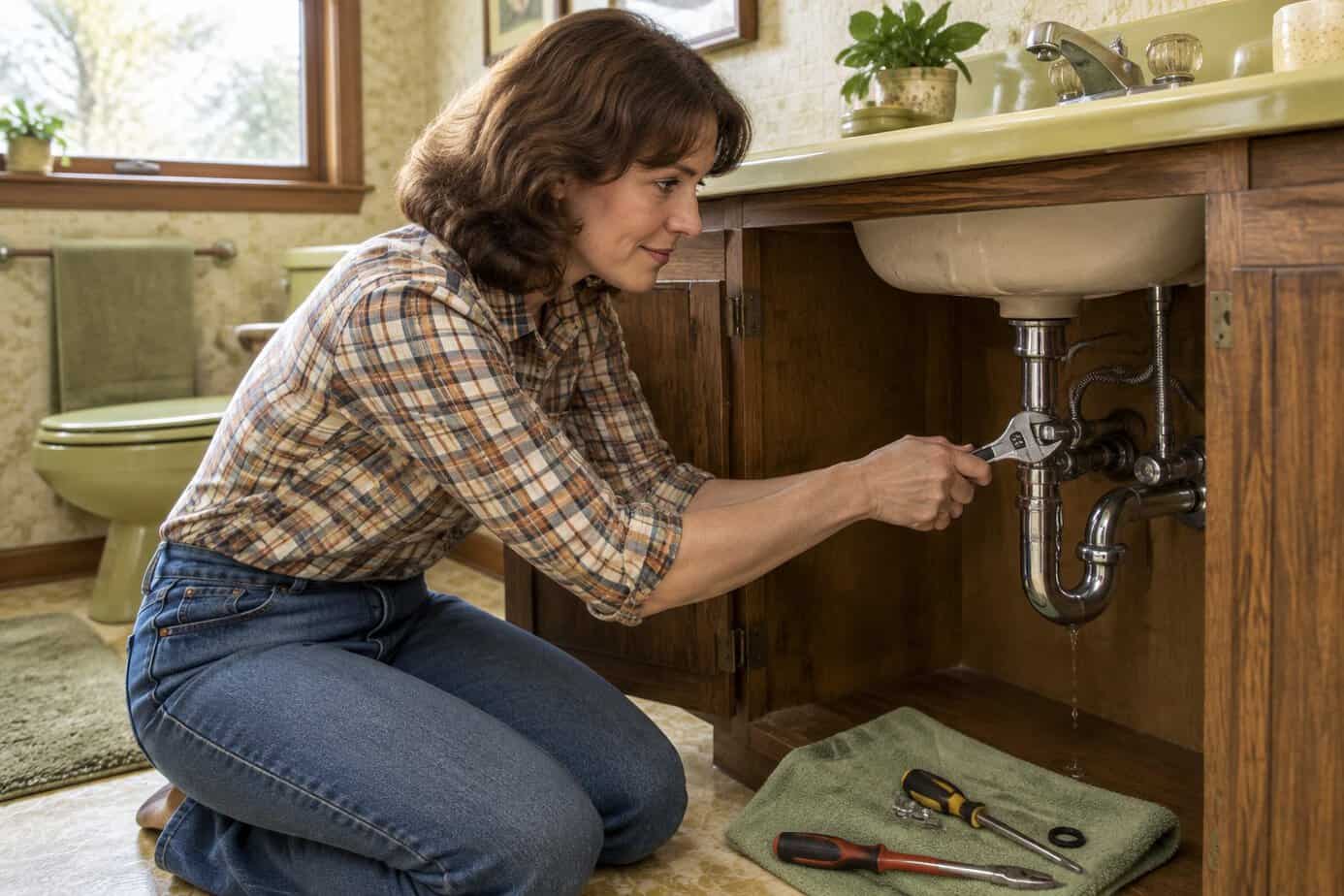
You remember standing on a step stool or kneeling on the bathroom floor with the toilet tank lid off, watching the water to figure out what was wrong. A running toilet usually meant one of a few things: the flapper had worn out and wasn’t sealing right, the water level was set too high, or the fill valve needed adjusting. You learned to spot which one it was just by listening and looking.
Calling a plumber for something like that would have felt wasteful, almost silly. You had a toolbox under the sink with a wrench, pliers, and a few spare washers, and you knew how to use them.
A dripping faucet usually came down to a worn-out washer or a loose part inside the handle. You’d shut off the water, take the faucet apart, see what needed replacing, and put it back together again. It rarely took more than twenty or thirty minutes once you knew what to look for.
These weren’t glamorous skills, but they saved money and kept the household running smoothly. You just handled it, the same way you handled everything else.
25. Shop with coupons and plan around sales
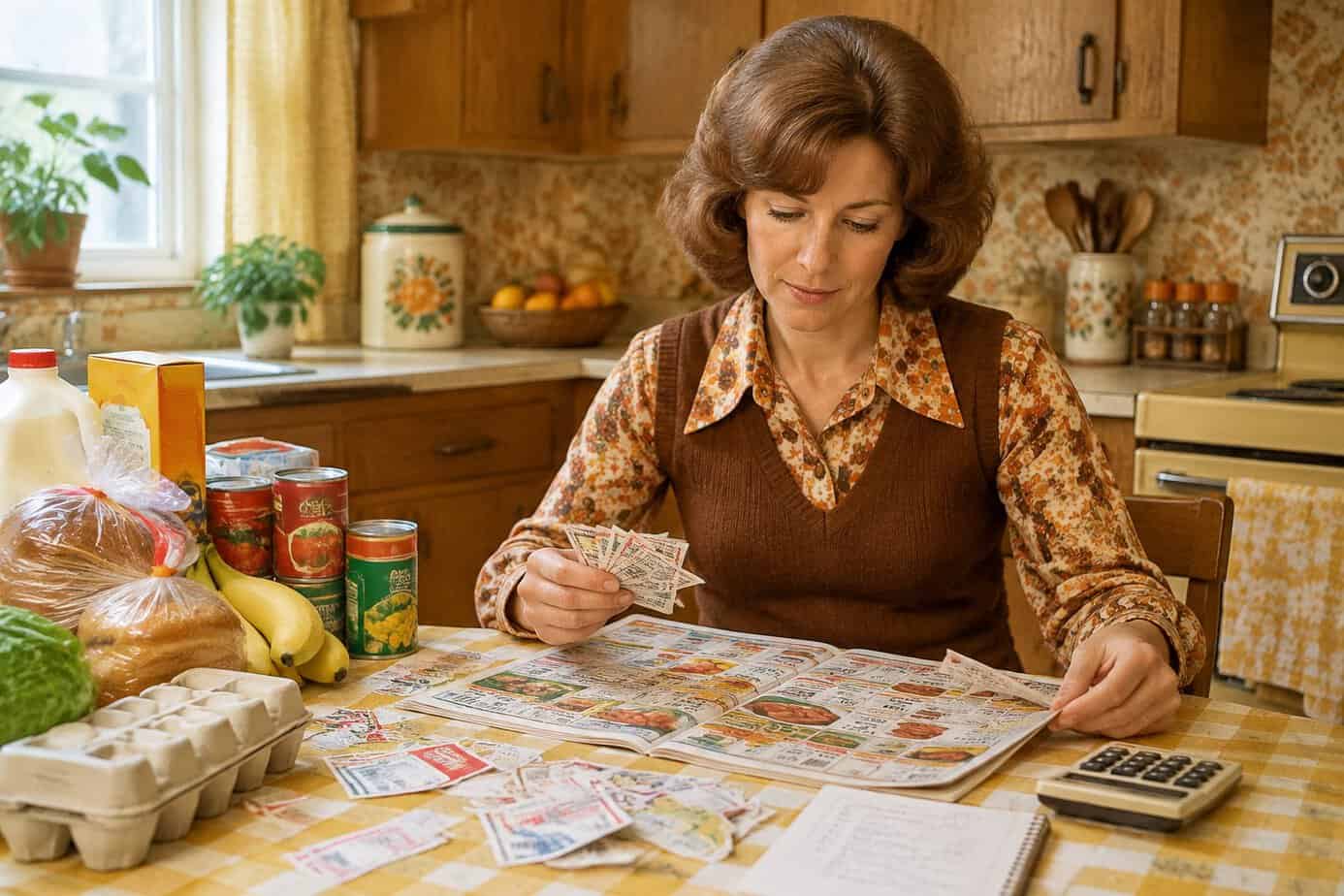
You remember sitting at the kitchen table on Sunday evening with the newspaper spread out, scissors in hand, clipping coupons for the week ahead. It wasn’t a chore so much as a habit, something you did while the coffee was still warm and the kids were winding down for bed.
You kept those coupons organized in an envelope or a little box, sorted by category, so you could grab what you needed before heading to the store. You knew which stores had sales on which days, and you planned your meals around what was marked down that week rather than the other way around.
Stretching a grocery budget meant paying attention to unit prices long before anyone talked about reading labels carefully. You compared brands, watched for double coupon days, and never bought something full price if you could wait a week for it to go on sale.
It wasn’t about being stingy. It was about making the paycheck last until the next one arrived, and you took quiet pride in walking out of the store with full bags and a receipt that made sense.
26. Pack brown-bag lunches every morning on a budget
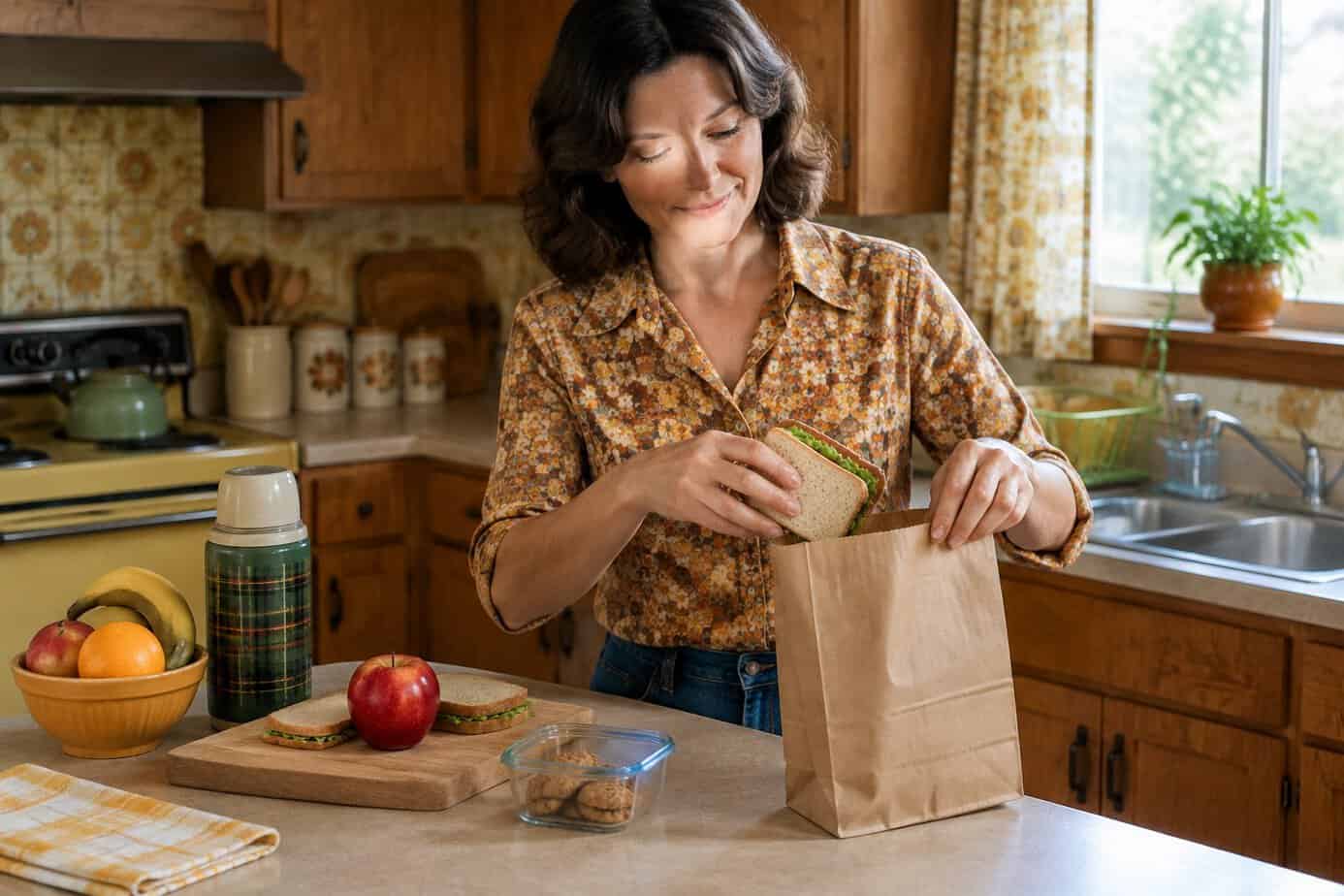
Every weekday morning, you stood at the counter with a stack of brown paper bags, working quickly before the kids left for school. There was no time to overthink it. You grabbed bread, whatever filling you had on hand, and wrapped things in wax paper to keep costs down.
Money was tight, especially with inflation and rising grocery prices through much of the decade. You learned to stretch a loaf of bread across several lunches and buy fruit when it was in season and cheaper. Nothing went to waste if you could help it.
You got creative with leftovers, turning last night’s dinner into today’s sandwich filling. A cookie or two, maybe an apple, rounded things out without adding much to the bill. You knew exactly how many bags were in the box and made them last.
It wasn’t glamorous work, but it mattered. Those lunches meant your kids ate something familiar and filling, made by your own hands, without straining the household budget. You took quiet pride in making it work every single morning.
27. Set a proper table for a family meal
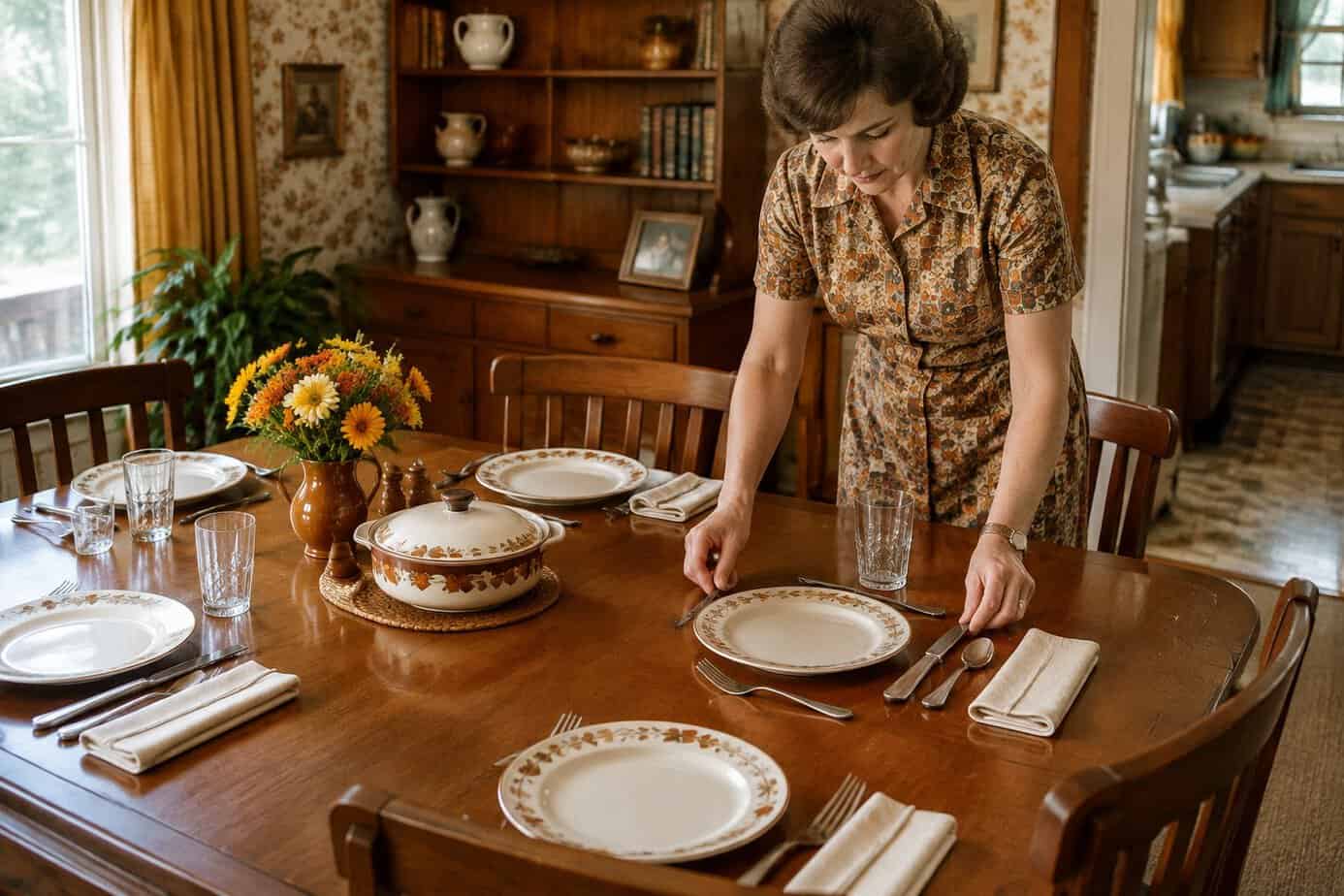
You knew that setting the table meant more than tossing down a fork and calling it done. Plates went in their place, forks on the left, knives and spoons on the right, blade facing in. It became second nature after a while, the kind of thing your hands just did without much thought.
Dinner had a set time in your house, and the table was ready before anyone sat down. You taught your kids to help too, handing them the napkins or the glasses so they felt part of getting the meal together. It was a small chore, but it mattered.
A proper table also meant everyone had a spot and the food was passed around rather than everyone serving themselves straight from the stove. Company meant the good dishes came out, maybe a tablecloth too, and you took a little extra care with how things looked.
It wasn’t about being fancy. It was about sitting down together and treating the meal, and each other, with a bit of respect.
28. Host guests with what is already on hand
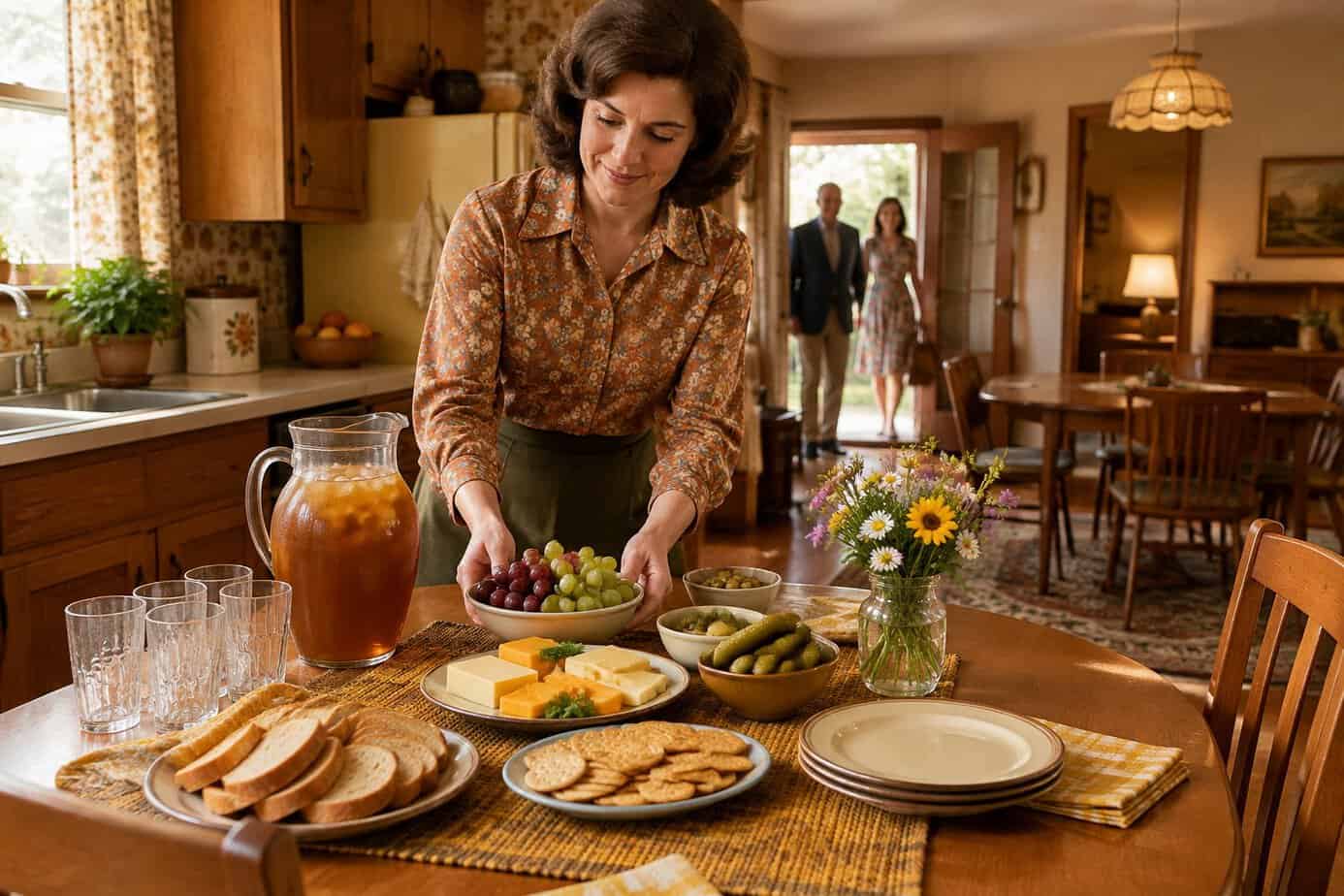
You never panicked when someone showed up unannounced. The pantry held enough basics that you could pull together a decent spread without a special trip to the store.
A relish tray came together fast: whatever pickles, olives, and raw vegetables you had, arranged on a plate. It looked intentional even when it was really just what was left in the crisper drawer.
Canned goods were your safety net. A can of tuna, some noodles, a can of cream soup, and dinner for unexpected guests was solved in twenty minutes. Nobody thought less of a casserole built that way.
You kept a cake or a batch of cookies on hand more often than not, so dessert was never a scramble. Coffee was always ready to brew, and you knew how to stretch a pot of soup or a pan of spaghetti to feed two more people without anyone going hungry.
Hosting didn’t mean elaborate planning. It meant knowing your shelves well enough to make do, and making do look easy.
29. Keep houseplants alive through seasonal changes

You didn’t have grow lights or humidity meters, but you knew your plants just the same. As the seasons turned, you noticed when the light through the window shifted and moved your African violets or philodendrons accordingly. Summer plants came in closer to the glass, winter ones pulled back a few inches so they wouldn’t get chilled overnight.
You watered by feel, not by schedule. You’d stick a finger in the soil, and if it felt dry an inch down, you gave it a drink. In winter, you cut back without being told to, because you understood plants slowed down when the days got shorter.
You also knew the tricks that never made it into any book. A tray of pebbles and water under the pots added humidity when the radiators dried out the air. Turning the plant a quarter turn every week kept it from leaning toward the sun. You pinched off yellow leaves right away and repotted root-bound plants in spring without a second thought. It was common sense, passed down and practiced, not something you had to look up.
30. Grow herbs or vegetables in a small garden
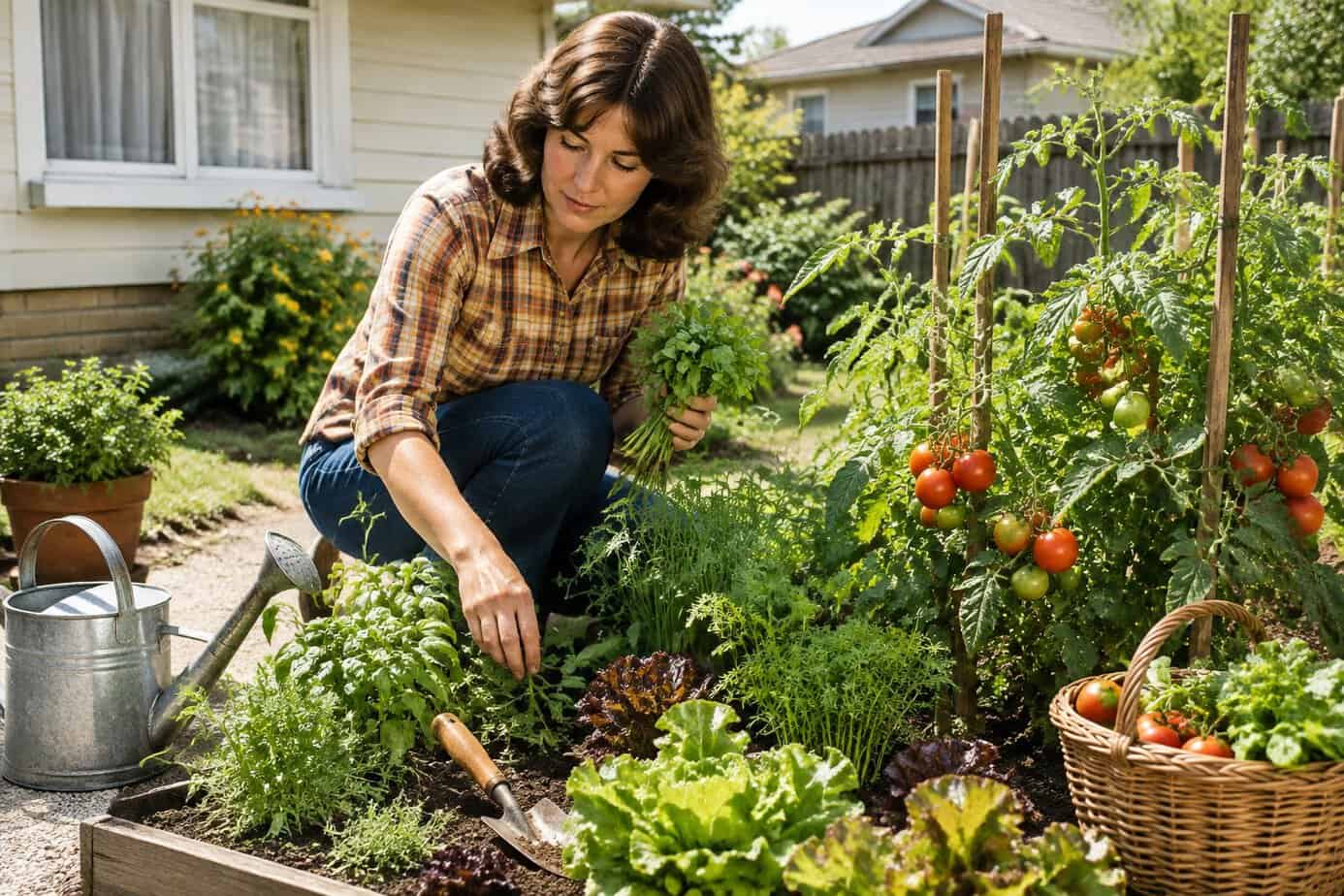
You didn’t need acres of land to put food on the table. A small patch in the backyard, or even a row of pots on the porch, was enough to keep you in tomatoes, peppers, beans, and fresh herbs all summer long.
You learned which vegetables did well close together and which ones needed room to spread out. Marigolds went in next to the tomatoes to keep bugs away, and you knew to plant beans where they could climb a fence or a few stakes tied together.
Watering came early in the morning or in the evening, never in the heat of the day. You checked the soil with your fingers rather than guessing, and you knew the difference between a plant that needed water and one that needed shade.
Herbs like basil, mint, and chives grew in a sunny spot near the kitchen door so you could snip what you needed while cooking. Nothing went to waste. Extra vegetables were canned, frozen, or shared with neighbors, and you felt proud knowing your family was eating something you grew with your own hands.
31. Dry laundry on a clothesline
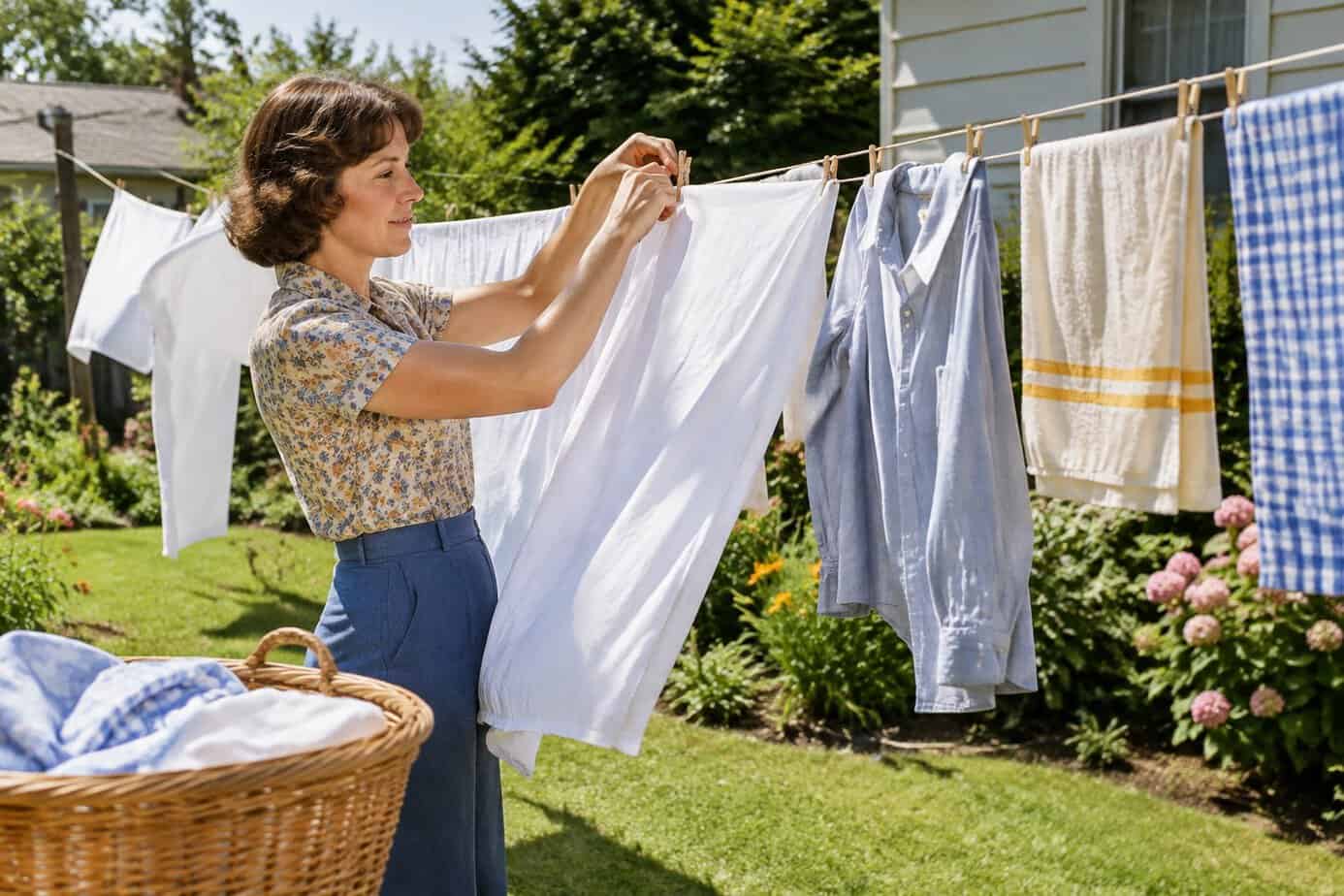
Plenty of homes still didn’t have a clothes dryer in the early 1970s, and even if yours did, you saved it for rainy days. Every wash day, you carried the basket outside and pinned each piece to the line, working methodically from one end to the other.
You learned the order without thinking about it. Sheets and towels went on the outer lines where there was more room, while shirts, pants, and smaller items filled in closer to the house.
Shaking out each piece before hanging it cut down on wrinkles and loosened any lint. You pinned things by the hem or the waistband, never through the middle, so clothes would dry without strange creases.
Weather mattered more than any dial on a machine. You watched the sky before starting a load, and you knew the smell of rain in the air meant you had maybe twenty minutes to get everything down.
There was something satisfying about bringing in stiff, sun-warmed laundry at the end of the day. It smelled like fresh air, not fabric softener, and you knew you’d saved a little on the electricity a dryer runs through, doing it the way your own mother had taught you.
How Everyday Life Shaped Homemaking in the 1970s
Your days in the 1970s were built around a tight budget, a handful of appliances and a weekly routine that didn’t leave much room for shortcuts. Those conditions are where most of these skills came from.
Household Budgets, Appliances and Daily Routines
Many young families lived on one paycheck, or on one paycheck plus whatever you could bring in part-time, so every dollar had a job before it was ever spent.
Your kitchen had a refrigerator, a stove and probably a washing machine, but a microwave or a dishwasher wasn’t something every house had yet. You cooked what needed cooking that day and planned around it.
Your week usually followed a pattern, with wash day, cleaning day and shopping day each in their place. Everything took longer and took more muscle, so the routine kept the house from getting ahead of you.
You shopped in person, paid with cash or a check, and kept track of it all by hand.
The Quiet Pride in Running a Home on Very Little
You took real satisfaction in getting to the end of the month without running short. Mending instead of replacing, saving jars and containers, and turning pantry staples into dinner weren’t trends to you. They were simply how a home was run.
Your reward was something you could see: a clean house, a fed family and bills paid on time. Nobody handed out praise for it, but you held yourself to a standard anyway, and you met it most days.
Finding Value in That Know-How Today
Most of what you learned still works. A few things just need an update, and the best part is passing it along.
A Few Safety Updates Worth Knowing
Some habits from back then have changed for good reasons. Home canning guidance has been updated since the 1970s, and the National Center for Home Food Preservation keeps the current tested times and methods in one place.
If you’re scraping or sanding paint in a house built before 1978, it’s worth checking for lead first, and the EPA’s lead page explains how. The old rule about cleaning still holds too: never mix bleach with ammonia or vinegar.
Passing It Down
The skills you picked up at your own mother’s elbow don’t have to stop with you. A grandchild who learns to sew on a button, roll out a pie crust or balance a checkbook by hand gets something no app can give them.
Next time someone visits, hand them the rolling pin or the needle and thread. You may be surprised how much they enjoy learning it from you.
If you enjoyed this look back, you might also like these 27 family traditions from the 1970s that quietly disappeared and these 31 things housewives used to do every week.