
29 Childhood Rules Every Gen X Kid Knew Better Than to Break: Lessons From a Different Era

Gen X kids grew up without instruction manuals for life, yet somehow everyone followed the same set of guidelines. These rules never appeared in writing. You learned them through experience, older siblings, and the simple fact that breaking them came with consequences.
No parent sat you down to explain most of these expectations. You picked them up by watching, listening, and occasionally getting caught. The result was a childhood shaped by boundaries that felt obvious to you, even if nobody ever wrote them down.
1. Be home before the streetlights came on

No parent needed to explain this rule twice. You learned it early, and you followed it without question.
There was no text message reminder, no phone call. The streetlights coming on at dusk told you it was time to head home, and that was that.
You spent your afternoons riding bikes, playing tag, or building forts with neighborhood kids until the sky started to change color. That shift in light was your signal.
If you missed it, you knew what waited for you at home. A worried parent or a stern lecture was often enough to make sure you never tested that boundary twice.
This system worked because everyone understood it the same way. Every kid on your block followed the same unspoken schedule, and every parent trusted it completely.
2. Tell your parents where you were going

Before cell phones, a quick shout of “I’m going to Mike’s house!” was the only tracking system parents had. You didn’t need to give a schedule or check in every hour. You just had to name a location and, ideally, stick to it.
If you changed plans mid-afternoon, you were expected to relay that update somehow, usually through another kid or a landline call from a friend’s house. Vanishing without a word wasn’t an option.
This wasn’t about controlling your every move. It was about safety and accountability in a world without instant communication.
Parents trusted you to be honest, and breaking that trust had consequences. If you got caught somewhere other than where you said you’d be, you lost privileges fast.
3. Ask permission before using the telephone
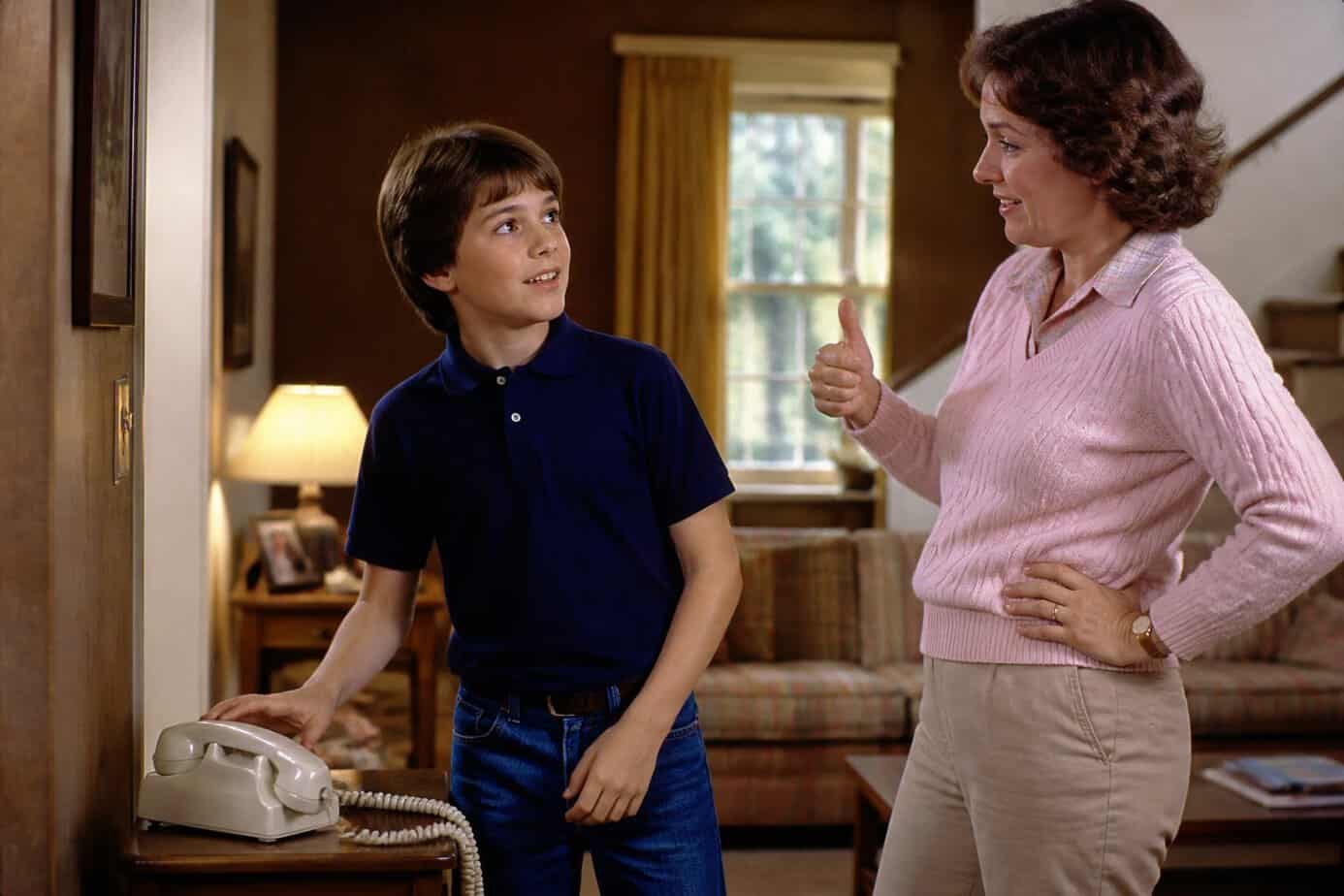
The phone belonged to the whole house, not to you. Before you dialed a single number, you asked whoever was nearby if it was okay to use it.
This wasn’t just politeness. Your parents might have been waiting on an important call, and a busy line meant they’d miss it entirely.
Tying up the phone for too long earned you a warning, then a hand on the receiver hook. Long-distance calls required even more caution, since those minutes cost real money.
You learned to state your business quickly and get off. Chatting for hours simply wasn’t an option when someone else might need the line.
Breaking this rule without asking first usually meant a stern lecture, or losing phone privileges altogether for a few days.
4. Keep phone calls brief when someone was waiting

Landlines were shared property. If your family had one line, you knew a long call meant someone else couldn’t make theirs.
You learned to watch the clock. Ten minutes felt generous. Twenty meant a parent hovering nearby, ready to remind you that phones weren’t for marathon conversations.
Call waiting didn’t exist for most households until later, so a busy signal was the only warning anyone got. That meant you kept things short out of basic courtesy.
If a parent was expecting a call from work or a relative, you got off fast. No exceptions, no negotiating.
You learned to say what you needed to say, then hang up. Efficiency wasn’t optional, it was just how shared phone lines worked.
5. Never answer the phone with a casual hello
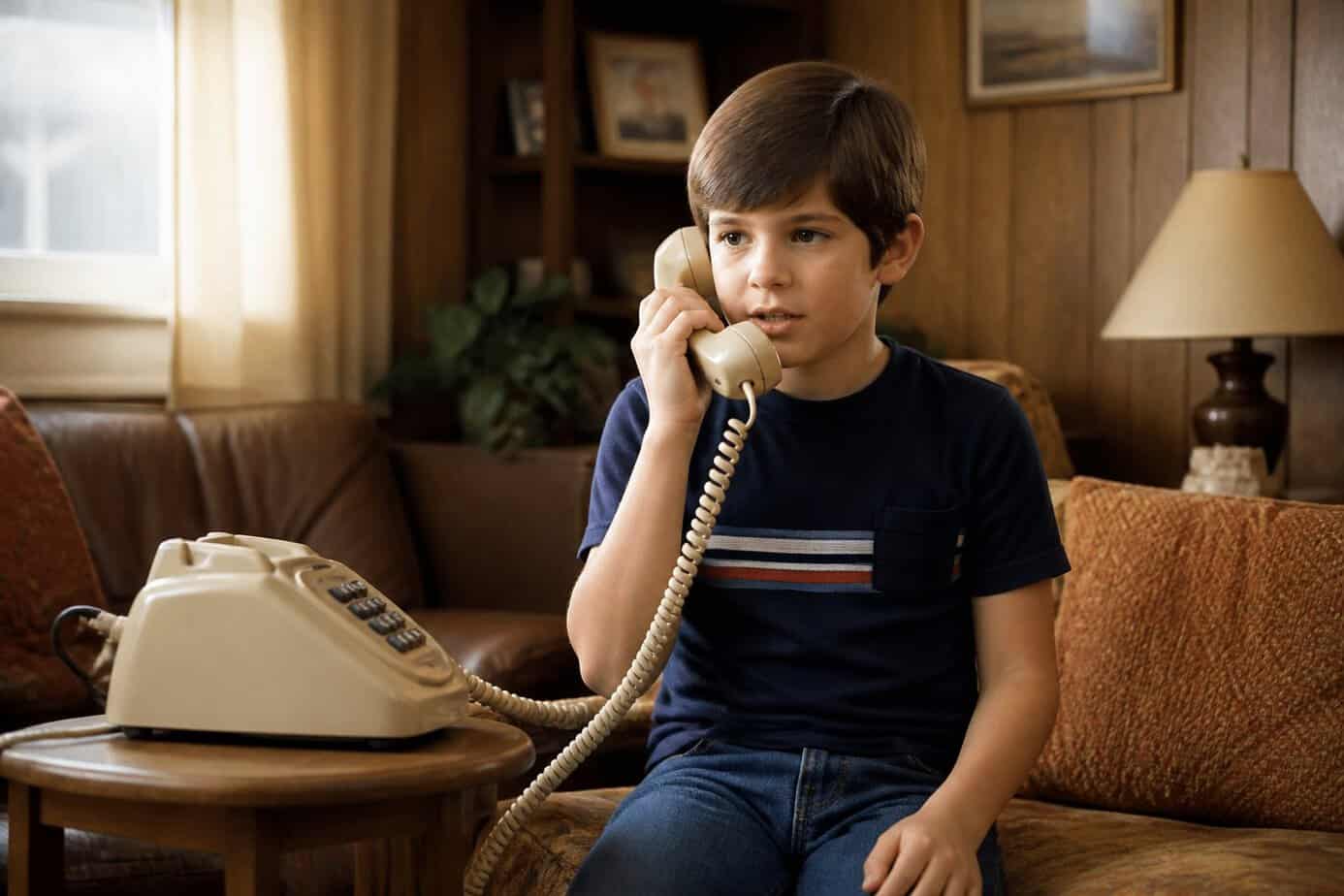
The family phone was shared property, so a casual “yeah?” was never an option. You answered with a clear voice and proper words, because the caller could be anyone.
Your parent’s boss, a grandparent, or a neighbor might be on the other end. A sloppy greeting reflected on the whole household, not just you.
Most families expected a version of “hello, this is the [last name] residence” or something equally polite. Some parents ran drills until you got it right.
If you slipped up, you heard about it the moment you hung up. Answering the phone was treated as a small test of manners, one you were expected to pass every single time.
6. Call collect only for a genuine emergency
Payphones charged real money, and collect calls cost your parents even more. You knew better than to waste that privilege on something trivial.
Gen X kids figured out a workaround. You’d dial the operator, and when asked for your name, you’d say something like “at John’s, come get me” instead of your actual name. Your parents heard the message, understood you needed a ride, and declined the charges. No money changed hands, and everyone understood the system.
This trick only worked because you didn’t abuse it. If you called collect for anything less urgent than needing a ride home or reporting a problem, you’d hear about it later. The rule taught you to distinguish between actual emergencies and minor inconveniences, a skill that mattered before everyone carried a phone in their pocket.
7. Use a pay phone when you were away from home

Pay phones sat outside gas stations, in malls, and on street corners, ready whenever you needed to make a call. You kept a stash of quarters in your pocket or backpack for exactly this reason.
You knew the drill: pick up the receiver, drop in your coins, then dial. If nobody answered, you checked the coin return slot before walking away, since machines sometimes gave your money back.
Calling collect was a backup plan when you ran out of change. You’d tell the operator your name, and your parents would accept the charges to pick you up or approve a plan change.
Finding a working pay phone took some searching by the 1990s, as fewer were being maintained. Still, you knew which ones near school or the mall actually worked, and you planned around that knowledge without giving it much thought.
8. Write down important phone numbers
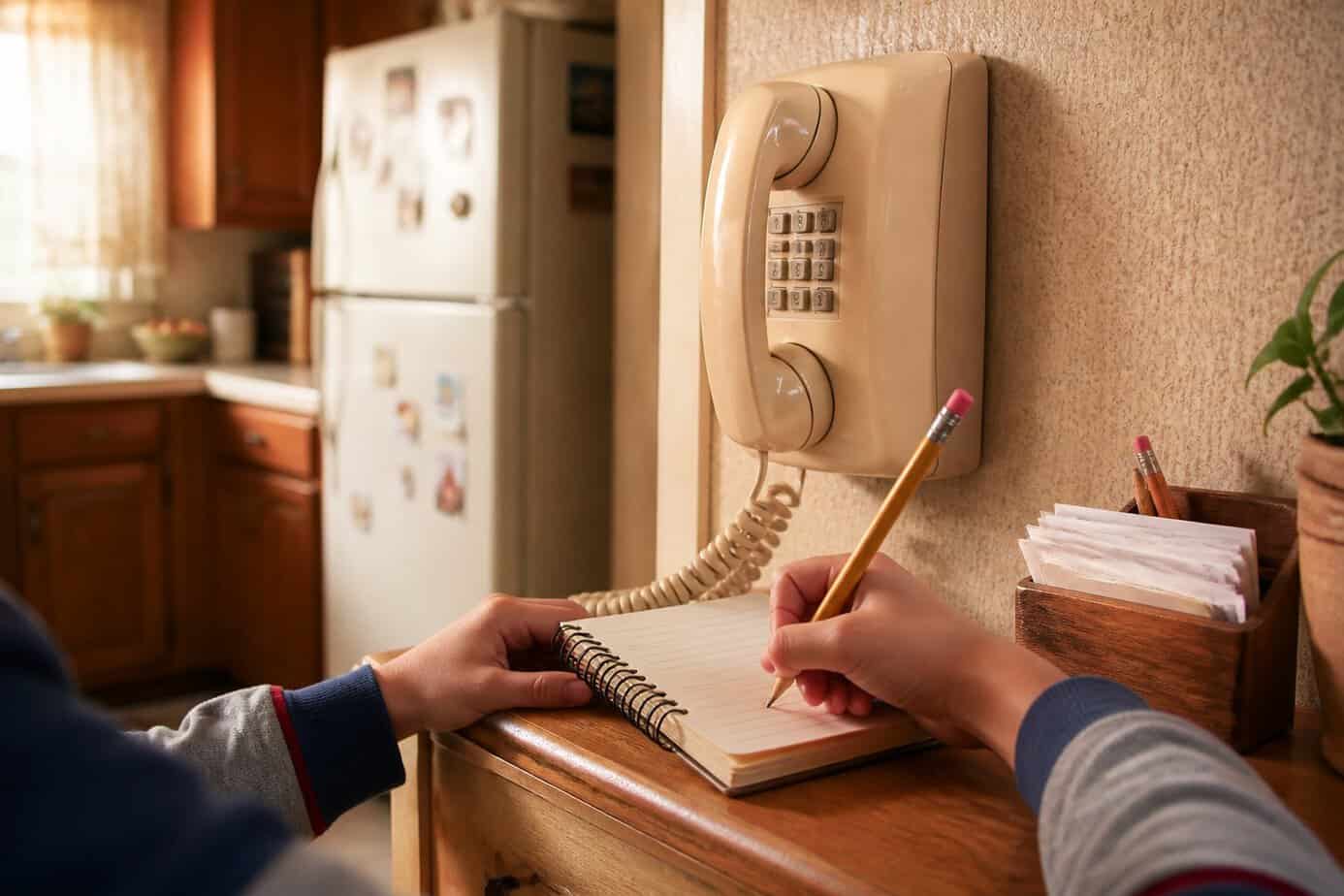
Before smartphones stored every contact, you kept a small notebook or an index card taped inside a kitchen cabinet. It listed your parents’ work numbers, a grandparent’s house, and at least one neighbor who could help in an emergency.
Memorizing your own home number was expected, too. If you got lost at a store or needed to call from a friend’s house, you had to recite it without hesitation.
Payphones added another layer to this habit. You carried a slip of paper or a few memorized digits because there was no backup if you forgot.
Losing that list meant real trouble. You couldn’t just search a name and tap “call,” so writing numbers down clearly, and keeping them somewhere safe, was simply part of growing up.
9. Leave a note when going out
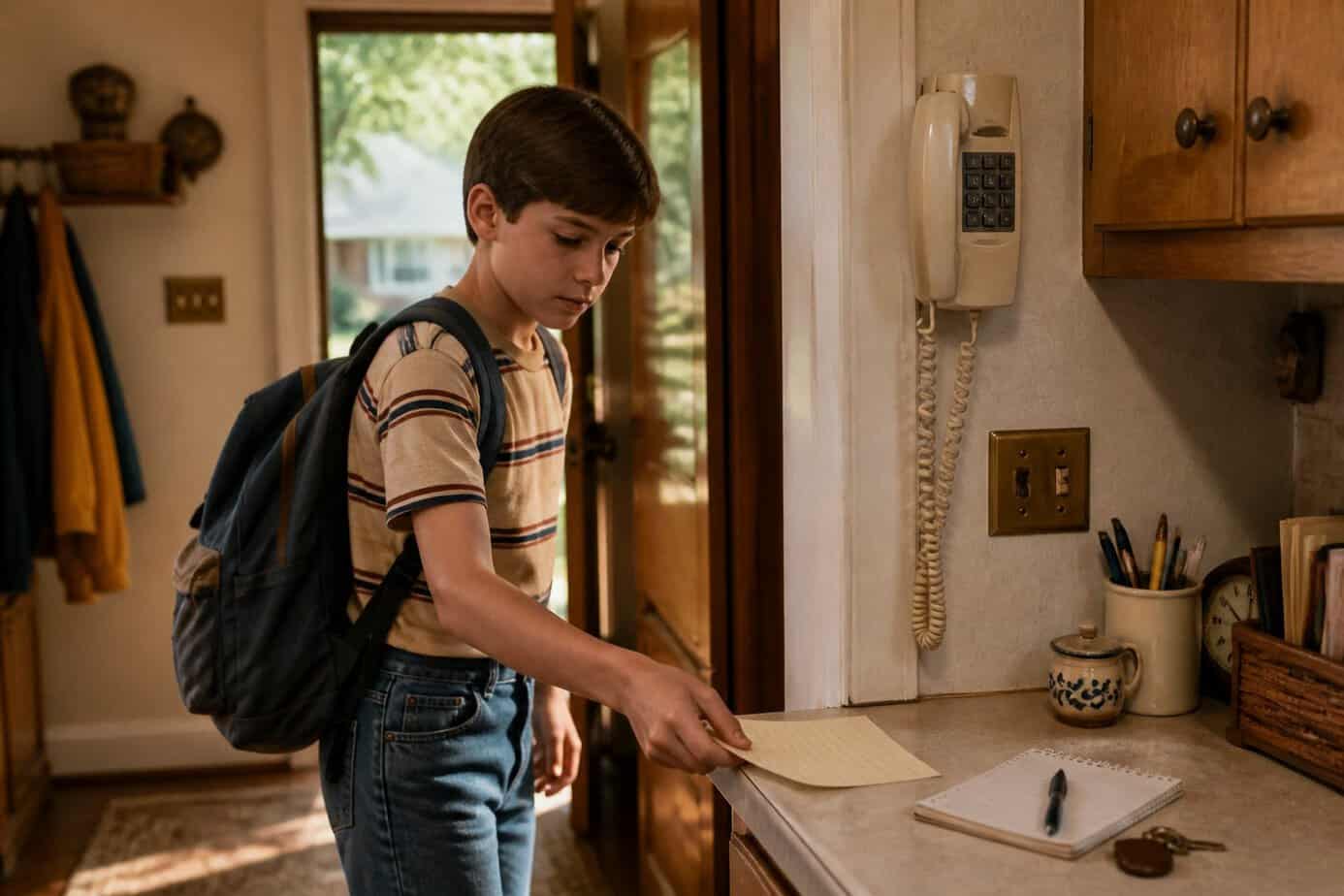
Gen X parents wanted to know two things: where you were going and roughly when you’d be back. A scrap of paper on the counter or the fridge covered both.
This wasn’t about permission. It was about basic accountability so nobody had to guess where you disappeared to.
Notes were short and to the point. “At Mike’s house, back by dinner” told your parents everything they needed.
There were no phones to track you, no texts to check in. A written note was the only real system for letting someone know your plans.
If you forgot, you heard about it. Parents took the rule seriously because it was often their only way of locating you if something went wrong.
It taught you to think ahead before walking out the door.
10. Do not open another person’s mail
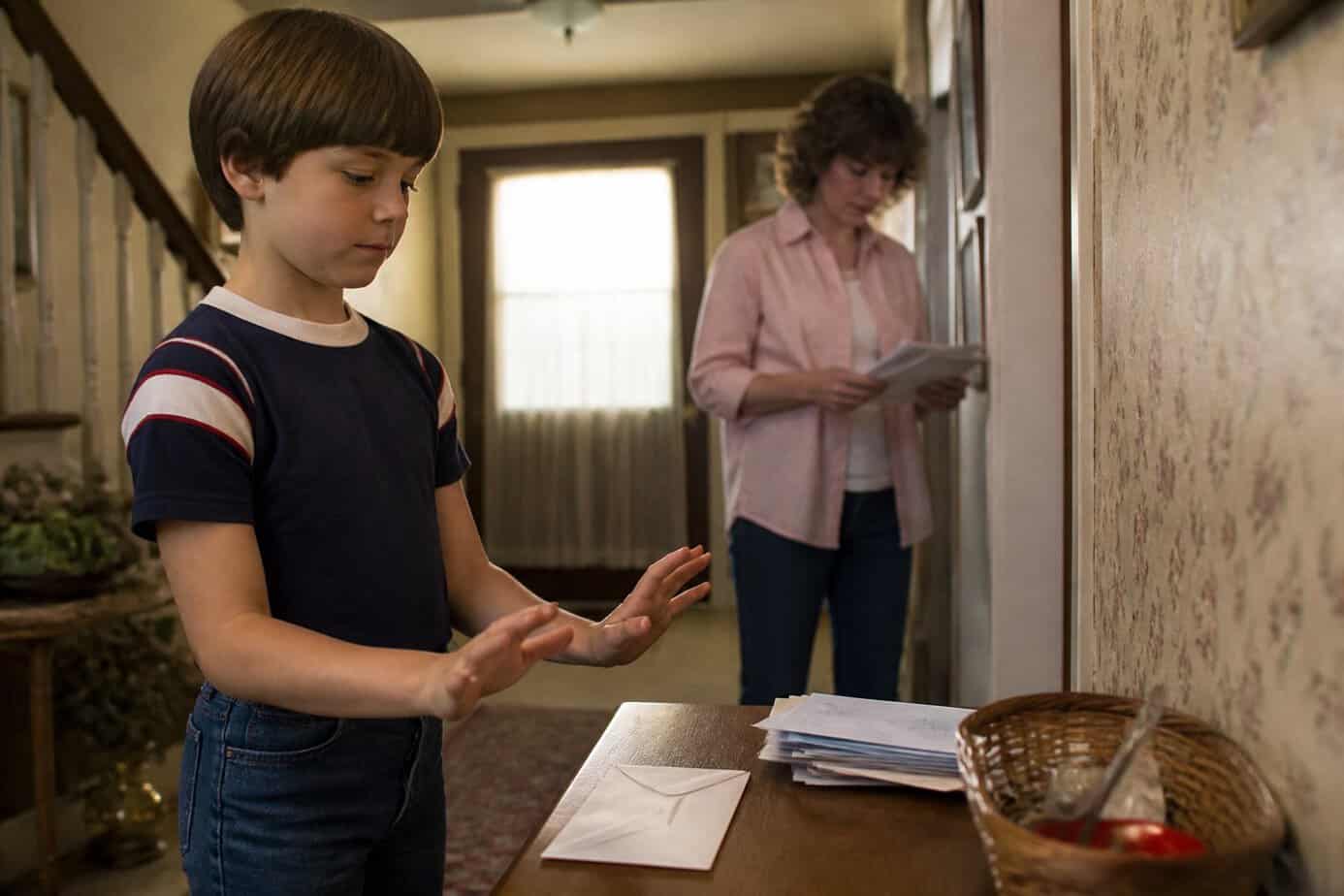
Mail addressed to someone else was off limits, no exceptions. Your name on the envelope meant it was yours to open. Anyone else’s name meant you left it alone, even if it was sitting right on the kitchen table.
This applied to siblings and parents alike. Opening someone else’s letter was treated as a serious violation of privacy, not a minor prank.
You learned early that tampering with someone’s mail was actually illegal, which made the rule feel more official than most household guidelines. Parents reinforced this by pointing out that federal law protected mail privacy.
If a letter arrived for an older sibling or a parent, you set it aside untouched. Curiosity about the contents never justified breaking the seal.
This rule extended to packages too. A box addressed to someone else stayed exactly where it was until that person came home to claim it.
11. Answer the door only when it was safe
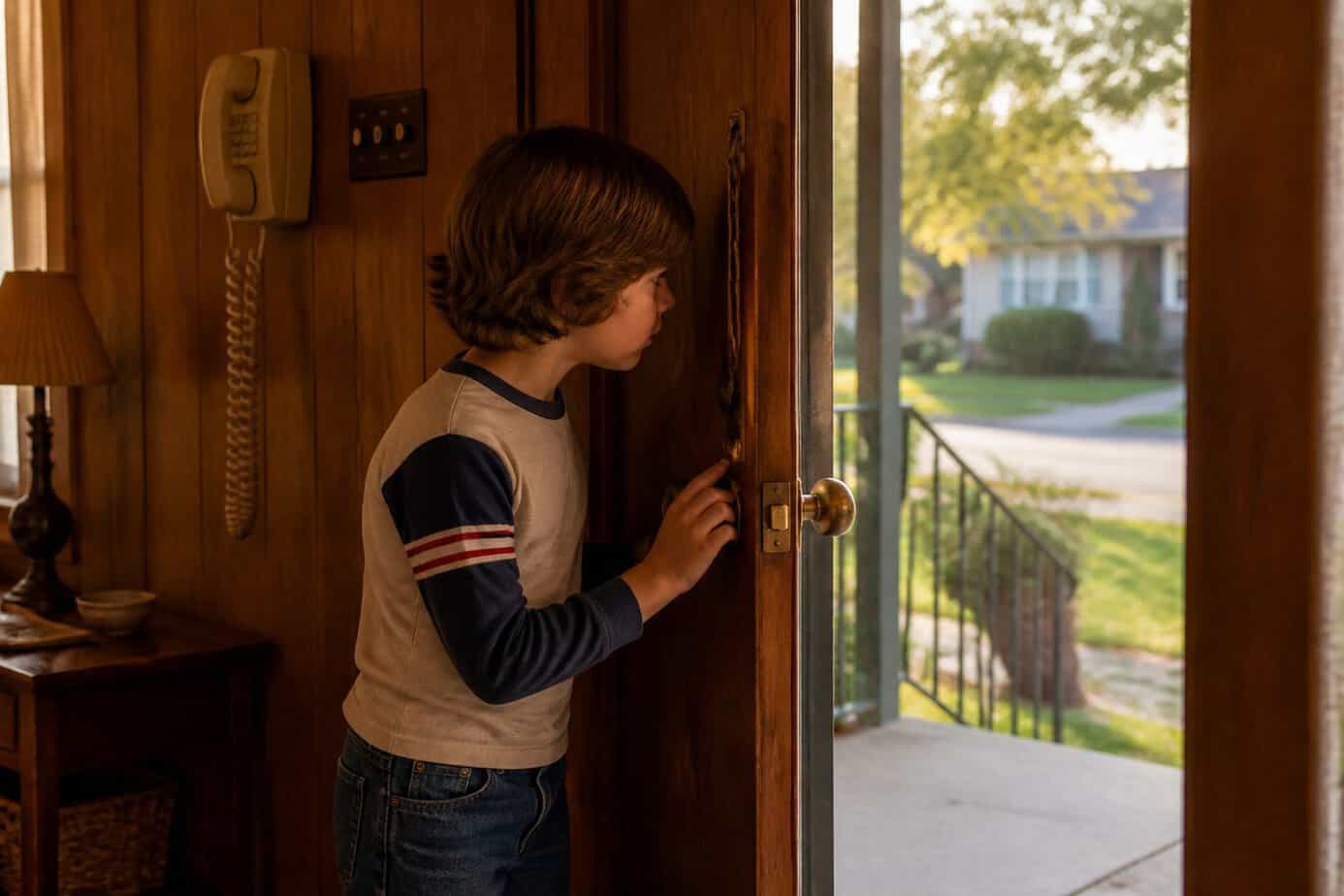
Home alone after school, you had one job when the doorbell rang: figure out if it was safe before you touched the doorknob.
You checked the peephole first, or peeked through the curtains if there was no peephole. Familiar faces got a response. Strangers got silence, even if they knocked twice or rang the bell again.
Your parents drilled this into you without needing to explain every detail. You just knew that opening the door for the wrong person could mean trouble, so you treated every unexpected knock with caution.
Delivery people, salesmen, and unfamiliar cars in the driveway all triggered the same response: stay quiet, stay still, and wait them out. You learned to read a situation fast, deciding in seconds whether to answer or pretend nobody was home.
12. Never invite strangers into the house

You knew this rule cold, even without a formal lecture. A knock at the door meant caution, not automatic entry.
If someone you didn’t know showed up while your parents were out, you didn’t answer at all. You might peek through the curtain or ask who it was through the door, but opening it was never on the table.
Salespeople, unfamiliar neighbors, anyone claiming to need a phone or directions—none of them made the cut. You’d tell them to come back later or that your parents weren’t available.
This wasn’t paranoia. It was just how households operated before caller ID, doorbell cameras, or text messages that could confirm who was actually outside.
You learned to trust your instincts and default to skepticism, because no one was coming to save you if you made the wrong call.
13. Lock the door when home alone
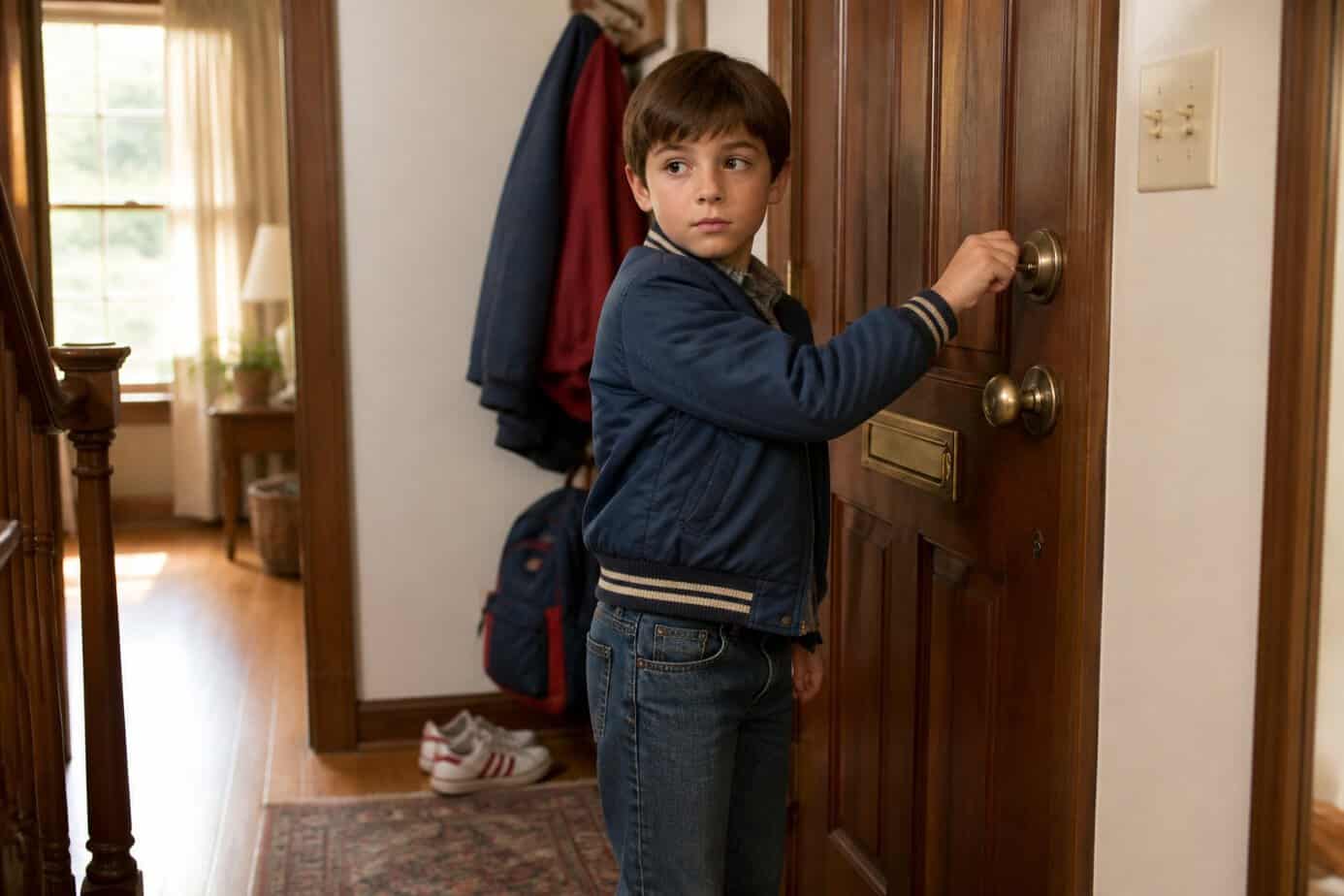
You knew the drill the second your parents left. Doors locked, chain on if you had one, no exceptions.
It wasn’t paranoia. It was just common sense for a kid alone in the house for a few hours after school.
You didn’t answer the door either. If someone knocked, you stayed quiet and waited it out until they left.
Caller ID didn’t exist yet, so you couldn’t screen who was outside. Silence was your best option.
Your parents drilled this into you before they ever handed you a house key. You understood the stakes without needing a long explanation.
Locking the door was one small task, but it meant everything to them. It told you they trusted you to keep yourself safe until they walked back through that same door.
14. Do not touch the thermostat
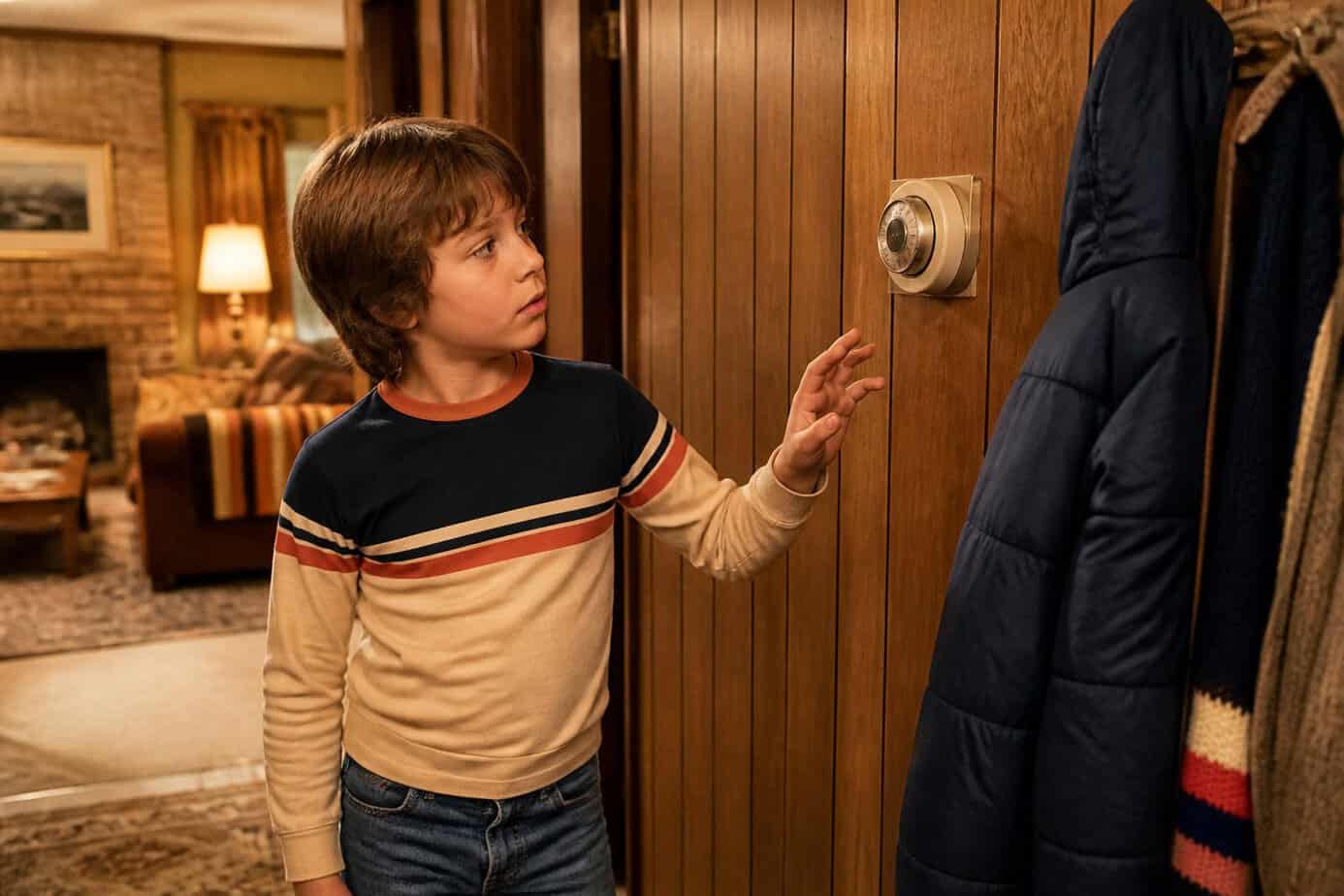
The thermostat belonged to your parents, not you. It didn’t matter if the house felt like a sauna or an icebox. That dial was off-limits.
Your dad or mom set it once, and it stayed there. If you got too cold, you were told to put on a sweater. If you got too hot, you dealt with it.
Adjusting the temperature without permission wasn’t just about comfort. It was treated as a challenge to their authority over the household budget.
Heating and cooling bills were a real concern, and every degree mattered to your parents. You learned that lesson the hard way if you ever got caught sneaking a change.
Even a single-degree shift could get noticed instantly. Somehow, they always knew.
15. Turn off lights when leaving a room

Walking out of a room without flipping the switch was not an option in your house. Parents treated it as a basic responsibility, not a suggestion.
You learned to check behind you before leaving any space. Bathroom, bedroom, kitchen, it didn’t matter. If a light was on and no one was using it, you turned it off.
The reasoning came up constantly. You heard “we’re not made of money” or “electricity doesn’t grow on trees” more times than you could count.
This wasn’t about the environment back then. It was about the bill, plain and simple.
You still catch yourself doing it today. Walking into an empty room and switching off a light left on by someone else feels automatic, even decades later.
16. Finish homework before watching television
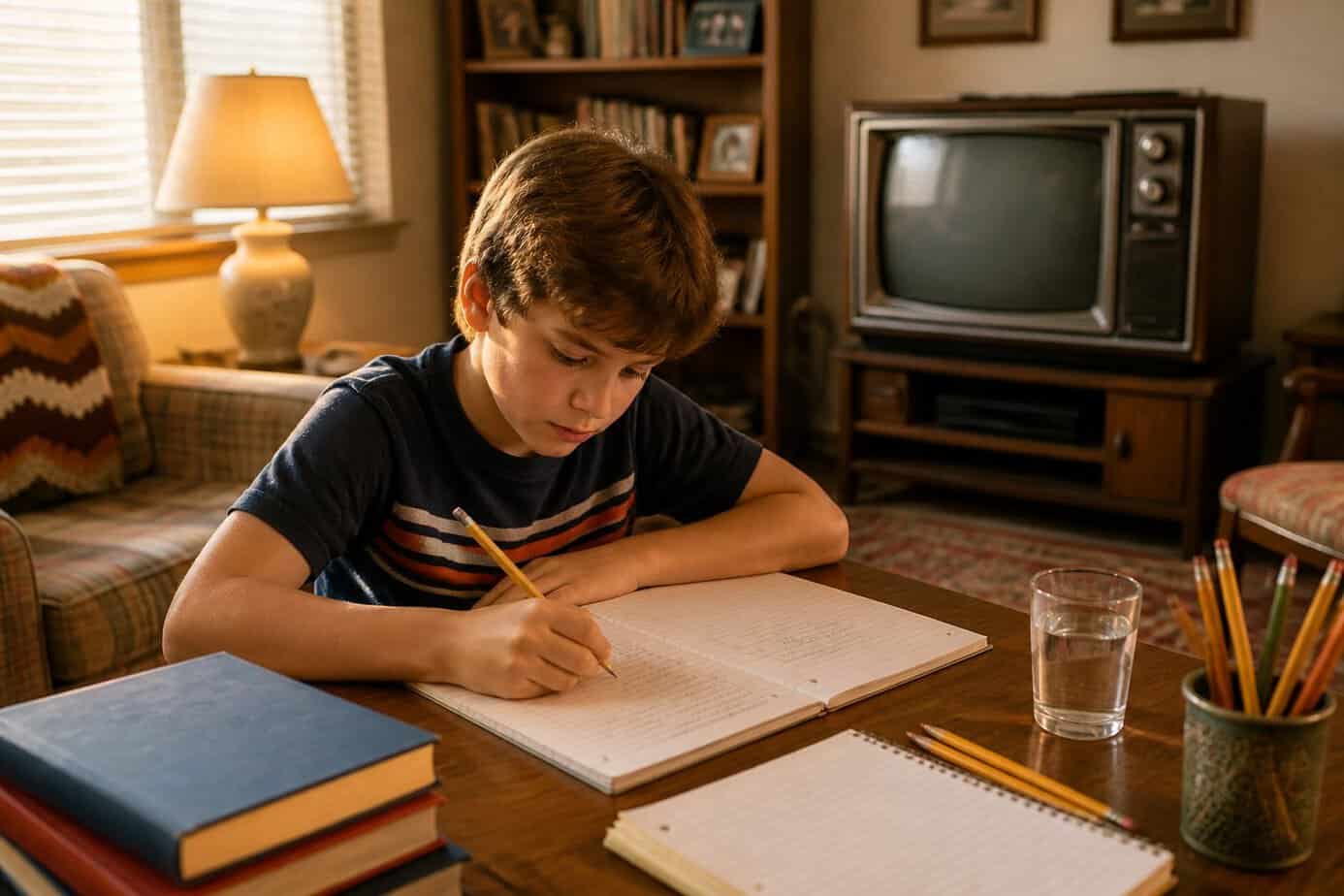
Homework came first. It didn’t matter how tired you were after a full day at school, the television stayed off until every assignment was done.
Parents checked your work, or at least asked to see it, before you got anywhere near the remote. Some households required a signature from mom or dad confirming everything was complete.
This rule taught you to prioritize responsibilities over entertainment. You learned to budget your time, since dragging your feet on homework just meant less time for shows later.
There were no shortcuts, either. Claiming you’d “do it during commercials” never worked, since most parents saw right through that excuse.
The order was fixed: work first, reward second. That structure gave your afternoons and evenings a predictable rhythm, one that made the eventual screen time feel earned rather than automatic.
17. Complete household chores without repeated reminders
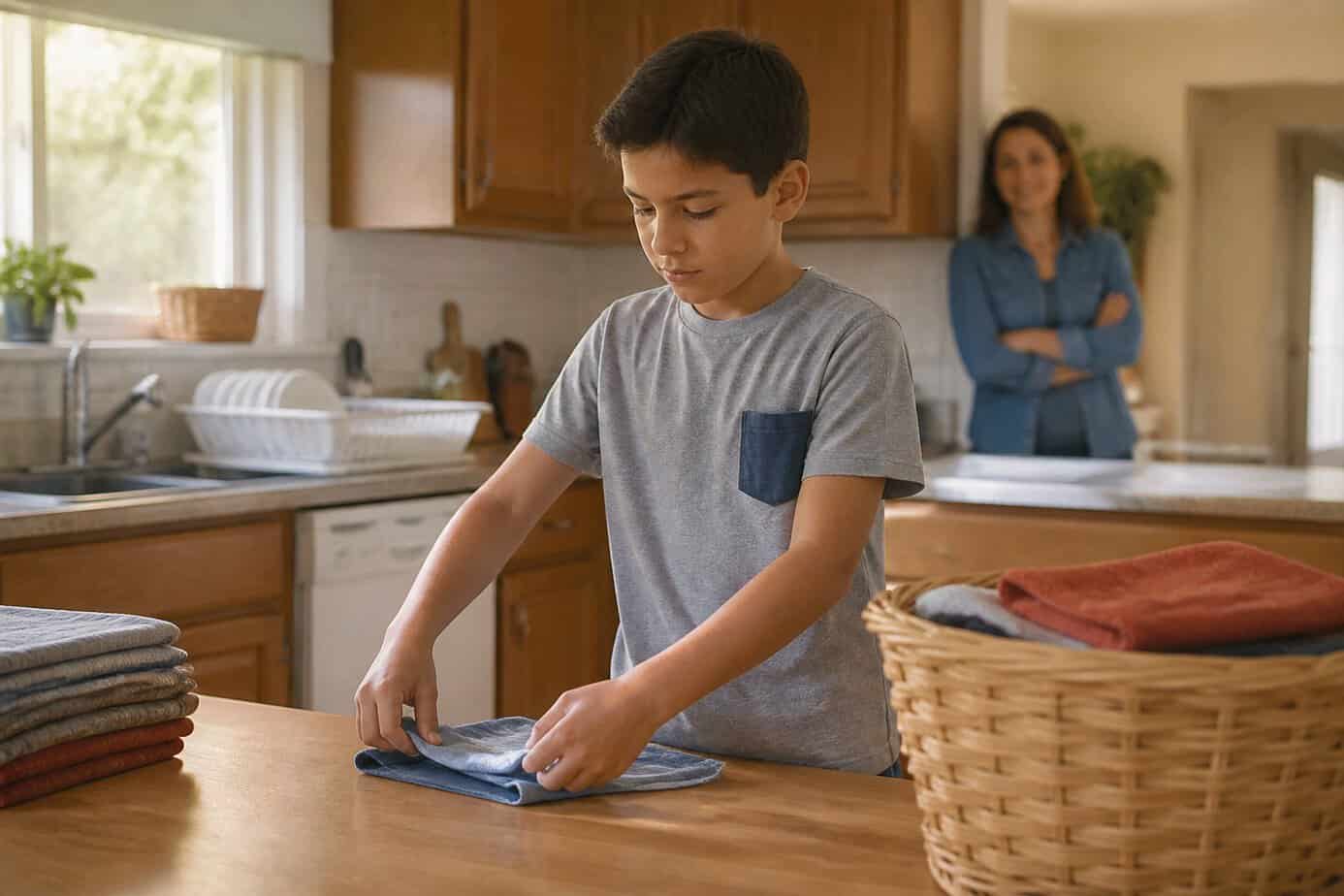
You had a list of chores, and you knew them by heart. Trash on Tuesdays, dishes after dinner, lawn mowed by Saturday. Nobody wrote it down, and nobody needed to.
If your parents had to ask twice, that was a problem. A second reminder usually came with an edge to it, and a third meant you’d lost some privilege you cared about.
You learned to track your own responsibilities without anyone managing your schedule for you. This wasn’t about fear so much as understanding that the house ran on shared effort, and you were expected to hold up your part.
Chores got done because they were part of the routine, not because someone stood over you checking. That expectation stuck with you long after you moved out.
18. Respect the family car and return it with fuel

Getting your license meant freedom, but that freedom came with conditions. Borrowing the family car was a privilege, not a right, and you understood the difference.
Returning the car with an empty tank was a fast way to lose driving privileges. You knew to fill it up, or at least add a few dollars worth of gas, before pulling back into the driveway.
The rules extended beyond fuel. You adjusted the seat and mirrors back to your parent’s settings, cleaned out any trash, and never mentioned that weird noise you heard on the highway.
Parents tracked mileage without needing an app. They noticed a dent, a suspicious detour, or a seat pushed too far back for someone your height.
Treating the car with care showed you were ready for more responsibility. Breaking that trust meant walking or riding your bike for a long time.
19. Call shotgun before another passenger did

Front seat rights went to whoever spoke up first. The moment you spotted the car, you shouted “shotgun” before anyone else had the chance.
Timing mattered. You had to call it before the car doors opened, and in some households, before you even saw the vehicle from the driveway.
Volume mattered too. A quiet mumble didn’t count. Your claim only stuck if witnesses actually heard you say it out loud.
Disputes happened constantly. Siblings argued over whether a call happened early enough or loud enough, and adults rarely settled these arguments fairly.
You learned to stay alert on any group outing. Errands, school pickups, family trips: all of them carried the same risk of losing the front seat if you hesitated for even a second.
20. Wear a seat belt even when adults were not watching

Seat belt laws in most states didn’t exist yet, or they were new enough that nobody enforced them consistently. Still, you buckled up, even in the backseat, even on short trips to the corner store.
Your parents drilled it into you before laws did. Click it before the car moved, no exceptions.
You didn’t need a chime reminding you or a dashboard warning light. You just did it, because that’s what you were taught.
Riding without one felt wrong, even if no adult was in the car to check. That habit stuck with you, and it still does.
You knew the risks weren’t worth ignoring, seat belt or not. Some rules didn’t need daily reminders. This was one of them.
21. Do not interrupt adults when they were talking

If adults were having a conversation, you waited your turn. Breaking in meant getting an immediate “don’t interrupt” or a sharp look that told you the same thing.
You learned to say “excuse me” and then stand there patiently until someone acknowledged you. Sometimes that wait felt endless, especially if the news you had was urgent in your ten-year-old mind.
This rule applied everywhere: at home, at relatives’ houses, in stores, on the phone. Adult conversations took priority, and kids were expected to understand that without being told twice.
It taught you patience and timing, even if you didn’t appreciate the lesson then. You figured out how to read a room and judge when it was actually appropriate to speak up.
22. Say please, thank you, and excuse me
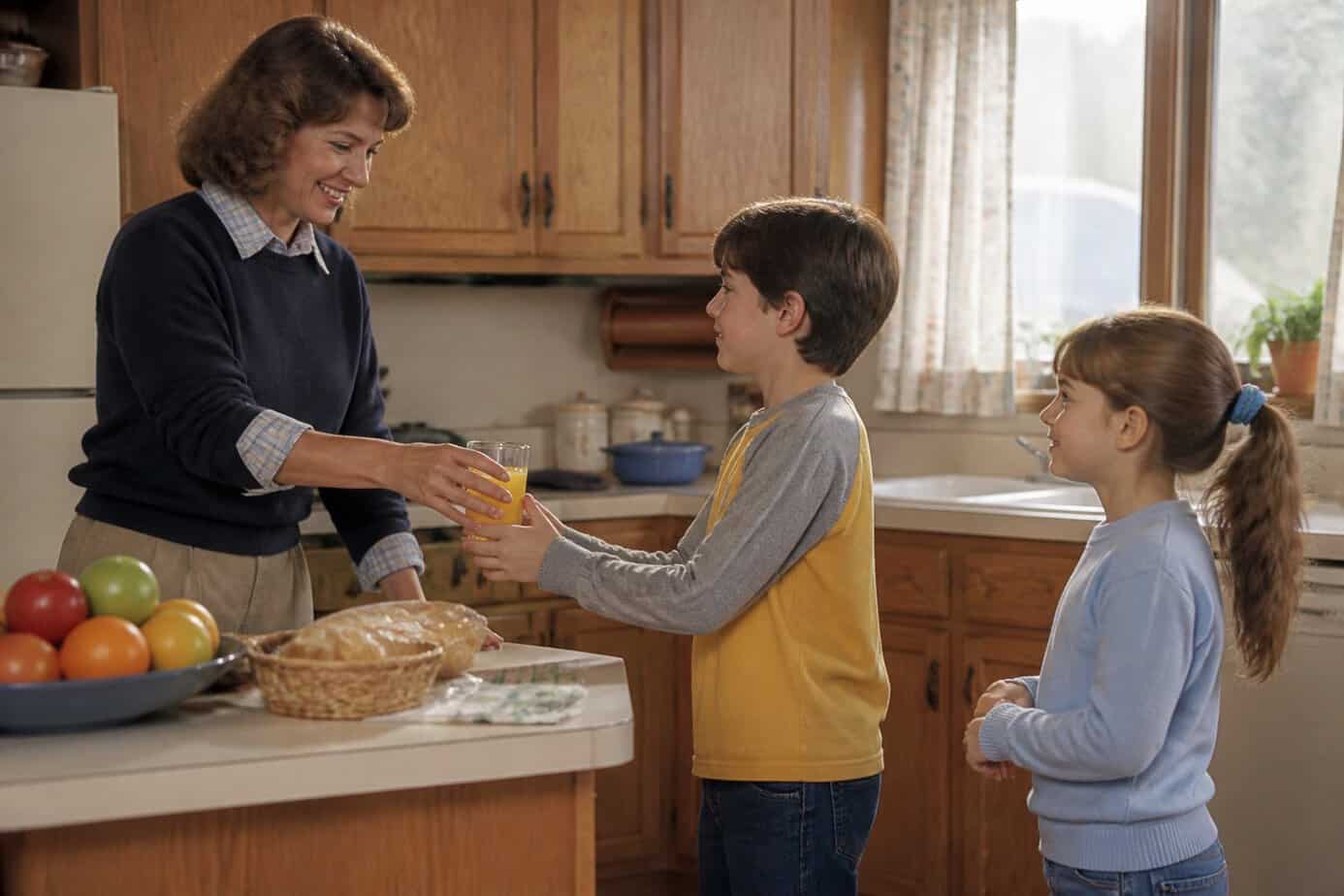
These three phrases were non-negotiable. You said them without being reminded, and if you forgot, someone reminded you fast.
Please came before every request. Ask for something without it, and you got a raised eyebrow or a flat refusal until you fixed it.
Thank you followed automatically after gifts, favors, or help. It didn’t matter if you loved the present or not; you said it anyway and meant it.
Excuse me covered interruptions, bumping into someone, or needing to pass by. Silence in those moments read as rude, and adults noticed immediately.
You learned these words before you understood why they mattered. They became automatic, built into how you spoke to teachers, relatives, and strangers alike. Skipping them wasn’t really an option.
23. Respect teachers and accept classroom consequences

Teachers had authority, and you didn’t question it out loud. If you got in trouble at school, you knew better than to argue your case at home.
Talking back earned you a trip to the principal’s office. Detention meant detention, no negotiating your way out of it.
If a teacher called your parents, you didn’t get sympathy. You got a second round of consequences at home, usually worse than what happened at school.
Report cards were taken seriously, and grades reflected effort in ways that mattered. Nobody suggested the teacher was wrong or the assignment was unfair.
Sitting up straight, raising your hand, and waiting your turn were basic expectations, not requests. Every classroom ran on structure, and you fell in line because that’s simply how things worked.
24. Return library books on time
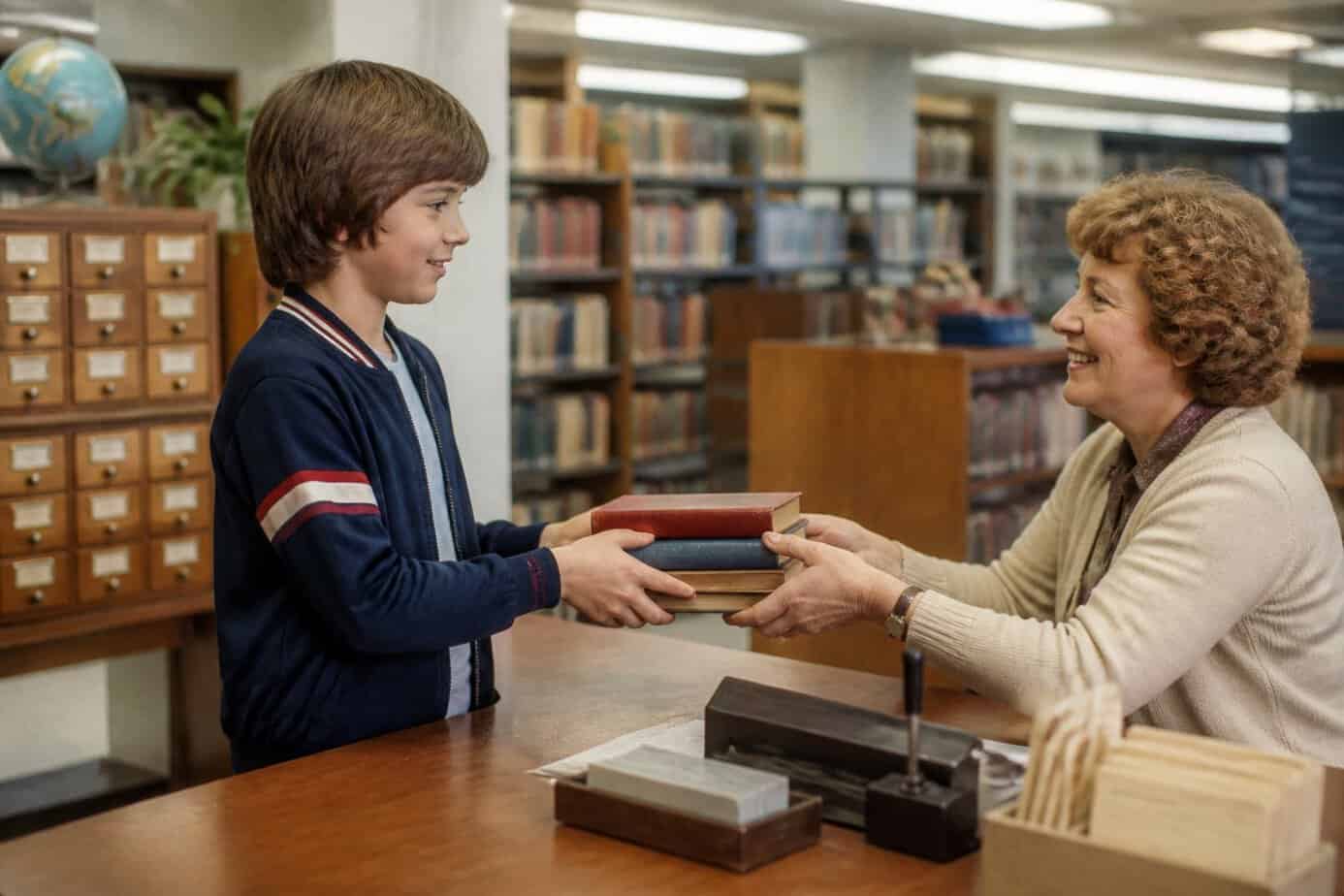
Your library card came with a due date, and you took it seriously. Late fees added up fast, and you knew exactly how many cents per day you owed if you missed the deadline.
Losing a book meant paying for a replacement, which felt like a financial disaster when your allowance was a few dollars a week. So you kept track of due dates without an app or a reminder text.
You checked the little paper card in the sleeve, or the receipt from the librarian, and marked your calendar if you had one. Some kids kept books stacked by the front door so they wouldn’t forget them on the way out.
Librarians remembered your face if you were a repeat offender, and that alone was enough motivation to stay on schedule.
25. Ask before taking food from the kitchen
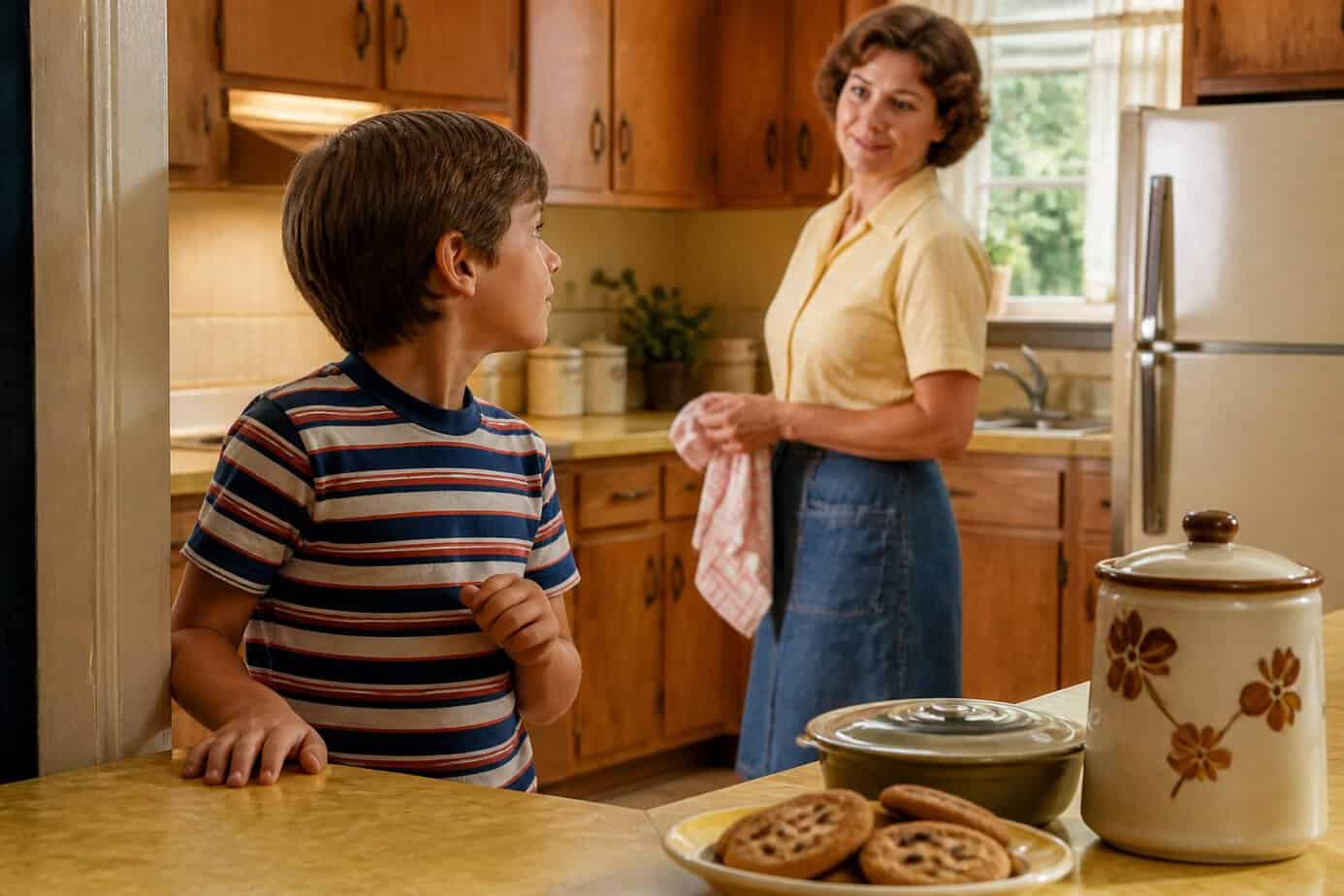
You didn’t just open the fridge and grab whatever looked good. You asked first, especially if the food belonged to a specific meal plan or was set aside for someone else.
Snacks had boundaries. That bag of chips wasn’t necessarily fair game just because it was in the pantry.
Parents kept track of groceries more closely than you realized. Taking the last soda or eating an entire sleeve of crackers without asking could mean trouble, especially in larger families where food had to stretch.
This rule taught you to think before acting. You learned that shared spaces meant shared resources, and that consideration mattered more than instant gratification.
It also meant paying attention to what was actually available versus what you wanted in the moment. A quick question at the kitchen doorway saved you from an unwanted lecture later.
26. Do not waste food
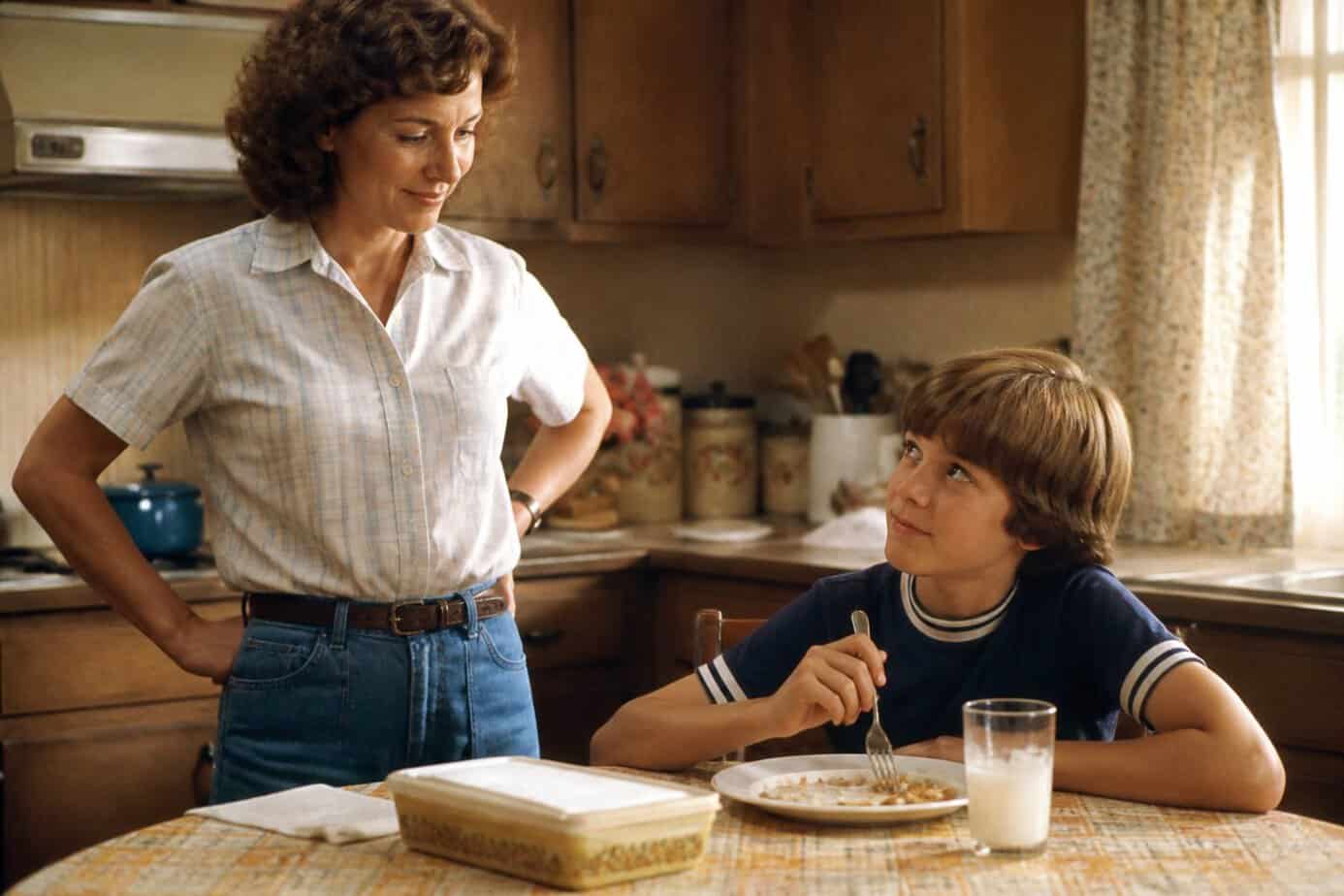
Clearing your plate wasn’t optional. Your parents grew up hearing stories from grandparents who lived through the Depression or wartime rationing, and that lesson passed straight down to you.
If you didn’t finish dinner, you heard about kids somewhere who had nothing to eat. It didn’t matter whether the comparison made logical sense. The point was clear: food wasn’t something you got to waste.
Leftovers weren’t thrown away either. They became tomorrow’s lunch, whether you wanted them or not. Complaining about it changed nothing.
Skipping vegetables to fill up on bread meant you sat there until you ate them, even if it took an extra hour. Nobody made you a separate meal because you didn’t like what was served.
This rule stuck with you longer than most. Even now, throwing away food probably still feels wrong.
27. Be indoors when the agreed curfew arrived

Streetlights signaled the general timeframe, but curfews carried their own weight. Your parents set a time, and you understood it wasn’t a suggestion.
There were no phones to text an update or explain a delay. If you were late, you dealt with the consequences face to face, usually standing in a doorway explaining yourself.
Curfews varied by age, neighborhood, and how much trust you’d earned. Younger kids answered to the streetlights. Older kids and teenagers got an actual clock time, often tied to when a parent expected to see headlights in the driveway or hear the front door.
Missing curfew meant real consequences: grounding, lost privileges, or a lecture that felt endless. You learned quickly that a watch, a general sense of time, or a friend’s house clock mattered more than any excuse you could invent afterward.
28. Settle playground disagreements without immediately calling an adult

If someone cut in line or called you a name, you sorted it out yourself. Running to a teacher over every small dispute got you labeled a tattletale fast, and nobody wanted that reputation.
You learned to negotiate, argue your case, and sometimes just walk away. A shoving match usually ended with both sides muttering an apology and going back to playing within minutes.
Adults stepped in only for real trouble: someone bleeding, a fight that wouldn’t stop, or actual bullying. Everyday friction was yours to handle.
This taught you to read situations, stand your ground, and figure out when a disagreement actually mattered versus when it was just noise. You came out of childhood knowing how to talk your way through conflict instead of outsourcing it to whoever was standing nearby with a whistle.
29. Take turns on bicycles, swings, and video games

If you only had one bike between siblings, you learned to negotiate fast. Whoever got there first didn’t automatically win the argument, either. There was a system, and you knew it, even if nobody wrote it down.
Swings worked the same way. You counted someone’s turns, usually out loud, and stepped back when you hit a number that felt fair to the group. Cutting a turn short got you labeled a hog for the rest of the afternoon.
Video games ran on the same logic, especially with only one console and one controller in the house. You watched someone else play, memorized their mistakes, and waited. Complaining too much meant you got skipped next round.
Sharing wasn’t optional. It was just how you got access to anything worth having.
Why Household Expectations Were So Strict
Strict household rules gave you the skills to manage daily life without adult supervision, and they existed because parents had limited ways to monitor you once you left the house.
The Role of Independence And Responsibility
Your parents expected you to solve problems on your own. If you forgot your lunch, you went hungry. If you missed the bus, you walked or figured out another way.
Chores were not optional and came without payment. You washed dishes, mowed the lawn, or watched younger siblings because the household needed it done, not because you earned an allowance for it.
This structure taught you to manage time, money, and conflict before you were an adult. By the time you left home, you already knew how to cook a meal, do laundry, and handle disagreements without a parent stepping in.
How Parents Enforced Boundaries Before Constant Connectivity
Without cell phones, your parents relied on fixed rules instead of check-ins. “Be home when the streetlights come on” replaced the ability to text you every hour.
Curfews, landline check-in calls, and clear consequences filled the gap that constant communication fills today. If you broke a rule, you faced the punishment directly, often without room for negotiation.
Parents also trusted neighbors and other adults to enforce the same standards. A neighbor could scold you for misbehaving, and you knew your parents would hear about it before you got home.
The Lasting Influence of Gen X Upbringing
The rules you followed as a kid did more than fill your afternoons with chores and unsupervised bike rides. They shaped how you handle problems, make decisions, and raise your own children today.
Resilience And Self-Reliance In Adulthood
You learned to solve problems before you could call anyone for help. That skill didn’t disappear when you grew up.
If your bike chain snapped miles from home, you fixed it or walked. If you got locked out after school, you found a way in or waited it out. That kind of problem-solving became a habit, not a one-time event.
As an adult, you likely default to handling issues yourself before asking for outside help. You expect setbacks and treat them as normal, not as crises. This shows up at work, where you tend to push through obstacles rather than escalate every minor issue.
You also learned to sit with boredom instead of reaching for constant stimulation. That patience still serves you now.