27 Dinners Every 1970s Mom Made on a Budget
If you were feeding a family in the 1970s, you remember how the grocery bill kept climbing while the paycheck stayed right where it was. Ground beef went up, gas went up, and somehow supper still had to be on the table by six.
So you got clever. You learned which cuts the butcher practically gave away, which cans to keep in the cupboard, and how a cup of rice or a pan of cornbread could make one pound of meat feed five people.
These are the suppers you made on those tight weeks. None of them would have won a ribbon at the county fair, but they filled everyone up, they came from your own two hands, and they kept the budget in one piece. Here are 27 you probably still know by heart.
1. Liver and Onions
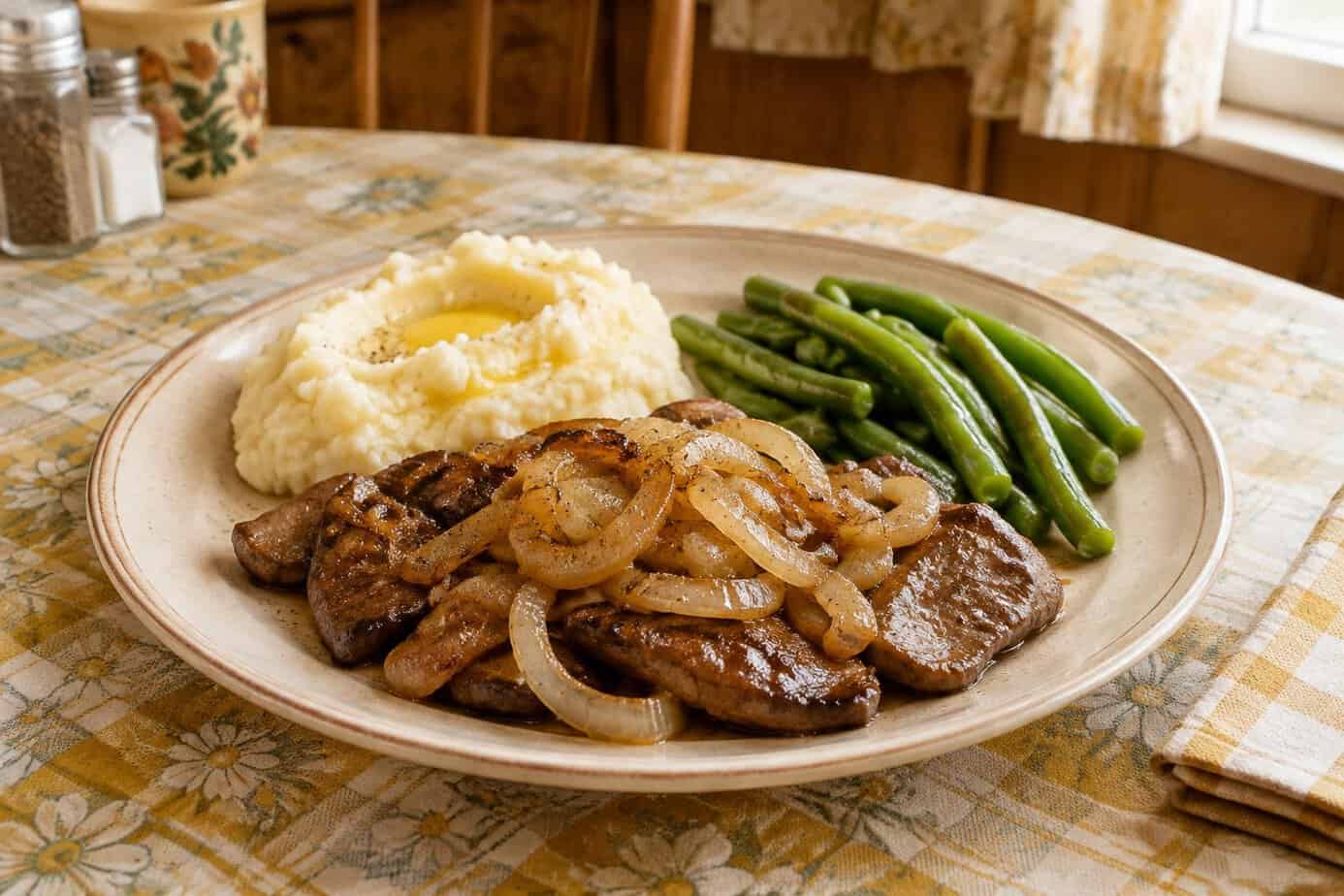
Beef liver was one of the cheapest things in the meat case, mostly because so many people wouldn’t touch it. That suited you fine. It was rich in iron, it cooked in minutes, and a pound went a long way once you sliced it thin.
A lot of cooks soaked the slices in milk first to mellow the flavor, then dredged them in seasoned flour. While the skillet heated, you sliced a big onion or two and let them go soft and sweet in bacon grease or butter.
The trick was speed. A couple of minutes a side kept the liver tender instead of turning it into shoe leather. Piled high with onions and served next to mashed potatoes, it was supper in under half an hour. Some nights you added a strip of bacon to each plate to win over the doubters at the table.
2. Swiss Steak with Round Steak
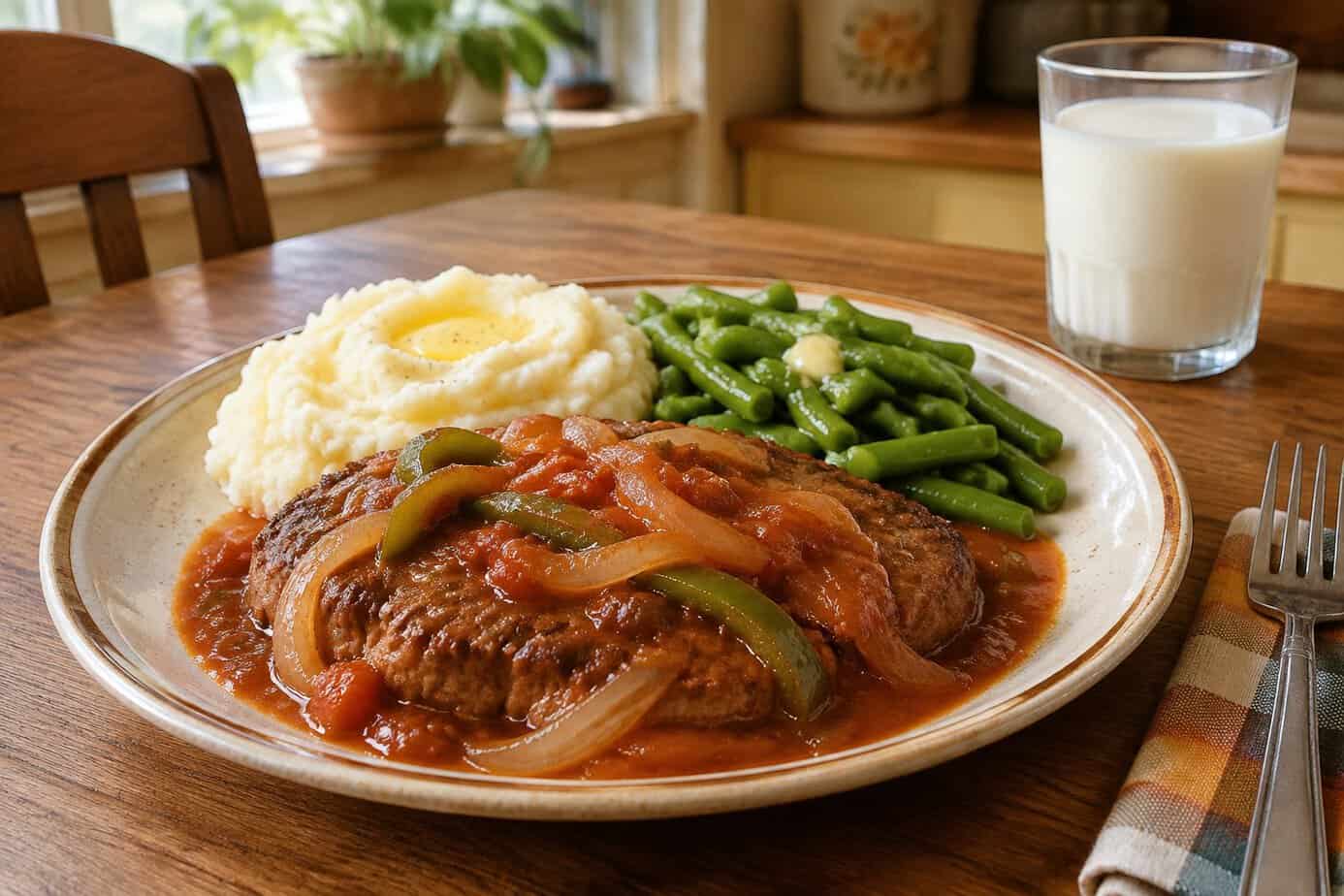
Round steak was lean, tough and cheap, which made it a regular on your shopping list. The secret was what you did to it before it ever hit the pan. You pounded seasoned flour right into the meat with a mallet or the edge of a heavy saucer.
That pounding is where the name comes from. It has nothing to do with Switzerland. Most food writers trace it to “swissing,” an old word for pressing or rolling something flat.
After browning the pieces in a little oil, you poured in a can of tomatoes, a sliced onion and maybe a green pepper or a carrot that needed using up. Then the lid went on, and the pan simmered for an hour and a half or more, on the stove or in the oven. By supper, a cheap cut was fork-tender, with plenty of sauce for the mashed potatoes.
3. Spanish Rice with Ground Beef
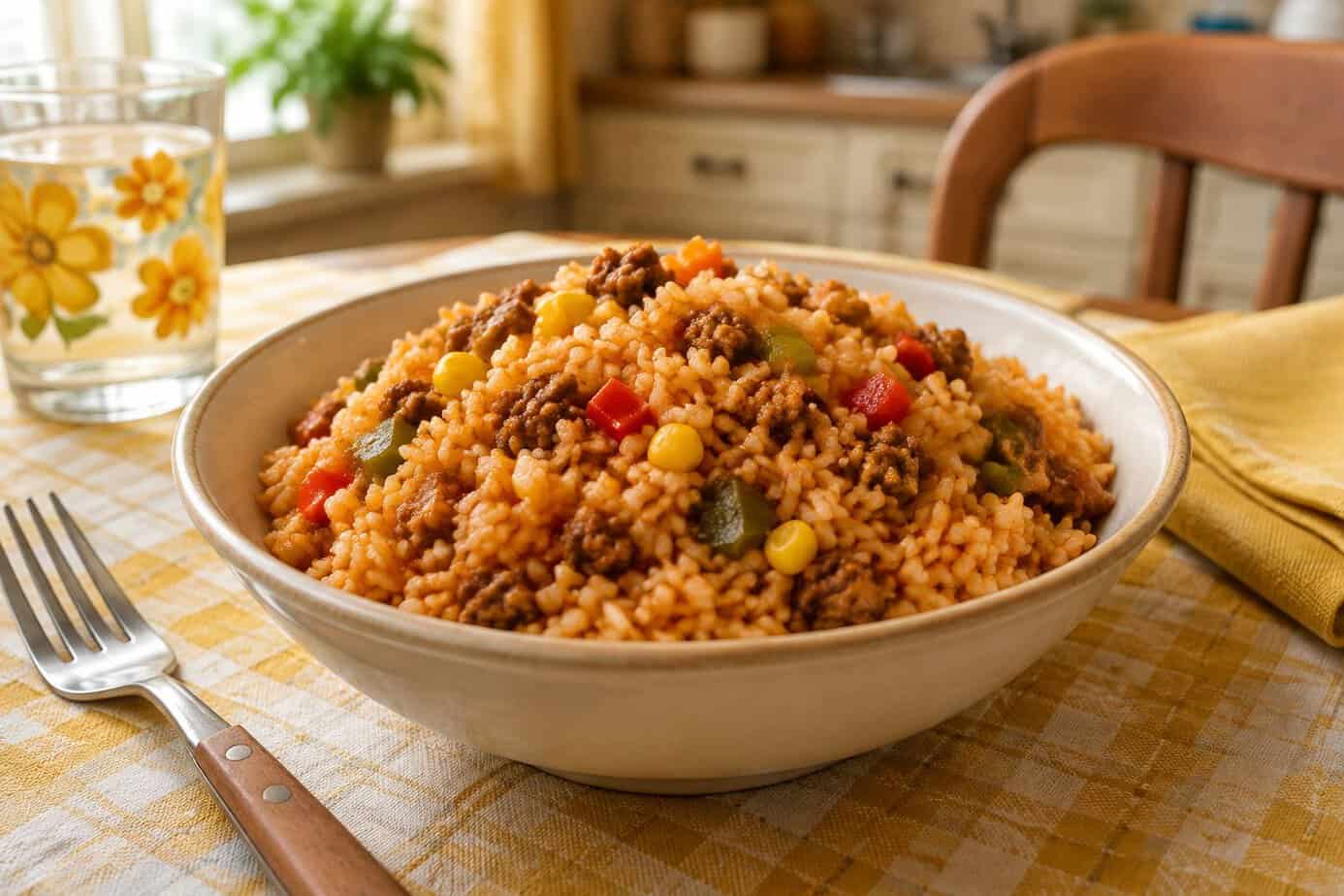
Spanish rice was really an American skillet supper, and it was one of the best ways you knew to make a pound of ground beef feel like more. You browned the beef with a chopped onion and a green pepper, if there was one in the crisper.
Then came the stretchers: a cup of raw rice, a can of tomatoes or tomato sauce, water, chili powder, salt and pepper. The lid went on, the heat went down, and the rice soaked up all that tomato flavor while you set the table.
Rice cost pennies a serving and a bag lasted for weeks, so this was a dish you could make again and again. On a thin week, you stirred in a can of corn or kidney beans, and nobody was the wiser. One pan to wash, bread and butter on the side, and the whole family was fed.
4. Tamale Pie
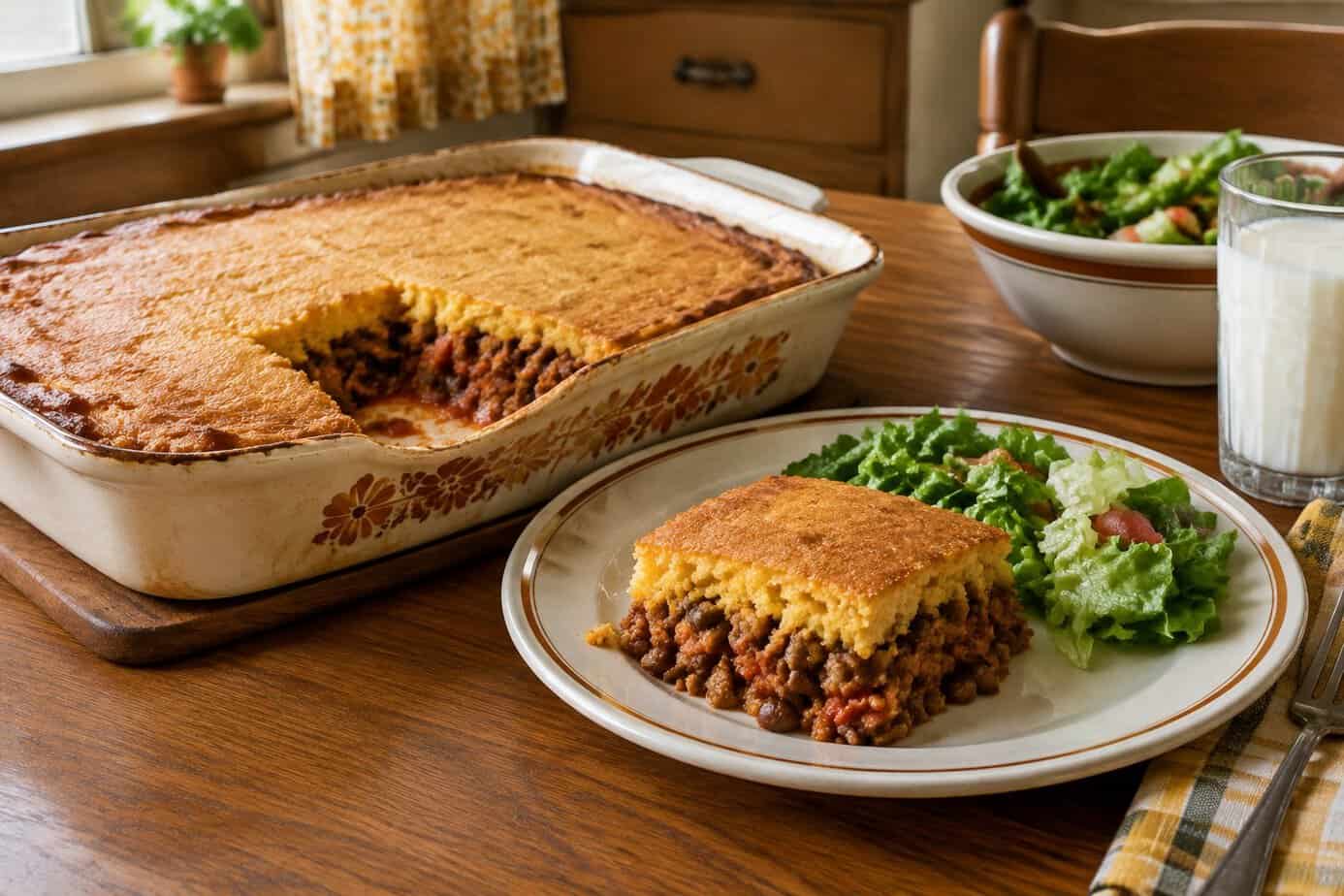
Tamale pie tasted like chili and cornbread had decided to share one dish, and that was exactly why you loved it. You browned ground beef with an onion, then stirred in canned tomatoes, a can of corn and a good shake of chili powder.
That filling went into a baking dish, and you spread a simple cornmeal batter over the top. In the oven, the topping baked up golden and a little crisp around the edges, almost like a skillet of cornbread.
Cornmeal was one of the cheapest things in your pantry, and it let you use less meat while still sending everyone away full. Versions of the recipe turned up in church cookbooks and on the backs of cornmeal boxes for decades, and they all looked about the same. It reheated well, too, so a second helping often became tomorrow’s lunch.
5. Porcupine Meatballs
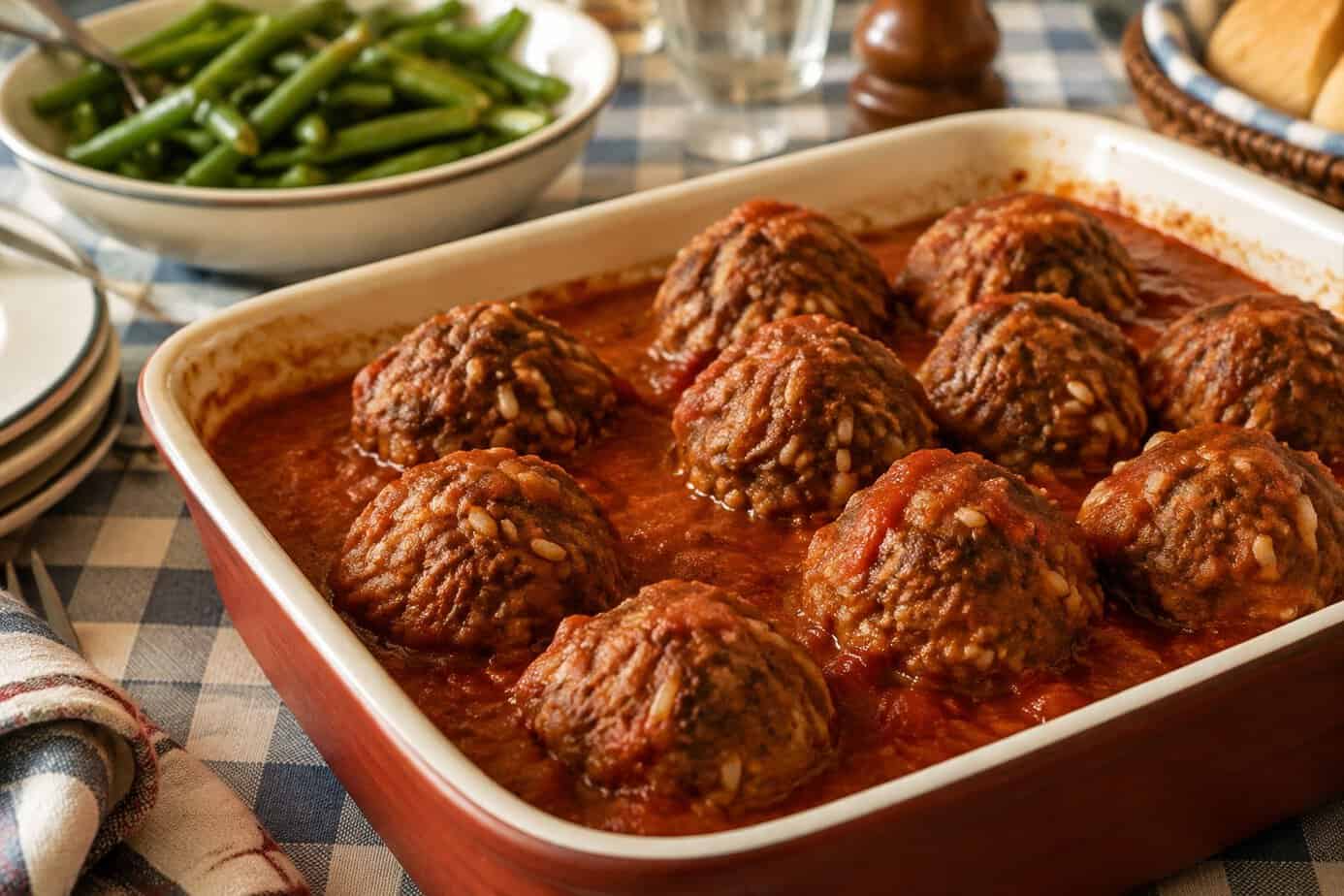
Porcupine meatballs had the best name on your menu, and the kids asked for them by name. You mixed ground beef with raw rice, an egg, chopped onion, salt and pepper, then rolled it all into balls.
The meatballs simmered in tomato sauce or a can of tomato soup thinned with water. As they cooked, the rice swelled and poked out through the meat like little quills, which is where the name came from.
For you, the real magic was the math. Rice cost almost nothing, so it stretched a pound of beef further than bread crumbs ever could, and the sauce cooked right along with the meat. Spooned over mashed potatoes or served with bread to mop up the sauce, it made a pot of supper big enough for seconds, all from a short list of very ordinary groceries.
6. Chicken and Rice Casserole
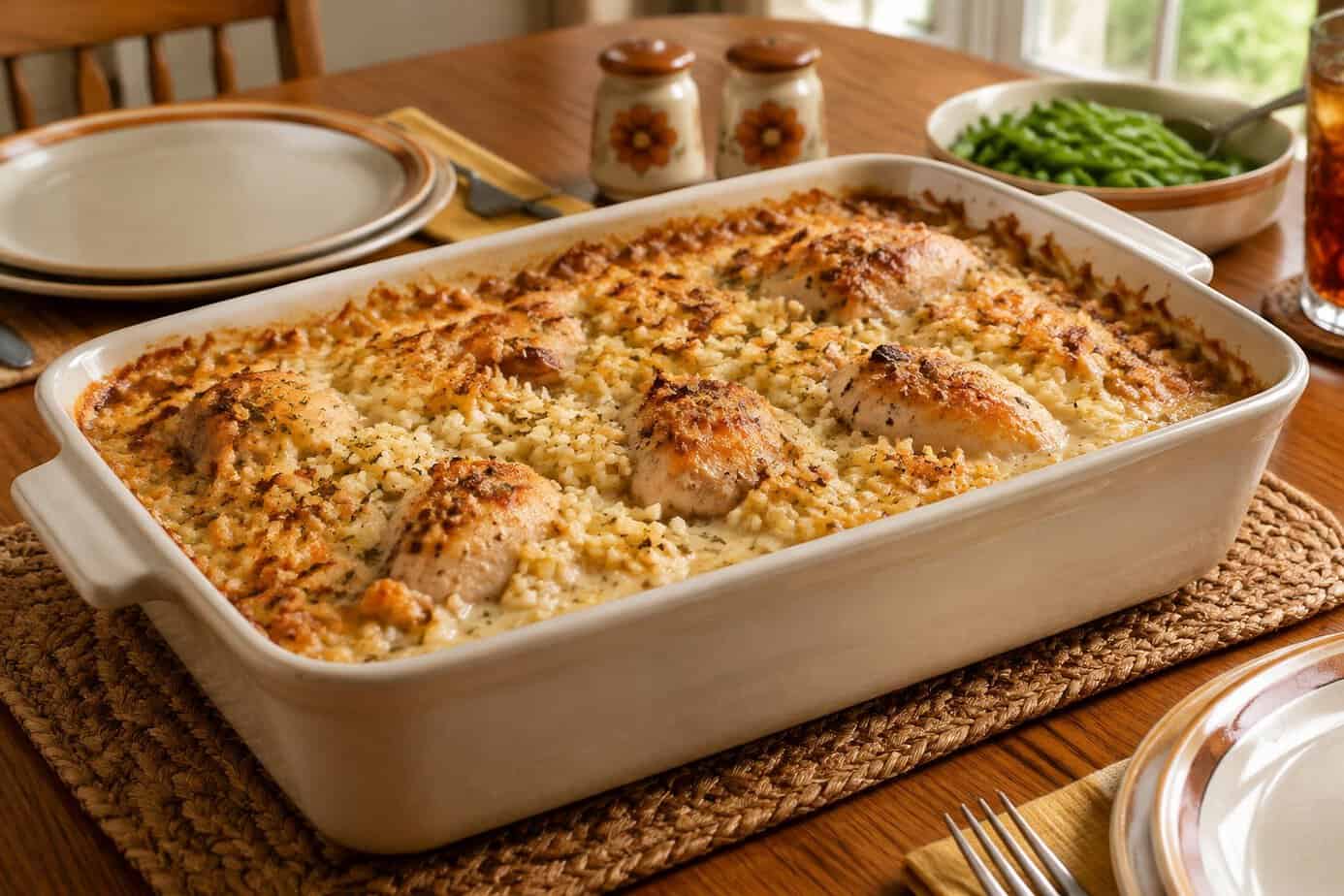
This was the casserole you could make with your eyes closed. A can of cream of mushroom or cream of chicken soup, a can of milk, a cup of raw rice and some chicken pieces went into one baking dish, and the oven did the rest.
You usually bought whatever chicken was on sale, a whole fryer you cut up yourself or a package of legs and thighs, since dark meat cost less than breasts. A packet of dry onion soup mix sprinkled over the top was a popular trick for extra flavor.
As it baked, the rice cooked in the soup and the chicken juices, so it came out creamy and seasoned all the way through. One dish fed five or six with leftovers to spare, and it gave you an hour to fold laundry or help with homework while supper took care of itself.
7. Chicken-Fried Cube Steak with Cream Gravy
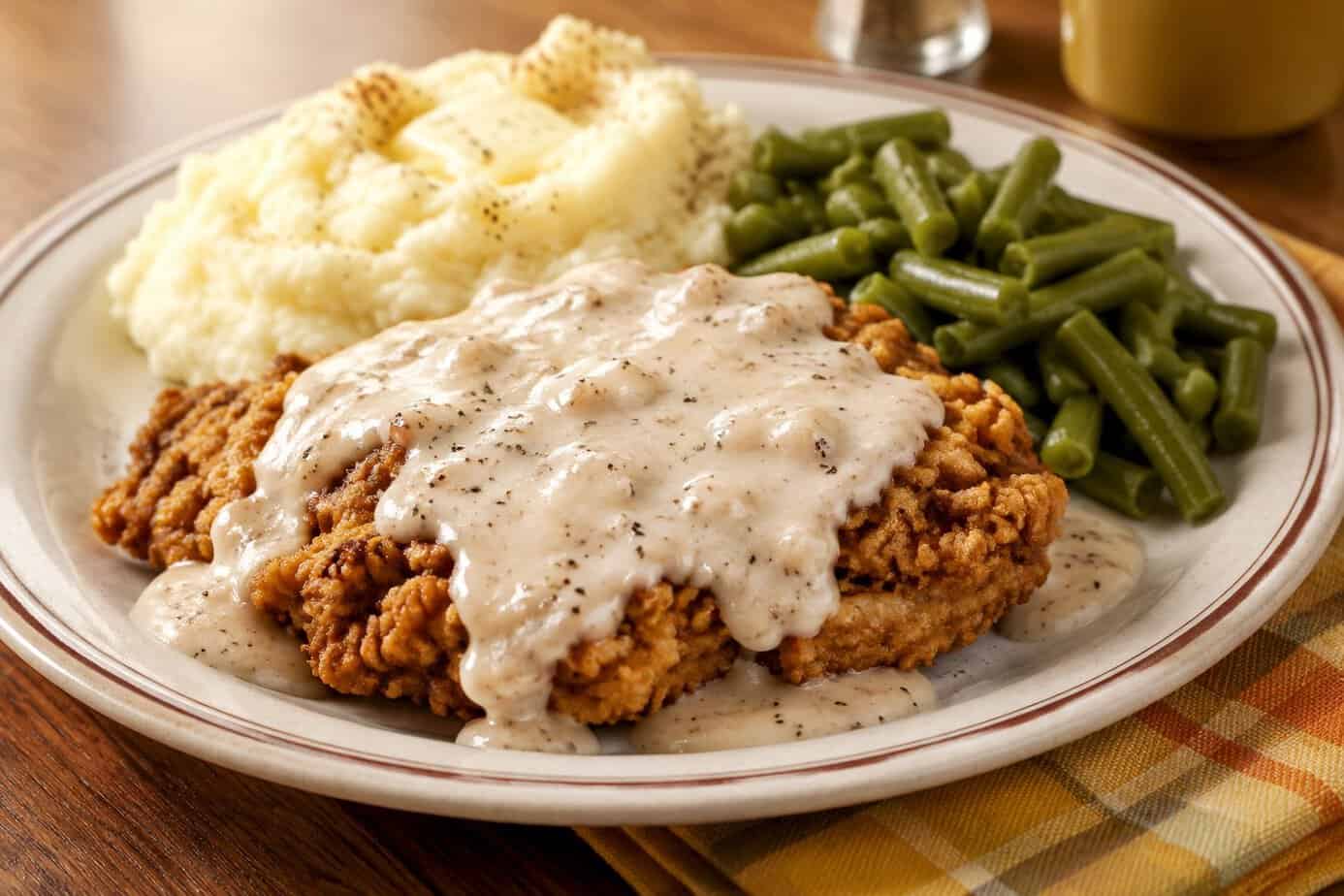
Cube steak was a cheap, tough cut that the butcher had already run through a tenderizing machine, which left that waffle pattern on the meat. All you had to do was dredge it in flour, salt and plenty of black pepper and fry it in a cast iron skillet until the crust turned golden.
That crust was your secret weapon. It made a modest piece of meat look and feel bigger on the plate, so one small package could feed the whole table.
Then came the best part. You poured off most of the grease, stirred flour into the browned bits and whisked in milk until you had a thick, peppery cream gravy. It went over the steak and over the mashed potatoes. A few cents’ worth of flour and milk turned a cheap cut into a supper that tasted like Sunday.
8. Stuffed Cabbage Rolls
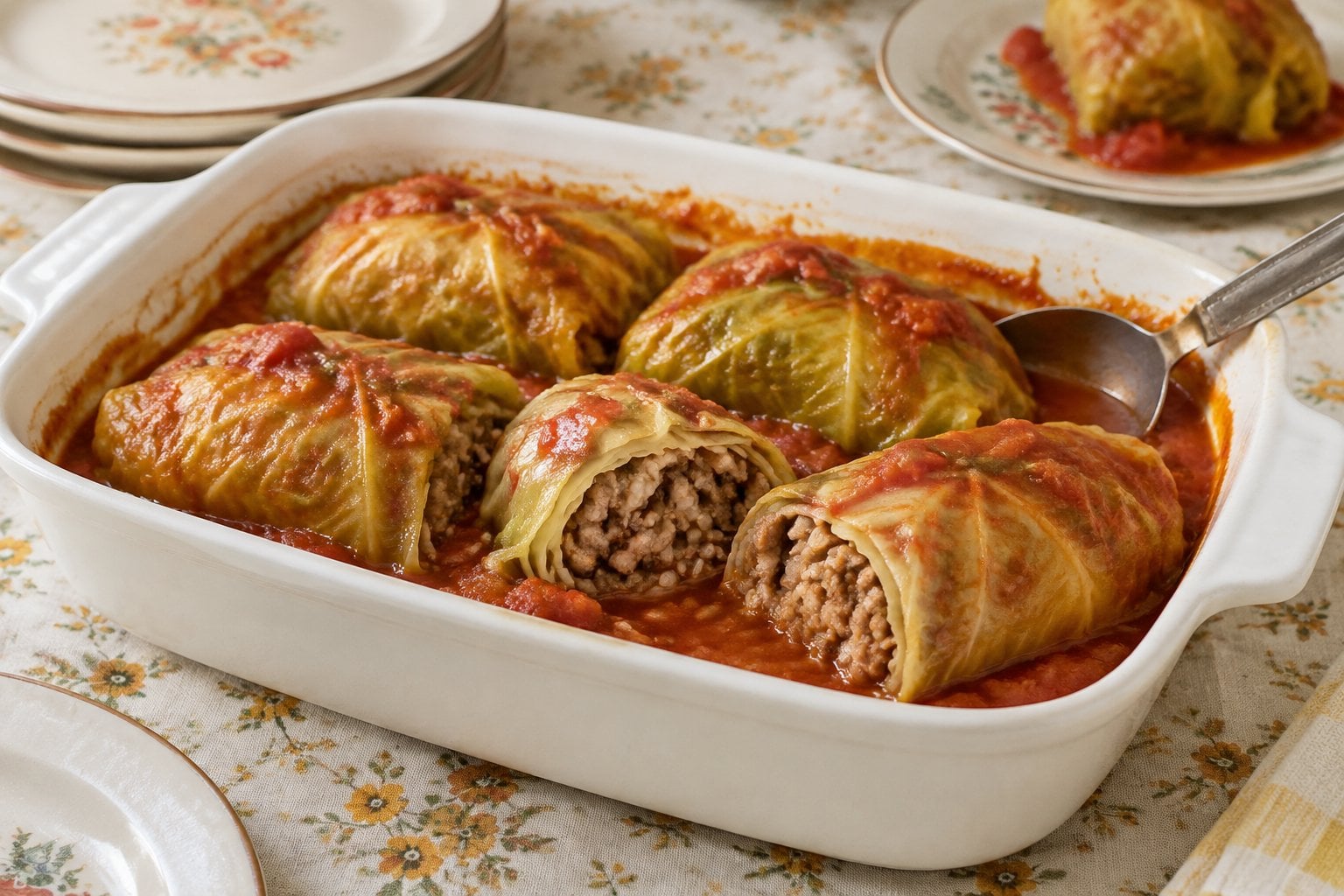
A head of cabbage was cheap in every season, and you knew how to turn one into a pan of supper. You softened the leaves in boiling water so they would bend without tearing, then filled each one with ground beef, cooked rice and chopped onion.
You rolled them up snug, packed them seam side down in a baking dish and covered them with tomato sauce or tomato soup. Plenty of families added a little brown sugar and vinegar or lemon juice for a sweet-and-sour sauce, the way their grandmothers had.
With rice and cabbage doing most of the work, a pound of beef could fill a dozen rolls or more. They baked slowly until the cabbage went tender, and they tasted even better the next day. You often made a double batch on Sunday and counted on it for at least one more supper that week.
9. Hobo Foil-Packet Dinners
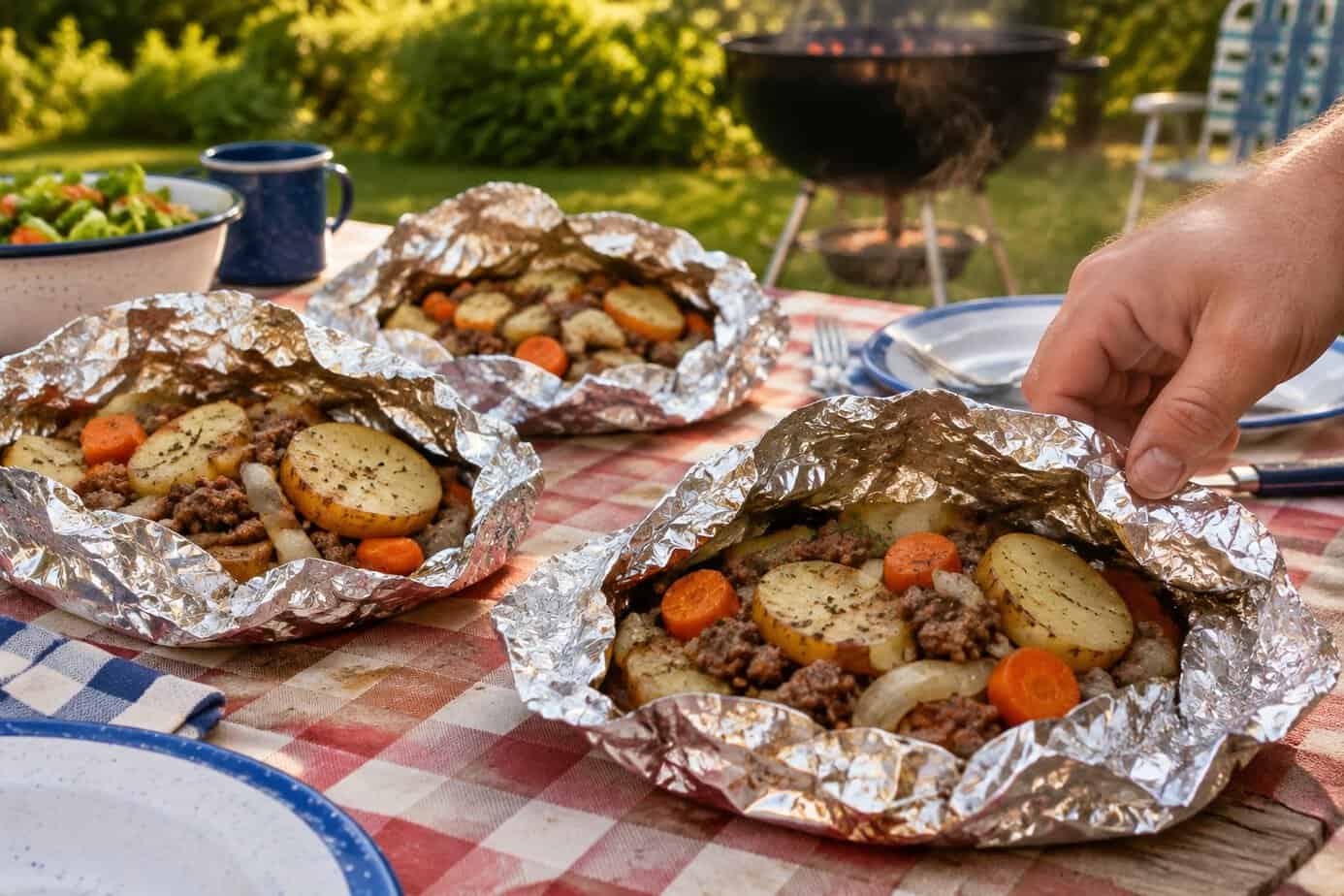
Hobo dinners might have been the smartest supper you ever made, because there was almost nothing to wash afterward. You tore off a square of heavy foil for each person and laid a hamburger patty in the middle.
On top went sliced potatoes, carrots and a few rings of onion, with a pat of butter, salt and pepper. Then you folded the foil tight and set the packets in the oven or on the grill. Plenty of families knew them from scout campouts, where they cooked right in the coals.
A pound of ground beef made four or five patties, and the potatoes and carrots filled out every packet for very little money. As everything cooked, the vegetables soaked up the meat juices. Each person got a packet of their own, so there was no arguing over portions, and cleanup meant crumpling up the foil.
10. Fried Bologna Sandwiches with Tomato Soup
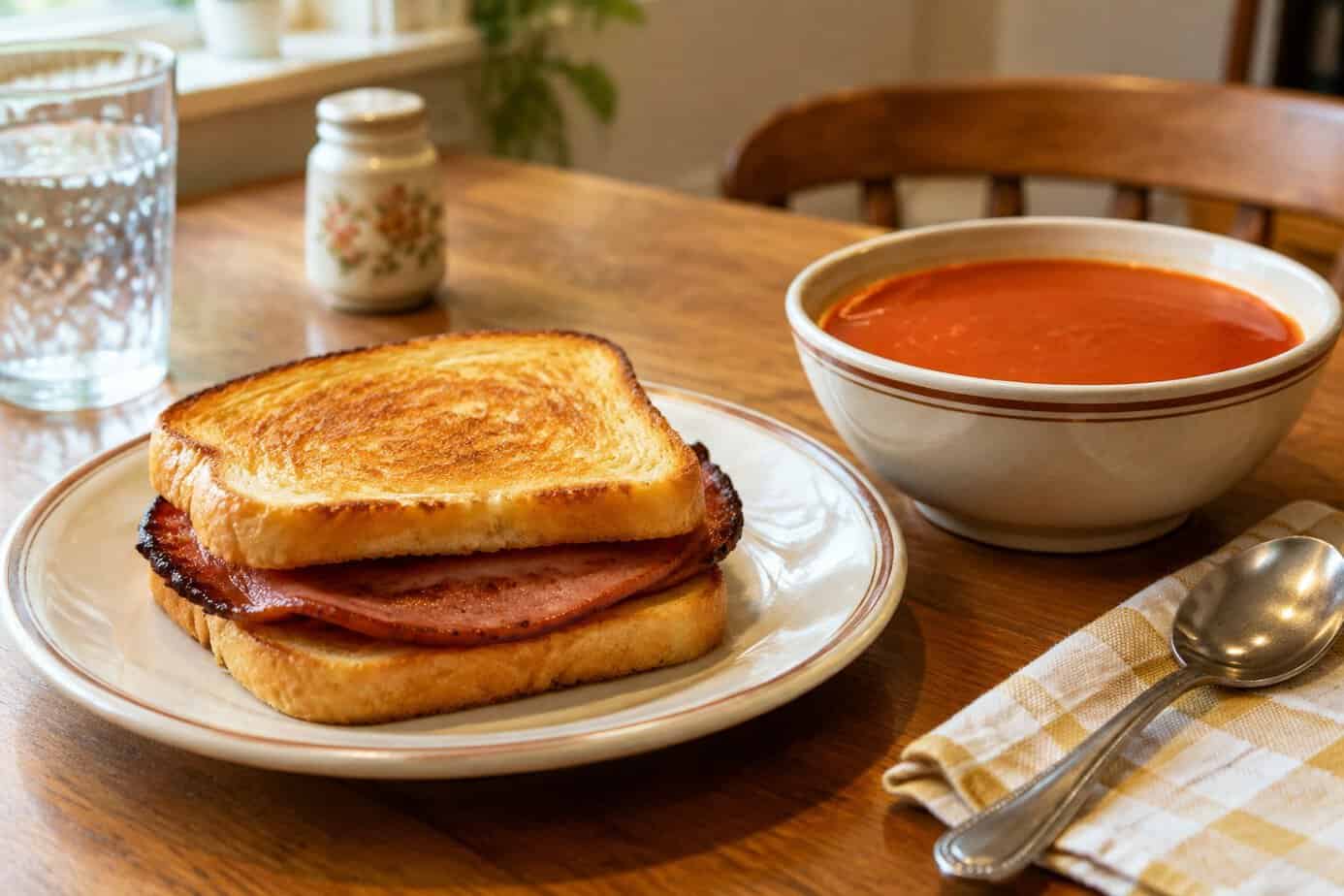
Some nights the budget said bologna, and you made it feel like a treat. You laid thick slices in a hot skillet with a little butter until the edges browned and crisped.
If you’ve made one, you know bologna puffs up into a dome in the pan. The fix was cutting a small slit from the edge toward the center, or a few little cuts around the edge, so the slice stayed flat and browned evenly. You may well have learned that from your own mother.
The sandwich was simple: fried bologna on white bread with mustard, and a slice of American cheese melted on top if the week allowed it. Next to it went a bowl of tomato soup from a can, made with milk for extra richness. Hot, filling and ready in fifteen minutes, it was the supper of a woman who knew exactly what she had to work with.
11. Hot Dogs and Baked Beans
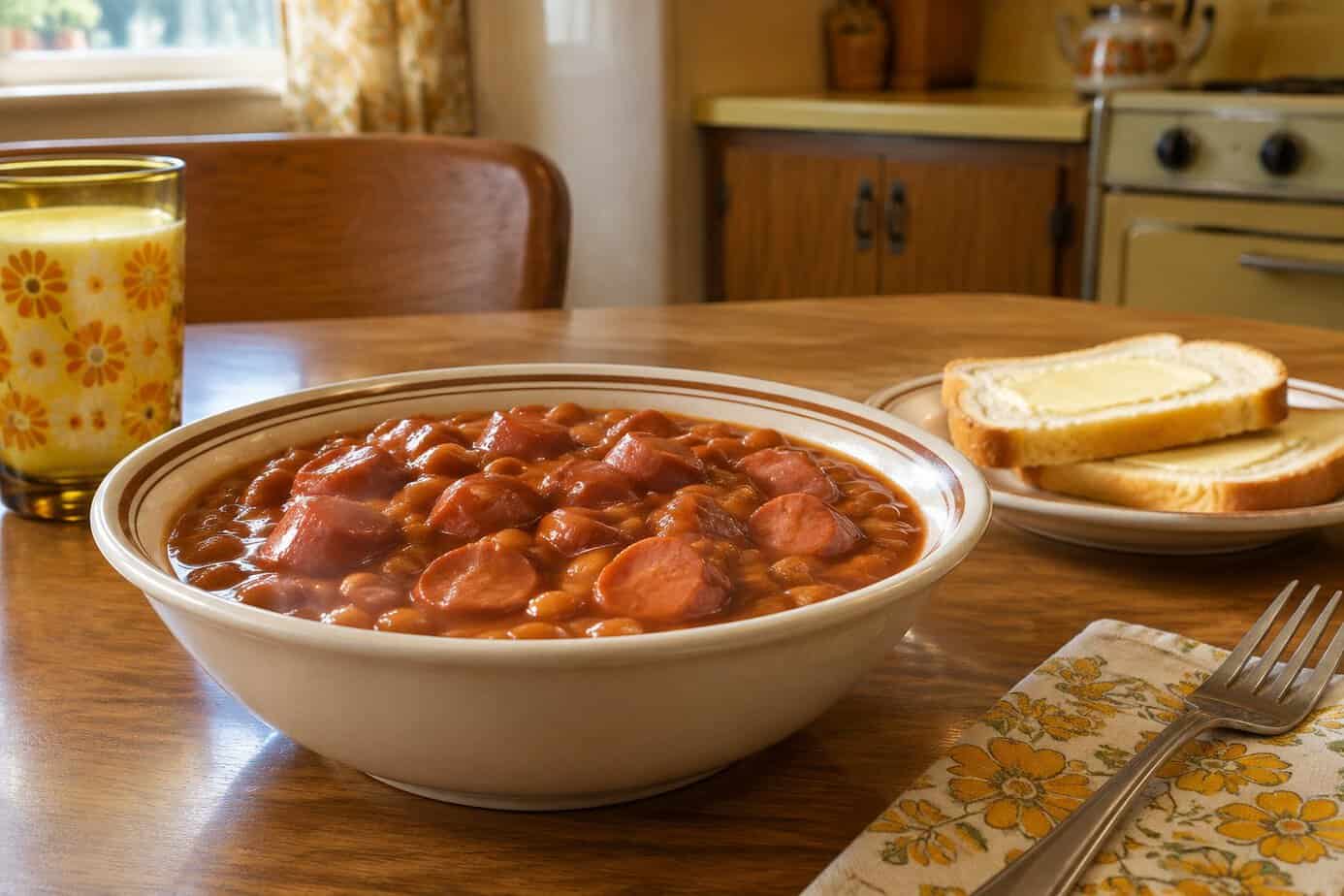
Every kitchen had a package of hot dogs and a couple of cans of pork and beans for the nights the grocery money ran out before the week did. You sliced the hot dogs into coins, stirred them into the beans and let the pot bubble while you set the table.
A spoonful of brown sugar, a squirt of mustard and a little ketchup made plain canned beans taste like you had fussed. Some cooks added chopped onion or a strip of bacon if there was one in the refrigerator.
It was ready in about twenty minutes and fed four or five without a second trip to the store. Served with white bread and butter or a pan of cornbread, it was the kind of supper that proved you didn’t need much money to put something hot and filling in front of your family.
12. Split Pea Soup with Ham
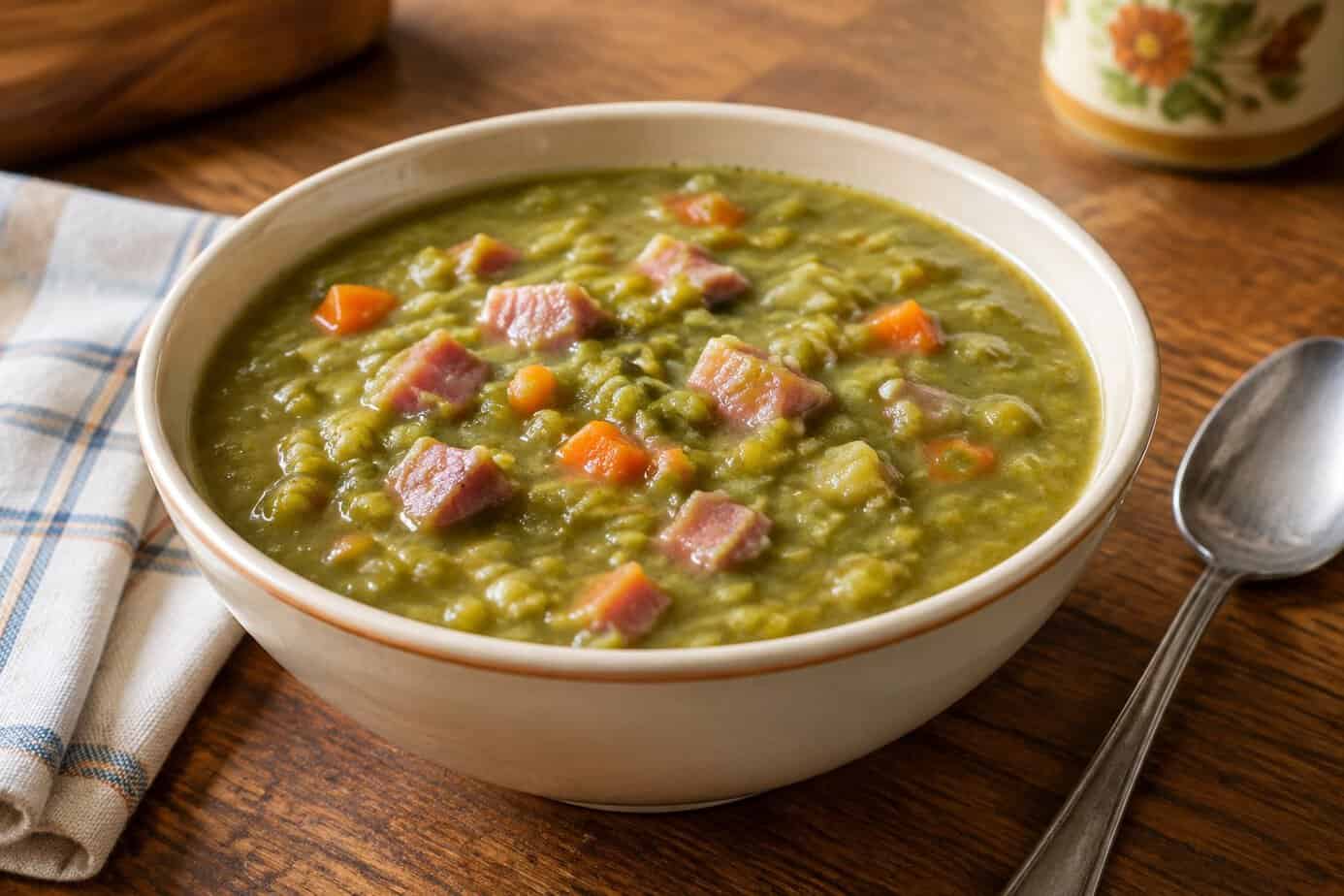
You never bought a ham just to make this soup. You made it after Easter or Christmas, when the ham bone sat in the refrigerator with a few scraps still clinging to it. Throwing it out would have been a sin, so into the soup pot it went.
A bag of dried split peas cost very little, and unlike most dried beans, they didn’t need to soak overnight. You added water, a chopped onion, a carrot or two and maybe a bay leaf, and let the pot simmer for a couple of hours.
By the time it was done, the peas had melted into a thick, velvety soup, and you had picked the last bits of ham off the bone and stirred them back in. One holiday ham turned into several more suppers this way, and the soup only got thicker and better on the second day.
13. Vegetable Beef Soup from a Soup Bone
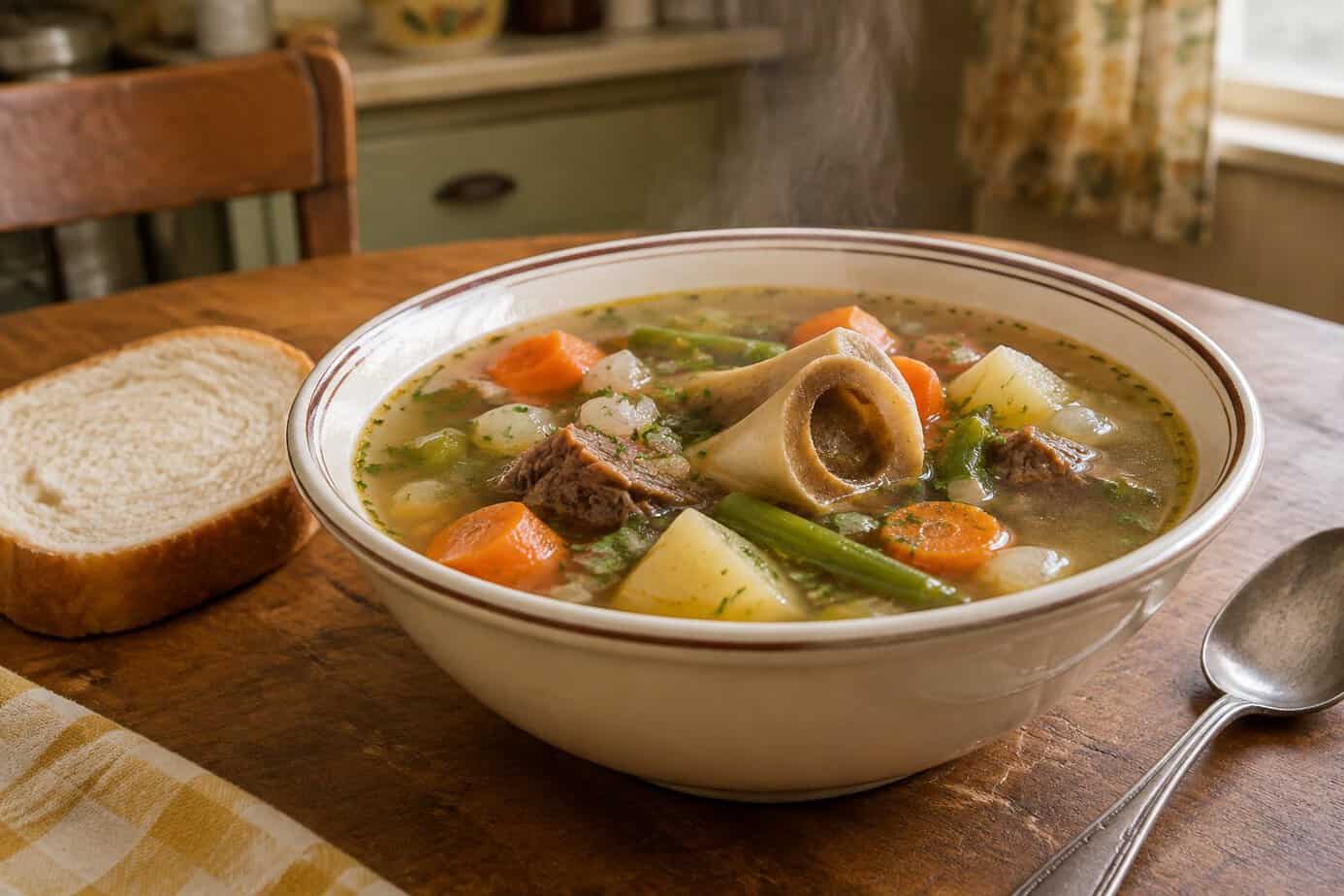
Butchers sold soup bones for very little, a beef shank or a meaty neck bone or knuckle, and sometimes they threw one in for a good customer. You knew the flavor was in the bone and in the bits of meat still on it.
The bone went into your biggest pot with water, salt and an onion, and it simmered for a few hours while you went about your day. Then came whatever vegetables you had: carrots, celery, potatoes, cabbage, green beans from the garden or a can of tomatoes.
Nothing went to waste. Half a bag of frozen peas, a handful of barley or noodles and the last of the corn all found a home in the pot. You pulled the meat off the bone, chopped it and stirred it back in. With crackers or bread on the side, one cheap bone fed the family for two or three nights.
14. Pinto Beans and Cornbread
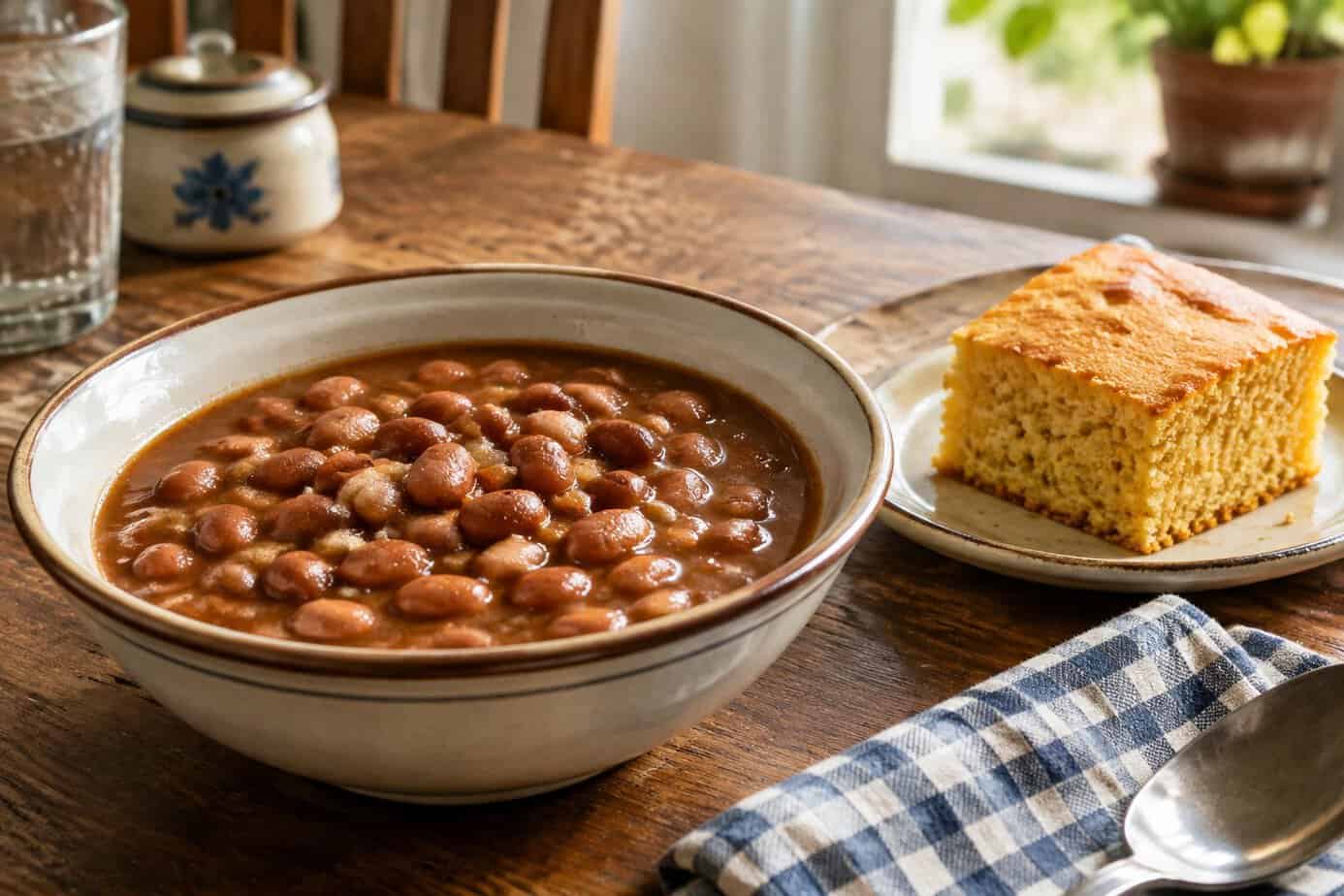
A one-pound bag of dried pinto beans was one of the best bargains in the store, and you knew exactly what to do with it. You sorted out the little stones, rinsed the beans and left them to soak overnight.
The next day they simmered low and slow for hours with a chopped onion and a ham hock, a bit of salt pork or a few bacon ends if you had them. By supper, one bag had turned into a big pot that could feed everyone twice.
Cornbread was the only sensible partner. You poured the batter into a hot, greased cast iron skillet so the edges came out crisp and the middle stayed tender. Crumbled into a bowl of beans with a little of the pot liquor spooned over, it made a supper that cost very little and filled up the hungriest person at the table.
15. Potato Soup with Crackers

You always had a sack of potatoes, and on the nights the cupboard looked bare, potato soup came to the rescue. You peeled and diced a few, added a chopped onion and simmered them in water until they were soft enough to fall apart.
Then you poured in milk and stirred in a spoonful of butter, salt and plenty of black pepper. You didn’t need cream. Mashing some of the potatoes right in the pot thickened it beautifully without any extra flour. If there was a little leftover ham or a bit of bacon grease, it went in too, but the soup was good without it.
The crackers made it a meal. A sleeve of saltines or a handful of oyster crackers crumbled on top gave it crunch and filled up any empty corners. It cost next to nothing and warmed everyone right through on a cold night.
16. Macaroni and Cheese with Sliced Tomatoes
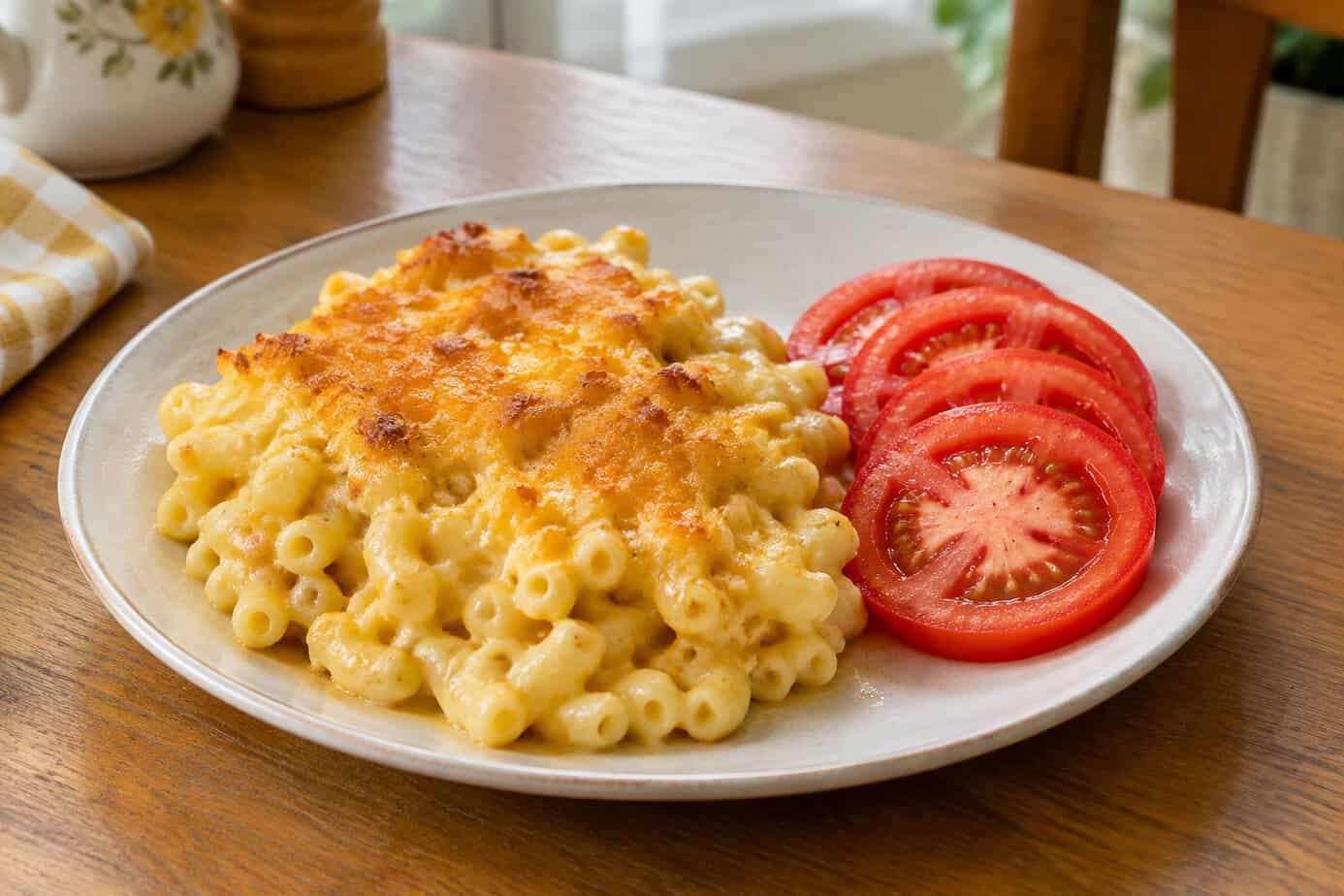
Boxed macaroni and cheese was in every store by the 1970s, but your baked version stretched further and tasted like you meant it. While the elbow macaroni boiled, you melted butter in a saucepan, stirred in flour and slowly added milk until you had a smooth white sauce.
In went a good handful of shredded cheddar from the cheapest block in the dairy case, and you stirred until it melted. You folded in the drained macaroni and poured it all into a casserole dish.
The finishing touch was a layer of sliced tomatoes on top, from your garden in the summer or whatever was cheapest at the store. A sprinkle of bread crumbs or more cheese went over them, and the dish baked until it was bubbly and golden. The tomatoes cut through the richness and made a meatless supper look like a full meal.
17. Welsh Rarebit on Toast
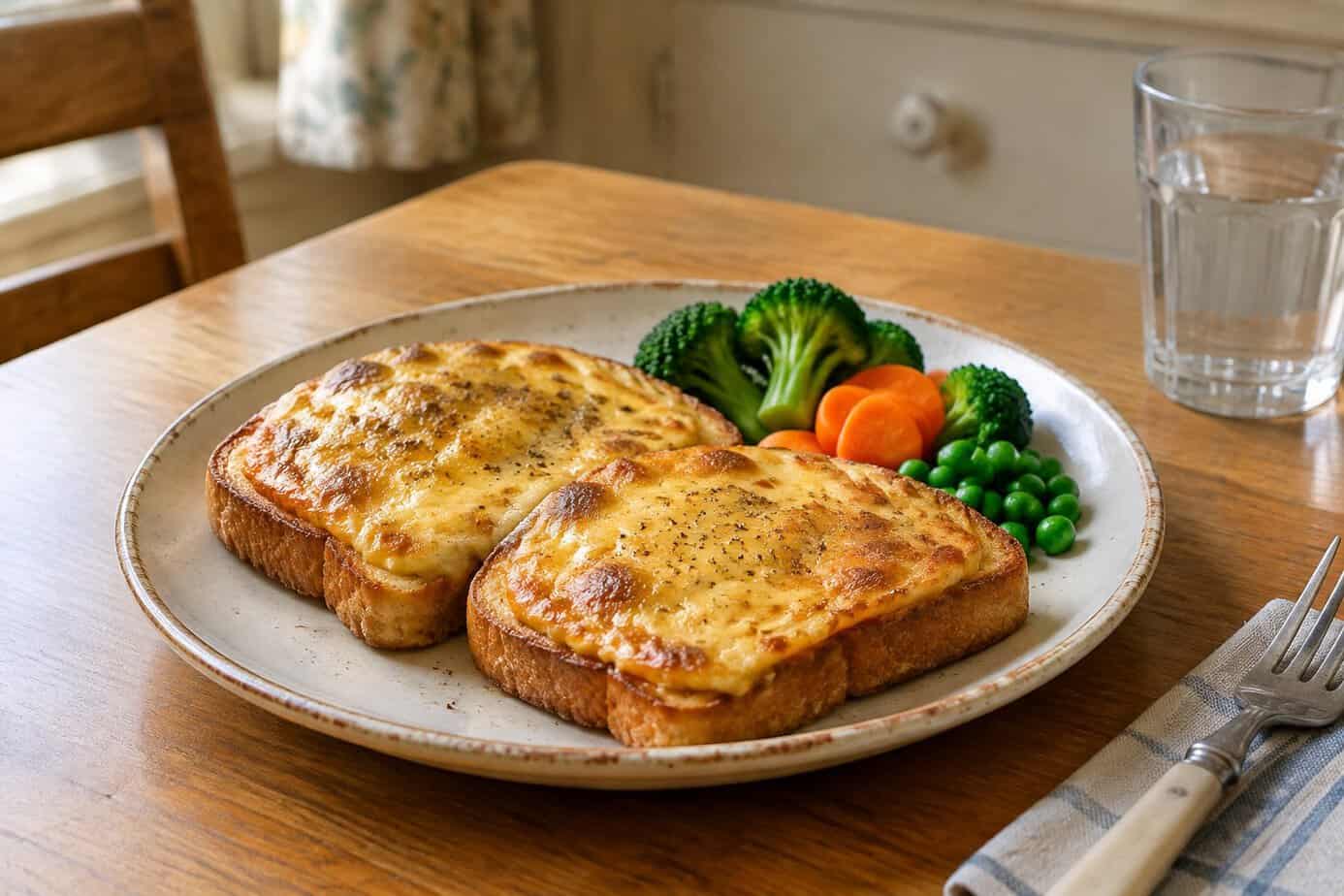
Welsh rarebit sounded fancy, but it was really cheese sauce on toast, and that was what made it such a good friend to your budget. You melted sharp cheddar in a saucepan with butter, a little flour and milk, or a splash of beer if there was a can left over.
A spoonful of dry mustard and a dash of Worcestershire sauce gave it some bite, and some cooks added a pinch of cayenne. You stirred until the sauce was thick and smooth.
Then you poured it over toast and served it right away, or slid the plates under the broiler until the top bubbled and browned. Despite the old name, Welsh rabbit, there was never any rabbit in it. A little cheese went a long way, and with sliced tomatoes or a vegetable on the side, it made a proper supper on a night when the meat money was gone.
18. Fish Sticks on Friday
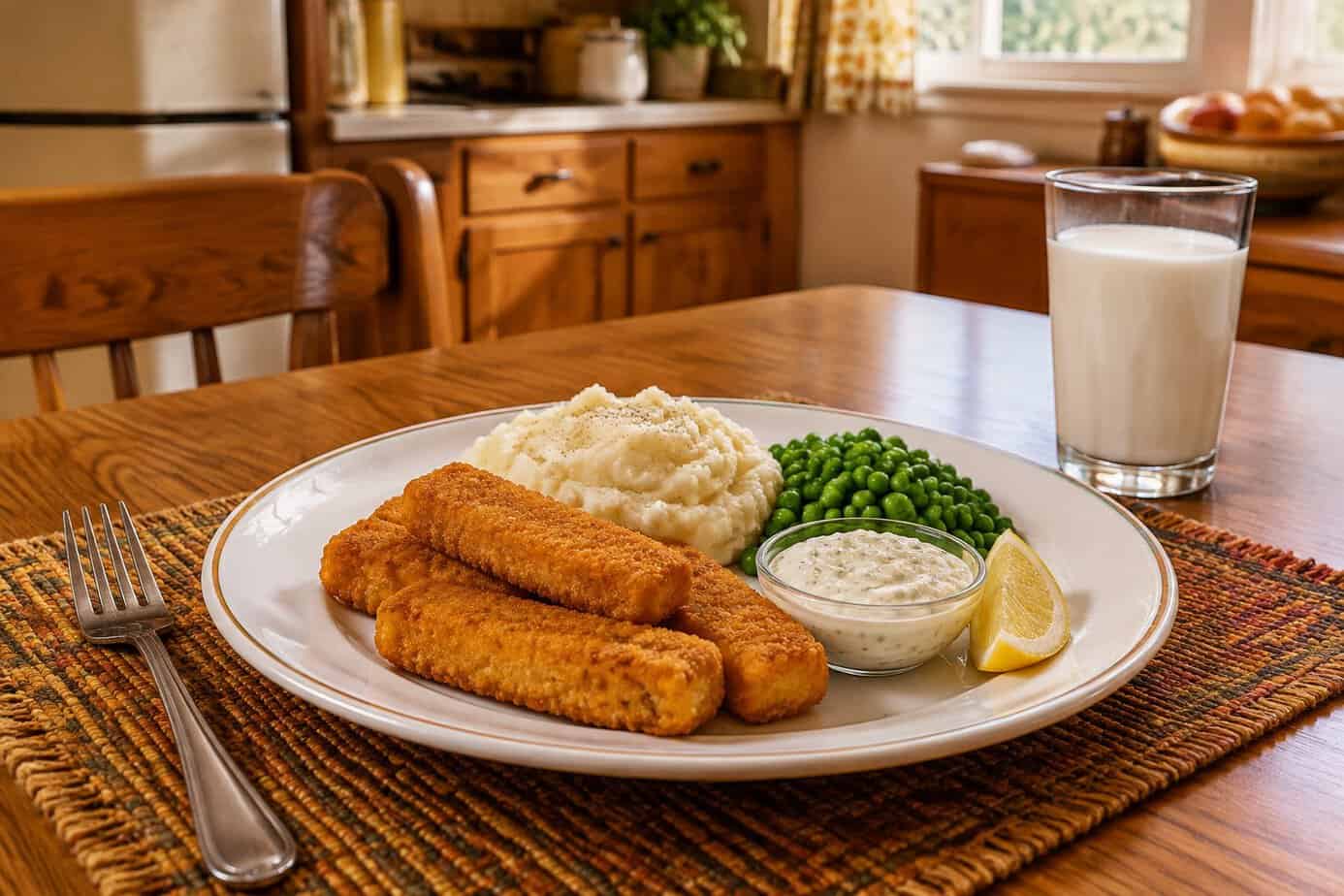
For many families, Friday meant fish, and fish sticks made Friday easy. Birds Eye brought them out in 1953, and by the time you were running your own kitchen, a box was a freezer staple. You lined them up on a baking sheet, and the oven took it from there.
The habit of fish on Friday came from Catholic tradition. In 1966, the U.S. bishops dropped the rule that Catholics had to skip meat on every Friday of the year, keeping it for Lent and encouraging it the rest of the time, but plenty of families kept their fish Fridays anyway.
You served them with a scoop of macaroni and cheese or mashed potatoes, a can of peas or corn, and ketchup or tartar sauce for dipping. It was one night a week when supper nearly made itself, and you had earned it.
19. Creamed Chipped Beef on Toast
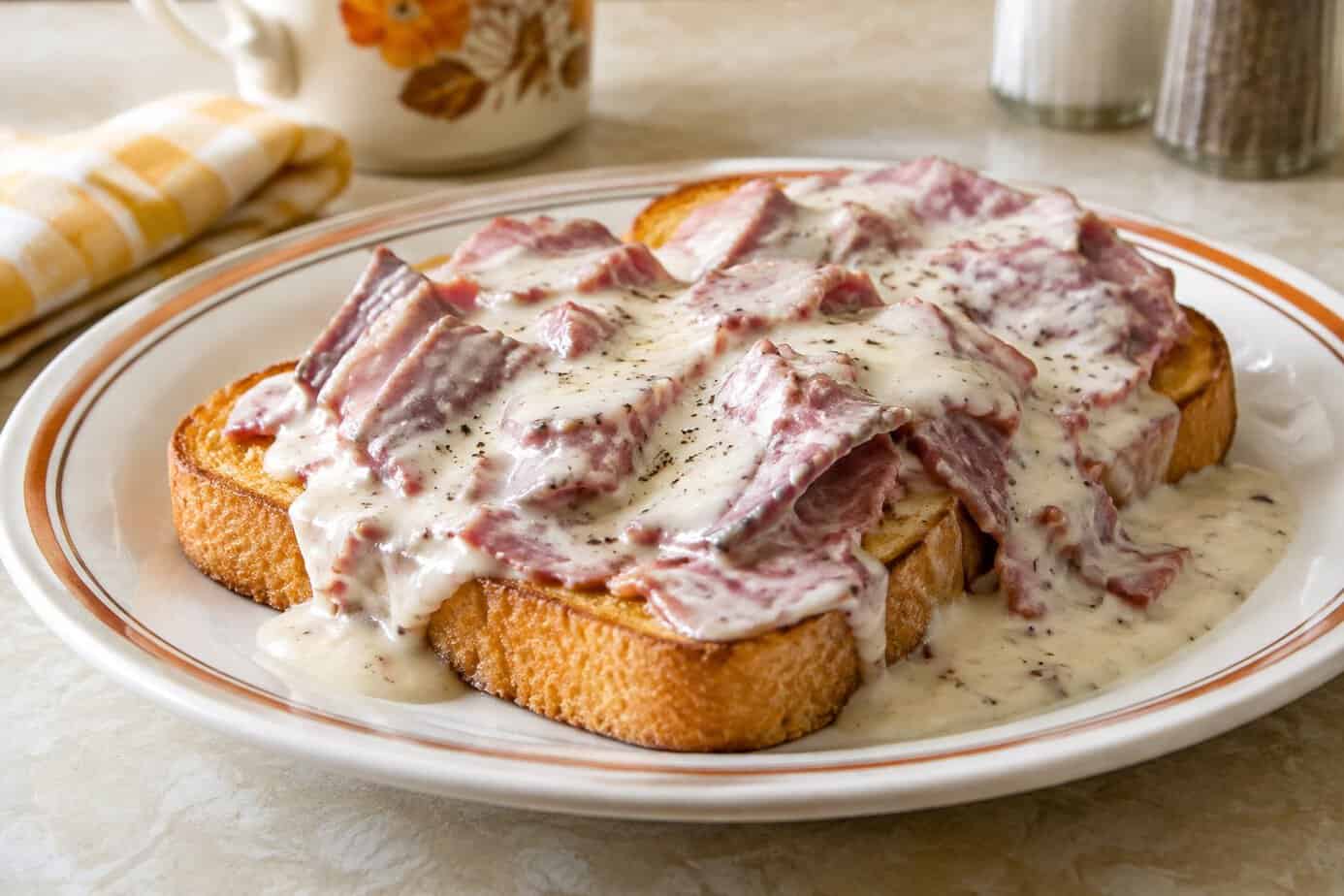
You kept a little jar of dried beef in the cupboard for the days right before payday. It came sliced paper-thin in small glass jars, and many families saved the empty jars to use as juice glasses. A few ounces were enough for the whole family.
You tore the beef into bite-size pieces and gave it a quick rinse if it was very salty. Then you made a simple white sauce of butter, flour and milk, added plenty of black pepper and stirred in the beef until it was hot and thick.
The sauce was ladled over buttered toast, and supper was ready in about fifteen minutes. Men who had served in the military knew it by a much less polite nickname, but they cleaned their plates anyway. It was creamy, salty and filling, and it cost very little.
20. Pork Chops with Applesauce
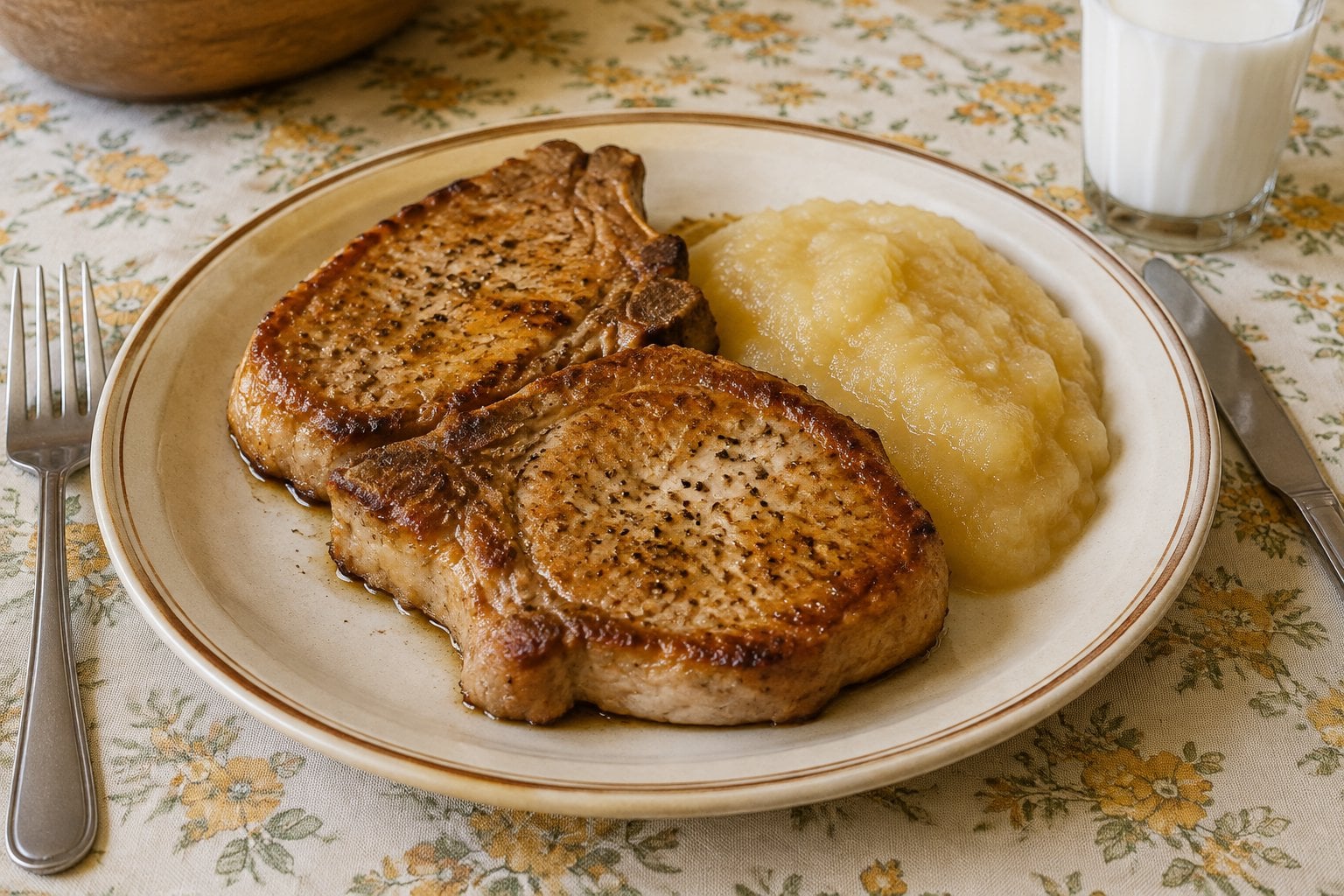
You bought the thinnest pork chops in the case, the ones that cooked through in a few minutes and cost less than the thick-cut kind. A dusting of flour, salt and pepper, and they went into a hot skillet to brown.
The applesauce made the meal. Maybe it was a jar you had put up yourself from a bushel of bruised apples, or a can of the store brand. Either way, it did double duty as a side dish and a sauce, so you didn’t need to make gravy.
Next to it went mashed potatoes or a box of Stove Top stuffing, which General Foods brought out in 1972, and some buttered carrots or green beans. Pork chops and applesauce were such a standard pairing that Peter Brady turned the phrase into a Humphrey Bogart impression on The Brady Bunch in 1971. Your family knew the line, and the supper, by heart.
21. Sausage and Cabbage Skillet
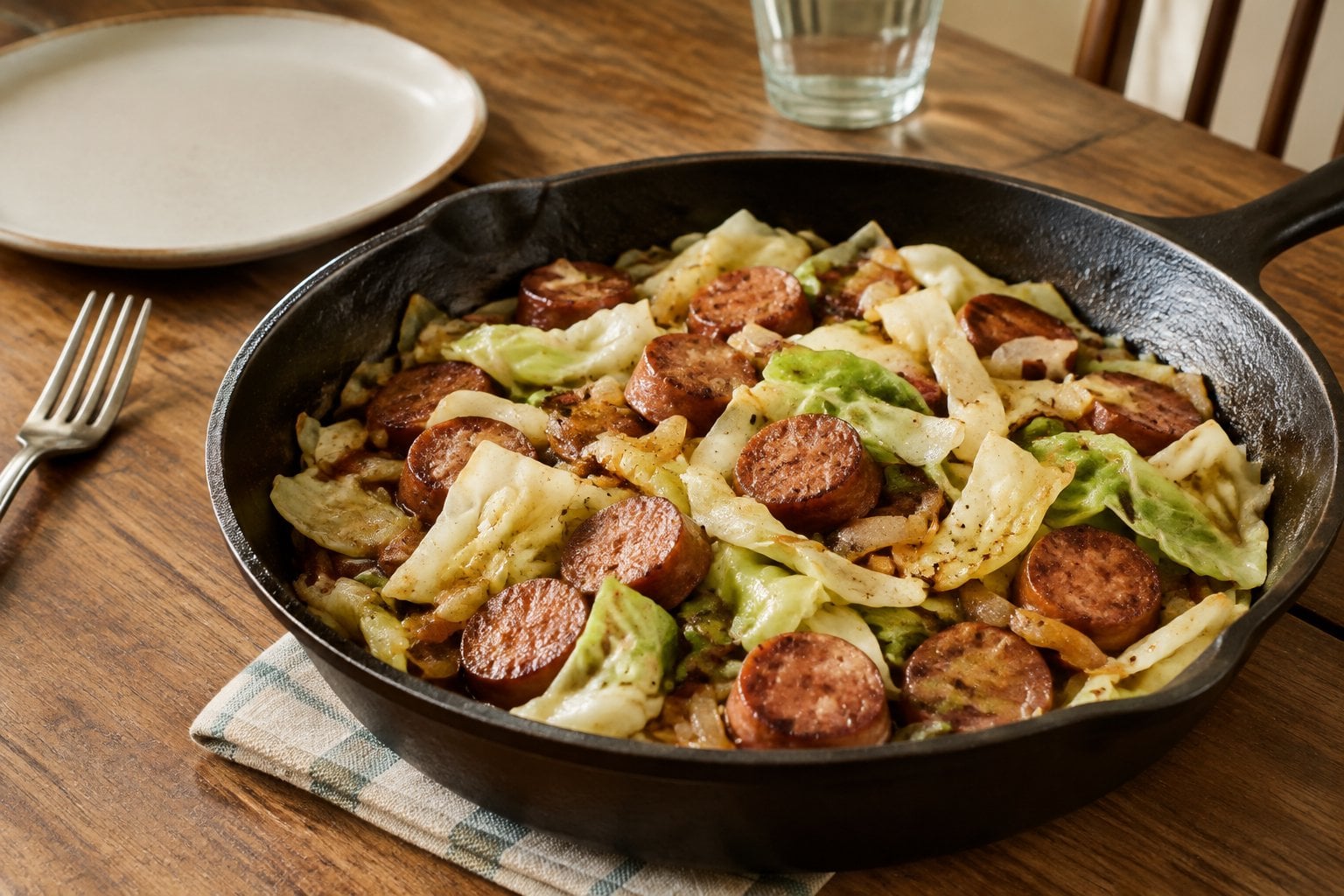
When the refrigerator was close to empty, a head of cabbage and a ring of smoked sausage could still make supper. Cabbage was one of the cheapest vegetables in the store, and one ring of sausage sliced into coins seasoned the whole pan.
You browned the sausage first so it gave off a little fat, then added a chopped onion and a mountain of sliced cabbage. It looked like far too much at first, but it cooked down to half its size as it wilted. A splash of vinegar, a spoonful of mustard or a sprinkle of caraway seeds gave it some brightness.
It was a one-skillet meal, which mattered after a long day. Some cooks added sliced potatoes to make it heartier. Served with rye bread or over a scoop of rice, it fed the family well and used up the half head of cabbage left over from coleslaw night.
22. Chop Suey with Canned Bean Sprouts
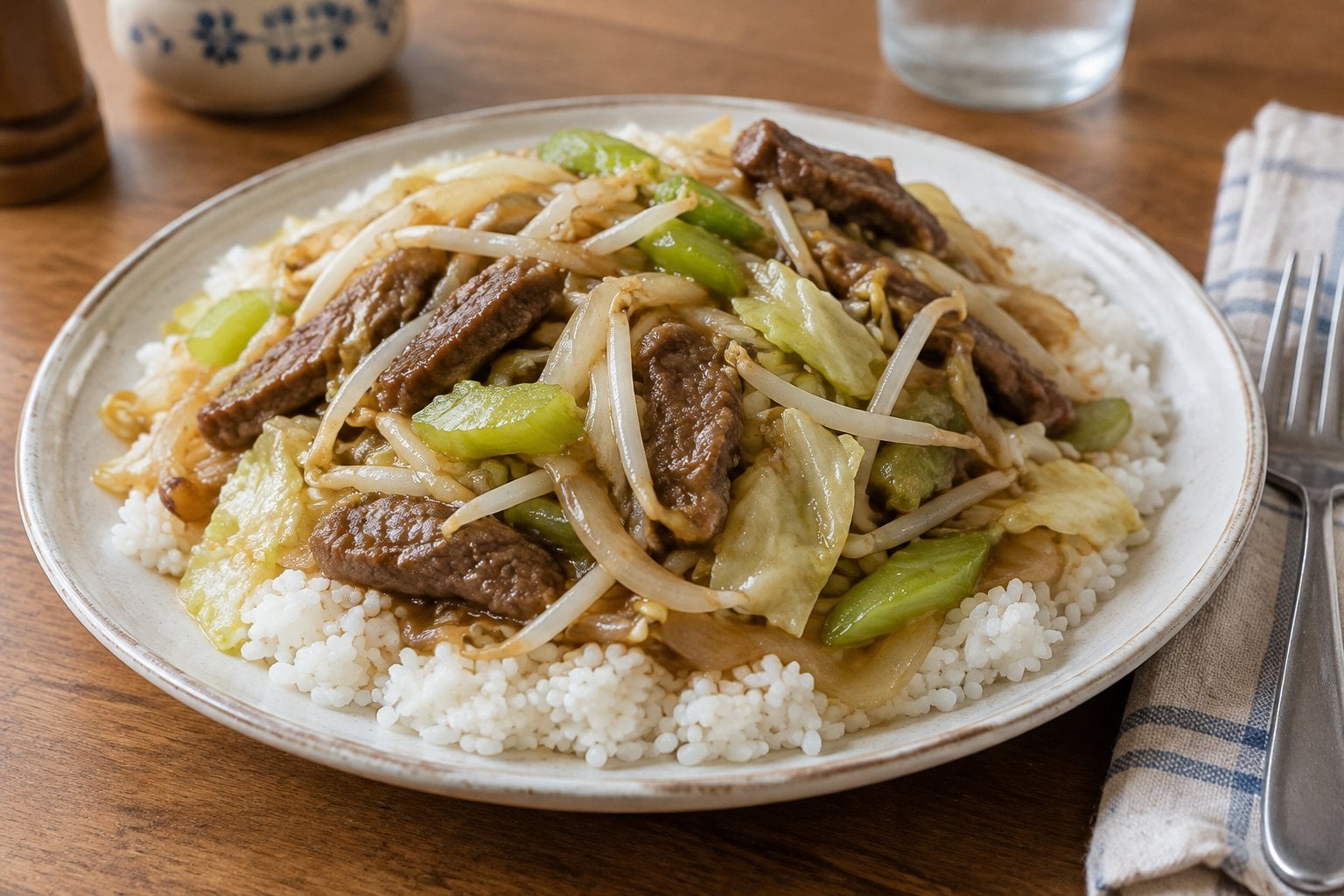
Chop suey night meant the can opener did most of the work. You picked up a can of bean sprouts, a can of mixed chop suey vegetables and maybe some water chestnuts, sold under brands like La Choy and Chun King right in the grocery aisle.
A small amount of pork, beef or leftover chicken went a long way once you cut it into thin strips. You browned it with celery and onion, added the drained vegetables and some broth, then thickened the sauce with cornstarch and seasoned it with soy sauce.
Served over a big bowl of rice and topped with crunchy chow mein noodles from a can, it felt like a night out at the Chinese restaurant downtown. It was an American invention more than a Chinese dish, but it was cheap, it was quick, and a little meat stretched to feed everyone at the table.
23. Corned Beef Hash with a Fried Egg
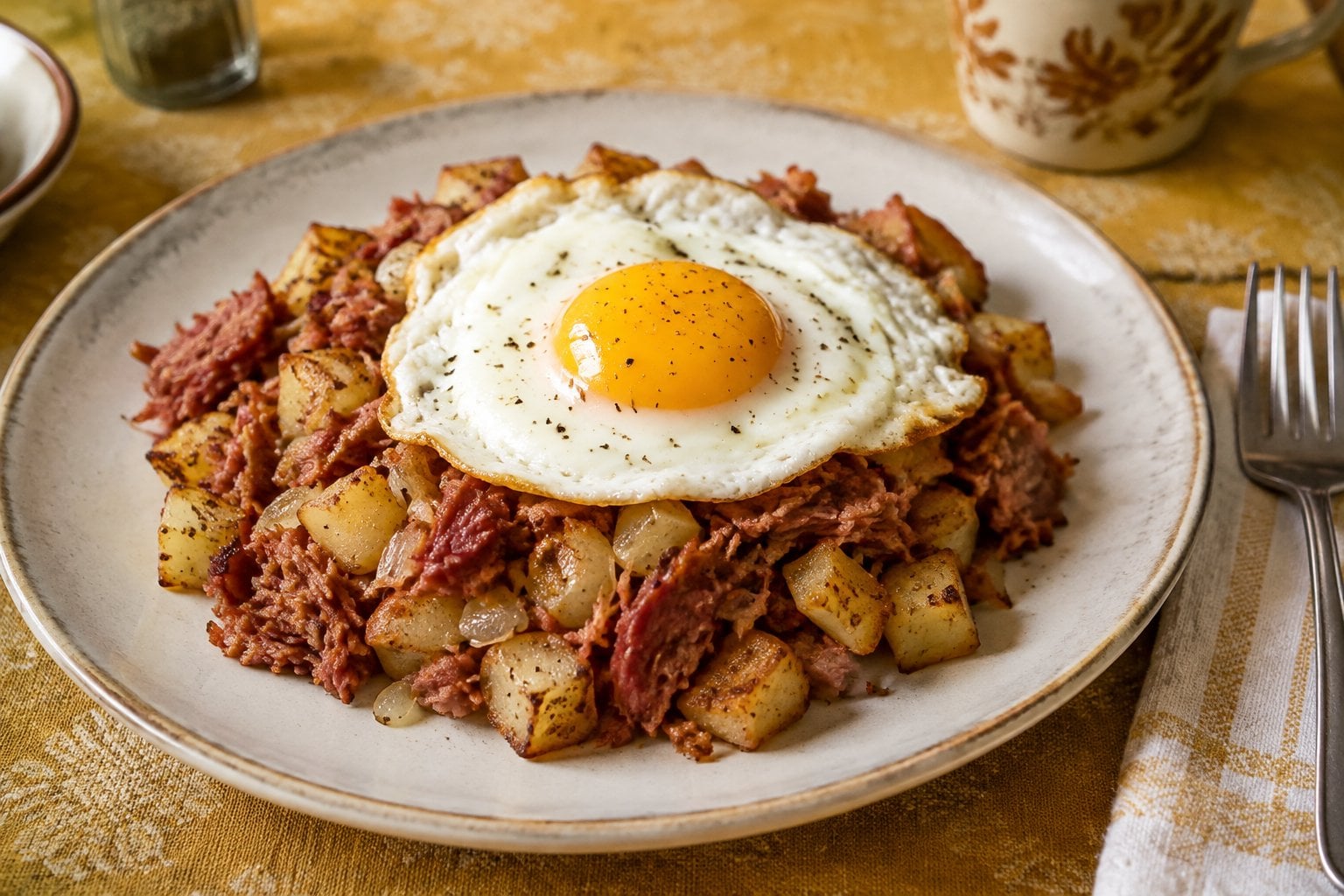
A can of corned beef, a few boiled potatoes and an onion added up to a skillet of supper. You diced the potatoes, often leftovers from Sunday, broke up the corned beef and fried it all together in butter or bacon grease.
The trick to good hash was patience. You pressed it flat in the skillet and left it alone until the bottom turned brown and crisp, then flipped it in sections. If you were in a real hurry, a can of ready-made hash did the job just as well.
A fried egg on top of each serving made it look like you had gone to a lot of trouble, and the runny yolk worked like a sauce. Salt, pepper and a little ketchup on the side were all it needed. It was cheap, filling and on the table in twenty minutes, with just one pan to wash.
24. Fried Spam with Fried Potatoes
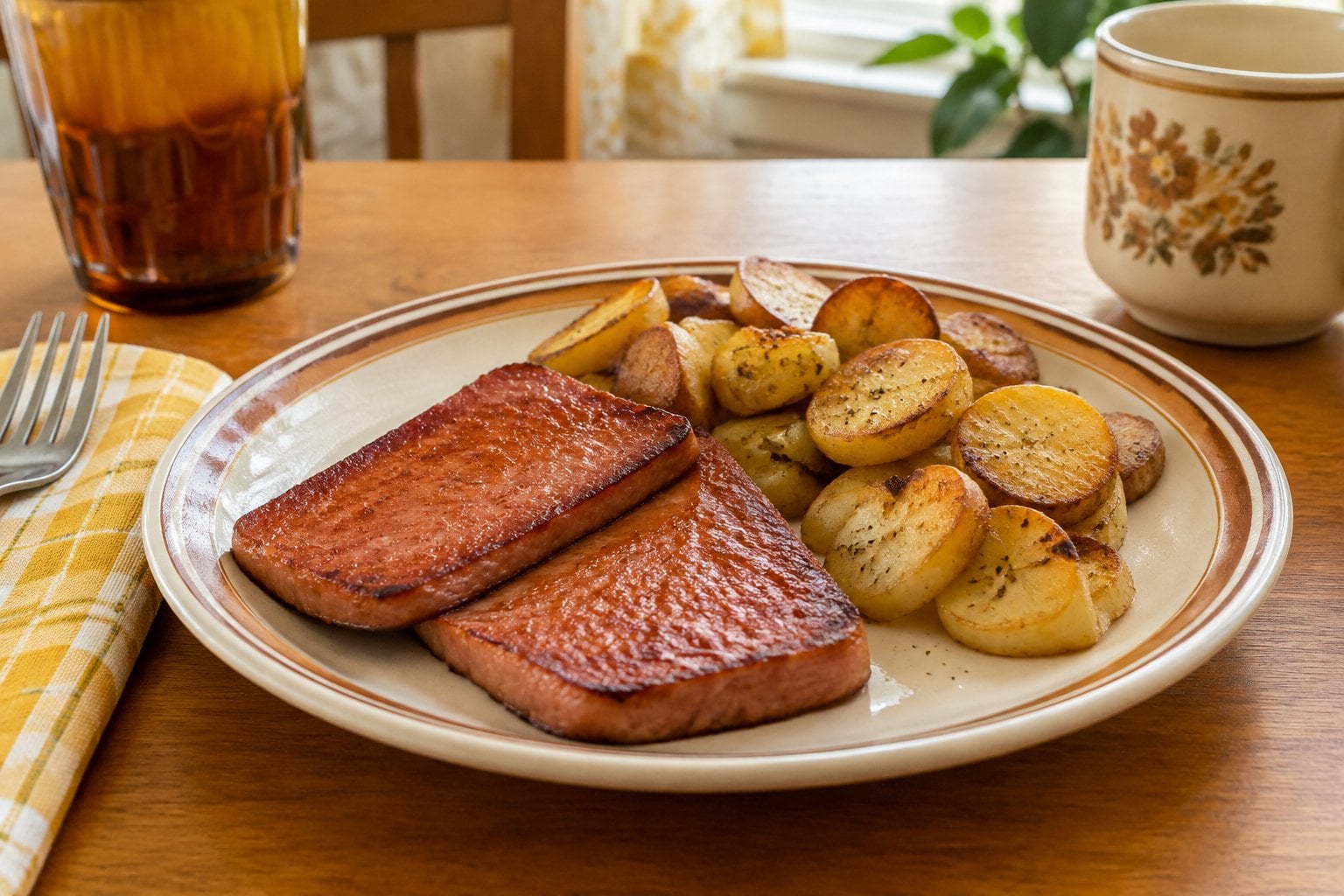
Spam had been around since Hormel introduced it in 1937, and by the 1970s a can or two sat in plenty of cupboards for the week the paycheck ran thin. Canned meat keeps for years on the shelf, so it was always there when you needed it.
You sliced it about a quarter inch thick and laid the slices in a hot skillet until the edges went brown and a little crisp. That salty, savory crust made a small can stretch further than you would think.
The potatoes did the real work of filling everyone up. You sliced or diced them and fried them in the same pan, with an onion if you had one to spare, so they picked up all the flavor. A can of green beans or corn on the side, and supper was done in about twenty minutes, from one skillet on one burner.
25. Tuna Patties with Peas
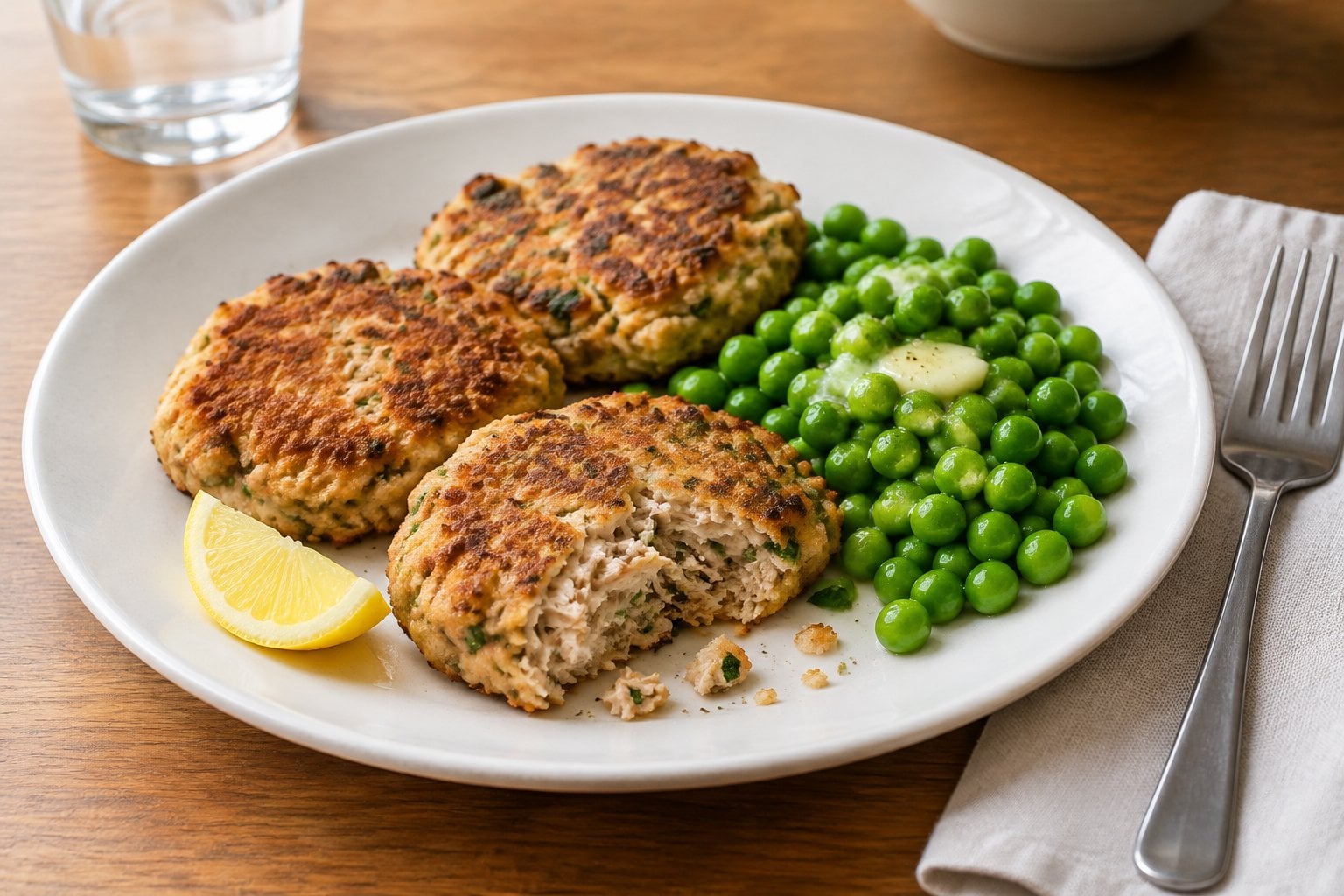
Canned tuna kept in the pantry for months and was cheap enough to buy a few cans at a time, which made tuna patties a natural for tight weeks. You drained two cans and mixed the fish with an egg, crushed saltines or bread crumbs and a little chopped onion.
A squirt of mustard or a squeeze of lemon brightened the mix. You shaped it into small patties and fried them in a little oil until both sides were golden and crisp. Two cans could make eight or more patties, enough for the family with a couple left over for lunch.
A can of peas, heated with a pat of butter, filled out the plate for pennies. With mashed potatoes or a scoop of macaroni on the side, tuna patties felt like a real supper, and a little tartar sauce or ketchup on top made them disappear fast.
26. Salmon Loaf with Green Beans
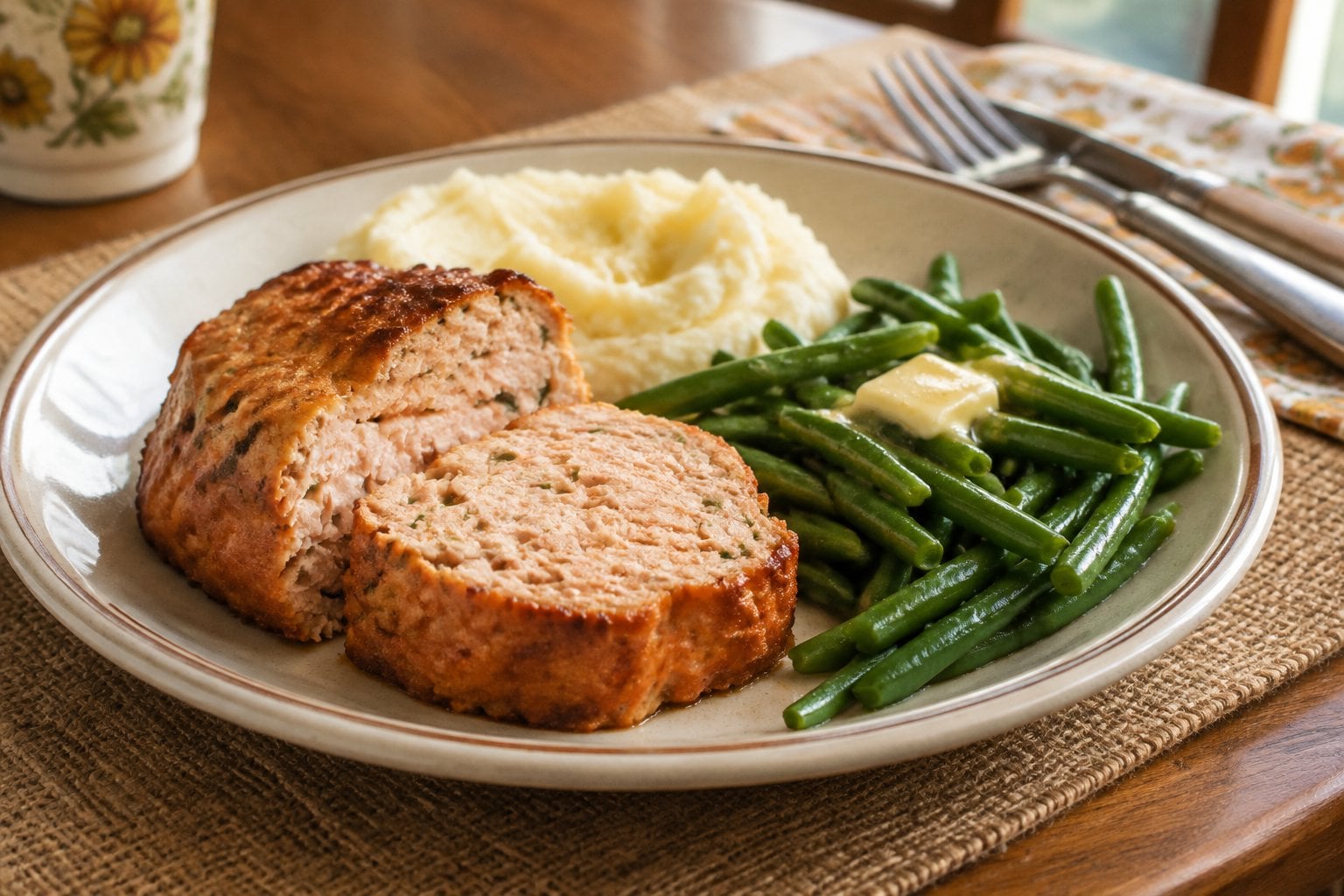
Canned salmon was a pantry staple, and you knew a single tall can could feed the whole table if you turned it into a loaf. You drained it and mashed the salmon right in the bowl, soft bones and all. The little bones are edible and full of calcium.
Crushed crackers or bread crumbs went in next, along with an egg or two, a splash of milk and a little chopped onion or celery. You pressed it into a loaf pan and baked it until the top was golden and firm.
Green beans from a can, or from the jars you had put up in the summer, rounded out the plate, warmed with a pat of butter. Some cooks served the loaf with a quick white sauce with peas stirred in. It was simple, savory and a thrifty way to get fish on the table.
27. City Chicken
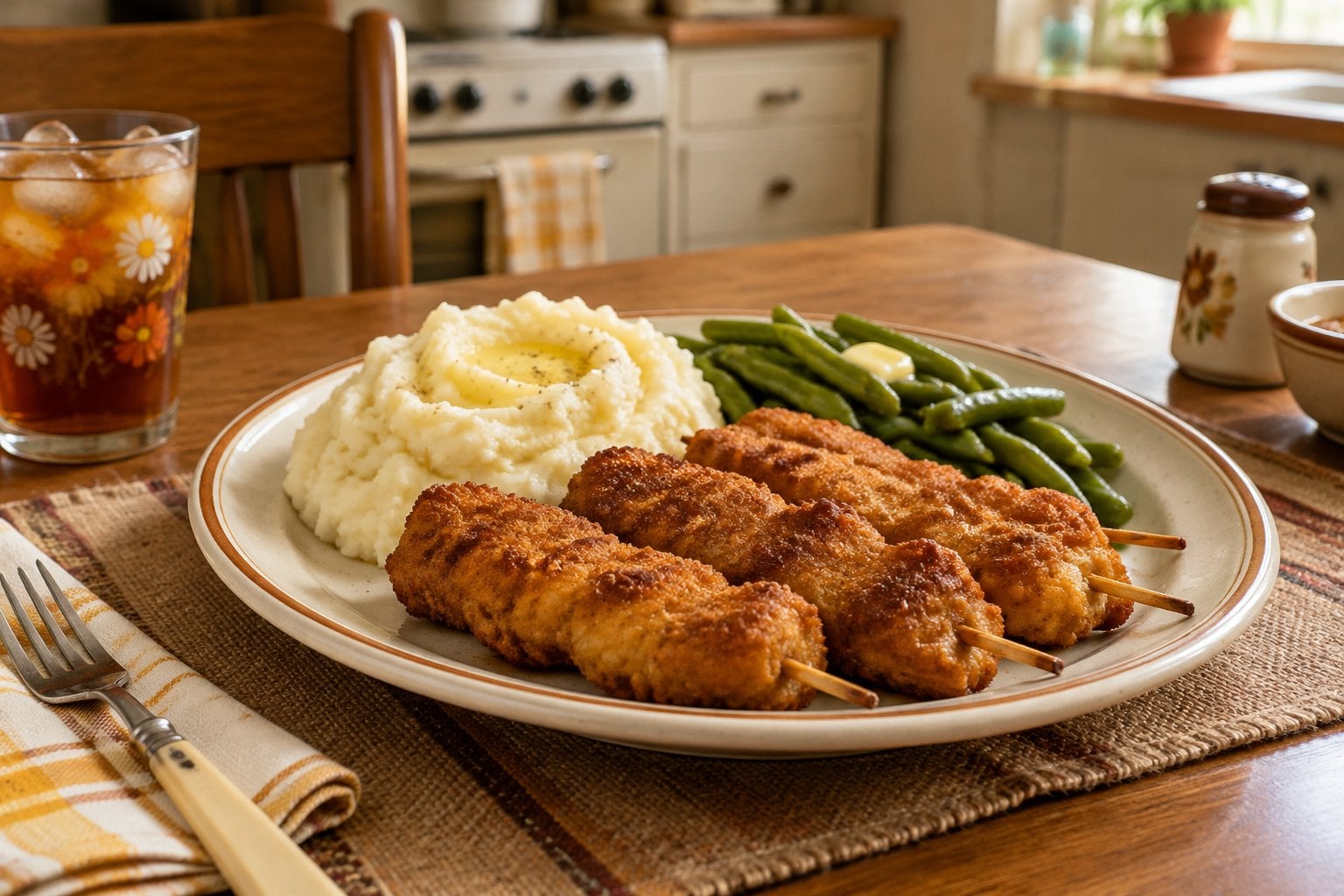
City chicken wasn’t chicken at all, and you knew it. It was cubes of pork, and sometimes veal, threaded onto short wooden skewers to look like a drumstick. The dish is usually traced to the Depression, when chicken cost more in city markets than pork scraps did, and it stayed popular for decades in places like Pittsburgh, Cleveland and Detroit.
You rolled the skewers in flour, dipped them in beaten egg and pressed them into bread crumbs or cracker crumbs. Then you browned them in a skillet and finished them in the oven, often with a little broth, until the meat turned tender.
Many butchers sold city chicken already cubed and skewered, which saved you time. With mashed potatoes and gravy, it looked like a special supper, and it let a modest amount of meat feed everyone. Your family probably still asks for it at the holidays.
You might also enjoy 29 ways 1970s housewives stretched a dollar and these classic family dinners from the 1980s.
How You Fed a Family When Prices Kept Climbing
Food prices jumped in the 1970s, and you felt every cent of it at the checkout. Meat prices climbed so fast in early 1973 that housewives across the country organized a weeklong meat boycott that April. By 1974, overall inflation had reached about 11 percent.
You answered the only way you could, at the stove. You bought the cheaper cuts and learned to make them tender. You used rice, potatoes, beans, noodles and cornbread to make a little meat go a long way. You kept the cupboard stocked with cans of tuna, salmon, soup and beans for the weeks when there was nothing left to spend. Leftover ham became soup, and Sunday’s potatoes became Tuesday’s hash.
Why These Suppers Still Hold Up
Most of these dinners are still cheap, still quick and still good, which says a lot about the women who made them. You didn’t need a recipe app or a meal kit. You needed one pan, a few staples and the know-how to stretch them.
If you made even half of these, you fed a family through a hard decade with nothing but skill and patience. Pull out the old recipe box and make one this week. The grandkids might just ask for seconds.