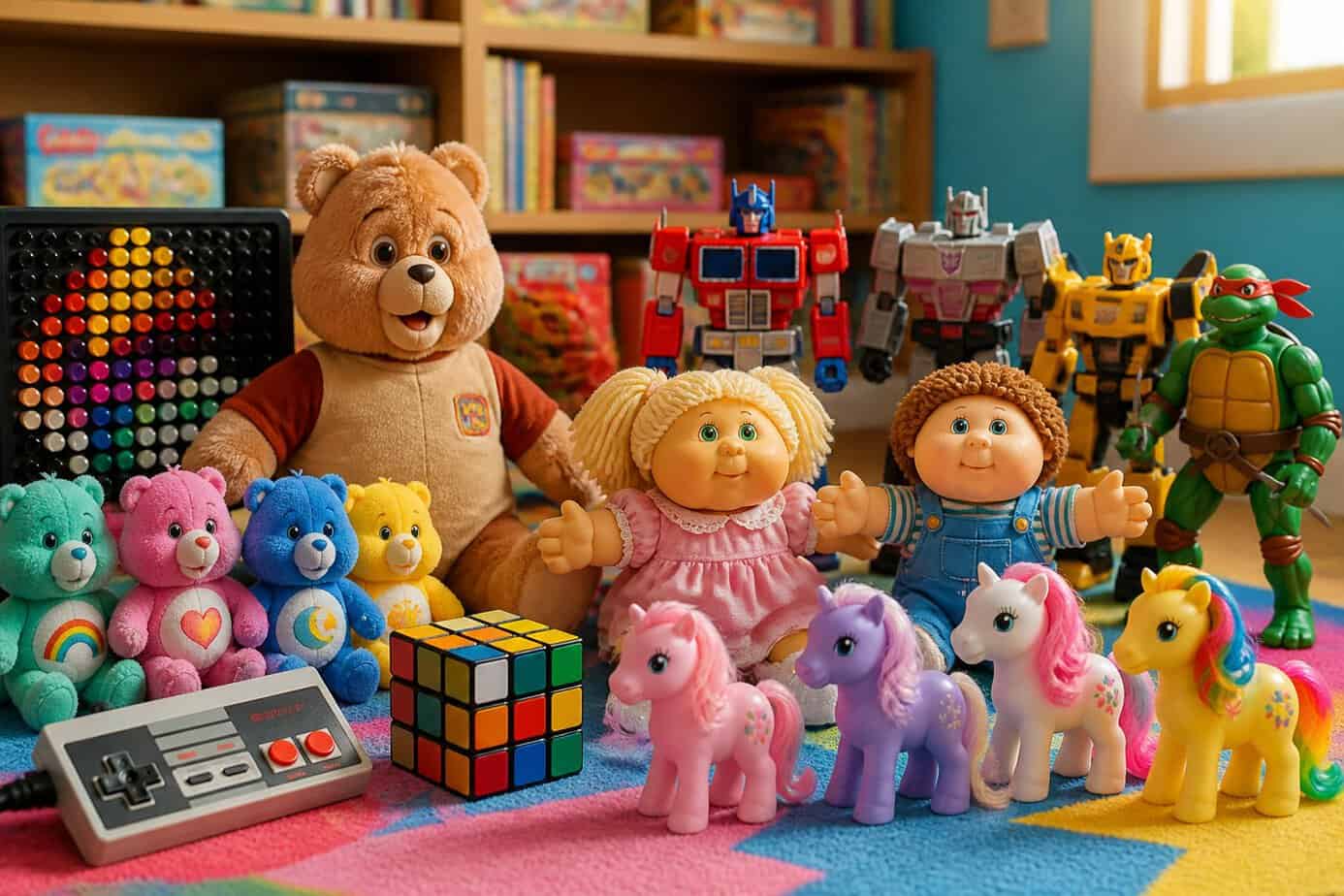
27 Summer Vacation Traditions from the 1970s That Made Three Months Feel Like a Lifetime: A Nostalgic Look at Simpler Times
Would you like to save this?
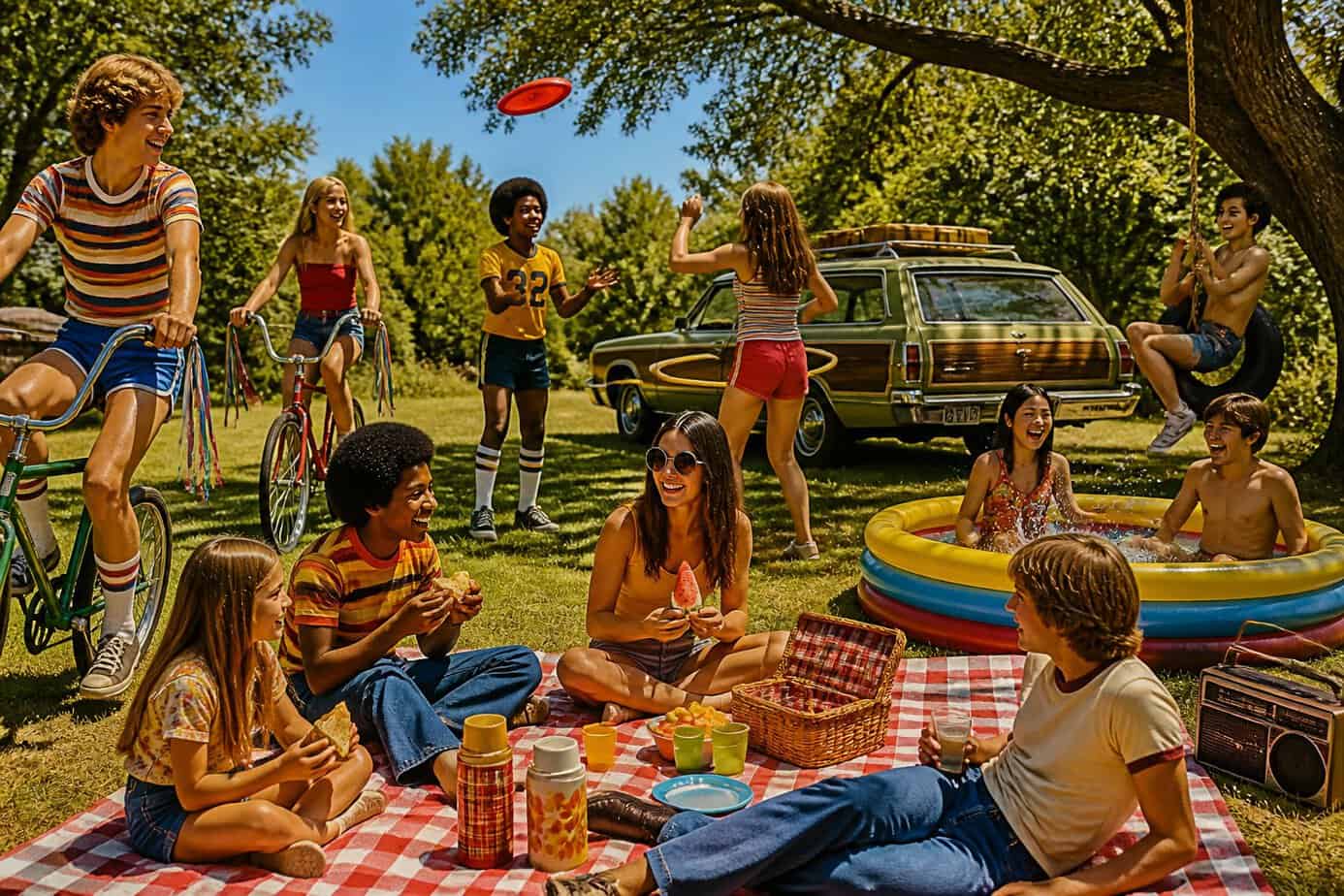
Summer vacation in the 1970s operated on a different rhythm than today. Without digital devices or structured activities filling every hour, children and families created their own entertainment through simple, repetitive traditions that shaped an entire generation’s memory of what summer should feel like.
The season stretched out with a slowness that made three months feel expansive rather than fleeting. These everyday rituals, from running through sprinklers to trading baseball cards on front porches, formed the backbone of summer freedom and created lasting memories through their very ordinariness.
The traditions weren’t expensive or complicated. They required little more than time, imagination, and the willingness to be bored enough to invent something new. What made them memorable wasn’t novelty but the comfort of knowing exactly what each summer day might bring.
1. Watching daytime TV marathons (soap operas and game shows)
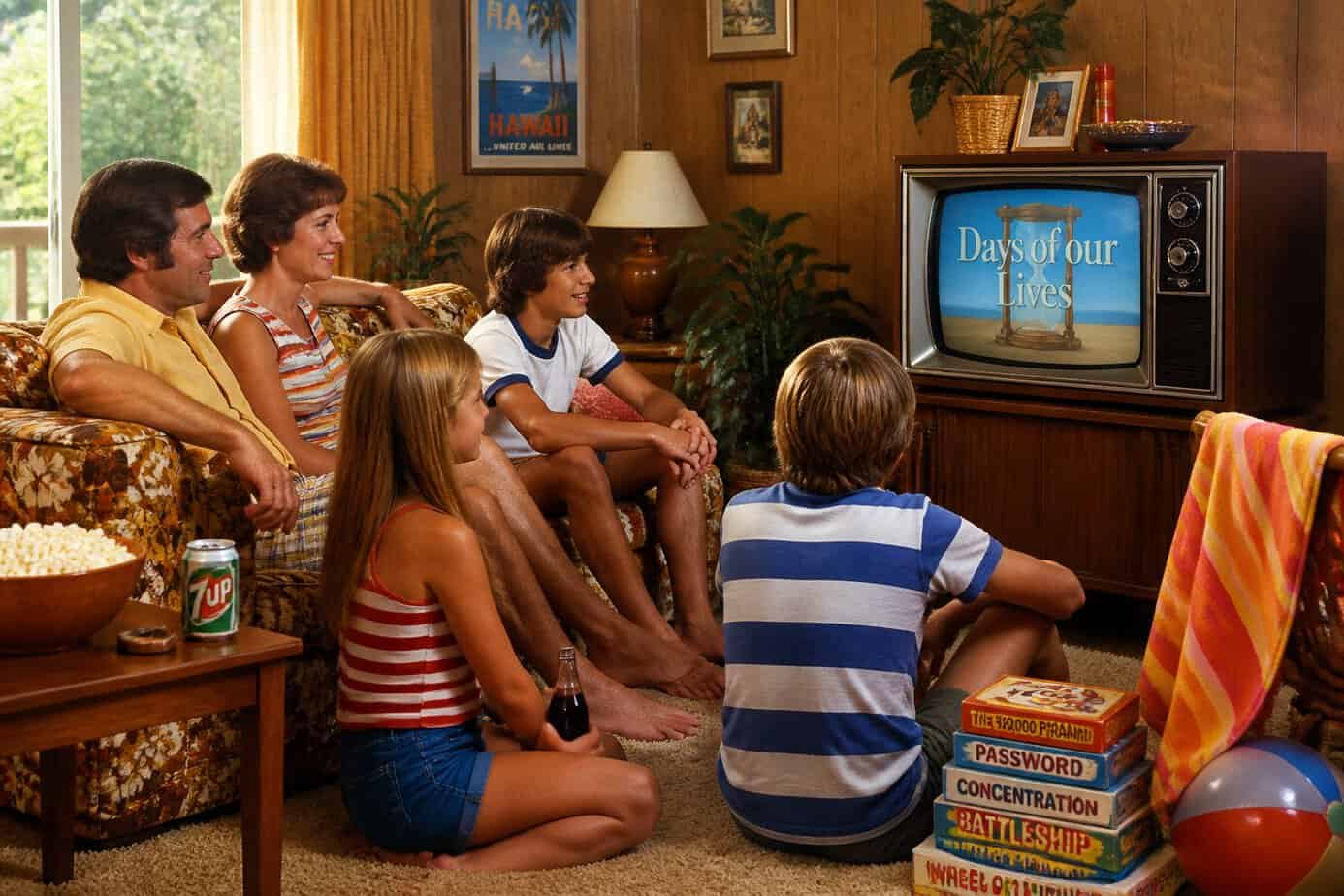
Summer vacation meant unlimited access to daytime television, something usually reserved for sick days during the school year. You planted yourself on the couch and discovered a whole world of programming that ran while you were normally in class.
Soap operas dominated the daytime lineup in the 1970s. Shows like “As the World Turns,” “Another World,” and “Guiding Light” aired back-to-back, creating natural marathons of dramatic storylines. You followed along with complicated plots involving romance, family secrets, and outlandish scenarios that kept millions of viewers hooked.
Game shows filled the remaining time slots. “The Price is Right,” “Match Game,” and “Password” became your companions during lazy summer afternoons. You shouted answers at the television and imagined yourself as a contestant winning prizes.
These marathon viewing sessions turned ordinary summer days into memorable experiences, creating a routine that marked vacation time as distinctly different from the school year.
2. Backyard lemonade stands with hand-painted signs
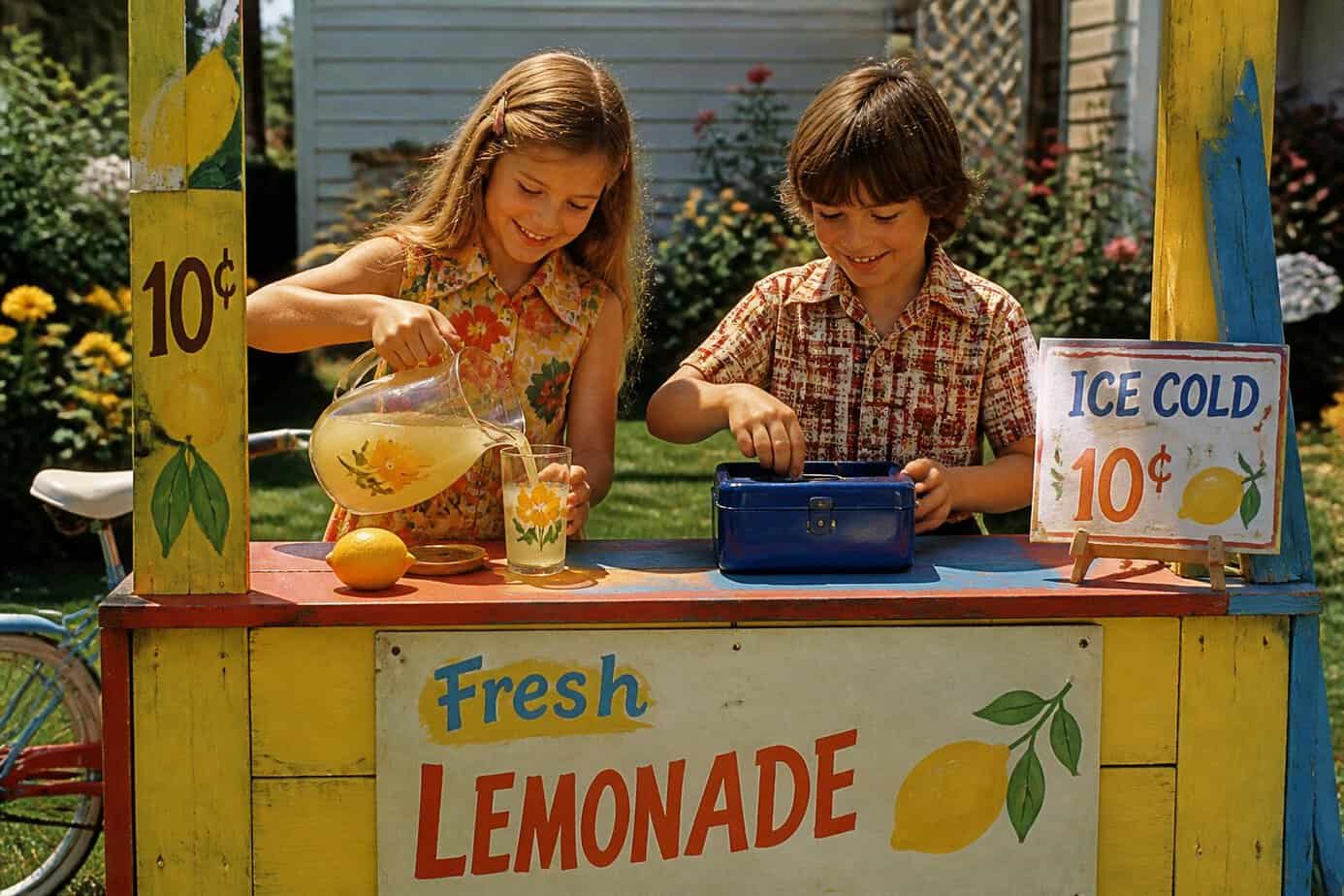
You dragged a card table to the curb and decorated a sign with big, uneven letters advertising your lemonade for a dime. This was your first taste of entrepreneurship during those long summer days.
The hand-painted signs became works of art in themselves. You used whatever poster board and markers you could find, spelling out “LEMONADE” in your best handwriting while adding prices and cheerful drawings.
Setting up your stand meant mixing up pitchers of lemonade, arranging paper cups, and waiting for neighbors to walk by. You learned about making change, talking to customers, and the satisfaction of earning your own money.
The experience taught you basic business principles without feeling like a lesson. Your parents relaxed nearby while you ran your small operation, and the whole neighborhood understood this was part of what summer meant for kids.
3. Sleeping in sleeping bags on the living room floor
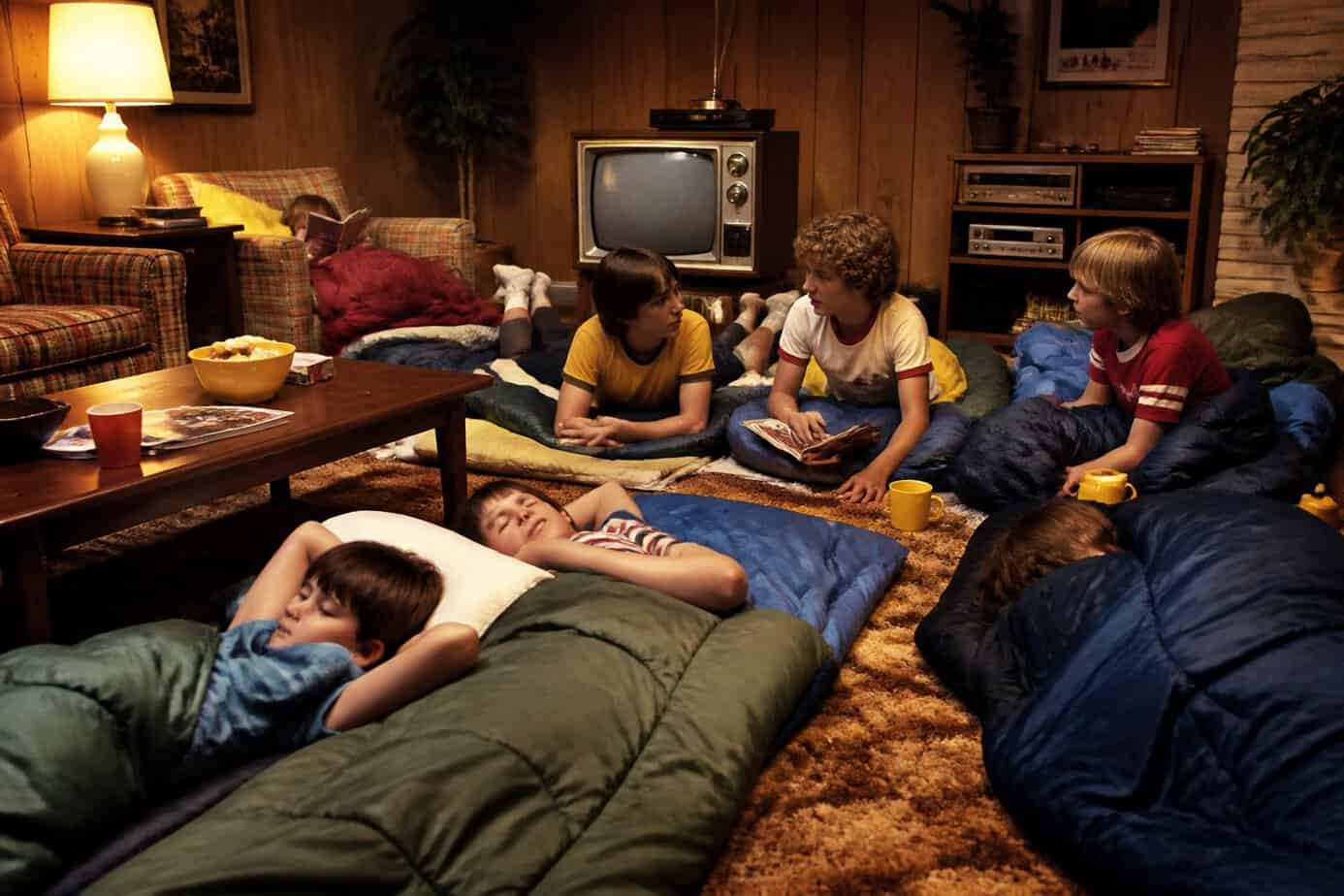
When temperatures soared and air conditioning was a luxury most families didn’t have, kids turned the living room into an improvised campsite. You’d drag your sleeping bag down from the closet and claim your spot on the carpet, usually right in front of the oscillating fan.
The cooler basement might have been the smarter choice, but the living room felt more like an adventure. You’d stay up later than usual, whispering with siblings and listening to the hum of box fans positioned strategically around the room.
Those nights felt special precisely because they broke the normal routine. Your parents allowed it because everyone was too hot to sleep upstairs anyway. The carpet pressed patterns into your cheek, and you’d wake up sticky with humidity, but it beat sweating through your sheets on the second floor.
4. Family road trips with CB radio chatter
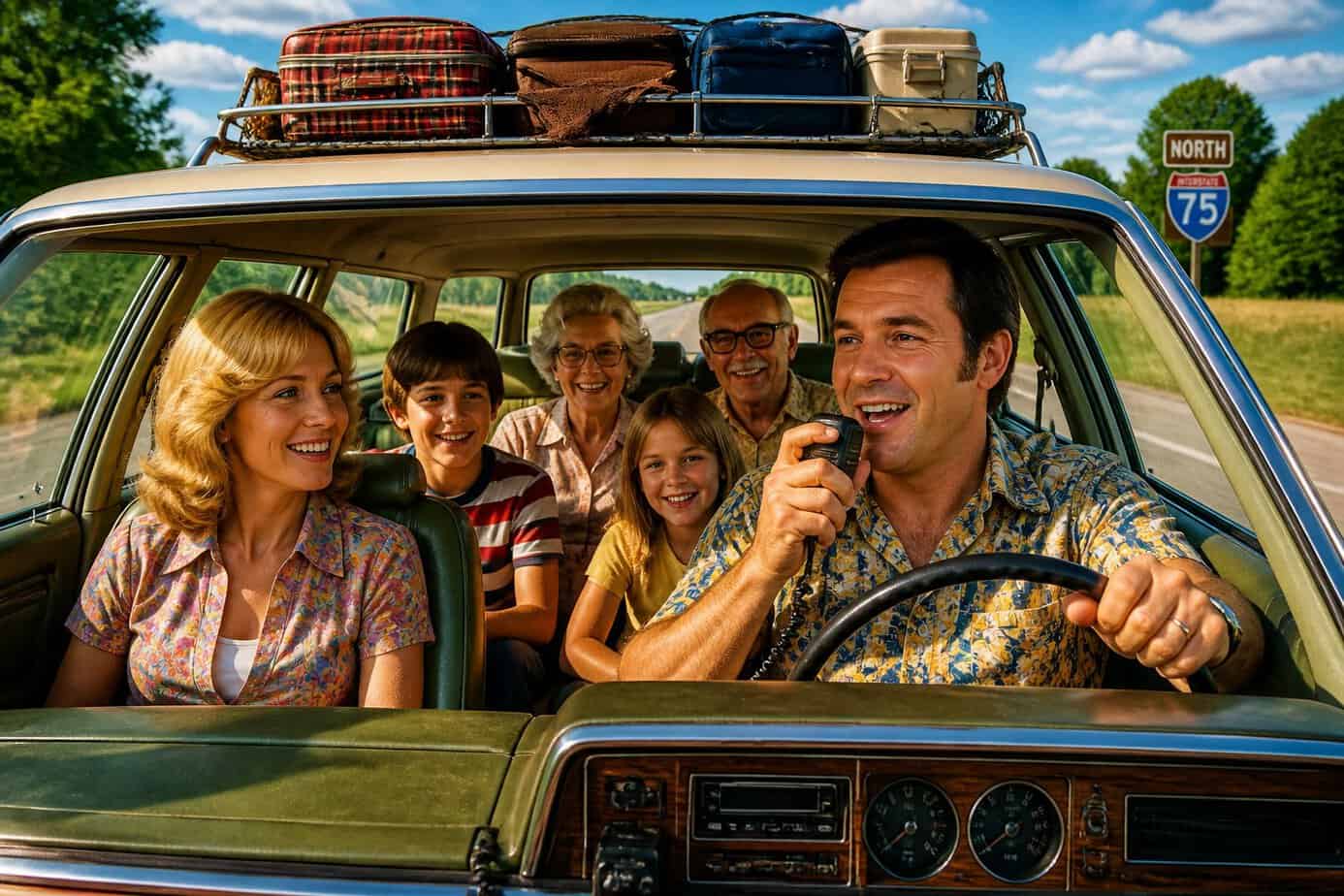
CB radios transformed your family’s station wagon into a mobile communication hub during 1970s road trips. Your parents likely chose CB handles before the trip even started, turning highway communication into a family activity.
You listened to truckers swap traffic updates and warnings about speed traps ahead. By 1977, more than 20 million CB radios were in use across America. Kids treated monitoring the radio like detective work, eagerly reporting what they heard through the static.
The crackle of voices sharing road conditions and directions made you feel connected to other travelers. Your family picked up trucker slang and learned to decode their conversations. This shared experience turned long highway stretches into something interactive rather than boring.
5. Hand-me-down swimsuits and tube socks to the beach
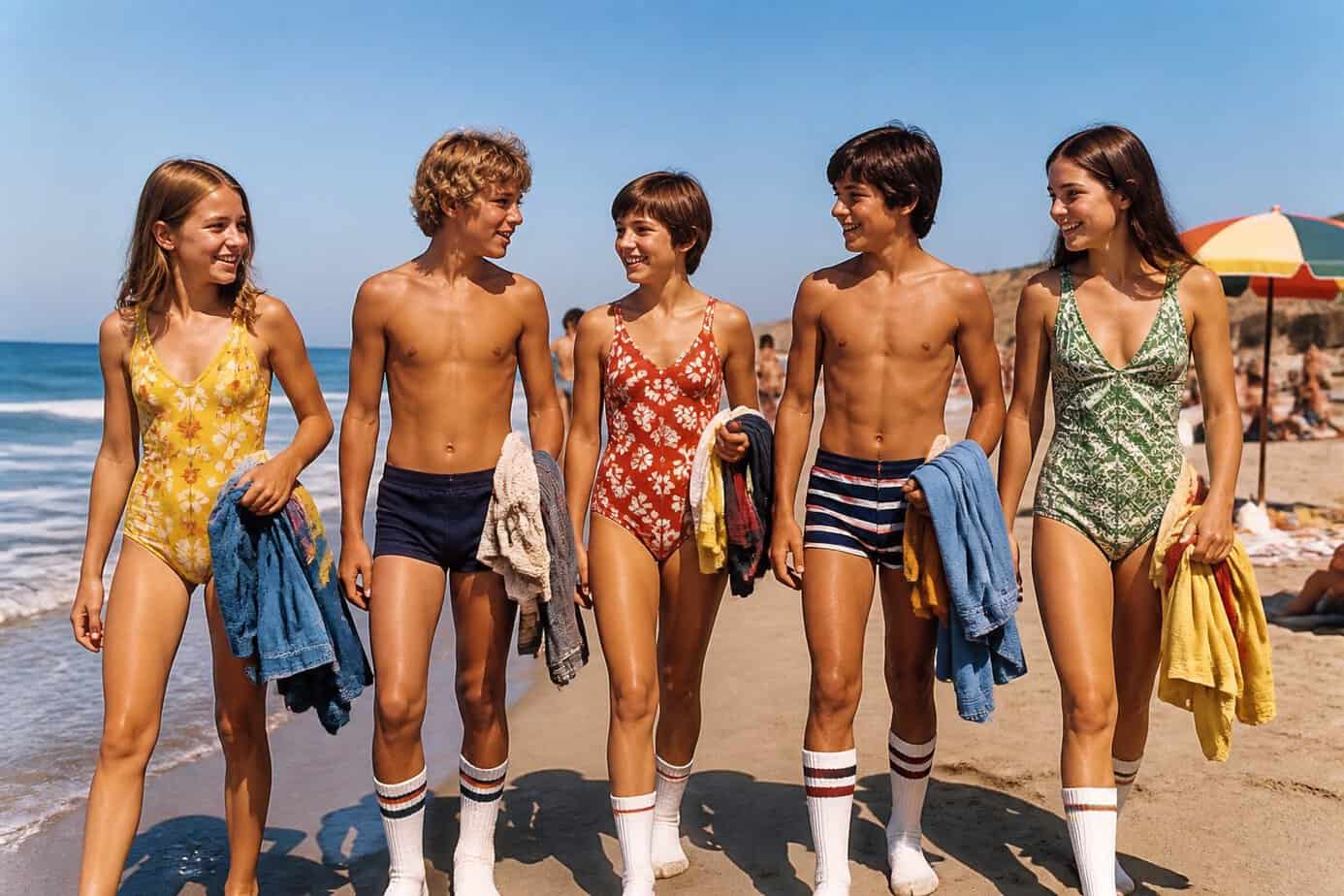
Your 1970s beach wardrobe rarely included brand-new swimwear. Instead, you inherited last year’s faded bikini from your older sister or wore your brother’s stretched-out swim trunks. The elastic had usually lost its snap, and the colors had bleached from repeated exposure to chlorine and sun.
You paired these hand-me-down suits with tube socks pulled up to your knees. These striped athletic socks served as makeshift sunburn protection and were considered perfectly acceptable beach attire. They absorbed sand, stayed damp for hours, and left tan lines that lasted all summer.
Your parents saw no reason to buy new swimwear when the old ones still technically functioned. The fit didn’t matter as much as simply having something to wear in the water.
6. Renting a motel room with a neon sign and coin-operated ice machine
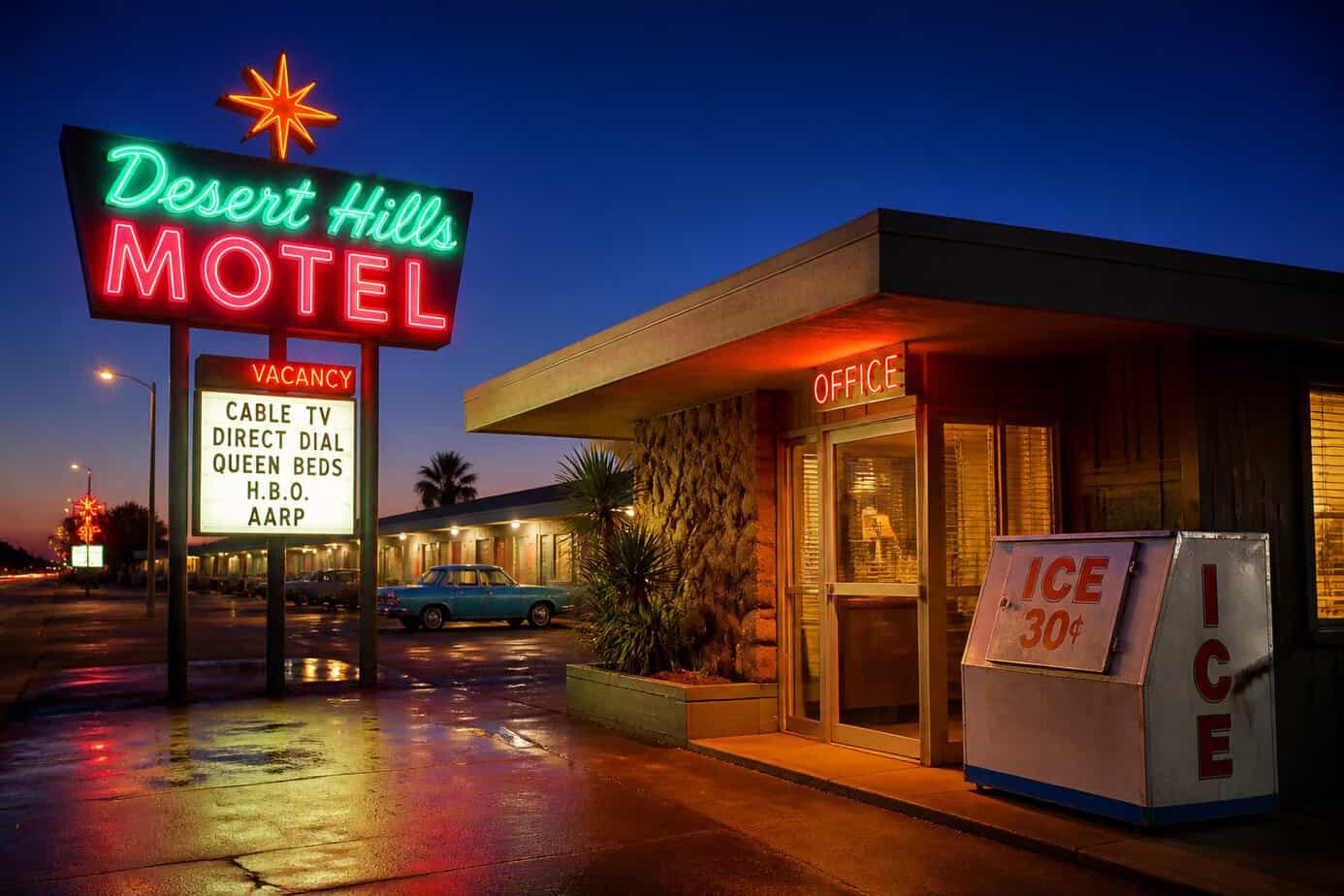
Your family didn’t need an app to find a place to stay. You watched for neon signs glowing against the highway darkness, their bright letters promising vacancy and a pool.
The motel office smelled like cigarettes and air conditioning. You’d grab the room key attached to a heavy plastic tag while your parents filled out the registry by hand. Outside your room door, a humming ice machine waited, ready to dispense cubes for your cooler or soda cup.
The rooms were simple but predictable. Two beds with thin bedspreads, a wall-mounted phone, and a TV that might have required coins to operate. You didn’t need luxury. After hours in a hot car, that motel room with its window AC unit felt like everything you needed for the night.
7. Collecting baseball cards and trading them on porches
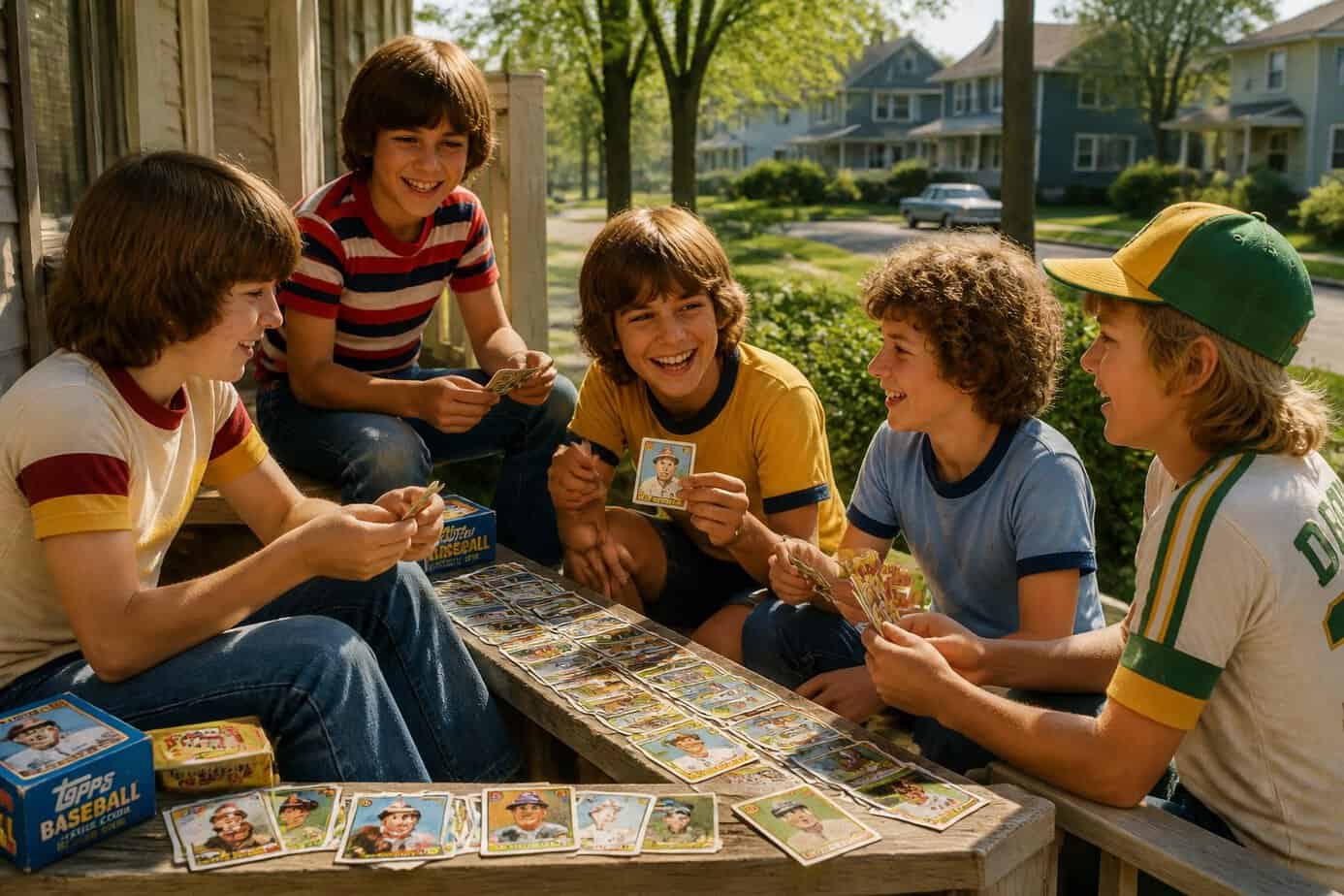
You ripped open wax packs hoping for your favorite player, then immediately headed to your friend’s porch to negotiate trades. The smell of bubble gum and fresh cardboard signaled the start of another afternoon spent arranging cards by team, player, or condition.
Front porches and stoops became informal trading floors where you haggled over doubles and debated player stats. You learned negotiation skills as you tried to convince someone that your extra outfielder was worth their starting pitcher.
Your collection grew through the summer, stored in shoeboxes or rubber-banded stacks. The cards themselves mattered less than the ritual of flipping through them with friends, arguing about whose collection was better, and planning your next trade before dinner time called you home.
8. Building elaborate blanket forts in the den
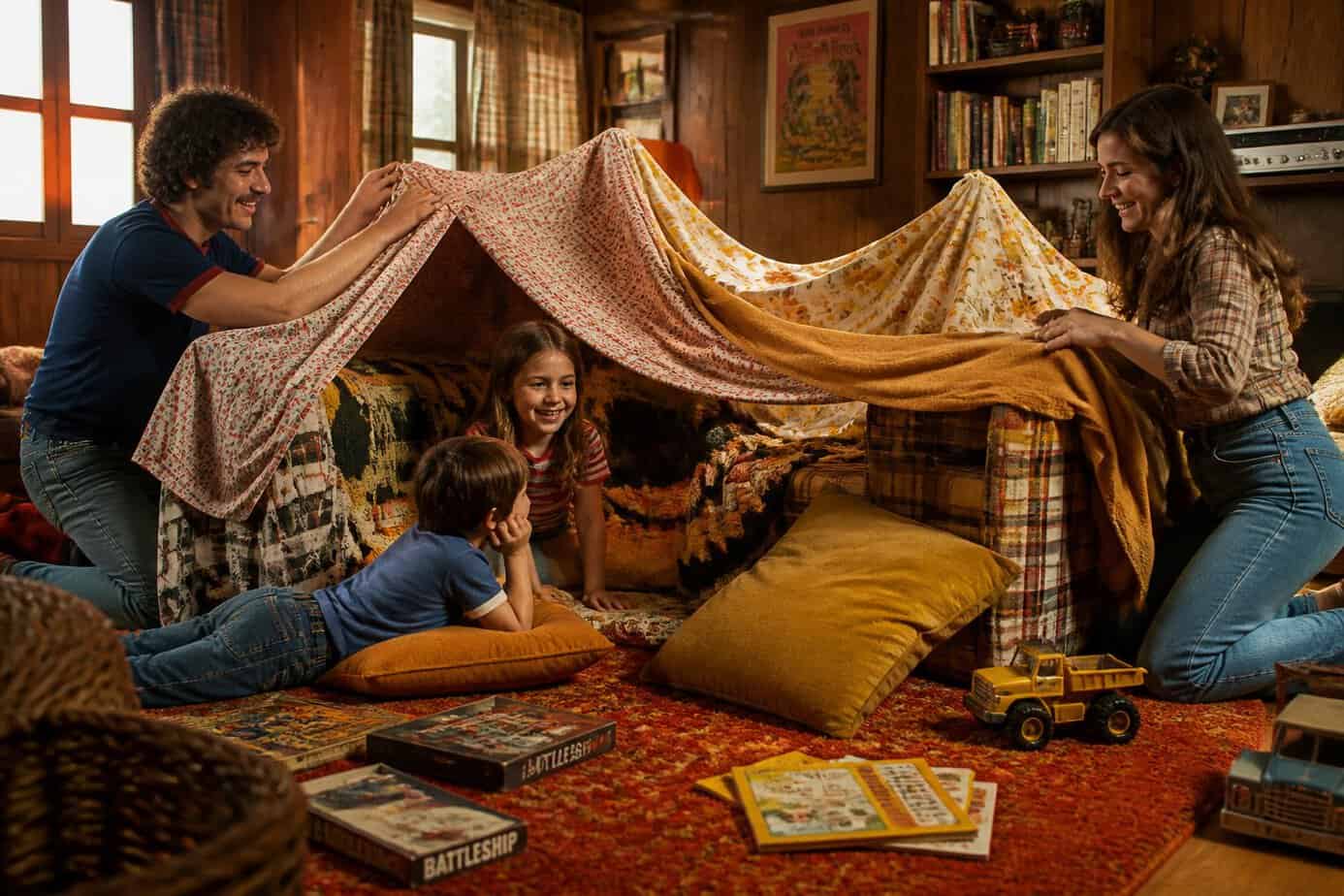
You grabbed chairs from the dining room and couch cushions from anywhere you could find them. A white sheet or blanket draped over the top transformed your living room into something entirely new.
The construction process mattered as much as the finished product. You negotiated with siblings about which cushions provided the best walls and which chairs created the tallest ceiling. Every fort had its own architecture based on whatever furniture your parents would let you borrow.
Once inside, you had your own private world. You brought in books, snacks, and flashlights to extend the experience. The fort stood for days sometimes, becoming your default hangout spot until your parents needed the furniture back.
These temporary structures required no special materials or parental planning. You simply saw the possibility in ordinary household items and made it happen.
9. Reading library paperback mysteries during long afternoons
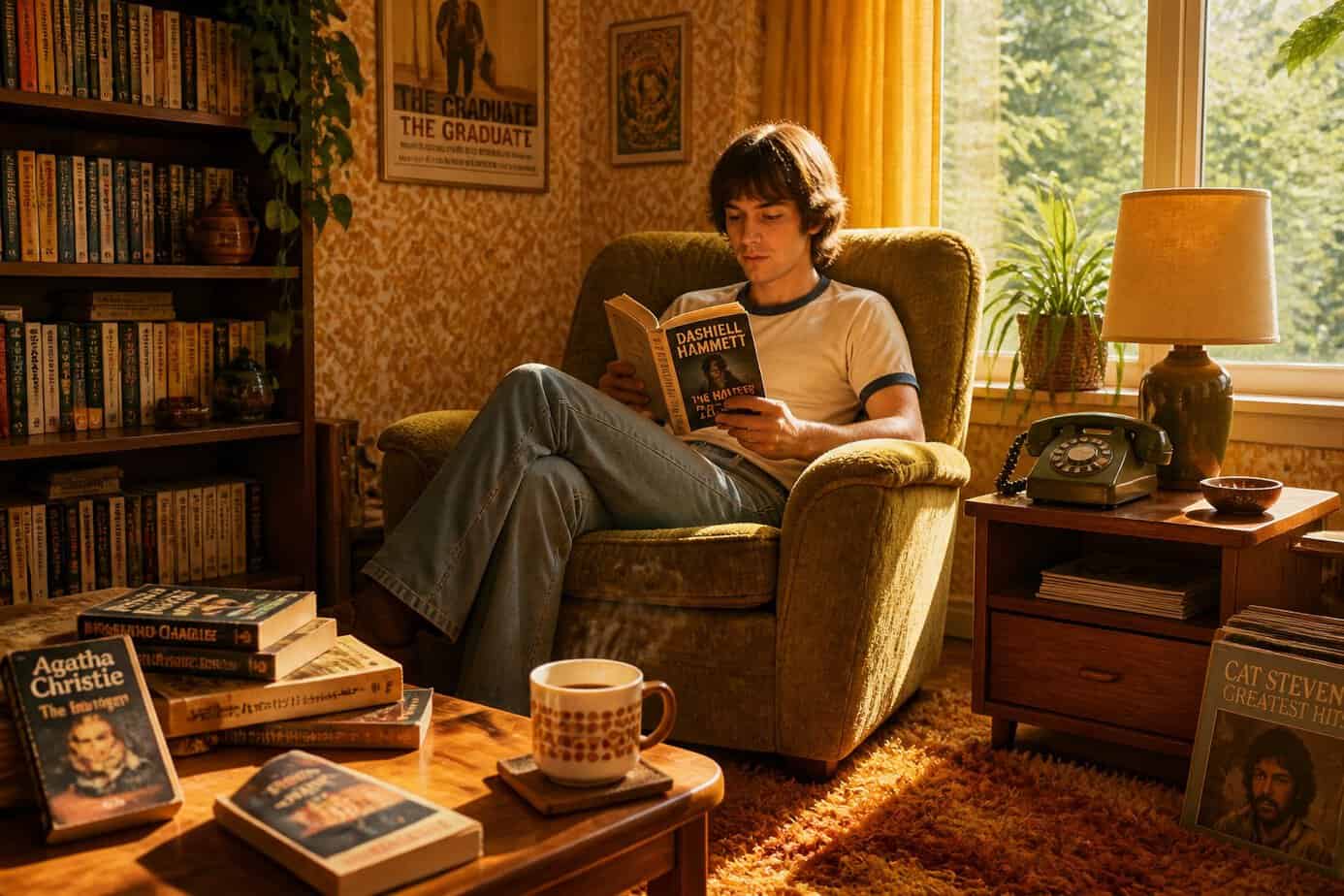
You’d spend hours stretched out on the couch or sprawled across your bed, lost in a suspenseful mystery novel from the library. The 1970s were a golden age for mystery paperbacks, with authors like Mary Higgins Clark captivating readers with gripping stories perfect for lazy summer days.
Your local library was a treasure trove of well-worn mysteries that had been passed between countless readers. You’d grab a stack during your weekly visit and work through them one by one.
These weren’t glossy hardcovers but dog-eared paperbacks with dramatic cover art that promised intrigue and suspense. Without phones or streaming services demanding your attention, you could disappear into these stories for hours. The quiet concentration of reading through a hot afternoon became its own kind of summer ritual.
10. Neighborhood bike scavenger hunts with rope-tied bikes
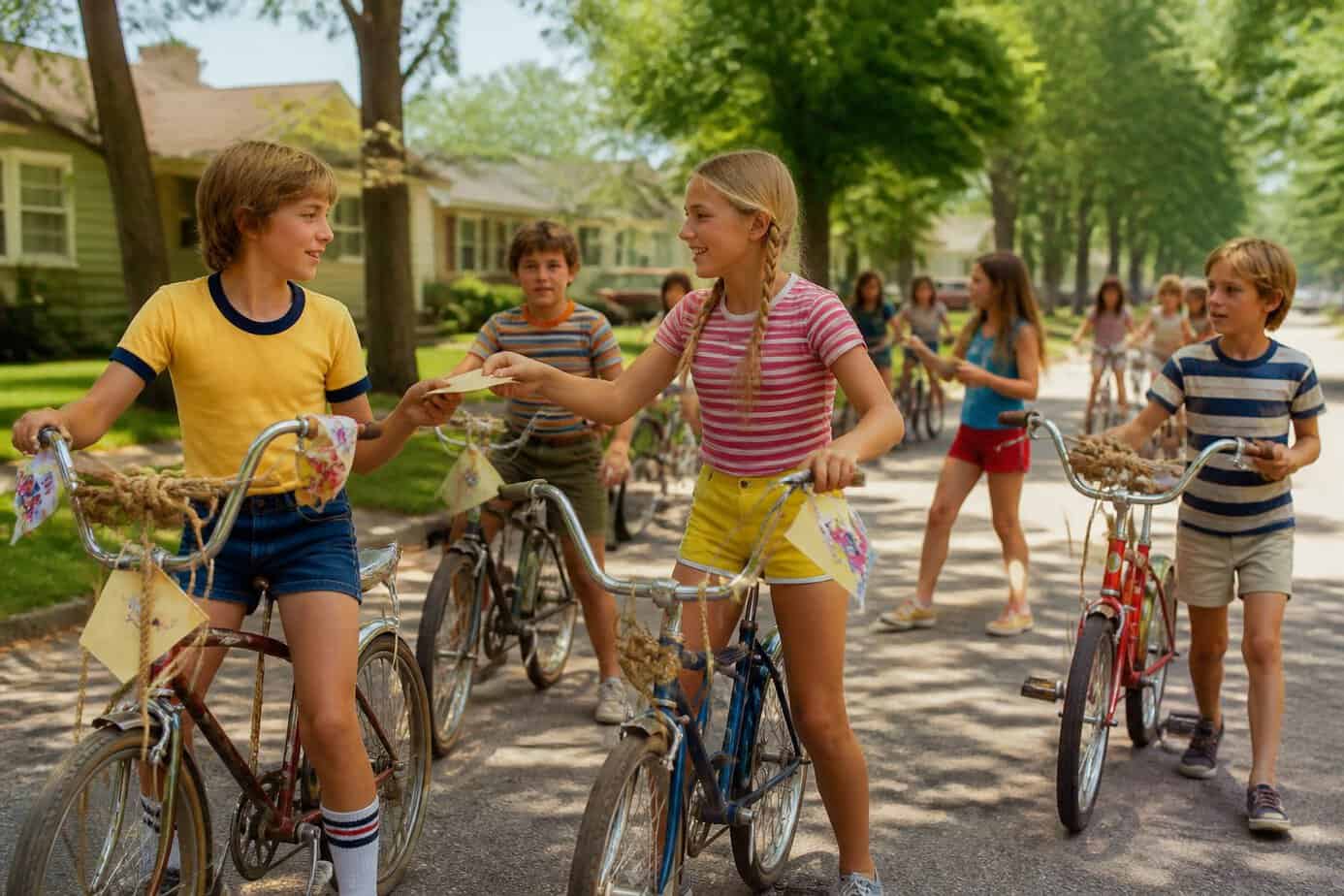
Your summer mornings often started with neighbors gathering their bikes for an impromptu scavenger hunt around the block. Someone’s older sibling would write up a list of items to find, and you’d race off in teams to collect them all.
The rope-tied bikes were a necessity back then. Many bikes lacked proper kickstands or had broken ones, so you secured your ride to tree trunks, fence posts, or mailboxes with whatever rope you had on hand. This kept your bike from falling over while you searched yards and porches for hunt items.
You’d spend hours looking for things like pinecones, specific colored flowers, or bottle caps. The hunt ended when someone returned with everything on the list. Winners earned bragging rights until the next game started.
11. Making mixtape cassettes from the radio with precise pause-button timing
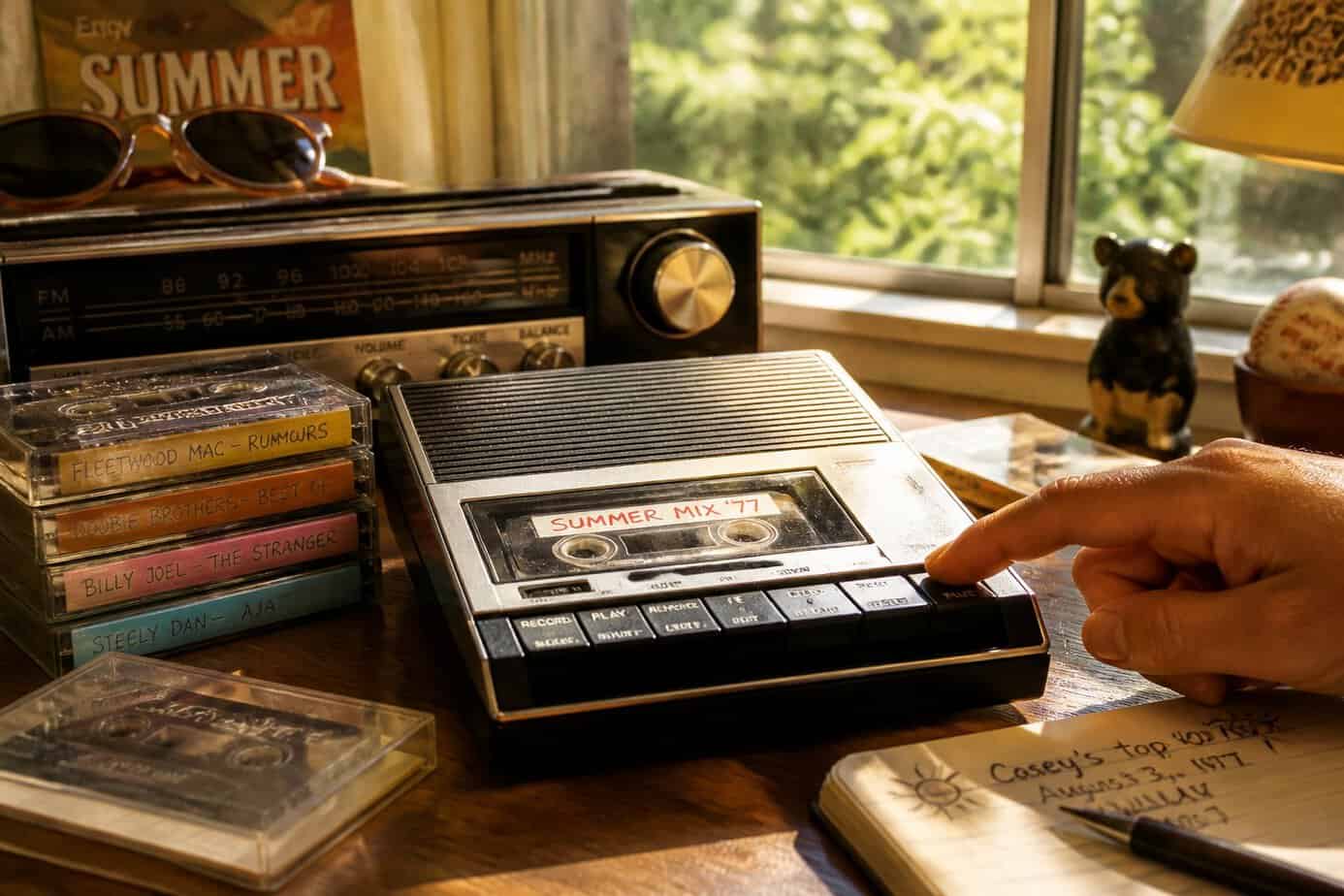
You positioned yourself next to your radio-cassette player, blank tape loaded and ready. The DJ announced the upcoming songs, and you waited with your finger hovering over the pause button.
Timing was everything. You pressed record at the exact moment the song started, trying to avoid capturing the DJ’s voice. Between tracks, you hit pause to skip commercials and chatter.
Your tape counter helped you track how much space remained on each side. You calculated whether a five-minute song would fit before the tape ran out. TDK and Maxell cassettes cost around two dollars and gave you 90 minutes to fill.
The challenge made every successful recording feel like an achievement. You built your summer soundtrack song by song, commercial by commercial, creating something uniquely yours.
12. Playing kick-the-can and capture-the-flag until dusk
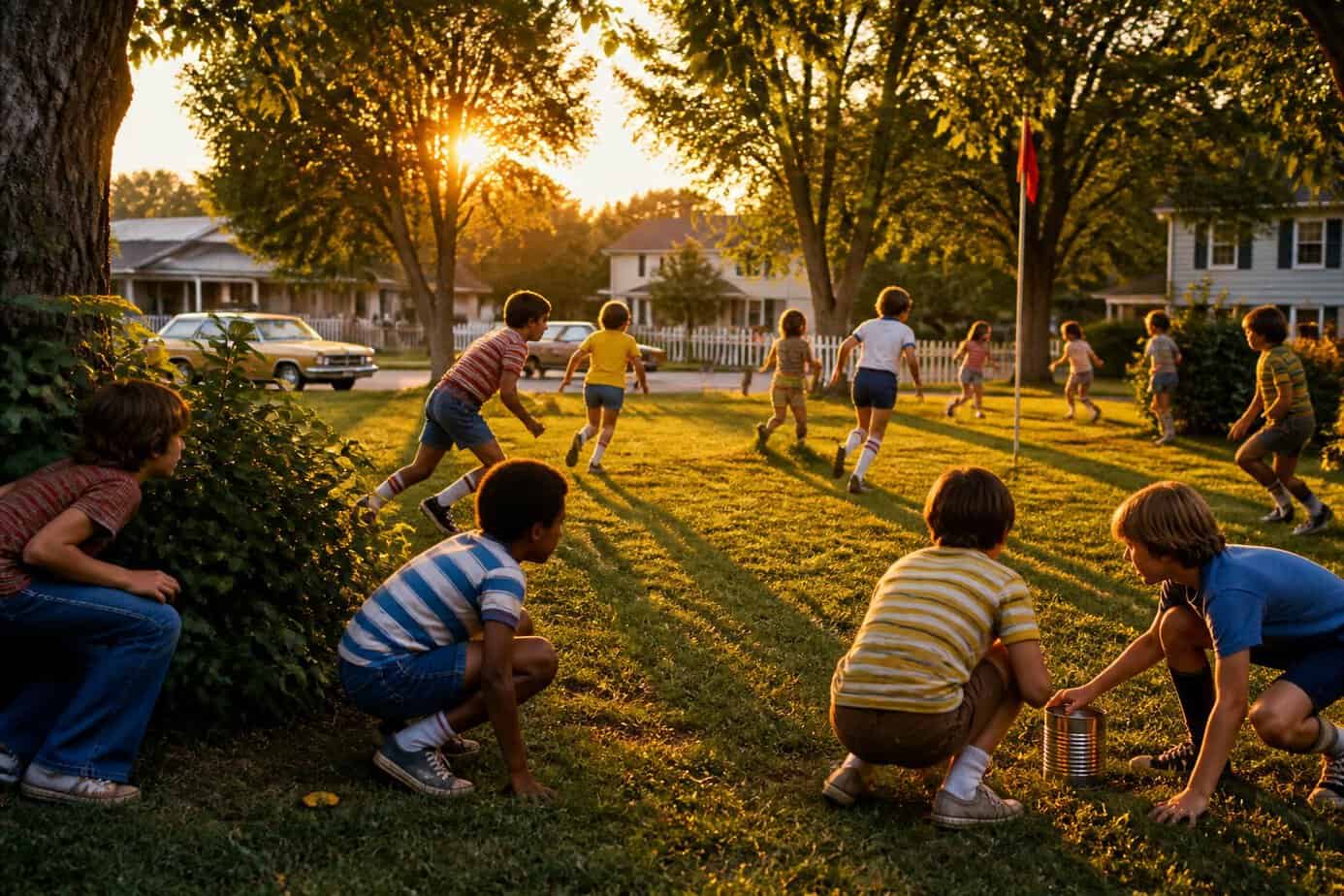
You gathered whoever was around and divided into teams right there on the street. These games required nothing more than a tin can or general agreement on territory boundaries.
Kick-the-can combined elements of tag and hide-and-seek. One person guarded the can while everyone else hid, then players tried to kick it before getting tagged. The rules were straightforward enough, though debates about whether someone was actually safe could stretch on endlessly.
Capture-the-flag turned your neighborhood into contested territory. You defended your flag while planning raids into enemy ground. The game continued until parents called you in or darkness made it impossible to see who was on which team.
Both games ended naturally when the streetlights came on, signaling the official end of outdoor time.
13. Sunbathing with baby oil and zinc oxide sunscreen
Would you like to save this?
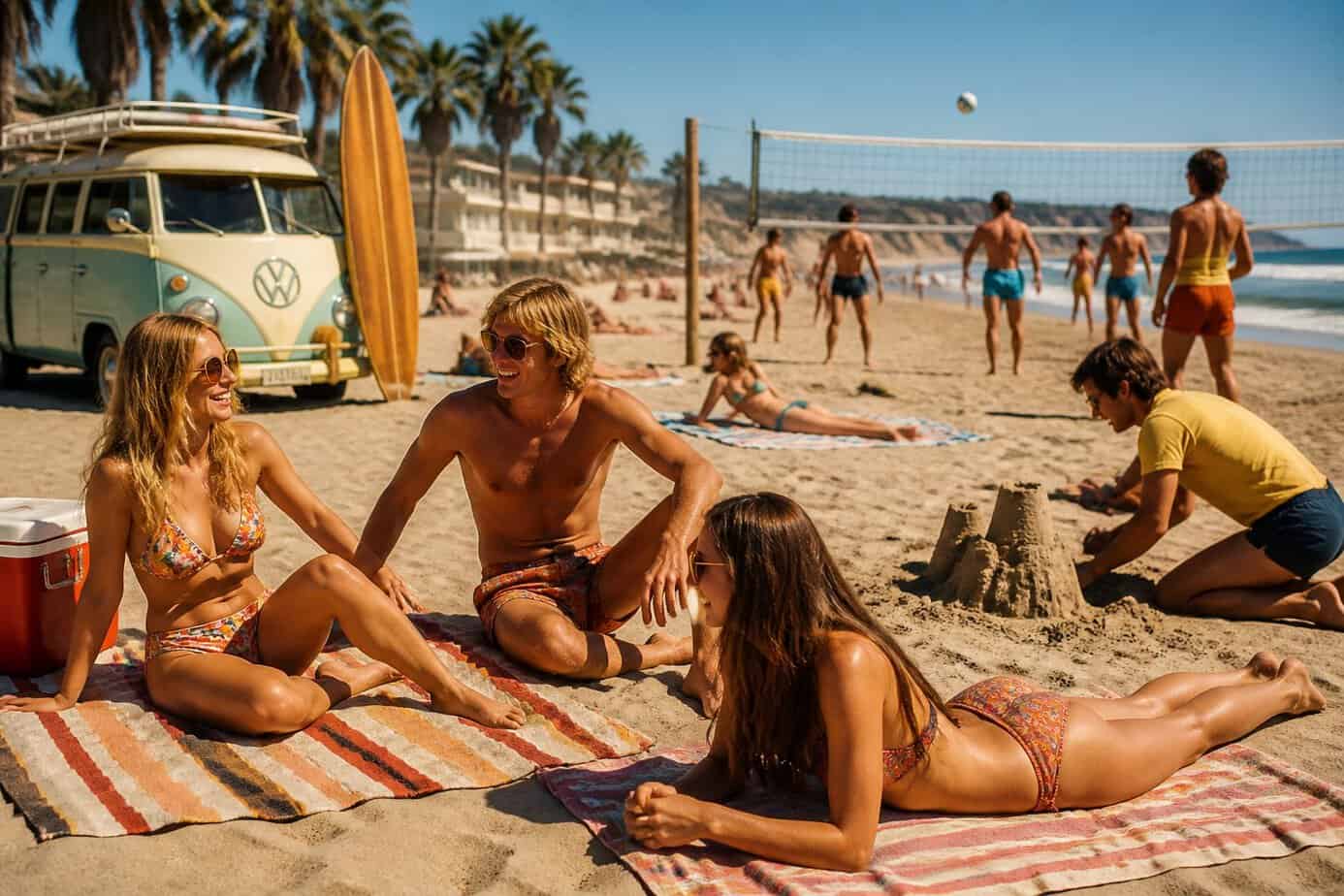
You spent hours baking in the sun with baby oil slathered across your skin, treating it like a tanning accelerant rather than protection. The goal was a deep bronze glow, and the oil’s shiny finish made you look like you were already there.
High-SPF sunscreens existed but weren’t widely used yet. Most beachgoers ignored dermatologist warnings about skin damage the same way they dismissed other health advisories of the era.
The only concession to sun safety was thick white zinc oxide paste on your nose and lips. It looked ridiculous and stayed visible all day, marking you as either a lifeguard or someone who’d already learned about sunburns the hard way.
Your parents likely used the same approach, making it a multi-generational tradition that wouldn’t hold up to today’s skincare standards.
14. Visiting the drive-in theater in the family station wagon
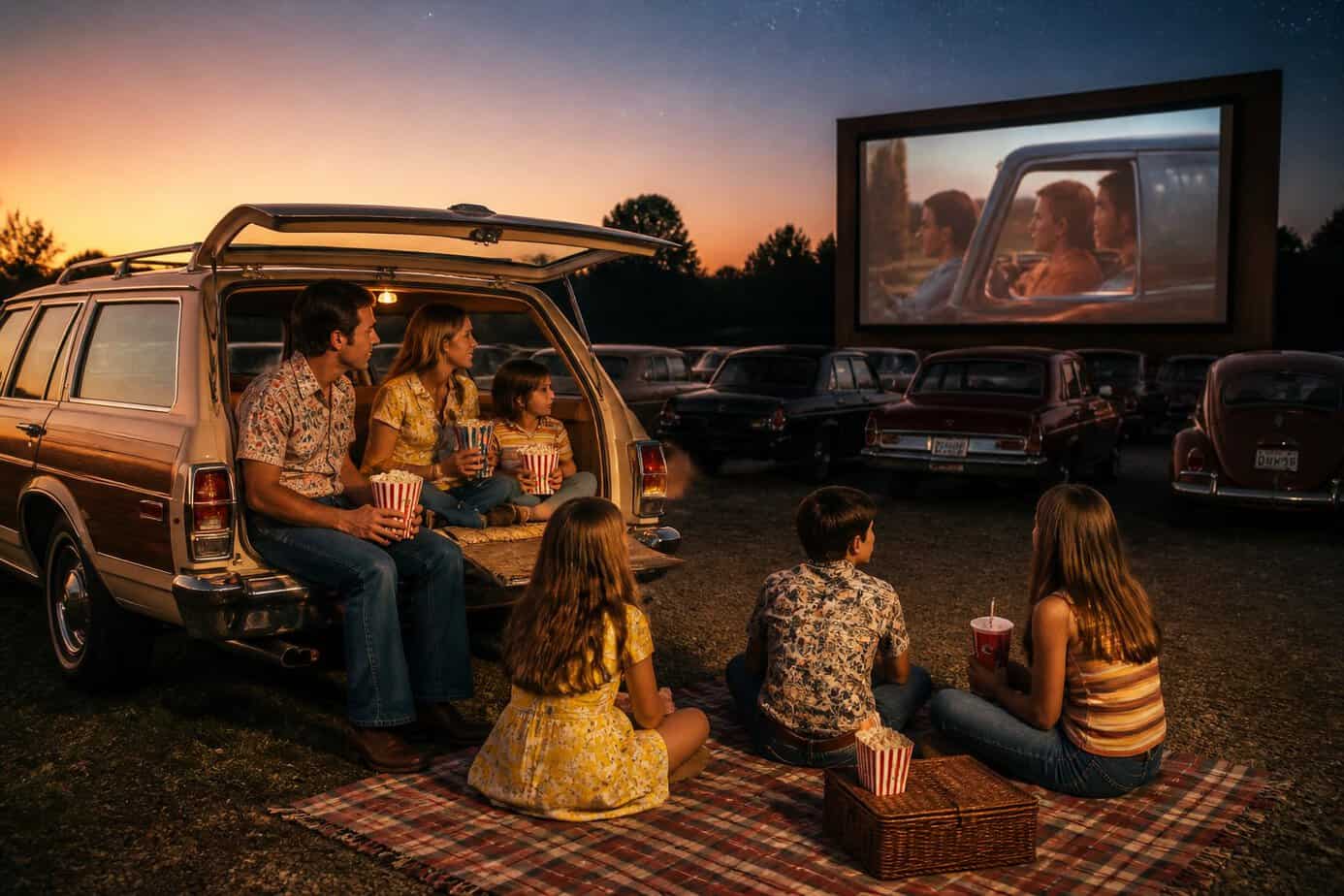
The station wagon and drive-in theater formed the perfect pairing for 1970s summer entertainment. Your family could pile into the vehicle with blankets, pillows, and snacks, then back into a parking spot for the show.
The tailgate flipped down to create a comfortable viewing platform. You and your siblings would sprawl out in the cargo area while your parents sat up front. This setup accommodated the whole family without the expense of individual movie tickets.
Over 4,000 drive-ins operated across America during this era. The outdoor theaters offered double features that stretched late into warm summer nights. You could watch movies under the stars while enjoying the privacy and comfort of your own space.
The experience combined entertainment with practicality, making it a regular part of summer weekends.
15. Catching fireflies in Mason jars at twilight
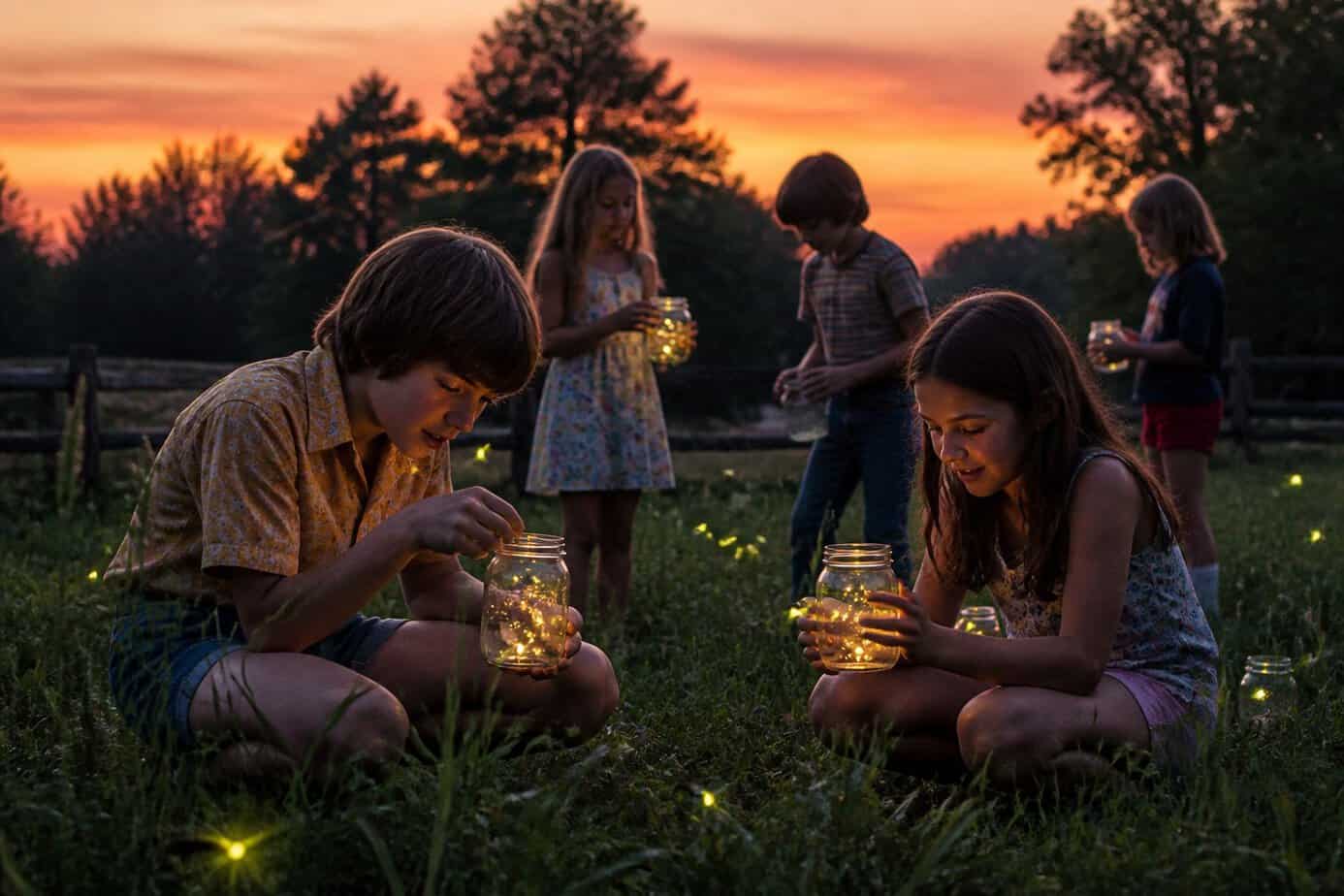
As daylight faded, you grabbed an old Mason jar with holes punched in the metal lid. Your parents had likely used a hammer and nail to create those breathing holes earlier in the day.
You ran barefoot through the yard, watching for the telltale yellow-green flashes. The challenge was timing your capture just right, cupping your hands around the glowing insect before gently guiding it into the jar.
Your collection created a living lantern that you could admire up close. The jar sat on your nightstand or porch, casting soft, intermittent light throughout the evening.
Before bedtime, you unscrewed the lid and released your fireflies back into the night. This simple ritual cost nothing but provided entertainment that lasted for hours, marking the transition from day to night during those long summer evenings.
16. Playing Atari Pong or early console games with friends
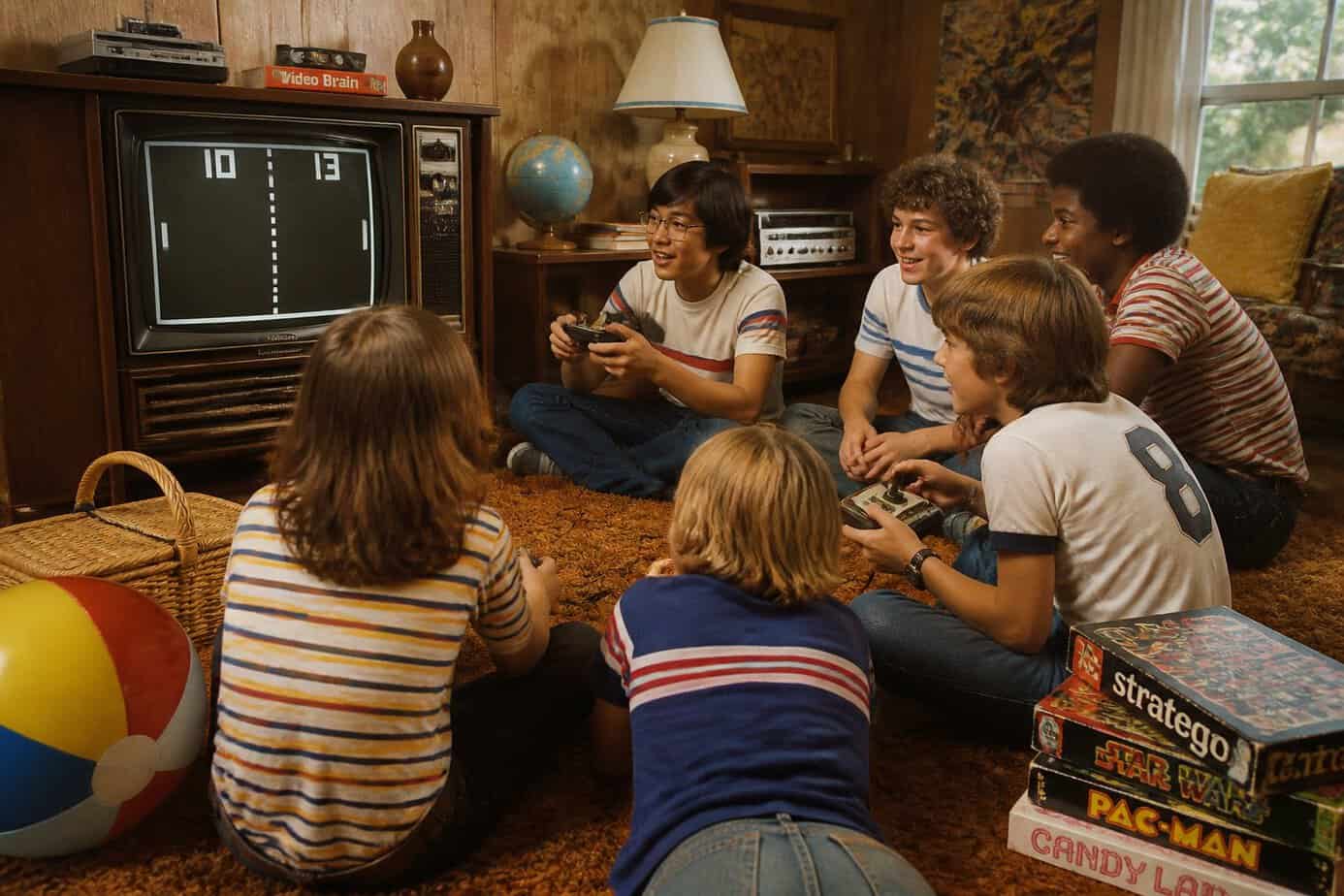
Having a friend with an Atari meant instant popularity during summer break. You’d crowd around the TV with neighborhood kids, taking turns with the paddle controllers and watching a white dot bounce across the screen.
Pong arrived in homes in 1975, and by the late 1970s, the Atari VCS became the must-have system. The games were simple by today’s standards, but they offered something new: interactive entertainment you controlled.
Summer days included heated debates about whose turn it was next. You’d spend hours perfecting your technique, trying to outscore friends in games that now seem basic but felt revolutionary then.
The Atari turned living rooms into gathering spots where you’d challenge each other until someone’s parents called everyone home for dinner.
17. Weekly family barbecue with potato salad and grilled hot dogs
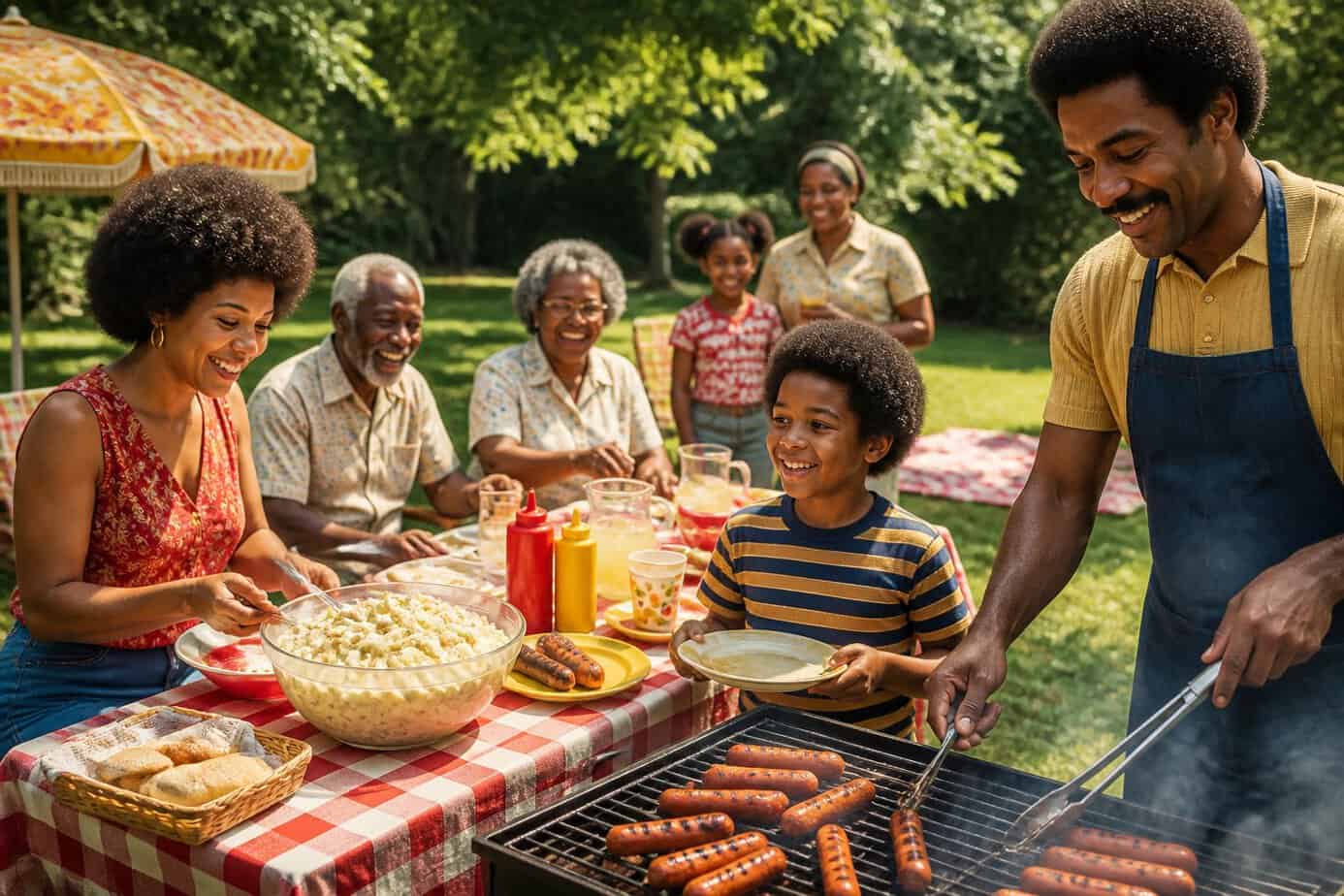
Your weekends in the 1970s likely revolved around the backyard grill. Dad stood at the charcoal barbecue in his apron while you ran around the yard waiting for dinner.
The menu stayed simple and predictable. Hot dogs, hamburgers, and occasionally ribs made up the main course. Your mom prepared potato salad, coleslaw, and baked beans as sides.
These gatherings happened nearly every week during summer. Neighbors sometimes dropped by with their own contributions, turning a family meal into an impromptu block party.
You didn’t need fancy equipment or complicated recipes. The food tasted good because you ate it outside with people you cared about. The smoke from the grill and the sound of conversation filled your yard until the sun went down.
18. Borrowing mom’s station wagon for packed-picnic days at the lake
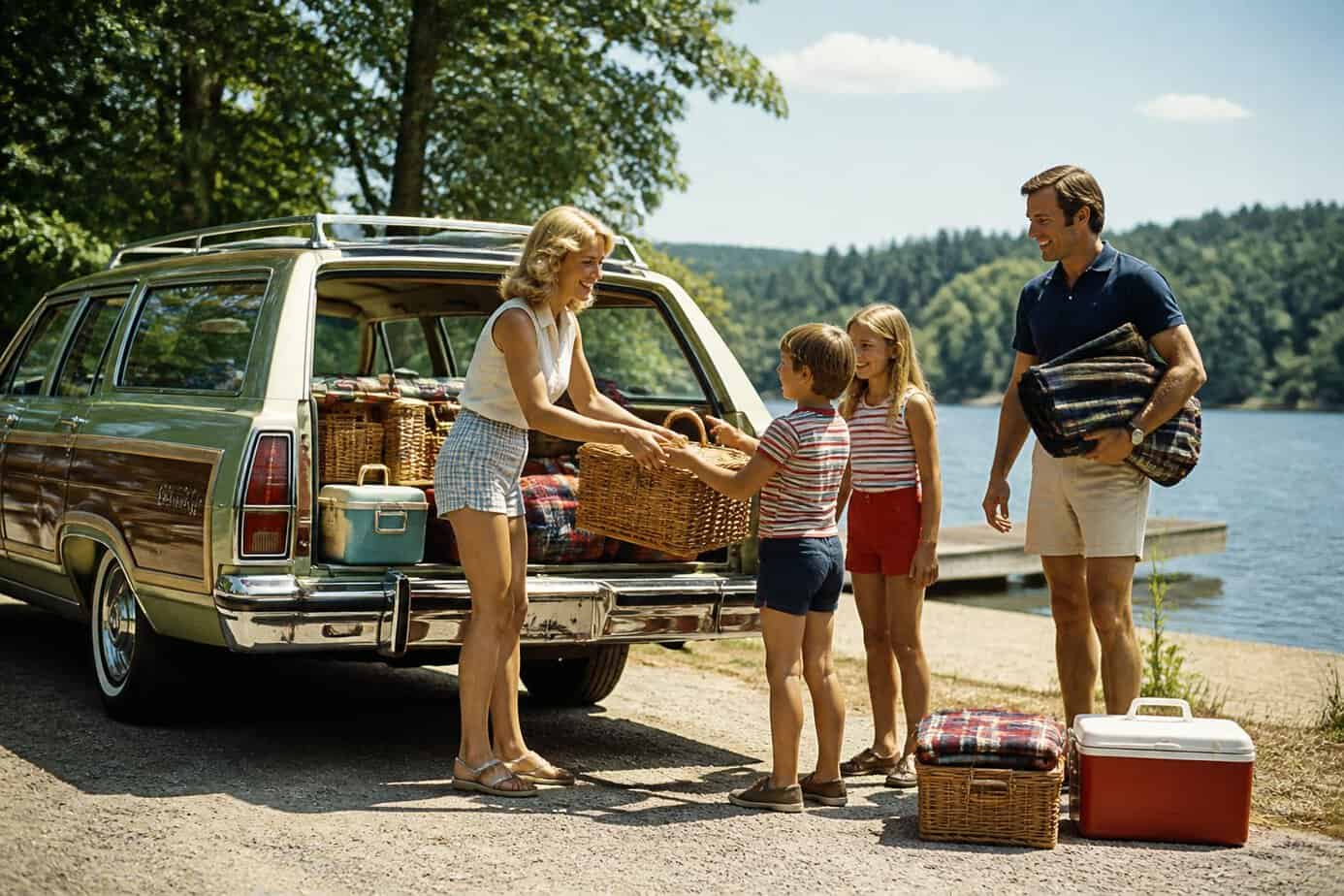
The family station wagon served double duty in the 1970s, and once you got your license, it became your ticket to lake adventures. You’d load up the spacious cargo area with blankets, a packed cooler, and whatever sports equipment you could fit.
Your mom handed over the keys with a list of rules and a reminder to bring it back with gas. The wood-paneled wagon could fit your entire friend group, making it the perfect vehicle for all-day lake excursions.
You’d claim your favorite swimming spot early, spreading out beach towels and unpacking sandwiches wrapped in wax paper. The station wagon’s massive trunk meant you never had to leave anything behind. By late afternoon, you’d return home sunburned and exhausted, parking the wagon exactly where you found it.
19. Collecting and cataloging sea shells at the shore
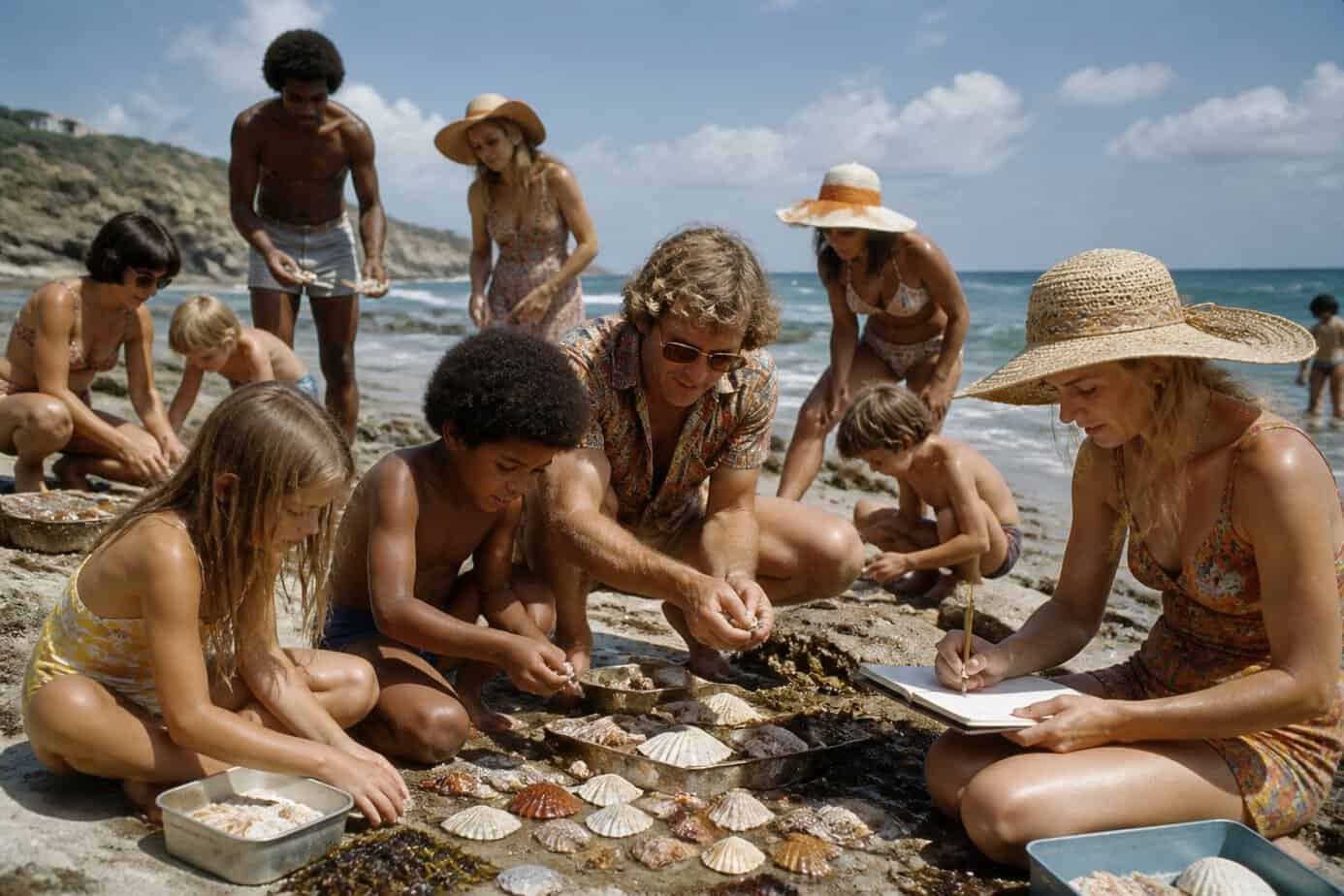
You scoured the shoreline with your siblings, heads down and eyes scanning for the perfect shell. Beach vacations in the 1970s meant building a personal collection that you’d carefully transport home in beach buckets or paper bags.
Back at your vacation rental or home, you’d spread out your finds and begin the serious work of organizing them. Many families kept specimen boxes or egg cartons to display their treasures. You might have referenced guidebooks to identify different species, with around 100,000 known types to potentially discover.
The hobby connected you to nature in a tangible way. Each shell told a story of the ocean’s inhabitants, and your collection grew with every summer trip. Some kids labeled their specimens with dates and locations, creating mini natural history museums in their bedrooms.
20. Summer job babysitting or mowing lawns for pocket money
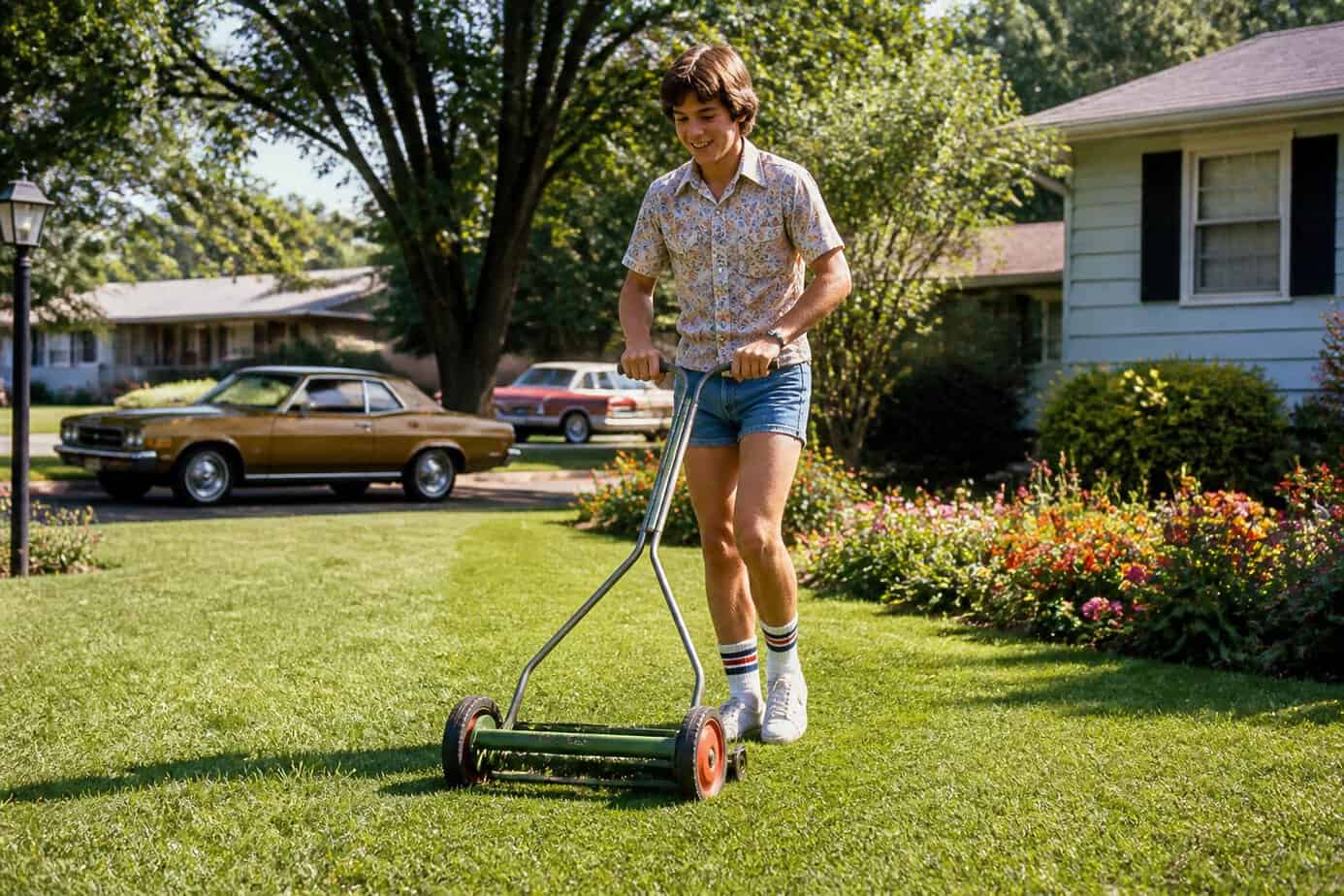
You didn’t wait for your parents to hand you spending money in the 1970s. You earned it yourself through neighborhood jobs that were easy to find and actually paid enough to matter.
Babysitting started as young as 11 or 13 years old, earning around 25 cents to a dollar per hour in the early part of the decade. You’d watch the neighbor’s kids for an evening and walk home with cash in your pocket.
Mowing lawns was equally straightforward. You’d knock on doors, offer to cut grass for $2.50 to $5 per yard, and build up a regular route of customers. The same lawn mower could help you rake leaves in fall and shovel driveways in winter.
These weren’t resume builders. They were your ticket to independence, funding everything from concert tickets to savings accounts without asking your parents for handouts.
21. Attending local small-town parades and fireworks on the Fourth of July
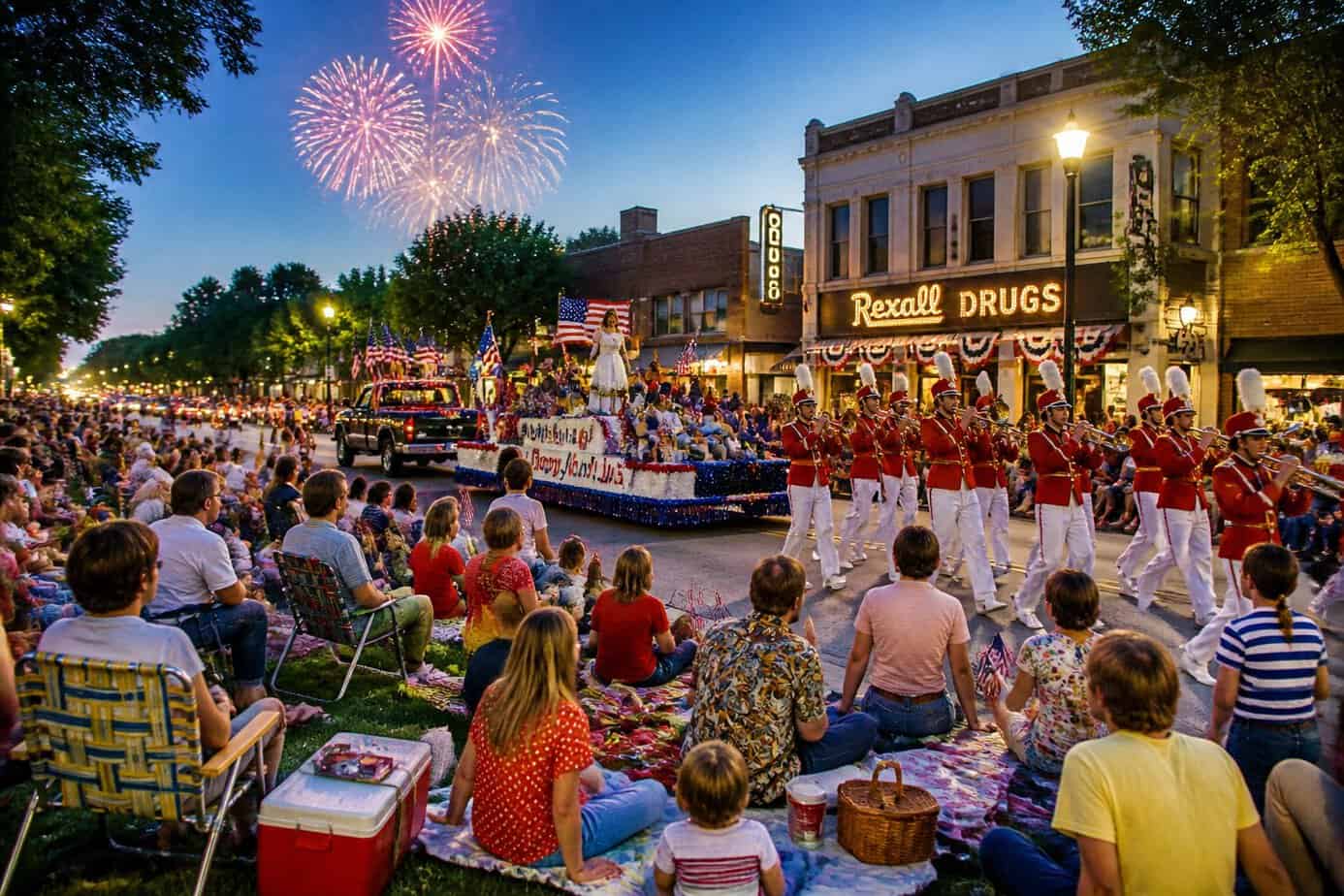
You didn’t need elaborate productions or expensive tickets to celebrate Independence Day in the 1970s. Your town’s Fourth of July parade featured local marching bands, veterans groups, and neighbors waving from decorated floats rolling down Main Street.
You claimed your spot on the curb early in the morning, often bringing lawn chairs and homemade fans to combat the summer heat. Kids scrambled for candy tossed from passing cars while parents chatted with neighbors they’d known for years.
The fireworks display happened after dark at the local park or school field. You spread blankets on the grass and waited as mosquitoes buzzed around while someone set up the pyrotechnics.
These community celebrations didn’t feature synchronized music or professional displays. They offered something simpler: your entire town gathered in one place, sharing the same sky and the same moment together.
22. Making root beer floats in retro glassware

You’d pull out those tall, heavy soda fountain glasses from the cabinet and get ready to make the perfect summer treat. The process was simple but felt special every time.
First, you’d drop a generous scoop of vanilla ice cream into the chilled glass. Then came the careful pour of ice cream root beer, watching it foam up to create that signature fizzy head. The trick was tilting the glass slightly to prevent overflow.
Those vintage glasses made the experience feel authentic, like you were sitting at an old-fashioned drugstore counter. The ice cream would slowly melt into the root beer, creating a creamy float that you’d sip through a straw or eat with a long spoon.
It was an affordable treat that required just two ingredients but delivered pure satisfaction on hot afternoons.
23. Practicing diving board tricks at the municipal pool
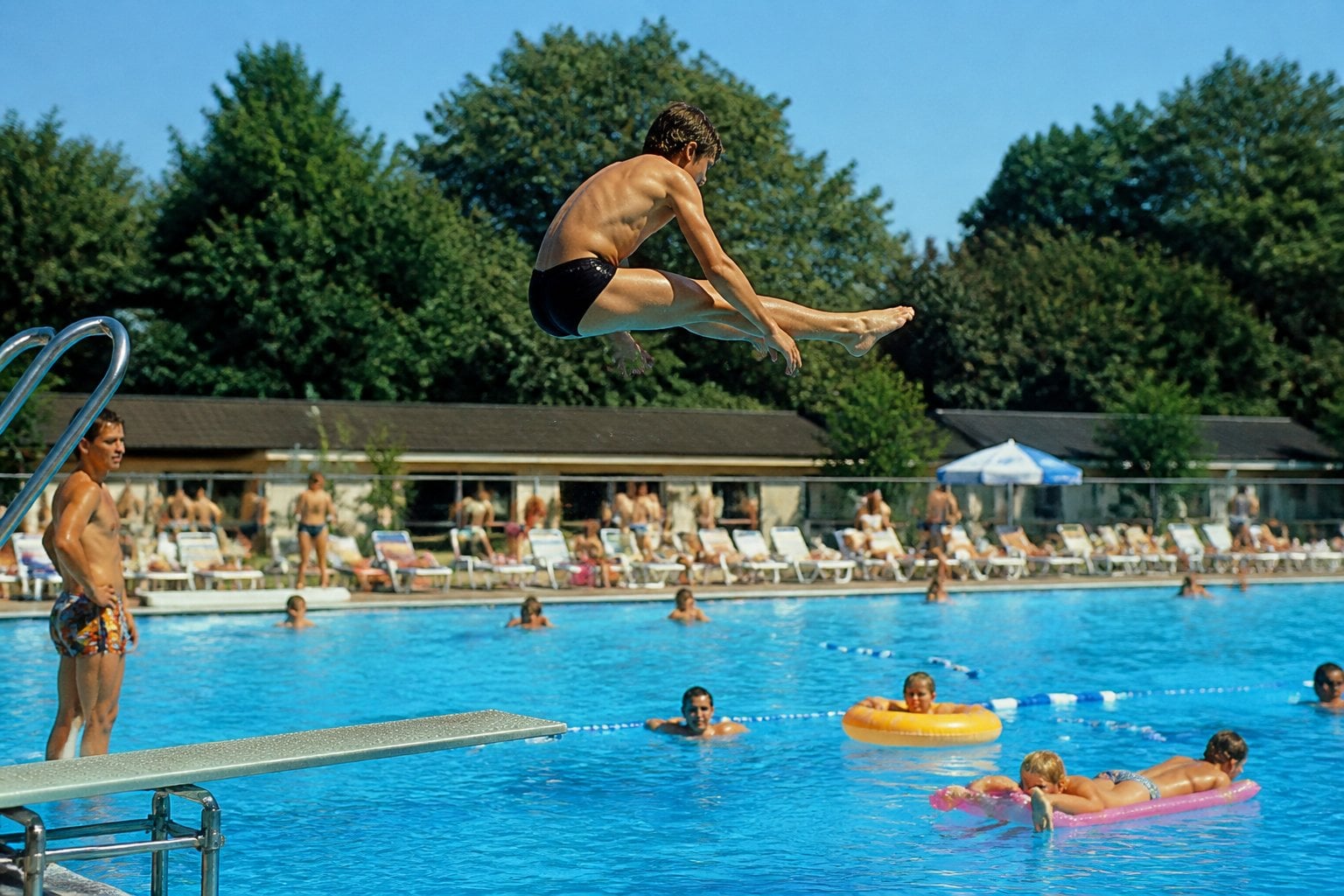
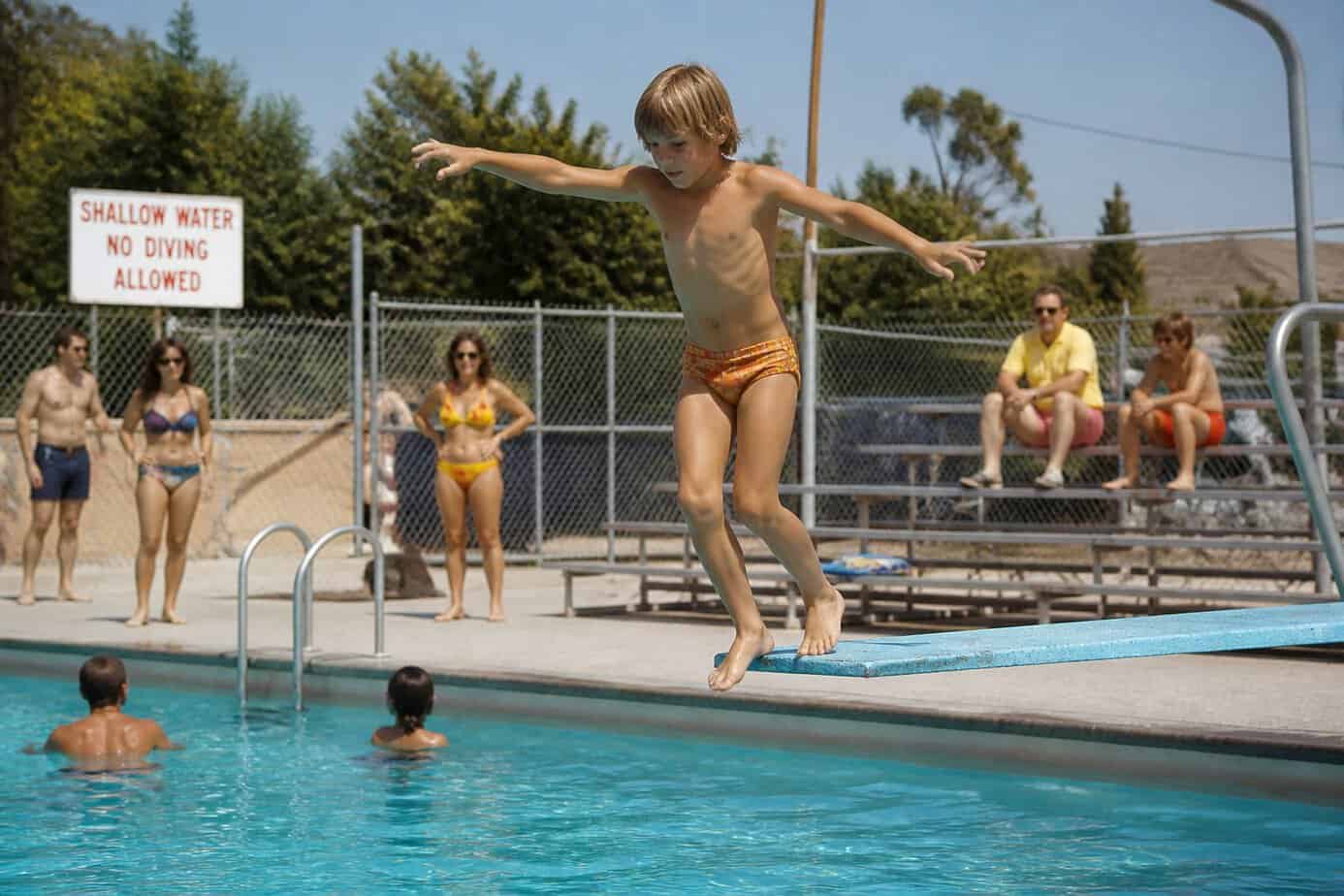
You spent hours waiting in line at the municipal pool’s diving board, watching others perform their signature moves before your turn came. The board itself measured just 10 feet long and hovered about four feet above the water, but it provided enough spring to launch your carefully practiced routines.
You bounced a few times before attempting your go-to dive, whether it was a cannonball, a jackknife, or the elusive flip you’d been working on all summer. Each jump felt like a performance in front of the other kids waiting their turn.
The lifeguard’s whistle sometimes interrupted your attempts, but you’d circle back around to try again. Those repetitive climbs up the ladder and walks to the edge became part of the ritual that defined summer days at the pool.
24. Trading comic books on front porches
Would you like to save this?
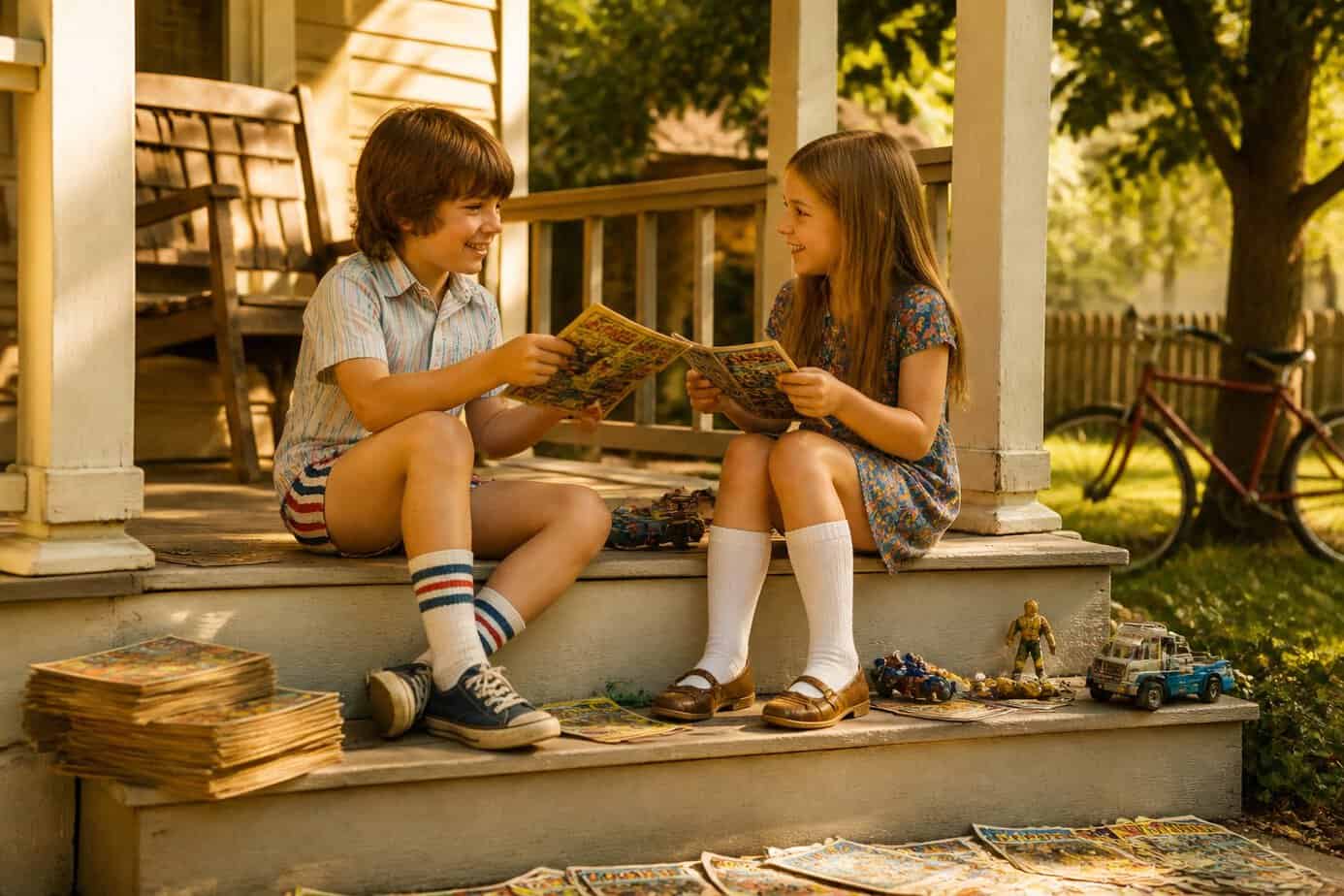
Your front porch served as an unofficial comic book exchange during summer afternoons. You’d spread out your collection on the concrete steps, ready to negotiate trades with neighborhood kids who wandered by with their own stacks.
The trading system had its own unspoken rules. A pristine issue was worth more than a dog-eared one. First editions commanded premium swaps. You learned the art of negotiation early, debating whether to trade three worn comics for one in better condition.
These porch sessions could last hours as you sat cross-legged, flipping through potential trades. The social aspect mattered as much as the comics themselves. You discussed storylines, argued about which superheroes were strongest, and built a summer community around shared paper adventures.
25. Listening to AM transistor radios on the beach
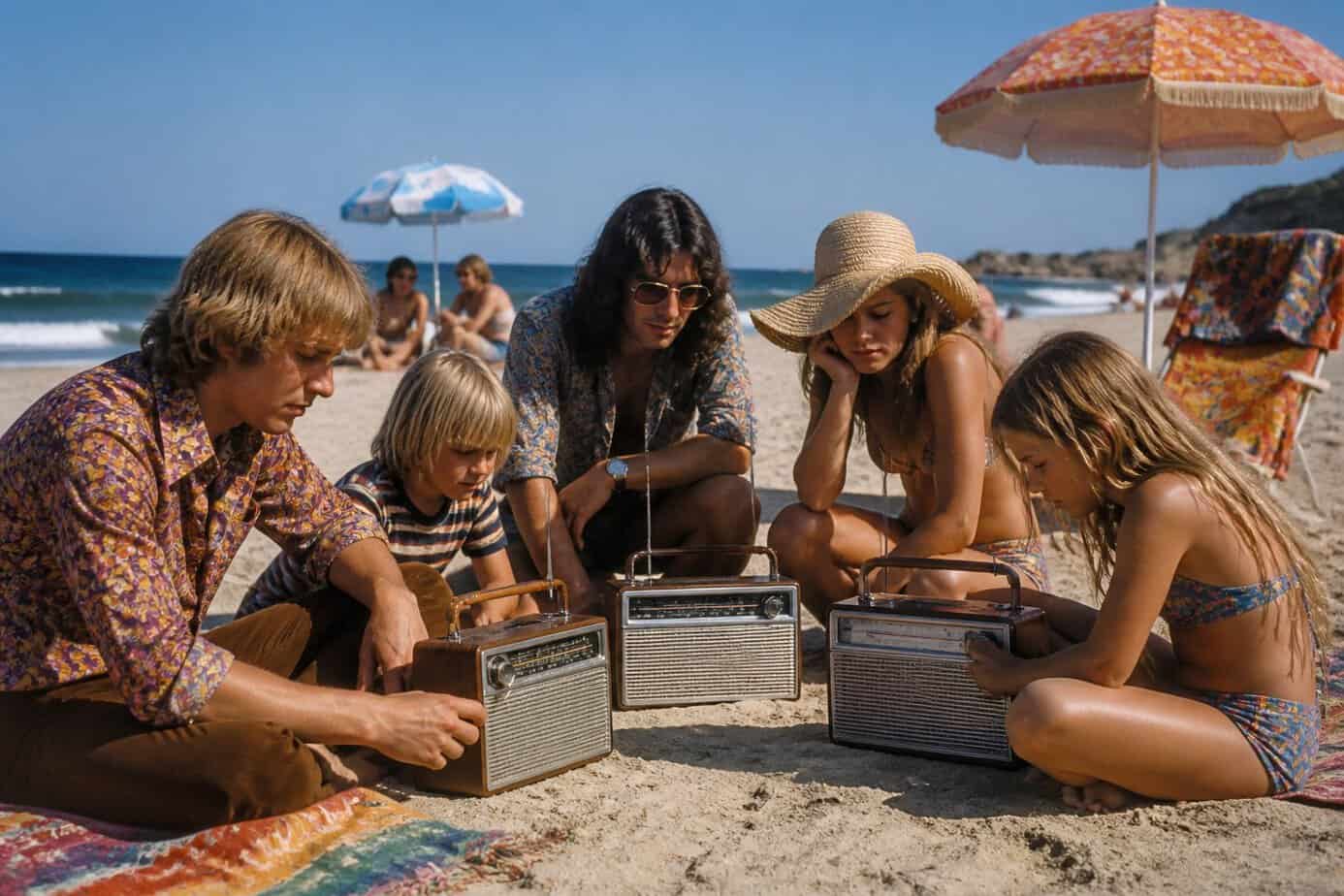
You brought your transistor radio to every beach trip, tucking the compact device into your beach bag alongside towels and sunscreen. These pocket-sized radios came in vibrant colors like orange, yellow, and lime green, making them as much a fashion statement as a functional device.
The tinny sound of AM radio stations filled the air as you tuned into Top 40 hits, baseball games, and talk shows. You’d twist the dial to find the strongest signal, sometimes losing it when the waves were particularly rough.
Most people used small plastic earbuds, though plenty of beachgoers let their music play openly. On crowded beach days, multiple radios often played the same station simultaneously, creating an impromptu soundtrack for everyone nearby.
The combination of sun, sand, and your favorite songs defined summer freedom in a way that felt uniquely 1970s.
26. Hosting neighborhood block parties with potluck dishes
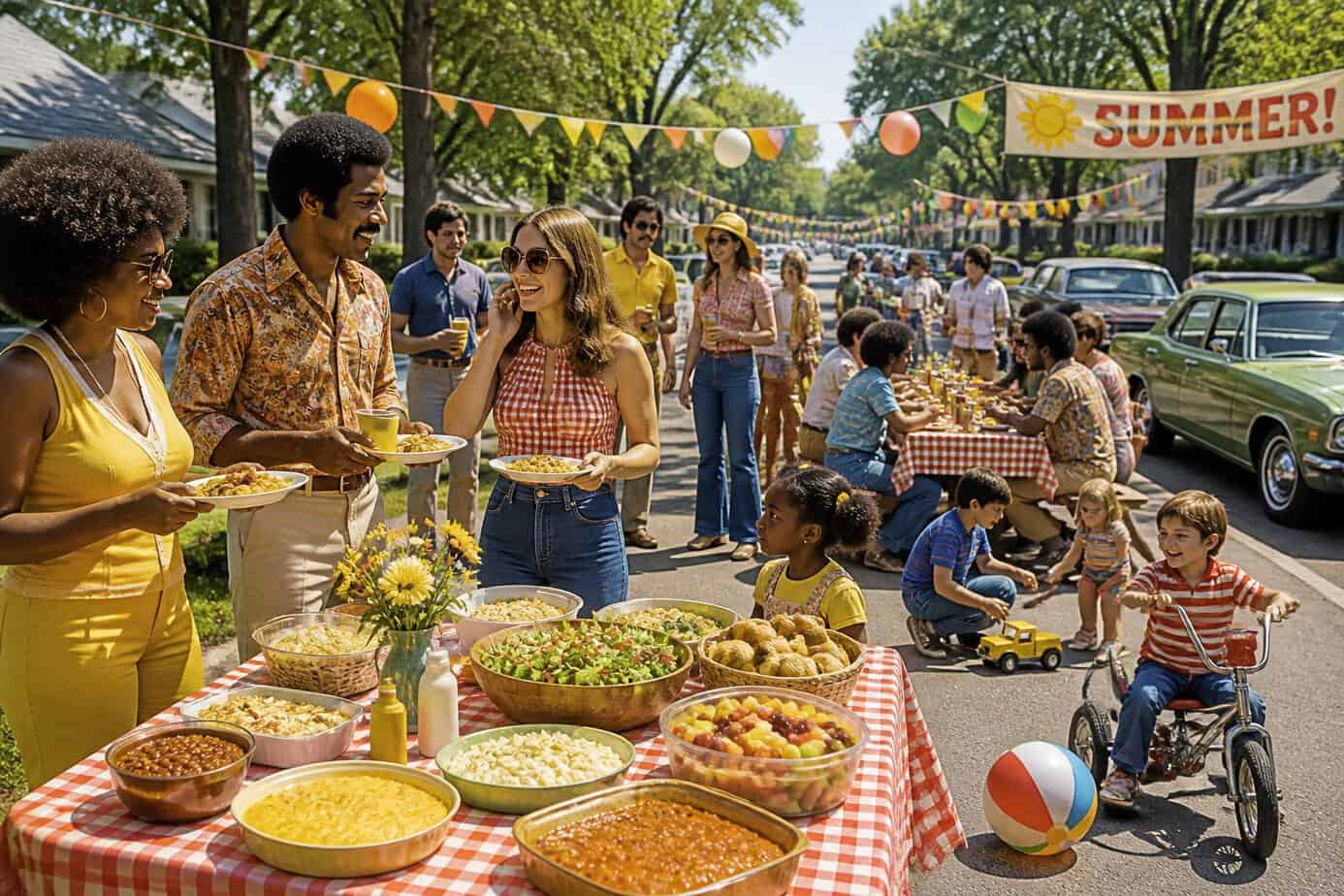
Block parties became a regular fixture in American neighborhoods during the 1960s and 1970s. Your street would close down for an afternoon while families gathered with folding tables and lawn chairs.
The potluck format made these gatherings work. Everyone brought a dish to share, spreading the work across multiple households. You’d see the same recipes appear year after year at these events.
Jell-O salads were standard fare, along with casseroles that traveled well. Deviled eggs showed up at nearly every gathering. Pasta salads and potato salads filled out the tables.
These parties required minimal planning compared to today’s organized events. Neighbors coordinated through word-of-mouth rather than permits and formal committees. The informal nature made them easy to arrange and attend throughout the summer months.
27. Using Polaroid cameras to capture instant vacation memories
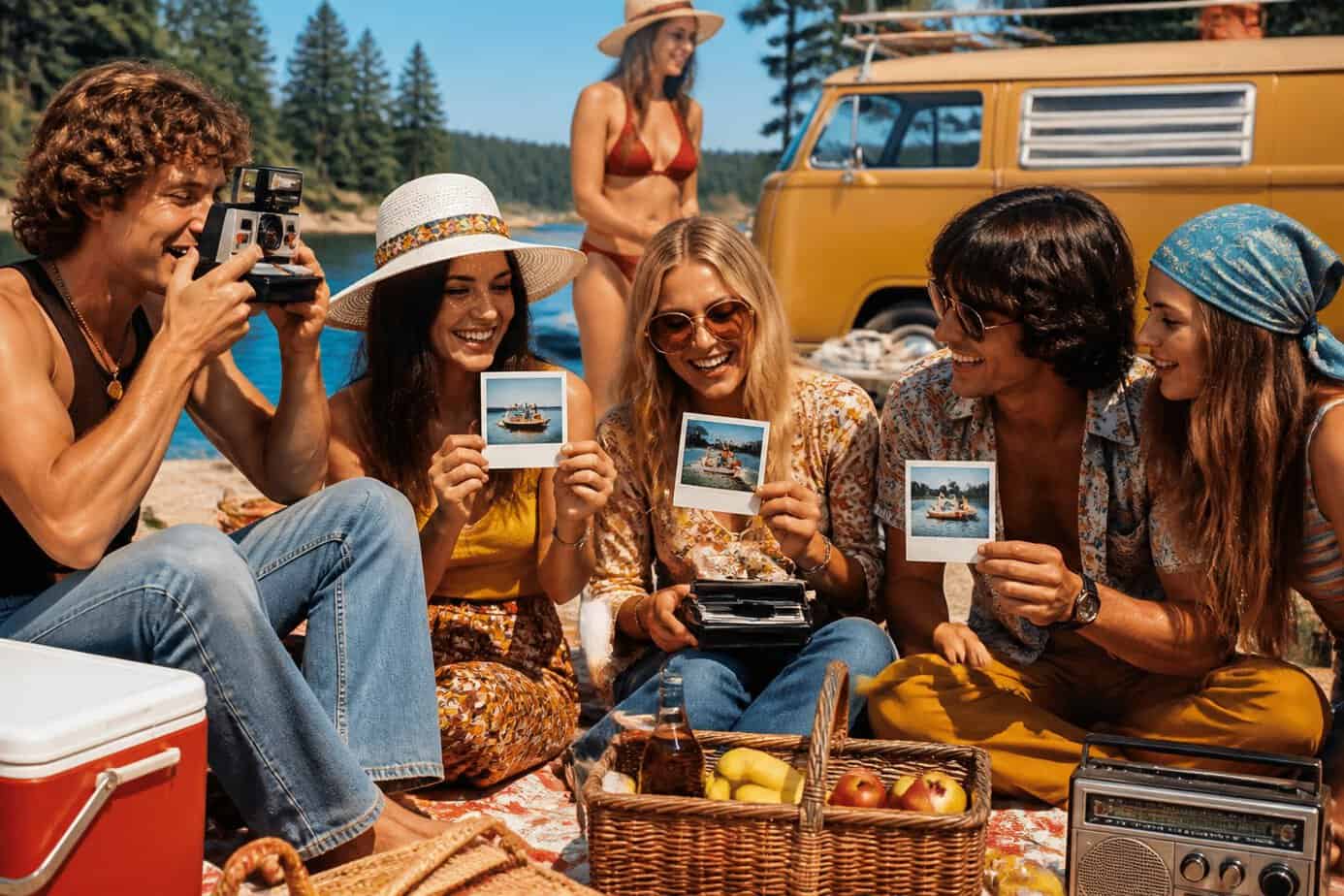
You didn’t have to wait days or weeks to see your vacation photos in the 1970s if you had a Polaroid camera. The instant gratification of watching an image slowly appear right before your eyes felt almost magical.
The Polaroid SX-70, introduced in the early 1970s, became the camera of choice for many families. You could snap a picture at the beach or amusement park and watch it develop within minutes. The photos had that distinctive square format and slightly washed-out quality that became iconic.
Your family likely gathered around after each shot, shaking the film and timing its development. Each photo cost money, so you had to make your shots count. Those instant photos often ended up in scrapbooks or sent to relatives as proof of your summer adventures.
Cultural Influences on 1970s Summer Activities
Television programming, radio hits, and geographic location shaped how you spent those long summer days, creating distinct experiences that varied by region and media access.
Shaping Childhood Through Music and Media
The sounds of AM radio defined your summer soundtrack in the 1970s. Top 40 stations blasted from transistor radios at the beach, poolside, and in your backyard, with songs like “Summer Breeze” and “Hot Fun in the Summertime” becoming inseparable from warm weather memories.
Television schedules shifted during summer months, offering you a different lineup of shows and movies. Networks programmed afternoon reruns and special summer series that gave structure to hot days spent indoors during peak heat. Saturday morning cartoons extended into weekday programming, creating a relaxed viewing pattern your parents tolerated during vacation.
Key Media Influences:
- Drive-in movie theaters showing double features
- Casey Kasem’s American Top 40 countdown every weekend
- Variety shows and summer replacement series
- Local TV stations broadcasting old movies and serials
CB radio culture infiltrated family road trips by mid-decade, turning highway travel into an interactive experience. You listened as truckers shared route information and used handles like “Rubber Duck” and “Good Buddy” on Channel 19.
Regional Variations in Summer Pastimes
Your summer activities depended heavily on where you lived. Coastal kids spent days surfing, fishing, and collecting shells, while landlocked children in the Midwest focused on lake swimming, camping, and exploring cornfields.
Urban children played in fire hydrant spray, visited public pools, and organized stickball games on residential streets. Suburban kids had different freedoms—riding bikes through sprawling neighborhoods and building forts in undeveloped lots. Rural children helped with farm chores before swimming in ponds and creeks.
Climate dictated daily routines. Southern children stayed indoors during brutal afternoon heat, emerging for evening activities. Northern kids maximized every daylight hour, knowing summer was shorter. Western children dealt with different challenges, from desert heat to mountain elevation, creating region-specific traditions around available natural resources.
Enduring Memories: Nostalgia and Psychological Impact
The summers of the 1970s left lasting impressions that shaped how an entire generation remembers childhood, rooted in unstructured time and deep social connections that created a distinct sense of temporal expansion.
Why Vintage Summers Felt Endless
Your brain processed 1970s summers differently because of how you experienced time as a child combined with the era’s unique pace. Without digital distractions or scheduled activities filling every hour, your days stretched out in ways that felt genuinely infinite.
The psychological phenomenon of time perception explains much of this. When you encounter new experiences and environments, your brain creates more detailed memories, making those periods feel longer in retrospect. Your 1970s summers were packed with novel experiences—exploring neighborhoods without supervision, inventing games, discovering new places on your bike.
The absence of constant stimulation played a role too. You had extended periods of boredom that forced creativity and made memorable moments stand out more sharply. When entertainment was scarce, a trip to the ice cream truck or an afternoon at the community pool became a significant event worth encoding in long-term memory.
Time moved slower because you weren’t rushing between activities. Your days had natural rhythms dictated by weather, hunger, and streetlights rather than schedules and timers.
The Role of Family and Community in Lasting Impressions
Your summer memories were shaped by collective experiences that involved entire neighborhoods and extended family networks. Families spent significant uninterrupted time together during road trips, backyard barbecues, and evening porch sitting that created shared reference points lasting decades.
Community cohesion was stronger in the 1970s, with neighbors knowing each other and children moving freely between households. You likely remember specific adults from your street who weren’t relatives but played roles in your summer days. These weak social ties contributed to a sense of belonging and security that enhanced positive memory formation.
Key community elements that strengthened memories:
- Neighborhood kids forming consistent play groups
- Multi-generational gatherings at local parks and beaches
- Shared rituals like block parties and holiday cookouts
- Adults supervising collectively rather than individually
Your emotional memories from these summers carry extra weight because they involved face-to-face interactions without competing digital priorities. The focused attention from family and community members during vacation time created deeper neural pathways that remain accessible today.