31 TV Commercials Every Gen X Kid Can Still Quote by Heart: The Nostalgic Ads That Defined a Generation
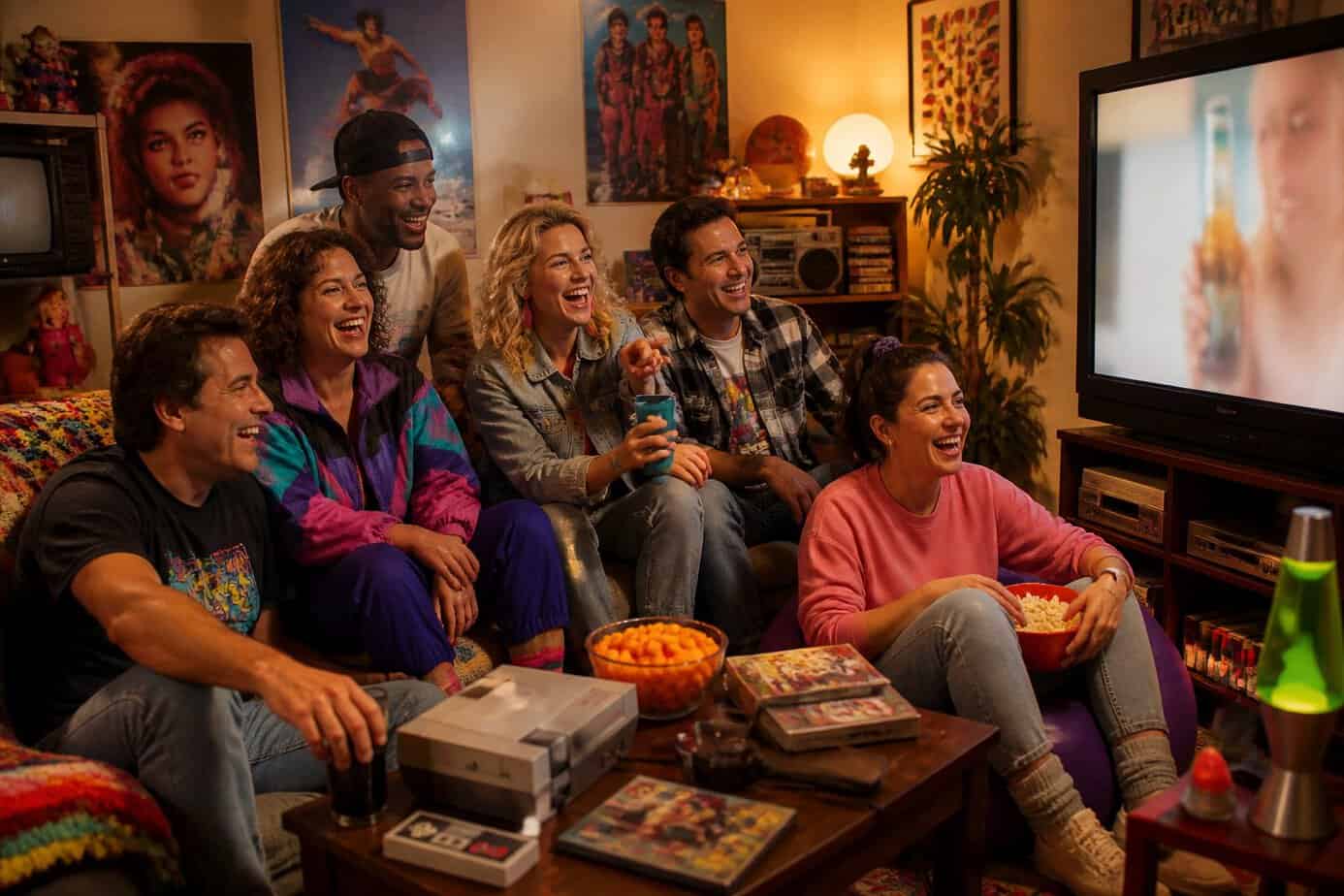
Growing up in the 1970s and 1980s meant sitting through commercial breaks that became as memorable as the shows themselves. These weren’t just interruptions, they were shared cultural moments that gave an entire generation a common language of jingles, catchphrases, and quirky characters.
If you’re a Gen X kid, chances are you can still recite dozens of these advertising taglines without even trying. The commercials burned themselves into your memory through sheer repetition and surprisingly clever writing.
From fast food slogans to public service announcements, these 30-second spots shaped how you talked, what you wanted, and what you remember about childhood.
This collection revisits the commercials that still live in your head decades later, exploring why certain jingles and catchphrases never quite let go. You’ll recognize the cultural touchstones that defined an era when TV advertising reached millions of viewers at once and created moments everyone talked about the next day.
1. “I’d like to buy the world a Coke” — The New Seekers (Coca‑Cola, 1971/1970s resurgence)
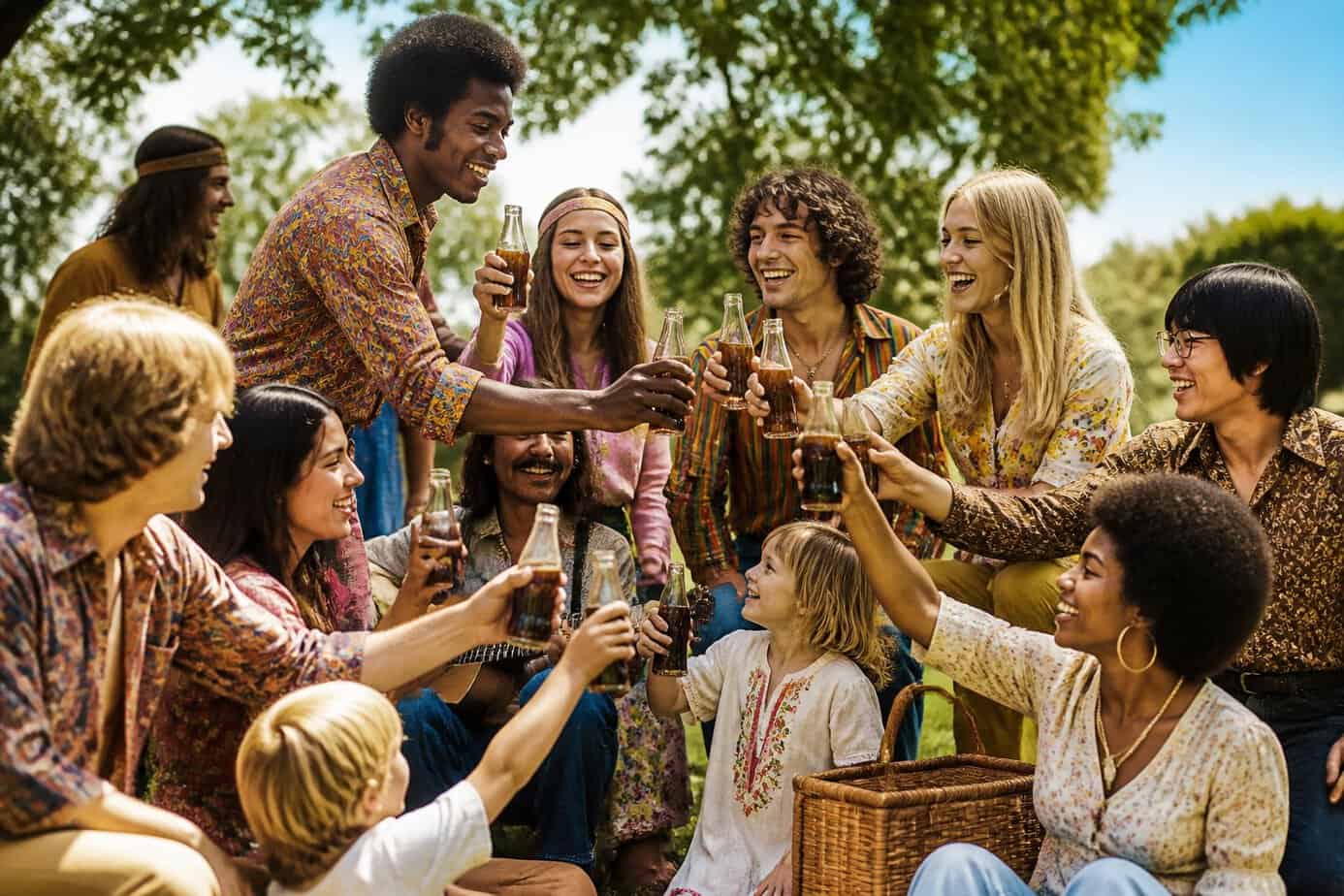
You probably remember this jingle even if you weren’t born when it first aired in July 1971. The commercial featured young people from around the world standing on a hillside, singing about harmony and sharing a Coke.
The New Seekers performed the original version that became a chart-topping hit. The song started with the iconic line “I’d like to buy the world a Coke” before expanding into broader themes of peace and togetherness.
Your parents might have seen it during its initial run, but you likely caught it during the various times Coca-Cola brought it back throughout the 1970s and beyond. The melody became so ingrained in popular culture that you can still hum it decades later.
The commercial originated from a creative session in London in January 1971, eventually becoming one of advertising’s most recognized campaigns.
2. “Plop, plop, fizz, fizz — Oh what a relief it is!” — Alka‑Seltzer (1970s‑80s)

You probably heard this jingle before you could even tie your shoes. Alka-Seltzer’s iconic slogan became one of the most memorable advertising campaigns of the 1970s and 1980s.
The commercial featured two tablets dropping into a glass of water, creating that distinctive fizzing sound. The accompanying jingle was simple, catchy, and impossible to forget.
You might have sung it while playing, even if you had no idea what Alka-Seltzer actually did. The campaign was so effective that you can likely still recall the tune decades later.
The character Speedy, Alka-Seltzer’s mascot, often appeared in these commercials singing the famous phrase. This advertising approach turned a mundane antacid into a cultural touchstone for your generation.
3. “Where’s the beef?” — Clara Peller (Wendy’s, 1984)
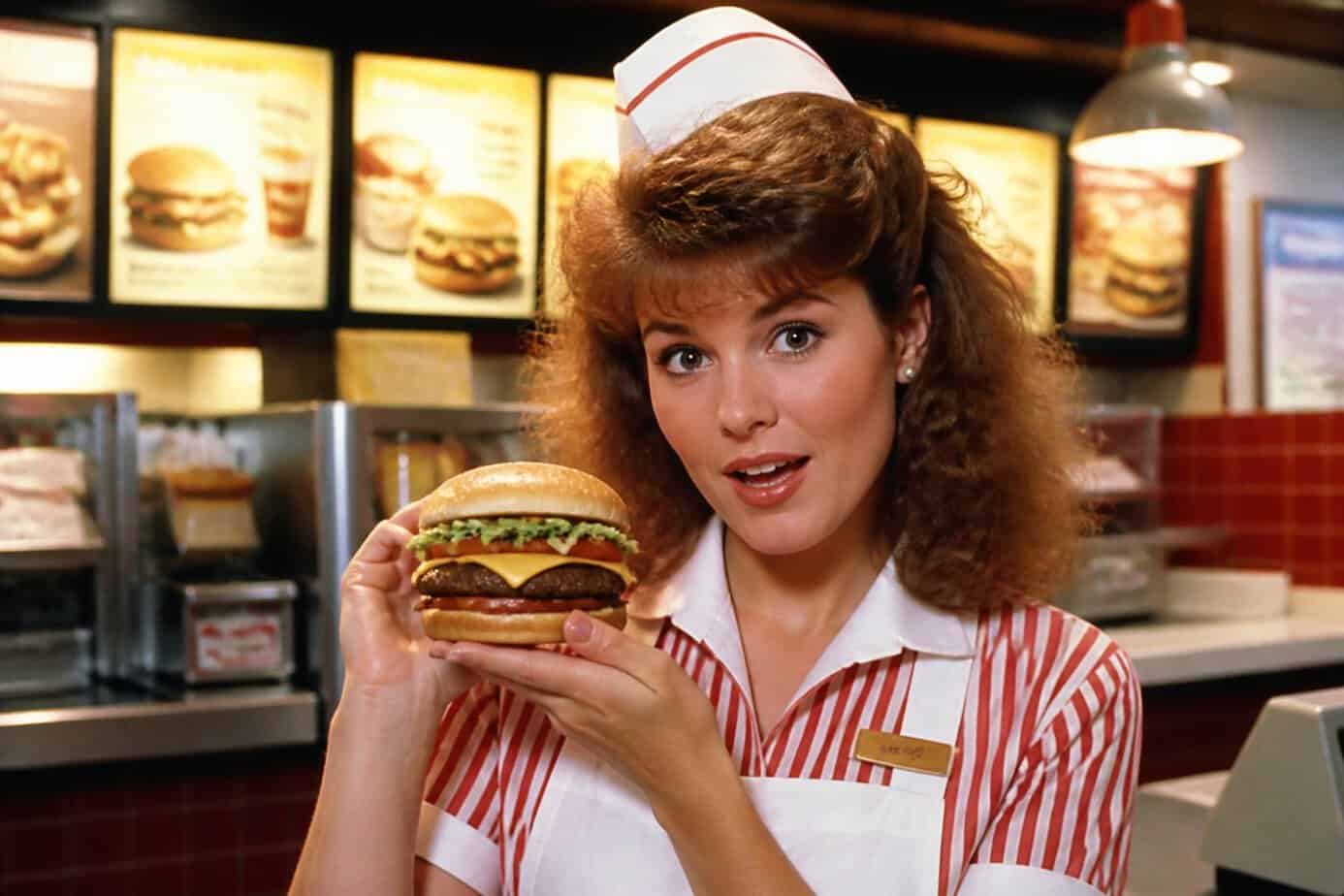
When this commercial debuted in January 1984, 83-year-old Clara Peller transformed three simple words into advertising gold. You watched as she and two other elderly women examined a competitor’s burger with an oversized bun, only to have Peller demand in her distinctive voice where the actual meat was hiding.
The retired Chicago manicurist’s deadpan delivery made the phrase an instant cultural phenomenon. You heard it everywhere that year, from political debates to everyday conversations questioning anything lacking substance.
Peller’s struggle with emphysema actually shaped the final catchphrase. The original script called for “Where is all the beef?” but her shortened version became the memorable line you still remember today.
The campaign boosted Wendy’s sales significantly and spawned multiple sequel commercials. Peller remained active in media appearances until her death in 1987.
4. “You deserve a break today” — McDonald’s jingle (1970s)
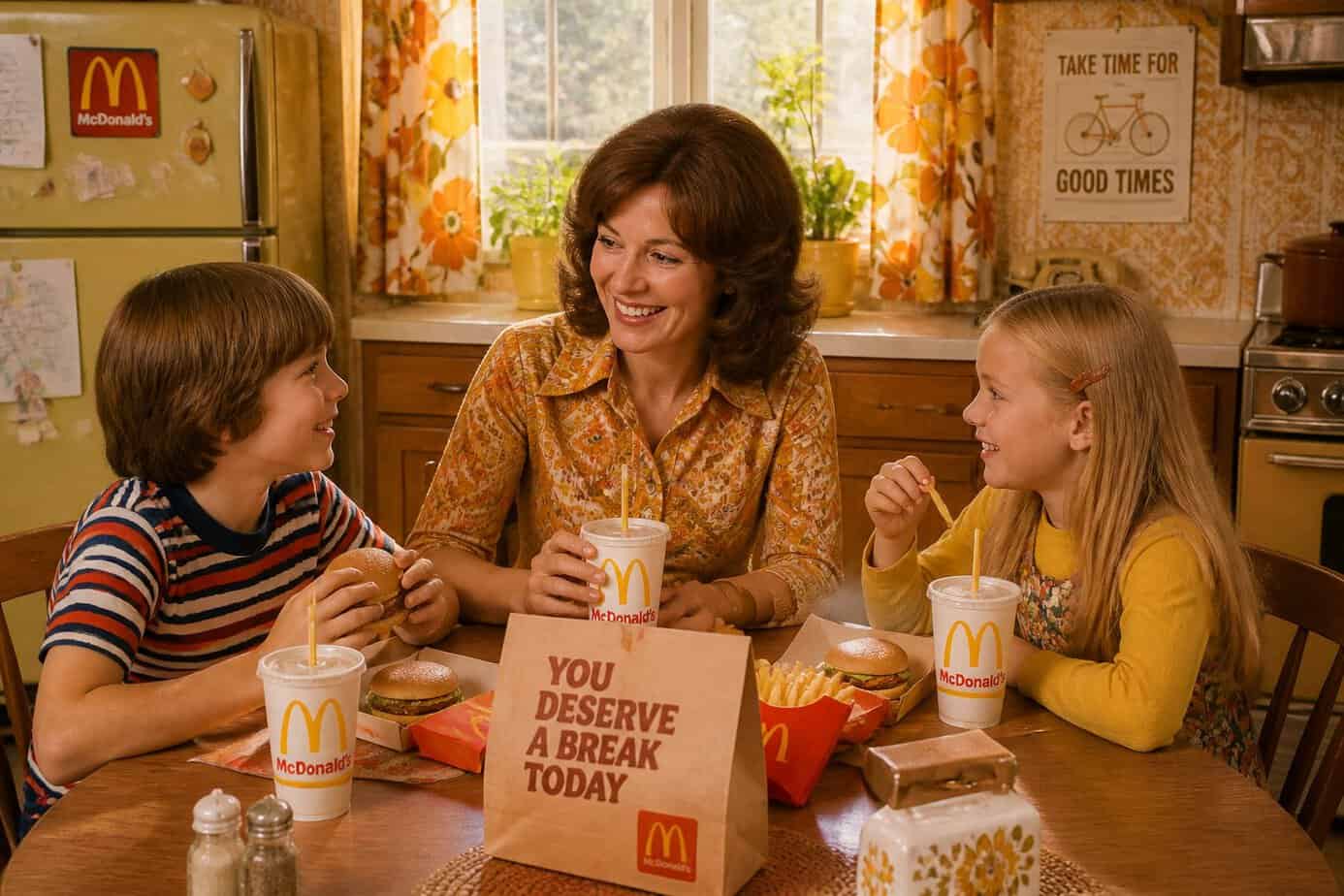
You couldn’t escape this McDonald’s earworm if you tried. Launched in 1971, the “You deserve a break today” campaign became one of the most successful advertising slogans in fast-food history.
The jingle was catchy and memorable, featuring upbeat employees singing and dancing while showcasing the restaurant. You probably remember the full line: “You deserve a break today, so get up and get away to McDonald’s.”
The campaign struck a chord with working parents who genuinely felt they needed that break. Barry Manilow contributed to the music for some versions of these commercials, adding star power to an already effective message.
McDonald’s used this slogan for decades, creating numerous variations with different actors and settings. The phrase became so embedded in popular culture that you likely still hum it without thinking, even if you haven’t heard the commercial in years.
5. Toys ‘R’ Us — “I don’t want to grow up, I’m a Toys ‘R’ Us kid” jingle (1980s)
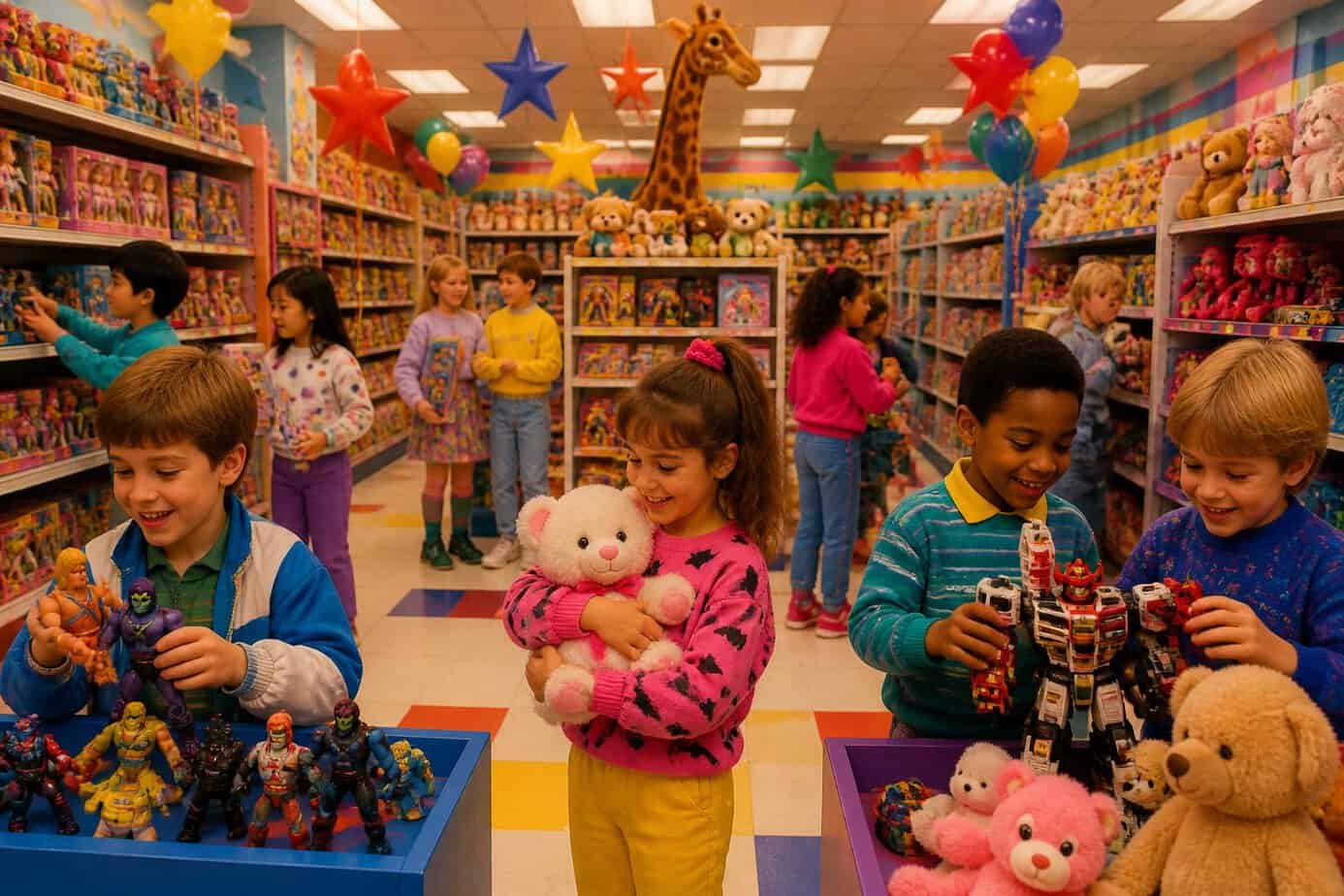
You couldn’t walk past a Toys ‘R’ Us in the 1980s without humming this jingle. The song captured childhood perfectly with its catchy melody and simple message about wanting to stay young forever.
The commercial showed kids racing through store aisles filled with toys, reflecting the excitement you felt on every visit. The jingle became so recognizable that you probably sang it long after leaving the store.
Toys ‘R’ Us ran this campaign for years, making it one of the most memorable retail jingles of the decade. You likely remember both the words and tune without effort, even if you haven’t heard it recently.
The phrase “Toys ‘R’ Us kid” became part of everyday language, describing anyone who refused to abandon their playful side.
6. “We try harder” — Avis (1962 but iconic through the 70s‑80s)
Avis launched “We try harder” in 1962, turning their second-place market position into a bold advantage. The tagline acknowledged that Hertz was number one while positioning Avis as the company that worked harder to earn your business.
You probably remember this slogan from countless TV commercials throughout the 70s and 80s. The campaign became one of the longest-running in advertising history, staying relevant for decades.
The brilliance was in its honesty. Avis didn’t pretend to be the biggest rental car company. Instead, they promised better service because they had something to prove.
Gen X kids grew up hearing this line repeatedly, making it one of the most memorable advertising slogans of the era. The campaign created genuine brand loyalty by admitting vulnerability while promising dedication.
7. “Double your pleasure, double your fun” — Doublemint Gum (Wrigley, 1970s‑80s)
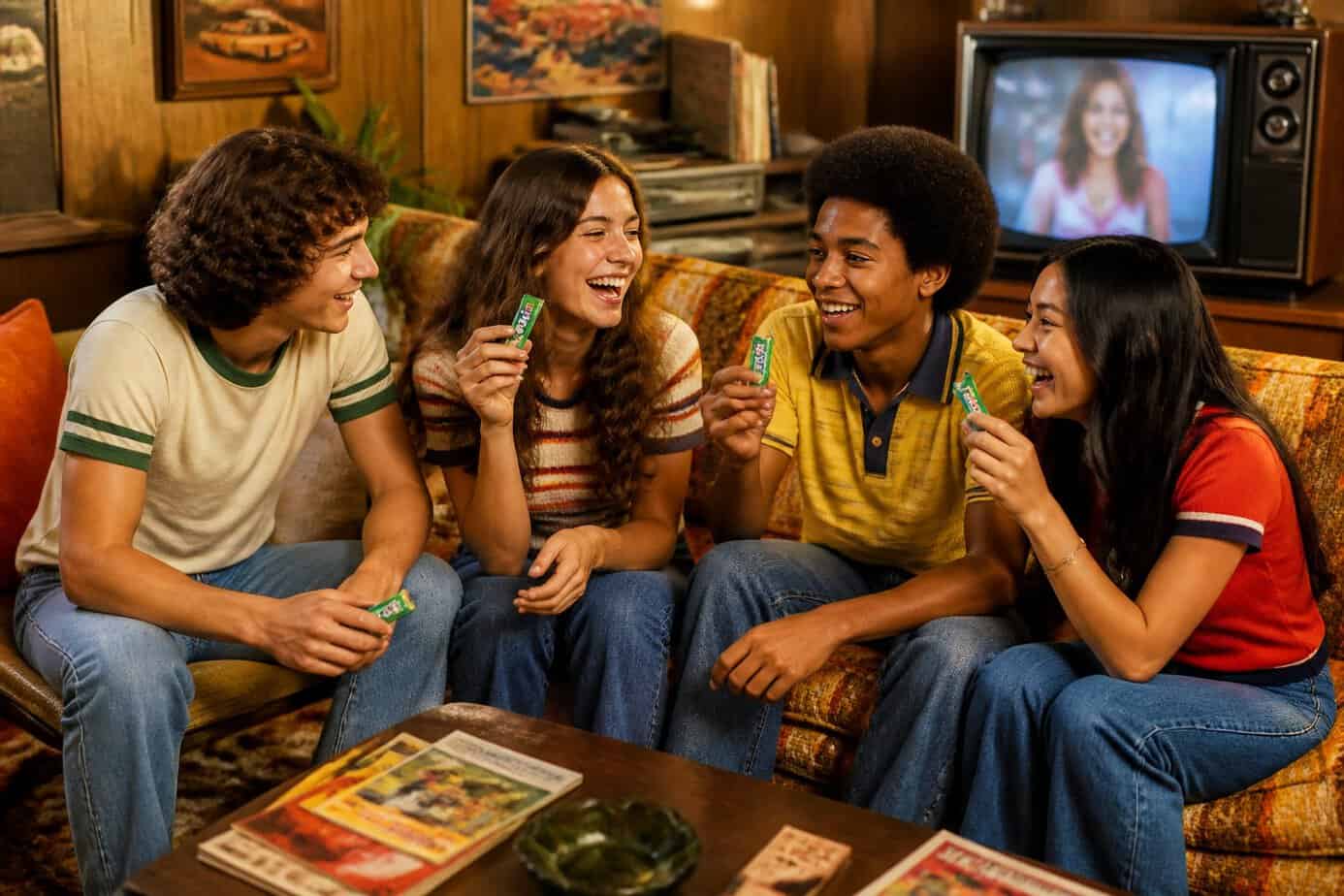
You knew this jingle before you could even understand what it meant. Wrigley’s Doublemint Gum turned a simple product feature into one of the most memorable advertising hooks of your childhood.
The commercial typically featured identical twins in matching outfits, doubling down on the theme in every possible way. You watched them chew gum in perfect synchronization while that catchy tune played in the background.
The phrase became so embedded in pop culture that you probably still hear it in your head when you see a pack of Doublemint at the checkout. The jingle actually dates back to 1959, but it dominated airwaves throughout the 1970s and 1980s when you were growing up.
Wrigley knew exactly what they were doing. That simple rhyme stuck with you for decades.
8. “I can’t believe I ate the whole thing” — Alka‑Seltzer line (1970s)
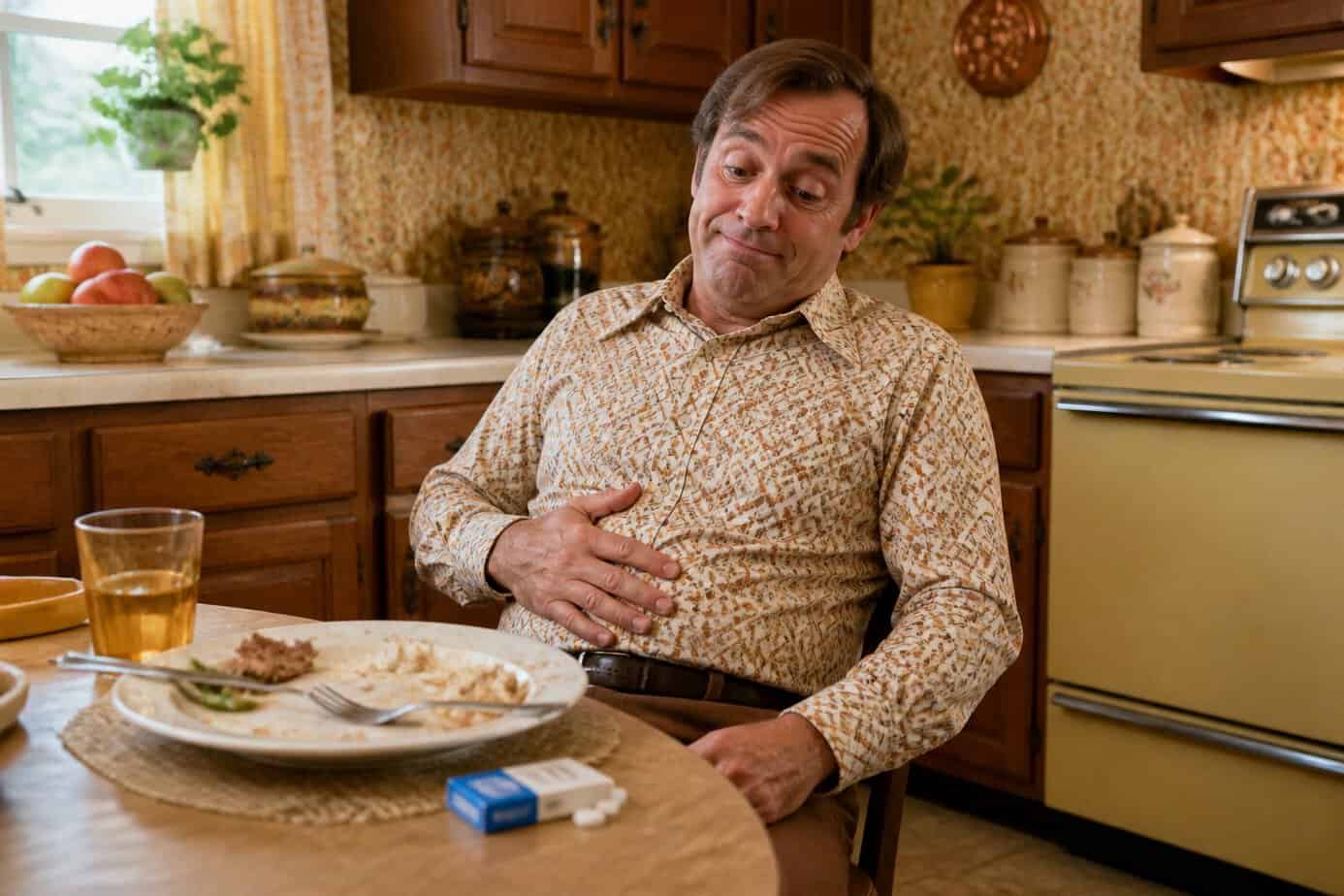
This 1972 Alka-Seltzer commercial became one of the most recognizable ads of the decade. The scene was simple: a man sitting on the edge of his bed, groaning about overeating while his wife suggests he take two Alka-Seltzer.
Copywriters Howie Cohen and Bob Pasqualina created the memorable line that won a CLIO Hall of Fame award. The phrase resonated because you’d probably felt that exact regret after a big meal yourself.
What made this commercial special was how the catchphrase broke free from its advertising origins. You saw it on buttons and patches that didn’t even mention the product. The line became part of everyday conversation, used whenever someone overdid it at dinner.
The commercial’s success came from its relatable premise and the authentic delivery that made you remember both the joke and the remedy.
9. “It’s the real thing” — Coca‑Cola (classic era resurfacing in Gen X childhood)

Coca-Cola launched “It’s the Real Thing” in 1969, and the campaign carried strong momentum through the 1970s when you were growing up. The slogan positioned Coke as authentic in an era when that mattered to young consumers.
You heard this phrase constantly during commercial breaks. The campaign featured folk, rock, and soul artists performing the jingle rather than traditional advertising music, making it feel less like a sales pitch.
By 1971, this evolved into the famous “Hilltop” commercial with people singing “I’d Like to Buy the World a Coke.” That same “Real Thing” positioning anchored both efforts.
The phrase became part of everyday language. You probably said it yourself without thinking about soda at all, proving how deeply these words penetrated popular culture during your childhood.
10. “Plenty of good reasons to choose 7UP” — 7UP jingle (1970s‑80s)
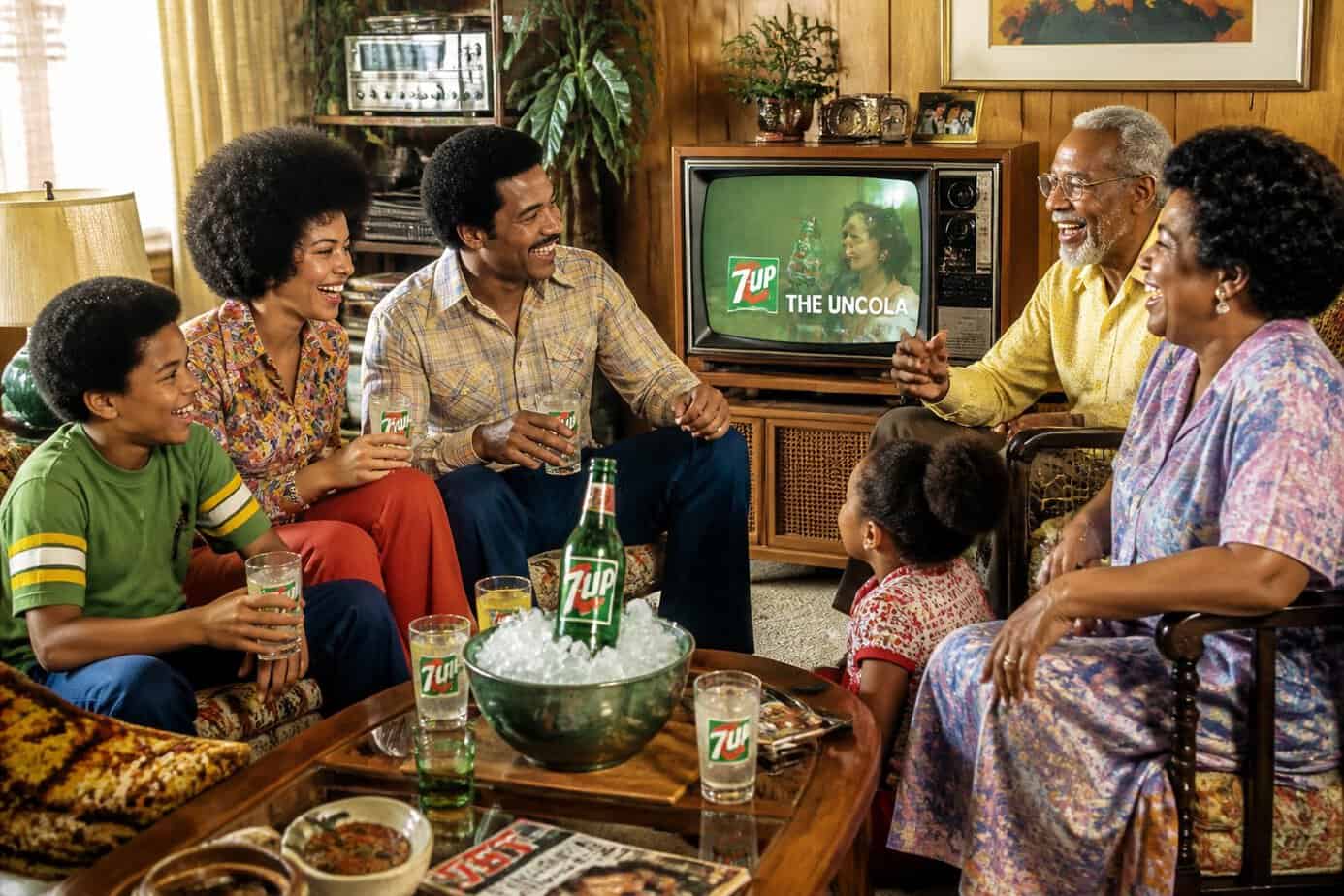
You heard this jingle countless times during Saturday morning cartoons and prime-time programming. The catchy tune promoted 7UP as the “Uncola,” positioning it as a refreshing alternative to traditional colas.
The commercial featured upbeat music paired with images of people enjoying the clear, crisp soda. You probably remember the emphasis on 7UP’s clean, lemon-lime taste and caffeine-free formula.
This campaign ran for years across television networks, making the jingle nearly impossible to forget. The simple melody and memorable lyrics stuck in your head long after the commercial ended.
The “Plenty of good reasons” slogan reinforced 7UP’s distinctive qualities in a crowded soft drink market. If you grew up during this era, you can likely still hum a few bars of this tune today.
11. “Betcha can’t eat just one” — Lay’s slogan (1970s‑80s)
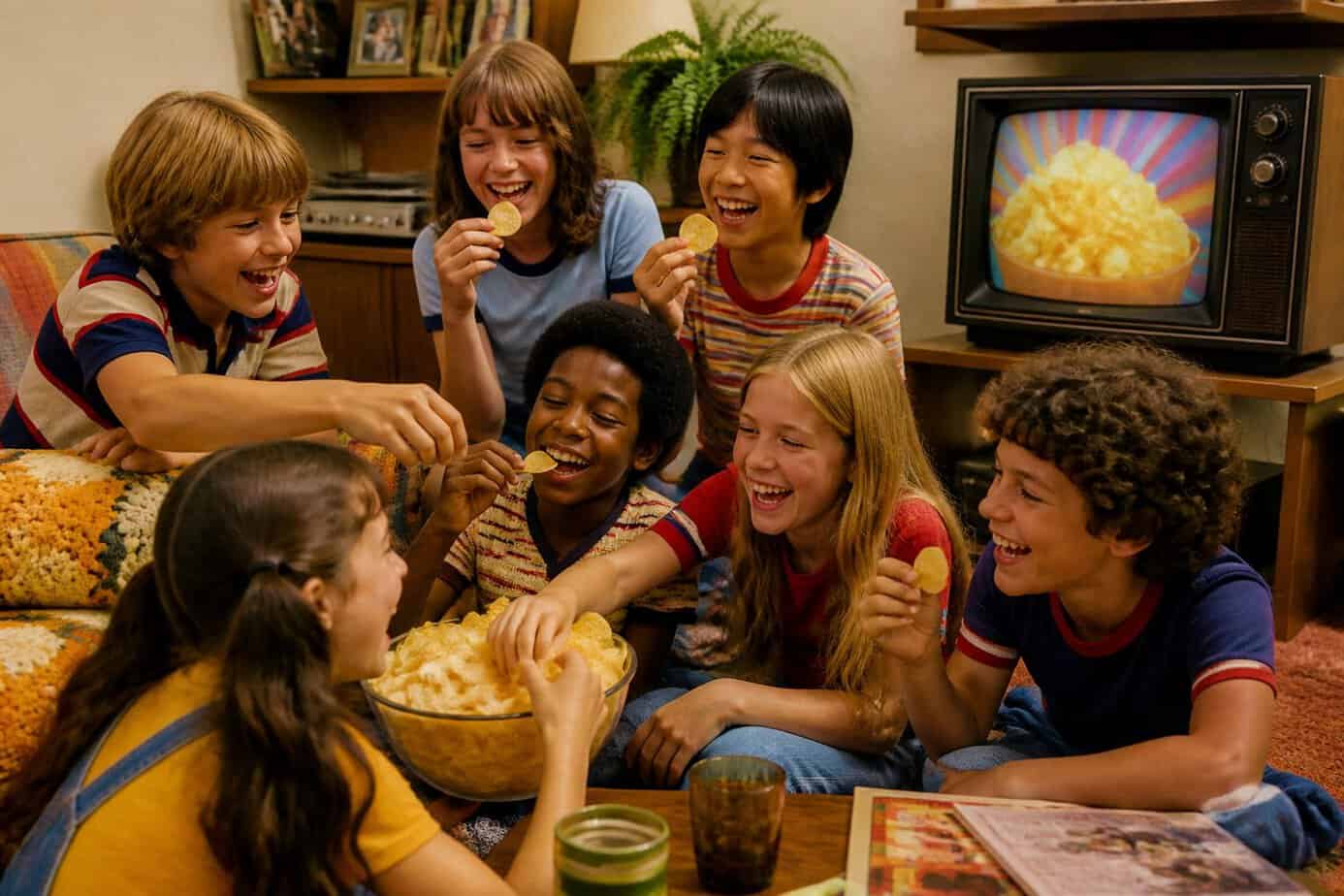
You couldn’t escape this Lay’s slogan during the 1970s and 1980s. The company built an entire advertising campaign around the simple challenge that their potato chips were too good to resist.
The commercials often featured celebrities and everyday people attempting to eat just one chip. They always failed. The slogan worked because it tapped into a truth you already knew from experience.
Lay’s turned snack food weakness into a marketing strength. The phrase became so embedded in popular culture that you probably still hear people reference it today when they can’t stop eating something.
The campaign helped establish Lay’s as a dominant force in the potato chip market. You likely remember trying to prove the slogan wrong yourself, only to reach back into the bag moments later.
12. “This is your brain on drugs” — Partnership for a Drug‑Free America (fried egg ad, late 1980s)

You remember the stark simplicity: a hand holding an egg, a hot frying pan, and those unforgettable words. The Partnership for a Drug-Free America launched this anti-narcotics campaign in 1987, and it quickly became one of the most recognizable PSAs of your generation.
The commercial’s narrator delivered the message: “This is your brain. This is drugs. This is your brain on drugs.” As the egg cracked and sizzled in the pan, the visual metaphor was impossible to ignore.
The campaign was credited with raising teens’ perception of cocaine risk from 78% to 88%. You saw it repeatedly on television throughout the late 1980s as part of the largest public health campaign of its time. Whether the ad actually deterred drug use remains debated, but its cultural impact is undeniable.
13. “Please don’t squeeze the Charmin” — Charmin toilet paper (1970s‑80s)
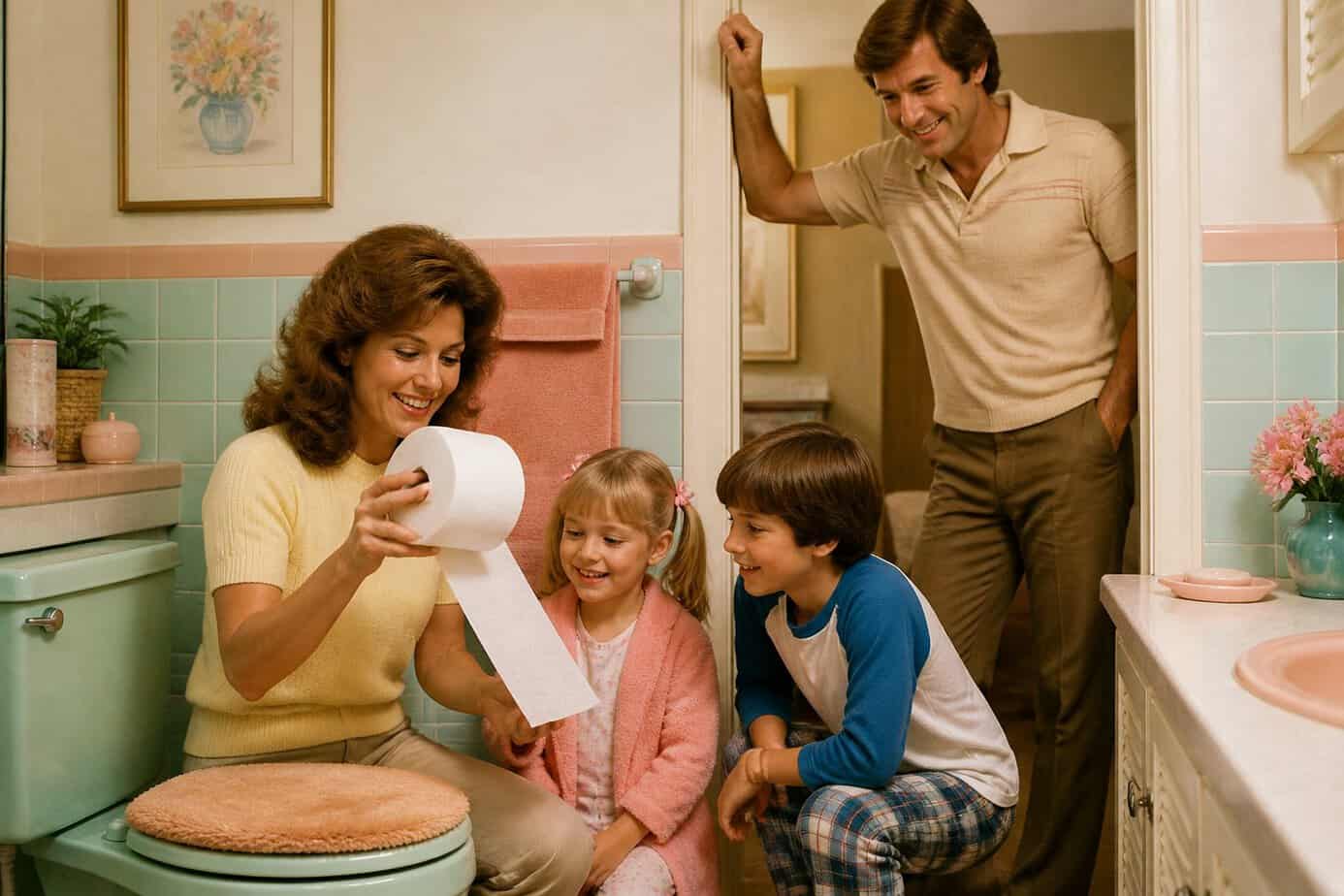
Mr. Whipple became one of television’s most recognizable characters during his run from 1964 to 1985. The store manager, played by Dick Wilson, spent decades scolding shoppers with his famous plea: “Please don’t squeeze the Charmin!”
The irony made the campaign memorable. Mr. Whipple constantly caught customers testing the softness of Charmin toilet paper, yet he couldn’t resist squeezing it himself when he thought no one was watching.
You probably remember the simple premise that made these commercials effective. The repeated message about Charmin’s softness became ingrained in popular culture through hundreds of advertisements over two decades.
The campaign turned bathroom tissue into appointment television. Mr. Whipple’s exasperated expression and wagging finger became shorthand for the brand itself, making Charmin one of the most successful toilet paper marketing campaigns in advertising history.
14. “Time to make the donuts” — Dunkin’ Donuts (1980s)
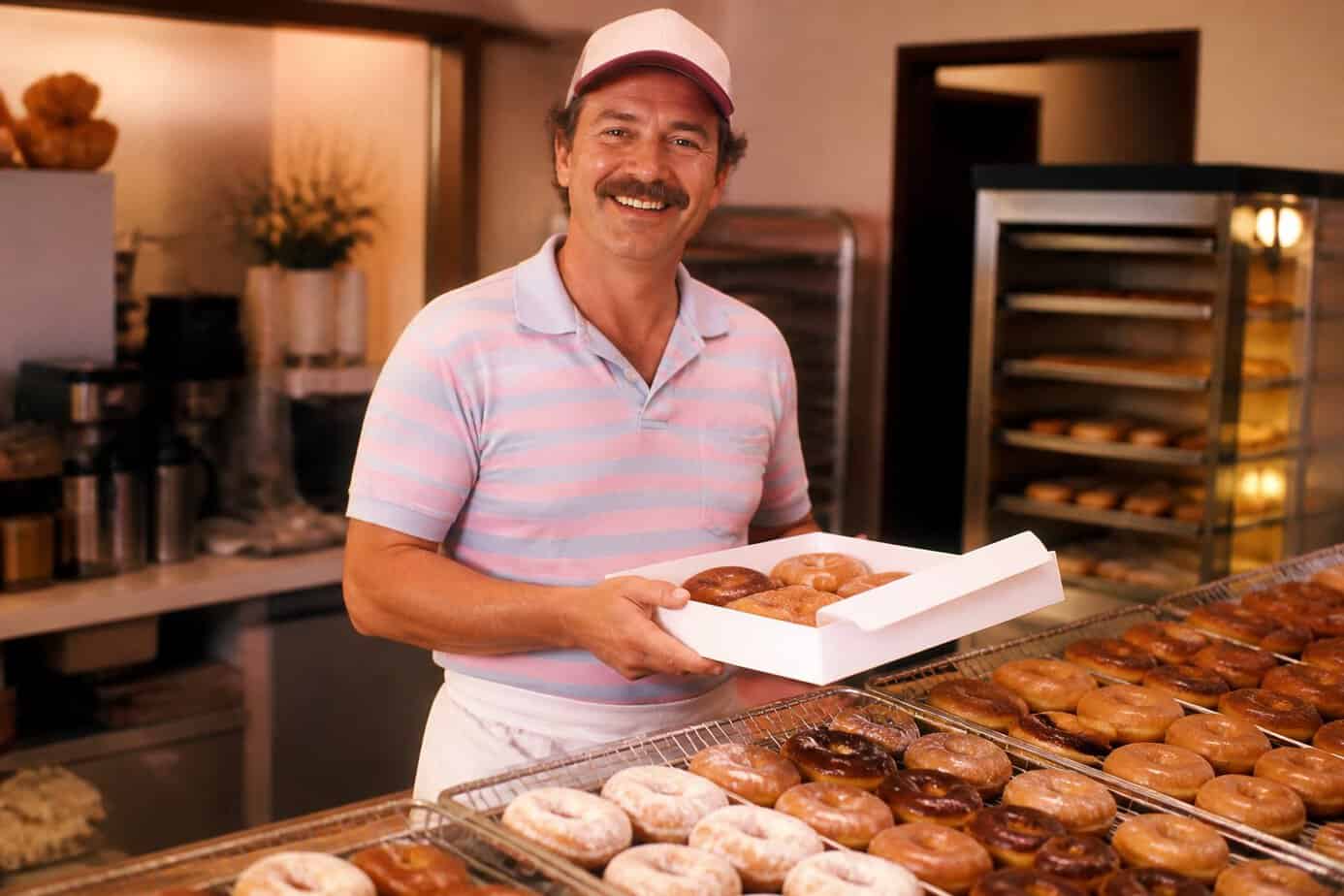
Fred the Baker became a household name in 1981 when Dunkin’ Donuts launched their “It’s Worth the Trip” campaign. Actor Michael Vale portrayed the dedicated, sleepy-eyed worker who dutifully announced “Time to make the donuts” before heading off to work in the early morning hours.
The commercial’s simple premise resonated with your generation. Fred’s commitment to his craft, no matter how tired he looked, struck a chord with working Americans everywhere.
The catchphrase became part of everyday vocabulary throughout the 1980s. You probably heard your parents say it, or repeated it yourself when facing an early morning or tedious task.
The Television Bureau of Advertising recognized it as one of the five best commercials of the decade. Fred the Baker remained a fixture in Dunkin’ Donuts advertising for years, cementing his place in advertising history.
15. “Winston tastes good like a cigarette should” — Winston (1970s‑80s)
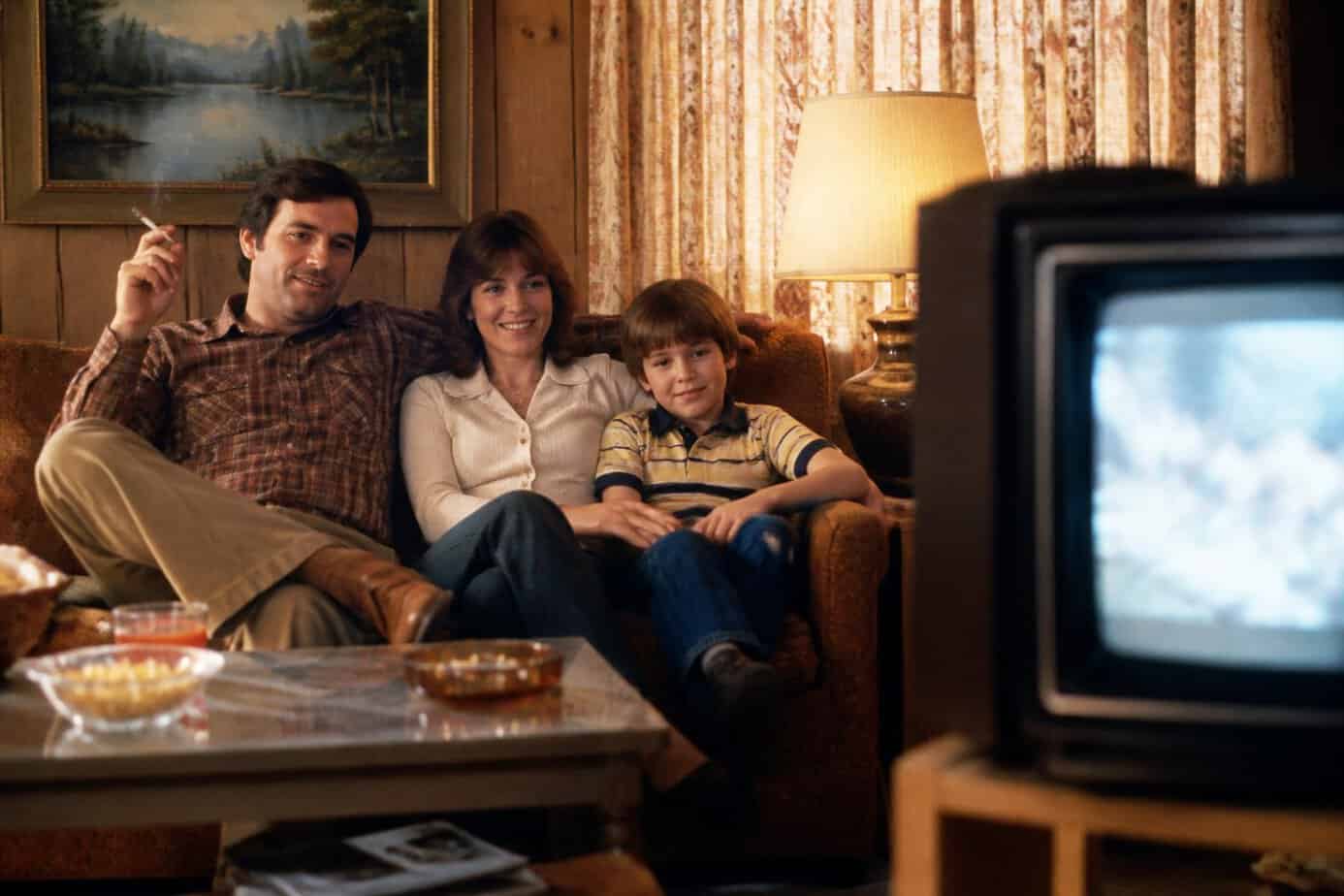
You probably remember this slogan causing a stir, and not just because of the product it advertised. The grammatically controversial “like” instead of “as” sparked debates among English teachers everywhere.
Winston cigarettes ran this campaign for years, and the catchy jingle worked its way into your brain whether you smoked or not. The slogan became so embedded in popular culture that you likely heard it referenced in conversations long after cigarette ads disappeared from television in 1971.
If you grew up in the 1970s and 1980s, you encountered this phrase through various media channels before the advertising restrictions tightened. The deliberate grammar mistake made it even more memorable, which was exactly what the marketers intended.
16. Mr. Whipple — “Please don’t squeeze the Charmin” (Charmin recurring character, 1960s‑80s)
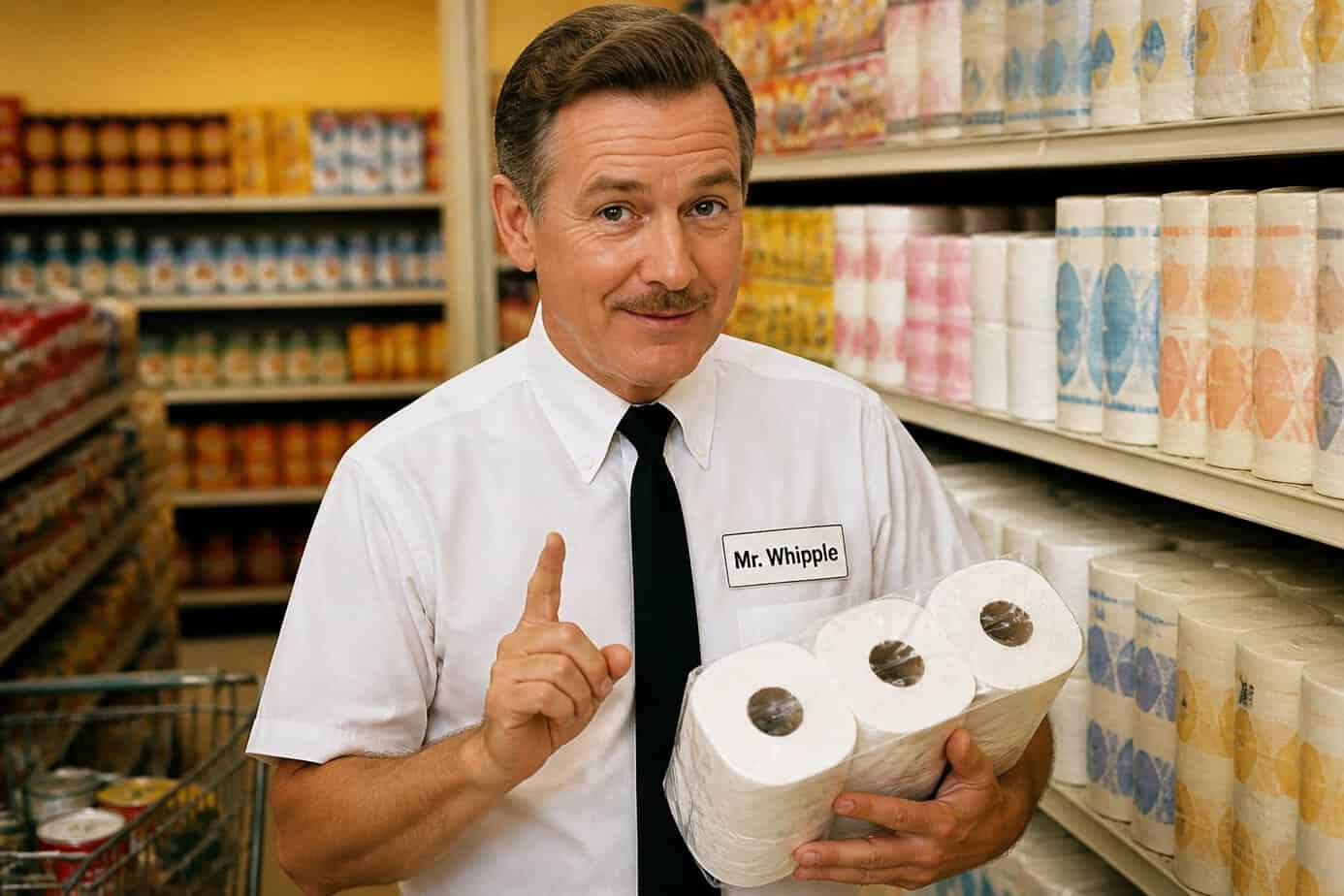
You couldn’t walk past a display of toilet paper without hearing Mr. Whipple’s voice in your head. Dick Wilson played the fussy grocery store manager who spent decades scolding shoppers with his famous line, “Please don’t squeeze the Charmin!”
The campaign ran for over 20 years, making Mr. Whipple one of the most recognized characters in advertising history. You watched him patrol the tissue aisle, catching customers red-handed as they tested the softness of Charmin.
The irony wasn’t lost on you. Mr. Whipple constantly told others not to squeeze, yet he couldn’t resist doing it himself when he thought no one was looking. This simple premise became embedded in your childhood, turning a bathroom tissue into a cultural touchstone you still remember today.
17. The Energizer Bunny — “Keeps going and going” (Energizer, 1989 onward)
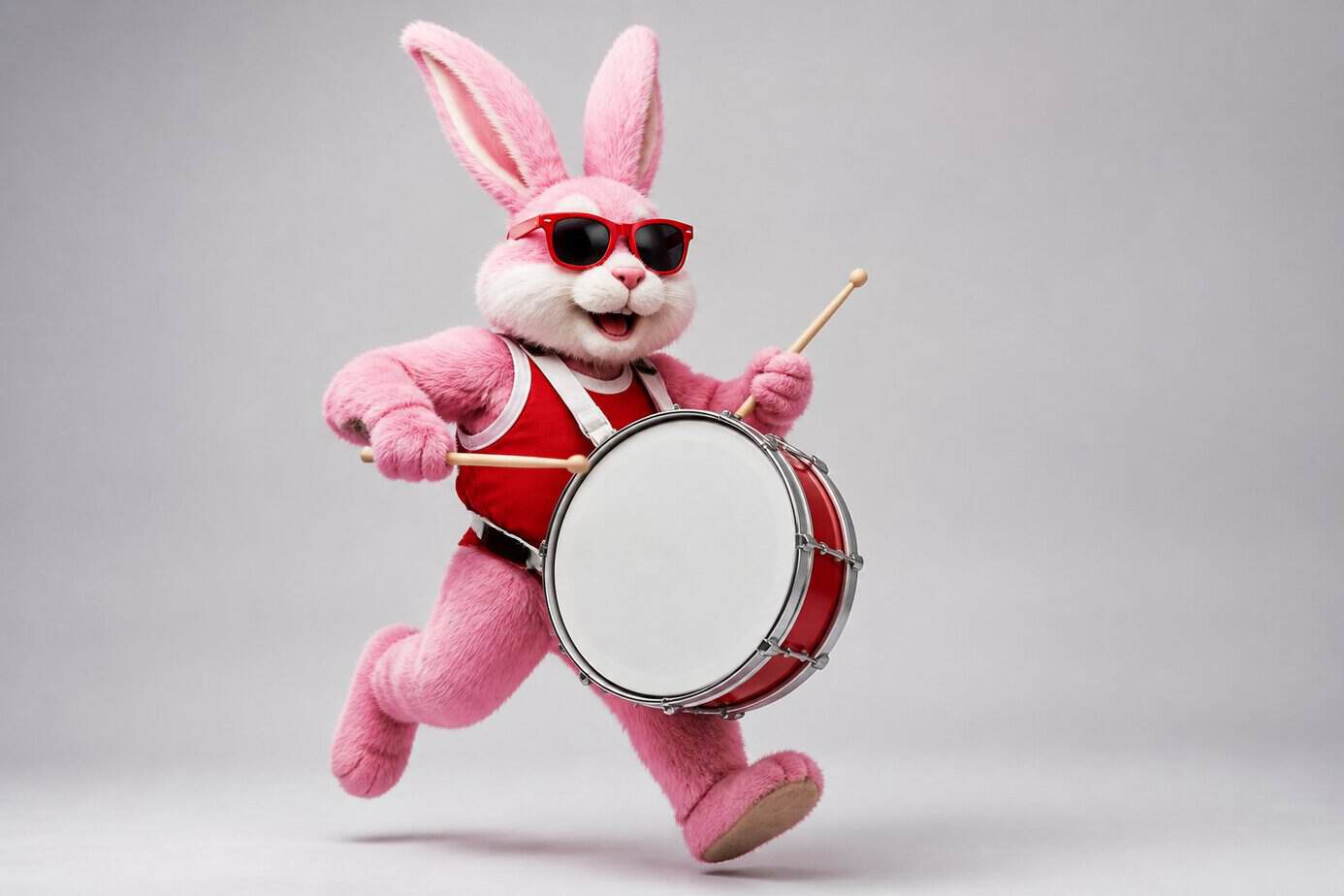
You couldn’t escape this pink mechanical bunny banging his drum through your favorite TV shows. The Energizer Bunny debuted in 1989 with a clever twist that made him unforgettable.
He would interrupt fake commercials for made-up products, marching through with his drum to demonstrate battery longevity. The tagline “keeps going and going” became part of your everyday vocabulary.
What made these ads stick with you was their unexpected format. You’d be watching what seemed like a normal commercial when suddenly the bunny would burst through, proving Energizer’s point about durability.
The campaign started as a competitive response to another battery brand’s advertising. However, it transformed into something much bigger—a pop culture phenomenon that outlasted most advertising campaigns of that era.
18. “I’d like a custom fit” — Lee or Levi’s fitting room/jeans campaign (jeans commercials Gen X remembers)
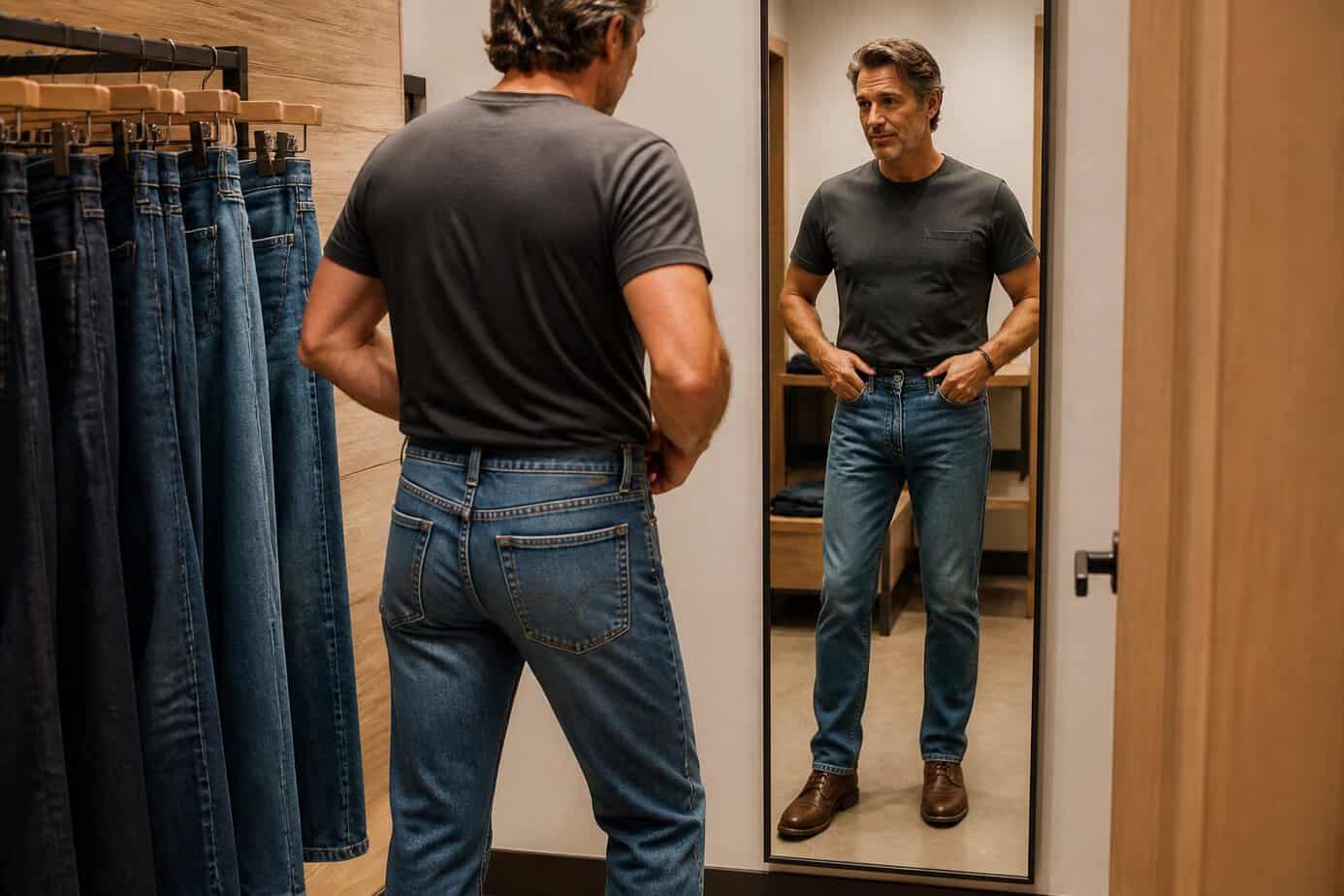
You walked into fitting rooms across America during the 1980s asking for custom-fit jeans. Both Lee and Levi’s ran campaigns emphasizing personalized fits during this era.
Lee’s commercials featured customers confidently requesting custom fits from store associates. The tagline became part of your shopping vocabulary.
Levi’s countered with their own fitting room spots showcasing different body types and styles. These ads normalized the idea that jeans should fit your specific shape.
The campaigns reflected a shift in denim marketing. Instead of one-size-fits-all messaging, brands acknowledged that bodies varied and jeans should too.
You remember these commercials because they made buying jeans feel less intimidating. The phrase stuck with you as shorthand for getting the right fit.
19. “I can’t believe it’s not butter!” — Spread slogan (1980s)
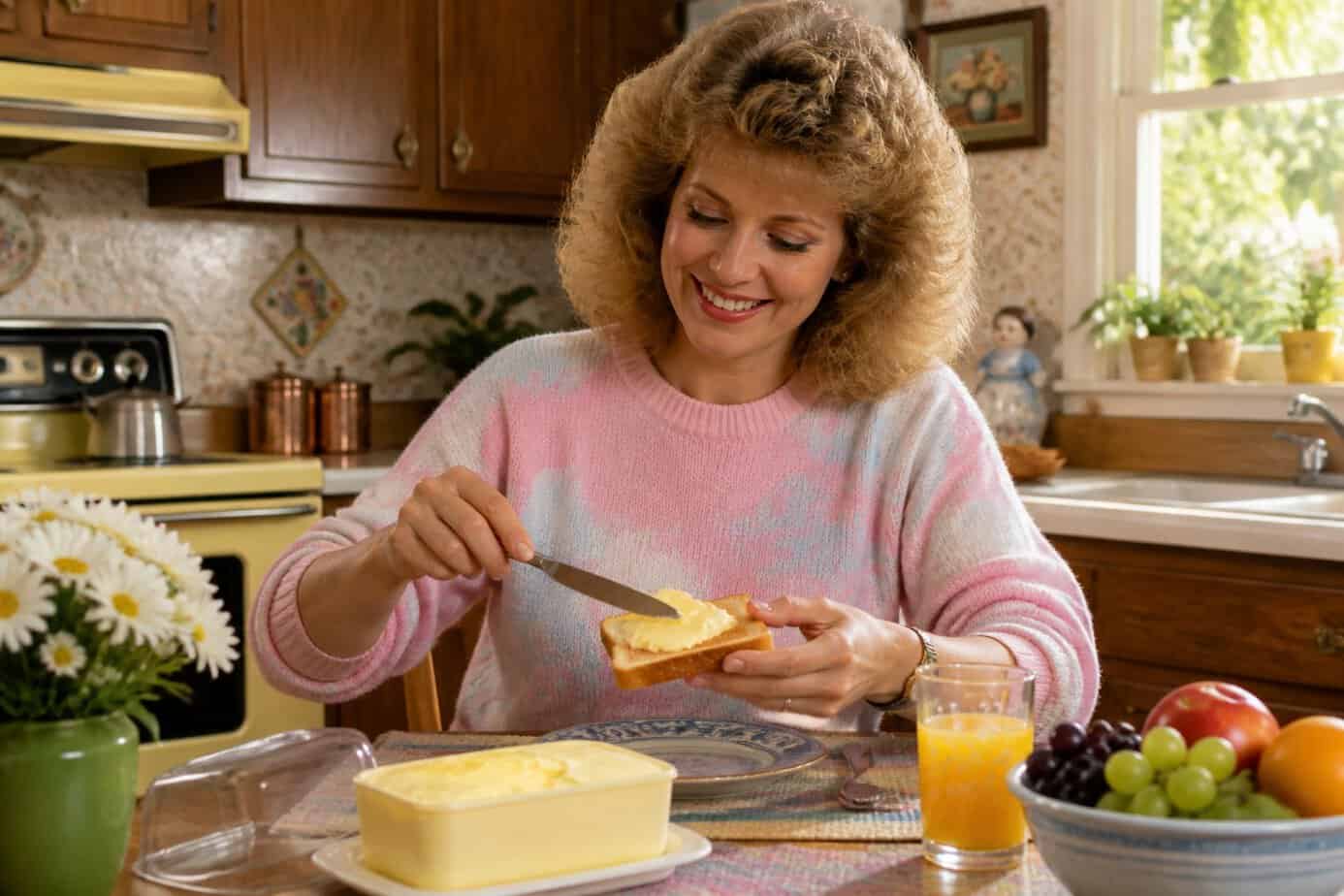
You probably remember the shock and disbelief in those commercials when people tasted this margarine spread. The phrase “I can’t believe it’s not butter” became one of the most recognizable advertising slogans of the era.
The brand launched in 1987 with commercials highlighting that the spread was flavored with sweet cream buttermilk. It delivered a butter-like taste without the cholesterol. You heard that tagline repeated countless times throughout your childhood.
The campaign reached peak memorability in the 1990s when Fabio became the spokesperson. His long-haired, romance-novel persona made the commercials even more unforgettable. You couldn’t flip through channels without encountering him enthusiastically promoting the spread.
The slogan worked because it captured exactly what the product promised. You knew instantly what made this margarine different from every other brand on the shelf.
20. “You don’t have to be Jewish to love Levy’s” — Levy’s Rye bread jingle (1960s‑70s but recalled by older Gen X)
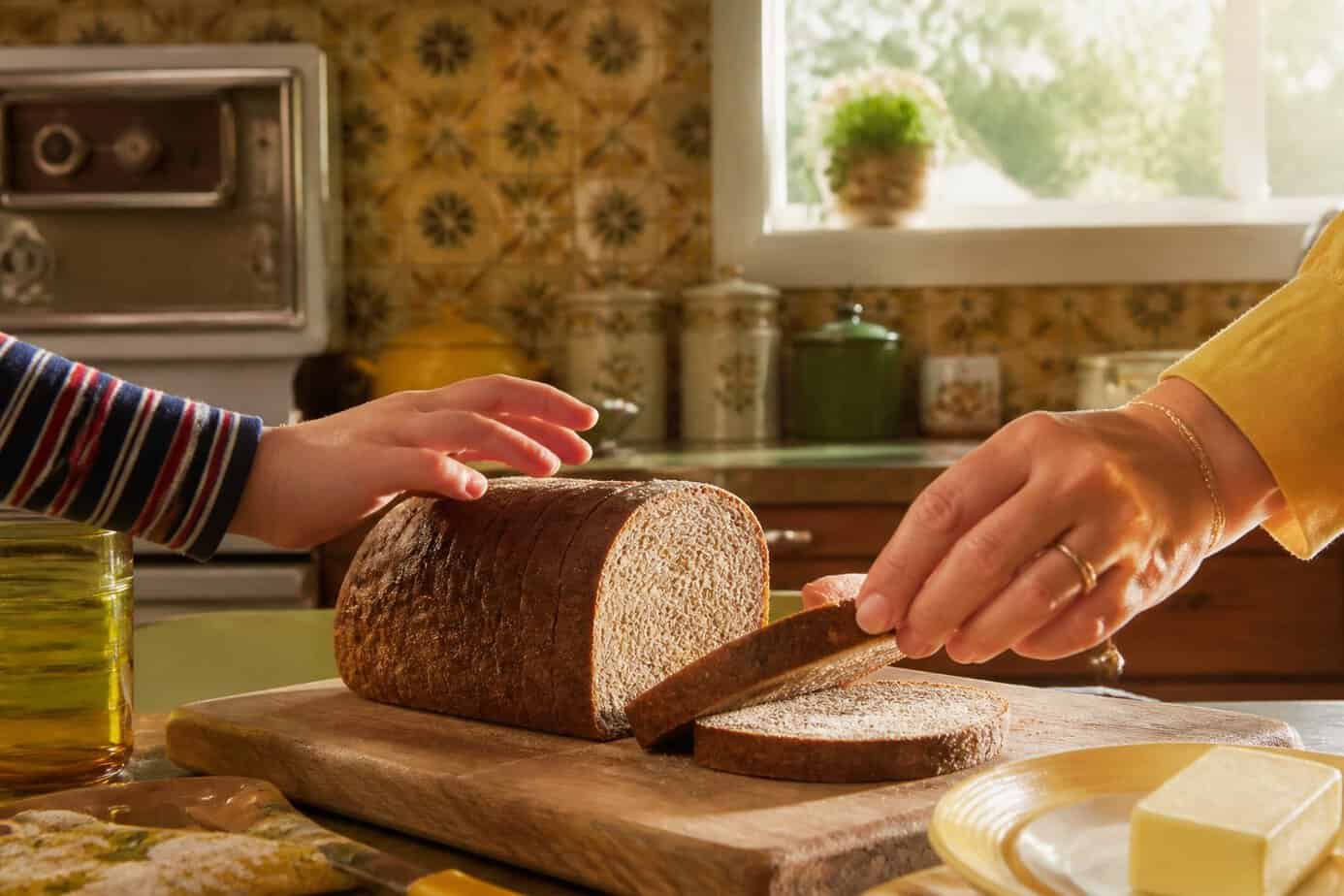
This tagline became one of the most memorable advertising campaigns in New York during the 1960s and early 1970s. The ads featured people from diverse backgrounds enjoying Levy’s real Jewish rye bread, making the inclusive message both clever and effective.
While the campaign technically predates most Gen X childhoods, older members of the generation encountered these iconic print ads during their early years. The simple white text on bold backgrounds made the advertisements instantly recognizable.
The campaign’s success influenced other kosher food brands to adopt similar mainstream marketing approaches. You might remember seeing these vintage ads in subway cars or on billboards if you grew up in New York during the tail end of the campaign. The straightforward message resonated because it broke down cultural barriers through food.
21. “It’s not nice to fool Mother Nature” — Chiffon margarine (1970s)
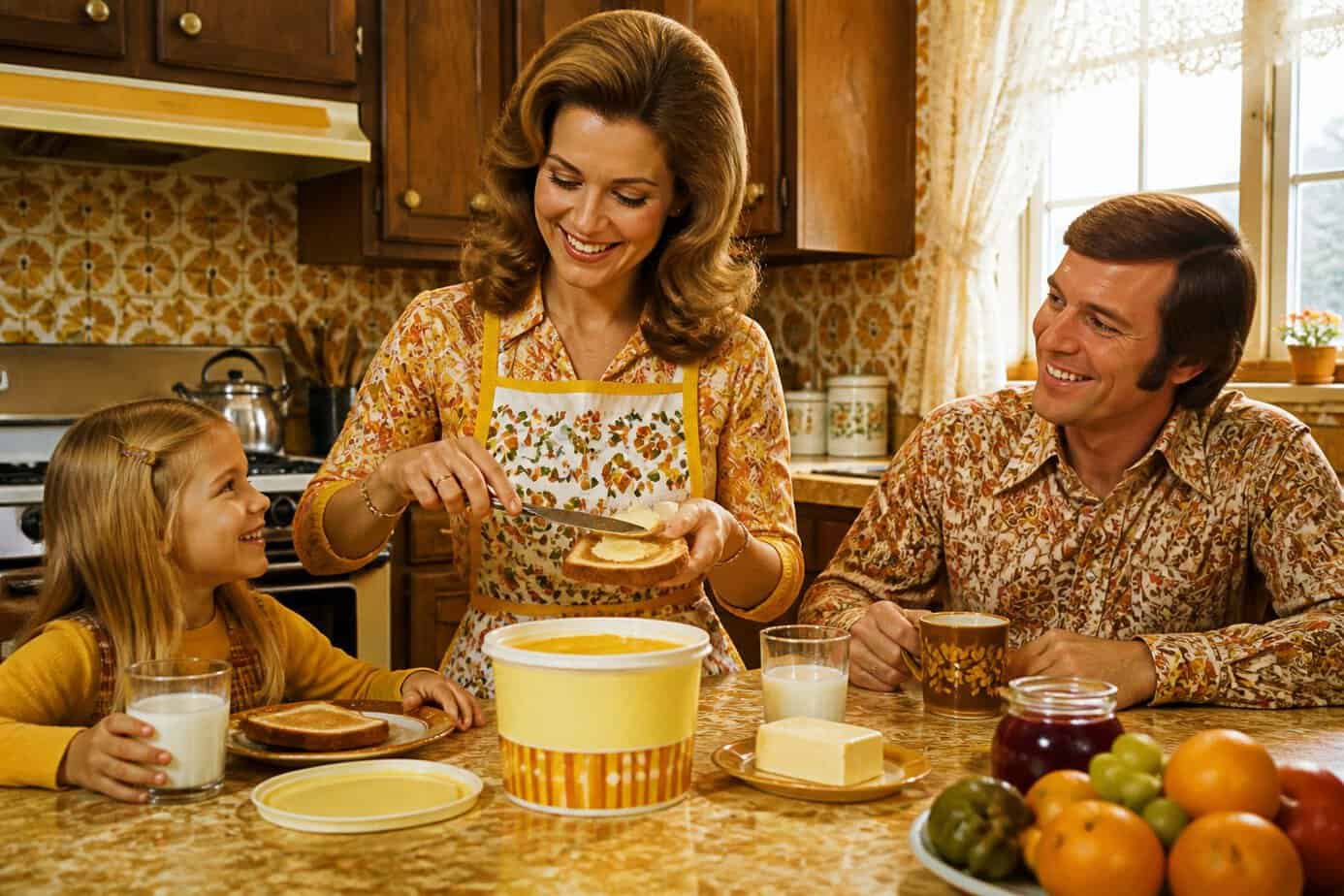
You remember Dena Dietrich as Mother Nature, whether she was swinging on vines or commanding elephants. The Chiffon margarine commercials ran from 1971 to 1979, following the same formula each time.
Mother Nature would sample what she believed was her delicious butter. Voice actor Mason Adams would then inform her it was actually Chiffon margarine. Her response became one of the most quoted advertising lines of the decade: “It’s not nice to fool Mother Nature!”
Thunder and lightning would immediately follow her warning. The commercials worked because they turned product comparison into a memorable personality-driven moment. You didn’t need to see the whole ad to know exactly what was coming when Mother Nature realized she’d been fooled.
22. “Where do you want to go today?” — Microsoft (1994; early Gen X adulthood nostalgia)
Microsoft launched this campaign in November 1994 through Wieden+Kennedy, marking a shift in how tech companies spoke to consumers. The tagline appeared across television, print, and outdoor advertising as personal computers became household staples.
You heard this optimistic question during a pivotal moment when the internet was transforming from something mysterious into an everyday tool. The campaign positioned Microsoft as an enabler of your digital possibilities rather than just a software company.
The ads featured vibrant imagery and focused on human achievement through technology. Microsoft invested $100 million in this campaign through July 1995, demonstrating their commitment to reaching you during the tech boom.
This simple question captured the exploratory spirit of the mid-90s digital age. It reflected your generation’s transition into adulthood alongside emerging technology.
23. Mr. Owl — “How many licks?” (Tootsie Pop commercial featuring the owl, 1970s)

You can still hear Mr. Owl’s voice in your head when someone mentions Tootsie Pops. The commercial debuted in 1969 and featured a young boy asking various animals the burning question: “How many licks does it take to get to the Tootsie Roll center of a Tootsie Pop?”
After being passed along from Mr. Cow to Mr. Fox to Mr. Turtle, the boy finally reached the wise Mr. Owl. You watched as the owl took the candy, began counting—”One, two-HOO, three”—and then crunched right into it.
That impatient chomp gave you the non-answer that became advertising gold: “The world may never know.” You probably tried counting yourself at least once, determined to solve what Mr. Owl wouldn’t.
24. “Plenty of shampoos are pink…” — Herbal Essences/ memorable haircare spots (1980s‑90s)
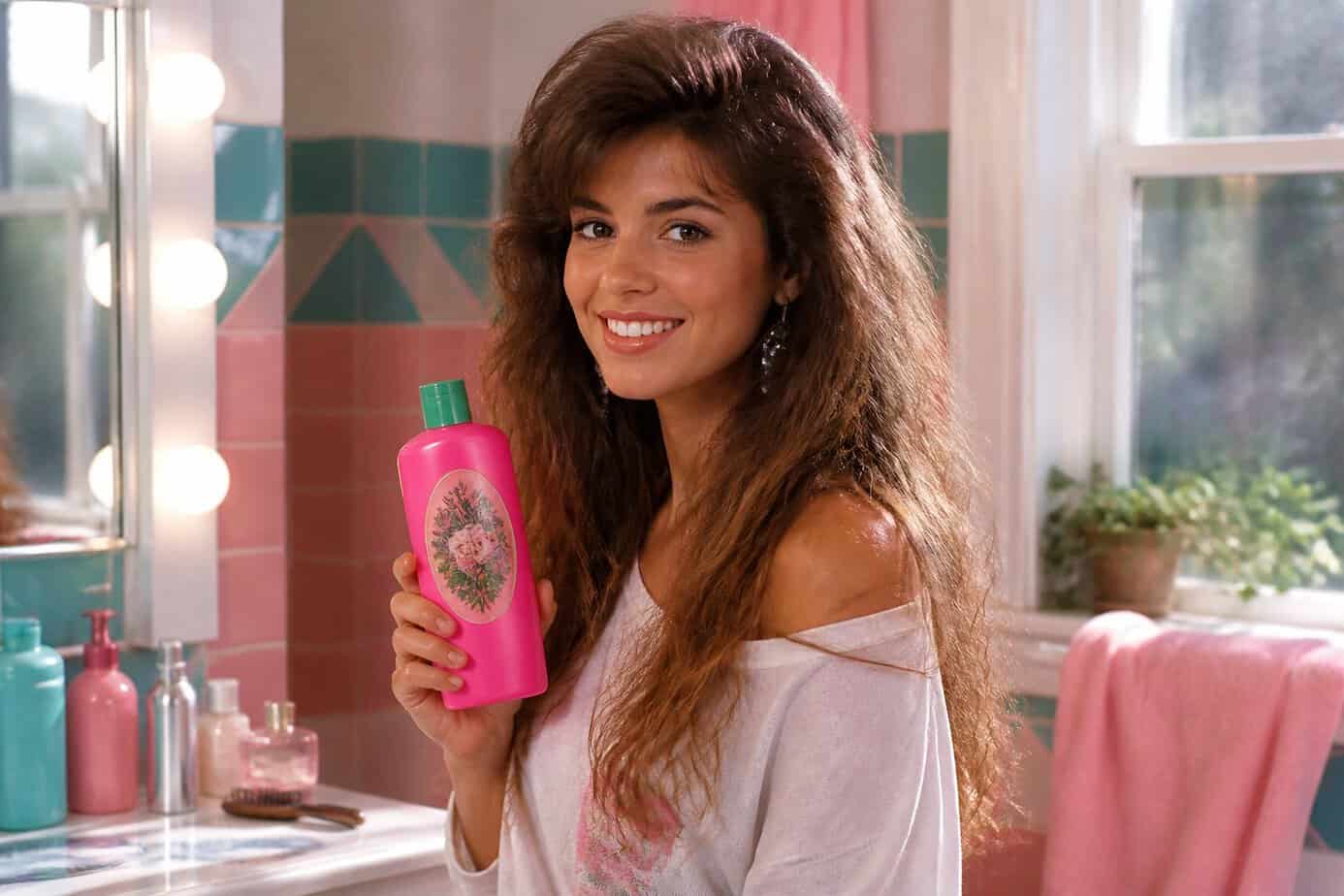
Herbal Essences commercials stood out for their bold approach to selling shampoo. The tagline “Plenty of shampoos are pink, but only one is pure platinum blonde” emphasized the brand’s specific formulas for different hair colors.
You probably remember the distinctive bottles with their botanical illustrations and pastel colors lining store shelves. The ads featured women demonstrating exaggerated pleasure while washing their hair, complete with dramatic reactions and moaning sounds that became the commercials’ signature element.
The “organic experience” campaign made these spots instantly recognizable. Your friends likely imitated the overdramatic shower scenes at sleepovers or lunch tables.
The brand’s combination of herbal positioning and provocative advertising created commercials that were impossible to forget, even decades later.
25. “Good to the last drop” — Maxwell House (classic line carried through decades)

You heard this slogan so many times during your childhood that it became permanently embedded in your memory. Maxwell House introduced “Good to the last drop” long before you were born, but the company continued using it throughout the 1970s and 1980s.
The phrase appeared in countless television commercials during your Saturday morning cartoon sessions and prime-time family viewing hours. You probably repeated it without even thinking about it whenever someone mentioned coffee.
Maxwell House built entire advertising campaigns around this simple seven-word promise. The slogan emphasized the coffee’s quality and consistency, suggesting every cup delivered satisfaction from first sip to the very last drop.
Your parents likely bought Maxwell House at least once, influenced by the memorable tagline that dominated coffee marketing for generations.
26. “We treat you right” — Motel 6 jingle (“I’ll leave the light on”), 1980s theme
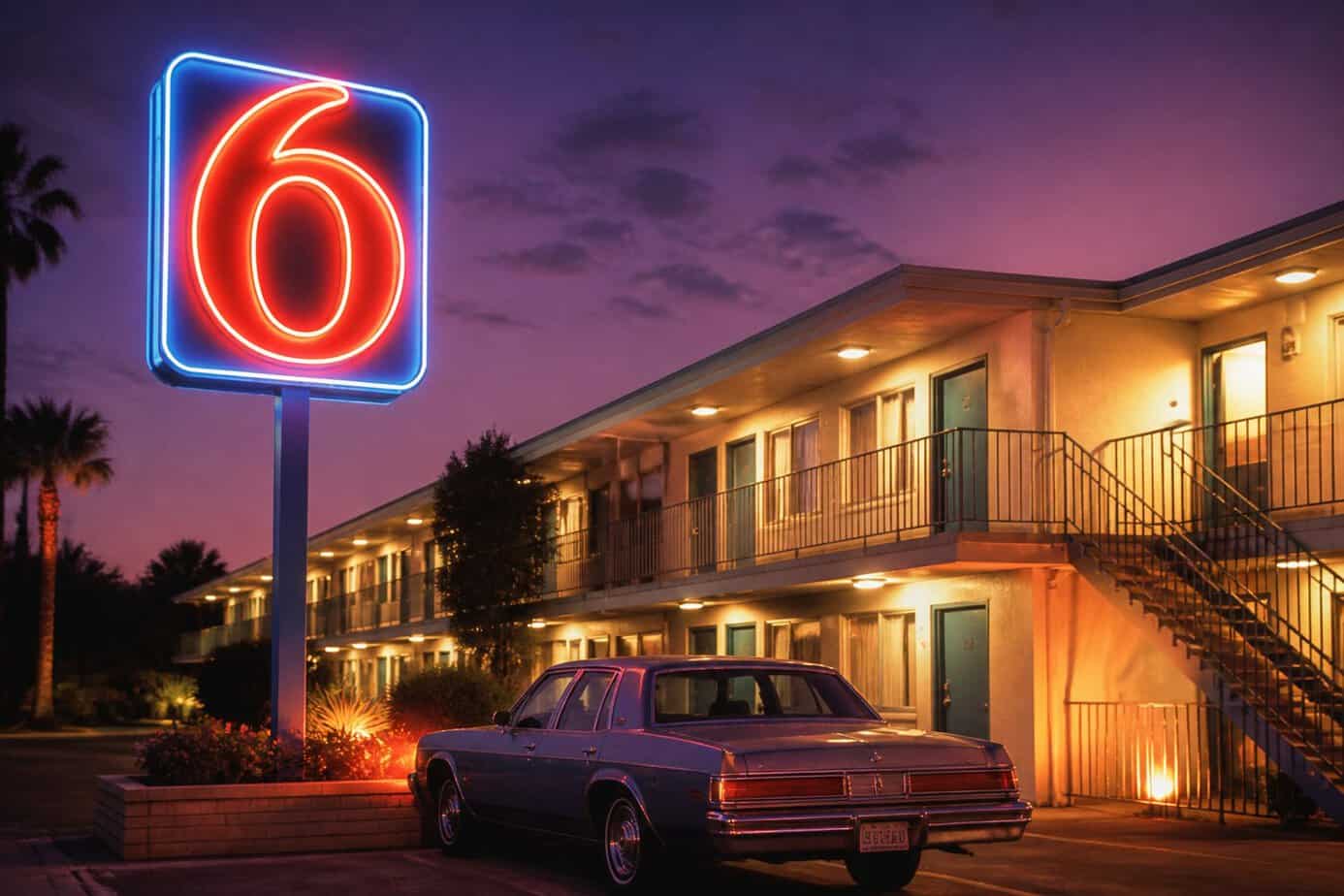
Tom Bodett’s distinctive voice became synonymous with affordable roadside lodging in the 1980s. His folksy delivery and the signature sign-off, “I’m Tom Bodett for Motel 6, and we’ll leave the light on for you,” made the brand memorable.
The commercials emphasized simple hospitality and value. You heard Bodett’s warm, conversational tone describing clean rooms and low prices without unnecessary frills.
The “we’ll leave the light on” phrase created a welcoming image that resonated with travelers. It suggested a home away from home, where someone cared enough to wait up for your arrival.
These ads ran for decades, making Bodett’s voice one of the most recognizable in advertising. You likely still hear that phrase in your head whenever you pass a Motel 6 sign.
27. “I’m stuck on Band‑Aid ’cause Band‑Aid’s stuck on me” — Band‑Aid jingle (1970s)
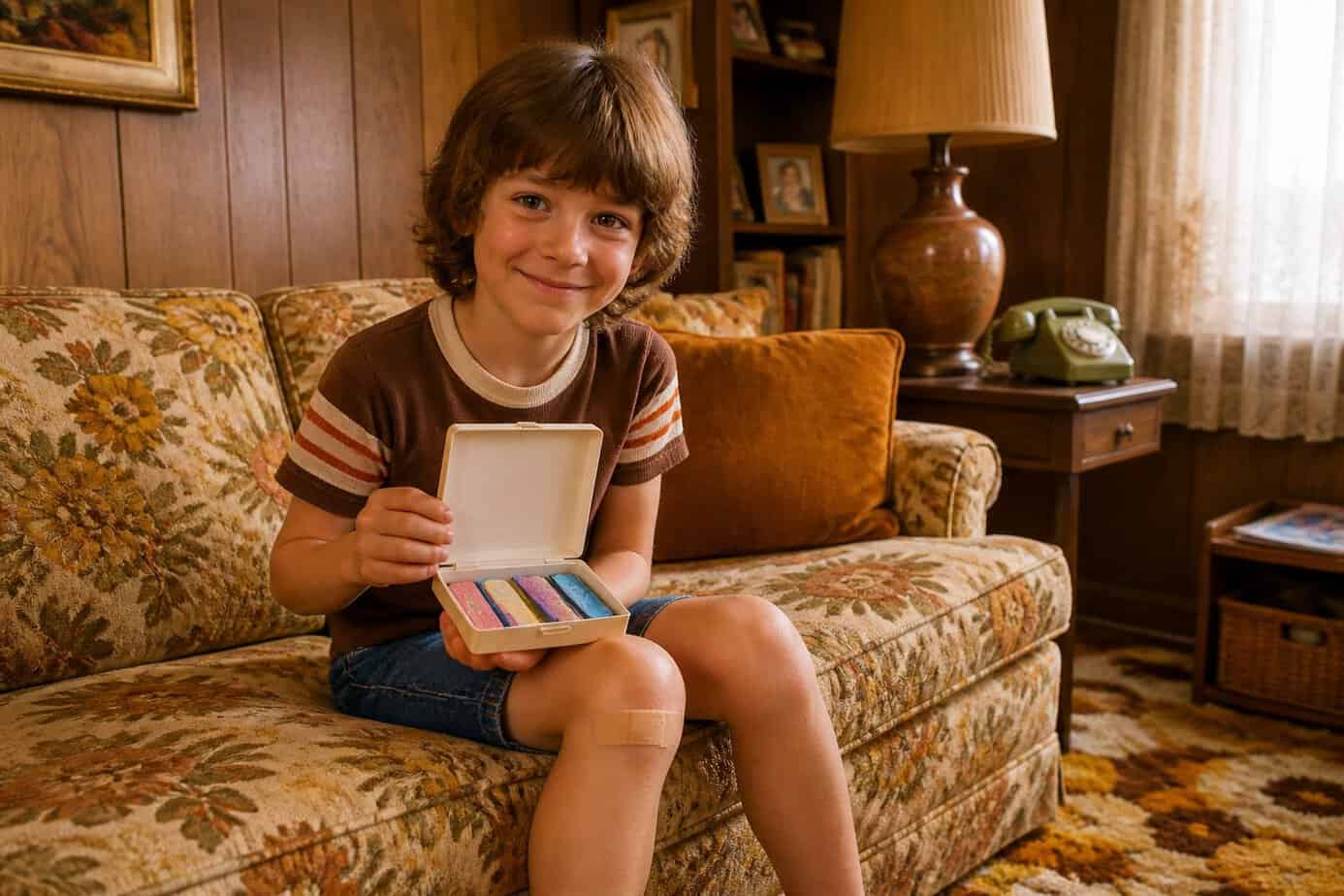
This catchy jingle became one of the most memorable advertising campaigns of the 1970s. You probably sang along with the kids in the commercial as they proudly showed off their colorful bandages.
The song made wearing Band-Aids seem fun rather than a reminder of scrapes and cuts. Johnson & Johnson’s marketing team created something that went beyond a simple product advertisement.
You likely found yourself humming this tune long after the commercial ended. The jingle’s simple rhyme and upbeat melody made it stick in your mind just like the product stuck to your skin.
The campaign ran throughout the mid-1970s and featured children of various backgrounds. It became a cultural touchstone that defined a generation’s relationship with this everyday first-aid product.
28. “Get your kicks on Route 66″‑style travel nostalgia spots (nostalgic auto/tourism commercials Gen X quotes)
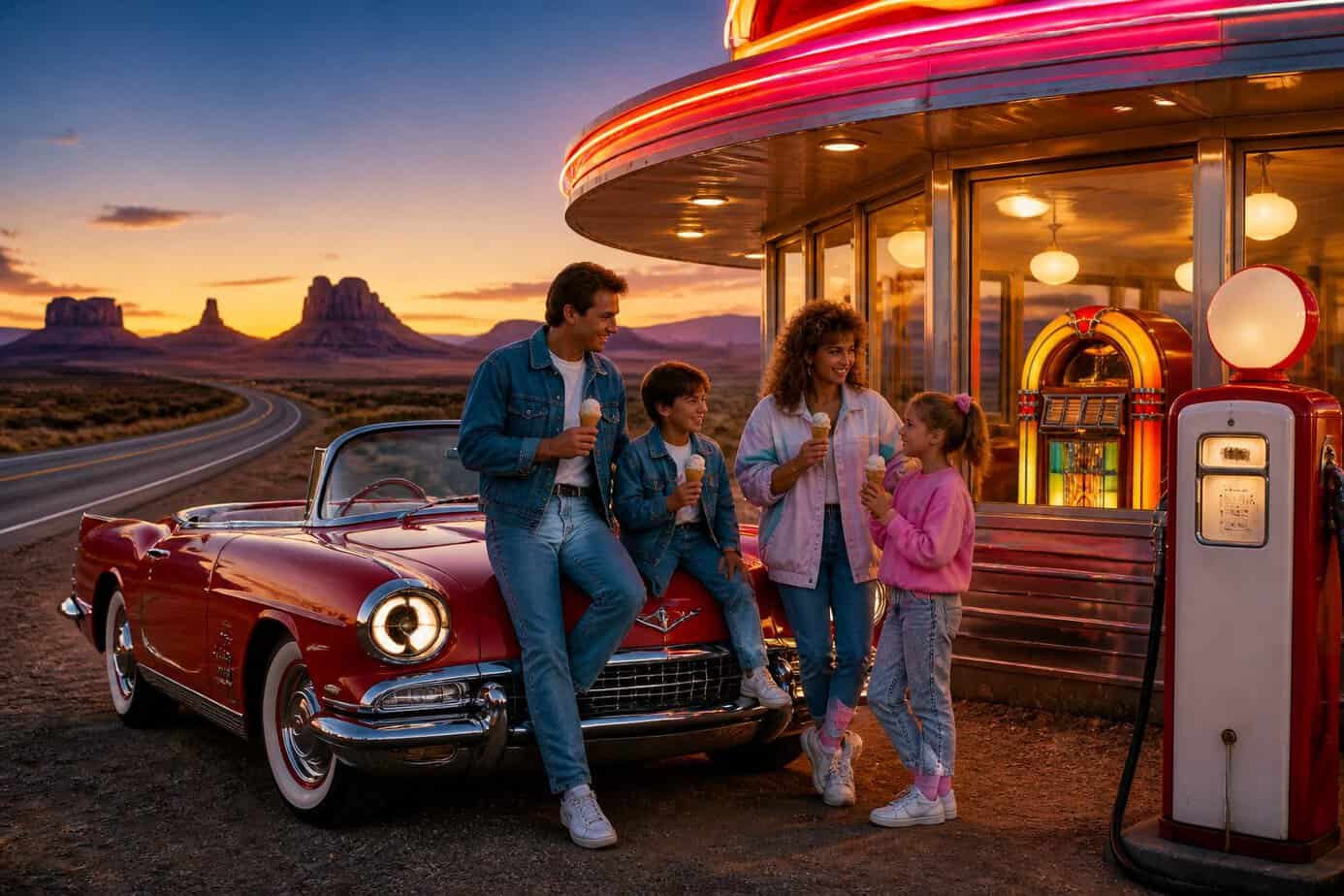
Travel and automotive commercials in the 1980s and 1990s tapped into Route 66 nostalgia to sell everything from cars to vacation packages. You probably remember tourism boards using the classic 1946 Nat King Cole song to evoke open-road freedom.
Car manufacturers frequently featured winding highways and vintage Americana imagery in their ads. These spots promised adventure beyond your suburban driveway.
State tourism campaigns borrowed heavily from this aesthetic. You saw commercials showing families discovering roadside attractions and classic diners along forgotten highways.
The phrase “get your kicks” became shorthand for authentic American travel experiences. Advertisers used it to distinguish their products from generic vacation packages.
These commercials worked because they connected with your childhood road trips and your parents’ stories about pre-interstate travel. The nostalgia felt genuine even if you’d never driven Route 66 yourself.
29. “You’re soaking in it” — After Sun/Johnson’s style bath oil parody recall (similar to memorable bath product lines)
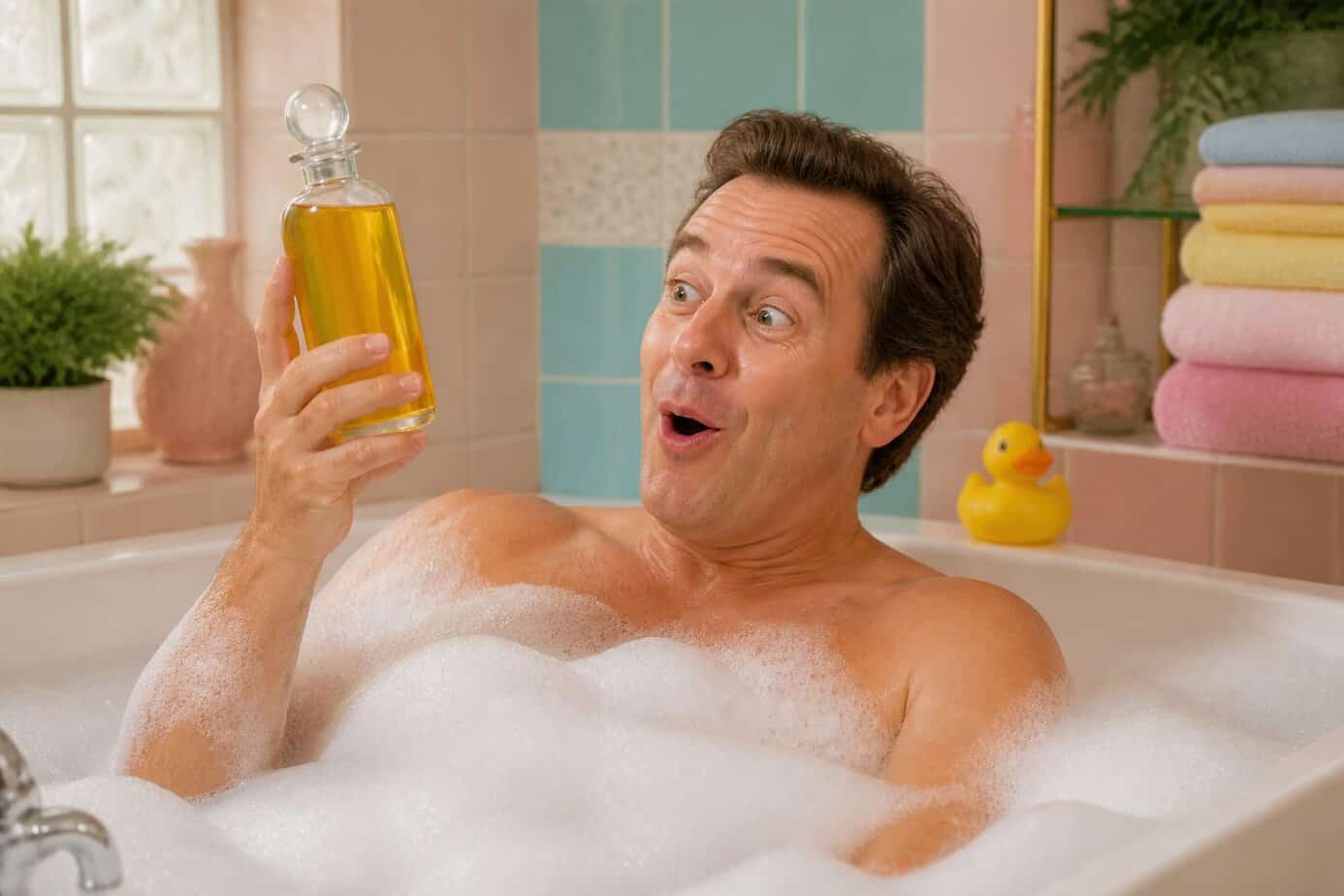
The iconic “You’re soaking in it” line became embedded in Gen X consciousness through Palmolive dishwashing liquid commercials featuring Madge the manicurist. The setup was simple but effective: a customer would admire how soft her hands felt during a manicure, only to learn with shock that her fingers were submerged in dishwashing liquid.
This same formula appeared in various bath and beauty product advertisements throughout the 1970s and 1980s. You likely remember similar reveals in commercials for bath oils and hand soaps where the punchline hinged on an unexpected product revelation.
The phrase transcended its original context and became shorthand for any situation where you were already experiencing something without realizing it. It remains one of those advertising taglines that Gen Xers can instantly recall and quote.
30. “Chicken of the Sea” tuna jingle (classic supermarket jingle Gen X remembers)
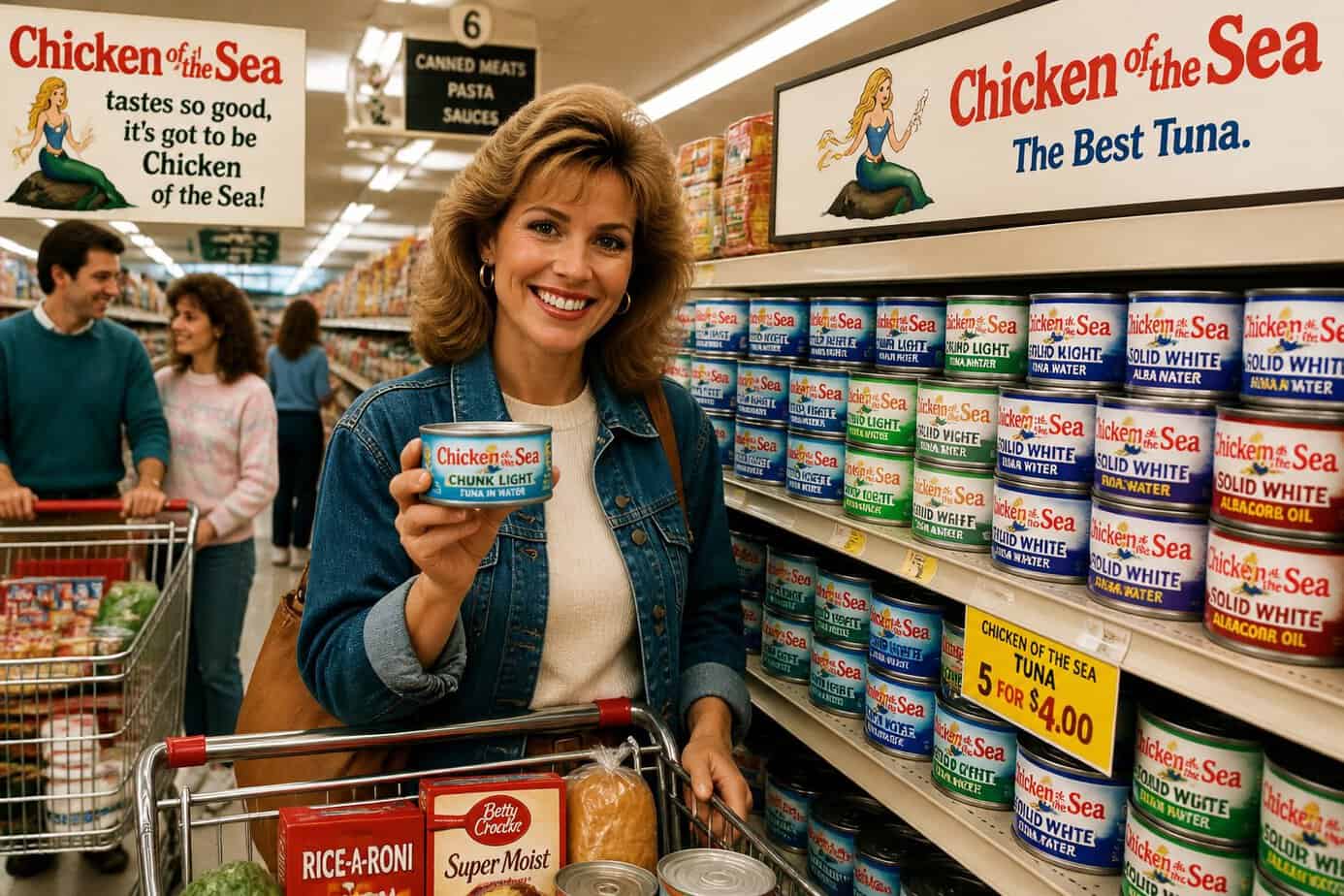
You probably remember the Chicken of the Sea jingle from countless trips to the grocery store with your parents. The catchy tune featured an animated mermaid singing about the canned tuna brand.
The commercials aired throughout the 1970s and 1980s, making the mermaid mascot a familiar face in households across America. She appeared on the label and in TV spots, often preparing various tuna dishes while singing the memorable jingle.
The brand name itself came from fishermen who called white albacore “chicken of the sea” because of its mild flavor and light color. You likely hummed along to those commercials without realizing the origin of the name.
The mermaid character became so iconic that Gen X kids instantly recognized her at the supermarket. Those simple animated spots created lasting memories that still stick with you decades later.
31. “Mikey likes it” — Life cereal (Mikey commercial, 1972 but replayed widely)
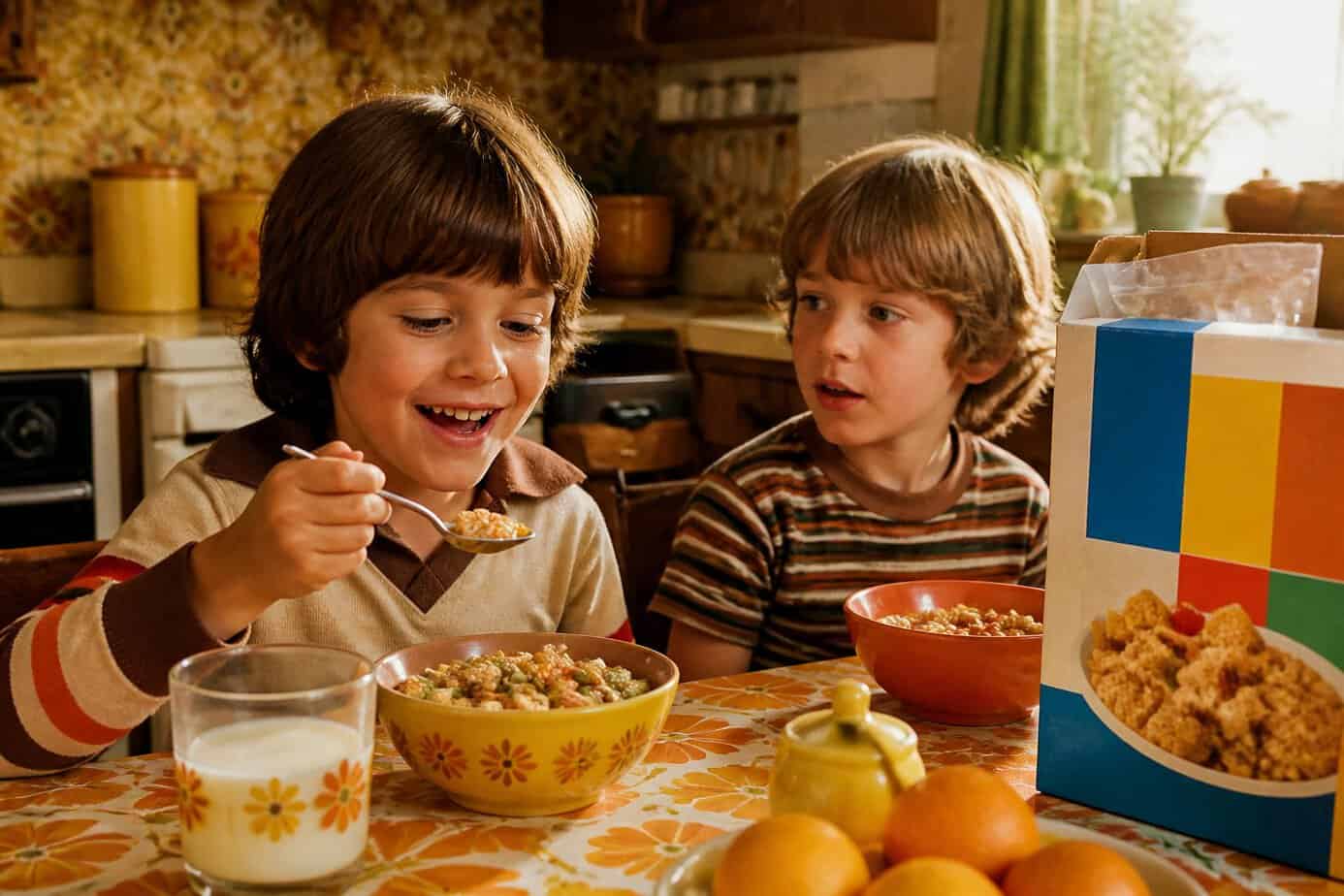
You probably remember the Life cereal commercial even if you can’t recall every detail. It featured three brothers at a breakfast table, with two of them pushing a bowl of Life cereal toward their younger brother Mikey to test it first.
The ad filmed in 1971 and first aired in 1972. John Gilchrist played Mikey when he was just three years old. The commercial’s famous line was actually “He likes it!” rather than the commonly misquoted “Mikey likes it.”
You saw this ad countless times because it remained in rotation for over 12 years, running through 1986. The simple premise worked because it captured a relatable moment: kids suspicious of anything labeled healthy. When picky Mikey enthusiastically ate the cereal, you knew it had to be good.
Cultural Impact of Iconic TV Commercials
Television advertisements from the 1970s through 1990s created a shared cultural vocabulary that continues to influence how Gen X communicates and identifies with their generation. These commercials transcended their original sales purpose to become reference points in everyday interactions.
How Memorable Ads Shape Generational Identity
The commercials you watched as a Gen X kid became markers of your cultural experience. When someone mentions the Tootsie Pop owl asking “How many licks does it take?”, you immediately connect with others who grew up during the same era. These advertisements created a common ground that separated your generation from Boomers before you and Millennials after.
Your psychological makeup includes brand mascots and jingles that ran repeatedly during Saturday morning cartoons and after-school programming. The Tootsie Pop commercial, which first aired in 1969, became such a fixture that it shaped how you think about problem-solving and patience. These ads didn’t just sell products—they created touchstones for shared memories.
The repetition of these commercials embedded them into your consciousness whether you wanted them there or not. You can still recall specific scenes, character voices, and product demonstrations decades later because they appeared during formative moments of your childhood.
Influence on Popular Phrases and Everyday Conversation
You still quote commercial catchphrases in casual conversation without thinking about their advertising origins. These snippets of marketing copy became legitimate expressions in your daily vocabulary. When you reference these ads, you’re using cultural shorthand that other Gen Xers instantly recognize.
Common commercial phrases that entered everyday language:
- Product-specific slogans that answer questions
- Jingles that describe situations
- Character catchphrases used as responses
- Brand taglines applied to unrelated contexts
Your ability to quote these commercials verbatim demonstrates their linguistic staying power. You insert these references into conversations about work, family, and current events. The phrases work because they capture universal human experiences through humor, emotion, or clever wordplay that resonated beyond the original 30-second spot.
Advertising Trends of the Gen X Era
Television advertising during the 1970s and 1980s relied on repetition, memorable jingles, and character-driven storytelling that created lasting brand recognition. These commercials appeared during scheduled breaks in Saturday morning cartoons and prime-time programming when viewers had no option to skip or fast-forward.
Distinctive Features of 1970s and 1980s Commercials
Advertisers targeted you through mascots and cartoon characters that became cultural icons. The Tootsie Pop owl, which debuted in 1969, exemplified this approach by asking a simple question that generations of viewers still remember.
Jingles served as the primary tool for brand memorization. Companies invested in catchy musical phrases that you would unconsciously repeat long after the commercial ended. These audio signatures worked because you heard them repeatedly during your favorite shows.
Key advertising elements included:
- Animated characters that personified products
- Repetitive slogans designed for instant recall
- Live-action demonstrations showing product benefits
- Celebrity endorsements from athletes and actors
The 30-second format became an art form. Advertisers had to capture your attention, deliver a message, and create memorability in half a minute. This constraint forced creativity and precision in storytelling.
Evolution of Advertising Techniques
The transition from the 1970s to 1980s brought increased production values and sophisticated marketing psychology. You saw commercials shift from simple product demonstrations to lifestyle branding that associated products with aspirational identities.
Advertisers began testing emotional appeals rather than purely functional benefits. Fast-food chains, toy manufacturers, and cereal brands created narratives that connected their products to happiness, friendship, and family bonding.
The rise of cable television in the early 1980s expanded advertising reach and allowed for more targeted demographics. Saturday morning blocks specifically catered to children, creating a dedicated space for toy and cereal advertising that shaped your consumer habits.
Market research became more sophisticated, with companies analyzing which commercials generated the strongest recall and purchase intent. This data-driven approach refined the techniques that made certain jingles and slogans permanently lodge in your memory.