27 Recipes Grandma Made That Nobody Cooks Anymore
You learned most of these recipes standing at your mother’s elbow, or from a card in her handwriting with a grease spot in the corner. Later you made them yourself as a young wife, for Sunday dinners, church suppers, bridge club and the nights when the grocery money had to stretch.
Some of them were thrifty, some were showing off for company, and a few had names that still make people laugh. What they had in common was that you made them from scratch, and your family ate them without a second thought.
Times changed. Supermarkets, boxed mixes, frozen dinners and busy schedules pushed a lot of these dishes off the table, and many younger cooks have never even heard of them. Here are 27 recipes that once came out of kitchens like yours all the time, and that hardly anyone cooks anymore.
1. Ham Loaf with a Brown Sugar Glaze
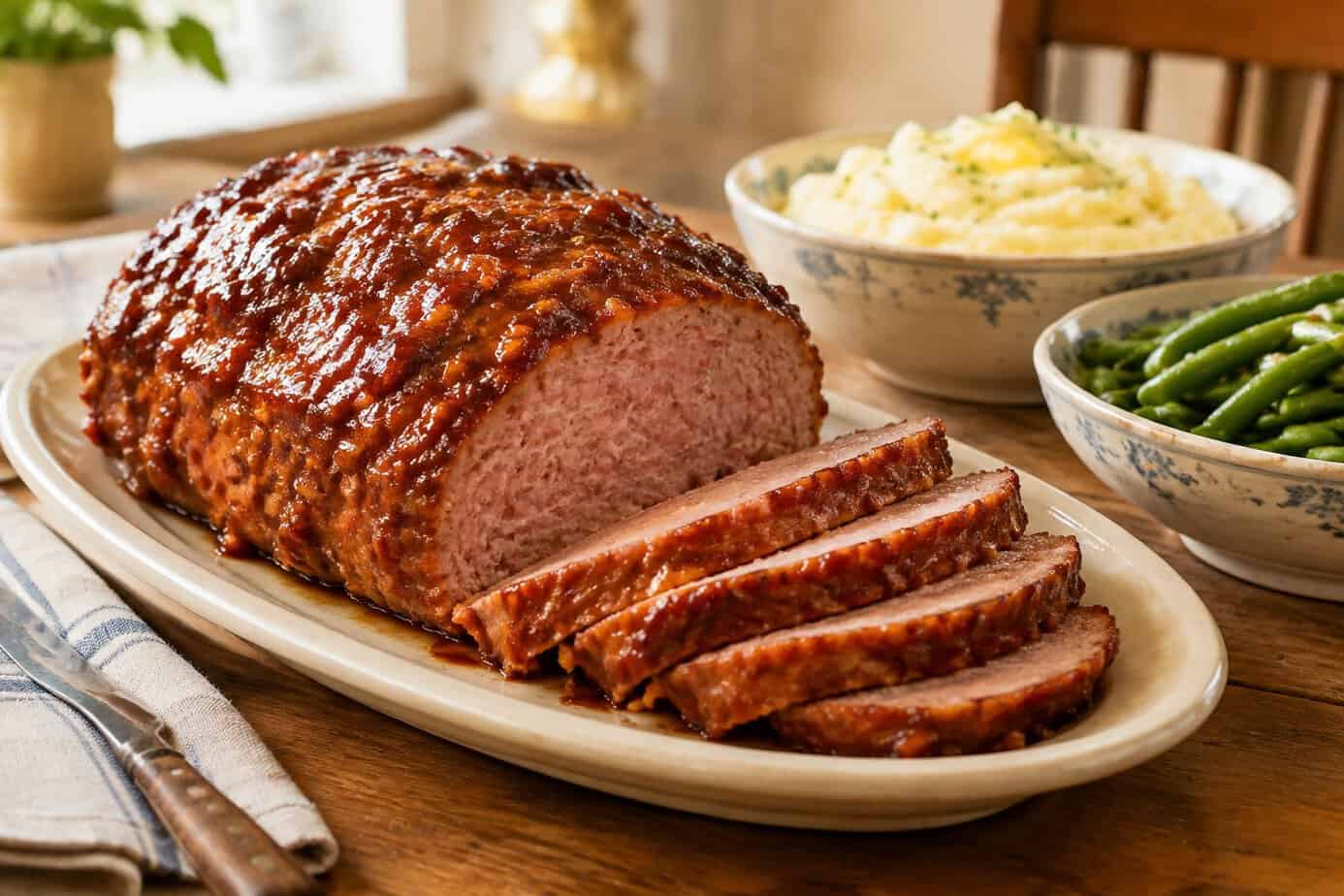
You didn’t make ham loaf from scratch so much as from a trip to the butcher counter. In much of the Midwest and Pennsylvania, you could ask for “ham loaf mix,” a blend of ground smoked ham and ground fresh pork, and the butcher knew exactly what you meant. At home you stirred in cracker or bread crumbs, an egg or two and a splash of milk, then patted it into a loaf pan.
The glaze was the part everyone remembers. Brown sugar, a little vinegar and a spoonful of dry mustard, boiled for a minute and spooned over the top while it baked, turned the crust sticky and dark. It was a smart way to stretch the end of a holiday ham, and it sliced cold for sandwiches the next day. Today most meat counters look at you blankly if you ask for ham loaf mix, and the recipe has quietly gone with it.
2. Chicken Tetrazzini
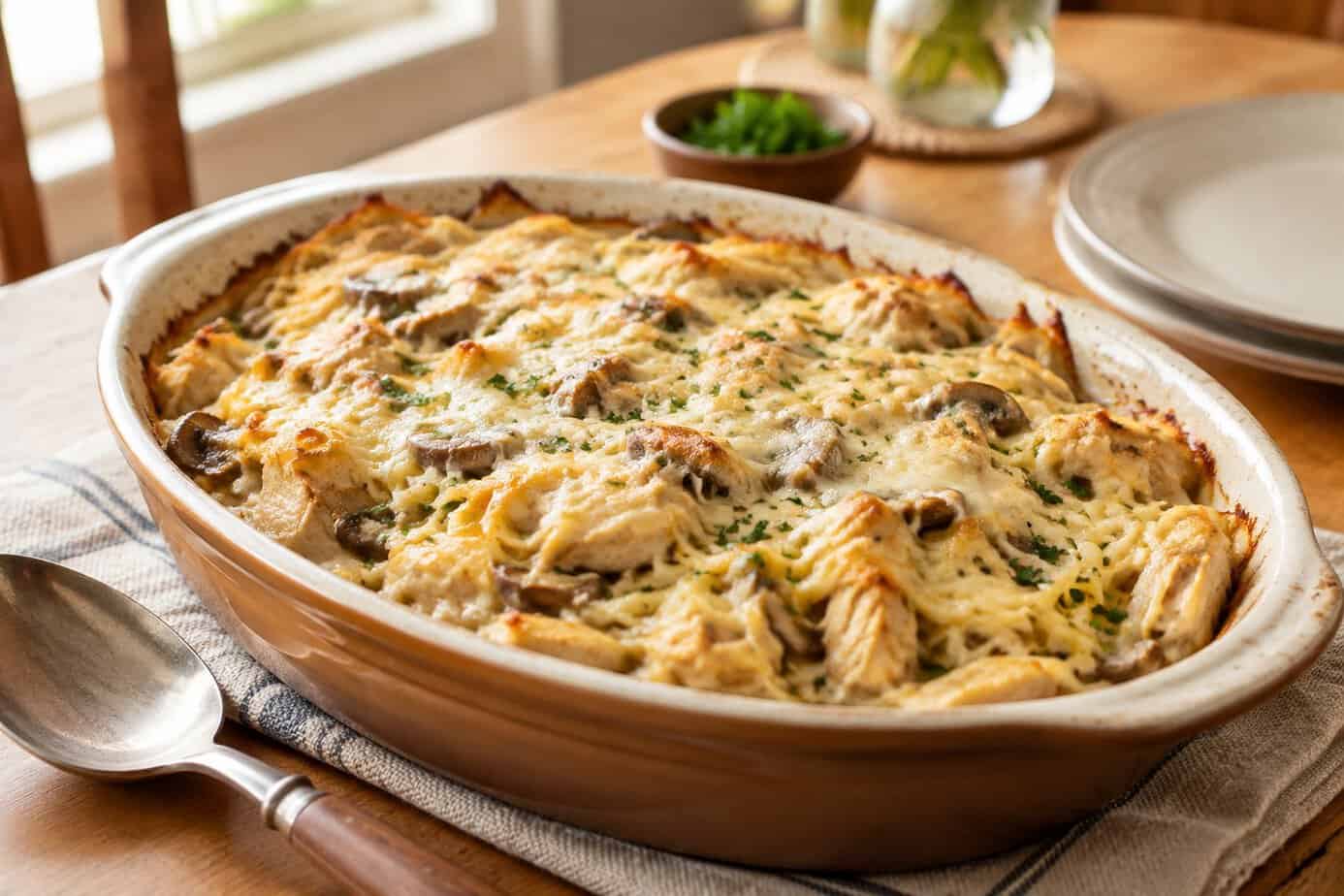
This was your answer to a crowd and a leftover chicken. You cooked spaghetti, made a creamy sauce with butter, flour, broth and milk or cream, added mushrooms and a little sherry if you had it, then folded in the chopped chicken. Everything went into a buttered casserole dish under a blanket of grated Parmesan and maybe some buttered crumbs, and it baked until the top bubbled and browned at the edges.
The dish was named for Luisa Tetrazzini, an Italian opera singer who was a huge star in the early 1900s, which made it sound much fancier than leftover chicken and noodles had any right to. It showed up at church suppers, wedding showers and the day after Thanksgiving, when turkey took the chicken’s place. Somewhere along the way the cream sauce gave way to canned soup, and then the whole dish slipped off the weekly rotation.
3. Pineapple Upside-Down Cake
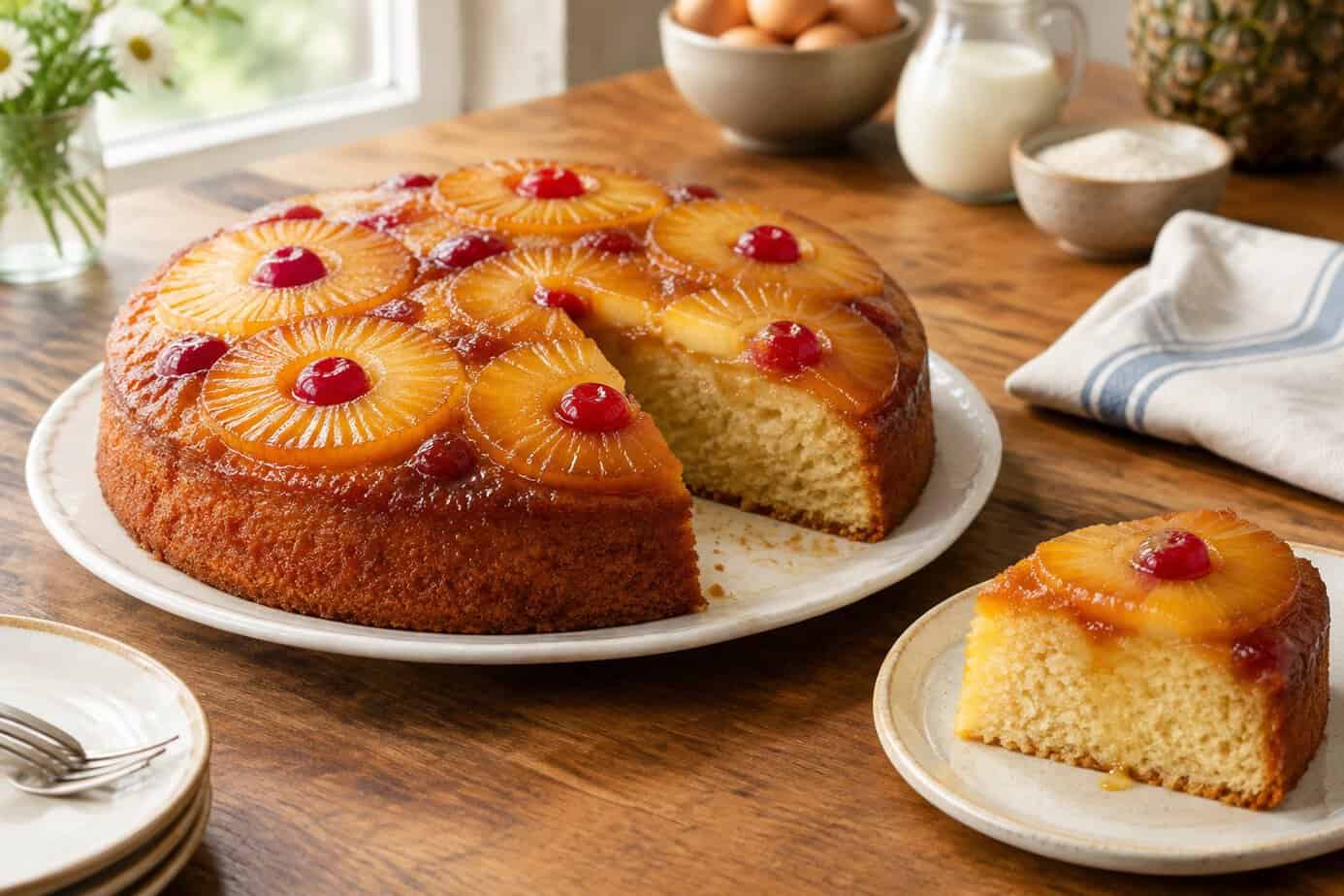
You probably made this one in a cast-iron skillet before you ever owned a fancy cake pan. Butter and brown sugar melted in the bottom, canned pineapple rings went down in neat rows, and a maraschino cherry sat in the middle of each ring. You poured a plain yellow batter over the top, baked it, then held your breath and flipped it onto a plate.
The cake owes a lot to canned pineapple. When the Hawaiian Pineapple Company, the people behind Dole, held a recipe contest in 1925, it drew tens of thousands of entries, and about 2,500 of them were for pineapple upside-down cake. By your day it was a church-supper and birthday standby. Boxed mixes and bakery cakes made it easy to skip, and these days a whole generation has never seen one come out of a skillet glistening and still warm.
4. Chicken Fricassee
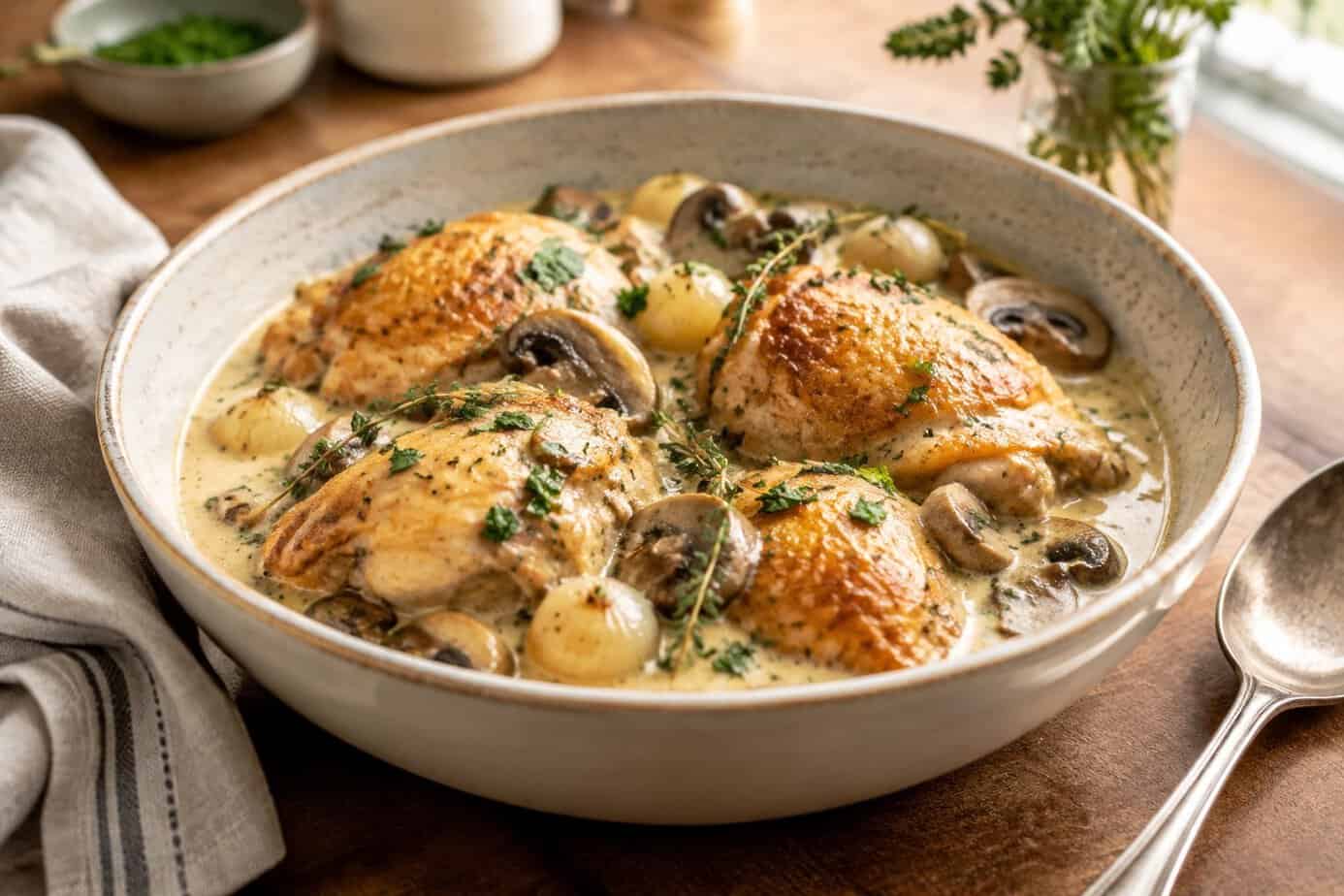
Fricassee was what you did with a stewing hen, an older bird that was too tough to roast but full of flavor. You cut it into pieces, dredged them in flour, browned them in butter or fat, then covered the pot and let the chicken simmer slowly with onion, celery and water until the meat nearly fell off the bones. The broth became a pale, creamy gravy, sometimes finished with a little cream or an egg yolk.
You served it over biscuits, rice or mashed potatoes, and it made a modest bird feed a whole table on a Sunday. The dish fell away partly because stewing hens did. Supermarkets filled up with young broiler-fryers that cook fast, and the older hens that made fricassee worth the hours mostly went into soups and processed foods. Without the right bird, and the long afternoon, the dish simply got harder to make.
5. Tomato Soup Cake
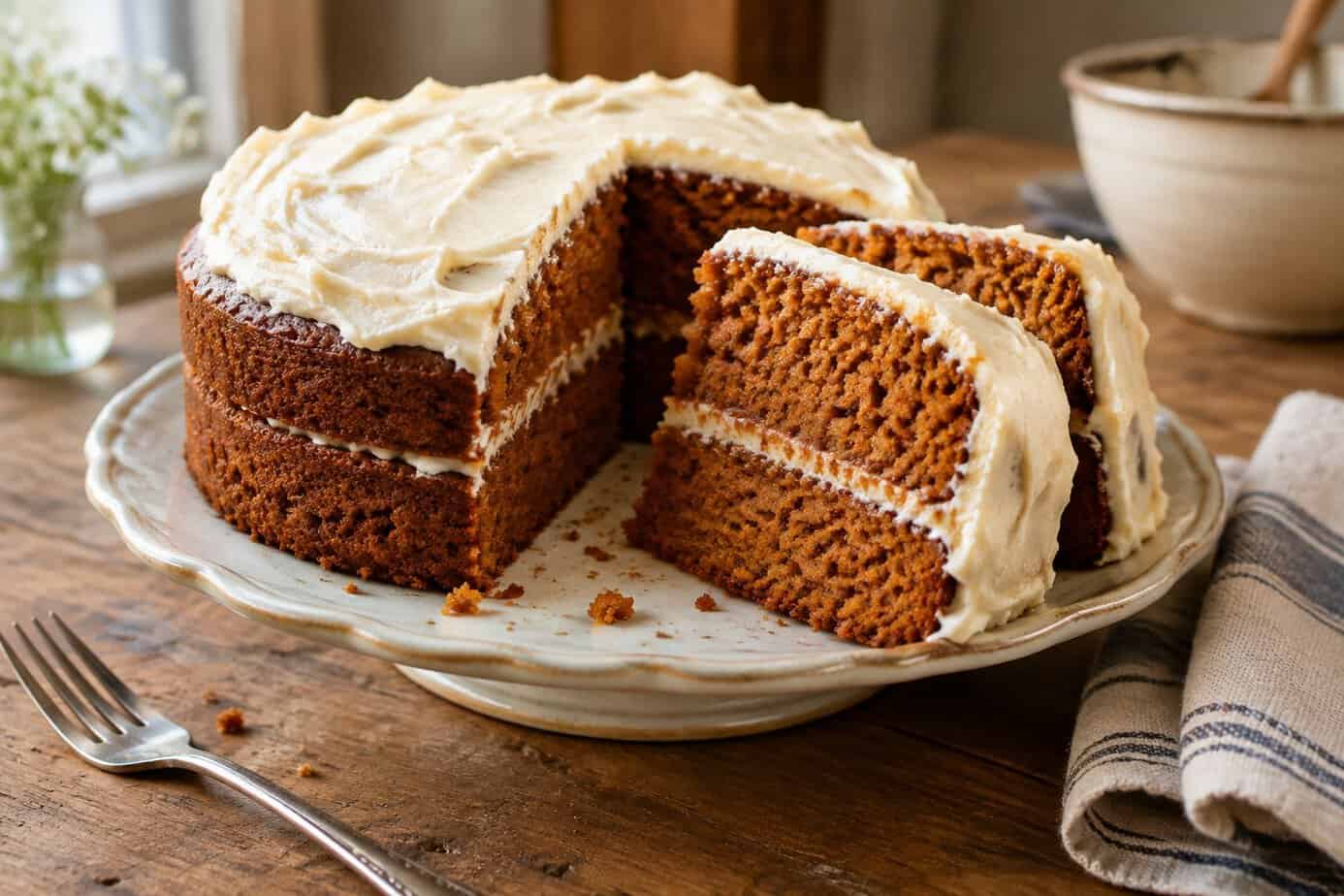
Some people called it “mystery cake,” and you probably loved watching guests try to guess the secret. It was a spice cake with cinnamon, cloves and nutmeg, usually studded with raisins or chopped nuts, and the surprise ingredient was a can of condensed tomato soup stirred right into the batter. The soup kept the cake moist and gave it a rusty color, but nobody could taste tomato once the spices were in.
Versions of the recipe were passed around for decades, and Campbell’s printed its own over the years. You usually topped it with cream cheese frosting, and it kept well in a covered pan for the lunch boxes. It was also a budget cake, since it used a can from the pantry and fewer eggs and less butter than a fancy layer cake. Mention it today and most people make a face, at least until they try a slice.
6. Eggs Goldenrod on Toast
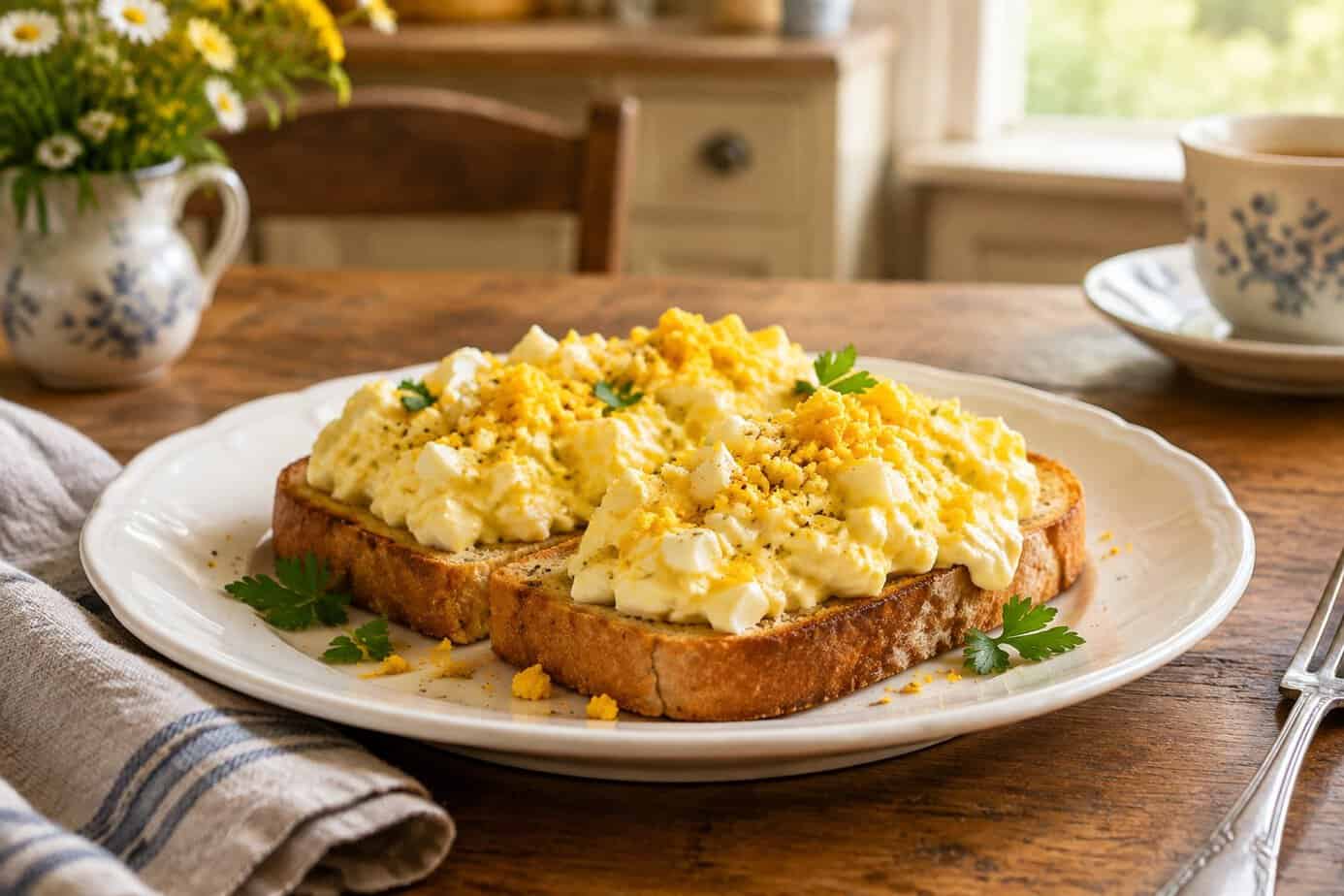
This was a pretty name for a very plain supper, and it was a favorite way to use up hard-boiled eggs after Easter. You separated the whites from the yolks, chopped the whites and stirred them into a white sauce of butter, flour and milk, then spooned it over buttered toast. The yolks got pressed through a sieve right over the top, so they fell in little yellow crumbs that looked like goldenrod flowers.
It was an old cooking-school recipe, the kind that turned up in home economics classes and in your mother’s cookbooks, and it made a few eggs feel like something special on a meatless night. It cost almost nothing and took about fifteen minutes. Few people make white sauce by hand anymore, and leftover eggs now tend to become egg salad, so goldenrod has nearly vanished from the supper table.
7. Ham Salad from the Meat Grinder
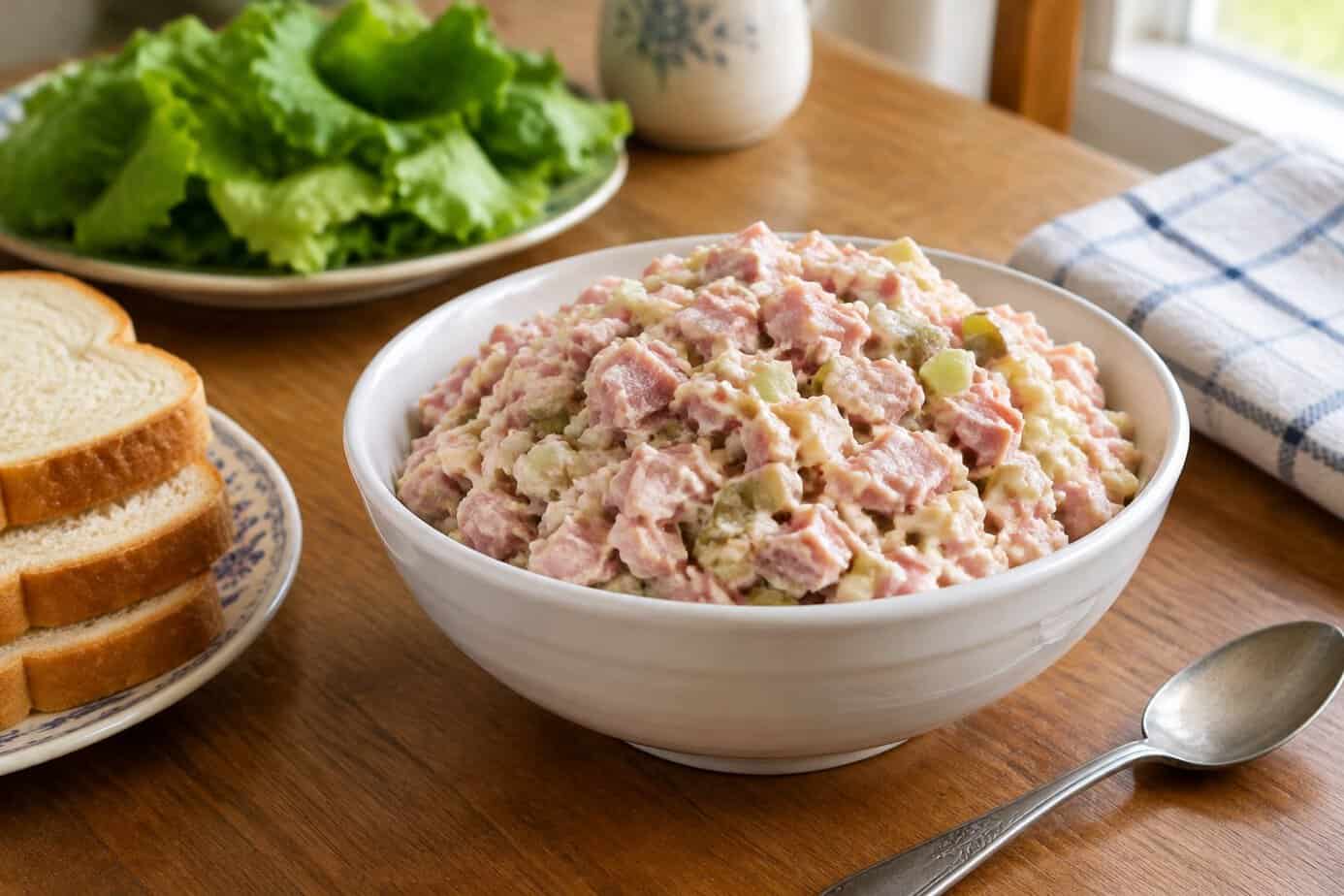
When a holiday ham got down to the last stubborn chunks, you clamped the meat grinder to the edge of the counter and fed them through. Then you mixed the ground ham with sweet pickle relish, a little chopped onion or celery and enough mayonnaise or Miracle Whip to hold it together. Some cooks added a hard-boiled egg, and some swore by a dab of mustard.
Ham salad went on white bread for lunches, on crackers for company and on little crustless sandwiches for showers, bridge club and funeral luncheons. It stretched a pound of leftovers into a whole platter. Today the meat grinder lives in a box in the basement, if it survived at all, and the store deli sells sliced ham instead of the spread you made yourself. Many younger cooks have never tasted it, though people who grew up on it still ask for it.
8. Chocolate Wafer Icebox Cake
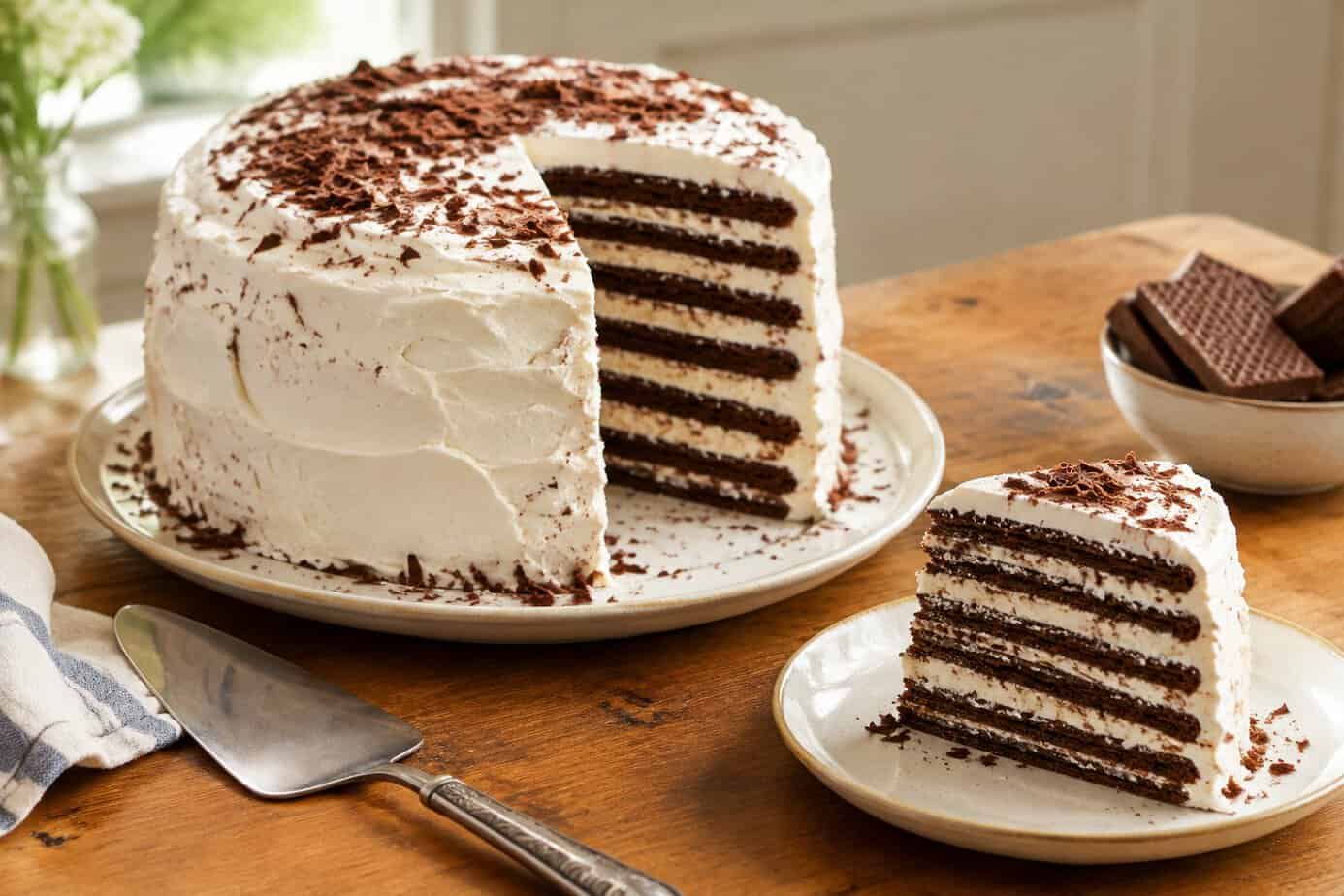
This may be the easiest company dessert you ever made, and it still looked like you’d fussed. You whipped heavy cream with a little sugar and vanilla, spread it on thin chocolate wafers, stacked them into a long log on a platter and covered the whole thing with more whipped cream. Then it went into the refrigerator overnight to work its magic.
By morning the crisp wafers had softened into cake, and when you sliced the log at an angle, every piece showed neat stripes of chocolate and cream. The recipe was printed on the box of Nabisco’s Famous Chocolate Wafers for years, which is how so many women learned it. It needed no oven at all, which mattered in a hot summer kitchen. Those wafers grew harder to find on store shelves, and the dessert has faded with them.
9. Chicken Kiev for Company
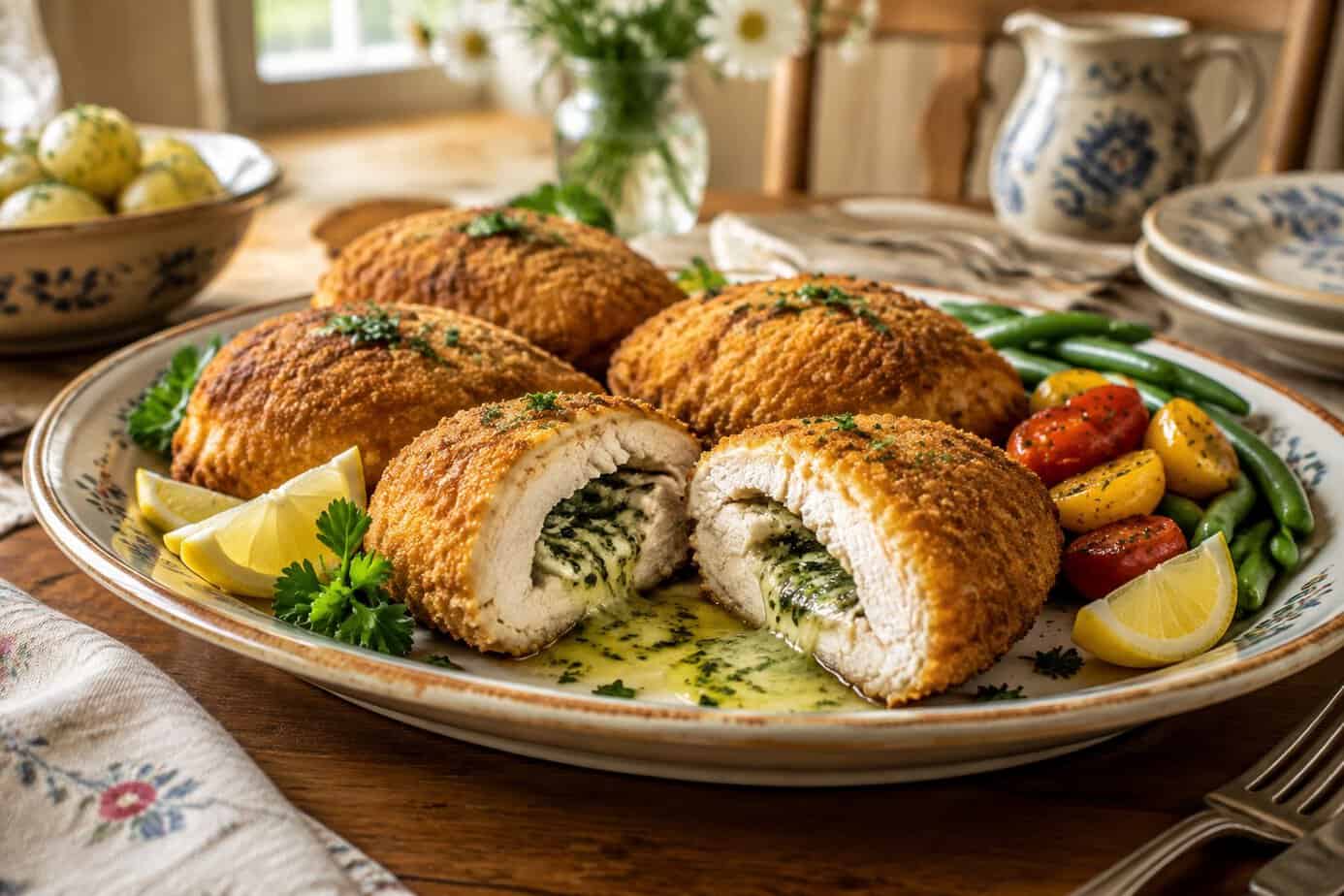
Chicken Kiev was the dinner-party dish that proved you could really cook. You pounded each chicken breast thin, laid a finger of cold herb butter in the middle, rolled it up tight and sealed the ends. Then came flour, beaten egg and bread crumbs, a rest in the refrigerator so the coating would hold, and a careful fry until golden.
The whole point was the moment a guest cut in and the melted butter came rushing out, hopefully onto the plate and not onto a good dress. It was a fixture of restaurant menus and home entertaining in the 1960s and ’70s, and making it from scratch took most of an afternoon. Frozen versions from the grocery case took over, and then home cooks lost interest in all that rolling and chilling. Today it mostly lives in the freezer aisle, if anywhere.
10. Boiled Beef Tongue
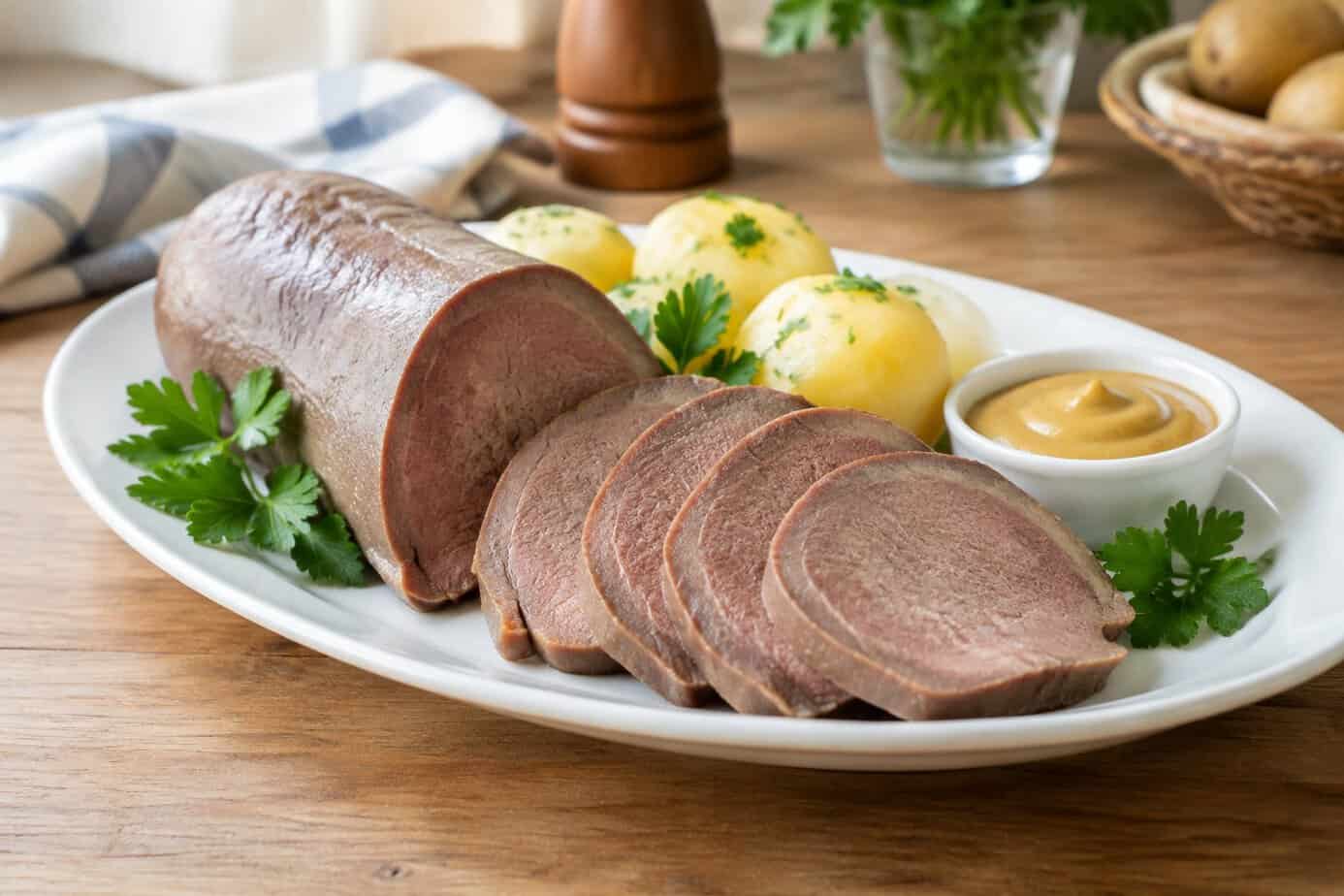
If you grew up with tongue on the table, cooking it yourself didn’t seem strange at all. You simmered the whole tongue for a few hours with an onion, a bay leaf, peppercorns and a little salt, until a fork went in easily. Then, while it was still warm, you peeled away the tough outer skin, which always looked worse than it was, and sliced the meat thin.
It was tender, rich and mild, and it made wonderful sandwiches on rye with mustard. Some cooks served it hot with a raisin sauce or horseradish. For years it was one of the cheaper cuts at the butcher counter, a good choice when money was tight. Today it’s harder to find in most supermarkets, and plenty of younger cooks won’t even look at one. You can still find it at some butchers and ethnic markets, but few home kitchens bother anymore.
11. Red Flannel Hash
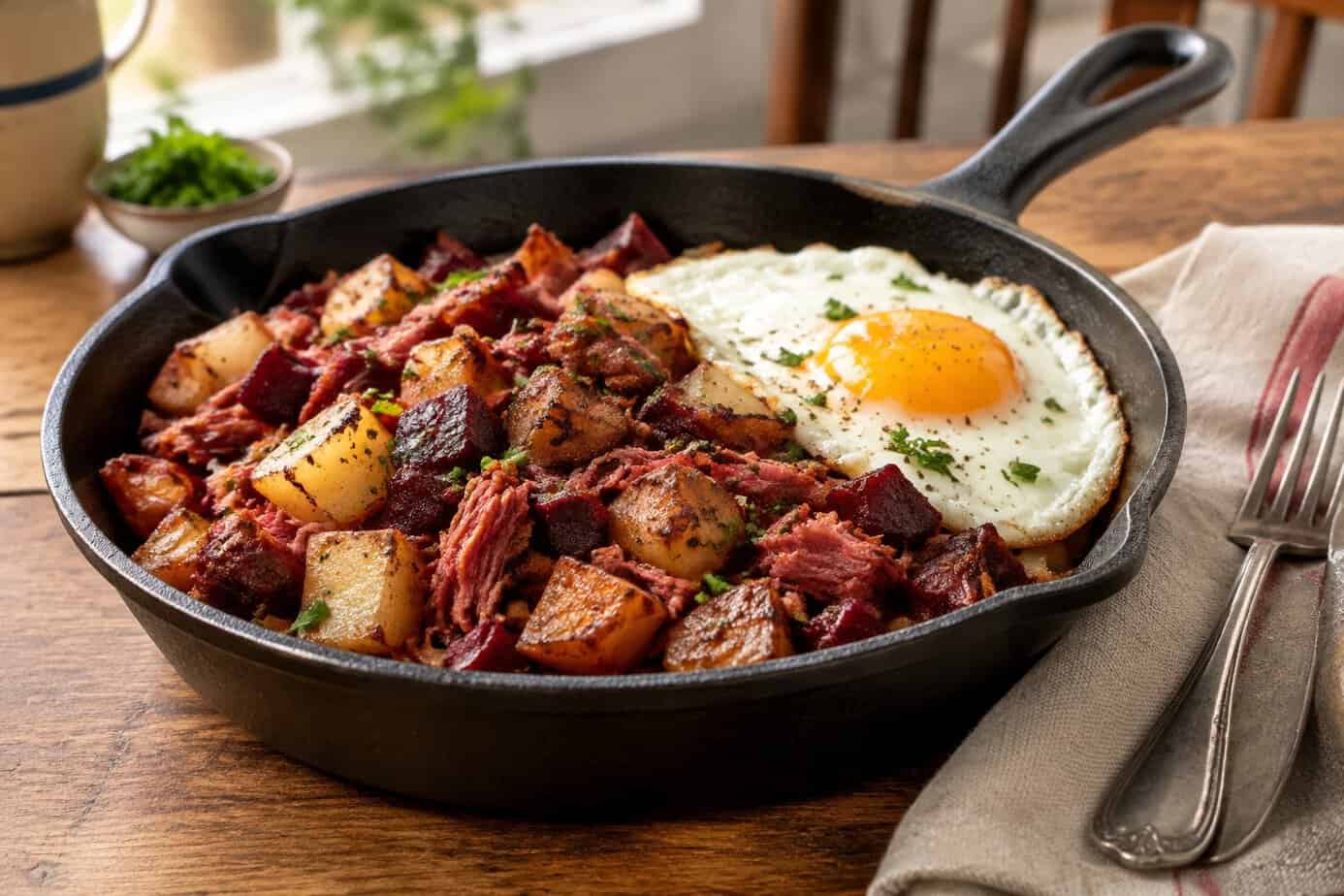
Red flannel hash was the morning-after part of a New England boiled dinner. You chopped up the leftover corned beef, potatoes, onion and, most important, the cooked beets, then fried it all in a heavy skillet with butter or bacon fat. You pressed it down and let it sit until a brown crust formed on the bottom.
The beets turned the whole skillet a deep rosy red, which is how it got its name, after the red flannel underwear and shirts of the old days. You served it for breakfast or a quick supper, often with a fried or poached egg on top. It was thrift at its tastiest, since it used every scrap of the big Sunday pot. As fewer families cook a full boiled dinner, there are fewer leftovers to turn into hash, and the red version has become a rare treat.
12. Lemon Chiffon Pie
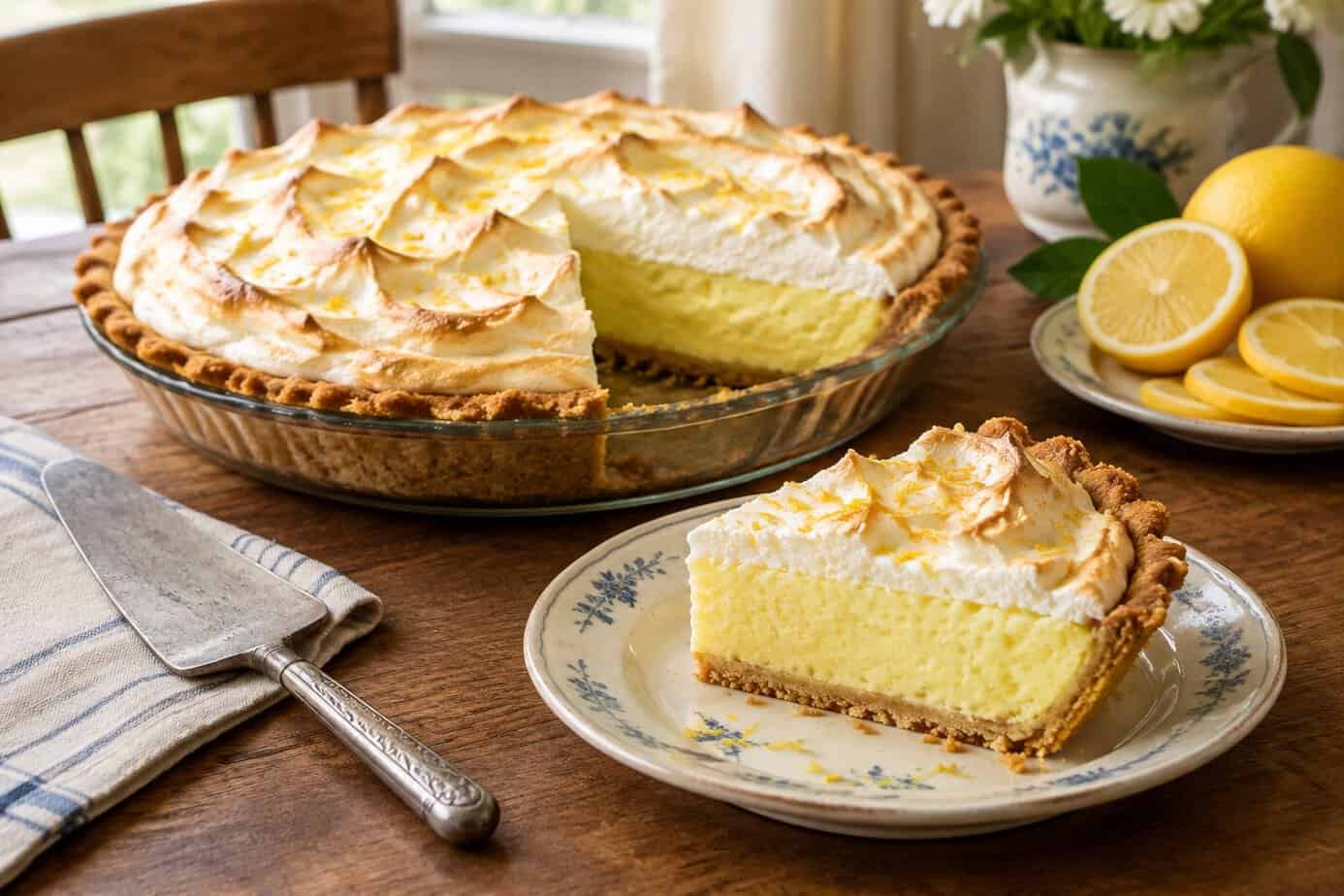
Chiffon pie was what you made when you wanted something light after a heavy meal. You cooked egg yolks with sugar, lemon juice and grated peel into a custard, softened plain gelatin and stirred it in, then let the mixture cool until it started to set. The last step was folding in stiffly beaten egg whites, so the filling turned into a pale, airy cloud.
You piled it into a baked pie shell or a graham cracker crust, chilled it and topped it with whipped cream. It was a tearoom favorite and a ladies’ luncheon classic, and it took real patience to get the timing right. Cooks fell away from it as boxed puddings and frozen whipped toppings arrived, and newer recipes steer away from the raw egg whites the old filling used. Now it’s mostly a memory from church cookbooks.
13. Fried Cornmeal Mush
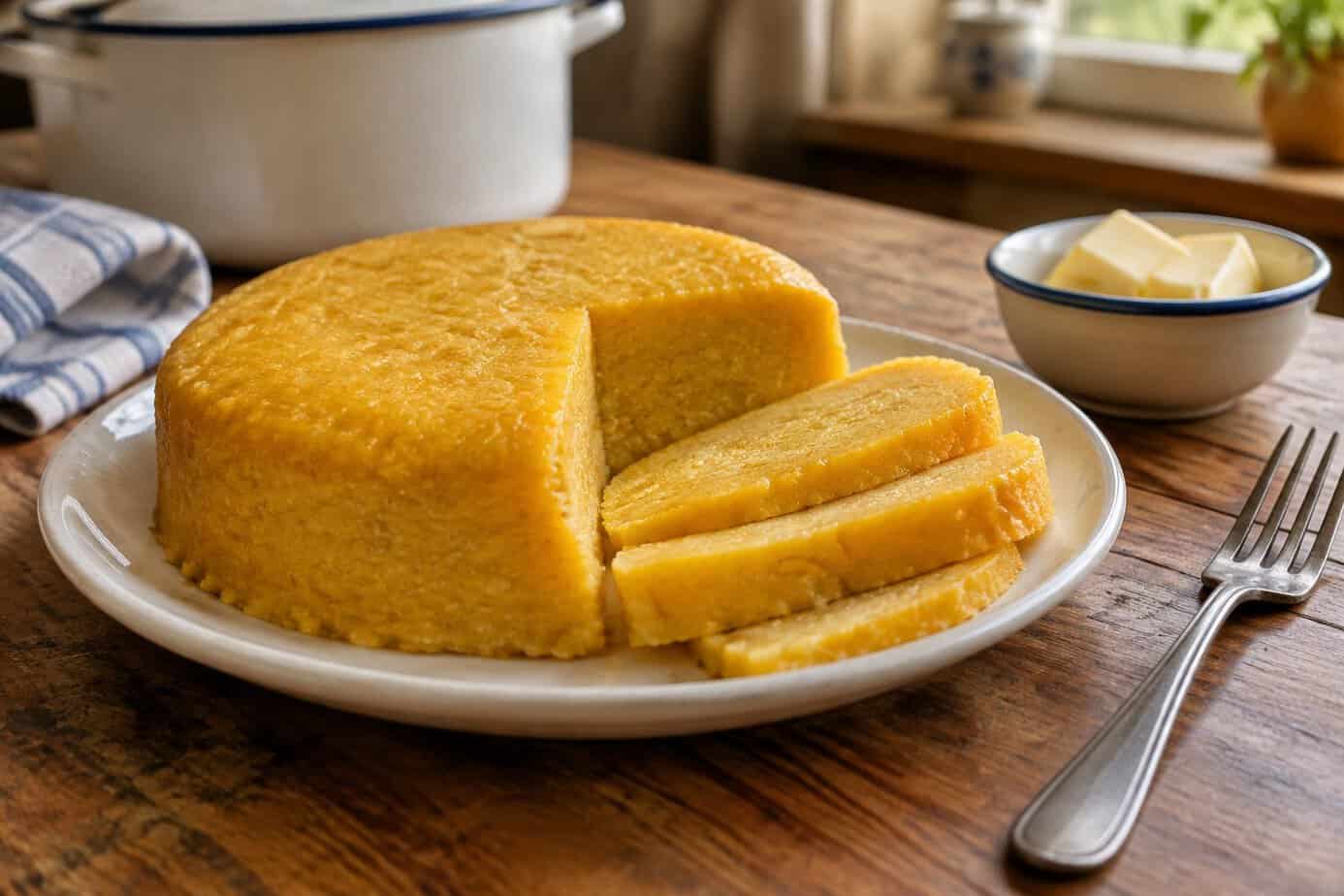
This was breakfast that started the night before. You stirred cornmeal slowly into boiling salted water and cooked it, stirring all the while so it wouldn’t lump, until it was thick enough to hold a spoon upright. Some people ate it hot as a porridge with milk, but the real treat came the next morning.
You poured the hot mush into a loaf pan, let it firm up in the refrigerator overnight, then cut it into slices, dusted them with flour and fried them in butter or bacon grease until crisp and golden. Served with maple syrup, molasses or a pat of butter, it was cheap, filling and surprisingly good. It was a farm-country standard for generations. Boxed cereals, frozen waffles and instant oatmeal took over the breakfast table, and the loaf pan of mush quietly disappeared from the refrigerator.
14. Swedish Meatballs in Sour Cream Gravy
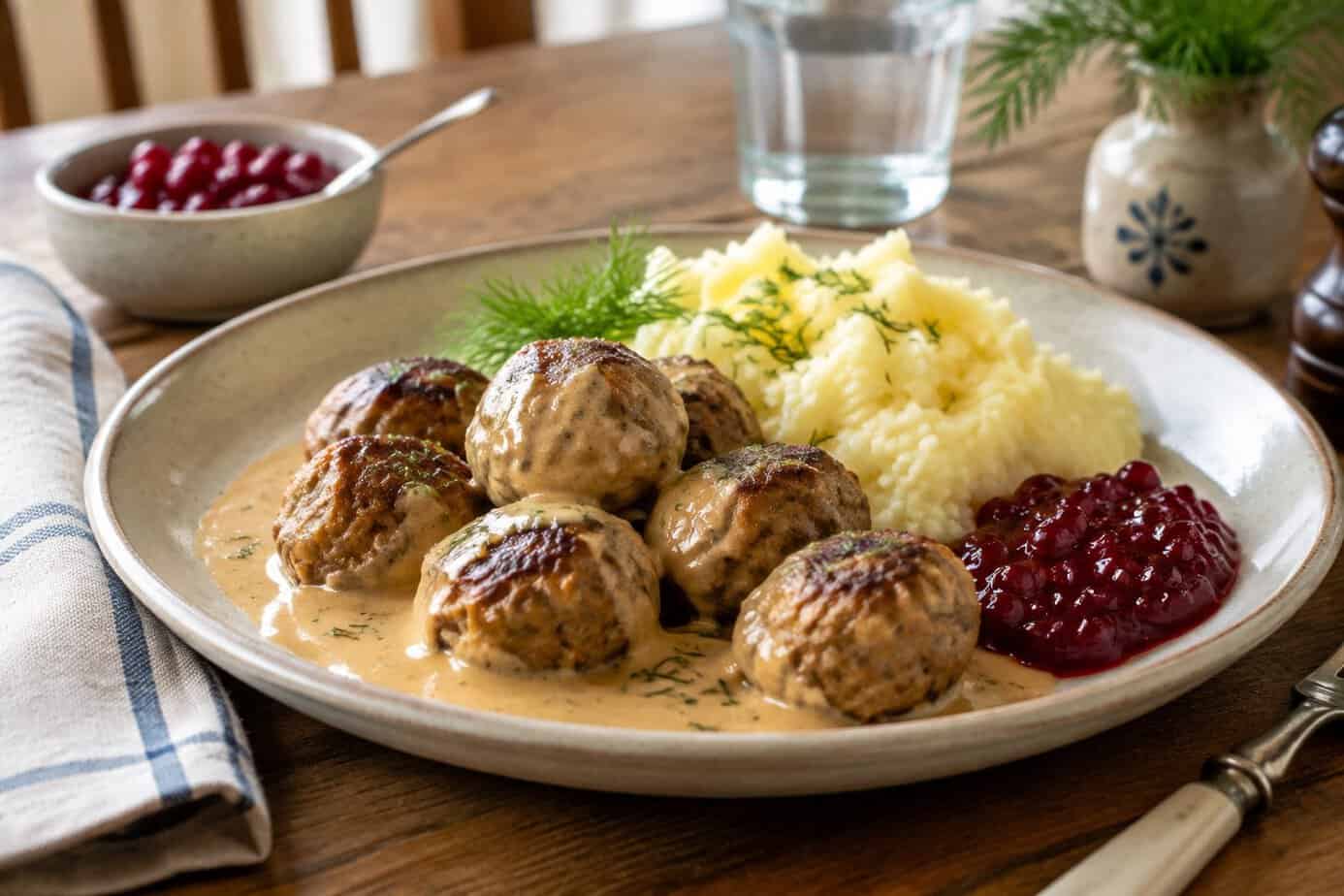
Every cocktail party seemed to have a chafing dish of these, steaming away over a little can of Sterno. You mixed ground beef and pork with soaked bread crumbs, minced onion, an egg and a pinch of allspice or nutmeg, then rolled them small, browned them and simmered them in a gravy made from the pan drippings, broth and sour cream.
For supper you served them over egg noodles or with boiled potatoes and lingonberry or cranberry sauce. For parties, a box of frilly toothpicks did the work. They took time, since rolling a few dozen small meatballs is nobody’s idea of a quick job, but they froze well and you could make them days ahead. These days, most people who crave them buy a bag of frozen meatballs or eat them at a furniture store, and the homemade chafing dish is a rare sight.
15. New England Boiled Dinner
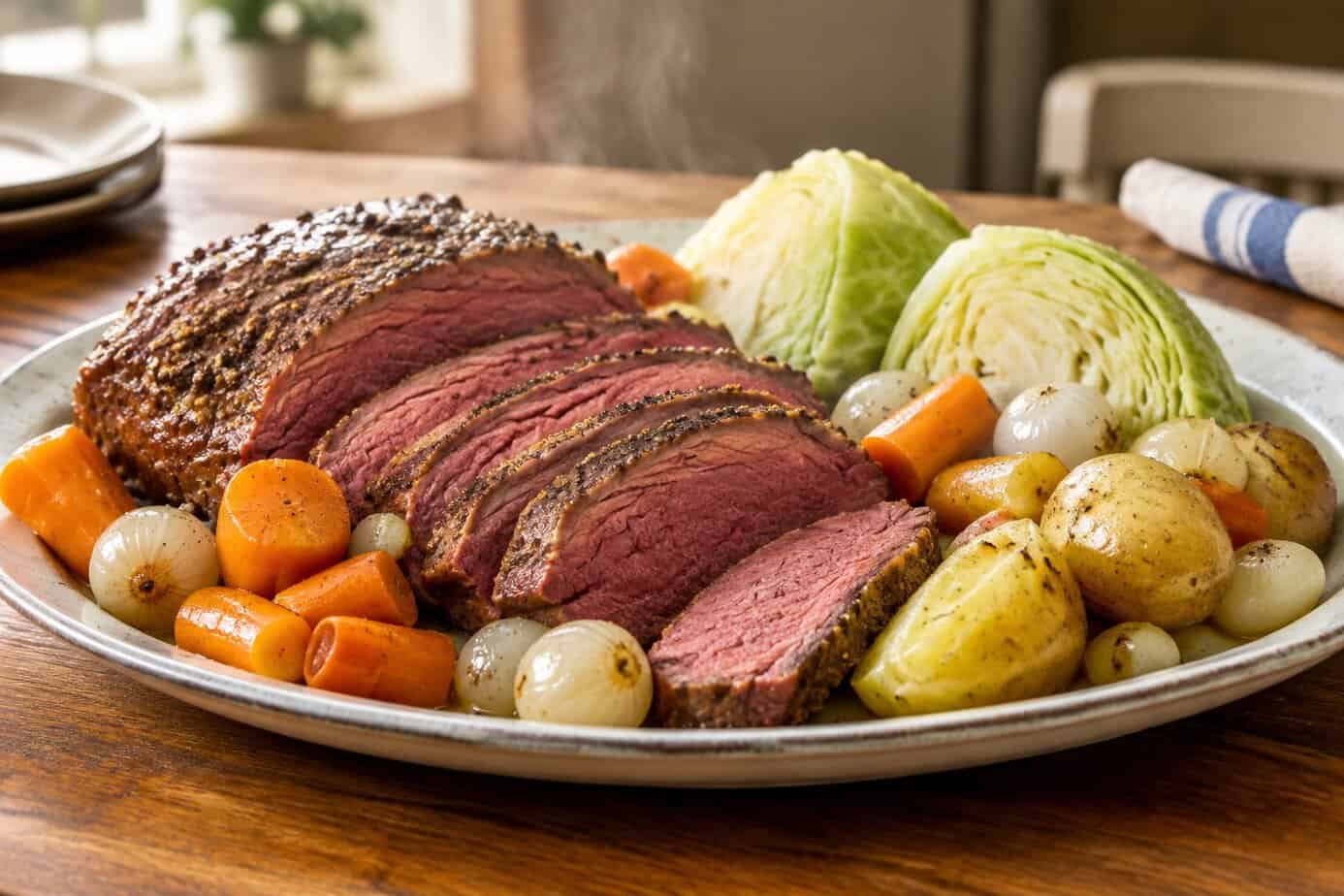
This was a one-pot meal that filled the house with steam for an afternoon. You set a corned beef brisket simmering in a big kettle, then added potatoes, carrots, turnips or rutabaga, onions and a cabbage cut in wedges, timing each one so nothing turned to mush. The beets went in their own pot so they wouldn’t turn everything pink.
You served it on a big platter with mustard or horseradish on the side, and it fed a large family for very little. In New England it was a regular Sunday or weeknight supper, not just something for St. Patrick’s Day. The leftovers became red flannel hash the next morning. Today most people only cook corned beef once a year, if that, and the full boiled dinner with all its vegetables has become a holiday novelty instead of everyday supper.
16. Watergate Salad
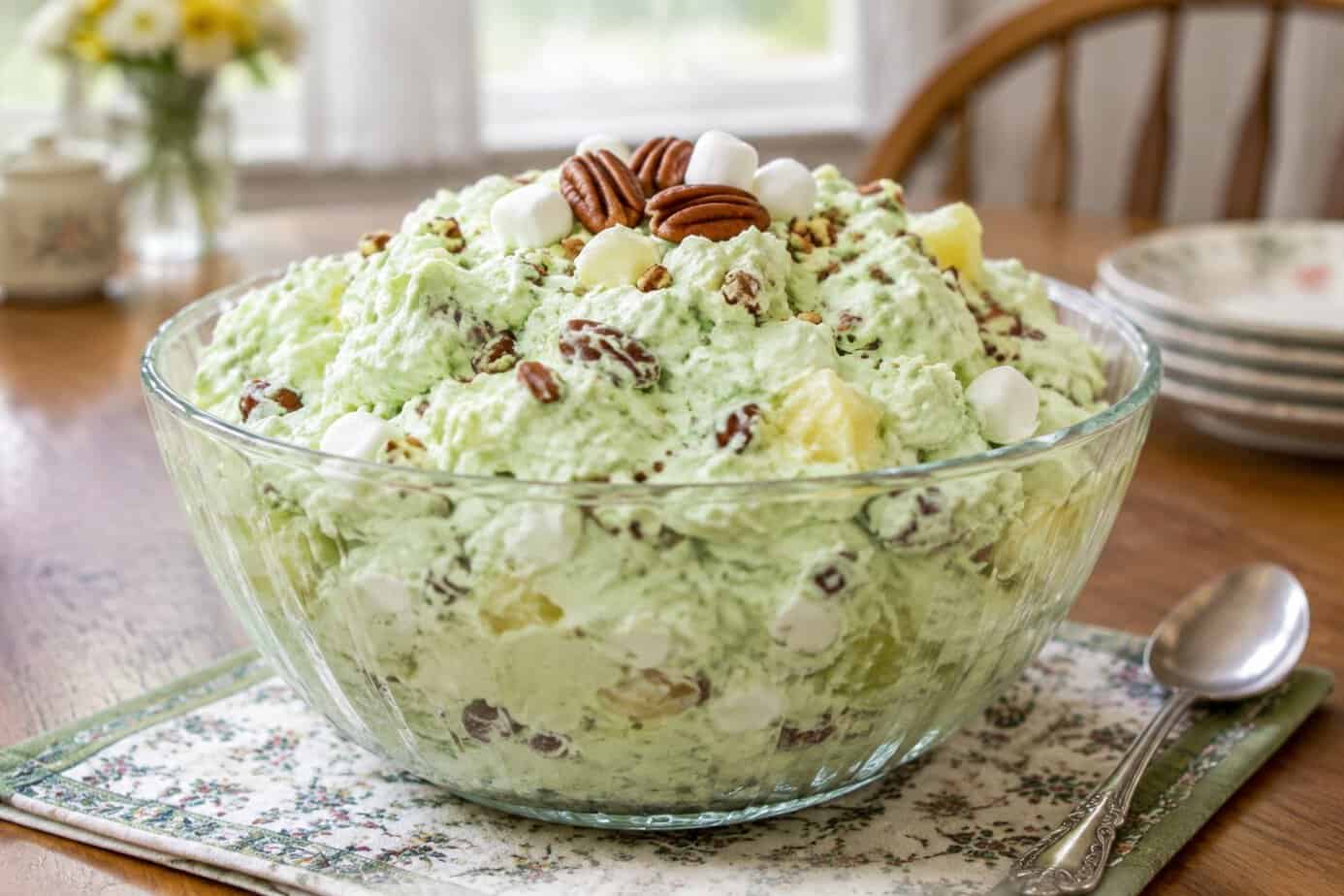
Nobody quite knows how this green fluff got its political name, but you probably made it for every potluck in the late 1970s. You stirred a box of instant pistachio pudding mix into a can of crushed pineapple with its juice, then folded in a tub of whipped topping, a handful of mini marshmallows and chopped pecans or walnuts. An hour in the refrigerator and it was done.
Kraft has said it came up with the recipe, called Pistachio Pineapple Delight, around the time its pistachio pudding mix came out in the mid-1970s, and that the Watergate name came from home cooks, not from the company. Whoever started it, the name stuck. Calling it a salad was generous, since it was sweet enough to be dessert, but it sat right next to the ham and the deviled eggs anyway. It still shows up at a few family reunions, though the potluck table has mostly moved on.
17. Rumaki
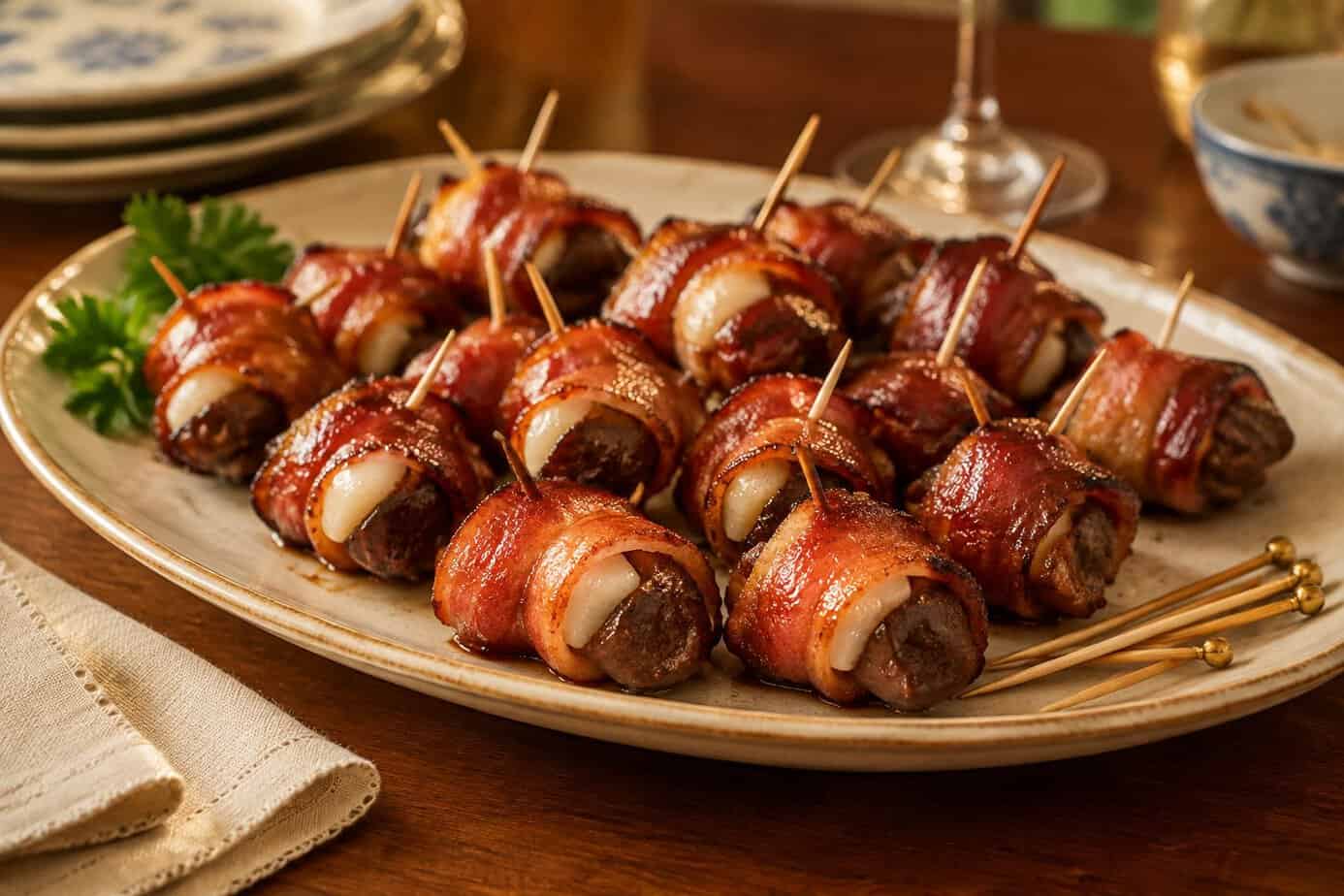
Rumaki was your ticket to the Polynesian party craze. You cut chicken livers into bite-size pieces, tucked each one next to a slice of water chestnut, wrapped the pair in half a strip of bacon and pinned it with a toothpick. They soaked for a while in a marinade of soy sauce, a little brown sugar and ginger, then went under the broiler until the bacon crackled.
Tiki restaurants made the little appetizer famous in the 1950s and ’60s, and home hostesses copied it for cocktail parties, along with the pupu platters and paper umbrellas. The combination of crisp bacon, crunchy water chestnut and rich liver was a surprise to guests. As chicken livers fell out of favor and tiki parties went out of style, rumaki vanished from most appetizer trays. Today many younger people have never heard the word.
18. Corn Fritters
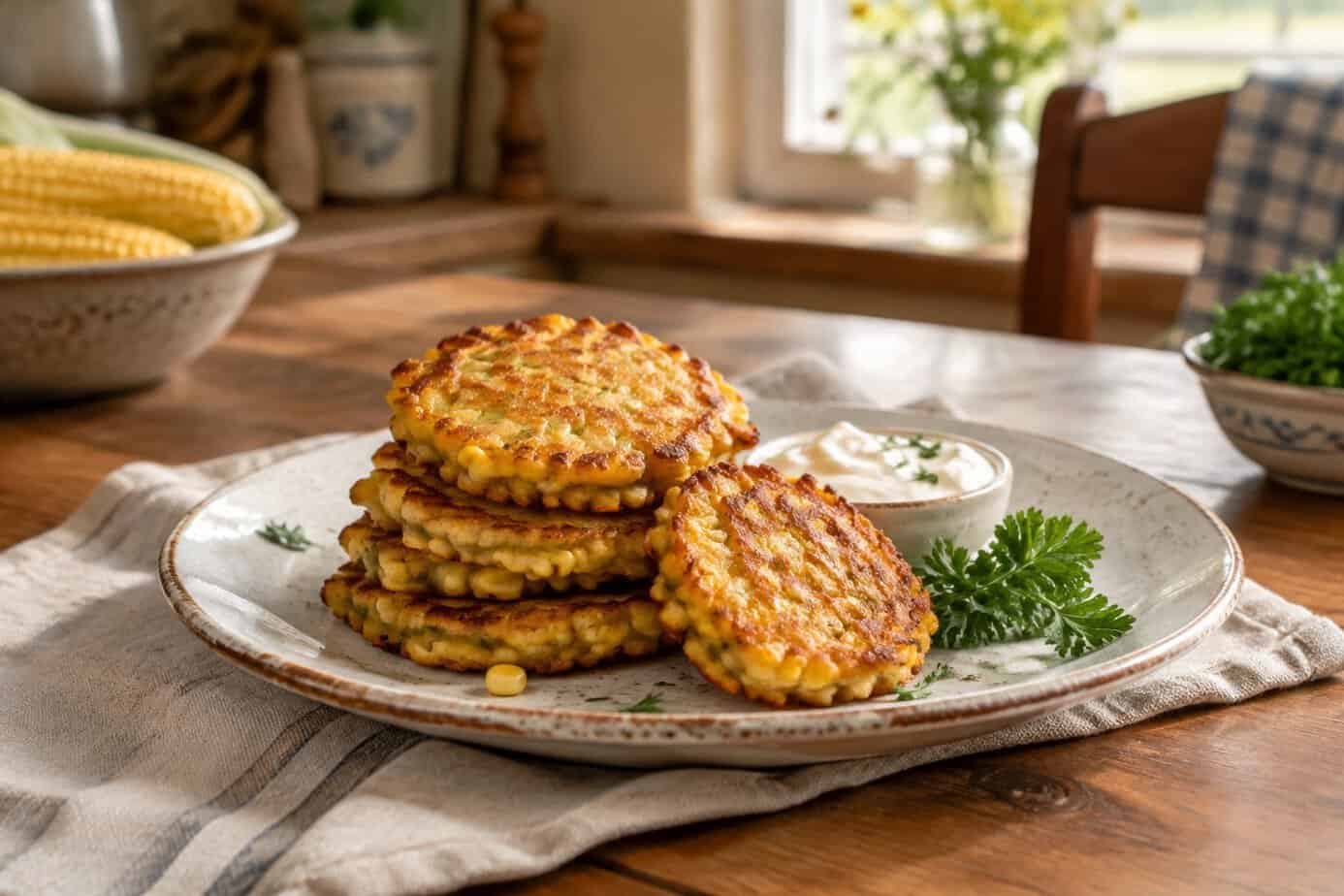
Corn fritters were a smart way to turn a can of corn or a few leftover ears into something everyone wanted seconds of. You beat together flour, baking powder, an egg, a little milk and salt, then stirred in the corn kernels. Spoonfuls went into a skillet of hot shortening or bacon fat and fried until puffed and golden.
Some families ate them as a side dish with ham or fried chicken, and others drizzled them with maple syrup or dusted them with powdered sugar for a sweet supper. They were cheap, quick and a good use for whatever was in the pantry. Deep frying at home grew less common, and frozen sides took over the weeknight table, so most people now only taste corn fritters at a fair or a country restaurant. They’re still worth the splatter on the stove.
19. Old-Fashioned Baked Rice Pudding
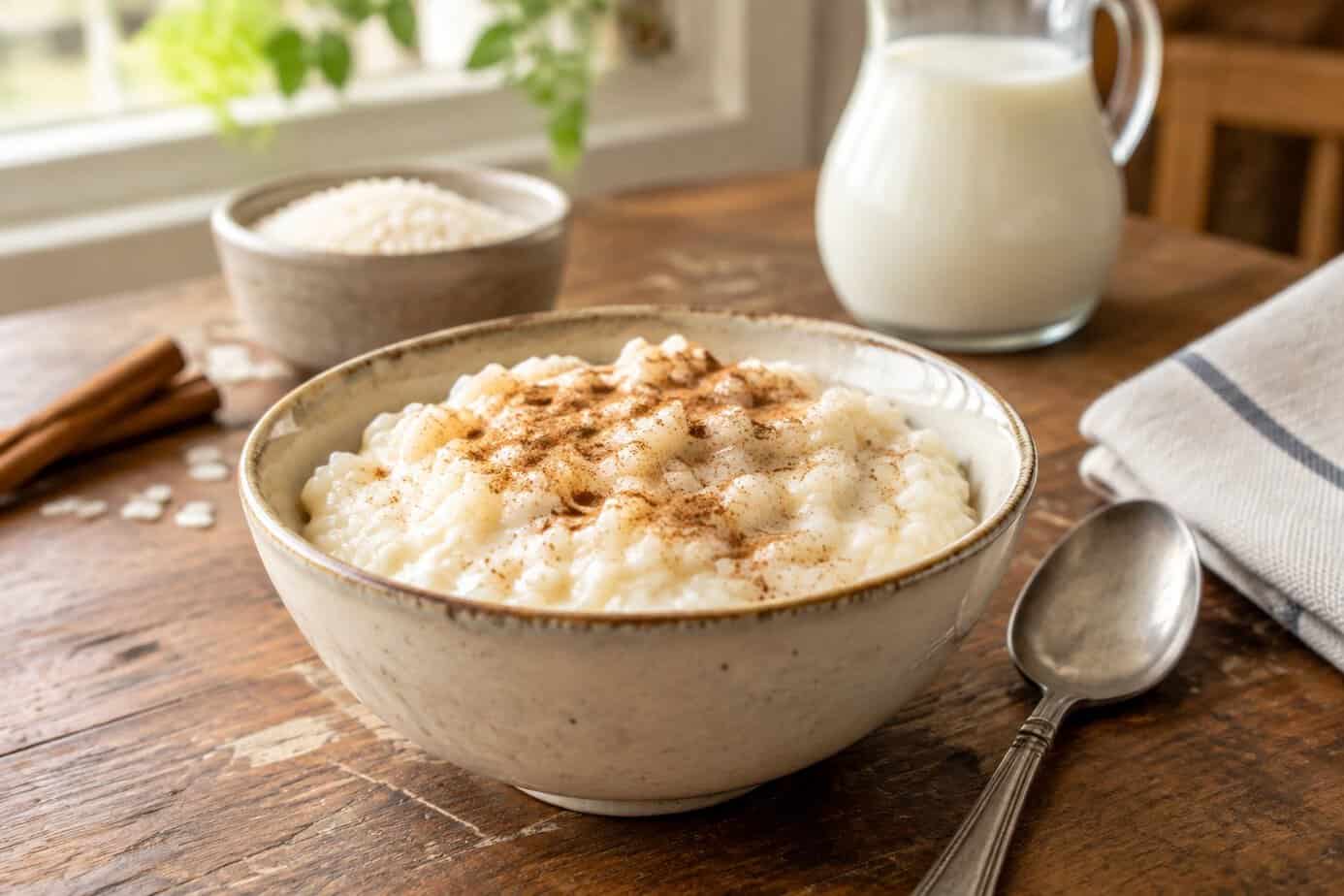
There were two kinds of rice pudding in your kitchen. The quick one used leftover rice simmered on the stove with milk, sugar and raisins. The real one baked low and slow in the oven, with raw rice, whole milk, sugar and a sprinkle of nutmeg, stirred every so often until it turned thick and creamy under a golden skin.
Either way, it was comfort in a bowl, and it used up rice that might have gone to waste. You served it warm after supper or cold the next day, with a little cream poured over the top. It was the kind of dessert you could make from a nearly empty pantry. Today, pudding mostly comes in snack cups, and the long, slow bake in a casserole dish has lost out to faster desserts. Diners still serve it now and then, and people still order it out of nostalgia.
20. Prune Whip
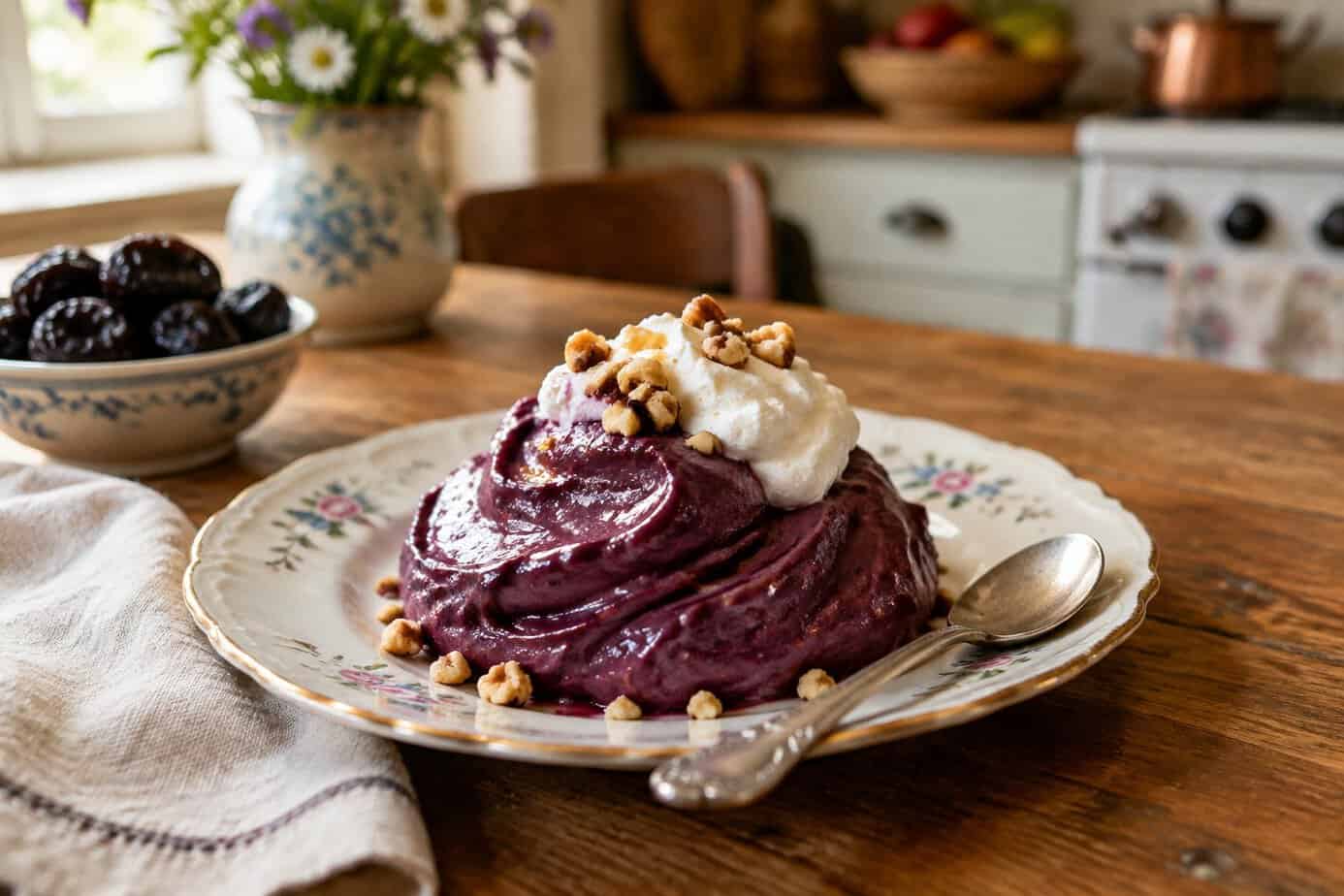
This one sounds like a joke now, but prune whip was considered a light, elegant dessert for years. You stewed dried prunes until soft, pitted them and mashed or pressed them through a sieve, sweetened them, added a little lemon juice, then folded the puree into stiffly beaten egg whites. It baked in a dish until puffed, or was served chilled.
It often came to the table with a soft custard sauce made from the leftover yolks, so nothing went to waste. Prune whip was a regular in tearooms, hospital trays and old cookbooks, and it was a sensible dessert when fresh fruit was scarce in winter. Prunes later picked up an old-lady reputation, so much so that growers began calling them “dried plums” in 2000, and prune whip faded with them. It’s a shame, because it tasted far better than its name.
21. Fried Scrapple
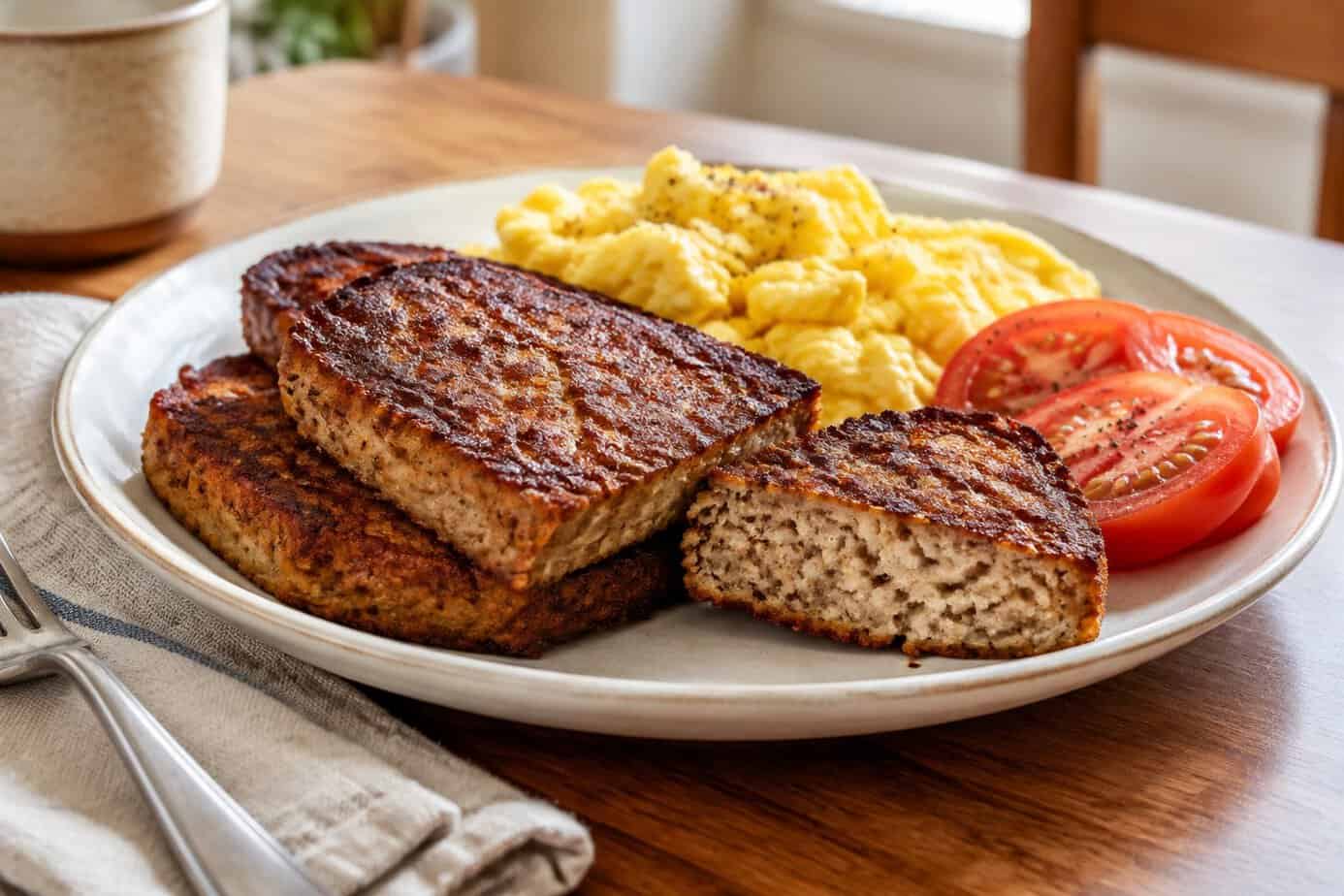
If you lived anywhere near Pennsylvania, scrapple was a breakfast staple. It’s a loaf made from pork scraps and broth thickened with cornmeal and often buckwheat flour, seasoned with sage and pepper, then cooled and sliced. Some farm families made their own at butchering time, but most women in town bought a brick of it at the store.
You sliced it about half an inch thick and fried it in a hot pan, leaving it alone until a dark crust formed, so it wouldn’t fall apart when you flipped it. Then it went on the plate with eggs, along with ketchup, apple butter or syrup, depending on the household. The idea was to use every part of the pig. Scrapple is still sold in parts of the Mid-Atlantic, but most families outside that region never had it, and fewer home cooks fry it today.
22. Chess Pie
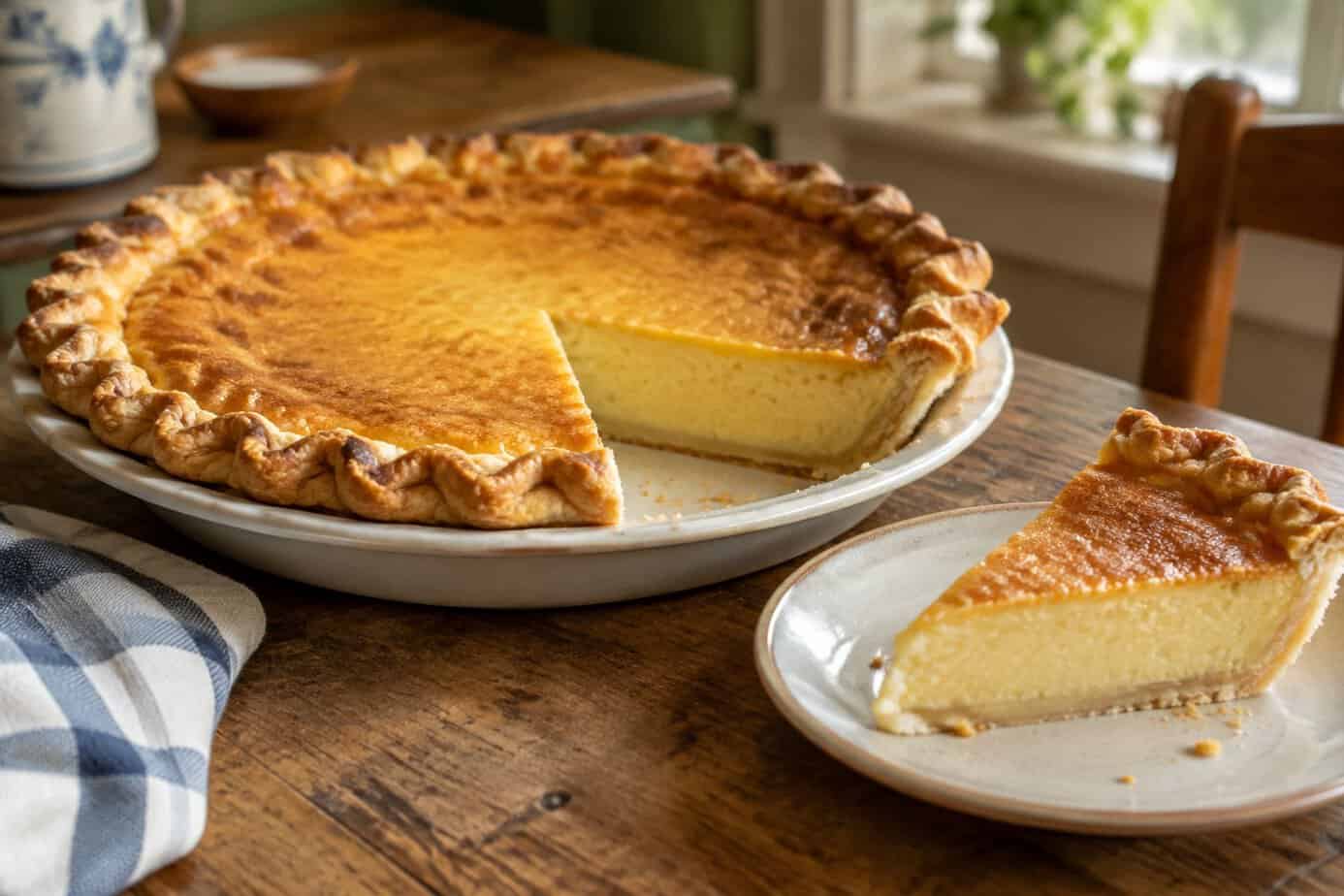
Chess pie was proof that you could make a wonderful dessert with almost nothing in the house. You beat together eggs, sugar and melted butter, added a spoonful of cornmeal and a little vinegar or lemon juice and vanilla, then poured it into an unbaked crust. It baked into a sweet, custardy filling with a crackly golden top.
It was a Southern standby, and every family had its own story about where the name came from, though nobody really knows. You could make it on a day when there was no fruit and no money for nuts, which is why it was such a favorite. Plenty of church cookbooks carried a version or three. Today, most people pick up a pie at the store, and simple pies like chess have been crowded out by the pecan and pumpkin pies sold everywhere.
23. Rhode Island Johnnycakes
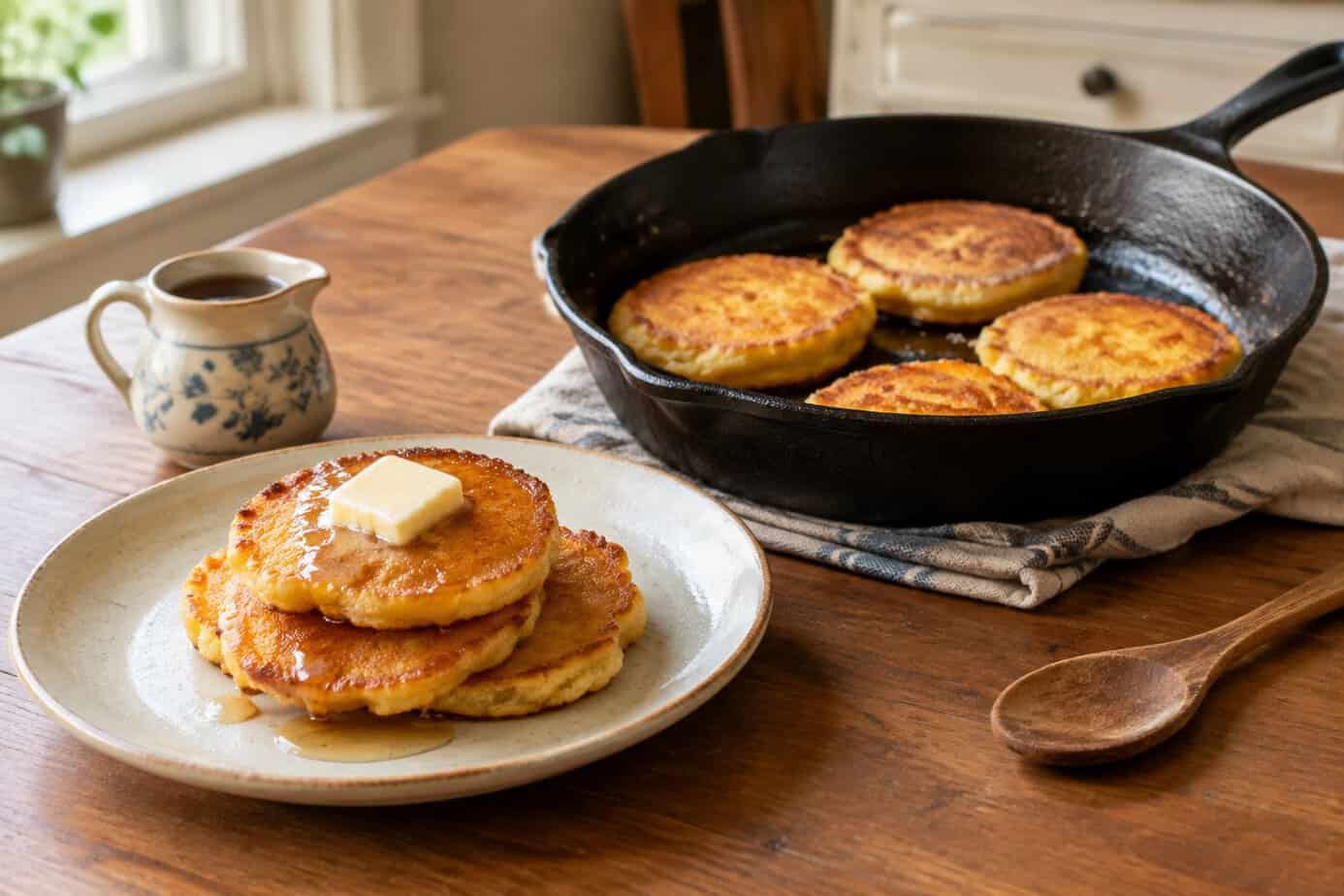
Johnnycakes are one of the oldest recipes in America, and if you lived in New England, you may have learned them at your mother’s elbow. You poured boiling water over stone-ground cornmeal and a pinch of salt and sugar, let it swell, then thinned it with milk. Spoonfuls went onto a hot greased griddle and cooked until crisp and lacy at the edges.
Rhode Islanders argued about whether they should be thick or thin, and about using the white flint cornmeal grown there. You served them with butter and maple syrup, or alongside eggs and bacon. They were a simple, filling start to the day, or a supper when money ran short. Pancake mixes from a box were faster and fluffier, and the johnnycake slipped into the history books, outside of a few diners and grist mills in Rhode Island.
24. Fried Green Tomatoes
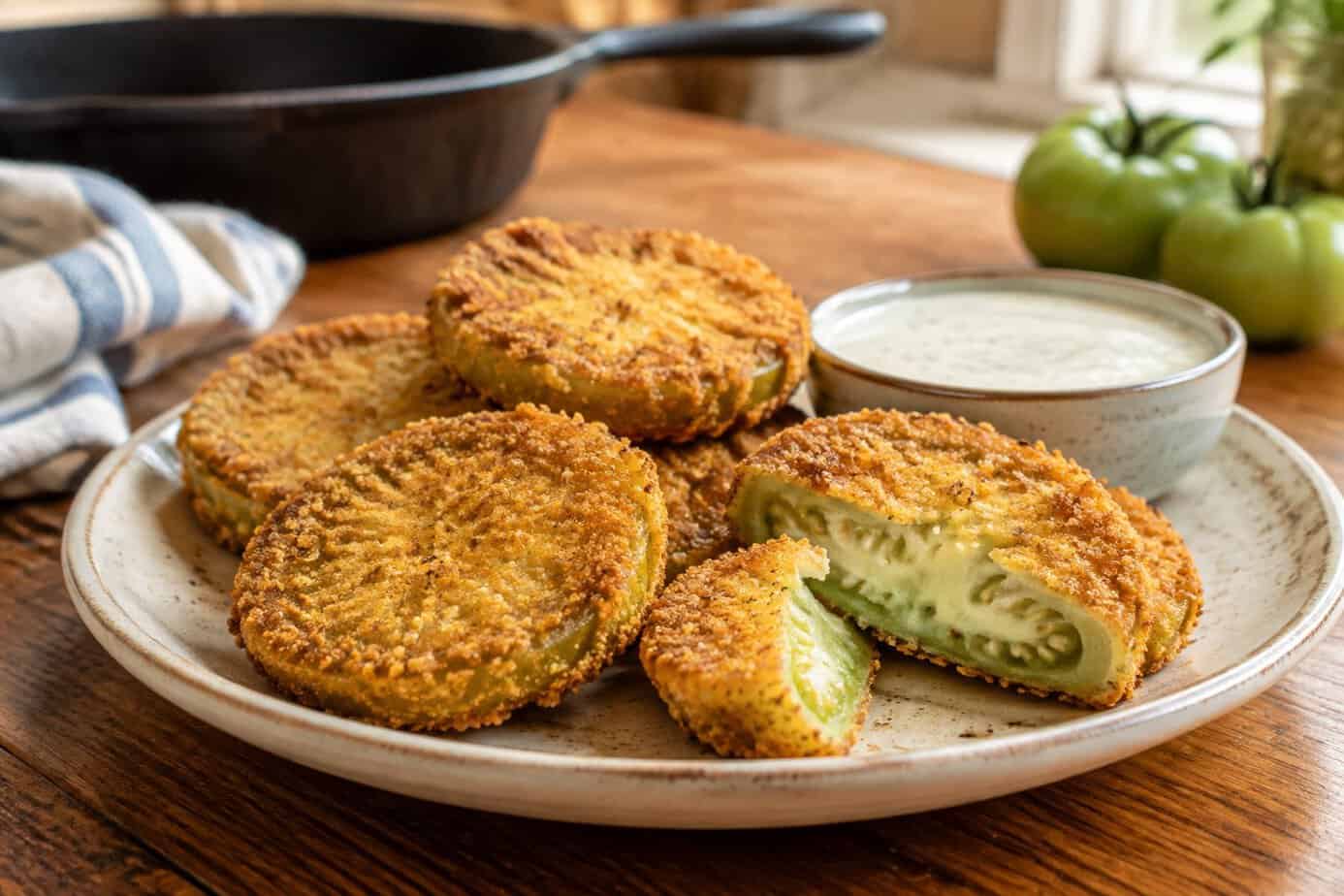
When the first frost was coming and the garden still had tomatoes that would never ripen, you didn’t waste them. You sliced the hard green tomatoes thick, salted them, dipped them in egg or milk and then in cornmeal or flour, and fried them in a skillet of bacon grease until the outside was crisp and the inside was soft and tangy.
Most people link them with the South, thanks in large part to the 1991 movie. But you’ll also find fried green tomatoes in older Midwestern and Northern cookbooks, where they were simply a way to use up the end of the garden. You served them as a side dish with supper or on their own with a little salt and pepper. Fewer families keep big vegetable gardens now, so green tomatoes are hard to come by, and most people only taste them on restaurant menus.
25. Apple Brown Betty
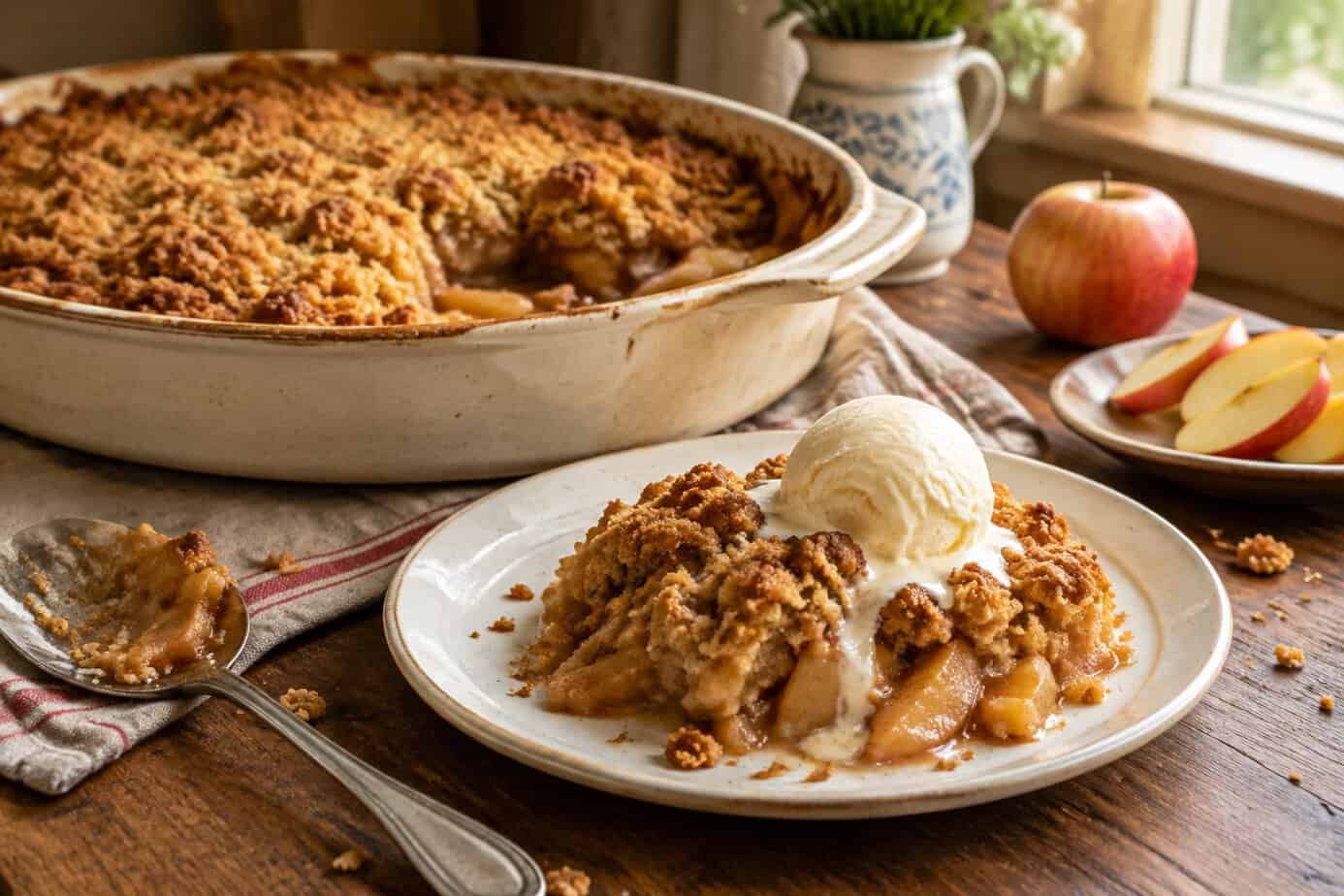
Brown Betty was the apple dessert you made when you had a few apples and some stale bread. You tossed buttered bread crumbs with brown sugar and cinnamon, then layered them in a baking dish with sliced apples, a little lemon juice and more butter. It baked until the apples were soft and the crumbs on top were crisp and brown.
It wasn’t fancy, but it was warm and filling, and it used up bread that would have gone stale anyway. You served it with cream, whipped cream or a scoop of vanilla ice cream if you had it. Brown Betty is one of the oldest American baked desserts, and it kept its place in cookbooks for generations. Over the years, crisps and crumbles with oat toppings took its spot, and the bread-crumb version faded from most family tables.
26. Baked Stuffed Haddock
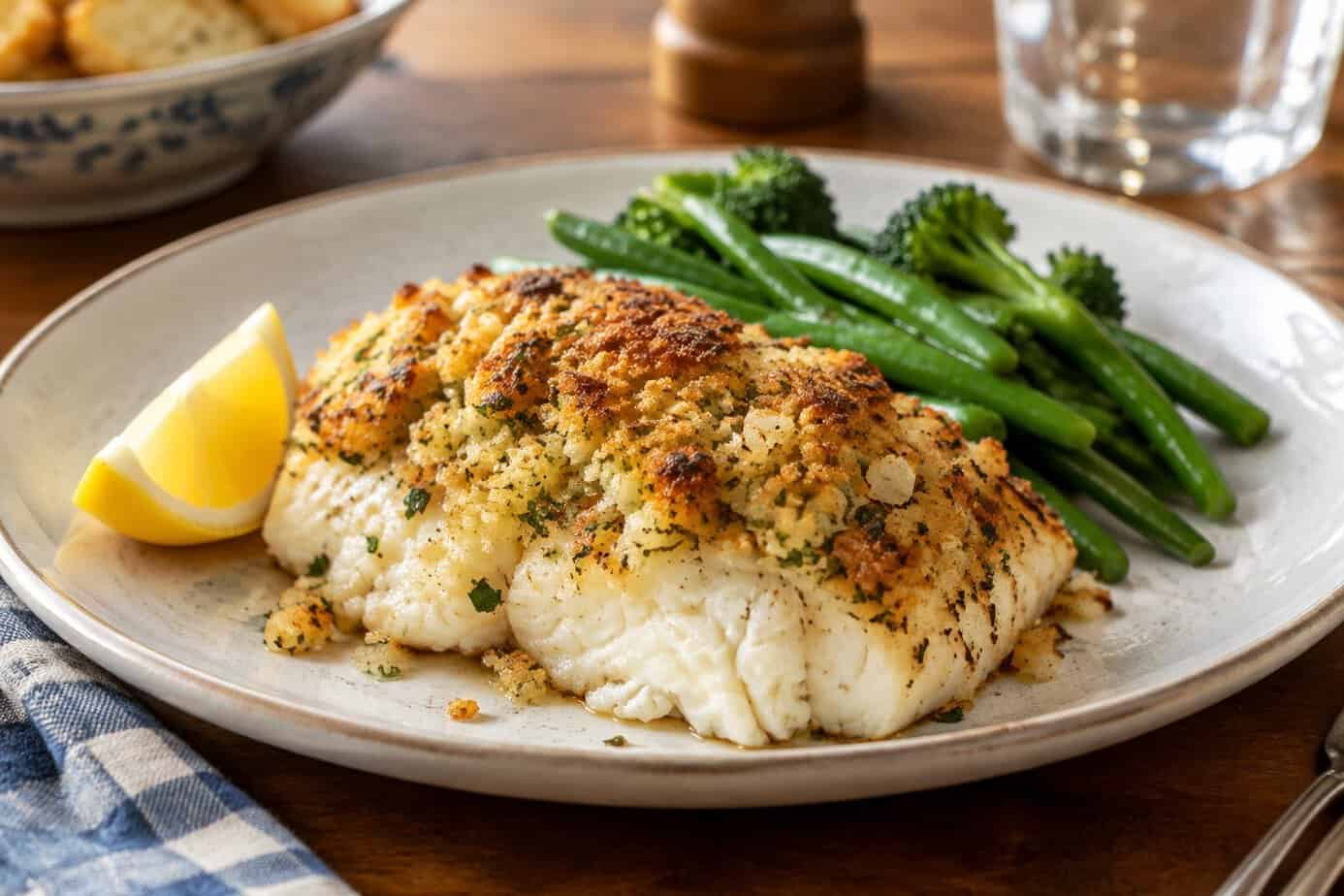
On Fridays in New England, this was a common supper. You laid haddock fillets in a buttered baking dish and topped them with a stuffing of crushed Ritz crackers mixed with melted butter, a squeeze of lemon and maybe some parsley or a bit of chopped onion. Some cooks added a few scallops or crabmeat when they wanted to make it special.
It baked for about twenty minutes until the fish flaked and the crumbs were crisp and golden. You served it with boiled potatoes or rice and a vegetable, and it made an ordinary piece of fish feel like a restaurant meal. Haddock got pricier, Friday fish suppers became less common, and many people now buy frozen breaded fillets. The cracker-topped version still appears on New England restaurant menus, but fewer families make it at home.
27. Baked Alaska
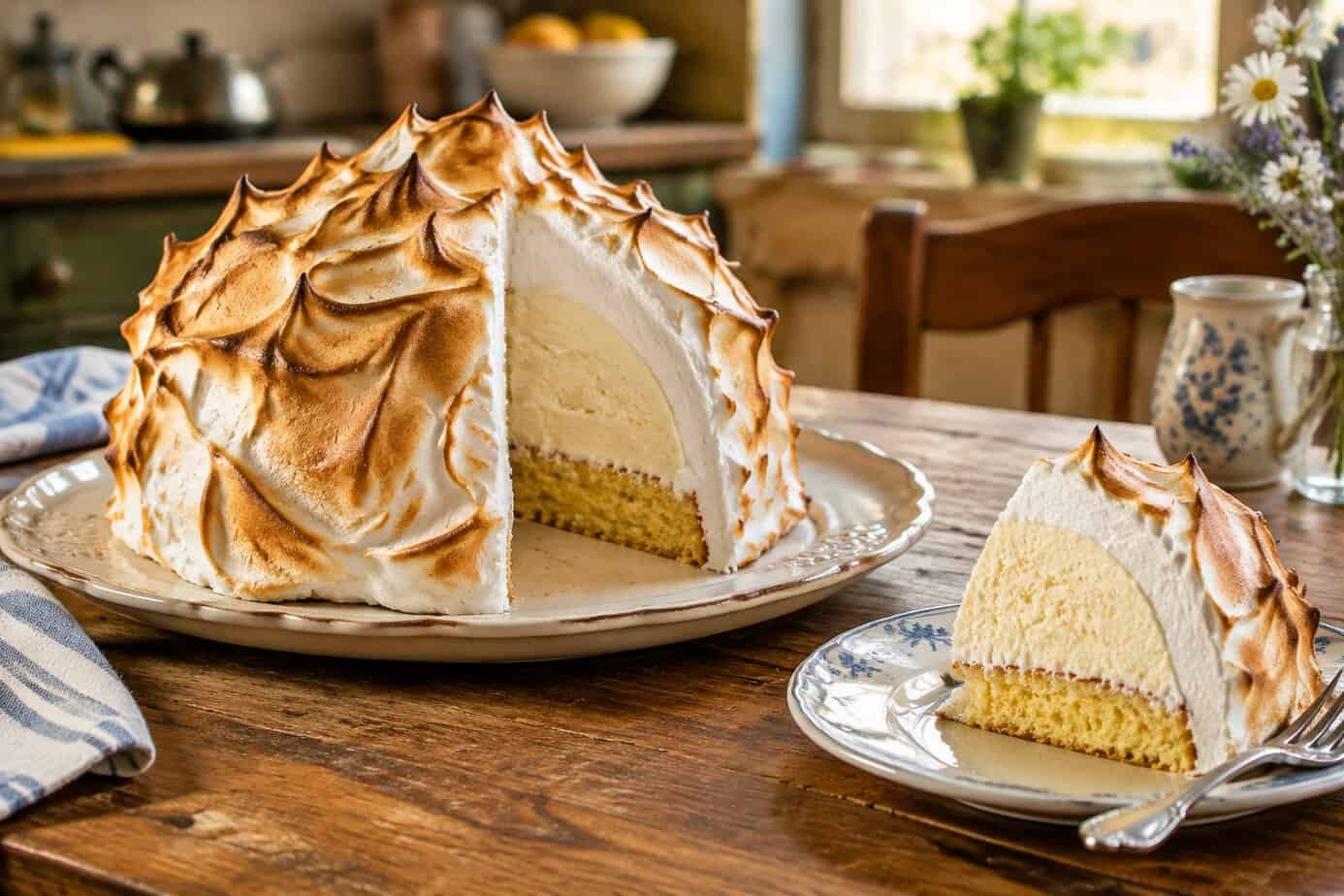
Baked Alaska was the showstopper you saved for the big occasions. You set a block of firm ice cream on a layer of sponge cake, then covered every bit of it with a thick coat of meringue, sealing it all the way down to the plate. A few minutes in a very hot oven browned the peaks while the ice cream stayed frozen inside.
Delmonico’s restaurant in New York usually gets the credit, with a name that poked fun at the country’s 1867 purchase of Alaska, though food historians still argue over who really came up with it. At home, getting it right meant careful timing and a freezer cold enough to hold the ice cream rock solid. You carried it to the table to gasps. It took a lot of nerve and a lot of egg whites, so it gave way to easier desserts, and now most people only see it on cruise ships or in old cookbooks.
You might also enjoy 29 Thanksgiving Dishes Grandma Made That Nobody Cooks Anymore and 27 Dinners Every 1970s Mom Made on a Budget.
Why These Recipes Slipped Away
Most of these dishes didn’t disappear because they tasted bad. They faded because the way families shopped and cooked changed. The butcher who ground your ham loaf mix gave way to the supermarket meat case, the stewing hen gave way to the young fryer, and boxed mixes and frozen dinners promised the same supper in half the time.
Many of these recipes also took patience. Rolling meatballs, chilling chiffon filling, pounding chicken for Kiev or stirring a pot of mush all asked for an hour you might not have once you went back to work or had kids running in three directions.
The Thrift Behind So Many of Them
Look at the list again and you’ll see how much of it was about using everything. Leftover ham became ham salad, the boiled dinner became red flannel hash, stale bread became brown Betty, and the last of the garden became fried green tomatoes. Nothing went to waste in your kitchen, and that was a skill, not a hardship.
Keeping the Recipe Box Alive
If you still have that recipe box, it’s worth more than you might think. Make one of these for the family this year and tell them where it came from. Some of these dishes may surprise them, and a few just might come back to the table where they belong.