The 30 Worst Toys Parents Regret Buying
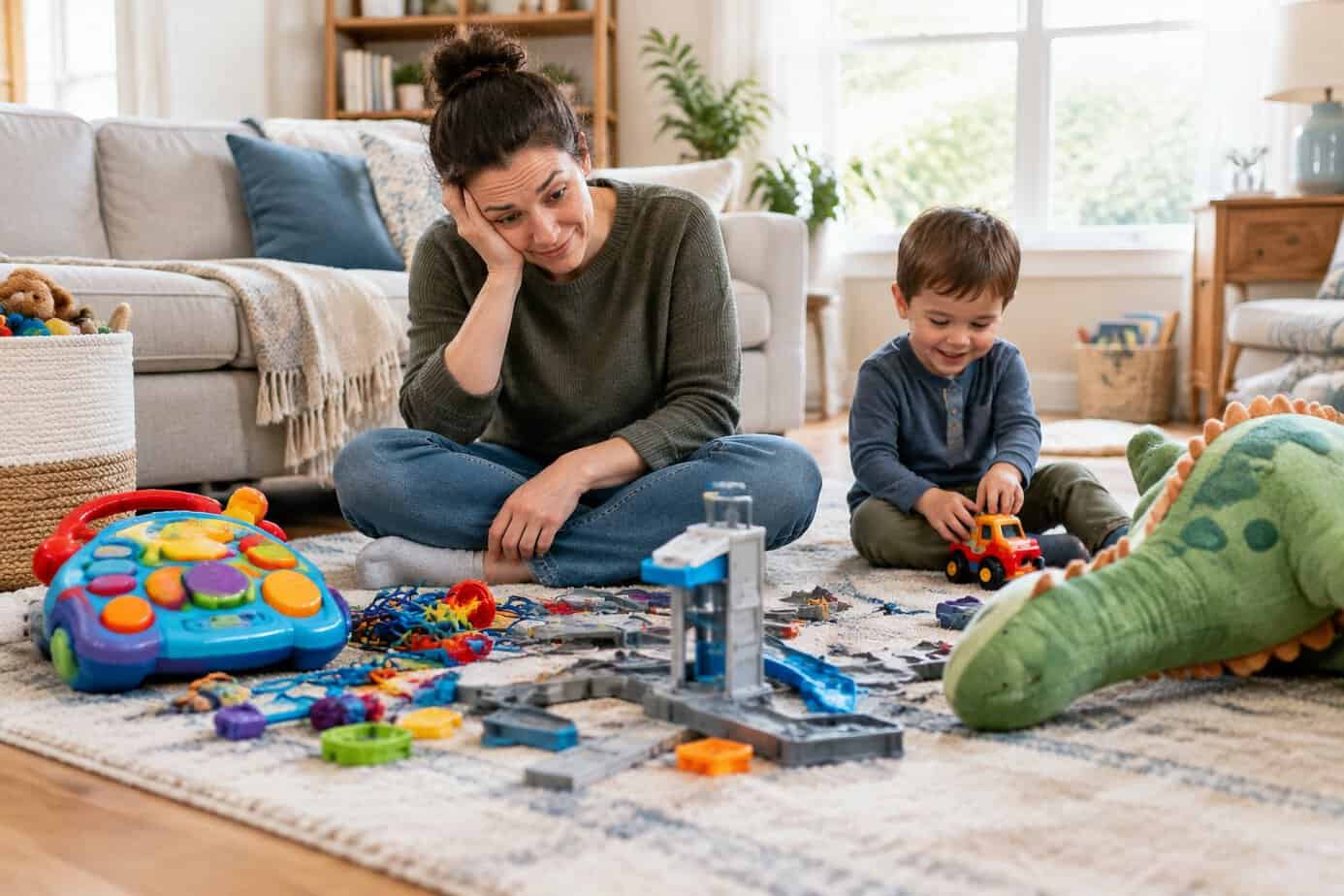
Every mom and grandma has a toy story. It starts with a bright box, a promise of “hours of fun” and a very excited child. Then comes the Tuesday you find yourself picking tiny plastic pieces out of the couch cushions, or the moment you realize the thing plays one song at full volume and has no off switch.
The toys on this list share a few familiar problems. They are loud, messy, full of small parts, or forgotten by the weekend. A few came with real safety recalls you may remember from the evening news. If you bought one of them, you were in very good company.
1. Toy Drum Sets
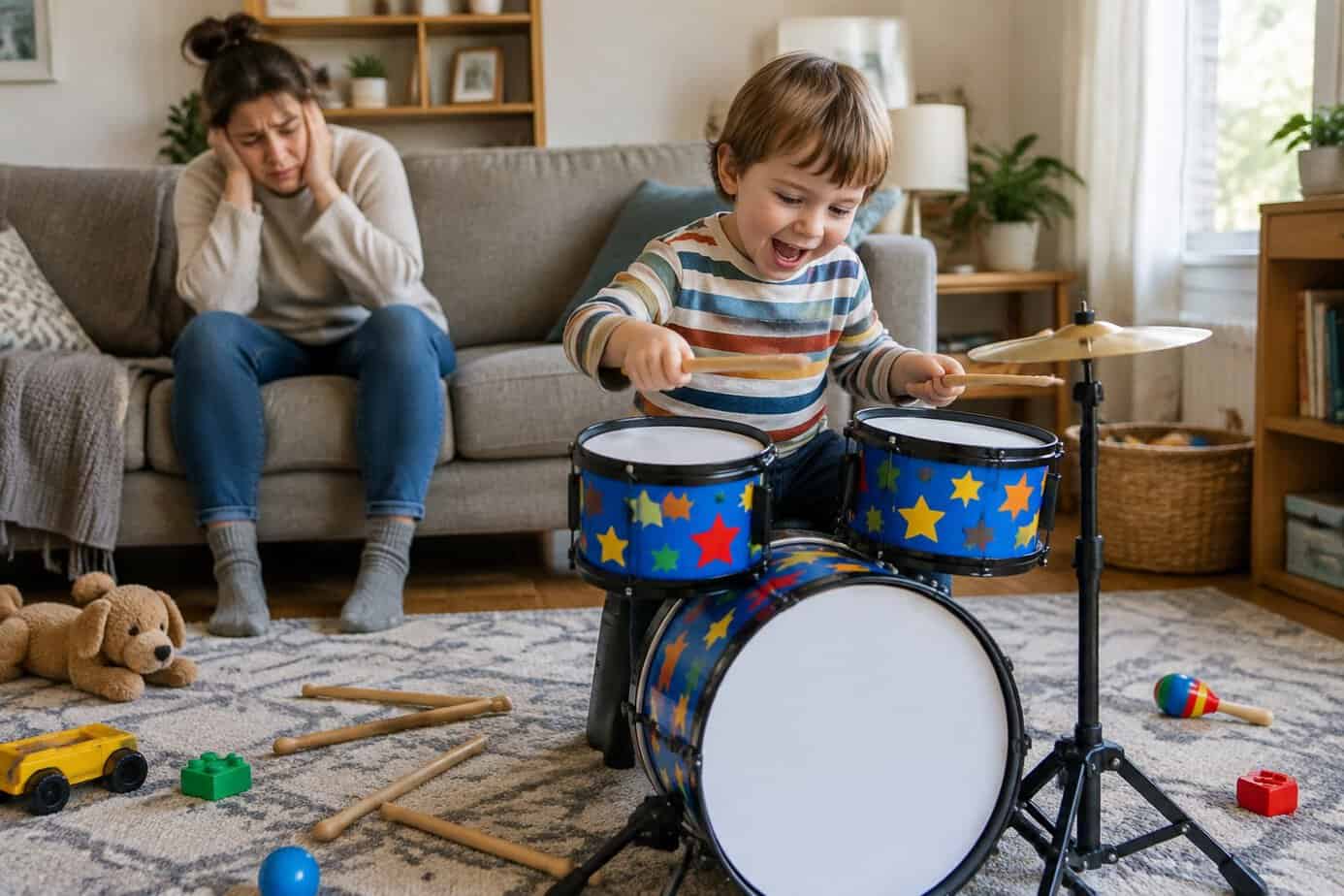
Few toys announce themselves quite like a child’s drum set. One minute your little one is tearing off the paper with pure joy, and the next you are wondering how something so small can make so much racket.
Noise is the number one complaint, and drum sets don’t have a volume knob. Even a little tabletop kit carries through a whole house, and the drumming always seems to start the moment you sit down with a hot cup of coffee. Early mornings and nap times are the usual flashpoints.
Then there’s the space. A kit comes with stands, a stool, a cymbal and sticks, and none of it folds down neatly. You may be stepping around it in the living room for months.
The cheap ones don’t last, either. Plastic stands wobble, drum heads pop loose and the sticks wander off, usually to become swords. Somehow that is quieter, at least.
2. Kids’ Karaoke Machines and Toy Microphones
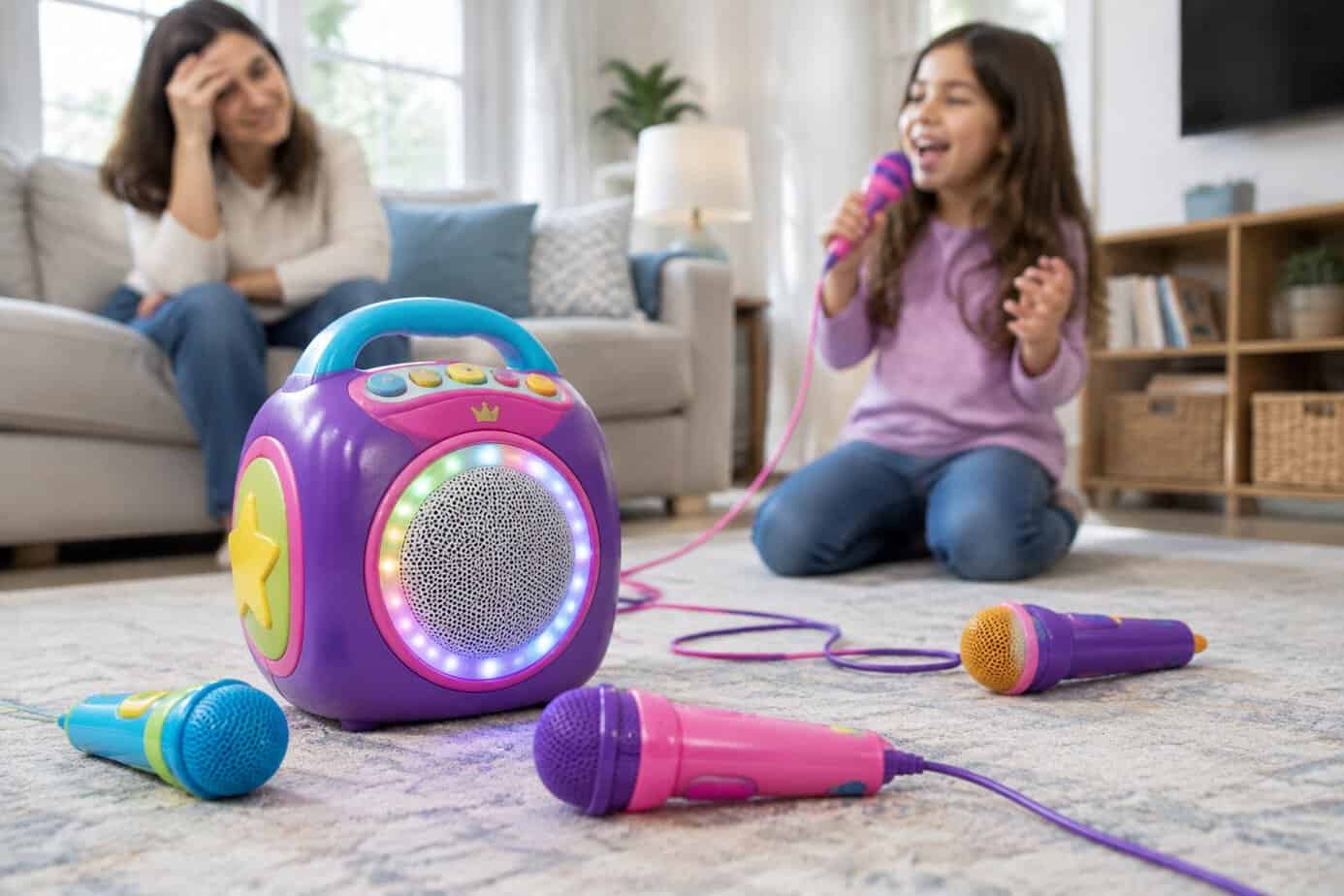
You bring one home thinking it will spark a little music time. A few hours later you realize you have also brought home a stage, a sound system and a very enthusiastic performer who has never heard of an indoor voice.
Volume is the top complaint. Even the models with a volume dial end up turned all the way up, and an echo microphone turns your living room into a concert hall that never closes.
Batteries are the next headache. These machines go through them quickly, and the battery doors are held shut with tiny screws, so you are hunting for a screwdriver right when the show must go on.
The microphones get dropped, swung by the cord and chewed on, and the cheaper ones don’t survive long. The boombox-style machines also take up real shelf space. Plenty of grandmas will tell you the singing was sweet, just a lot to take at full volume.
3. Talking Toys With No Off Switch
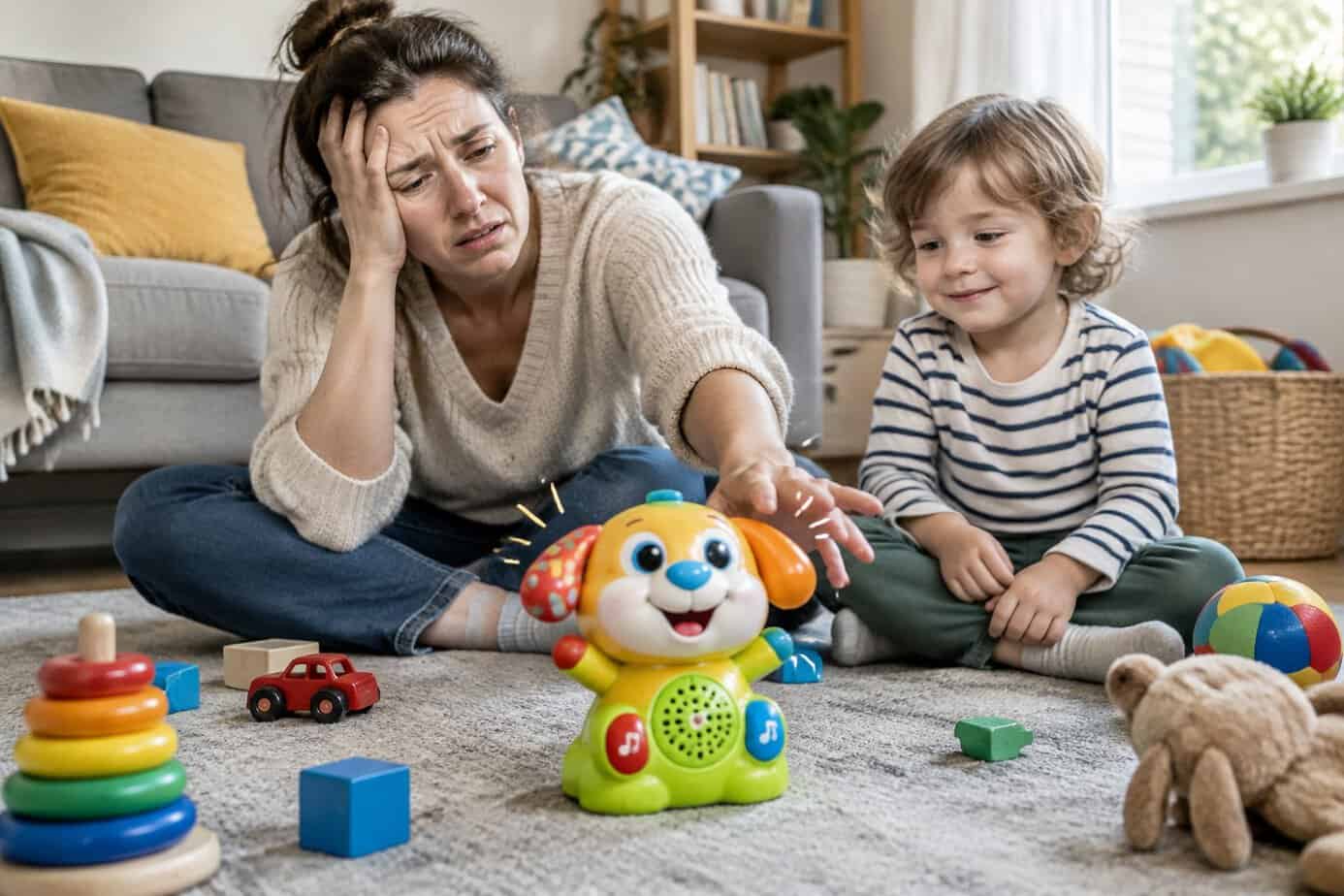
Some toys talk whether anyone asked them to or not. If you have ever heard a stuffed animal recite the alphabet from inside a closed toy chest at two in the morning, you know this one.
The most famous example is the original Furby from 1998. It had no off switch at all, so the only way to quiet it was to take out the batteries. It was so chatty that the National Security Agency banned Furbies from its offices in late 1998, worried they could record what they heard. They couldn’t, but the ban made the news early in 1999.
Plenty of other talking plush toys hide their switch under a seam or inside a battery box that needs a screwdriver. As the batteries run low, the cheerful voice slows into a groan, which is quite something to hear in a dark hallway.
Many parents quietly took the batteries out and handed back a very expensive, very peaceful cuddle buddy. Kids usually loved it just the same.
4. Tamagotchi and Other Virtual Pets
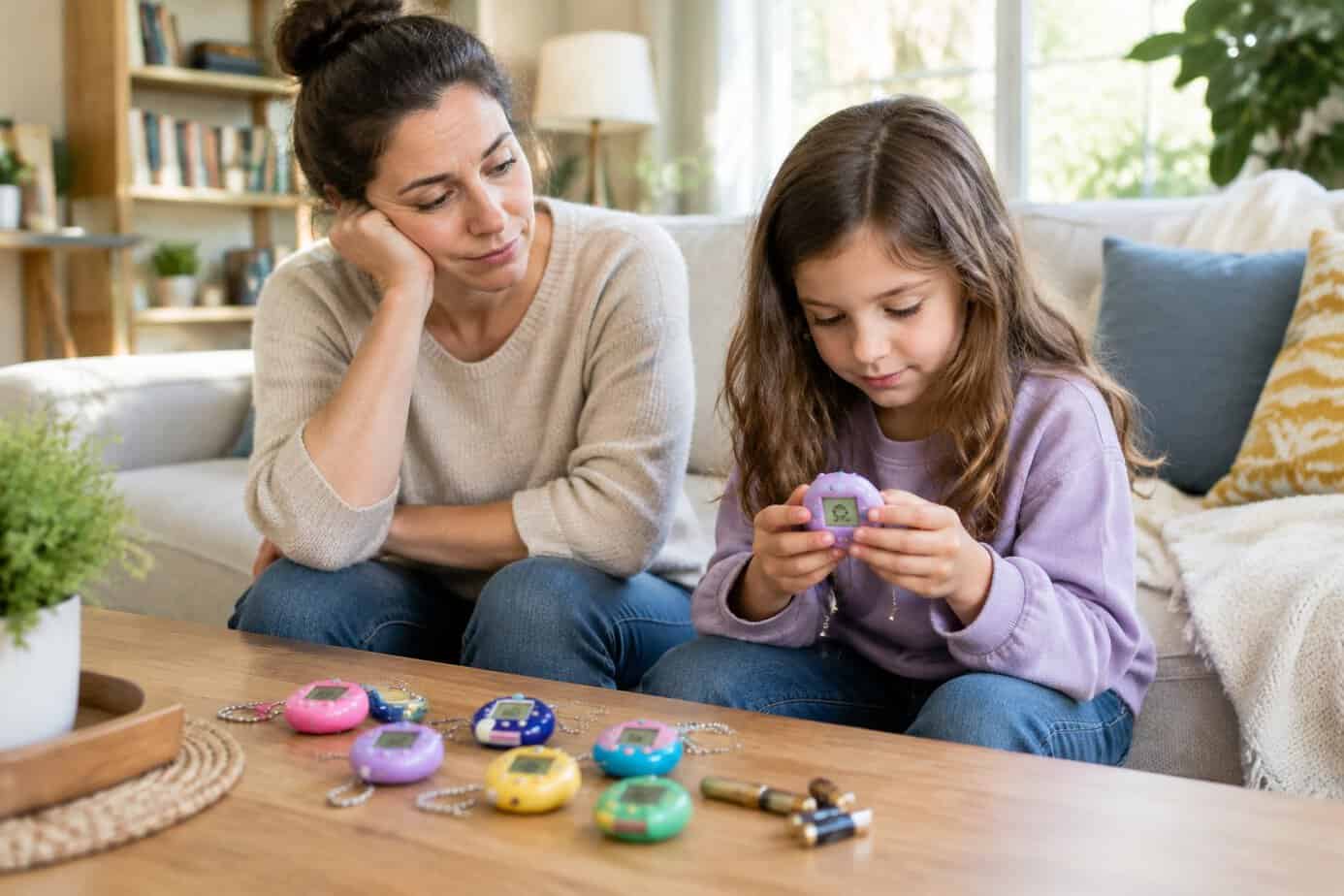
Remember when a little egg-shaped gadget became the neediest member of your household? The Tamagotchi came out in Japan in 1996 and reached American stores in 1997, and suddenly children everywhere had a digital pet that needed feeding, cleaning and attention around the clock.
You probably bought one thinking it would teach responsibility. Then the beeping started. It went off at the dinner table, in the car and during class, and it had no pause button, so kids smuggled them to school to keep them alive. Some schools banned them that same year.
Guess who ended up on pet duty while the kids were in class? Plenty of moms fed a pixelated blob in the checkout line so it wouldn’t “die” before three o’clock. When one did die, the tears were real.
After a few weeks, most of them landed in a junk drawer, still beeping now and then from the bottom of the pile.
5. Play-Doh

Play-Doh looks like the most harmless thing in the toy aisle. It comes in a cheerful little tub, it has been around since the 1950s, and the smell alone takes you back. Then it meets your living room.
Little bits get pressed into the carpet, wedged between couch cushions and ground into the grain of the kitchen table. Once they dry, they turn hard and crumbly, and you pick them out one crumb at a time.
The colors never stay apart for long, either. Within a day, every can holds the same muddy brownish lump that nobody wants to play with. Leave a lid loose overnight and the whole tub dries into a rock.
Then there are the extras: cutters, molds, rollers and the little extruder that squeezes out spaghetti. Every one of them ends up under the furniture. Play-Doh is salty and not meant to be eaten, so plenty of families kept it at the kitchen table with a grown-up nearby.
6. Glitter Craft Kits
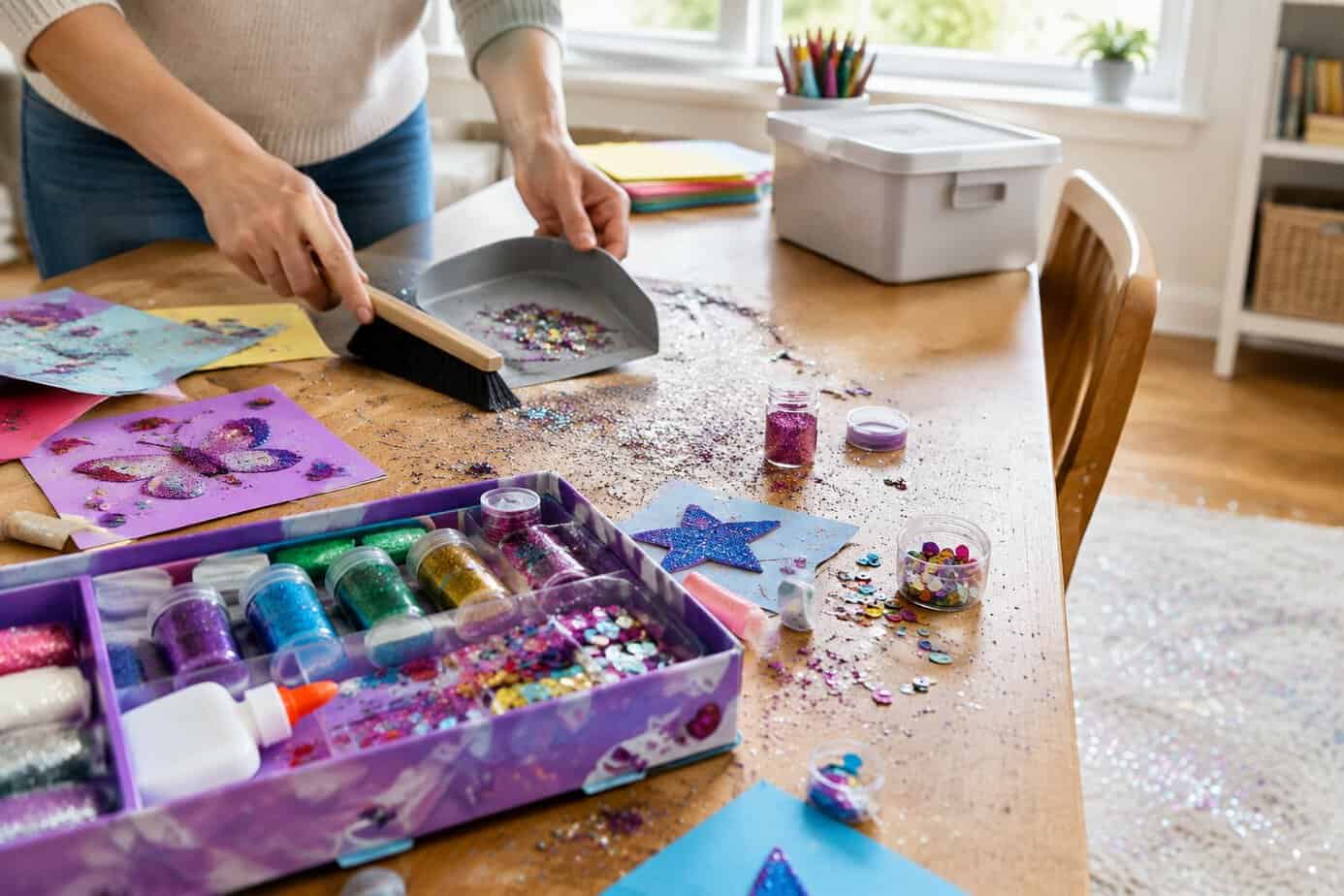
The box says “easy craft project.” It does not mention that you will be finding glitter in your couch, your car and possibly your eyebrows for the next three weeks.
Glitter is made of tiny flakes, and those flakes do not stay put. They ride on sleeves, pets and shoes. The vacuum gets some of it, a damp paper towel gets a little more, and the rest waits patiently to sparkle at you on the next sunny afternoon.
Kits that pair glitter with glue or paint make it worse. Everything gets sticky, and the glitter sticks right along with it. Kids tend to finish the project in twenty minutes, while the cleanup takes the rest of the day.
Sequins, gems and loose beads can also end up in little mouths, so these kits need a grown-up nearby when younger brothers and sisters are around. And the half-used tubes of glue always dry out in a drawer.
7. Slime Kits

Slime kits look harmless on the shelf: a few colorful tubs, some glitter and a promise of a quiet afternoon. Then you get one home and learn exactly where slime likes to go.
It sticks to carpet, couch cushions, hair and stuffed animals, and once it dries it can be stubborn to get out. Many moms have spent an evening working slime out of a ponytail or a favorite sweater.
It doesn’t last long, either. Slime dries out, goes stringy or turns sticky within days, especially if a lid isn’t closed tight. Kids usually lose interest just as you’ve found a spot to store all the tubs.
Many kits also come with mix-ins like foam balls and beads that are small enough to worry about with a toddler in the house. Some recipes call for borax or contact lens solution, so it pays to read the label and stay close by while the mixing happens.
8. Kinetic Sand and Moon Sand
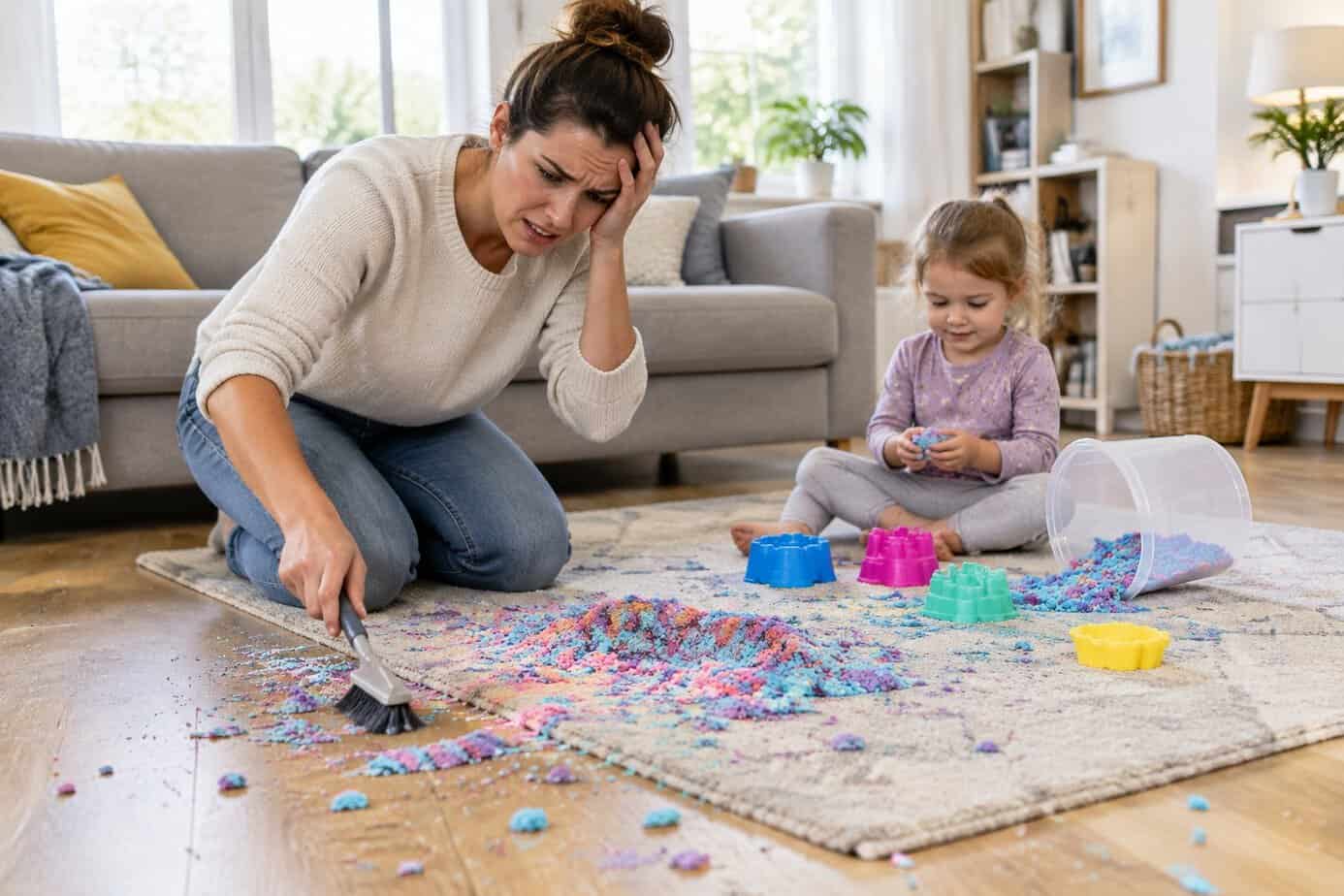
On the box, it looks like a calm, tidy afternoon. Your grandchild squishes the sand, shapes a little castle, and you finally finish your coffee while it is still warm.
Then reality shows up. This kind of play sand is made to stick to itself, but small clumps and loose grains still travel. You will find them in carpet fibers, in the cracks of a tile floor, in pockets and, as plenty of parents report, in the bed.
Moon Sand gets the same complaints. Once it lands on the floor, it can crumble into a fine powder that settles into the carpet and takes real effort to vacuum out.
The families who make peace with it usually follow a few rules. The sand stays in one tray, on one table, with a sheet or a shower curtain underneath. The vacuum comes out right afterward. And everyone washes their hands before touching anything else.
9. Water Beads
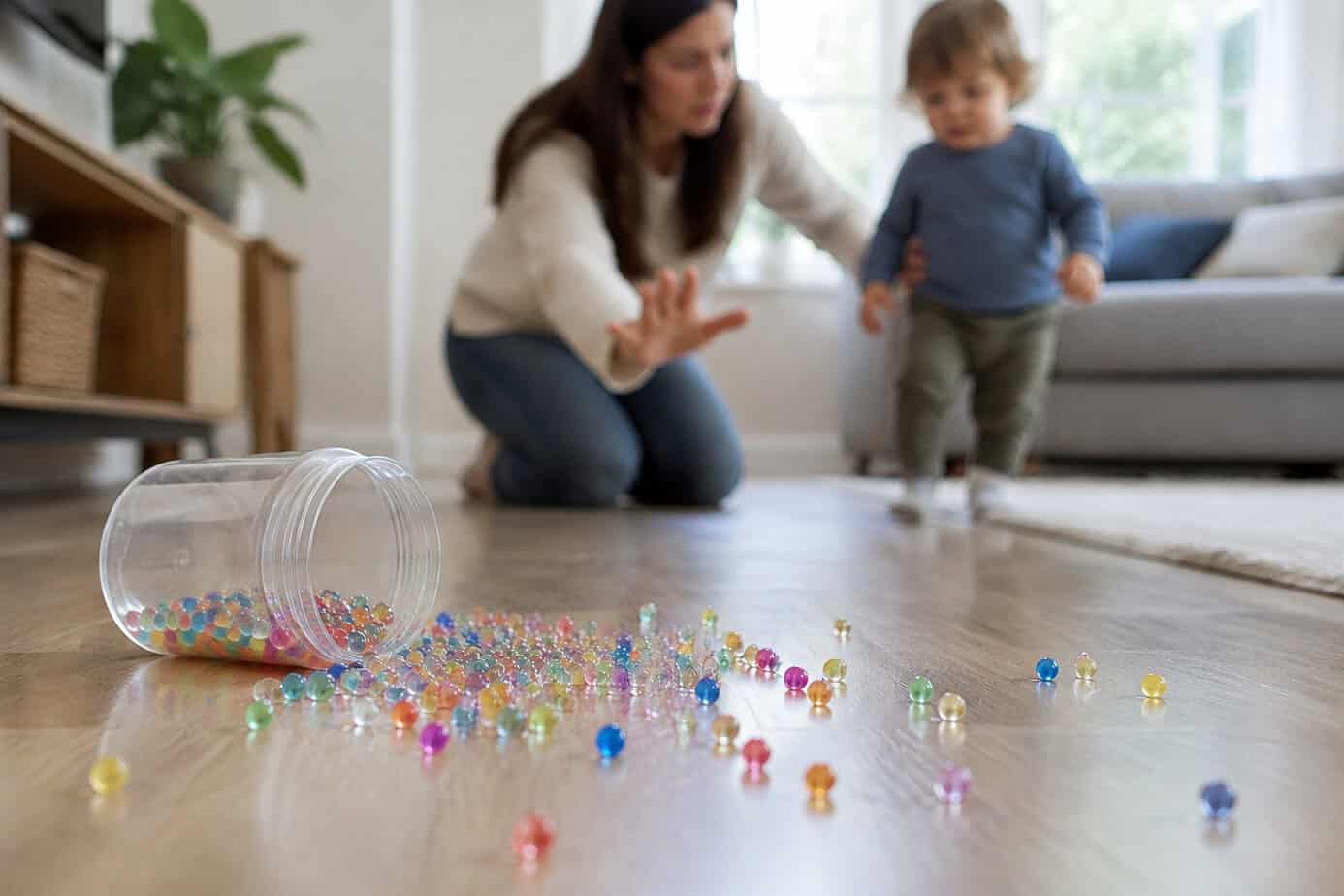
Water beads look harmless. They are tiny, colorful and squishy, and they were sold for years as sensory play, so it is easy to see how they landed in a shopping cart.
The trouble starts when they get wet. The beads are made of a super-absorbent material, and they swell to many times their dry size. A bead small enough to swallow can keep growing inside a child and block the intestines. Children have needed surgery, and the Consumer Product Safety Commission has linked water beads to deaths.
That is why the CPSC approved a federal safety standard for water bead toys in 2025. It limits how much the beads can expand and requires strong warnings, and it took effect in March 2026. Several big retailers had already stopped selling water bead toys.
They are a mess, too. Beads bounce under the couch, hide in the carpet and turn up weeks later, plump and slippery. With babies or toddlers in the house, the safest move is to keep them out altogether.
10. Small High-Powered Magnet Sets
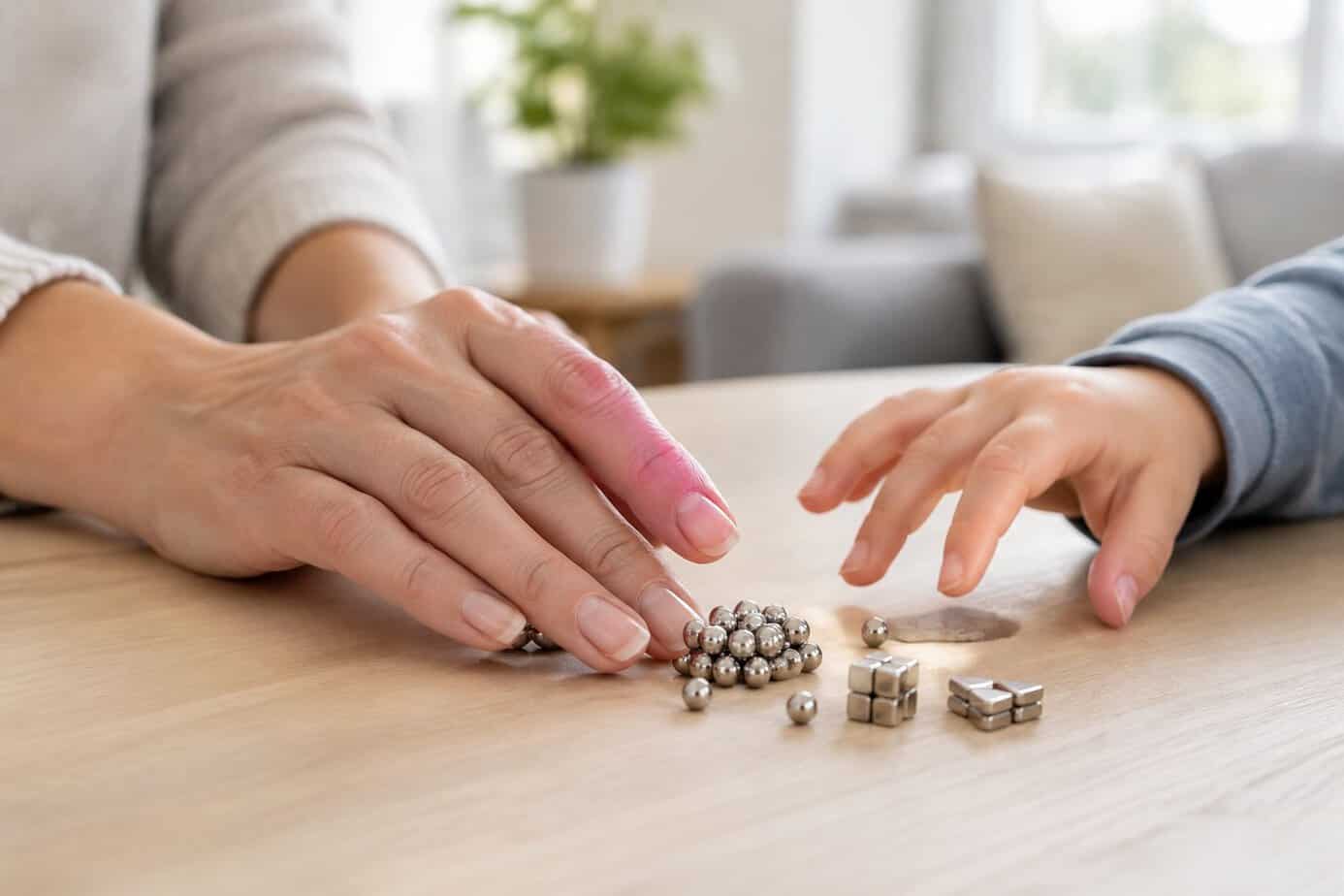
You know the ones: hundreds of tiny, shiny balls or cubes that click together into sculptures and snowflakes. They were sold as desk toys for grown-ups, and they look about as dangerous as a paper clip.
The trouble is how small and strong they are. If a child swallows more than one, the magnets can find each other through different loops of the intestine and pinch the tissue between them. That can tear holes in the bowel and usually means emergency surgery. A child may seem fine at first, and on an X-ray several magnets stuck together can look like a single object.
The CPSC fought these sets for years. Its first rule was thrown out by a federal appeals court in 2016, and the agency issued a new safety standard for small, powerful magnets in 2022.
If a set is already in your house, keep it well out of reach of children and teens. If you think a child swallowed one, get medical help right away.
11. Toys With Button Batteries
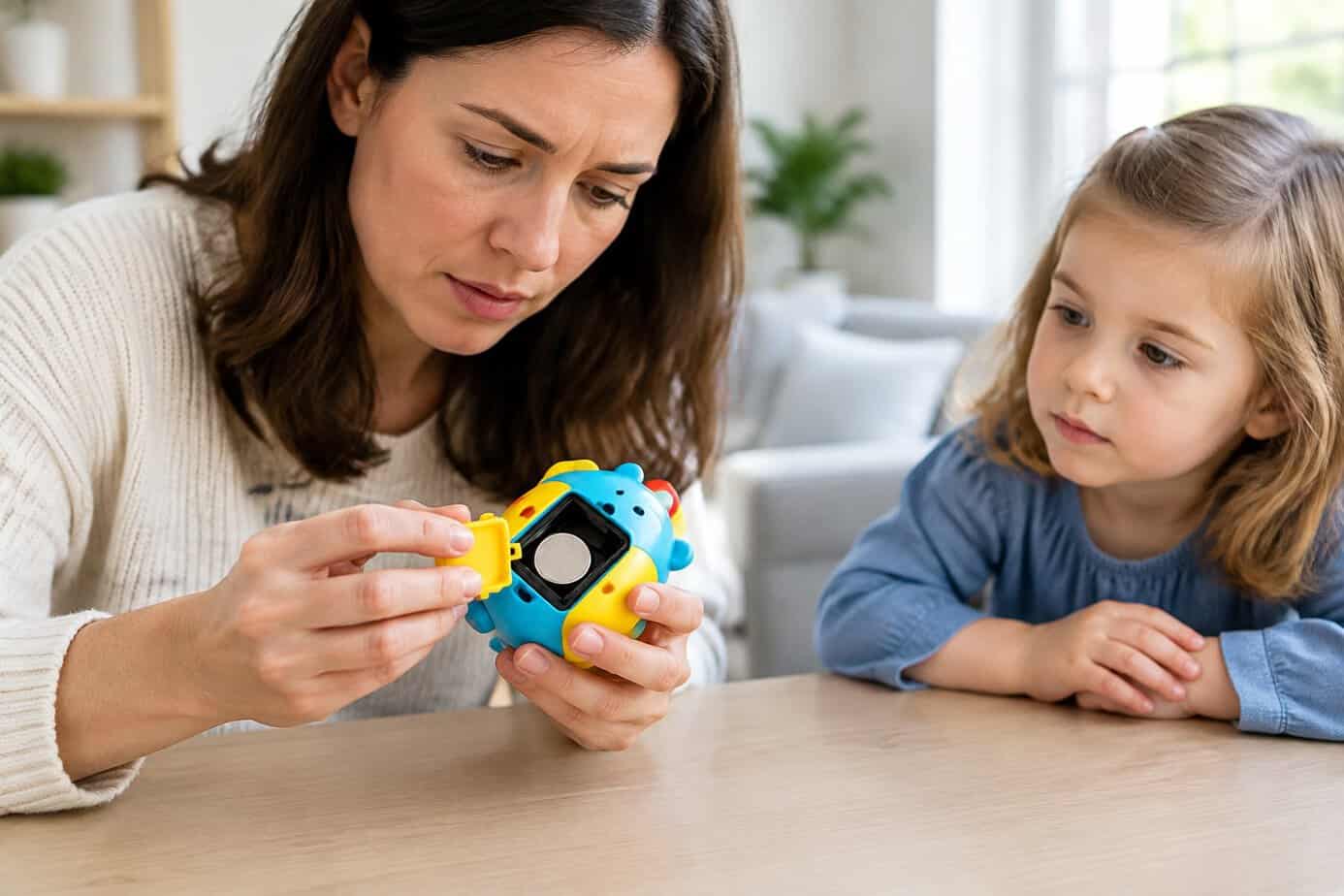
You wrap the present, the child squeals, and then you notice the tiny screw on the battery door. That screw is doing a lot of quiet work. Plenty of toys, from musical cards to light-up wands, run on small, coin-shaped batteries.
The big worry is swallowing. A button battery can get stuck in a child’s throat and cause serious burns in as little as two hours. It may not cause choking, and the first signs, like drooling, coughing or fussiness, can look like a common cold.
Congress passed Reese’s Law in 2022 after a toddler named Reese Hamsmith died from a swallowed button battery. It led to a federal standard requiring secure battery compartments and child-resistant packaging on many products.
The everyday hassle doesn’t help either. Batteries die fast, the little screwdriver disappears, and spares end up loose in a kitchen drawer. If you ever suspect a swallowed battery, head to the emergency room and call the National Battery Ingestion Hotline at 800-498-8666.
12. Building Bricks Underfoot
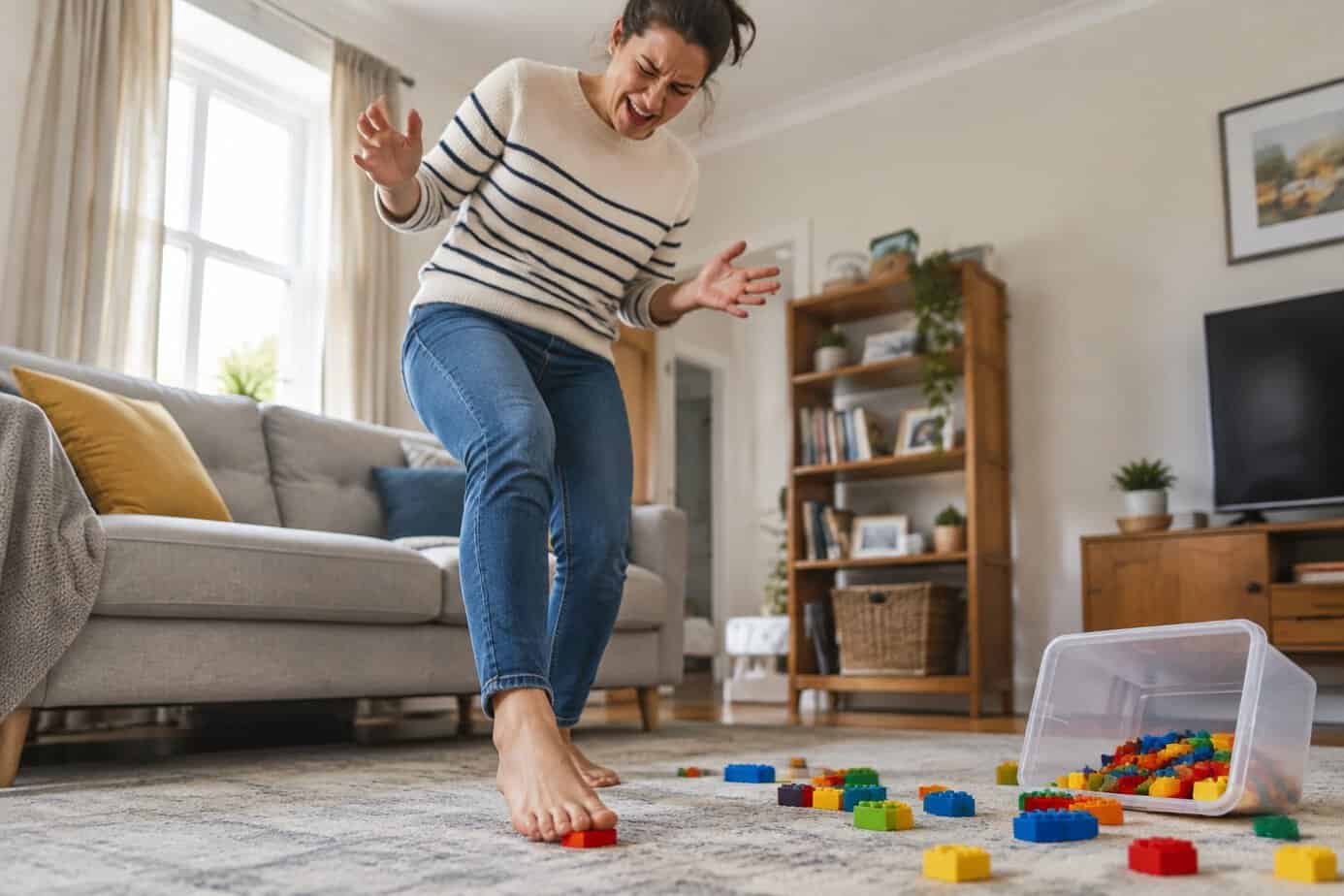
Building bricks seem like the perfect present. They are creative, they last for years, and children love them. Then you step on one in your bare feet on the way to the bathroom at night, and you start to rethink your life choices.
The trouble is the sheer number of pieces. One set can hold hundreds of little parts, and those parts travel. They end up under the couch, in the car, in the bathtub and in the vacuum cleaner, which makes a sound you will never forget.
Parents have been trading stories about stepping on bricks for years, and many name them the most painful thing to land on in a dark hallway. Those hard little corners do not give at all.
Storage is the other headache. Sorting by color or by set takes the patience of a saint, so most of us settle for one big bin and a prayer. Sets meant for older kids also have small parts that don’t mix with a crawling baby.
13. Marbles and Tiny-Piece Sets With a Toddler in the House

Marbles look innocent in their little bag. Small, shiny and cheerful, they seem like the perfect thing for an older child to enjoy on a rainy afternoon. Then the toddler discovers they fit perfectly in a mouth.
That is the first reason for regret. Marbles, small balls and tiny game pieces are choking hazards for children under three. Since 1979, federal rules have banned small parts in toys meant for that age, using a test cylinder about the width of a toddler’s throat. A handy rule at home is that anything that fits through a toilet paper tube is too small for a baby.
The second reason is less scary but just as real. Tiny pieces scatter. You will find a marble under the couch, a game piece in the car seat and one lonely bead in the dog’s water bowl.
If an older child owns these, they need their own high shelf and a lid that closes. Bringing them out during nap time saves a lot of worry.
14. Ball Pits
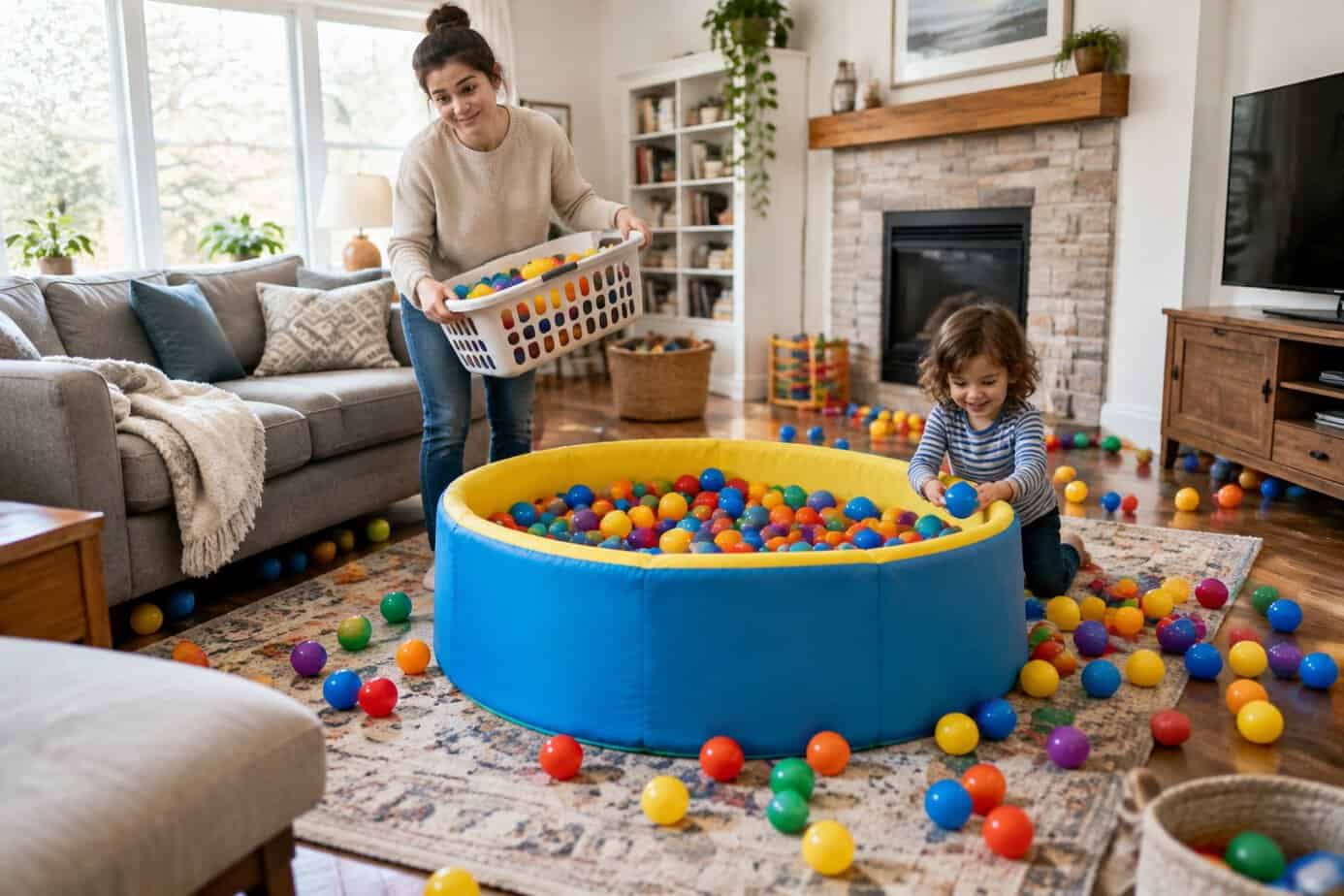
A ball pit looks like pure joy in the catalog: colorful balls, a giggling toddler and a tidy little pool of fun. Then it arrives at your house, and the balls start leaving the pit almost immediately.
Within a day or two, you will find balls under the couch, behind the television and in rooms the baby isn’t even allowed in. The pit gets tipped over, the balls get thrown, and picking them all up again becomes your new evening hobby.
Storage is the next problem. Hundreds of hollow balls take up much more room than you’d expect, and the mesh pit never folds back into its bag the way it came out.
Loose balls on a hard floor can also send someone sliding, and that someone is often a grown-up carrying a laundry basket. Some families decide the pit is worth the cleanup. Others quietly move it to the garage and never speak of it again.
15. Bubble Machines
On the box, a bubble machine looks like a dreamy summer afternoon in the backyard. Real life tends to be a little stickier.
Most machines run on batteries, and they eat them quickly. You’ll be restocking AAs more often than you planned, and the machine always seems to give out halfway through the birthday party.
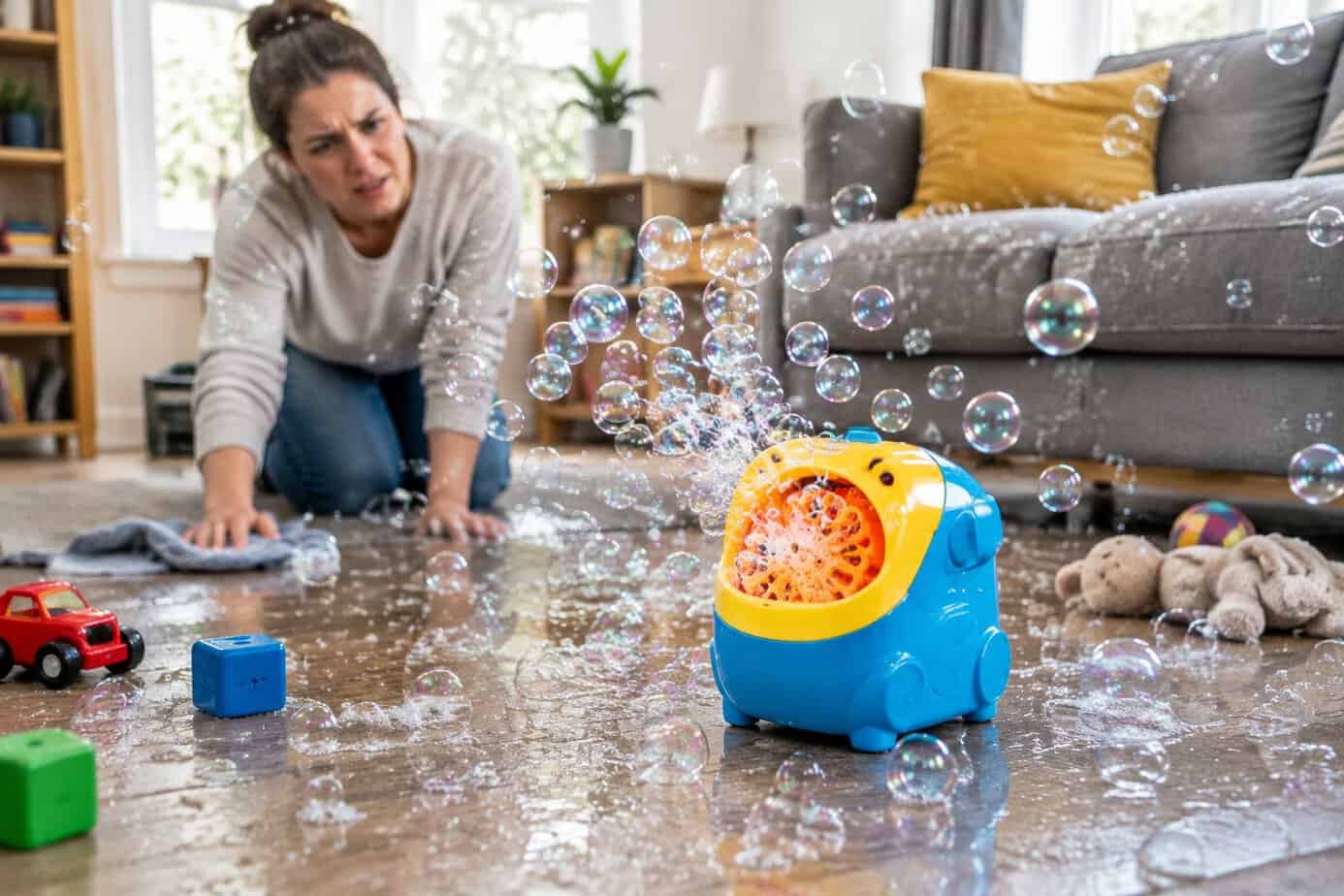
Then there’s the solution. It spills in the box, in the car and on the patio, and it leaves a slick film on anything nearby. Indoors, it turns a kitchen floor into an ice rink, so you’ll spend more time wiping than watching.
The cheaper machines also clog or jam after a few uses, and the bubbles shrink to a sad trickle once the wand gets gummed up. Little ones may decide the bottle looks like juice, so it’s worth keeping it up high. A plain wand and a bottle of bubbles did the same job for a lot less trouble.
16. Silly String
It looks like pure fun in the store: a bright can that shoots colorful streamers across the room. The children will love it for about four minutes.
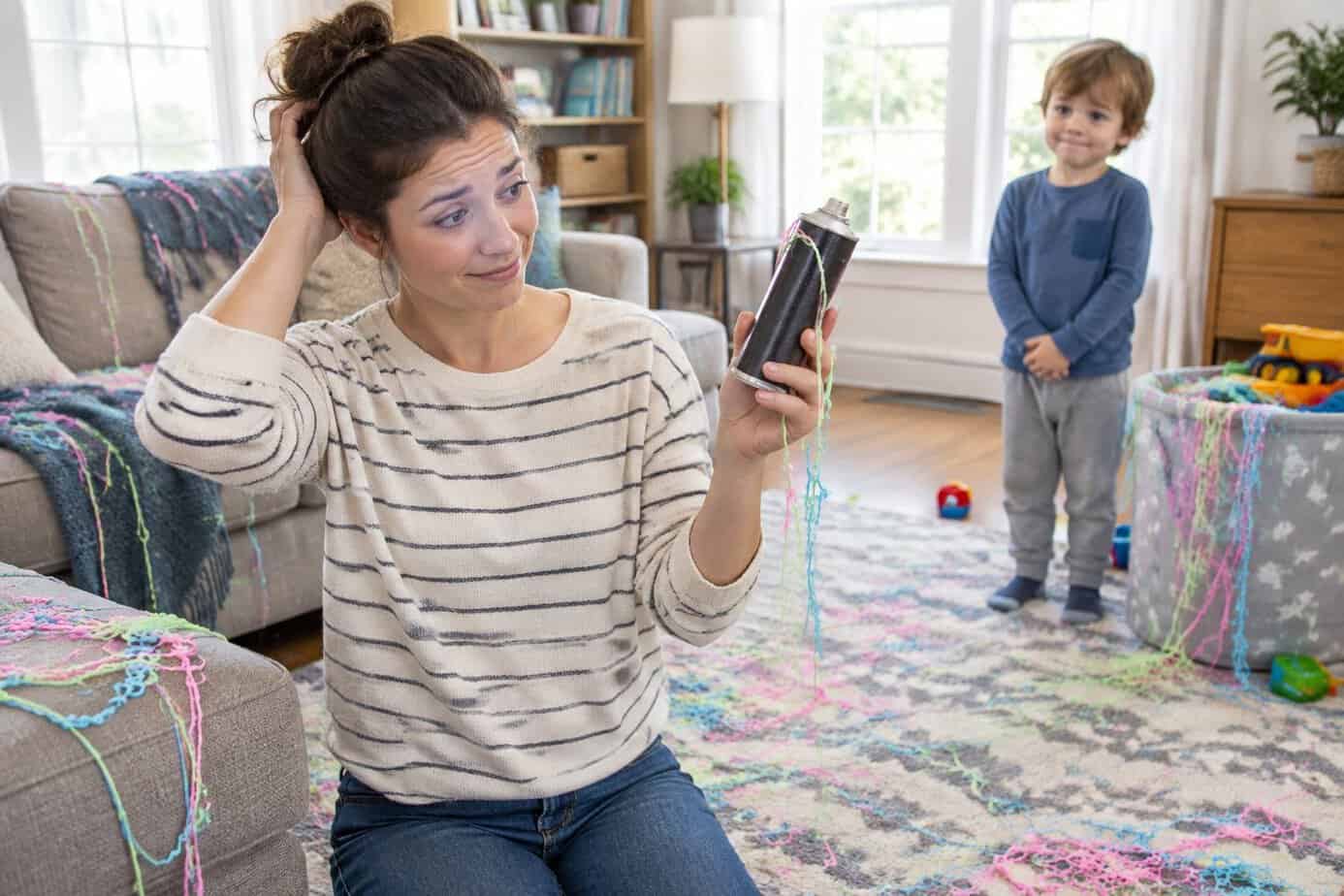
Then comes the cleanup. Silly String sticks to walls, furniture, carpets, car paint and the dog, and some colors can stain fabric if it sits. It clings to textured surfaces like popcorn ceilings and stucco longer than you would think possible.
The can is empty after a few enthusiastic bursts, which is a lot of mess for a very short show. And the label warns against spraying it at faces, which is exactly where children aim it.
The cleanup problem is so well known that Los Angeles banned Silly String in Hollywood on Halloween in 2004. City crews were tired of scraping it off the sidewalks of Hollywood Boulevard every November 1. If a can ends up at your house, save it for the driveway.
17. Finger Paints and Non-Washable Markers

Finger paints sound like a lovely rainy-day idea. Then your toddler discovers that paint also works on the dog, the sofa and her own hair.
Washable paints usually come out of clothes and skin with a little effort, but they still take a few rounds of scrubbing before the table looks like a table again. Smocks, newspaper and a stack of rags have to be ready before anyone opens a lid.
Non-washable markers are where the real regret sets in. Permanent ink can stain carpet, upholstery, painted walls and wood furniture, and it doesn’t always come out. Many moms only read the label after a marker has already visited the hallway wall.
The cleanup almost always takes longer than the art did. And the markers themselves don’t last, because the caps vanish within a week and the rest dry out in a drawer. “Washable” on the box became a very important word in a lot of houses.
18. Foam Dart Blasters
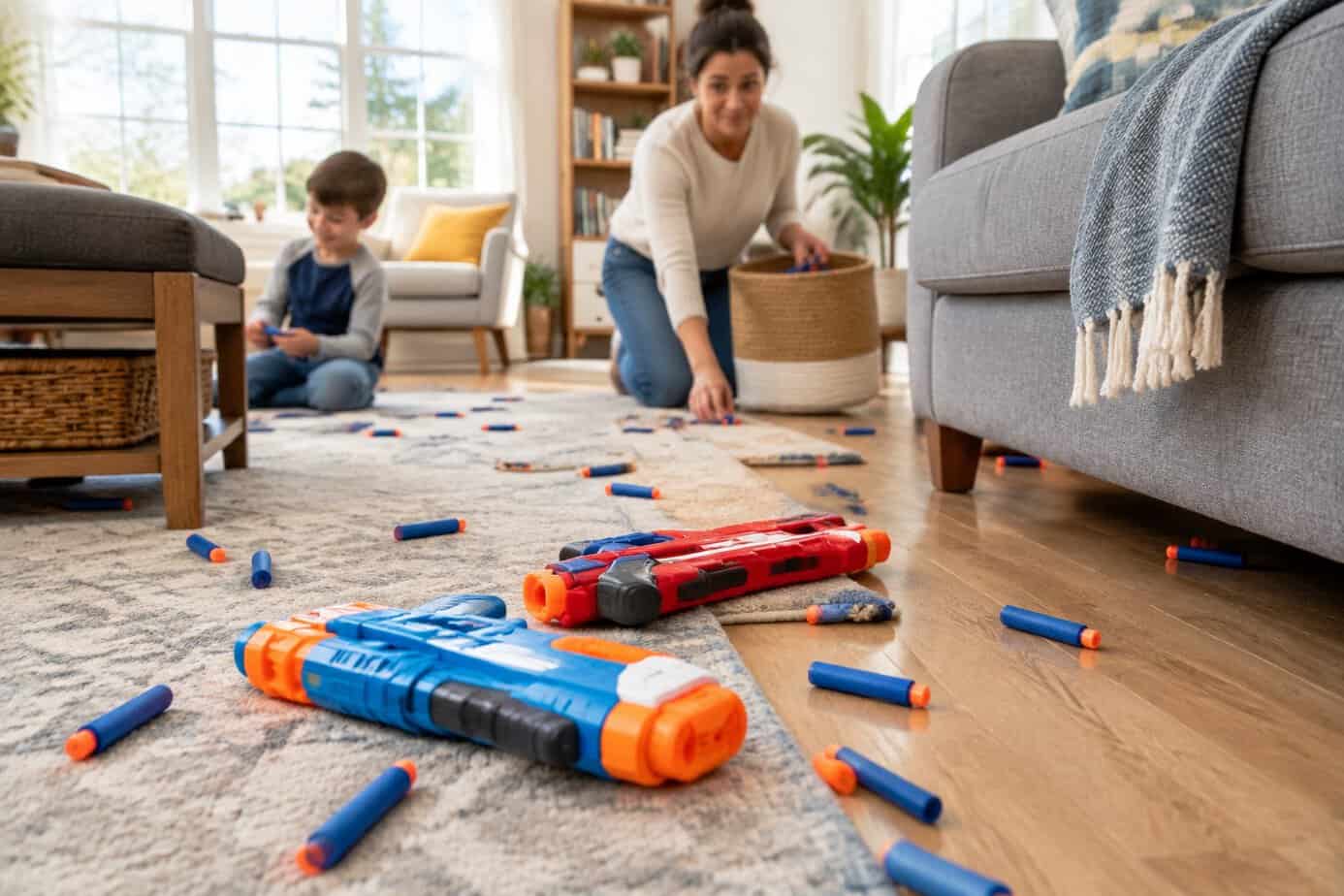
You bring one home thinking it will be a fun afternoon of backyard play. Then you find the first dart under the couch, the second in the dog’s bed and the third somewhere you won’t discover until spring cleaning.
Foam darts are light, soft and wonderfully good at vanishing. Most blasters come with a handful, and the refill packs disappear faster than the darts can be found. Many parents say they spend more time hunting for ammunition than the kids spend playing.
Noise is another complaint. Between the clack of the priming handle and the battle cries in the living room, the quiet afternoon does not stay quiet.
A foam dart can still sting, especially at close range, and eye doctors warn against shots to the face. The longer blasters also don’t fit neatly in any toy box. In many homes, a household rule like “no shooting at people” lasted about ten minutes.
19. Lawn Darts
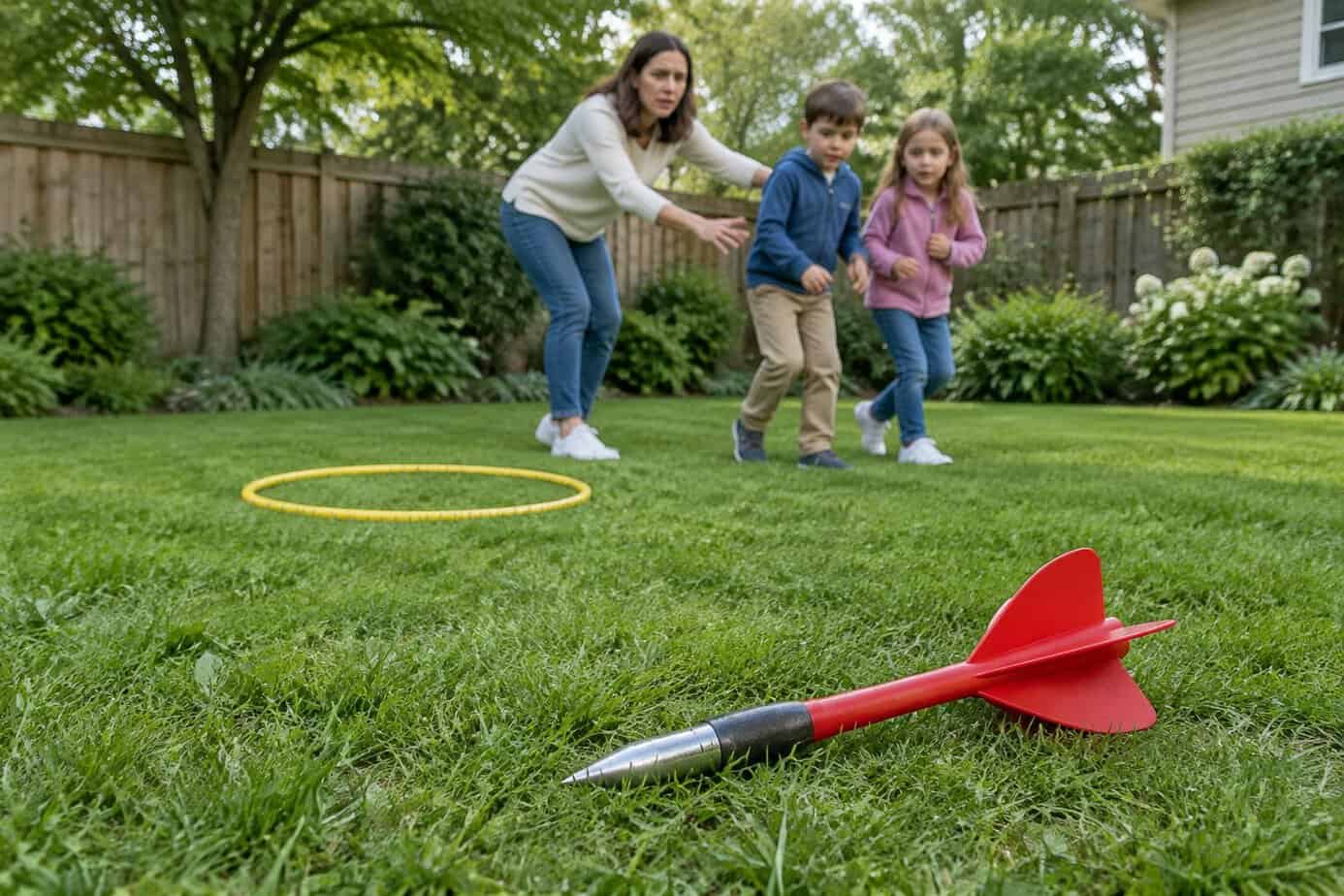
If your children grew up in the 1970s or early 1980s, you may remember the backyard game with the heavy, pointed darts. You tossed them underhand toward a plastic ring on the grass, and it felt like harmless summer fun.
The trouble was the darts themselves. They were weighted, had metal-tipped points and were thrown high in the air. When one came down on a person instead of the lawn, it could pierce a skull.
The government tried warning labels first. Lawn darts were supposed to be sold only as an adult game, away from the toy aisle, but that never really worked. The Consumer Product Safety Commission counted thousands of emergency room visits, mostly children, and three children had died. In 1988, the CPSC voted to ban lawn darts, and Congress passed its own ban the same year.
Plenty of parents trusted a game that sat right there on the store shelf. If an old set turns up at a yard sale, leave it there.
20. Clackers
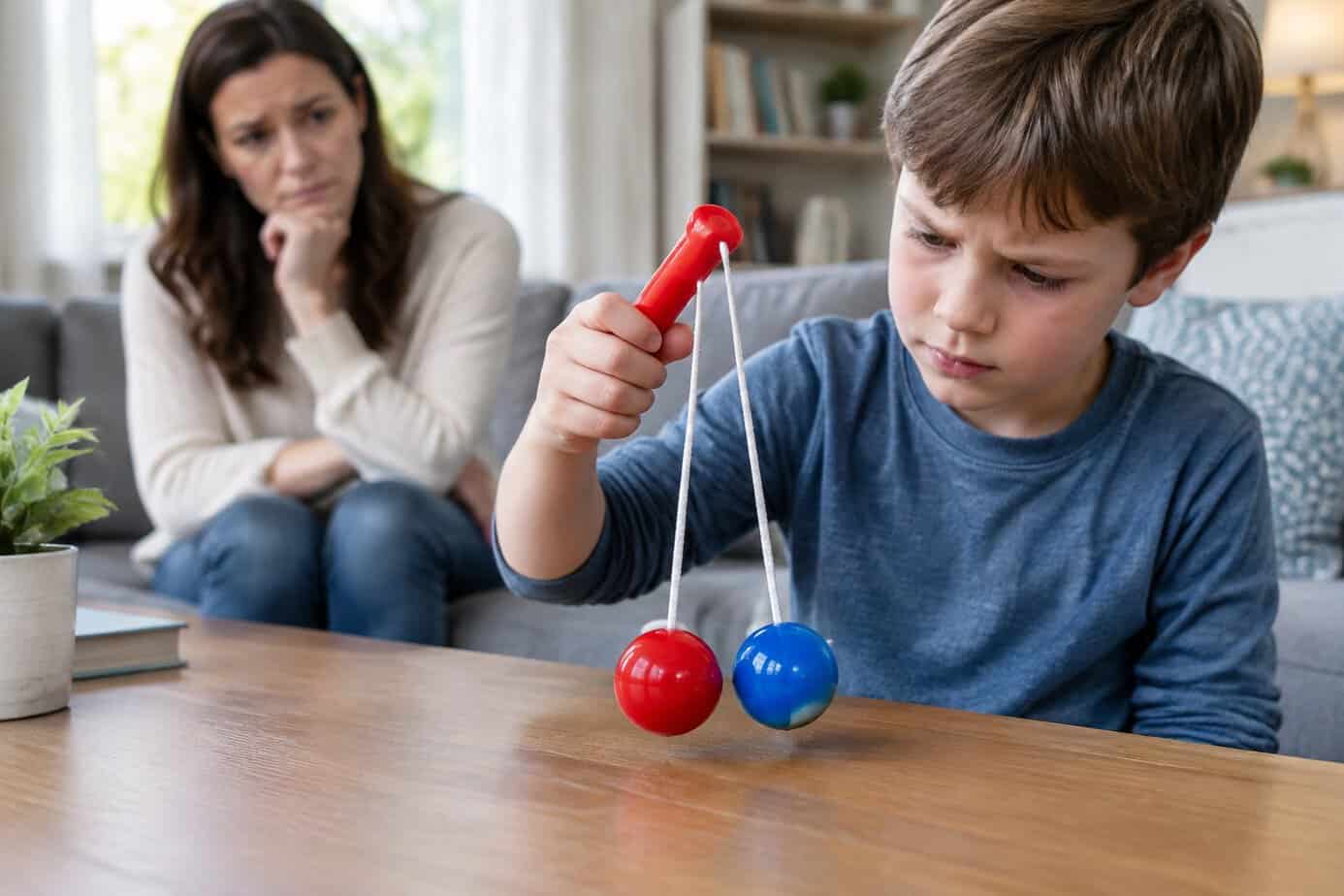
If you had children around 1970, you probably remember the sound before anything else. Clackers were two hard balls on a string, and kids swung them up and down so the balls smacked together over and over. Click, clack, click, clack, for hours on end.
The noise alone made plenty of moms wish they had bought something quieter. The bigger worry was what those hard balls could do. Kids swung them fast, and the balls cracked against wrists, knuckles and faces.
There was a worse problem. Some of the balls could shatter after enough hard hits, sending sharp pieces flying. In 1971, after warnings from eye-safety groups, the Food and Drug Administration, which oversaw toy safety then, set new standards for clacker balls, and many disappeared from store shelves.
A toy that sounds like a tiny construction site and needs a safety talk before every use can wear on anyone’s nerves. Ask anyone who lived with a pair.
21. Water Yo-Yo Balls
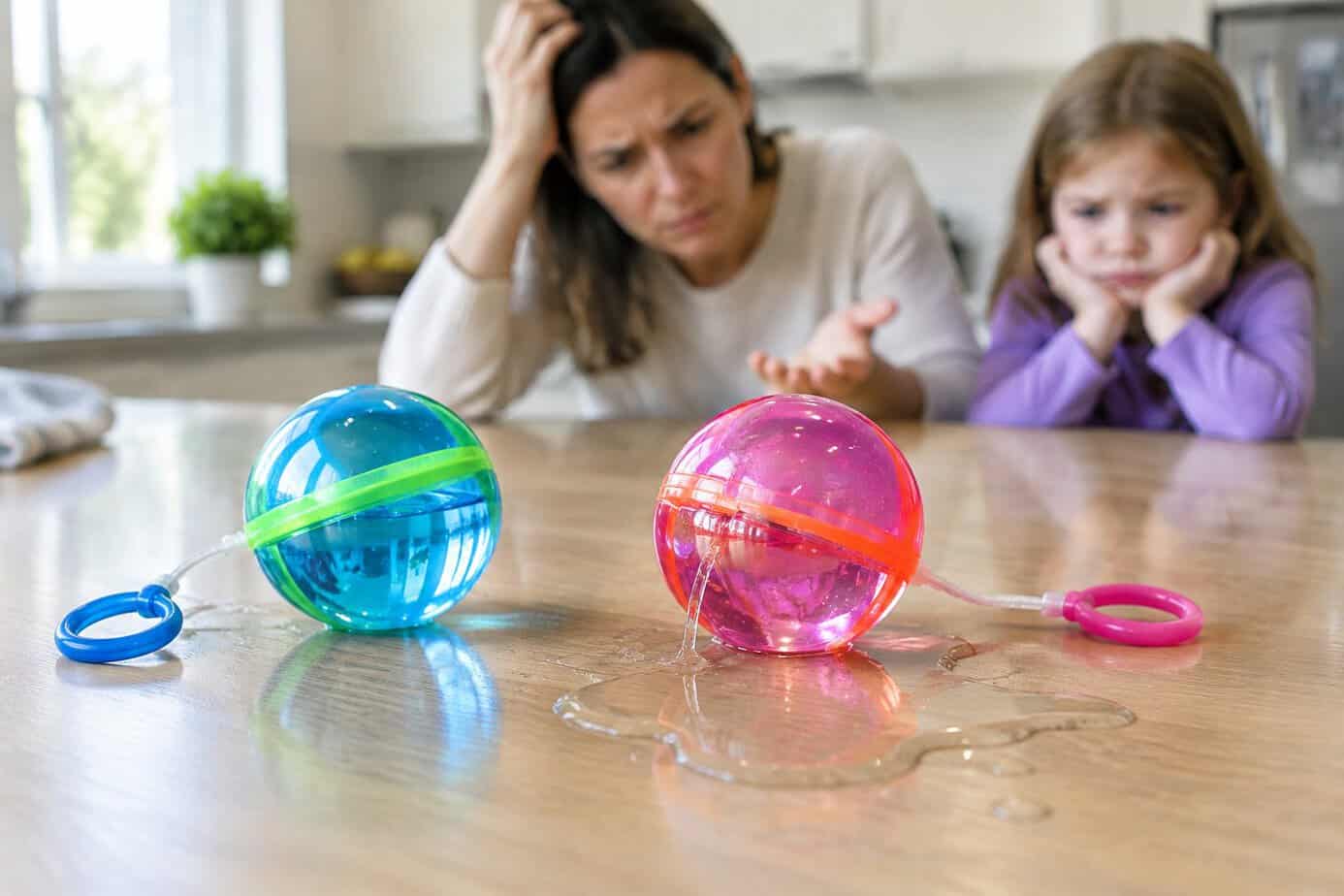
Remember the squishy, liquid-filled ball on a long stretchy cord? Around 2003 it seemed to be in every school hallway and every grocery store bin, and the price was low enough to toss one in the cart without a second thought.
The cord turned out to be the problem. Children swung the ball overhead like a lasso, and the stretchy cord could wrap around a child’s neck. In September 2003, the Consumer Product Safety Commission called it a low but real strangulation risk, though it decided not to order a recall.
Other countries went further. Canada banned the toy, and several European countries and Australia followed with bans of their own. Here, some stores simply stopped selling them.
Even without the scare, these balls were a sticky mess when they sprang a leak, and the cords snapped back at faces. If one is still hiding in a toy bin at your house, it can quietly go in the trash.
22. The Easy-Bake Oven Recall
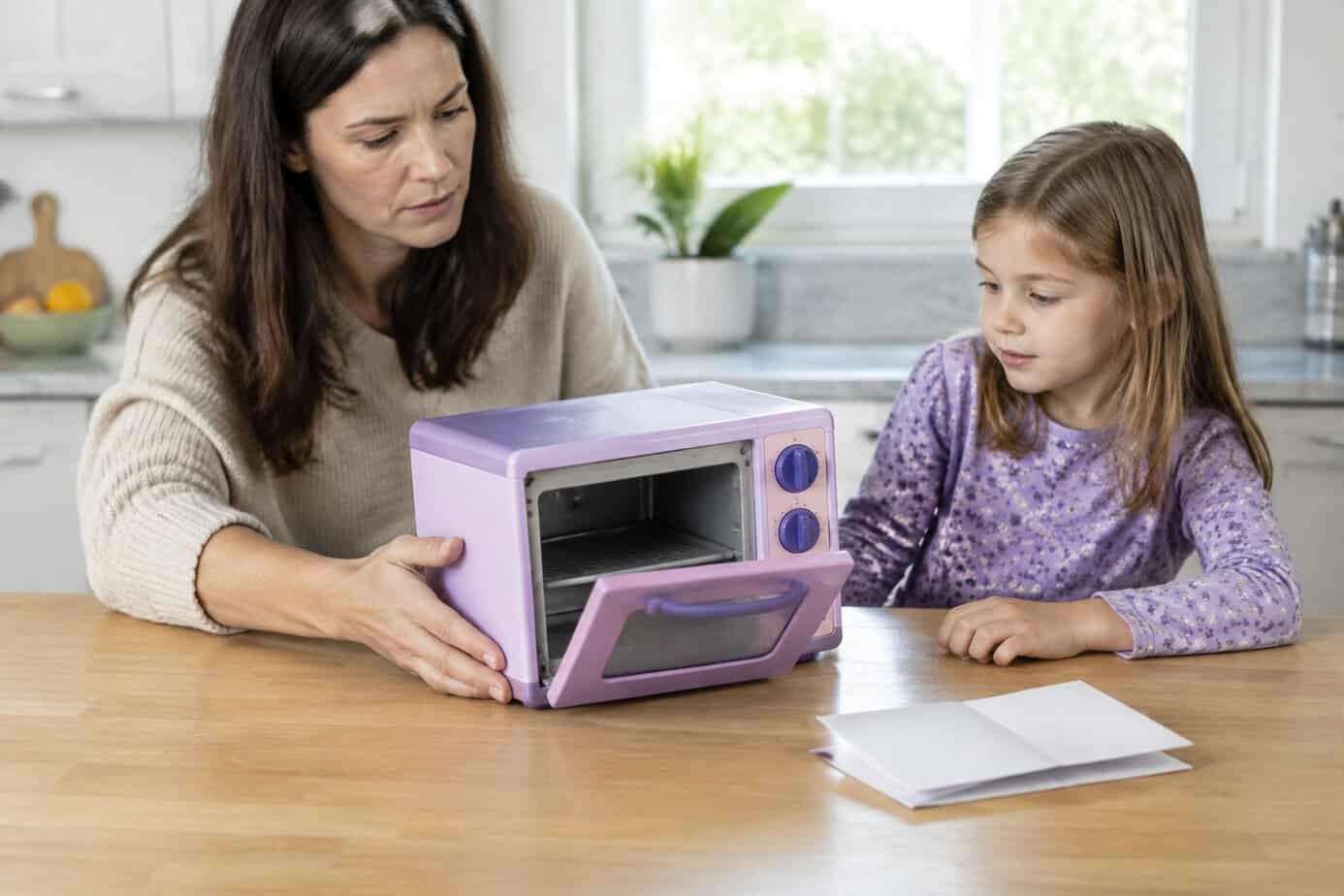
The Easy-Bake Oven has been a kitchen-counter classic since the 1960s, so it is no wonder so many moms and grandmas picked one up for a budding baker. One version, though, came with a story worth knowing.
In February 2007, Hasbro recalled about 985,000 of its newer front-loading ovens for a repair, because children were getting their hands and fingers caught in the opening, and some were burned. The fix didn’t solve it. That July, the company and the CPSC announced a new recall asking families to return the ovens altogether. By then there had been 249 reports of entrapment and 77 burns, and a 5-year-old girl had lost part of a finger.
The recalled model was sold from May 2006 through July 2007. Most parents pictured tiny cakes and proud smiles, not a trip to urgent care, and it was a hard thing to learn after the fact. Check the label on any older oven before handing it down.
23. Cabbage Patch Snacktime Kids
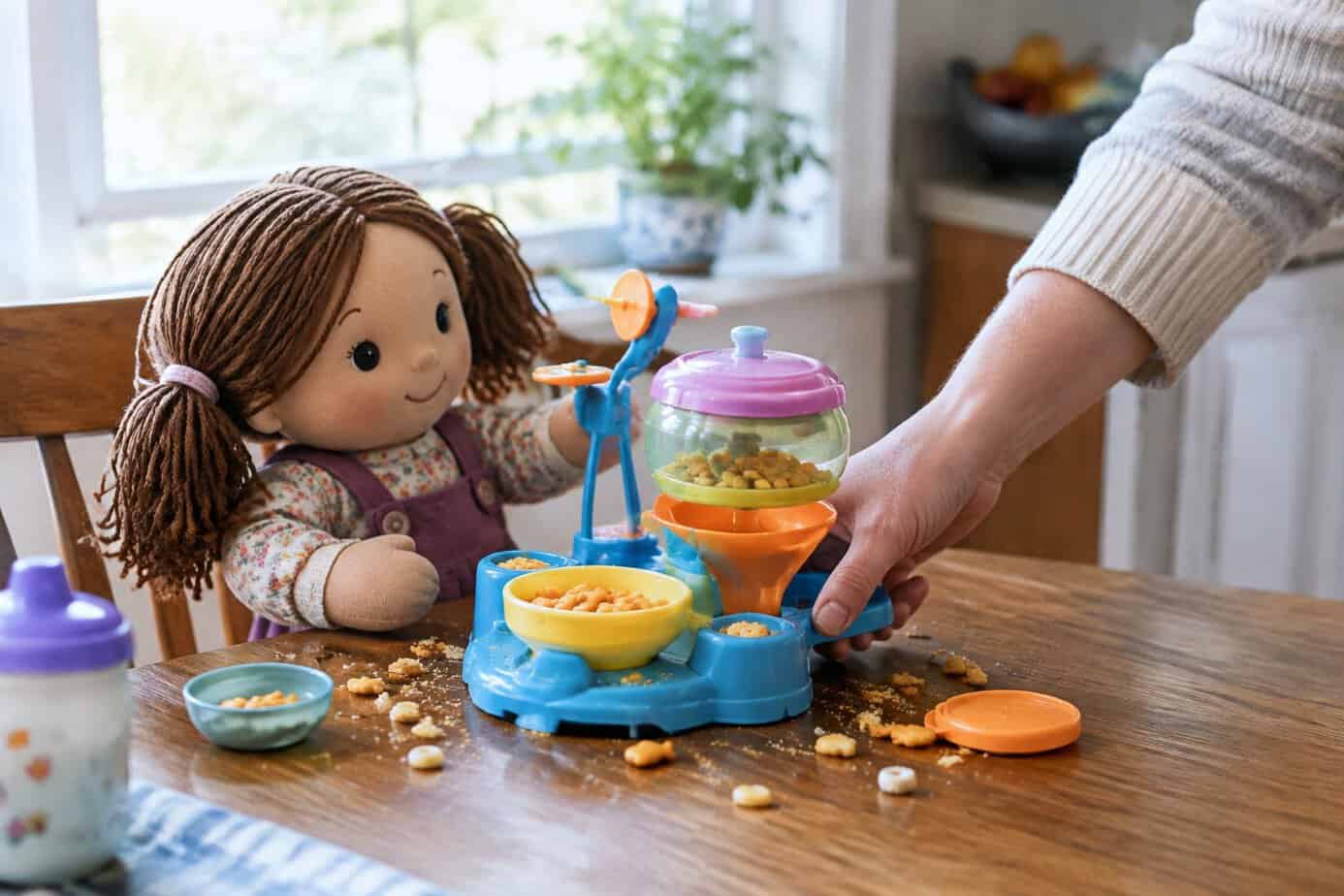
The Snacktime Kids dolls arrived in the fall of 1996, and the idea sounded adorable. You fed the doll plastic snacks, its mouth moved, and the food disappeared. Plenty of children put one at the top of their list.
Then came the trouble. The doll’s chewing mouth didn’t know when to stop, and it could catch a child’s hair or fingers and keep going. More than one mom spent an evening gently working a ponytail free while a little girl cried.
By the end of 1996, the Consumer Product Safety Commission and Mattel had issued a warning. In January 1997, Mattel pulled the dolls from stores and offered a full $40 cash refund to anyone who mailed one back. About 500,000 had been sold.
Even before the hair-eating headlines, the doll came with a pile of tiny plastic snacks to track down and batteries to replace. A doll that tries to eat your granddaughter’s braid is a perfectly fair thing to regret.
24. Hoverboards
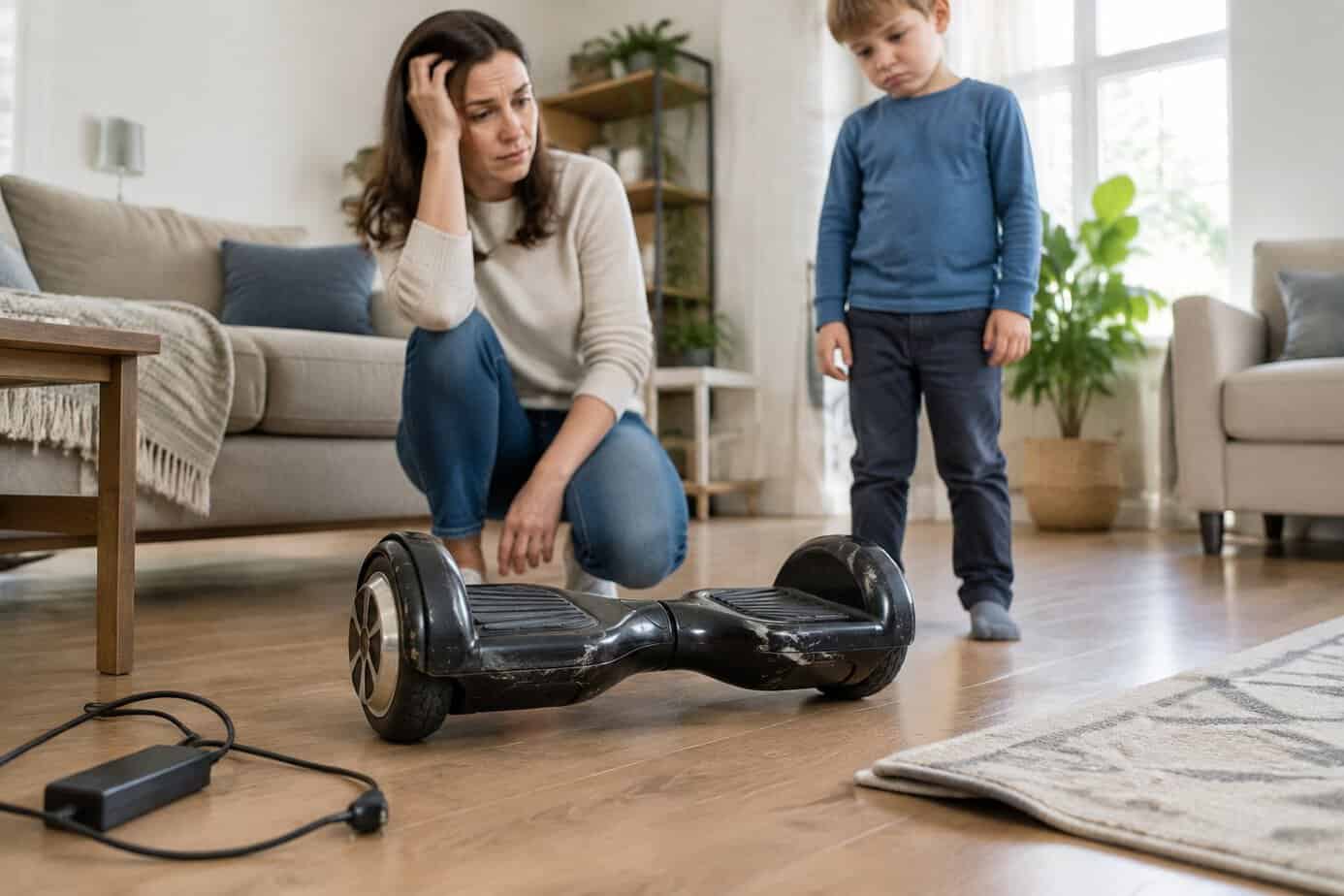
Hoverboards looked like the ultimate present around 2015. Every child wanted one, and you probably watched a grandson zip across the mall in his head long before you bought it.
Then the news reports started. Many of those early boards had lithium-ion battery packs that could overheat, catch fire or even explode, sometimes while charging inside the house. In July 2016, the Consumer Product Safety Commission announced a recall of about 501,000 hoverboards from 10 companies, after reports of fires in homes in many states.
Falls were the other problem. Hoverboards are harder to balance on than they look, and emergency rooms saw plenty of sprained wrists and broken arms. Newer boards certified to the UL 2272 safety standard are a big improvement, but a helmet is still a must.
They are also bulky to store and should never be left charging overnight. If one is gathering dust in your garage, you are far from alone.
25. Backyard Trampolines
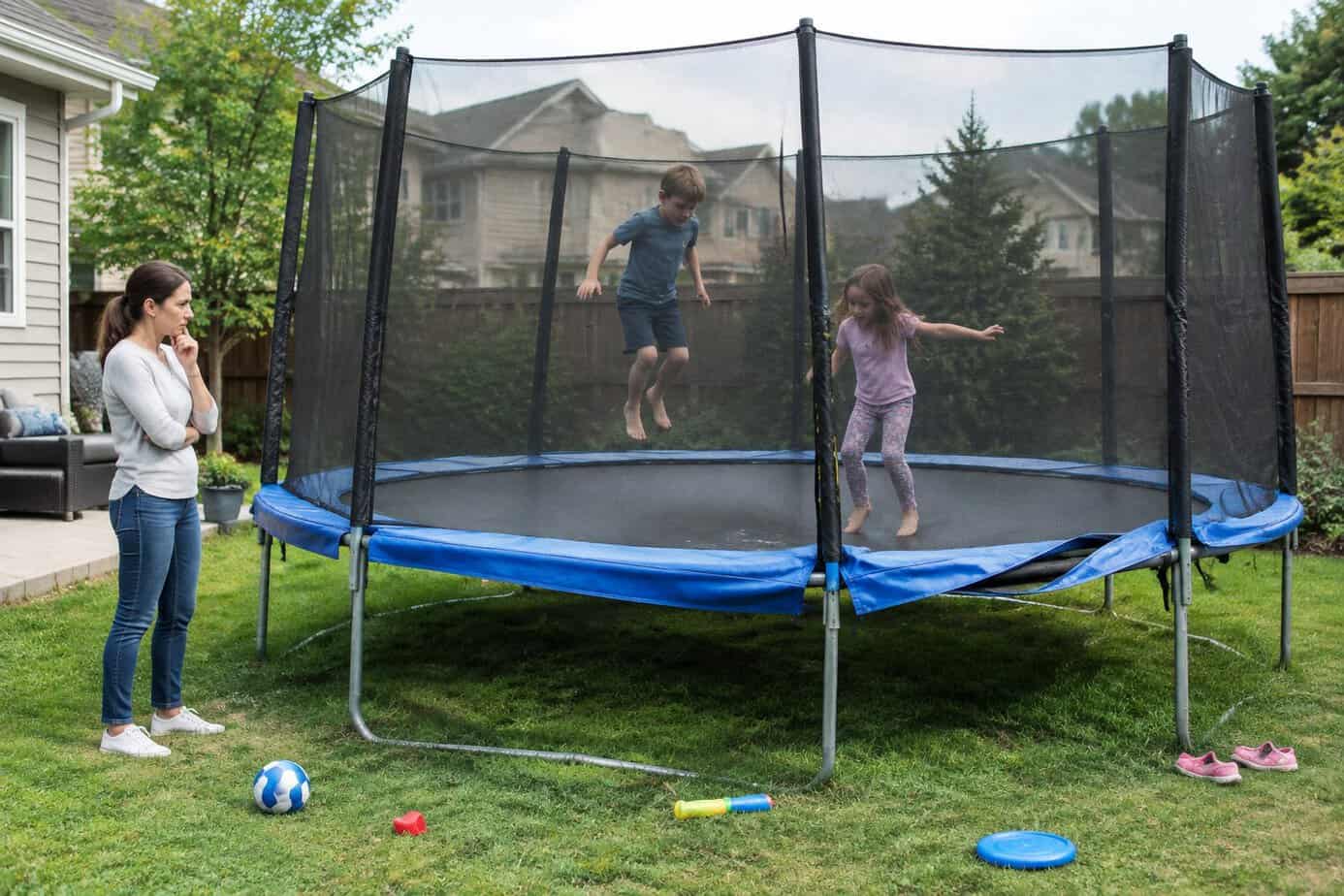
A backyard trampoline looks like a bargain on a sunny afternoon. Then you meet everything that comes with it.
First there is the setup. Most need a flat spot, a pile of springs and a free weekend, and they take up much more of the yard than you pictured. The grass underneath turns into a round brown patch you’ll notice the first time the trampoline moves.
Then there’s the worry. The American Academy of Pediatrics advises families not to buy home trampolines, because sprains, broken bones and head and neck injuries are so common, especially with more than one child jumping. Its advice for families who have one anyway includes one jumper at a time, no flips and a grown-up watching, and it notes that up to half of injuries happen while an adult is nearby.
Wind can toss a trampoline across the yard, and sun and rain wear out the mat and the net. And somehow the grown-up is always the one stuck on lifeguard duty.
26. Battery-Powered Ride-On Cars
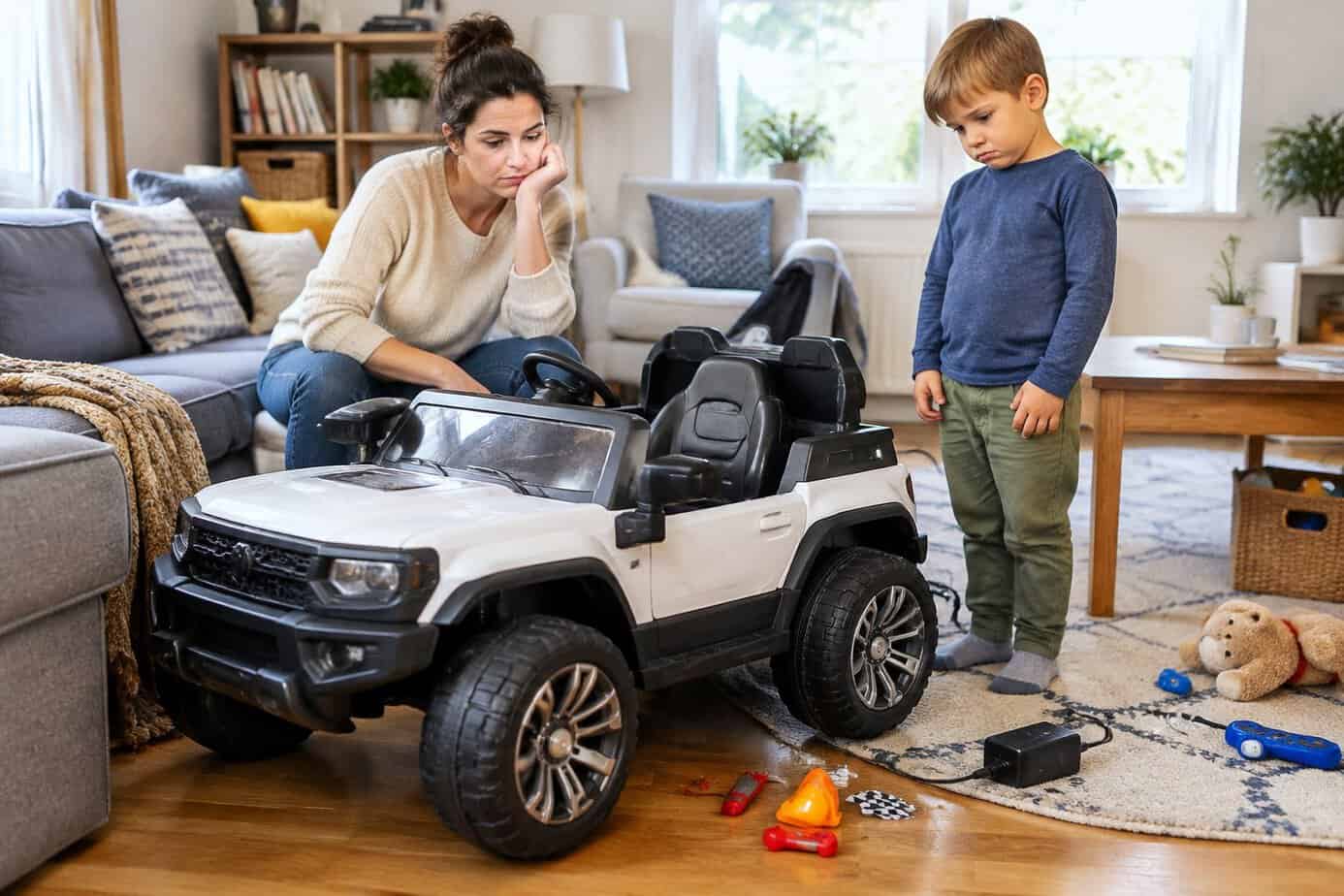
The picture on the box is so sweet: your little one behind the wheel of a tiny truck, cruising down the driveway with a big grin. Then the real experience begins.
These cars are much bigger than most people picture. The box barely fits in the trunk, assembly takes an evening and a lot of stickers, and once it is built the car needs a permanent parking spot in the garage.
Battery life is the next surprise. A charge doesn’t last long, and recharging takes many hours, so the fun often ends long before your driver is ready to go inside.
Safety has its own history. In 1998, Fisher-Price and the CPSC announced a repair recall of up to 10 million Power Wheels vehicles made since 1984, after reports of overheating electrical parts and about 150 fires. Today’s cars are better, but little drivers still need a grown-up close by, well away from the street and the pool.
27. Giant Stuffed Animals
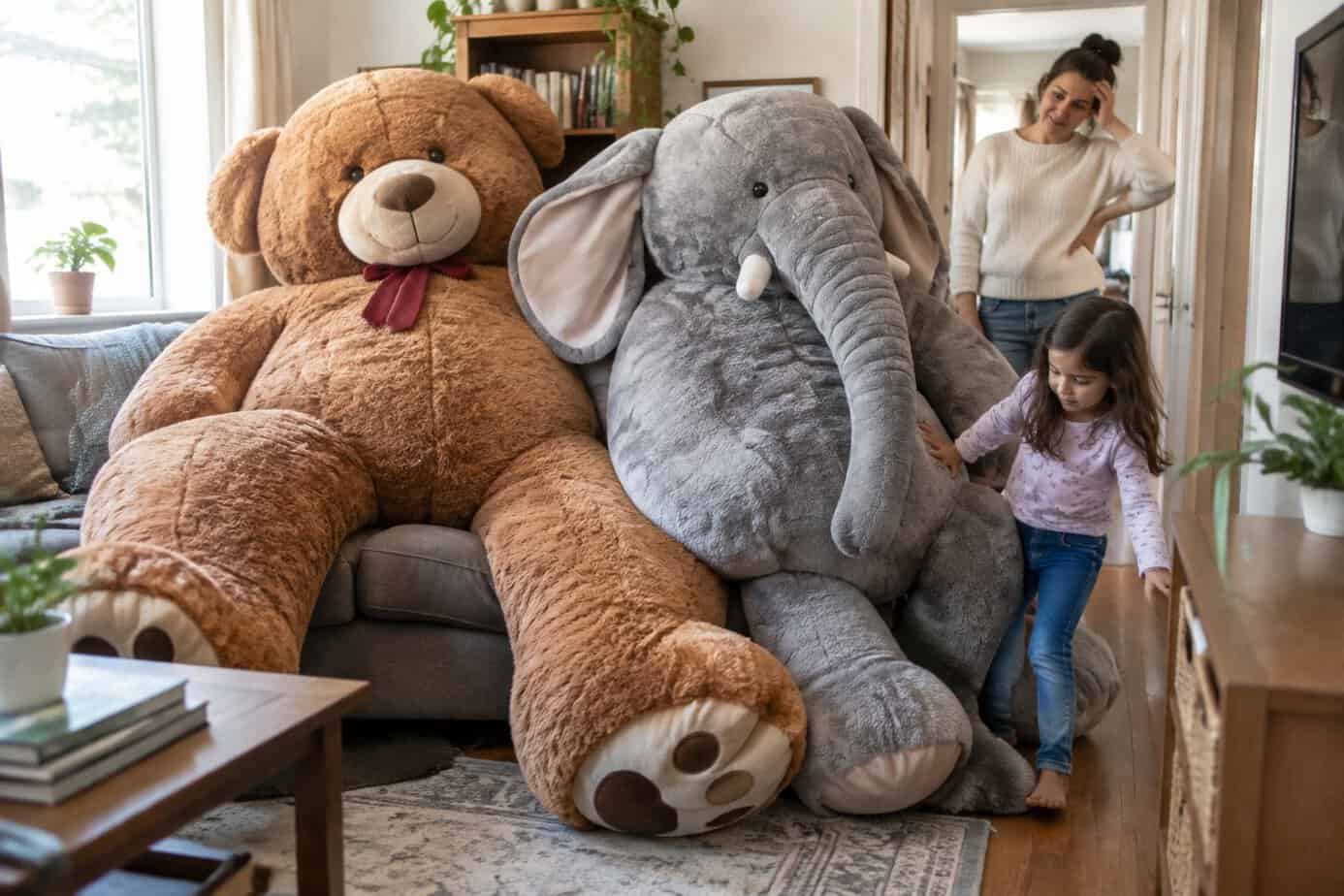
It seemed like such a sweet idea at the time. A bear taller than your grandchild, with a big bow and a soft face, looked like pure love in the store.
Then you got it home. Now that bear takes up half the living room, and everyone has to walk around it. It doesn’t fit in the toy box, the closet or under the bed, and it is too big to give away without a pickup truck.
Giant stuffed animals also collect dust like nothing else, which is no gift to a child with allergies. Most can’t go in the washing machine, so one spilled cup of juice becomes a weekend project.
And children tend to love the giant bear for about two days, then go back to the small, worn-out rabbit they can carry everywhere. Keep these big plush toys well away from cribs, since soft, bulky things don’t belong where a baby sleeps.
28. Sea-Monkeys
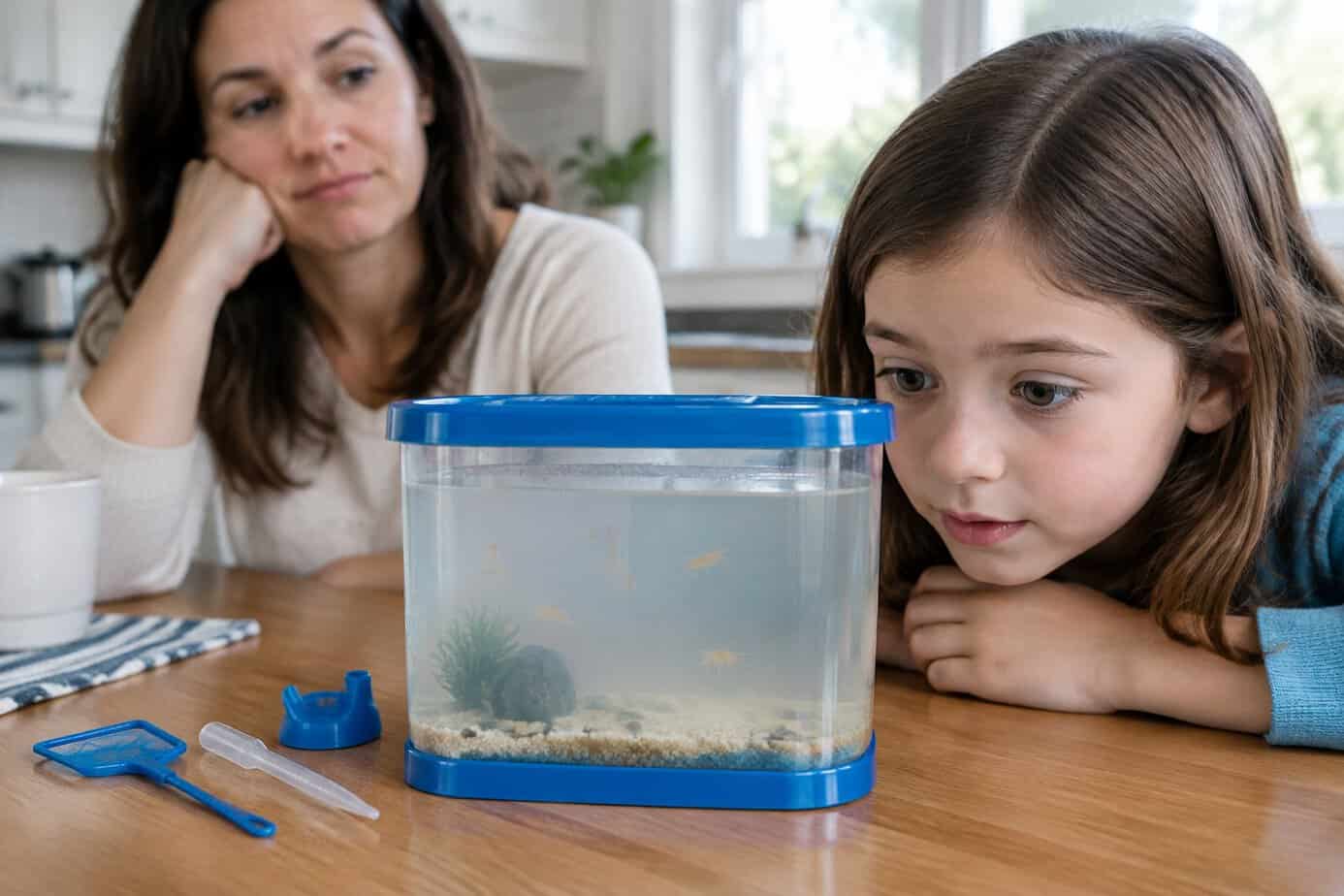
The comic book ads showed a smiling family of tiny creatures with crowns, living in a little underwater castle. If your children read comics in the 1960s and 1970s, someone in your house begged for them.
What arrived in the mail was a small kit with a plastic tank and packets of powder. Sea-Monkeys are real animals, a type of brine shrimp, and they do hatch when you add the packets to water. That part works.
The trouble is that they look like tiny floating specks, nothing like the cartoon family on the box. Many moms remember a child’s face falling when the “pets” turned out to be hard to see without squinting.
Then comes the upkeep. They need the right water, small pinches of food and a spot out of direct sun, and a forgotten tank turns cloudy fast. Most don’t live very long, which can lead to a gentle talk about goodbyes. A patient little scientist may love them anyway.
29. Rock Tumblers
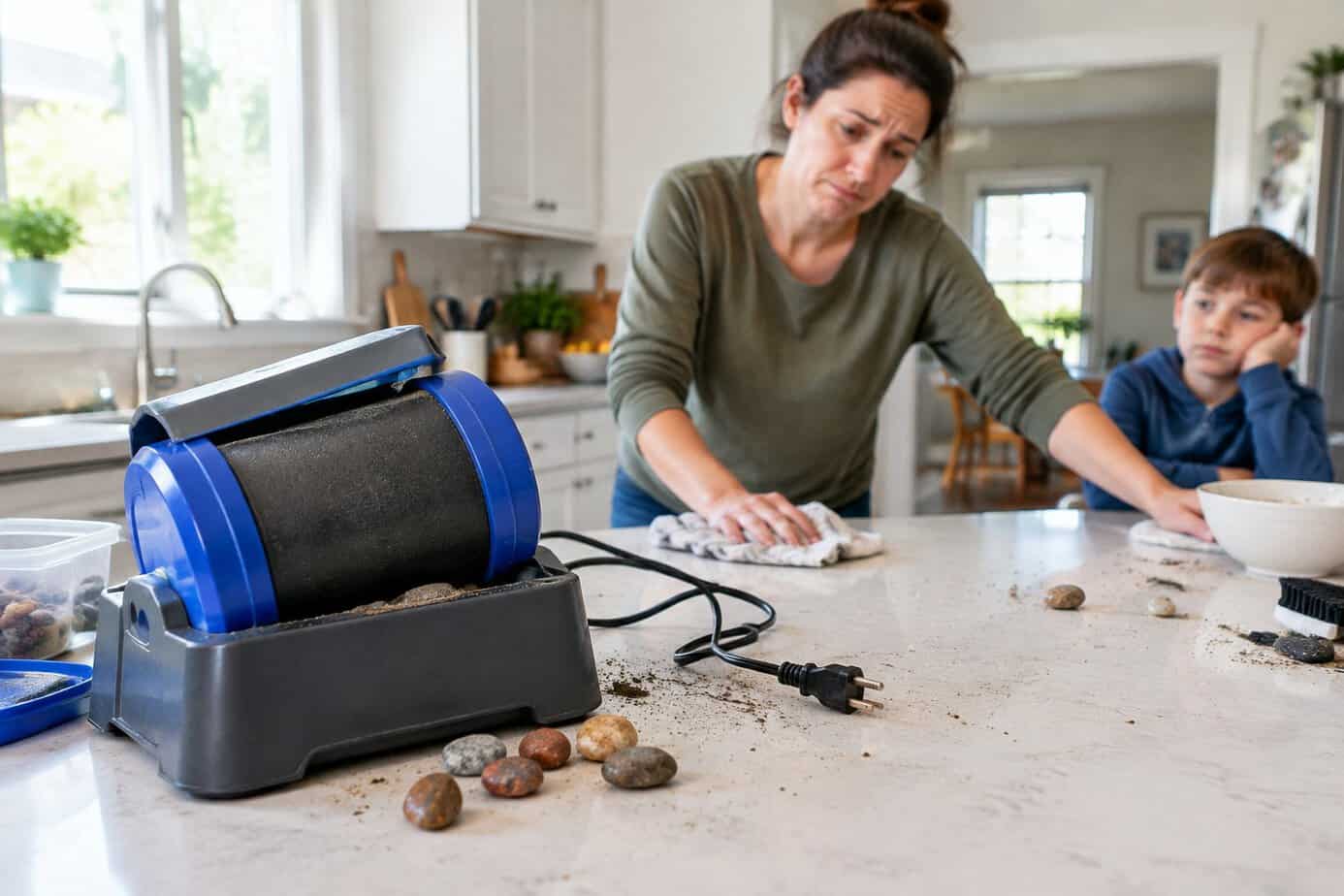
The box makes it sound simple: drop in some rough stones, press a button and wait for shiny gems. Your grandchild is thrilled, and you picture a sweet little science project. Then the motor starts.
A rock tumbler runs day and night, and each stage of polishing can take about a week. That means a steady rumble and grinding sound for weeks on end. Families move it to the garage or the basement, and some swear they can still hear it through the walls.
The wait is the other sticking point. Children often lose interest long before the final polish, and the barrel can leak a gritty gray slurry onto shelves and floors. The leftover grit can’t go down the sink, either, since it can clog the drain.
Plenty of tumblers get used once, then sit on a shelf with a half-finished batch inside. The few stones that came out shiny, though, usually get treasured for years.
30. Beanie Babies Bought as an Investment
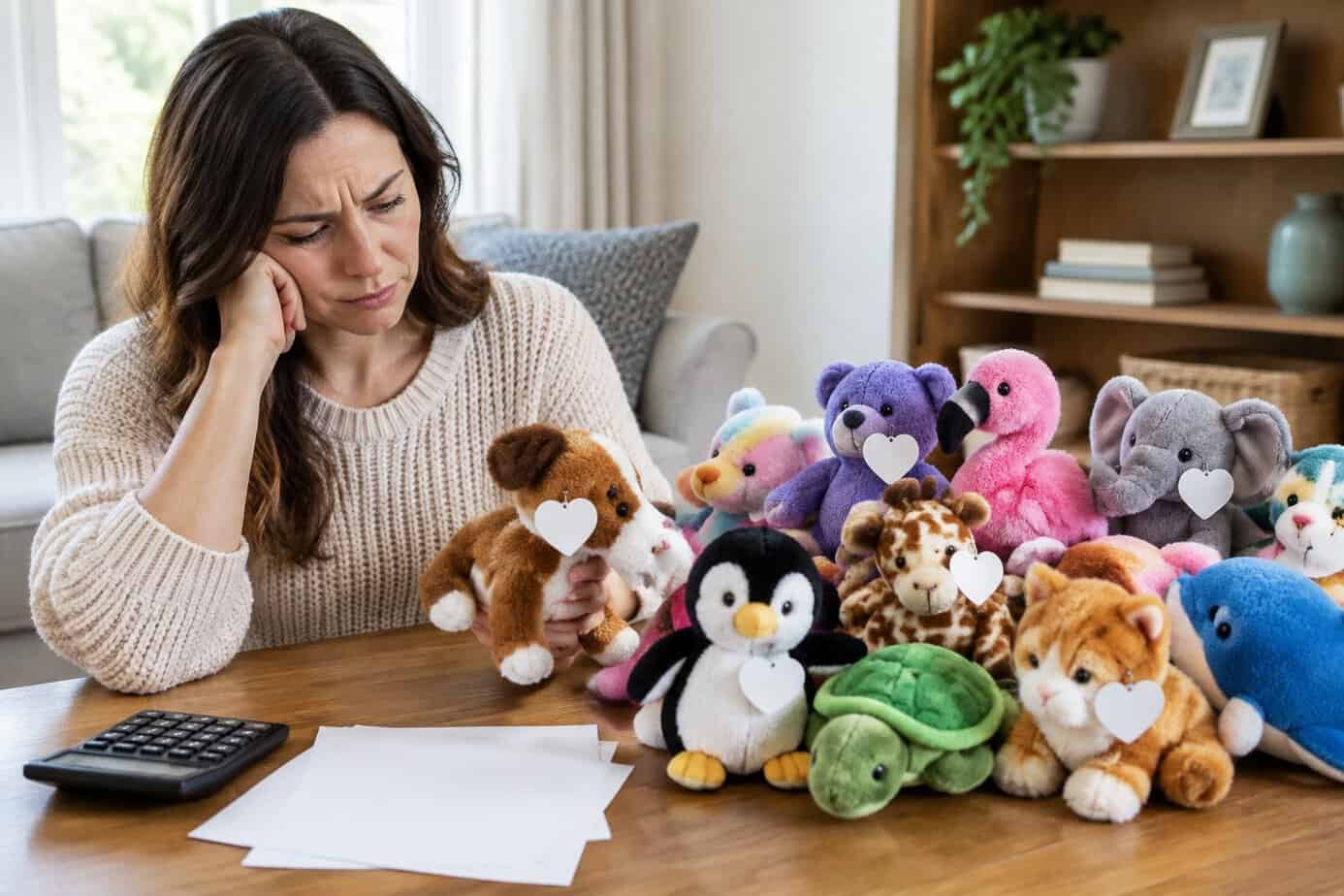
Remember tucking a little plush bear into a plastic case and telling yourself it was basically a college fund? You were in good company. In the late 1990s, plenty of grown-ups treated Beanie Babies like stocks, trading tips, checking price guides and guarding every heart-shaped tag.
The trouble was simple. Ty made enormous numbers of them, and once everyone was collecting, there were far more Beanie Babies than buyers. When the craze cooled around the turn of the century, resale prices fell hard for most of the line.
Today a few rare ones still sell for real money, but the typical Beanie Baby is worth far less than you paid. Plenty of families still have bins of them in a closet or the basement.
On the bright side, they are soft, quiet and impossible to break. Letting the grandchildren play with the “valuable” ones may be the best return you ever get on them.
Why So Many Toys End Up Regretted
Most toy regret comes down to the same few things. The box promised more than the toy delivered, the toy didn’t fit the child, or it brought along noise, mess and costs nobody mentioned in the store.
Toy commercials always show the best case: one happy child, a spotless playroom and a finished project that looks professional. At home, the slime needs a grown-up for every step, the talking toy repeats the same four phrases, and the craft kit is finished in twenty minutes.
Age matters as much as anything. The age on the box is a guide, not a promise, and a toy bought for the child we hope they’ll become, instead of the one in front of us, is a common way to end up with a dusty box in the closet.
The Hidden Costs
The price on the shelf is only the beginning. Many toys need batteries, refills or add-on sets to keep working, and the ones with hundreds of small pieces need bins, shelves and a lot of patience.
Noise has its own price, paid in nerves. Before buying, it helps to look for a volume switch, check what kind of batteries the toy takes and count how many pieces are in the box.
A Few Habits That Save a Lot of Regret
Before buying, especially for a baby or toddler, it’s worth a quick look at the recalls on the Consumer Product Safety Commission’s website. Hand-me-downs and yard-sale finds deserve the same check, since a recall can come out years after a toy was bought.
Then look at the toy the way a tired parent would. Does it have a volume switch? Does the battery door close with a screw? Are there tiny pieces that could end up in a baby’s mouth? Is there a spot in the house where it can live?
The toys that last are often the simplest: blocks, crayons, balls, dolls and a good box of books. They are quiet, they don’t need batteries and they grow with a child.
You might also enjoy 31 things 1970s moms did that would get them criticized today and 35 parenting habits from the 1980s that deserve a second look.
And if you ever bought a toy that drummed, beeped, sparkled or chewed its way into family legend, you’re in good company. The stories usually turn out to be worth more than the toy ever was.