The 30 Worst Christmas Dinner Dishes According to Home Cooks
If you’ve hosted Christmas dinner more than a few times, you know the meal can go sideways in ways Thanksgiving never does. The menu is fancier, the roasts cost more, and half the dishes only get made once a year, so nobody has had much practice.
You’ve probably cooked a few of these yourself, and you’ve certainly been served the rest. Some came from a rushed afternoon with a full oven, some from a relative’s treasured recipe, and a few from a magazine page that made it look easy.
Here are the 30 Christmas dinner dishes home cooks complain about most, from the roast to the appetizers to the dessert, along with a simple fix for each one so it never lets you down again.
1. Prime Rib Roasted Gray All the Way Through
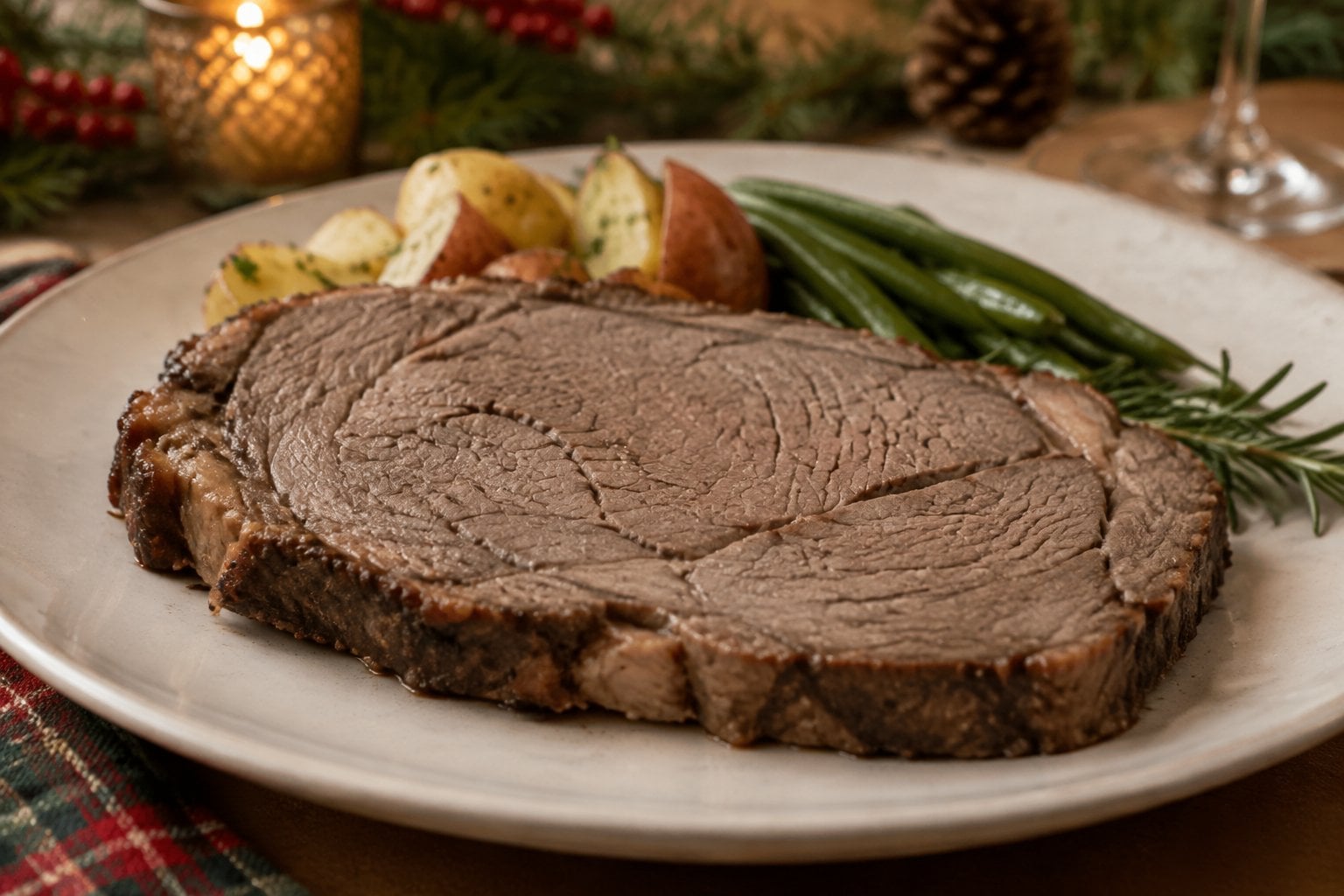
You spend good money on a prime rib, plan the whole dinner around it, and then slice into a roast that’s gray from edge to edge. It’s one of the most common Christmas letdowns, and it stings because the cut is so expensive.
The usual cause is cooking by the clock. Roasts vary in size and shape, and a recipe’s “20 minutes per pound” can’t know that your oven runs hot or that the roast sat in there an extra half hour while you finished the sides.
The result is chewy, dry beef with only a thin pink stripe, and guests quietly reach for the horseradish to help it along.
The fix: use a meat thermometer and pull the roast about 5 to 10 degrees before your target, because it keeps climbing while it rests. Tent it loosely with foil and let it sit 20 to 30 minutes before you carve.
2. Thin, Salty Au Jus
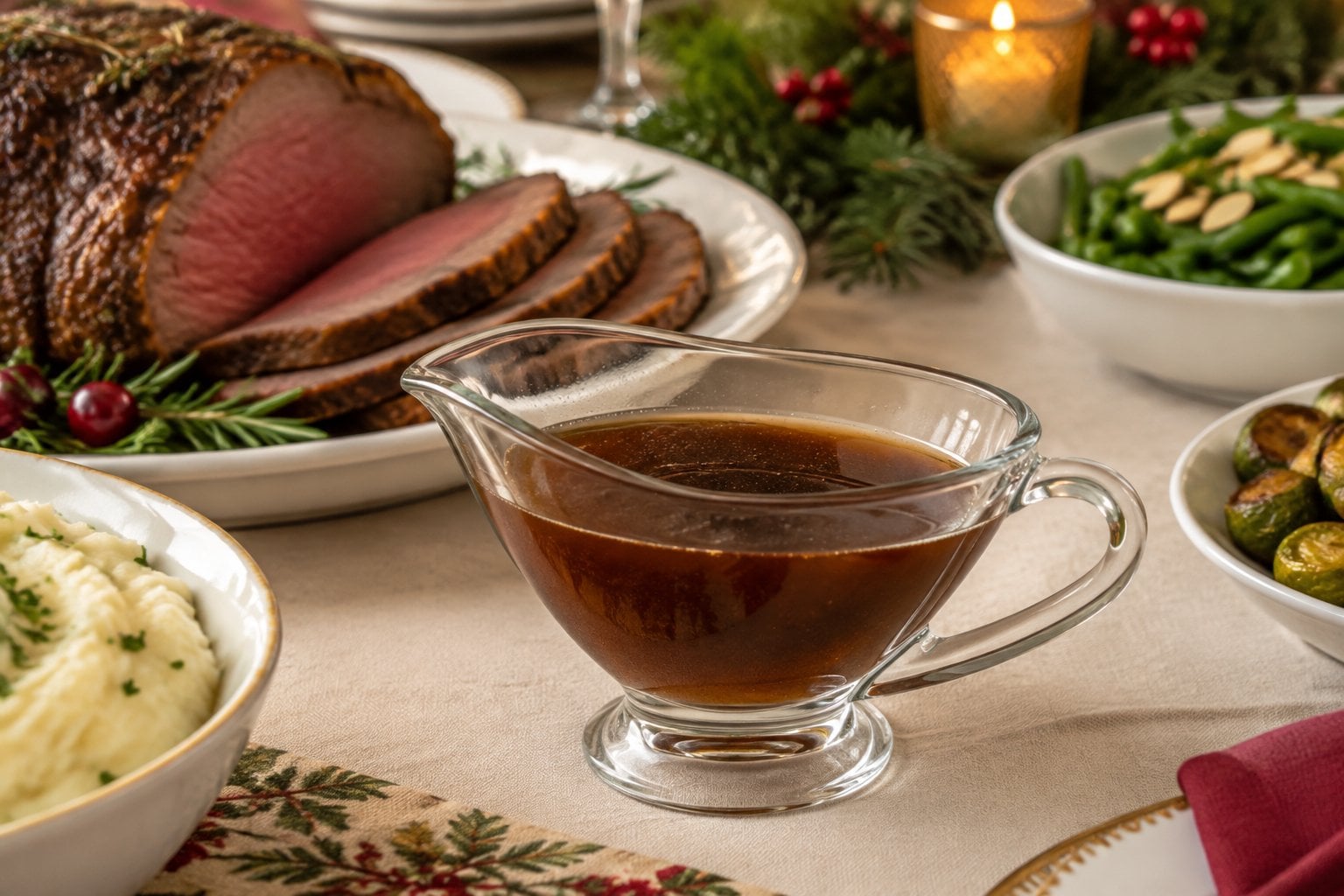
You set a little pitcher of au jus next to that beautiful prime rib, and your guests take one taste and leave the rest. Au jus is supposed to be a light sauce, but it often ends up closer to hot, salty beef water. The flavor is weak, and the salt is not.
The salt usually comes from bouillon cubes, packet mixes or regular broth, plus drippings from a roast that was salted heavily on the outside. As the liquid simmers down, the salt gets stronger while the beef flavor stays thin. Skipping the browned bits in the pan makes it taste flat, too.
The fix: start with low-sodium beef broth. Set the roasting pan over medium heat, pour in a little broth and scrape up every browned bit from the bottom. Let it simmer until it tastes rich, add a splash of Worcestershire for depth, and salt it only at the very end.
3. Beef Wellington With a Soggy Bottom
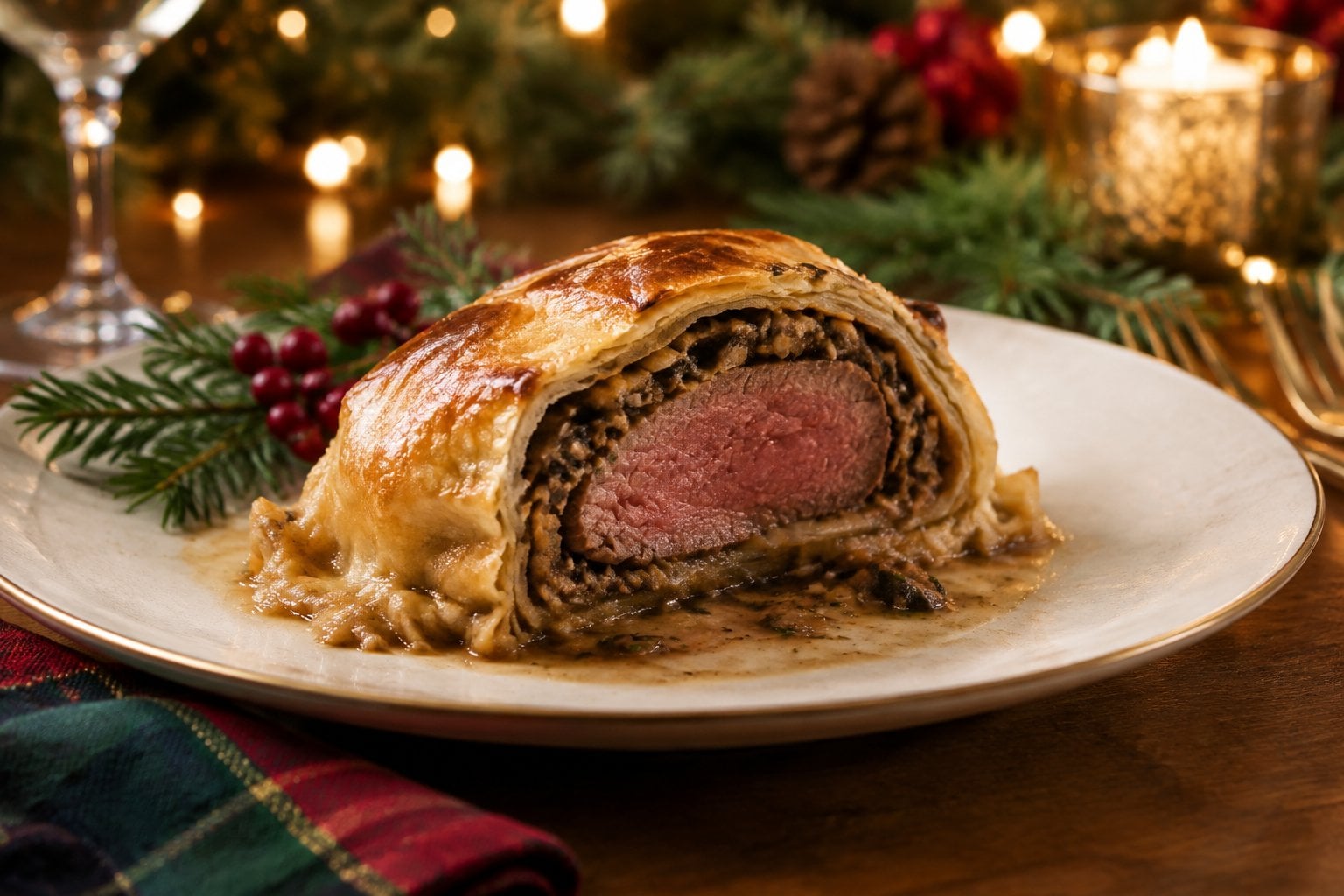
You carry a golden Wellington to the table, slice into it with everyone watching, and the bottom layer of pastry is pale, damp and gummy. It’s the most common complaint about this showpiece, and it can take the shine off a very expensive dinner.
The culprit is almost always moisture. Mushrooms that weren’t cooked down far enough keep giving off water in the oven, the beef releases juice as it bakes, and pastry that goes in warm never gets the chance to puff and crisp underneath.
The fix: cook the mushroom mixture until the pan is nearly dry, chill the wrapped Wellington for at least half an hour before baking, and bake it on a preheated sheet pan. Let it rest on a rack so steam doesn’t pool underneath.
4. Goose That’s All Grease and Little Meat
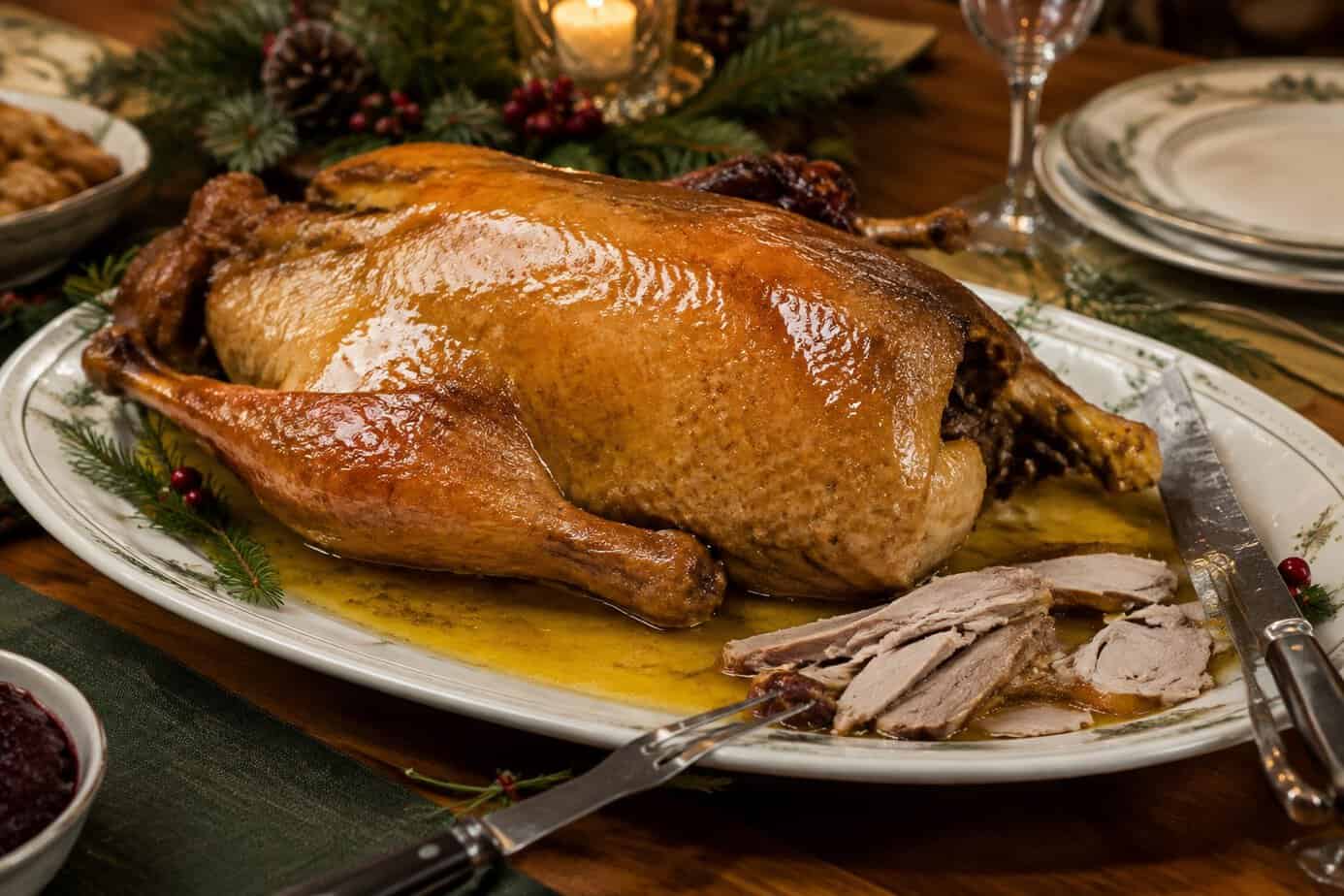
A roast goose sounds like a storybook Christmas, and it looks magnificent coming out of the oven. Then you carve it and realize it’s going to feed fewer people than you planned. Geese carry a lot of fat and a big frame, so there’s less meat on them than on a turkey of the same weight.
The grease is the other complaint. Geese have a thick layer of fat under the skin, and if it doesn’t melt away, the skin stays soft and the meat tastes oily instead of rich. Meanwhile the roasting pan fills with fat, which makes basting and gravy a slippery job.
Guests who expected something like turkey are often surprised by the dark, dense, strong-tasting meat.
The fix: prick the skin all over with a fork without piercing the meat, as the USDA’s duck and goose guide recommends, and pour off the fat as it collects. Buy a bigger bird than you think you need, and save that fat for roasting potatoes.
5. Roast Duck With Rubbery Skin
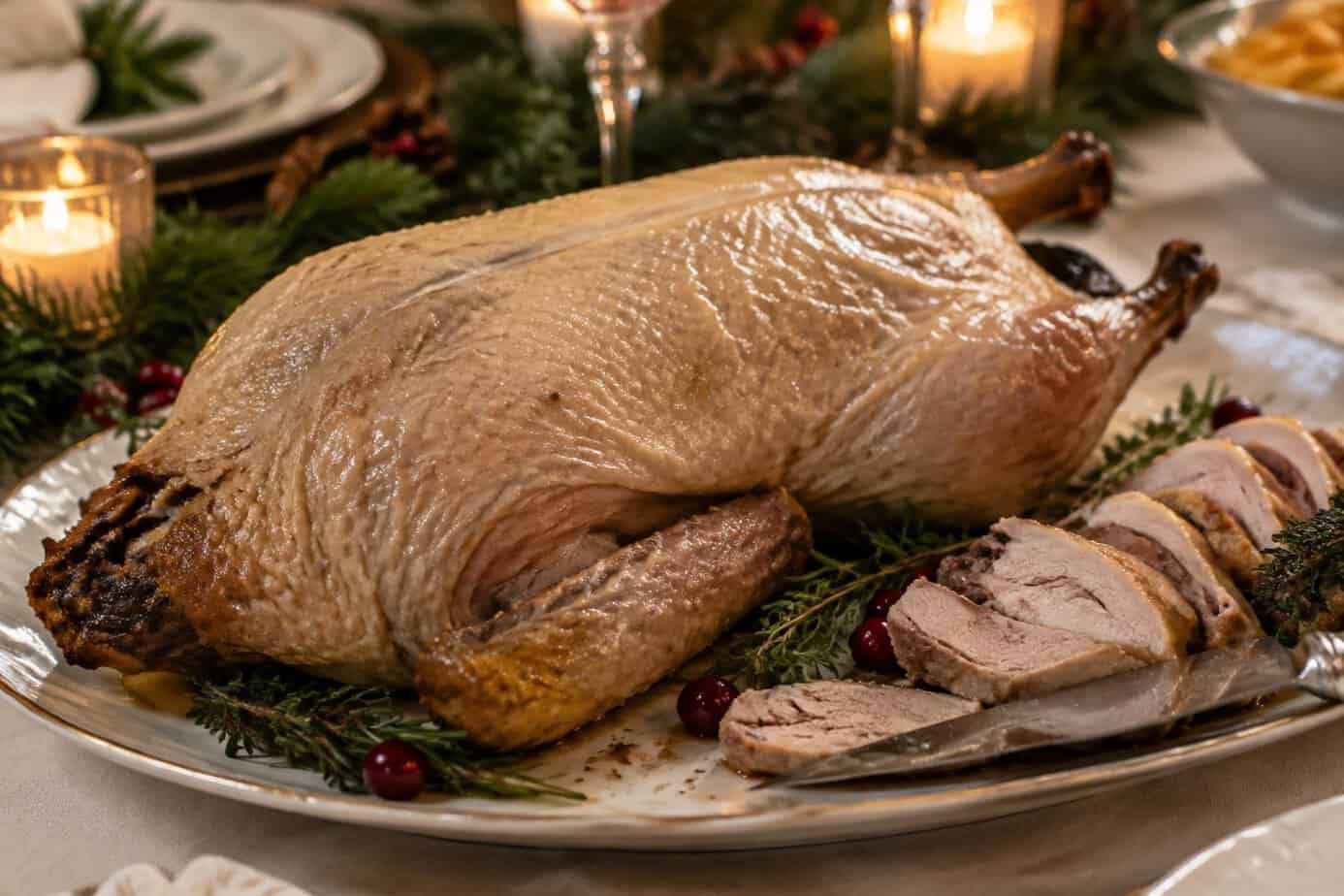
The duck comes to the table golden and promising, and then the first slice tells a different story. The skin is soft, chewy and a little greasy, nothing like the crackly finish everyone was picturing.
It’s the most common duck complaint, and it makes sense once you know why. Like a goose, a duck has a thick layer of fat under the skin. If that fat doesn’t render out during roasting, the skin stays pale and flabby. Moisture is the other problem. A duck that goes into the oven damp, or one that steams under foil, will rarely crisp.
The fix: pat the duck very dry, prick the skin all over, and leave it uncovered in the refrigerator overnight. Roast it at a moderate heat so the fat melts away, then turn the oven up for the last stretch to crisp the skin.
6. Dry Crown Roast of Pork
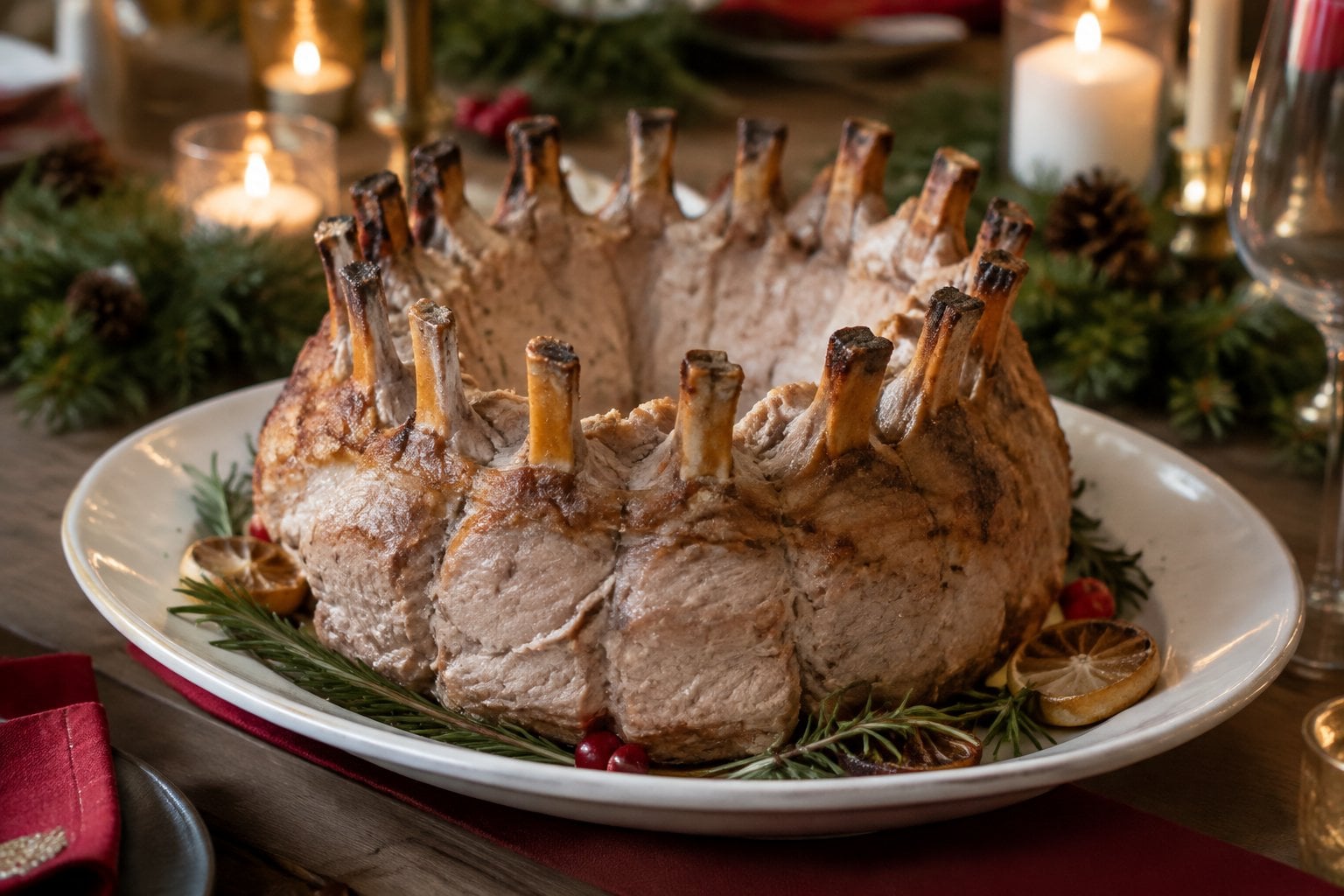
A crown roast is pure drama: a ring of ribs tied together, little paper frills on the bones, stuffing piled in the middle. It’s also one of the easiest holiday roasts to dry out, and nothing is sadder than a showpiece that needs extra gravy to get down.
Pork loin is very lean, and the trimmed bones leave the meat around them exposed, so the outside cooks quickly. A packed center of stuffing slows down the middle, so many cooks leave the roast in “just to be safe,” and by then the outer meat is long past its best.
Older cookbooks also called for pork to be cooked much further than it needs to be today, and plenty of family recipes still carry those long times.
The fix: pull the roast when the thickest part reads 145°F, which is the USDA’s safe minimum for pork roasts, and let it rest. Bake the stuffing in a separate dish and cover the bone tips with foil.
7. Leathery Cornish Game Hens
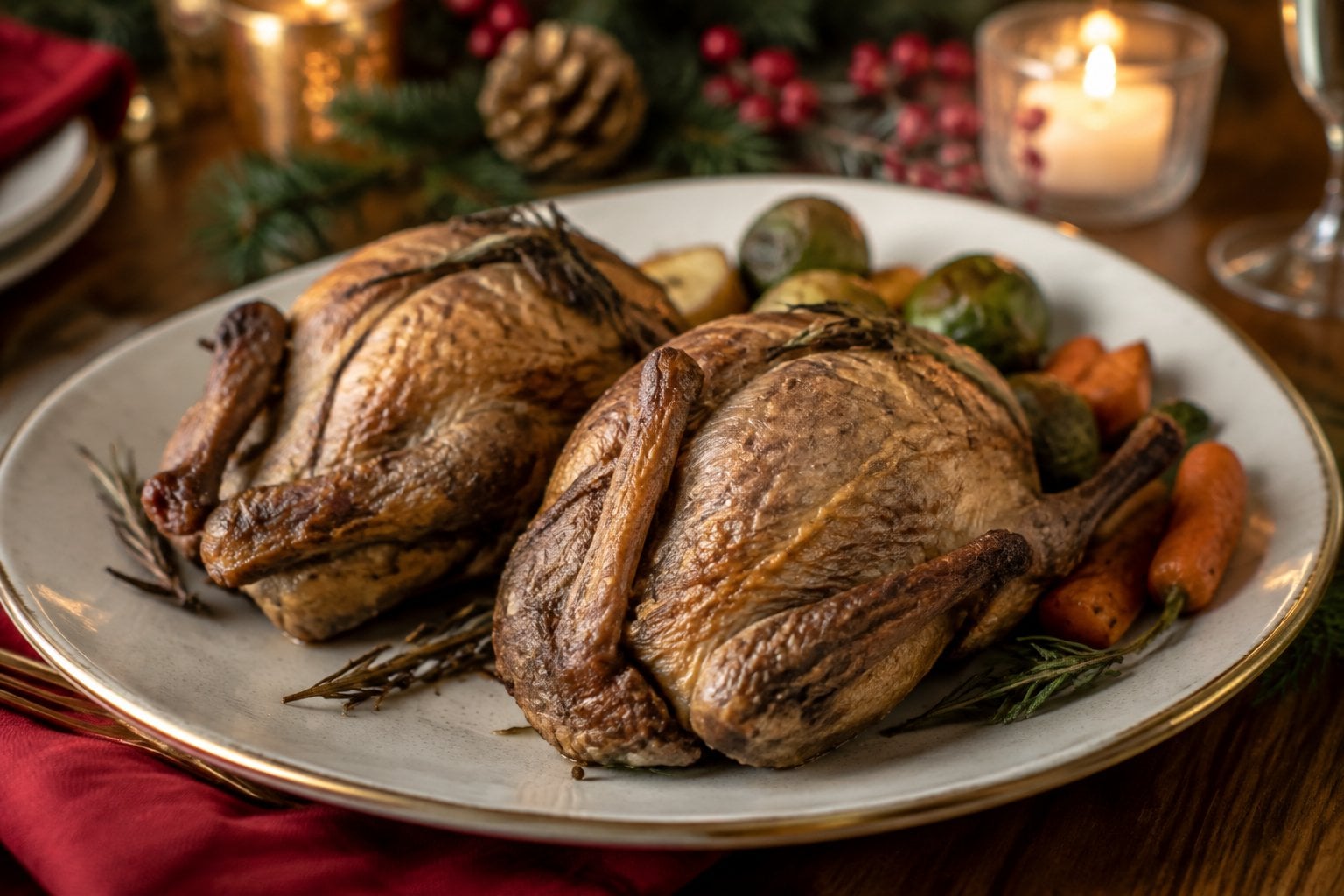
Cornish game hens look lovely on a Christmas table, one little bird per guest, each with its own sprig of rosemary. But the complaint comes up every year: the skin turns out tough and pale, and the meat is dry and a bit bland.
The trouble is that these birds are small and cook quickly, while many cooks treat them like a full-size chicken. Leave them in too long and the meat dries out while the skin turns chewy. Roasting them straight from a damp package, with no drying or browning, makes the skin leathery.
The fix: pat each hen very dry, rub the skin with softened butter and salt, and roast in a hot oven, around 425°F, until the thickest part of the thigh reaches 165°F. That’s often under an hour, so start checking early. Splitting them in half makes them easier to eat.
8. Gamey Venison Roast
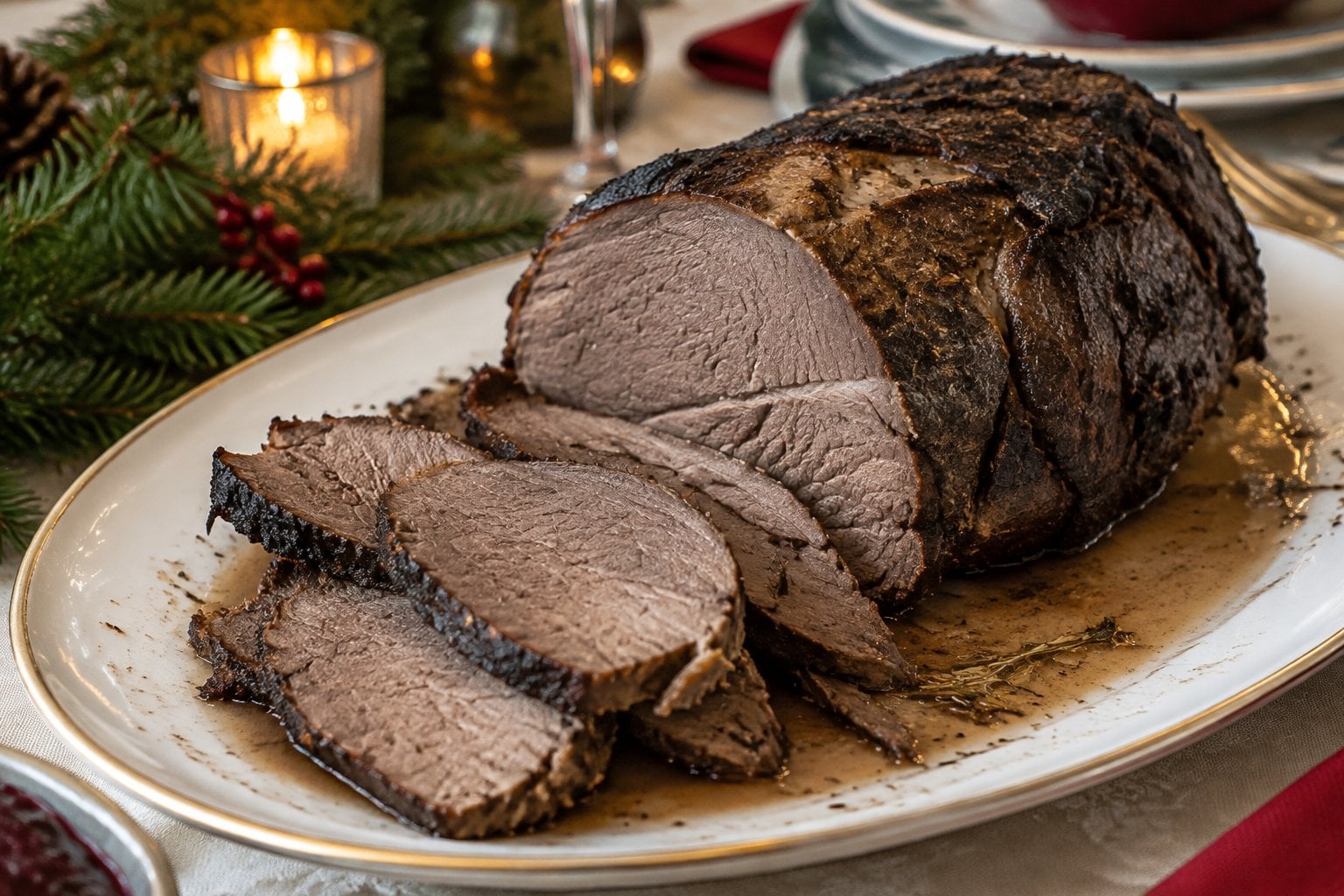
In hunting families, a venison roast on Christmas is a point of pride. But you may have watched guests push it around the plate. The most common complaint is a strong, wild flavor some people describe as livery or metallic, along with a dry, tough texture.
Venison is very lean, so it dries out fast when it’s cooked too long or too hot. Many hunters say much of the strong taste sits in the fat, silver skin and connective tissue, so a roast that wasn’t trimmed well tastes stronger. How the deer was handled and how long the meat sat in the freezer make a difference too.
The fix: trim away every bit of fat and silver skin, and soak the roast in buttermilk overnight, a trick many hunters swear by. Then braise it low and slow with onions, carrots, broth and a little red wine until it’s fork-tender.
9. Overcooked Leg of Lamb With Neon Mint Jelly
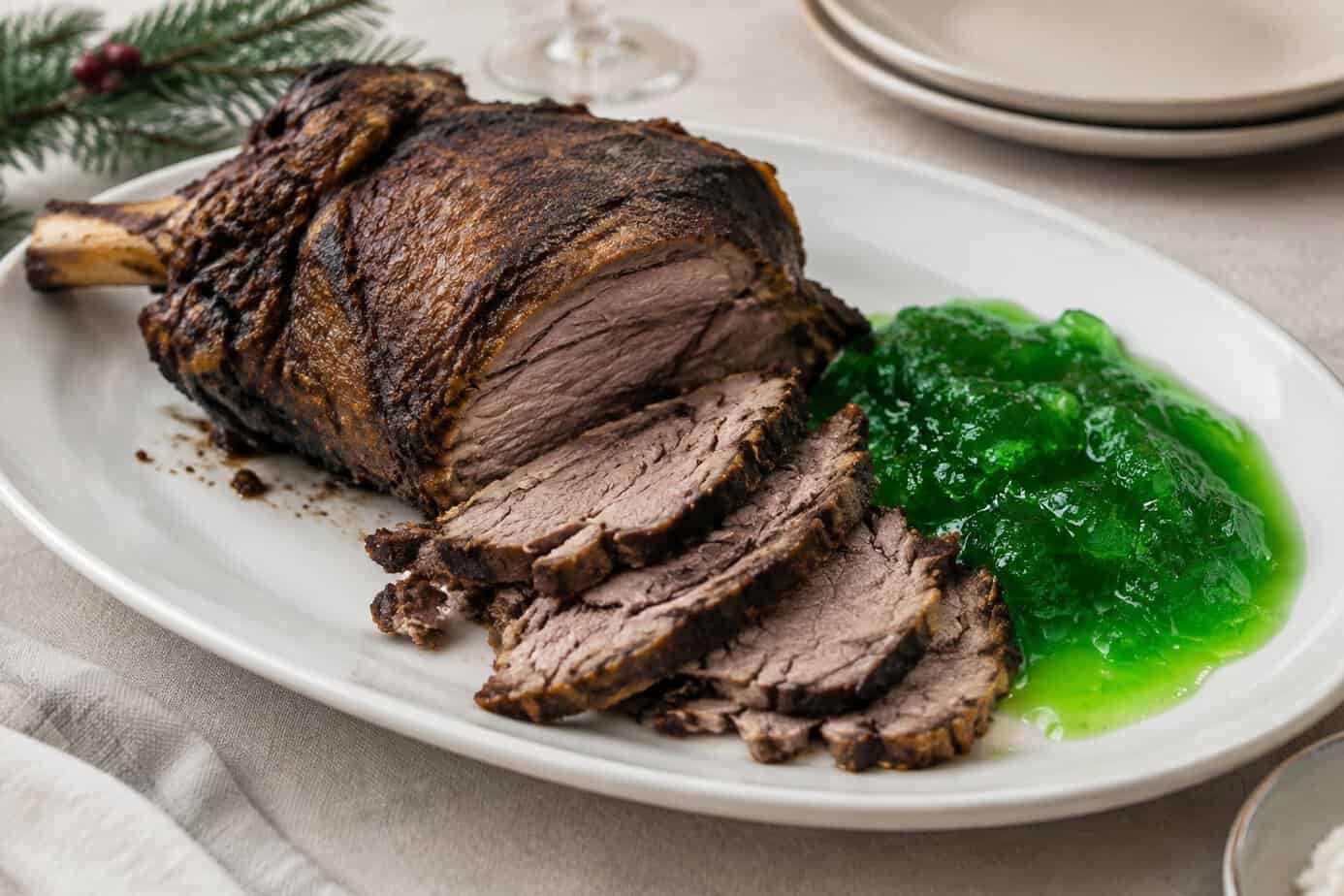
Plenty of families serve lamb at Christmas, and plenty of guests remember it as gray, dry and hard to carve. Lamb doesn’t forgive much once it’s cooked past medium, and an old recipe that says to roast it “until well done” all but guarantees it.
Then the jelly comes around. That bright green spoonful gets its color from food coloring in many store brands, and its sweet, sticky taste can feel more like dessert than a sauce for meat.
Put the two together and you have dry meat under a candy-like topping. People pile on extra jelly to help the lamb along, which doesn’t do either one any favors.
The fix: use a thermometer and take the lamb out once it reaches 145°F, the USDA’s safe minimum, instead of letting it run on toward 170°F. Rest it for 15 to 20 minutes. For the sauce, stir chopped fresh mint into a little warm vinegar and sugar, the old-fashioned way.
10. Rubbery Lobster Tails
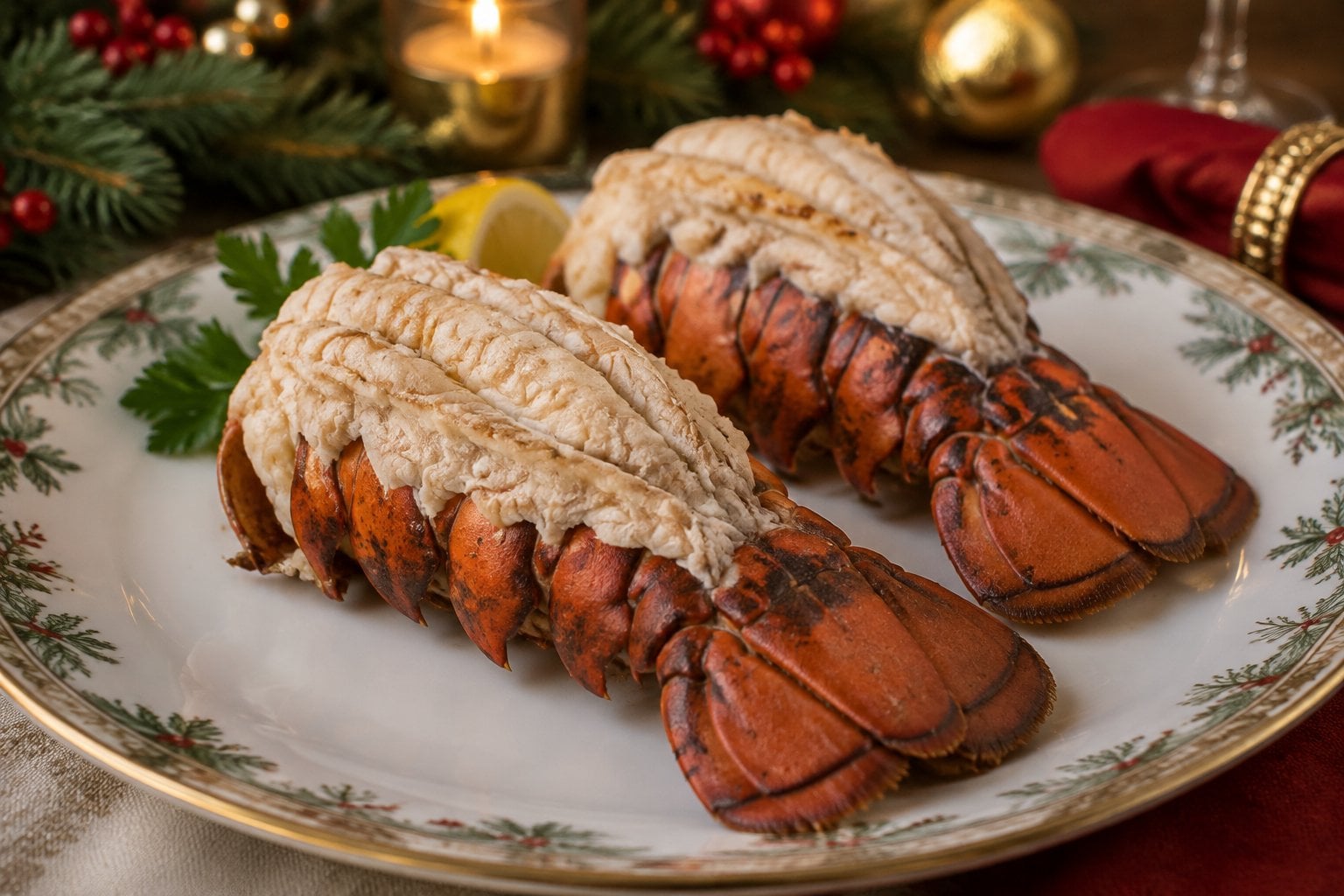
Lobster tails feel like the height of a holiday splurge, so it hurts when you cut into one and the meat bounces back against the knife. Rubbery lobster is one of the most common complaints about Christmas seafood, and you’ve likely had it at someone’s table, or served it yourself.
The cause is almost always overcooking. Lobster meat is lean and cooks very quickly, and even a few extra minutes under the broiler or in boiling water turns it tough and chewy. Tails cooked straight from frozen cook unevenly, so the thin end goes rubbery while the thick end is still catching up.
The fix: thaw the tails in the refrigerator overnight, butterfly them, and watch them closely. Pull them as soon as the meat turns opaque and white all the way through, and serve them right away with warm butter.
11. Baccalà That’s Still Too Salty
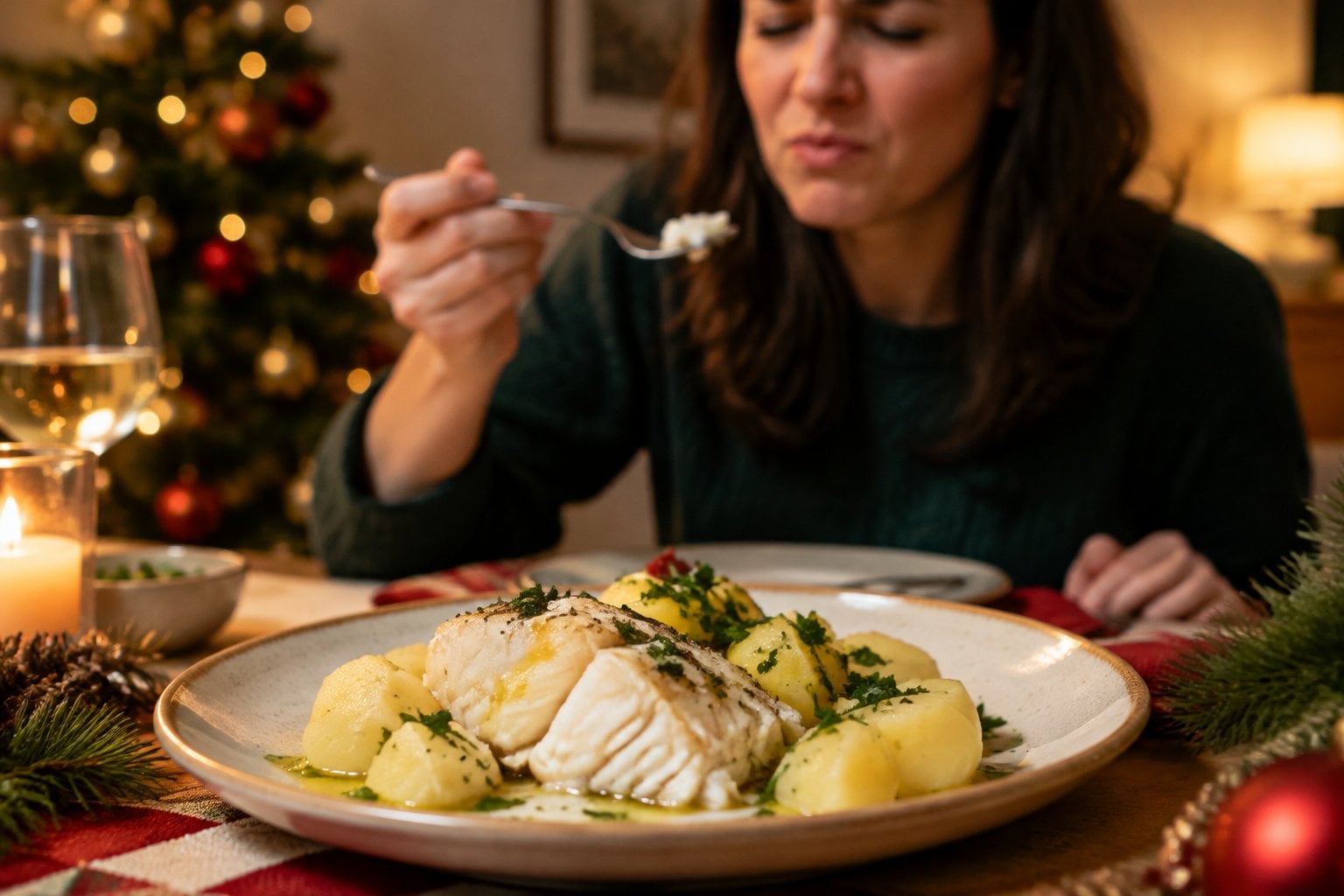
If your family keeps the Italian-American Feast of the Seven Fishes on Christmas Eve, you know baccalà. And you know the moment when a guest takes a bite, pauses and reaches for the water glass.
The usual cause is a short soak. Salt cod is preserved in heavy salt, and it needs to sit in cold water for a day or two, often longer for thick pieces, with the water changed several times. Rush it, or skip a change or two, and the fish stays harsh. Thick center pieces also hold salt longer than the thin tail ends, so one batch can taste uneven.
Guests who didn’t grow up with baccalà often find the flavor strong and the texture dry or stringy, which makes any leftover saltiness stand out even more.
The fix: start soaking early, cut the fish into even pieces, keep it in the refrigerator, and change the water every 8 hours or so. Taste a tiny cooked flake before you cook the whole batch, and give it more time if it’s still salty.
12. Chewy Fried Calamari
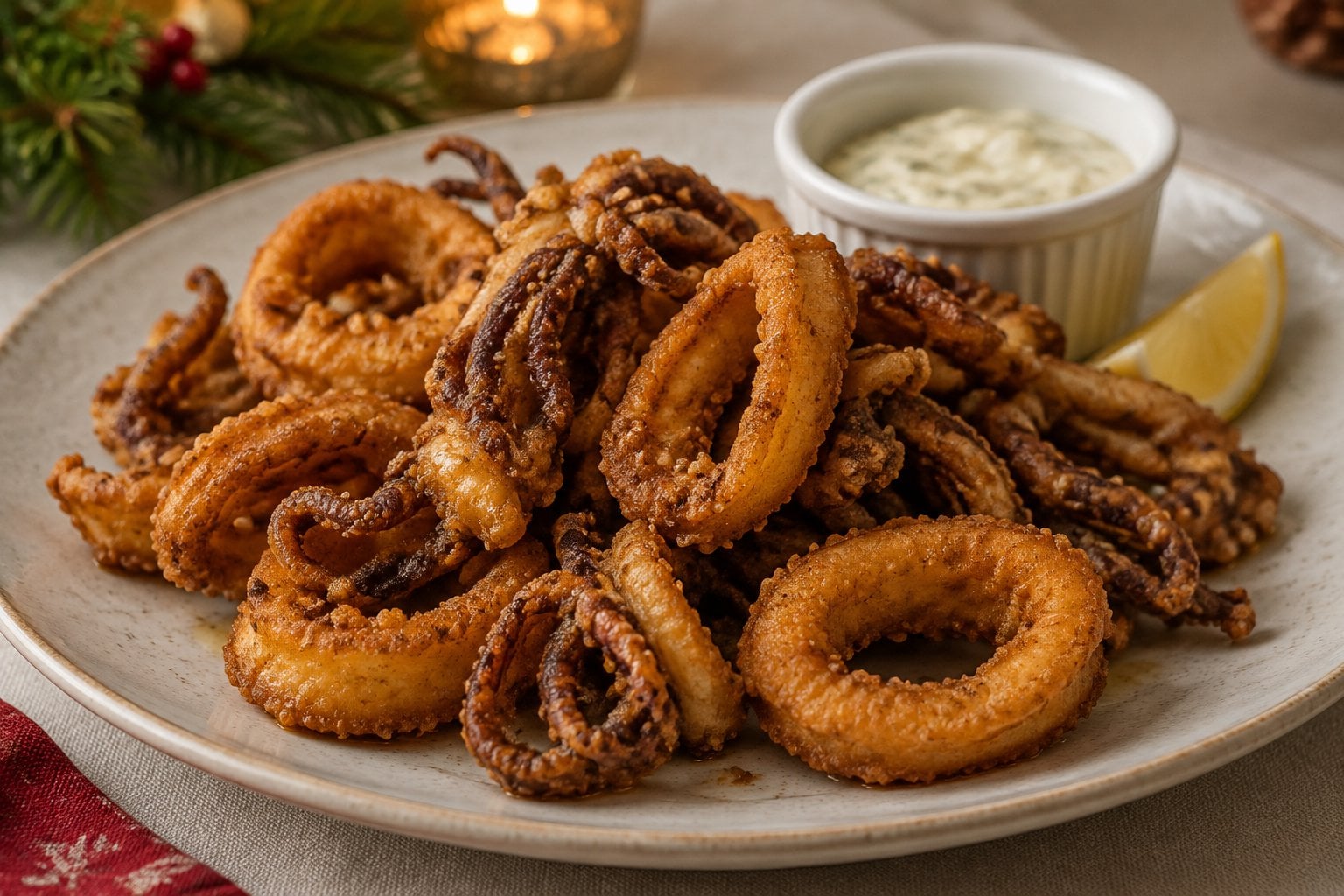
The platter comes out golden and crackling, someone takes a bite, and then they chew, and chew, and politely reach for a napkin. Chewy calamari is the biggest complaint about this Christmas Eve favorite, and the cause is almost always timing.
Squid cooks in a flash. A minute or two in hot oil is plenty, and anything past that tightens the meat into something closer to a rubber band than a tender ring. Oil that isn’t hot enough is the other problem, since the squid sits in it longer and soaks up grease while the coating stays pale.
Christmas Eve makes it harder. With several fish dishes on the go and a kitchen full of helpers, a batch can easily sit in the pot too long. And calamari that waits on the counter goes soggy fast.
The fix: dry the rings well, keep the oil around 350°F to 375°F, and fry in small batches for just a minute or two, until the coating is light gold. Serve them right away with lemon wedges.
13. Dry, Crumbly Tamales
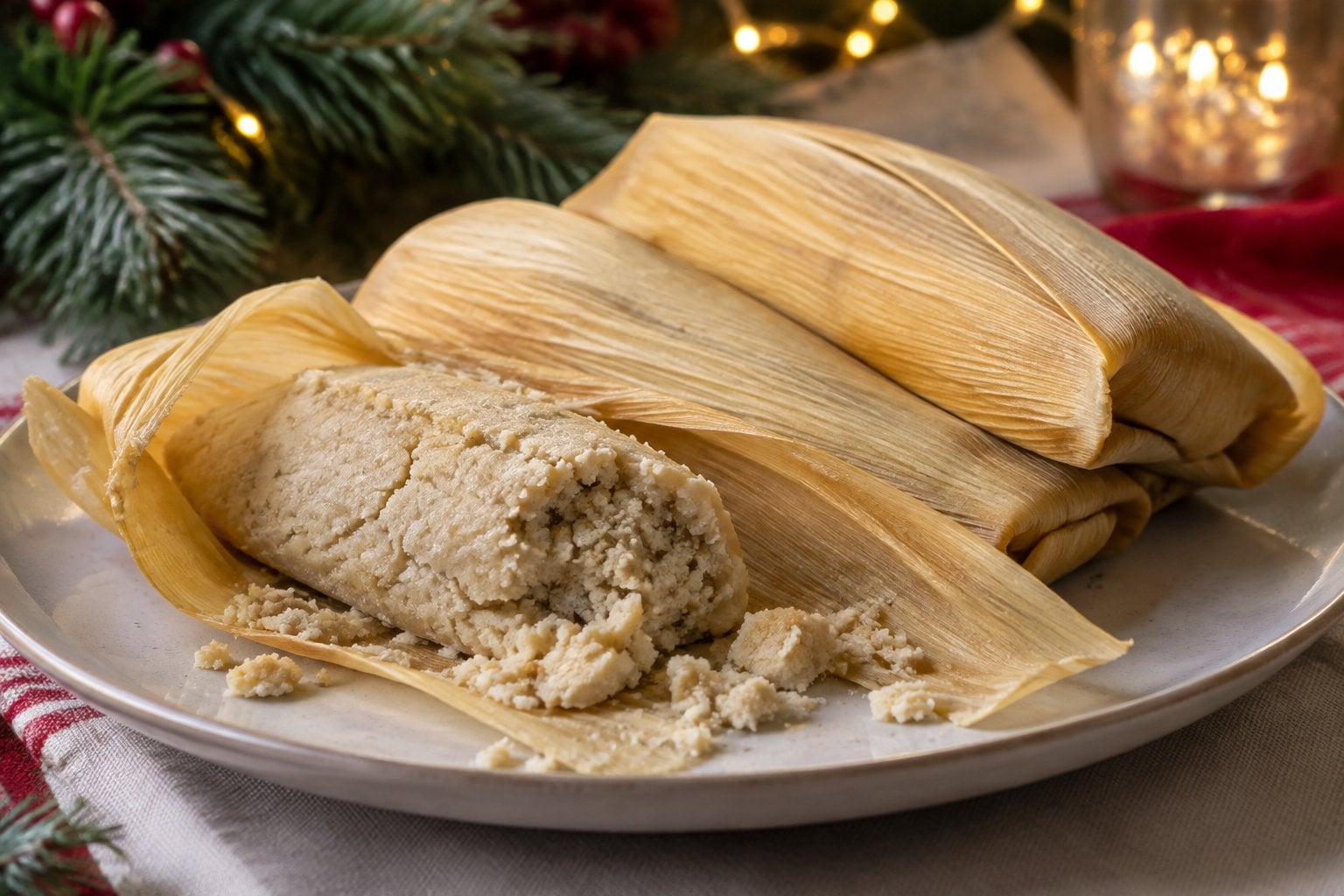
In many Mexican-American families, Christmas means a tamalada, a whole day of spreading masa and folding husks around the kitchen table. So it’s a real letdown when you unwrap the first tamale and it falls apart, grainy and dry, before it reaches the plate.
Most of the time the masa is the cause. It needs plenty of fat and enough warm broth, and it needs a good long beating to get light. If the dough feels stiff or sandy when you spread it, the tamales will taste that way after steaming.
Steaming can add to the trouble. If the pot boils dry, or the steam escapes around a loose lid, the tamales cook unevenly and turn tough.
The fix: beat the lard or shortening until fluffy, then work in the masa and warm broth until the dough is soft and spreadable. Many cooks drop a small piece into a cup of cold water, and if it floats, it’s ready. Keep an eye on the water level while they steam.
14. Gluey Pierogi
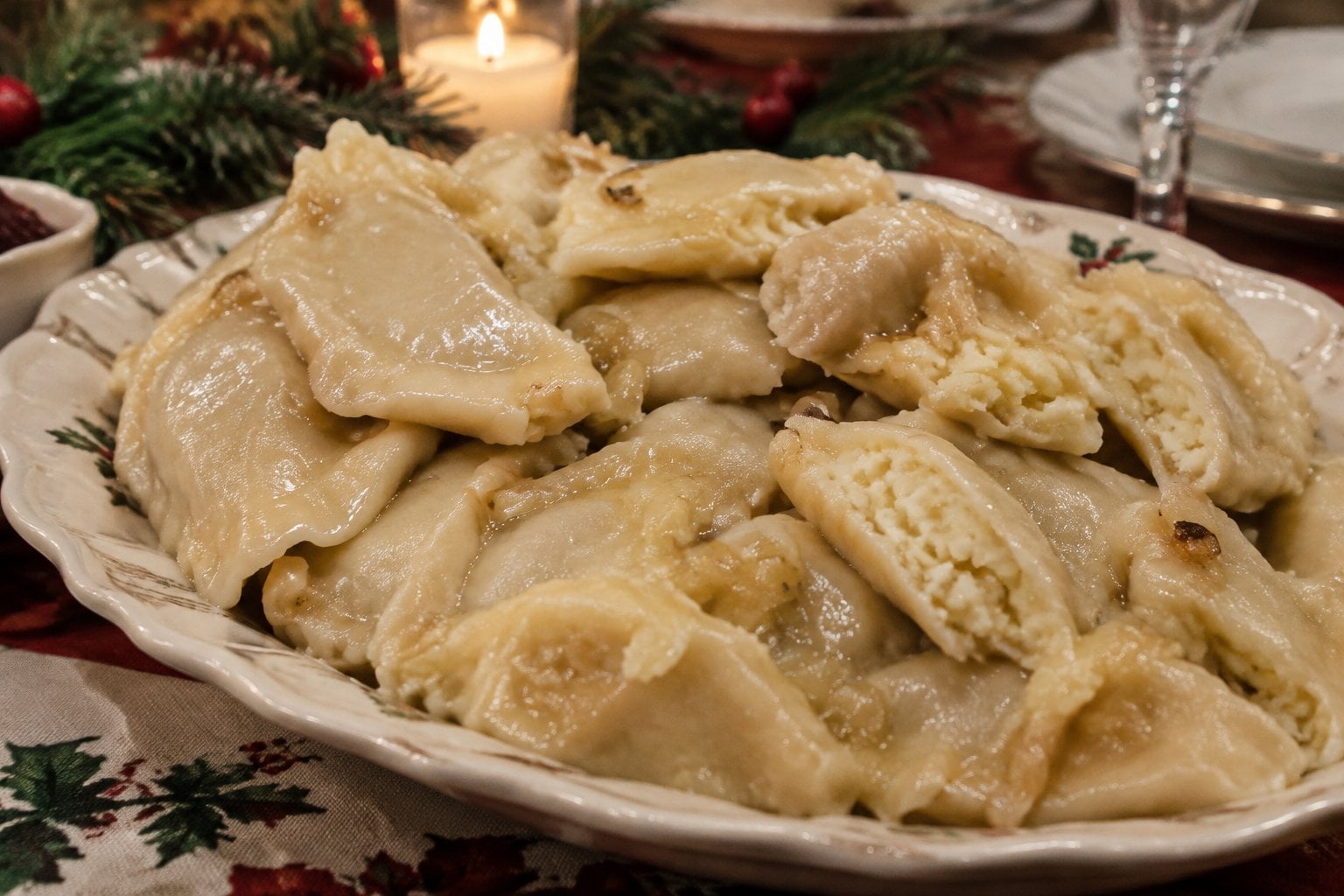
In Polish families, pierogi are a must on Christmas Eve, and you’ve probably pinched together a good many of them. You also know how a batch can go from tender to tacky. Gluey pierogi come out pasty and heavy, and the dough sticks to the roof of your mouth.
Several things cause it. Overworking the dough makes it tough and rubbery, and a wet potato filling soaks into the wrappers as they sit. Boiling too many at once drops the water temperature, so they cook slowly and stick together in a clump.
Holding them for hours makes it worse. Pierogi kept in a covered dish steam in their own moisture and turn gummy long before anyone sits down.
The fix: boil them in a big pot of salted water in small batches, and lift them out a minute or two after they float. Then pan-fry them in butter with a few onions until the outsides are golden, which keeps them from going soft while they wait.
15. Soupy Christmas Eve Lasagna
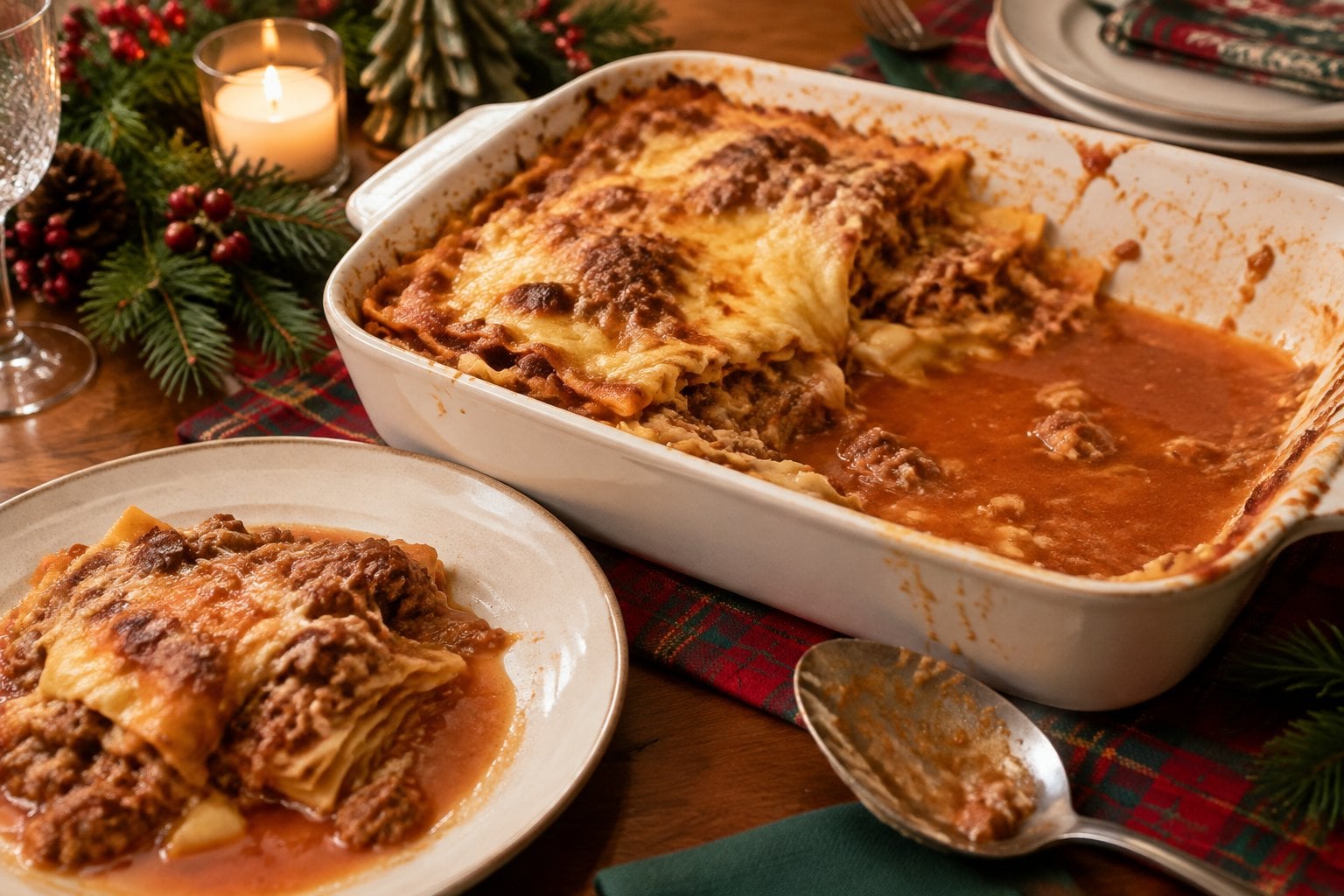
In plenty of homes, Christmas Eve means a big pan of lasagna. And plenty of cooks have cut into it only to watch the squares slump into a red puddle on the plate.
The usual causes are easy to spot once you know them. Watery ricotta, a thin sauce, and fresh mozzarella or vegetables that release liquid all add water to the pan.
Cutting it straight from the oven is the other big mistake. The cheese and sauce need time to set, and a lasagna sliced hot will always run, no matter how carefully you built it.
The fix: simmer your sauce until it’s thick enough to hold a line when you drag a spoon through it, and drain the ricotta in a fine strainer for an hour. Pat fresh mozzarella dry, and let the finished lasagna rest at least 20 to 30 minutes before you cut it.
16. Yorkshire Pudding That Never Rose
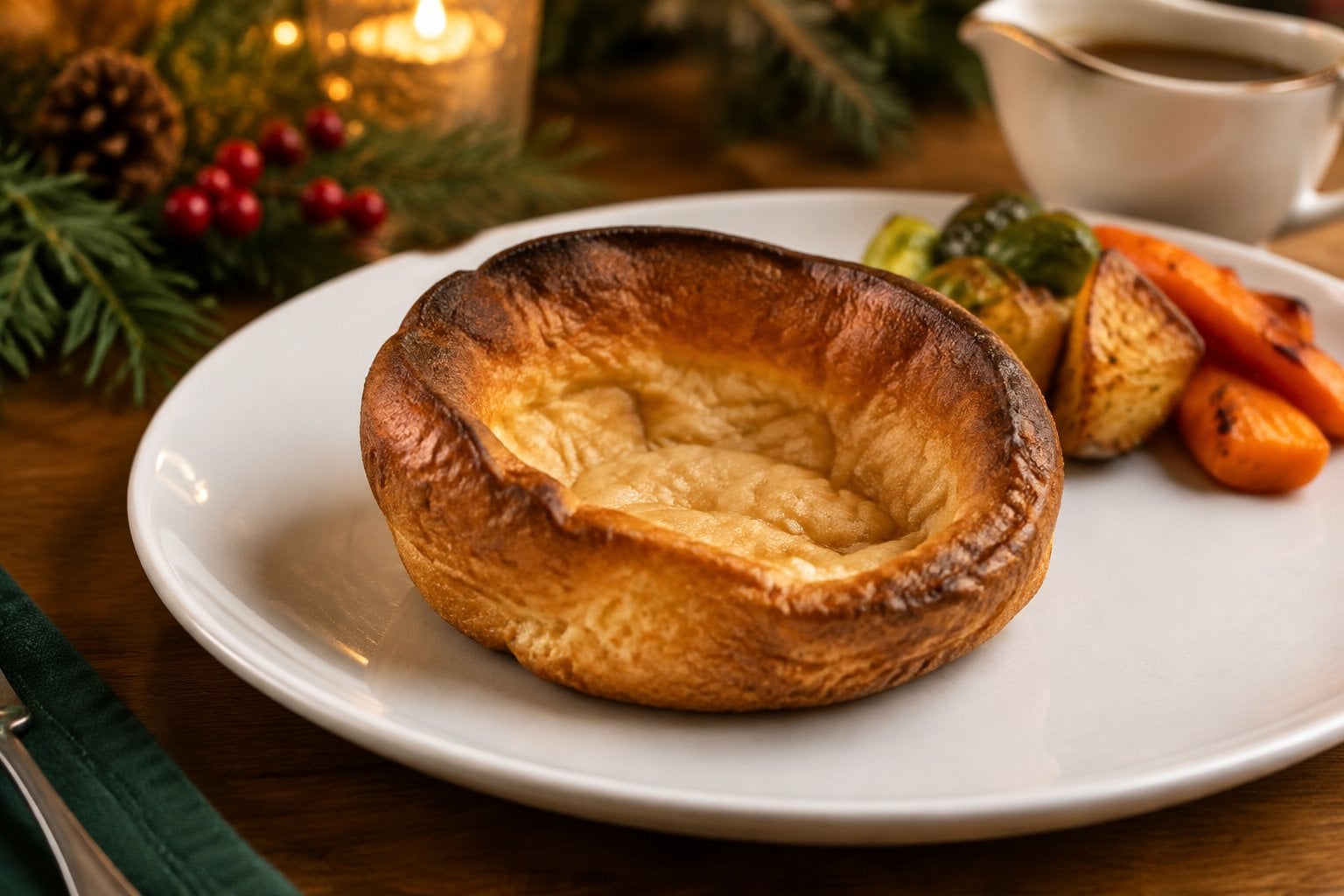
If your family serves prime rib, you may have tried Yorkshire pudding alongside it. It’s supposed to come out tall, puffy and golden. Instead you open the oven to flat, pale, eggy discs sitting in pools of grease.
The usual cause is fat that isn’t hot enough. If it doesn’t sizzle the moment the batter hits the pan, the puddings spread instead of puffing. Opening the oven door to check on them lets out the heat they need to climb, and an oven crowded with other dishes doesn’t get hot enough in the first place.
The fix: let the batter come to room temperature while the roast rests. Heat the muffin tin or popover pan with a little beef drippings or oil in a very hot oven until it’s smoking, pour the batter in quickly, and keep the door closed for the first 20 minutes.
17. Boiled Brussels Sprouts That Smell Up the House
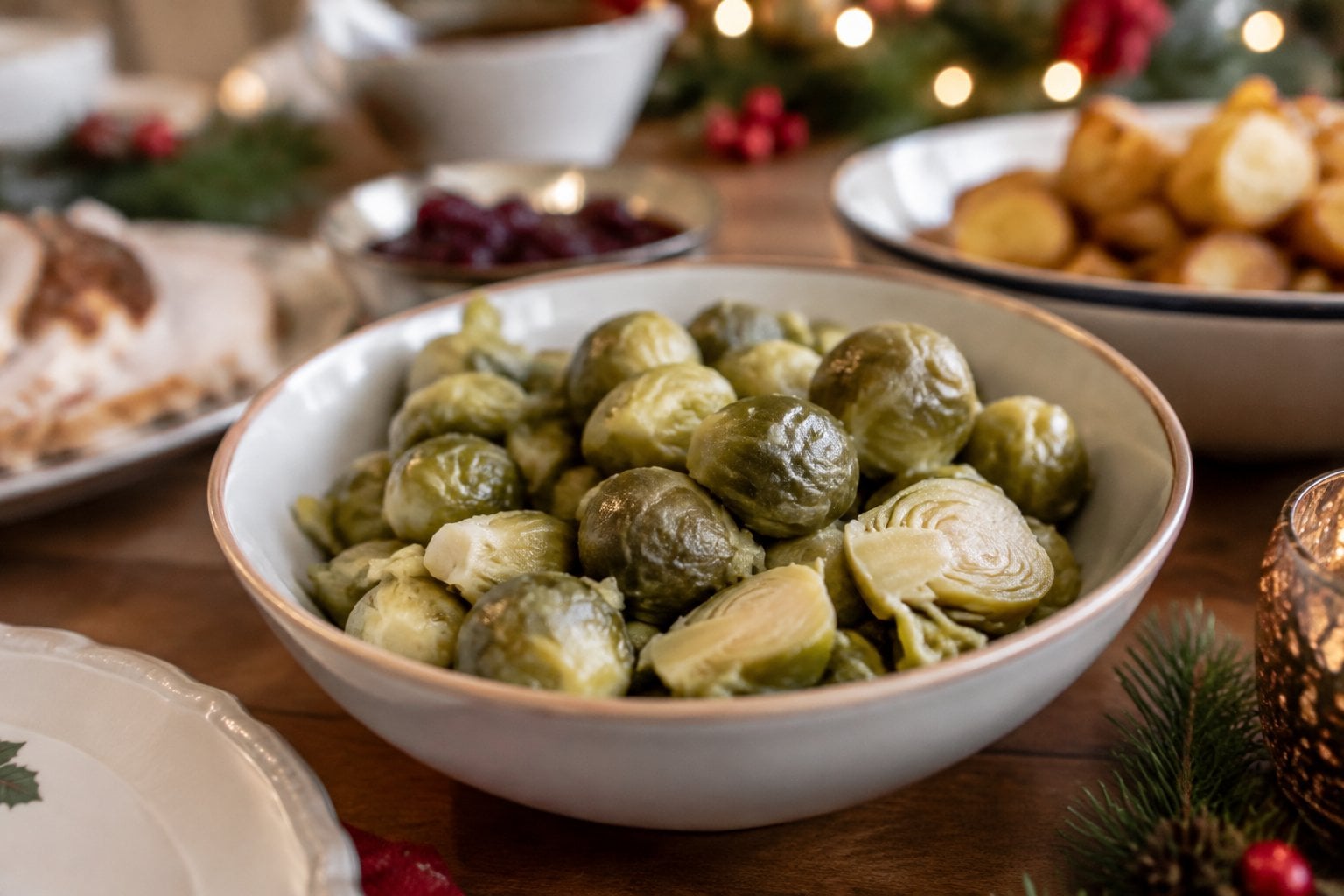
Your guests walk in on Christmas Day, and before anyone says hello, they notice the smell of sprouts bubbling on the stove. It’s one of the oldest complaints about this side dish, and it nearly always comes from sprouts that boiled too long.
Brussels sprouts, like cabbage, contain sulfur compounds. The longer they cook, the more of those compounds break down and escape into the air. Overcooking also turns them grayish green, soft and bitter, which is why so many people remember them as the vegetable they hid under a napkin as a child.
It’s no fun for you either. You’ve spent hours getting the house ready, and the last thing you want is that smell hanging around the tree.
The fix: halve the sprouts, toss them with oil and salt, and roast them cut side down in a hot oven until they’re browned and just tender. They cook faster, smell milder and taste a good deal sweeter.
18. Mushy Roasted Root Vegetables
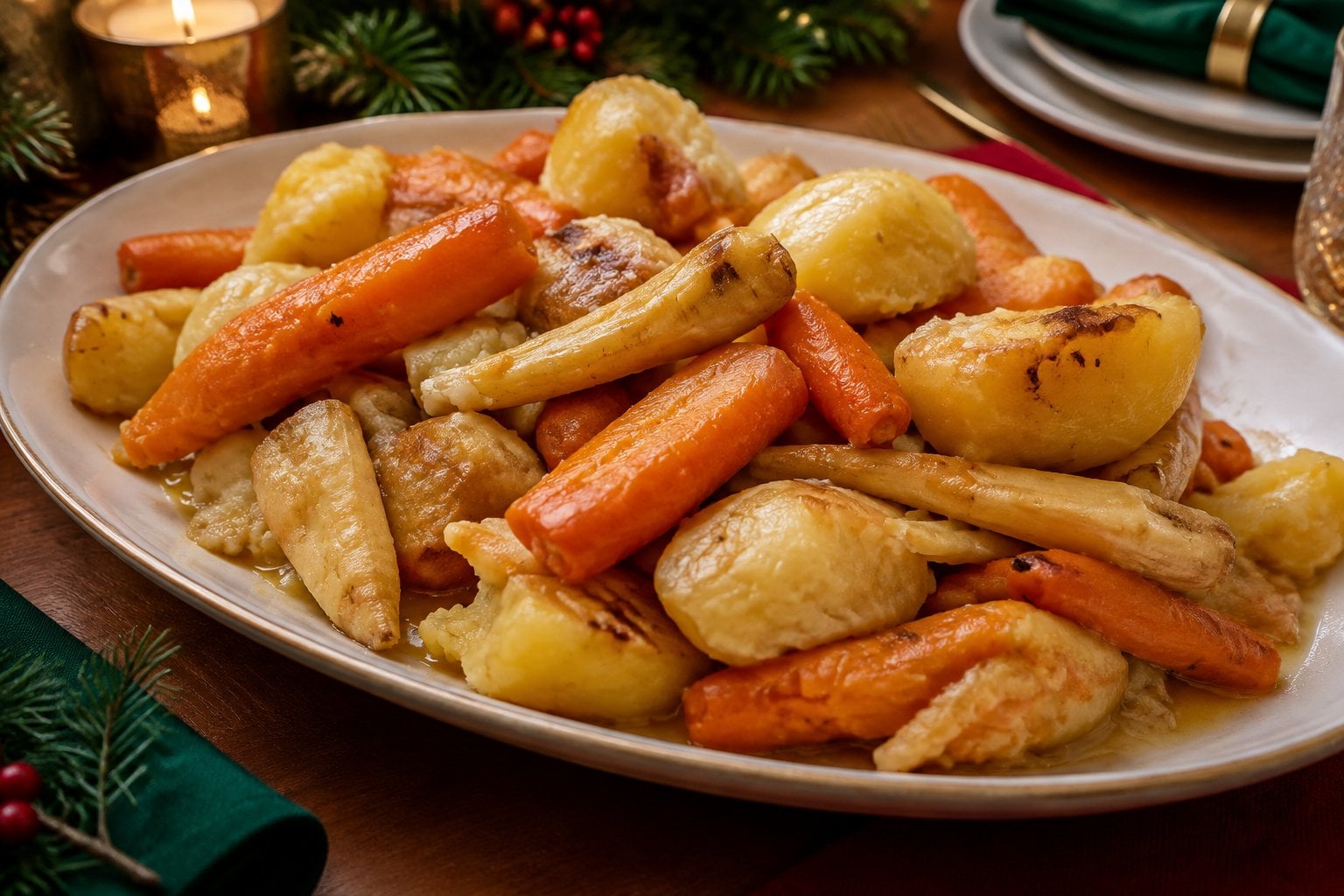
You pull out a pan of roasted carrots, parsnips and potatoes and feel your heart sink. Instead of golden edges and a little bite, you’ve got soft, pale pieces slumped against each other.
The usual cause is crowding. When the vegetables are piled onto one pan, the steam they give off has nowhere to go, so they cook in their own moisture instead of roasting. Cutting them into different sizes makes it worse, since the small pieces turn to mush while the big ones are still hard.
On Christmas, the oven is often full, set to whatever temperature the roast needs, and the vegetables get squeezed onto a lower rack where they never really brown.
The fix: dry the vegetables well, cut them about the same size, toss them with enough oil to coat, and spread them over two pans if you need to. Roast them in a hot oven, around 425°F, and leave them alone until the edges brown before you stir.
19. Sour, Purple Braised Red Cabbage
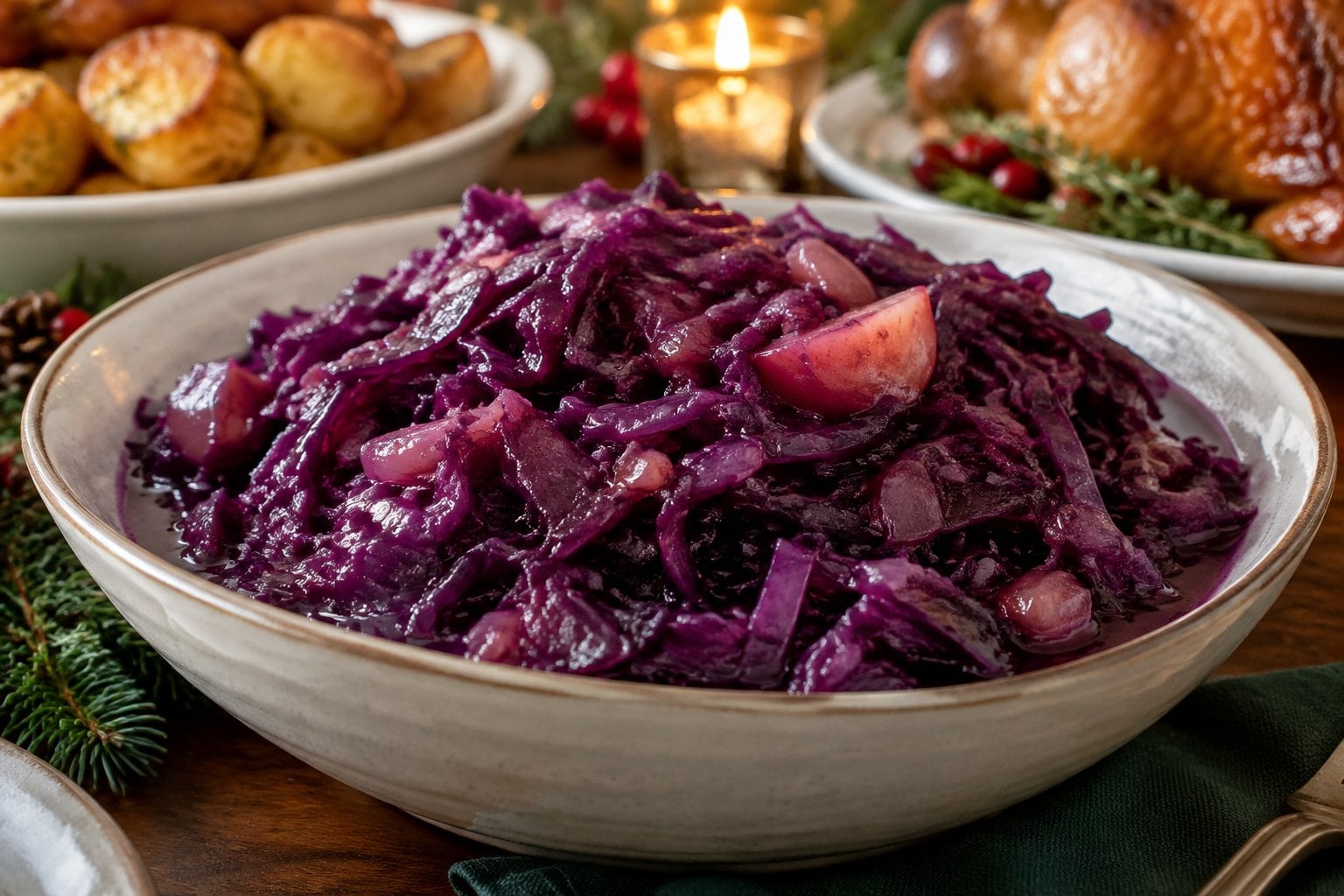
In German and Scandinavian families, sweet-and-sour red cabbage is a Christmas must. But the bowl often comes back nearly full. Plenty of guests find it too sharp, and the vinegar can clash with everything else on the plate.
Color is another common complaint. Red cabbage turns a dull blue or gray when it cooks without enough acid, so it never looks as festive as you hoped. And its purple juice runs into the potatoes and stains everything it touches.
Texture causes trouble, too. Cooked too briefly, it stays tough and squeaky. Cooked too long, it turns limp and watery. Getting the sweet and sour balanced is tricky, so it often ends up either sugary or puckering.
The fix: cook it slowly with a grated apple, a chopped onion and a little vinegar from the start, so it keeps its color. Taste before serving and adjust with a pinch of sugar or a splash of vinegar. It’s even better made a day ahead.
20. Dried-Out Twice-Baked Potatoes
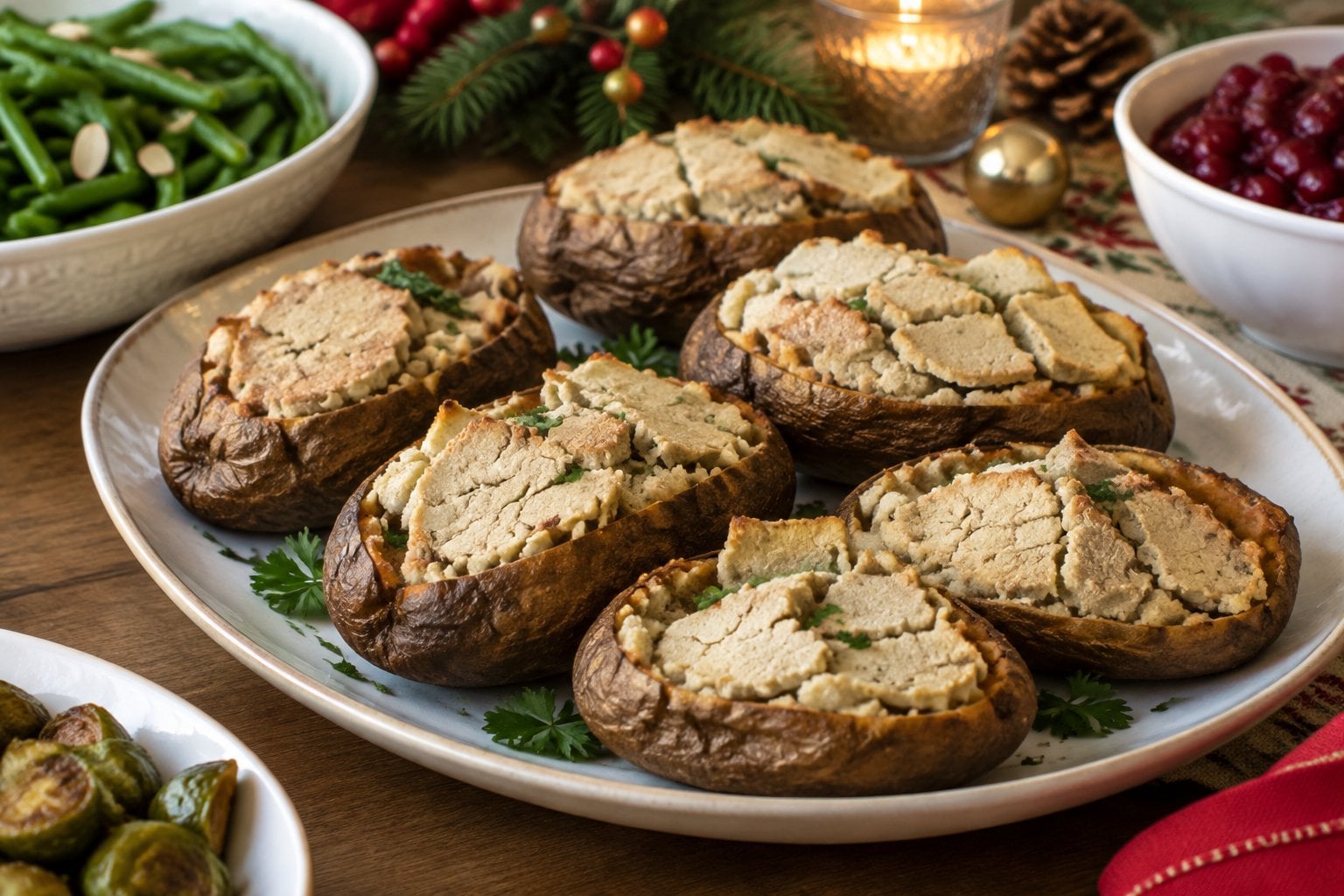
Twice-baked potatoes sound like a sure thing: fluffy filling, melted cheese, a crisp top. Yet they often land on the table looking tired, with filling that crumbles and skins as tough as leather.
The trouble is all those trips through the oven. The potatoes get baked once, scooped, mixed and stuffed, then baked again, and each round pulls out more moisture. If they sit in a warm oven while the roast rests and the gravy gets made, they dry out even more.
The fix: mash the filling with more butter and sour cream than seems necessary, because it firms up as it bakes. You can stuff them a day ahead and refrigerate them. On Christmas, cover them loosely with foil for the second bake and uncover them for the last few minutes to brown the cheese.
21. Duchess Potatoes That Slumped
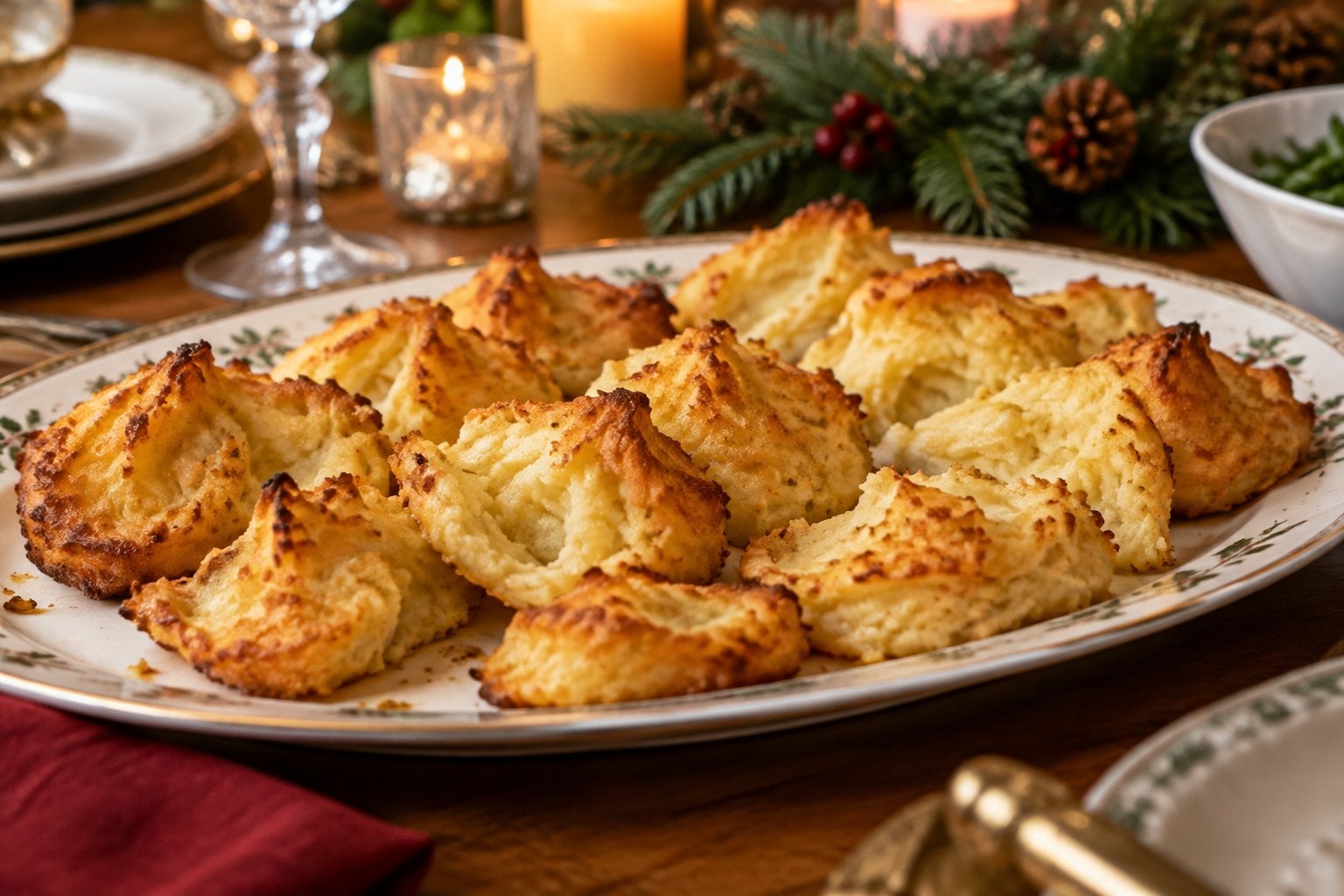
You pipe pretty rosettes onto the baking sheet, slide them into the oven, and pull out a pan of flat, spreading mounds. Duchess potatoes are meant to be the elegant side at a holiday dinner, so it stings when they melt into puddles.
The usual cause is too much moisture. Potatoes that are boiled and drained but not dried hold extra water, and that makes the mixture soft. Adding a generous splash of milk or cream loosens it further, and a loose mixture can’t hold the ridges from your piping bag.
Some cooks also find the swirls go limp when they sit too long before baking, or when the oven isn’t hot enough to set the outsides quickly.
The fix: after draining, return the potatoes to the warm pot for a minute or two to steam off the water, then press them through a ricer. Mix in butter and egg yolks, add only a spoonful of cream, and bake in a hot oven until the edges turn golden.
22. Watery Waldorf Salad
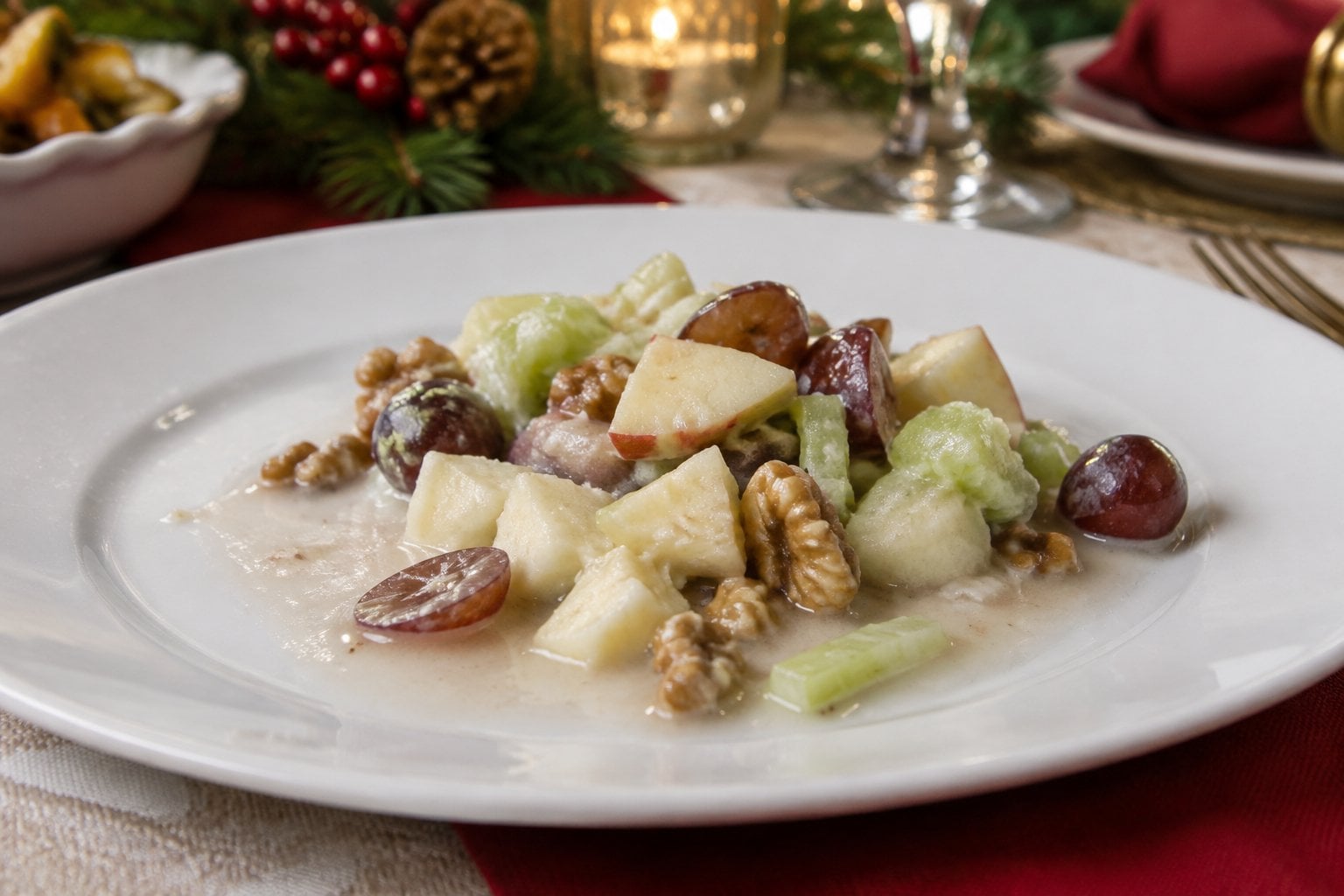
The Waldorf salad has been around since the 1890s, when it was created at the Waldorf Hotel in New York, and it’s still a holiday favorite in many families. It looks lovely when you put it together. By the time dinner is served, though, a pool of liquid has settled in the bottom of the bowl.
The ingredients are the reason. Apples and celery both give off water once they’re cut and coated in dressing, and the longer the salad sits, the more liquid collects. Grapes add more, and a dressing thinned with yogurt or milk gets runny fast.
The fix: chop everything shortly before dinner. Toss the apples in a little lemon juice, pat the celery and grapes dry, and keep the dressing separate until just before serving. Add the walnuts at the last minute so they stay crunchy.
23. Red-and-Green Ribbon Gelatin Salad
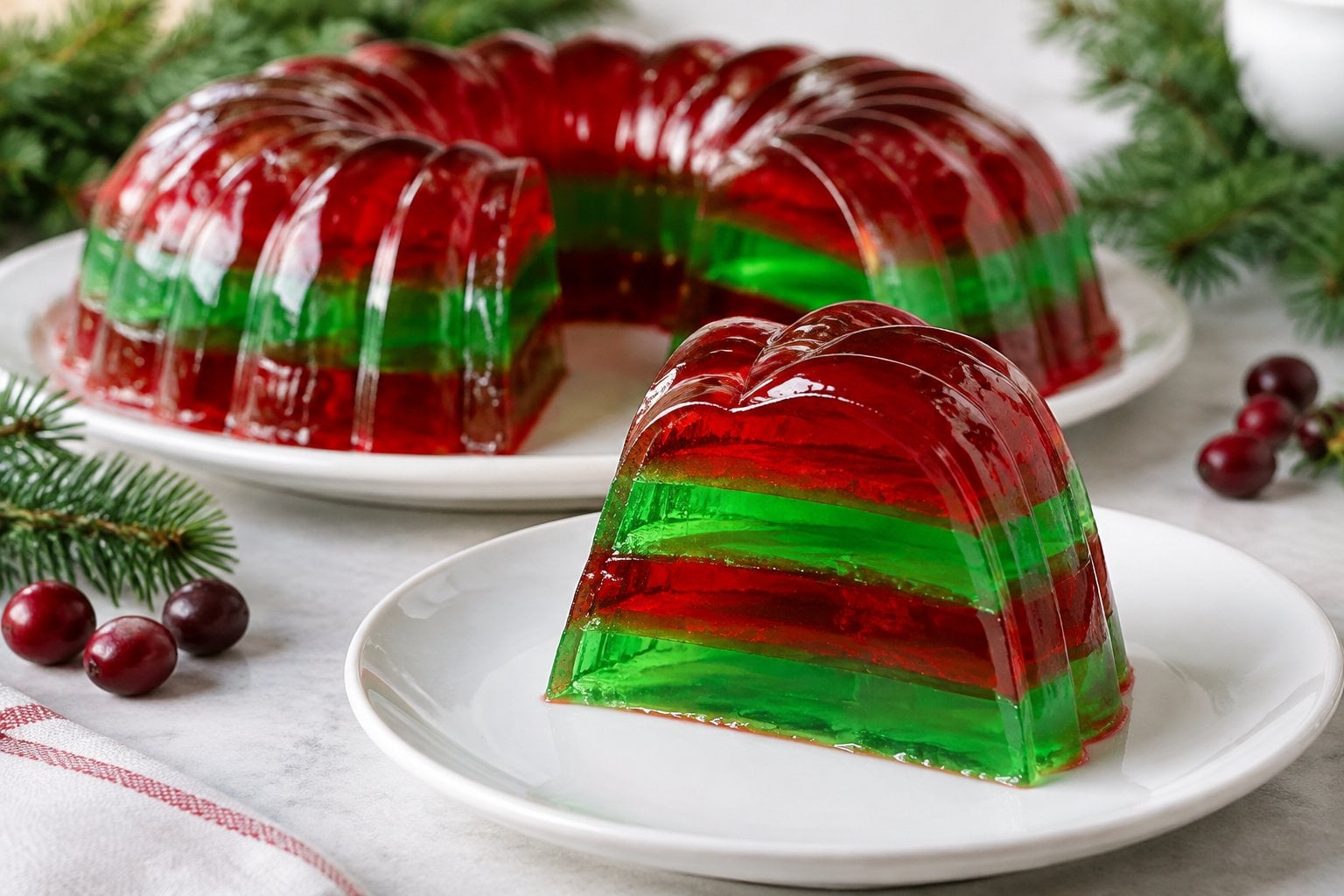
You may remember this from holiday tables in the 1950s and 1960s: red, white and green layers stacked in a ring mold, wobbling on a plate. It looks cheerful, but many cooks say it belongs to another era.
The most common complaint is sweetness. Sugary gelatin and a creamy white layer sit right next to the roast and potatoes, and guests can’t decide whether it’s a salad or a dessert, so it often goes untouched.
Then there’s the work. Each layer has to set before you pour the next, which ties up your refrigerator for hours in the busiest week of the year. Pour too soon, and the colors bleed into each other. Unmolding it is its own nail-biter.
The fix: if your family still wants it, make it two days ahead in a square pan instead of a ring mold, so it’s easier to cut and serve. Or move it to the dessert table with a dollop of whipped cream, where the sweetness makes more sense.
24. Cocktail Weenies in Grape Jelly
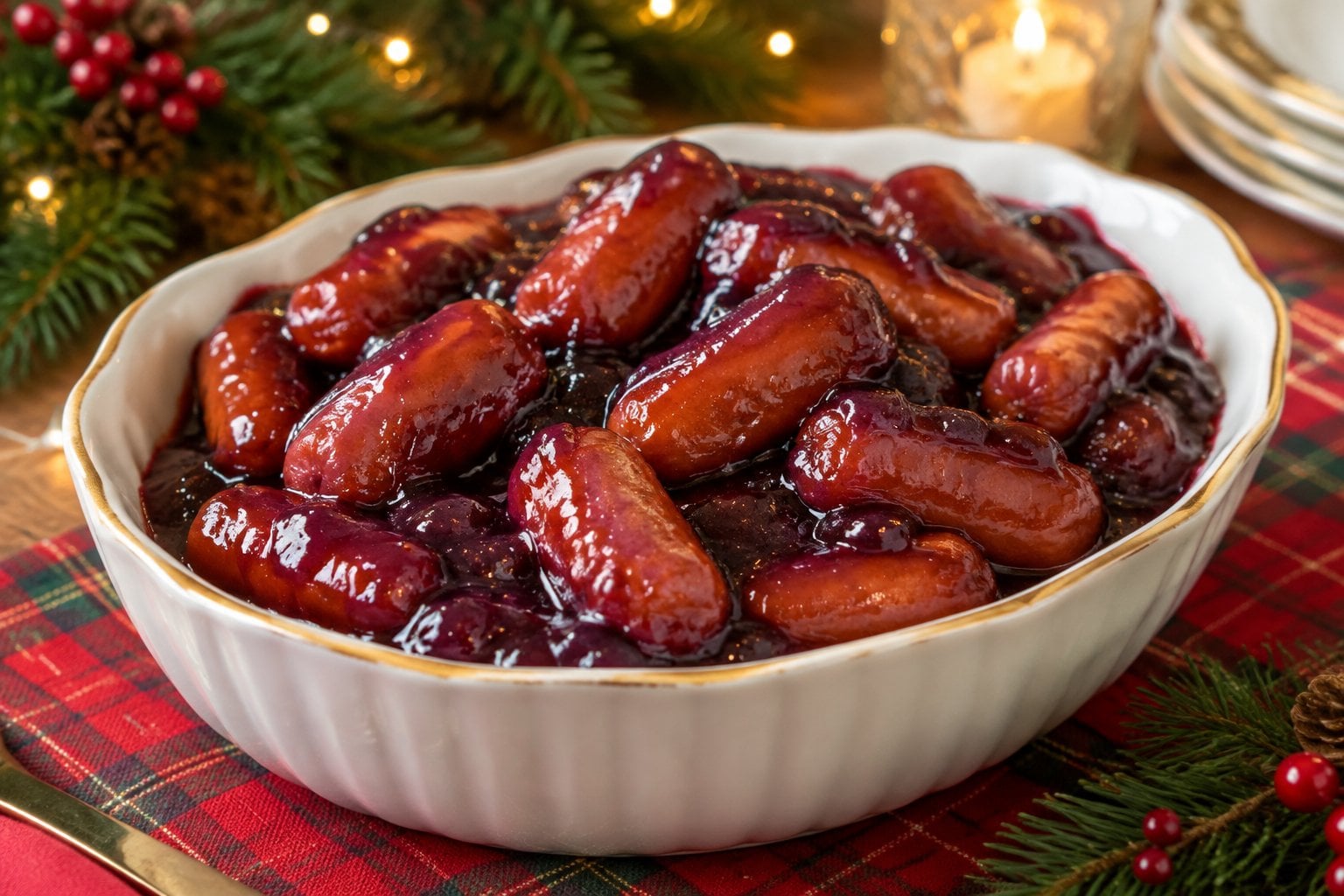
You’ve seen this one sitting in a slow cooker at the edge of the appetizer table: little smoked sausages swimming in a sauce of grape jelly and chili sauce. It’s been a holiday party staple for decades, and it’s also one of the dishes people most often say they just don’t get.
The main complaint is sweetness. Grape jelly is mostly sugar, and after a few hours in the pot, the sauce turns syrupy and sticky. The sausages go soft and puffy the longer they sit, and guests end up with sauce on their fingers and their good sweaters.
There’s a practical problem, too. A bowl of filling little sausages can spoil appetites before a big roast dinner.
The fix: cut back on the jelly, and add a spoonful of mustard or a splash of vinegar to balance it. Keep the slow cooker on warm instead of high, and put out toothpicks and small plates so people aren’t fishing with their fingers.
25. Watery Stuffed Mushrooms
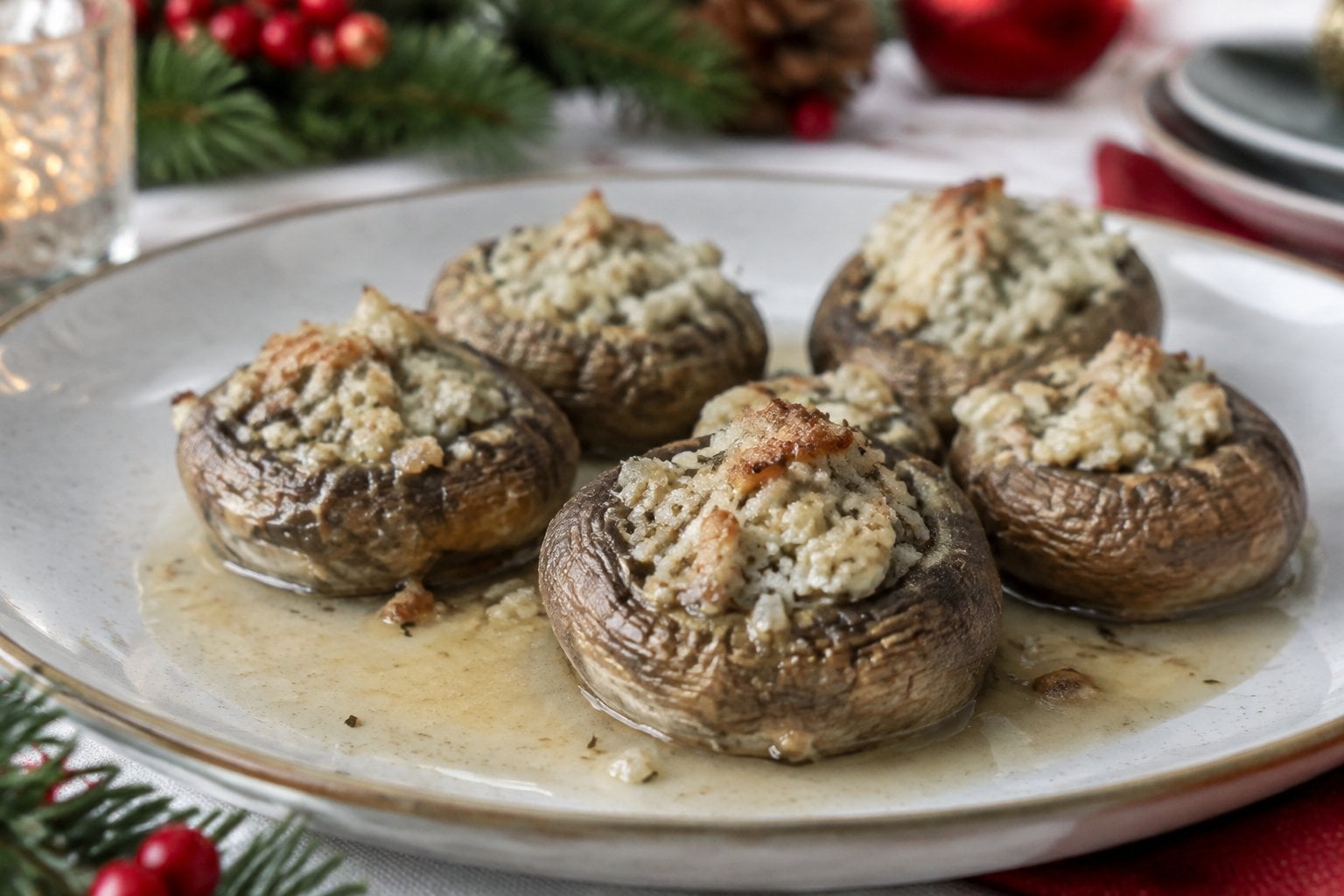
You bite into a stuffed mushroom, and a little puddle of liquid runs onto your plate. The filling that looked so neat on the platter has turned soggy, and the cap has gone limp.
It’s the most common complaint about this appetizer, and it comes down to what mushrooms are made of. They’re mostly water, and they release a lot of it in a hot oven. When the caps are filled raw, that liquid has nowhere to go, so it pools under the filling and thins out the cream cheese and breadcrumbs.
The fix: brush the caps clean, then bake them empty, upside down, for about 10 minutes and pour off the liquid. Fill them once they’ve cooled slightly, top with a few dry breadcrumbs, and finish baking until they’re golden.
26. Deviled Eggs Left Out Too Long
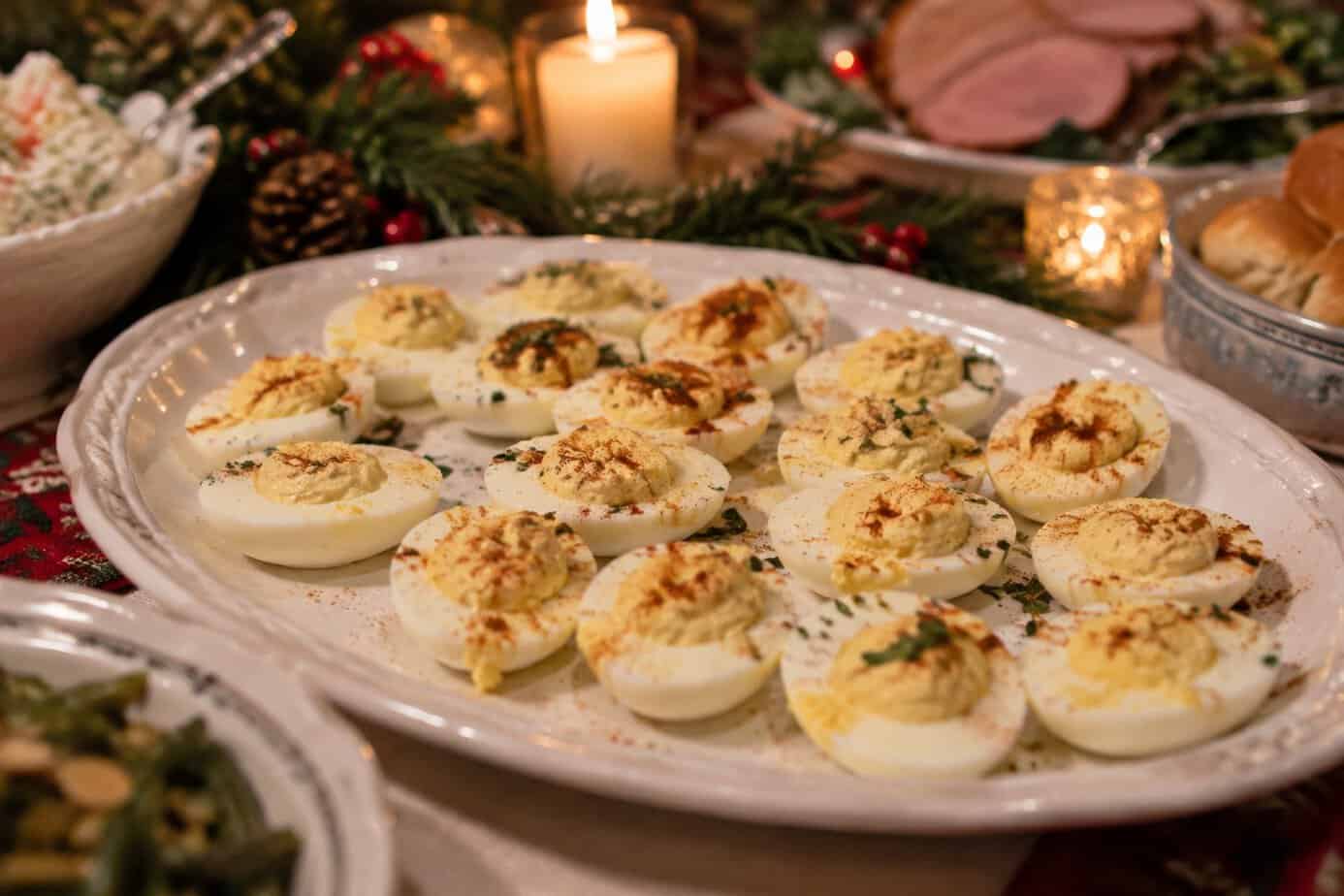
The deviled eggs come out early with the other appetizers, and then the afternoon gets away from you. Presents get opened, the roast needs checking, and the platter sits in a warm room for hours.
By the time people reach for one, the filling has gone dull and crusty, and the whites have turned rubbery. Some guests quietly skip them, and the more cautious ones wonder whether they should have eaten any at all.
They have a point. Food safety experts say perishable foods like egg dishes shouldn’t sit out for more than 2 hours at room temperature, and only 1 hour if the room is above 90°F. A kitchen with the oven going all day can get very warm.
The fix: keep the eggs in the refrigerator until guests arrive, then put out a small plate at a time and refill it from the cold batch. Toss anything that has been sitting out past two hours.
27. Sausage Balls Hard as Rocks
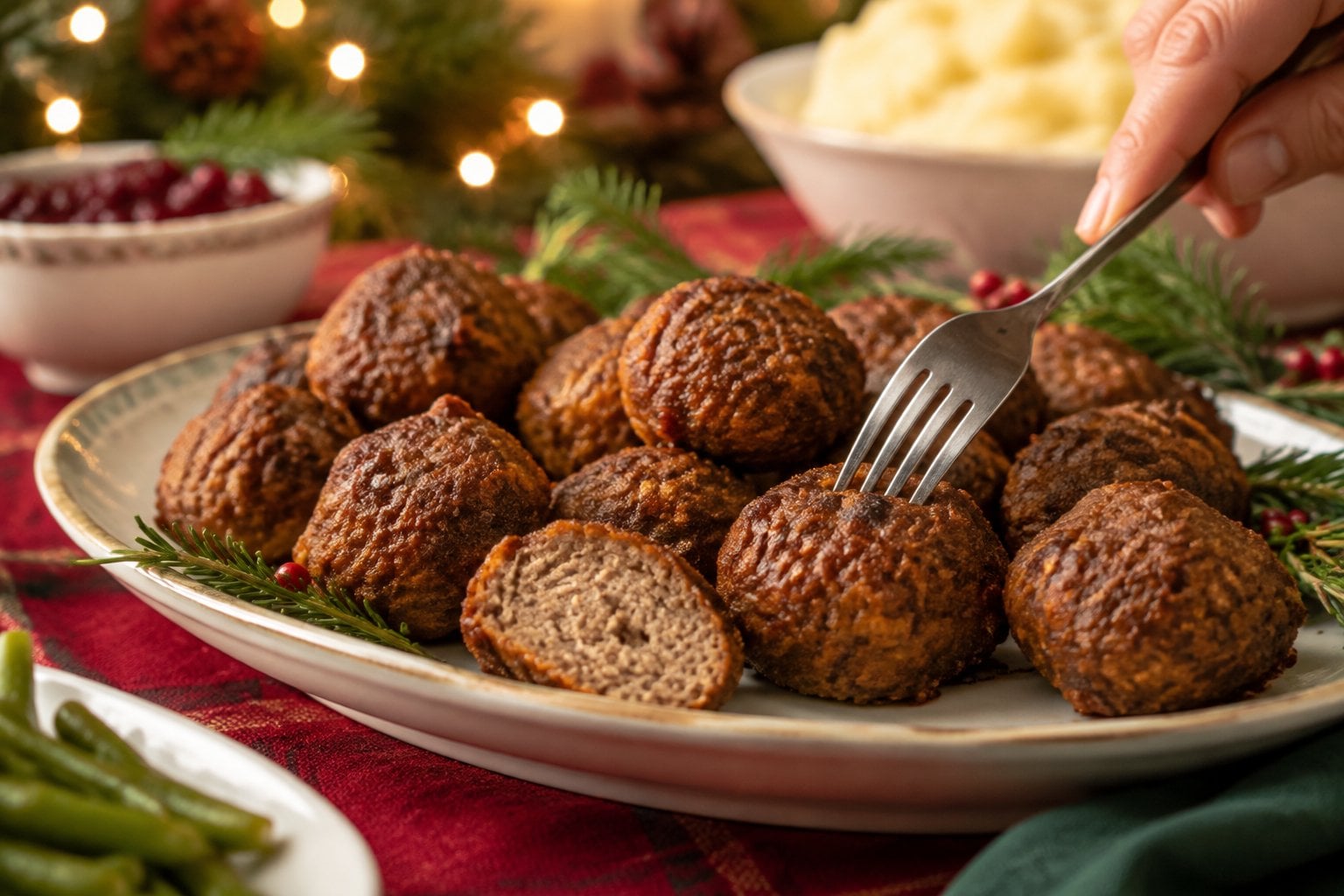
Sausage balls, made from sausage, shredded cheddar and baking mix, are a Christmas morning and party favorite across much of the South. You set out a tray expecting them to disappear, and then someone bites into one and pauses. Instead of a tender, cheesy bite, it’s dense and dry enough to bounce.
The usual cause is the dough. Mixing too long, or squeezing the balls tightly as you roll them, makes them tough. Too much baking mix and too little cheese make them dry and crumbly, and so does a few extra minutes in the oven.
They also harden as they cool, so a tray baked an hour before guests arrive won’t taste the way it did fresh from the oven.
The fix: let the sausage and cheese come to room temperature so they mix quickly, use a light hand and roll the balls loosely. Pull them as soon as they’re golden, and bake them in batches so they’re warm when people eat them.
28. Cracked Bûche de Noël
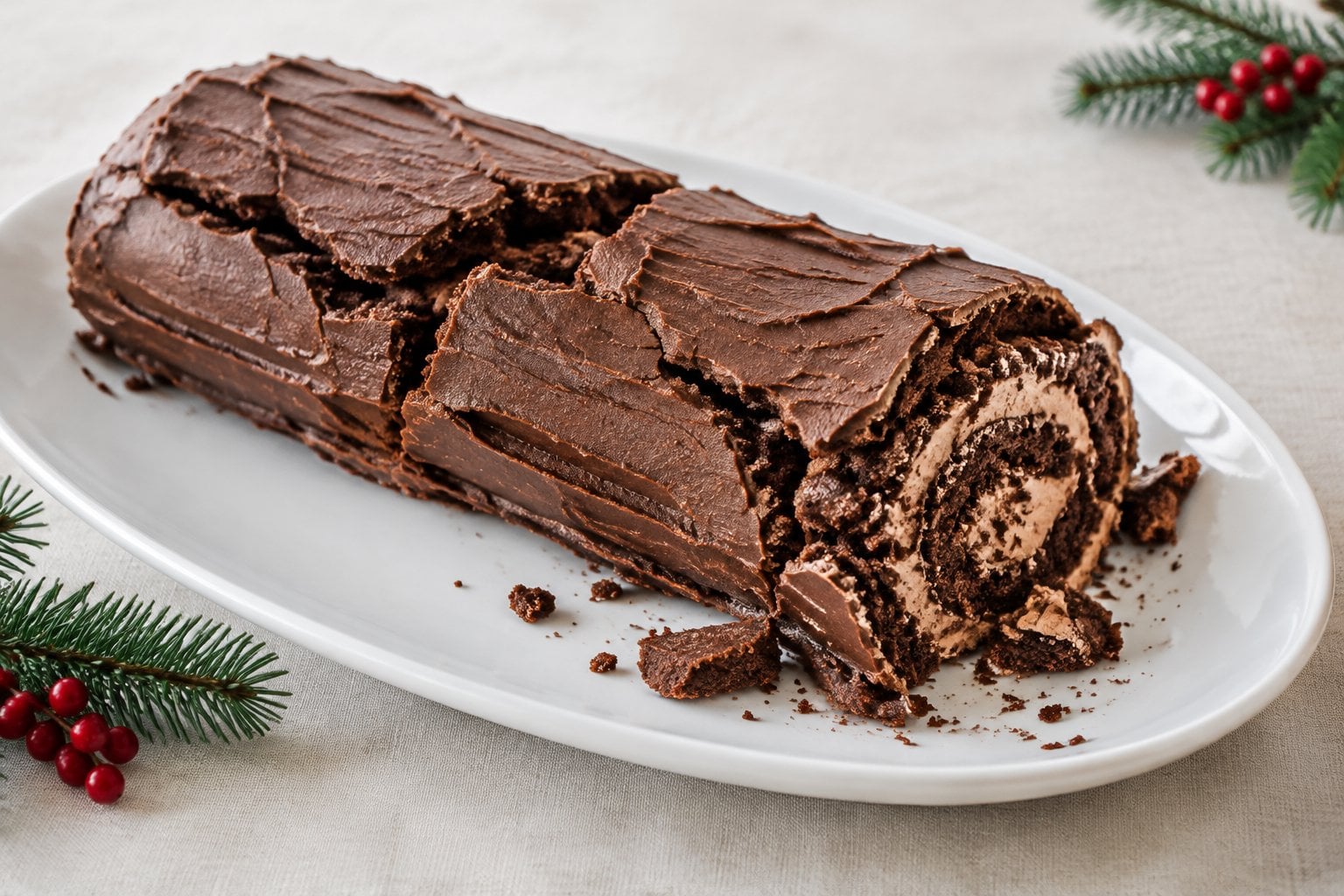
The bûche de Noël, the French Christmas cake made to look like a Yule log, takes most of an afternoon. You bake a thin sponge, whip the filling and start to roll it, and a long crack splits right across the top.
It’s the most common complaint about this dessert, and the cause is usually a sponge that dried out. Baking it a few minutes too long, or letting it cool flat before rolling, leaves it stiff and ready to split.
The fix: roll the sponge while it’s still warm, inside a clean dish towel dusted with cocoa or powdered sugar, and let it cool that way. Then unroll, fill and roll it again. Any cracks that remain disappear under chocolate frosting and a snowy dusting of powdered sugar.
29. Soggy Christmas Trifle
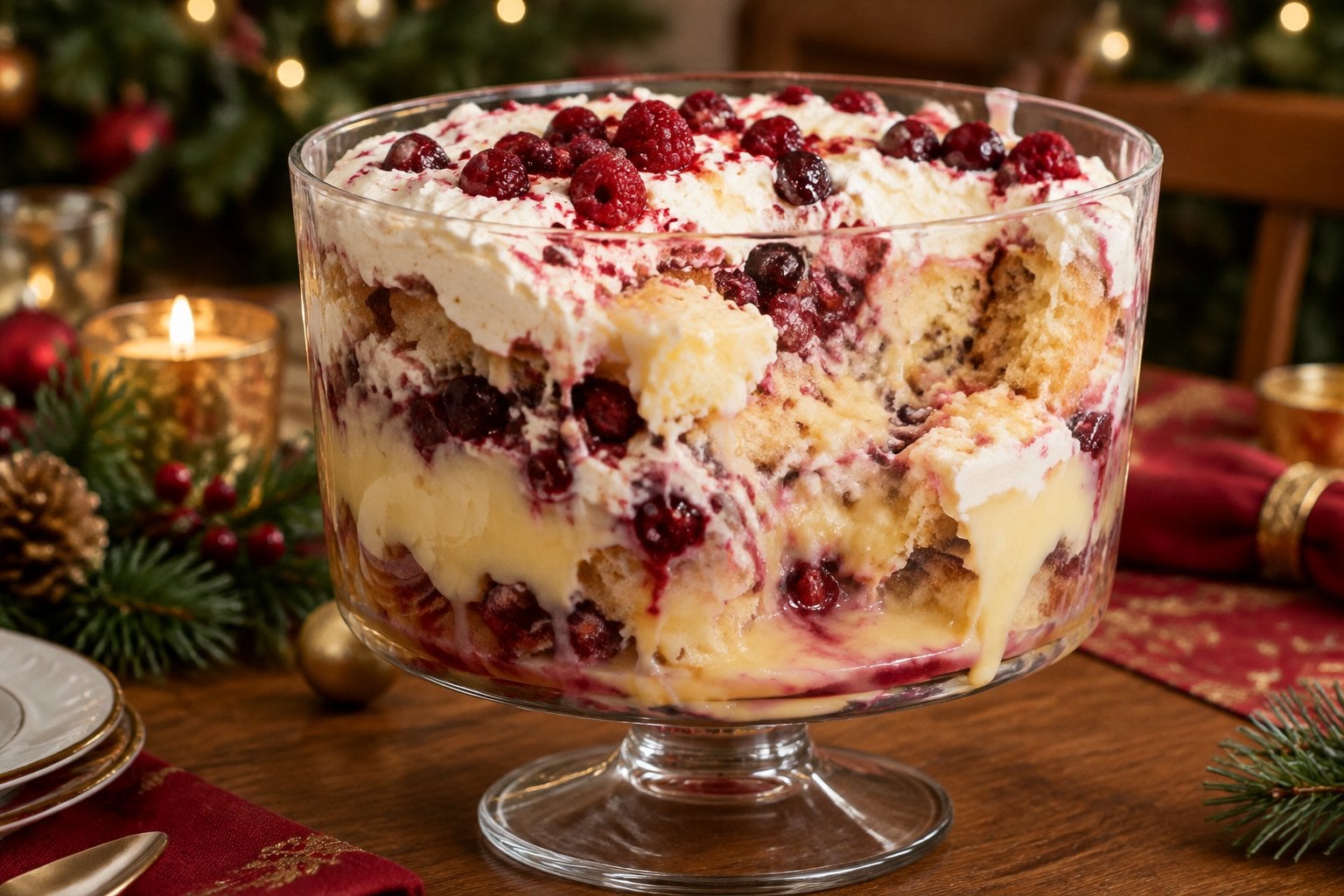
A trifle looks beautiful in a glass bowl, with neat layers of cake, custard, fruit and cream. Then you dig the spoon in at the table, and the bottom is a pale, wet mush.
The sponge is usually to blame. When it sits in sherry, juice or gelatin too long, it soaks up more than it can hold and falls apart. Custard that goes on warm, or too thin, seeps down and makes it worse.
The fix: use cake that’s a day or two old, or lightly toast the cubes, so they can take on liquid without collapsing. Cool the custard completely, drain the fruit well, assemble it a few hours ahead rather than a full day, and add the whipped cream just before serving.
30. Dry Red Velvet Cake
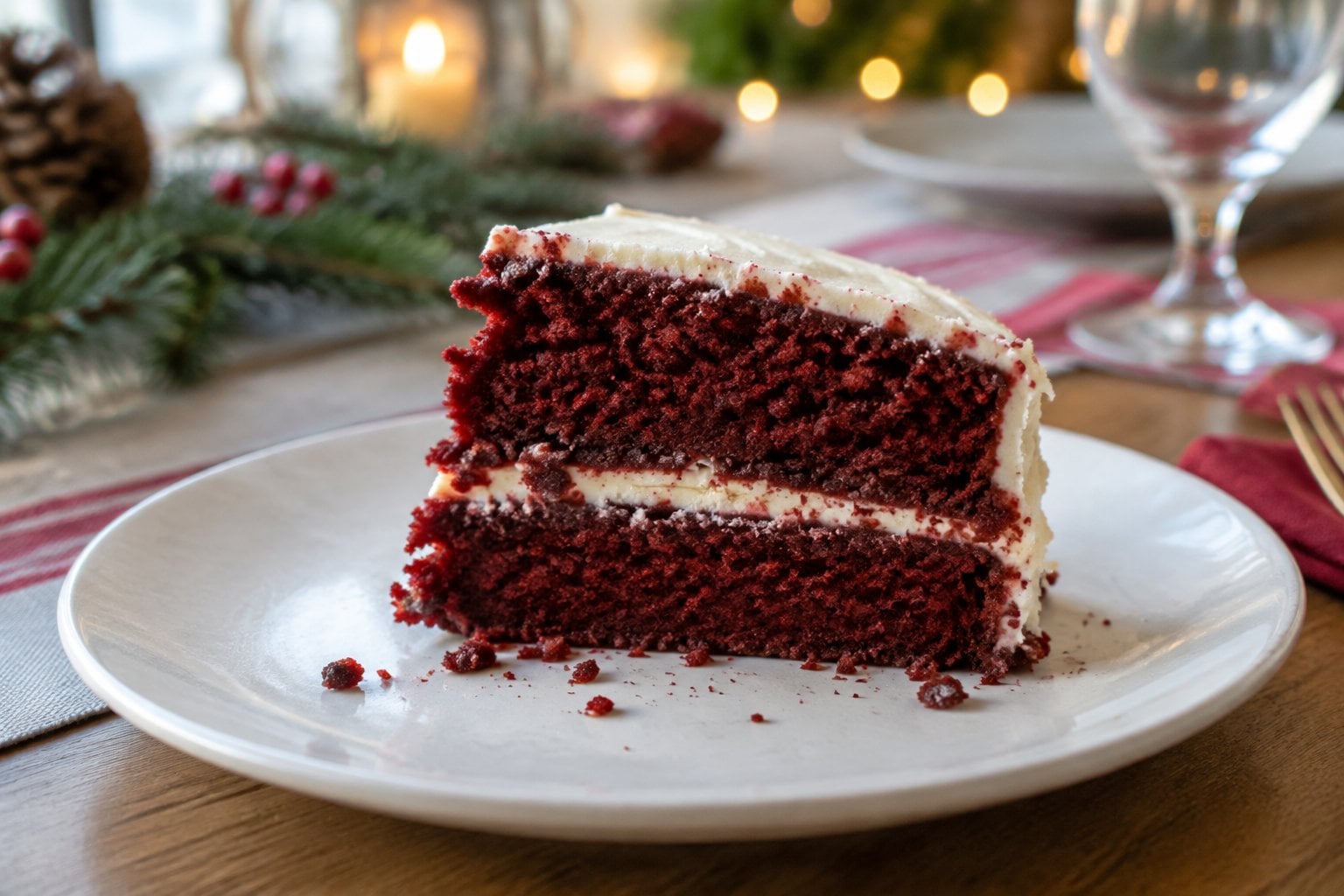
A red velvet cake looks made for Christmas, with its deep red layers and white frosting. But you’ve probably cut into one at a holiday table and found the crumb dry and dull.
Dry red velvet usually comes from overbaking or too much flour. The cake has only a gentle cocoa flavor, so a dry texture has nothing to hide behind. Skimping on the buttermilk or oil, which keep the crumb tender, makes it worse.
The fix: start checking the cake a few minutes before the timer goes off, and pull it when a toothpick comes out with a few moist crumbs instead of perfectly clean. Spoon the flour into the cup and level it off rather than scooping, and wrap the cooled layers tightly until you frost them.
Why Christmas Dinner Goes Wrong More Often Than You’d Think
Christmas dinner asks more of you than almost any other meal of the year. The roasts are pricier, the recipes are fancier, and many of them get made exactly once a year, so nobody gets much practice.
One Oven and a Very Long List
Most of the dishes on this list go wrong for the same simple reason: too many things need the oven at once. The roast sets the temperature, and everything else squeezes in around it. Sides sit and dry out, potatoes steam instead of crisp, and appetizers wait on the counter far longer than anyone planned. A thermometer, a written timeline and a dish or two that doesn’t need the oven at all will save more Christmas dinners than any new recipe.
The Recipes Come With Memories
Some dishes stay on the table because of who made them, not because anyone asks for seconds. The ribbon salad was your mother’s, the cocktail weenies were your aunt’s, and the lamb was what your husband’s family always served. That’s worth honoring. Serving a smaller dish of the family favorite, next to something your guests will actually eat, keeps everyone happy without starting a feud.
Give Yourself a Little Grace
Every one of these dishes has a fix, and most of them are small: a lower temperature, a drier pan, a few minutes less in the oven. Pick one or two to try this year, keep the rest the way your family likes them, and don’t lose sleep over a cracked cake or a slumped potato.
If you’re still planning the holiday menu, you might also enjoy the worst Thanksgiving side dishes according to home cooks and the most overrated holiday foods everyone pretends to like. And remember, your family will remember the people around the table long after they forget what was on it.