
The 30 Most Overrated Holiday Foods Everyone Pretends to Like
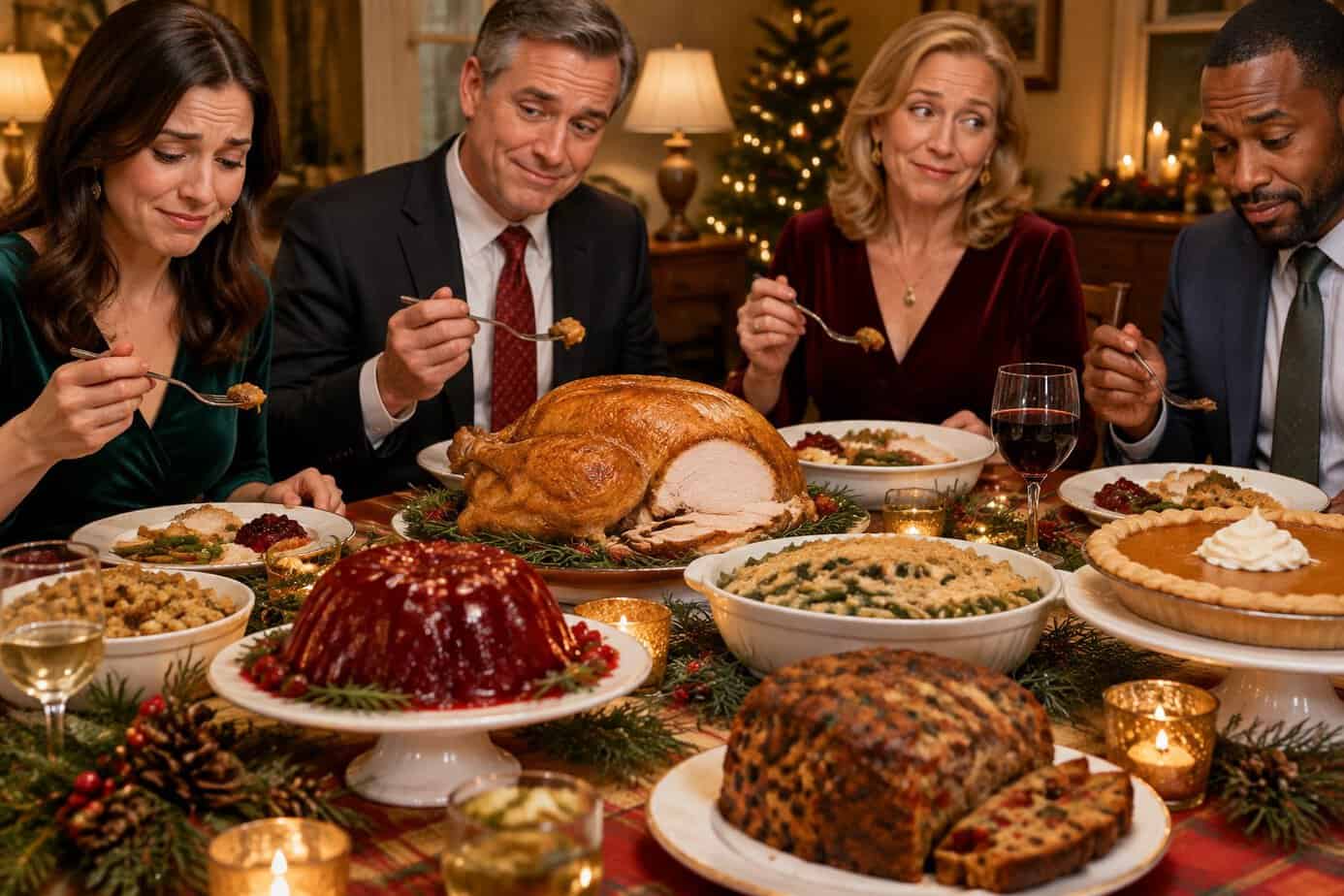
After enough years of hosting, you can read a holiday table like a book. You know which bowls will be scraped clean by seven o’clock and which ones will go back into the refrigerator looking almost exactly the way they came out.
Some dishes stay on the menu because everyone loves them. Others stay because they always have. Nobody asks for them, nobody complains about them, and everybody takes one polite spoonful so the cook’s feelings aren’t hurt.
You’ve served plenty of these yourself, and you’ve been handed the rest by relatives, neighbors and well-meaning guests. Here are 30 holiday foods that get far more praise than they get eaten, from Thanksgiving and Christmas right through New Year’s and Easter, along with a little history on how each one earned its spot.
1. Roast Turkey
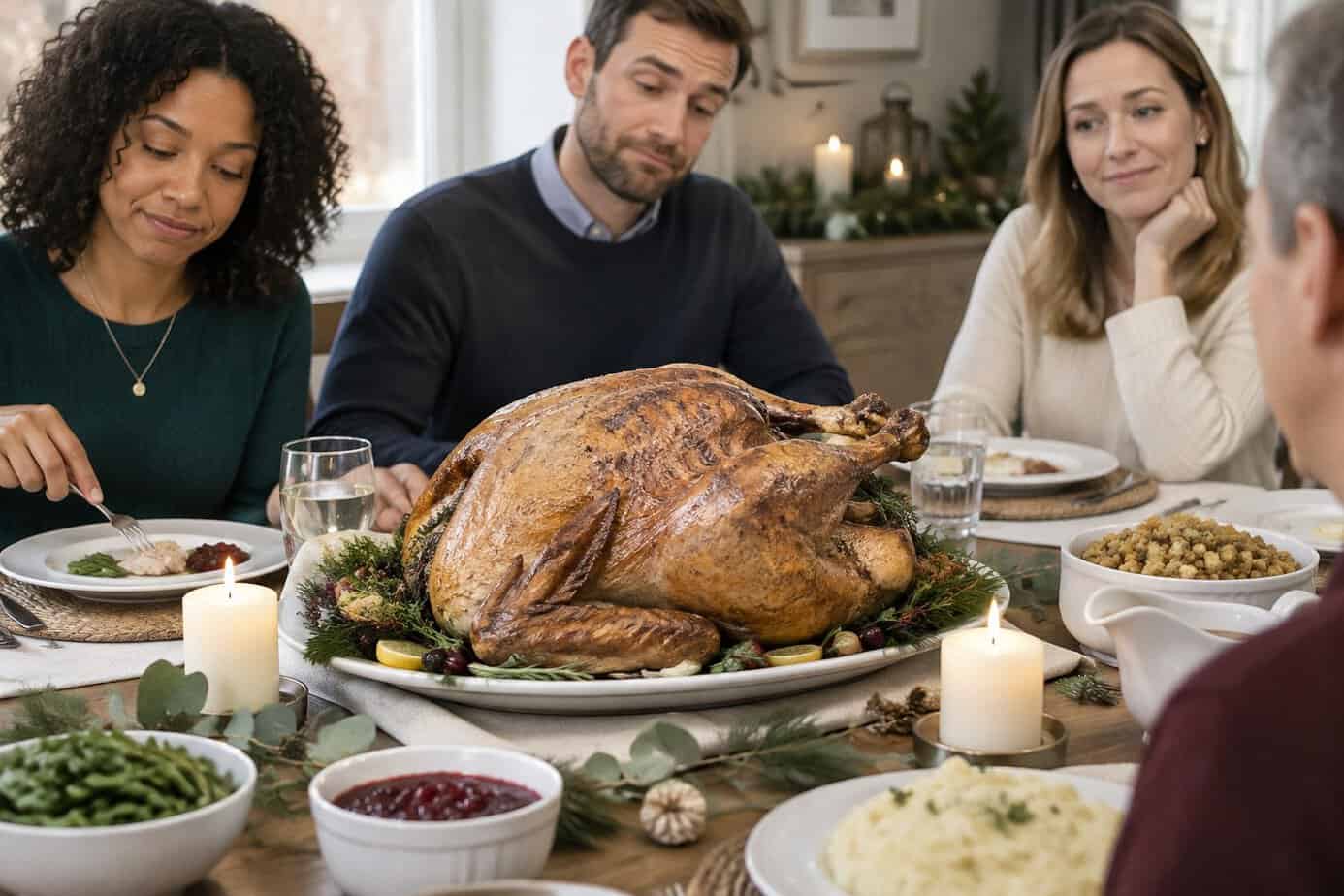
It’s the star of the table, and you spend the whole morning tending it. But ask around quietly and plenty of people will admit that turkey is the least exciting thing on their plate.
The problem is built into the bird. The breast is lean and cooks faster than the thighs, so by the time the dark meat is done, the white meat has often dried out. The USDA says turkey is safe at 165°F, and many cooks go well past that out of worry, which makes things worse.
That’s why so many families say the real reason they look forward to Thanksgiving is the stuffing, the gravy and the leftover sandwich the next day. Gravy has rescued more turkey than anyone likes to admit.
Butterball has run its Turkey Talk-Line for nervous holiday cooks since 1981, which tells you how many people find the job stressful. You keep making it anyway, because Thanksgiving without a turkey in the middle of the table just wouldn’t look right.
2. Spiral Ham with Pineapple Rings and Cloves
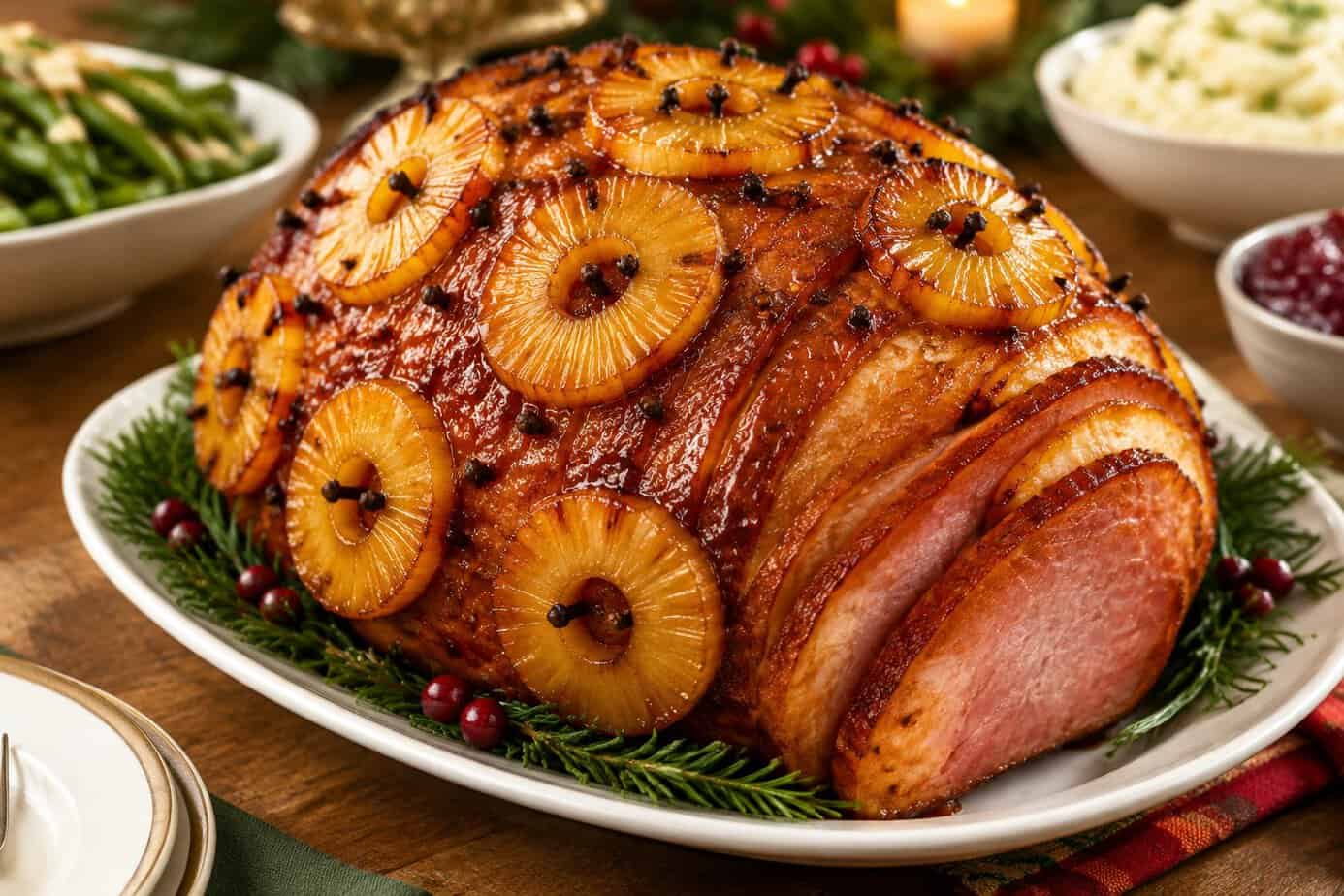
It looks like something out of a magazine: a big glazed ham with pineapple rings pinned on with toothpicks, a maraschino cherry in each center and whole cloves poked in a neat diamond pattern.
The spiral-sliced ham is usually credited to Harry Hoenselaar, who built a slicing machine and started the HoneyBaked Ham business in Detroit in 1957. Pre-sliced hams made holiday dinners easier, but all those cuts let the moisture out. Most spiral hams are already fully cooked, and the USDA says they only need to be warmed to 140°F. Leave one in the oven too long and the edges turn dry and leathery.
Then there’s the decoration. The pineapple rings get pushed to the side, the cherries go uneaten, and anyone who bites into a whole clove remembers it for the rest of the meal.
The ham itself usually gets eaten, but the fancy trimmings are mostly for the photograph.
3. Oyster Stew on Christmas Eve
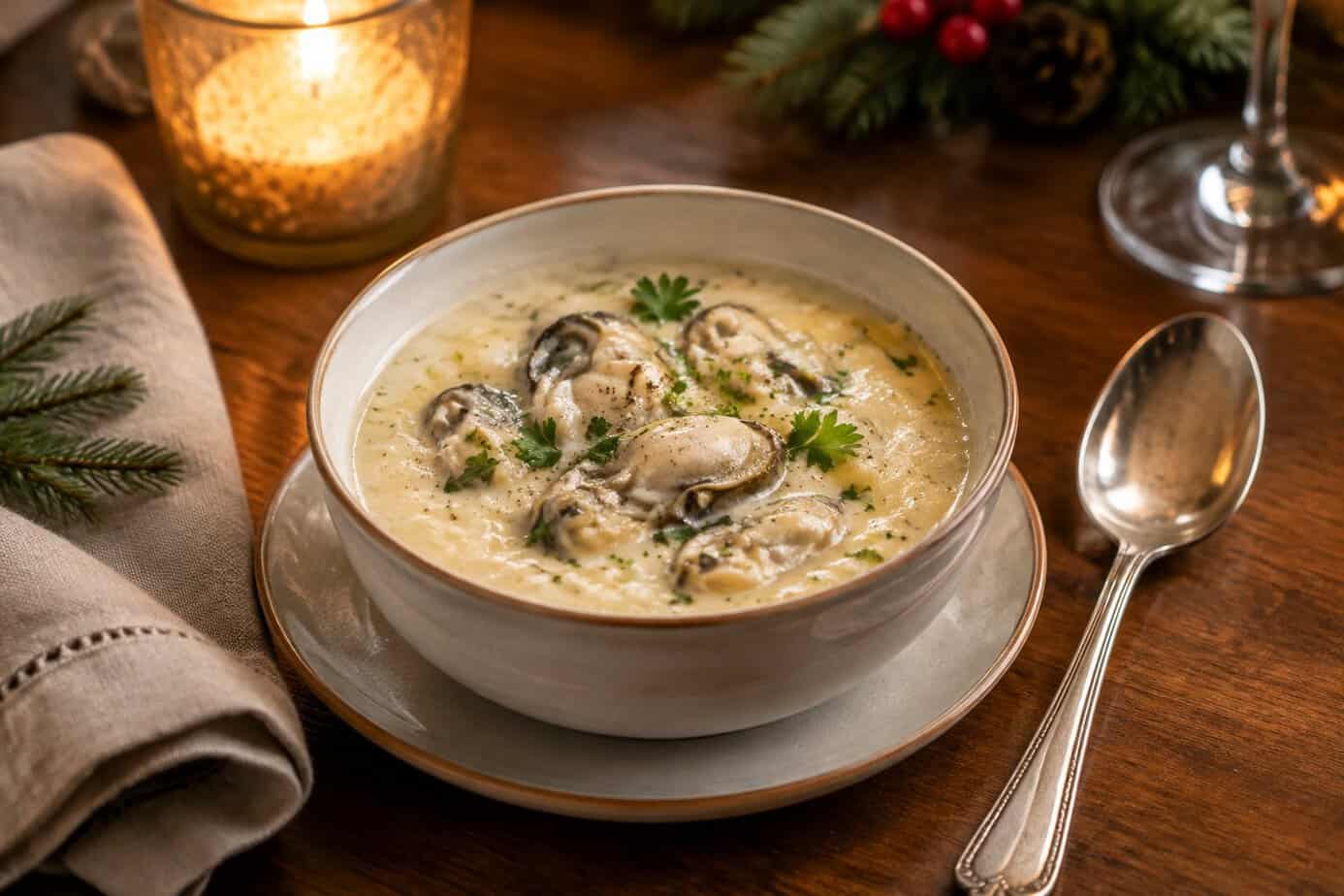
If your family served oyster stew on Christmas Eve, you know how simple it is: milk or cream, butter, oysters and a little salt and pepper, heated until the edges of the oysters curl. Oyster crackers floated on top.
The tradition is often traced to Irish Catholic families in America. The old Catholic custom of skipping meat on Christmas Eve called for fish, and in the 1800s oysters were plentiful and cheap. They were shipped inland packed in barrels, so even families far from the coast could get them.
The trouble is that oysters are something people either love or won’t touch. Many guests find the texture slippery, and children usually fish out the crackers and leave the rest. Oysters also cost a great deal more today than they did when this custom started.
So the pot gets made, a few people enjoy a bowl, and the rest of the family waits politely for the ham the next day.
4. Black-Eyed Peas on New Year’s Day
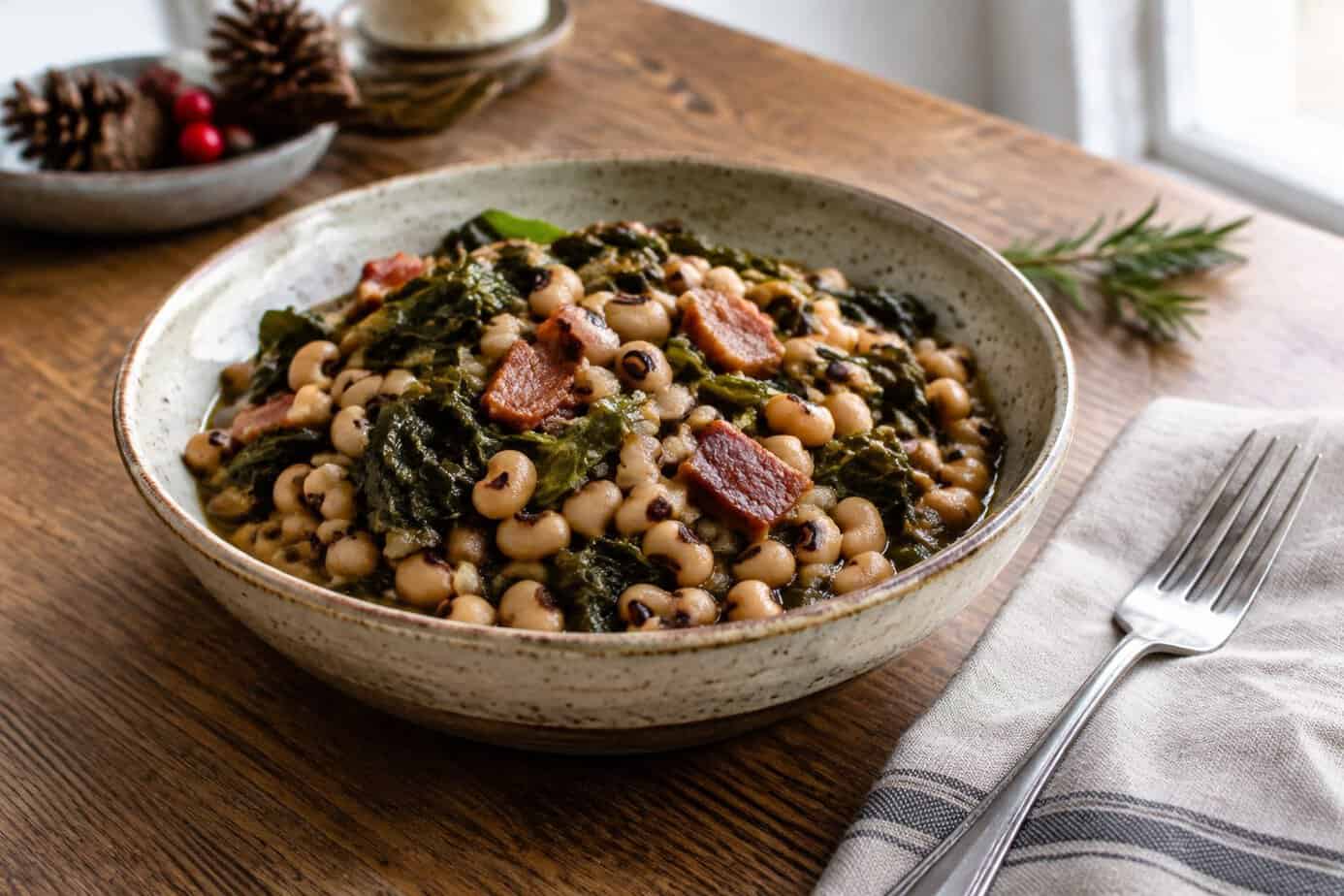
In much of the South, and in plenty of homes far from it, a pot of black-eyed peas on New Year’s Day is supposed to bring luck for the year ahead. Often they’re served as Hoppin’ John, cooked with rice and a ham hock or bacon.
The custom usually comes with a whole menu of meanings. The peas stand for coins, the collard greens for folded money and the cornbread for gold. Some families even tuck a dime into the pot for one lucky person to find.
The tradition means a lot, and nobody wants to give it up. But plain black-eyed peas are earthy and a little mealy, and they taste mostly of whatever pork and seasoning went into the pot. Many people eat exactly one spoonful, just enough to cover the luck, and then move on to the greens and cornbread.
You make them every January first anyway. After all, why tempt fate?
5. Plum Pudding
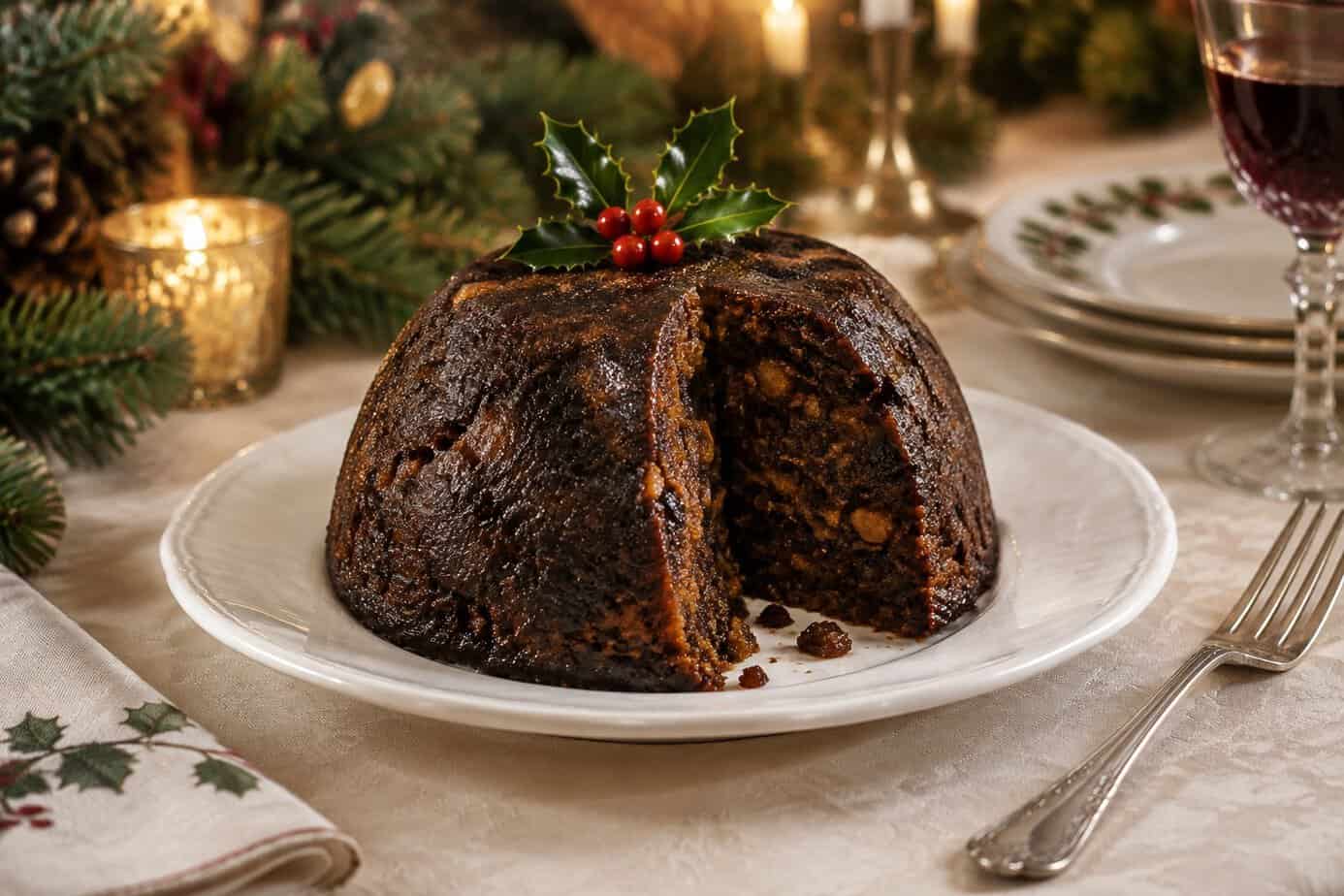
Christmas pudding, or plum pudding, is a dark, heavy steamed dessert packed with dried fruit, suet, spices and often brandy. In Charles Dickens’ A Christmas Carol, the Cratchit family’s pudding arrives at the table in a blaze of flaming brandy, and that picture has followed it ever since.
Here’s the funny part: there are no plums in it. Centuries ago, “plums” was a common word for raisins and other dried fruit. In England, families traditionally stirred the batter on “Stir-up Sunday,” the last Sunday before Advent, so it could age for weeks before Christmas.
All that effort goes into a dessert that’s dense, very rich and served after the biggest meal of the year. A spoonful of hard sauce or custard helps, and setting it alight is fun to watch. But once the flames go out, most people take a few bites and look over at the pie.
It’s a beautiful tradition. It’s just not usually anyone’s favorite dessert.
6. Roasted Chestnuts
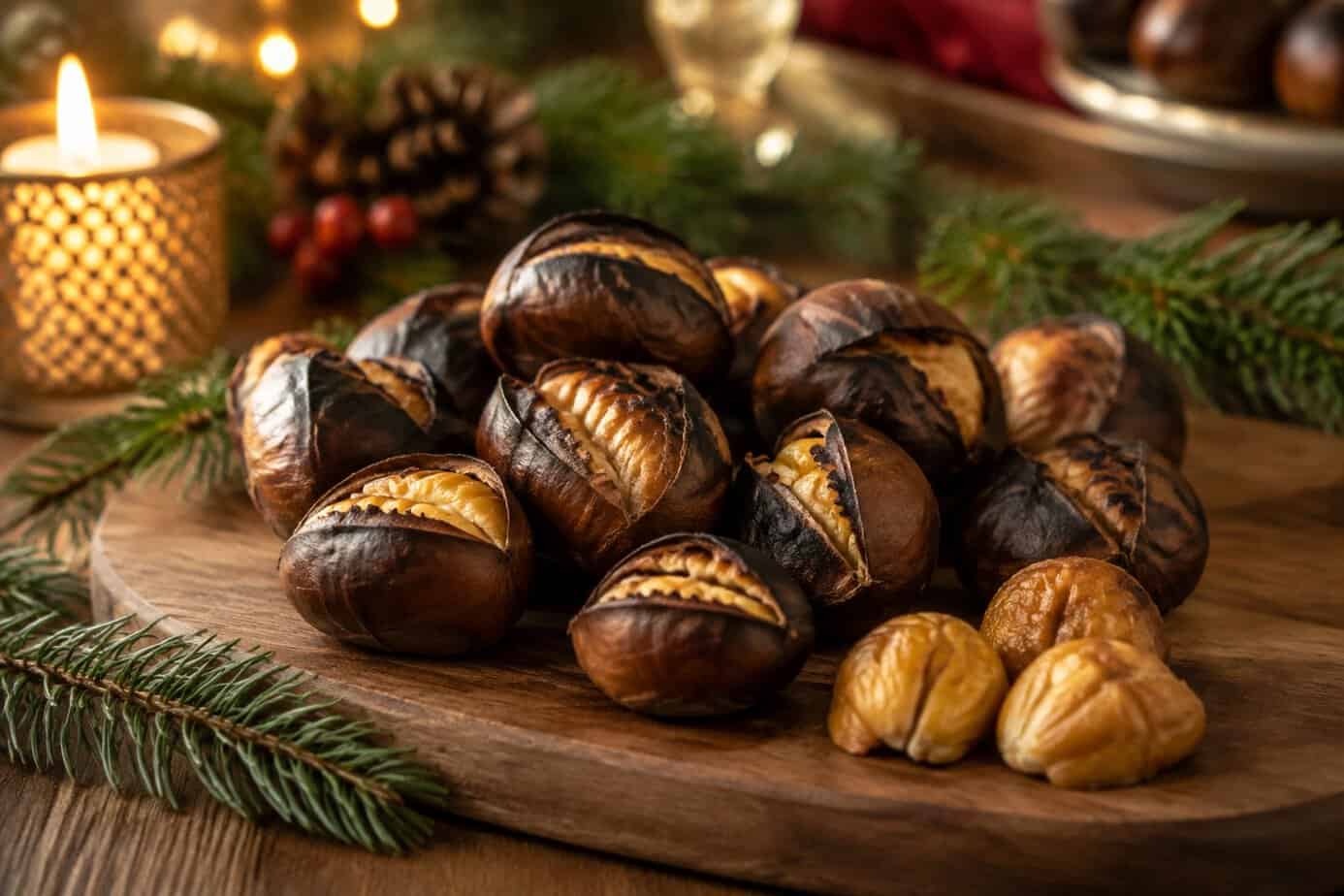
Mel Tormé and Bob Wells wrote “The Christmas Song” in 1945, and Nat King Cole’s recording made “chestnuts roasting on an open fire” sound like the coziest thing in the world.
Actually roasting them is another story. Each one has to be scored with a knife so it doesn’t burst, then roasted and peeled while it’s still hot enough to burn your fingers. Some peel easily. Others cling to their bitter inner skin no matter what you do.
The texture surprises people who’ve only heard about them in the song. Roasted chestnuts are soft, starchy and mildly sweet, closer to a baked sweet potato than to a crunchy nut. Many guests eat one or two to say they tried them.
There’s a reason they’re less common in America than they used to be. A blight that arrived in the early 1900s wiped out most of the country’s native chestnut trees, so most chestnuts sold here today are imported. They remain lovely to sing about.
7. Lutefisk
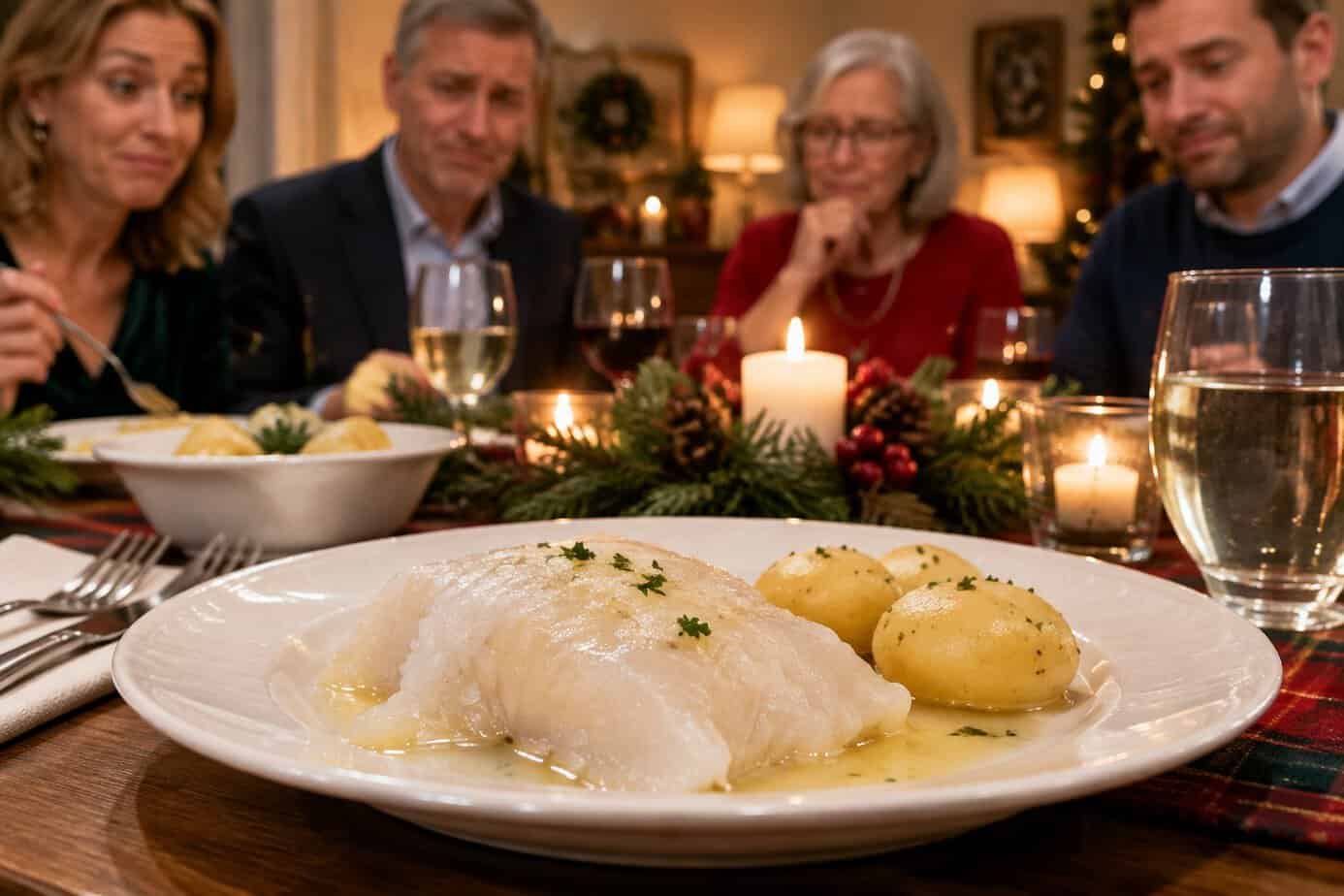
If you have Norwegian or Swedish roots, especially in the Upper Midwest, you may know lutefisk from church suppers held every fall and winter. It’s dried whitefish, usually cod, soaked for days in water and lye, then rinsed well and cooked.
Soaking dried fish was a way to make it edible again after a long winter in storage. Scandinavian immigrants brought the custom to America, and the town of Madison, Minnesota, calls itself the Lutefisk Capital USA. Since 1983 it has had a 25-foot fiberglass cod named Lou T. Fisk to prove it.
Lutefisk is famous for its jelly-like texture and its strong smell while it cooks. It’s served with melted butter or a white sauce, and many families add boiled potatoes, peas and lefse. Old-timers often warn against using the good silver with it.
Even people proud of their heritage will admit that a lot of lutefisk is eaten out of loyalty more than love. The lefse usually goes first.
8. Fruitcake
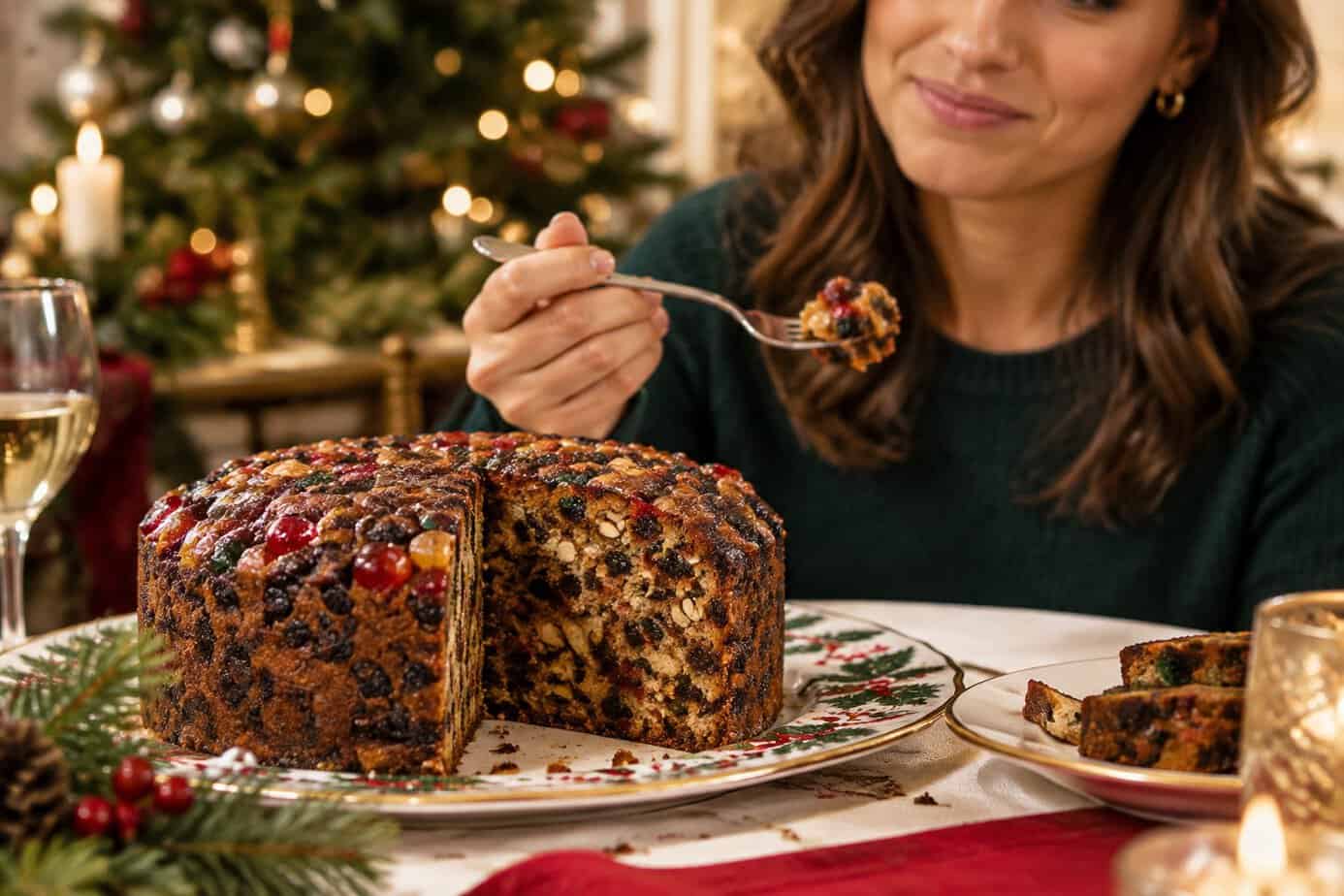
No holiday food has been joked about more. Johnny Carson used to say there was only one fruitcake in the world and families just kept mailing it to each other.
Fruitcake made sense for a long time. Candied fruit, nuts and a generous splash of brandy or rum kept a cake fresh for weeks, so it could be made early, shipped to relatives or saved for company. Mail-order bakeries such as Collin Street Bakery in Corsicana, Texas, which dates back to 1896, still ship them all over the world each December.
The problem for most people is the candied fruit, especially the bright red and green cherries and the bits of citron. The cake is heavy, very sweet and often a bit boozy.
Manitou Springs, Colorado, has even held a Great Fruitcake Toss, where people fling unwanted fruitcakes as far as they can. Still, every family seems to have one person who loves it, and that person usually gets to take it home.
9. Candy Corn
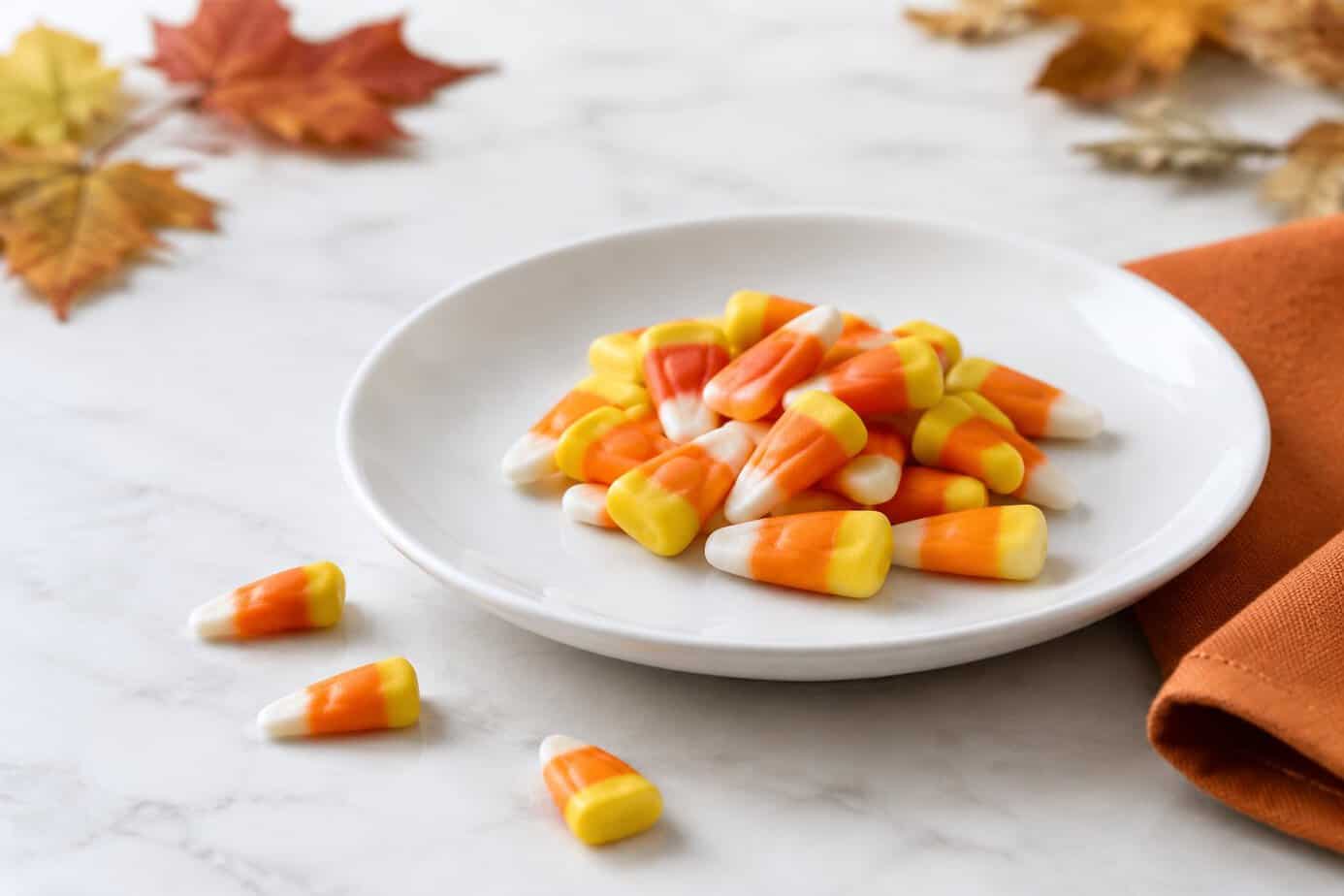
Candy corn shows up in a glass dish in October and somehow is still sitting there at Thanksgiving. It’s been around since the 1880s, when it’s usually credited to George Renninger of the Wunderlee Candy Company in Philadelphia. The Goelitz Confectionery Company, now known as Jelly Belly, began making it in 1898.
Early on it was sold as “Chicken Feed,” since much of the country still farmed and corn was something you tossed to hens. It’s made mostly from sugar, corn syrup and honey, with a shiny coating on the outside.
The look is cheerful, and that’s really the main attraction. The taste is pure sweetness with a hint of vanilla and honey, and the texture is a little waxy. It regularly turns up on lists of people’s least favorite Halloween candies.
Somebody eats a handful out of habit, someone else picks out only the white tips, and the rest of the bowl waits for next year.
10. Eggnog
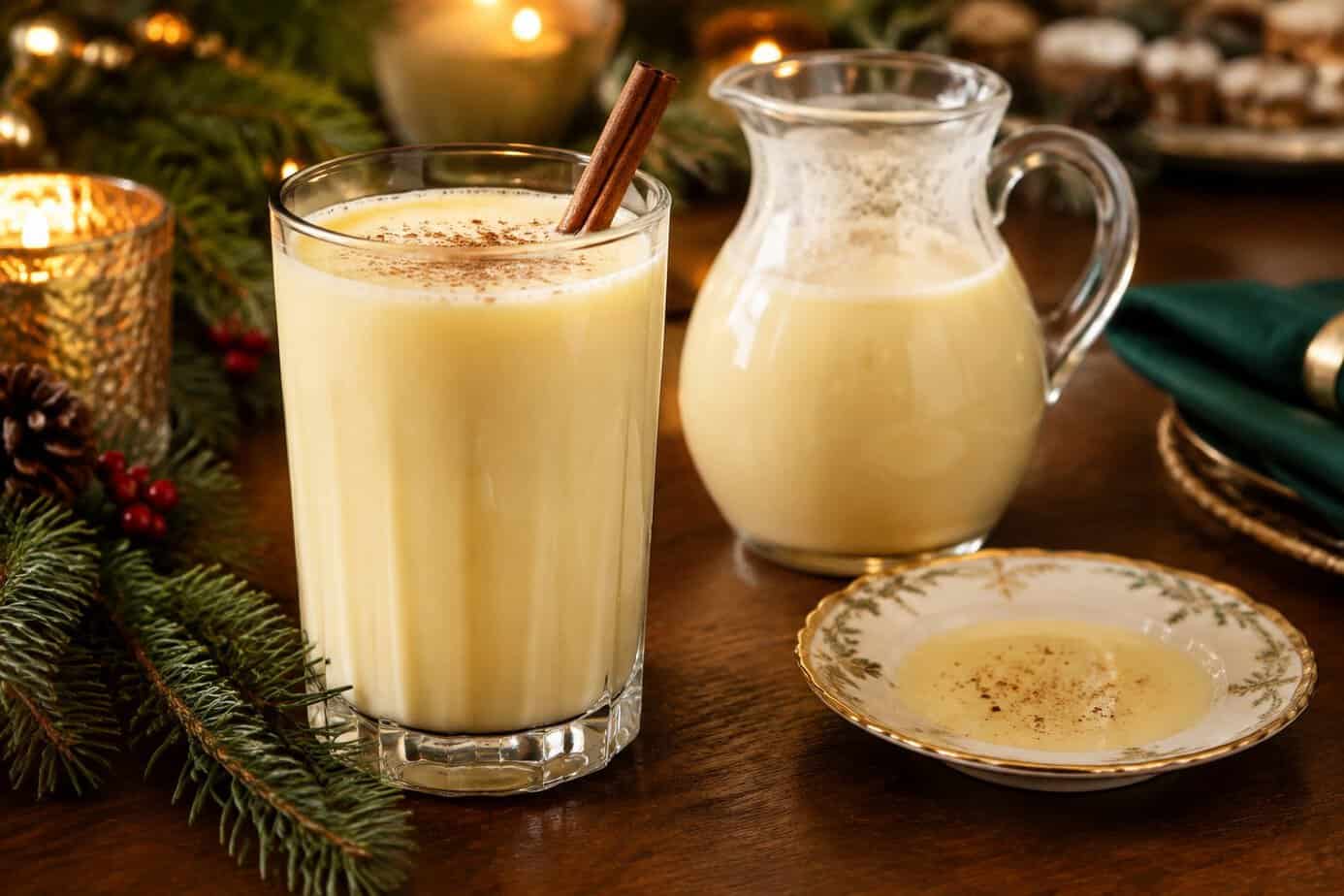
Out comes the carton or the punch bowl, a little nutmeg on top, and everyone pours a small glass because it’s Christmas. Then the rest sits in the refrigerator until after New Year’s.
Eggnog has a long history. Mount Vernon has a recipe attributed to George Washington, and in 1826 a batch of smuggled whiskey for the Christmas eggnog led to a riot among cadets at West Point. Today the FDA sets rules for what can be sold as eggnog: it must have at least 6 percent milkfat and at least 1 percent egg yolk solids. Products labeled “eggnog flavored” don’t have to meet that.
If you make it from scratch, food safety experts recommend pasteurized eggs or cooking the egg base to 160°F, because raw eggs can carry salmonella.
It’s thick, rich and very sweet, and one small glass is usually plenty. Many people like the idea of eggnog more than the drink itself.
11. Ribbon Candy
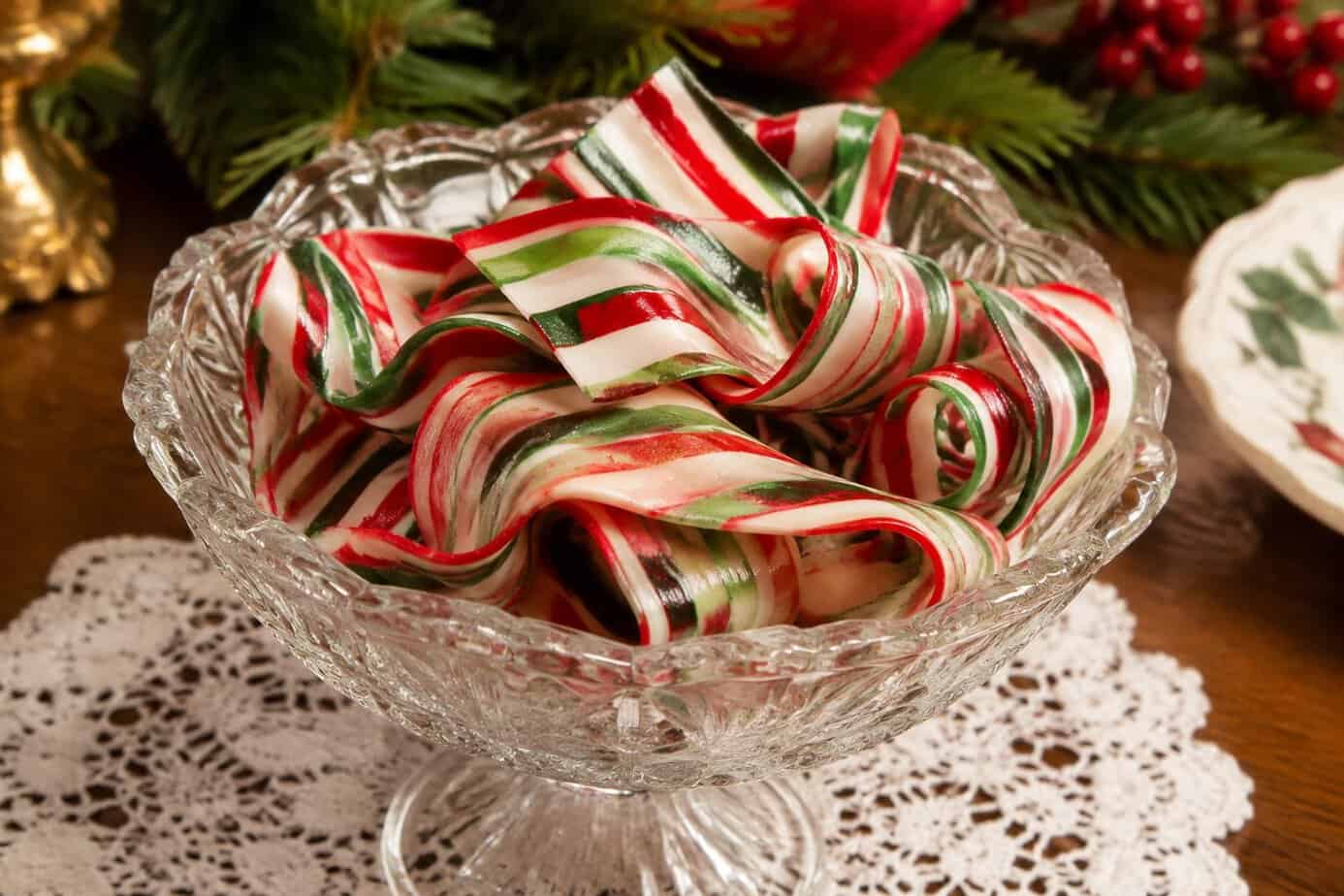
Grandma’s candy dish wasn’t complete without it: thin, glossy ribbons of hard candy folded back and forth like a ribbon on a gift. It came in bright stripes, with flavors such as cinnamon, peppermint, clove and lemon.
Ribbon candy has been made since the 1800s, and it takes real skill. Hot sugar is pulled into a thin flat strip, then folded while it’s still soft enough to bend. It’s lovely to look at, and that’s a large part of why people kept buying it.
Eating it is another matter. It shatters into sharp little pieces when you bite it, and sticky shards end up stuck to your teeth. Leave the box open in a humid house and the whole batch melts together into one solid lump. Many families still have that lump somewhere in the back of a cupboard.
It’s a beautiful old-fashioned candy that people admire every December and then mostly leave in the dish.
12. Candy Canes
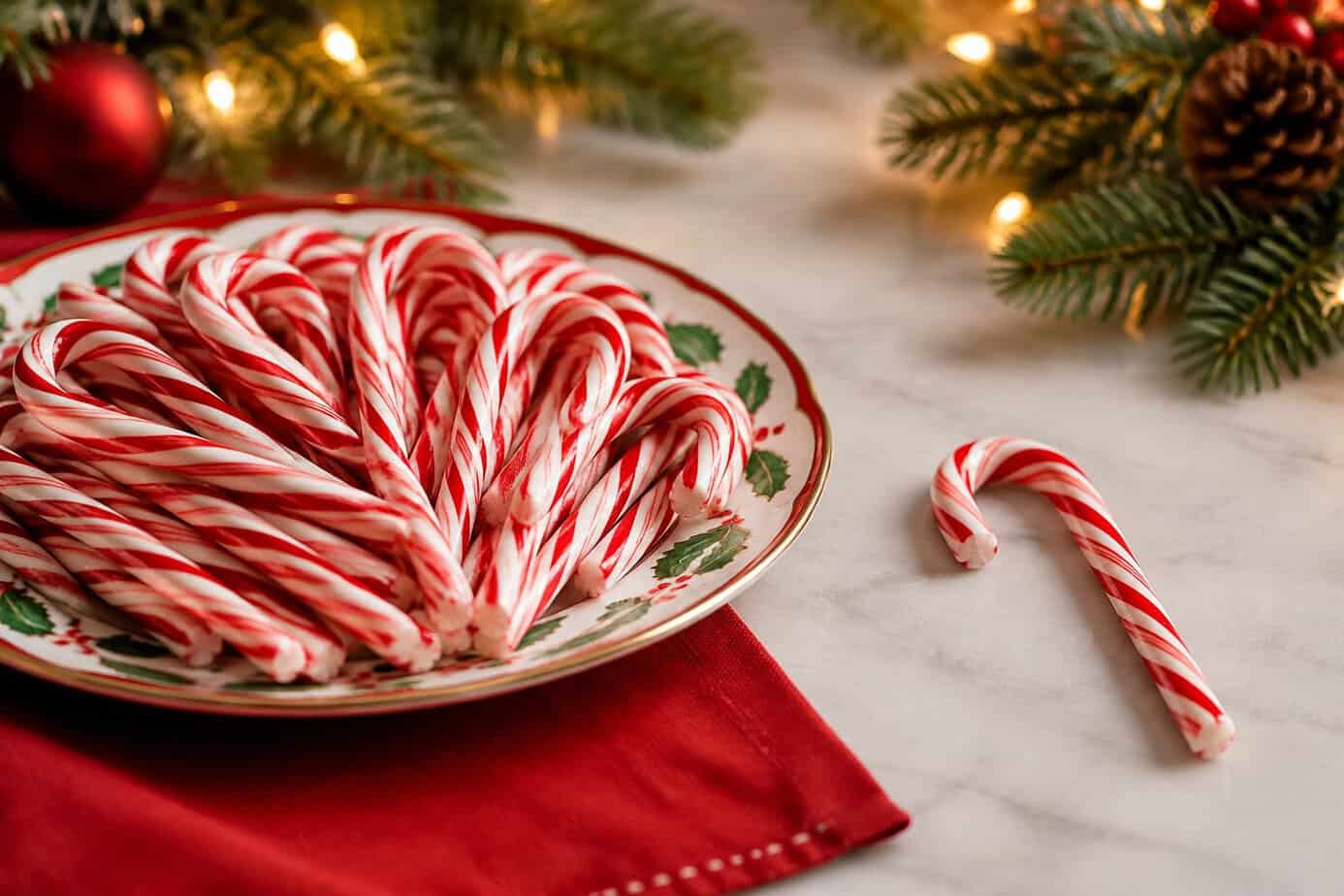
They’re on the tree, in the stockings and handed out at every school party, yet how many candy canes actually get eaten all the way to the end?
Nobody knows for sure where they came from. As Smithsonian magazine points out, the popular stories about how candy canes began don’t hold up. Food historians also note that red stripes don’t seem to appear on candy canes in pictures until around 1900. Bob McCormack began making them by hand in Albany, Georgia, in 1919, and a machine developed in the 1950s finally made them easy to mass-produce.
The trouble is that a candy cane is a lot of peppermint for one sitting. Most people lick a few inches, wrap the sticky end in its plastic and set it down somewhere. The broken ones at the bottom of the box get crushed for bark or brownies.
They make the house look like Christmas, and that’s their real job.
13. Leftover Dyed Easter Eggs
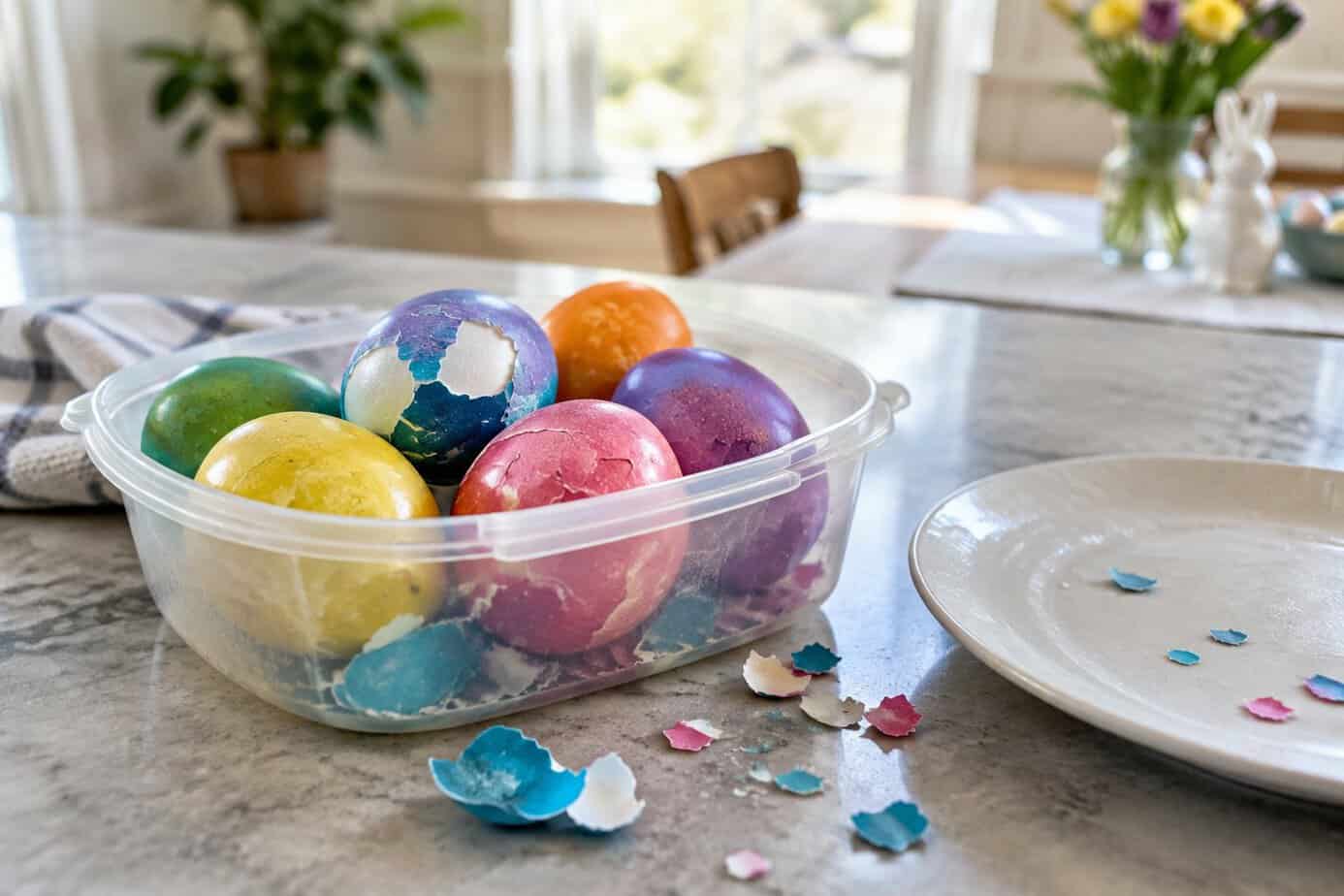
Dyeing eggs is one of the happiest jobs of Easter week. The trouble starts on Monday, when there’s a bowl of a dozen or two hard-boiled eggs in the refrigerator and nobody wants them.
Many eggs come out of the pot with a gray-green ring around the yolk, which happens when they’re boiled too long. Dye sometimes seeps through cracks into the white, so the eggs look a little blue or pink inside.
Food safety matters here too. The USDA says hard-cooked eggs should be refrigerated within two hours and eaten within a week. Eggs that sat out for hours hidden in the yard during an egg hunt are safer thrown out than eaten.
So you make egg salad, then deviled eggs, then egg salad again, and the family begins to sigh when they open the refrigerator. By Friday, a few eggs usually end up in the trash anyway. Dyeing them is the fun part. Eating them all is a chore.
14. Turducken
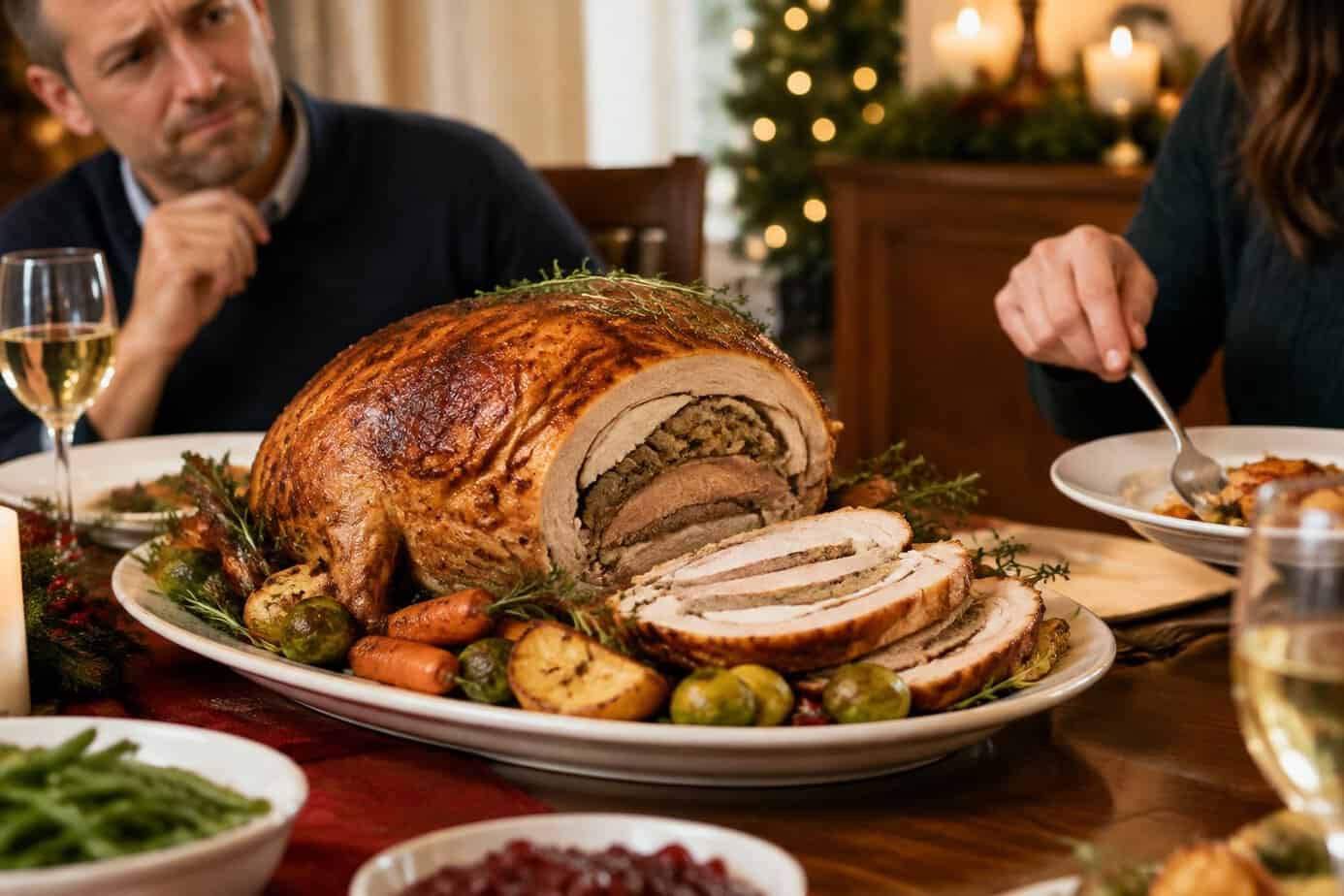
A deboned chicken stuffed inside a deboned duck, stuffed inside a deboned turkey, with dressing between every layer. It sounds like a feast, and it certainly gets attention.
Hebert’s Specialty Meats in Maurice, Louisiana, says it began selling turduckens in the mid-1980s, and chef Paul Prudhomme helped make the dish famous. Football broadcaster John Madden then talked it up during Thanksgiving games in the late 1990s, and suddenly people across the country wanted one.
The reality is a heavy, rich roast that takes many hours to cook, because the very center has to reach a safe 165°F. Cooking it that long often leaves the outer turkey dry, and when you slice it, the three meats and the dressing blend into one rich mouthful.
Many families who try a turducken say it was worth doing once, mostly for the story. The next year, they go back to a plain turkey.
15. Pickled Herring on New Year’s Eve
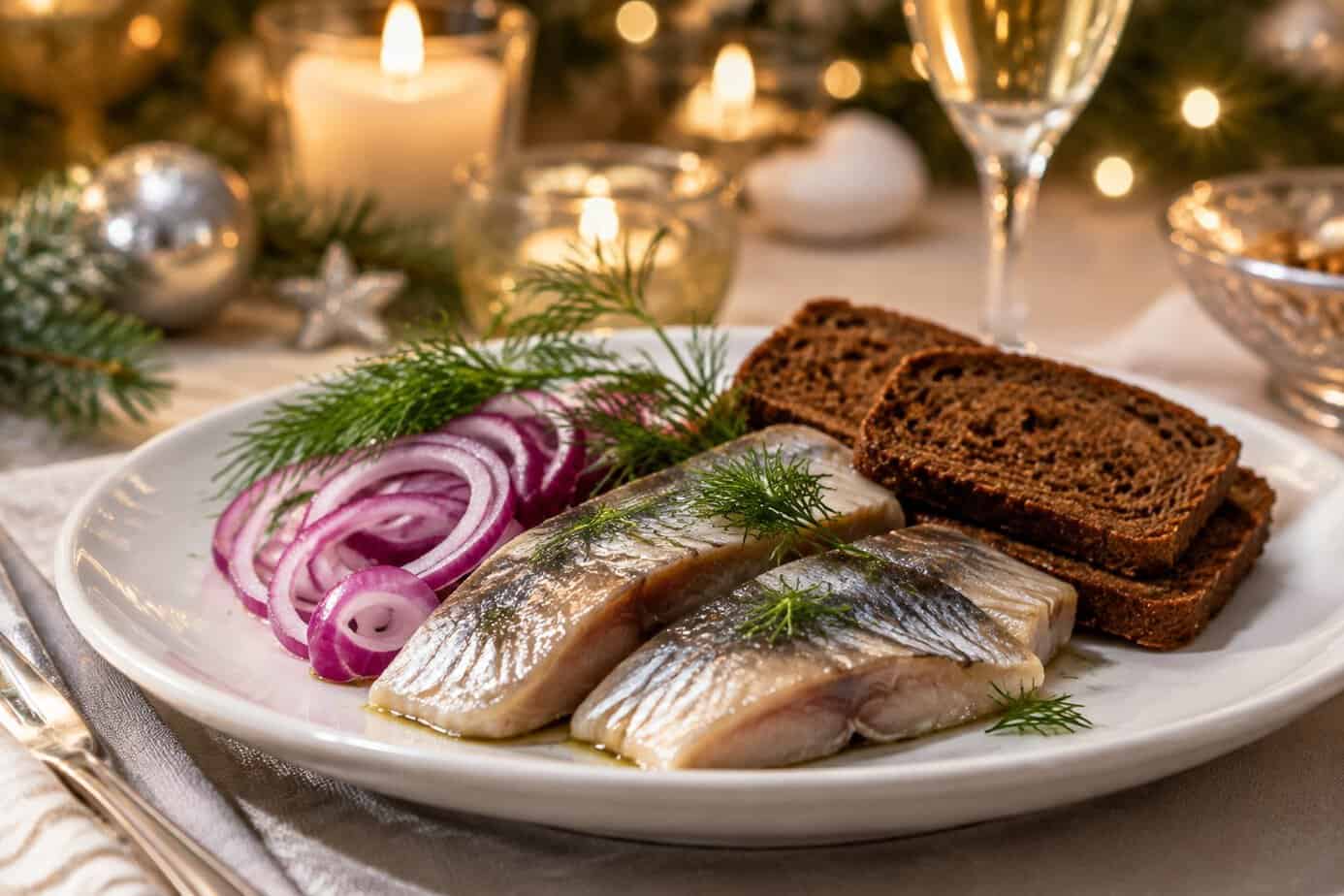
In many German, Polish and Scandinavian families, eating a bite of pickled herring at midnight on New Year’s Eve is supposed to bring a year of plenty. The silver skin of the fish is often said to look like coins.
Herring was cheap and plentiful in Northern Europe for centuries, and pickling it in vinegar, sugar and onions kept it through the winter. Immigrants brought the custom with them, and jars of herring in wine sauce or sour cream still appear in grocery stores every December.
To people who grew up with it, it’s a treasured taste of home. To almost everyone else, it’s a sour, oily, strongly fishy bite served on a cracker at the exact moment everyone is trying to toast with champagne.
Many families keep the custom going with one forkful each, quickly swallowed, then a cheer and a quick reach for the cheese tray. The rest of the jar sits in the refrigerator door until spring.
16. The Three-Flavor Popcorn Tin
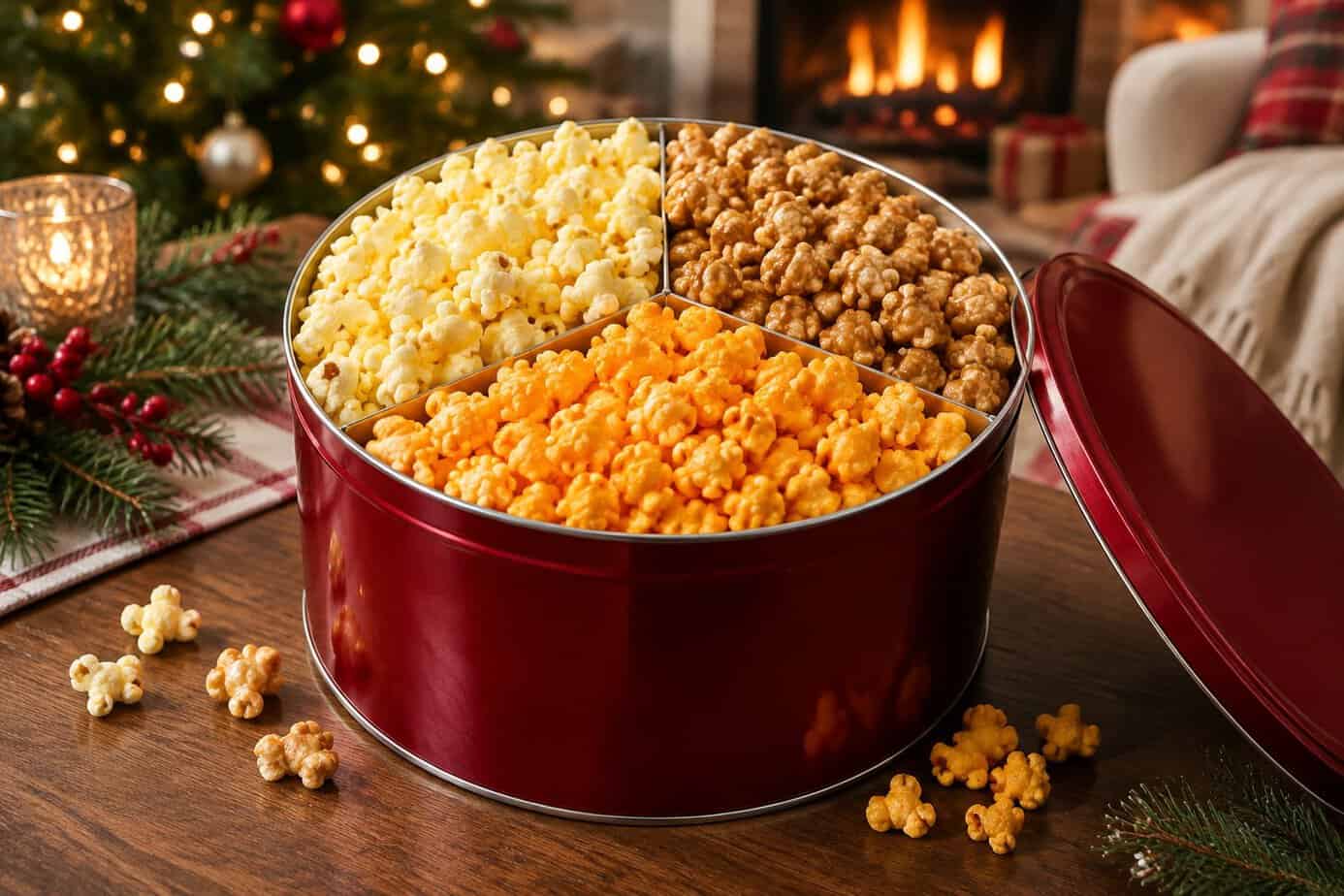
It arrives every December from a business client, a distant cousin or the office: a big round tin with three sections of popcorn inside, usually butter, cheese and caramel.
The tin always seems like a generous gift, and it looks festive with its holiday painting on the lid. Then the family goes to work on it, and you can predict how it’ll go. The caramel corn disappears first. The cheese corn goes next, leaving orange fingerprints on the furniture. The plain butter popcorn sits there for weeks, slowly going stale, until someone finally dumps it out.
There’s also a reason most people don’t buy these for themselves. Popcorn that’s been sealed in a tin for weeks just isn’t as good as a fresh bowl made on the stove.
The best part of the gift, most cooks will admit, is the tin itself. It goes straight to the hall closet for storing wrapping paper, cookie cutters or Christmas lights, and it stays useful for years.
17. Chocolate-Covered Cherries
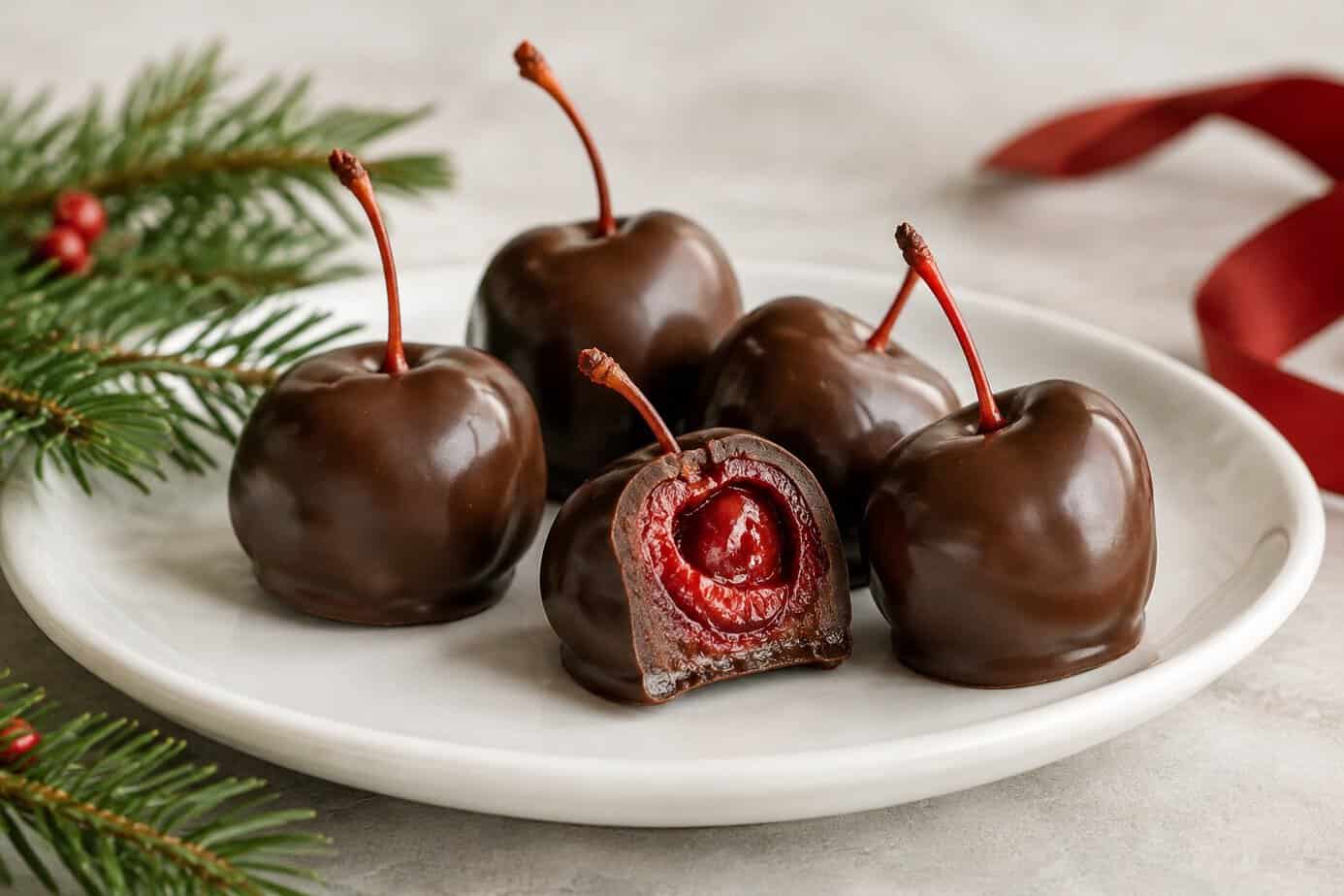
For years, a box of chocolate-covered cherries was the easy Christmas gift for a grandfather, an uncle or the mailman. Everyone seemed to receive one, and few people seemed to buy one for themselves.
The candy has a clever bit of kitchen science inside. The cherry is wrapped in a firm sugar fondant mixed with an enzyme called invertase, then dipped in chocolate. Over the next week or two, the enzyme slowly turns the fondant into the sweet liquid syrup you find when you bite in.
That liquid is where the trouble starts. Bite one in half and syrup runs down your chin and onto your good sweater. Pop the whole thing in your mouth and it’s an intense rush of sugar, with a cherry flavor that reminds many people of cough syrup.
Those who love them really love them. Everyone else eats one to be polite and passes the box down the table.
18. Marshmallow Peeps
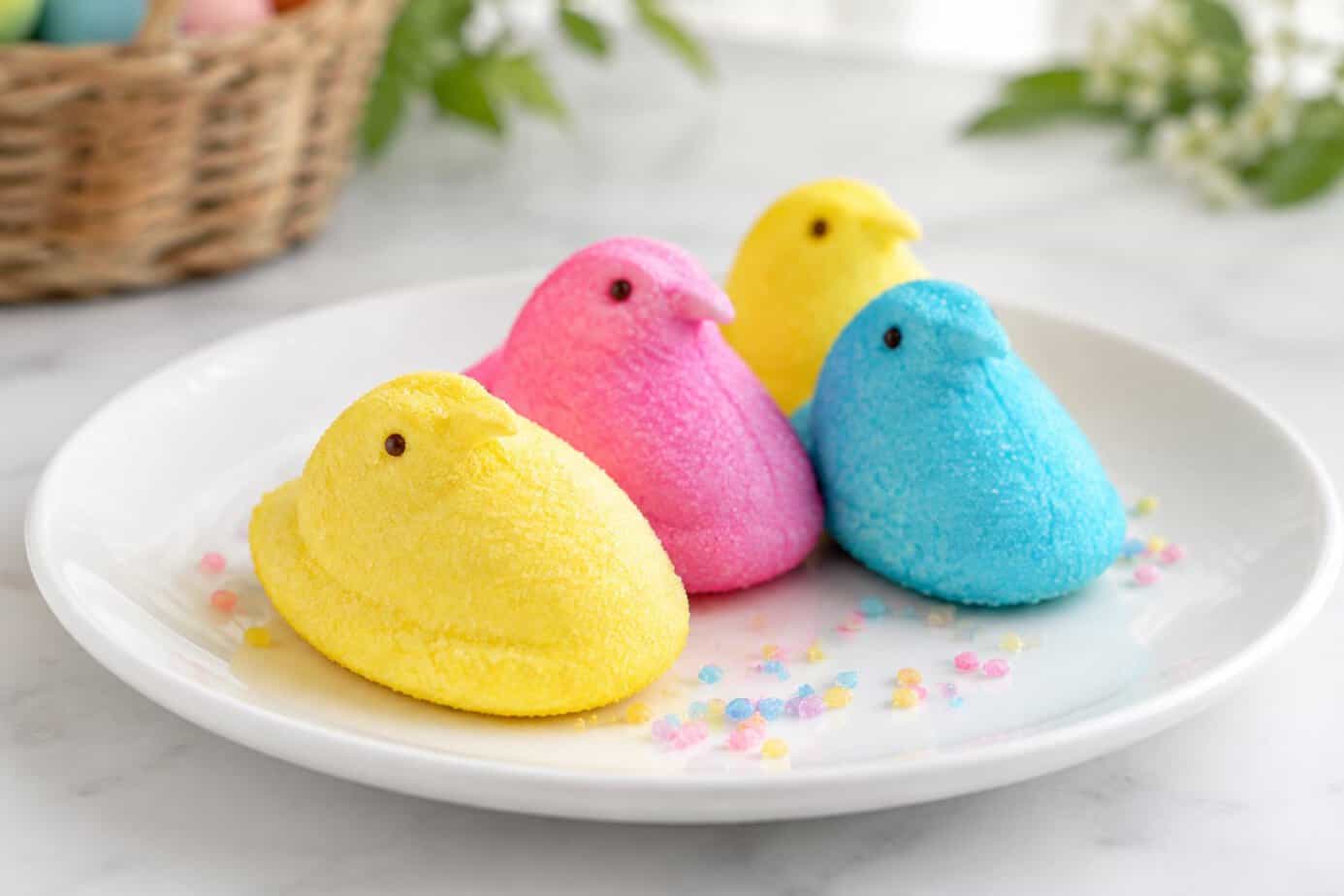
Easter baskets haven’t looked the same without those little yellow marshmallow chicks since the 1950s. The Just Born candy company of Bethlehem, Pennsylvania, bought the Rodda Candy Company in 1953 and, with it, the Peeps. Back then each chick was squeezed out by hand, and making a batch took about 27 hours. A machine soon cut that down to about six minutes.
Peeps are adorable, and that’s the main reason they sell. A fresh one is mostly sugar on the outside and soft, sweet marshmallow inside, and one is plenty for most adults.
Plenty of people admit they don’t actually like them fresh. Some open the package and leave them out for a few days to go stale and chewy. Others put them in the microwave and watch them puff up, or use them to decorate a cake.
Every spring they sell by the millions anyway. Easter just looks a little brighter with a row of them in the basket.
19. The Hollow Chocolate Bunny
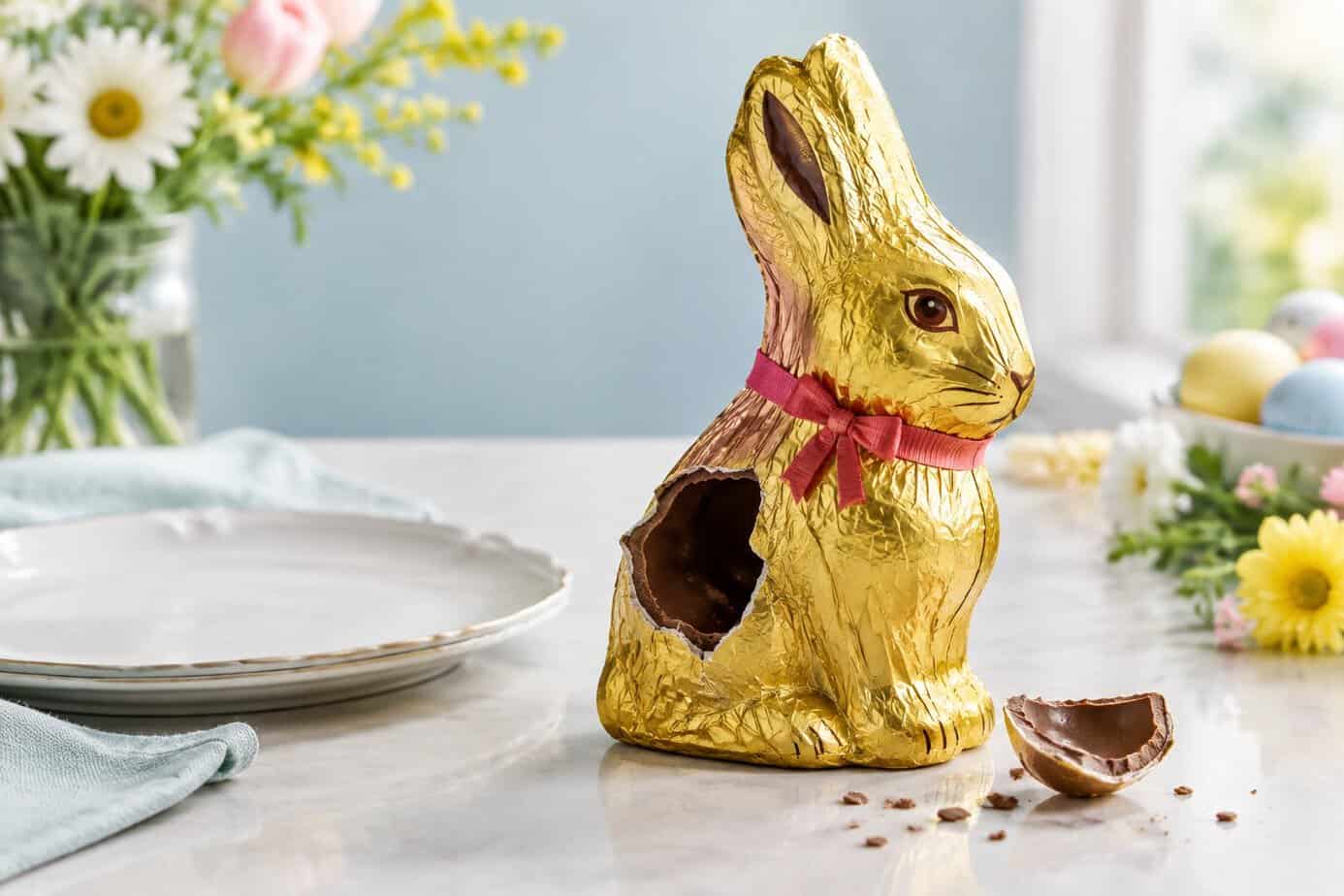
It stands tall in the Easter basket, wrapped in shiny foil and looking like the best thing in there. Then you bite off the ears and discover it’s empty inside.
Chocolate rabbits for Easter date back to Germany in the 1800s, and they came to America with German immigrants. Most are made hollow for good reasons. A solid bunny of that size would be expensive, very hard to bite into and a lot of chocolate for one child.
The trouble is that many of the cheaper ones are made with a waxy, overly sweet chocolate that doesn’t taste like much. After the ears are gone, the rest of the bunny often sits in the basket for weeks, slowly cracking into pieces.
Many families quietly end up melting the leftovers to dip strawberries or stirring them into hot cocoa. The bunny is the picture of Easter. It’s just not the best chocolate in the house.
20. Black Jelly Beans
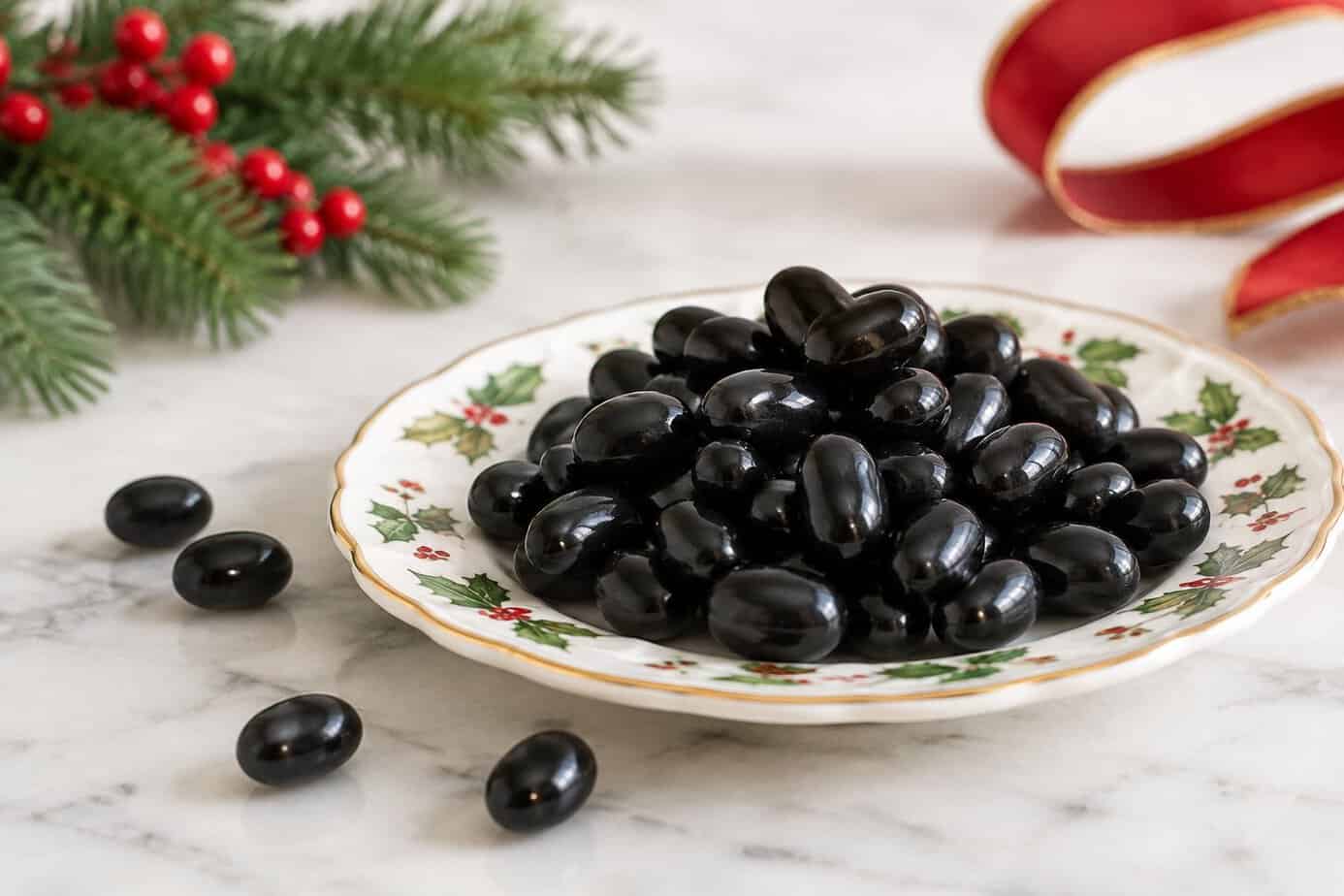
Every Easter basket has them, and every Easter basket still has them in it a week later. Jelly beans have been tied to Easter since the 1930s, when people noticed their egg-like shape, and the black ones taste of licorice, thanks to a flavoring of anise.
Licorice is one of those flavors people either love or can’t stand. Children especially tend to pick out every red, yellow and orange bean and leave the black ones in the bottom of the plastic grass.
There’s usually one person in the family, often a grandparent, who quietly collects all the black jelly beans and saves them for later. If that’s you, you’ve probably never had to buy a bag of your own.
Candy makers keep putting them in the mix because there’s a loyal crowd that loves them. Still, for most people, the black jelly bean is the piece left behind after everything else in the bag has been eaten.
21. The Frozen Shrimp Cocktail Ring
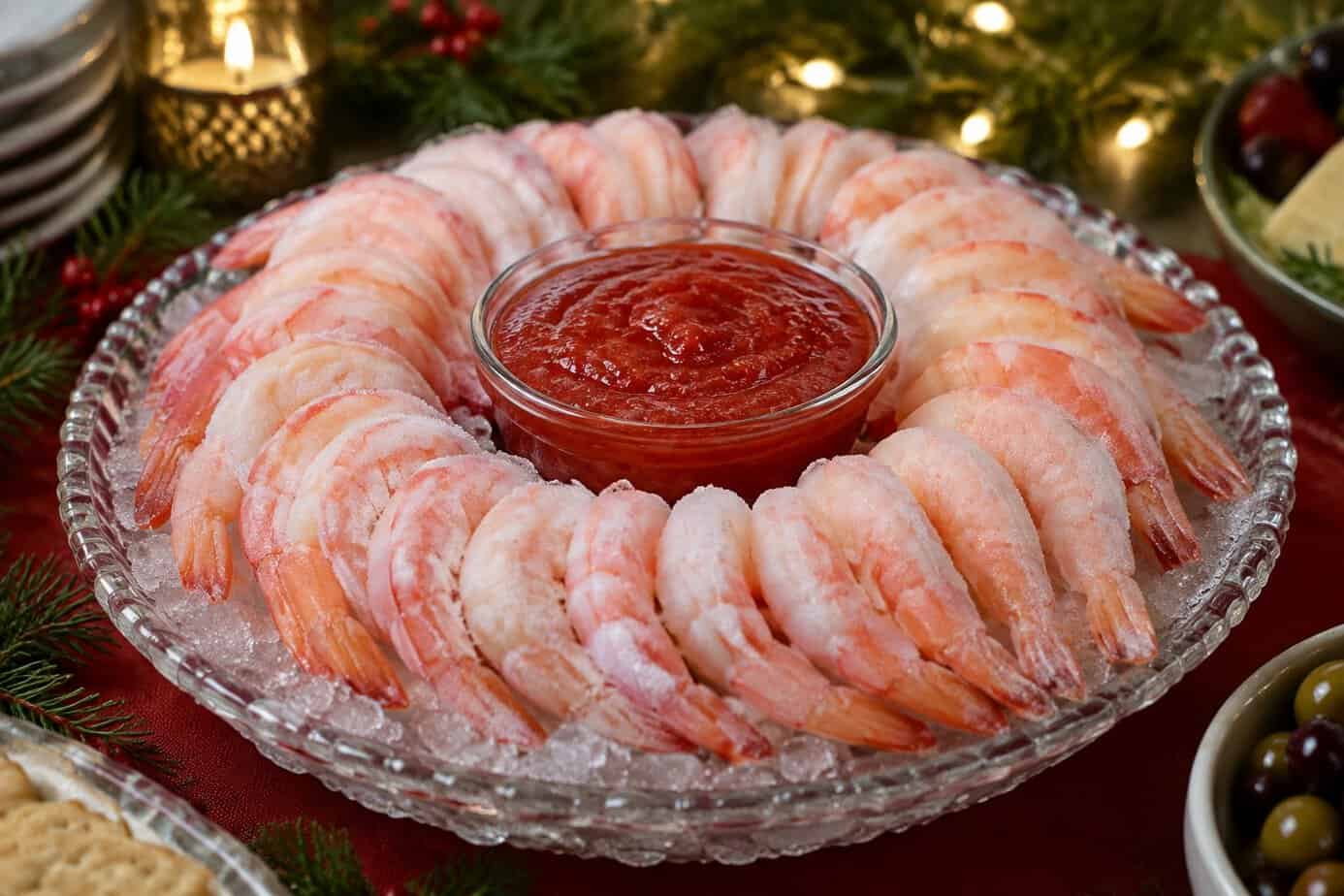
For a lot of parties, especially on New Year’s Eve, nothing said “fancy” like a ring of pink shrimp around a cup of red cocktail sauce. Shrimp cocktail was the height of elegance at dinner parties in the 1950s and 1960s, and the frozen supermarket ring made it easy for anyone to serve.
The trouble is the shrimp in many of those rings. They’ve been cooked, frozen and thawed, and they often come out watery, a bit rubbery and nearly tasteless. Thawing them on the counter in a hurry doesn’t help, and they shouldn’t sit out at room temperature for more than two hours.
The cocktail sauce, mostly ketchup and horseradish, ends up doing all the work. Many guests take two shrimp, dip them heavily and wander off to the cheese tray.
It still looks wonderful on the table, and that’s why it’s always in the cart. A pound of shrimp you cook yourself usually tastes much better.
22. The Blue Tin of Danish Butter Cookies
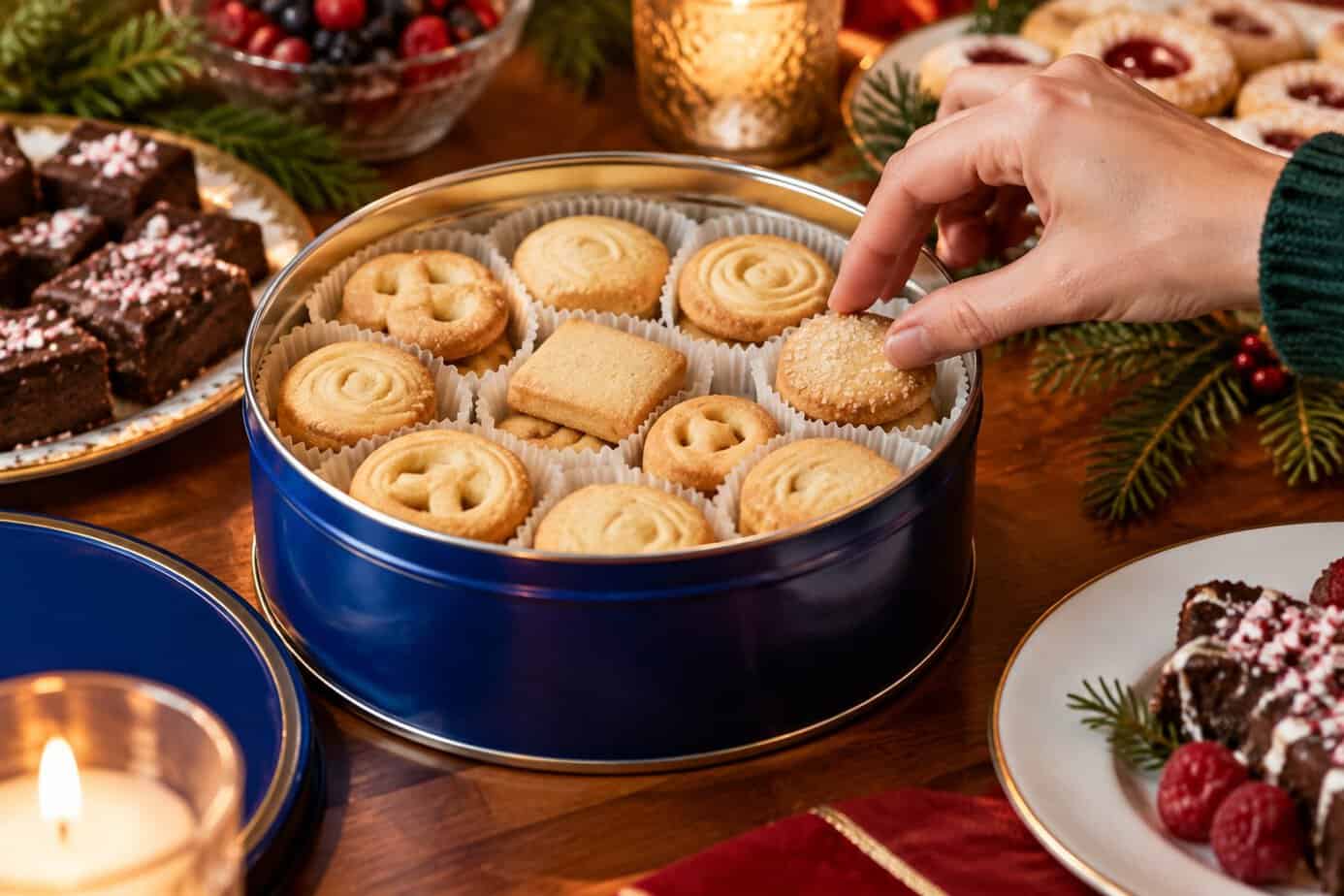
You know the tin before you even lift the lid: round, blue and painted with a cozy winter scene. Inside are rows of butter cookies in little paper cups, some shaped like rings, some like pretzels and some sprinkled with coarse sugar.
These tins have been holiday gifts for decades, and they’re easy to give because they keep for months. The cookies are pleasant, crisp and buttery, but very plain, and they taste much the same from one to the next.
What everyone really knows the tin for is what happens later. In millions of homes, the empty blue tin became the place for needles, thread and buttons. It’s such a common surprise that opening a cookie tin to find a sewing kit has become a running joke.
The sugar-sprinkled pretzels usually go first. The plain rings sit in their paper cups for weeks. And when they’re finally gone, the tin moves to the sewing basket for another 30 years.
23. Divinity
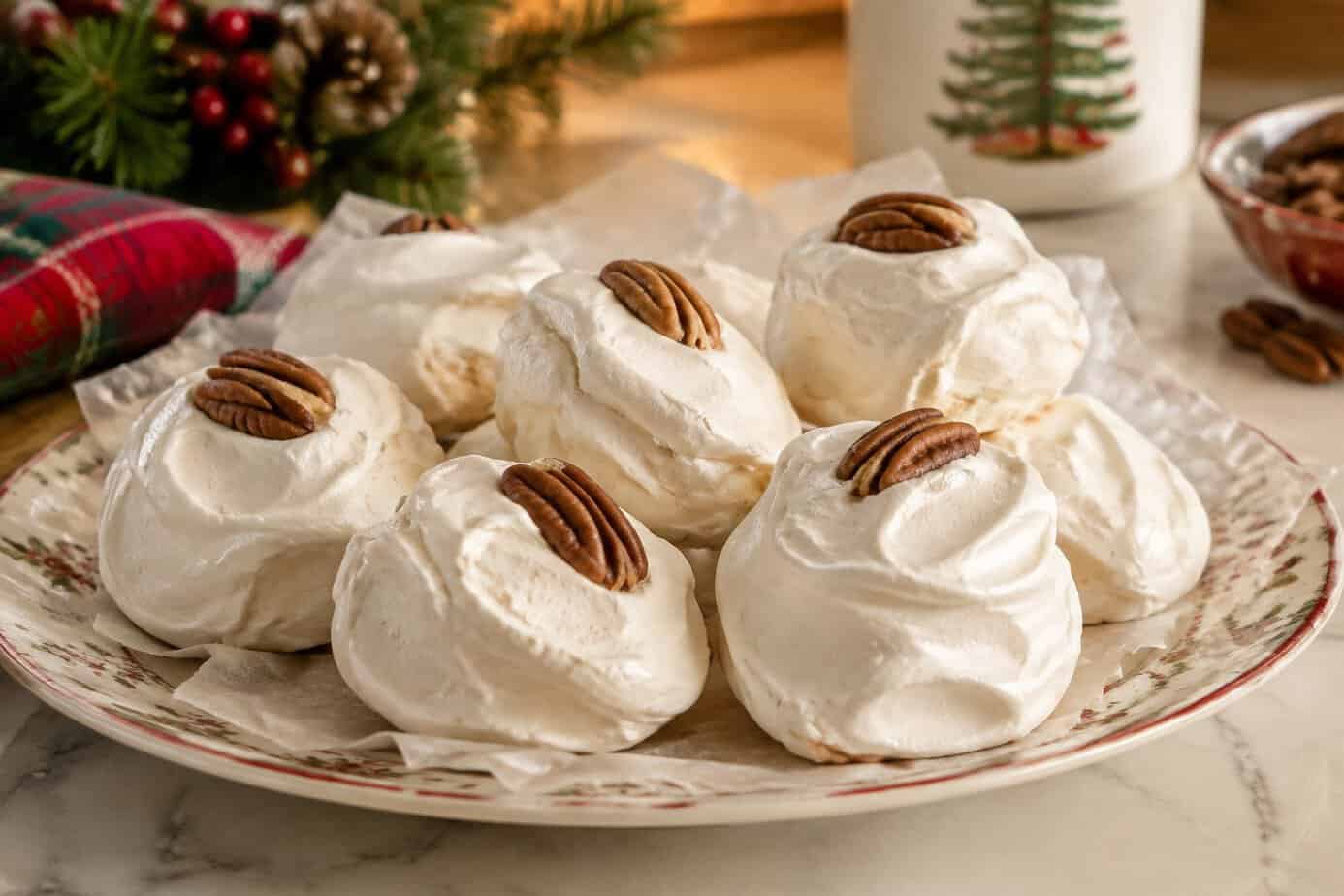
Divinity is a soft, snowy white candy made by beating hot sugar syrup and corn syrup into whipped egg whites, often with chopped pecans folded in. It started showing up in American cookbooks in the early 1900s and became a Christmas tradition in many homes, especially in the South.
Every cook who has made it knows how fussy it is. Candy makers have long warned against making it on a rainy or humid day, because the moisture in the air keeps it from setting. Beat it too long and it turns stiff and crumbly. Stop too soon and it stays sticky.
After all that work, many people find it simply too sweet. It’s basically sugar and air with a little nut in the middle, and it dries out quickly once it’s made.
It’s still a beautiful sight on a holiday cookie tray, and it means a lot to the people who learned to make it at their mother’s elbow. Most guests take one piece and admire it.
24. Pecan Pie
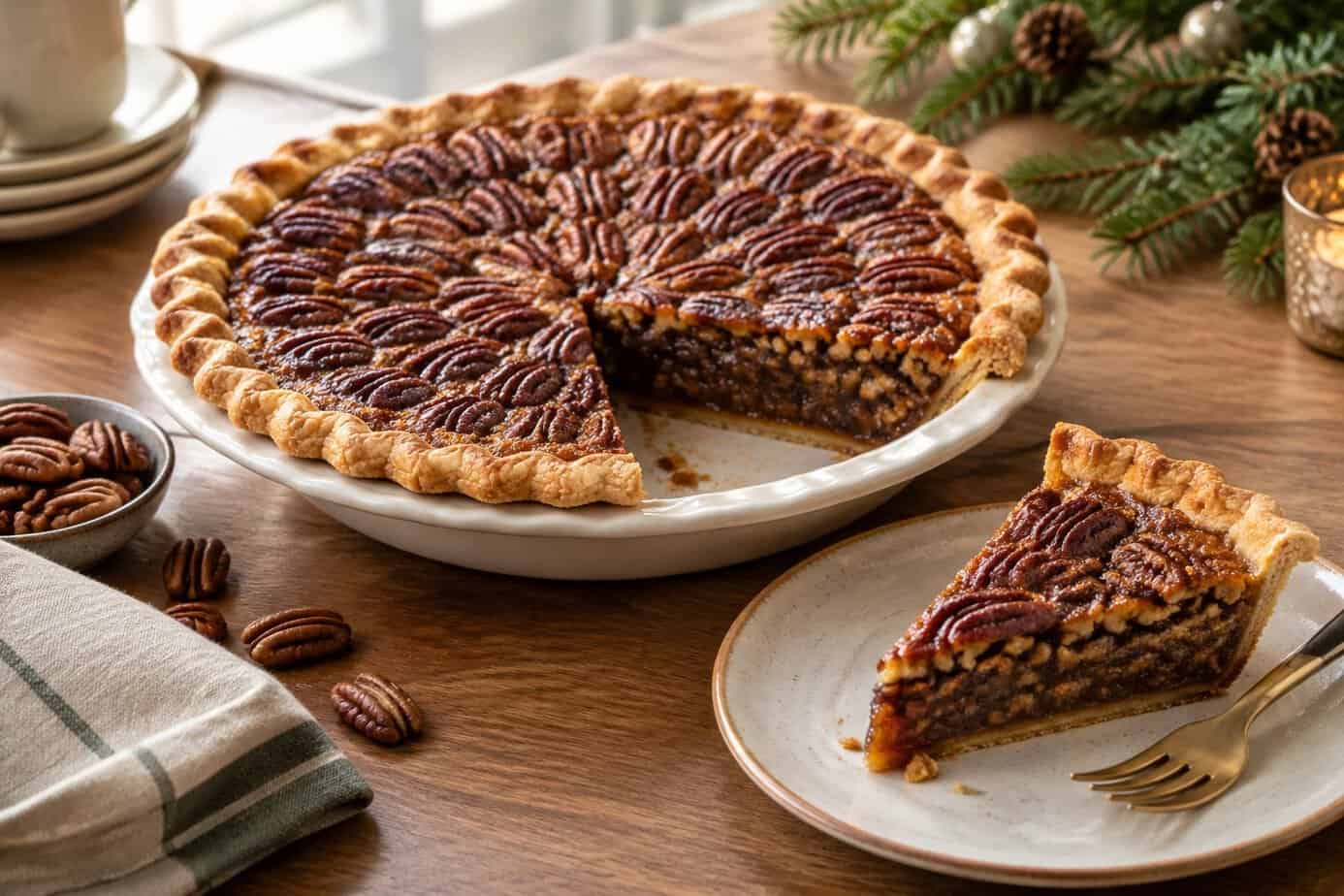
Pecan pie is so loved in the South that Texas made it the official state pie in 2013. It shows up on almost every Thanksgiving and Christmas dessert table, and it looks wonderful with those shiny rows of pecans on top.
The modern version owes a lot to corn syrup. In the 1930s, the Karo company began promoting a pecan pie recipe made with its syrup, and that’s still the version most people bake. The filling is mostly corn syrup, sugar, butter and eggs.
That’s the trouble. Under that layer of nuts is a thick, gooey filling that many people find painfully sweet, especially after a big dinner. A thin sliver is usually all anyone can manage, and even then it tends to need a cup of black coffee.
You’ll still find a slice or two missing at the end of the night. But next to the apple pie, the pecan pie is often the one left with the most in the pan.
25. Pumpkin Pie
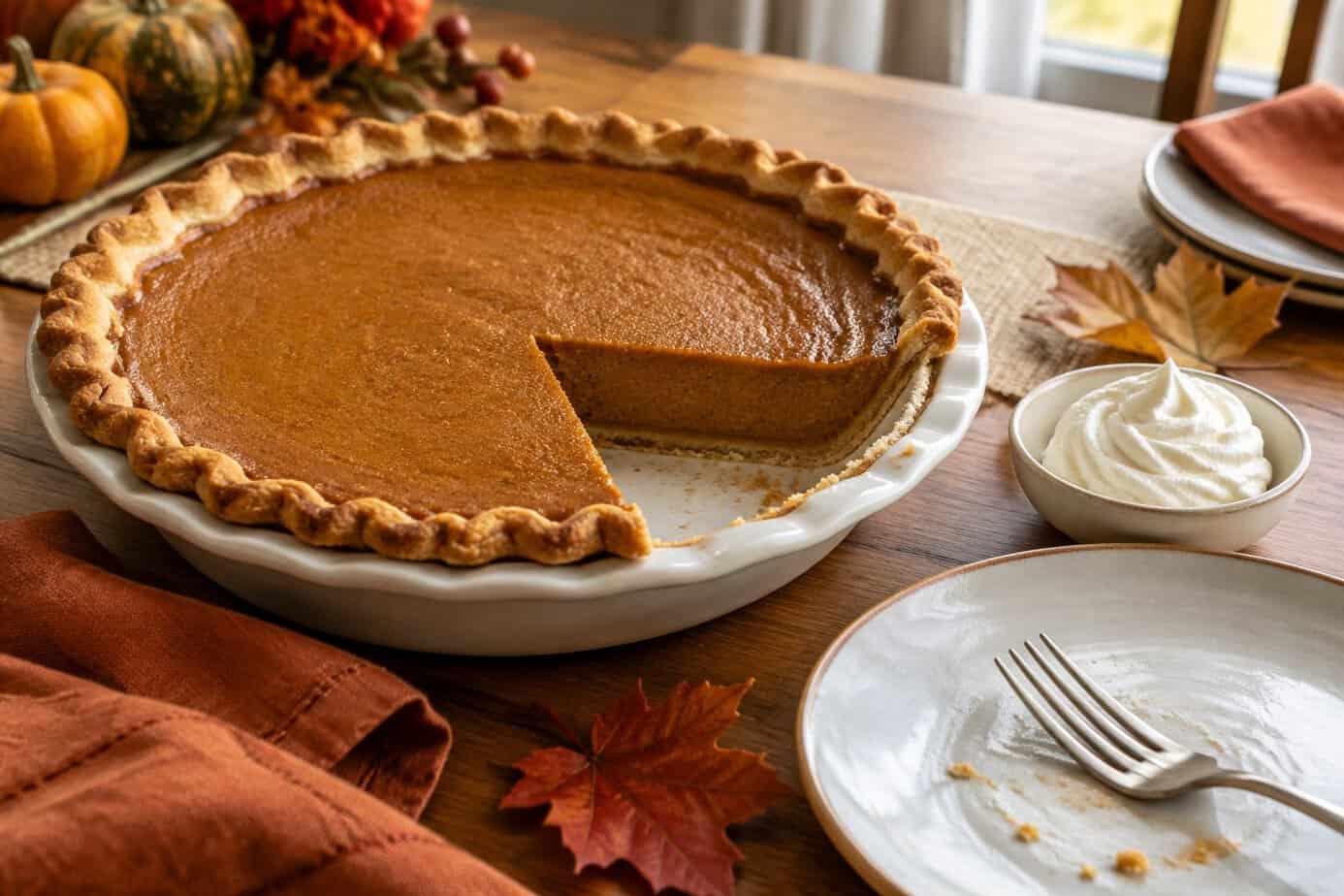
Pumpkin pie is practically required at Thanksgiving, and the recipe on the back of the Libby’s can has been there since 1950. Most canned pumpkin in the country comes from Libby’s plant in Morton, Illinois, and much of it is made from Dickinson pumpkins, a tan variety that looks more like a squash than a jack-o’-lantern.
For all that tradition, pumpkin pie is often the dessert people choose last. The custard filling can crack or weep if it bakes too long, and the bottom crust easily turns soggy under all that moisture. Plenty of people admit they only eat it for the whipped cream on top.
It’s also a heavy, mild dessert after a very heavy, mild meal. Next to a cake or a fruit pie, it can taste a lot like the sweet potato casserole you served an hour earlier.
If your family feels the same way, here are Thanksgiving desserts your family may love even more than pumpkin pie.
26. Gingerbread Houses

Building a gingerbread house is one of the sweetest projects of the season. Gingerbread houses became popular in Germany in the 1800s, around the time the Brothers Grimm published the story of Hansel and Gretel and its witch’s house made of treats.
Today, many families buy a kit or bake the walls themselves, glue them together with stiff royal icing and cover the roof with gumdrops, candy canes and peppermints. It’s a lovely afternoon of decorating, especially with grandchildren.
But almost nobody eats it. Gingerbread for houses is baked hard and dry so it can stand up, and the icing sets like cement. After a few weeks on display, the whole thing is stale, dusty and a little sticky.
When January comes, most gingerbread houses go straight into the trash, with maybe a gumdrop or two pried off the roof first. It’s a decoration that happens to be made of food, and that’s fine. Just don’t expect anyone to ask for a slice.
27. Rum Balls
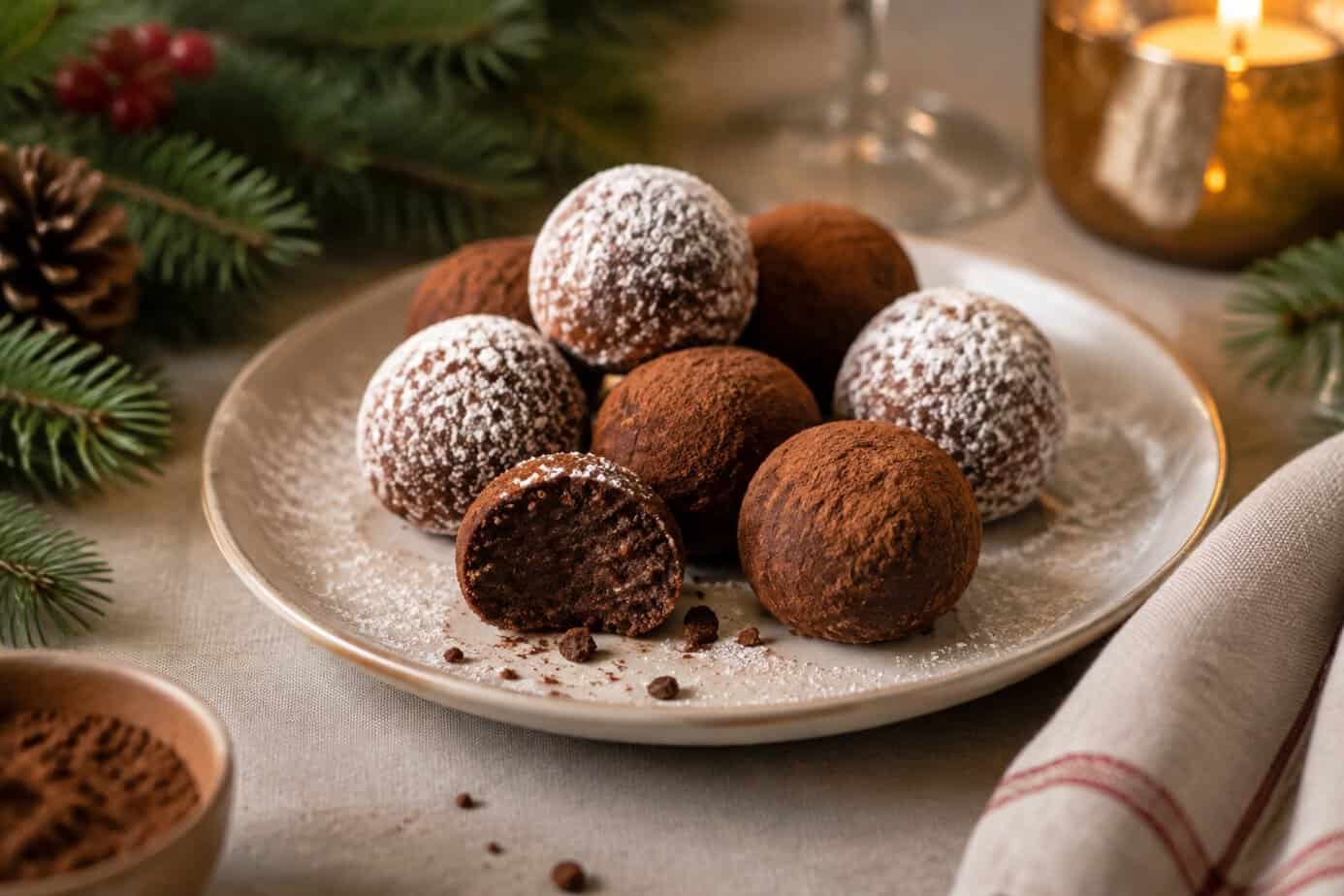
Rum balls are one of those holiday treats that seem to appear on every cookie plate from the 1950s on. Crushed vanilla wafers, cocoa, chopped nuts, a little corn syrup and a generous pour of rum get rolled into balls and coated in powdered sugar.
They’re easy to make with no baking, they keep well and they look nice in a tin. That’s a big part of why they became a cookie exchange favorite.
The catch is that the rum is never cooked off, so the flavor is strong. Some batches taste mostly of alcohol, and they’re not something to leave where the children can reach them. The texture can be dense and a little gritty from the crushed cookies and powdered sugar.
Guests often take one, get a surprising burst of rum, and quietly set the rest of it on a napkin. The adults who love them really love them, and the rest move on to the sugar cookies.
28. Marzipan Fruits
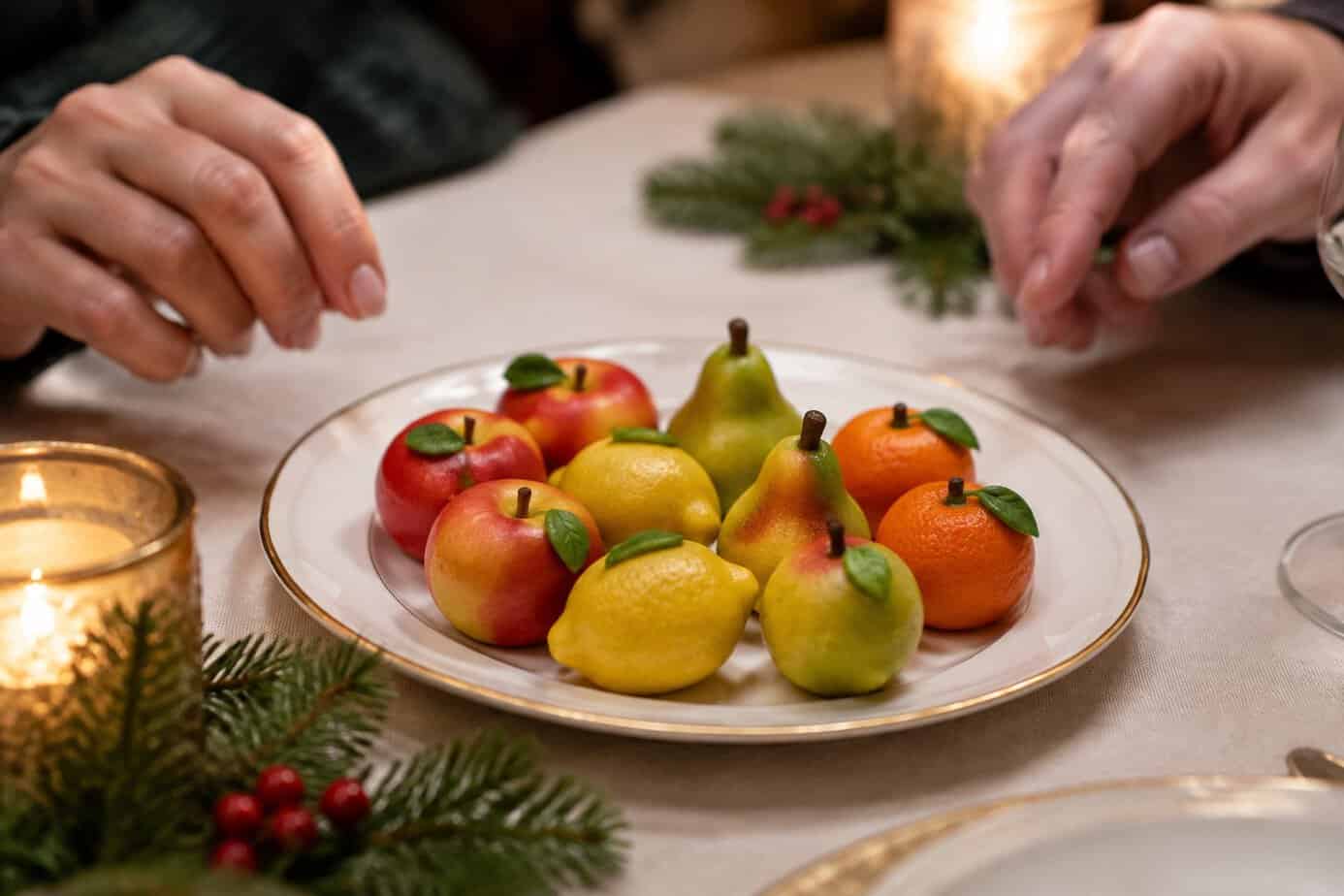
They look almost too good to eat: tiny bananas, strawberries, peaches and pears, each painted by hand to look like the real thing. Marzipan fruits often arrive in a little box at Christmas, and they’re a long tradition in places such as Lübeck in Germany and Sicily in Italy.
Marzipan is made from ground almonds and sugar, shaped like modeling clay. It’s very sweet and tastes strongly of almond, a lot like the almond extract in a cookie, only much more concentrated.
That’s the problem for many people. The flavor is intense, the texture is dense and pasty, and one small piece is plenty. Children who expect a fruit flavor are often disappointed to find it all tastes the same.
So the box gets passed around, everyone admires the little fruits, and most of them go back on the shelf. People who grew up with marzipan in their families tend to love it, while everyone else would rather keep looking at it.
29. Store-Bought Panettone
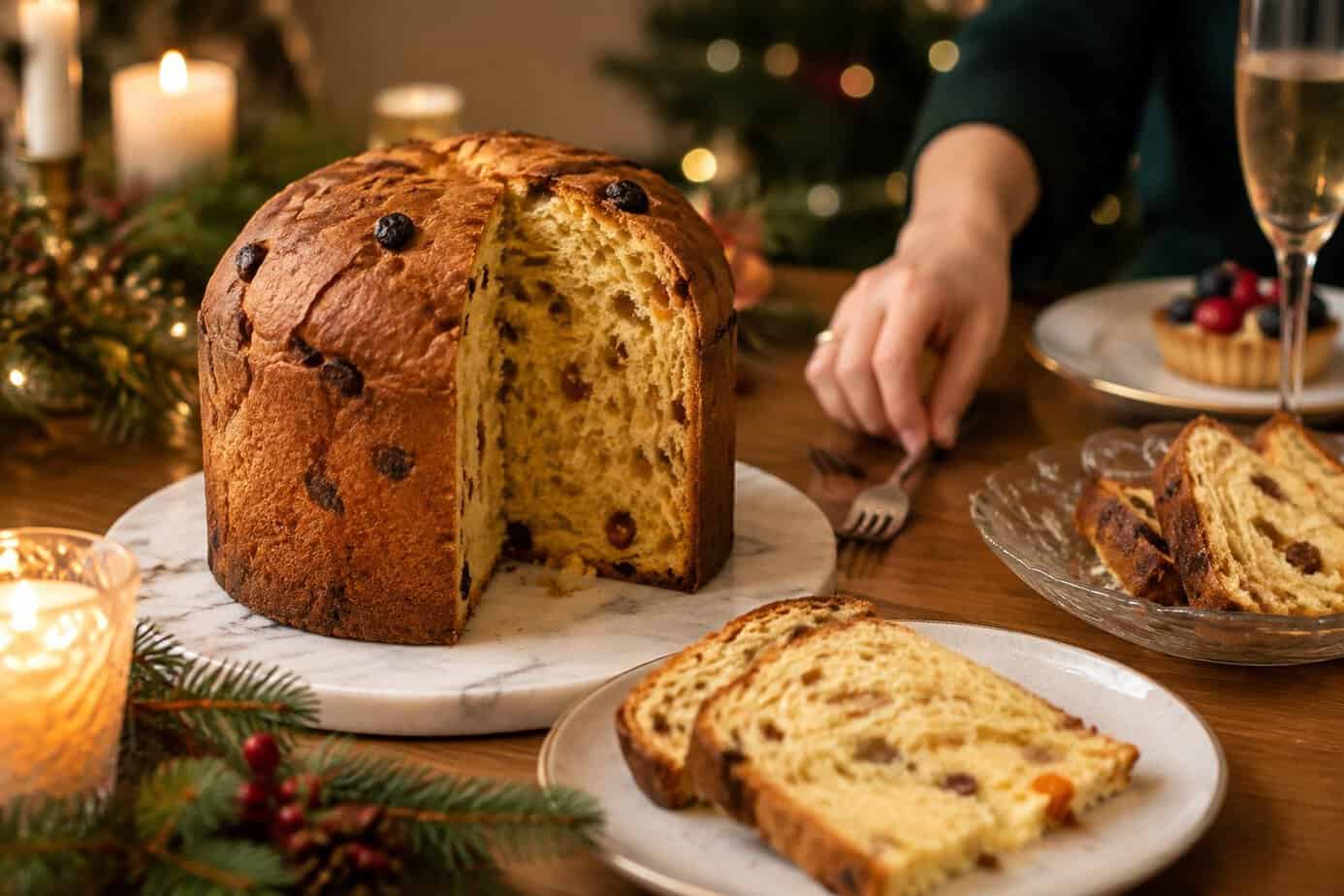
The tall, colorful boxes start appearing in stores before Thanksgiving. Inside is panettone, the domed sweet bread from Milan, studded with raisins and candied orange and citron.
A traditional panettone made by a good baker is something special. The dough rises slowly over days using a natural starter, and the result is light, airy and buttery. But many of the boxed ones sold in supermarkets are made to sit on store shelves for months, and they can taste dry and a bit plain.
Many families receive one as a gift and set it on the counter, where it stays for a week or two before anyone opens it. A slice with coffee is nice, but it’s hard for a whole loaf to disappear.
Most panettone ends up as French toast or bread pudding, which is honestly the best use of it. In fact, plenty of cooks buy one just for that, and it’s a delicious way to make use of a gift.
30. Mincemeat Pie
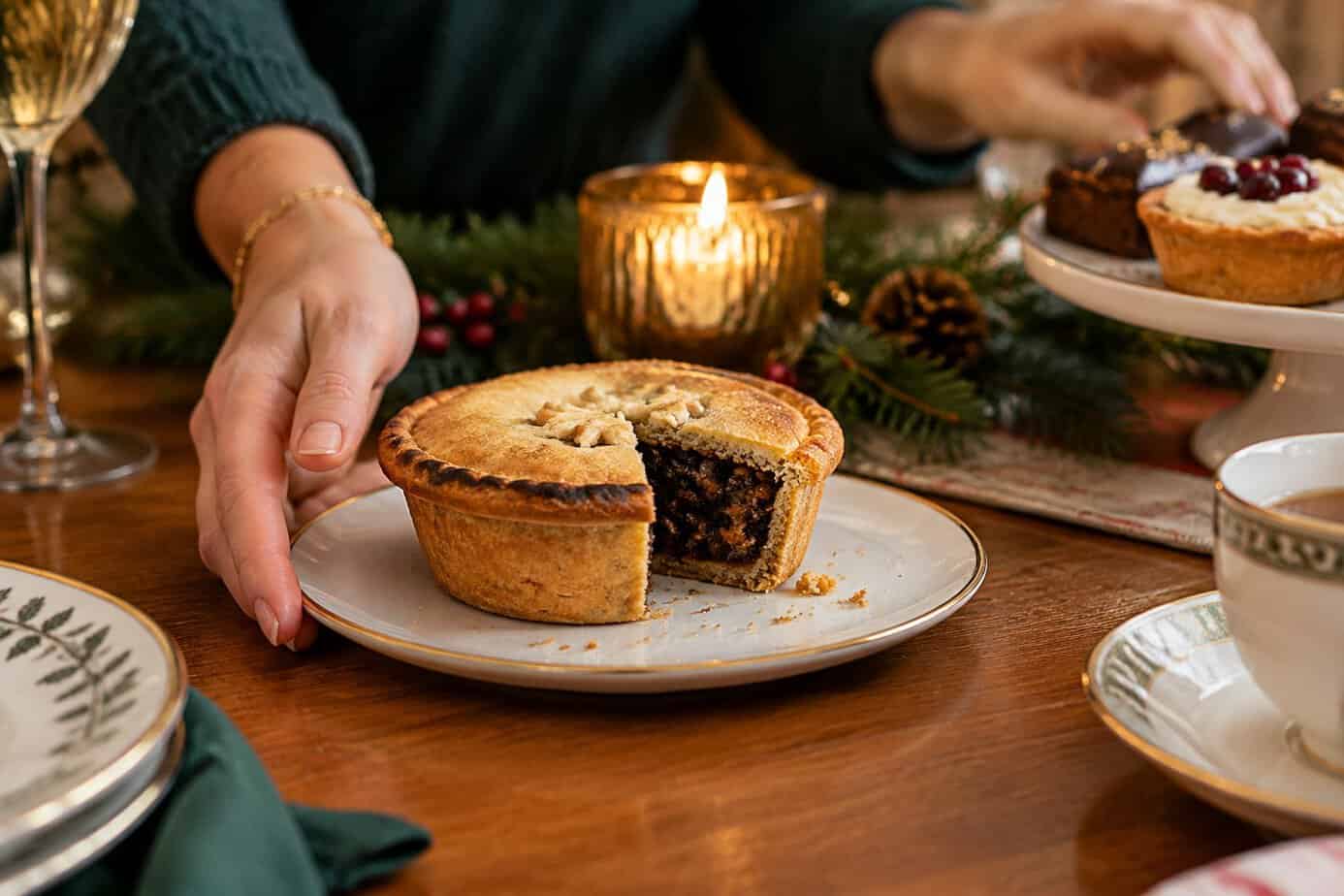
Mincemeat pie is one of the oldest holiday desserts there is. Centuries ago in England, it was a way to preserve meat through the winter, chopped beef or mutton cooked with suet, dried fruit, spices and sugar and baked in a crust.
Over time the meat faded out. Many jarred mincemeat fillings today contain little or no meat at all, and they’re mostly apples, raisins, currants, citrus peel, brown sugar and warm spices such as cinnamon and cloves. Some old family recipes still call for beef or venison, which surprises guests who weren’t expecting it.
For most people, the trouble is the name. Plenty of guests hear “mincemeat” and assume it’s meat pie, so they skip it without a taste. Those who try it find a dark, sticky, very spiced filling that tastes a lot like fruitcake in a pie crust.
Older relatives often ask for it by name, and it brings back a lot of memories. The younger crowd usually reaches for the apple pie.
You might also enjoy the worst Thanksgiving side dishes according to home cooks and the Thanksgiving dishes Grandma made that nobody cooks anymore.
Why These Foods Keep Coming Back
Most of the dishes on this list aren’t bad food. They’re foods that mean more than they taste, and that’s why they keep showing up year after year.
Tradition Chooses the Menu
A holiday dinner is one of the few meals that’s supposed to look the same every year. Leaving off the fruitcake or the oyster stew can feel like leaving off a person who used to sit at the table. That’s a powerful reason to keep making something, even when half of it comes back to the kitchen.
Nobody Wants to Hurt the Cook
Many of these dishes come from a mother, a mother-in-law or a favorite aunt. Everyone takes a little and says it’s lovely, because the dish is really about the person who made it. That kindness is part of what makes holiday meals special.
How to Keep the Traditions Without the Leftovers
You don’t have to give up a single tradition. A few small changes can keep everyone happy and cut down on the food that ends up in the trash.
Make Smaller Batches
If only three people really love the plum pudding or the lutefisk, make a small one just for them. A little pot of oyster stew or a small dish of black-eyed peas keeps the custom alive without the guilt of throwing half of it away.
Ask What Everyone Actually Likes
It may feel awkward, but a simple question before the holidays can save you a lot of work. You might discover that nobody minds if the pecan pie becomes an apple pie, or that the whole family would be thrilled to skip the turducken. And if someone still loves the fruitcake, let them take it home.


