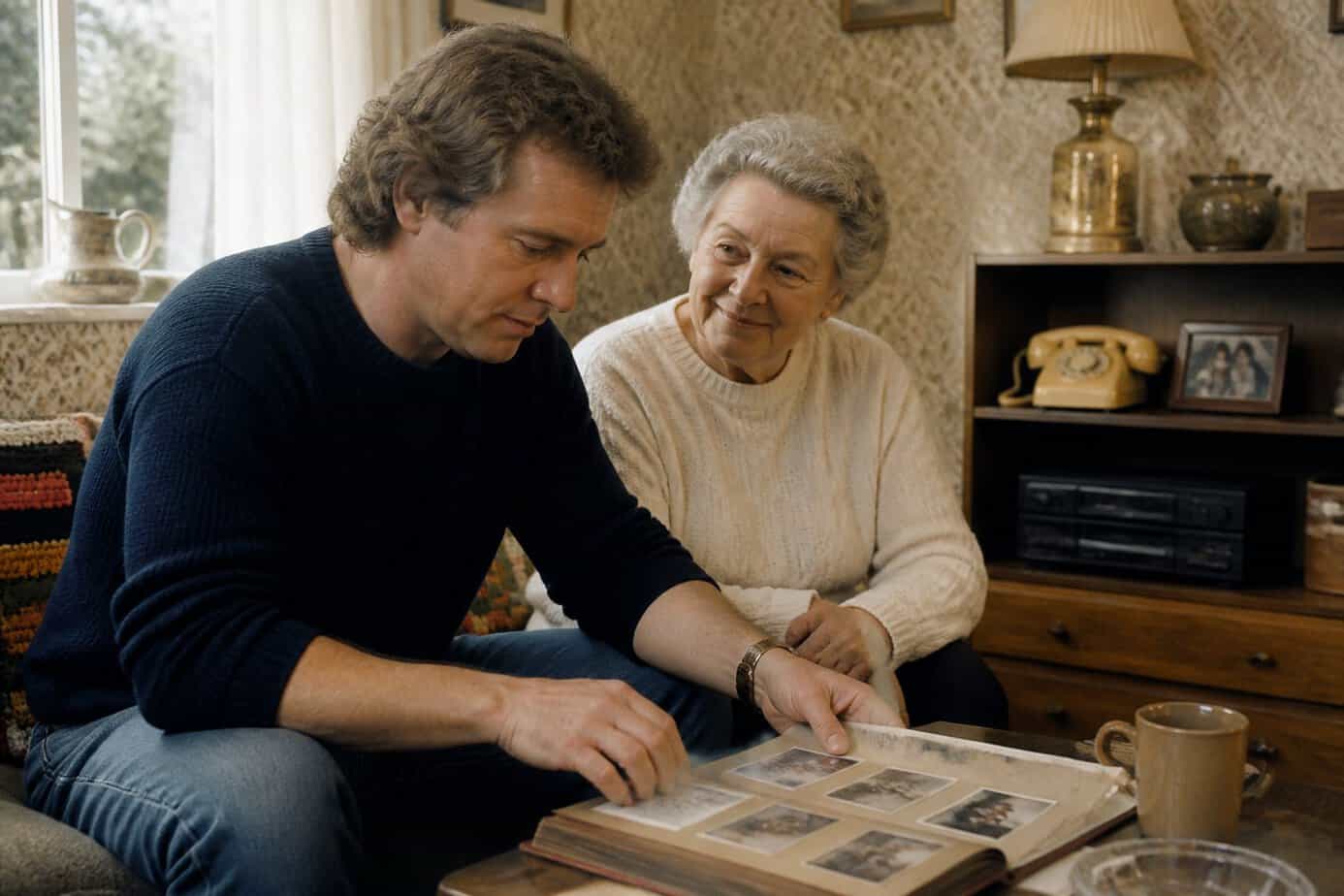
27 Household Rules Grandma Followed That Actually Made Life Easier
Would you like to save this?
Grandmothers maintained households with remarkable efficiency, not through expensive products or complicated systems, but through consistent daily habits. These practices weren’t arbitrary preferences.
They were tested methods developed over decades of managing homes, raising families, and solving problems with limited resources.
These time-tested household rules focused on prevention rather than correction, making daily life smoother and less stressful.
Simple routines like cleaning as you cook or storing items in designated spots eliminated the need for marathon cleaning sessions and frantic searches. The principles behind these habits remain relevant today, even as our tools and circumstances have changed.
The following rules represent practical wisdom that reduced waste, saved time, and created order without requiring special equipment or expertise. You’ll find that many address the same challenges you face in your own home, offering straightforward solutions that work.
1. Make the bed immediately after rising

Making your bed right after you wake up sets a productive tone for the entire day. This simple task takes less than two minutes but creates an immediate sense of accomplishment that carries forward into other activities.
A made bed transforms your bedroom into a more organized, peaceful space. When you return at the end of the day, you’re greeted by neatness rather than rumpled sheets.
Research supports what grandmothers have known for generations: this small act of discipline can boost your mood and productivity. The visual order of a made bed reduces mental clutter and helps you feel more in control.
Your bedroom becomes a true retreat when the bed is properly arranged. This daily habit requires minimal effort but delivers consistent returns in how you feel about your living space.
2. Sweep floors daily with a soft-bristle broom
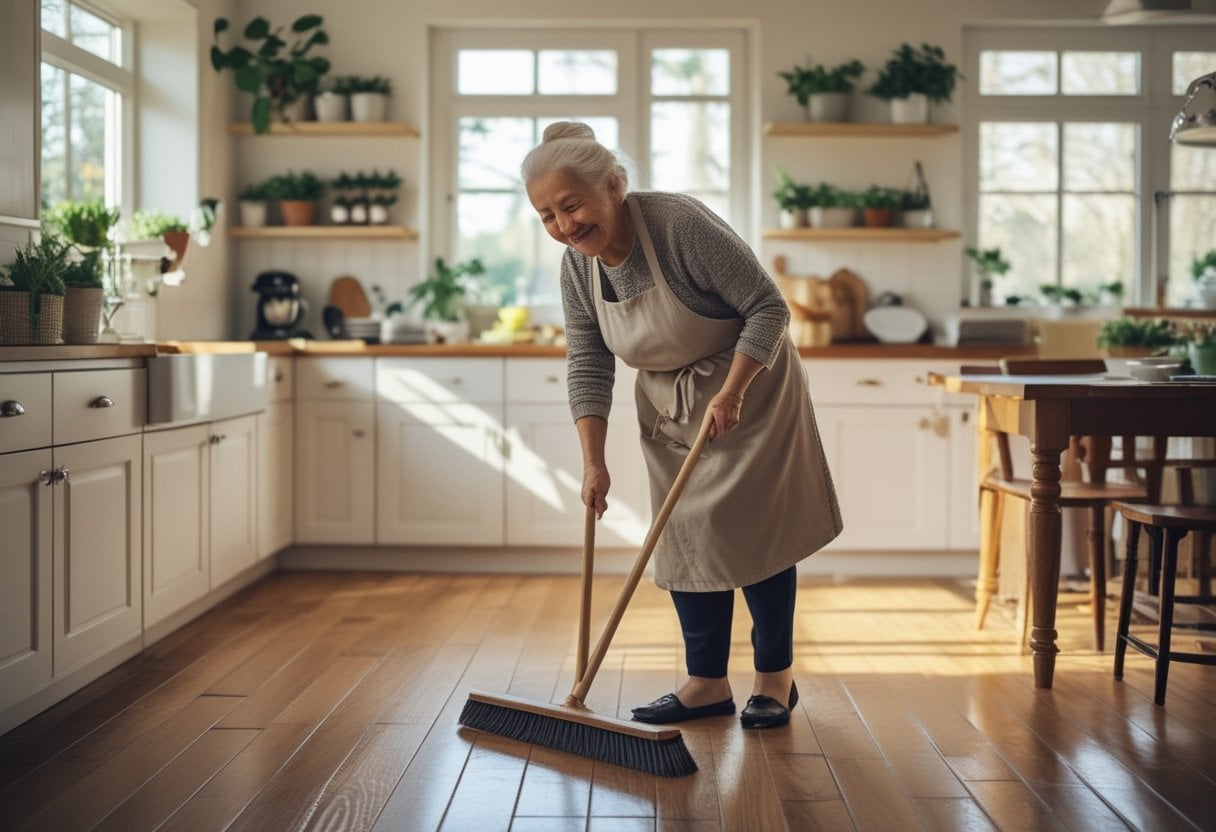
Daily sweeping prevents dirt and debris from spreading throughout your home. High-traffic areas like kitchens and entryways benefit most from this routine, as regular sweeping stops food particles and dirt from attracting pests.
A soft-bristle broom works best for most indoor surfaces, particularly hardwood floors. The gentle bristles effectively capture dust without scratching delicate finishes.
Start in the corners of each room and work toward the center using short, precise strokes. This technique keeps dust from scattering and makes collection easier. For larger spaces, divide the room into sections and create multiple piles.
The entire process takes just a few minutes but makes a noticeable difference in your home’s cleanliness. Before robotic vacuums became common, this simple habit kept homes looking polished with minimal effort.
3. Wipe kitchen counters after every meal
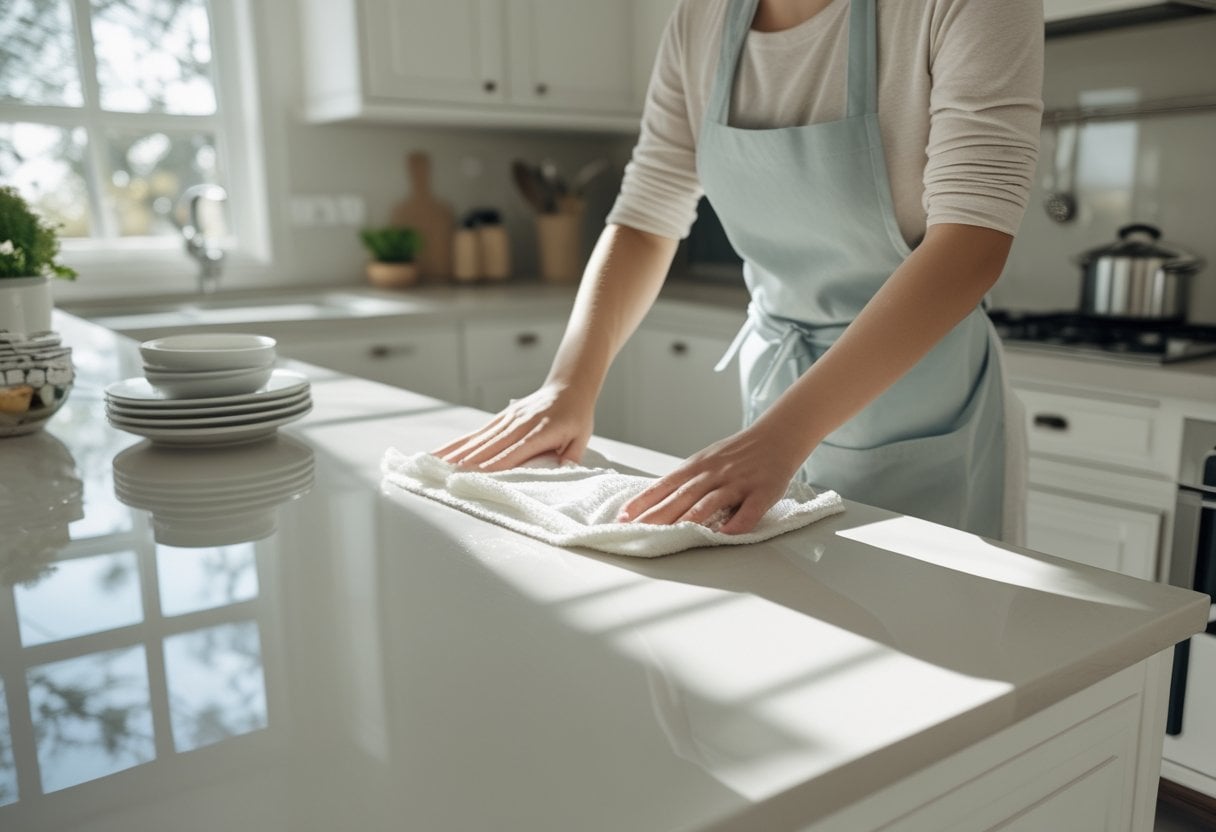
Your grandma understood that wiping down kitchen counters immediately after each meal prevents buildup and saves time in the long run. This simple habit takes less than two minutes but eliminates the need for scrubbing dried-on spills and grease later.
When you clean counters right after cooking or eating, food particles and liquids haven’t had time to harden or stain the surface. You can use a damp cloth or all-purpose cleaner to quickly remove crumbs, spills, and residue.
This daily practice keeps your kitchen workspace ready for the next meal without requiring extra effort. Clean counters also reduce the risk of attracting pests and spreading bacteria from raw food preparation.
The key is making it part of your meal routine rather than treating it as a separate chore. Your grandma knew that consistent small actions create lasting cleanliness.
4. Keep a single, labeled spice shelf
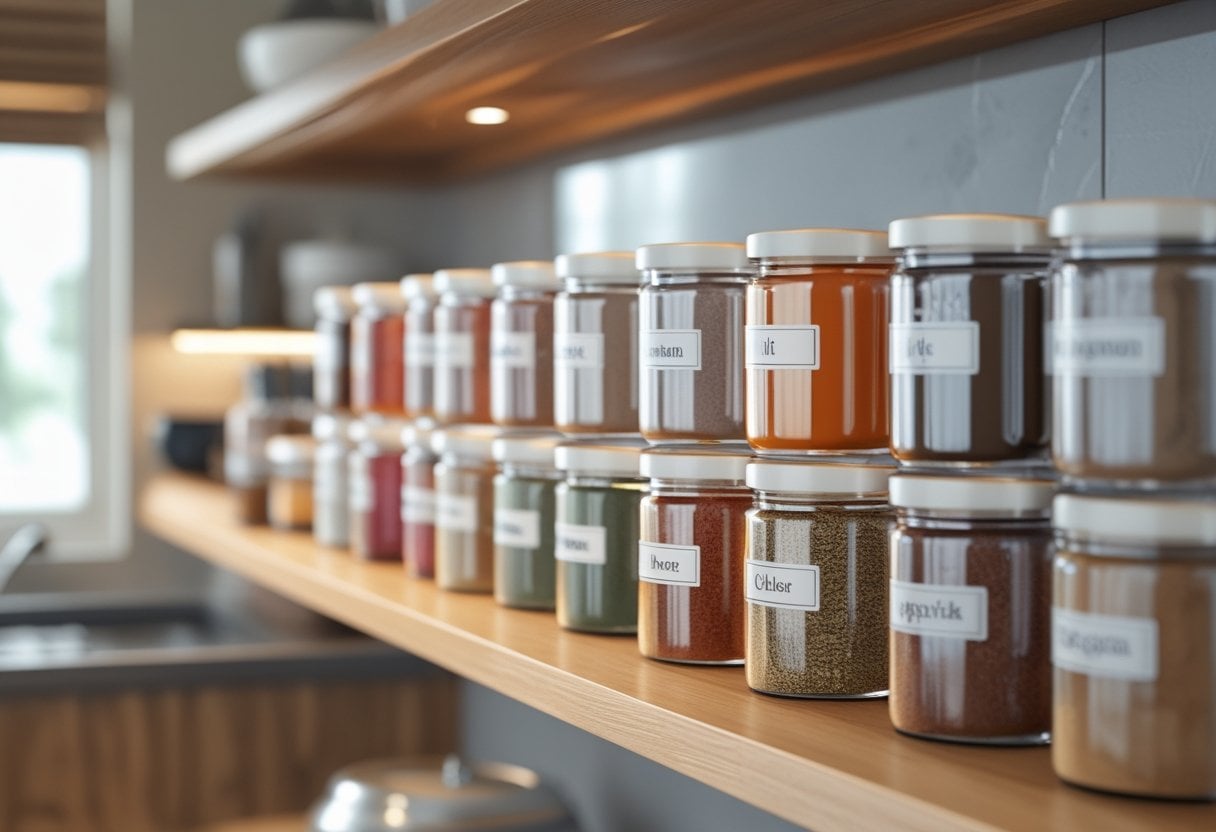
Grandma knew that scattered spices across multiple cabinets wasted precious cooking time. She designated one shelf or drawer specifically for all her seasonings, keeping everything in a single, easy-to-access location.
She arranged her spices alphabetically and labeled each jar clearly on top. This system meant she could spot exactly what she needed at a glance, without digging through cluttered cabinets.
An expandable shelf riser helped maximize vertical space, allowing her to see every container without moving others around. She placed her most-used spices at the front for quick access during daily cooking.
This simple approach eliminated the frustration of hunting for ingredients mid-recipe. You always knew where to find what you needed, and you could quickly identify when supplies ran low.
5. Always mend small clothing tears right away

Grandma knew that a tiny tear could quickly become a major problem if left unattended. She made it a habit to repair minor damage as soon as she spotted it, preventing costly replacements down the line.
When you catch a small rip early, you can often fix it with a simple hand-stitched repair that takes just a few minutes. All you need is a needle, matching thread, and basic knowledge of a simple stitch. This approach extends the life of your garments significantly.
Keeping basic mending supplies in an accessible spot makes quick repairs more likely to happen. A small sewing kit in your closet or laundry room removes the barrier of having to search for materials.
This practice saves money and reduces waste. You’ll find that most small tears are surprisingly easy to fix yourself, eliminating trips to the tailor or premature disposal of perfectly good clothing.
6. Rotate pantry staples by date (first in, first out)
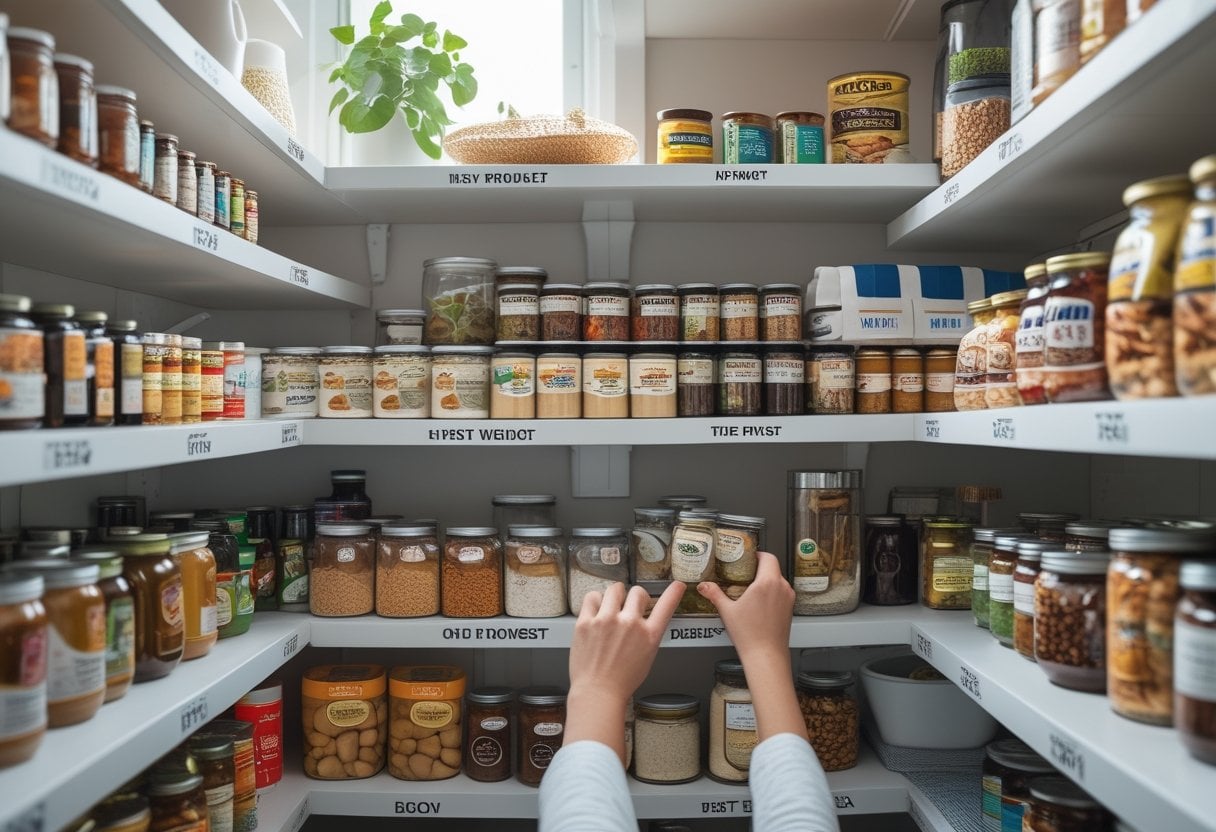
Grandma never let food go to waste in her pantry because she followed a simple rotation system. When she brought home new groceries, she moved older items to the front and placed fresh purchases in the back.
This method, known as FIFO, ensures you use products before they expire. You avoid throwing away forgotten cans and packages that sat too long.
Start by checking expiration dates when you unpack groceries. Group similar items together so you can see what you have at a glance. Mark purchase dates on packaging with a permanent marker if the printed date isn’t visible.
Keep your pantry organized by category. Place grains with grains and canned goods with canned goods. This makes rotation easier and helps you avoid buying duplicates of items you already own.
7. Use vinegar and baking soda for routine cleaning
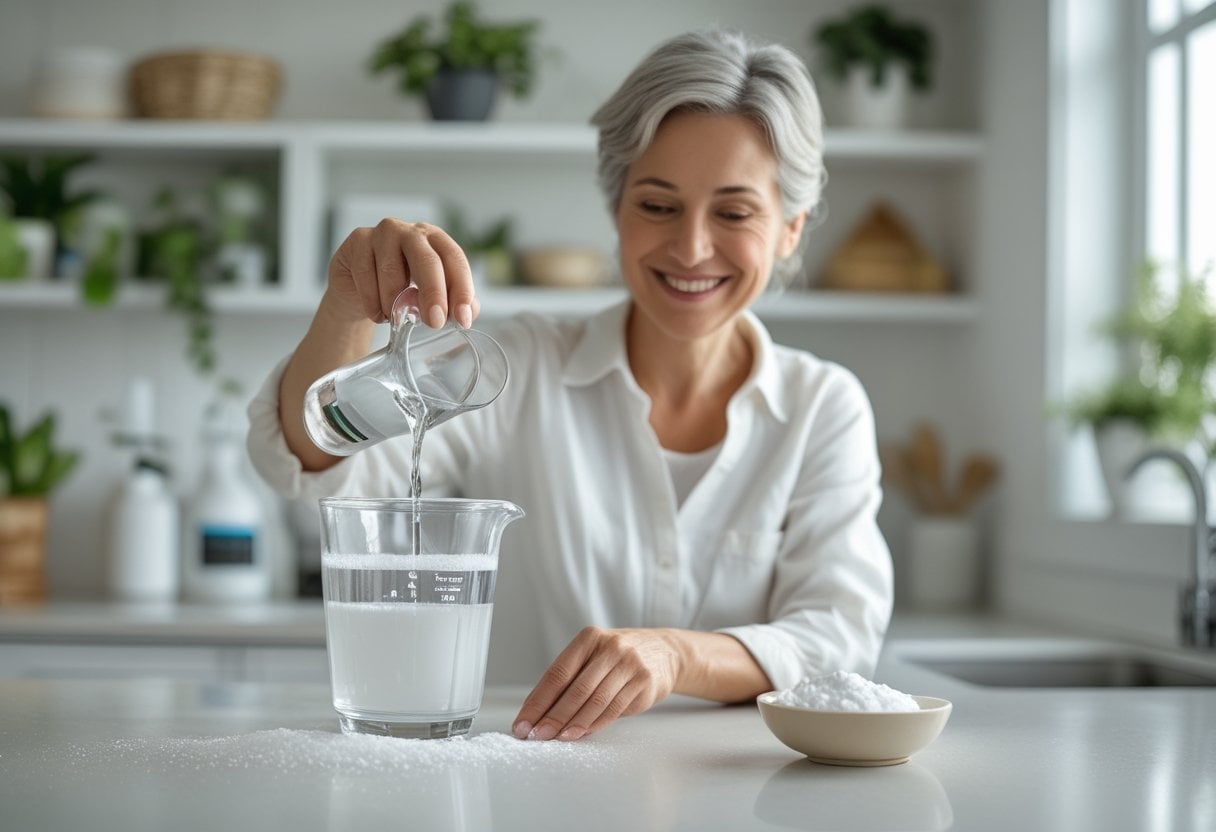
Grandma kept two simple ingredients on hand for most household cleaning tasks: white vinegar and baking soda. These kitchen staples handled everything from bathroom sinks to kitchen counters without the need for specialized products.
Vinegar works well on mineral deposits, glass surfaces, and limescale buildup. Baking soda excels at scrubbing away grease and absorbing odors.
The key is using them separately rather than mixing them together. Apply baking soda first as a gentle scrubbing powder, then spray vinegar to cut through grime and disinfect surfaces. This method works particularly well on sinks, toilets, and stovetops.
You can also add half a cup of baking soda to your laundry detergent to boost cleaning power. For hard water stains, vinegar alone does the job effectively.
8. Polish silver only when needed to avoid over-cleaning
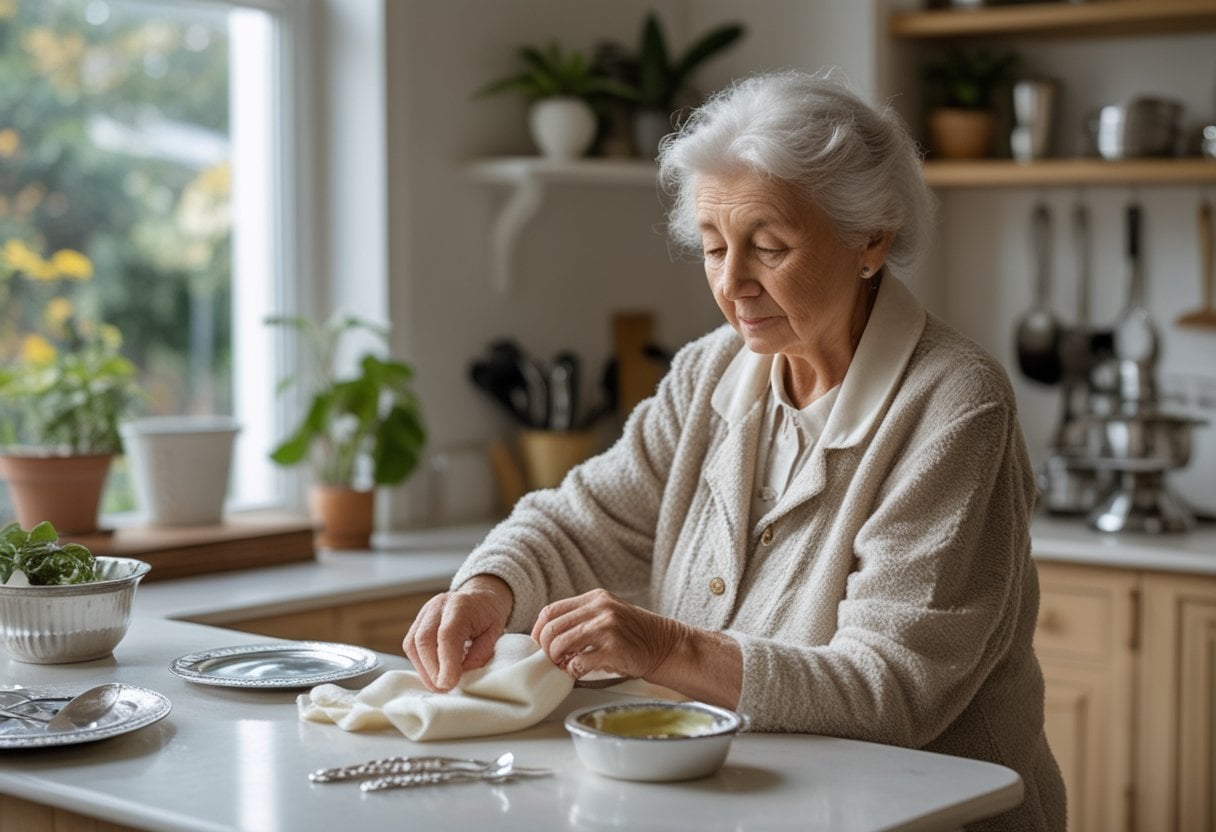
Grandma knew that constant polishing does more harm than good to silver pieces. Over-cleaning strips away microscopic layers of silver with each session, gradually wearing down heirlooms and silverware over time.
You should only clean silver when tarnish becomes visible. Silver sulfide, the dark layer that forms on silver, develops from exposure to air and light, but it doesn’t require immediate attention.
Proper storage reduces how often you need to polish. Keep silver items in anti-tarnish cloth or airtight containers to minimize exposure.
When cleaning is necessary, avoid harsh methods like toothpaste or dishwashers, which scratch surfaces and cause pitting. Be especially careful with jewelry containing porous stones like pearls, turquoise, or opals, as chemicals can discolor or damage them.
Simple pantry ingredients like baking soda and salt work effectively for occasional cleaning without aggressive scrubbing that removes silver material.
9. Store linens folded by type and size
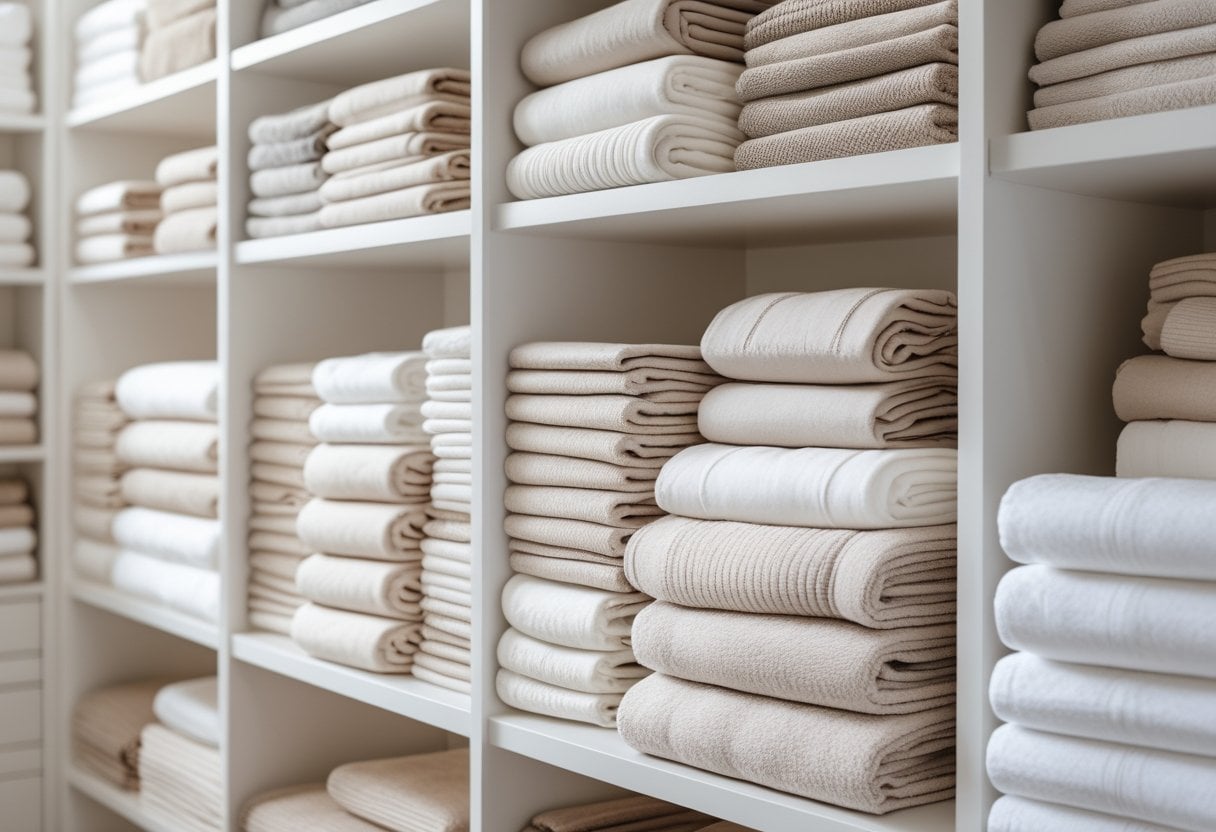
Your grandmother kept her linen closet organized by grouping similar items together. She folded towels with towels, sheets with sheets, and stored them by size.
This system makes finding what you need effortless. You can grab a bath towel without disrupting hand towels or locate king-size sheets without sorting through twin sets.
Start by folding each item uniformly. Place similar-sized towels in stacks and keep complete sheet sets together. You can store each set inside one of its pillowcases to keep pieces matched.
Use baskets or bins labeled by type to maintain separation. This prevents items from mixing when you remove one piece from the closet.
The result is a functional storage system where everything has a designated spot and stays accessible.
10. Keep a small repair kit in the kitchen drawer
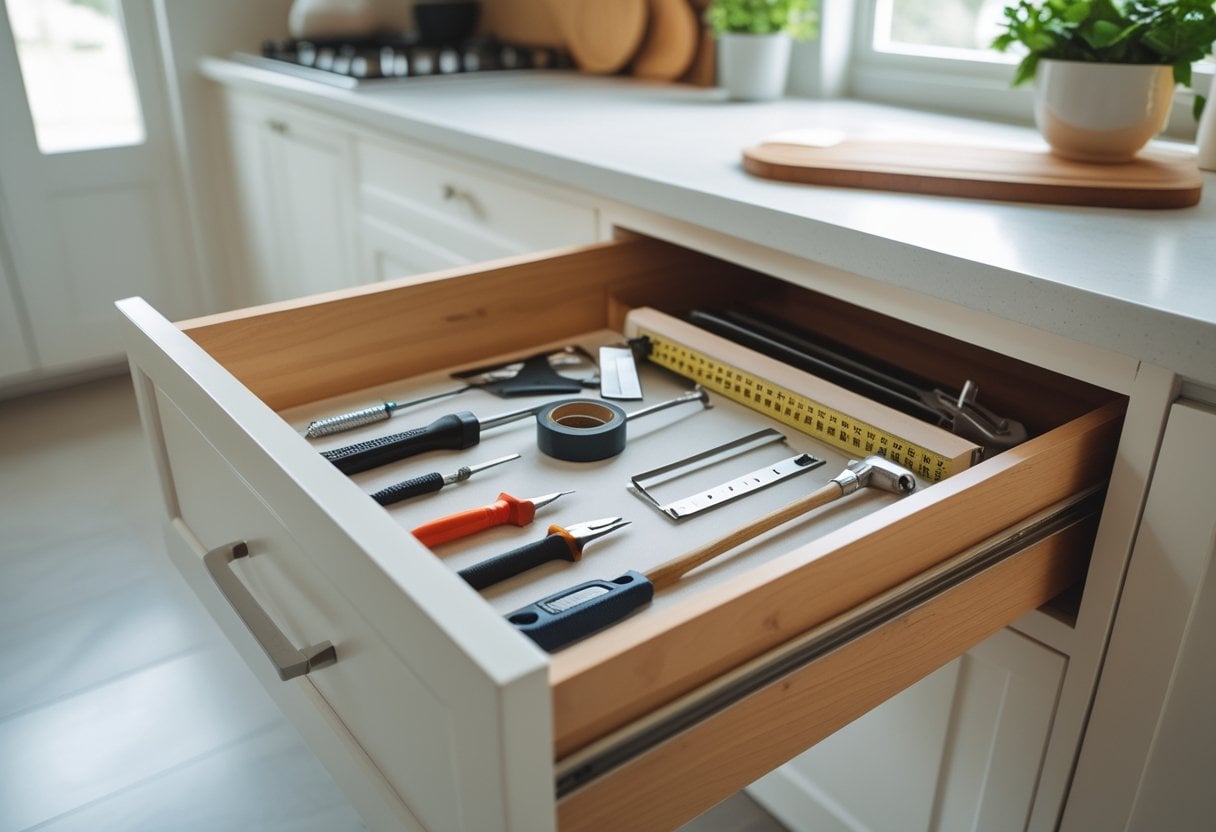
Your grandmother knew that minor emergencies don’t wait for convenient moments. She kept a small repair kit within arm’s reach in the kitchen drawer, where she spent most of her time.
This kit typically included thread, needles, scissors, and a few basic buttons. When a shirt button popped off before dinner or a hem came loose, she could fix it immediately rather than letting damaged items pile up.
The logic was simple and practical. Repairing clothes as soon as they needed attention extended their lifespan and saved money. It also prevented the all-too-common habit of tossing a garment aside and forgetting about it.
You don’t need fancy supplies. Basic sewing essentials take up minimal space and handle most household repair needs efficiently.
11. Boil leftover bones for soup stock
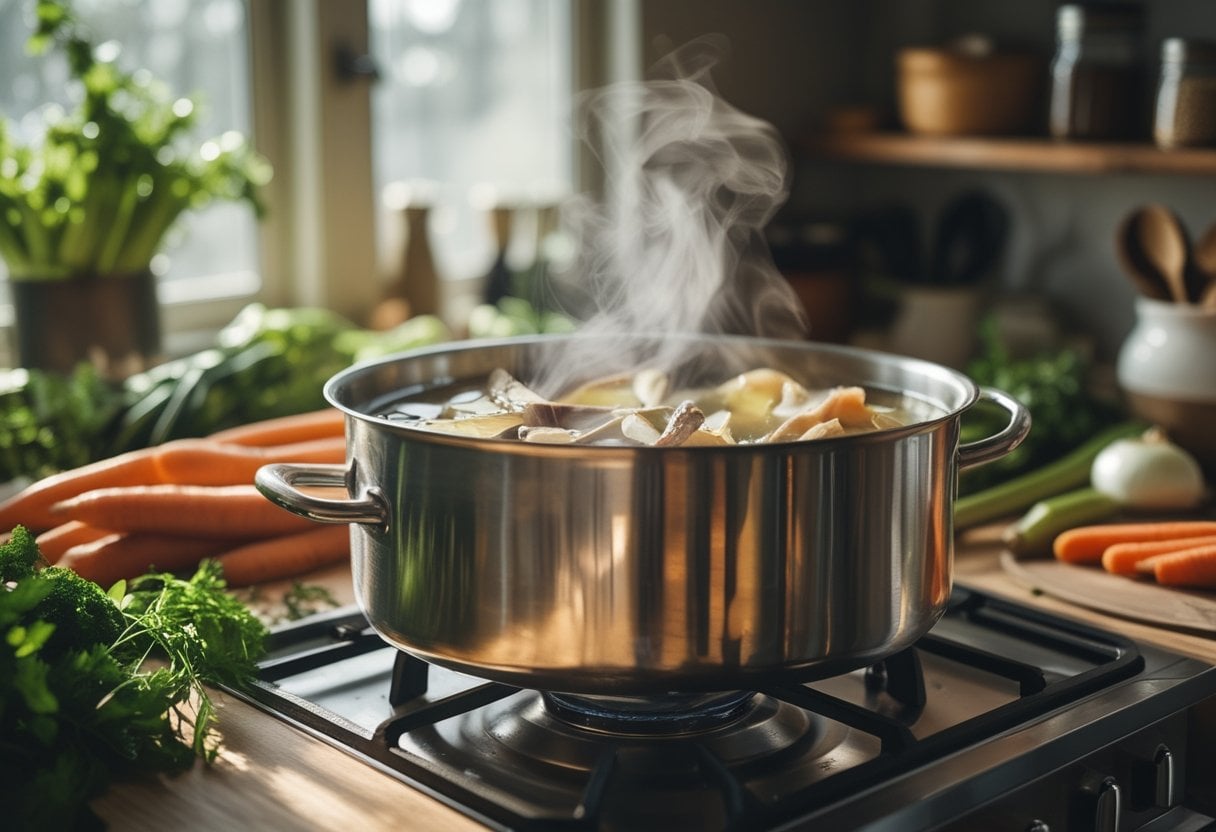
Your grandmother never threw away chicken or beef bones after a meal. She knew those bones contained nutrients and flavor that could transform into rich, homemade stock.
The process is straightforward. You collect bones from roasted chicken, beef, or other meats in a container kept in your freezer. Once you have enough, you place them in a large pot with water, vegetables like onions and carrots, and herbs.
You simmer the mixture for four to six hours on low heat. Longer cooking times extract more collagen and minerals from the bones. The resulting stock costs almost nothing since you’re using scraps that would otherwise go to waste.
You can use this homemade stock as a base for soups, sauces, or even drink it on its own. It saves money compared to store-bought versions and gives you control over the ingredients.
12. Pre-soak stained garments before washing
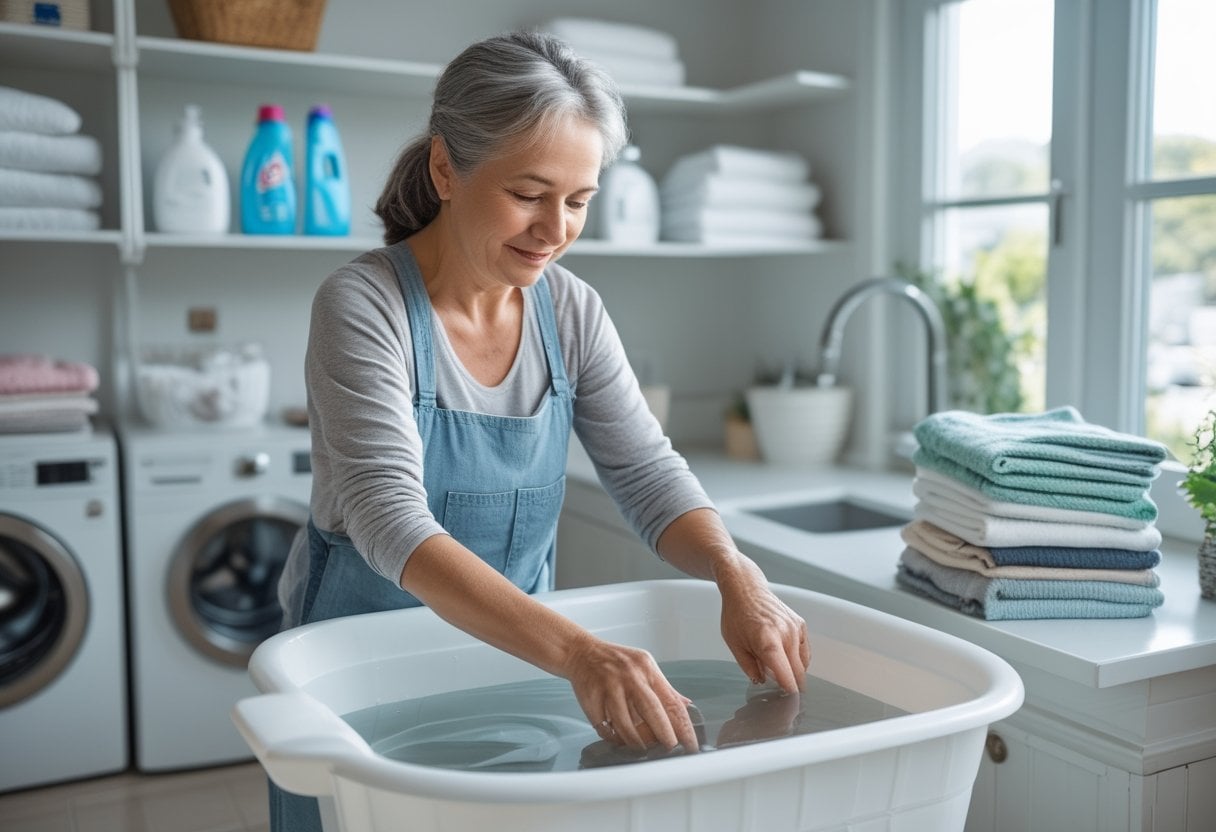
Grandma knew that tackling stains before tossing clothes in the washer saved time and preserved fabrics. Pre-soaking gives water and detergent time to lift stains without harsh scrubbing that can damage fibers.
Fill a basin or sink with cool water and add a small amount of detergent. Submerge the stained garment and let it sit for at least 30 minutes. For tougher stains like wine or coffee, you may need several hours of soaking.
Check the care label first, as some fabrics don’t respond well to extended water exposure. Press the garment down if it floats to ensure full saturation.
This simple step prevents stains from setting permanently during the wash cycle. You’ll find that many marks disappear entirely or become much easier to remove, extending the life of your clothing.
13. Set a clear place for keys and wallets
Would you like to save this?
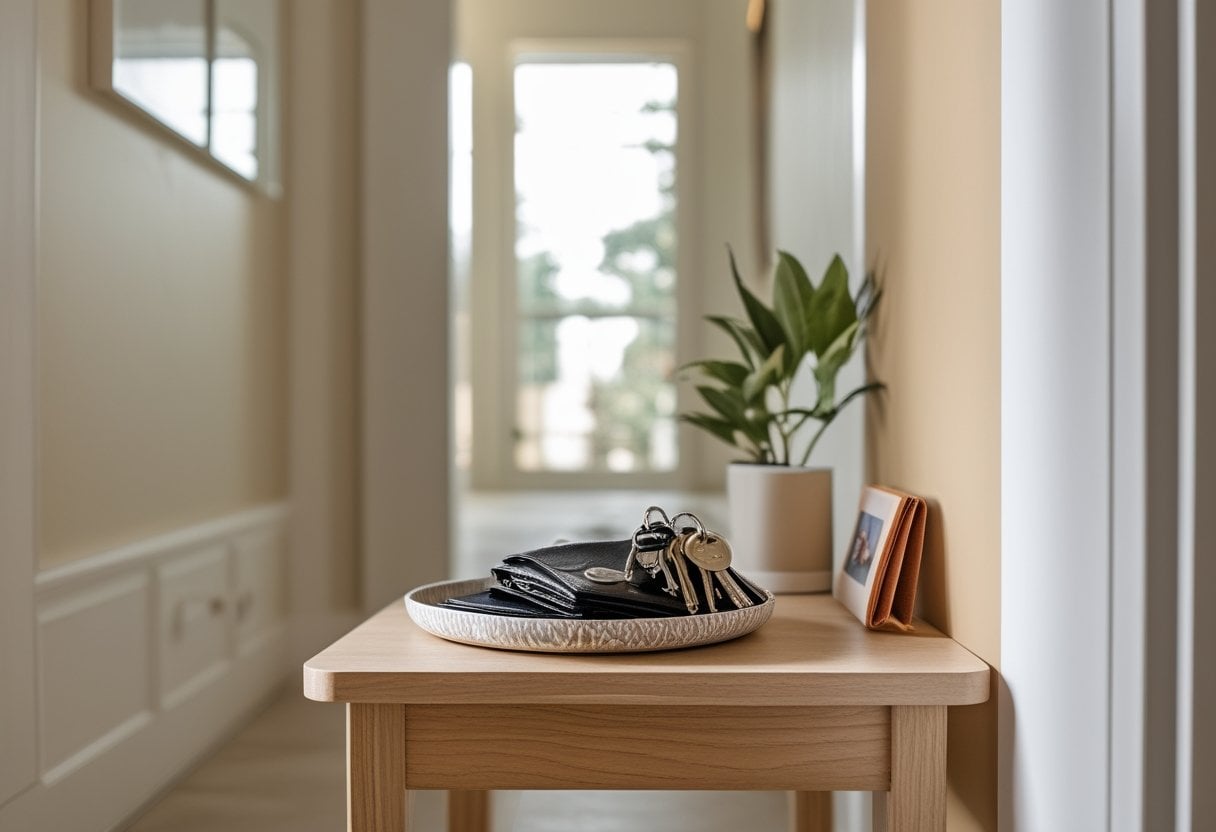
Grandma always kept a designated spot near the front door for her keys and wallet. This simple habit eliminated the frantic morning searches that waste precious time.
You can create your own drop zone by placing a small dish, hook, or tray in your entryway. The key is consistency—you need to use the same spot every single time you walk through the door.
This routine works because it removes decision-making from your daily life. When your keys and wallet always go in the same place, you never have to remember where you put them. Your muscle memory takes over, and the habit becomes automatic.
Choose a location that makes sense for your traffic patterns. Near the door you use most often is ideal, making it natural to drop items as you enter.
14. Air mattresses and bedding weekly

Grandma knew that keeping bedding fresh required regular attention. She made it a weekly practice to air out mattresses, linens, and blankets by opening windows and letting fresh air circulate through the bedroom.
This simple habit prevented musty odors and moisture buildup in bedding materials. You can follow this tradition by stripping your bed weekly and allowing the mattress to breathe for a few hours while you wash the sheets.
If you use an air mattress for guests, the same principle applies. Deflate it partially after use, wipe it down, and let it air out before storing. This prevents mold and extends its lifespan.
The weekly ritual takes minimal effort but keeps your sleeping environment fresher. Your bedding stays cleaner and more pleasant when you incorporate this old-fashioned practice into your routine.
15. Use glass jars for dry goods with handwritten labels
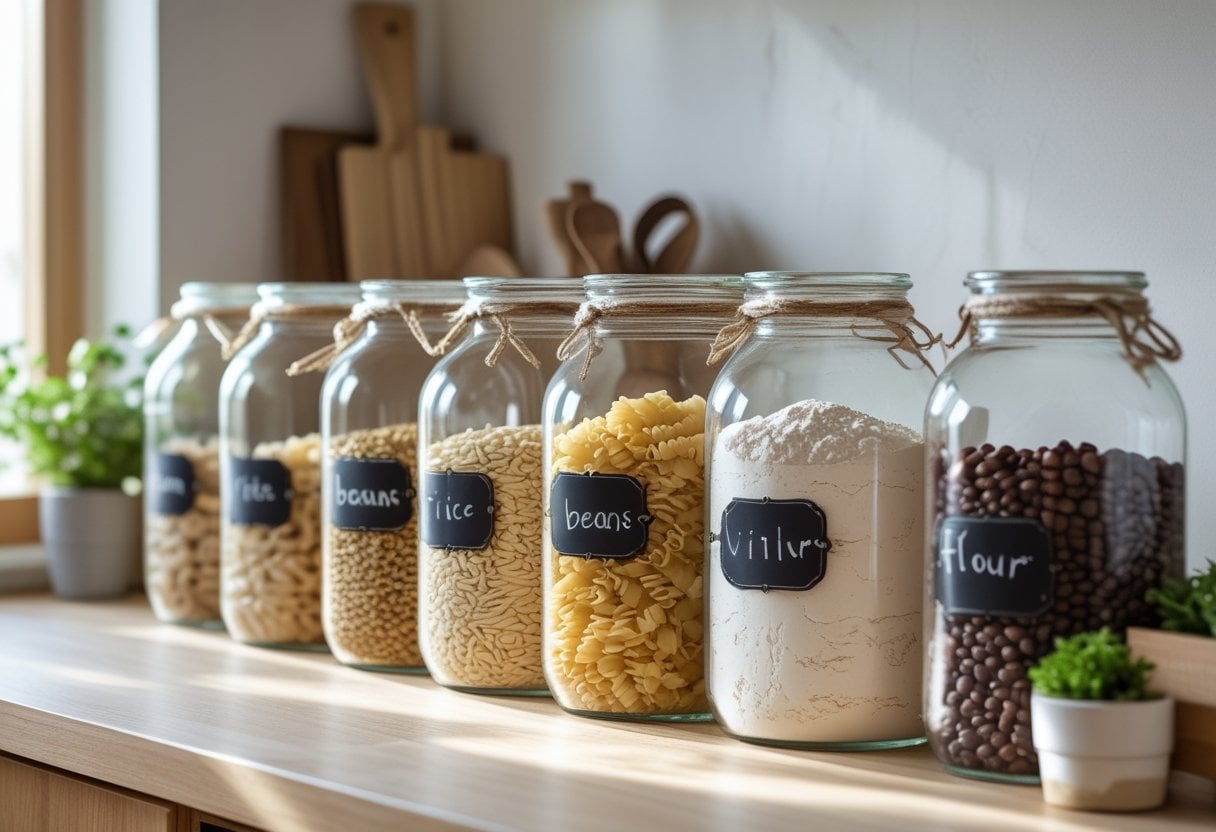
Your grandmother knew that glass jars kept pantry staples fresh while making everything visible at a glance. She saved jars from pickles, jams, and sauces, then repurposed them to store rice, flour, beans, and pasta.
Glass creates an effective barrier against oxygen and moisture, which helps preserve dry goods longer than many other containers. The transparent surface lets you see exactly how much you have left without opening anything.
Handwritten labels added a practical touch. Your grandmother used kraft paper tags tied with string or simple masking tape with ink. This straightforward labeling system eliminated guesswork and prevented mistakes when cooking.
Grouping similar items together created natural organization. Baking supplies stayed in one area, grains in another, making meal preparation more efficient.
16. Clean as you cook to minimize post-meal work
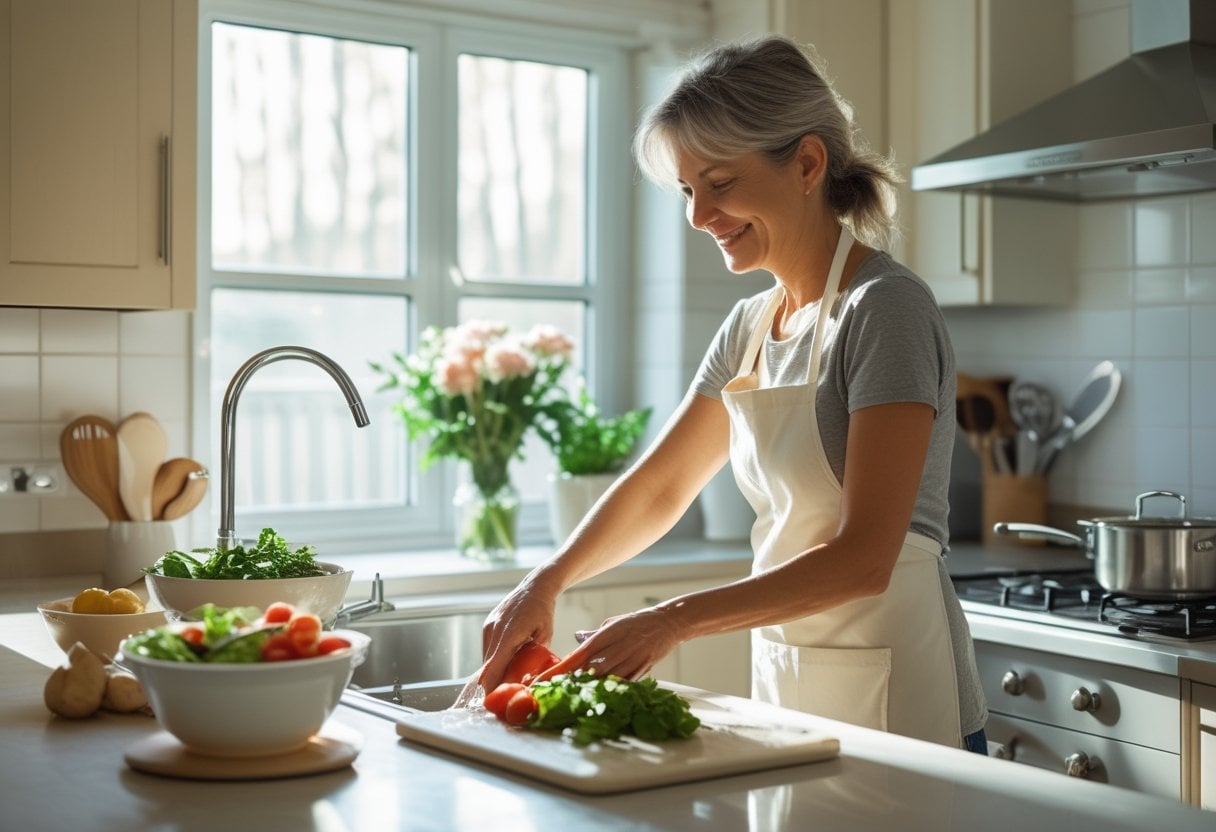
Grandma never let dishes pile up while she cooked. She washed mixing bowls while waiting for the oven to preheat and wiped counters between tasks.
This approach prevented the overwhelming mess that makes post-dinner cleanup feel like a chore. While pasta boiled, she rinsed cutting boards. During those few minutes when vegetables roasted, she tackled the dirty pans.
You can adopt this same method by using cooking downtime productively. Fill your sink with hot soapy water before you start and drop utensils in as you finish with them.
By the time your meal reaches the table, most of the kitchen work is already done. You avoid that dreaded mountain of dishes and transition smoothly from cooking to eating to relaxing.
17. Keep a weekly menu and shop with a list

Grandma planned her meals every Sunday and wrote out her shopping list before heading to the store. This simple habit saved her time, money, and countless headaches during busy weeknights.
When you plan your weekly menu, you know exactly what ingredients you need. You avoid wandering the aisles aimlessly or making impulse purchases that stretch your budget. Your shopping trip becomes faster and more efficient.
A detailed list also prevents food waste. You buy only what you’ll actually use instead of items that sit in your refrigerator until they spoil. Grandma understood that every ingredient had a purpose in her planned meals.
This approach means fewer trips to the store during the week. You already have everything on hand to prepare dinner, which reduces stress when you’re tired after a long day.
18. Freeze excess herbs in olive oil cubes
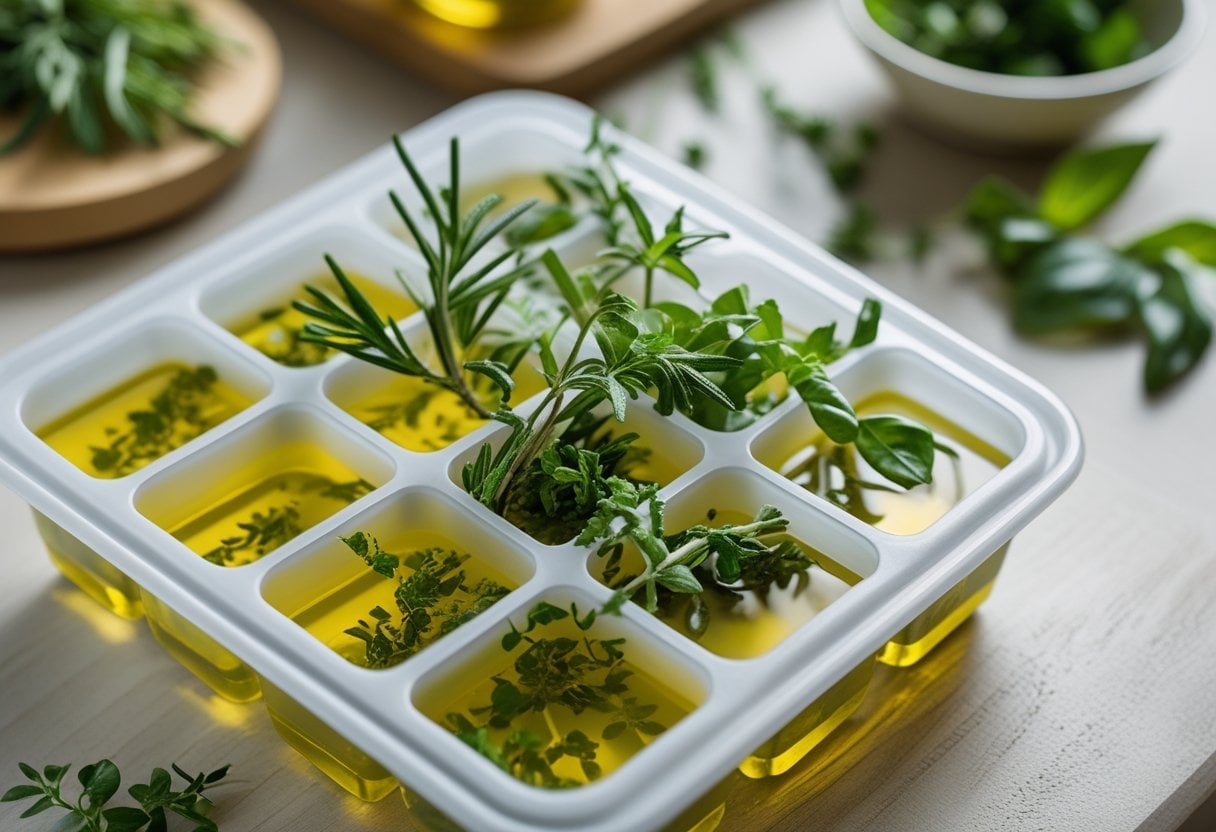
Your grandmother knew that fresh herbs don’t last long in the fridge. She solved this by freezing them in olive oil using ice cube trays.
The method is straightforward. Wash and thoroughly dry your herbs, then chop them finely. Fill each compartment of an ice cube tray about two-thirds full with herbs, then cover completely with olive oil.
This technique works well for basil, parsley, cilantro, rosemary, thyme, and chives. The oil preserves the herbs’ flavor and aroma for months.
Once frozen, transfer the cubes to labeled freezer bags. You can drop them directly into hot pans when cooking soups, sauces, or sautéed dishes. The cubes eliminate waste and provide ready-to-use seasonings year-round.
19. Inventory freezer every month

Grandma knew exactly what sat in her freezer at any given time. She kept a running list of frozen items, updating it monthly to prevent food from disappearing into the depths and expiring unnoticed.
This simple practice saves money by helping you use what you already own before buying duplicates. You avoid the common problem of discovering freezer-burned meat or forgotten vegetables months past their prime. A monthly inventory takes just 15 minutes but prevents significant waste.
Keep your list organized by categories like meats, vegetables, prepared meals, and baked goods. Update it whenever you add or remove items, making meal planning faster and more efficient.
This method works best when everyone in your household understands the system. Place the inventory sheet on your refrigerator door or maintain a digital version on your phone for easy access while grocery shopping.
20. Designate a single donation box and empty monthly

Keep one open box in a convenient spot like your entryway or hallway closet. When you come across items you no longer need, place them directly in the box instead of letting them pile up around your home.
This system removes the friction between deciding to let something go and actually removing it from your space. You stop second-guessing every item and start clearing clutter consistently.
Set a specific day each month to take the box to your local thrift store or charity. Mark it on your calendar to make it automatic. This prevents the donation box from overflowing and ensures items actually leave your house.
The method works because it creates a simple, repeatable process. You always know where unwanted items go and when they’ll be donated.
21. Use lemon to freshen cutting boards
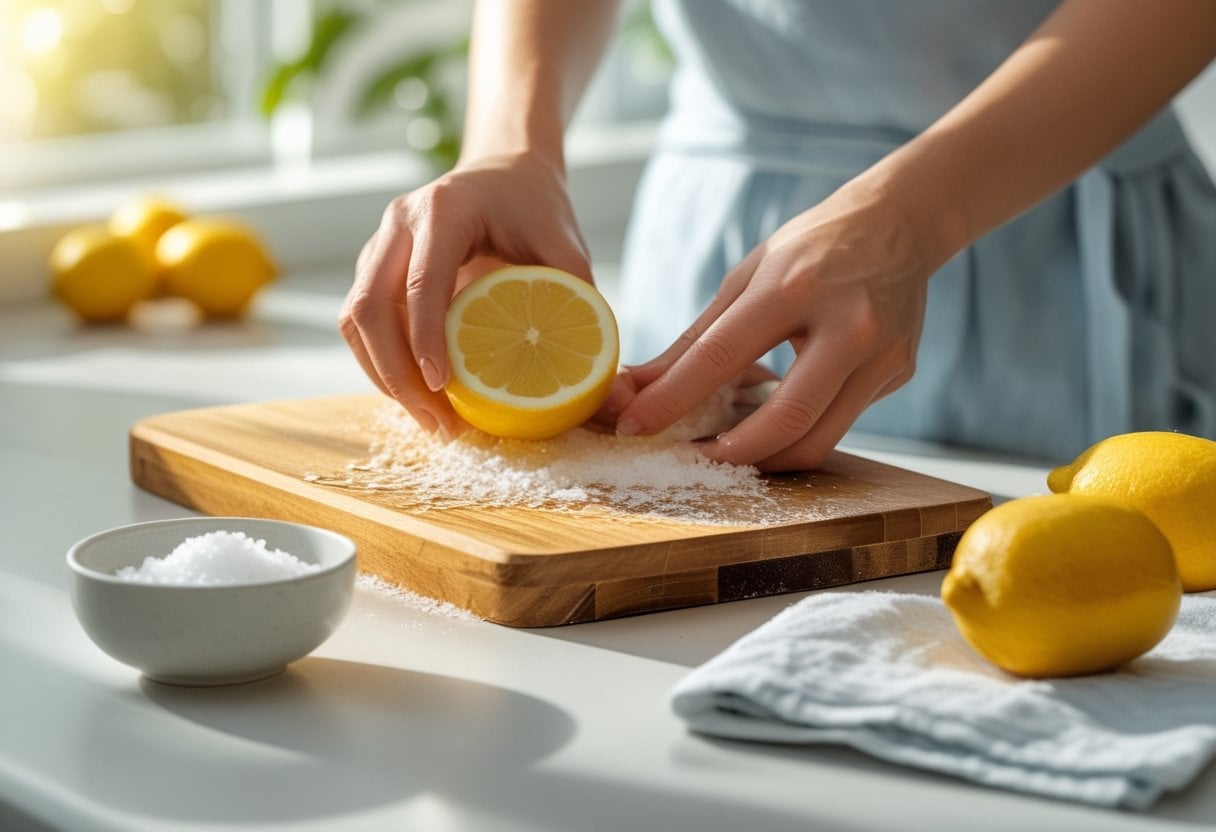
Grandma knew that a simple lemon could keep cutting boards clean and fresh-smelling. After regular use, sprinkle coarse salt across your wooden or plastic cutting board. Cut a lemon in half and use it to scrub the surface, squeezing slightly as you work.
The salt acts as a gentle abrasive while the lemon’s acidity helps remove stains and odors. This method works particularly well for eliminating garlic or onion smells that linger after food prep.
Once you’ve scrubbed the entire surface, let it sit for a few minutes before rinsing with clear water. Pat the board dry with clean paper towels.
Keep in mind this technique freshens and deodorizes your board but doesn’t fully disinfect it. You still need to wash your cutting board with hot, soapy water after each use, especially when handling raw meat.
22. Limit duplicate kitchen gadgets to one of each
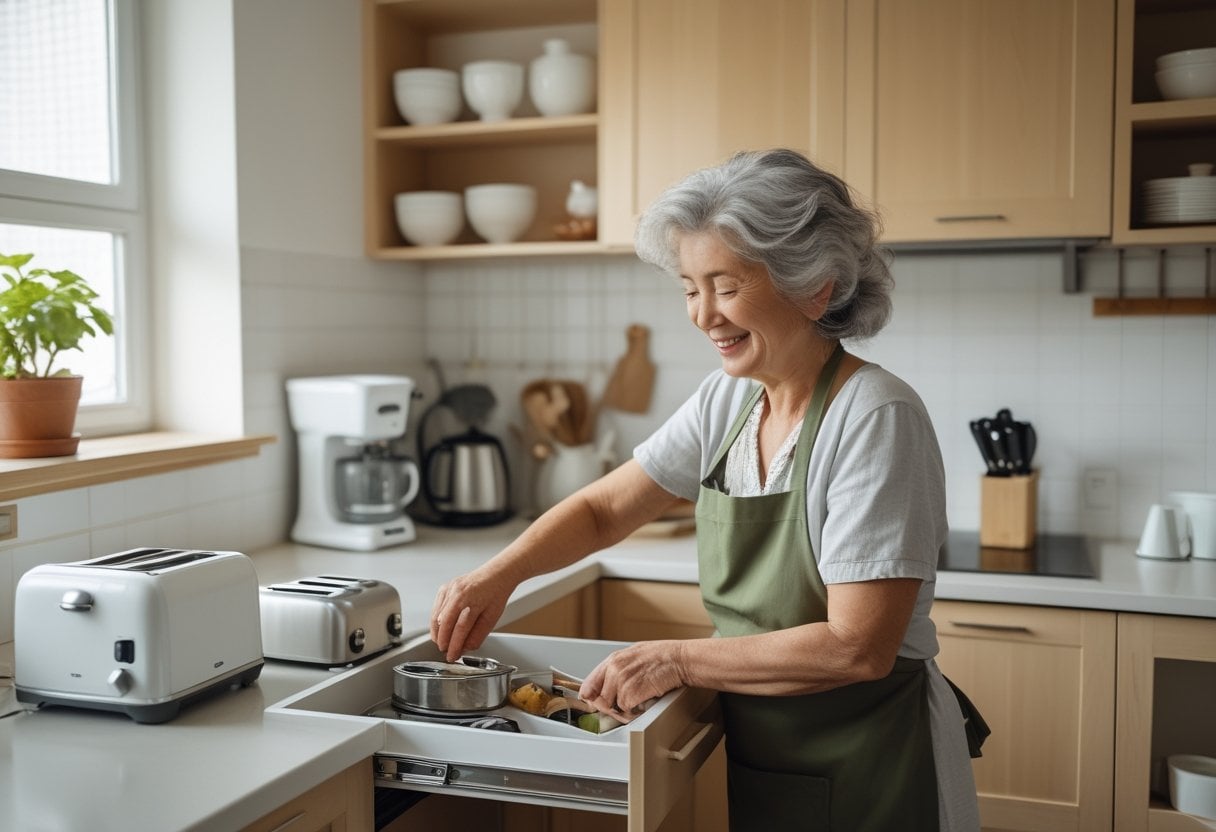
Grandma kept exactly one of each kitchen tool, and her drawers never overflowed with clutter. This simple rule prevented the accumulation of multiple spatulas, peelers, and ladles that take up valuable storage space.
When you limit yourself to one of each gadget, you know exactly where to find what you need. You won’t waste time searching through tangled utensils or discover you own five wooden spoons scattered across different drawers.
This approach also makes decluttering straightforward. Pull out all your kitchen tools and sort them into groups. Keep the one you use most often and let go of the rest.
The exception is items you genuinely use simultaneously, like baking sheets or mixing bowls. Otherwise, one quality tool works better than several mediocre duplicates gathering dust.
23. Keep shoes off in the house and provide a shoe rack
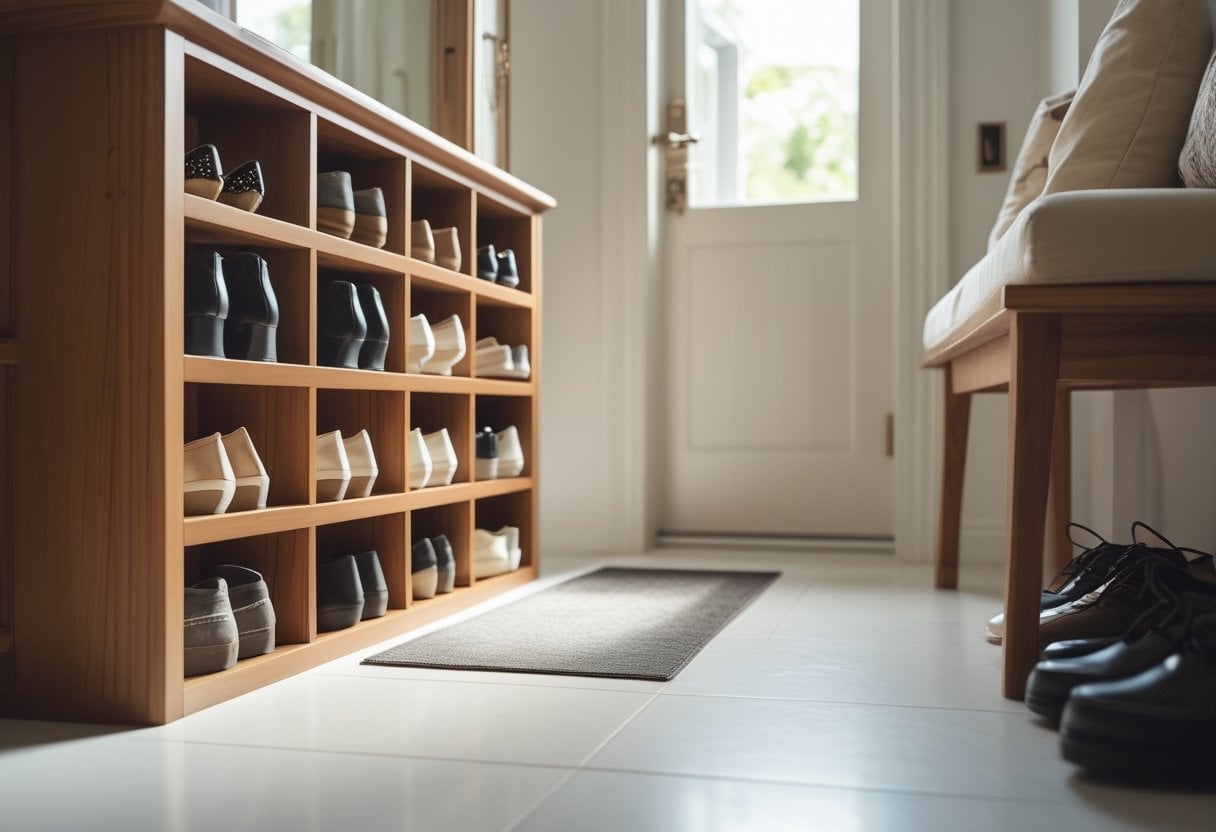
Grandma understood that tracking outdoor dirt, bacteria, and debris throughout the house created unnecessary cleaning work. A no-shoe policy keeps floors cleaner and reduces the amount of time spent sweeping and mopping.
The key to making this rule work is proper preparation. Place a shoe rack or storage solution near your entryway so family members and guests have somewhere to put their footwear immediately upon entering. This prevents shoes from piling up haphazardly by the door.
Let visitors know about your household policy before they arrive. You can keep a basket of disposable shoe covers on hand for guests who prefer not to remove their shoes.
A simple shoe rack or repurposed bookshelf near the entrance makes compliance effortless and keeps your entryway organized.
24. Schedule a weekly deep-cleaning hour
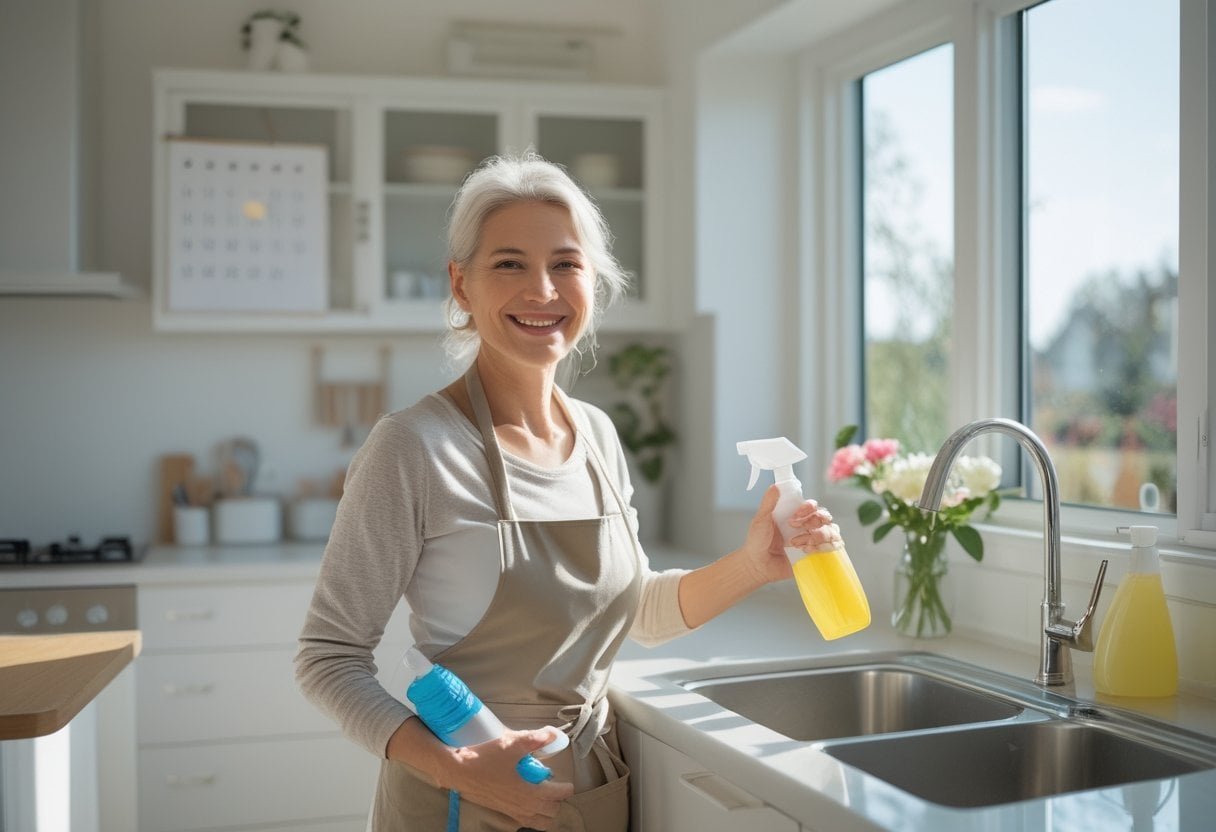
Grandma set aside one hour each week to tackle tasks that didn’t need daily attention. This prevented dirt and grime from building up to the point where cleaning became overwhelming.
You can choose the same day and time each week to make it a habit. Pick one area or task to focus on during this hour, like scrubbing baseboards, cleaning light fixtures, or washing windows.
This approach keeps your home maintainable without requiring marathon cleaning sessions. When you address these tasks regularly, they take less time and effort than waiting until they become urgent.
The key is consistency. Block off the hour in your calendar and treat it like any other appointment. Your grandmother understood that preventing buildup was easier than dealing with neglect.
25. Patch small holes in walls immediately
Would you like to save this?
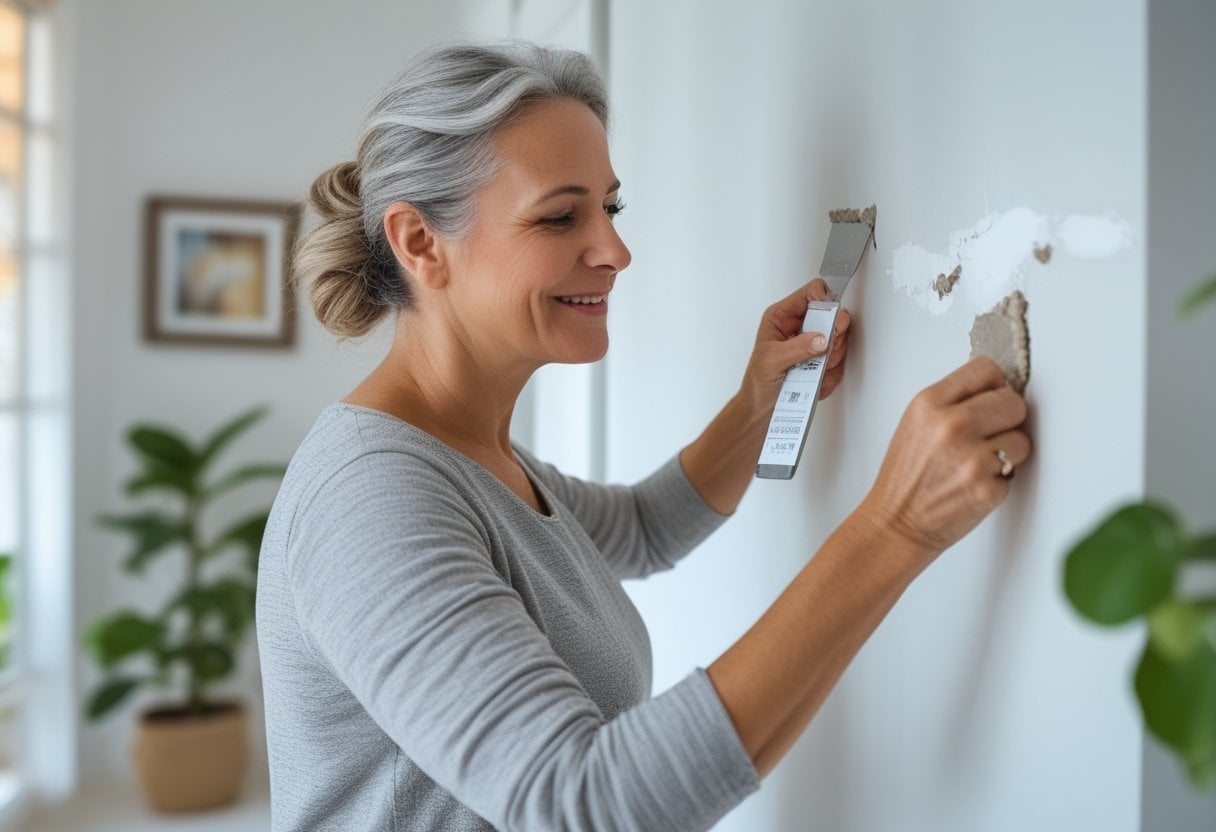
Your grandmother knew that addressing wall damage right away prevented bigger problems later. Small nail holes and dents are simple to fix when you catch them early, but they can expand over time if left unattended.
For tiny holes, you need basic supplies like spackling paste and a putty knife. You apply the paste, smooth it with the knife, and let it dry completely before sanding the surface. The entire process takes minutes and costs very little.
Waiting to fix these imperfections makes repairs harder. Cracks can spread, edges can crumble, and you end up with more extensive damage that requires additional materials and effort.
Keeping a small container of spackling compound in your home means you can handle these repairs immediately. This proactive approach maintains your walls and preserves your home’s appearance without requiring major renovation work.
26. Use a cold-water wash for most clothes
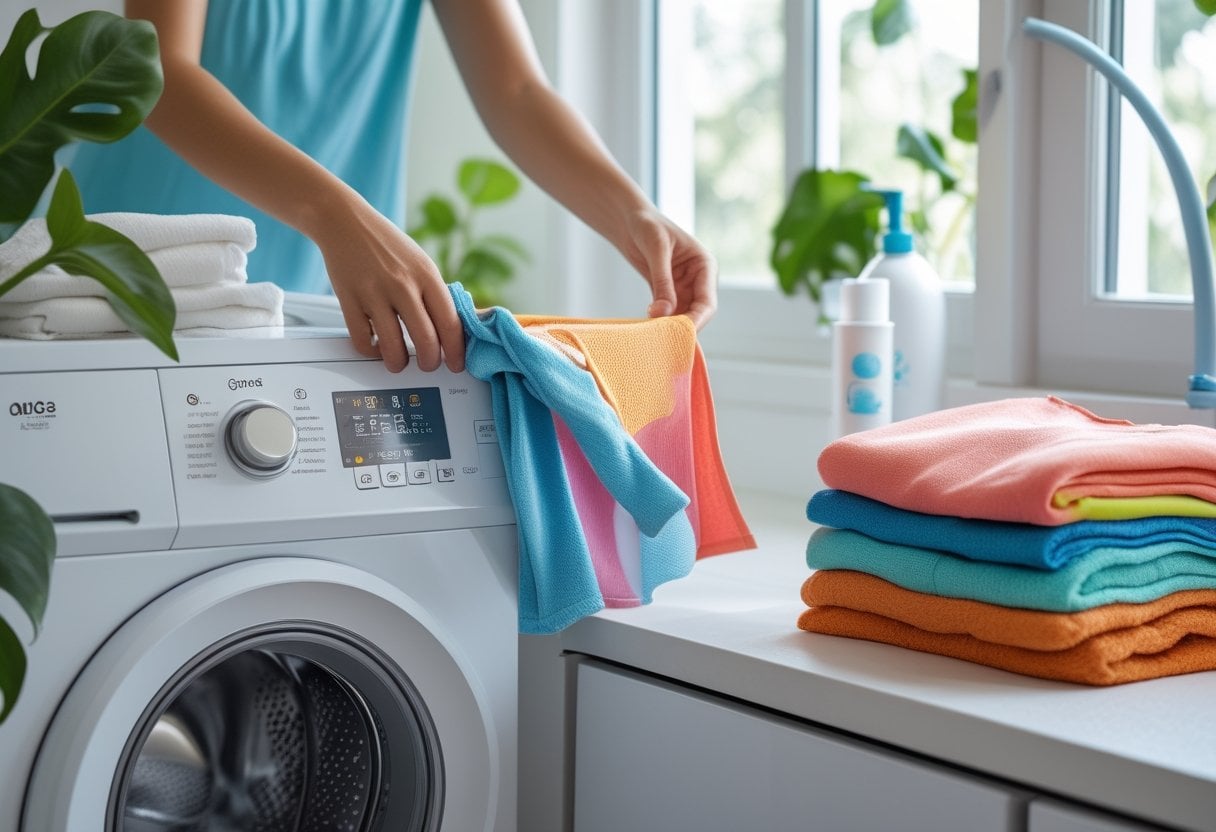
Grandma might have used hot water for everything, but modern detergents have changed the game. You can wash most of your laundry in cold water and get the same clean results while cutting your energy costs by more than half.
Cold water protects your clothes from shrinking and fading. It’s gentler on fabrics, which means your wardrobe lasts longer. Modern cold-water detergents are formulated to clean effectively without heat.
You should still use warm water for heavily-stained cotton items. Sheets and towels can handle hot water when needed. Always check the care label first.
The switch to cold water is straightforward. You’ll save money on your energy bills and reduce wear on your clothing with minimal effort.
27. Have a ‘no dishes left in the sink overnight’ rule
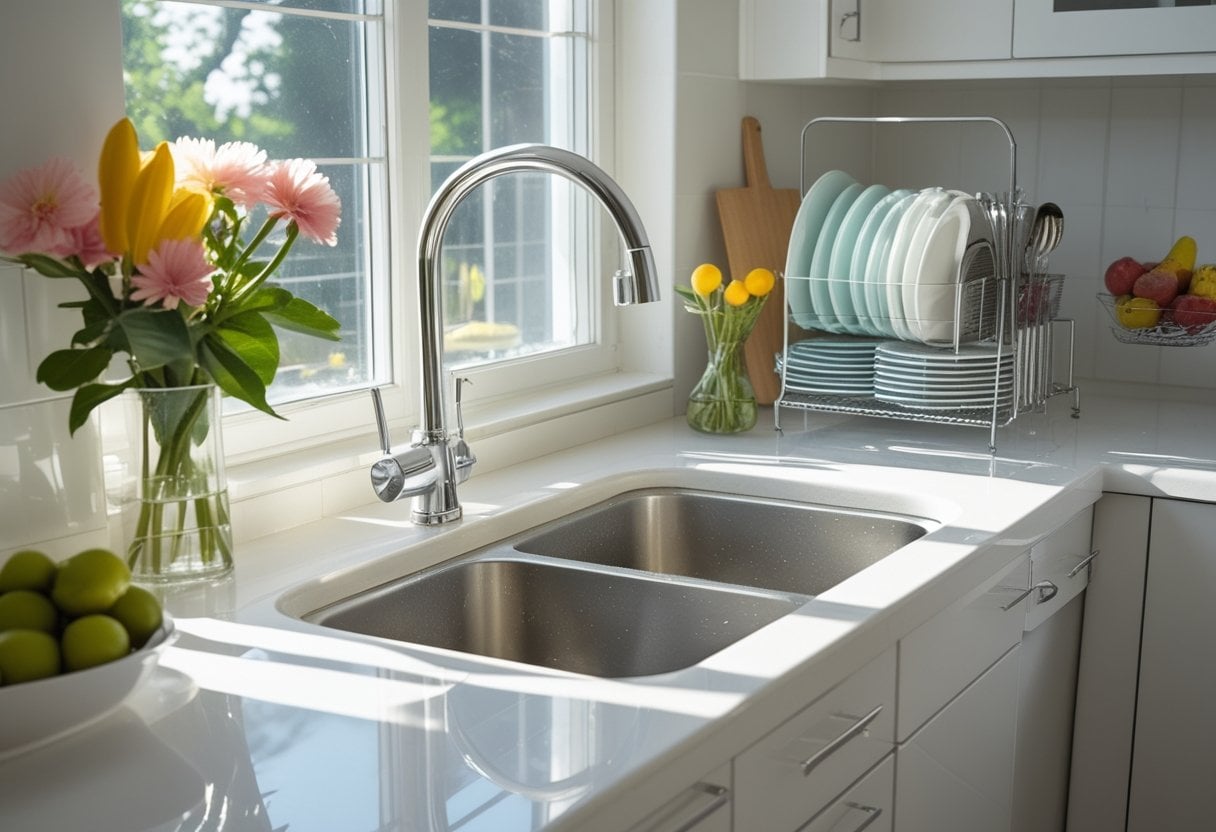
Your grandmother likely maintained a strict policy about clearing the sink before bed. This wasn’t about perfectionism but practical wisdom.
Waking up to a clean kitchen sets a better tone for your morning. You avoid the stress of facing yesterday’s mess when you’re trying to prepare breakfast or coffee. The task becomes simpler when dishes haven’t sat overnight with dried food.
Many couples and families who follow this rule report less household tension. When everyone knows dishes get handled before bed, there’s no debate about whose turn it is the next day.
This habit also reduces decision fatigue. Making it a non-negotiable rule means you don’t waste mental energy deciding whether to clean up tonight or tomorrow.
Generational Wisdom for Simplified Living

Grandmothers built household management systems around consistent daily patterns and learned to maximize what they had on hand. These approaches created stability and taught valuable life skills that extended far beyond housekeeping.
Shaping Household Culture Through Routines
Your grandmother likely followed a weekly cleaning schedule that assigned specific tasks to particular days. Monday was laundry day, Friday meant mopping floors, and Saturday involved deep cleaning the kitchen. This structured approach prevented overwhelming workloads and ensured nothing was neglected.
Common Weekly Routines:
- Morning dishes washed immediately after breakfast
- Beds made before leaving the bedroom
- Evening tidying before bed
- Weekly rotation of deep cleaning tasks
These patterns created predictable rhythms that made household management less stressful. You knew what needed doing and when, eliminating decision fatigue. Children raised in these environments learned responsibility through age-appropriate tasks integrated into daily life.
The consistency also meant your grandmother could spot problems quickly. A disruption in routine signaled something needed attention, whether a family member felt unwell or a household system required repair.
Lessons on Resourcefulness and Resilience
Grandmothers who lived through economic hardship developed skills in making things last and finding multiple uses for single items. They darned socks, saved glass jars for storage, and repurposed fabric scraps into quilts or cleaning rags.
This mindset valued repair over replacement. When appliances broke, you fixed them rather than buying new ones. Leftovers became tomorrow’s soup or casserole ingredients. Stale bread transformed into breadcrumbs or French toast.
Your grandmother likely kept a well-stocked pantry with staples that could create meals without shopping trips. She knew how to substitute ingredients and adapt recipes based on what was available. These practices built resilience against unexpected challenges and reduced household expenses significantly.
Applying Timeless Practices in Modern Homes
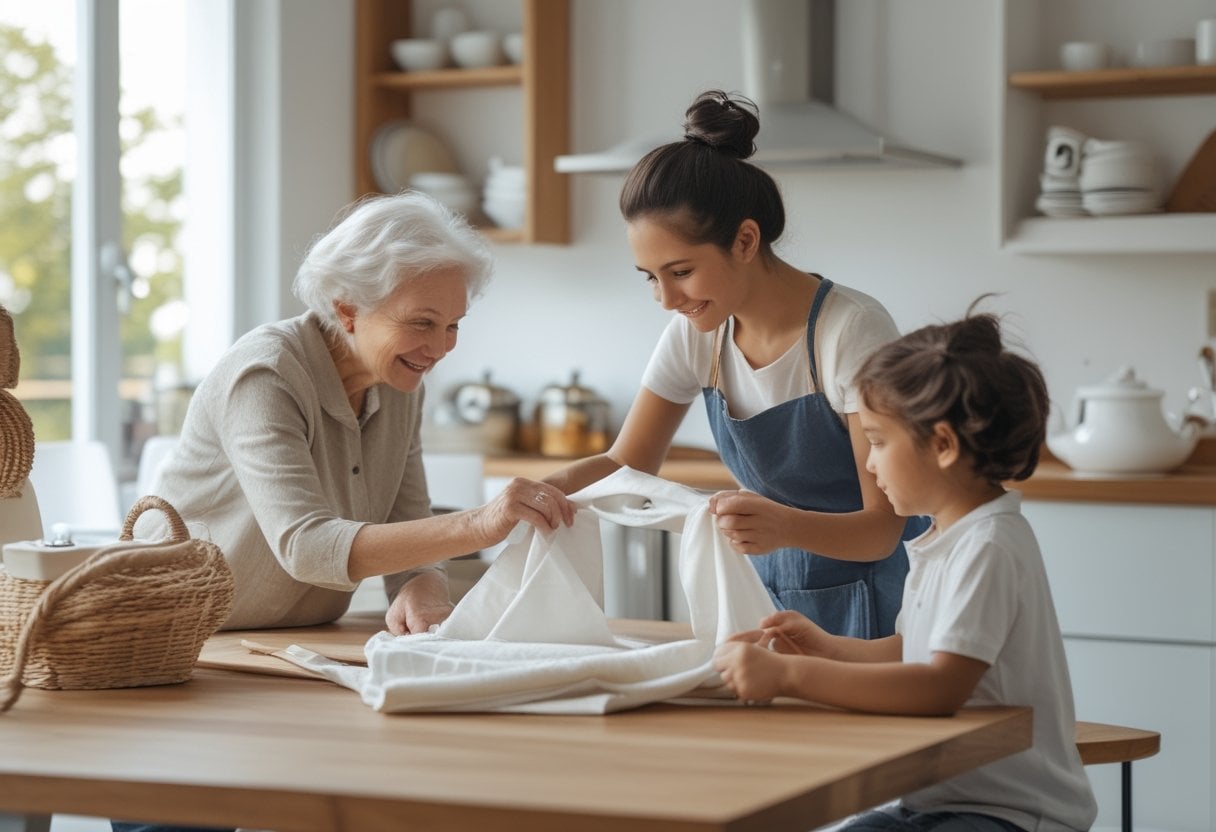
Grandma’s household methods work today because they prioritize consistency, shared responsibility, and practical routines that adapt to any living situation. The key is translating these principles into systems that fit your current lifestyle and family dynamics.
Adapting Traditional Approaches for Today
You don’t need to replicate grandma’s exact methods to benefit from her wisdom. Start by identifying which traditional practices address your specific household challenges.
Daily maintenance routines work better than weekend marathon cleaning sessions. Set aside 15 minutes each morning for tidying high-traffic areas. This prevents clutter accumulation and reduces stress.
Batch similar tasks together to maximize efficiency. Designate specific days for laundry, grocery shopping, or meal prep rather than scattering these activities throughout the week. This creates predictable rhythms that reduce decision fatigue.
Use modern tools to support old-school principles. Shared digital calendars can enforce the traditional family schedule while accommodating longer commutes and after-school activities. Slow cookers and pressure cookers enable home-cooked meals even with demanding work schedules.
Establish designated spaces for frequently used items. Keep keys, bags, and shoes in consistent locations near entryways. This simple organizational principle eliminates daily searching and creates automatic order.
Encouraging Family Cooperation
Assign age-appropriate responsibilities to every household member. Children as young as three can put away toys and place dirty clothes in hampers. Older children manage their own laundry and contribute to meal preparation.
Create a visible task chart that rotates weekly responsibilities. This ensures fairness and teaches diverse skills. When everyone participates, no single person bears the household burden.
Set clear expectations about daily contributions. Beds get made before breakfast. Dishes go directly into the dishwasher after use. These non-negotiable standards become habits through consistent enforcement.
Schedule regular family work sessions where everyone tackles projects together. Yard work, deep cleaning, or seasonal organizing becomes manageable and builds cooperation. Working alongside family members demonstrates that maintaining a home is a shared responsibility, not one person’s job.