
The 30 Worst Casserole Combinations Ever Invented: Dishes to Avoid Making
Would you like to save this?
Casserole recipes have appeared on dinner tables for decades, often built around convenience ingredients like canned soup, processed cheese, and pre-packaged mixes. Some combinations held up well over time, while others produced results that most people would rather forget.
This article looks at casserole recipes that combined ingredients in ways that didn’t work, based on flavor clashes, odd textures, or ingredient pairings that never should have met in one dish.
You’ll find a list of 30 casseroles that illustrate how mixing the wrong ingredients can turn a simple meal into something unappetizing. Each entry reflects choices that were common in certain eras of home cooking but haven’t aged well by today’s standards.
1. Tuna, Banana, and Mayonnaise Casserole
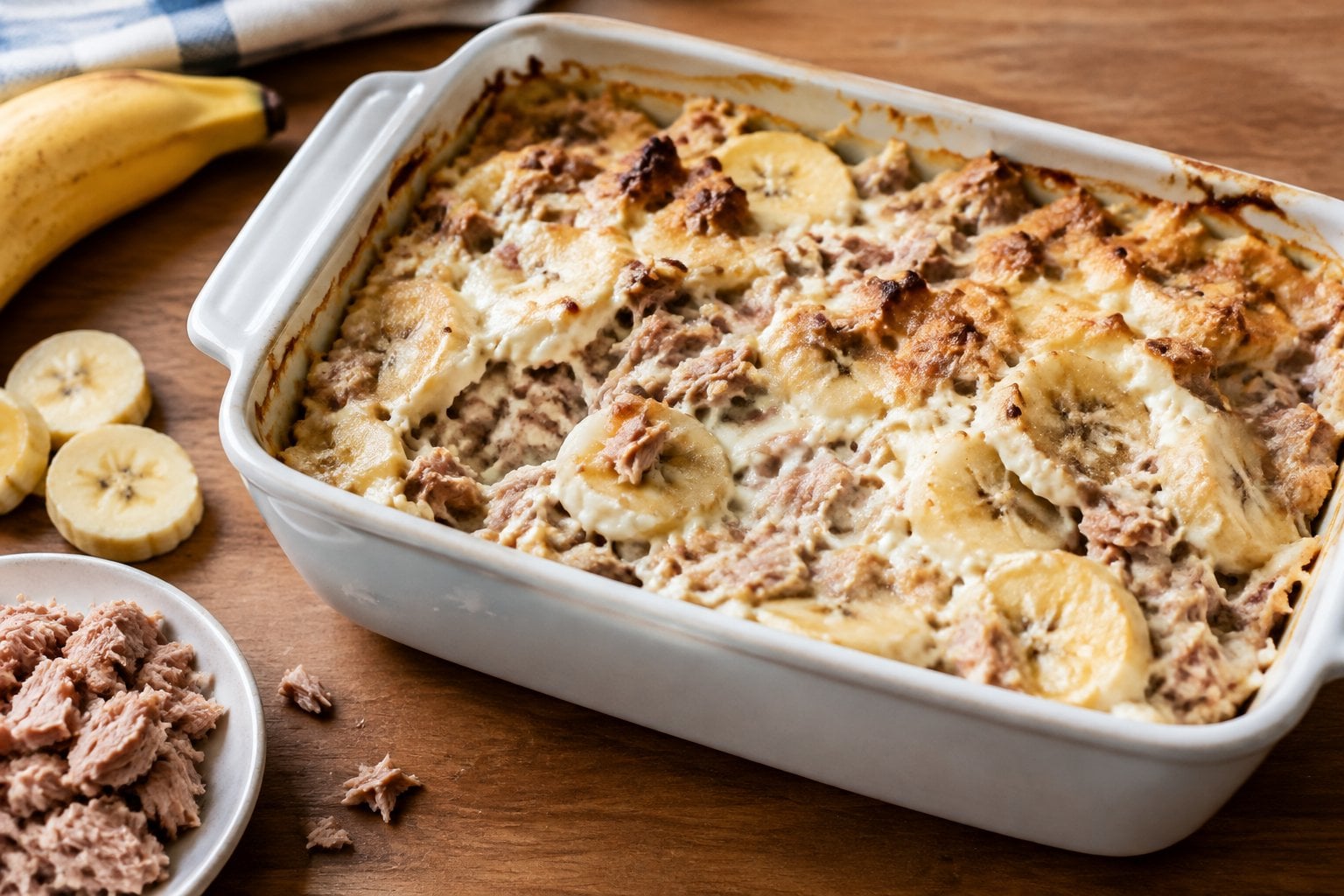
If you combine canned tuna, sliced bananas, and mayonnaise in one dish, you get a casserole that confuses your palate rather than satisfies it. The fish brings a salty, savory edge. The banana adds unexpected sweetness and a soft, mushy texture once baked.
Mayonnaise binds the two together, but it does not resolve the clash. You end up with a sauce that turns oddly sweet and tangy when heated, similar to the type of mismatched pairing you see in lists of disgusting food combinations.
This casserole fits the pattern of retro dishes built around convenience rather than flavor balance. You see similar reliance on canned fish and heavy binders in other outdated casserole recipes from that era.
If you try this combination, expect a dish that tests your tolerance for contrast more than your appetite.
2. Salmon, rice, olives, and marshmallow casserole
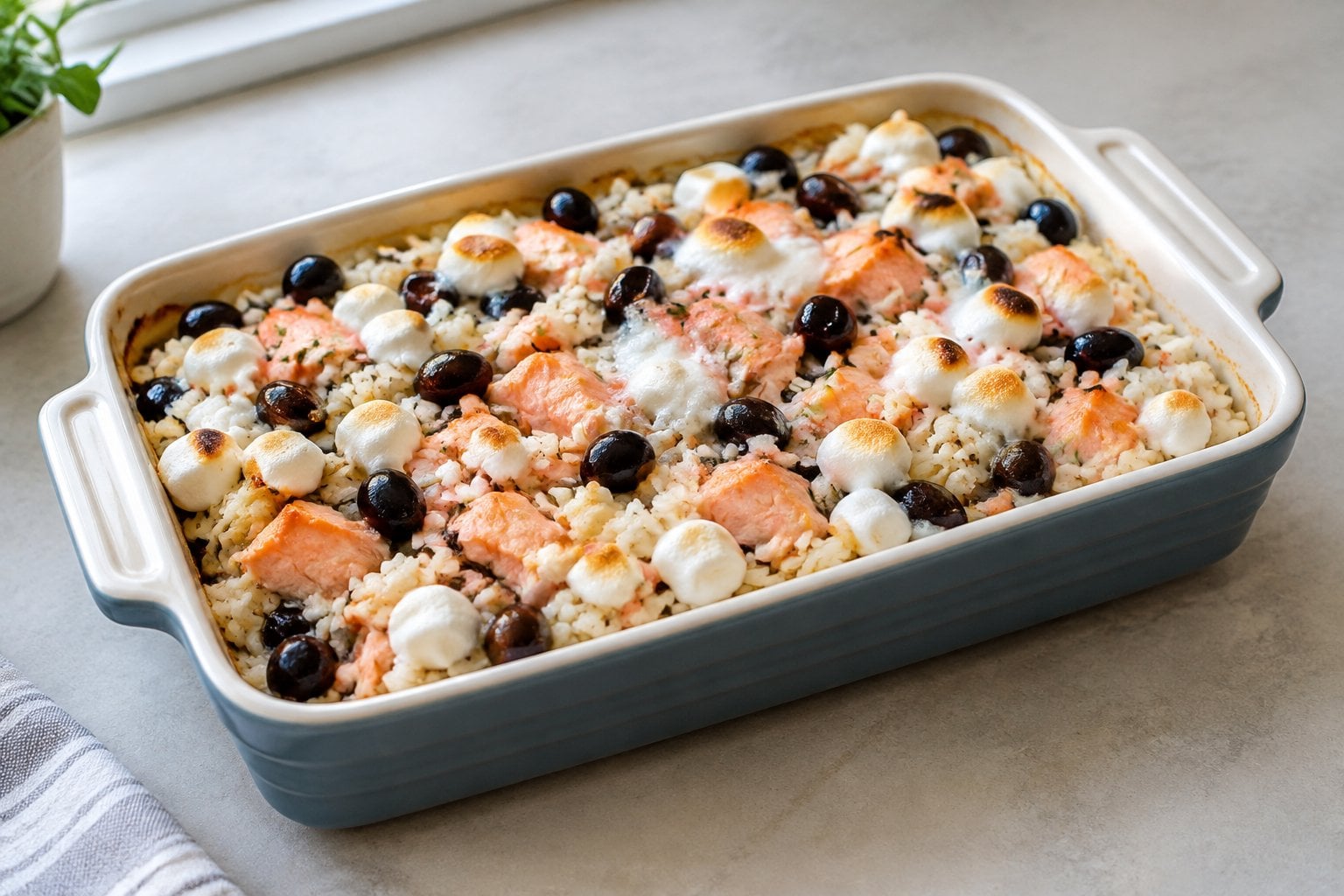
This combination pairs savory canned salmon with rice and olives, then adds a layer of marshmallows on top. The result is a dish where sweet and fishy flavors compete rather than complement each other.
You get a similar effect to the infamous Pyrex recipe described as an unholy combination of salmon, rice, and olives, which critics say ruins your appetite for each ingredient individually. Adding marshmallows only compounds the problem.
The texture contrast doesn’t help your case either. Soft, melted marshmallow against flaky salmon and chewy olives creates a mouthfeel many diners find unpleasant rather than interesting.
If you’re looking to recreate a dish that defines culinary mismatch, this casserole delivers. You won’t find many defenders of this flavor pairing, and for good reason.
3. Hot dog and grape casserole
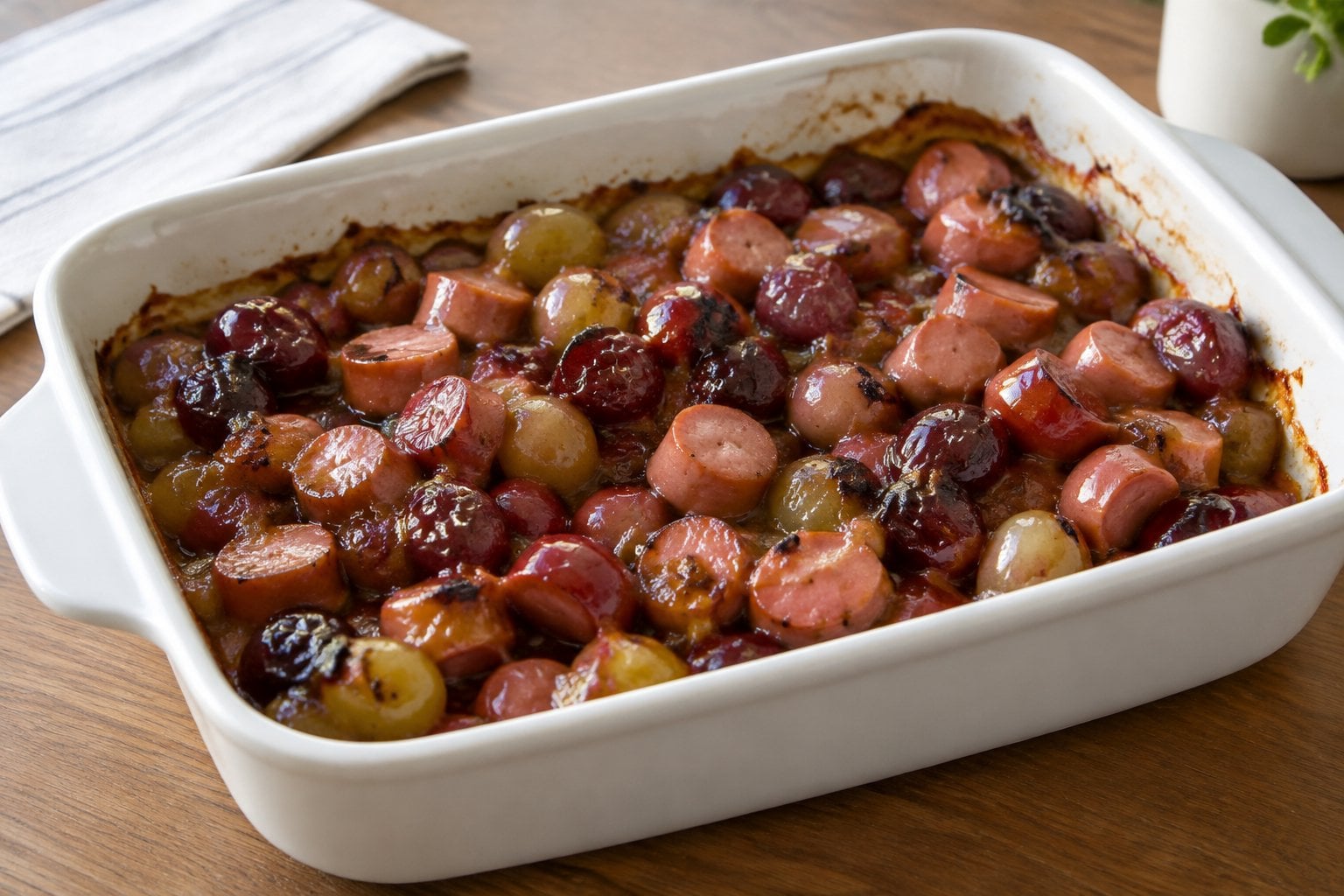
This casserole combines sliced hot dogs with whole or halved grapes in a creamy sauce, then bakes the mixture until bubbling.
The fruit softens under heat, releasing juice that mixes with the sauce base. This creates a sweet-savory liquid that coats the hot dogs unevenly.
You get contrasting textures in every bite. The grapes turn mushy and slippery, while the hot dogs stay firm and rubbery, so the dish lacks any unifying consistency.
Vintage cookbooks from the mid-20th century often paired processed meats with fruit to signal convenience and novelty. This recipe reflects that era’s trend toward combining unrelated ingredients under a cream-based sauce, a pattern seen across many outdated casserole recipes from the same period.
If you try this dish, expect the sweetness to overpower the hot dogs’ saltiness. The balance rarely works in your favor, and the visual presentation does the recipe no favors either.
4. Liver, pineapple, and cream-of-mushroom casserole
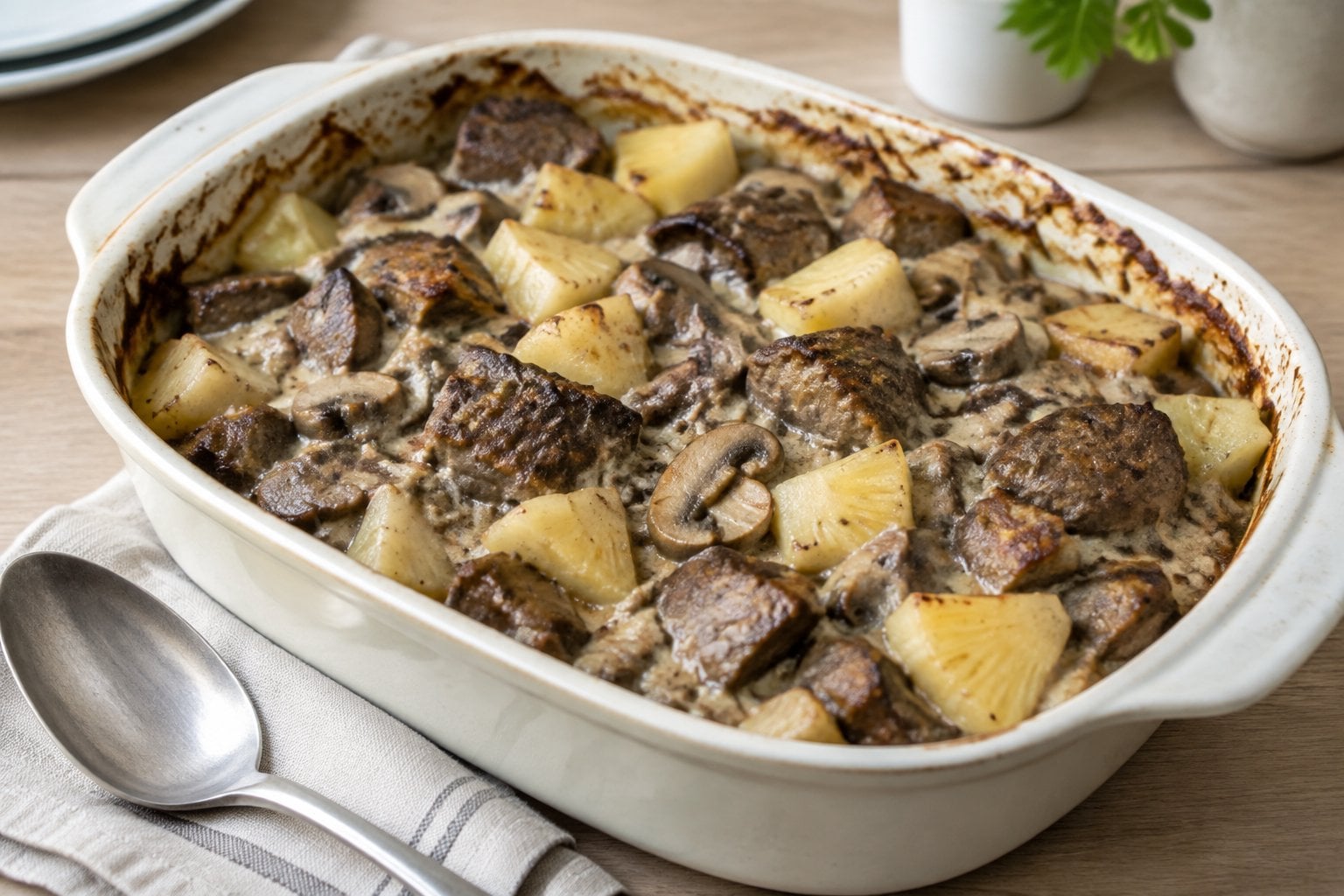
You take organ meat, tropical fruit, and a canned soup binder, and combine them in one dish. This pairing came from a real trend: molded liver sausage shaped and decorated to resemble a pineapple, topped with parsley to complete the illusion.
The intent was presentation, not flavor logic. You get a dense, mineral-heavy liver base meeting the acidic sweetness of pineapple, then cream-of-mushroom soup folded in as a smoothing agent.
Texturally, you’re working against yourself. Liver is soft and grainy, pineapple adds wet sweetness, and the soup adds starchy thickness on top of that.
None of these elements complement each other on your palate. You end up with a dish that reads as a novelty centerpiece rather than something built around taste.
5. Sardine and marshmallow casserole
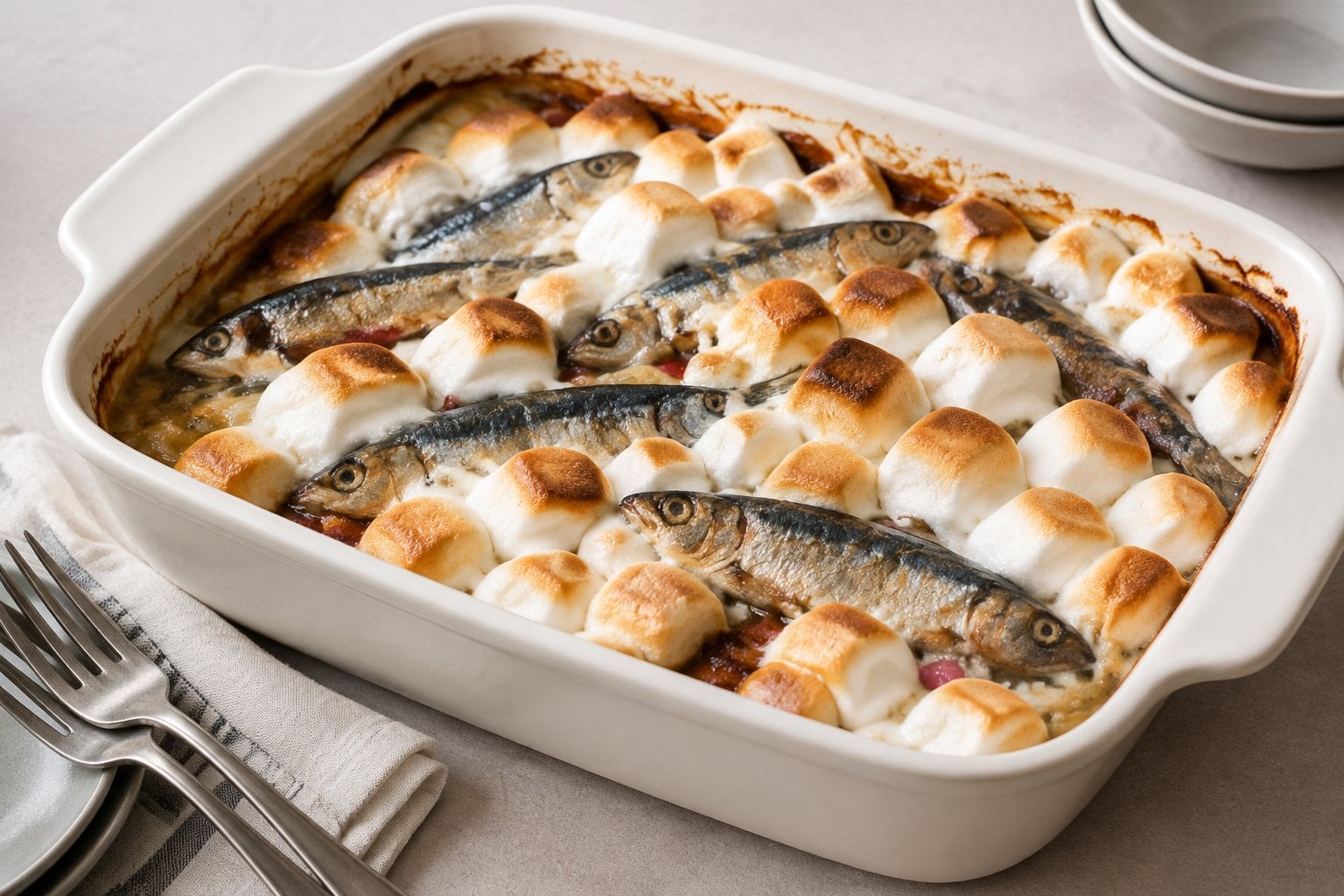
You combine two ingredients that belong in entirely different meals. Sardines bring a strong, oily, fishy flavor. Marshmallows add pure sugar and a sticky, gooey texture.
When you bake them together, the contrast doesn’t soften. One recipe even layers sardines with marshmallows in a casserole and finishes it with a marshmallow drizzle, which only intensifies the clash between fish and sugar.
You’ll notice the marshmallow melts and coats the fish in a sweet film, while the sardine oil seeps into the sugar. Neither flavor improves the other. Your palate has to process salt, fish, and sweetness all at once, and they don’t resolve into anything coherent.
If you’re looking for a casserole that works, this isn’t it. You’re left with a dish where every bite reminds you why these two ingredients stayed separate for so long.
6. Canned fruit, tuna, and cheddar casserole
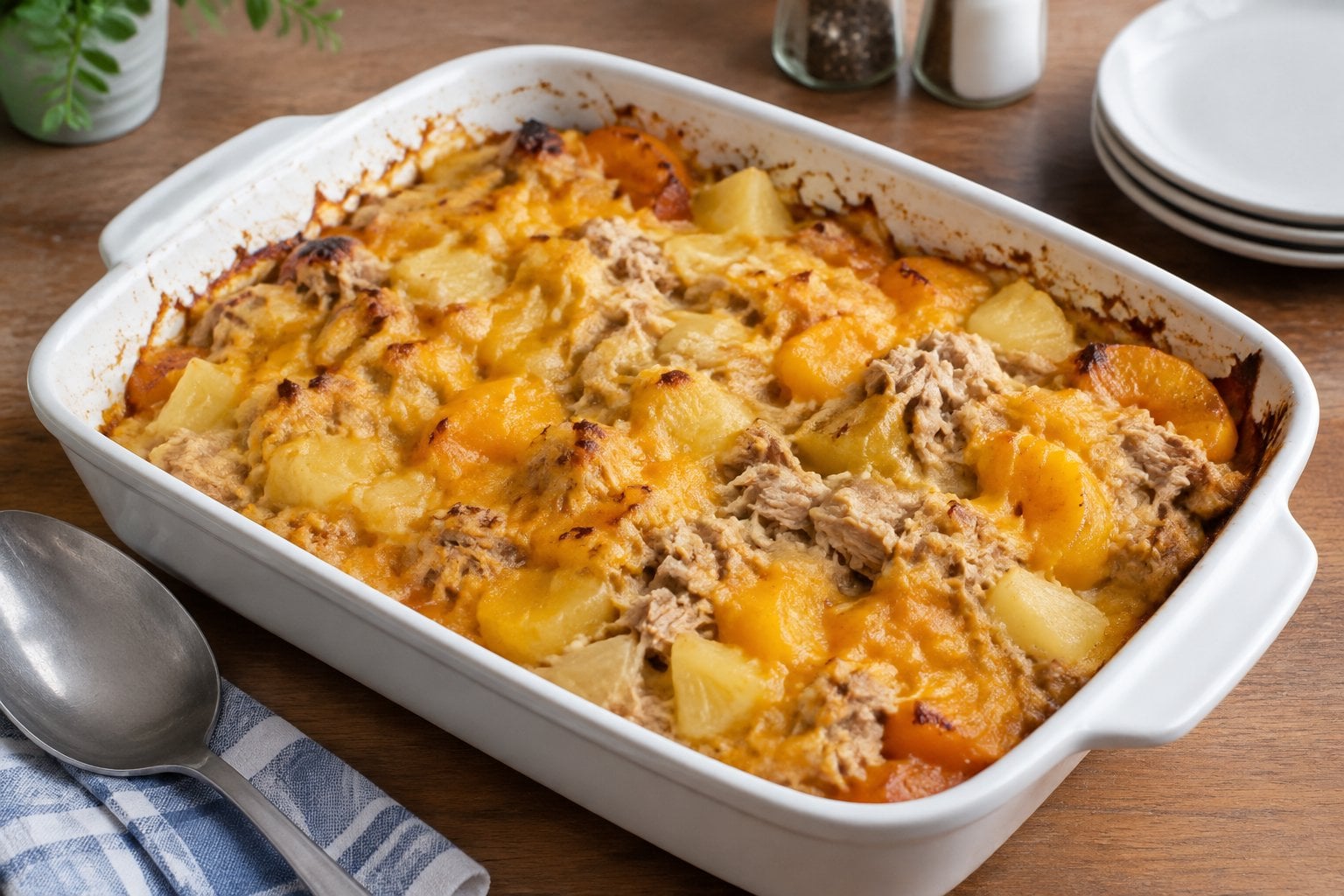
You combine three ingredients that have no business sharing a baking dish: canned fruit, canned tuna, and shredded cheddar. The sweetness of the fruit clashes with the briny, fishy taste of the tuna, and the cheddar adds a sharp note that fights both.
Canned fruit releases sugary syrup as it bakes, which thins out the dish and leaves watery pockets around the fish. You end up with a texture that is mushy in some bites and oddly firm in others, since tuna doesn’t soften the same way the fruit does.
Cheddar is meant to pair with savory, often mild flavors. Here, it clashes with the fruit instead of balancing it, and you’re left with a dish that tastes confused rather than complex. Most people who try this combination don’t ask for seconds.
7. Ground beef, banana, and tomato aspic casserole
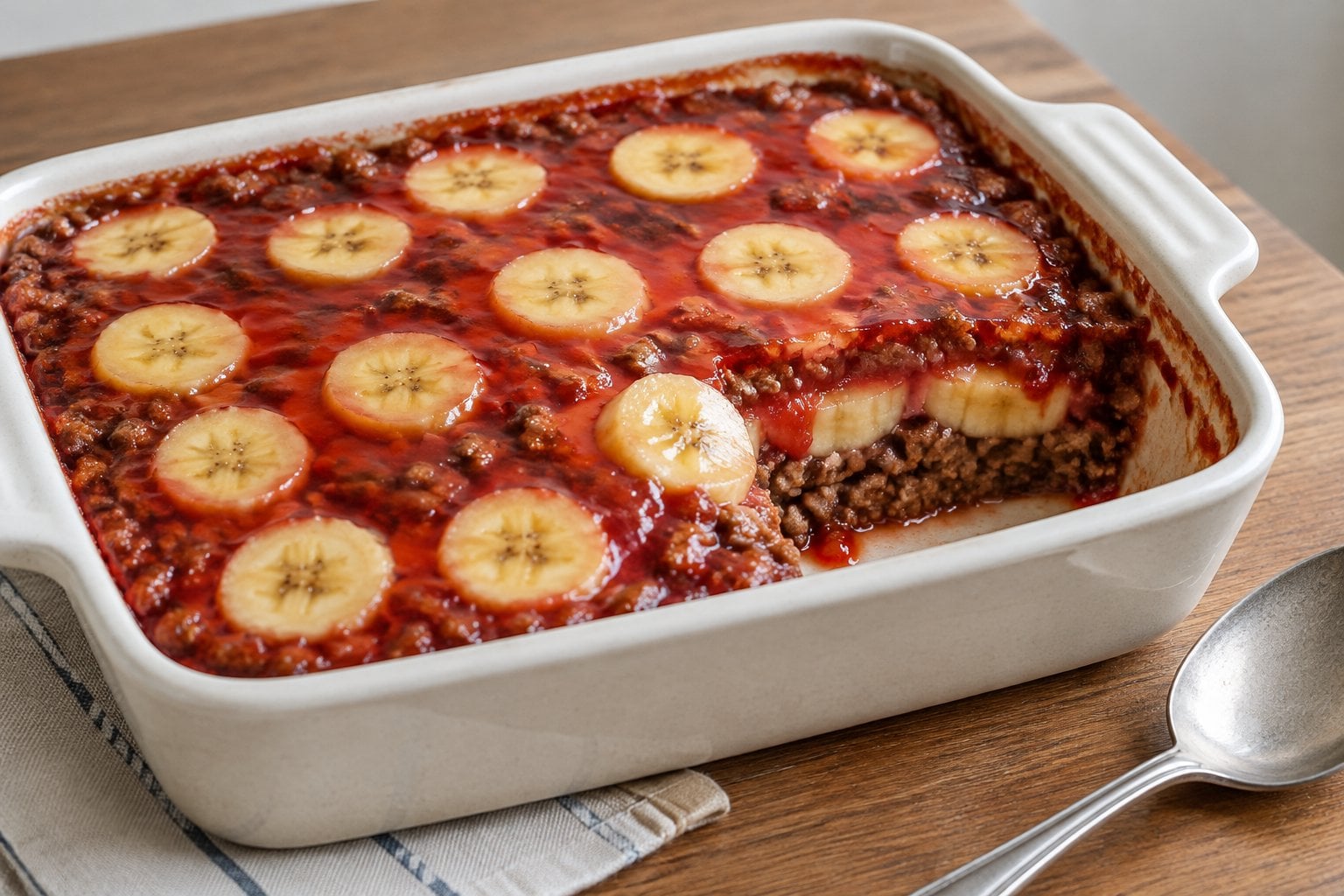
You take seasoned ground beef, add sliced bananas, and set the whole thing in tomato aspic, a savory gelatin common in mid-century American cooking. The result is a dish that mixes a warm, savory meat layer with a cold, jiggling tomato gel and soft, sweet fruit.
Texture is the main problem here. You get three competing consistencies in one bite: crumbly meat, slippery gelatin, and mushy banana. None of them complement the others.
Flavor doesn’t fare much better. The sweetness of the banana clashes with the acidic tang of the tomato aspic, while the beef sits awkwardly between the two, tasting more like regret than dinner.
This recipe reflects a period when home cooks relied on gelatin molds to showcase ingredients, regardless of whether those ingredients belonged together. You can appreciate the creativity, but the combination rarely satisfies on taste or texture alone.
8. Chicken, canned peaches, and mayonnaise casserole
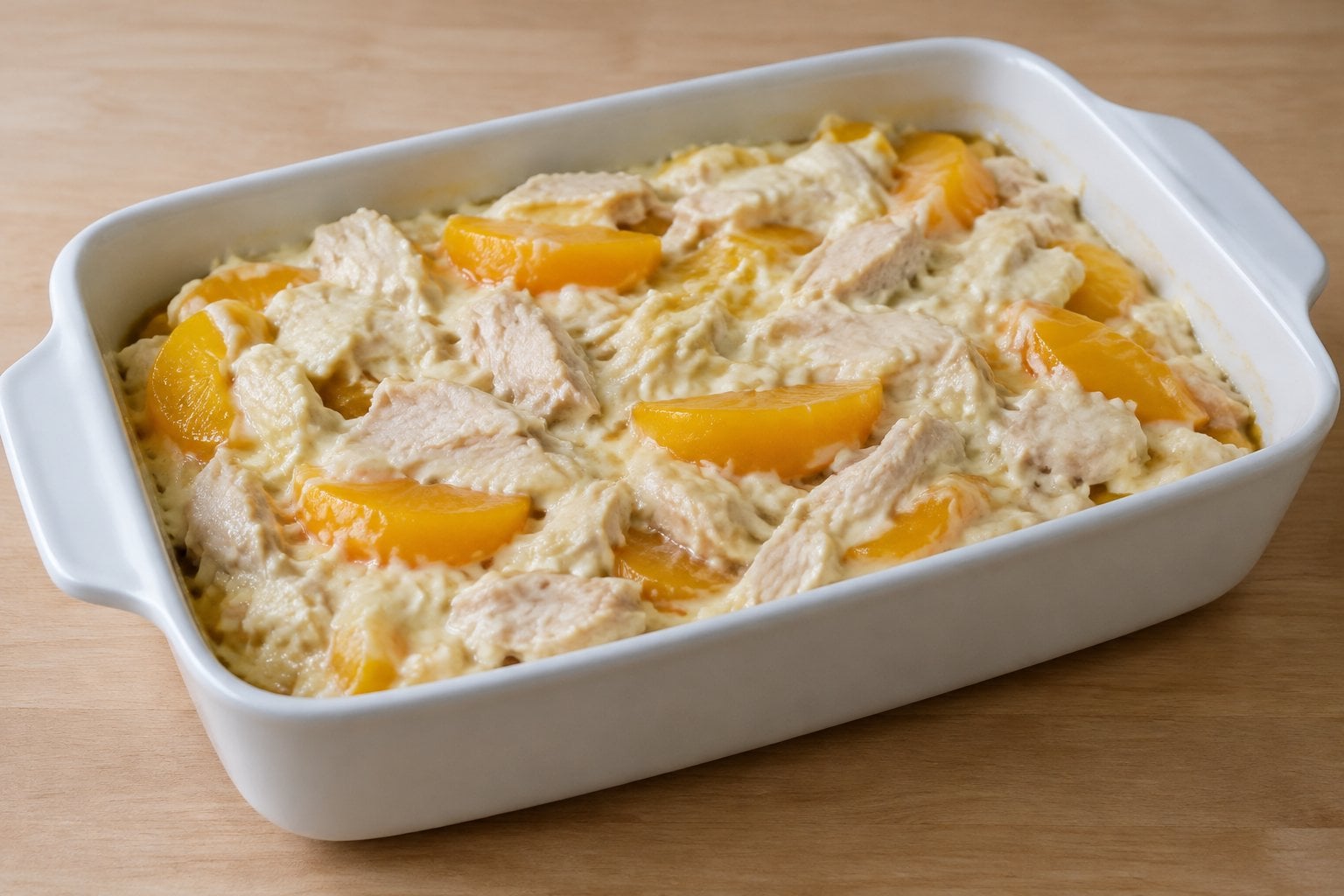
This combination mixes sweet canned peaches with mayonnaise, baked chicken, and often a cheese topping. The result sits somewhere between a salad dressing and a dessert, which confuses most palates.
You get three competing flavor profiles fighting for attention: sugary fruit, tangy mayonnaise, and savory meat. Reddit users discussing chicken with canned peaches describe similar fruit-meat pairings as memorable for the wrong reasons.
Mayonnaise doesn’t hold up well under oven heat. It tends to separate, leaving an oily layer across the top instead of a smooth binder.
If you’re looking at vintage recipe boxes, you’ll likely find this exact combination listed as a “salad casserole,” a label that doesn’t make it more appetizing. The texture clash between warm chicken and cold, sweet peach syrup remains the biggest issue you’ll notice at first bite.
9. Spam, pineapple, and cottage cheese casserole
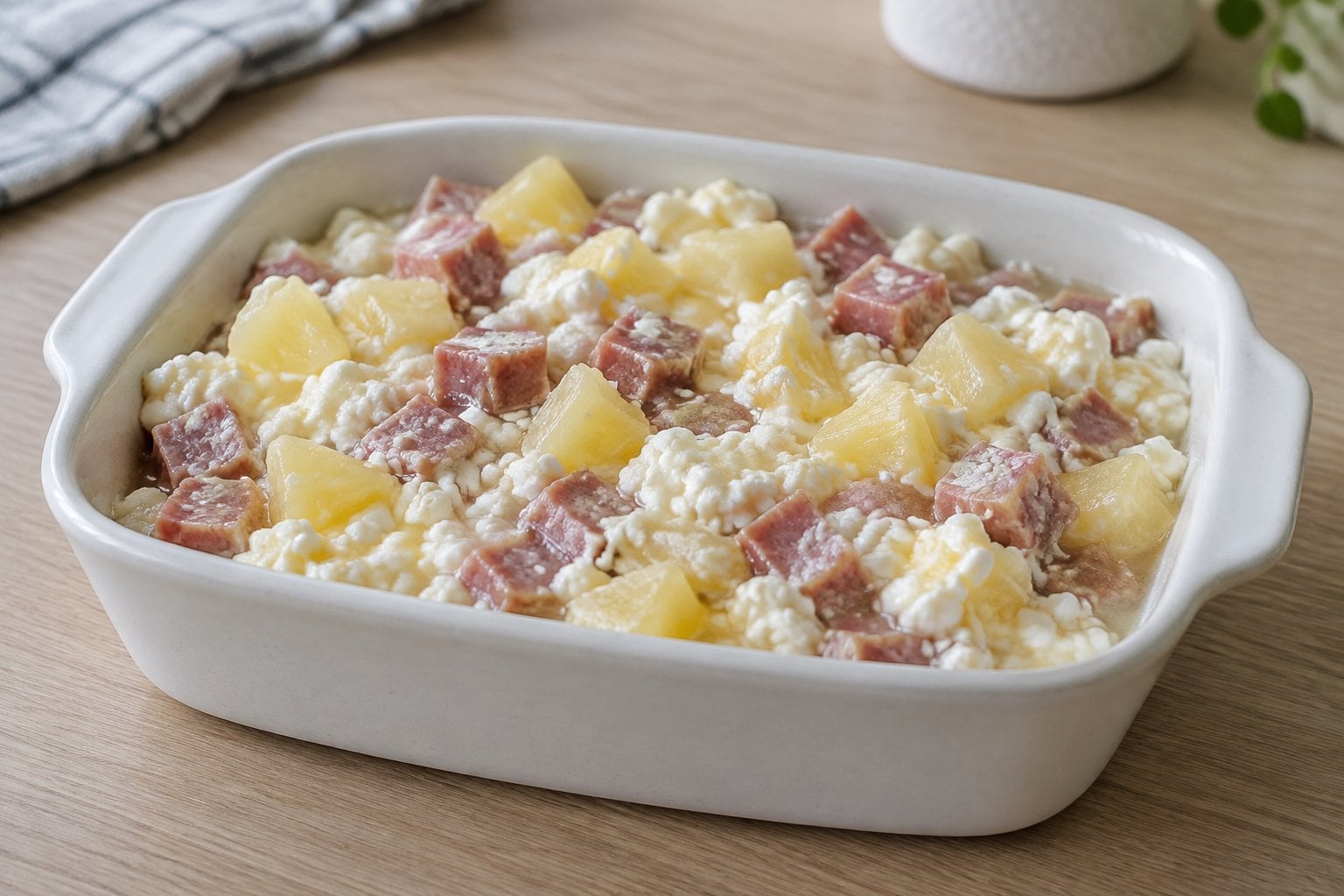
This casserole combines three ingredients that each had their own place in mid-century kitchens but rarely belonged together. Spam brought salt and dense texture. Pineapple added sweetness and acid. Cottage cheese contributed a mild, lumpy creaminess that didn’t blend well with the other two.
You end up with a dish that fights itself in every bite. The salty meat clashes with the sweet fruit, while the cottage cheese adds a watery, curdled layer that disrupts the texture further. Cottage cheese paired with pineapple works fine on its own, as seen in dishes like cottage cheese and pineapple, but baking it alongside Spam removes the lightness that made the combination appealing.
The result bakes into something with uneven texture and conflicting flavors, making it a strange choice for family dinners.
10. Macaroni, sardines, and grape jelly casserole
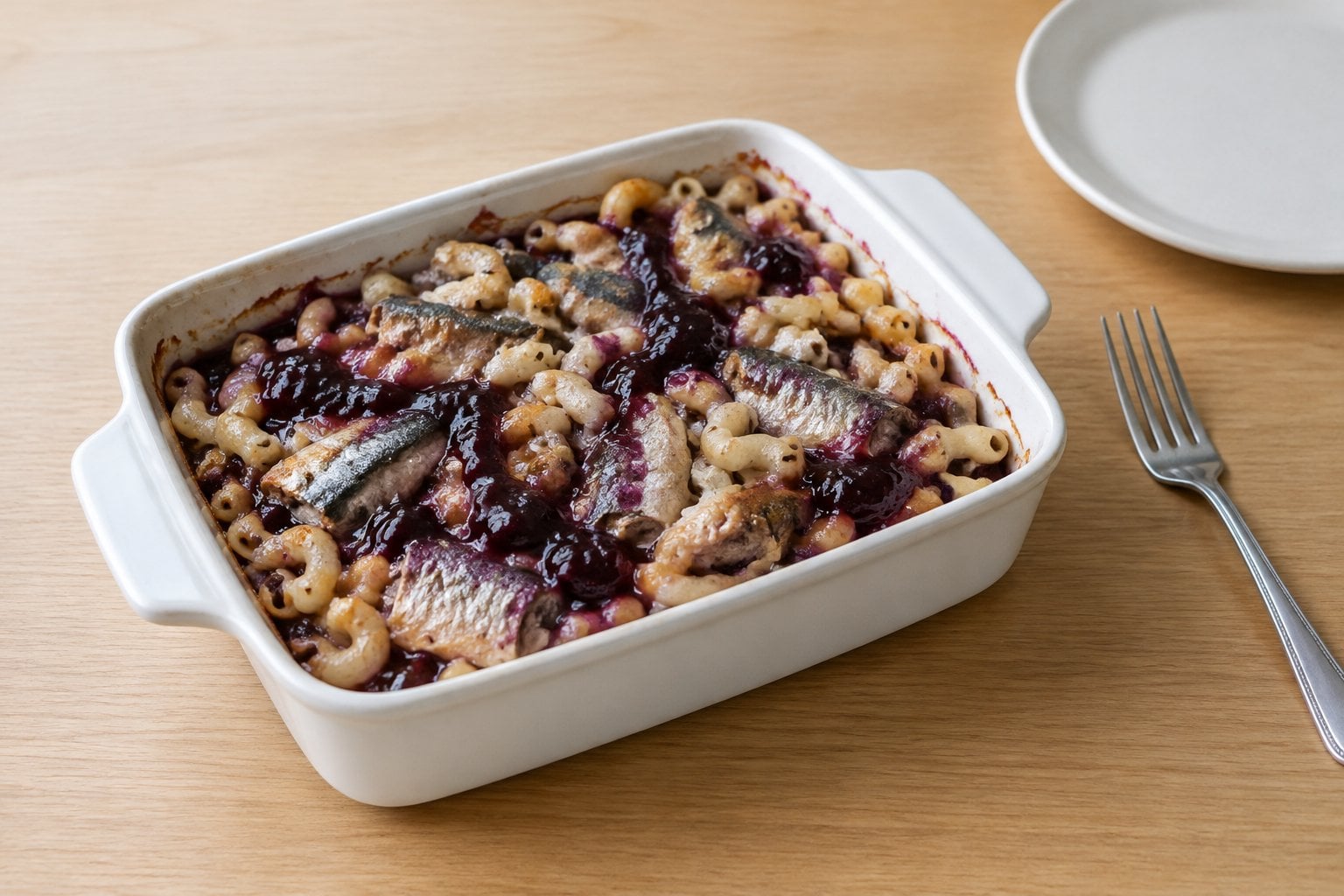
You combine three ingredients that have no business sharing a baking dish: plain macaroni, canned sardines, and grape jelly. The jelly melts into a sweet, sticky glaze that coats the fish and pasta in equal measure. Sardines already carry a strong, briny flavor, and sugar does not soften that.
If you try this dish, expect the fishy oil to separate from the jelly as it bakes. The result is a glossy, purple-tinted sauce with visible fish skin and bones mixed throughout. Sardines are often praised for being rich in magnesium, but that nutritional benefit gets lost in the clash of flavors here.
You will notice the texture problem immediately: soft noodles, oily fish, and a thick jelly coating that clings unevenly. Nothing about the combination balances out. The sweetness and the seafood never meet in the middle.
11. Shrimp, banana, and gelatin casserole
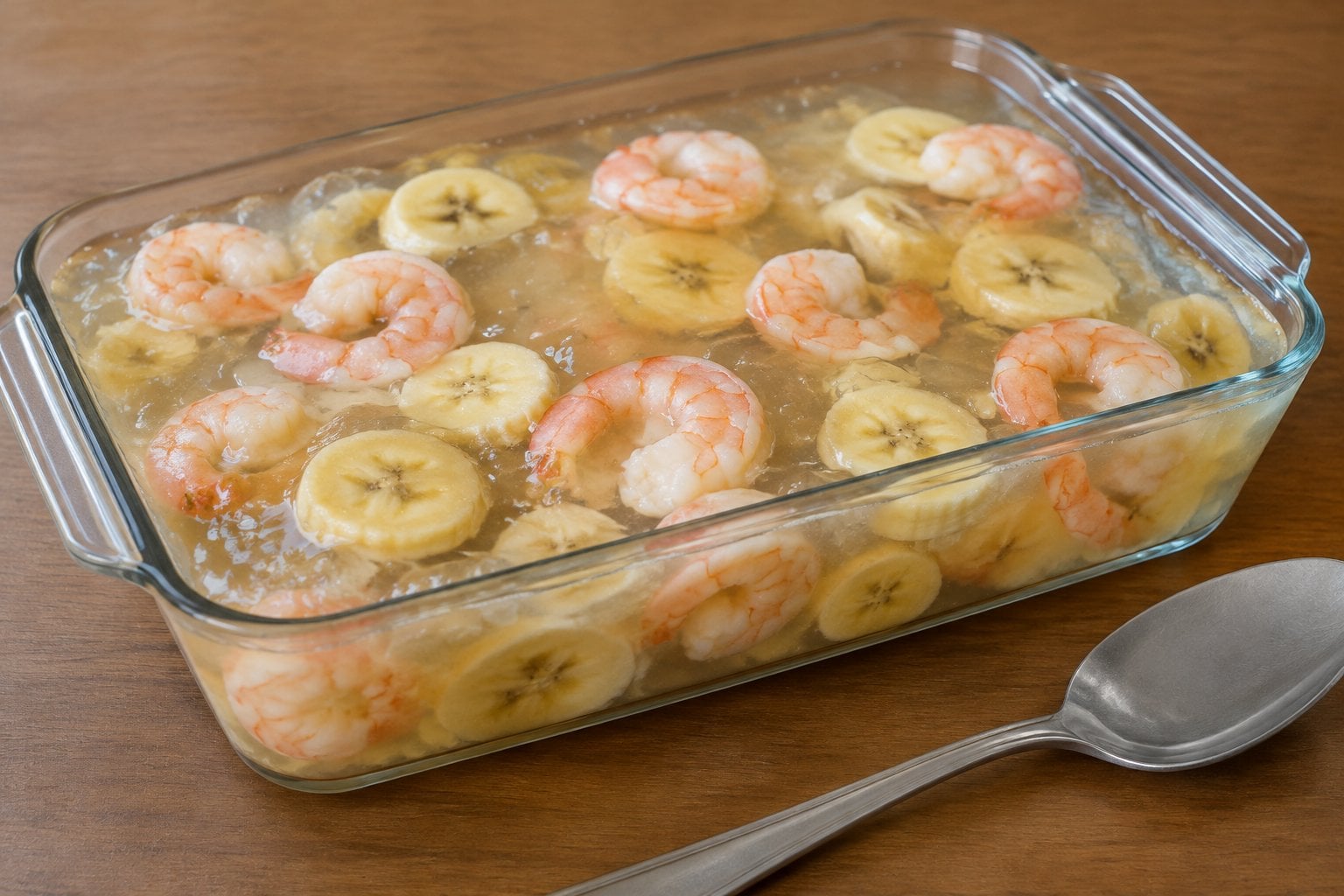
This dish mixes shrimp, sliced bananas, and gelatin into a single baked casserole. The sweetness of the fruit sits directly against the brininess of the shrimp, and the gelatin binds everything into a texture that falls somewhere between a salad and a mold.
You get three competing flavors on one plate: seafood, fruit, and an unflavored or lightly flavored set gelatin. None of these components reinforce the others. Similar fruit-and-seafood pairings showed up often in mid-century cookbooks, including ham and bananas hollandaise, which followed the same logic of combining incompatible ingredients for the sake of novelty.
When served warm from the oven, the gelatin loses its structure, so you end up with a loose, wet dish rather than a firm casserole. The shrimp also release moisture as they cook, which thins the gelatin further and changes the intended texture of the finished product.
12. Green bean, tuna, and chocolate casserole
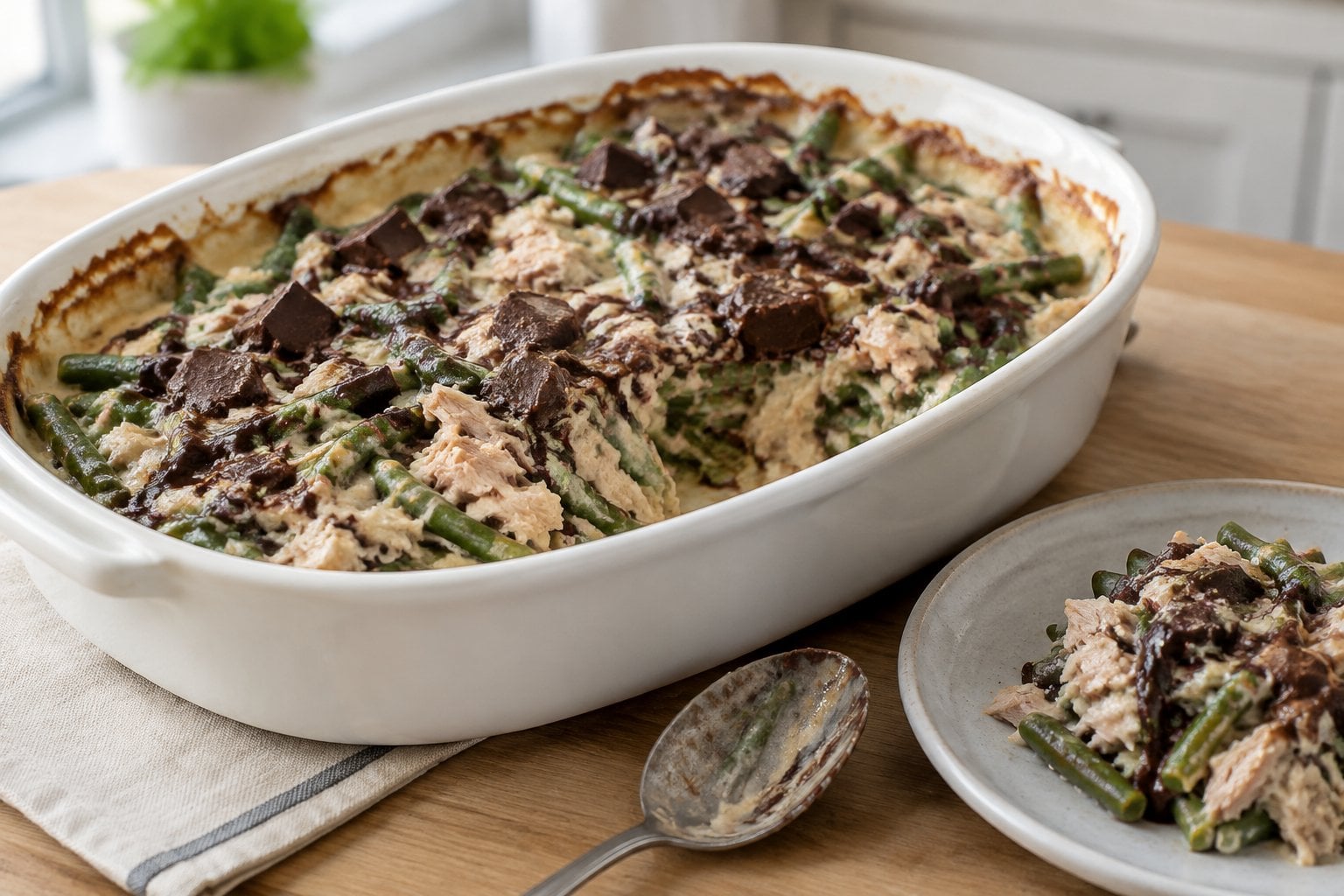
This combination mixes savory and sweet elements that don’t work well together. Green beans and tuna form the base of a traditional savory casserole, similar to the classic tuna noodle casserole many families made for decades.
Chocolate changes the flavor profile entirely. You get a dish where the fishy taste of tuna competes with cocoa, and neither flavor benefits from the pairing.
The texture creates problems too. Melted chocolate doesn’t bind with cream-based sauces the way cheese or soup does, so you end up with an inconsistent, greasy layer on top.
If you’re looking for a creamy, reliable version of this dish without the chocolate, a tuna and green bean casserole built around cheese and standard seasonings gives you the comfort food result you actually want. Your dinner table will thank you for leaving the cocoa out of this one.
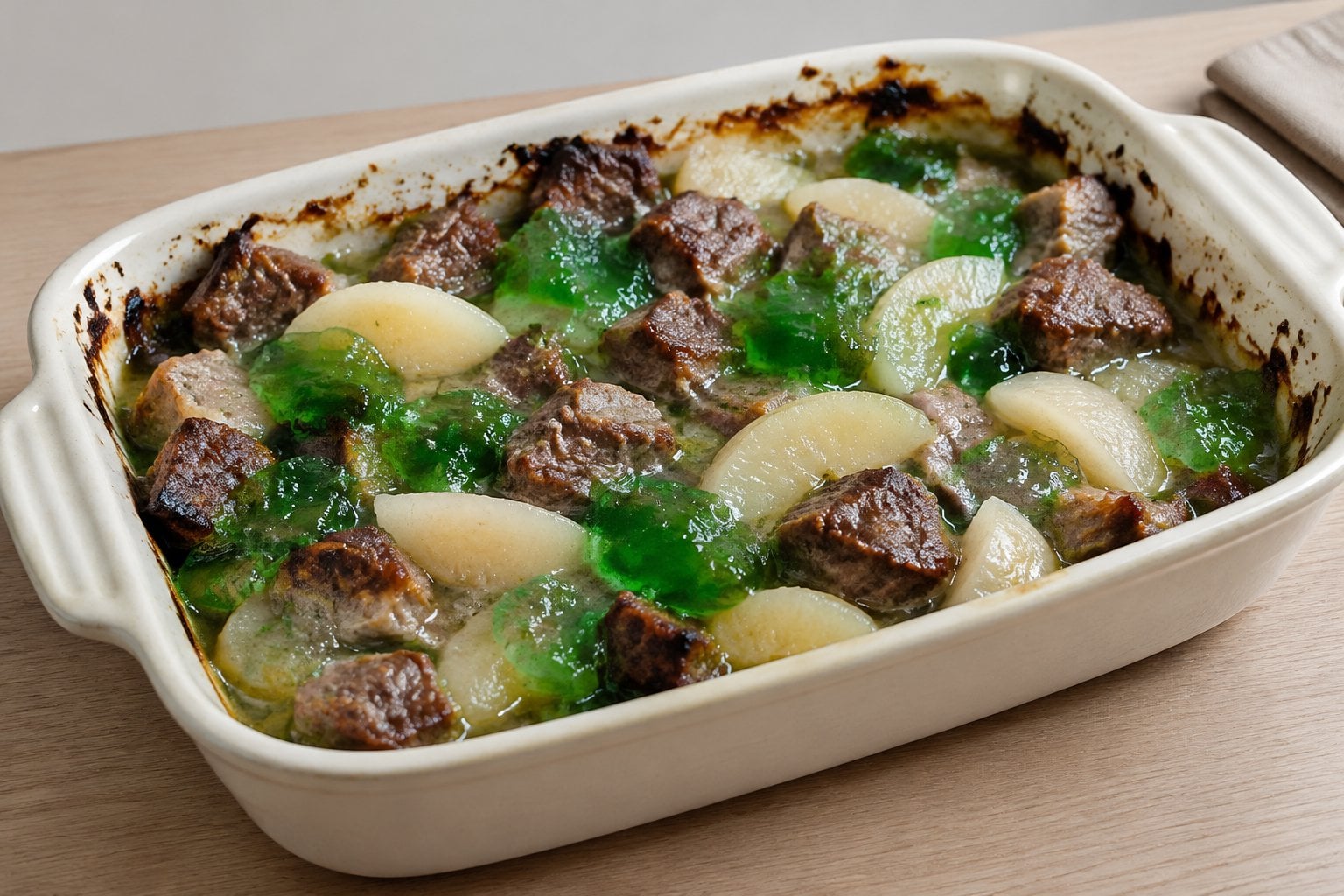
13. Lamb, mint jelly, and canned pear casserole
Would you like to save this?
Lamb and mint have a long pairing history, but when you bring canned pears into the mix, the balance shifts. Instead of a savory dish with a bright herbal note, you get something closer to a dessert mistaken for dinner.
Mint jelly already carries a strong sugar content. Add syrupy canned pears, and you double down on sweetness in a dish that is supposed to center on meat.
Some home cooks in the mid-20th century did combine broiled lamb chops with minted pears, though that approach kept the components separate rather than baking them together into one casserole.
When you fold everything into a single baking dish, the lamb often turns gray and loses texture while the pears break down into mush. You end up with a plate where no single flavor stands out clearly.
14. Corned beef, cherry gelatin, and cabbage casserole
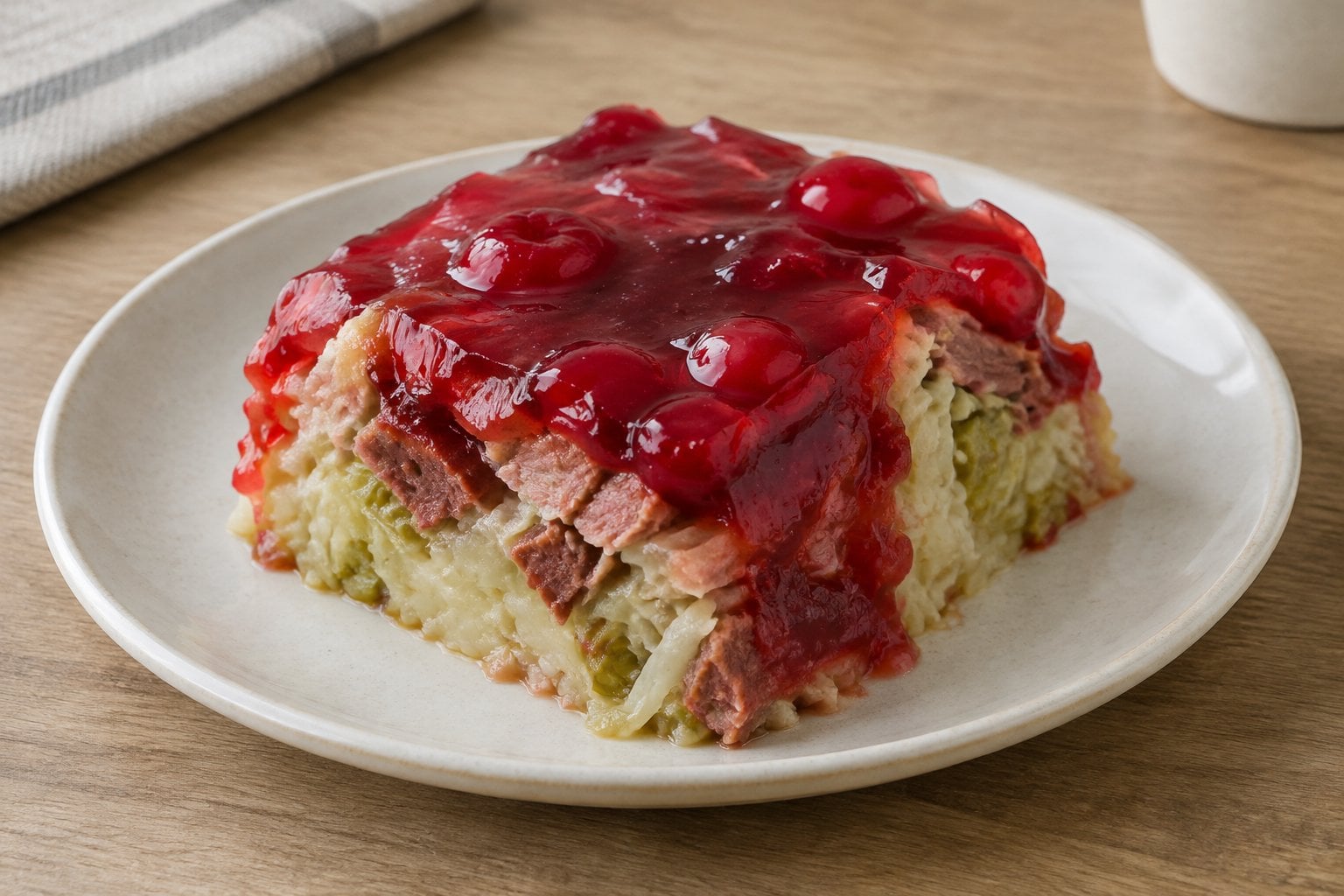
You take canned corned beef, mix it with shredded cabbage, and suspend both in cherry gelatin. The result looks like a dessert but tastes like a savory meat dish, and that contradiction is exactly the problem.
Cherry gelatin brings a sweet, fruity flavor that clashes with the salty, processed taste of corned beef. Cabbage adds a sharp, slightly bitter note that doesn’t resolve the conflict between the other two ingredients.
This combination reflects a mid-century trend of molding savory ingredients in sweet gelatin, similar to other gelatin salads that mixed meat with fruit flavors. You end up with a dish where each bite delivers competing signals: sweetness, saltiness, and vegetable bitterness all at once.
The texture compounds the issue. Firm gelatin against stringy corned beef and crunchy cabbage creates an inconsistent mouthfeel that most diners find unappealing.
15. Beet, pineapple, and whipped cream casserole
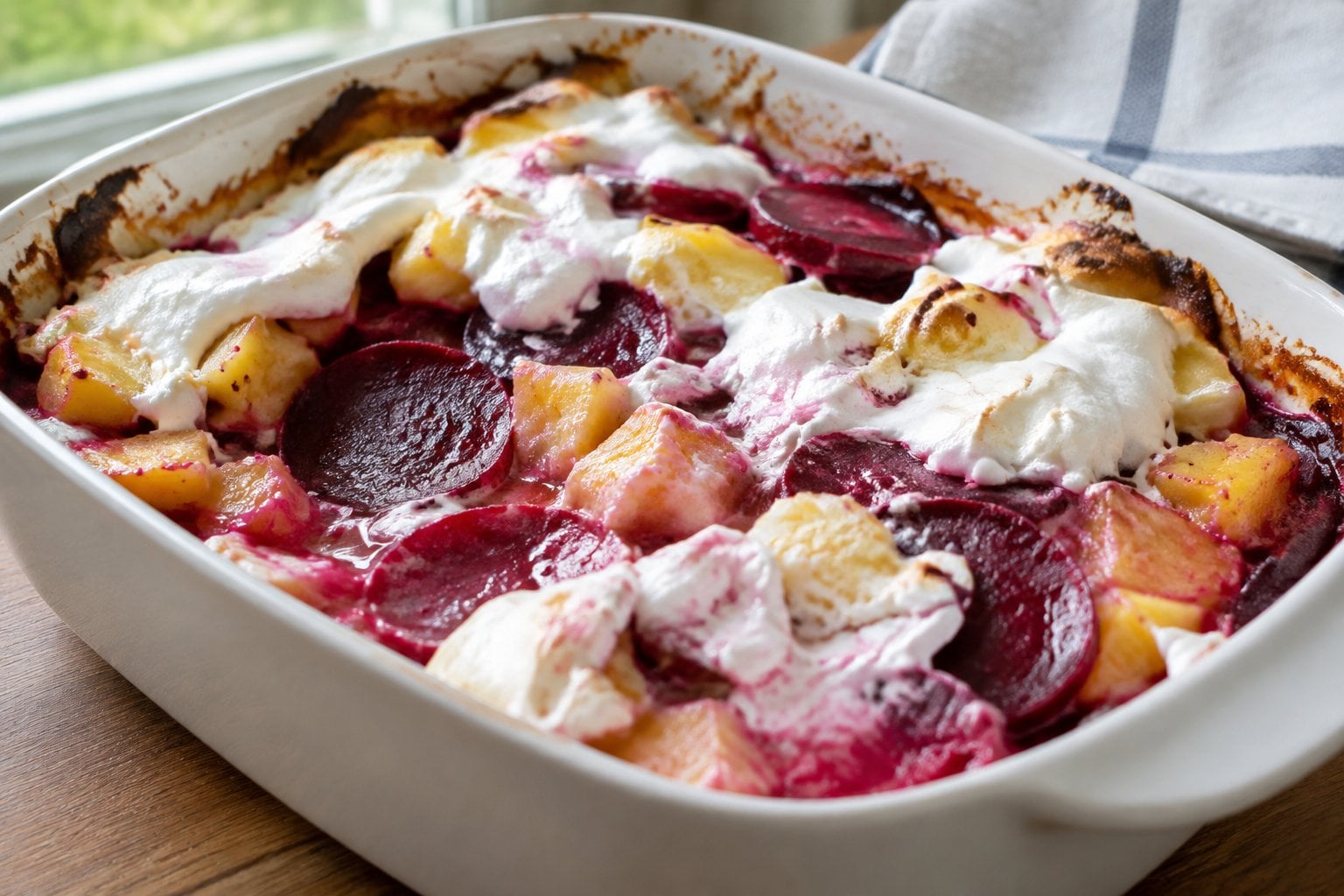
Beets bring an earthy, slightly bitter flavor that clashes with the sweetness of pineapple and the airy lightness of whipped cream. The combination pulls your palate in three different directions at once.
Beets also release a deep red liquid when baked, which bleeds into the pineapple and whipped cream layers. You end up with a pink, watery dish instead of distinct layers of flavor and texture.
Whipped cream is meant to be served cold or at room temperature. Baking it alongside beets and pineapple causes it to break down and separate, leaving a greasy film on top instead of a smooth finish.
The textures don’t work together either. Soft, mushy beets next to fibrous pineapple chunks and collapsed whipped cream create an unpleasant mouthfeel that most people find hard to get past.
16. Turkey, cranberry sauce, and marshmallow casserole
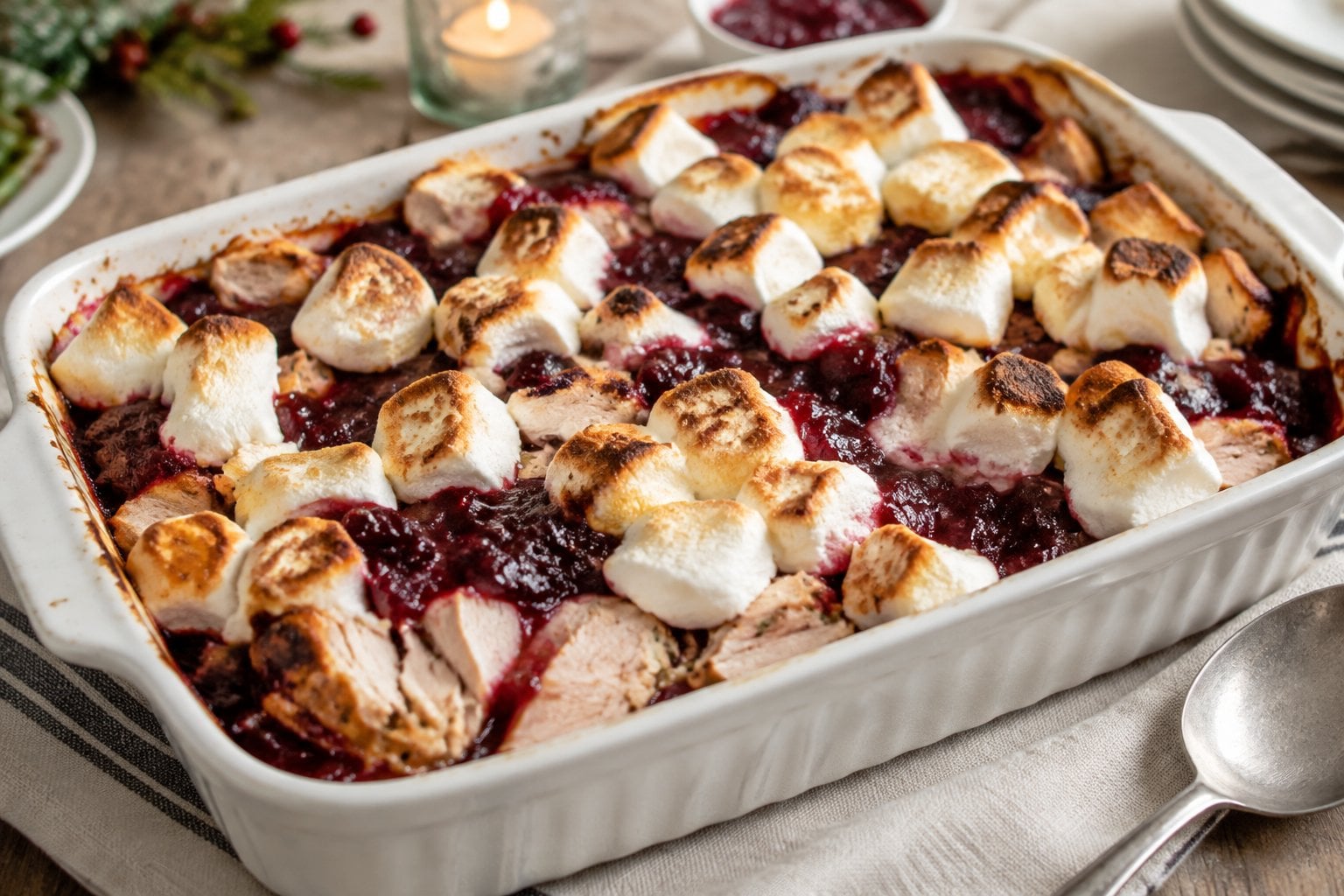
This combination tries to merge two separate holiday traditions into one dish, and the result doesn’t work. Marshmallows belong on sweet potato casserole, not layered with savory turkey and tart cranberry sauce.
When you bake this mixture, the marshmallows melt into a sticky, overly sweet topping that clashes with the turkey beneath it. The cranberry sauce adds another layer of sweetness, leaving no balance between savory and sweet elements.
You end up with a texture problem too. The turkey turns rubbery under the melted marshmallow layer, while the cranberry sauce creates a wet, inconsistent base. Each bite pulls in a different direction instead of working together as a cohesive dish.
If you want marshmallows on your plate, keep them with sweet potatoes where they’re common in dishes like sweet potato casserole topped with marshmallows. Turkey and cranberry sauce work better paired with stuffing instead.
17. Cheddar, canned pears, and onion casserole
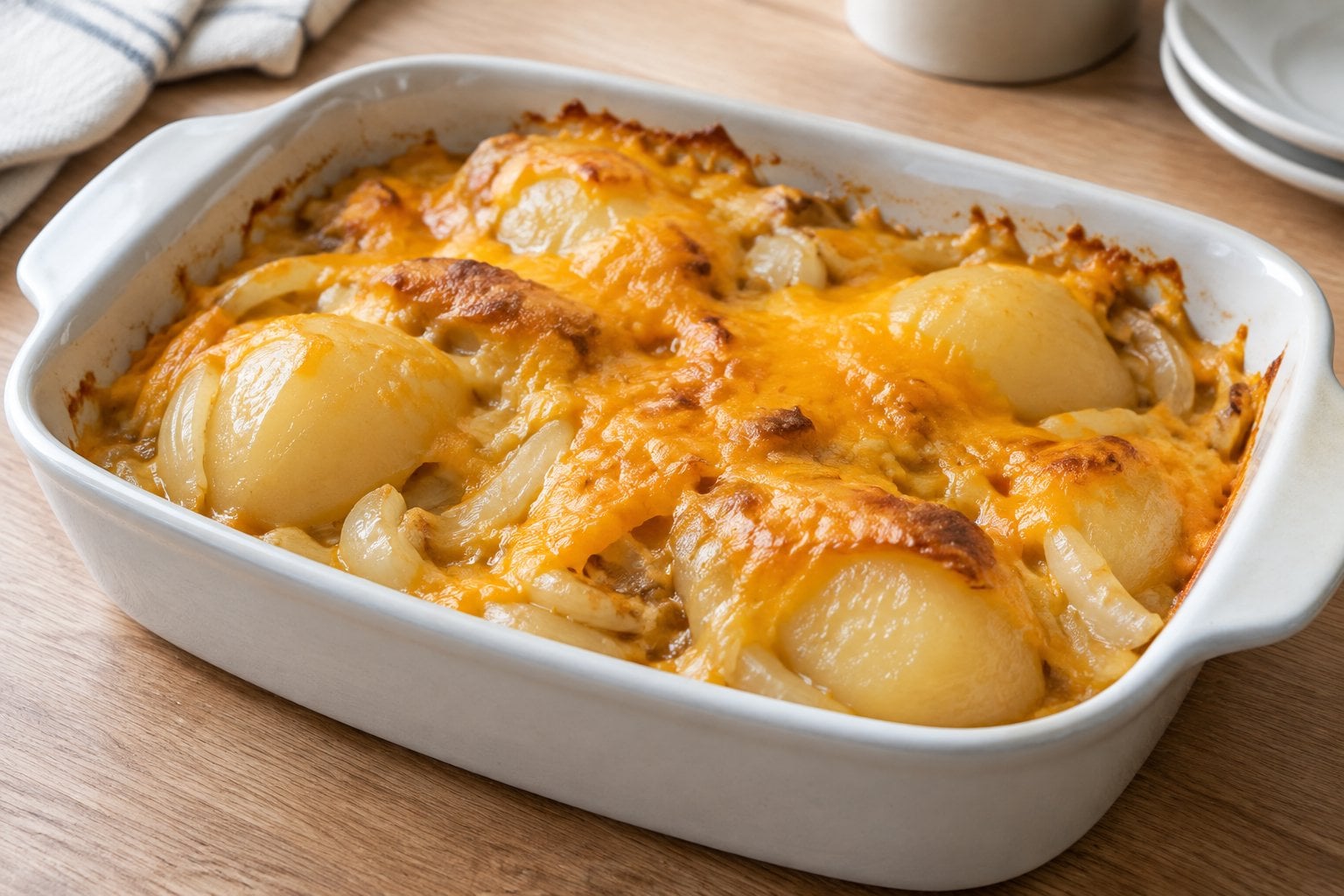
You take sharp cheddar, soft canned pear halves, and raw onion, then bake them together in one dish. The sugar from the pears clashes with the sharpness of the cheddar, and the onion adds a sharp bite that fights both.
This combination likely traces back to mid-century recipe cards, when cooks paired canned fruit with cheese as a way to stretch a meal, similar to the Jell-O and canned-ingredient salads found in vintage recipe collections. You get a texture problem too: the pears turn mushy in the oven, while the onion stays firm and fibrous.
If you serve this to guests, expect confusion rather than enjoyment. The flavors don’t build on each other; they just sit side by side, pulling your palate in three directions at once.
18. Cottage cheese, canned fish, and fruit cocktail casserole
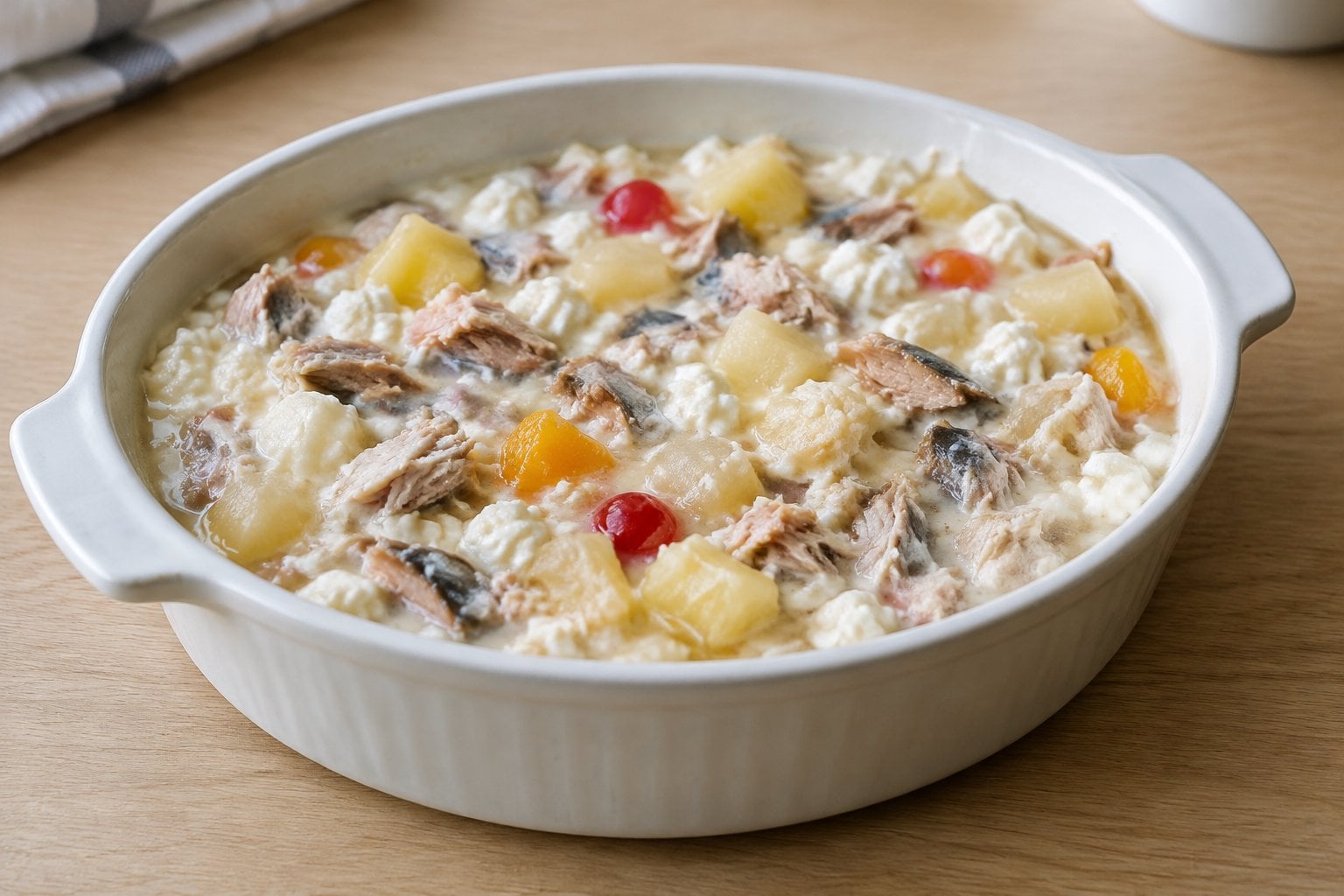
This casserole combines three ingredients that rarely belong on the same plate, let alone in the same dish. Cottage cheese brings a watery, curdled texture, canned fish adds a strong briny smell, and fruit cocktail contributes sugary syrup. Together, they create a dish where sweet, salty, and sour flavors compete rather than complement each other.
You’ll notice the texture is the biggest problem here. Soft curds, flaky fish, and slippery fruit pieces don’t blend into anything cohesive when baked.
The smell alone can be off-putting before you even take a bite. Canned fish has a distinct odor that intensifies in the oven, and it clashes directly with the sweetness of the fruit.
Some similarities to this combination appear in party dishes featuring cottage cheese and canned fruit from the 1960s, which leaned heavily on convenience ingredients rather than balanced flavor profiles. Your guests will likely push this one around their plates.
19. Chicken, peanut butter, and cream-of-celery casserole
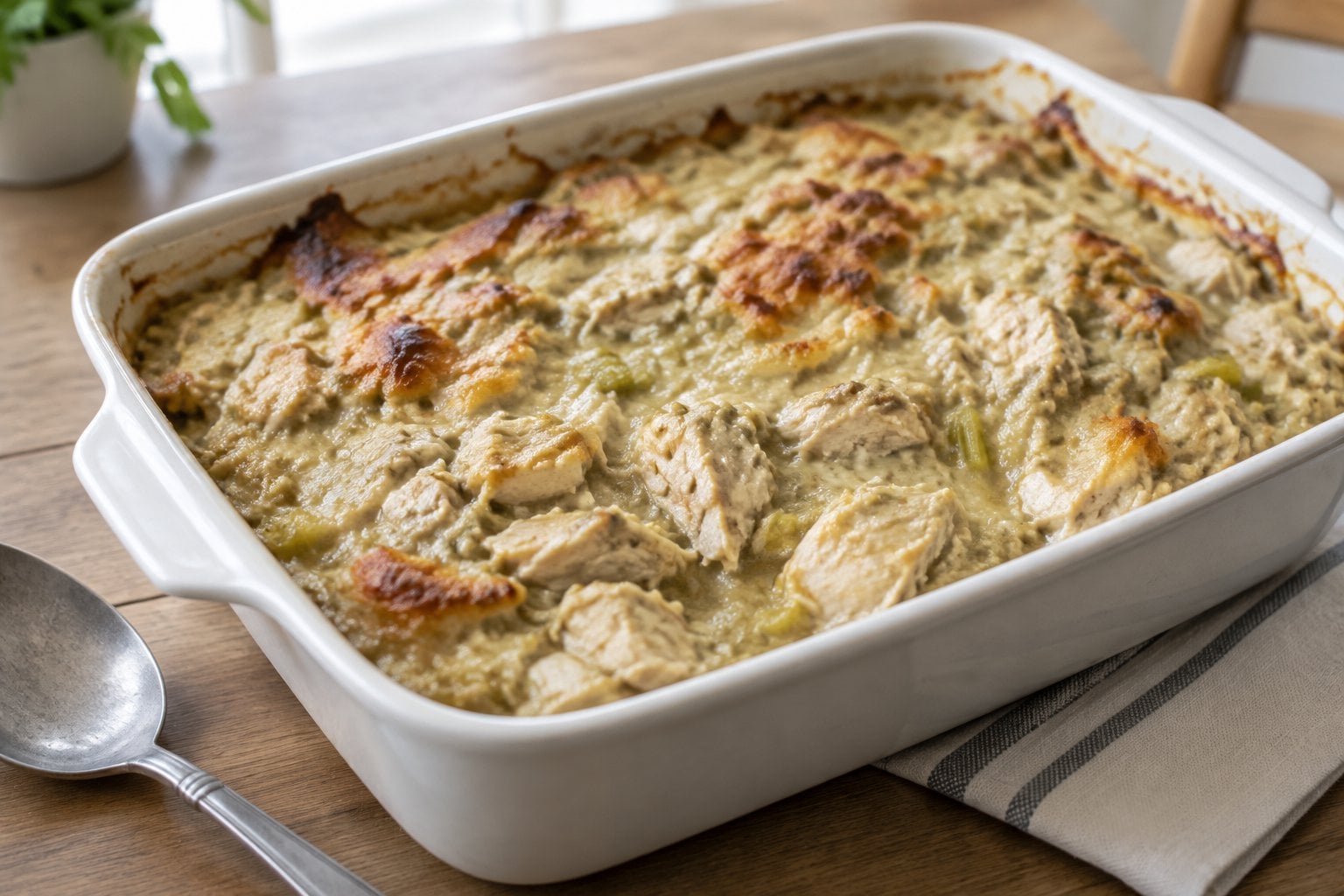
Peanut butter does not belong near cream of celery soup. You get a muddy, salty-sweet base that fights the chicken instead of supporting it.
Cream of celery soup already carries a mild, vegetal flavor. Adding peanut butter turns that into something closer to a sauce you’d find in an unrelated dish, not a casserole.
The texture suffers too. Peanut butter thickens unevenly when baked, so you end up with clumps sitting in an otherwise smooth, creamy base.
You might expect a nutty undertone to complement the chicken, but it doesn’t work that way here. The peanut flavor overwhelms the dish rather than blending into it.
If you’re looking at creamy chicken casseroles that use cream of celery soup for inspiration, skip the peanut butter entirely. Your chicken deserves a sauce that enhances it, not one that competes with it.
20. Pork, applesauce, and sardine casserole
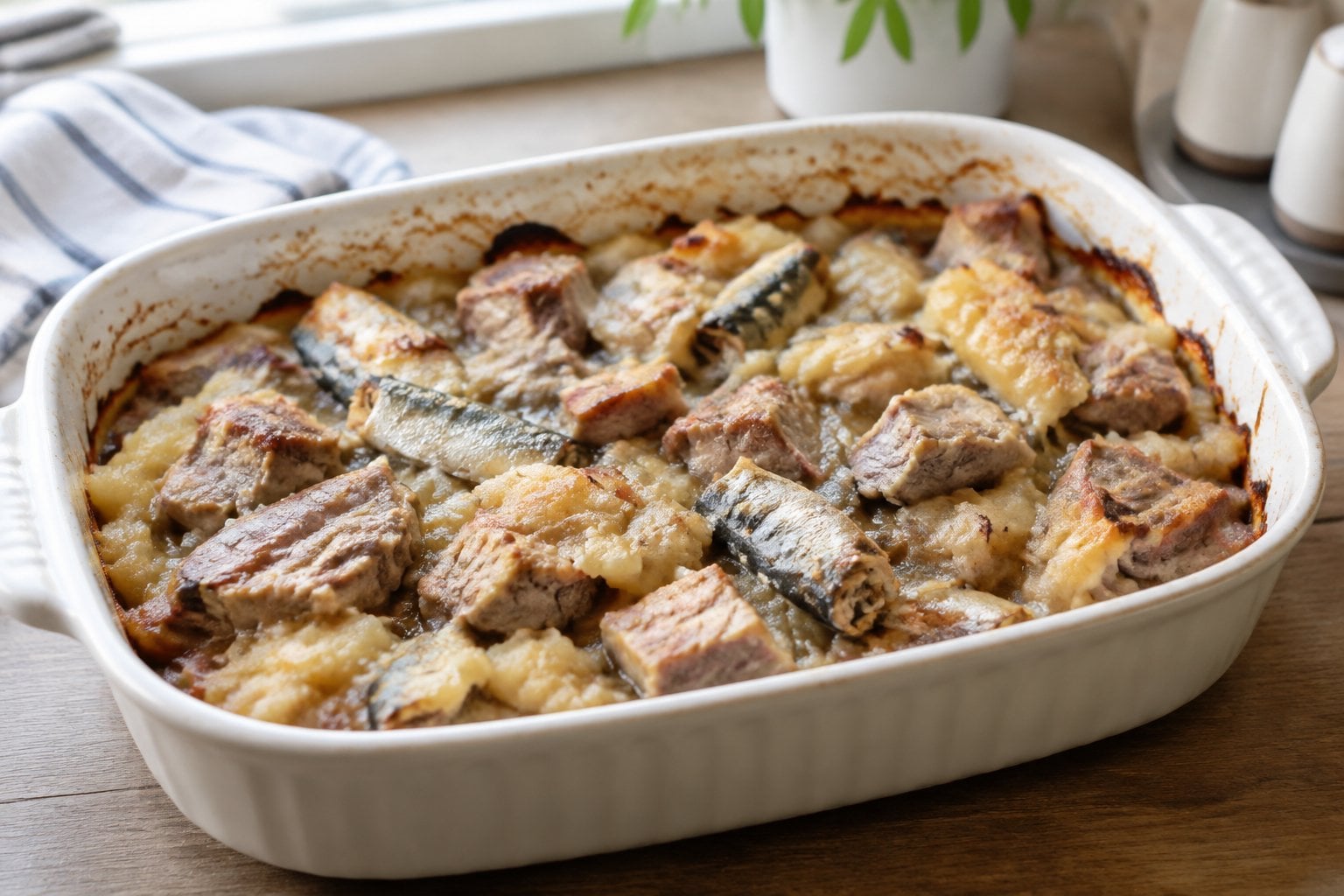
Pork and applesauce is a classic combination you have likely encountered before. Sardines belong in an entirely different category of flavor.
When you combine all three in a single casserole dish, you get a result that works against itself. The sweetness of the applesauce clashes with the pork, and sardines bring a strong fishy element that does not blend with either ingredient.
You end up with a dish where each component fights for dominance instead of complementing the others. The brine from the sardines seeps into the applesauce, altering its texture and flavor in ways you probably don’t expect.
If you bake this casserole, the smell alone may discourage you from tasting it. Some food pairings rely on contrast, but this one simply creates confusion on your plate.
21. Tomato aspic, banana, and tuna casserole
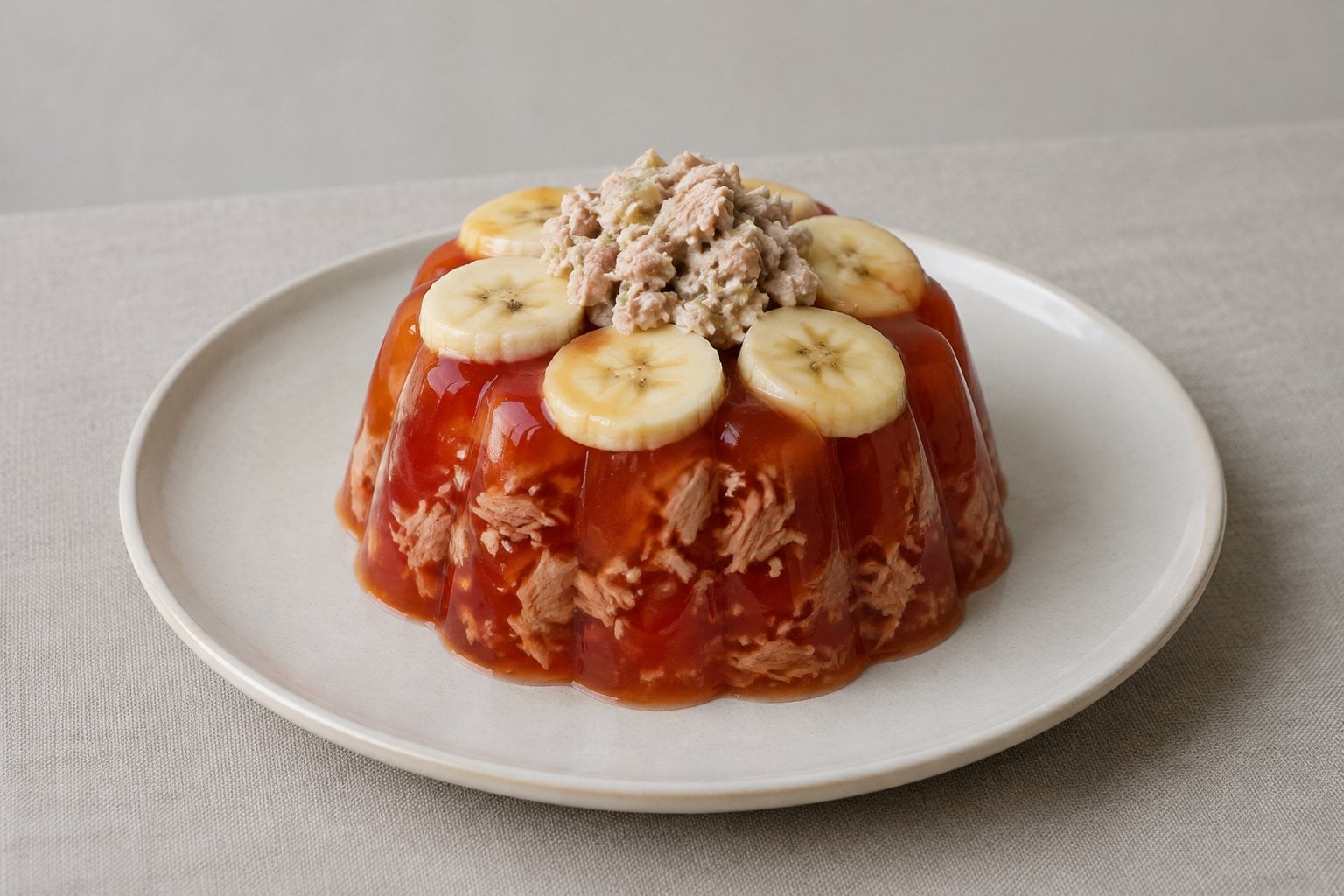
This dish combines three ingredients you would not normally expect to share a plate. Tomato aspic forms the base, a gelatin mold built from tomato juice and seasoning. Banana slices sit layered through the mold, adding sweetness to an otherwise savory profile. Canned tuna rounds out the mixture, contributing a fishy, briny note.
The texture presents the first problem for you. Aspic is cold and firm with a jiggly consistency, while banana turns soft and mushy once it sets inside the gelatin.
Flavor-wise, you get sweetness from the banana clashing against the acidity of the tomato and the saltiness of the tuna. These bizarre food combos rely on contrast rather than complement, and the pairing rarely works in your favor. The result reads less like a casserole and more like an experiment from a decade known for congealed, questionable presentations.
22. Sweet potato, tuna, and marshmallow casserole
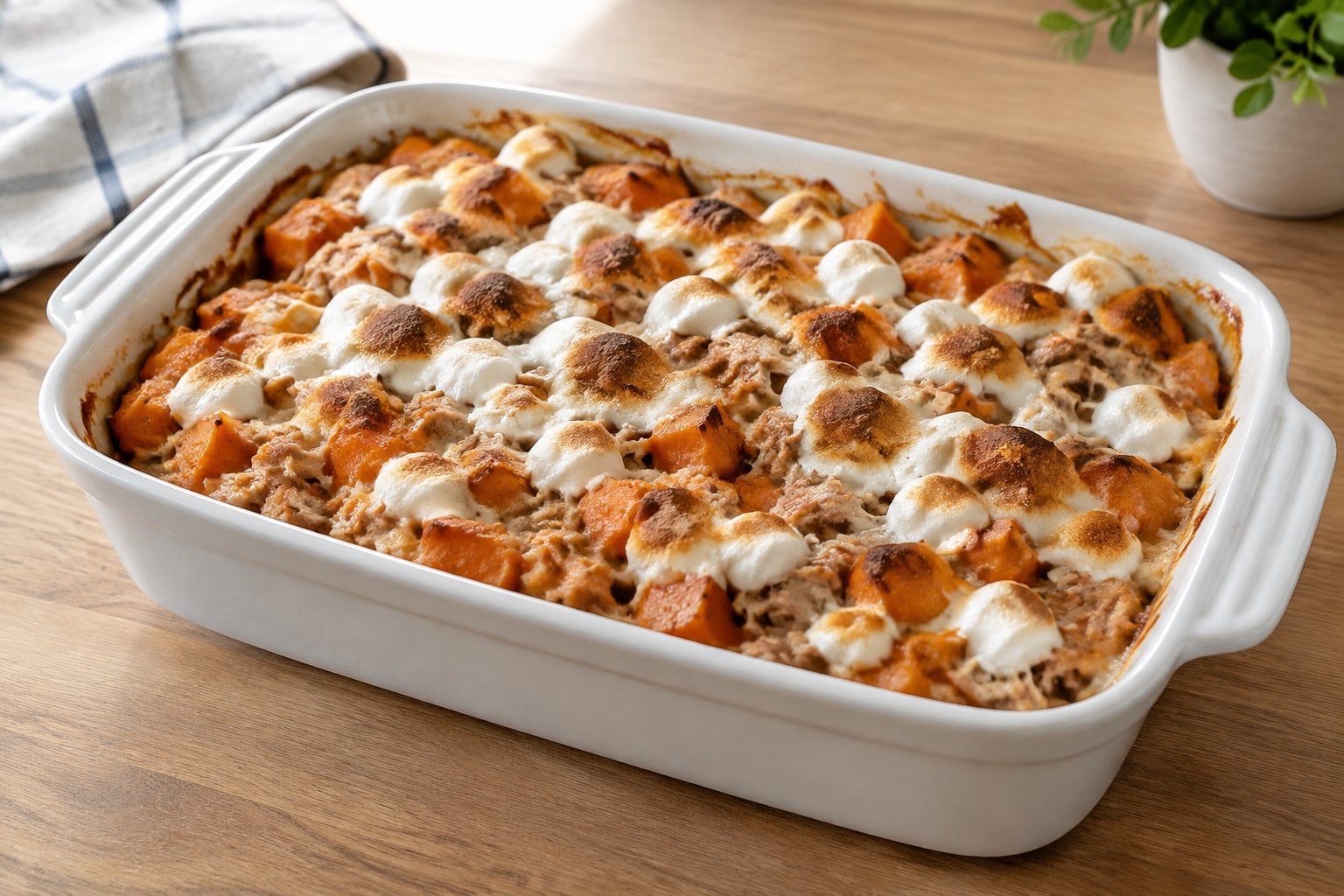
This combination asks you to accept three conflicting flavor profiles in one dish. Sweet potatoes bring earthy sweetness, tuna adds a briny, fishy note, and marshmallows contribute pure sugar and a sticky texture.
You’ll find that a basic sweet potato tuna casserole already pairs an unlikely duo before marshmallows even enter the picture. Mixing in a melted marshmallow topping, the kind typically reserved for a classic holiday side, pushes the dish further from anything resembling a cohesive meal.
The result is a casserole where the sweetness fights the seafood instead of complementing it. Your fork ends up carrying candy, fish, and starchy vegetable in a single bite, with none of the three balancing the others.
If you’re looking for a dish that keeps its components working together, this isn’t it.
23. Anchovy, raisin, and macaroni casserole
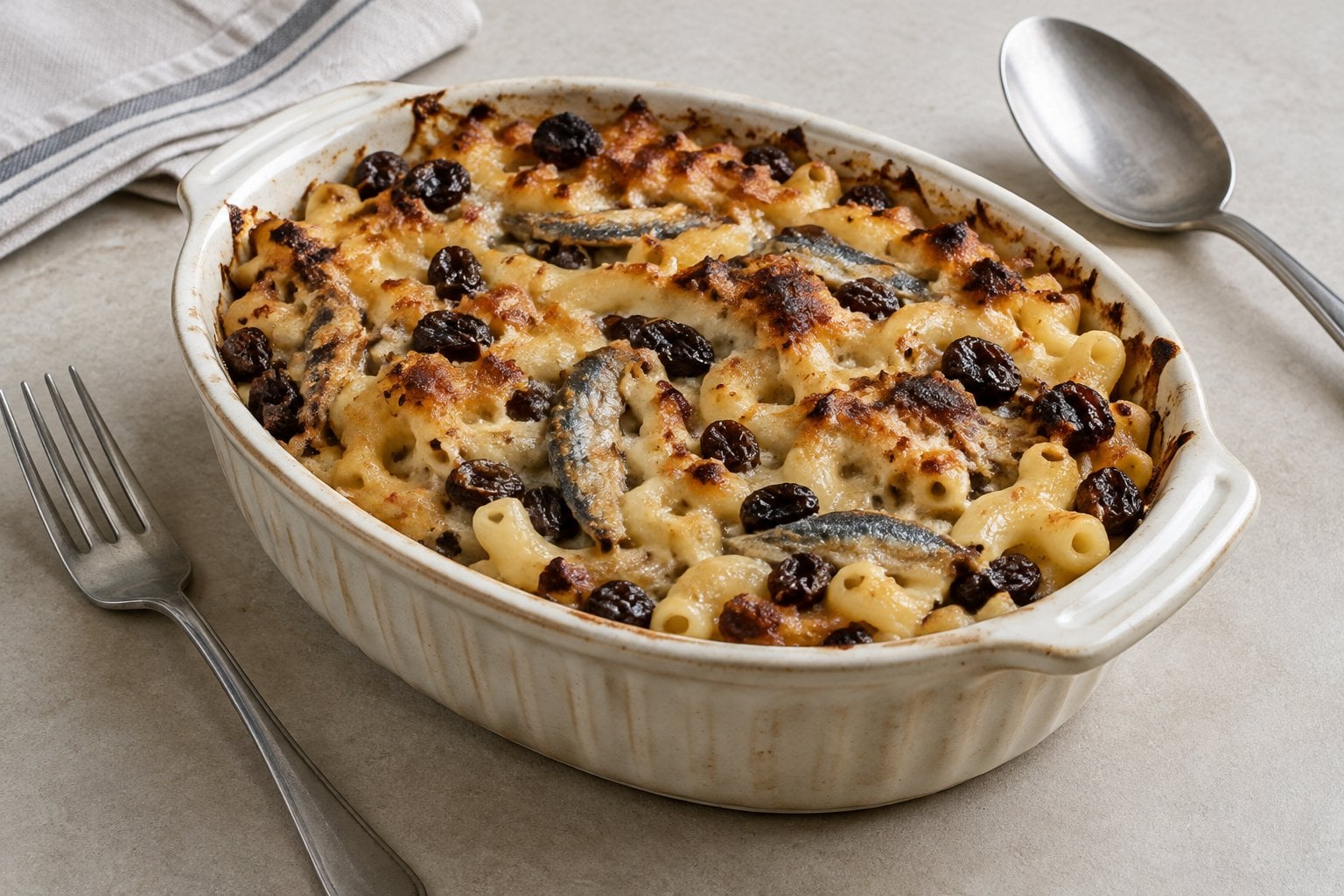
You combine three ingredients here that rarely appear together for good reason. Anchovies bring a strong, salty, fish-forward flavor. Raisins add concentrated sweetness. Macaroni sits in the middle, absorbing both extremes at once.
The salt and sweet contrast doesn’t blend the way it does in other dishes. Instead, you get two competing flavors that pull your palate in opposite directions with every bite.
Raisins do appear in some baked pasta dishes, including a raisin and macaroni casserole built around cream cheese and sugar, but that recipe skips seafood entirely. Adding anchovies changes the profile completely.
You may find that the fish oil separates during baking, leaving an uneven texture throughout the dish. The raisins soften further and lose any textural contrast they might have offered.
If you’re testing unusual pairings, know what you’re getting into before you commit a full pan of macaroni to this combination.
24. Cabbage, pineapple, and mayonnaise casserole
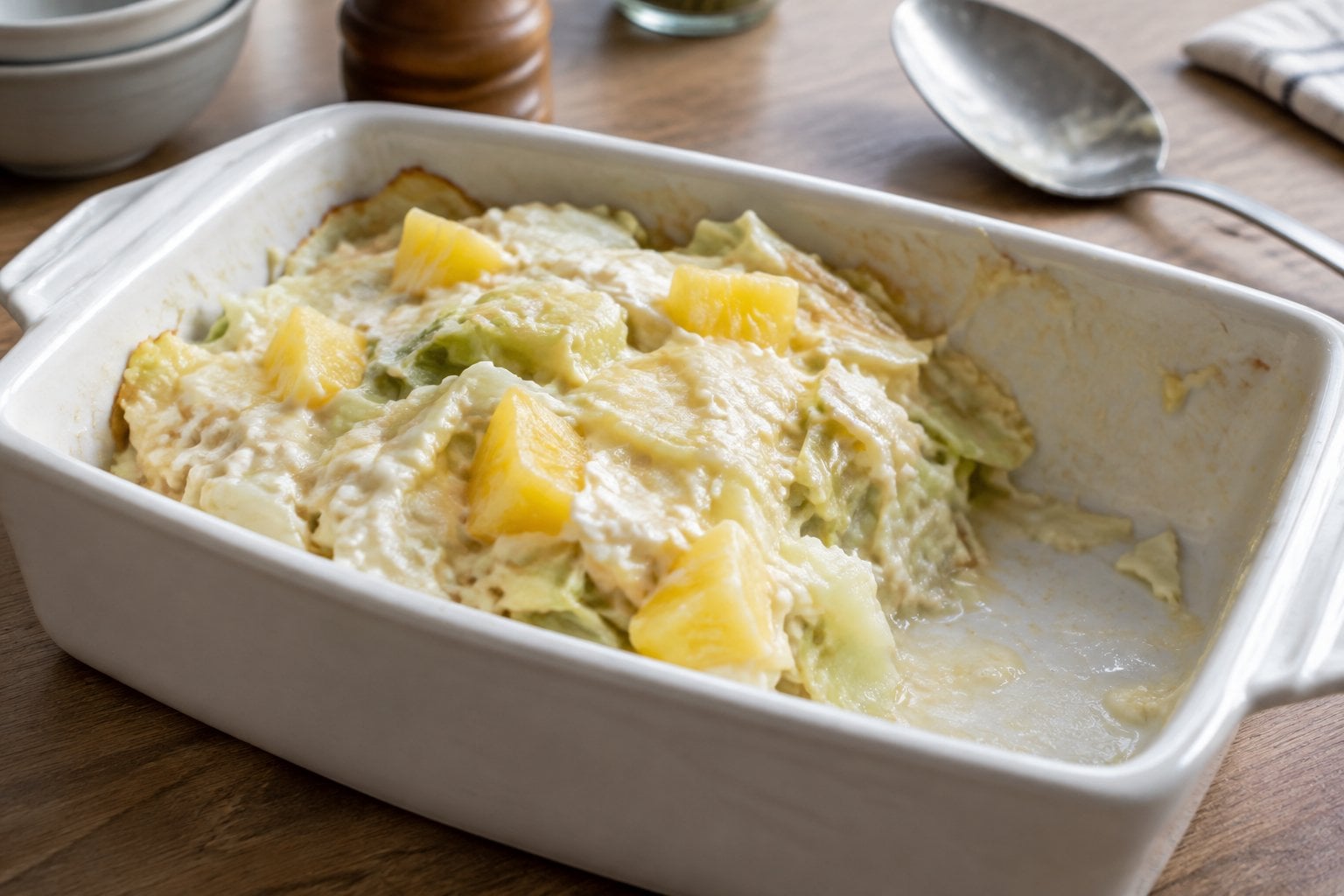
You get a strange mix of flavors when you combine cabbage, pineapple, and mayonnaise in one dish. The cabbage brings a sharp, slightly bitter edge, while the pineapple adds unexpected sweetness. Mayonnaise binds everything together, but it also dulls the contrast instead of balancing it.
Cooking the cabbage releases moisture, which thins out the mayonnaise base. This often leaves you with a watery, inconsistent texture rather than the creamy result you might expect. The pineapple’s acidity reacts with the dairy in the mayonnaise, creating a tangy aftertaste that doesn’t pair well with the vegetable.
This casserole pulls from the same tradition as the mayonnaise and cream soup base used in a classic cabbage casserole recipe. You won’t find many reasons to repeat this one, as the ingredients clash more than they complement each other.
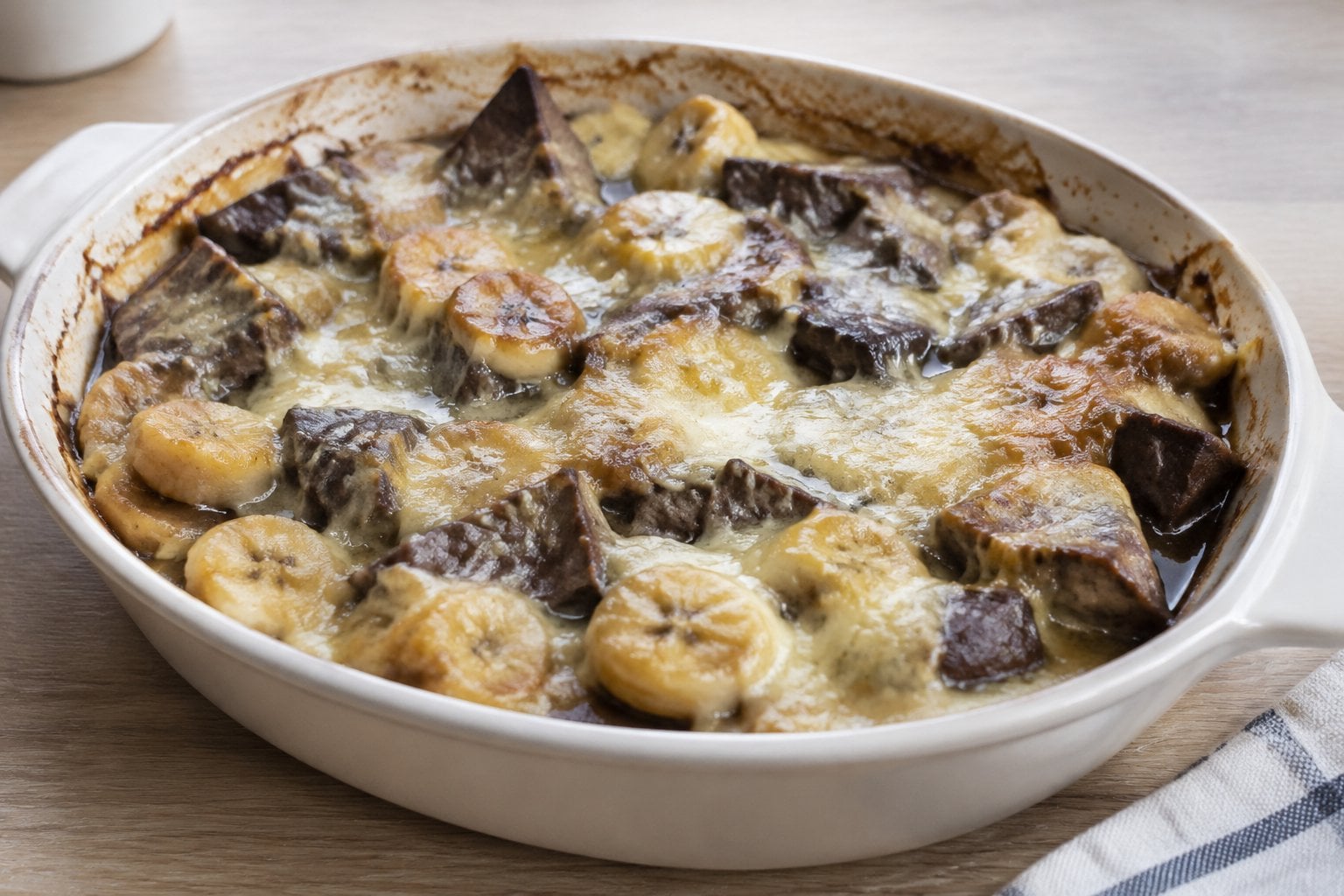
25. Beef liver, banana, and cheese casserole
Would you like to save this?
You get three ingredients here that rarely belong in the same dish, let alone the same bite. Beef liver has a strong, mineral-heavy flavor and a dense, grainy texture when baked. Banana adds sweetness and a soft, mushy consistency once it’s been in the oven.
Cheese is meant to bind the dish together, but it struggles to unify flavors this far apart. You end up with a sharp, savory base, a sweet fruit layer, and a salty topping that don’t blend so much as sit next to each other.
The texture contrast works against you too. Liver is firm and slightly chewy, banana turns almost liquid, and melted cheese adds a stretchy layer on top. If you’re looking for a casserole that holds together in both flavor and consistency, this combination won’t give you that.
26. Olive, grape, and chicken casserole
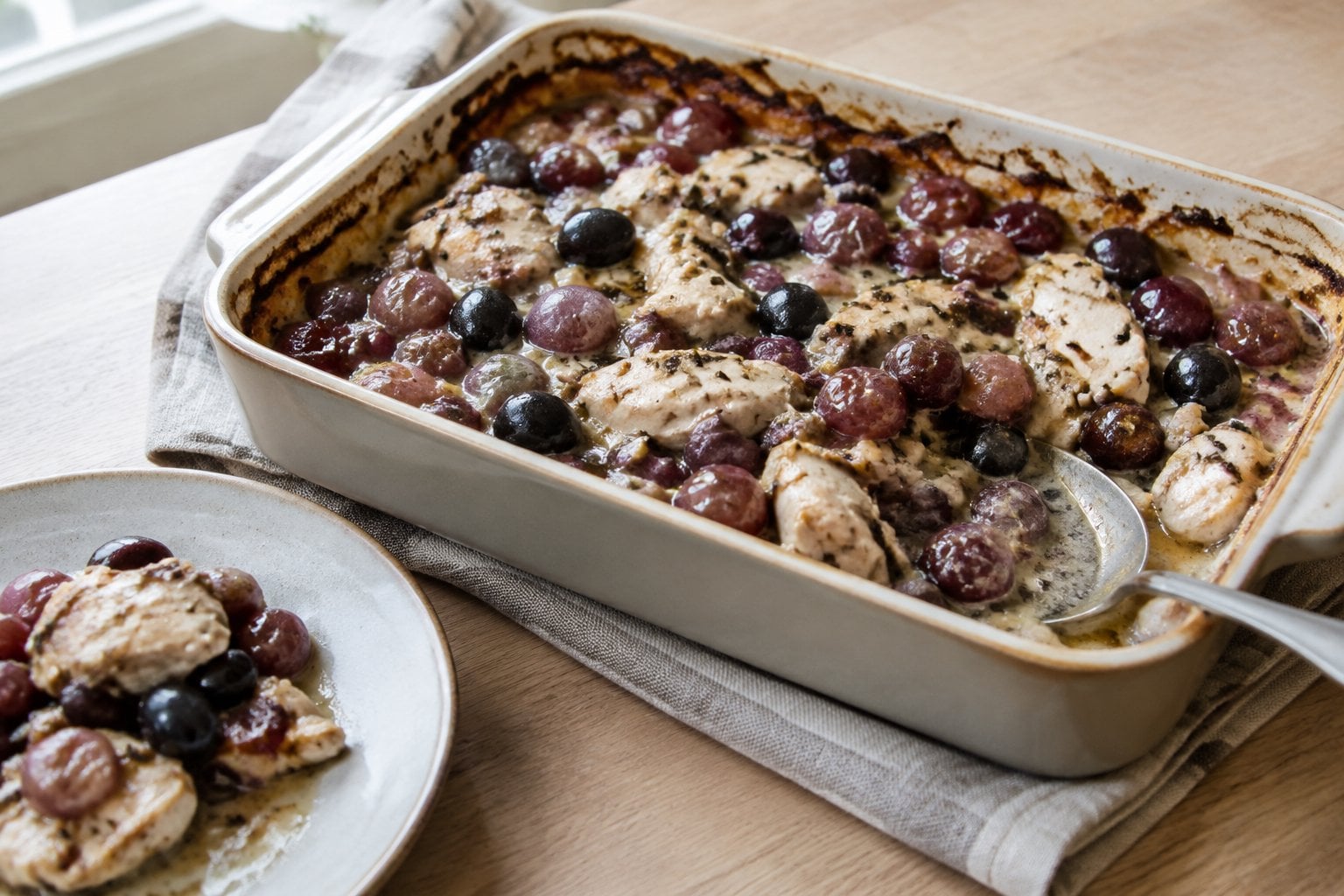
Olives bring salt and brine. Grapes bring sugar and juice. When you bake them together with chicken, you get a dish where neither flavor settles into place.
The grapes burst in the oven, releasing liquid that thins out the sauce. This leaves you with pools of sweet juice pooling against salty olive brine, and the two rarely combine into something coherent.
Chicken absorbs both flavors unevenly, so one bite tastes like a fruit compote and the next tastes like a tapenade. You end up with a dish that lacks a clear identity.
This combination works better as separate components on a plate, where you can control how much of each flavor you take in. Baked together as a casserole, the result is muddled rather than balanced.
27. Salmon, lemon gelatin, and cream cheese casserole
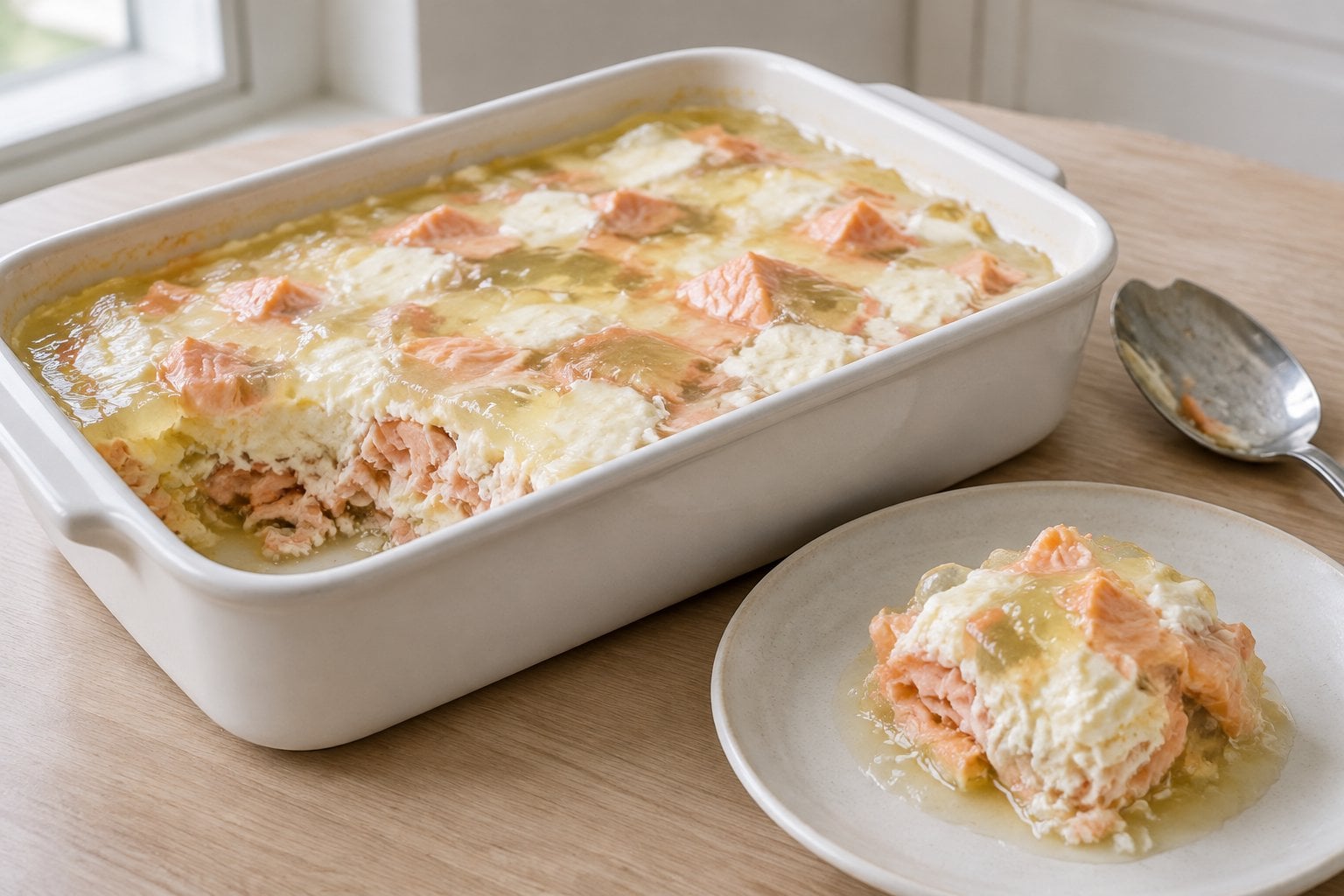
You get canned salmon folded into lemon gelatin, then layered with cream cheese to add a thick, tangy element. The fish brings a strong, briny flavor that clashes with the citrus sweetness of the gelatin.
Cream cheese adds body, but it also turns the texture heavier and denser than a typical gelatin dish. You end up with something that’s neither a salad nor a true casserole.
This combination reflects a pattern from mid-century cooking, where fish and gelatin were paired regularly despite the mismatch in flavor profiles. Cooks of that era often prioritized presentation and pantry efficiency over taste compatibility.
If you try this dish today, expect the salmon’s smell to stand out against the lemon’s sharpness. The cream cheese does little to soften that contrast, leaving you with a dish that’s difficult to enjoy by modern standards.
28. Peanut butter, tomato, and noodle casserole
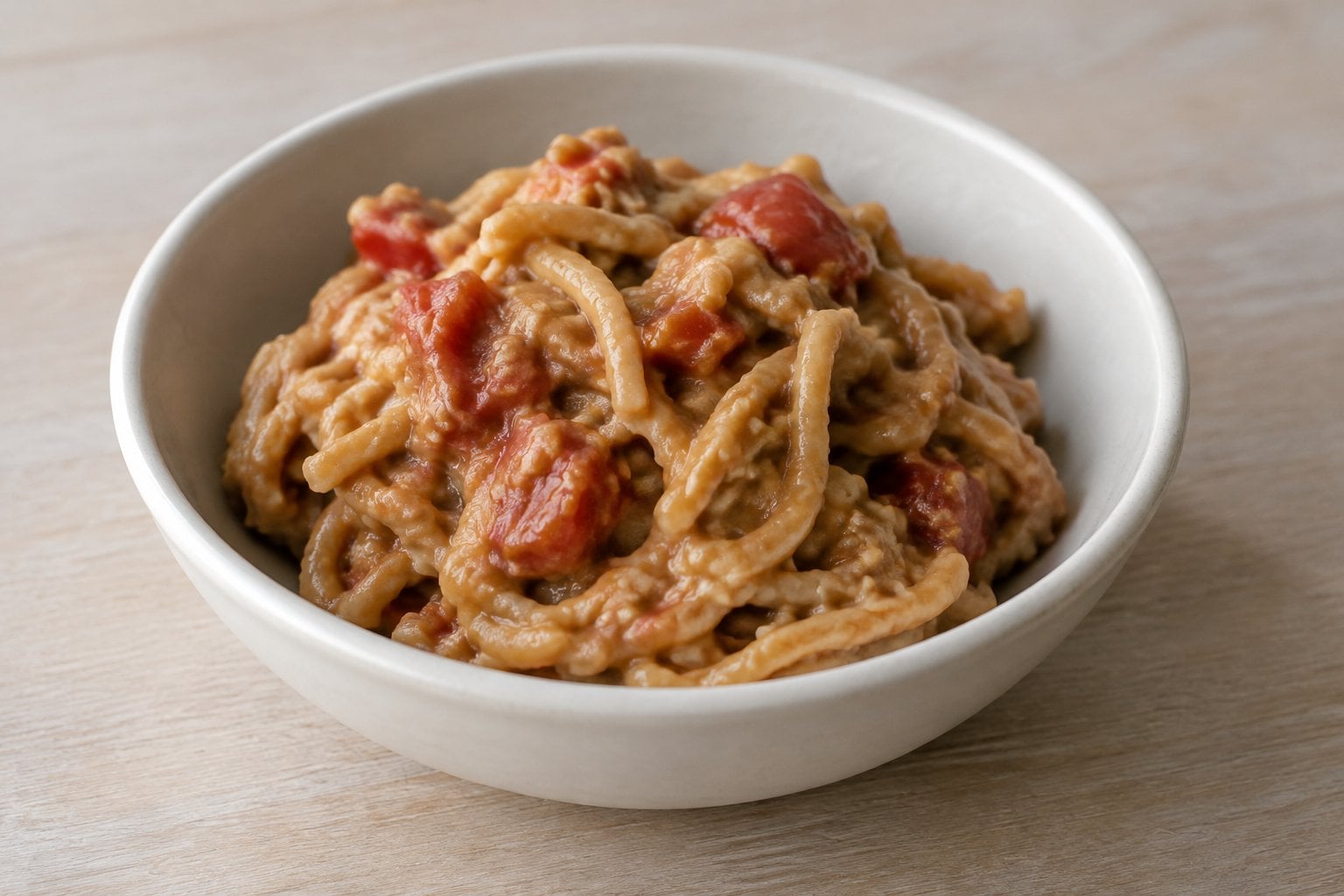
You might think peanut butter belongs in Thai or African-inspired sauces, not a baked noodle dish. This casserole pairs cooked noodles with canned tomato sauce and a few spoonfuls of peanut butter, then bakes until bubbling.
The result splits your palate in two directions at once. Tomato wants acidity and brightness, while peanut butter brings heavy fat and sweetness, and neither one yields.
You’ll notice the texture works against you too. Peanut butter thickens and clings to noodles in dense clumps, while tomato sauce thins out during baking, so the dish separates into greasy pockets and watery patches.
This combination traces back to the same era that produced other forgotten casserole oddities, when cooks stretched pantry staples into dinner without much regard for flavor pairing.
29. Hot dog, canned peaches, and sauerkraut casserole
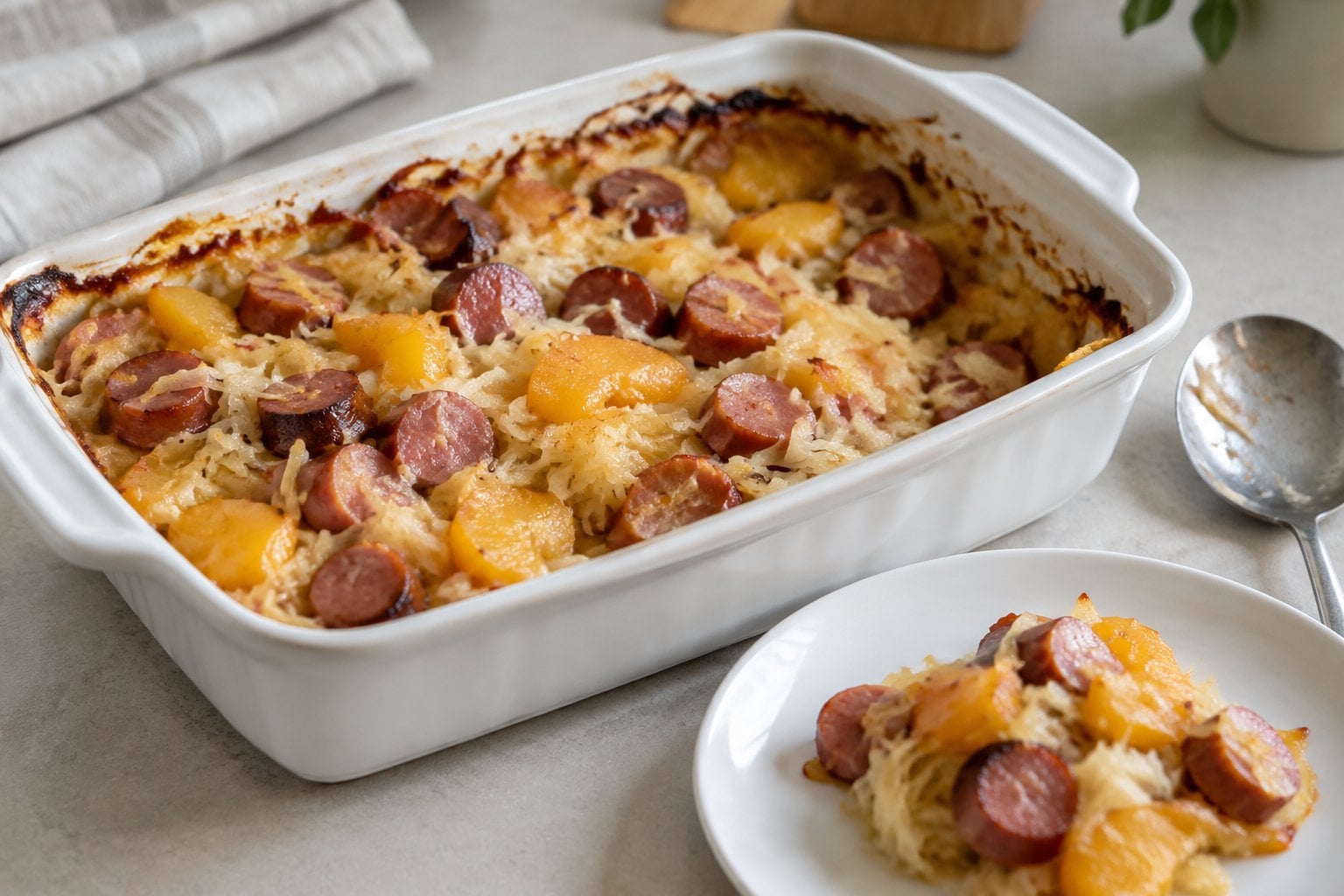
You get sweet, sour, and smoky fighting for control of the same dish here. Canned peaches bring a syrupy sugar hit, sauerkraut brings sharp acidity, and hot dogs bring salt and fat. None of these flavors agree with each other.
A tangerine and pineapple version shows up in some sweet sauerkraut casserole recipes alongside hot dog slices and mashed potatoes, which gives you a sense of how fruit and kraut can clash in practice.
Texture is another problem you’ll notice immediately. Soft peach slices turn mushy against the crunch of sauerkraut shreds, and the hot dog pieces add a rubbery contrast that doesn’t help either ingredient.
Baking this combination concentrates the sweetness while the kraut’s liquid thins everything else out. You end up with a watery, inconsistent dish that doesn’t commit to being savory or dessert-like.
30. Tuna, chocolate pudding, and rice casserole
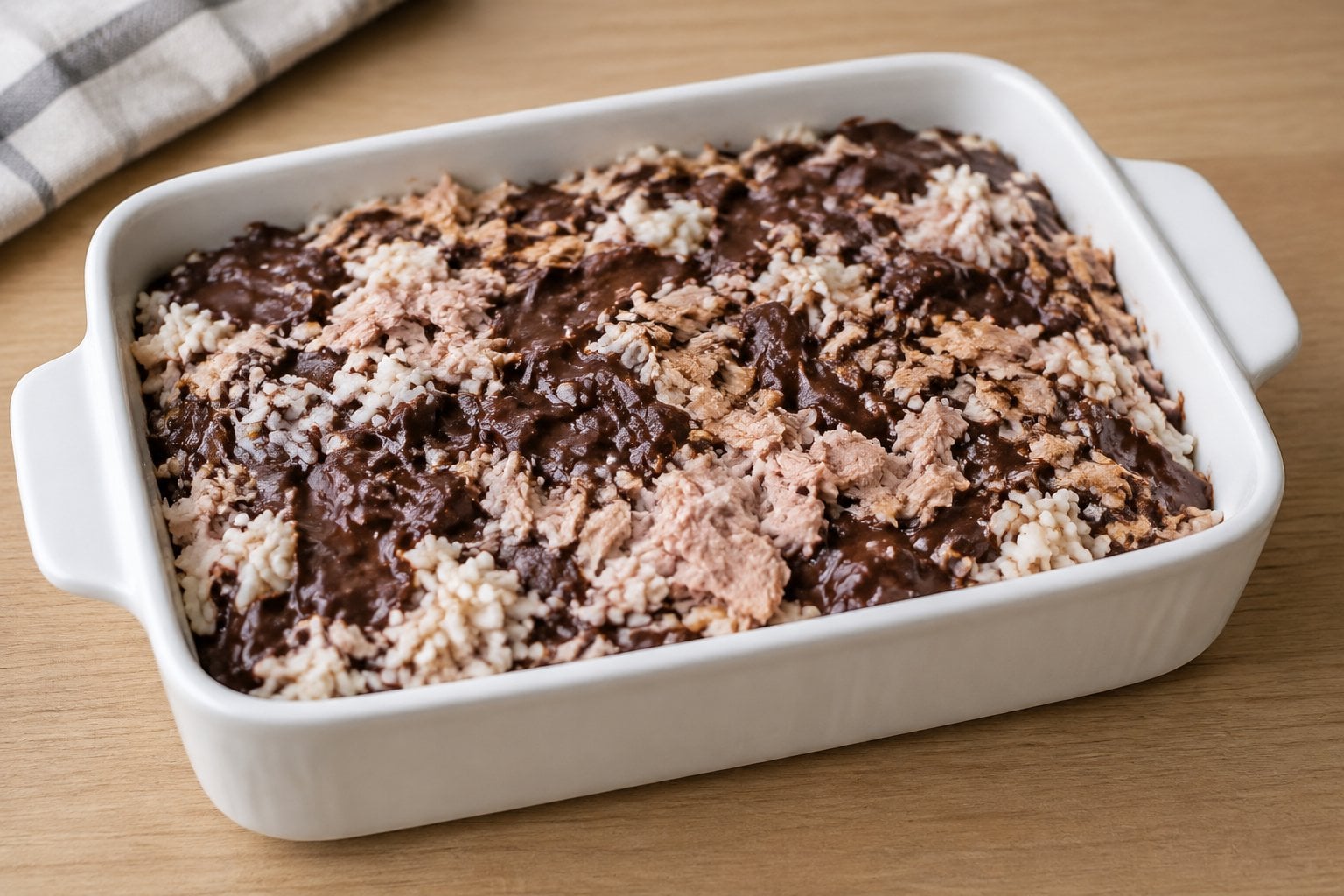
You will not find this combination in any established cookbook. It pairs savory canned tuna with sweet chocolate pudding over a bed of rice, and the result works against itself from the first bite.
Fish and chocolate occupy opposite ends of the flavor spectrum. Your palate expects one or the other, not both layered into a single baked dish.
Rice provides a neutral base in most casseroles, similar to how it functions in tuna rice casserole recipes built around cream soups and cheese. Here, though, it absorbs the clashing juices from the tuna and pudding, carrying both flavors instead of softening either one.
Texture is another problem. The pudding turns gelatinous when heated, the tuna remains fibrous, and the rice underneath becomes mushy rather than tender.
You end up with a dish that fails on smell, flavor, and consistency at the same time.
Why Casserole Combinations Fail
Most casserole failures come down to two problems: ingredients that don’t belong together, and components that cook at different rates. Recognizing these patterns helps you avoid repeating the same mistakes.
Clashing Flavors and Textures
Some ingredient pairings fight each other instead of blending.
Sweet fruit mixed with savory meat, or strong fish combined with heavy cream sauces, often produces a muddled taste rather than a balanced one. Texture matters just as much as flavor.
A casserole that mixes crunchy raw vegetables, soft canned soup, and dry breadcrumbs in one dish can leave you with a inconsistent bite. Processed cheese and canned soups, staples of older recipes, tend to flatten distinct flavors instead of complementing them. You can see this pattern in many outdated casserole recipes from the 1950s-70s, which leaned on these shortcuts.
Viral recipe fails, like combining mayonnaise with gelatin, show what happens when ingredient logic breaks down entirely, as described among hilarious recipe fails.
Moisture and Cooking-Time Mismatches
Casseroles depend on every ingredient reaching the right doneness at the same time, and that rarely happens by accident.
Raw meat, dense root vegetables, and pre-cooked pasta all require different cooking durations. When you combine them without adjusting prep times, you end up with undercooked centers or overcooked edges.
Excess moisture is another common culprit. Watery vegetables like zucchini or canned tomatoes release liquid during baking, which can turn a casserole mushy or soupy if you don’t drain or pre-cook them first. On the opposite end, dry binders like breadcrumbs or crackers can absorb too much liquid, leaving the dish dense and dry. Getting the ratio of wet to dry ingredients right, and matching cook times across components, makes the difference between a cohesive dish and a failed one, as outlined in this breakdown of why casseroles turn out mushy or watery.
How to Salvage an Unbalanced Casserole
A soupy bake and an overseasoned dish are two of the most common casserole problems, and both have clear, practical fixes. The right adjustment depends on whether your issue is too much liquid or too much flavor in one direction.
Correcting Excess Moisture
A watery casserole almost always comes down to one of four issues: excess vegetable liquid, too much sauce, undercooked starch, or a missing binder. Yahoo Creators notes that watery casseroles are usually fixable once you identify the root cause.
Try these methods to pull moisture out or thicken what’s already there:
- Drain and pat dry vegetables like zucchini, mushrooms, or tomatoes before adding them.
- Add a starch slurry of cornstarch and cold water, stirred in during the last 15 minutes of baking.
- Remove the lid for the final 10-15 minutes to let steam escape.
- Mix in breadcrumbs or crushed crackers to absorb standing liquid.
For a casserole already baked and sitting in liquid, Tasting Table outlines tips for fixing watery bakes after the fact, including tilting the dish to drain excess liquid before serving.
Taming Overpowering Flavors
An overloaded casserole, one with too much garlic, cheese, or salt, needs dilution rather than correction through more seasoning. Adding a neutral starch such as rice, pasta, or potatoes increases volume without competing flavors.
A small amount of acid, like a squeeze of lemon juice or a splash of vinegar, can cut through heavy, salty, or fatty flavors. Dairy also helps here: stirring in plain yogurt, sour cream, or a splash of milk softens intensity without masking the dish entirely.
If the casserole is unbalanced in the other direction, meaning it’s bland, a different approach applies. Cooking Smoke explains that underseasoned casseroles typically need salt, acid, or fresh herbs added gradually rather than all at once.
For dishes with too many competing ingredients, Voyo Eats recommends simplifying the casserole by removing or reducing the most dominant ingredient rather than trying to mask it with additional seasoning.


