The 30 Best Christmas Dinner Dishes According to Home Cooks
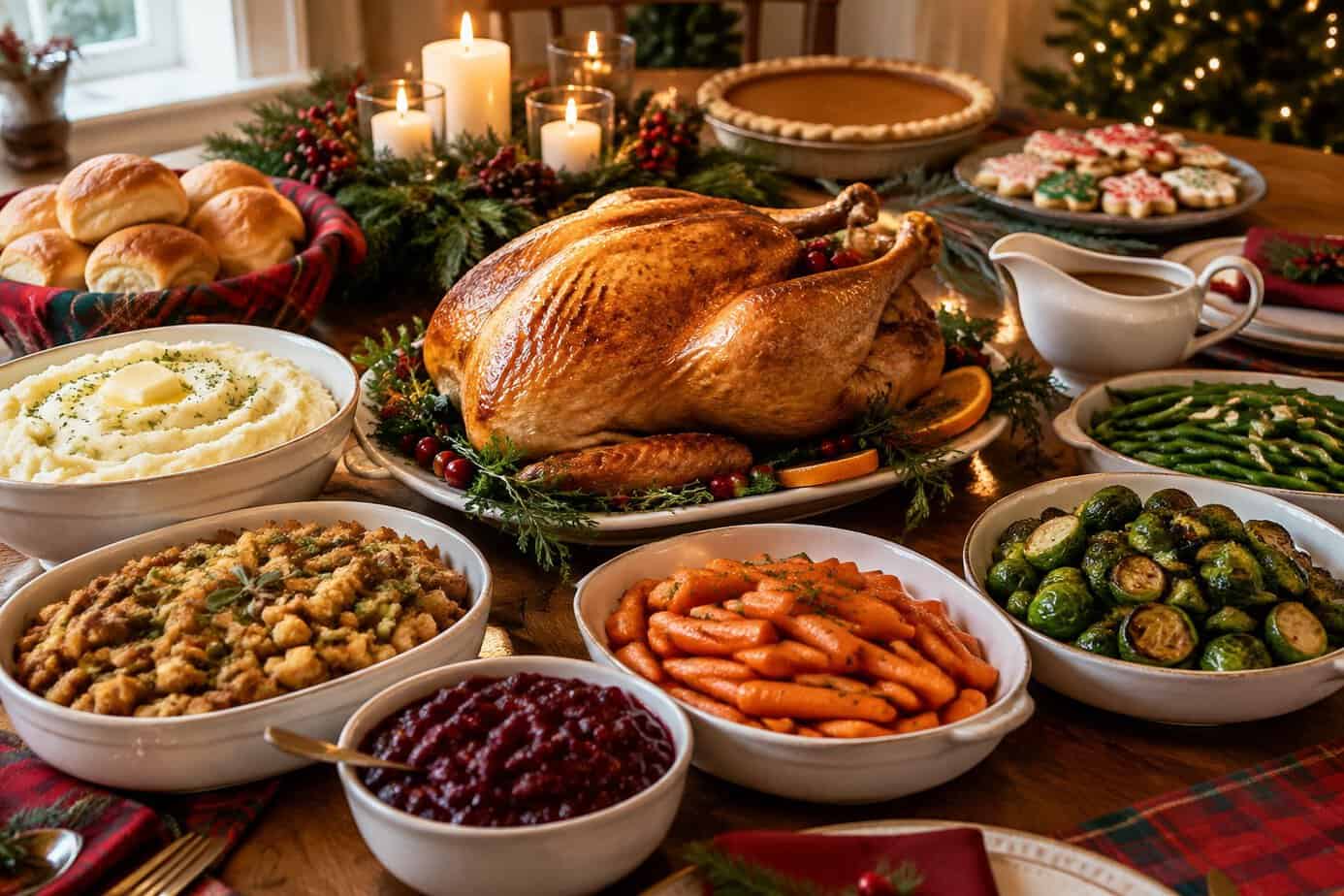
If you’ve hosted Christmas dinner for years, you have a short list of dishes that never let you down. They’re the ones people ask about in November, the ones that come back to the kitchen empty, and the ones somebody always wants the recipe for.
Earlier this season we looked at the Christmas dinner dishes home cooks complain about most. This is the happier list: the 30 dishes home cooks say are worth every minute, from the roast in the middle of the table to the sides, the appetizers and the gravy that ties it all together.
Each one comes with a simple tip that helps it turn out right, so you can spend less time fretting at the stove and more time at the table.
1. Roast Turkey with Herb Butter
Turkey isn’t only for Thanksgiving. Plenty of families serve it again at Christmas, and it has a long history there. In Charles Dickens’ A Christmas Carol, published in 1843, a reformed Scrooge sends the prize turkey from the poulterer’s window to the Cratchit family.
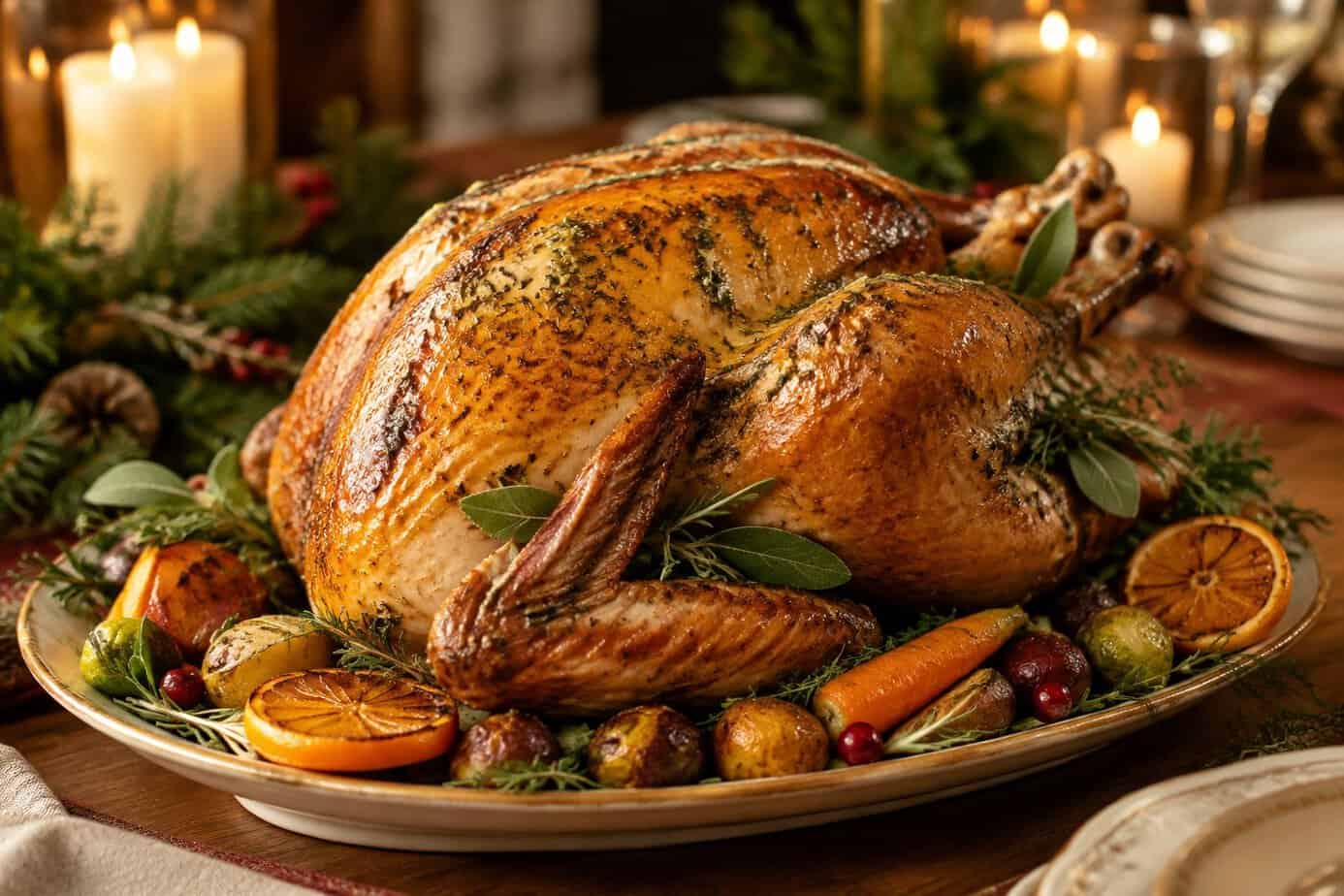
What makes a Christmas turkey stand out is the herb butter. Soft butter mixed with chopped sage, thyme, rosemary and a little garlic gets pushed under the skin over the breast, where it bastes the meat from the inside while the skin turns crisp and golden.
Families love it because it feeds a crowd, makes wonderful leftovers and gives you drippings for gravy.
Cook’s tip: loosen the skin gently with your fingers so it doesn’t tear, then spread the butter underneath. Roast until a thermometer in the thickest part of the thigh reads 165°F, the USDA’s safe temperature for turkey, and let the bird rest about 30 minutes before carving.
2. Prime Rib with Garlic and Rosemary
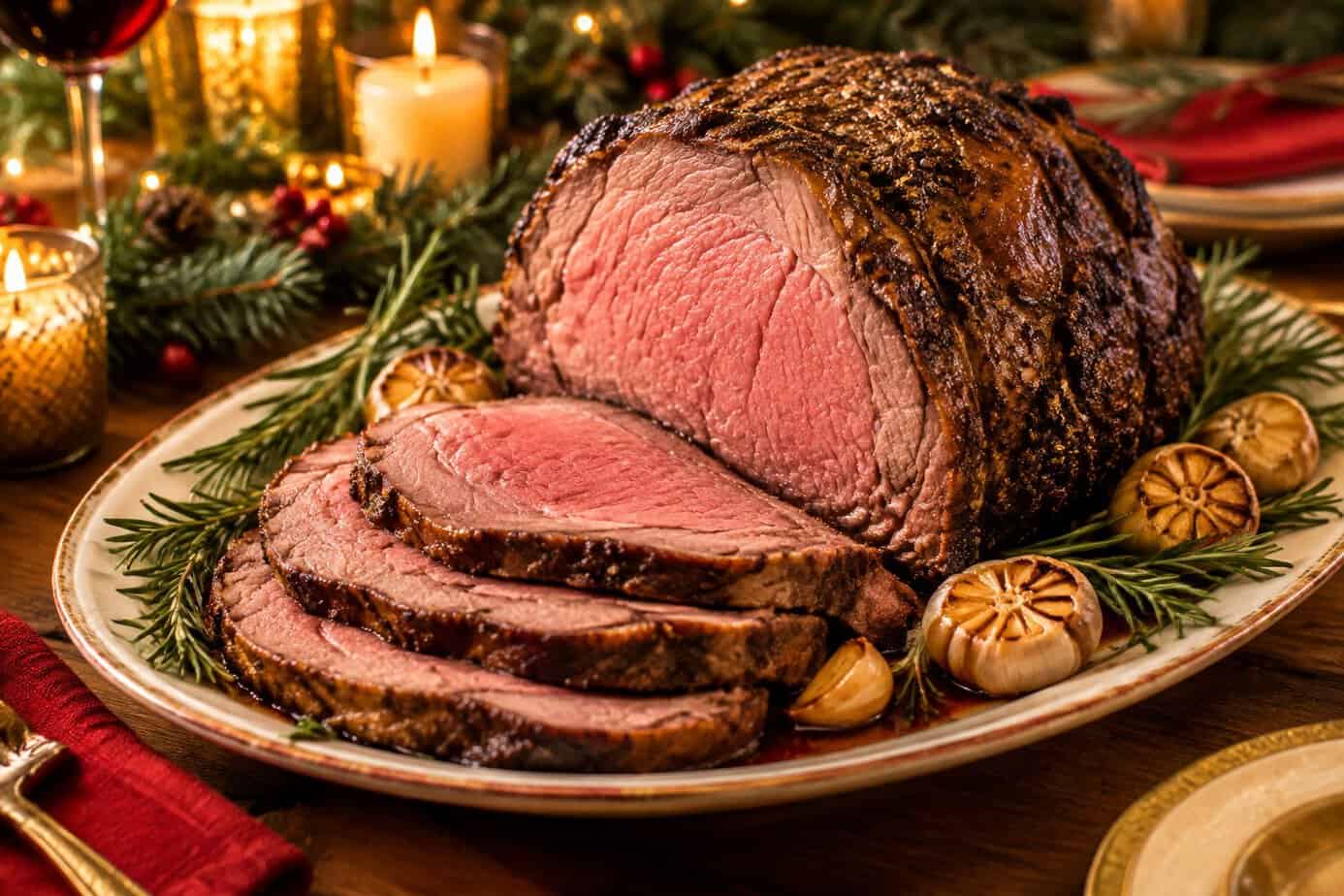
For many families, prime rib is what makes Christmas dinner feel like Christmas. It’s also called a standing rib roast, because it stands on its own rib bones in the pan, which act like a built-in roasting rack.
A paste of garlic, fresh rosemary, salt and pepper rubbed over the outside gives you a savory crust, while the inside stays rosy and tender. Served with horseradish sauce and the pan juices, it’s the dish that makes guests go quiet for a minute.
It’s a splurge, so most cooks save it for this one meal of the year, and that’s part of the charm.
Cook’s tip: salt the roast a day ahead and leave it uncovered in the refrigerator, which seasons the meat and dries the surface for a better crust. Cook it to temperature with a meat thermometer, not by the clock, and let it rest before you slice.
3. Beef Tenderloin with Red Wine Sauce
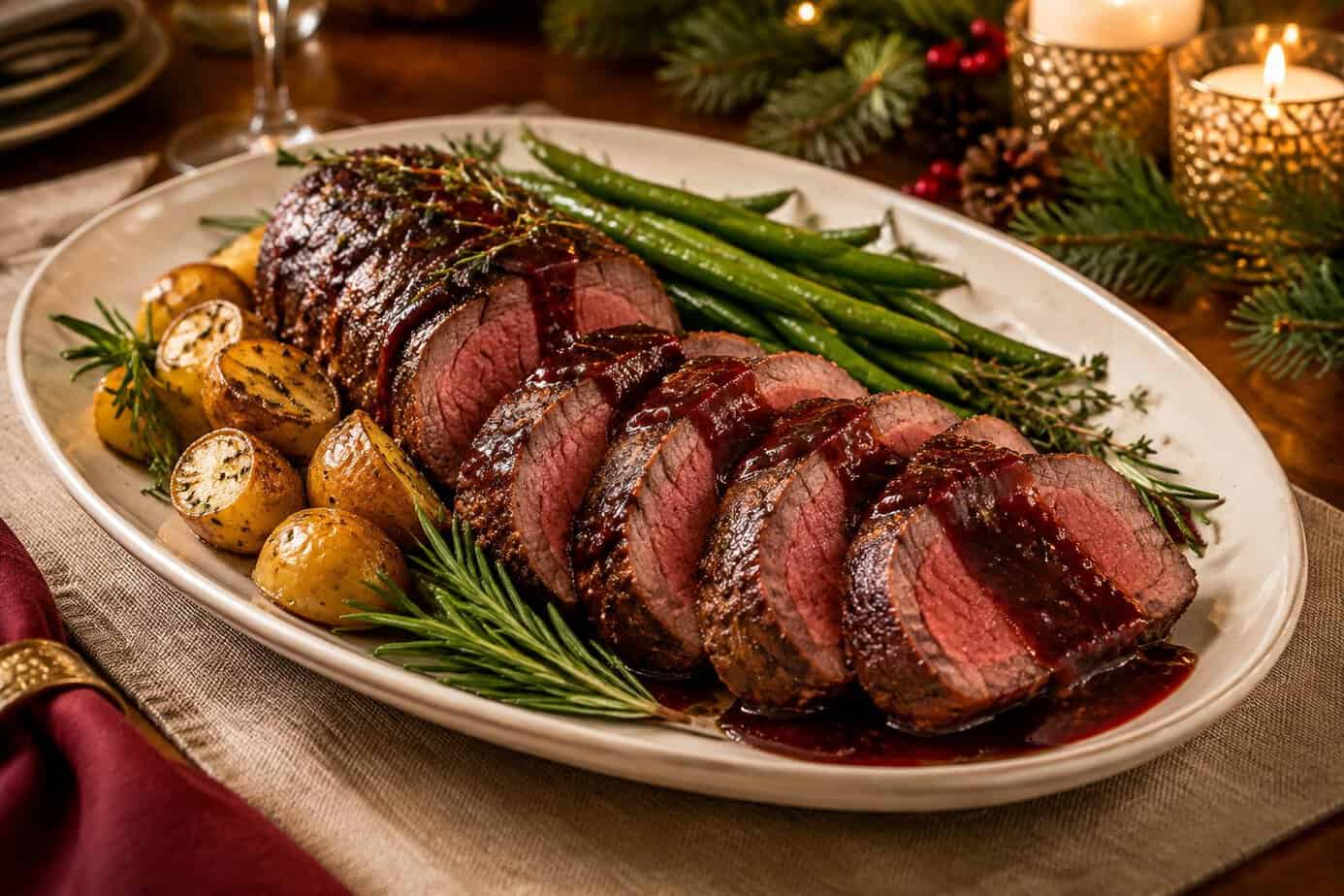
If prime rib feels like too much, beef tenderloin is the elegant alternative. It’s the most tender cut on the steer, it cooks in well under an hour, and it slices into neat rounds that look lovely on a platter.
Because tenderloin is lean and mild, the sauce does a lot of the work. A simple red wine reduction made in the roasting pan, with shallots, a splash of broth and a pat of butter whisked in at the end, adds the richness the meat doesn’t have on its own.
Hosts like it because it’s nearly impossible to mess up the texture, and there’s no carving drama at the table.
Cook’s tip: ask the butcher to trim the silverskin and tie the roast so it cooks evenly, or fold the thin tail end under and tie it yourself. Sear it in a hot pan first, then finish it in the oven and check the temperature early, since a tenderloin cooks fast.
4. Honey-Glazed Ham
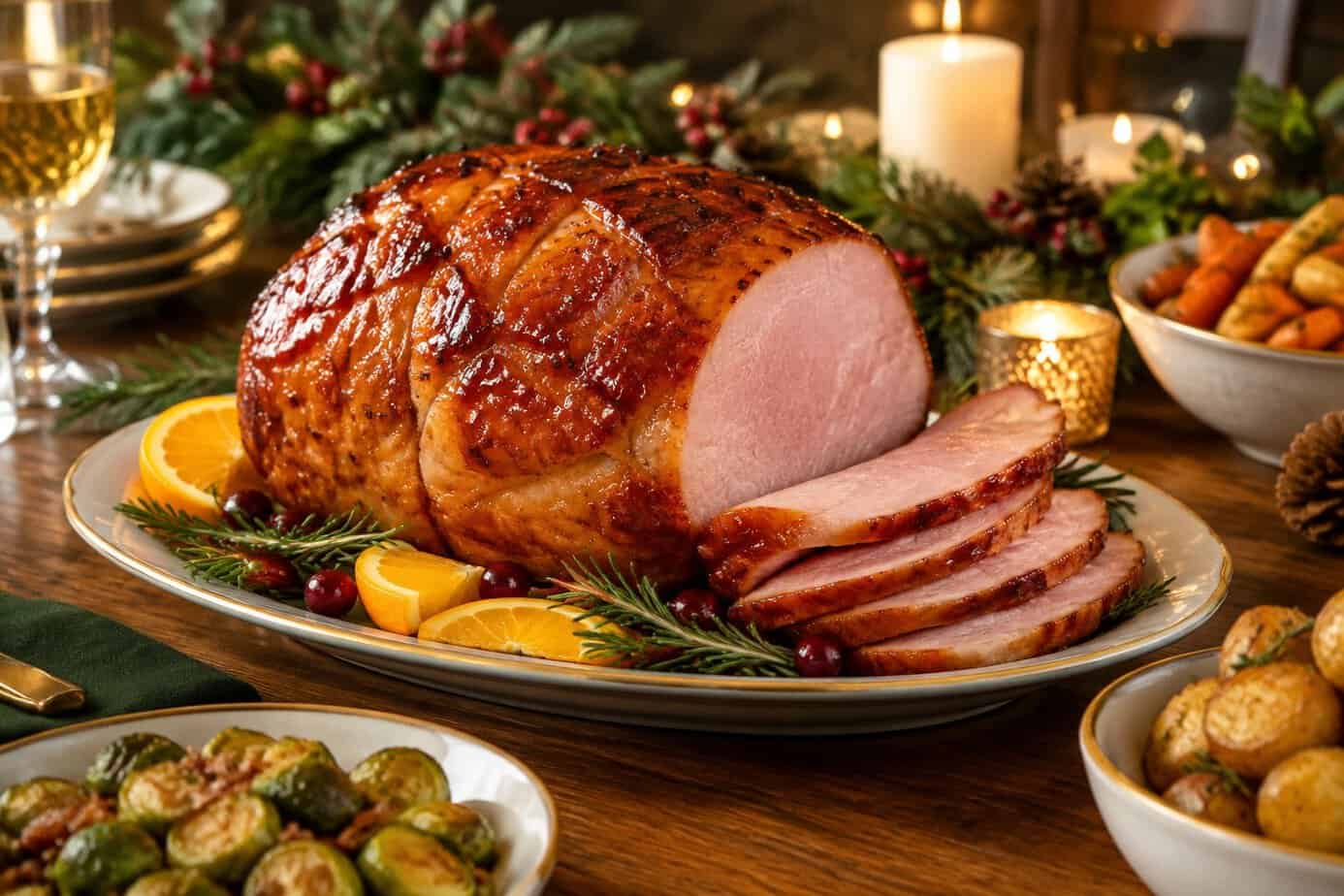
A glazed ham is one of the easiest Christmas centerpieces there is, which may be why so many families have served one for generations. Most hams sold in stores are already fully cooked, so your job is really to warm it through and give it a shiny, sweet glaze.
A glaze of honey, brown sugar and Dijon mustard, sometimes with a little orange juice or a pinch of cloves, caramelizes in the last part of baking and balances the saltiness of the meat.
Families love it because it feeds a big table, it’s just as good the next day, and the bone makes a wonderful pot of bean soup in January.
Cook’s tip: cover the ham with foil and heat it low and slow, around 325°F, so it doesn’t dry out. The USDA says a cooked ham packaged in an inspected plant only needs to be reheated to 140°F, so there’s no need to blast it. Brush on the glaze in the last 20 to 30 minutes so the sugar doesn’t burn.
5. Crispy Roast Pork Belly
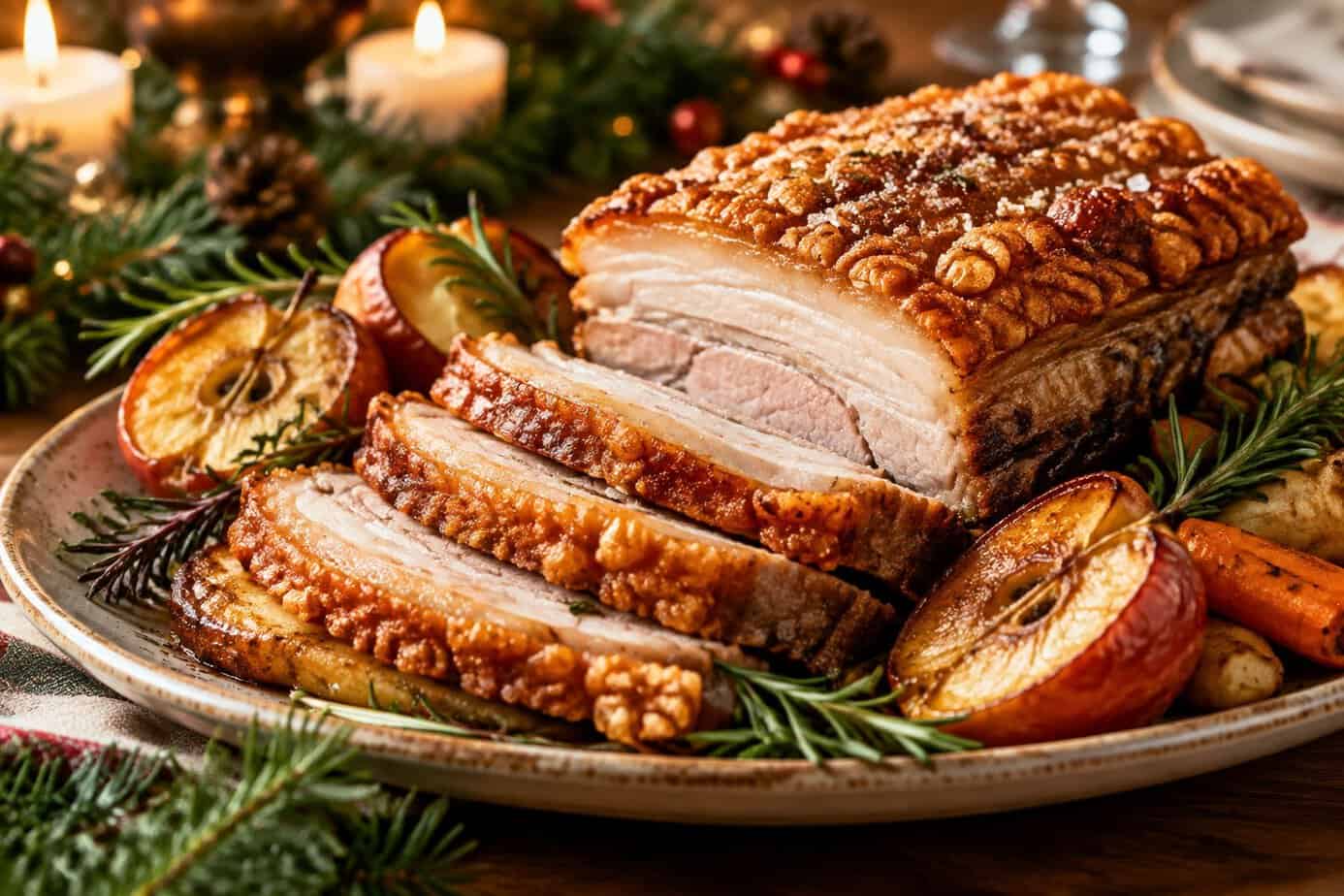
Pork belly has become a favorite holiday roast for cooks who want something a little different. Its layers of meat and fat turn meltingly tender after a long, slow roast, and the skin on top puffs into crackling that shatters when you cut it.
The crackling is the star. Guests tend to hover near the cutting board waiting for a piece, and it’s the part people talk about for days.
It’s also forgiving. Pork belly has so much fat that it stays juicy even if dinner runs a little late, which is a real comfort on a busy Christmas afternoon.
Cook’s tip: score the skin in thin lines without cutting into the meat, rub it with salt and leave it uncovered in the refrigerator overnight to dry. A dry skin is the secret to crackling. Roast it low for a few hours, then turn the oven up high at the end until the skin bubbles and crisps.
6. Roast Chicken with Lemon and Thyme
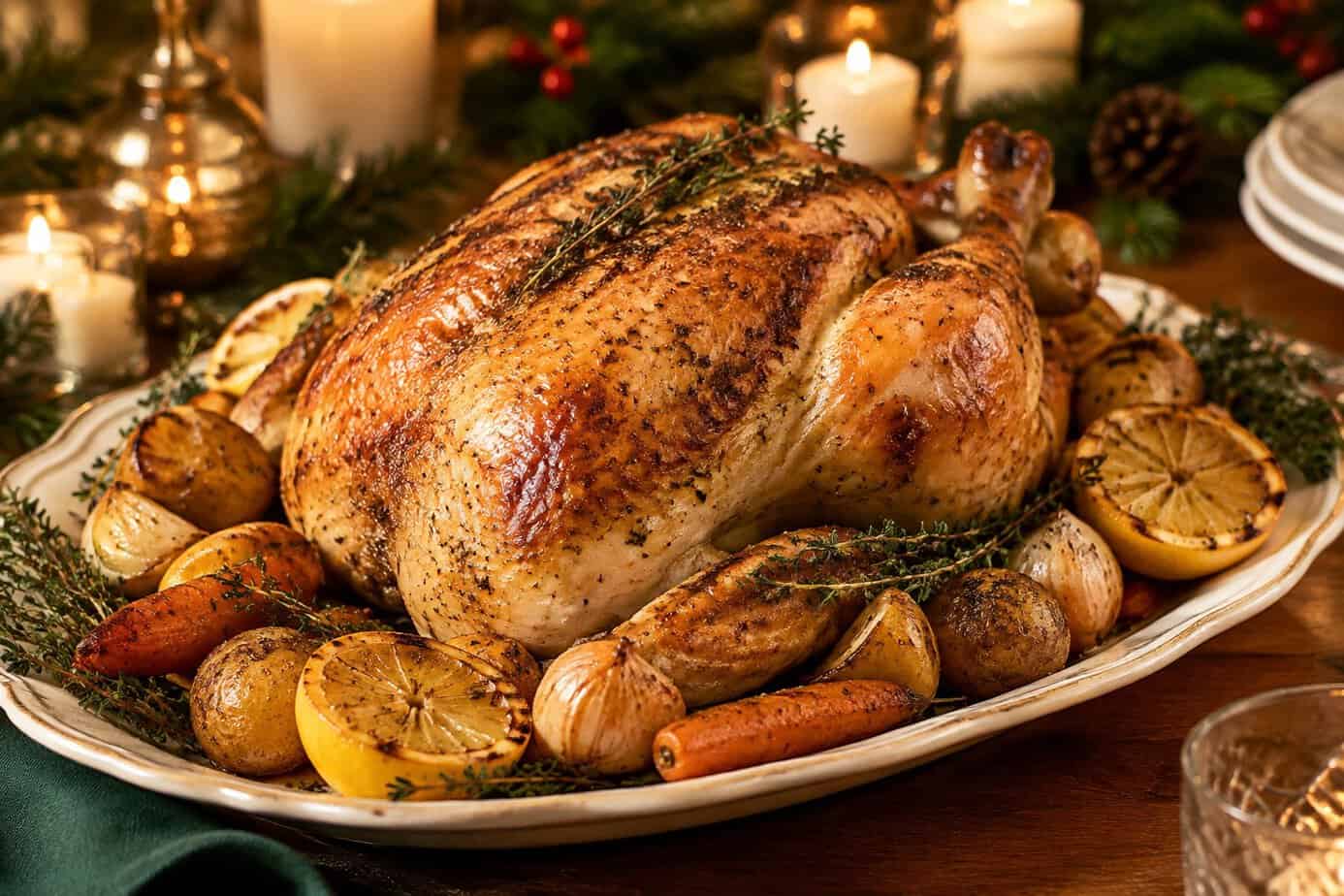
Not every Christmas dinner needs a giant roast. For a smaller group, or a cook who doesn’t want to fuss, a golden roast chicken is hard to beat, and it fits easily in the oven alongside the sides.
A lemon cut in half and tucked inside the bird with a few sprigs of thyme and some garlic perfumes the meat as it cooks. Roasted on a bed of potatoes, carrots and onions, the vegetables soak up the drippings and become a side dish on their own.
Families love it because it tastes like home, and there’s very little that can go wrong.
Cook’s tip: pat the chicken completely dry and salt it well, ideally the night before, for the crispiest skin. Roast it hot, around 425°F, and check the thickest part of the thigh with a thermometer. Let it rest 10 to 15 minutes so the juices settle before you carve.
7. Braised Short Ribs
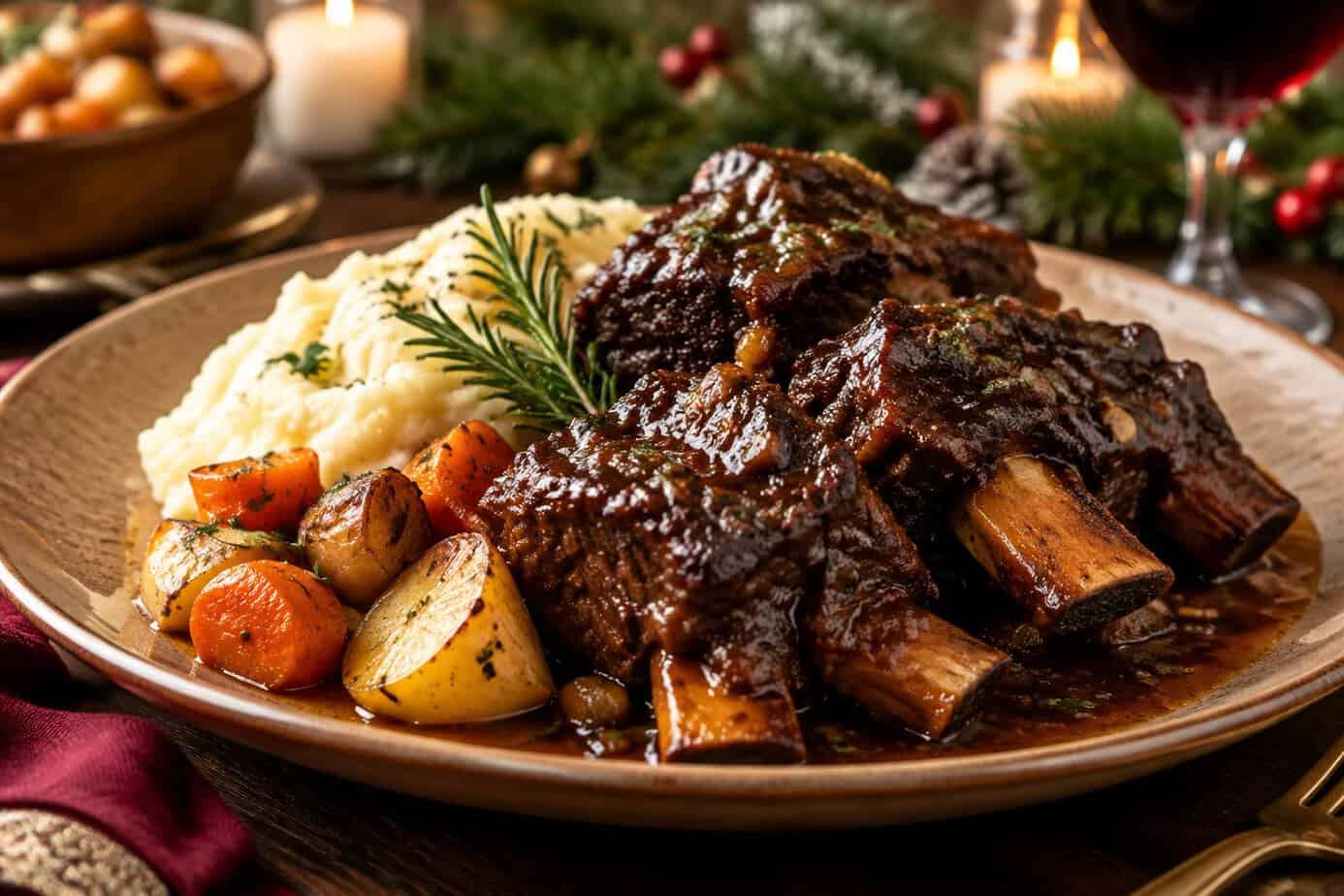
Braised short ribs are the make-ahead main that home cooks swear by. They simmer for hours in red wine and broth with onions, carrots and garlic until the meat falls off the bone, and they taste even better the day after they’re cooked.
That makes them perfect for Christmas. You can braise them on the 23rd, chill them, and simply reheat them while you finish everything else, which frees the oven and your nerves.
Served over mashed potatoes with the rich sauce spooned on top, short ribs feel just as special as a big roast, and they’re a great choice for a smaller crowd.
Cook’s tip: brown the ribs well in batches before braising; that crust is where much of the flavor comes from. After chilling them overnight, lift off the hardened fat from the top of the pot. The sauce will be cleaner and richer, and you can reduce it on the stove while the meat warms.
8. Shrimp Cocktail
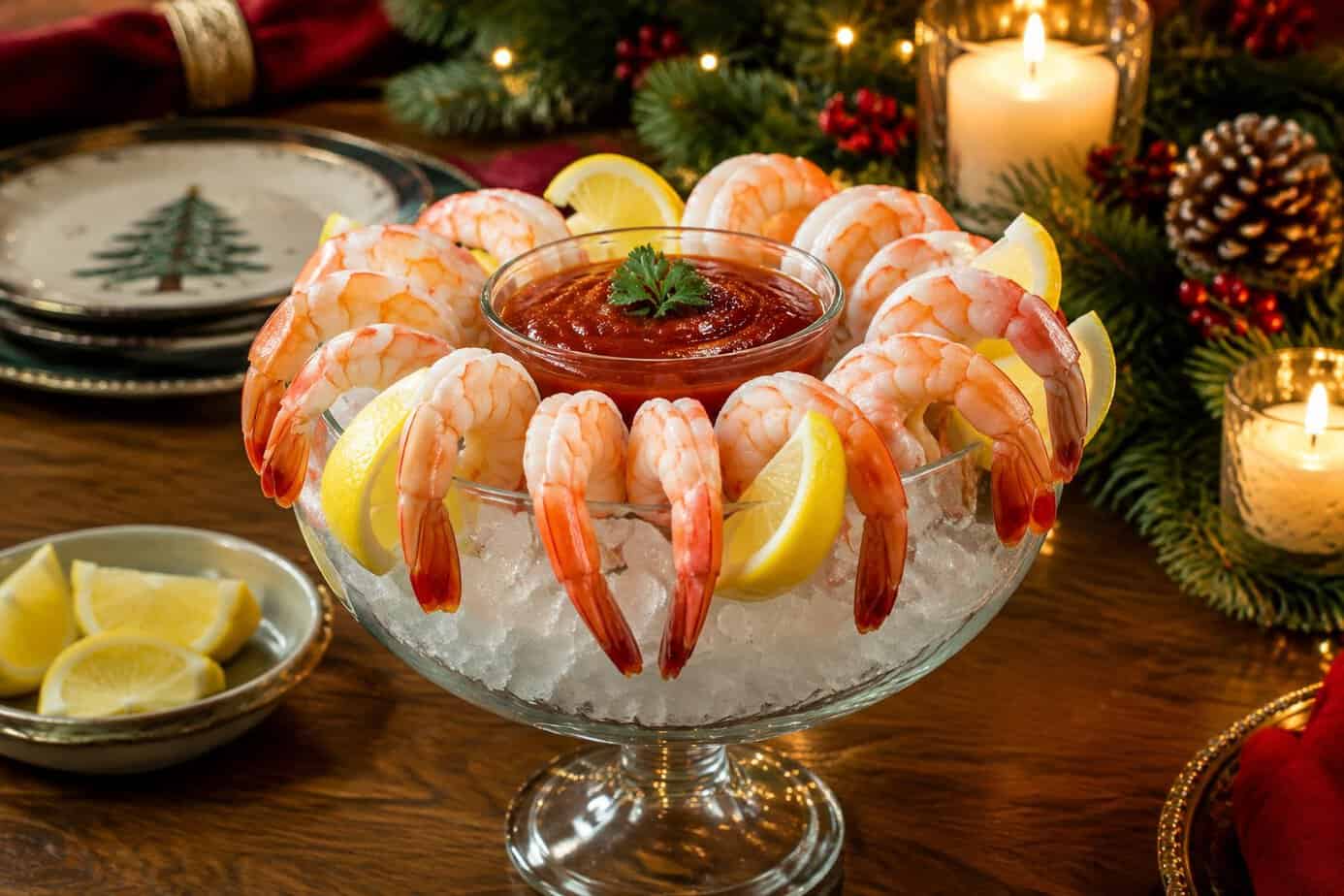
A big bowl of shrimp cocktail on ice has been a holiday party favorite for decades, and it still disappears faster than almost anything else on the table. It feels a little fancy, it’s cool and light before a heavy meal, and it takes almost no oven space.
The sauce is simple: ketchup or chili sauce, prepared horseradish, a squeeze of lemon and a dash of Worcestershire. Make it as sharp as your family likes. Some cooks set out a second dip, like a lemony mayonnaise, for guests who don’t love the heat.
It’s also one of the few appetizers you can finish completely the day before.
Cook’s tip: buy shell-on shrimp and poach them yourself in gently simmering salted water with lemon until just pink, about two to three minutes depending on size. Move them straight into ice water so they stay tender, then peel them, leaving the tails on for easy dipping. Keep the platter on ice once it’s out.
9. Tourtière (French-Canadian Meat Pie)
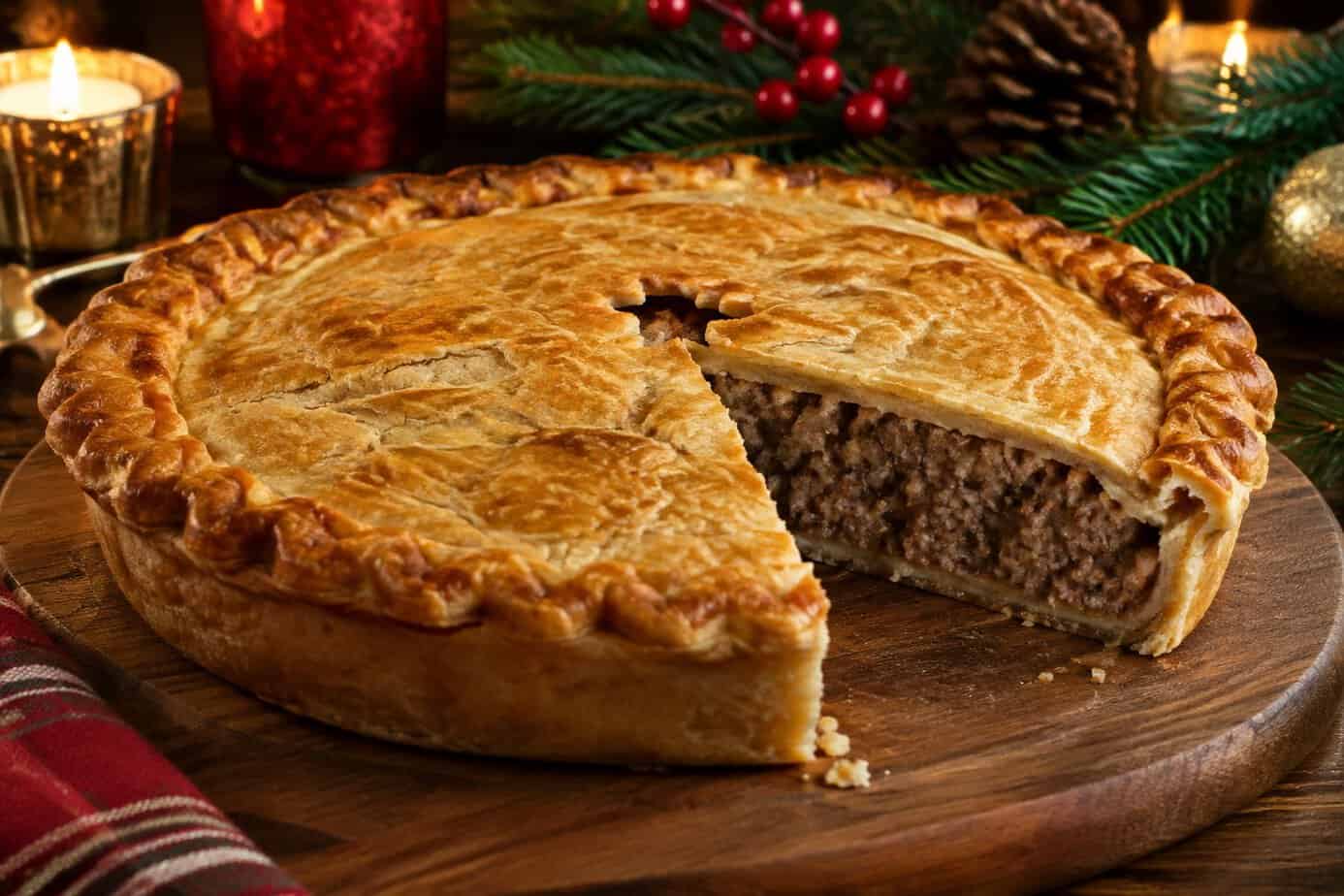
In Quebec and in French-Canadian families across New England, Christmas Eve means tourtière. This double-crust meat pie, usually made with ground pork or a mix of pork and beef, was traditionally served at the réveillon, the late-night feast after midnight Mass.
What sets it apart is the gentle spice. Warm spices such as cinnamon, cloves or allspice, depending on the family recipe, season the filling along with onion and a little mashed potato or bread to hold it together. The result is savory and warm without being sweet.
Families love it because it can be made ahead, frozen and baked on the day, and because the recipe usually comes from a grandmother who never wrote it down quite the same way twice.
Cook’s tip: cook the filling first and let it cool completely before it goes into the crust, so the bottom pastry doesn’t get soggy. Cut a few vents in the top crust and brush it with beaten egg. Serve it with a sweet tomato relish or ketchup, the way many Quebec families do.
10. Baked Clams for the Feast of the Seven Fishes
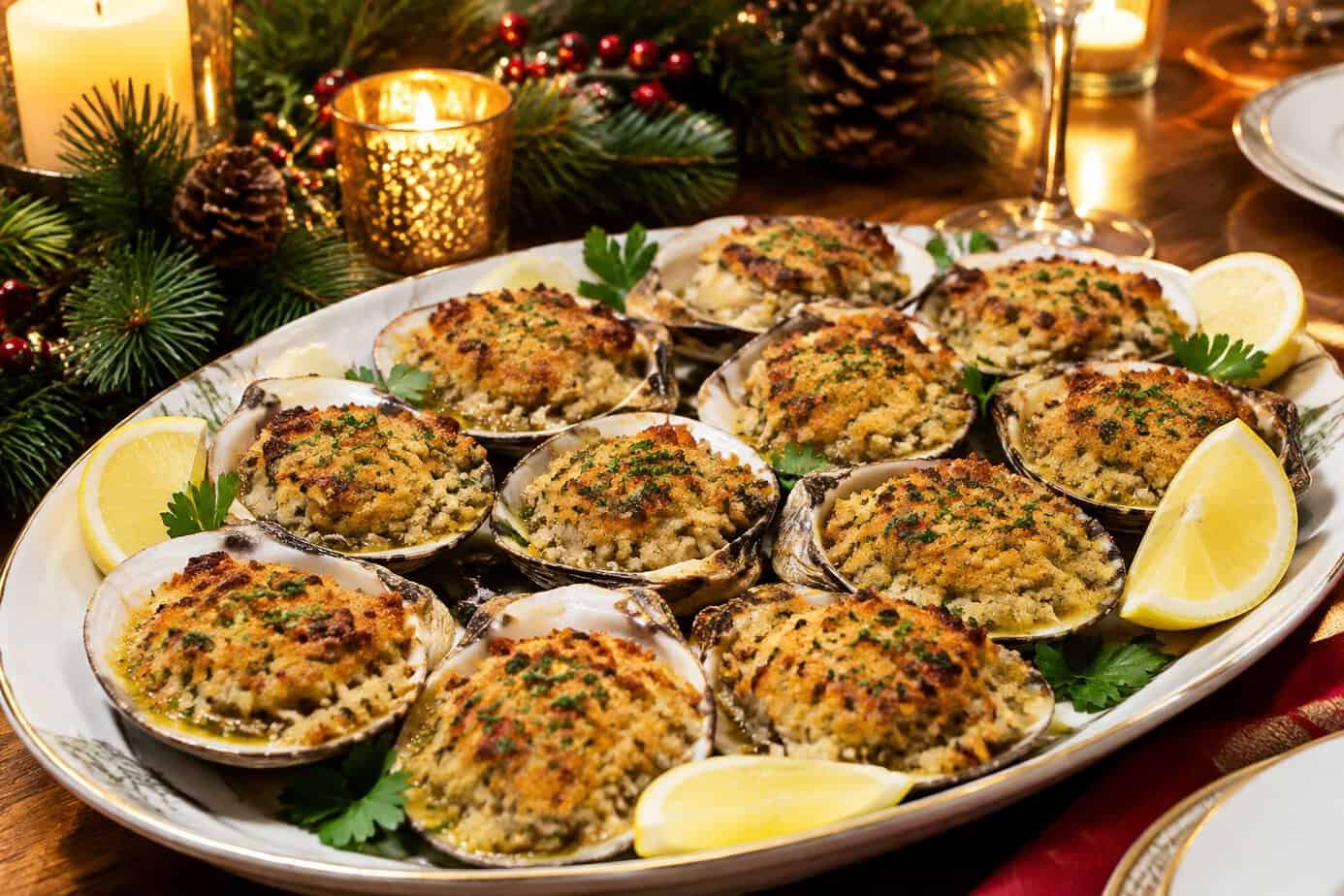
For many Italian-American families, Christmas Eve is a seafood night. The Feast of the Seven Fishes grew out of the Catholic custom of skipping meat on the eve of a feast day, and the name itself is an Italian-American one. Baked clams are one of the dishes that shows up year after year.
Fresh clams on the half shell are topped with breadcrumbs mixed with garlic, parsley, grated cheese, olive oil and a little lemon, then baked until the tops are golden and crisp. They’re small, savory and gone in two bites.
They also make a nice start to the evening while the pasta water heats up.
Cook’s tip: scrub the clams and soak them in cold salted water for about 20 minutes so they release any sand. Steam them just until they open, throw out any that stay shut, and save the cooking liquid to moisten the breadcrumbs. Don’t overbake, or the clams turn rubbery.
11. Mushroom Wellington
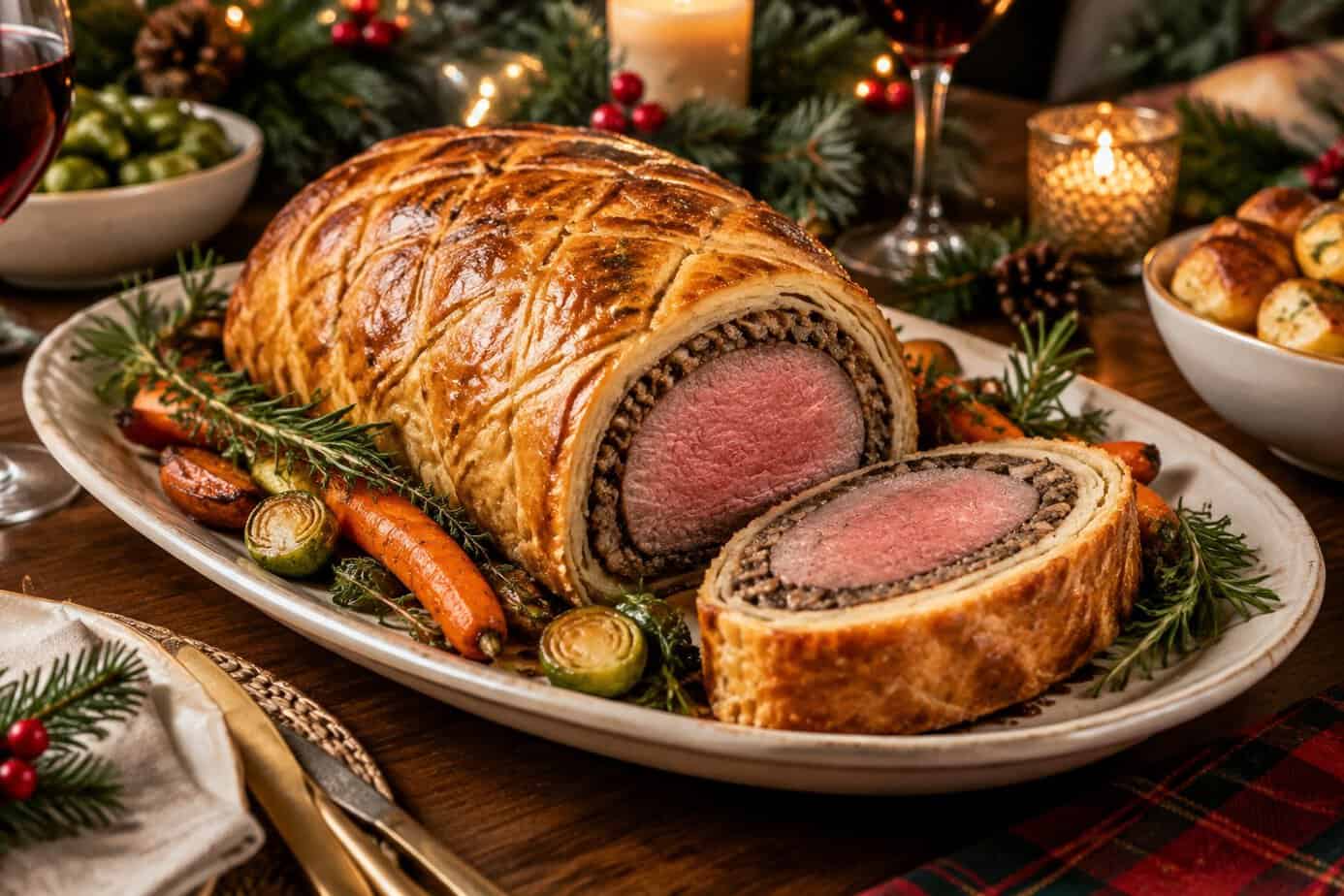
When there’s a vegetarian at the table, a mushroom Wellington makes sure they don’t go home with a plate of sides. It’s built like the classic version, with a filling wrapped in golden puff pastry, but the center is a hearty mix of chopped mushrooms, spinach, onions and herbs, sometimes with chestnuts or lentils.
The meat eaters usually want a slice too, which is the best compliment it can get.
It looks impressive coming out of the oven, and because frozen puff pastry does the hard part, it’s far easier than it looks.
Cook’s tip: cook the mushrooms in a wide pan until all their liquid has evaporated and they start to brown. Wet filling is what makes a Wellington soggy. Chill the filling before wrapping, seal the pastry seam underneath, brush it with egg wash, and bake it on a hot sheet pan so the bottom crisps.
12. Maple-Glazed Salmon
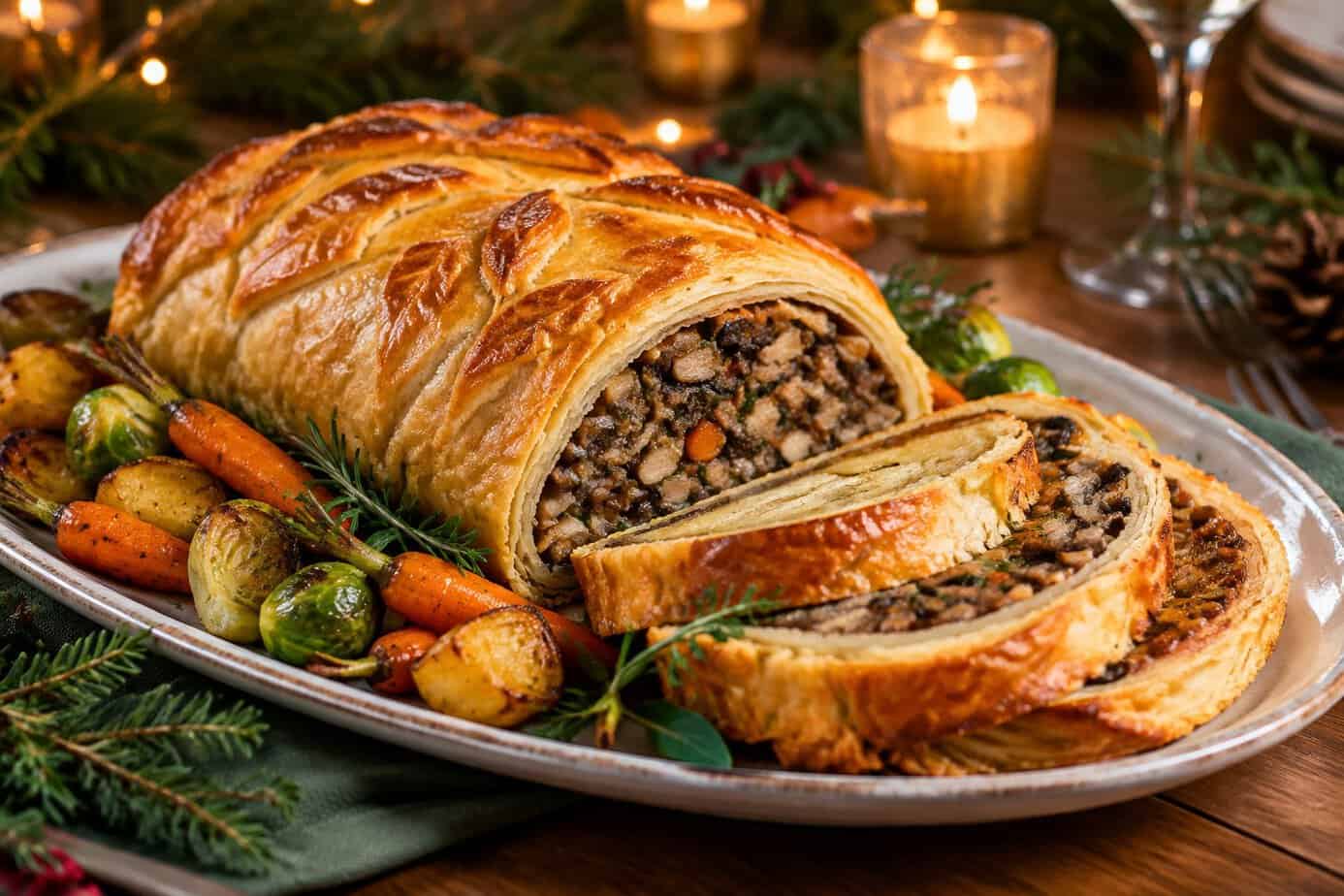
A whole side of salmon makes a beautiful Christmas main, especially for families who like a lighter meal or who keep a seafood tradition on Christmas Eve. It cooks in about 20 minutes and lands on the table looking festive with very little effort.
A glaze of maple syrup, Dijon mustard, soy sauce and a little garlic gives it a glossy, sweet-savory finish. Pink salmon on a white platter with lemon slices and fresh herbs looks right at home next to the greenery.
It’s also a smart second main when one big roast won’t please everyone.
Cook’s tip: bake the salmon on a parchment-lined sheet pan at about 400°F and brush on the glaze in the last few minutes so the sugar doesn’t scorch. Pull it when the thickest part just flakes, since it keeps cooking for a minute or two after it comes out.
13. Stuffed Acorn Squash
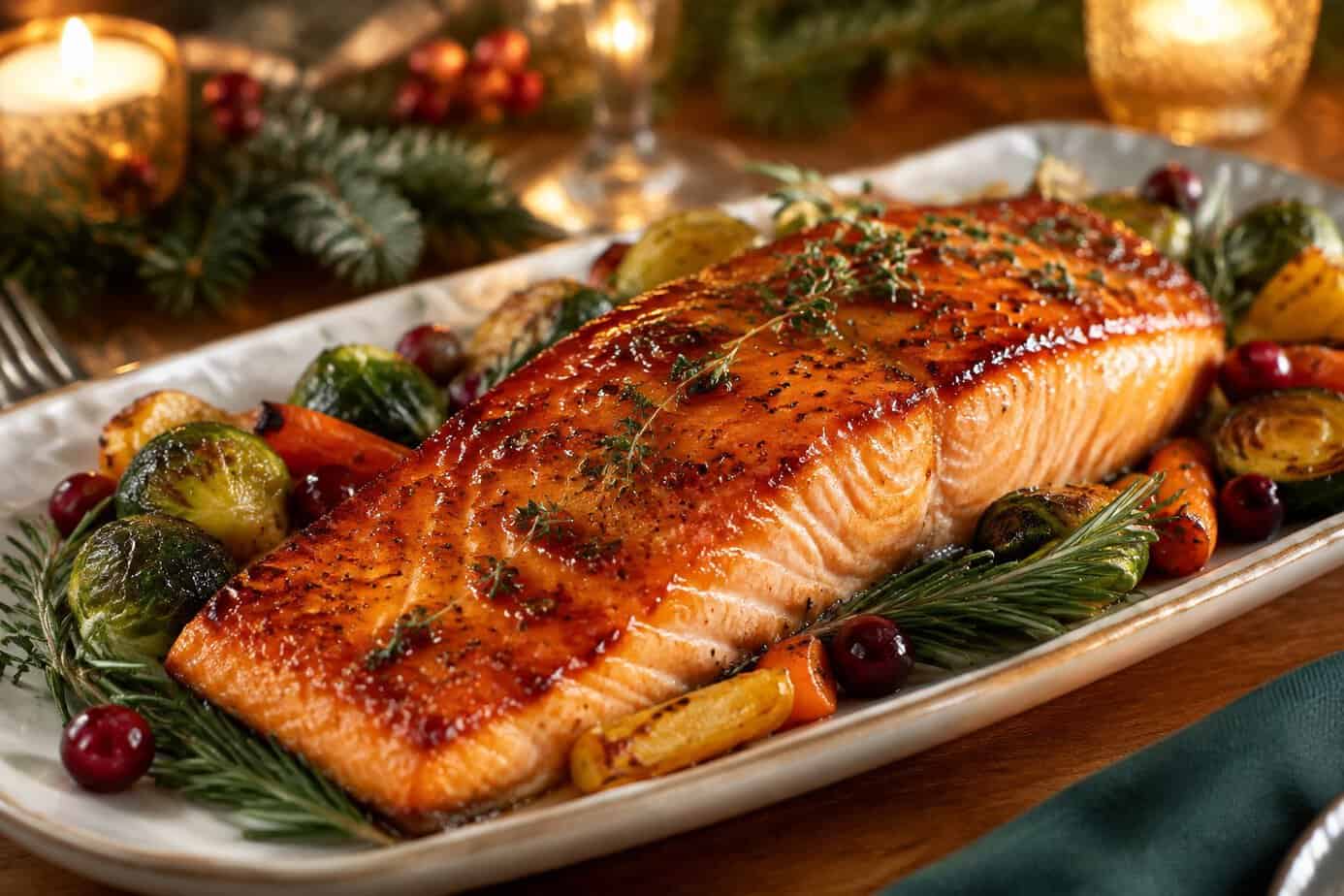
Stuffed acorn squash is one of those dishes that pulls double duty. It’s a hearty main for vegetarian guests and a pretty side for everyone else, and each half comes to the table as its own little serving bowl.
The squash is roasted until tender, then filled with a mix of wild rice or farro, sautéed onions, dried cranberries, toasted pecans and herbs. Some cooks add sausage for the meat eaters. A drizzle of maple syrup or a sprinkle of cheese on top before the last few minutes in the oven finishes it.
The deep green skin and the colorful filling look festive on the table, which is half the appeal.
Cook’s tip: slice a thin piece off the rounded side of each half so it sits flat and doesn’t roll. Roast the squash cut side down first so it steams and softens, then turn it over, fill it and bake until the top is lightly browned.
14. Garlic Mashed Potatoes
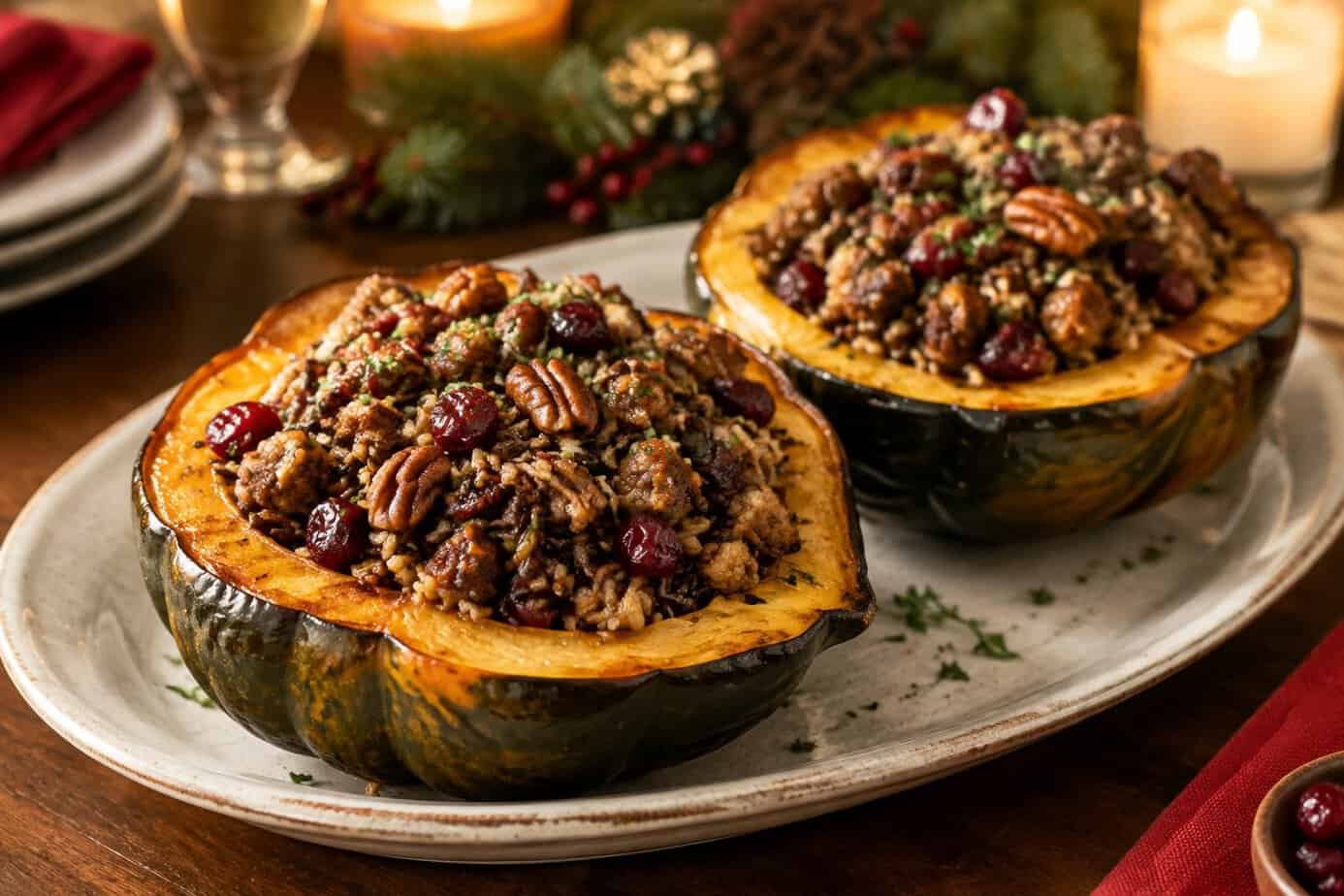
Ask almost any family what can’t be missing from Christmas dinner and mashed potatoes will be near the top of the list. They go with every roast, they catch every drop of gravy, and children who won’t touch anything else will eat a mountain of them.
Garlic takes them up a notch. Simmer a few peeled cloves with the potatoes, or mash in a head of roasted garlic, and the flavor turns mellow and sweet rather than sharp.
Yukon Golds give you a naturally buttery, creamy mash, while russets make a lighter, fluffier one. Many cooks use a mix of both.
Cook’s tip: start the potatoes in cold salted water so they cook evenly, and warm the milk and butter before adding them. Mash by hand or with a ricer, never in a food processor, which turns them gluey. To free up the stove, keep the finished potatoes warm in a slow cooker.
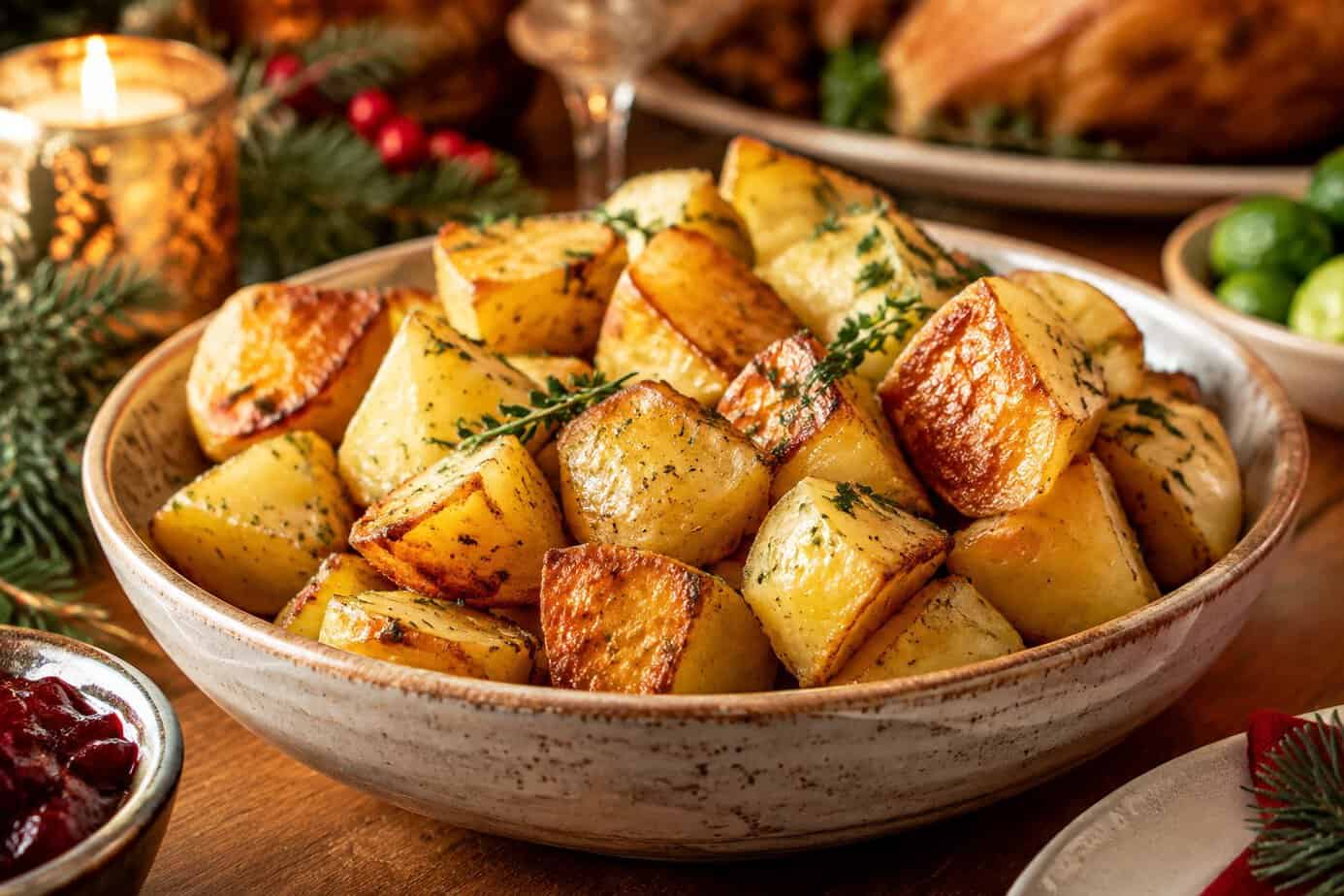
15. Crispy Roast Potatoes
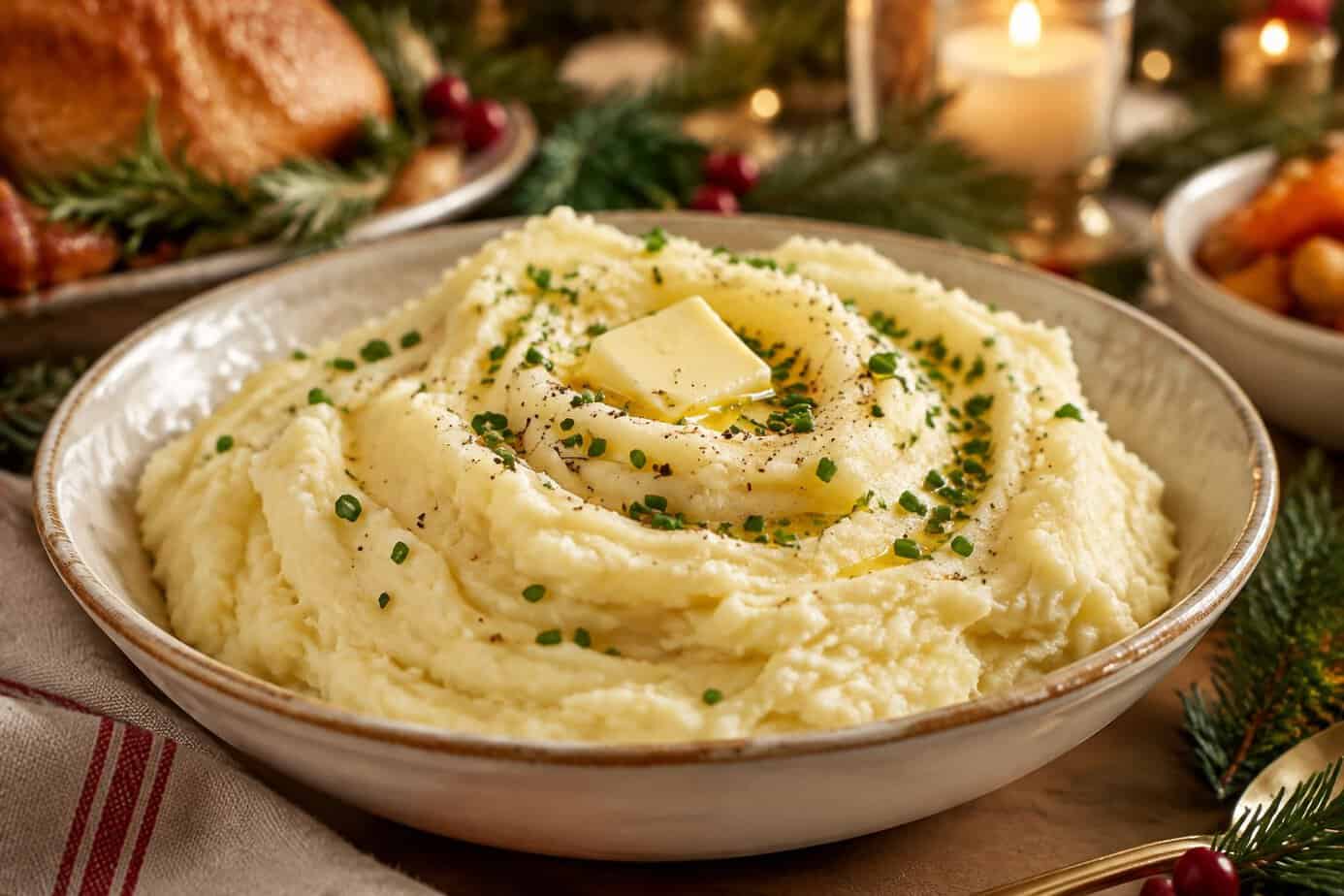
In Britain, crispy roast potatoes are as much a part of Christmas dinner as the turkey, and more American families have adopted them every year. Done right, they’re crunchy and golden on the outside and soft as mashed potatoes inside.
The method is what makes them. The potatoes are boiled briefly, drained and shaken in the pot to rough up the edges, then roasted in very hot fat. Those roughed-up edges become the crunchy bits everyone fights over.
Families love them because they’re simple, they go with any roast, and they’re impossible to stop eating.
Cook’s tip: heat the fat in the roasting pan in the oven before the potatoes go in, so they sizzle on contact. Duck fat, goose fat or beef drippings are traditional, but olive oil works well. Give them space in the pan, turn them once, and roast at about 425°F until deeply golden.
16. Potatoes au Gratin
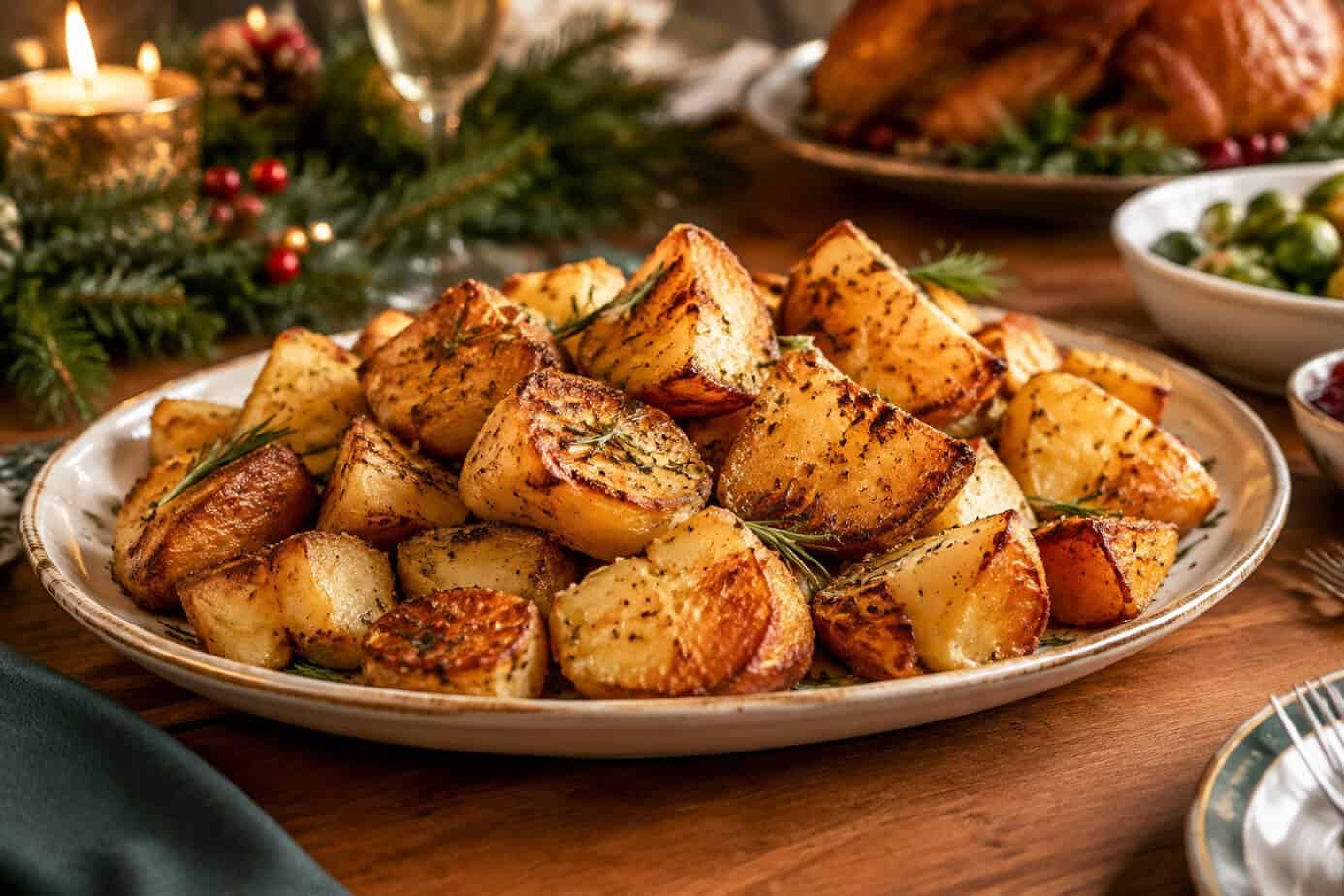
Potatoes au gratin are the dressed-up potato dish of the holidays. Thin slices of potato are layered with cream, garlic and cheese, often Gruyère or sharp cheddar, and baked until the inside is tender and the top is browned and bubbling. “Au gratin” refers to that browned crust on top.
It’s a favorite next to ham or prime rib, because the creamy richness stands up to a big roast.
It’s also a dish you can assemble in the morning and bake later, which helps on a busy day.
Cook’s tip: slice the potatoes evenly, about an eighth of an inch thick, with a mandoline or a sharp knife, so every layer cooks at the same pace. Warm the cream with garlic before pouring it over, and cover the dish with foil for the first part of baking. Uncover it near the end to brown the top, then let it rest 15 minutes so it sets and slices cleanly.
17. Parker House Rolls
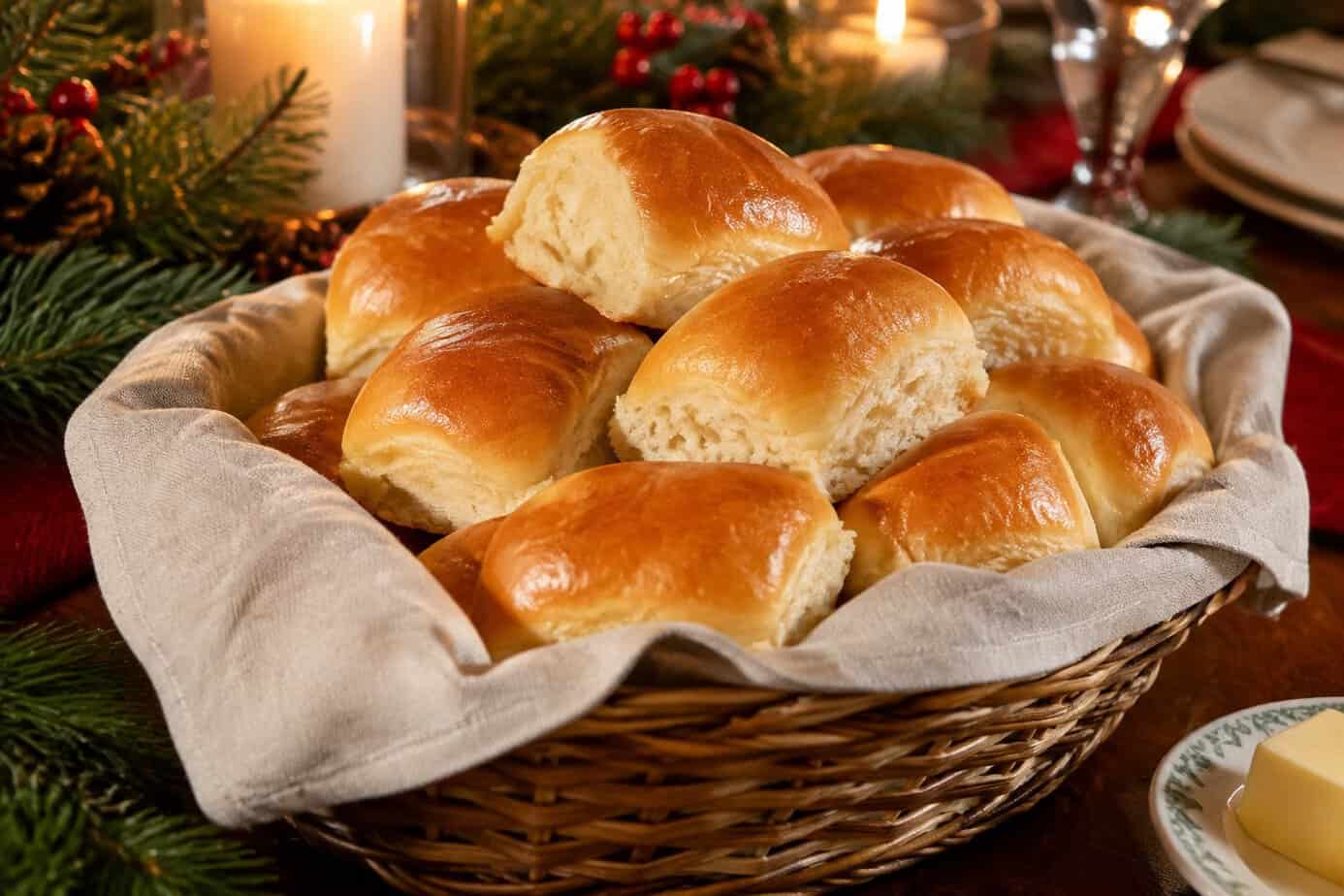
Soft, buttery Parker House rolls are the bread basket favorite at many Christmas tables. They’re named for Boston’s Parker House hotel, which says it introduced them in the 1870s, and their folded shape is what sets them apart. Each round of dough is brushed with butter and folded over, so the finished roll pulls open into two tender halves.
Homemade rolls make a dinner feel special in a way store-bought ones don’t, and the smell of them baking is half the reason families love them.
They’re also a great job for a helper in the kitchen, since folding the dough is easy and fun.
Cook’s tip: make the dough a day ahead and let it rise slowly in the refrigerator overnight. On Christmas Day, shape the rolls, let them rise in a warm spot, and bake them while the roast rests. Brush them with melted butter as soon as they come out, and sprinkle a little flaky salt on top.
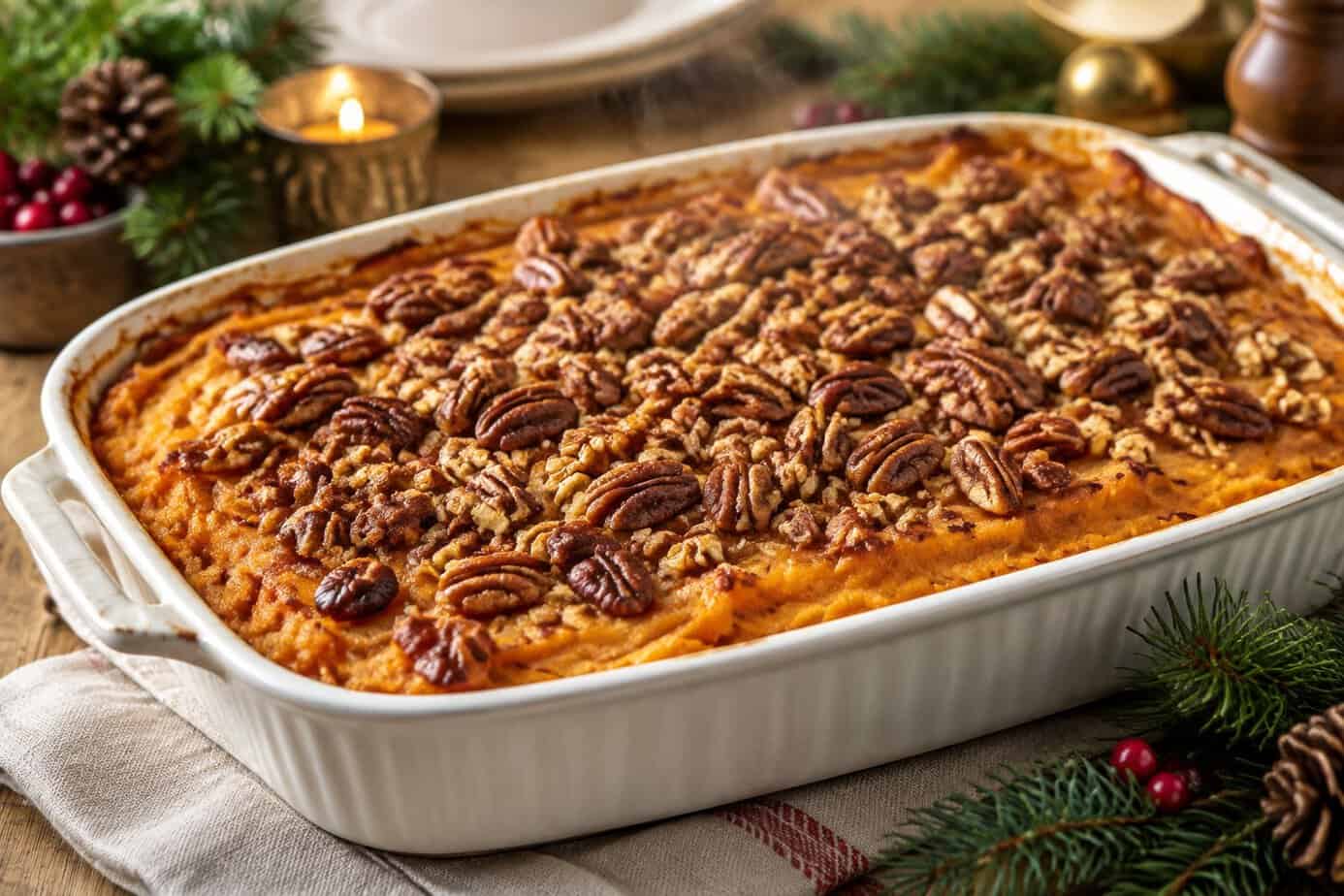
18. Sweet Potato Casserole with Pecans
Sweet potato casserole might be best known as a Thanksgiving dish, but in many Southern families it comes right back to the table at Christmas. The version home cooks rave about skips the marshmallows and uses a crunchy brown sugar and pecan topping instead.
Underneath, the mashed sweet potatoes are mixed with butter, eggs, a little sugar, vanilla and warm spices. The filling bakes up smooth and fluffy, and the topping turns crisp and nutty.
It’s the side that bridges dinner and dessert, and children and grandparents alike tend to go back for seconds.
Cook’s tip: roast the sweet potatoes whole instead of boiling them. They taste sweeter and stay less watery, which gives you a better texture. Make the filling a day ahead and keep the topping in a separate bag, then sprinkle it on just before baking so it stays crunchy.
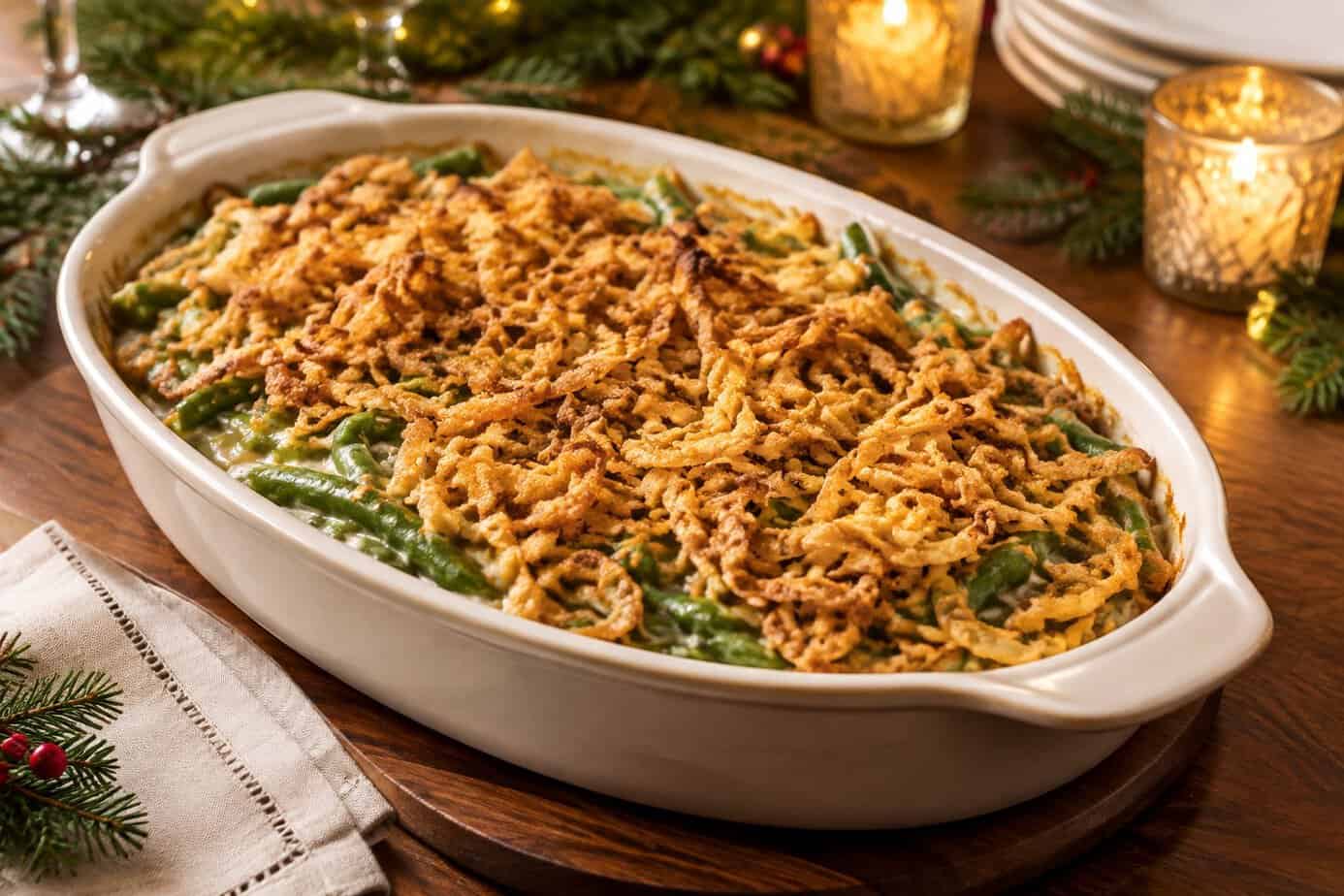
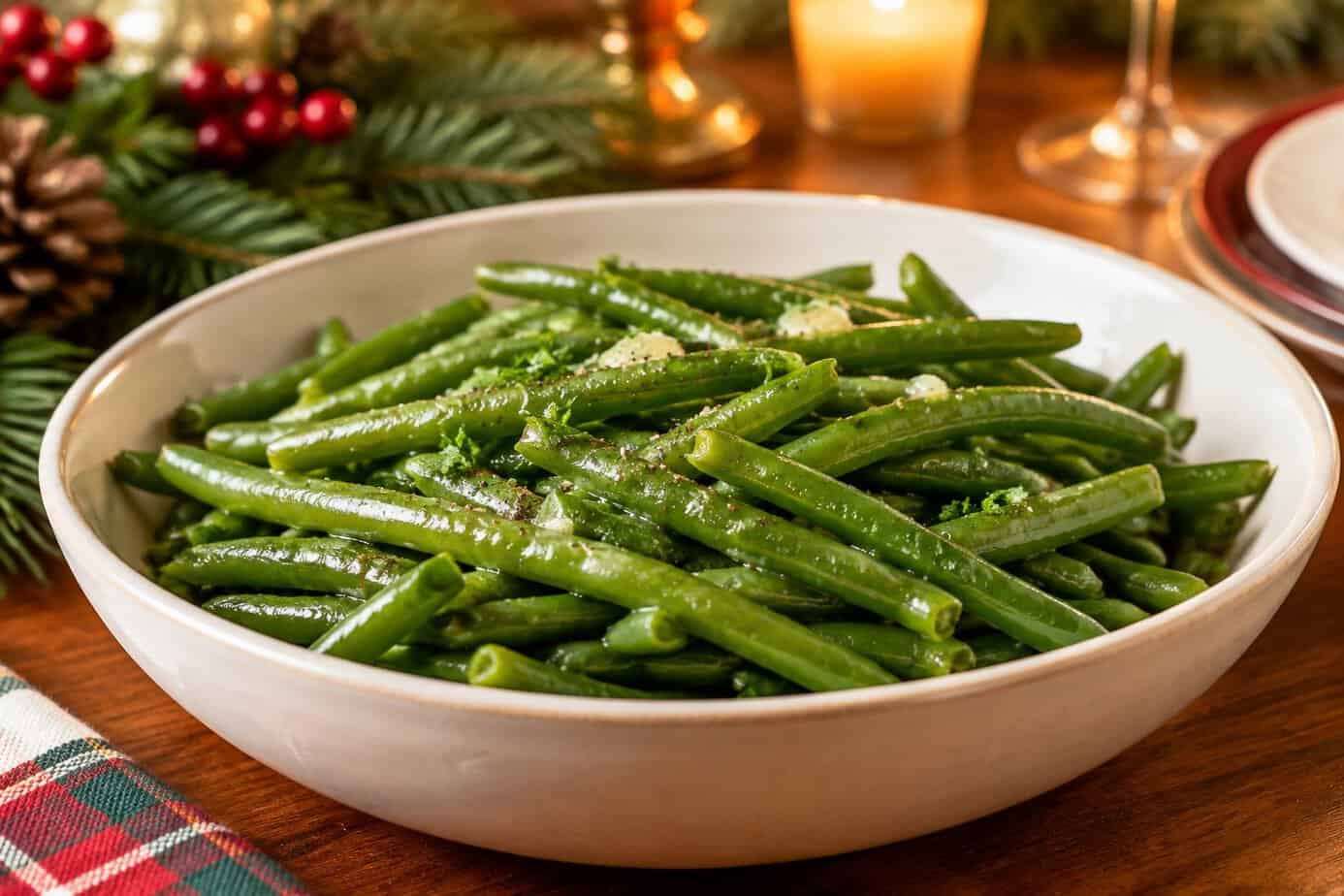
19. Green Bean Casserole
Green bean casserole has been on holiday tables since the 1950s, when Dorcas Reilly created it in a Campbell’s test kitchen in 1955. The idea was a simple side made from things most kitchens already had: green beans, cream of mushroom soup, a splash of milk and soy sauce, and crispy fried onions on top.
Decades later, it’s still one of the most requested sides of the season. It’s creamy, savory and crunchy all at once, and for many families it simply wouldn’t be the holidays without it.
Some cooks now make it from scratch with fresh beans and a homemade mushroom sauce, while others stick with the original recipe exactly as Grandma made it. Both have their fans.
Cook’s tip: if you use fresh green beans, blanch them for a few minutes and plunge them into ice water first so they stay bright green and tender-crisp. Add the fried onions only for the last five minutes of baking so they stay crunchy.
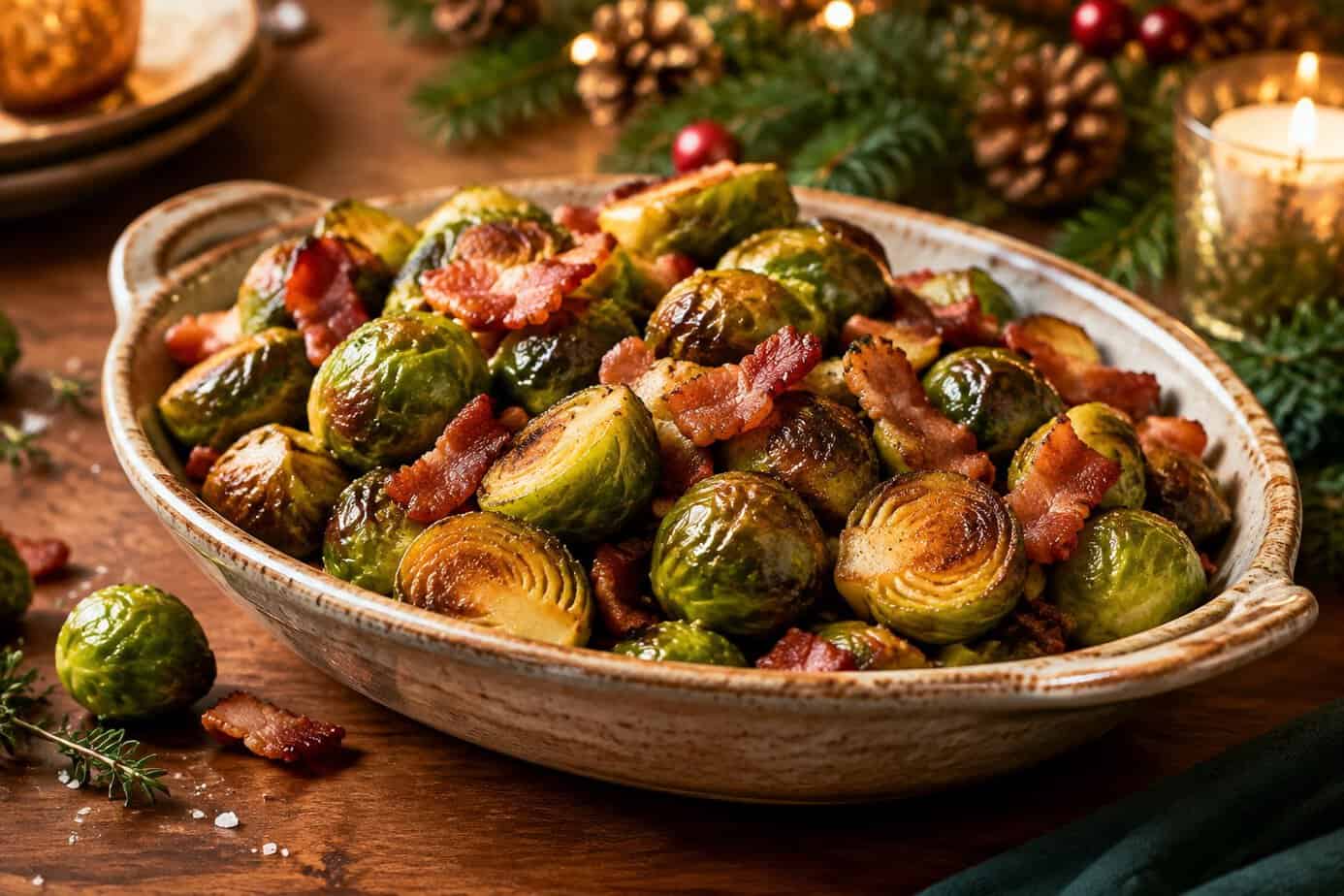
20. Roasted Brussels Sprouts with Bacon
If your family used to push Brussels sprouts around the plate, roasting is what changed their minds. Boiled sprouts can taste bitter and sulfurous, but roasted in a hot oven they turn sweet, nutty and caramelized at the edges.
Add crisp bacon, and they become one of the most talked-about sides on the table. A drizzle of balsamic glaze or a little maple syrup at the end brings out their sweetness even more.
Even people who swore they hated Brussels sprouts usually take a second spoonful of these.
Cook’s tip: trim the stems, cut the sprouts in half and lay them cut side down on a sheet pan with oil, salt and pepper. Don’t crowd the pan, or they’ll steam instead of brown. Roast at about 425°F until the cut sides are deeply golden, then toss them with the bacon right before serving.
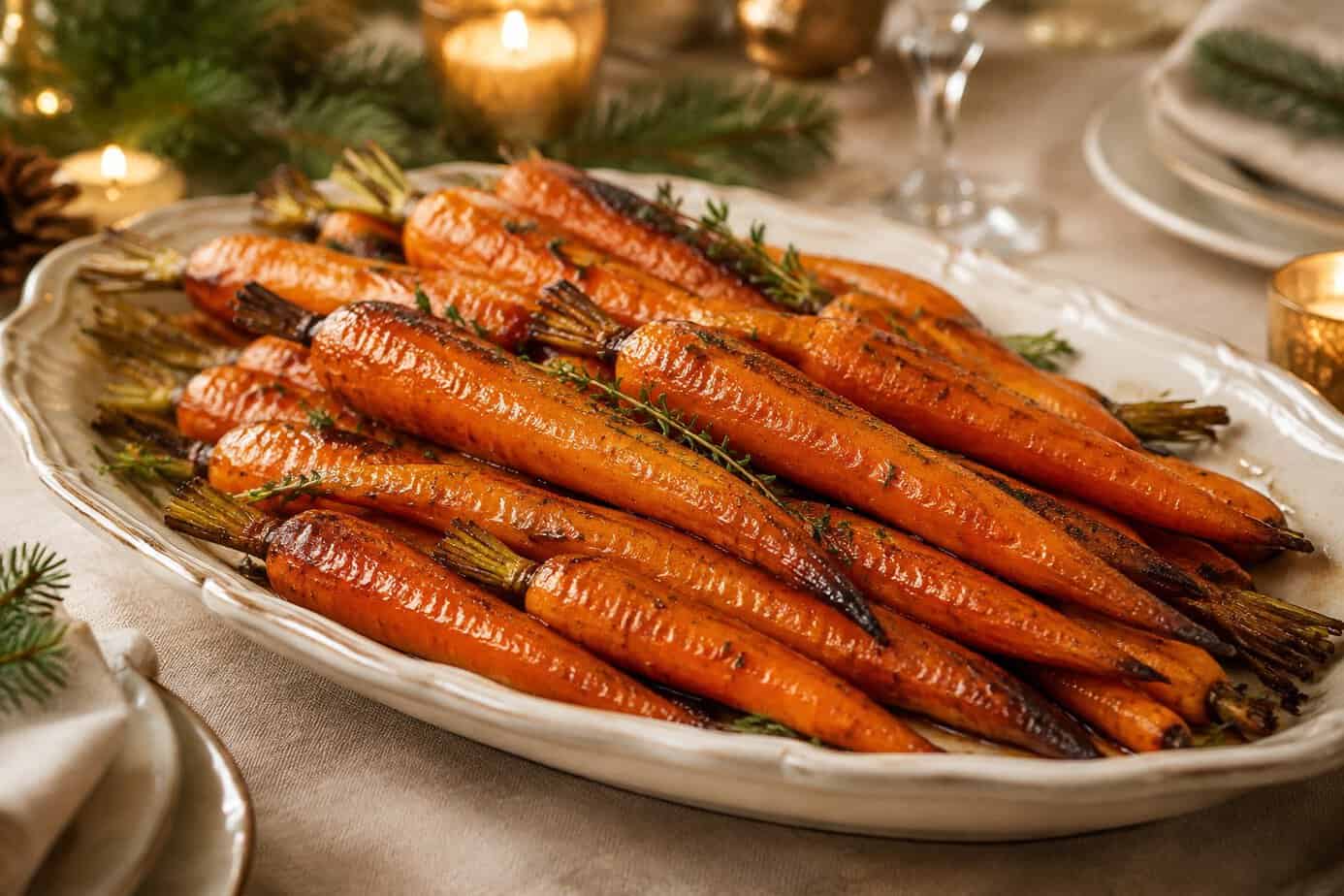
21. Honey-Roasted Carrots
Honey-roasted carrots bring color and a touch of sweetness to a plate full of browns and creams. Roasting concentrates the carrots’ natural sugar, and a glaze of honey, butter and a pinch of thyme makes them glossy and tender.
Whole slender carrots with a bit of green top left on look especially pretty on a platter, though cut carrots taste just as good.
They’re a side that pleases picky eaters and food lovers alike, and they take only a few minutes of prep.
Cook’s tip: cut thicker carrots in half lengthwise so all the pieces cook at the same rate. Roast them with oil and salt first, then add the honey and butter in the last 10 minutes so the glaze caramelizes without burning. Finish with a squeeze of orange or a sprinkle of fresh parsley.
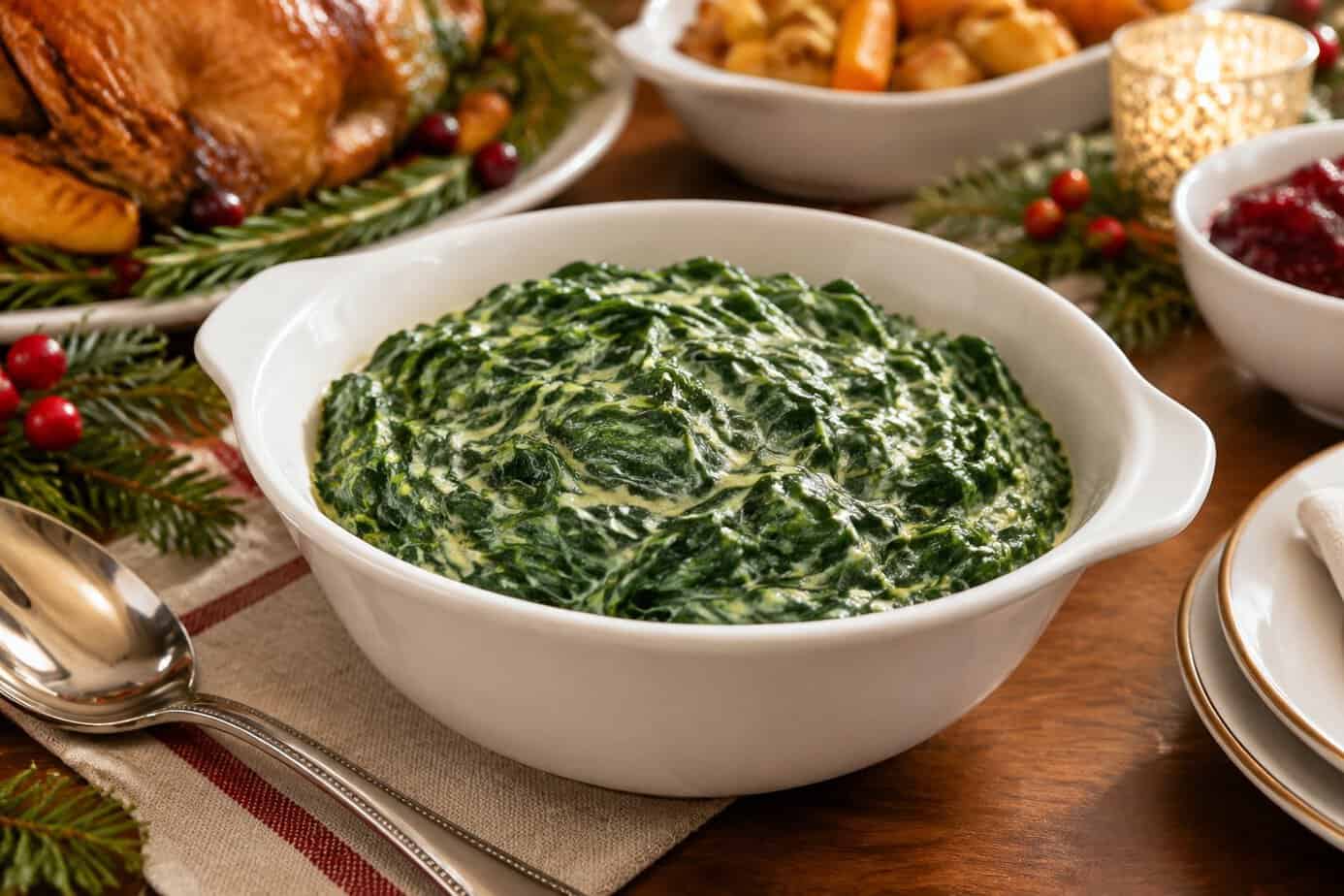
22. Creamed Spinach
Creamed spinach is the steakhouse side that feels made for a Christmas roast. It’s rich, silky and savory, and it’s a natural partner for prime rib or beef tenderloin.
The classic version starts with a simple cream sauce of butter, a little flour, milk or cream, garlic and a pinch of nutmeg, with plenty of chopped spinach stirred in. Some cooks finish it with a handful of Parmesan.
It’s also one of the easiest sides to make ahead and reheat on the stove.
Cook’s tip: whether you use fresh or frozen spinach, squeeze out as much water as you can. Wrap it in a clean kitchen towel and twist hard over the sink. Wet spinach thins the sauce and makes it watery, while well-squeezed spinach keeps it thick and creamy.
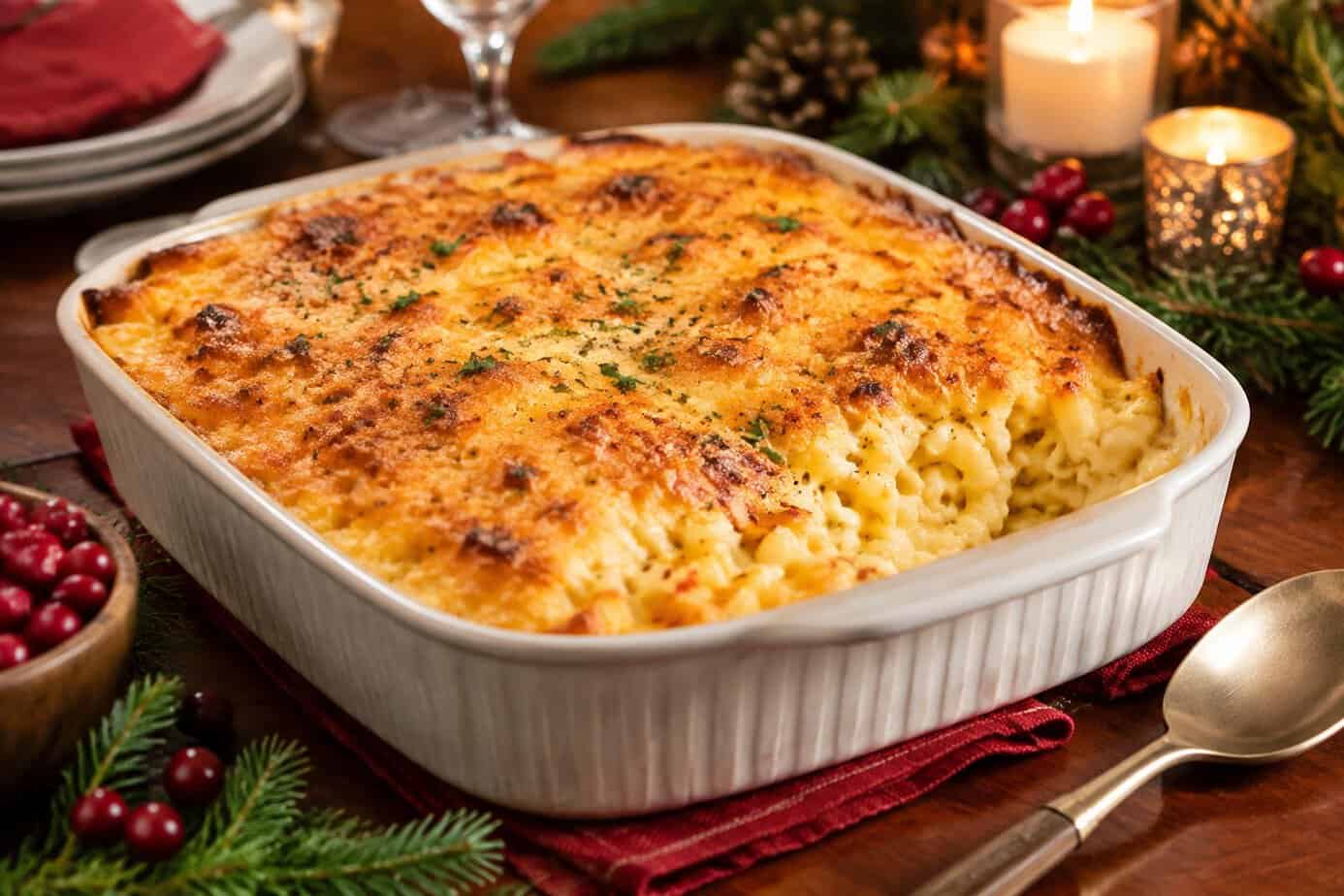
23. Baked Macaroni and Cheese
In many families, especially in the South, a baked macaroni and cheese is not optional at Christmas. It’s sliceable, golden on top and loaded with sharp cheddar, and somebody in the family is known for making the best one.
The baked style is different from the creamy stovetop kind. Many recipes bind the pasta with eggs and milk, so it sets into a custardy casserole you can cut into squares. Others use a cheese sauce and a breadcrumb or extra-cheese topping.
Either way, it’s the side everyone heads to first, and the pan usually comes back scraped clean.
Cook’s tip: grate your own cheese from a block. Pre-shredded cheese is coated to keep it from clumping, and it doesn’t melt as smoothly. Cook the pasta a couple of minutes short of done, since it keeps cooking in the oven and will soak up the sauce.
24. Collard Greens
In Southern homes, a pot of slow-simmered collard greens is a holiday must. The greens cook for an hour or more with a smoked ham hock or smoked turkey, onion and garlic, until they’re silky and full of flavor.
The broth left in the pot, called pot likker, is prized on its own. Many families sop it up with cornbread, and nobody throws it out.
Collards also balance a rich Christmas plate. Their slightly bitter, savory flavor cuts through ham, mac and cheese and sweet potatoes in a way no other side does.
Cook’s tip: wash the leaves well in several changes of water, since grit hides in the folds. Strip out the thick stems, stack the leaves, roll them up and slice them into ribbons. A splash of vinegar and a pinch of red pepper flakes at the end brighten the whole pot.
25. Baked Brie with Cranberries
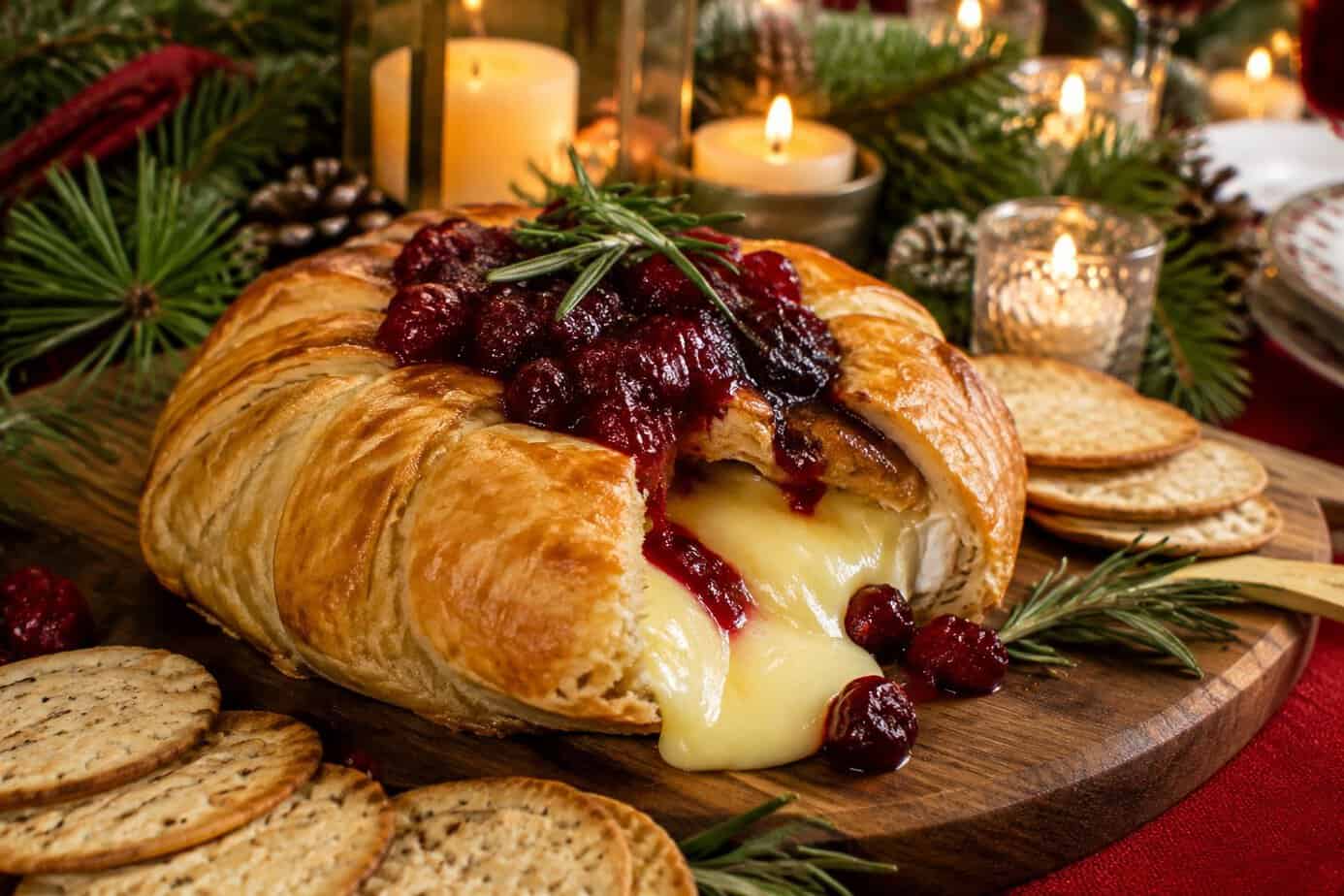
Baked brie is the appetizer that makes guests gather around the kitchen island. A whole wheel of brie is wrapped in puff pastry, baked until golden, and cut open to reveal warm, melting cheese inside.
Topped with cranberry sauce, a drizzle of honey and a few chopped pecans or a sprig of rosemary, it looks and tastes like Christmas. Set it out with crackers or sliced baguette and it rarely lasts more than a few minutes.
It’s also a smart use for leftover cranberry sauce if you’re hosting more than one holiday meal.
Cook’s tip: chill the wrapped brie for 20 to 30 minutes before baking so the pastry stays flaky and the cheese doesn’t burst out early. Bake it on a parchment-lined sheet pan and let it rest about 10 minutes before cutting, so the cheese is gooey but not runny.
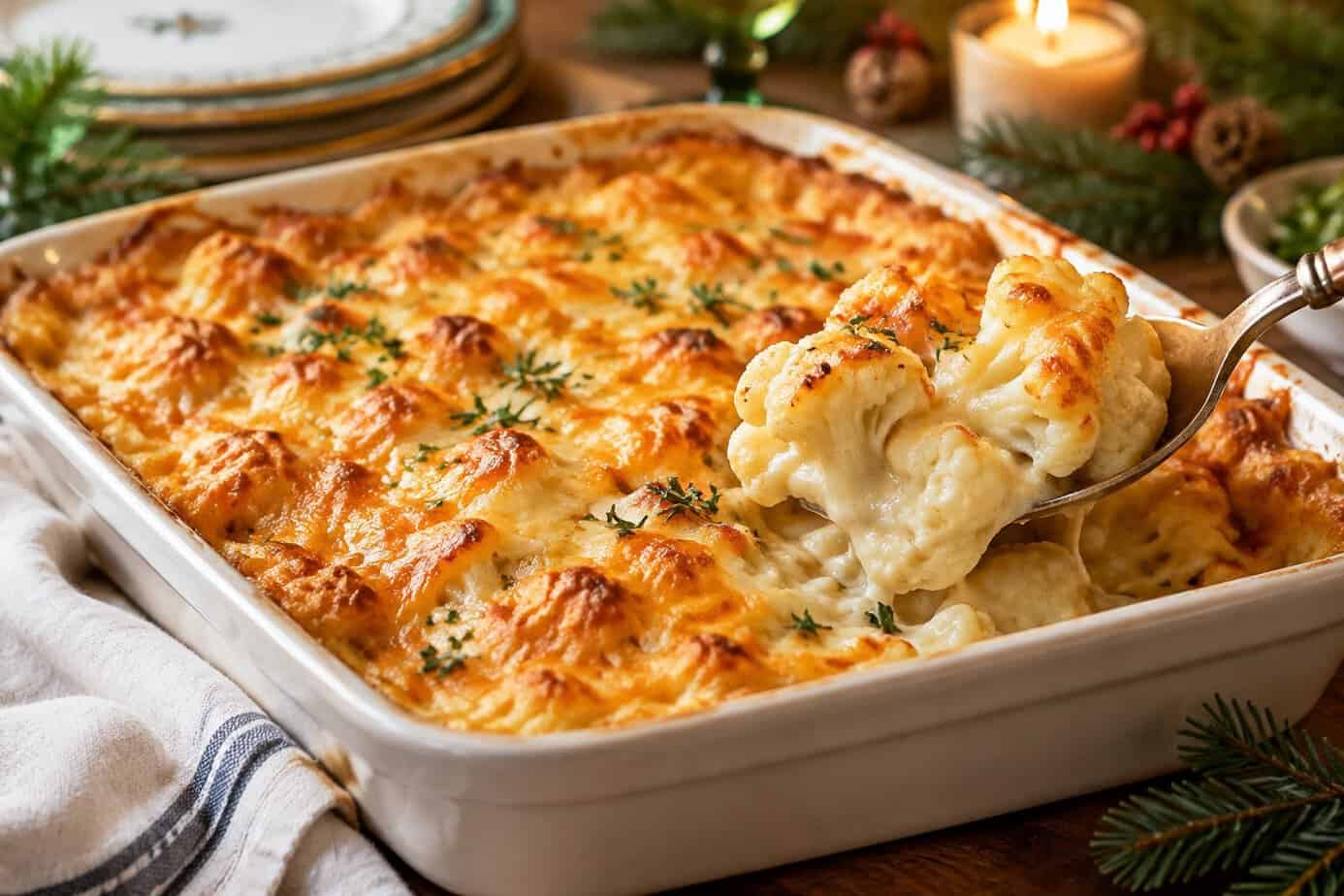
26. Cheesy Cauliflower Casserole
Cheesy cauliflower casserole is the side that wins over people who say they don’t like cauliflower. Tender florets are baked in a creamy cheese sauce under a golden, bubbly top, and the result tastes a lot like a lighter cousin of mac and cheese.
It’s become a favorite for families with guests who skip pasta or potatoes, and it fits right in next to ham or roast beef.
It can be assembled a day ahead and baked when the oven is free.
Cook’s tip: steam or boil the cauliflower until just tender, then drain it very well and let it steam dry for a few minutes. Extra water thins the cheese sauce. A mix of sharp cheddar and a little Gruyère or Parmesan gives the best flavor, and buttered breadcrumbs on top add crunch.
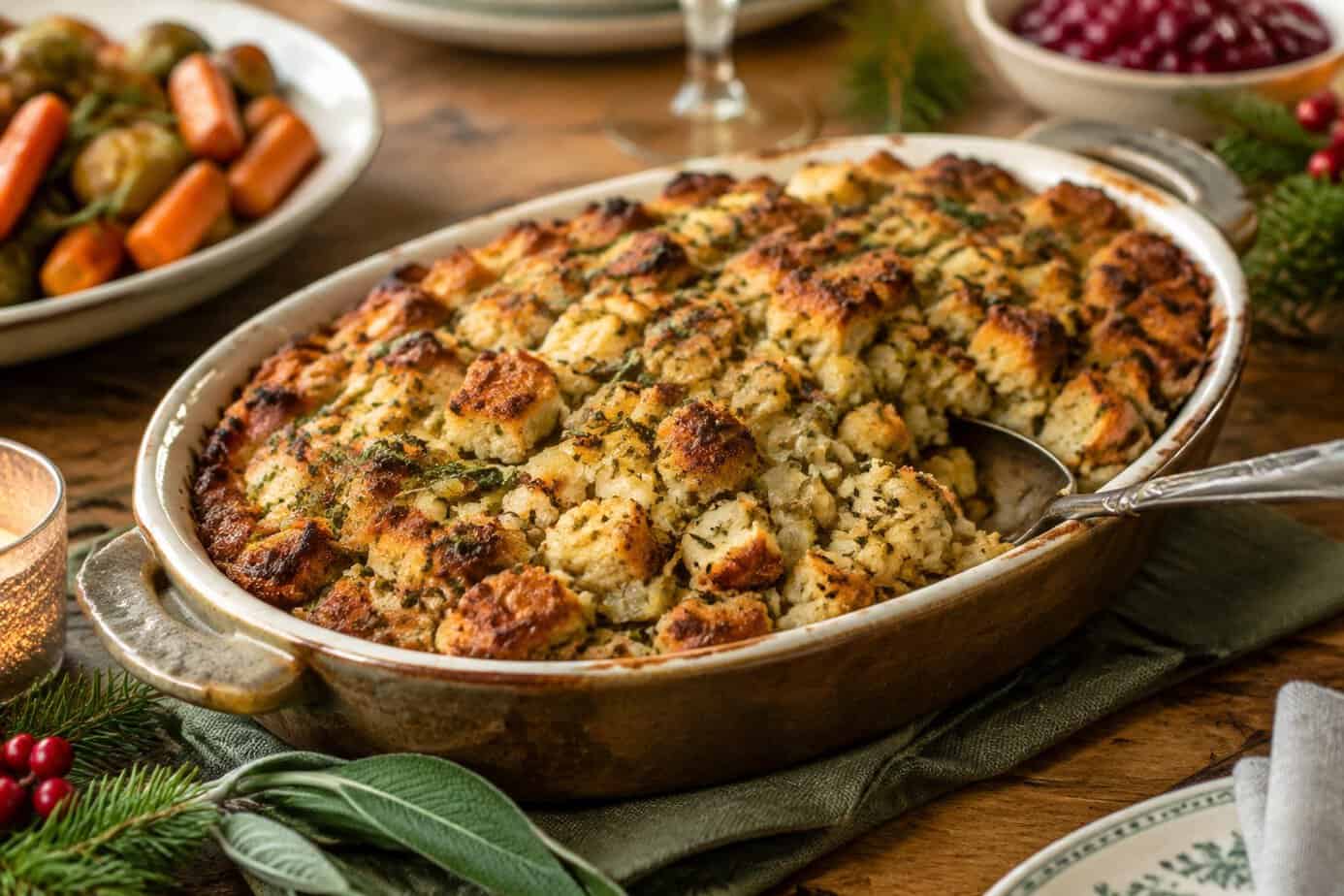
27. Sage and Onion Stuffing
Sage and onion stuffing is the old-fashioned favorite that many families serve with Christmas turkey or chicken. Cubes of day-old bread are tossed with butter-softened onions and celery, plenty of fresh or dried sage, broth and an egg, then baked until crisp on top and moist inside.
It’s simple, but it’s the smell of it that people remember. The sage and onion together is the scent of a holiday kitchen.
Many cooks add sausage, apples or chestnuts to make it their own.
Cook’s tip: bake the stuffing in its own dish rather than inside the bird. It gets a crunchy top, and it’s safer: the USDA says stuffing cooked inside a turkey has to reach 165°F, and by then the meat is often overcooked. Use bread that’s a day or two old, which soaks up the broth without turning to mush.
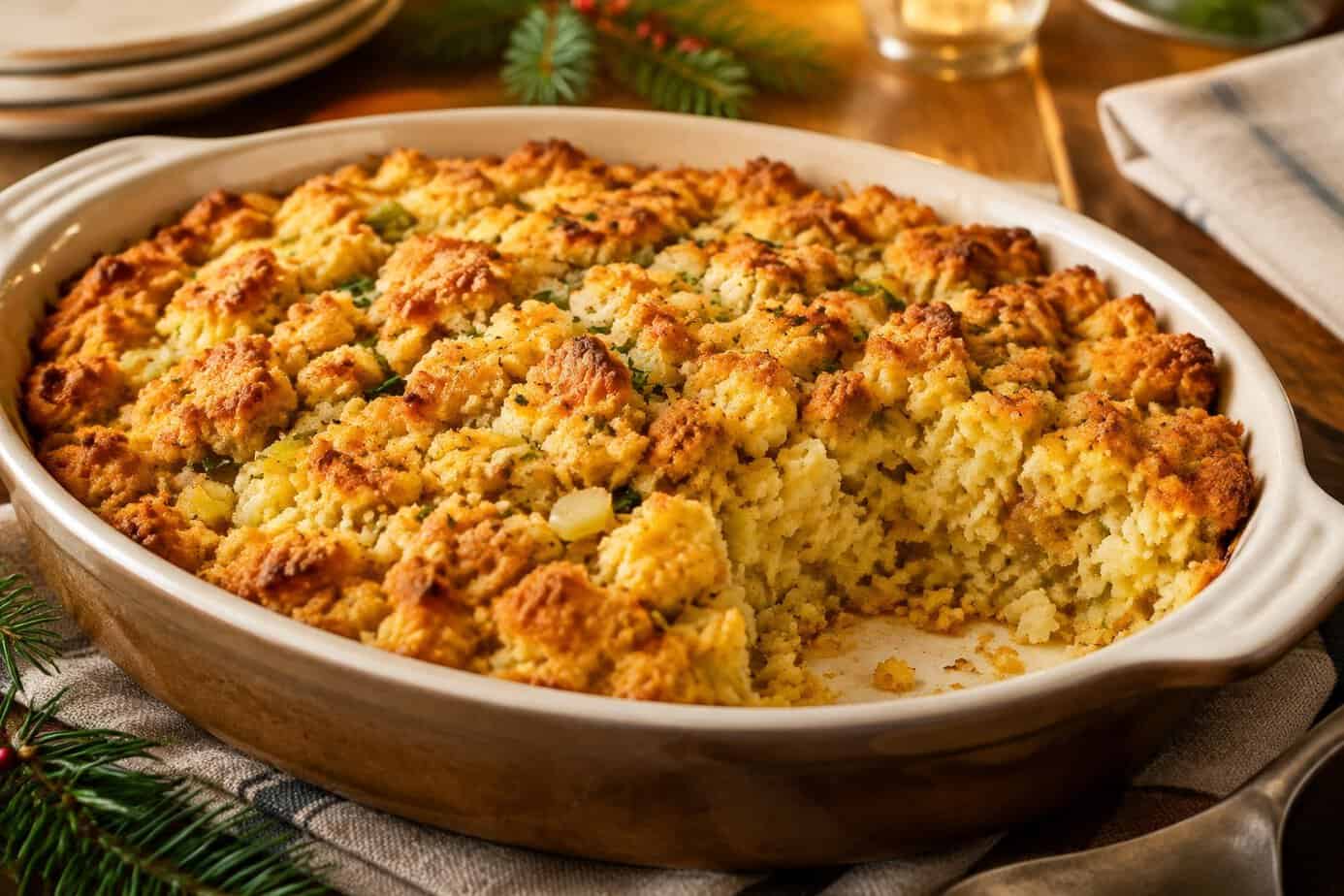
28. Cornbread Dressing
In much of the South, it’s not stuffing, it’s dressing, and it’s made with cornbread. Crumbled cornbread is mixed with sautéed onion and celery, sage, broth and eggs, then baked into a savory, spoonable side that many families consider the best part of the meal.
Every family’s version is a little different. Some add biscuits or white bread to the cornbread, some add boiled eggs or sausage, and some like it moist while others want it firm enough to cut.
Whatever the recipe, it’s often the dish that a mother or grandmother is best known for.
Cook’s tip: bake the cornbread a day or two ahead, use an unsweetened recipe, and let it dry out a bit before crumbling. Add the broth a little at a time until the mix is wet but not soupy, since it firms up as it bakes.
29. Cranberry-Orange Sauce
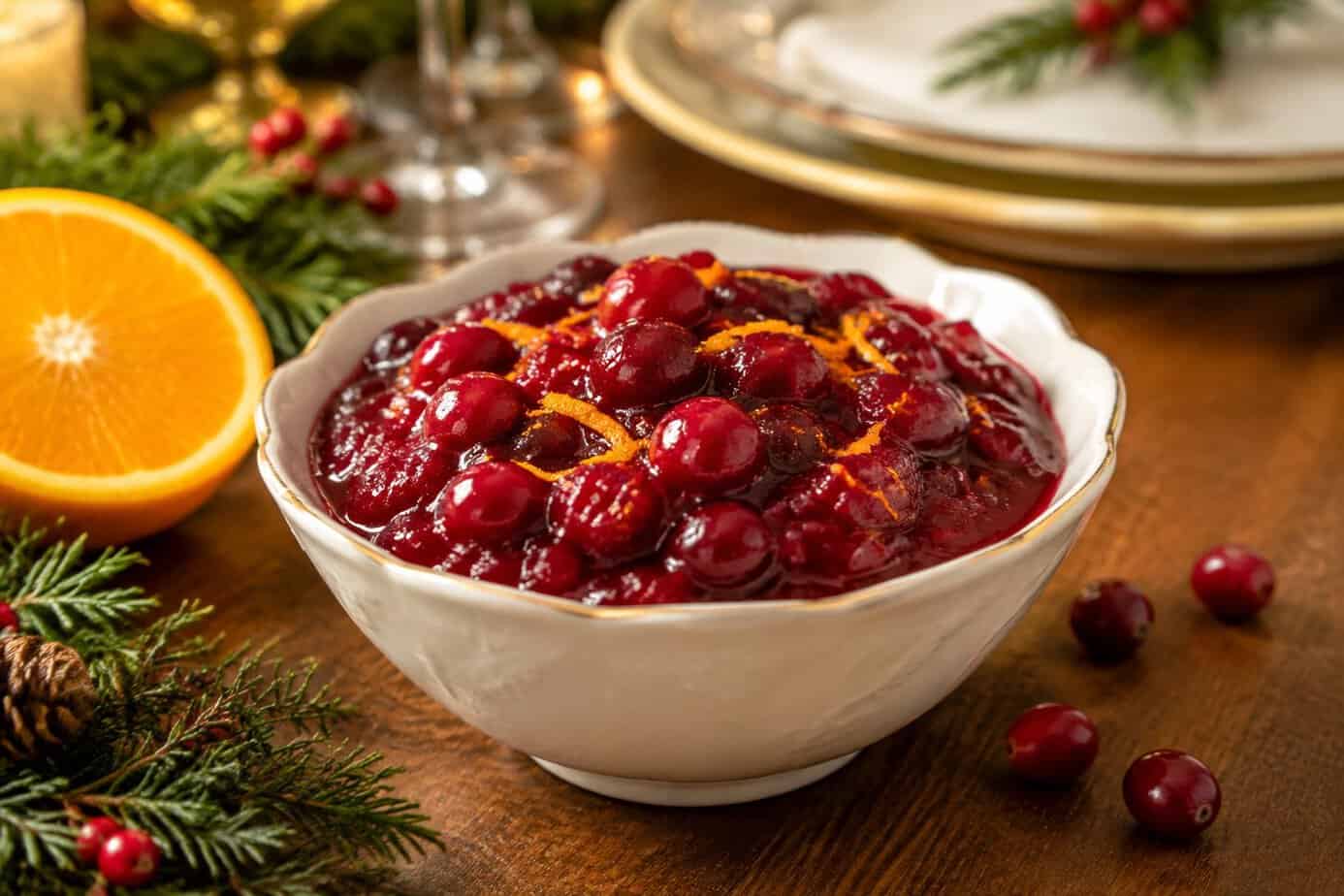
Homemade cranberry sauce is one of the easiest things you’ll make all season, and it’s one of the most appreciated. Fresh cranberries simmered with sugar, orange juice and a strip of orange zest turn into a glossy, ruby-red sauce in about 10 minutes.
The tart, bright flavor cuts through rich turkey, ham and gravy, and the color makes the whole table look festive.
Leftovers are just as good on turkey sandwiches the next day, or spooned over baked brie.
Cook’s tip: simmer the berries just until most of them pop, then take the pan off the heat. The sauce looks loose at first but thickens as it cools, thanks to the natural pectin in cranberries. Make it up to a week ahead and keep it covered in the refrigerator.
30. Mushroom Gravy
Gravy is what ties a Christmas plate together, and a good mushroom gravy works with almost everything on it. It’s rich and savory enough for roast beef and turkey, and if you make it with vegetable broth, your vegetarian guests can enjoy it too.
Sliced mushrooms are browned in butter with onion and garlic, then thickened with a little flour and simmered with broth, a splash of wine or soy sauce, and fresh thyme. If you have pan drippings from the roast, stir some in for even more flavor.
It’s the dish people quietly go back for, pouring it over potatoes, dressing and meat alike.
Cook’s tip: brown the mushrooms in batches without crowding the pan, and don’t stir too often. Deeply browned mushrooms are where the flavor comes from. You can make the gravy a day or two ahead and reheat it gently, adding a little broth if it has thickened too much.
Why These Dishes Keep Coming Back
Look at the dishes on this list and you’ll notice they have a few things in common. Most of them can be made partly or completely ahead, many of them go with any roast, and almost all of them have a family story behind them.
Make-Ahead Dishes Save the Day
The cooks who look calm on Christmas afternoon are the ones who did most of the work earlier. Short ribs, cranberry sauce, gravy, the cornbread for the dressing and the dough for the rolls can all be ready a day or more in advance. That leaves the oven free for the roast and the dishes that need to be served hot, and it leaves you time to sit down with your family.
A Thermometer and a Plan
A good instant-read thermometer takes the guessing out of every roast on this list, from the turkey to the tenderloin. Pair it with a simple written timeline of what goes in the oven and when, and Christmas dinner becomes far less stressful.
The Recipes That Carry Memories
Some dishes earn their place because of who taught you to make them. The tourtière from a grandmother’s recipe card, the macaroni and cheese your aunt always brought, the dressing your mother made by feel. Those are the dishes your family will remember, and passing them along may be the best gift you give this year.
And when dinner is over, there’s still dessert. If you need ideas, here are 30 Christmas desserts your family will love more than fruitcake.