
The 30 Worst Christmas Cookies According to Home Bakers
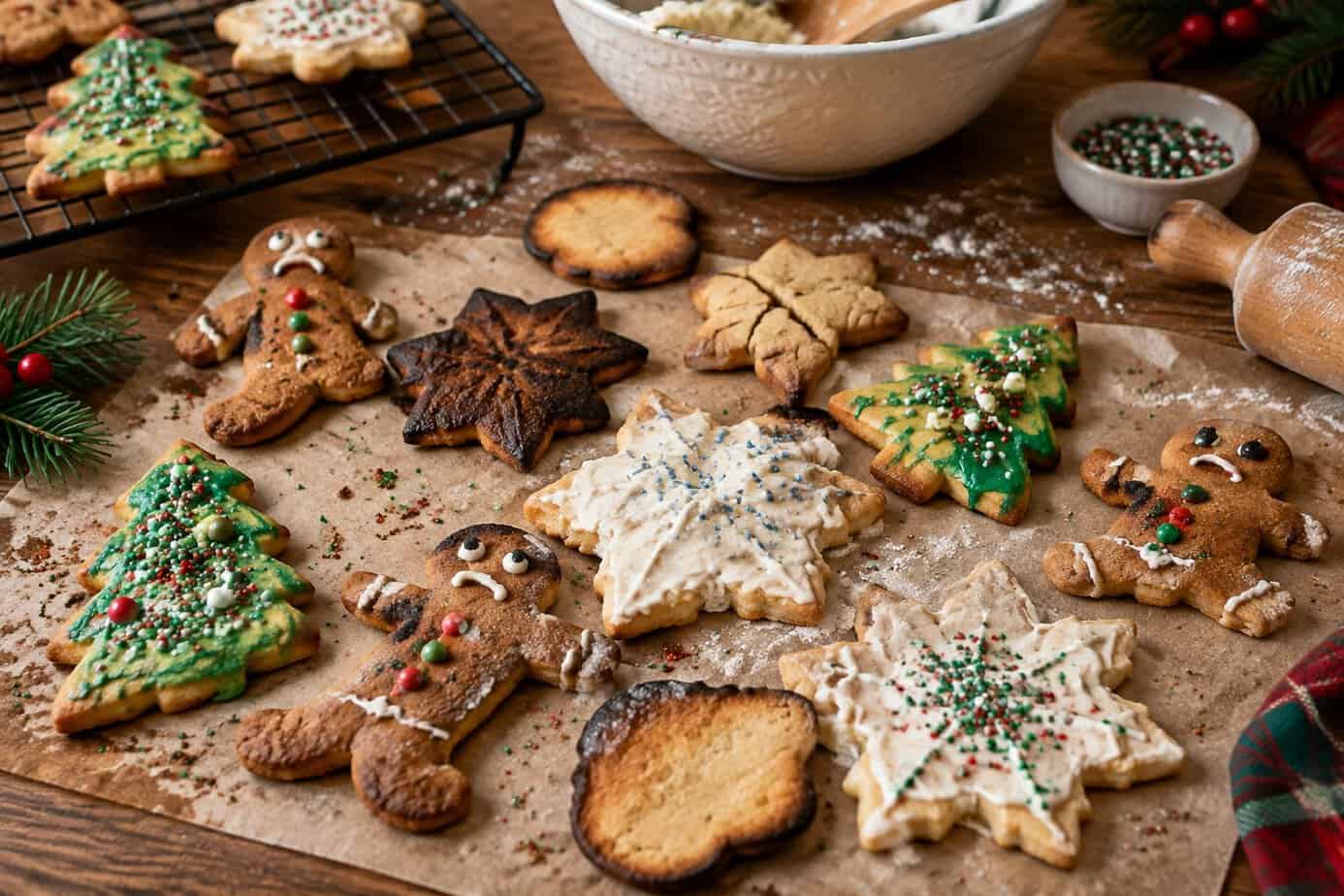
Every December, the cookie tins come out, the oven runs from morning to night, and the kitchen counter disappears under cooling racks. You have probably baked more Christmas cookies than you could ever count. And you know the quiet truth that every home baker learns sooner or later: not every cookie earns its spot on the tray.
Some are fussy to make and gone in a blink. Some look lovely and taste like sweet cardboard. Some come out of the oven hard enough to chip a tooth, and a few get passed over at every cookie swap no matter how much love went into them. This list gathers the 30 Christmas cookies home bakers grumble about most, along with why they go wrong and one simple fix for each, so your next batch has a better chance of being the first one gone.
1. Fruitcake Cookies
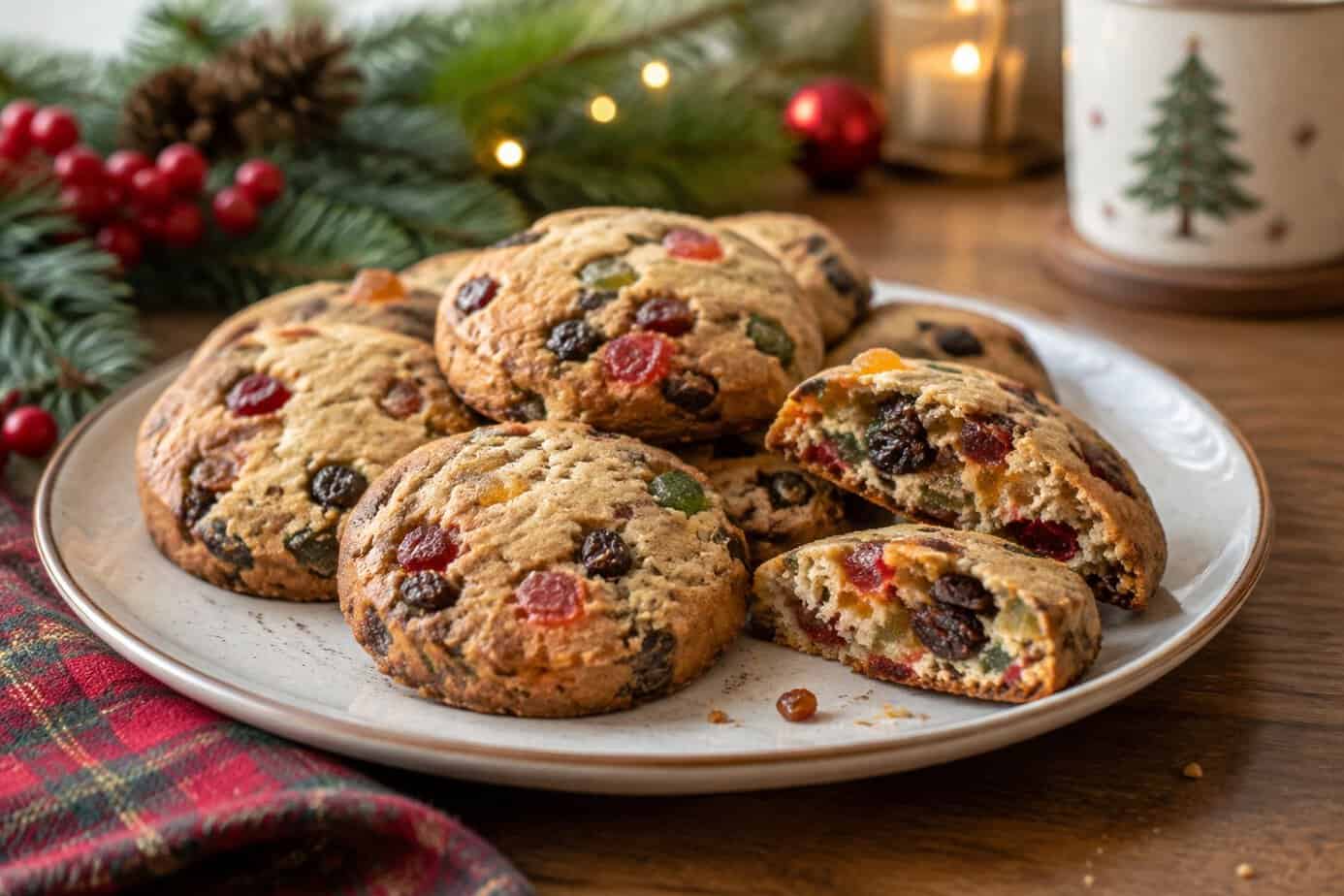
If fruitcake has a reputation, fruitcake cookies inherited all of it. They are usually the last ones left on the platter, and guests often skip them before they even take a bite.
The trouble is mostly the candied fruit. Those bright red and green cherries and cubes of citron taste sugary and a little perfumed to many people, and the color looks more like a craft project than food. The fruit also releases moisture and sugar as the cookie bakes, so the dough can turn dense and gummy around each piece.
Add a heavy hand with spice, and the whole thing tastes more like a holiday candle than a cookie. That is a shame, because a fruit and nut cookie can be lovely when the fruit tastes like actual fruit.
The fix: Trade the candied mix for chopped dried apricots, tart cherries or cranberries, soak them in warm orange juice for 15 minutes, and cut every piece small so it spreads evenly through the dough.
2. Springerle
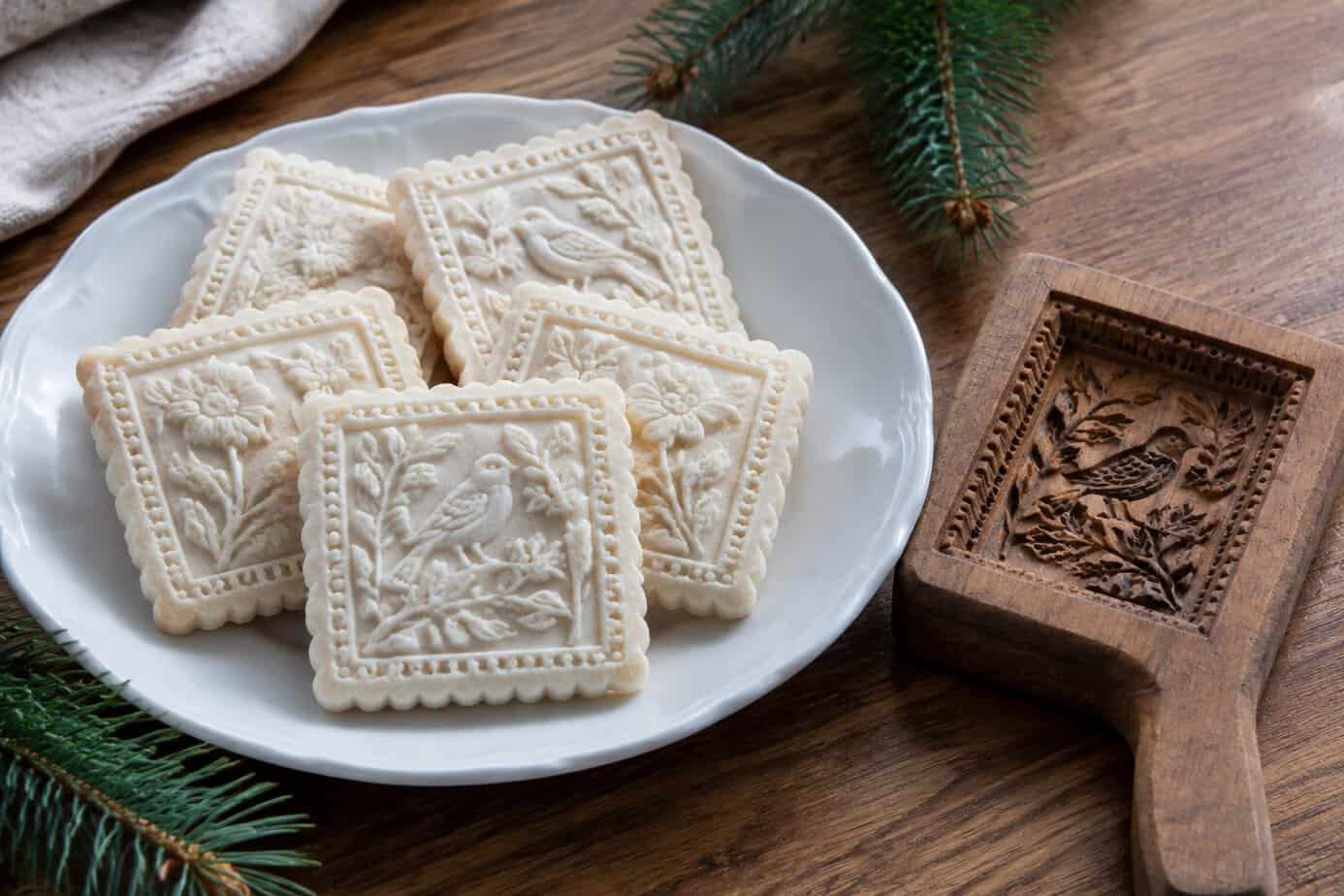
Springerle are some of the most beautiful cookies ever made. These old southern German anise cookies are pressed with carved wooden molds, so each one carries a little picture of a bird, a flower or a holiday scene. They are also among the hardest to get right and the easiest to leave uneaten.
Most traditional recipes have you leave the shaped cookies out to dry for 12 to 24 hours before baking, which is what keeps the picture crisp. Skip it, and the design puffs and blurs. Many recipes also call for baker’s ammonia, an old-fashioned leavening that gives off a sharp ammonia smell while the cookies bake. The finished cookies are firm and dry by design, and anise tastes like licorice, which plenty of people simply don’t like.
So you spend two days on cookies that half your family won’t eat. Fans love them, but they are a hard sell on a mixed platter.
The fix: Flour the mold lightly before every press, let the cookies dry the full time, and store them in a sealed tin for a week or two before Christmas, since they soften and the anise mellows as they rest.
3. Pfeffernüsse
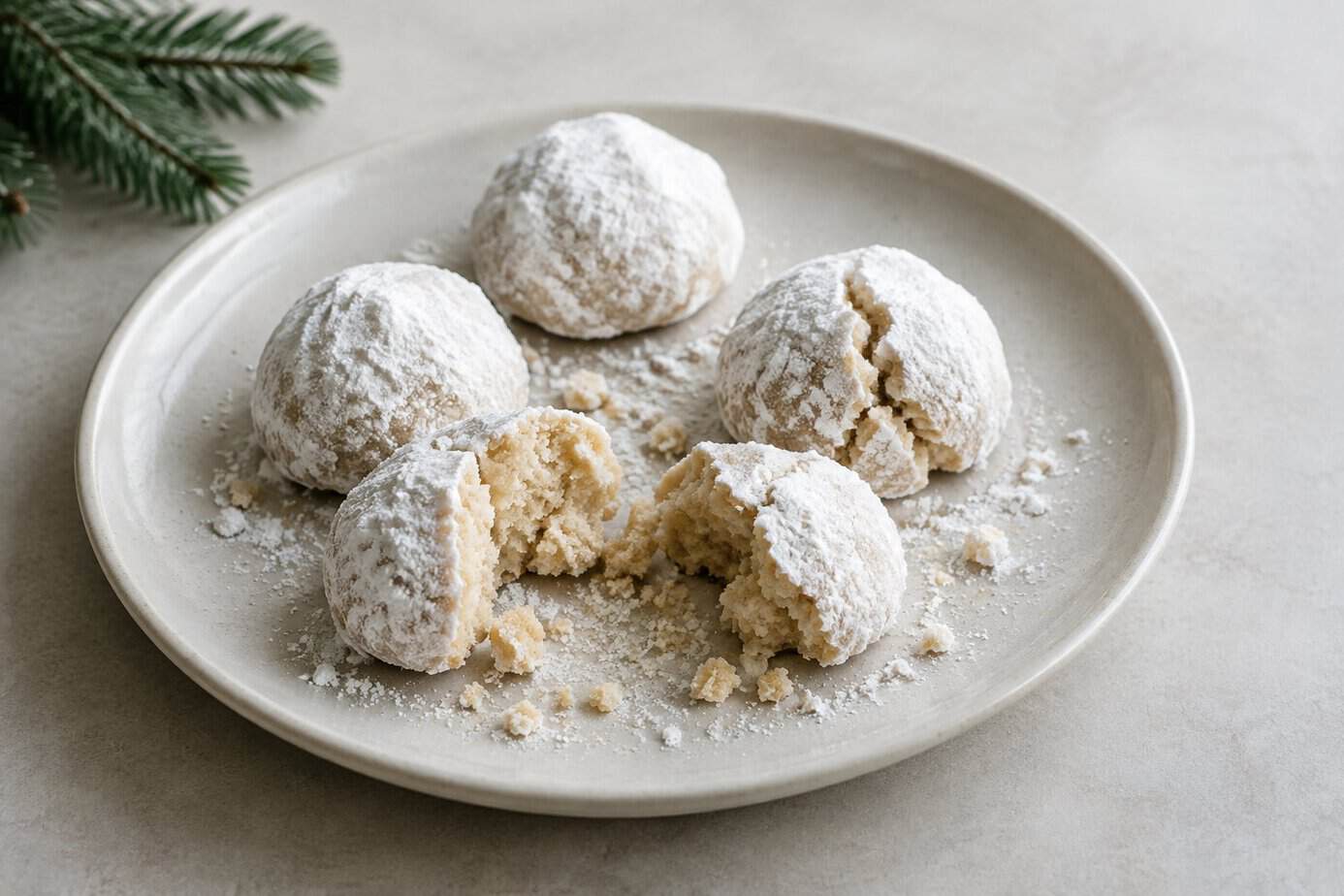
The name means “pepper nuts,” and that tells you a lot. Pfeffernüsse are small German spice cookies, often rolled in powdered sugar, and many traditional recipes include a pinch of black pepper along with the cinnamon, cloves and nutmeg. The Dutch have a close cousin called pepernoten.
Home bakers love the smell while they bake. The trouble comes later. Older recipes use little or no butter, so the cookies are firm to begin with and turn rock hard after a few days in the tin. The powdered sugar coating can melt into a sticky paste if you roll them while they are hot, and pepper surprises people who expected a sweet treat.
They also look exactly like snowball cookies, so guests reach for a buttery nut cookie and get a mouthful of clove instead. That moment of surprise doesn’t always go well.
The fix: Use a recipe with some butter or honey for a softer bite, let the cookies cool completely before the sugar roll, and keep them in a sealed tin so they don’t dry out.
4. Mincemeat Cookies
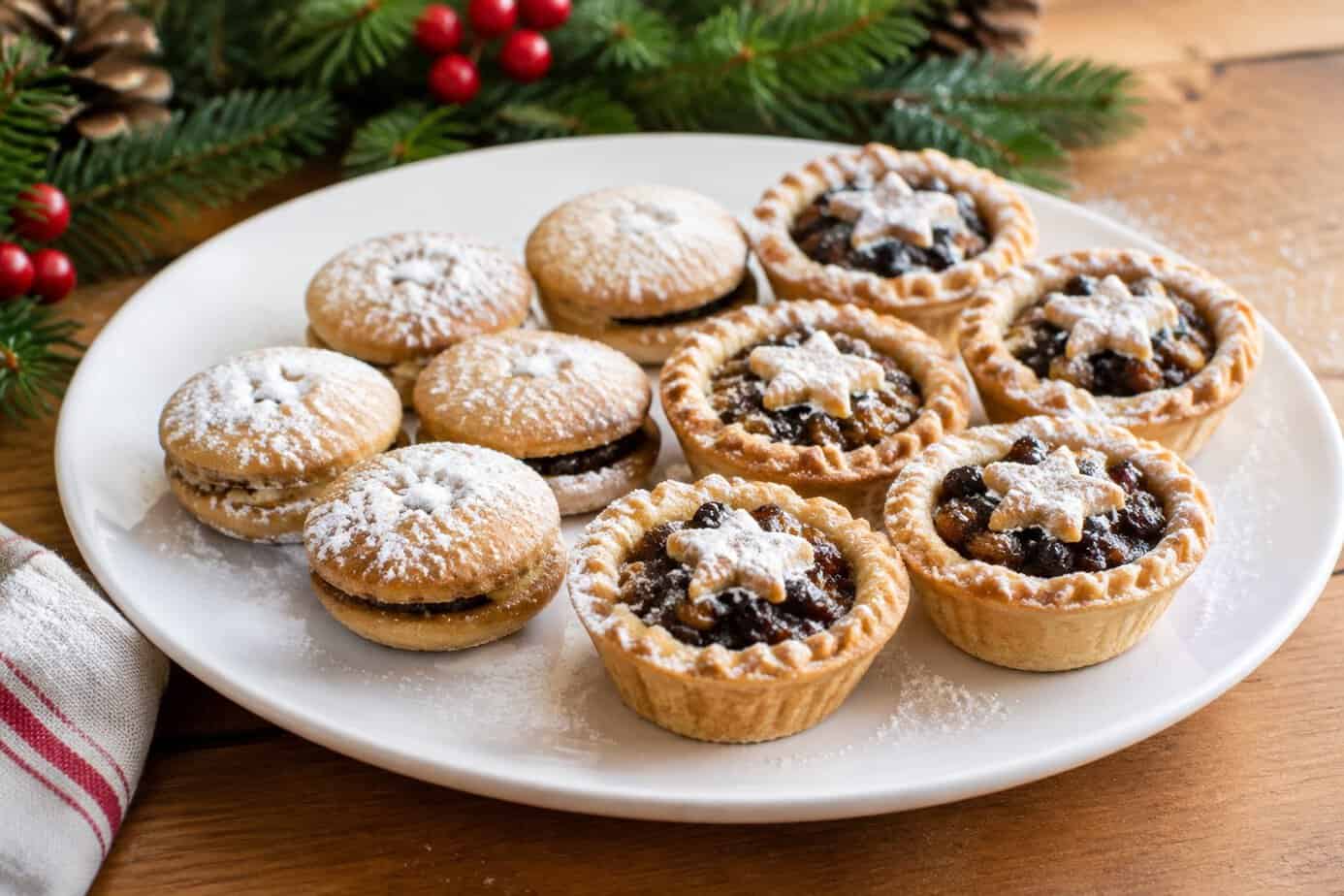
Mincemeat has been part of Christmas baking for centuries, and it started out as a way to stretch and preserve meat. Old recipes combined chopped mutton or beef and suet with dried fruit, sugar and spices. By the 20th century most mincemeat had become meatless, but the name stuck, and so did the suspicion.
That is the first problem with mincemeat cookies. Guests hear the word “mincemeat” and set the cookie back down. The second is the filling itself. Jarred mincemeat is dark, very sweet and heavily spiced, and some brands still use beef suet while others use vegetable shortening, so it’s worth reading the label if you have vegetarian guests.
In a cookie, the filling tends to bubble out of the seams and scorch on the pan, and the pastry around it can turn soggy by the next day. Lovers of mince pies adore them. Almost nobody else does.
The fix: Stir a spoonful of grated fresh apple and orange zest into jarred mincemeat to brighten it, use only a teaspoon per cookie, and pinch the edges firmly before baking.
5. Oatmeal Raisin Cookies
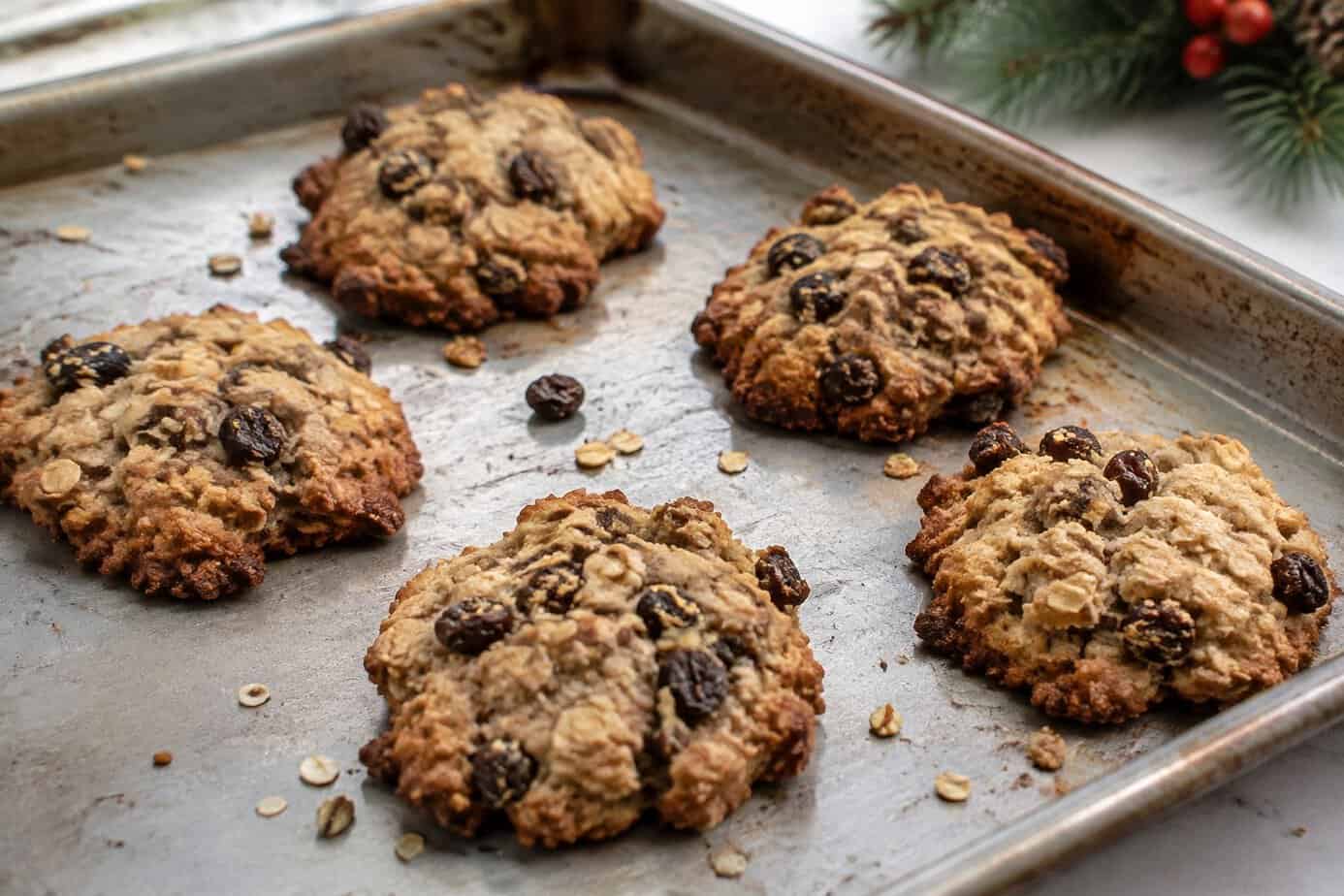
You have probably watched this happen at a dozen cookie swaps. The oatmeal raisin cookies sit on one side of the table while the chocolate chip cookies disappear. Somebody always tells the old joke about thinking the raisins were chocolate chips from across the room.
The raisins carry most of the blame. They can bake up chewy and dry, and some people just don’t like them. Raisins also pull moisture out of the dough, so cookies that were soft on Monday can be tough by Wednesday.
Overbaking does the rest. Oatmeal cookies keep cooking on the hot pan after they come out, so edges that look golden can turn hard once they cool. Too much flour makes them cakey and puffy instead of chewy. And at Christmas, they look a bit plain next to the frosted trees and candy canes.
The fix: Soak the raisins in hot water for 10 minutes and drain them well, add a pinch of cinnamon and a handful of chopped pecans, and pull the cookies while the centers still look slightly underdone.
6. Rock-Hard Gingerbread Men
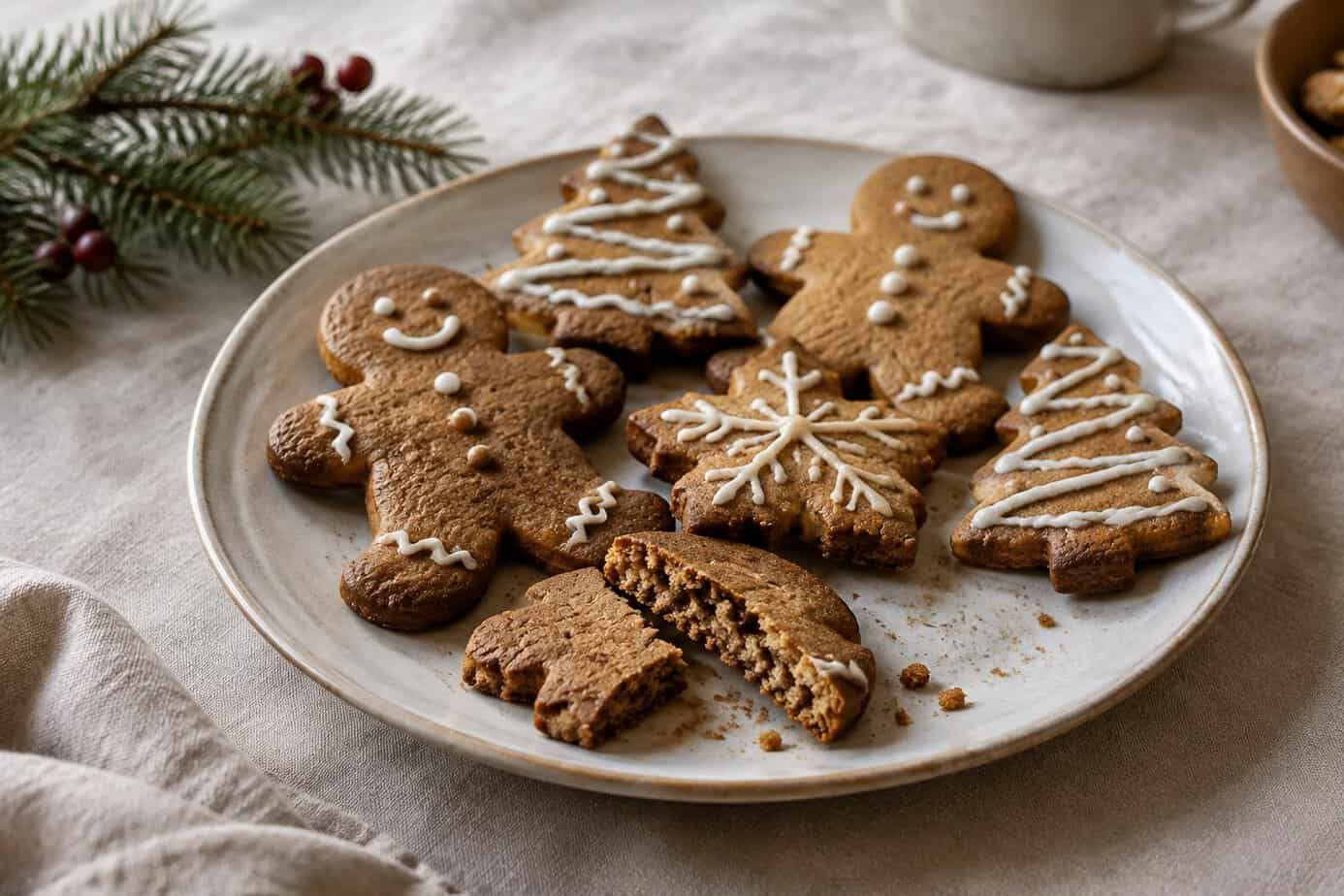
Gingerbread men look wonderful lined up on a cooling rack with their little icing buttons. Then someone bites a foot off and nearly loses a filling.
Part of the problem is that many gingerbread recipes are really meant for building. Gingerbread houses need a stiff, dry dough that holds its shape for weeks, and some of those recipes end up being used for cookies too. Even a soft cookie recipe can go wrong. Gingerbread dough is dark from molasses, so you can’t judge doneness by color, and a minute or two too long turns a tender cookie into a cracker.
Extra flour on the counter makes it worse. Every time you reroll the scraps, the dough picks up more flour and gets tougher. By the last batch, you’re baking roof tiles.
The fix: Use a recipe written for eating, not building, roll the dough between sheets of parchment, and take the cookies out when the edges feel set but the centers still give a little when touched.
7. Cut-Out Sugar Cookies That Lose Their Shape
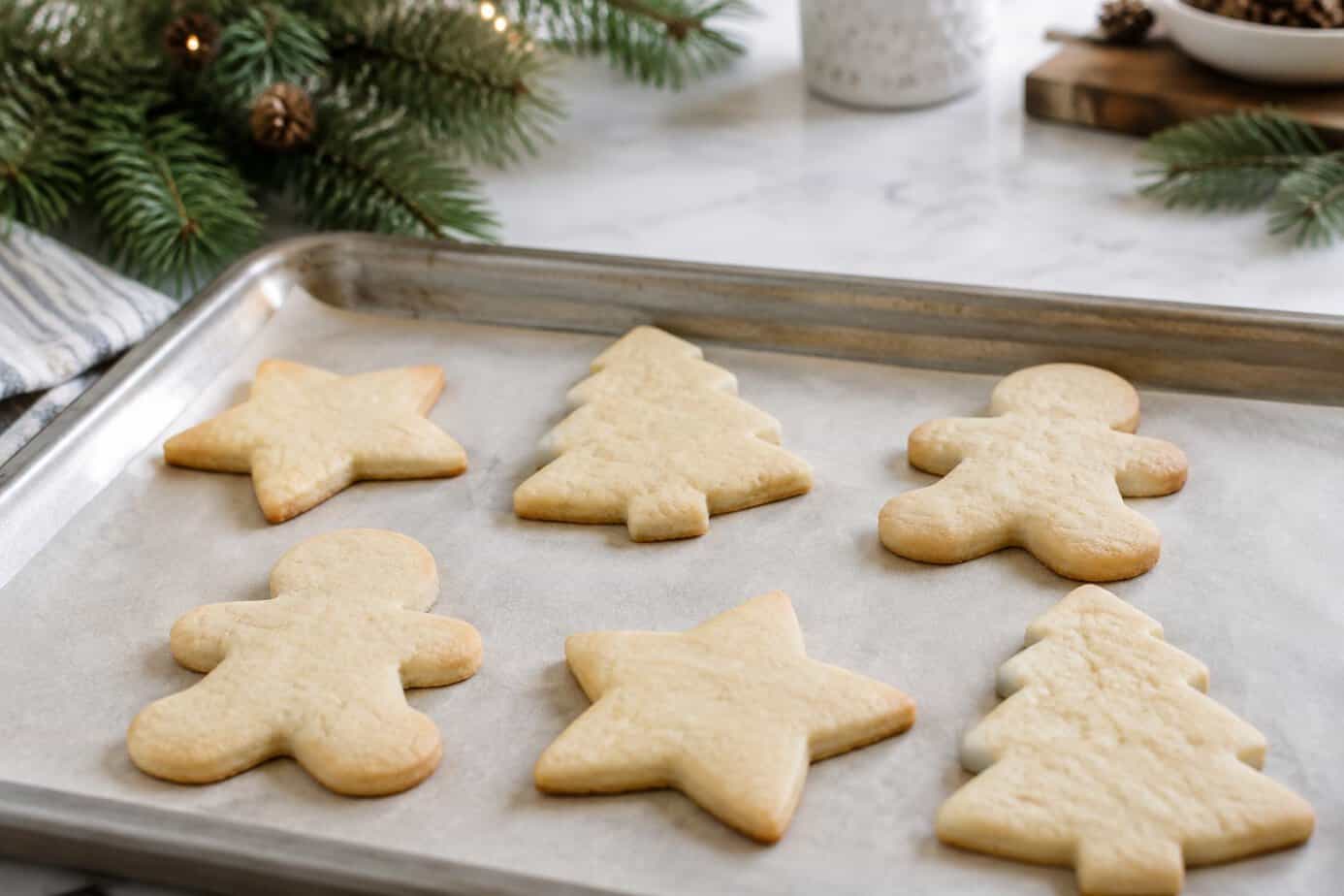
You cut out a perfect star, a neat Christmas tree and a little snowman. Ten minutes later, you pull out a tray of puffy blobs that could be anything. Spreading cut-outs are one of the most common complaints home bakers have about Christmas baking.
The usual cause is warm dough. Butter melts quickly in a warm kitchen, and once it softens, the cookies spread before the edges set. Putting dough on a baking sheet that’s still hot from the last batch does the same thing. Too much baking powder makes the shapes puff, and rolling the dough too thick gives you soft, pillowy centers that never quite bake through.
It’s also tempting to sneak a taste of the dough while you work. The FDA warns not to eat or taste raw flour, dough or batter, because flour is a raw food and has been linked to outbreaks of E. coli.
The fix: Chill the cut shapes on the baking sheet for 15 minutes before they go in the oven, use cool pans for every batch, and roll the dough about a quarter inch thick.
8. Over-Frosted Sugar Cookies

Decorated sugar cookies are the stars of a lot of Christmas trays, and you may have spent whole evenings with piping bags and sprinkles. They also show up on plenty of complaint lists, and the reason is usually the icing.
A sugar cookie is already sweet. Add a thick layer of royal icing or buttercream, then sprinkles, sugar pearls and candy, and many people say all they can taste is sugar. Royal icing can also dry hard and chalky, and colors bleed into each other if the cookies are stacked before they set.
Royal icing has one more catch. It’s traditionally made with raw egg whites, which carry a small risk of salmonella. Food safety experts suggest you make royal icing with meringue powder or pasteurized egg whites instead.
The fix: Flood the cookies with a thin layer of icing, add a pinch of salt or a little lemon juice to cut the sweetness, and let them dry overnight before stacking.
9. Spritz Cookies
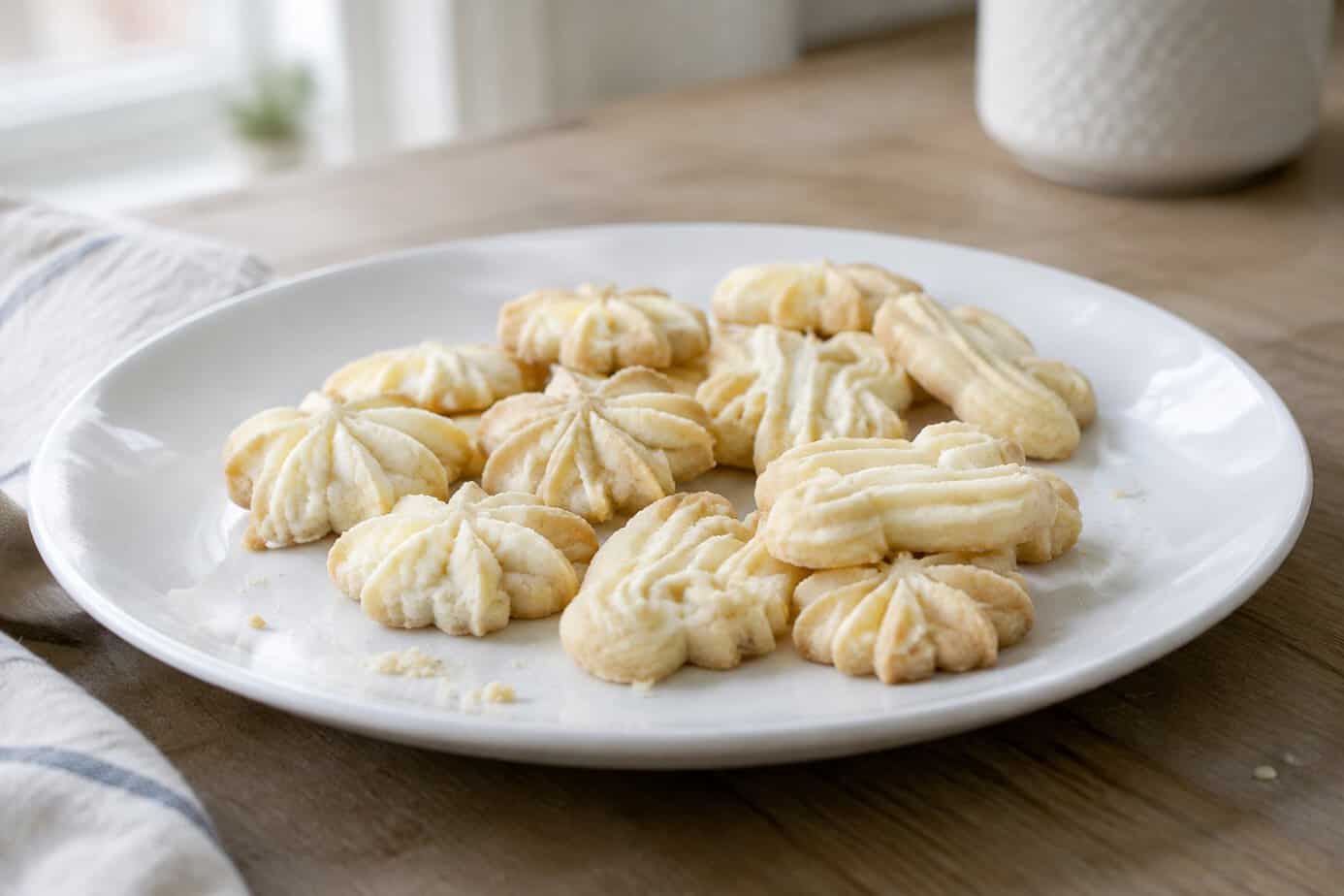
Spritz cookies have been around for a long time. The name comes from the German word “spritzen,” meaning to squirt, and old newspaper Christmas pages printed spritz recipes year after year. Cookie presses became a common kitchen gadget in the middle of the last century, and many of us inherited one.
Most home bakers have a love-hate relationship with that press. If the dough is too cold, it won’t push through. If it’s too soft, the shapes melt into rings. And if the baking sheet is greased, lined or warm, the dough won’t stick to the pan, so it comes back up with the press instead of staying put.
Then there’s the taste. Spritz dough is mostly butter, sugar and flour, so a batch made with margarine or weak extract tastes like very little. All that effort for a cookie people eat without noticing is a little sad.
The fix: Press the dough onto a cool, ungreased and unlined baking sheet, use real butter and a pinch of salt, and add half a teaspoon of almond extract for flavor.
10. Candy Cane Twist Cookies
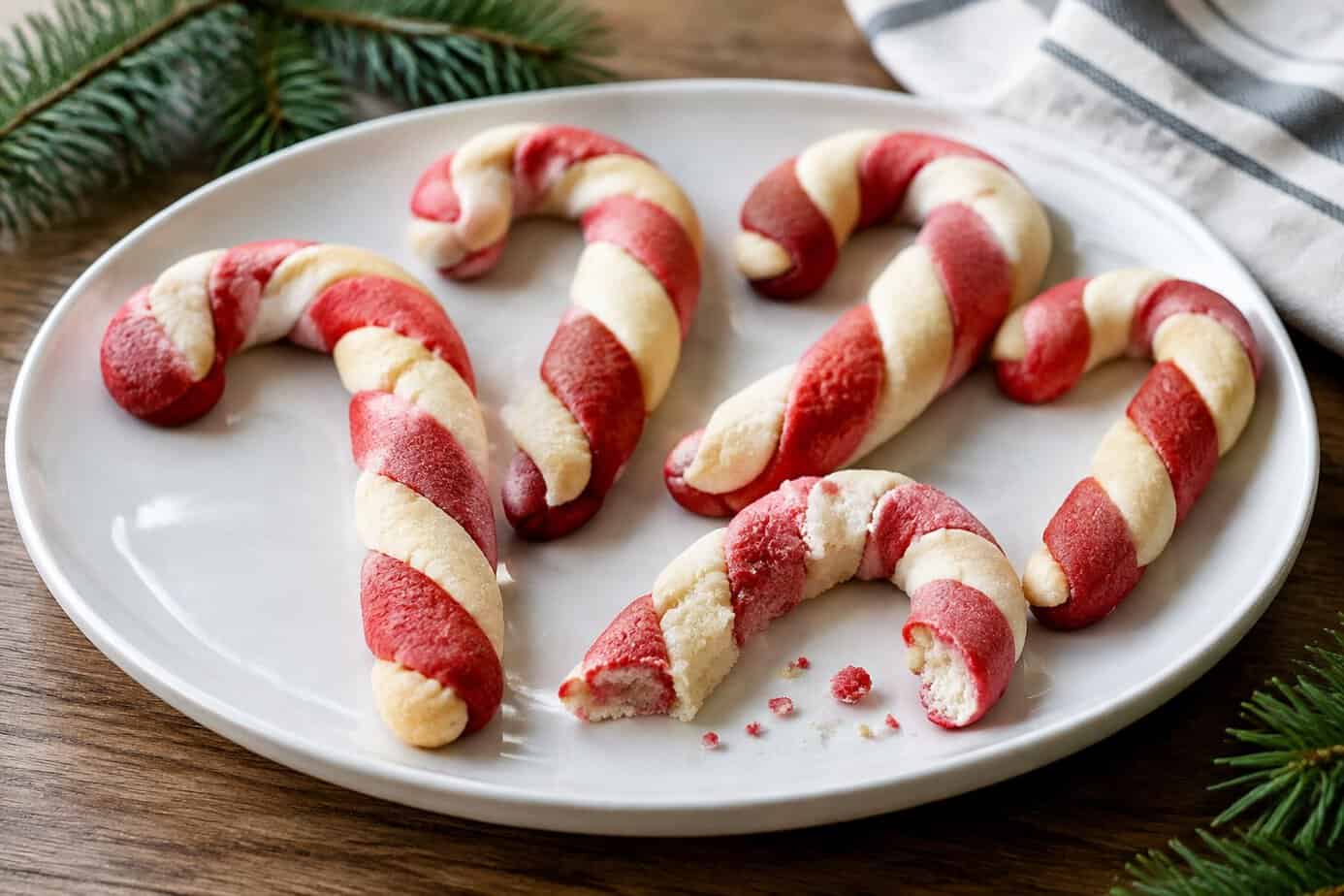
Candy cane cookies are adorable. You roll one rope of plain dough and one of red dough, twist them together, and bend the top into a hook. They also break your heart, because they break.
The ropes are thin, so they crack while you twist them, especially if the dough is cold. Warm dough goes the other way and stretches until the stripes smear together. The hooks are the weakest part, and many of them snap off on the way from the pan to the rack. Red food coloring can also leave the dough tasting a little bitter if you use a lot of it.
By the time they reach the cookie tin, half of them have lost their hooks, and the rest are pink instead of red and white. They are a lot of work for a cookie that is mostly plain butter dough.
The fix: Keep the dough at cool room temperature so it bends without cracking, use gel coloring for a deeper red with less liquid, and bake the canes on parchment so you can slide them off without lifting each one.
11. Stained Glass Cookies

Stained glass cookies are cut-outs with a window in the middle, filled with crushed hard candy that melts in the oven into a clear, colorful pane. On a tree or a platter, they look like little church windows. They are also one of the stickiest cookies you can make.
The melted candy loves to stick to the pan, so cookies baked without parchment or a silicone mat often break as you lift them. Overbaking makes the candy bubble, darken and taste burnt. And once they’re done, humidity becomes the enemy. Hard candy pulls moisture out of the air, so the windows can turn tacky and cloudy within a day or two, and the cookies glue themselves together in the tin.
Then there’s the eating part. Biting through a sheet of hard candy is a dentist’s warning waiting to happen.
The fix: Bake them on parchment, crush the candy fine and fill the windows only to the top of the dough, let them cool completely on the pan, and store them in a single layer with a sheet of parchment on top.
12. Rosettes
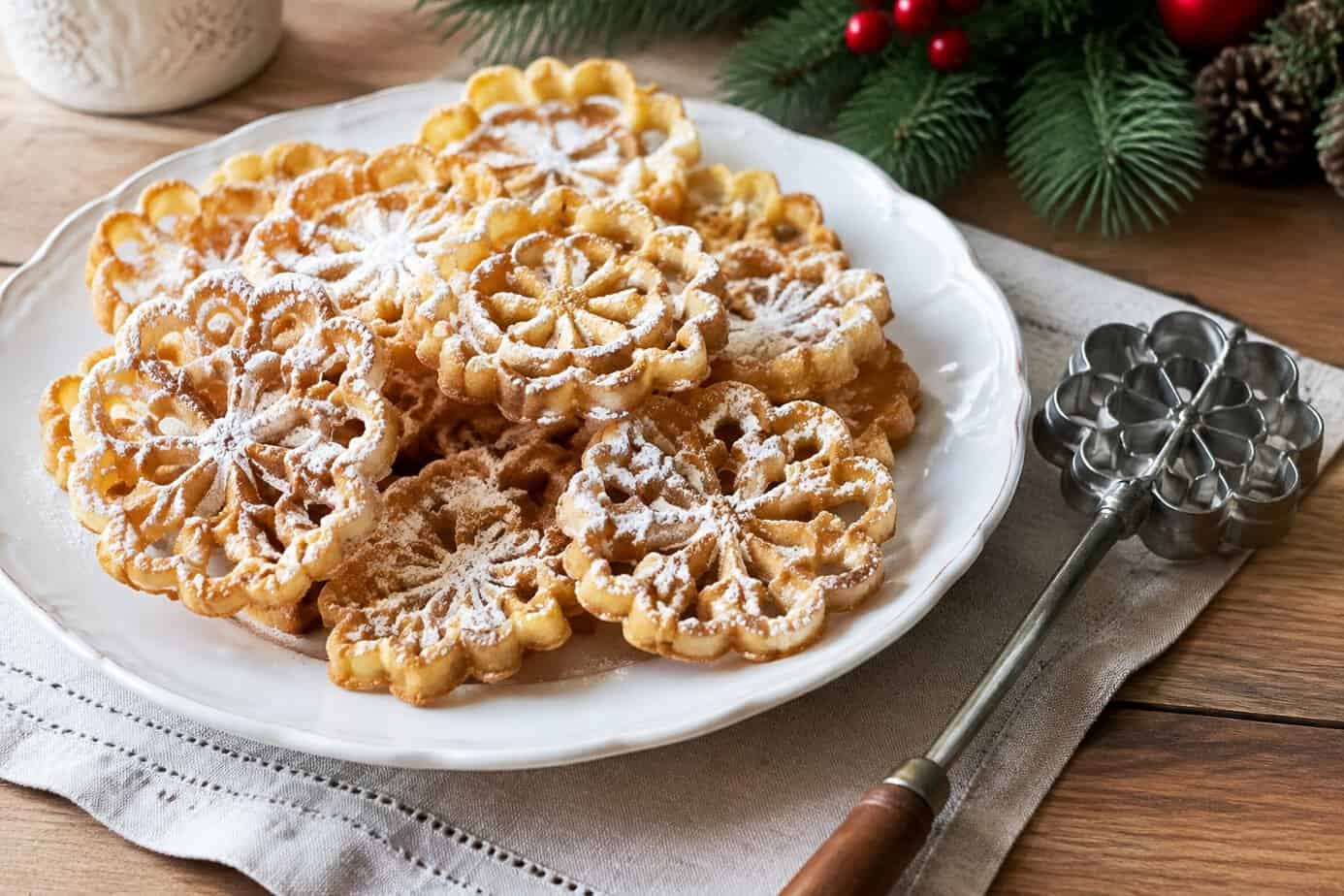
Rosettes are a Scandinavian Christmas treat, made by dipping a decorative metal iron into a thin batter and then into hot oil. They fry in seconds into crisp, lacy flowers that get a snowy dusting of powdered sugar. When they work, they’re magical. When they don’t, you’re standing over a pot of hot oil with batter that refuses to cooperate.
The most common failure is an iron that isn’t hot enough. The batter won’t stick, or it slides right off into the oil. An iron that’s too hot has the opposite problem, with batter cooking so fast it won’t release. Dip the iron too deep, and the batter runs over the top and the rosette won’t come off at all.
They are also fragile and greasy if the oil temperature drops. One wrong move, and the whole batch is crumbs.
The fix: Heat the iron in the oil for a full minute before every dip, keep the oil near 375 degrees with a thermometer, dip the iron only three-quarters of the way into the batter, and drain each rosette on paper towels.
13. Krumkake
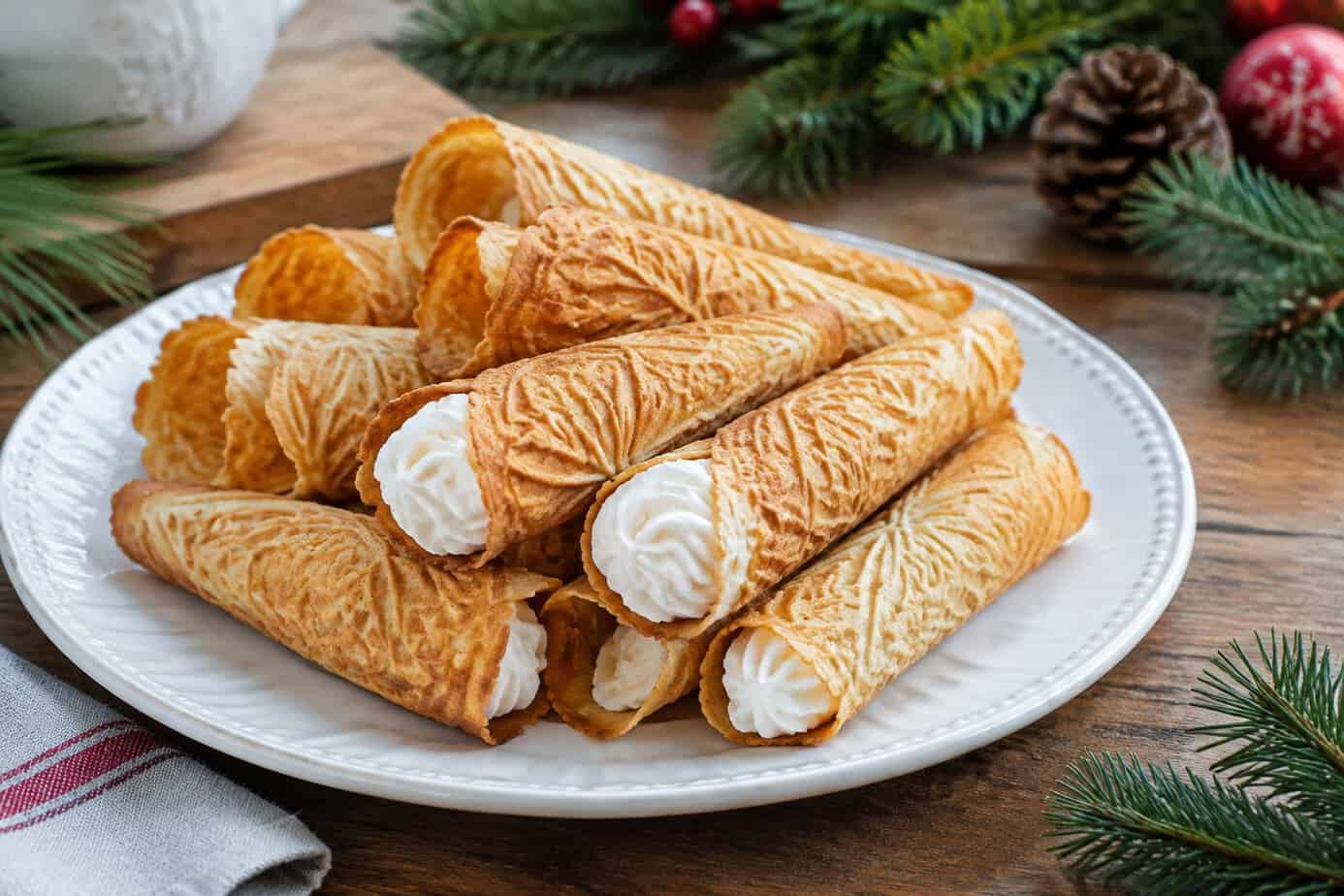
Krumkake are thin Norwegian cookies baked on a patterned iron and rolled into cones while they’re still hot. In Norwegian and Norwegian-American homes, they are part of Christmas, often filled with whipped cream. They also come with burnt fingertips.
The cookie has to be rolled the second it comes off the iron, before it cools and hardens. Wait a few seconds too long, and it cracks. Roll it too soon, and it tears. The first few always stick or burn while you figure out the heat, and the batter can be so thin that it runs off the iron’s edges.
Then there’s the filling. Fill them too early, and the crisp cone turns soft and soggy in an hour. Many families end up serving them plain, which is lovely but not what anyone pictured.
The fix: Keep a wooden cone and a clean kitchen towel next to the iron so you can roll each cookie fast, toss the first one or two while the iron settles, and fill the cones right before serving.
14. French Macarons
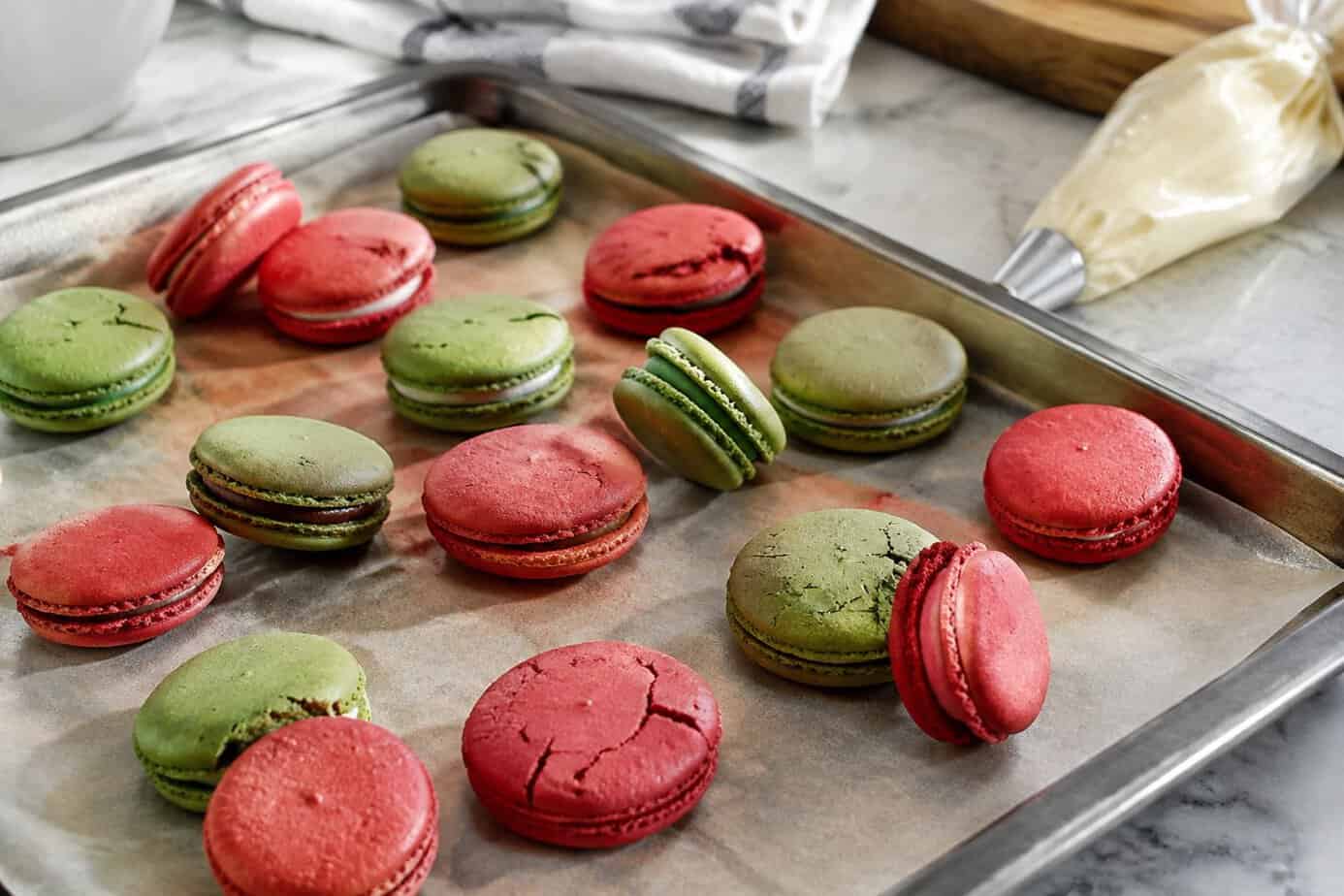
Christmas macarons in red and green look like something from a fancy bakery window. That is exactly why so many home bakers try them, and why so many end up frustrated.
Macarons are made from almond flour, powdered sugar and whipped egg whites, and almost every step can go wrong. Underwhip the whites, and the cookies spread flat. Overmix the batter, and they run together. Undermix it, and they crack on top. Even a good-looking batch can come out hollow inside or without the little ruffled “feet” around the base. Humid weather makes them even harder.
After all that, some people just don’t care for them. They’re very sweet, and many guests expect a cookie, not a meringue sandwich. That is a lot of work for a polite “oh, how fancy.”
The fix: Weigh every ingredient, let the piped shells sit until the tops feel dry to a light touch before baking, and use an oven thermometer, since most macaron failures come down to heat.
15. Italian Rainbow Cookies
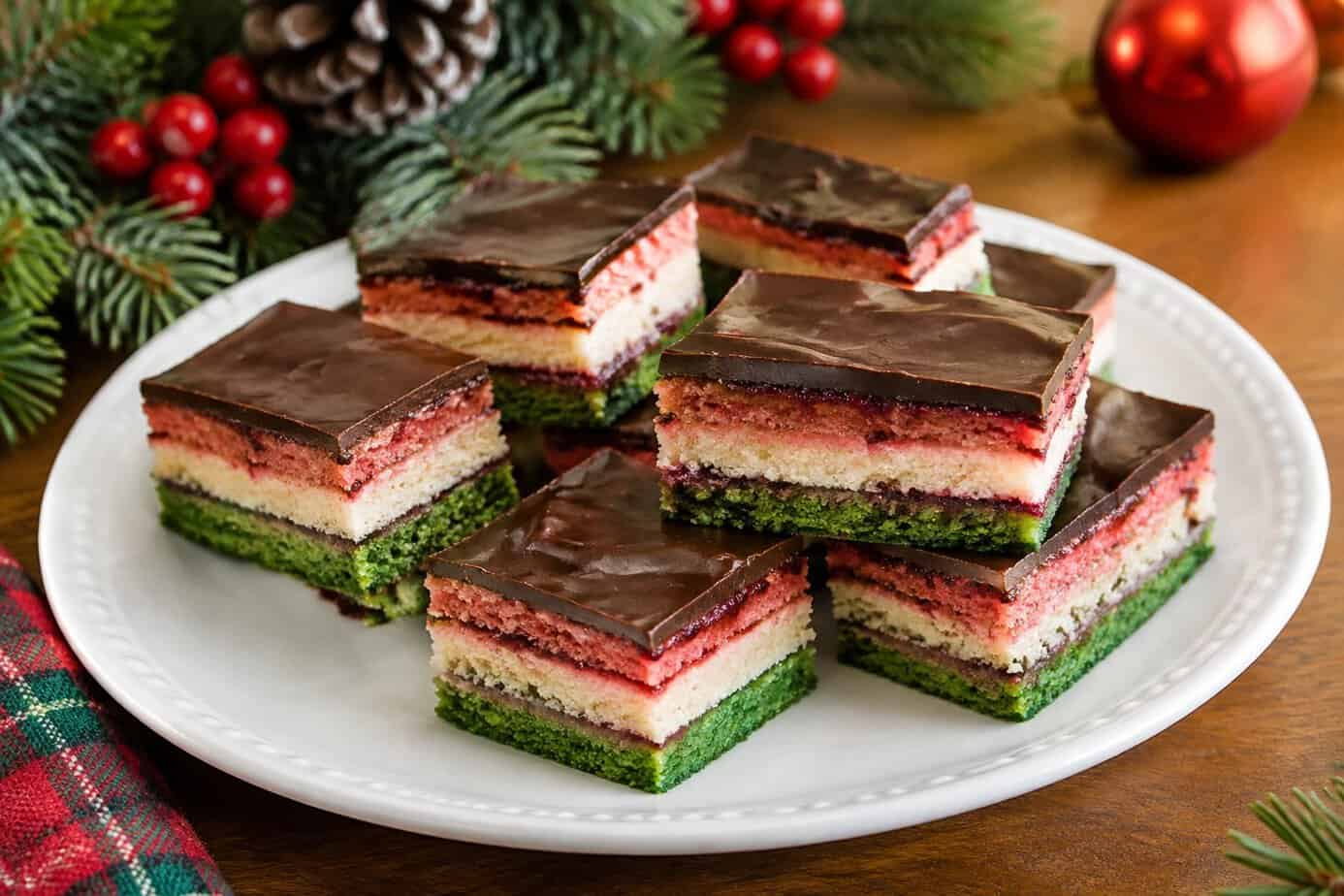
Rainbow cookies, also called tricolor or seven-layer cookies, are an Italian-American bakery classic. Three thin layers of almond cake colored green, white and red, jam in between, and a chocolate coat on top. Most people love eating them. Fewer people love making them.
Home bakers often call them a three-day cookie. You bake three separate thin layers, which means three pans or three rounds in the oven. You stack them with jam, press them under a weight overnight, coat them in chocolate, and then cut them without cracking the top. The chocolate often shatters under the knife, and the layers can slide apart if the jam is thin.
Almond paste is also dense and needs to be mixed in completely, or you’ll find hard little lumps in the cake. And after all those hours, they disappear in about four bites.
The fix: Weigh the batter so all three layers come out the same thickness, use thick apricot or raspberry jam, and warm your knife in hot water and wipe it dry between cuts.
16. Coconut Macaroons
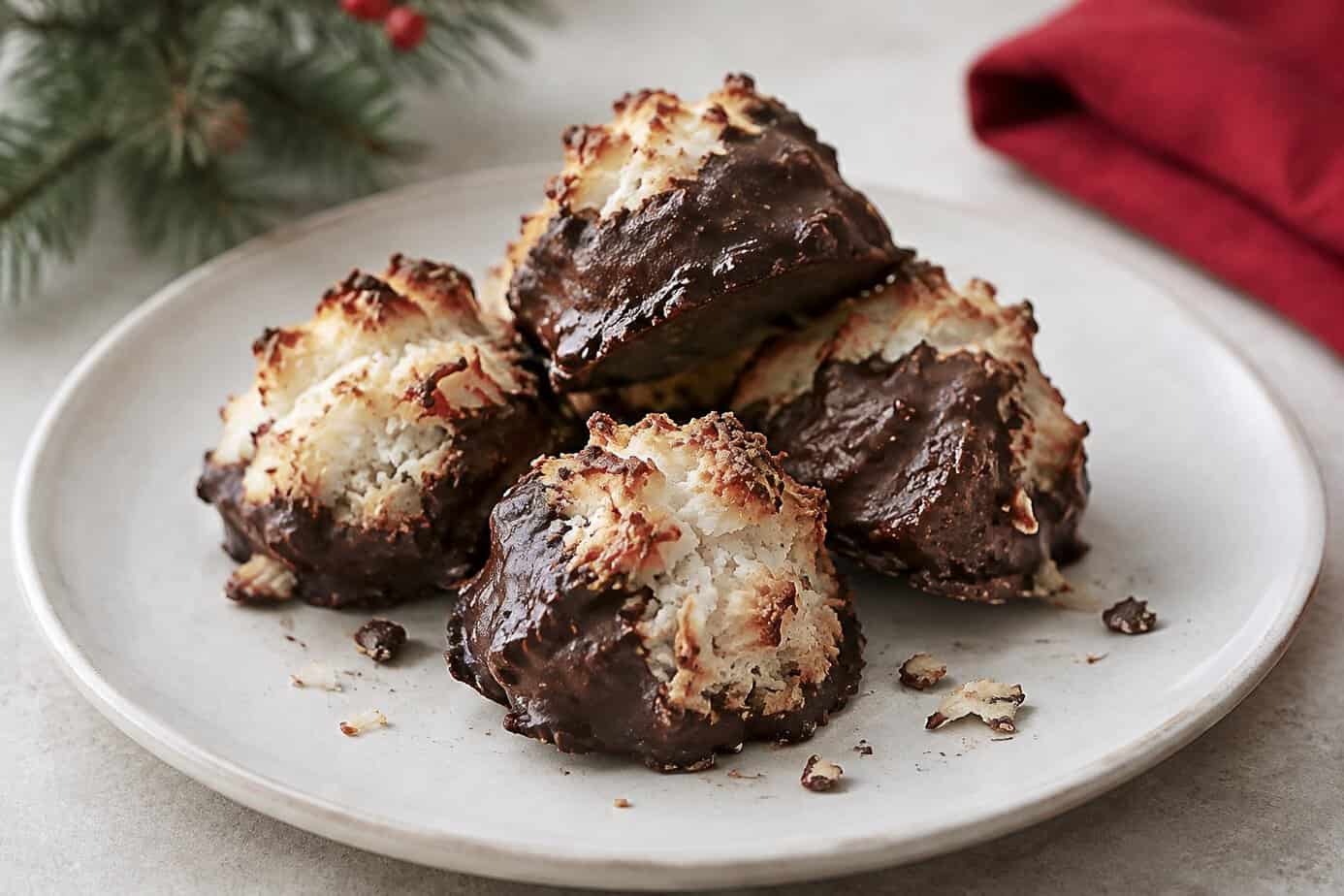
Coconut macaroons are easy to make and pretty when dipped in chocolate. They’re also one of the most divisive cookies on any Christmas tray, because people either love coconut or wouldn’t touch it.
When they go wrong, the complaints are about texture. A macaroon can bake up dry and stringy or turn gummy and wet in the center. Both usually come down to the balance of coconut and binder, or to pulling the pan at the wrong moment. The tips of the coconut shreds catch and brown fast, and the bottoms can stick to the pan and tear.
Then comes the chocolate. If it’s not handled carefully, it turns dull, streaky or tacky, and the cookies stick together in the tin. Made with sweetened coconut and sweetened condensed milk, they can also be very, very sweet.
The fix: Bake on parchment until the edges are golden, let the macaroons cool completely before dipping, and chill the dipped cookies on parchment until the chocolate is firm.
17. Peppermint Meringues
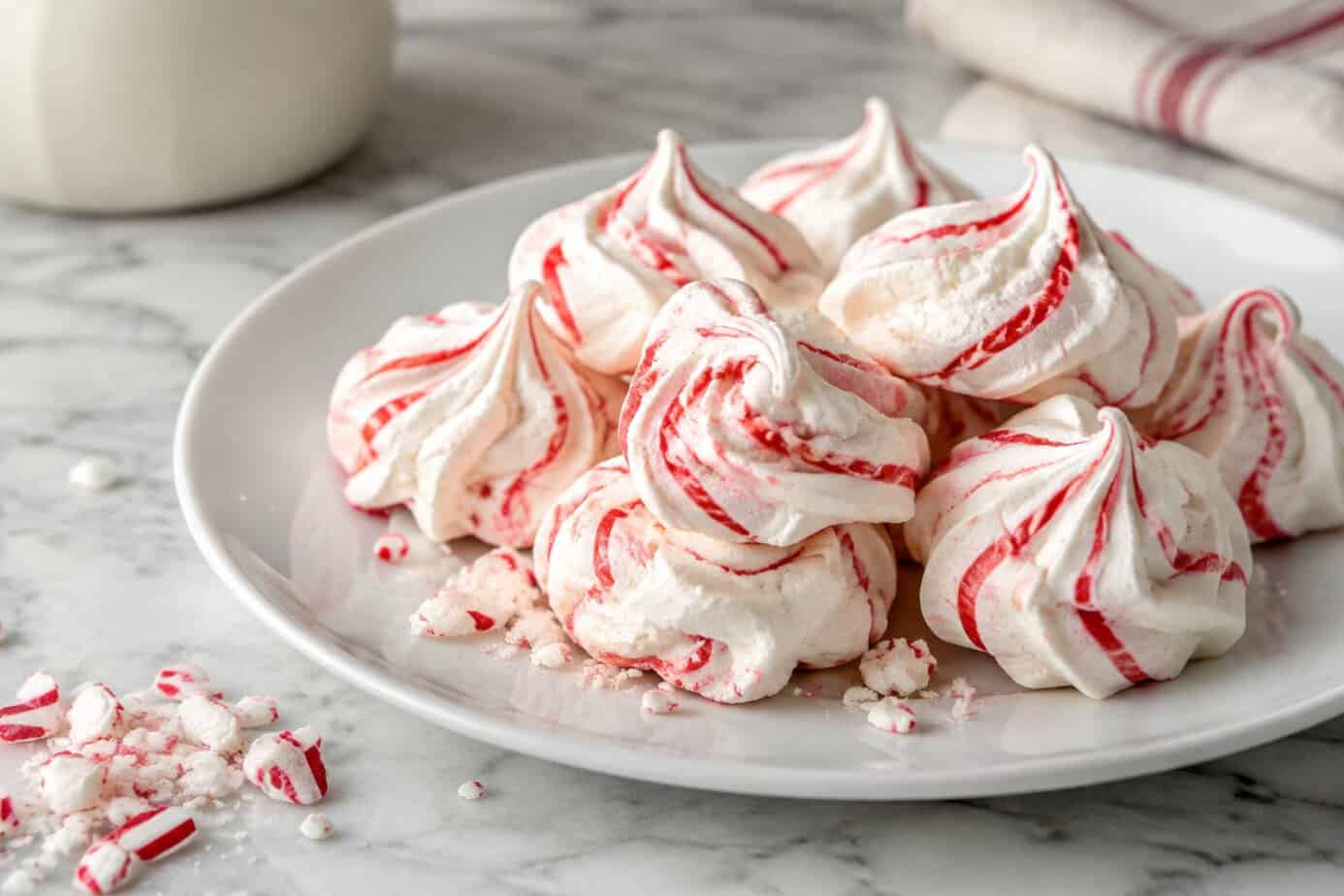
Peppermint meringues look like tiny striped snowdrifts, and they are about as stable. These airy cookies are made from whipped egg whites and sugar, and they’re famous for turning on you overnight.
The problem is humidity. Sugar is hygroscopic, which means it pulls moisture from the air, and King Arthur Baking explains in its guide to meringue why humid weather makes meringues weep and turn sticky. A meringue that was crisp at noon can be chewy and tacky by dinner on a damp day.
Other things go wrong too. A trace of yolk or grease in the bowl keeps the whites from whipping. Baking too hot browns them. And those red stripes can bleed pink if you use liquid food coloring. Crushed candy canes on top melt into sticky spots.
The fix: Use a spotless bowl, bake low and slow, let the meringues cool in the turned-off oven, and pack them in an airtight container as soon as they’re cool.
18. Rock-Hard Biscotti
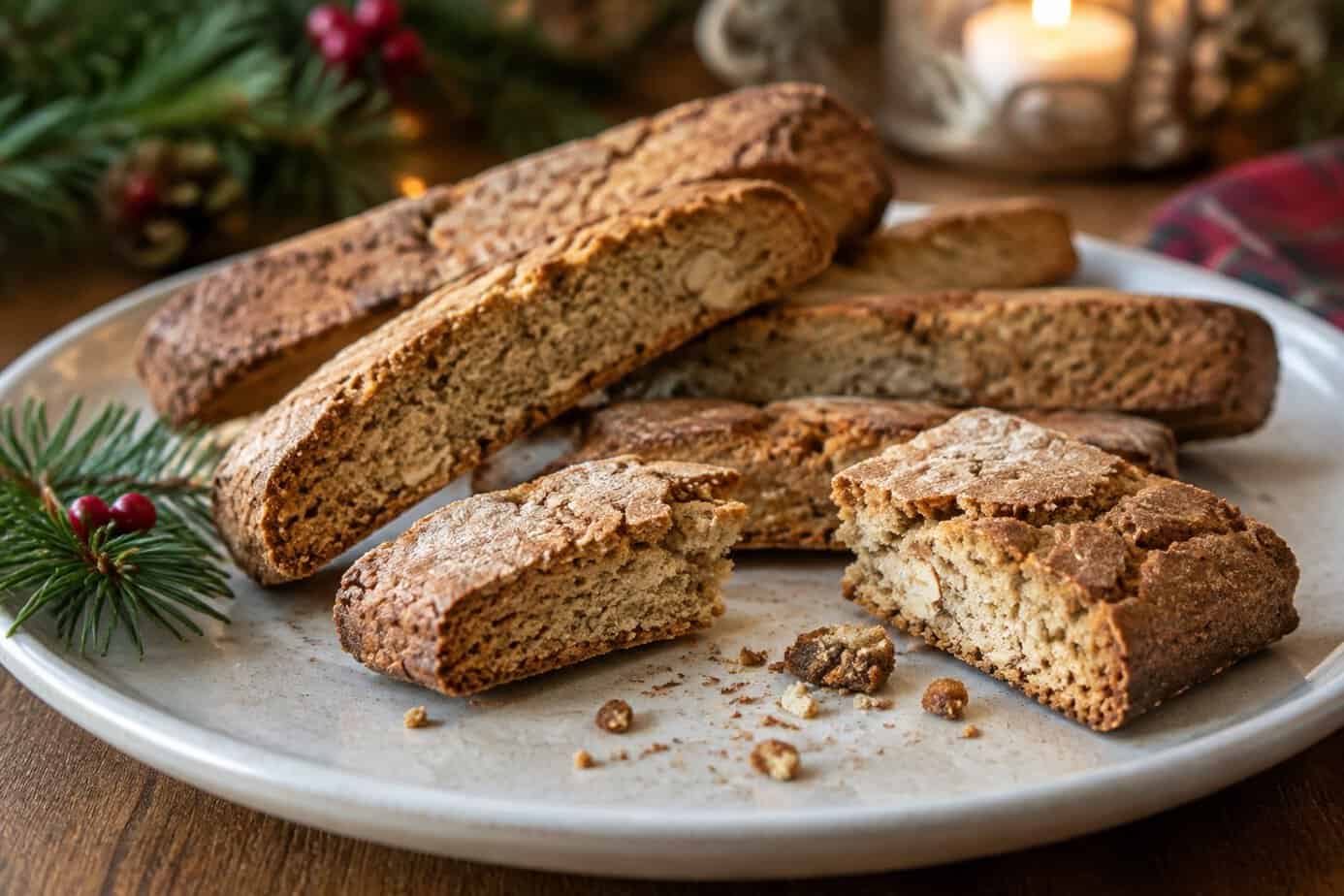
Biscotti are supposed to be crunchy. The name refers to being baked twice, and the second bake dries them out so they last for weeks. Still, there is a difference between crisp and a cookie that could break a window.
Many classic recipes have little or no butter, so there’s nothing to keep the texture tender. If the second bake goes a few minutes too long, they turn rock hard. Slicing the logs after they’ve cooled completely leads to crumbled, broken pieces, and sliced too thick, they become impossible to bite without a cup of coffee to dunk them in.
Guests who don’t dunk tend to take one bite, wince, and set the rest on a napkin. They’re also a little plain for a Christmas tray unless you add something festive.
The fix: Slice the logs while they’re still warm with a serrated knife, bake the slices only until they’re dry to the touch, since they keep firming as they cool, and add dried cranberries and pistachios for color.
19. Jam Thumbprints That Run
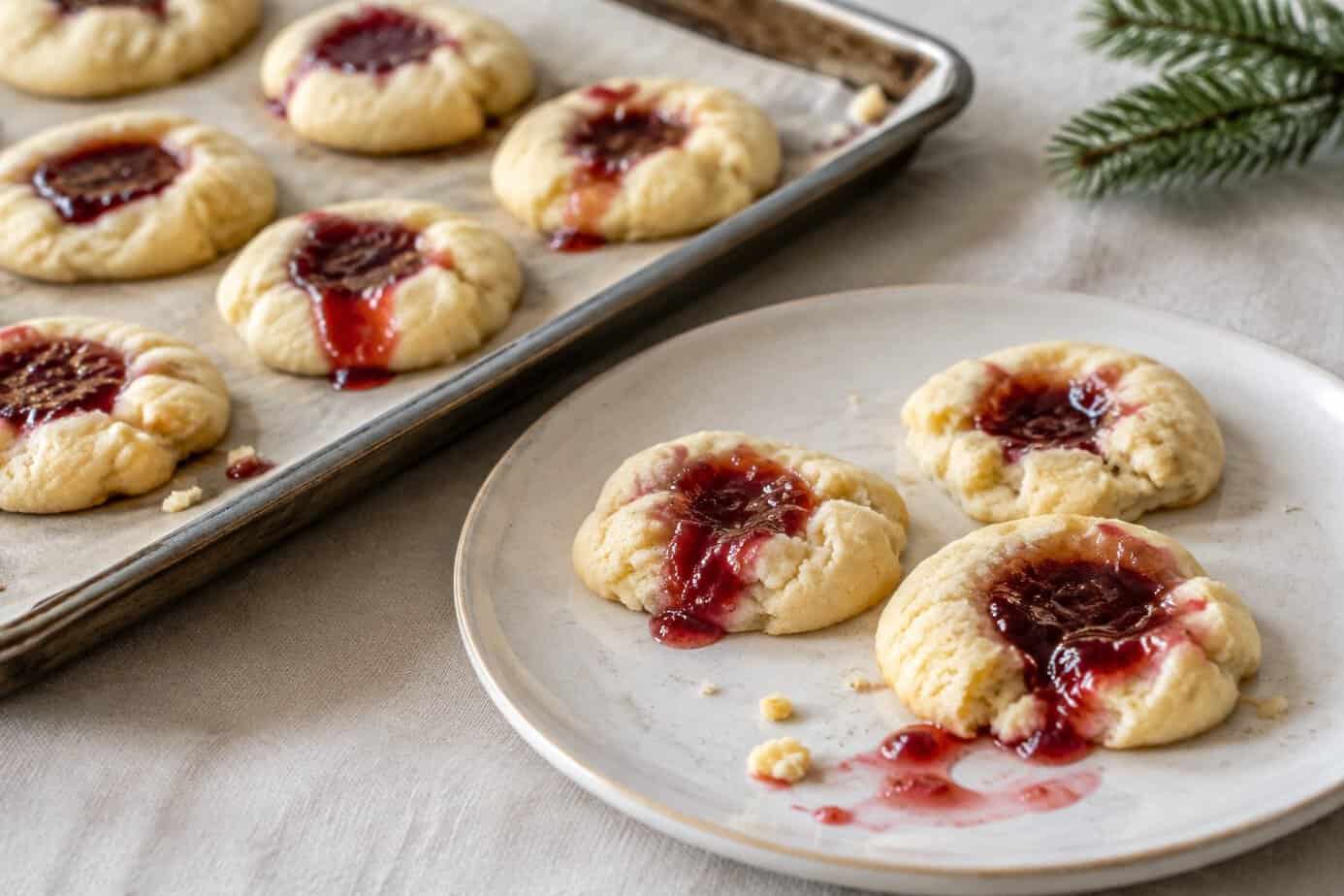
Thumbprint cookies look so simple. A round of buttery dough, a little dent, a spoonful of jam. Yet they’re among the most common cookies to come out of the oven looking wrong.
Warm dough spreads before it sets, so the dent fills in and the jam slides over the edge. Thin jam bubbles in the heat, runs down the sides and glues the cookies to the pan. Overfilled cookies leak, and the jam soaks into the dough around it so the bottoms turn soft.
Storage brings its own trouble. Thumbprints packed into a tin while the jam is still warm trap steam, and by morning the cookies have lost their snap. Jam that sets too long can also dry into a hard, shiny button that’s more chewy than fruity.
The fix: Chill the shaped dough for 20 minutes, press the dent again right after the cookies come out of the oven, and fill them with thick preserves, about half a teaspoon each.
20. Kolaczki
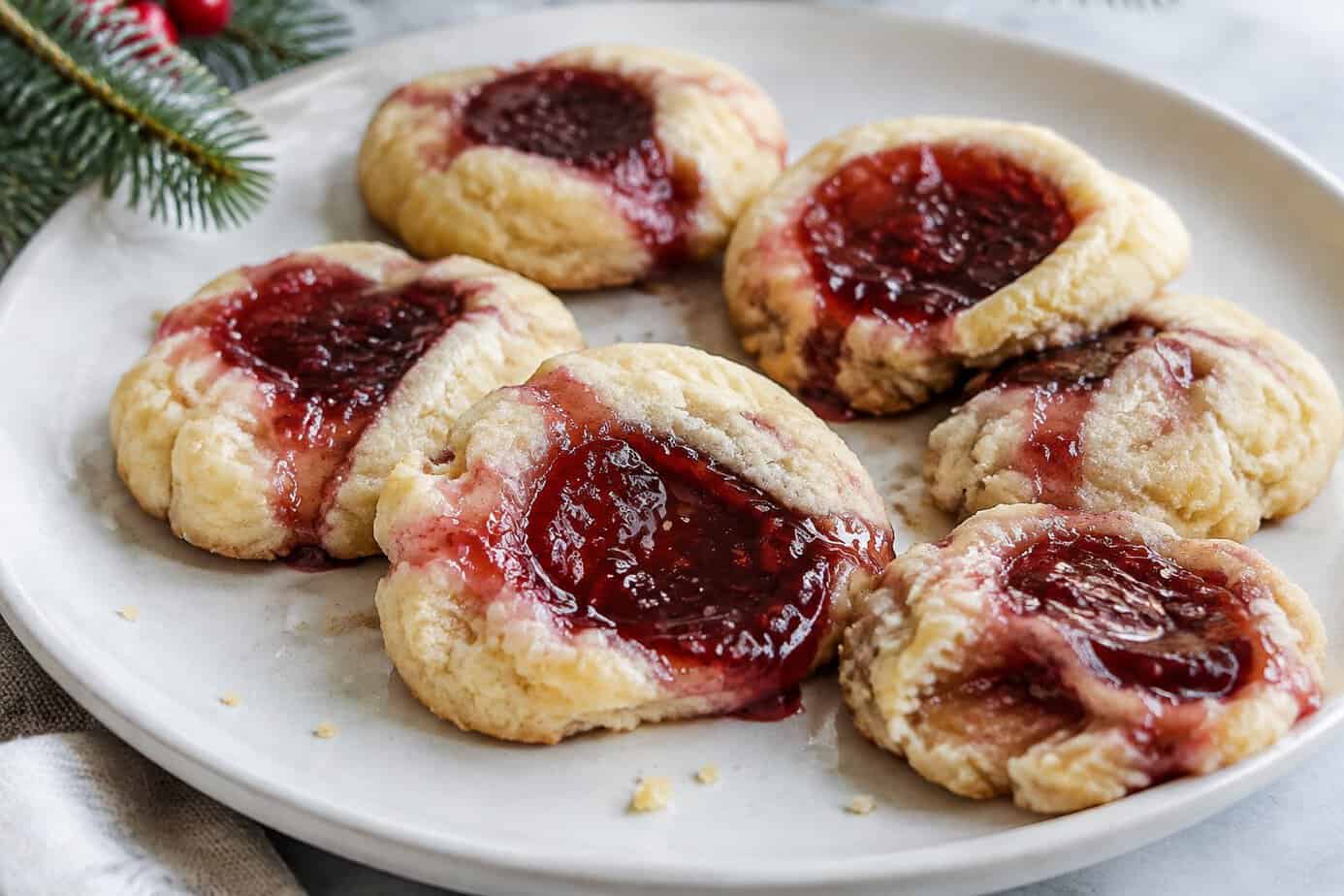
Kolaczki, also spelled kolacky, are Central European jam-filled cookies, and in many Polish-American families they’re as much a part of Christmas as the tree. The most familiar version uses a tender cream cheese dough folded around a spoonful of jam and dusted with powdered sugar.
The classic complaint is the fold. You pinch two corners of each square together over the filling, and in the oven, they pop open like little books. The jam leaks out, scorches on the pan and leaves you with flat squares instead of neat bundles.
The dough itself can be tricky too. It’s soft and sticky, so it tears when it’s warm and cracks when it’s too cold. Too much flour on the counter makes the delicate cookie tough. And if the filling is thin, it soaks into the dough and the cookies turn soggy by the next day.
The fix: Chill the dough well, roll it thin, use thick fruit filling or pastry filling, and dab a little water or egg white on one corner before you pinch the two together.
21. Gumdrop Cookies
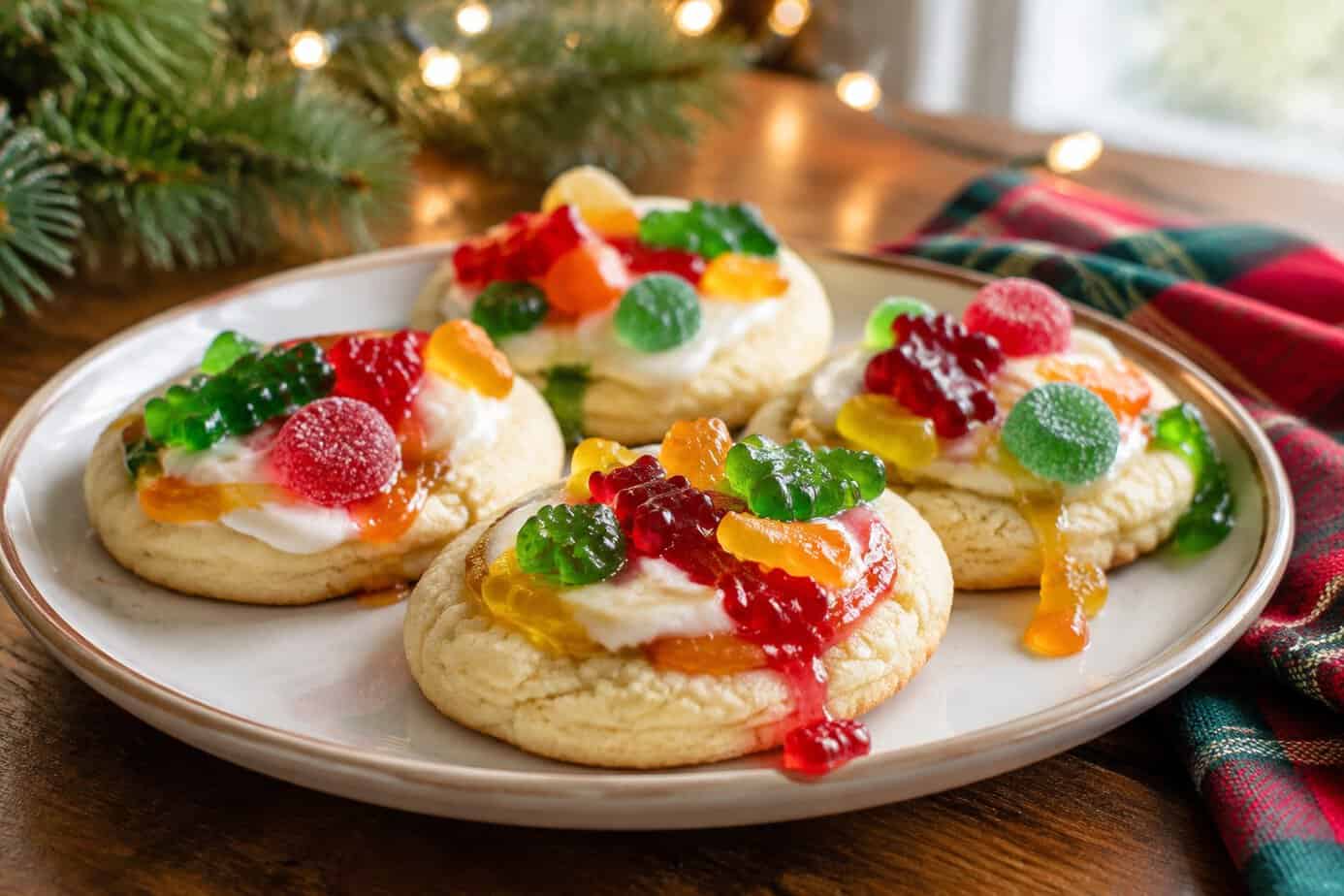
Gumdrop cookies were a favorite in many kitchens, with colorful spice drops or gummy candies tucked into a sugar cookie dough or pressed on top. They look cheerful. They also take a toll on your teeth.
Gummy candy doesn’t love the oven. Pieces on the surface melt, spread and then harden into a glassy shell, and they can glue the cookie to the pan. Candy inside the dough often turns tough and chewy after baking. Spice drops can also taste a little perfumed, and the flavors rarely go with a buttery cookie.
Then the tin gets involved. The sticky candy grabs the cookie next to it, and you have to pry them apart. Kids may love them, but home bakers often say they aren’t worth the cleanup.
The fix: Cut the gumdrops small and toss them in a spoonful of flour so they don’t clump, keep them inside the dough instead of on top, and store the cookies in a single layer.
22. Lemon Cookies With Artificial Flavor
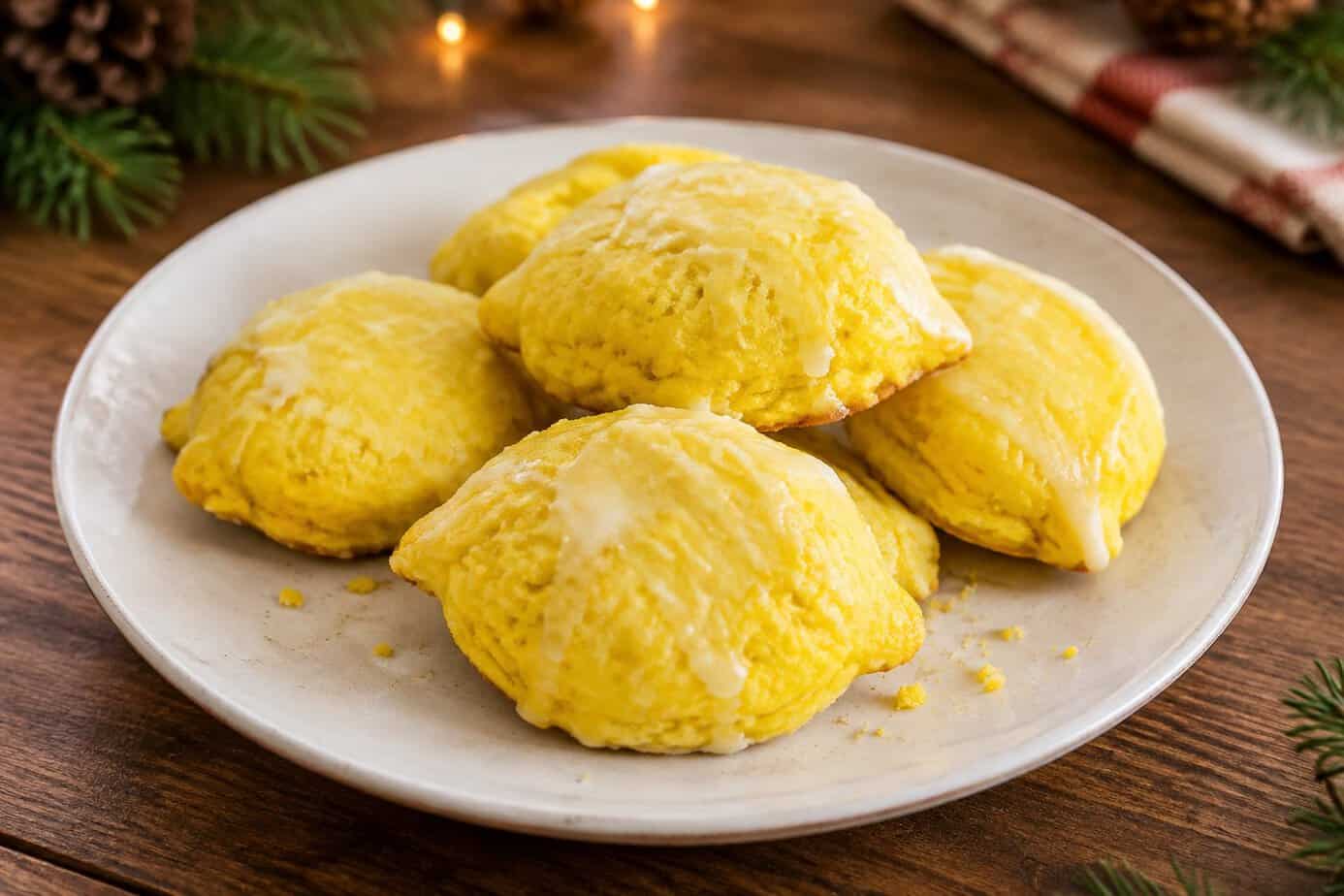
A good lemon cookie is a lovely break from all the spice and chocolate on a Christmas tray. A bad one tastes like lemon candy, or worse, like a bottle of cleaner.
The usual cause is a recipe that leans on imitation lemon flavoring or too much extract without any real lemon. The flavor comes across as sharp and a little chemical, and it can fade or turn bitter in the oven. A few drops of yellow food coloring make the dough look sunny, but they can’t fix the taste.
These cookies also tend to look a little out of place in December, so they end up as the ones nobody reaches for. That is a shame, because the citrus is welcome after a week of gingerbread.
The fix: Rub the zest of one or two fresh lemons into the sugar with your fingers before creaming it with the butter, and use fresh lemon juice in the glaze.
23. Dry Eggnog Cookies
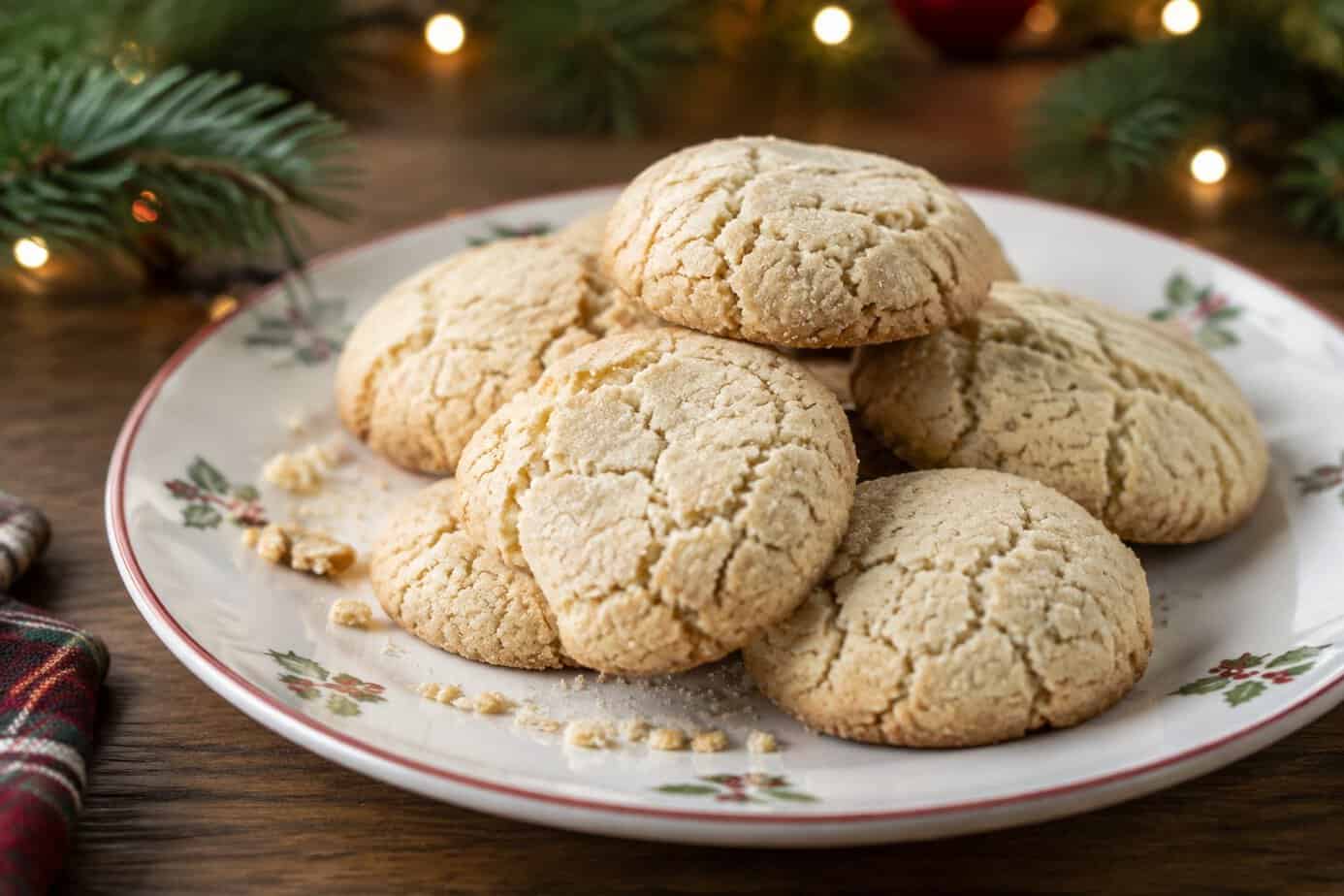
Eggnog cookies sound like the coziest idea on the list. They smell like nutmeg and look lovely with a glaze. Then you take a bite, and they crumble into dust with barely a whisper of eggnog.
The problem is that eggnog isn’t a strong flavor once it’s baked. Most recipes use just a few tablespoons, and much of the taste comes from nutmeg. Store-bought eggnog is also mostly liquid, so it adds less richness than butter or egg yolks would.
Overbaking makes it worse. Eggnog cookies are pale, so it’s hard to tell when they’re done, and an extra minute turns a soft cookie into a dry one. Scooping the flour straight from the bag packs in more than the recipe expects, and the dough gets stiff and heavy.
The fix: Use freshly grated nutmeg and a little rum extract for a stronger eggnog taste, spoon and level your flour, and pull the cookies when the edges are set but the centers still look slightly soft.
24. Peppermint Cookies With Too Much Extract
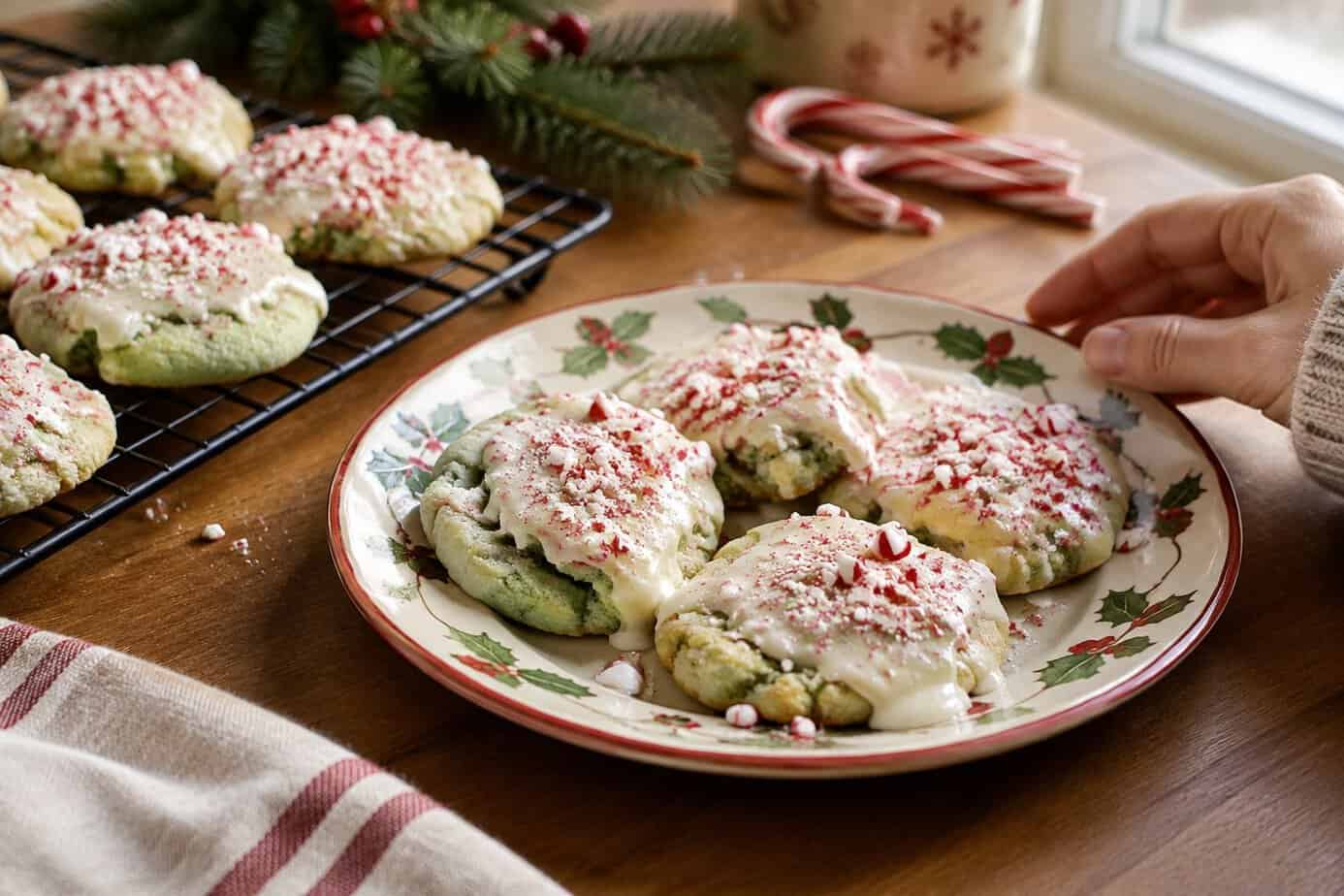
A good peppermint cookie is cool, sweet and festive. A bad one makes your whole kitchen smell like a toothpaste aisle.
Peppermint extract is very strong. A little extra splash, or a “just to be safe” second teaspoon, can push the flavor from pleasant to medicinal, with a burn that lingers. Peppermint oil, which some bakers use, is stronger still, so swapping it in at the same amount is a common mistake. Too much mint can even flatten the chocolate in a chocolate peppermint cookie so all you taste is mint.
Crushed candy canes are trouble too. They melt in the oven into sticky puddles and can glue cookies to the pan.
The fix: Start with half a teaspoon of extract per batch, taste the mixture before you add the flour, and press crushed candy canes onto the cookies right after they come out of the oven.
25. Burnt Ginger Snaps
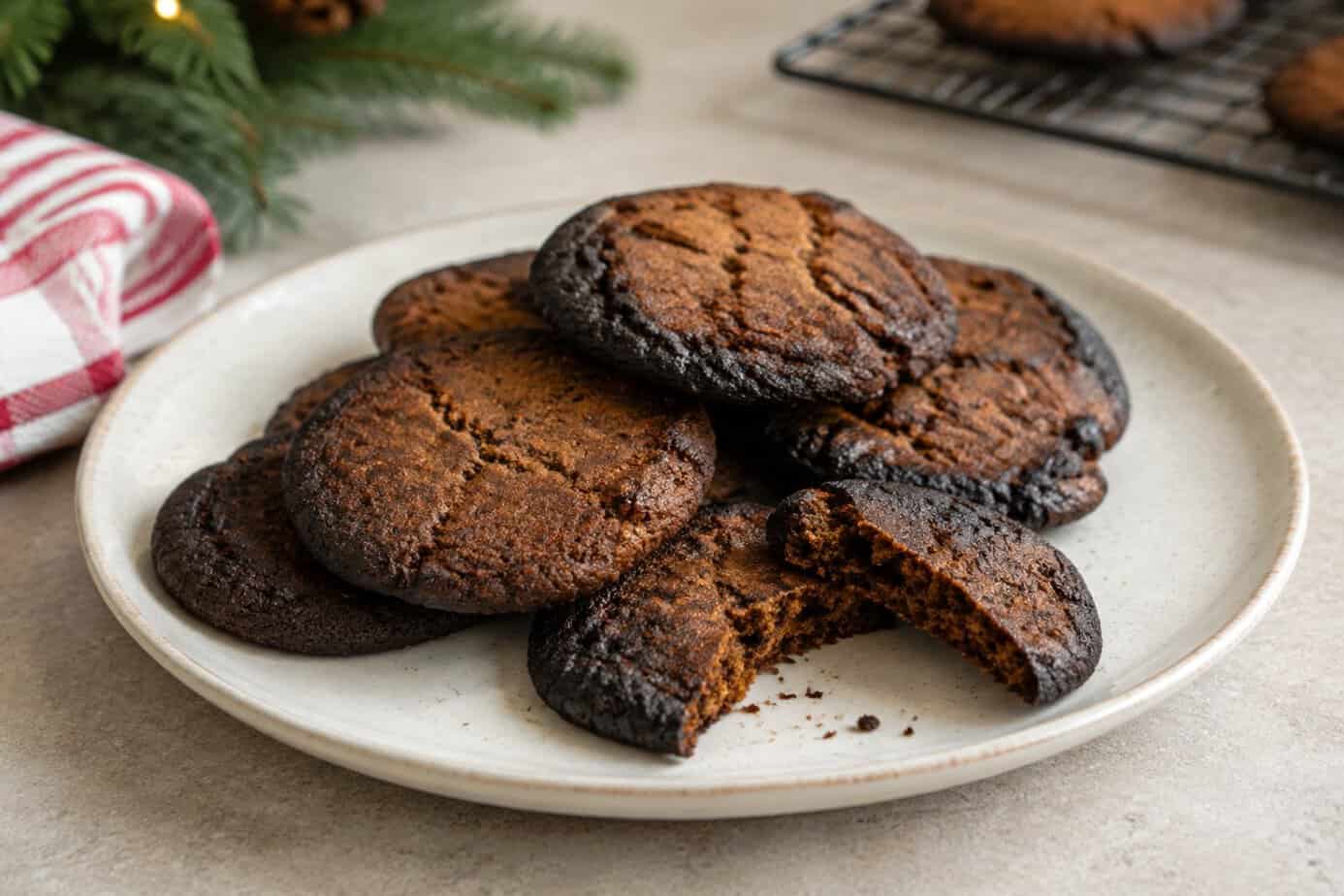
You know the smell. Molasses and spice drift through the house, and then, a minute too late, the scent turns sharp and bitter. Ginger snaps are one of the easiest cookies to overbake.
The dough is dark from molasses and brown sugar, so the cookies never look pale and unbaked the way sugar cookies do. That makes it hard to judge when they’re done, and the edges can go from crisp to scorched in a minute. Dark baking pans make the bottoms burn first, and an oven that runs hot speeds everything up.
Once that burnt taste sets in, no amount of icing or dunking will hide it. And there’s a difference between a snap and a cookie so hard it shatters on the plate.
The fix: Bake on light-colored pans lined with parchment, check them at the shortest time in the recipe, and judge doneness by the edges, which should look set and slightly cracked.
26. Dry Molasses Cookies
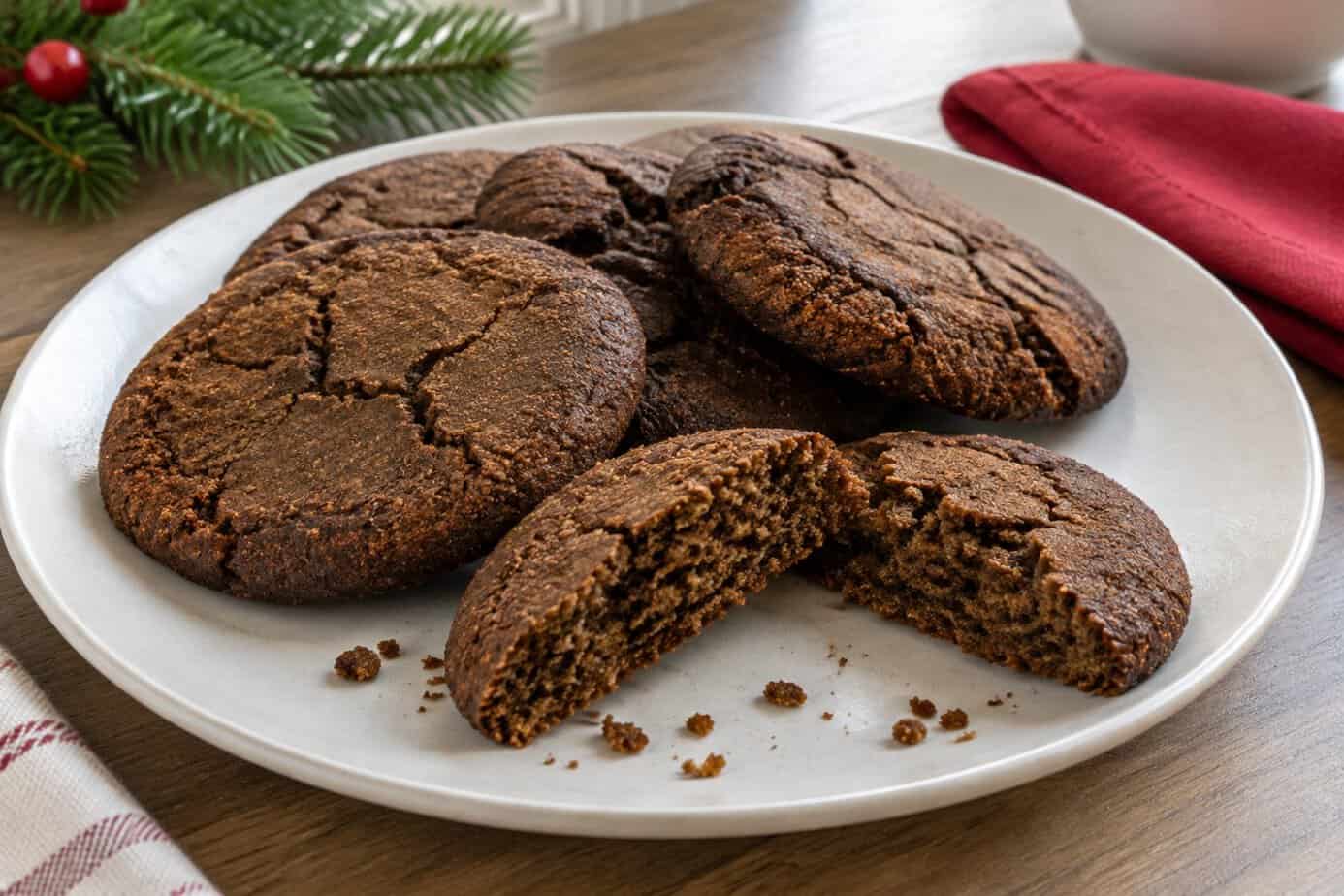
Soft molasses cookies are a holiday classic, with their crackled sugar tops and warm spice. When they come out dry and crumbly, they leave you reaching for a cup of coffee.
The dark dough hides browning, so it’s easy to leave them in a minute or two too long. Too much flour is another common cause, since molasses dough is already stiff. A little extra turns a chewy cookie into a dense one.
The molasses matters too. Blackstrap molasses is much stronger and more bitter than the light or dark molasses most recipes expect, and swapping it in can give the cookies a harsh, almost burnt taste. Left uncovered on a counter, even a good batch dries out in a day or two.
The fix: Use light or dark unsulphured molasses, spoon and level your flour, pull the cookies while the centers still look soft, and store them in an airtight tin with a slice of bread.
27. Bland Shortbread
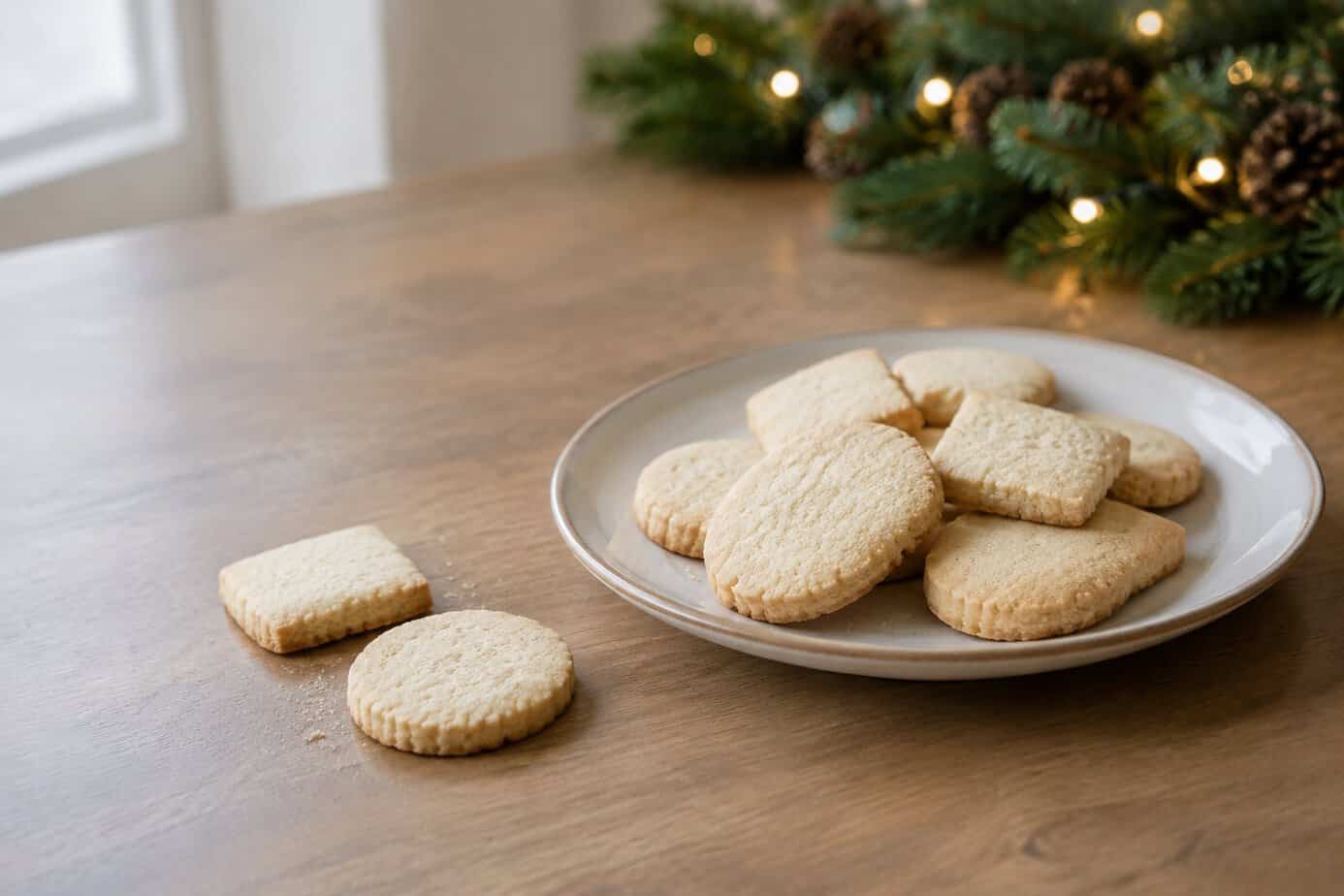
Shortbread has deep roots in Scotland, where it’s a traditional treat at Hogmanay, the Scottish New Year. Legend even ties the wedge-shaped “petticoat tails” to Mary, Queen of Scots, though nobody can prove it. With a history like that, you’d expect every batch to be memorable.
But shortbread has only three main ingredients: butter, sugar and flour. There’s nowhere for weak ingredients to hide. Margarine, low-fat spreads or skipped salt all lead to a pale cookie that tastes like sweet flour. Overworking the dough makes it tough instead of crumbly and tender.
Many bakers also pull shortbread while it’s still white, because it looks pretty. But the golden edges are where the toasty, buttery flavor lives.
The fix: Use good-quality real butter, add a pinch of fine salt, mix just until the dough comes together, and bake until the edges turn a pale golden color.
28. Chalky Almond Cookies
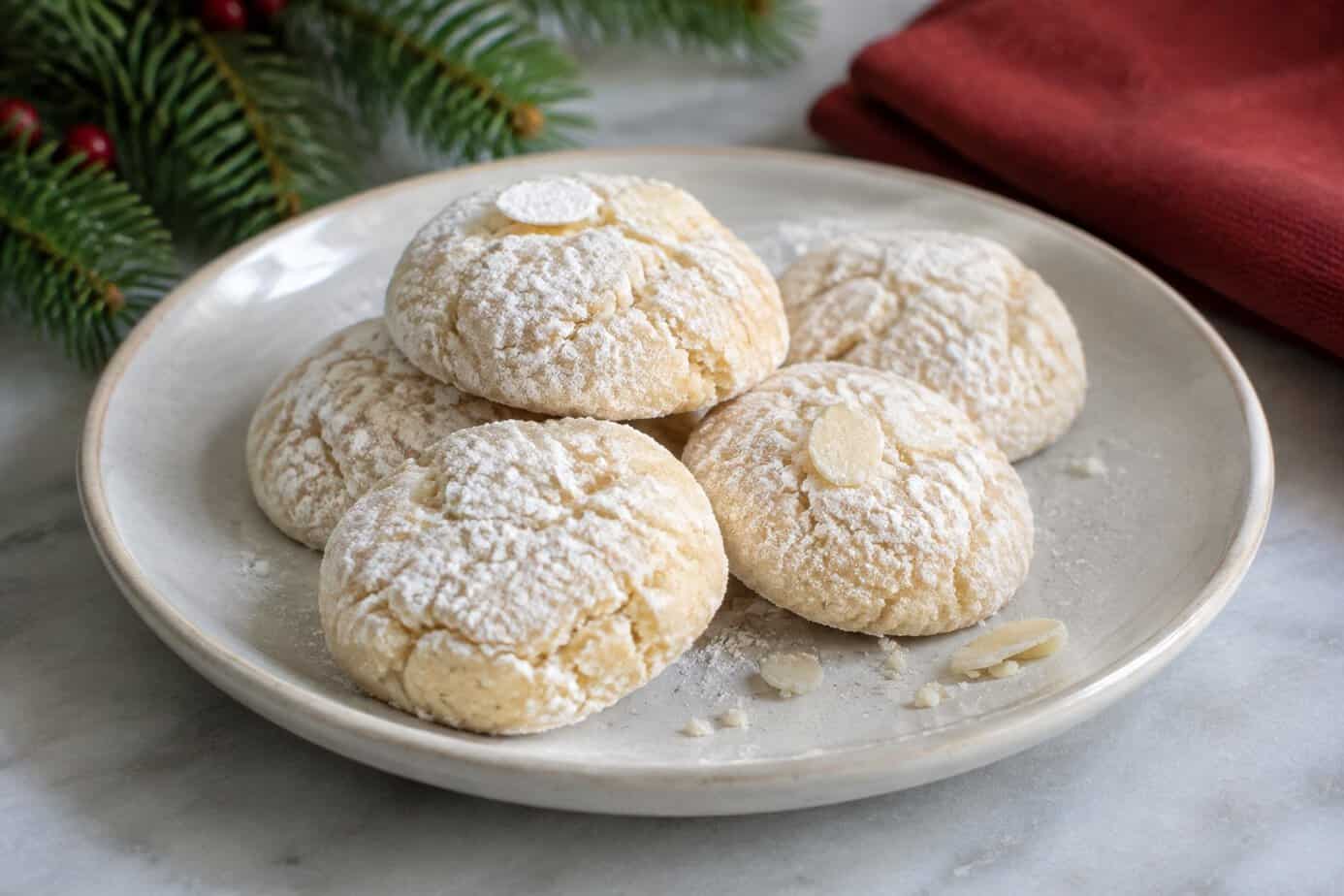
Almond cookies look elegant with their crackled tops and dusting of powdered sugar. But many home bakers have pulled a tray out of the oven and found cookies that crumble into a dry, chalky powder at the first bite.
Almond flour and ground almonds have no gluten, so the cookie depends on egg whites, butter or almond paste to hold together. If the dough is short on any of those, there’s nothing to keep the crumb tender. Almond flour also varies from brand to brand, and scooping it packs in more than the recipe wants. Overbaking dries them out quickly, since almond cookies firm up as they cool.
A cookie that’s dry and flavorless next to a buttery sugar cookie doesn’t stand a chance.
The fix: Weigh your almond flour, use a recipe with almond paste for a chewy center, and take the cookies out when the edges are just turning golden.
29. Grocery Store Sugar Cookies
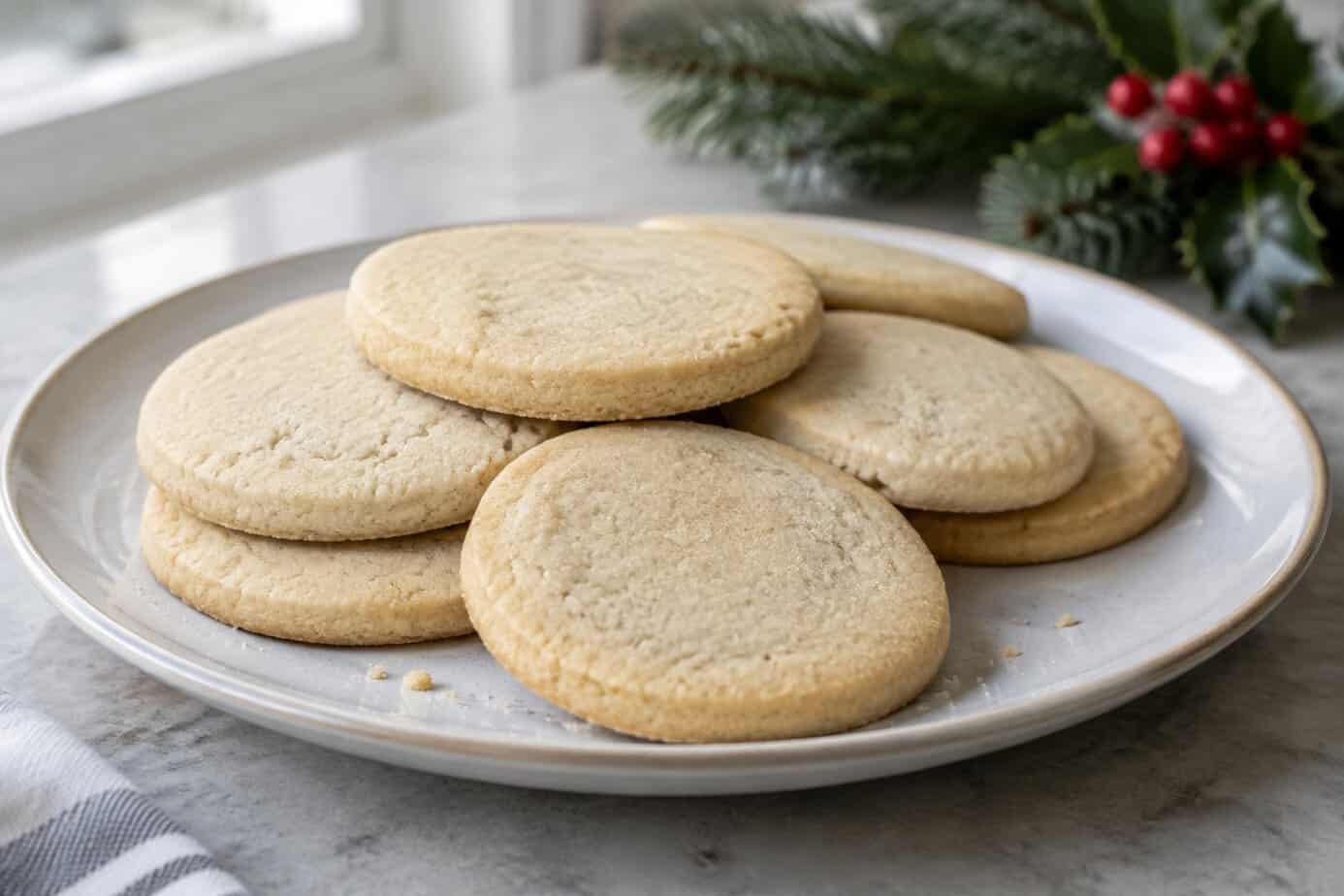
You know the ones. The plastic clamshell of soft sugar cookies with thick frosting and sprinkles that shows up at the office party and the school concert. After decades of baking your own, you can taste the difference right away.
Store-bought sugar cookies tend to taste more of sugar and shortening than of butter and vanilla. The frosting is very sweet and a little greasy, and the cookies can be cakey and bland underneath. Once the package is open, they dry out quickly.
They have their place, of course. On a busy week, a box of bakery cookies beats no cookies at all. But on a tray next to homemade gingerbread and spritz, they’re usually the ones left behind.
The fix: If you’re short on time, buy plain unfrosted cookies and dress them up with a thin glaze of powdered sugar, milk and vanilla, plus a pinch of salt and your own sprinkles.
30. Sugar-Free Christmas Cookies
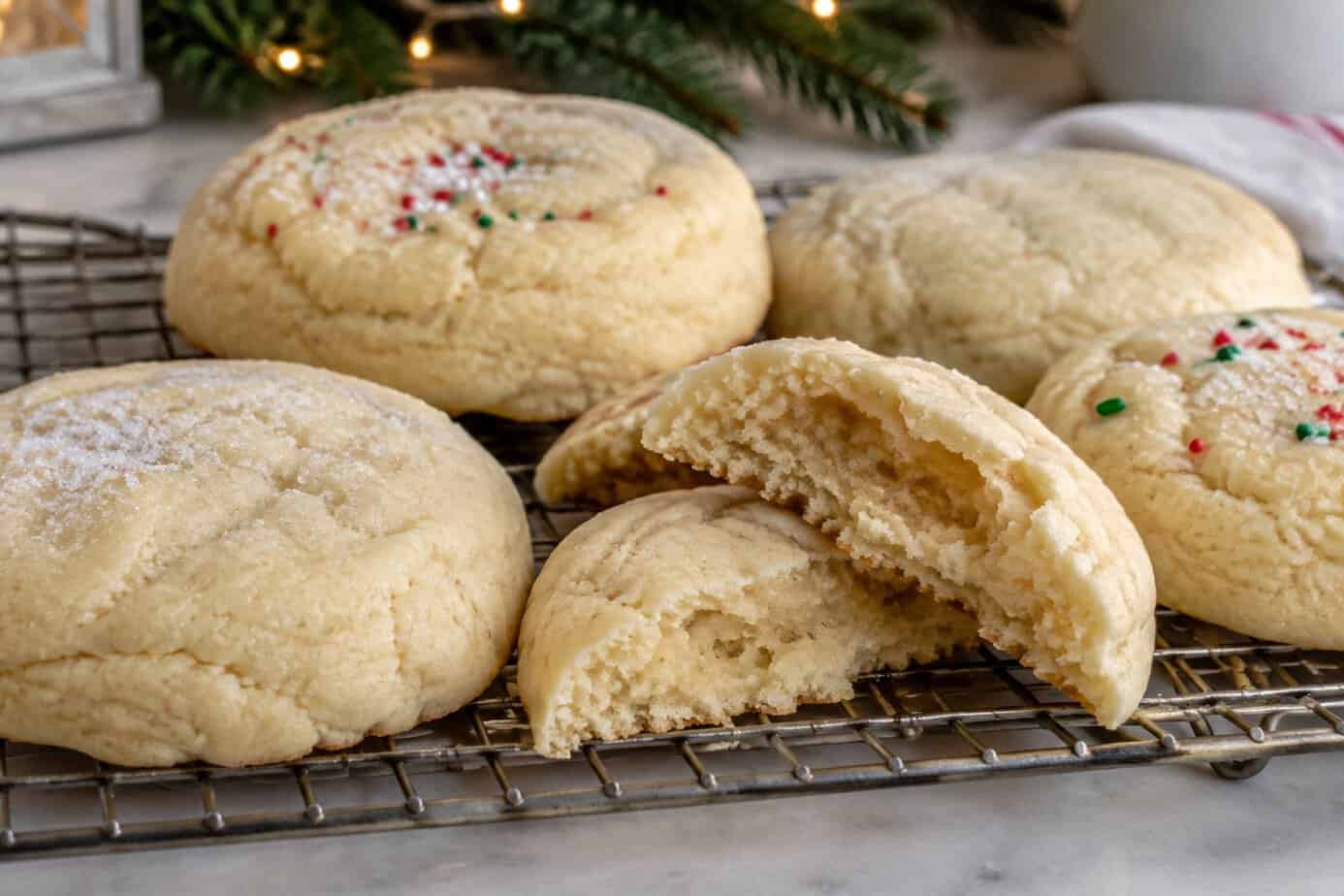
If someone in your family is watching their sugar, you may have tried a sugar-free version of their favorite Christmas cookie. Results are often disappointing.
Sugar does a lot more than sweeten. It helps cookies brown, spread and stay moist and tender. Many sugar substitutes don’t brown the same way, so the cookies come out pale and puffy. Some, like erythritol, leave a cool, minty feeling on the tongue, and some cookies turn dry or brittle as they cool. A few substitutes can also cause stomach upset if someone eats a lot of them.
The result can taste a bit like a cookie doing an impression of a cookie. That doesn’t mean you shouldn’t make them, but they need a different approach.
The fix: Choose recipes written for the sweetener you’re using instead of swapping it into an old recipe, add warm spices, vanilla, citrus zest or nuts for extra flavor, and bake a small test batch before making dozens.
Why Some Christmas Cookies Disappoint
Look at this list again, and you’ll notice that most of these cookies aren’t bad. They’re just easy to get wrong. Dark doughs like gingerbread, molasses and ginger snaps hide their doneness, so they overbake. Delicate cookies like rosettes, krumkake and macarons need practice, patience and the right temperature. And some, like fruitcake cookies, springerle and pfeffernüsse, are simply an acquired taste.
A few habits fix more problems than any recipe change. Measure flour by spooning it into the cup and leveling it, or better yet, weigh it. Chill butter-rich doughs before they go into the oven. Use cool baking sheets for every batch. And take cookies out a minute earlier than you think, since they keep cooking on the hot pan.
Keeping Your Cookies Fresh Until Christmas
Store crisp cookies and soft cookies in separate tins. A soft molasses cookie will make a crisp shortbread go soft in a day, and a peppermint cookie will make everything next to it taste like mint. Let every cookie cool completely before you pack it, and let iced cookies dry overnight before you stack them with parchment between the layers.
Most cookie doughs freeze well for a few months, so you can bake small batches through December instead of in one long weekend. Old newspaper Christmas pages, like the ones gathered in the Library of Congress’s look back at holiday cookie recipes, show that home bakers have been planning their cookie marathons for well over a century.
If you’d rather bake something that always disappears first, take a look at our Christmas desserts your family will love more than fruitcake, and for a laugh, see which treats made our list of the most overrated holiday foods.