27 Things 1980s Housewives Did Before Noon That Would Exhaust Women Today
By the time most people today are logging on for work, you had already lived half a day. In the 1980s, the morning was when the real work of a household got done, and you were the one doing it. The coffee was made, the beds were straight, a load of wash was going, the kids were dropped off, the supper was started, and somehow you had squeezed in an exercise tape and a trip to the bank too.
Nobody called it productivity back then. It was just your morning. You moved from the kitchen to the car to the store and back without a planner or a phone that did anything but ring. Looking back now, the list of what you finished before noon is enough to tire out anyone. Here are 27 things you probably did every morning, and did well.
1. Your first cup from the Mr. Coffee before anyone else was up
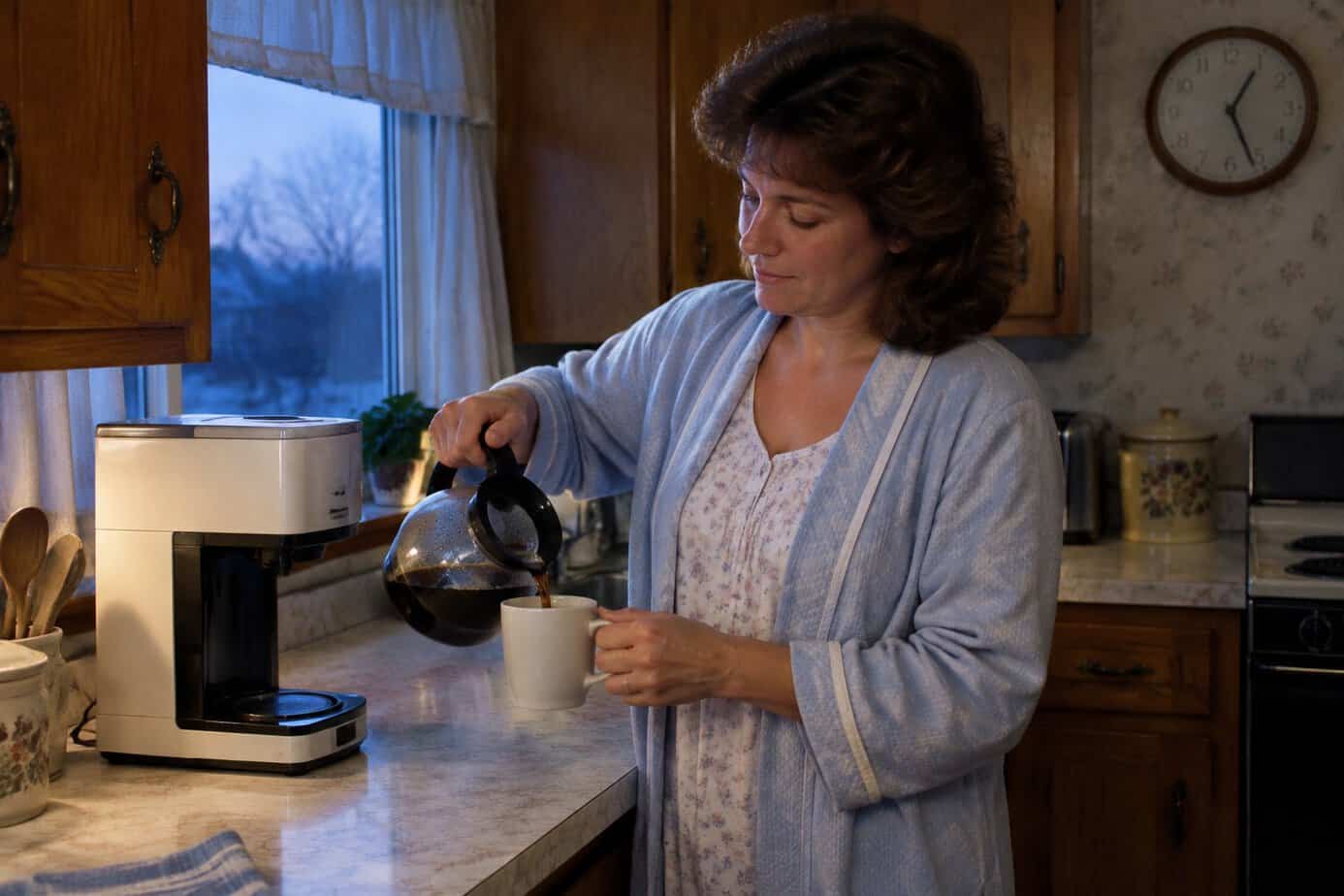
The house was dark and quiet, and that was exactly why you got up first. You flipped the switch on the Mr. Coffee, listened to it gurgle, and stood at the counter while the kitchen filled with that smell. Drip machines had pushed the old percolator to the back of the cupboard by the 1980s, and plenty of kitchens had one sitting right by the toaster.
That first cup was the only thing all day that was yours alone. Nobody needed a sandwich, a ride, or a signature yet. You might look over the calendar on the fridge, write a grocery list on the back of an envelope, or simply sit at the table and watch the sky get light.
Ten minutes later the alarm clocks started going off down the hall, and the day officially began. But those ten minutes set the tone for everything after.
2. Today or Good Morning America on the kitchen TV
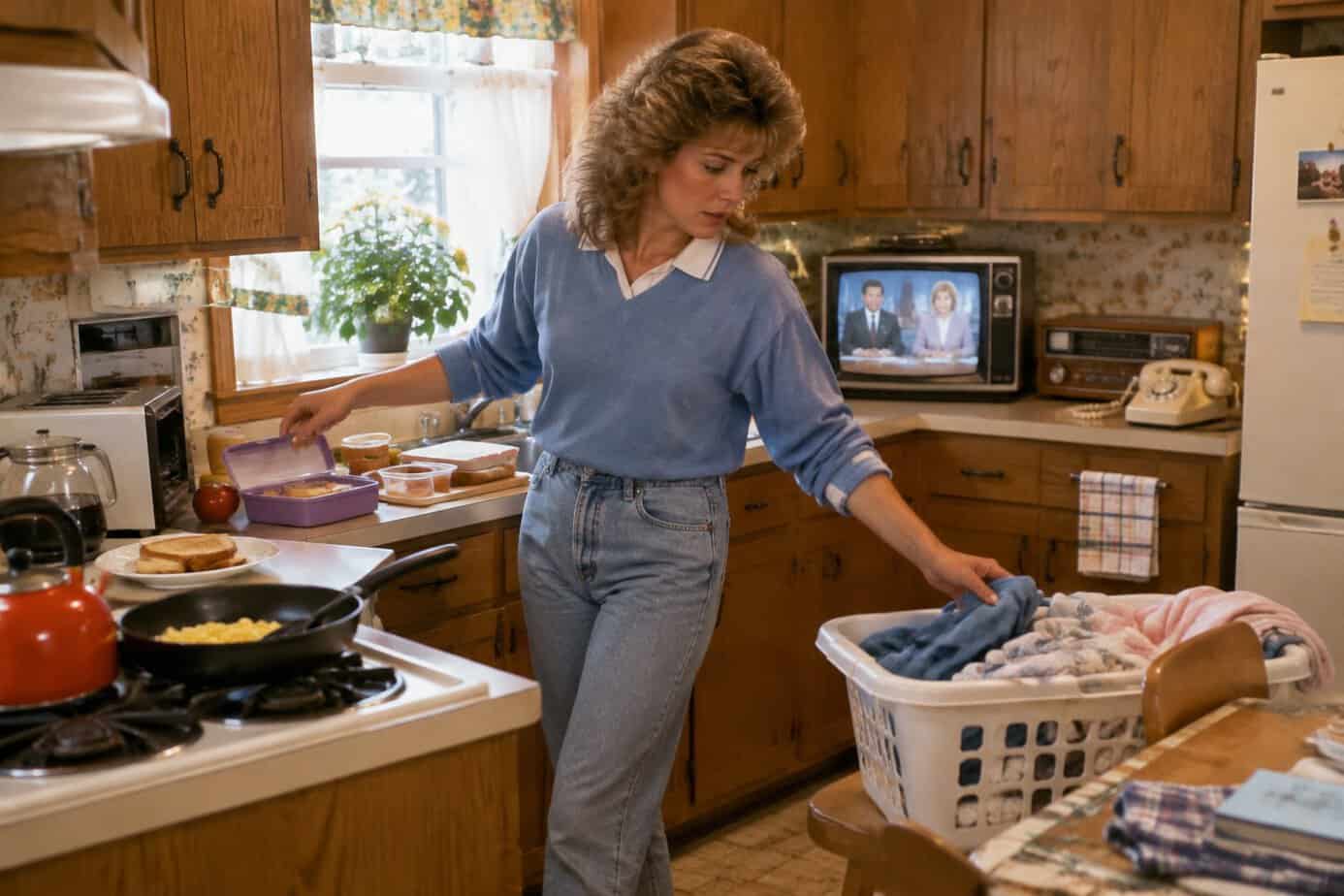
Lots of kitchens in the 1980s had a small television on the counter, and in the morning it stayed tuned to the network shows. Maybe you were a Today household, with Jane Pauley and later Bryant Gumbel. Maybe you preferred Good Morning America, with David Hartman and Joan Lunden on the couch.
You rarely sat down to watch. The TV was company while you poured cereal, wiped up spilled juice, and hunted for a missing shoe. You caught the weather report so you knew whether to send everyone out with a jacket, and you heard the headlines in bits and pieces between interruptions.
Those hosts felt like people you knew. They were there every single morning, just like you were, and somehow hearing their voices made the rush feel a little more ordinary and a little less chaotic.
3. Starting a load of laundry before the school bus came
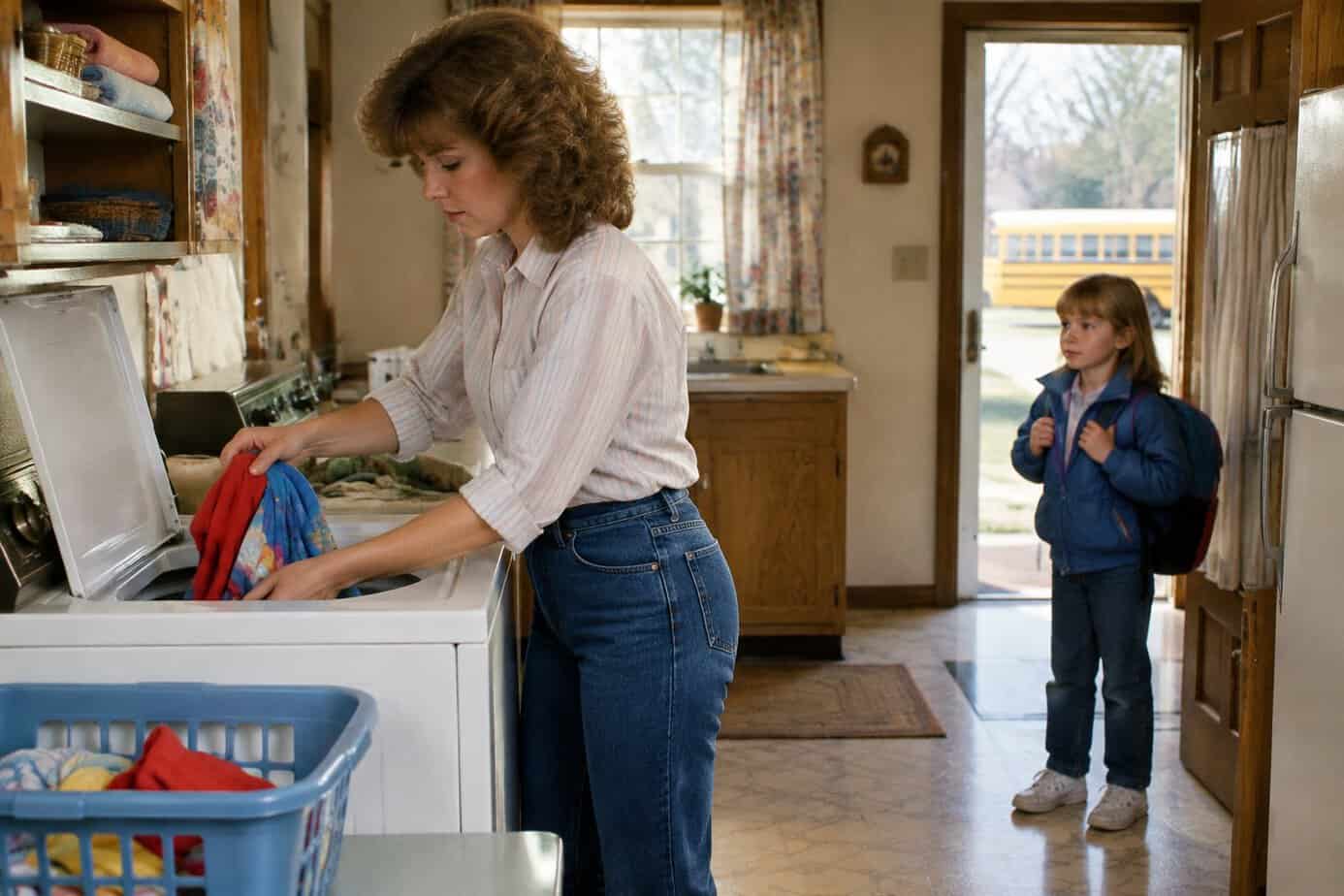
You learned early that if the washer wasn’t running by 7:30, you were already behind. So before the kids were even dressed, you had a load of towels or school clothes going in the top-loader, with a scoop of powder and maybe a cup of bleach for the whites.
Laundry for a family of four or five never really stopped. There were play clothes with grass stains, work shirts, sheets, and the gym clothes someone forgot to mention until the night before. Getting the first load in early meant it could move to the dryer by mid-morning, with a dryer sheet tossed in, and be folded before lunch.
It sounds like a small thing, but it was strategy. You were planning your whole morning around a wash cycle, and you did it without thinking twice.
4. Hot rollers and a full face of makeup by 7:30
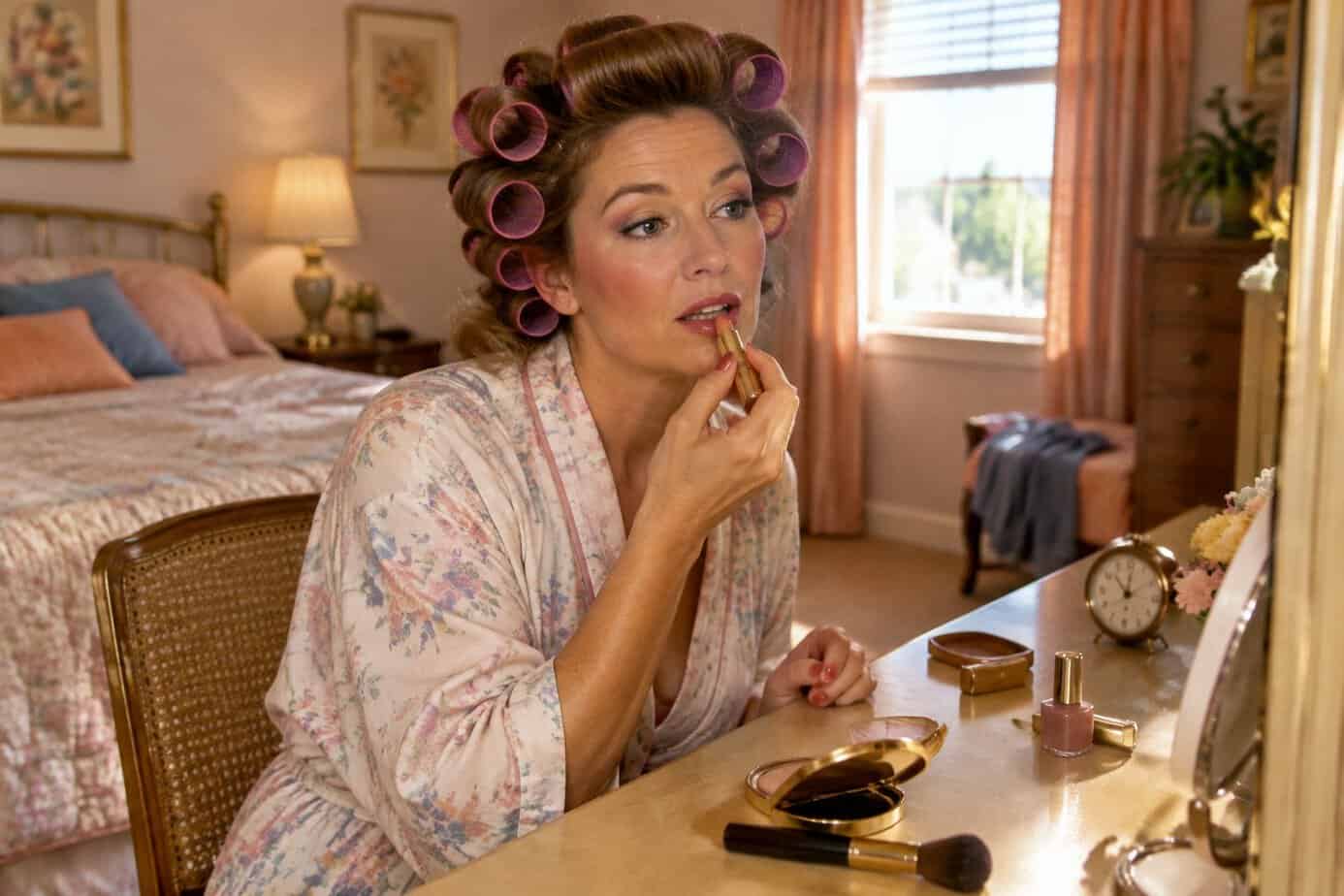
Plenty of women in the 1980s would not have dreamed of driving carpool or running into the store without their hair done. So while the kids were eating breakfast, you plugged in the hot rollers, waited for the little dots to turn color, and set your hair section by section.
While the rollers cooled, you did your makeup at the bathroom mirror or the bedroom vanity: foundation, blush, a little eyeshadow, mascara, and lipstick. Then the rollers came out, you brushed and teased the curls into shape, and finished with a good cloud of hairspray.
It took real skill to get all of that done while also answering questions through the bathroom door and settling arguments over the last of the cereal. You walked out of that house looking put together every morning, and no one ever saw how fast you had to move to manage it.
5. Carpool duty in the station wagon
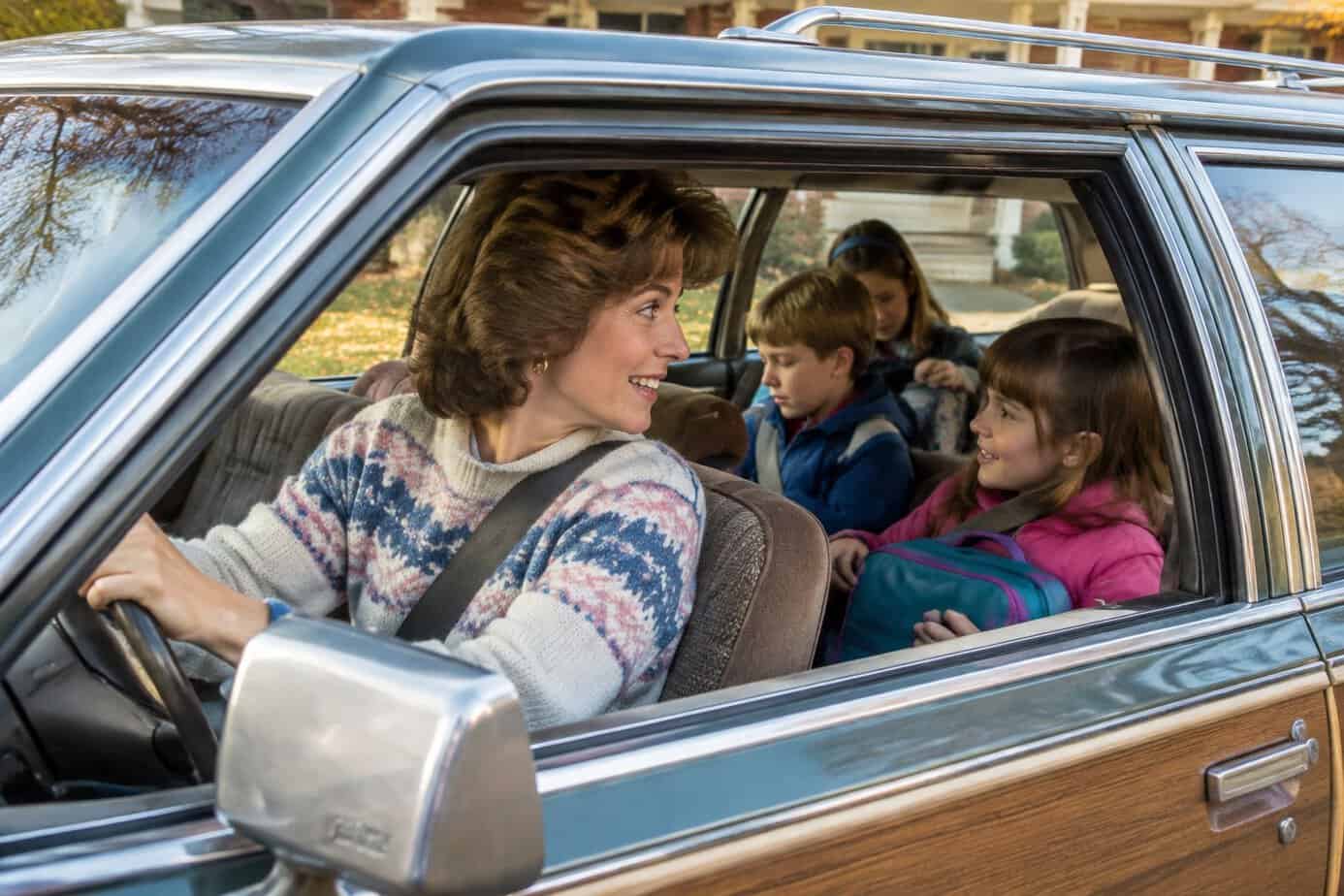
On your carpool days, the station wagon became a school bus. You backed out of the driveway, stopped at two or three houses, and waited while the neighbor kids ran out with their bookbags. Seat belts were buckled if you insisted on it, and the way-back seat was always the one everyone fought over.
Later in the decade, many families traded the wood-paneled wagon for one of the new minivans, like the Dodge Caravan or Plymouth Voyager that came out in 1984. Either way, the job was the same. You kept track of whose turn it was, who had a dentist appointment, and which child needed to be at school early for band practice.
You did it with a cup of coffee in the holder, the radio on low, and one eye on the rearview mirror. Getting five kids to school on time was its own small miracle.
6. Driving the forgotten lunch or homework back to school
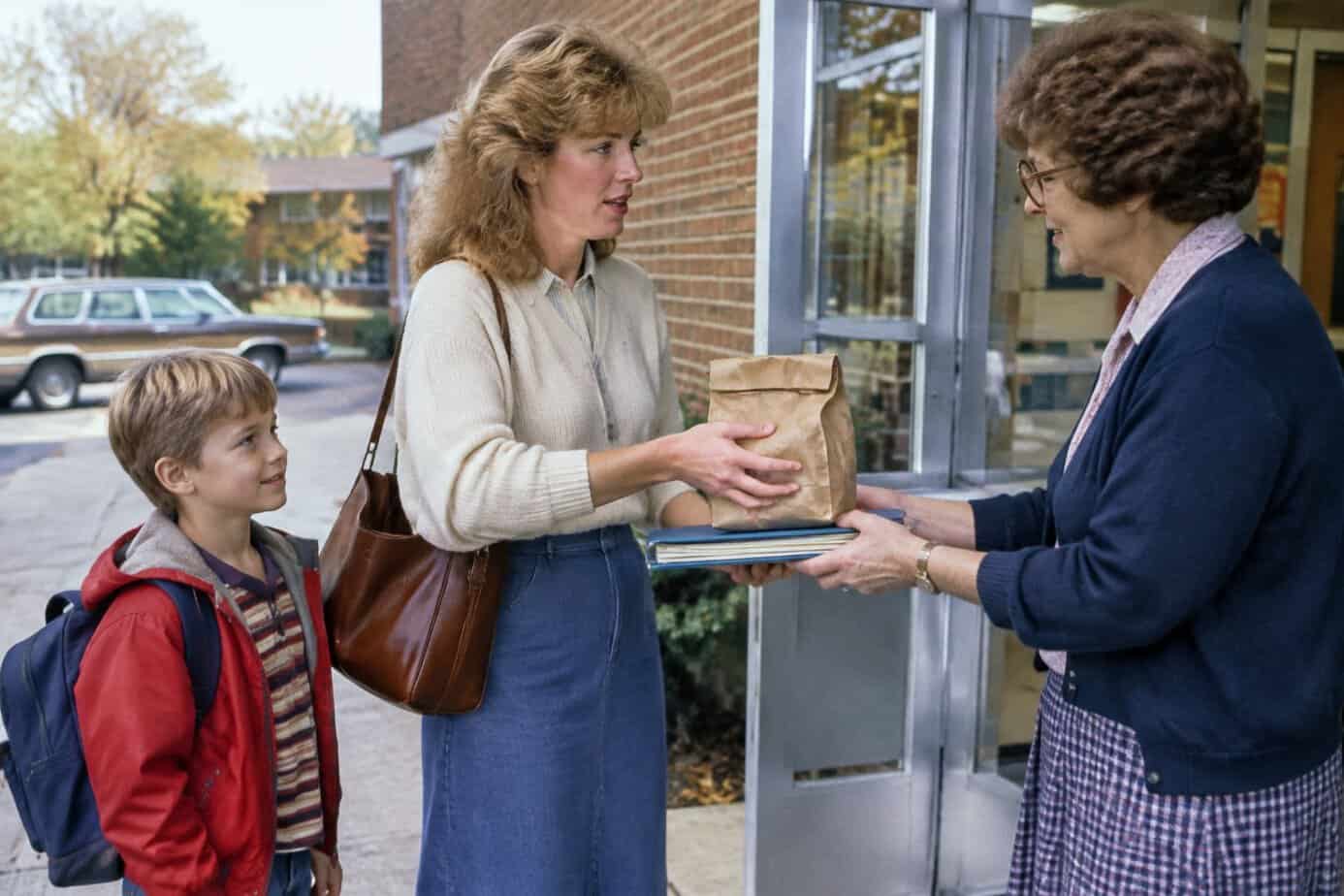
You would barely be back in the driveway when you spotted it: a lunch bag on the counter, a book report on the kitchen table, or a gym bag by the door. There was no texting anyone about it. You just grabbed your keys and drove back to school.
The front office ladies knew you well. You signed in, handed over the paper sack with a name written on it in marker, and trusted it would make it to the right classroom before lunch. Sometimes it was a permission slip or a library book that was due that day.
It was never on the schedule, but it happened often enough that you half expected it. You grumbled a little, but you went every time, because that is what you did. Then you came home and picked up right where you left off.
7. Getting the Crock-Pot going before 8
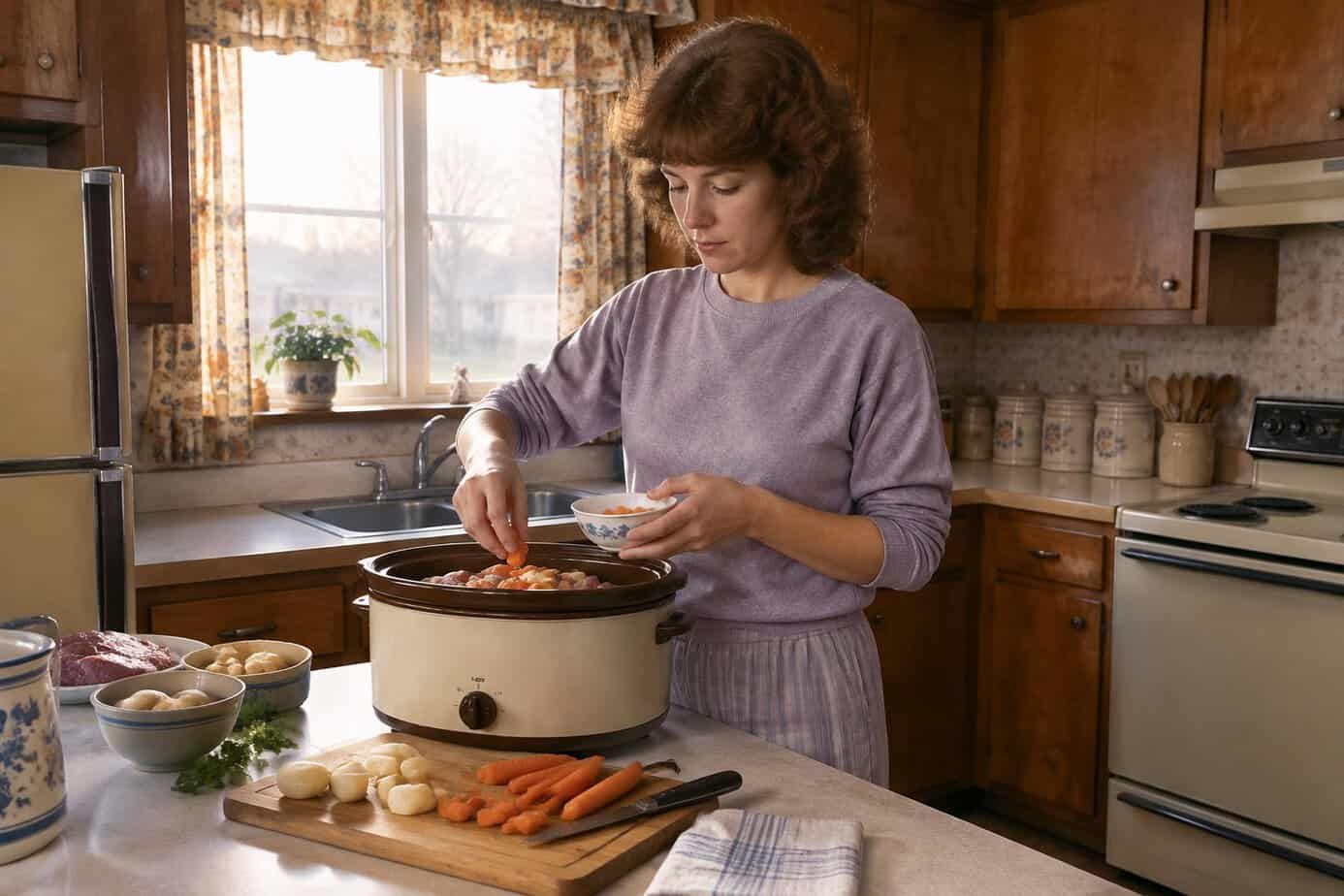
The Crock-Pot was one of the best friends a busy 1980s housewife had. Rival had introduced it in 1971, and by the 1980s it was on countless kitchen counters, some still in the harvest gold you got as a wedding gift and newer ones in almond or white with a flowered pattern on the side.
Before 8 o’clock you browned the meat, chopped the onions and carrots, and layered everything into the stoneware with a can of soup or a packet of seasoning. A pot roast, beef stew, chili, or barbecue chicken would cook all day while you did everything else. You learned to keep the lid on and resist peeking, because every lift let out the heat, which the USDA’s slow cooker guidance still warns about today.
Knowing supper was handled before the morning was half over gave you a quiet sense of satisfaction that lasted until 5 o’clock.
8. Making every bed, dust ruffle and throw pillows included
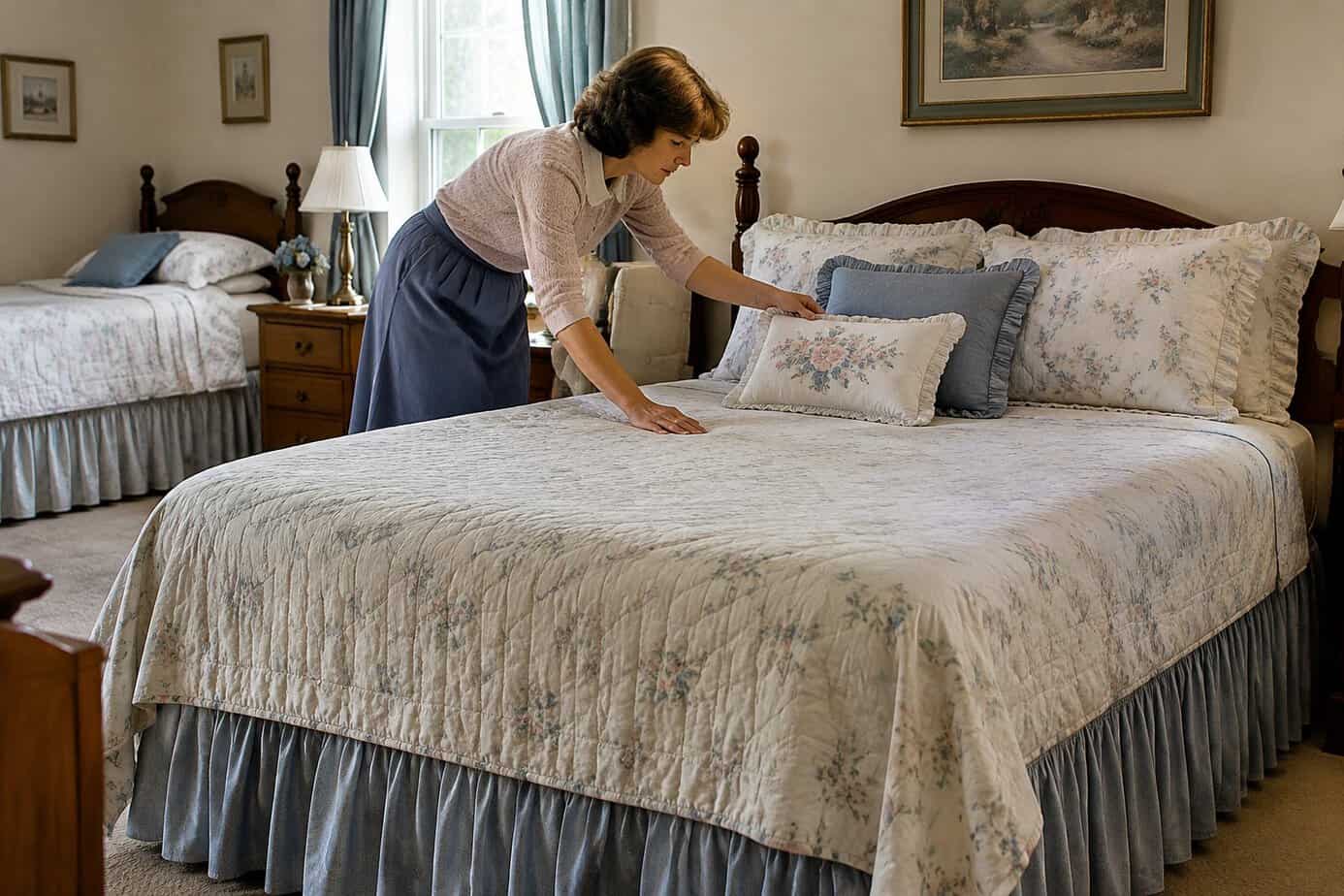
In the 1980s, a made bed was not just a pulled-up blanket. It had a dust ruffle that had to hang straight, a comforter or quilted bedspread that had to be smoothed flat, and a pile of throw pillows and shams arranged just so.
You went room to room making each one. The kids’ beds might have character sheets and a stuffed animal or two to tuck in. The master bedroom got the full treatment, with the decorative pillows lined up in the same order every day.
There was a reason you did it first thing. An unmade bed made the whole house feel messy, and a made one made it feel finished, even if the rest of the morning went sideways. You could close the bedroom doors and know that at least those rooms were done.
9. Unloading the dishwasher and loading it right back up
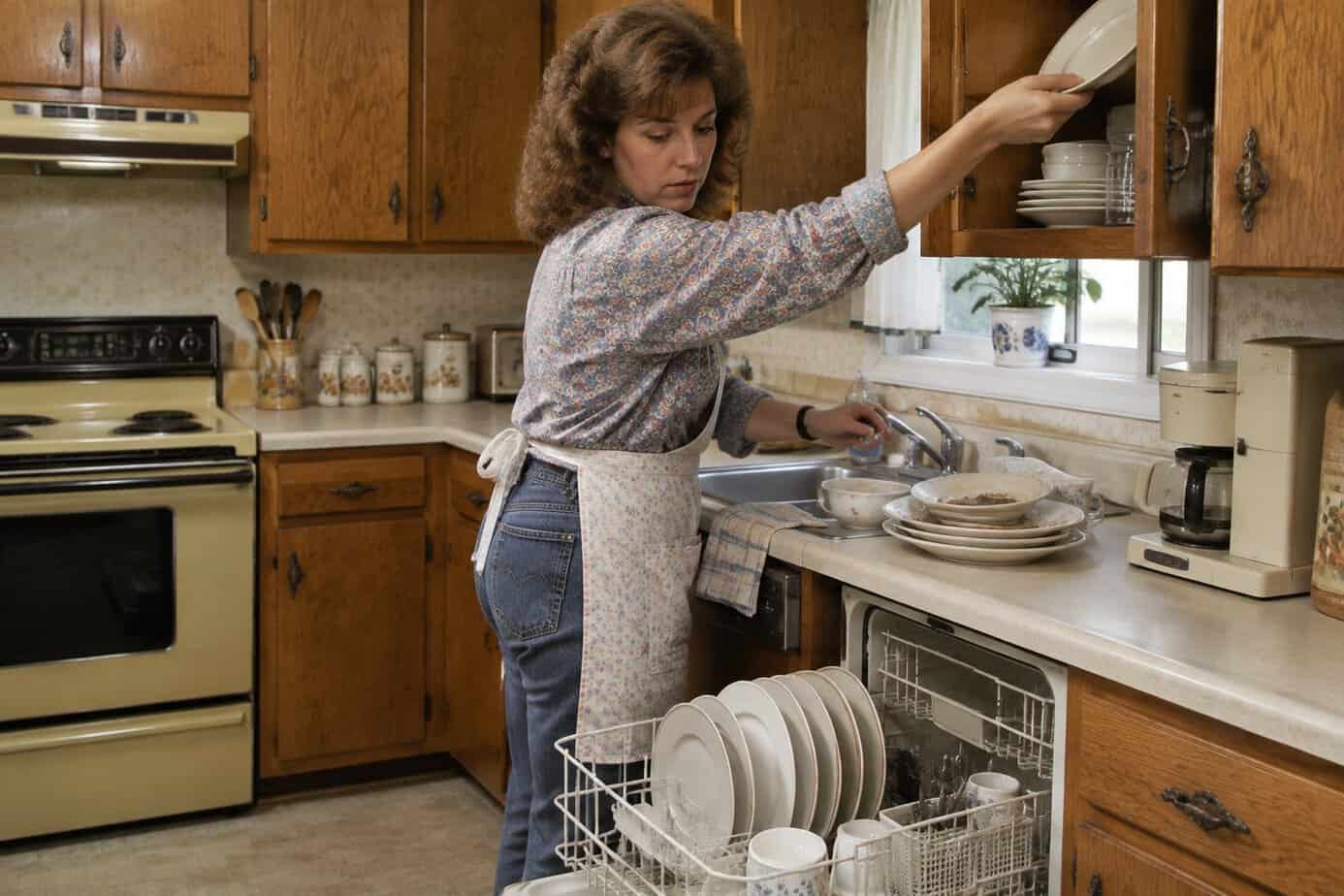
By the 1980s, more and more homes had a built-in dishwasher, and you knew exactly how that went. Last night’s load came out clean, the plates went in the cupboard, the glasses went on the shelf, and the silverware got sorted into the drawer.
Then breakfast happened. Cereal bowls, juice glasses, coffee mugs, a frying pan, and sticky spoons all needed somewhere to go. So the empty dishwasher started filling right back up before you had even wiped the counter.
You had opinions about how it should be loaded, too. Glasses on top, plates facing the middle, pots rinsed first because the machine could only do so much. Anyone else who tried to help usually got it wrong. It was a small, endless loop, but finishing it each morning meant the kitchen was clear for the rest of the day.
10. Windexing fingerprints off the sliding glass door
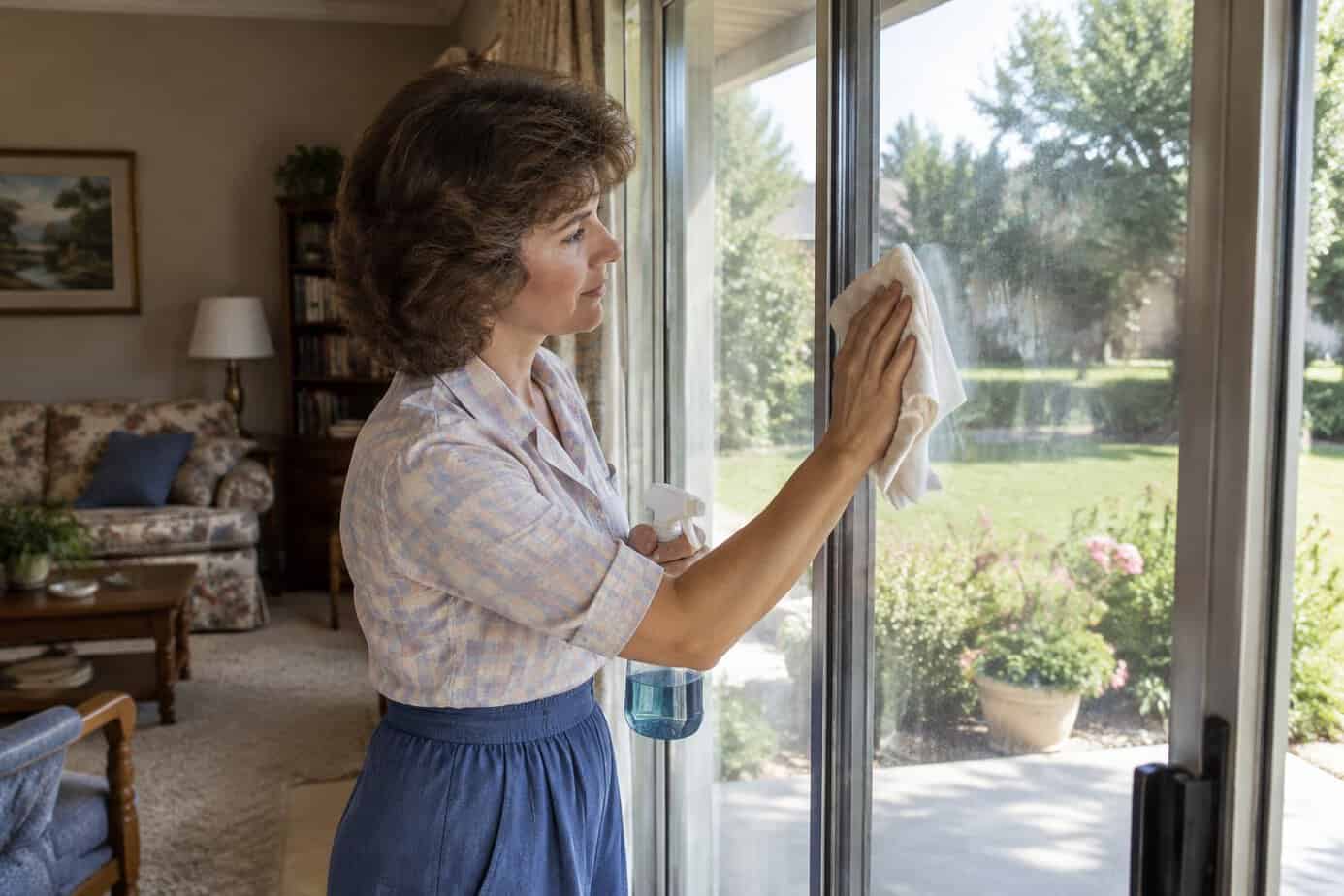
If your house had a sliding glass door to the patio, you know the morning ritual. Little handprints, nose prints from the dog, and smudges at exactly the height of a 5-year-old appeared on that glass every single day.
Out came the blue bottle of Windex and a roll of paper towels, or an old cloth diaper if you swore by them for streak-free glass. You sprayed, wiped in circles, then checked it from an angle against the morning light to catch what you missed.
The same treatment went to the storm door, the bathroom mirror, and the glass top of the coffee table if you had one. Nobody else ever seemed to notice that the glass was clean. But you noticed the minute it wasn’t, and so it was done again the next morning, and the morning after that.
11. Vacuuming neat lines into the wall-to-wall carpet
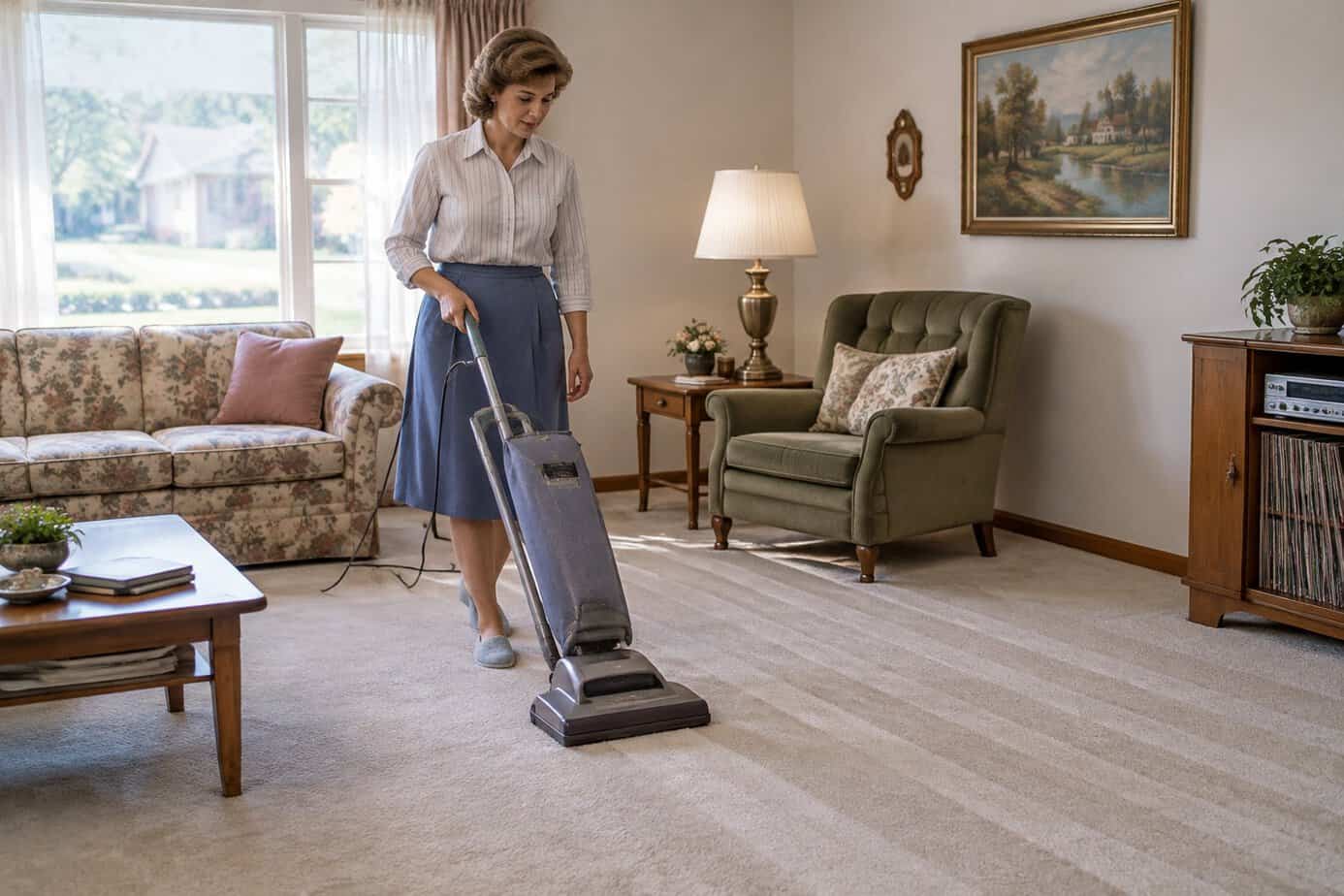
Wall-to-wall carpet was everywhere in 1980s homes, from the living room to the hallway to the bedrooms. Some of it was plush, some was still the shag from the decade before, and almost all of it showed every footprint.
So you hauled out the upright vacuum, wrestled with the long cord, and went over the main rooms most mornings. If you did it right, the carpet ended up with those satisfying straight lines running across it. Some women even backed out of the room so they would not leave footprints on a freshly vacuumed floor.
It was not quick work. You moved the coffee table, ran the attachments along the baseboards, and emptied the bag when it got full. But when you were finished and the room looked brand new, it was one of the most rewarding sights in the house, at least until somebody walked across it.
12. Letting Sesame Street buy you an hour with the little one
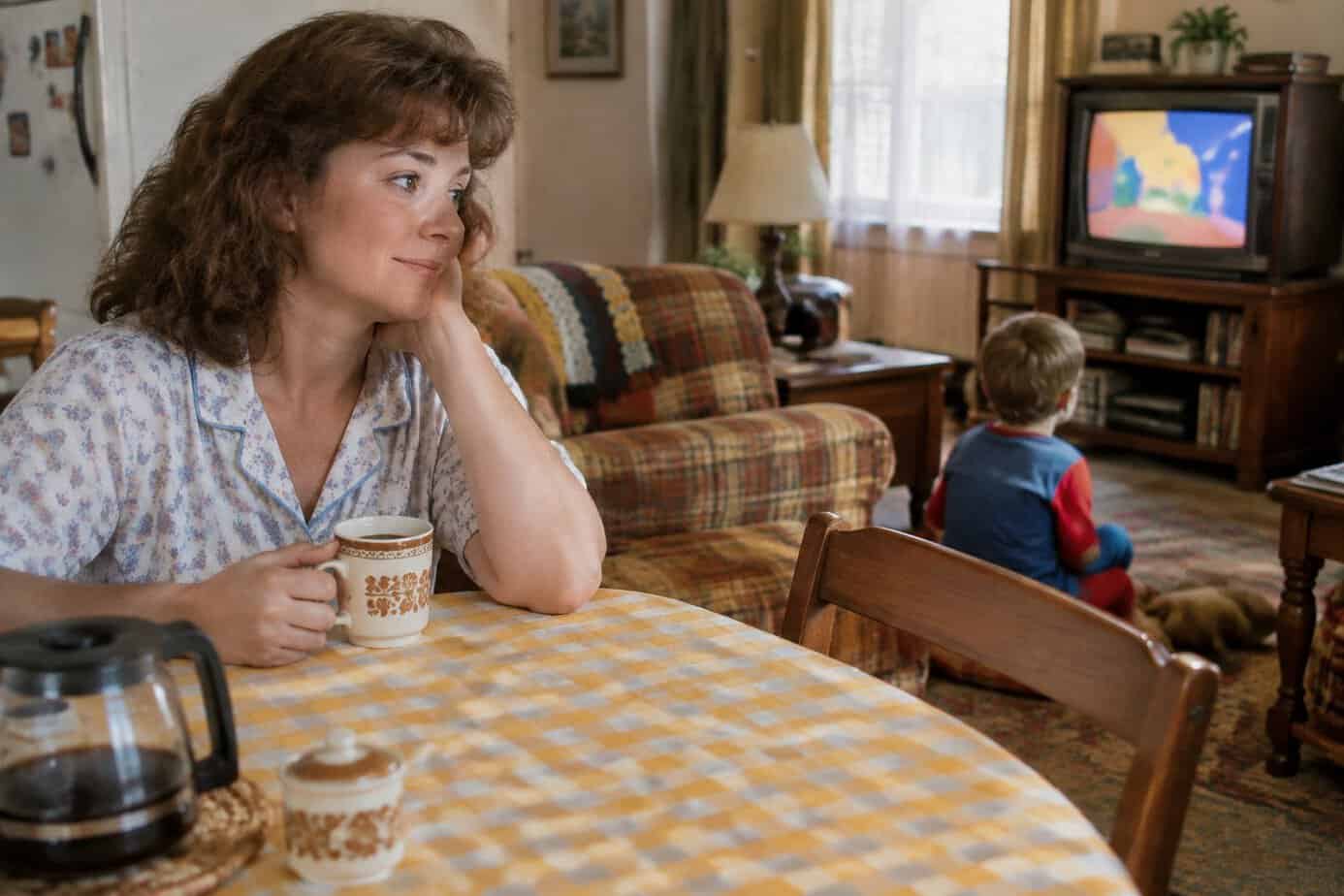
If you had a preschooler at home, you knew that public television was one of your most valuable tools. Sesame Street had been on the air since its debut in 1969, and by the 1980s PBS stations often ran it in the morning, along with Mister Rogers’ Neighborhood.
You sat the little one in front of Big Bird and the Count with a sippy cup and some crackers, and you got to work. In that hour you could fold a load of towels, scrub the bathroom, or make a few phone calls without interruption.
You never felt guilty about it, either. The show was teaching letters and numbers, and you were right there in the next room. Every so often you caught yourself humming a song from it while you worked, which made it feel a little like a break for both of you.
13. Doing Jane Fonda’s Workout in the living room

When Jane Fonda’s Workout came out on videotape in 1982, it changed what a lot of women did with their mornings. Once the kids were out the door, you pushed the coffee table aside, put the tape in the VCR, and got down on the carpet in your leotard, tights, and leg warmers.
The routine was tougher than it looked. There were leg lifts, arm circles, and plenty of repetitions while Jane encouraged you to keep going. You learned the order of the moves by heart, because you did the same tape day after day, rewinding it at the end to be ready for tomorrow.
For many women, it was the first time exercise was something you could do at home, on your own time, without a gym membership. And it was squeezed in between the breakfast dishes and the grocery list, which made it even more of an accomplishment.
14. Jazzercise class at the church hall
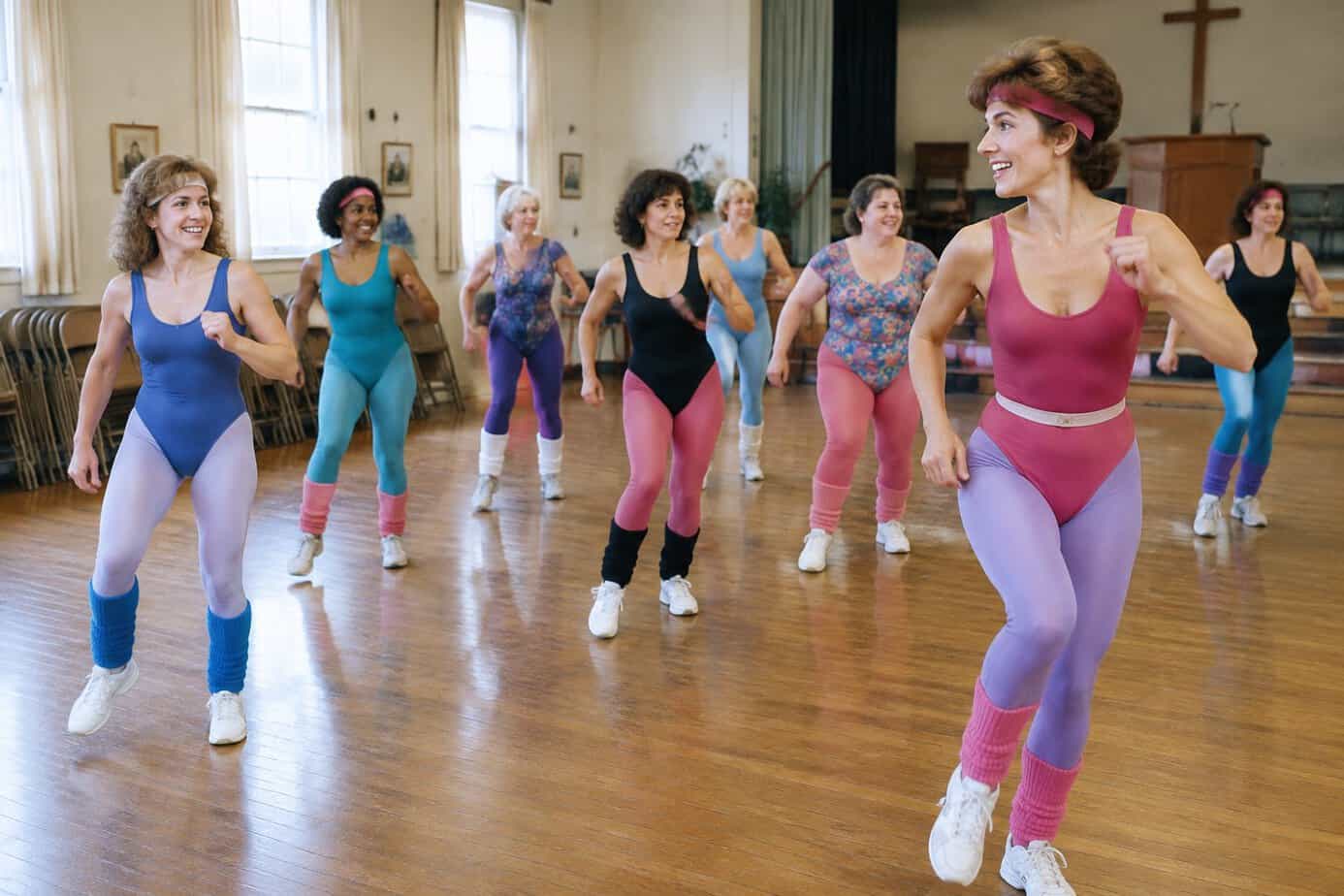
If you preferred company while you sweated, there was Jazzercise. Judi Sheppard Missett started it in 1969, and by the 1980s classes were popping up in church fellowship halls, school gyms, and community centers all over the country.
Morning classes were full of women just like you. You showed up in a bright leotard and sneakers, found your spot on the floor, and followed the instructor through dance routines set to the popular songs on the radio. It was part workout and part party, and everybody was a little out of breath by the end.
The best part was often afterward, standing around in the parking lot talking with the other women before you all went back to your errands. You came home sweaty, cheerful, and ready for a shower, with the rest of your morning still ahead of you.
15. Power walking the neighborhood with hand weights and a Walkman

By the mid-1980s, power walking was a real craze, and you may have been part of it. You laced up your white sneakers, put on a matching tracksuit, and clipped a Sony Walkman to your waistband. The Walkman had come to the United States in 1980, and suddenly you could take your favorite cassette with you anywhere.
Some women carried small hand weights and pumped their arms as they walked. Others met a neighbor at the corner and walked together, talking the whole way around the block a few times.
It was exercise that fit right into the morning. You could go right after the school drop-off, wave to people out getting their mail, and be back home in 30 minutes. It cleared your head, got your heart going, and gave you a little time outdoors before the rest of the chores were waiting for you.
16. Watching Donahue with your second cup of coffee
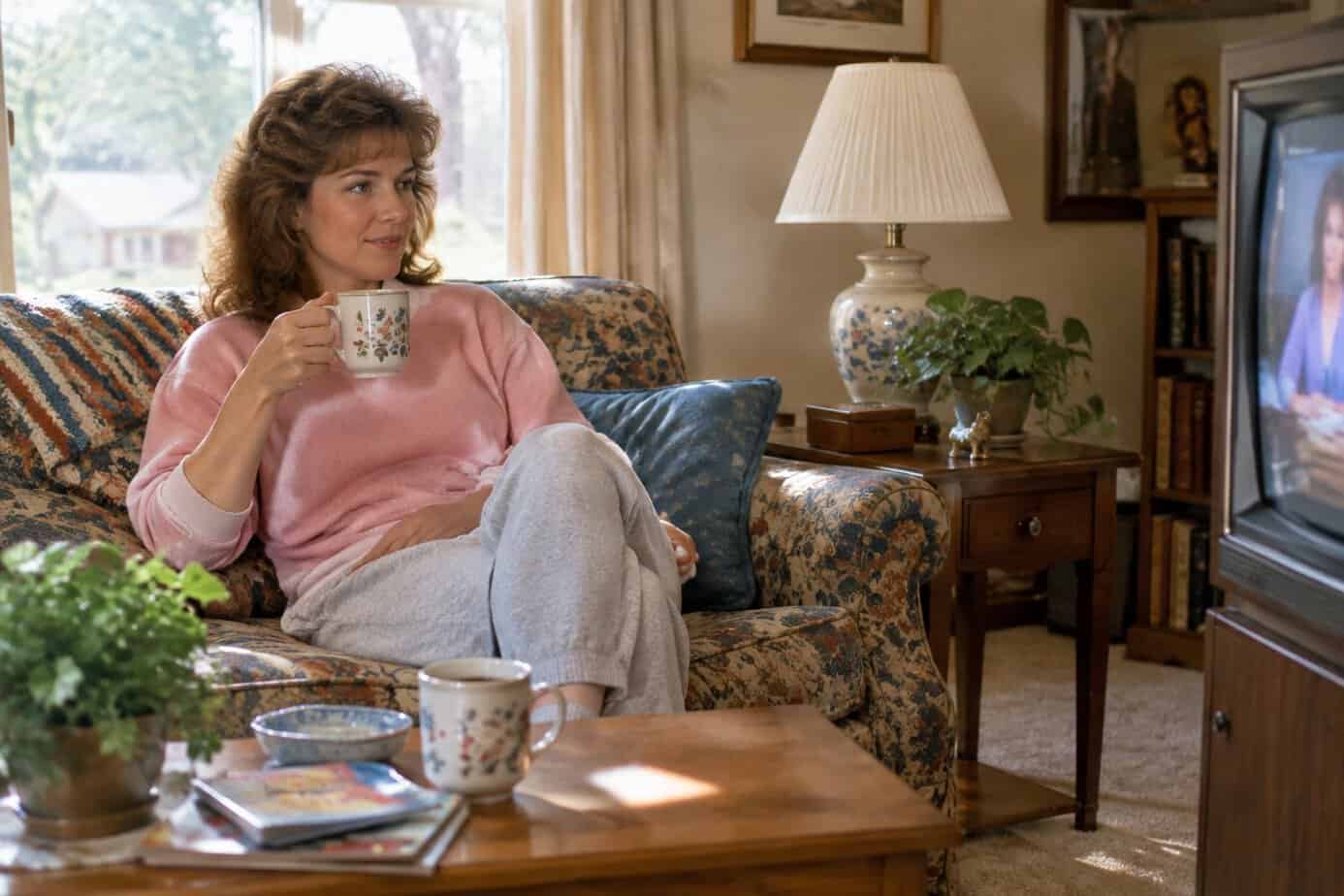
Once the morning rush was over, a lot of women sat down for a few minutes with The Phil Donahue Show. It aired in the morning in many cities, and it was unlike anything else on TV at the time.
Phil walked up and down the aisles of the studio audience with his microphone, letting regular women ask the guests questions. The topics could be serious or surprising, and you often found yourself talking back to the television while you sipped your coffee.
Sometimes you watched while folding a basket of towels or mending a hem on the couch. Sometimes you actually sat still for a few minutes, which felt like a treat. Either way, it gave you something to talk about with your friends later on the phone. It was a little window into the bigger world, right there between the vacuuming and the errands.
17. Reheating that same cup of coffee in the microwave three times
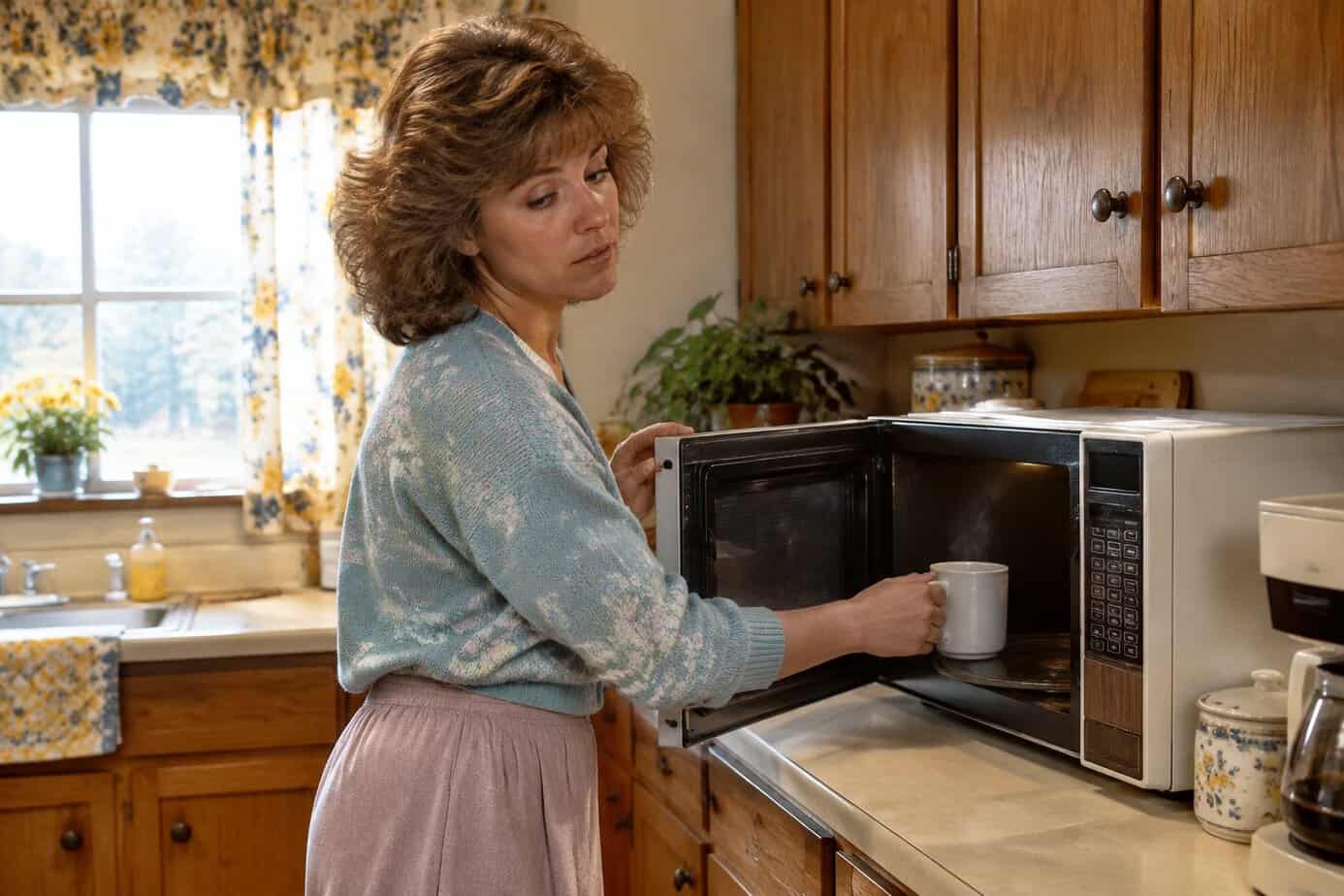
The microwave oven became a regular part of the American kitchen during the 1980s, and you found one use for it right away. You poured a cup of coffee, set it down, and then got pulled away by the phone, the dryer buzzer, or a child who needed something.
By the time you came back, it was cold. So into the microwave it went for 30 seconds. Then the doorbell rang, and the whole thing happened again. Some mornings that same cup made three or four trips before you ever finished it.
You also used the microwave to warm up leftovers and soften butter, and you probably remember the warnings about standing too close to it while it ran. The FDA has long regulated microwave ovens for safety. But mostly, it was the machine that saved your coffee.
18. Stretching the long phone cord all over the kitchen while you worked
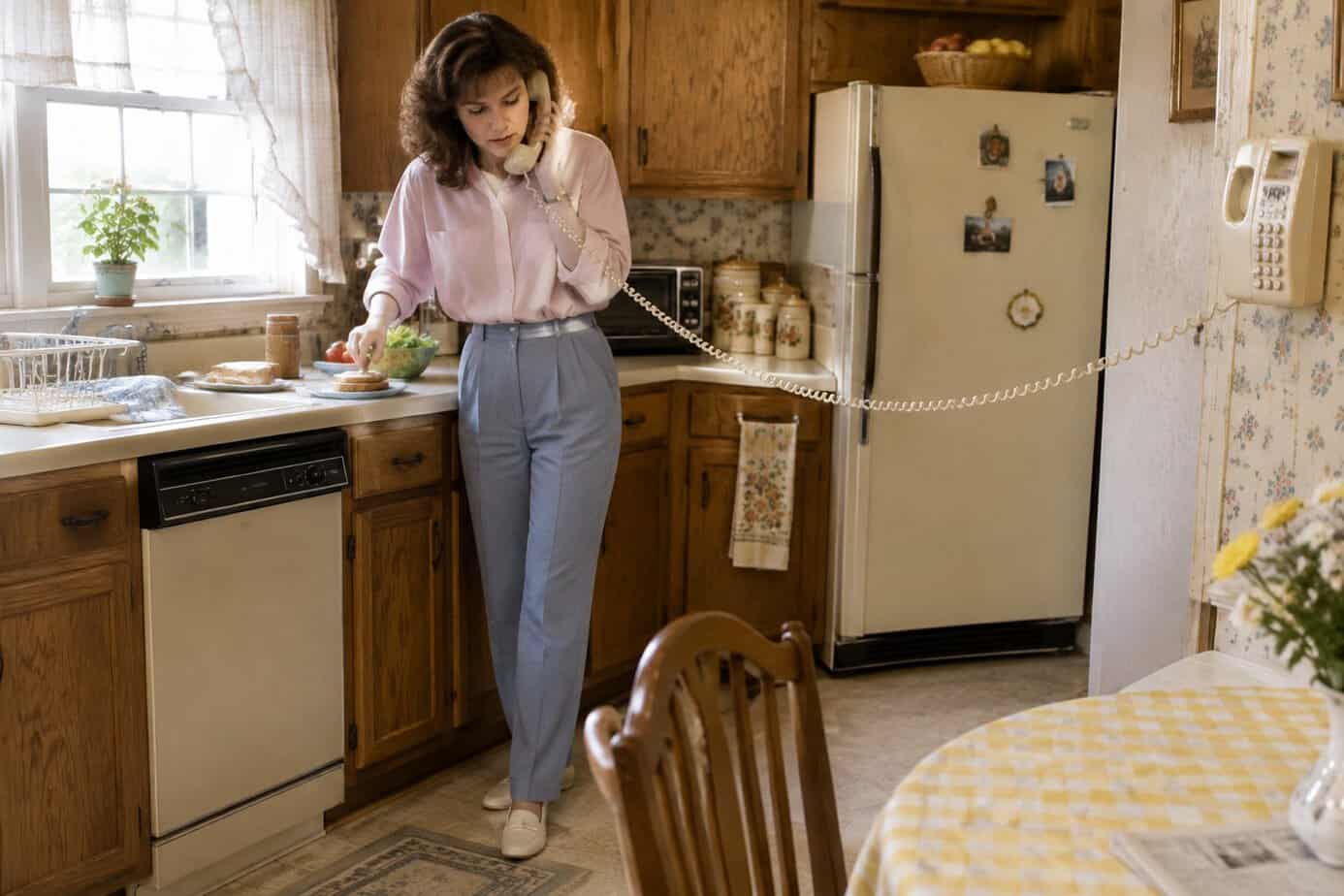
The kitchen wall phone was the command center of the house, and in the 1980s a lot of women bought the longest cord they could find. That stretchy coiled cord let you walk from the phone to the stove, the sink, and the refrigerator while you talked.
So you cooked, wiped down counters, and unloaded groceries with the receiver tucked between your ear and shoulder. You called the school, the pediatrician, your sister, and the other mothers about who was driving on Thursday. The cord got tangled, stretched out, and wrapped around chairs, and the kids had to duck under it to get through the room.
Nobody thought of it as multitasking. It was simply how you got through the morning’s calls and the morning’s chores at the same time, without ever leaving the kitchen.
19. Banking through the drive-through tube
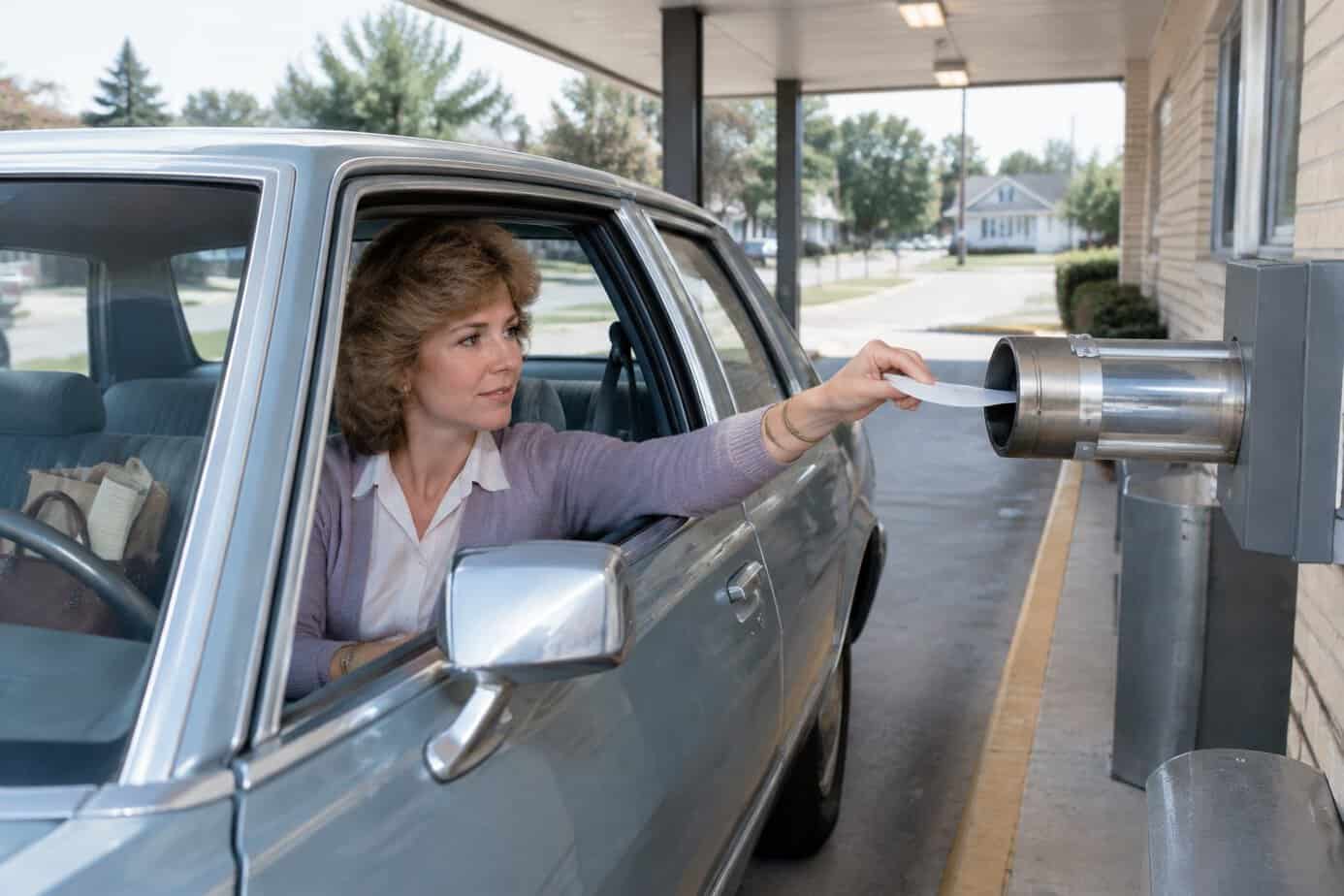
Going to the bank was a regular part of the morning, and in the 1980s the drive-through made it much quicker. You pulled up in the lane, the teller waved through the window, and you sent your deposit slip and check through the pneumatic tube.
There was something satisfying about the whoosh as the canister shot away. A few minutes later it came back with your cash, your receipt, and sometimes a lollipop for the kids or a dog biscuit for the dog in the back seat.
ATMs were spreading during the decade, but many women still preferred dealing with a real teller who knew their name. You might be cashing a check for grocery money, making a deposit, or getting a roll of quarters for parking meters and the school milk money. It was one stop on a long list, and you had it down to a science.
20. Pumping your own gas at the new self-serve

For years, a man in a uniform had filled your tank, checked your oil, and washed your windshield. By the 1980s, more and more stations had switched to self-serve to save money, and in most states you were now doing it yourself.
So you pulled up to the pump, figured out which side the gas cap was on, and stood in the cold or heat holding the nozzle. Many stations still made you go inside to pay first, so you left the kids in the car with the windows cracked and ran in to hand the cashier a few bills.
It was one more job that had landed on your list. You learned how to read the gauge, wipe your hands on a paper towel, and get back on the road. Some full-service lanes were still around, but self-serve was cheaper, and you were always watching the budget.
21. Returning the VHS tapes, rewound, before the late fee
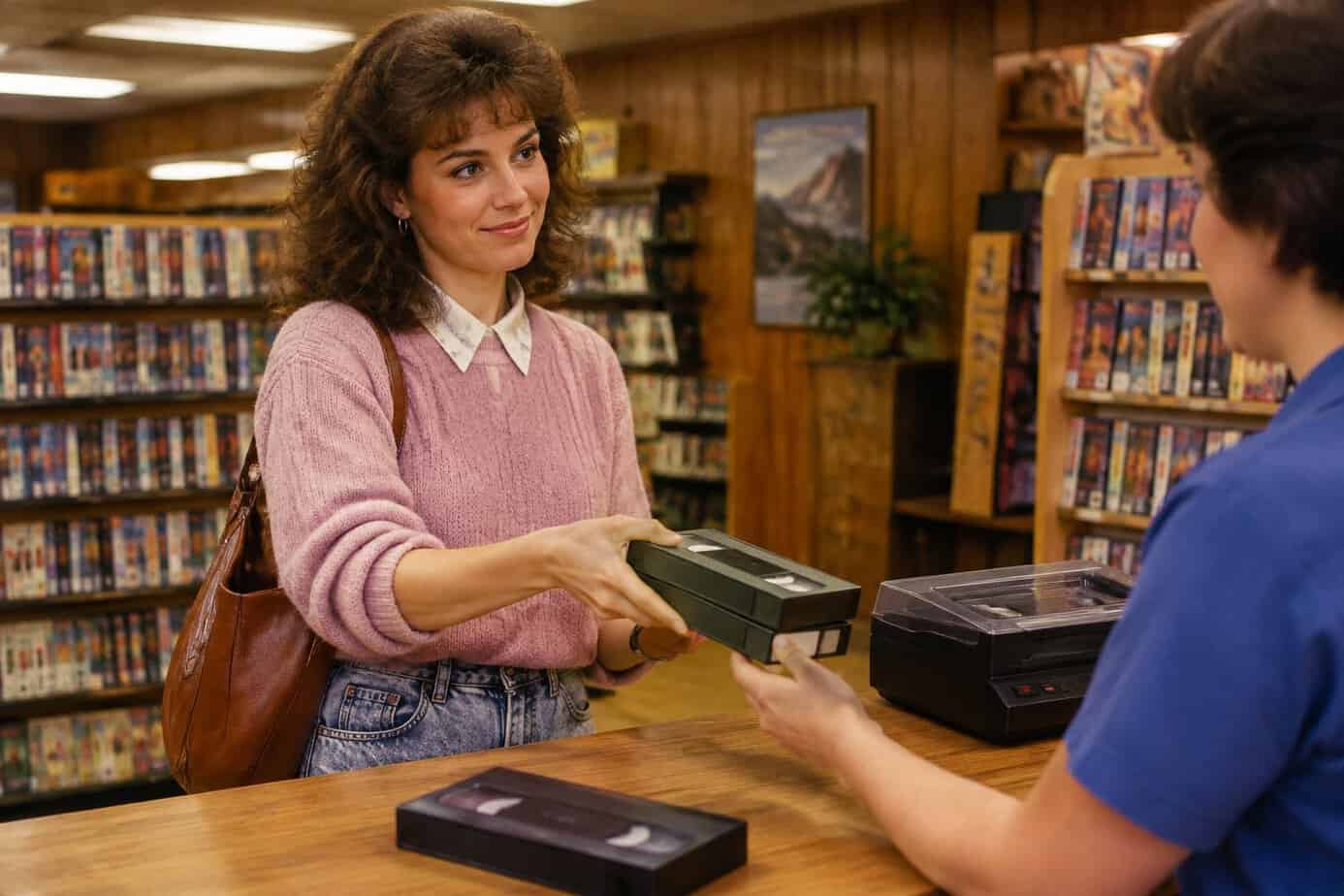
Renting movies for the weekend was a big part of 1980s family life, and returning them was your job. Video rental stores opened in strip malls everywhere, and by the end of the decade chains like Blockbuster were spreading fast.
The tapes were usually due back by a certain time, and the late fees added up quickly. So on Monday morning you gathered the cases from around the TV, checked that every tape was actually inside, and made sure each one was rewound. Many stores put “Be Kind, Rewind” stickers on the tapes and could charge extra if you forgot.
You dropped them in the return slot or handed them over the counter, and maybe browsed the new releases on the wall while you were there. It was a quick errand, but forgetting it meant paying more than the rental cost, and you were not about to let that happen.
22. The big weekly grocery run and paper or plastic
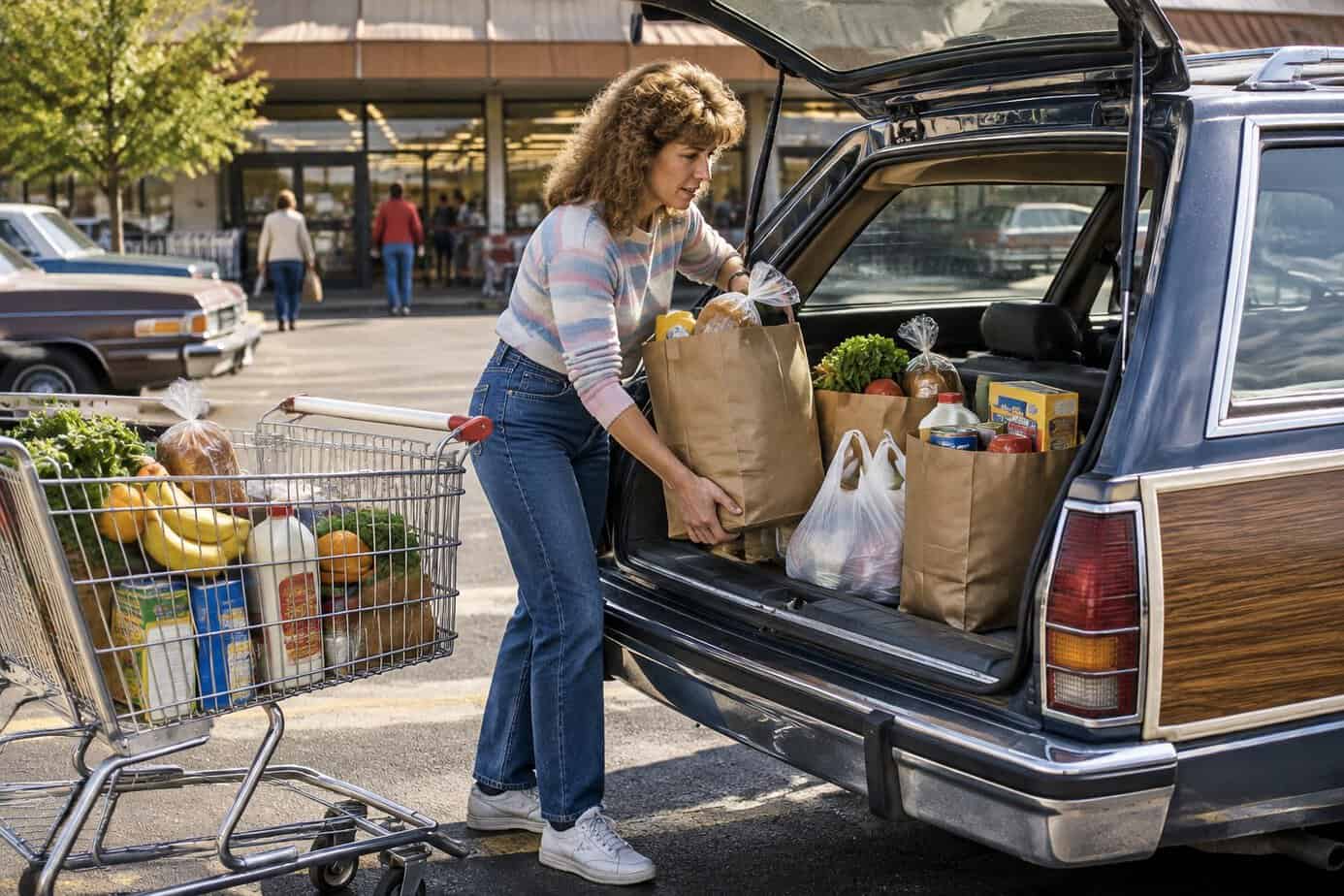
The weekly grocery trip was one of the biggest jobs of the week, and many women did it on a weekday morning when the store was quiet. You took your list, your checkbook, and sometimes a toddler riding in the cart seat, and you went aisle by aisle.
You were buying for a whole family for a whole week: gallons of milk, loaves of bread, ground beef, cereal, canned vegetables, lunchbox snacks, and whatever was on sale. The cart was often heaped full by the time you reached the register.
It was in the early 1980s that big supermarket chains began offering plastic grocery bags, and suddenly the bagger was asking, “Paper or plastic?” You had your preference and stuck to it. Then came the hardest part, loading everything into the car, driving home before the ice cream melted, and carrying it all inside in as few trips as possible.
23. A Gymboree or Mommy and Me class with the toddler

If you had a little one at home, there was a good chance you spent at least one morning a week at a play class. Gymboree had started in California in 1976 and spread through the 1980s, and many community centers, YMCAs, and churches offered their own Mommy and Me classes.
You sat on the floor with your toddler, sang songs, waved parachutes, and helped them climb over colorful foam shapes. It was meant to be good for the children, but it was just as good for you.
The other mothers in that room became some of your closest friends. You traded tips about teething, potty training, and which pediatrician was best, and you made plans for playdates. After a morning of chores, it was a chance to be around other grown-ups who understood exactly what your days looked like.
24. Volunteering at the school book fair
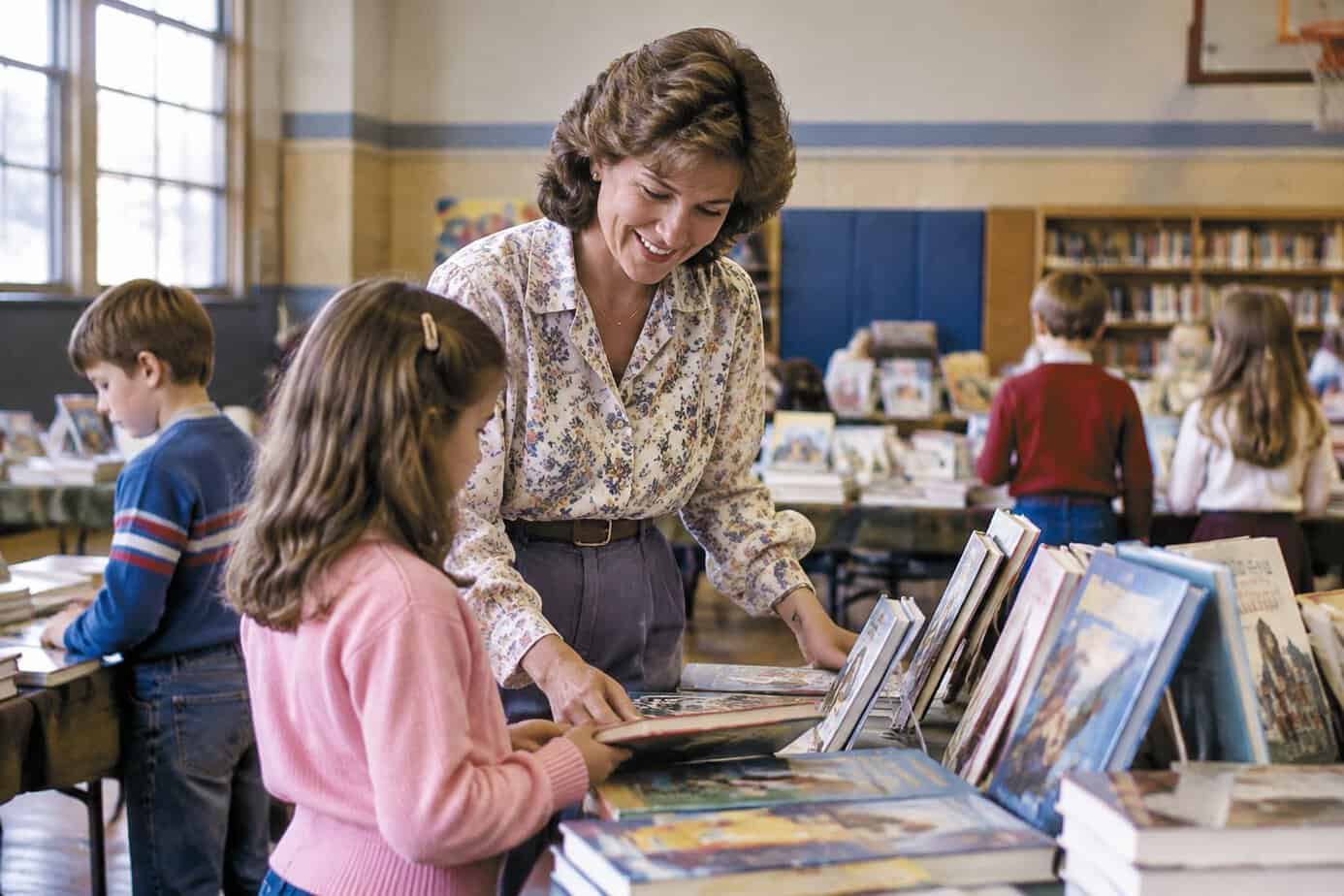
When the school book fair came around, someone had to run it, and very often that someone was you. You showed up in the morning to set up tables in the library, unpack boxes of paperbacks, and arrange the posters, bookmarks, and fancy erasers that every child wanted.
During the day you worked the register, made change from a metal cash box, and helped kids figure out whether they had enough money for the book they had picked out. You also kept a quiet eye on the ones who came without any money at all.
It was unpaid work, and it took several mornings in a row. But you loved seeing the children excited about books, and it gave you a chance to see your own kids in their classroom world. When it was over, you went home, put your feet up for five minutes, and started on the rest of your list.
25. Ladies’ Bible study on a weekday morning
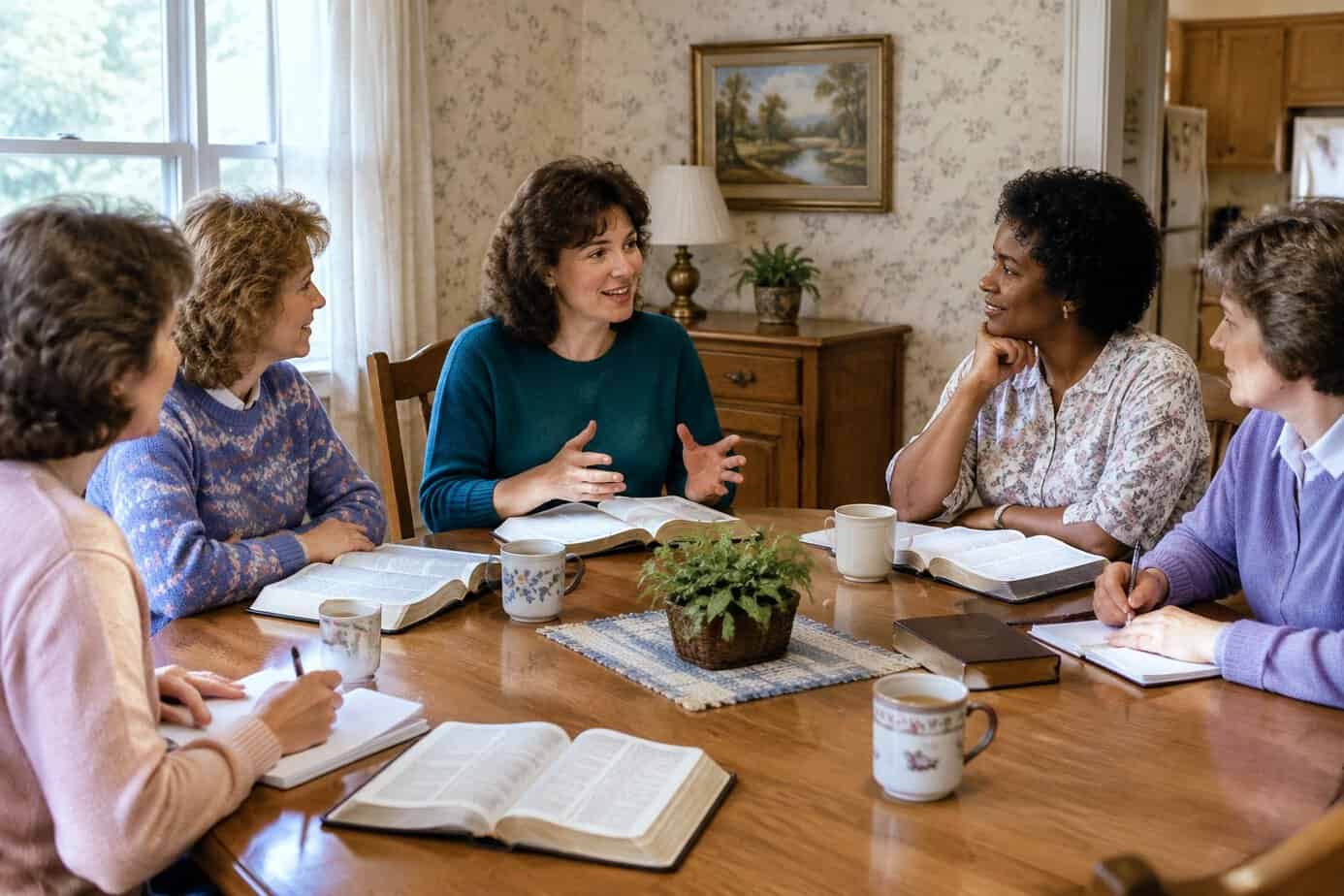
For many women in the 1980s, one morning a week belonged to Bible study. It might meet in the church fellowship hall or around someone’s dining room table, and there was almost always a pot of coffee and a coffee cake in the middle.
You brought your Bible, your study book, and sometimes a baby who slept in a carrier at your feet. You read a passage together, worked through the questions, and talked about how it fit into your own lives as wives and mothers.
The group was also where you shared prayer requests, heard about who was sick or had a new baby, and organized meals for families who needed them. It was spiritual, social, and practical all at once. You came home feeling steadier and more connected, and that feeling usually carried you right through the rest of the week’s mornings.
26. The Price Is Right at 11 o’clock
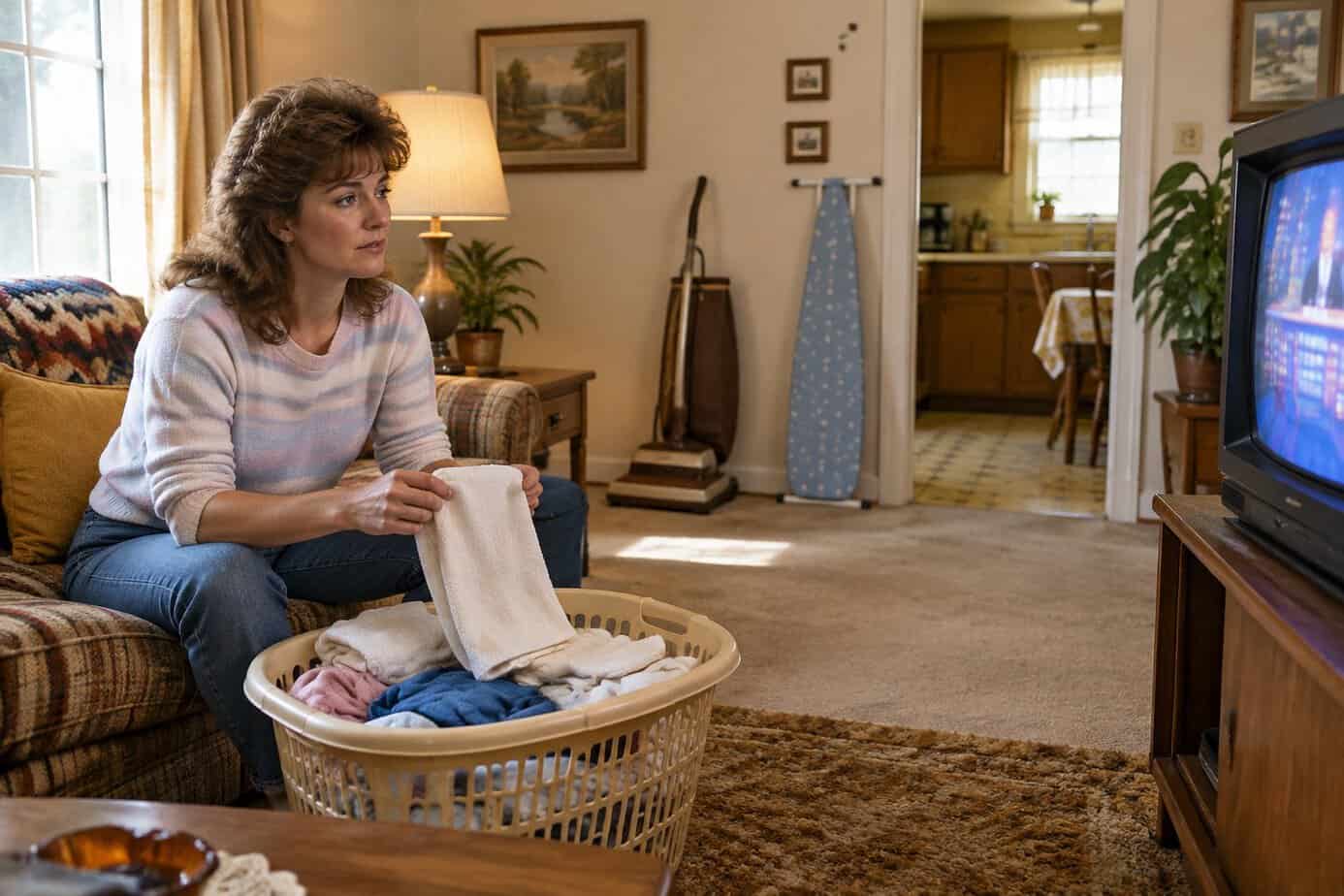
By late morning, the TV was back on, and for millions of women that meant The Price Is Right. It aired on CBS at 11 a.m. in much of the country, with Bob Barker as the host.
You might have been folding laundry, starting lunch, or ironing while you watched, but you always stopped to shout out your guess. You knew what a box of detergent or a can of coffee cost far better than most of the contestants, and you were often right. Plinko, the Showcase, and contestants running down the aisle in their homemade T-shirts were all part of it.
It was one of the few things in the morning that was just fun. It also meant that noon was coming, and with it lunch, nap time, and maybe a moment to sit down. If you had already done everything else on this list, you had more than earned it.
27. Grilled cheese and tomato soup for the little one at 11:30
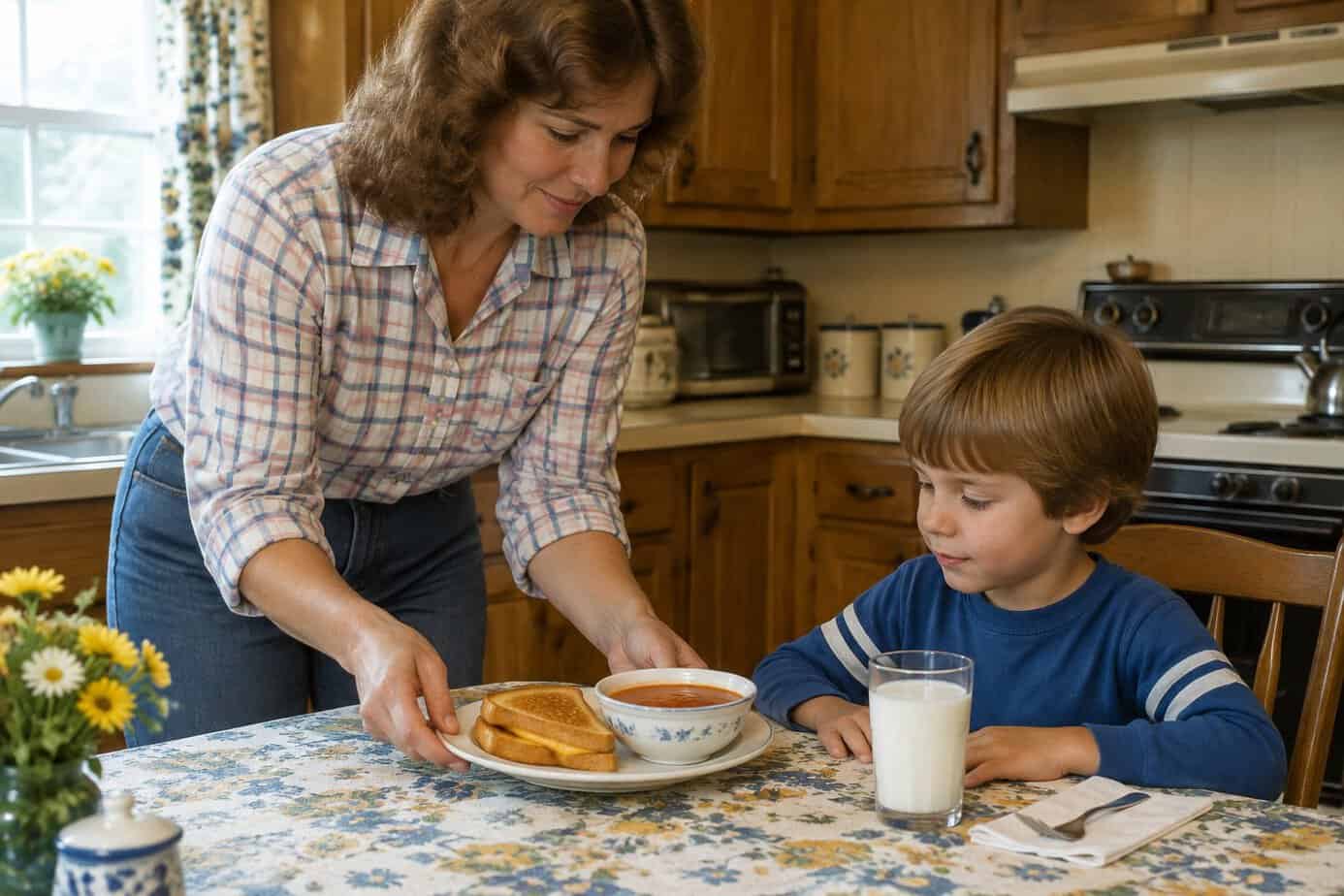
Lunch for a preschooler came early, and in a lot of 1980s homes it was grilled cheese and a bowl of Campbell’s tomato soup. You buttered the bread, laid a slice of American cheese in the middle, and fried it in the skillet until it was golden, then cut it into triangles because that was the only way it would be eaten.
You set it on a plastic plate with a glass of milk and maybe a few apple slices. If you were lucky, you got to eat the crusts and the leftover half a sandwich standing at the counter.
Then came washing faces, tucking in for a nap, and finally a little quiet. The clock said noon, but you had already put in a full day’s work. And after lunch, of course, the second half of your day was waiting.
Why Those Mornings Mattered
You ran a whole household before lunch
Look back at that list and it is easy to see why women today are amazed. In a single morning you were a cook, a driver, a cleaner, a banker, a nurse, a volunteer, and a fitness enthusiast. You did it without a smartphone, without grocery delivery, and without anyone handing you a schedule.
Nobody gave you credit, but you knew
Most of what you did was invisible to everyone else. A clean house, a hot supper, and kids who got where they needed to be looked effortless to the people who benefited. But you knew how much planning and energy went into it, and you can be proud of every bit of it.
Share Your Mornings
What would you add to the list?
Every household had its own routine. Maybe your mornings included a garden you weeded before the heat set in, a neighbor you checked on every day, or a part-time job you hurried to after drop-off. Think about what made your mornings yours, and share those memories with the younger women in your family.
More memories from those years
If this list brought back memories, you might also enjoy the little things 1980s moms did every day and the skills every 1970s housewife knew how to do. They are a reminder of just how much you were carrying, and how well you carried it.