31 Moments That Made Growing Up in the 1980s Feel Like the Luckiest Childhood Ever: A Nostalgic Journey Through an Iconic Decade
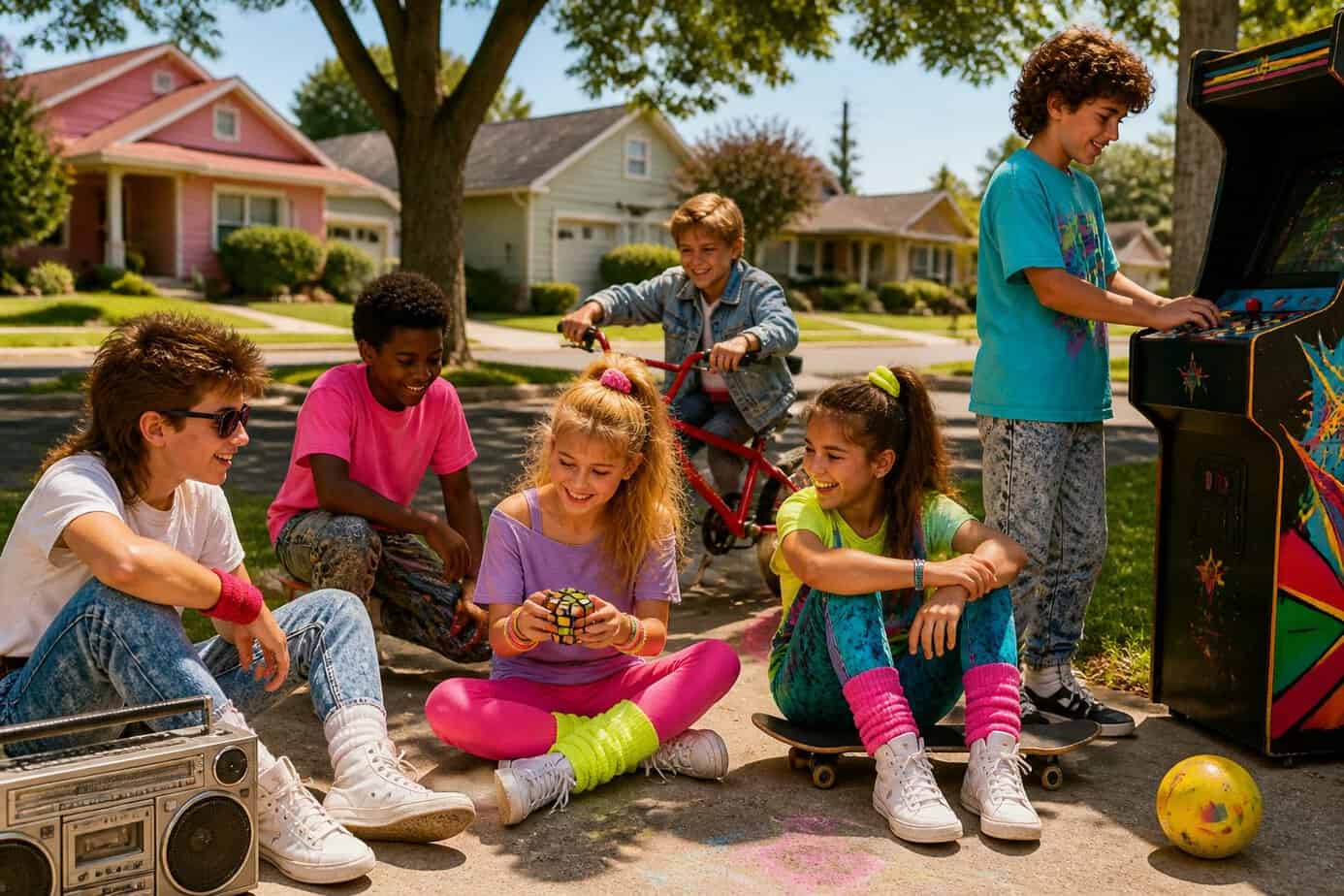
Growing up in the 1980s meant experiencing a childhood that felt distinct from any generation before or since. The decade offered a unique blend of analog simplicity and emerging digital innovation, giving kids the freedom to explore their neighborhoods unsupervised while also witnessing groundbreaking cultural and technological shifts.
From arcade games to Saturday morning cartoons, the 1980s created a backdrop of shared experiences that shaped an entire generation. The 1980s provided a combination of hands-on entertainment, cultural milestones, and technological firsts that made childhood feel particularly rich and memorable.
You lived through moments that ranged from watching MTV’s debut to trading Nintendo cartridges with friends. The decade balanced outdoor play with indoor innovation, offering everything from mixtape creation to witnessing historic events unfold on television.
These experiences weren’t just nostalgic, they reflected a specific moment when kids could still roam freely while also getting their first taste of the digital world to come.
You navigated a childhood that required creativity, patience, and real-world social skills in ways that feel almost unrecognizable today.
1. Saturday morning animated blocks on ABC and CBS
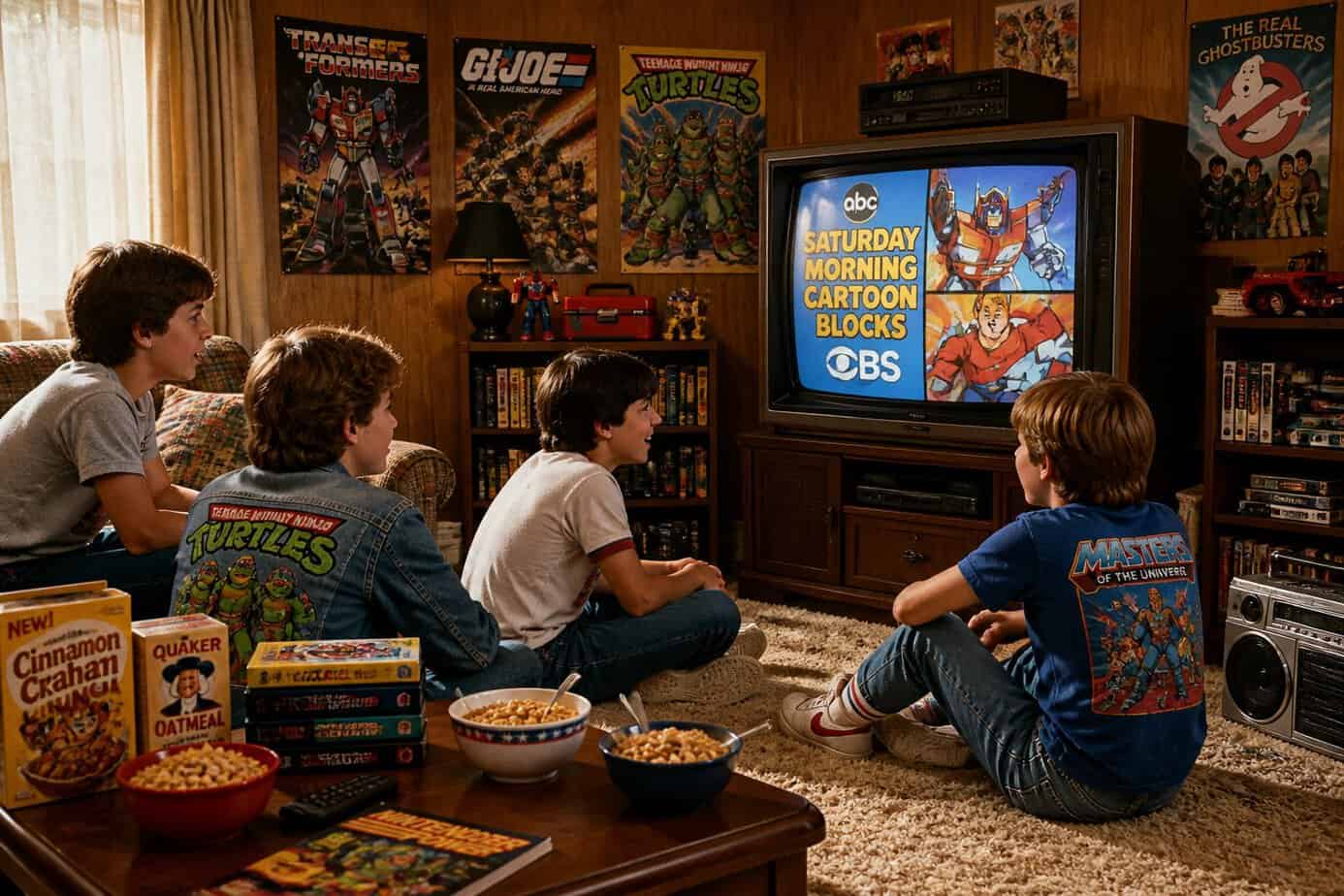
You woke up early on Saturdays without an alarm clock. The networks programmed their lineups specifically for you, with shows airing between 7 a.m. and noon.
ABC and CBS competed for your attention with carefully curated blocks of animated series. CBS offered shows like Muppet Babies, Garfield and Friends, and the 1987 version of Teenage Mutant Ninja Turtles. ABC had its own roster of cartoons that kept you glued to the screen.
This wasn’t just background noise while you did other things. You planned your entire Saturday morning around these shows, bowl of cereal in hand. The networks knew exactly what they were doing, creating appointment viewing that became a weekly ritual you shared with millions of other kids across America.
2. MTV debut and watching the first music videos
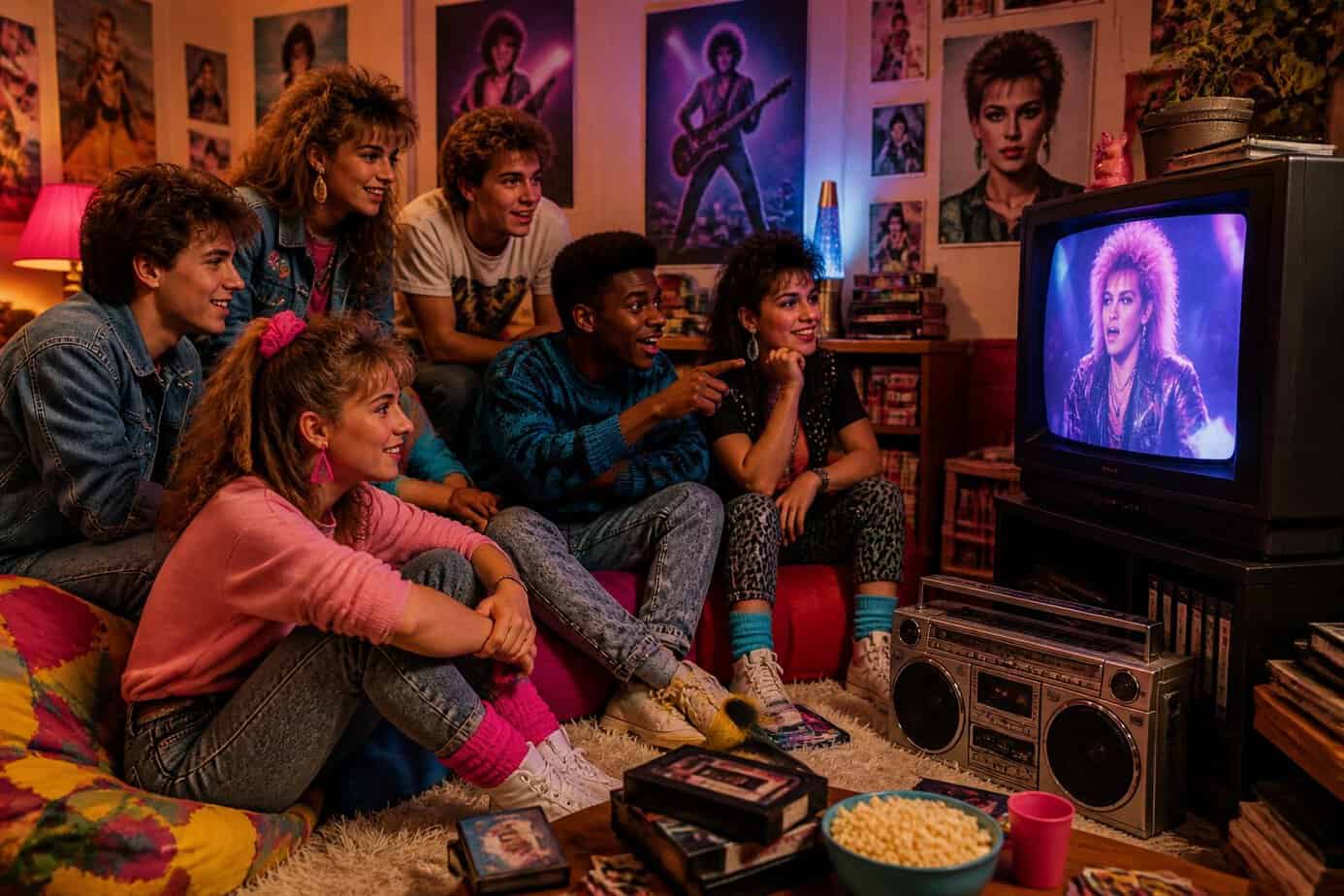
On August 1, 1981, at 12:01 a.m., MTV launched with footage of the Apollo 11 moon landing and the words “Ladies and gentlemen, rock and roll.” The Buggles’ “Video Killed the Radio Star” became the first music video ever broadcast on the channel.
You suddenly had access to a completely new way of experiencing music. Artists could now pair their songs with visual storytelling, creating an entirely different dimension to the music you loved.
The original five VJs—Nina Blackwood, Mark Goodman, Alan Hunter, J.J. Jackson, and Martha Quinn—became familiar faces in your living room. They introduced videos and connected you to the artists behind the music.
MTV transformed how you discovered new bands and deepened your connection to existing favorites. Music wasn’t just something you heard anymore—it was something you watched.
3. Trading Pac-Man high-score bragging rights at the arcade
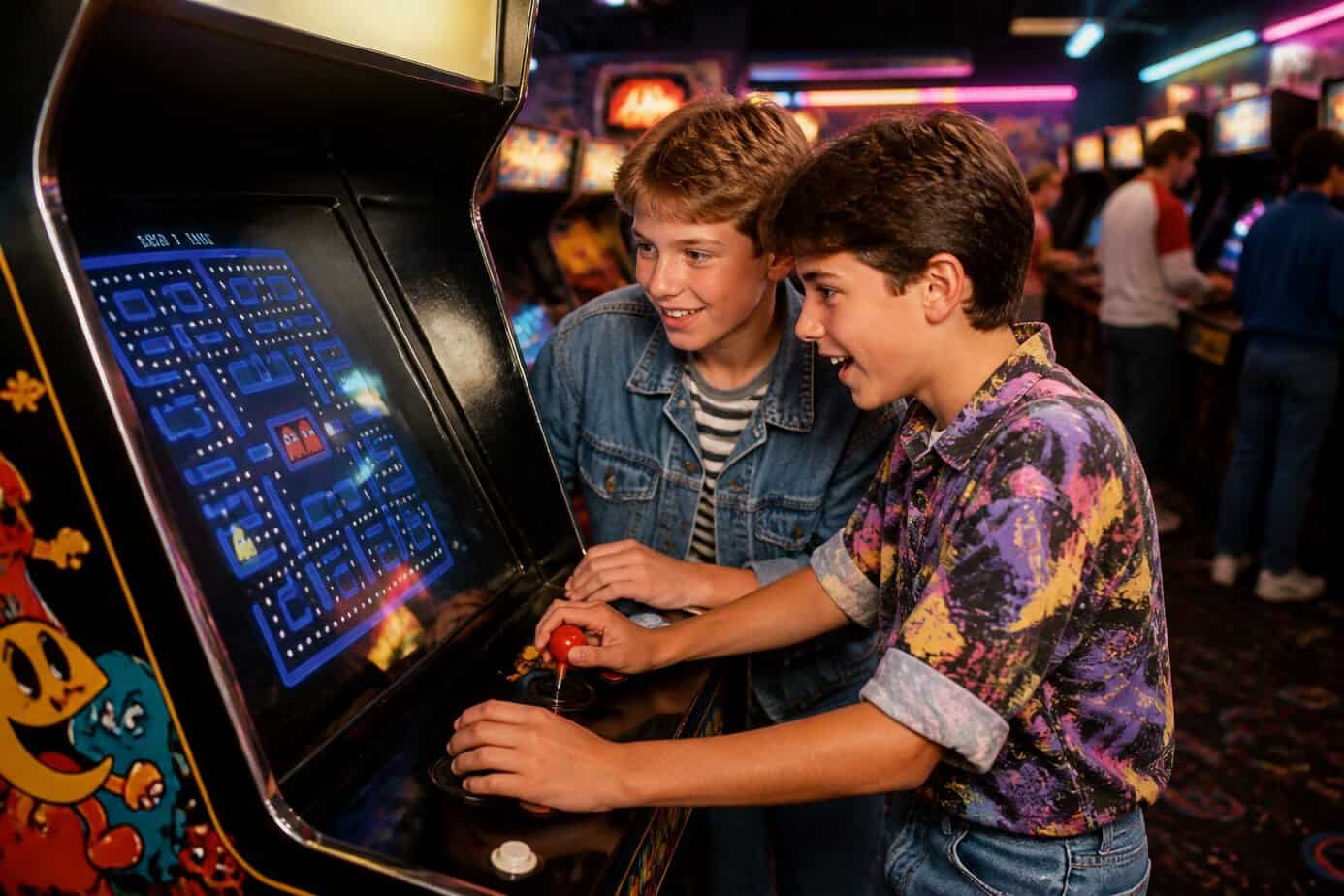
You’d crowd around the Pac-Man machine, quarters lined up on the console to claim next game. The high score list glowed at the top of the screen, a constant reminder of who ruled the arcade.
Getting your initials on that list meant everything. You’d master the ghost patterns, memorize the fruit timing, and perfect your dot-eating efficiency. Every point mattered when you were chasing the top spot.
The real drama happened when someone knocked you off the leaderboard. You’d return the next day ready to reclaim your position, while other kids watched and waited for their chance. That competition created a social hierarchy where skill earned respect.
The arcade was your arena. Pac-Man was the greatest selling arcade game of its time, and those high scores were your badge of honor among friends.
4. Building elaborate forts with sheets and clotheslines
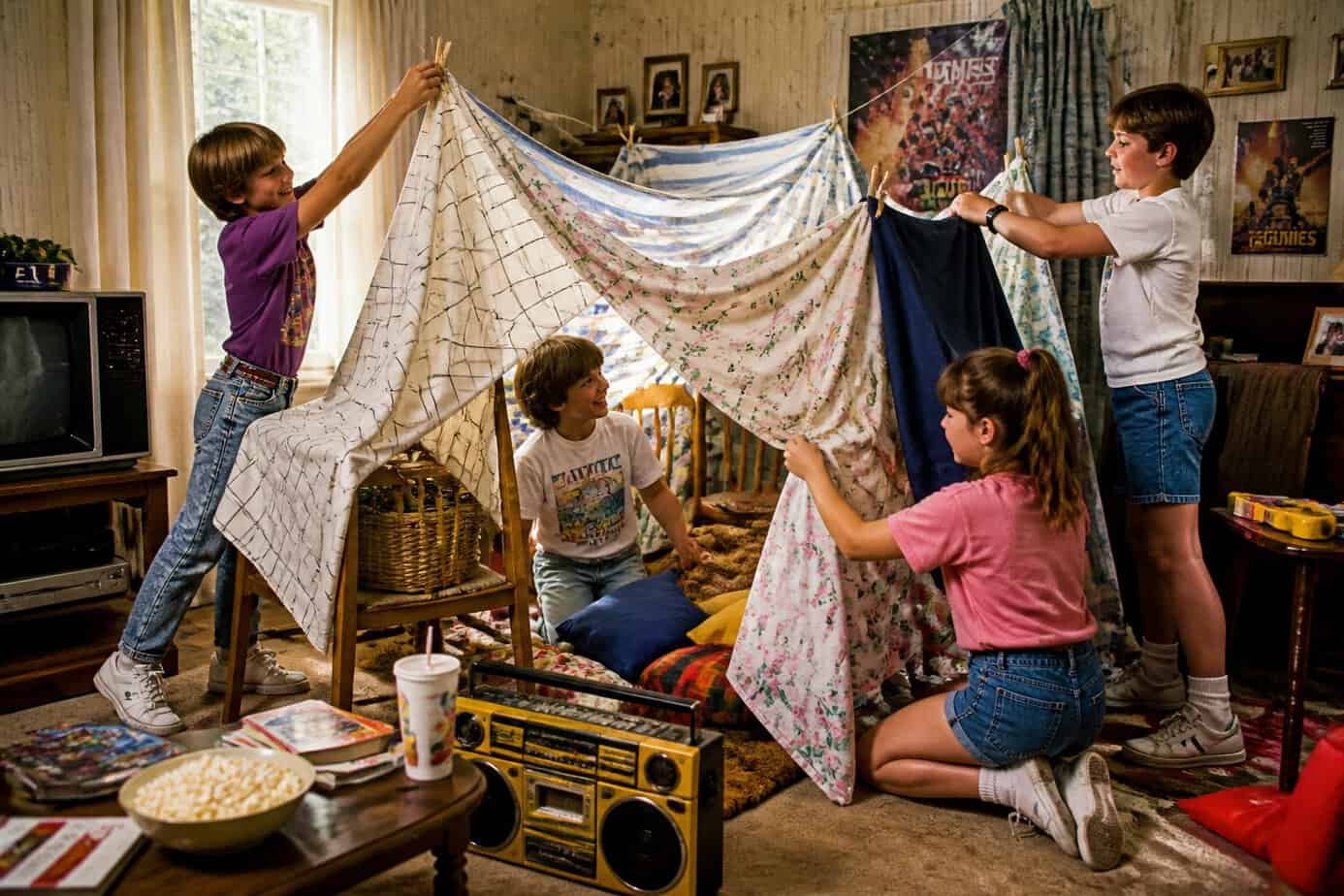
You transformed your living room into architectural masterpieces using whatever materials you could find. Couch cushions became walls, blankets draped over chairs formed roofs, and clotheslines stretched between furniture created the framework for your secret hideaway.
Every available sheet in the house got dragged into your construction project. You stacked, draped, and secured them with books or heavy objects to hold everything in place. The result was your personal castle, spaceship, or clubhouse.
These forts weren’t just physical structures. They represented complete worlds where your imagination ran wild. You spent hours inside, reading comics, playing games, or simply enjoying the cozy enclosed space you created yourself.
The best part was the engineering challenge. Each fort required problem-solving skills as you figured out how to make walls stand up and ceilings stay overhead.
5. Mixing mixtapes from cassette singles and radio recordings
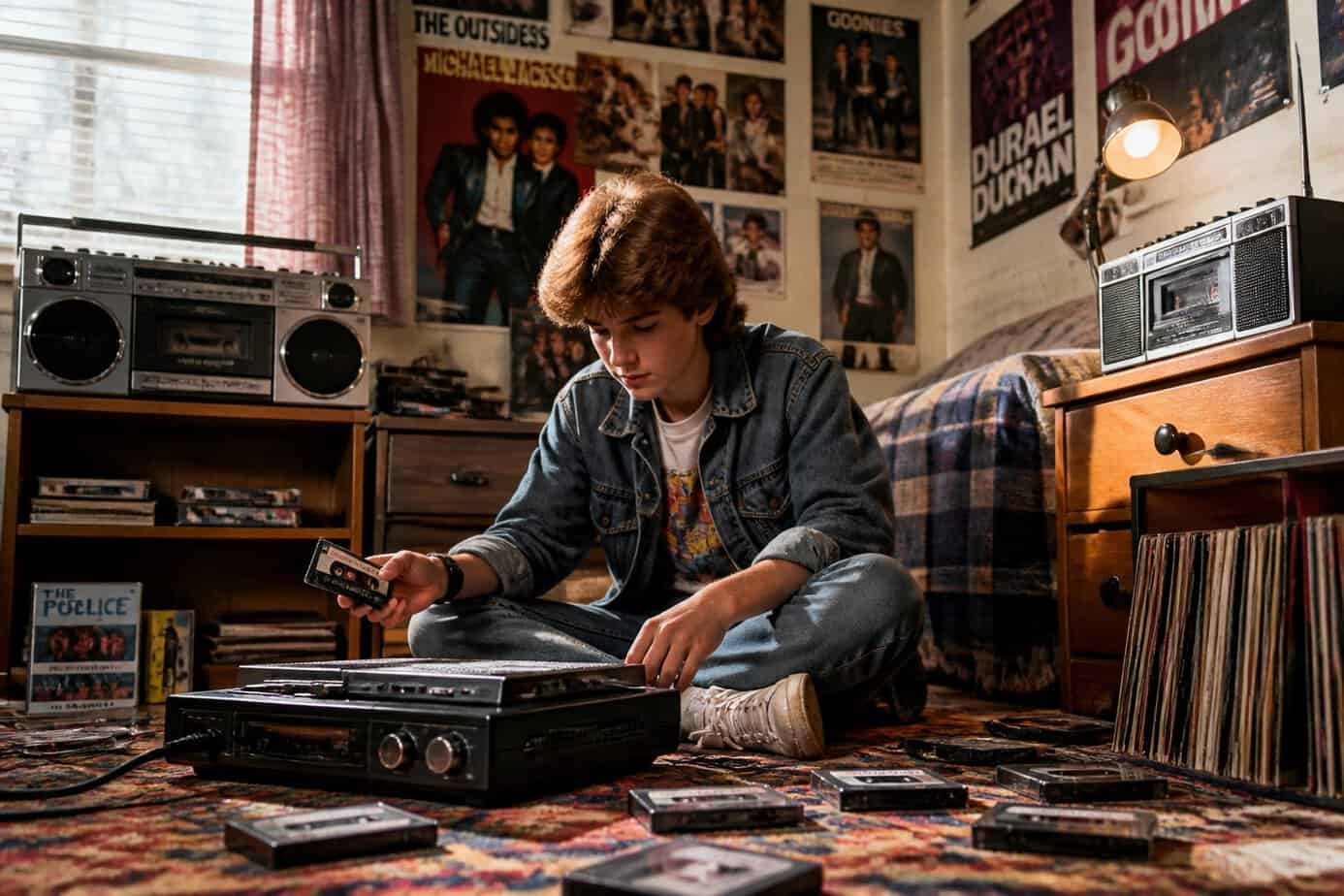
You became a master of timing, waiting with your finger poised over the record button when your favorite song came on the radio. The goal was to capture the track without the DJ talking over the intro or outro.
You’d buy cassette singles of songs you couldn’t catch on the radio, then carefully record them onto a blank tape in just the right order. Each mixtape required planning. You’d arrange songs to flow from one mood to another, creating something personal.
The handwritten labels and track lists turned each cassette into a unique artifact. You’d decorate the J-card insert, sometimes adding artwork or inside jokes. Making a mixtape for someone meant something. It took hours of your time and revealed your taste in music.
6. Riding bikes until the streetlights came on
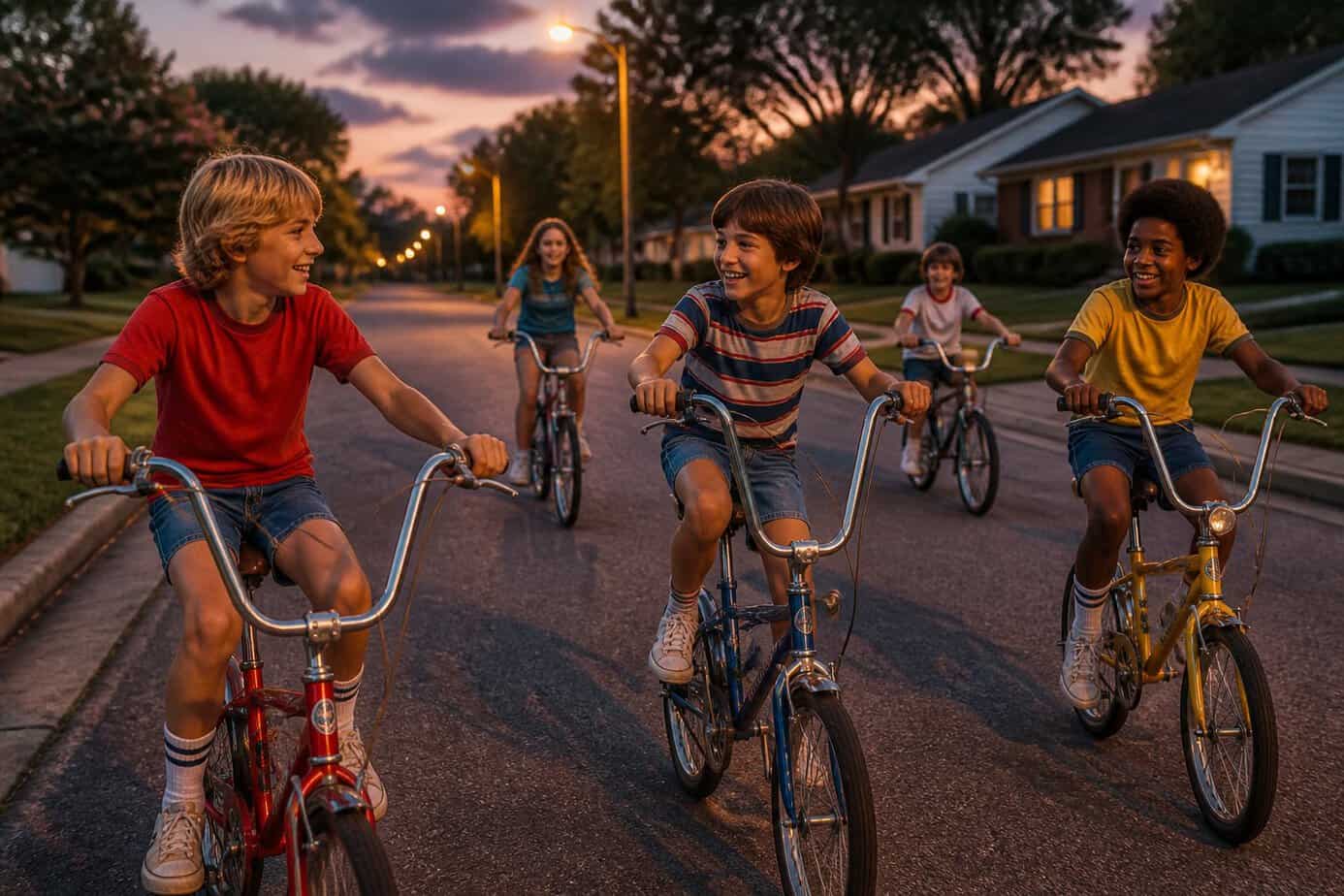
Your bike was your ticket to freedom. You’d head out after breakfast with no real destination in mind, just the open road and your friends alongside you.
The rules were simple. You could go anywhere within your neighborhood boundaries, and you had to be home when the streetlights flickered on. No phones meant no check-ins, just pure trust between you and your parents.
You’d ride for hours, exploring every street and shortcut. Sometimes you’d race to the corner store with pocket change. Other times you’d just cruise around, talking and laughing.
When those streetlights finally came on, you’d pedal home as fast as you could. Your legs were tired, your face was sunburned, and you were already planning tomorrow’s route.
7. Playing Dungeons & Dragons with hand-drawn character sheets
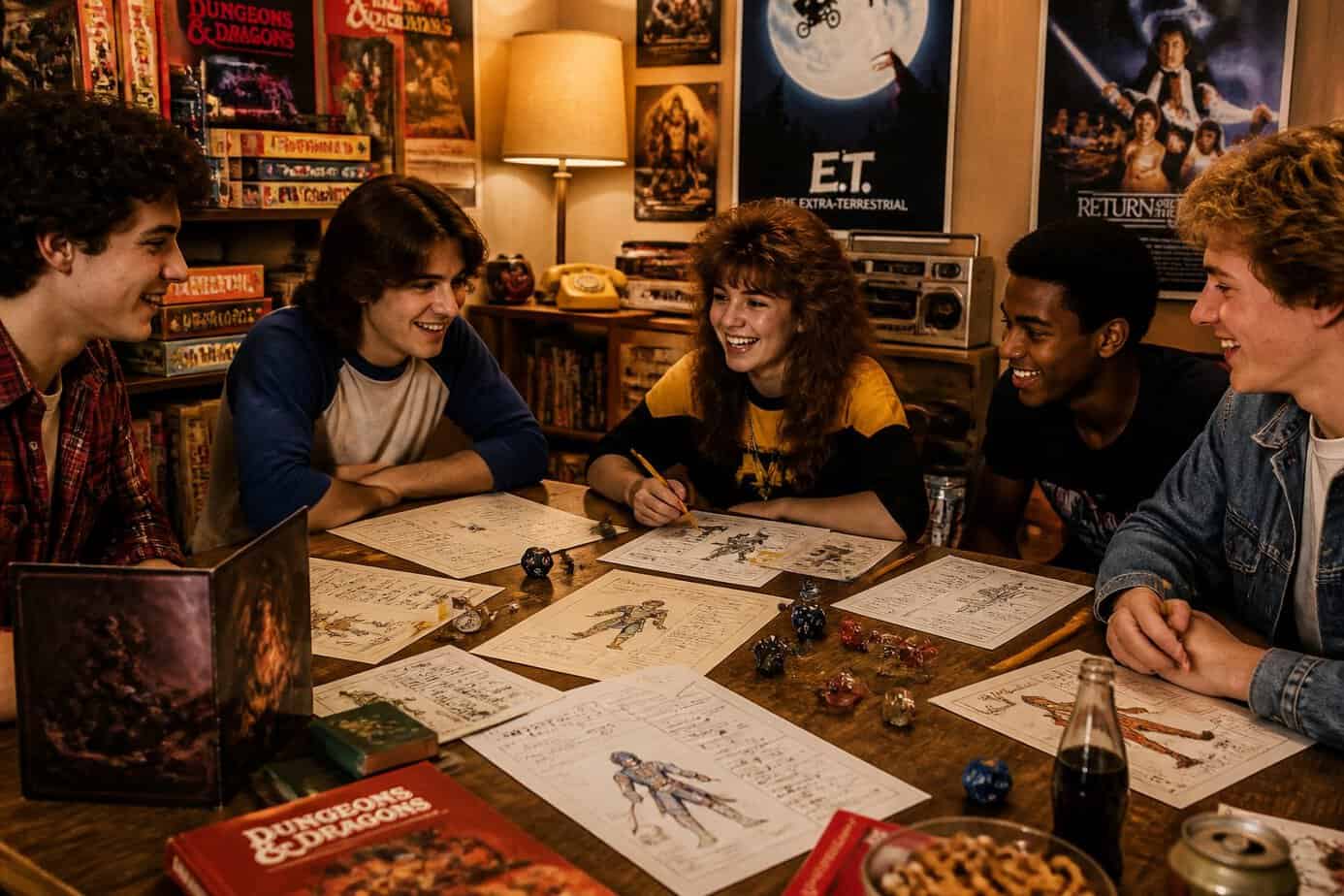
You grabbed a pencil and a blank piece of paper because official character sheets were hard to find. Your local library ran out fast, and game stores weren’t on every corner yet.
Drawing your own character sheet became part of the adventure. You sketched boxes for stats, wrote out spell slots by hand, and tracked hit points in margins that sometimes got smudged during intense sessions.
Those hand-drawn sheets held real character. Every crease and eraser mark told a story about your warrior’s close calls or your wizard’s leveling journey. The imperfect lines and creative layouts made each sheet unique.
This DIY approach wasn’t a limitation. It was how the game worked in your basement or at your friend’s kitchen table, where imagination mattered more than printed forms.
8. Collecting and trading baseball cards and Garbage Pail Kids
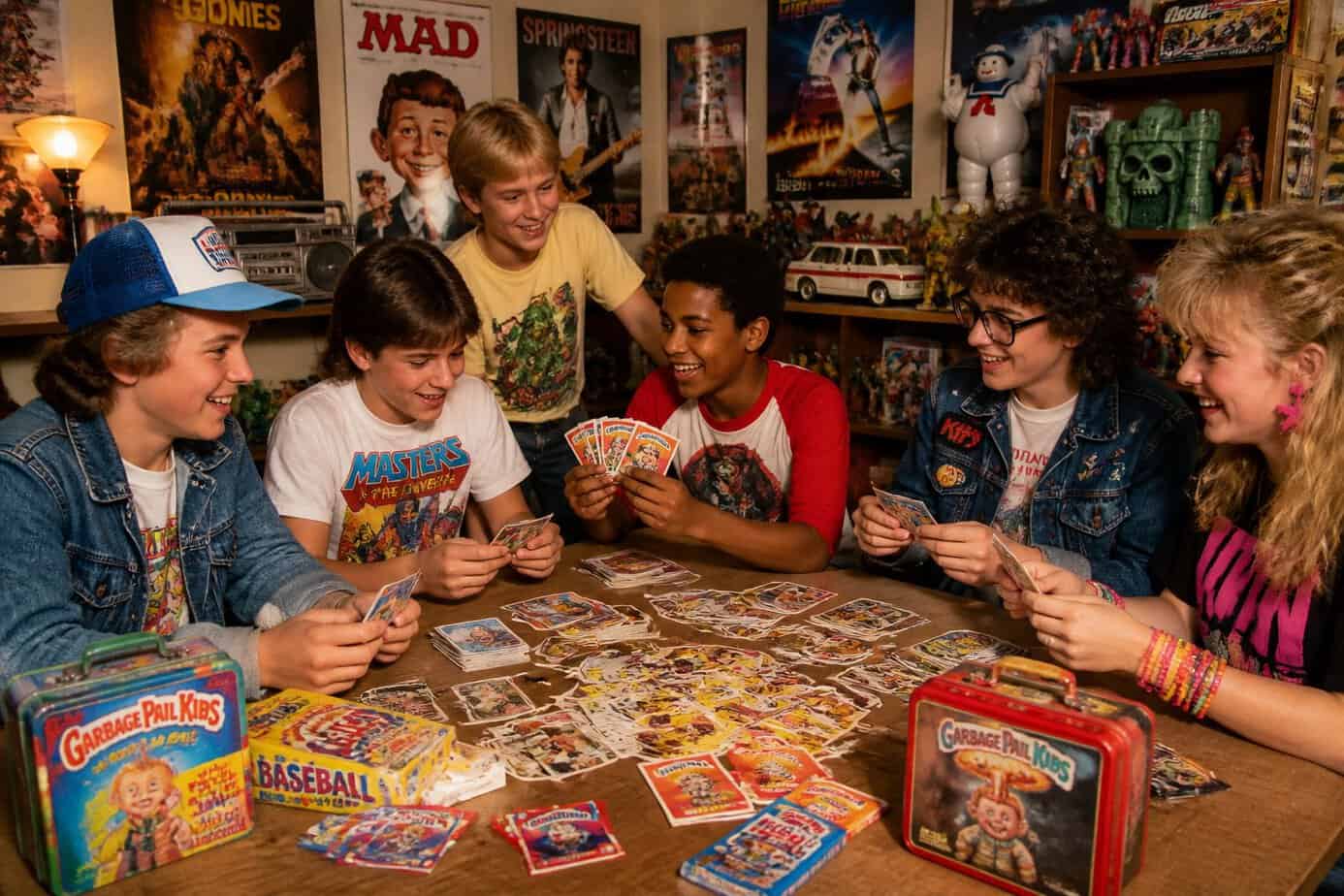
You spent countless hours flipping through your card collection, organizing players by team and checking stats on the back. The smell of fresh bubble gum from newly opened packs became part of the ritual.
Baseball cards taught you about statistics, player trades, and the value of patience. You learned to protect your most prized cards in plastic sleeves while keeping duplicates for trading at school.
Then came Garbage Pail Kids in 1985, parodying the wholesome Cabbage Patch Kids with grotesque humor. These sticker trading cards from Topps featured mischievous characters with clever, disgusting names. Your parents might have disapproved, but that only made them more appealing.
Trading sessions during lunch or recess became serious negotiations. You developed bargaining skills and learned which cards held the most value among your friends.
9. Family road trips with maps and cassette CD wallets
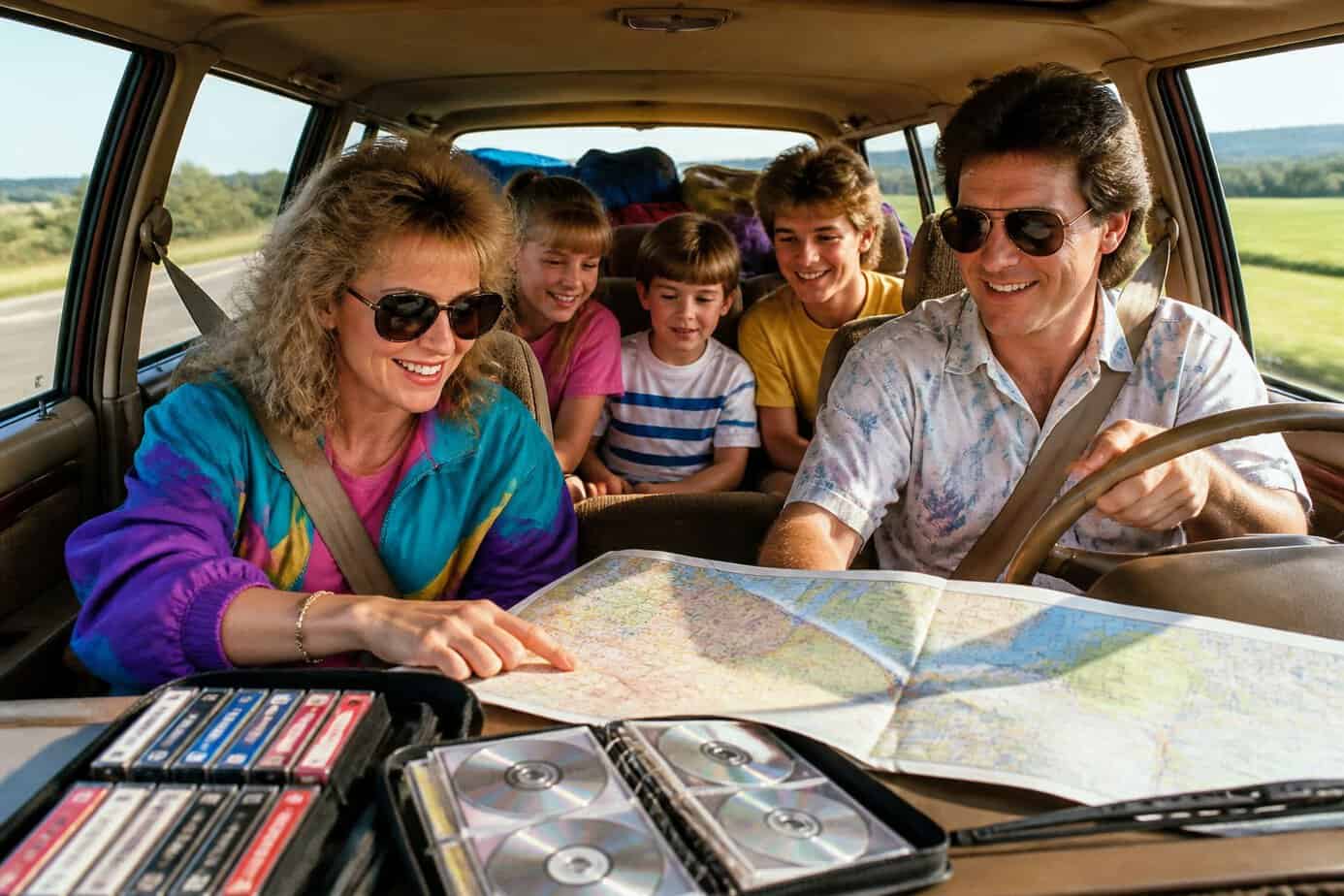
You knew a vacation was starting when someone unfolded a massive paper map across the dashboard. There was no GPS to guide you, just careful planning and the occasional wrong turn that became part of the adventure.
Your parents kept a bulky cassette wallet within arm’s reach, stuffed with mixtapes and favorite albums. Flipping through those plastic sleeves to pick the next tape was a ritual that shaped the soundtrack of your journey.
The backseat became your kingdom for hours at a time. You watched scenery roll by, played simple games, and actually talked to each other without screens demanding attention.
These trips required patience and preparation, but they created memories that lasted far beyond the destination.
10. Watching the moonwalk live on TV and Michael Jackson mania

If you were watching TV on March 25, 1983, you witnessed pop culture history. Michael Jackson performed at Motown 25: Yesterday, Today, Forever, and 47 million viewers saw him debut the moonwalk during “Billie Jean.”
The moment changed everything overnight. Your playground conversations shifted to debating who could moonwalk better, and living rooms became practice studios as kids slid backward across linoleum floors in their socks.
MTV played his videos on constant rotation. You saved your allowance for albums, posters, and that iconic red leather jacket everyone wanted. The glove, the fedora, the moves—Jackson’s influence was everywhere you looked.
This wasn’t just about one dance move. You were living through the peak of the biggest pop star the world had ever seen.
11. Owning and jamming on a boombox with oversized speakers

Your boombox was more than a music player. It was your personal sound system, complete with dual cassette decks, AM/FM radio, and speakers that could fill an entire block with sound.
You carried it on your shoulder to the park or propped it up in your driveway. The device ran on D-sized batteries, sometimes up to ten of them, making it heavy but worth every ounce. You could record songs off the radio, make mixtapes, and share music with anyone within earshot.
The larger the speakers, the better. Your boombox transformed sidewalks into impromptu concerts and turned you into a mobile DJ. It represented freedom and self-expression in a way that defined 1980s youth culture.
12. Popping a VHS into the VCR for movie night
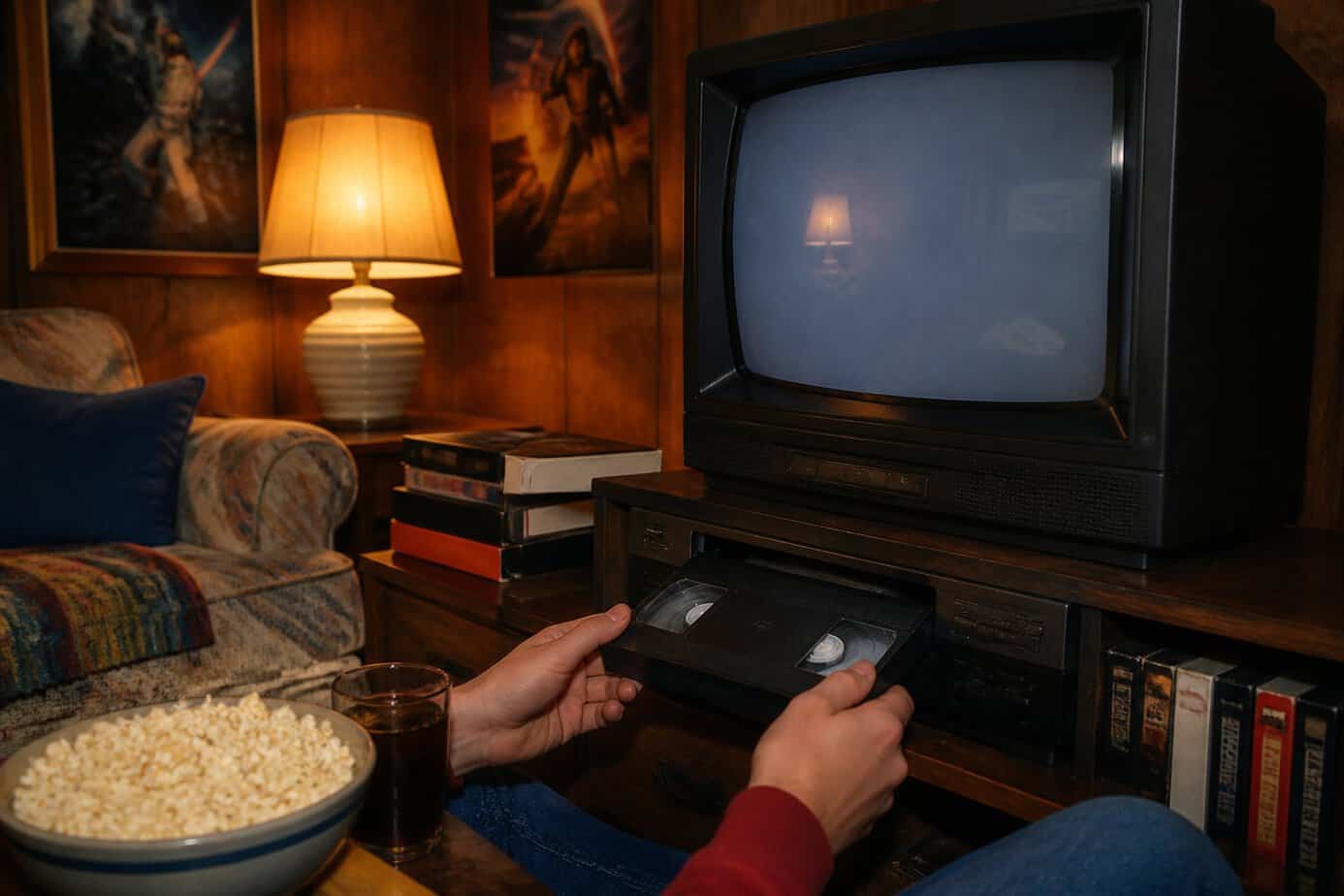
Friday evening meant a trip to the video rental store. You browsed rows of VHS tapes, each with cover art that promised adventure or comedy. Picking the right movie felt important because you’d be watching it that night.
Back home, you slid the black cassette into the VCR with a satisfying click. The ritual felt intentional. You adjusted the tracking if needed, then settled in with snacks.
Movie night meant everyone gathered in one room around the TV. There were no individual screens or devices pulling attention away. You watched together, rewound the tape when finished, and returned it by the due date.
Owning tapes meant repeat viewings became part of your routine. Your small collection got played constantly during sleepovers and rainy weekends.
13. Waiting for your favorite song on the radio to record on cassette
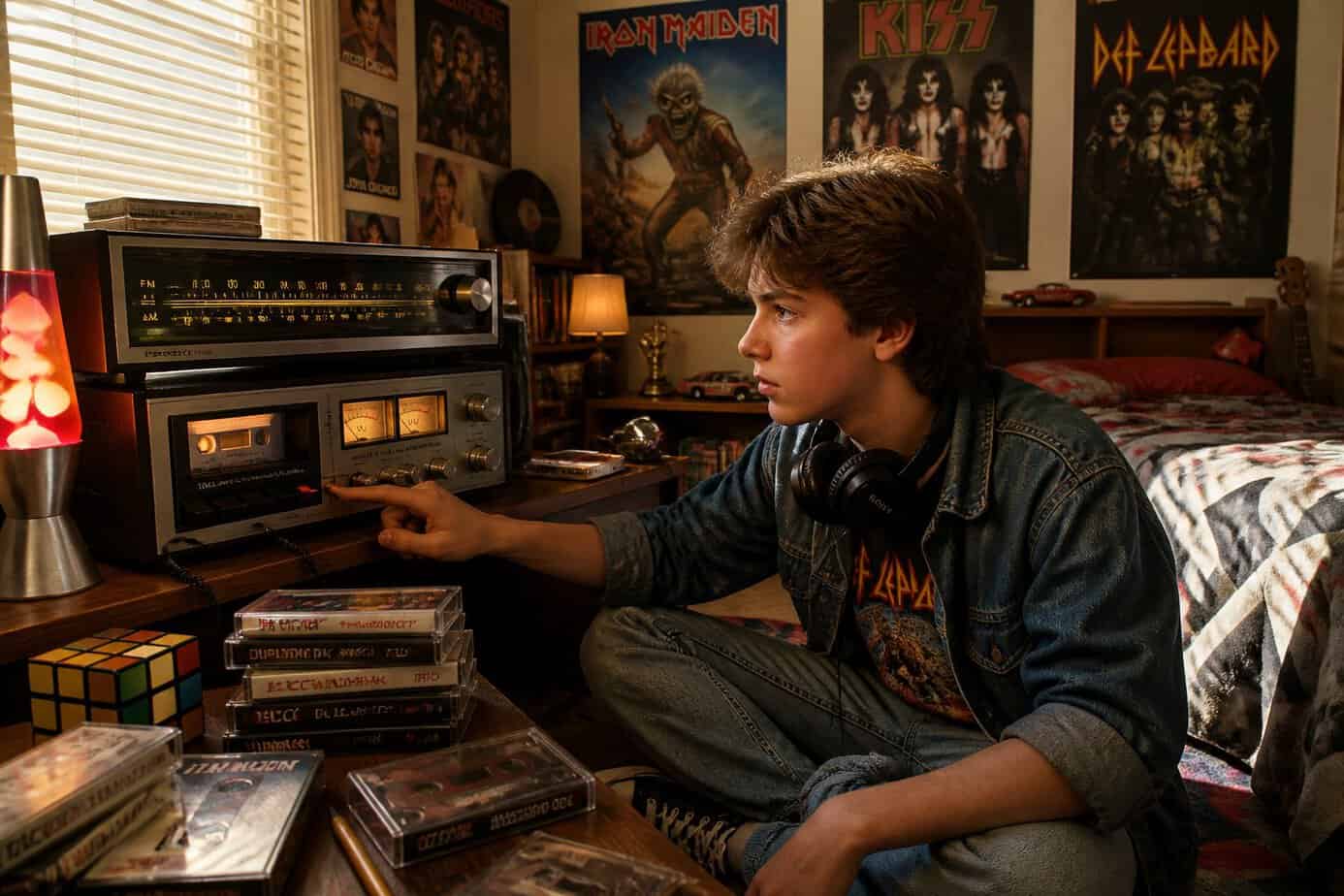
You’d sit by your boombox for what felt like hours, blank cassette loaded and ready. Your finger hovered over the record button as the DJ cycled through the playlist.
The moment your song’s intro started, you had to react fast. Timing was everything. Hit record too early and you’d catch the DJ talking. Wait too long and you’d miss the opening notes.
The smart move was hitting record and pause simultaneously, then releasing pause right when the song began. This eliminated that crucial second of delay.
You tolerated commercials, DJ chatter, and songs you didn’t want just for that one perfect recording. Building a mixtape this way took patience and dedication. Each successfully captured song felt like a small victory worth the wait.
14. Sketching on Trapper Keeper folders and pencil-case signage
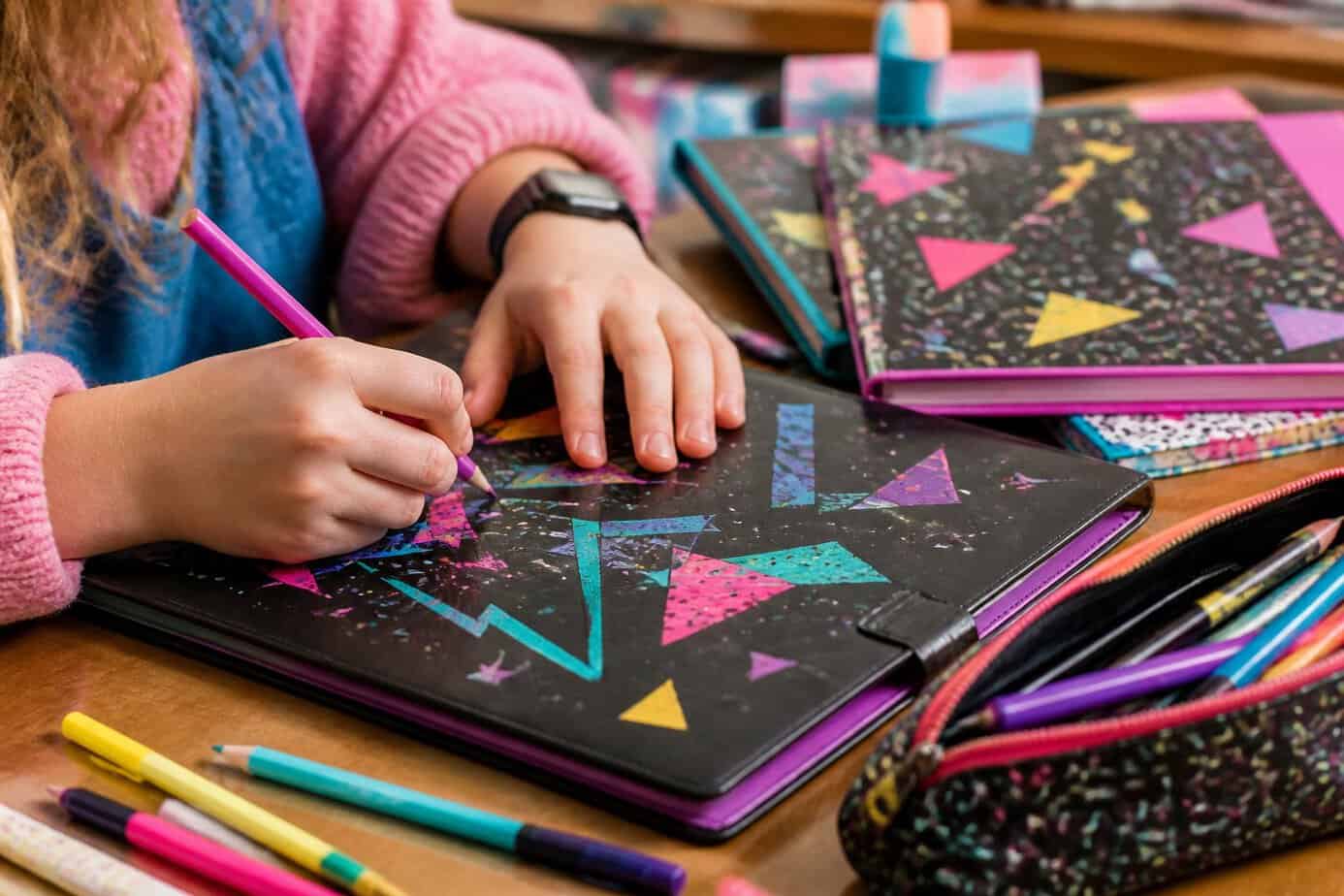
Your Trapper Keeper wasn’t just for organization. The blank spaces on those colorful folders became your personal canvas between classes.
You’d sketch band logos, doodle your crush’s initials, or trace over the existing designs with pen. Your pencil case got the same treatment, covered in signatures from friends and inside jokes that only your lunch table understood.
Teachers might have frowned at the permanent marker additions, but decorating your school supplies was how you claimed them as yours. Every scratch and scribble told a story about that semester.
The Velcro flap and plastic folders held more than homework. They displayed your evolving artistic skills and social circles. By June, your pristine September binder had transformed into a personalized archive of fifth grade.
15. Trading Nintendo NES cartridges and blowing into connectors
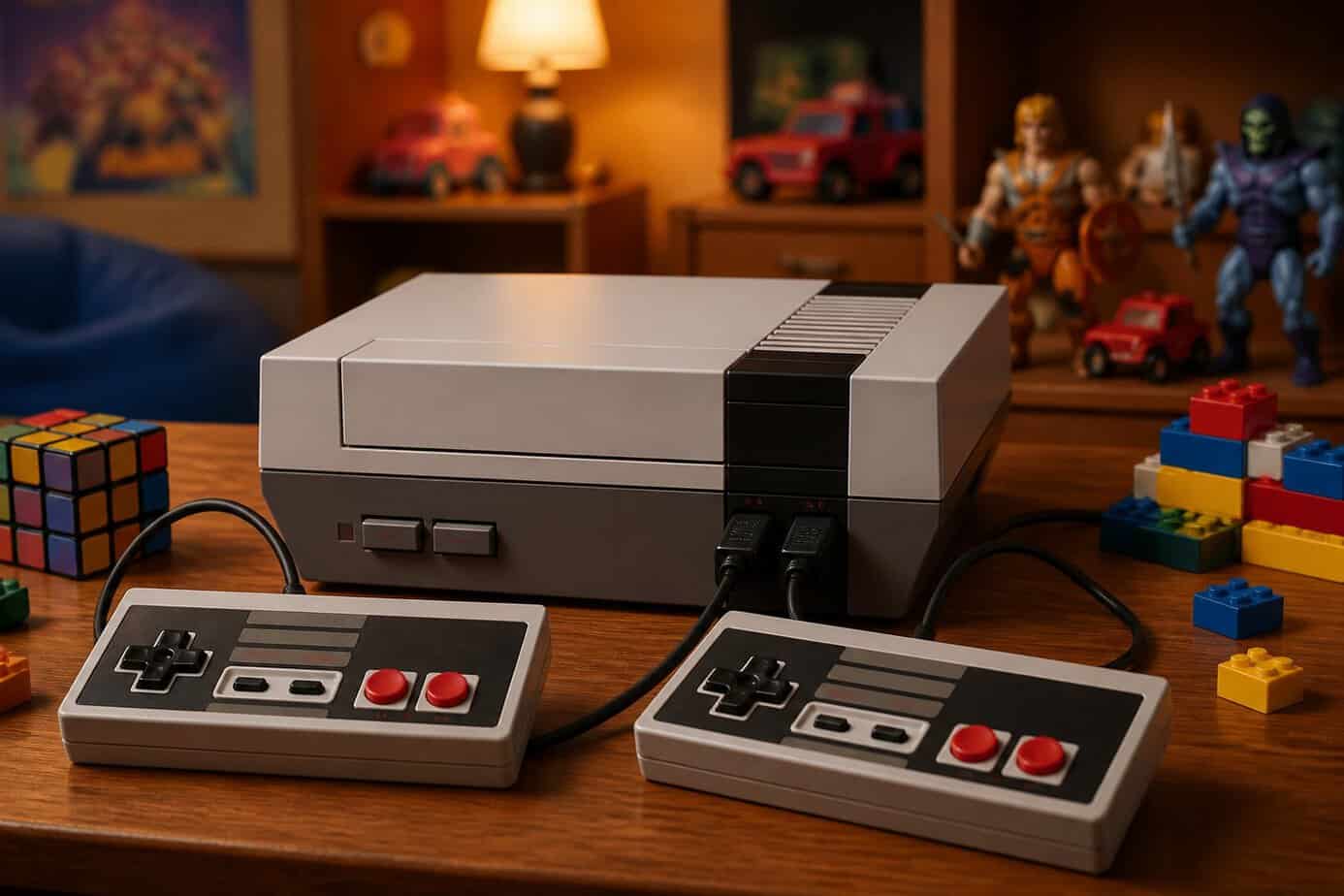
You built an entire trading economy around NES cartridges. Your collection became currency, and swapping games with friends meant access to titles your allowance couldn’t cover.
When a game froze or wouldn’t load, you yanked out the cartridge and blew into it. Everyone did it. The ritual felt scientific, even though you had no idea why it might work.
The NES used a 72-pin connector that was prone to poor contact. Removing and reinserting the cartridge could temporarily improve the connection, whether you blew on it or not. Moisture from your breath actually caused corrosion over time, making the problem worse.
Nintendo eventually advised against blowing and released official cleaning kits. But you didn’t know that then. The practice worked often enough through coincidence and reseating that an entire generation swore by it.
16. Watching news live about the fall of the Berlin Wall
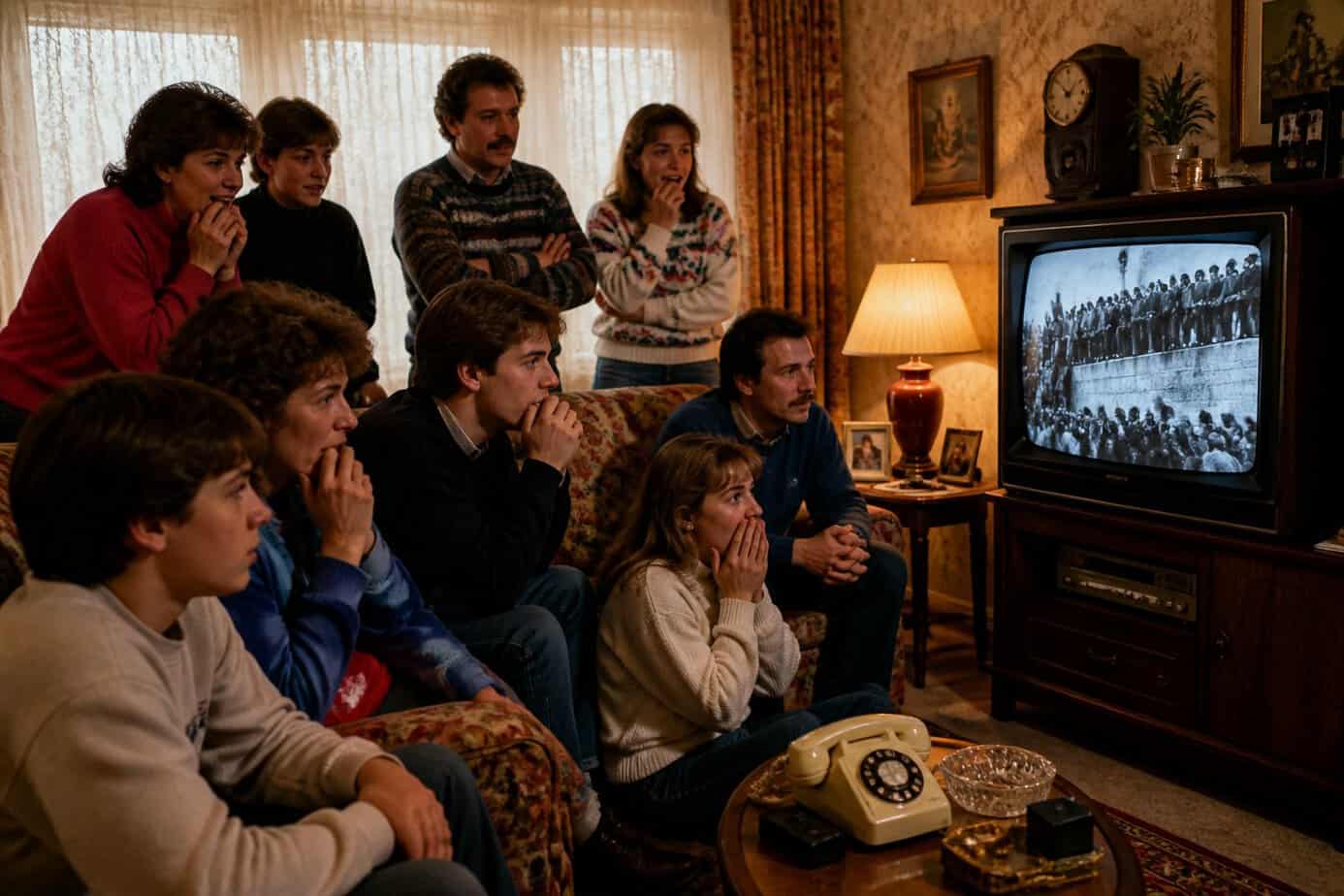
You sat in your living room on November 9, 1989, watching history unfold on television. The Berlin Wall, which had divided East and West Germany since 1961, was coming down.
News broadcasts showed crowds flooding across the border for emotional reunions. You saw people celebrating, dancing, and chipping away pieces of the concrete barrier with hammers and pickaxes.
The images felt surreal as they happened in real time. Television reporters struggled to capture the magnitude of what was occurring. You understood you were witnessing a moment that would reshape Europe and signal the end of the Cold War.
Your parents explained the significance while you watched people embrace on both sides of the wall. This wasn’t just news. It was watching freedom break through concrete and barbed wire on live television.
17. Dial-up bulletin board systems and early home computing
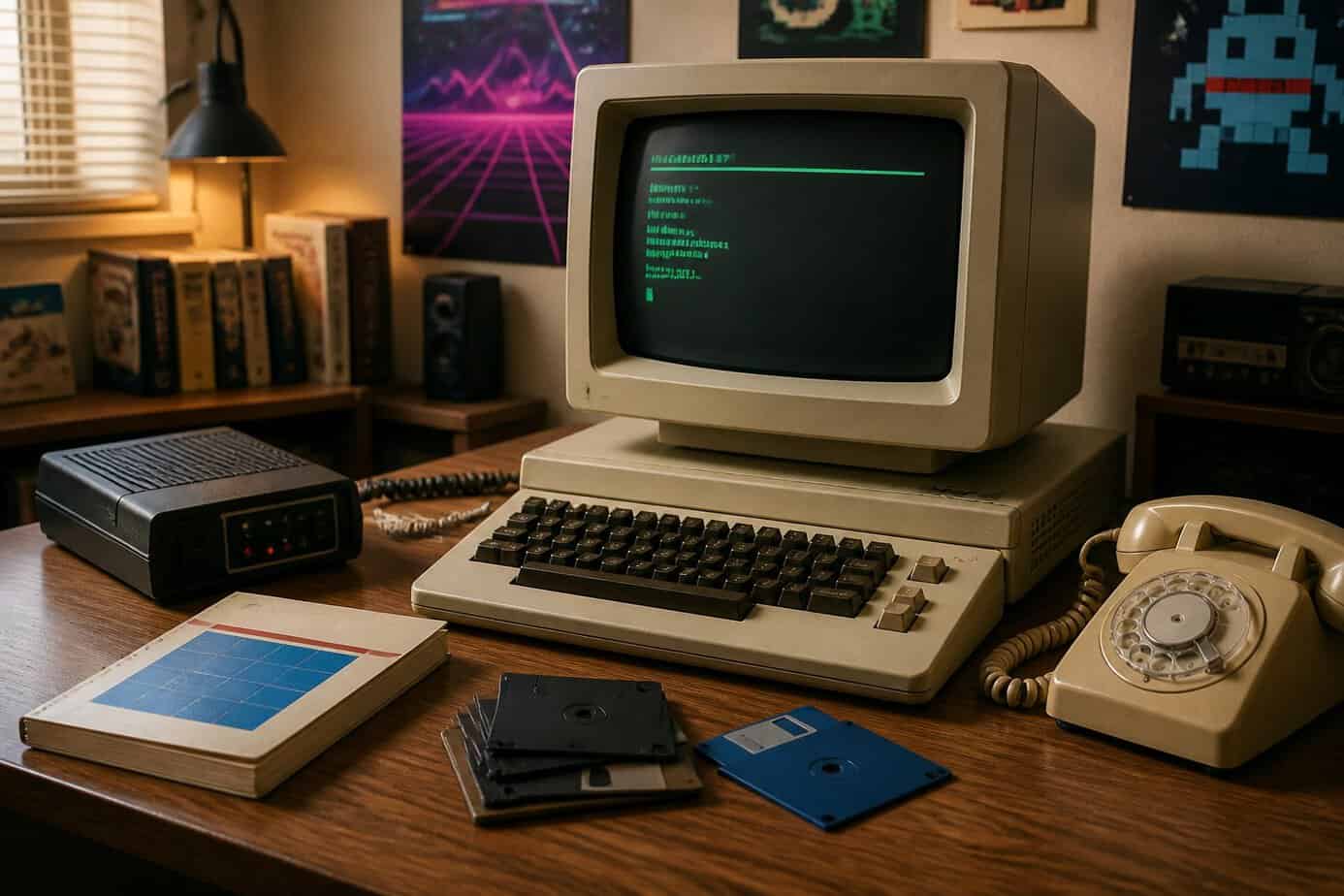
You experienced the thrill of connecting to a BBS through your home phone line, listening to the distinctive screech of the modem as it established a connection. These systems let you exchange messages with other users, download files, and play text-based games long before the internet became mainstream.
Running a BBS from your bedroom felt like operating your own corner of the digital world. You could customize your board, moderate discussions, and build a local community of users who shared your interests.
The limitations made it special. You had to wait your turn to connect since most systems only supported one user at a time. This scarcity created tight-knit communities where every interaction mattered. FidoNet expanded your reach beyond local calls, connecting BBSes worldwide and giving you a glimpse of the connected future to come.
18. Polaroid snapshots developing in your hands

You shook the photo gently, watching colors slowly emerge from the white square. The anticipation of waiting for your image to appear felt magical in a way that instant digital photos never could.
Polaroid cameras meant you got physical pictures right away, no trip to the photo lab required. You watched faces and scenes gradually sharpen over a few minutes, the chemical process happening right in your palm. Each shot mattered more because film cartridges were expensive and you only had ten photos per pack.
The distinctive whir of the camera and that chemical smell became part of capturing memories. You decorated your room with these square photos, stuck them in albums, or traded them with friends. Every snapshot was a small event, not just another file lost in a camera roll.
19. Playing outside with neighborhood friends until dark

You knew it was time to head home when the streetlights flickered on. Until then, your neighborhood was an open playground where kids gathered after dinner for hours of unstructured fun.
There was no need to schedule playdates or arrange transportation. You simply walked outside, found whoever was around, and started a game of tag, hide and seek, or kick the can. The group formed naturally as kids emerged from their houses one by one.
Your parents felt comfortable letting you roam the block unsupervised. You learned to navigate social situations, resolve conflicts, and create your own entertainment without adult intervention.
Those twilight hours between dinner and darkness offered a sense of freedom that defined childhood in the 80s. You built friendships through shared adventures and scraped knees, not through screens.
20. Owning a Sony Walkman and swapping headphones on the bus
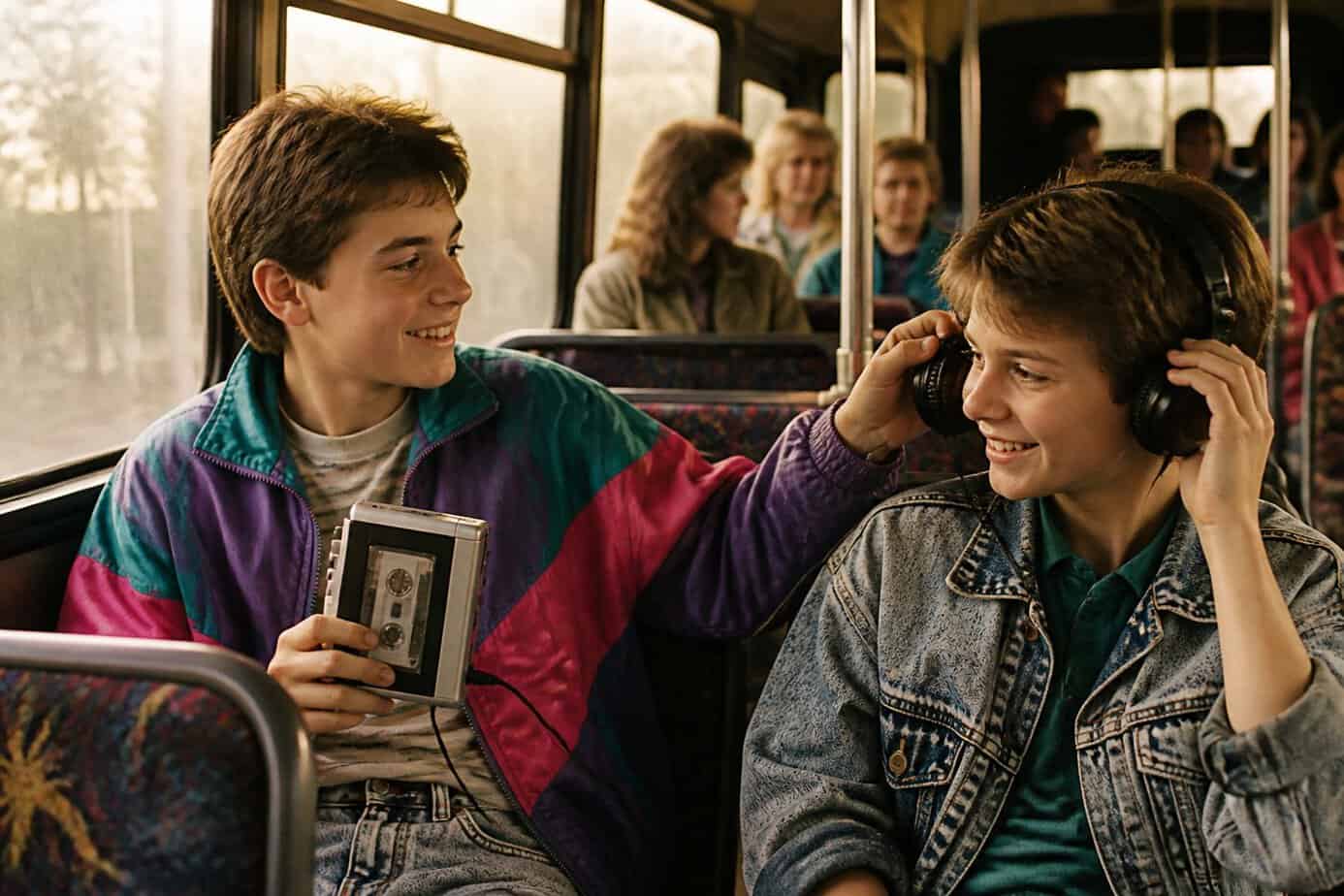
Your Sony Walkman made you feel like the coolest kid on the school bus. The portable cassette player, which hit stores in 1979, transformed how you experienced music during your daily commute.
You’d carefully select which cassette to bring each morning, knowing your choice would define your mood for the day. The foam headphones became a badge of honor, marking you as someone who had their own personal soundtrack.
Sharing your headphones with friends on the bus created instant bonding moments. You’d pass one earpiece to your seatmate, letting them hear your latest mixtape or favorite album. Those shared listening sessions sparked conversations about music and helped forge friendships.
The Walkman’s portability meant you controlled what you heard, when you heard it. No more relying on the radio or waiting until you got home.
21. Following the space shuttle launches and Sally Ride inspiration
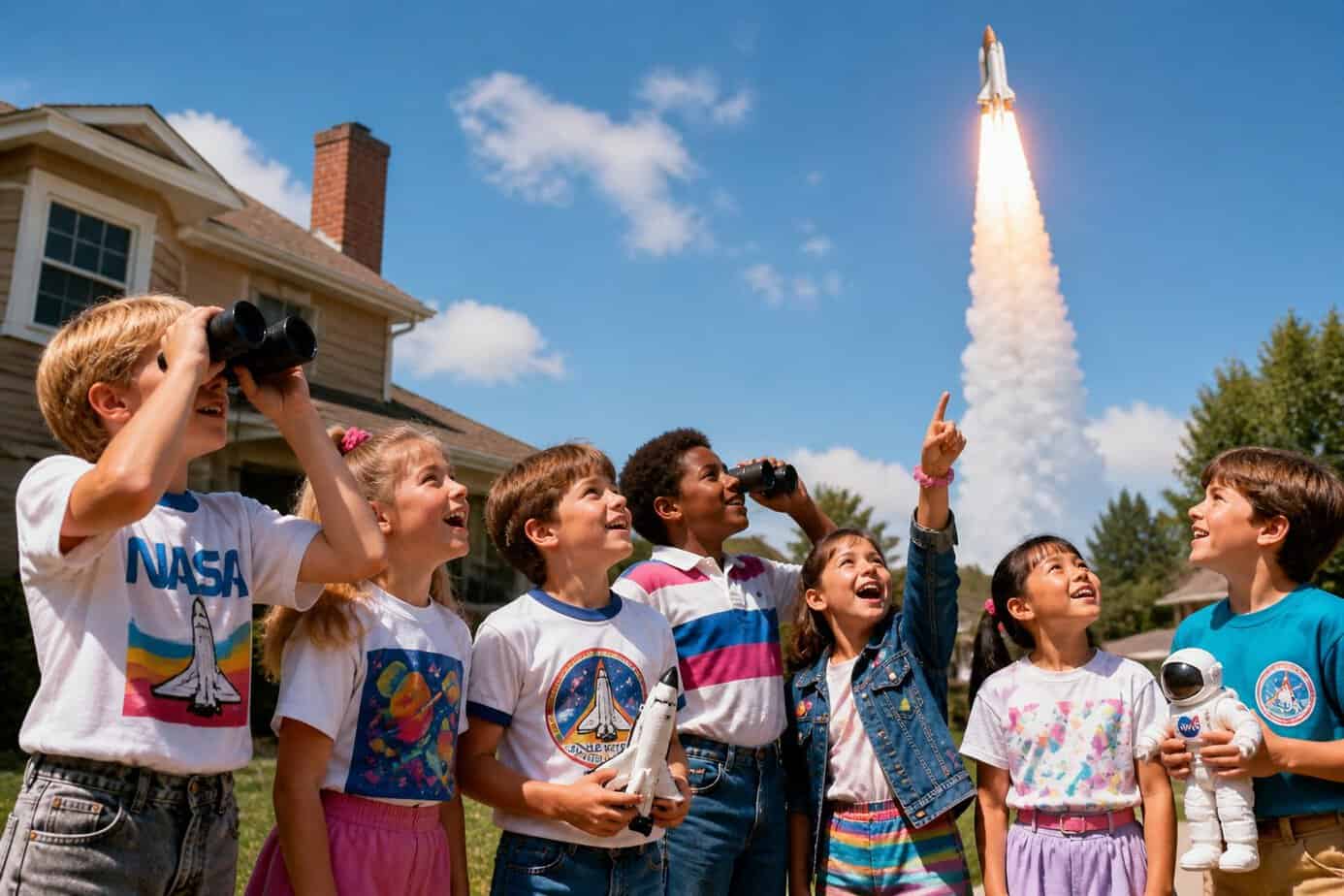
The space shuttle program transformed how you experienced space exploration as a kid in the ’80s. These missions felt accessible and real, unlike the distant Apollo era your parents talked about.
June 18, 1983 changed everything when Sally Ride became the first American woman in space aboard Challenger. You watched the launch on TV, seeing someone who broke barriers and made space feel attainable for everyone.
NASA’s shuttle launches became events you tracked in school. Teachers wheeled in televisions so classrooms could witness history together. You collected newspaper clippings and knew the names of astronauts like they were celebrities.
Sally Ride showed that space wasn’t just for test pilots anymore. Her presence in the astronaut corps meant your dreams of exploration had no limits based on who you were.
22. Dressing for school in leg warmers and Members Only jackets
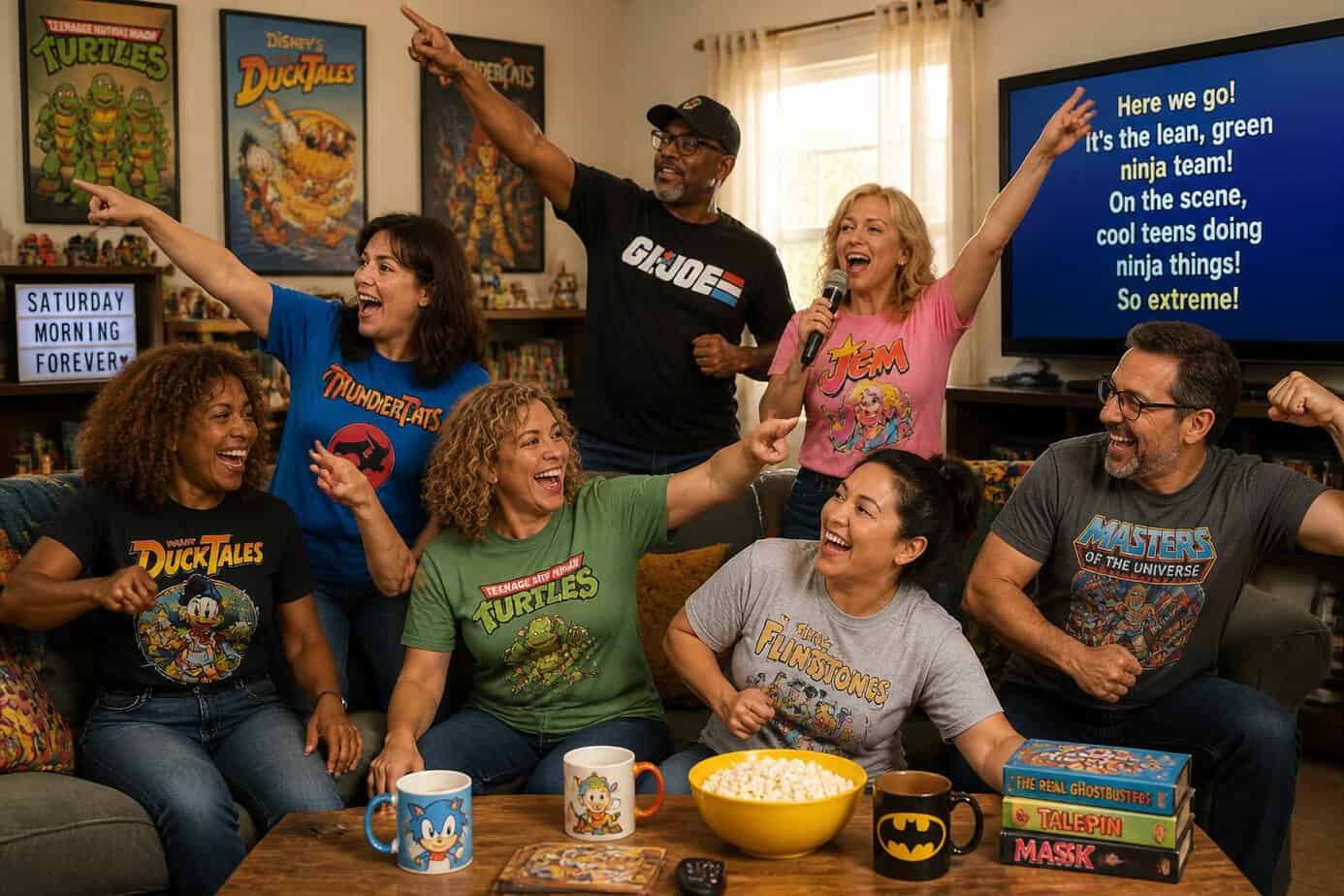
Your morning routine involved pulling on brightly colored leg warmers over your jeans or tights. These knit accessories originated in dance studios but quickly became essential school attire for anyone wanting to stay current with trends.
The Members Only jacket completed your look with its distinctive collar and snap front. You could choose from various colors, though the classic cotton styles remained the most popular. Wearing one meant you belonged to something special.
These two items defined 1980s school fashion more than almost anything else. Leg warmers came in neon pinks, yellows, and other bold shades that matched the decade’s love of bright colors. Your outfit wasn’t complete without at least one of these signature pieces in your wardrobe.
23. Watching Ghostbusters and debating special effects
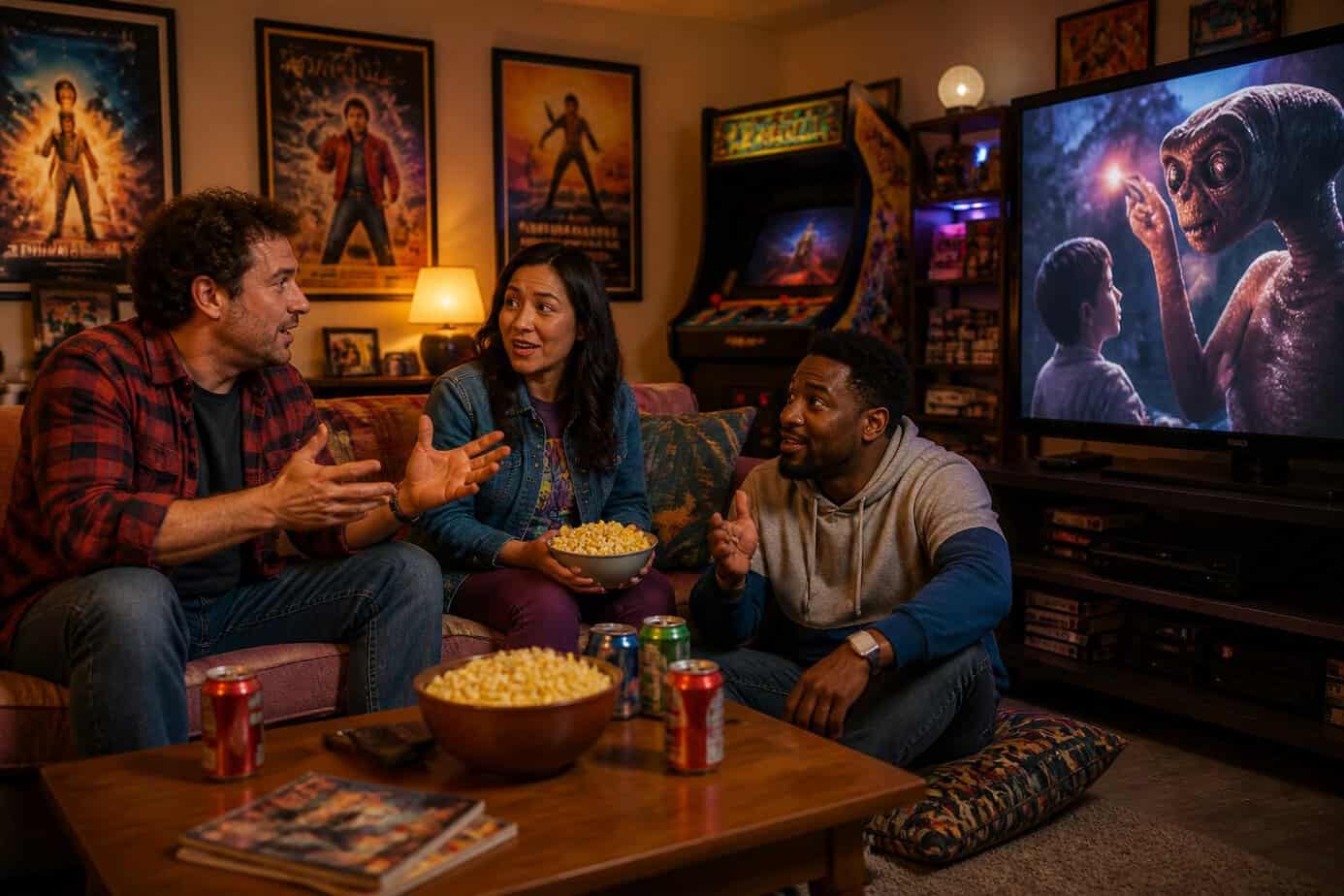
You gathered with friends to watch Ghostbusters and spent hours afterward arguing about how they made the ghosts look so real. The 1984 film used practical effects, puppets, and stop-motion animation rather than computer graphics. Visual effects supervisor Richard Edlund, who had worked on Star Wars, brought techniques that seemed like visual sorcery at the time.
You debated whether Slimer was a puppet or animation. You wondered how they made the proton pack streams glow. These discussions happened on playgrounds and at sleepovers, with each kid offering their theory about the filmmaking tricks.
The special effects didn’t need to be perfect by today’s standards. They sparked your imagination and made you think about how movies were made. That curiosity felt just as exciting as the film itself.
24. Learning to type on a manual typewriter before computers
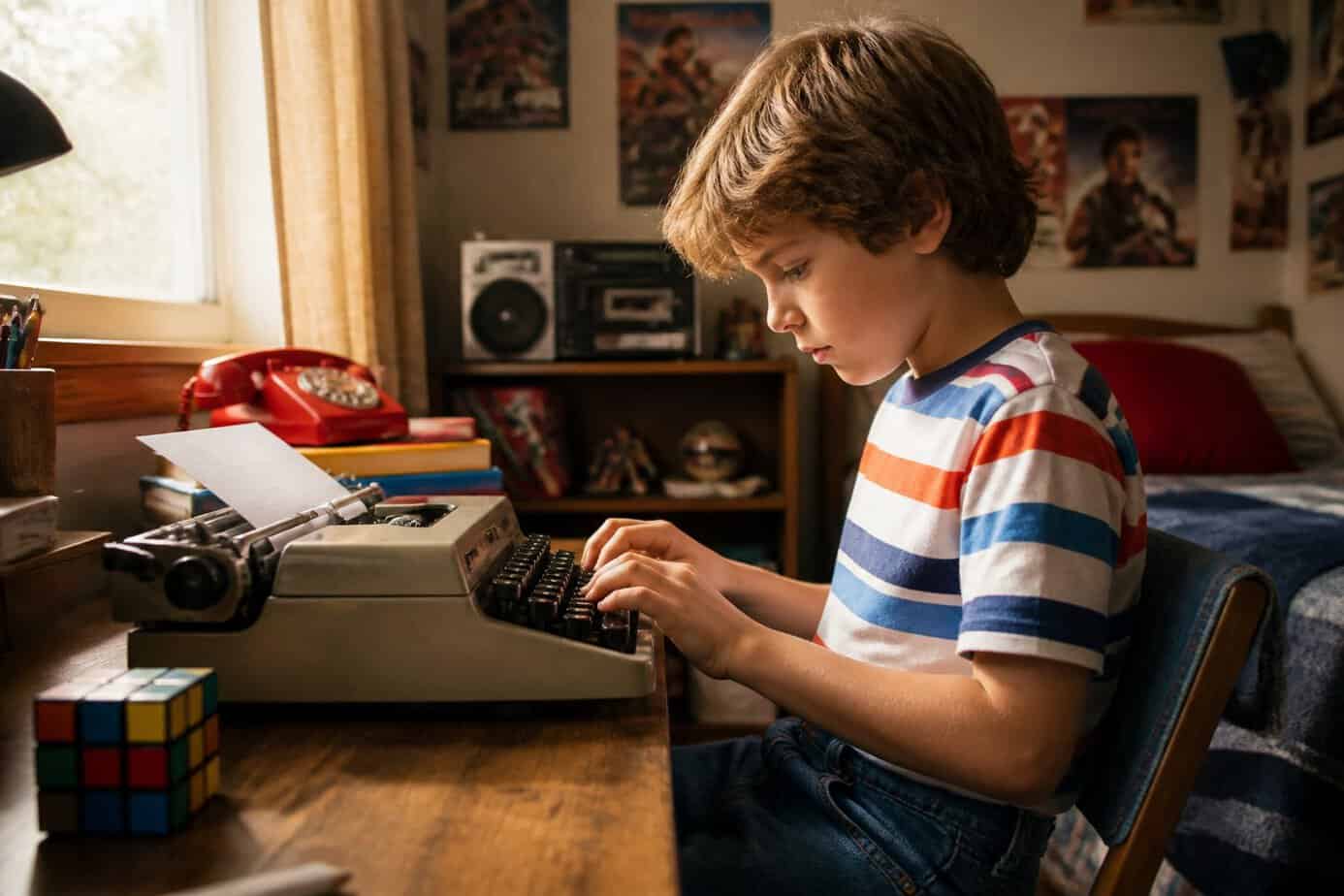
Walking into typing class meant encountering rows of black Underwoods or Royal typewriters lined up on wooden desks. The smell of ink ribbon and machine oil filled the room.
Your fingers pressed down on stiff keys that required real effort with each stroke. Generation Jones and Gen X students shared this school experience, learning proper typing technique on actual typewriters rather than computer keyboards.
Each keystroke produced an immediate result on paper. There was no delete key or spell check to save you from mistakes. You learned accuracy because white-out could only fix so much.
The mechanical feedback taught you touch typing through sheer repetition. Your fingers memorized the home row position out of necessity, building a skill that transferred seamlessly when computers eventually arrived in homes and offices during the late 1980s.
25. Collecting Cabbage Patch Kids and seeing their adoption papers
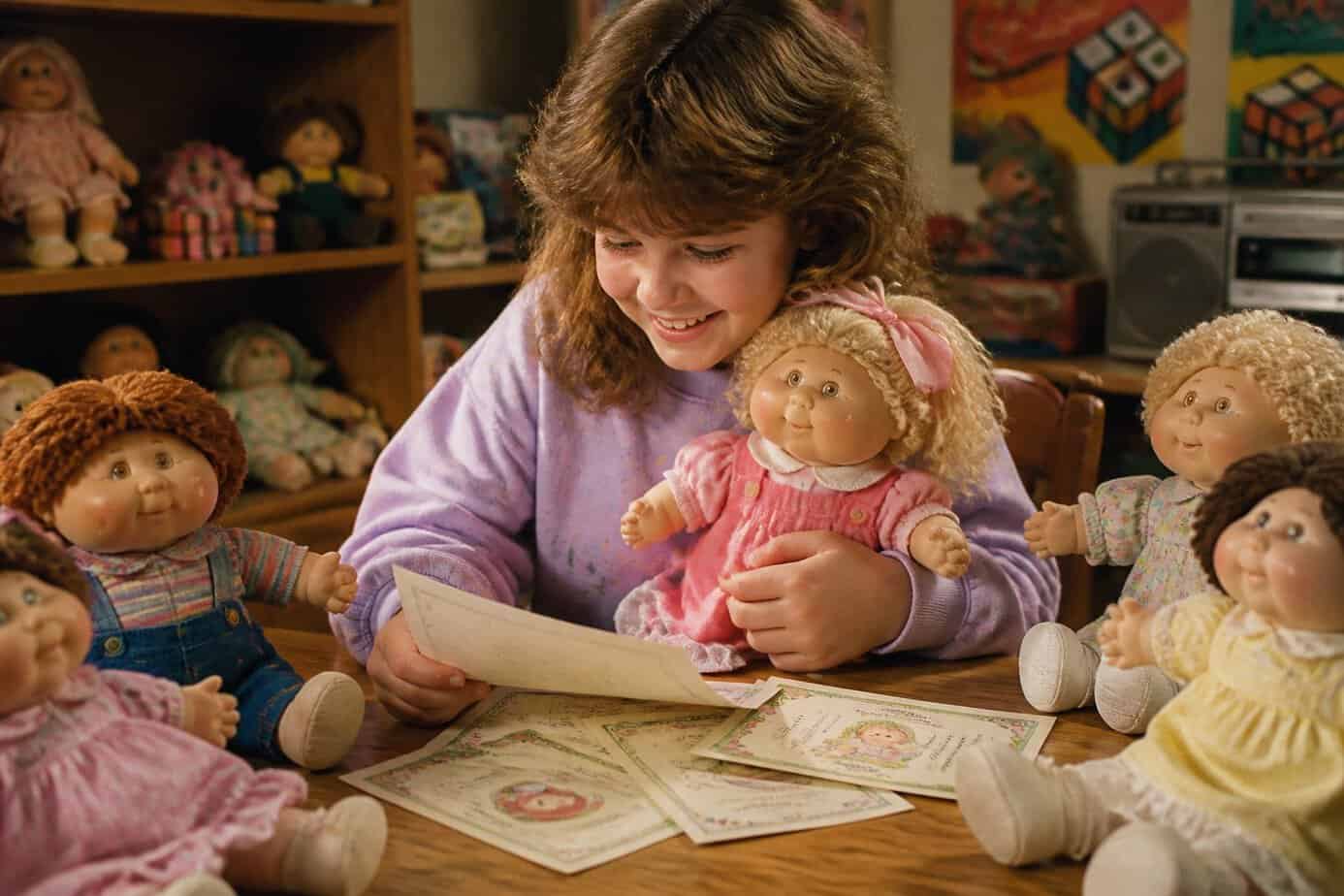
Cabbage Patch Kids weren’t just dolls you bought off a shelf. You adopted them, complete with official paperwork that made the experience feel remarkably real.
Each doll came with a birth certificate signed by creator Xavier Roberts, adoption papers, and sometimes additional cards tracking milestones. You took an adoption oath at the store, then sent in your papers to receive an official birth certificate with your doll’s unique name and personality traits.
The packaging resembled a nursery, and every doll had its own backstory. This wasn’t just about playing with toys—it was about forming a connection through the ritual of adoption. The paperwork transformed a simple purchase into something that felt important and official.
For collectors today, those original adoption papers have become valuable memorabilia, but in the 1980s, they simply made you feel like a real parent.
26. Listening to vinyl albums and reading liner notes cover-to-cover
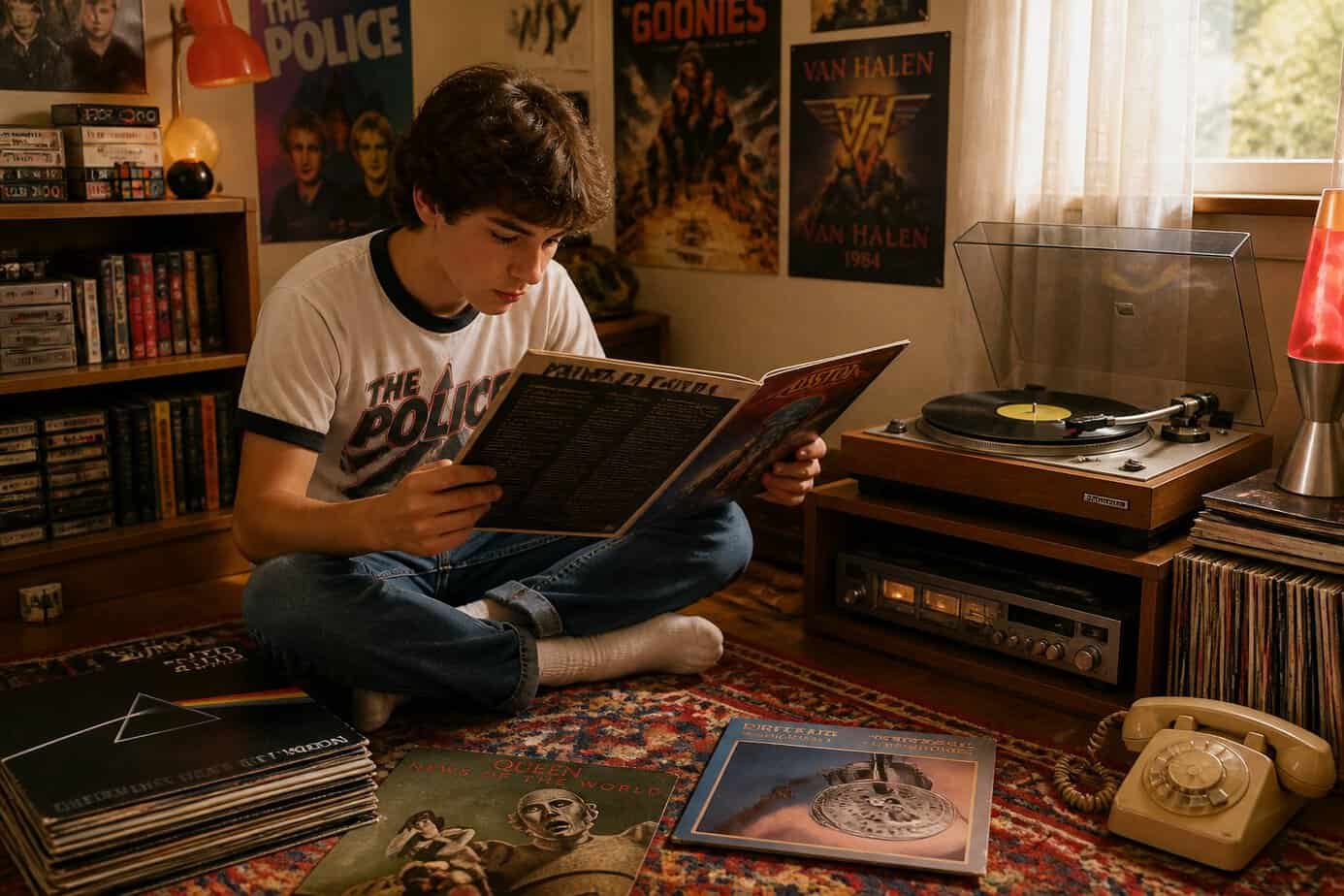
You’d drop the needle on a new album and settle in with the sleeve, absorbing every detail printed on it. Liner notes were your backstage pass to the music, listing every musician, producer, and session player who brought those songs to life.
You’d read the thank-yous, the recording studio locations, and sometimes personal messages from the band. These notes transformed listening from a passive activity into an immersive experience. You learned who played that killer guitar solo or which studio engineer captured that perfect drum sound.
The large format of vinyl sleeves gave you plenty to explore while the album played. You’d study the credits, lyrics, and production details across multiple listens. This ritual connected you to the music in ways that went beyond just hearing it.
27. Waiting for new issues of Transformers and G.I. Joe comics
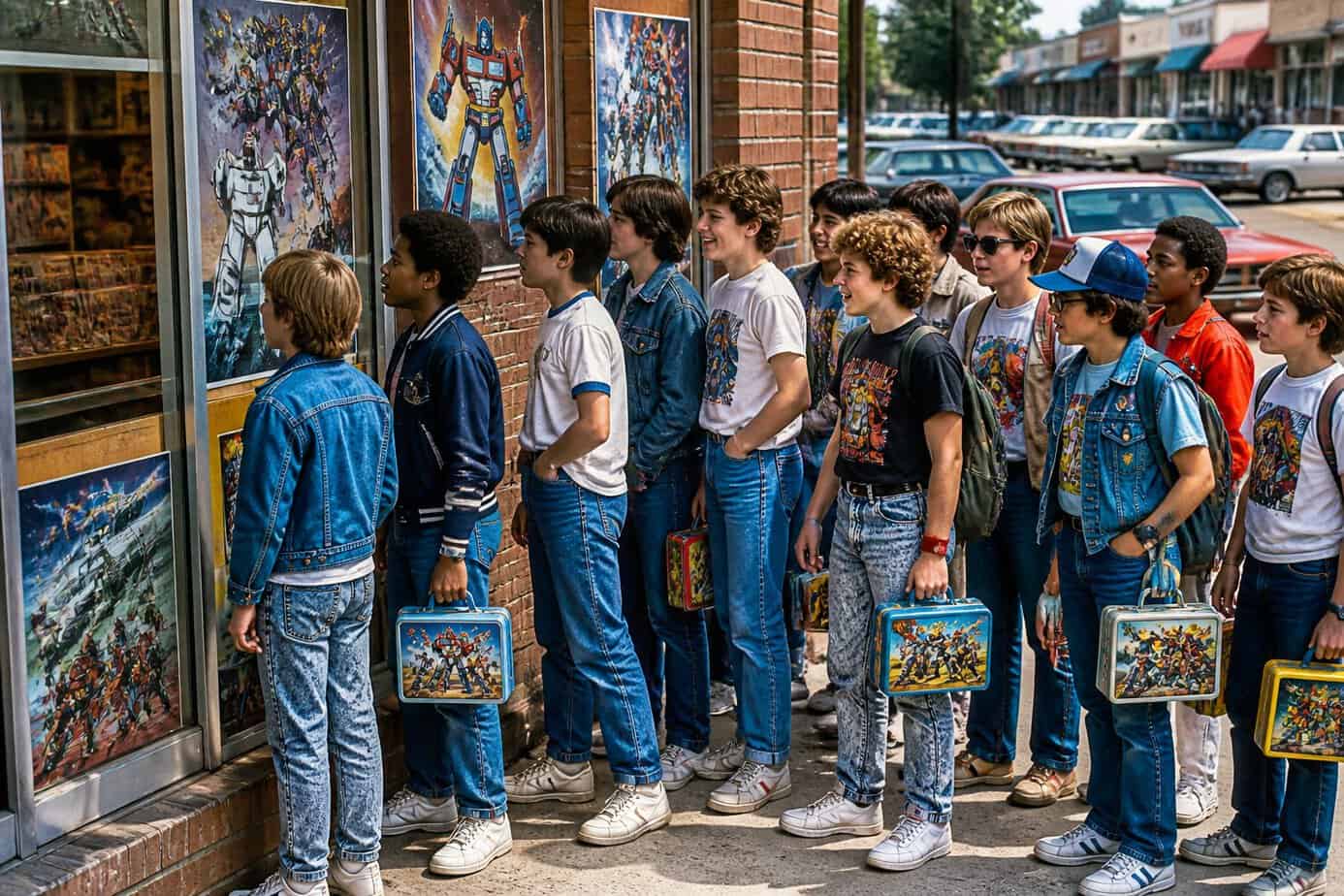
You knew exactly when new comic book day arrived at your local shop. The anticipation built as you saved your allowance for the latest Transformers or G.I. Joe issue.
Marvel Comics published both series throughout the 1980s, with Transformers running from 1984 to 1991 for 80 issues. The G.I. Joe series gave you action-packed stories that expanded beyond what you saw in the cartoons.
You flipped through each page carefully, absorbing every panel and speech bubble. The artwork brought your favorite characters to life in ways that felt more detailed than the Saturday morning shows.
When the crossover mini-series G.I. Joe and the Transformers hit shelves in 1987, you witnessed two of Hasbro’s biggest franchises collide. Those four issues represented the ultimate event for any kid who loved both properties.
28. Using payphones and memorizing phone booth change tricks
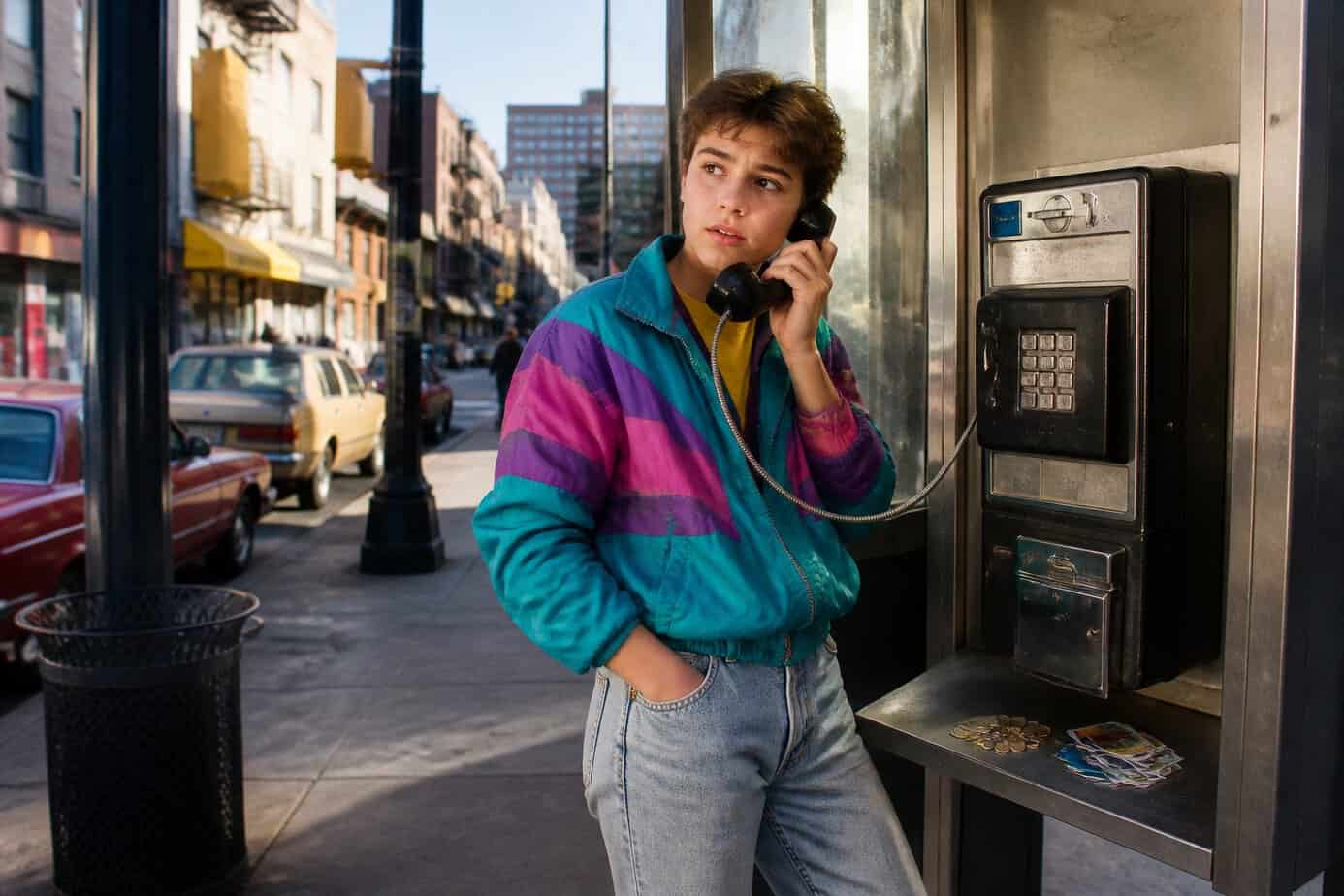
You carried quarters in your pocket and knew exactly which payphones in your neighborhood actually worked. Memorizing important phone numbers was a survival skill since you couldn’t just scroll through contacts.
The sound of coins dropping into the slot became second nature. You learned to maximize your time by planning what you’d say before the money ran out.
Some kids discovered creative workarounds, like using the hook switch to pulse-dial numbers or finding ways to extend calls. Phone booths came with thick directories chained to the side, though finding an intact page was its own challenge.
Making calls required real intention. You had to know where the nearest payphone was located and hope someone would be home to answer.
29. Experiencing the film premieres of E.T. and The Breakfast Club
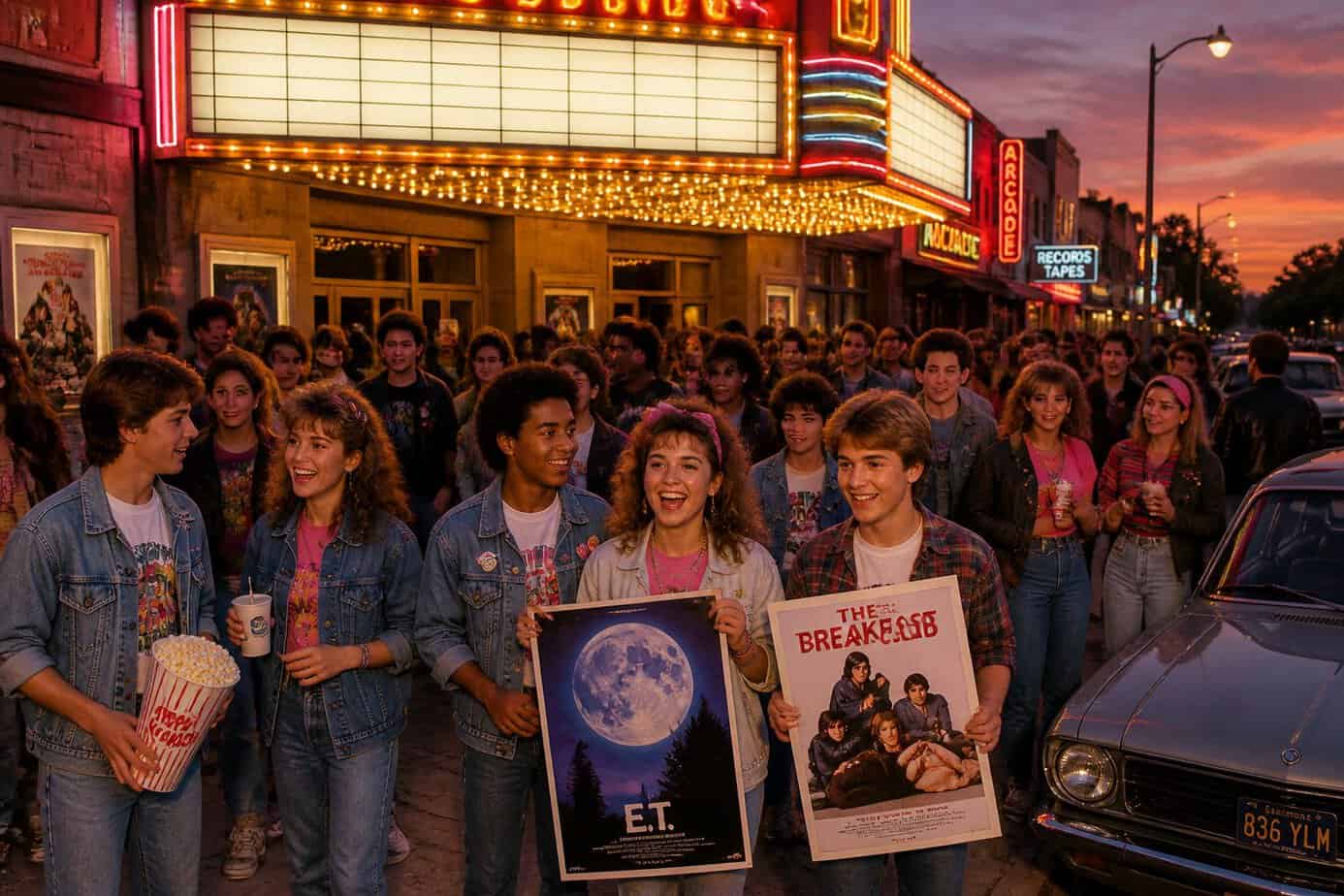
You witnessed two films that would define childhood and adolescence for an entire generation. E.T. arrived in 1982, transforming the simple story of a boy and an alien into a cultural phenomenon that made you believe in magic and friendship.
Three years later, The Breakfast Club premiered on February 15, 1985. Written and directed by John Hughes, it starred Emilio Estevez, Molly Ringwald, Ally Sheedy, Judd Nelson, and Anthony Michael Hall as five teens in Saturday detention.
You watched characters discover that the jock, the princess, the brain, the criminal, and the basket case had more in common than anyone expected. These weren’t just movies you saw once. They became films you quoted, referenced, and rewatched, shaping how you understood relationships and your place in the world.
30. Mastering Rubik’s Cube competitions on the playground

The Rubik’s Cube arrived in 1980 and transformed playgrounds into unofficial competition zones. You’d gather around watching classmates attempt to solve the colorful puzzle, timing each other with basic stopwatches and declaring champions.
These informal competitions happened everywhere during lunch breaks and after school. You didn’t need official rules or organization. Someone would scramble the cube, and you’d race to complete it while friends cheered you on.
Solving the cube in under two minutes made you playground royalty. You either memorized solution methods from library books or learned techniques from the one kid who figured it out first. The competitive spirit turned a simple puzzle into a daily challenge that tested your memory and spatial reasoning.
Those impromptu playground tournaments created a shared experience that connected kids across different social groups, united by the satisfaction of twisting those final pieces into place.
31. Decorating walls with neon posters and band tour flyers
Your bedroom walls served as a personal gallery in the 1980s. Neon posters featuring geometric patterns, abstract designs, and bold color combinations transformed plain spaces into reflections of the decade’s aesthetic.
Band posters and concert flyers became prized possessions. You collected them from record stores, concerts, and magazine centerfolds. Each poster represented your musical identity, whether you favored rock bands, pop icons, or new wave artists.
The arrangement mattered as much as the posters themselves. You carefully positioned each piece to create collages that covered every available inch of wall space. Some overlapped slightly while others stood alone as focal points.
These decorations required minimal investment but maximum personality. A few thumbtacks or poster putty secured your curated collection, creating a space that felt entirely yours.
Influence of Pop Culture in Shaping Childhood
Pop culture in the 1980s created shared experiences that connected children across the country through television programming and blockbuster films that became cultural touchstones for an entire generation.
Television’s Role in Family Bonding
Television united families in the 1980s in ways that streaming services cannot replicate today. Networks aired shows at specific times, which meant your entire family gathered around one TV set to watch programs together. There was no option to pause or watch later.
Saturday morning cartoons created a ritual that defined weekend mornings for kids. You woke up early, poured a bowl of sugary cereal, and watched shows like He-Man, Transformers, and G.I. Joe for hours. These weren’t just entertainment—they were events you shared with siblings and discussed with friends at school on Monday.
Prime-time family shows like The Cosby Show, Family Ties, and Growing Pains gave you characters who dealt with relatable situations. Your parents watched alongside you, and everyone laughed at the same jokes. MTV launched in 1981 and changed how you consumed music by making it a visual experience. Music videos became a shared language among teens and shaped fashion choices, slang, and attitudes about what was cool.
Impact of Iconic 1980s Movies
Movie theaters in the 1980s offered experiences that felt larger than life. Films like E.T. the Extra-Terrestrial, The Goonies, Back to the Future, and The Karate Kid weren’t just movies—they became part of your identity. You quoted lines, recreated scenes in your backyard, and bought posters that covered your bedroom walls.
These films addressed themes you understood: friendship, adventure, standing up to bullies, and believing in yourself. The characters felt authentic, and the stories resonated with your real-life experiences. VCRs became common in households during this decade, which meant you could watch your favorite movies repeatedly until you memorized every line.
John Hughes films like The Breakfast Club and Ferris Bueller’s Day Off captured teenage life with accuracy and humor. You saw yourself reflected on screen in ways previous generations hadn’t experienced.
Technology and Everyday Life
The 1980s brought technology into your home in ways that felt revolutionary. Personal computers appeared on desks alongside family homework, while VCRs and video game consoles transformed living rooms into entertainment centers that didn’t require leaving the house.
The Emergence of Personal Computers
Your first encounter with a personal computer likely happened in the early-to-mid 1980s, whether at school or in your own home. The IBM PC arrived in 1981, followed by the Apple Macintosh in 1984, making computing accessible beyond businesses and hobbyists.
These machines came with keyboards that produced a distinct, mechanical clacking sound with each keystroke. You loaded programs from floppy disks, waited for software to boot up, and learned basic commands through trial and error.
Home computers weren’t just for playing games. You used them for:
- Word processing replacing typewriters for school reports
- Programming in BASIC, often typed from magazine listings
- Educational software teaching typing, math, and problem-solving
- Gaming from text adventures to early graphics-based titles
The learning curve was steep. You needed to understand file systems, memorize commands, and troubleshoot without the internet’s help. Still, having a computer at home put powerful tools at your fingertips that previous generations never accessed outside of work or school.
Home Entertainment Before the Internet
Your entertainment options expanded dramatically without requiring an internet connection. VCRs let you record shows, rent movies from video stores, and watch what you wanted on your schedule instead of waiting for broadcast times.
The Walkman changed how you experienced music. You created mixtapes, carried your favorite albums everywhere, and controlled your personal soundtrack during daily activities. Music became portable in a way that transistor radios never achieved.
Video game consoles like the Atari 2600 and Nintendo Entertainment System turned your television into an interactive playground. You spent hours mastering games, competing with siblings for controller time, and building collections of cartridges. Unlike arcade games that cost quarters, home consoles offered unlimited play once you owned the game.
Cable television brought MTV, specialized channels, and more viewing choices than the three or four networks your parents grew up with. You had more control over your entertainment than any previous generation, even though streaming and on-demand services were still decades away.