
Stop Worrying About Perfect Grades: Focus on These 30 Life Skills Instead
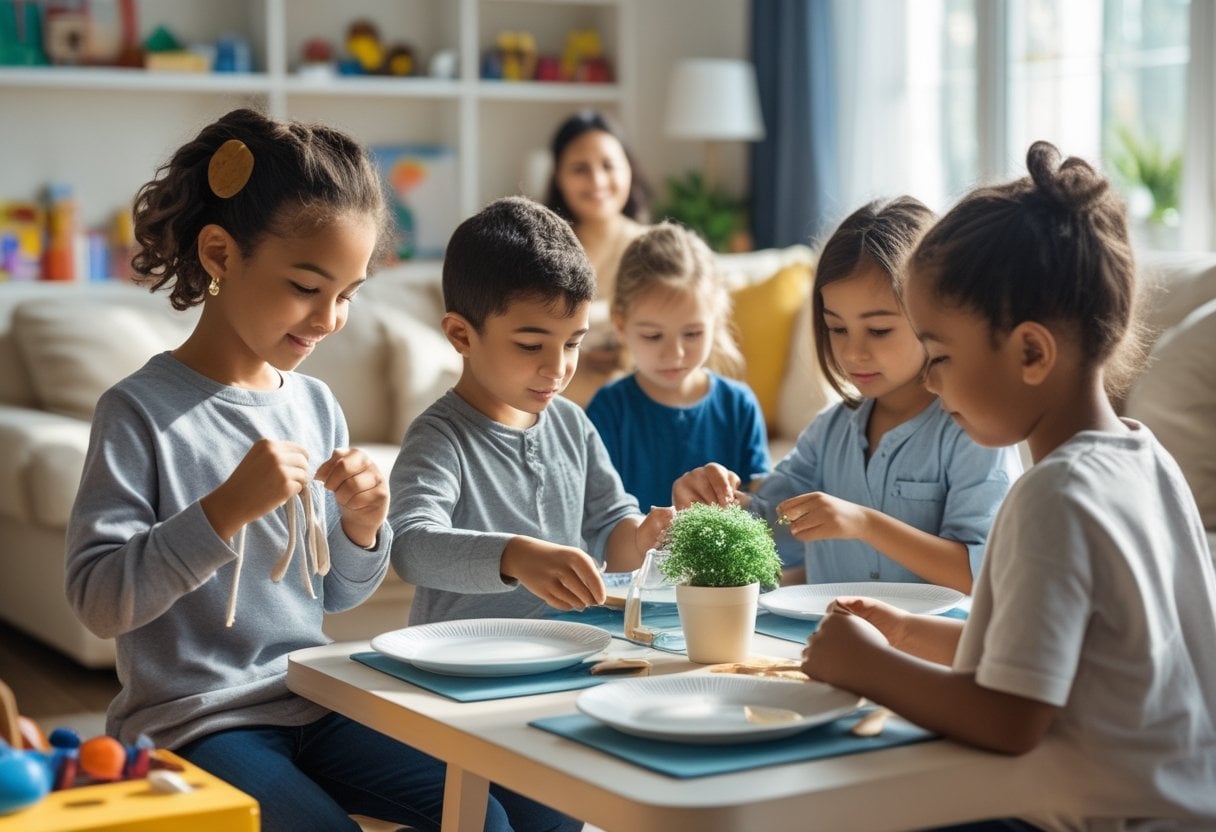
Raising capable, independent children requires more than just academic instruction. The practical abilities they develop at home shape how confidently they navigate everything from daily routines to major life transitions.
When you intentionally teach these foundational competencies, you give your children tools they’ll use every single day as adults. Teaching life skills equips children to manage their personal care, finances, safety, relationships, and household responsibilities with growing independence.
These abilities range from basic self-care habits in early childhood to more complex tasks like budgeting, car maintenance, and professional communication in the teenage years. The skills build progressively, creating a foundation for self-reliance.
This guide covers thirty essential competencies organized by category, including personal care, financial literacy, safety awareness, communication, emotional wellness, and practical household management. You’ll find a roadmap for raising children who can cook their own meals, manage emergencies, navigate conflicts respectfully, and handle the everyday challenges of adult life.
1. Personal hygiene routines (handwashing, toothbrushing, bathing)
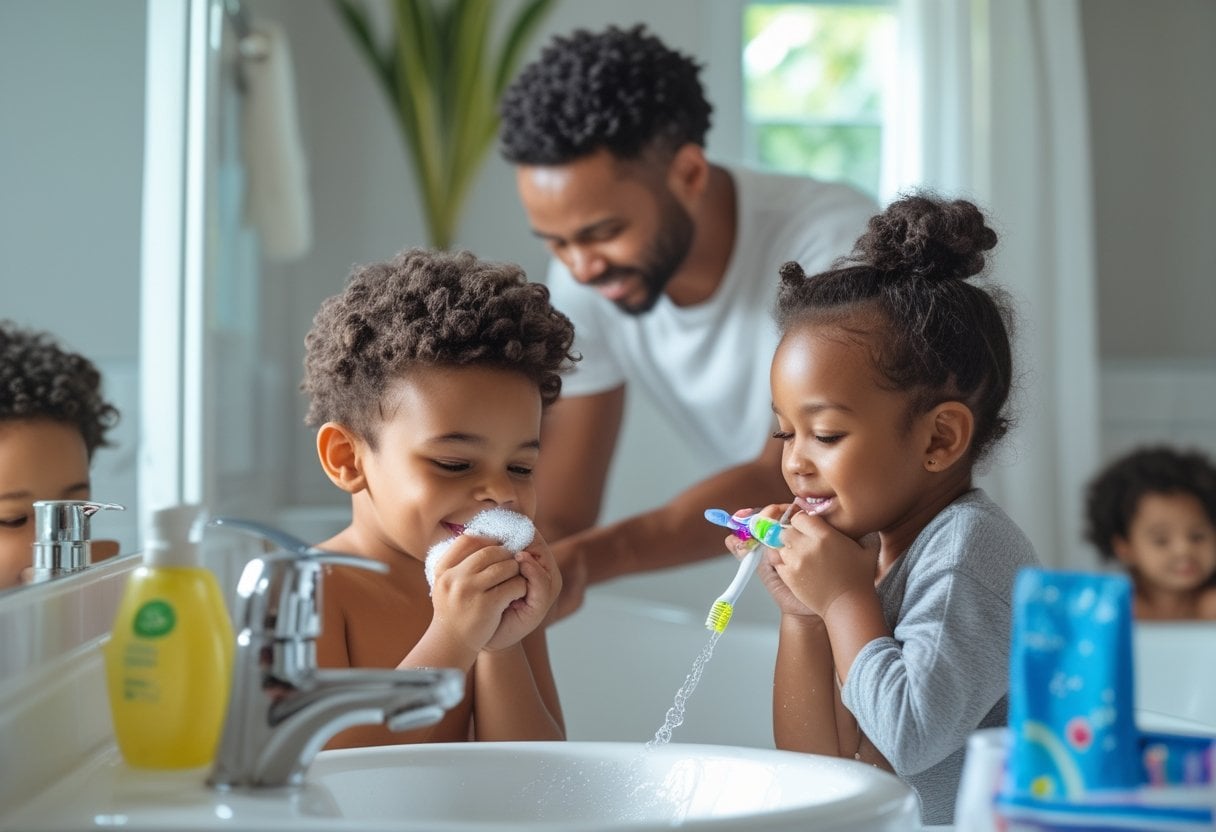
Teaching your child proper hygiene habits builds the foundation for their health and social confidence. These routines prevent illness and establish self-care patterns that continue into adulthood.
Start with handwashing by demonstrating the proper technique: using soap, scrubbing for 20 seconds, and rinsing thoroughly. Make it concrete by singing a short song to mark the time. Children should wash hands before meals, after using the bathroom, and when coming indoors.
Toothbrushing requires consistent practice. Show your child how to brush all tooth surfaces twice daily for two minutes. Young children need supervision until they develop the coordination and responsibility to brush effectively on their own.
Bathing routines teach children to keep their bodies clean. Establish a regular schedule and guide them through washing their hair, body, and face. As they grow, gradually transfer responsibility while checking that they complete each step properly.
2. Meal preparation basics (making a sandwich, simple snacks, reheating safely)
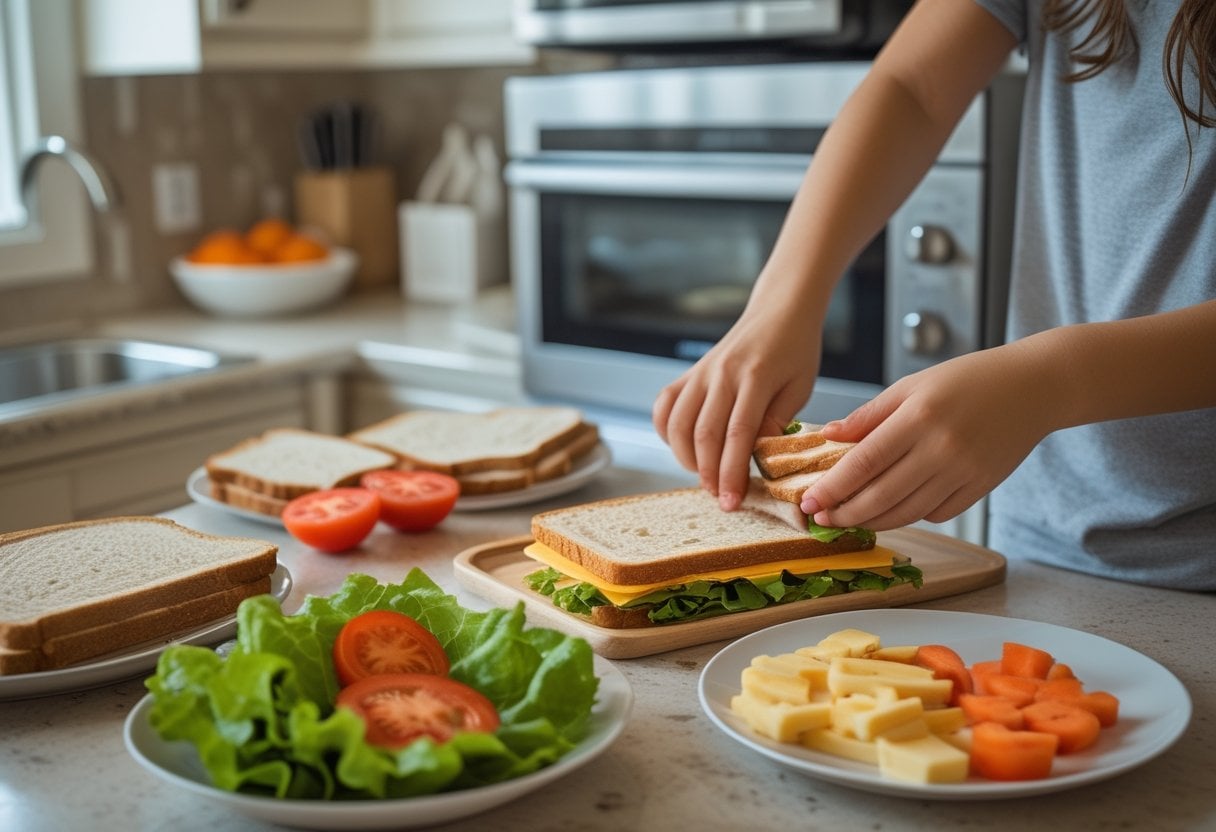
Teaching your children basic meal preparation ensures they can feed themselves when you’re not available. Start with simple tasks like assembling sandwiches, which involves choosing ingredients, spreading condiments, and stacking components properly.
Your children should learn to prepare quick snacks such as toast, cereal, crackers with cheese, or fresh fruit with yogurt. These skills build confidence and independence in the kitchen.
Safe reheating practices are critical for preventing burns and foodborne illness. Teach your children how to use the microwave properly, including appropriate containers, heating times, and the importance of stirring food to distribute heat evenly.
They should understand basic food safety principles, such as washing hands before handling food and recognizing when leftovers are safe to eat. These fundamental skills provide the foundation for more advanced cooking abilities as they grow older.
3. Laundry skills (sorting, loading washer/dryer, folding)

Learning to manage laundry teaches your children responsibility and prepares them for independent living. Start by showing them how to sort clothes by color and fabric type to prevent damage and color bleeding.
Walk your children through loading the washer properly. Teach them to read detergent labels, measure the correct amount, and select appropriate wash settings based on the load type.
Moving clothes from the washer to the dryer is the next step. Demonstrate how to clean the lint trap and choose the right temperature settings.
Folding and putting away clean clothes completes the process. Practice different folding techniques for various items like shirts, pants, and towels. Your children will need time to master these skills, so start with simple tasks and gradually increase complexity as they gain confidence and competence.
4. Basic money management (counting cash, making change, simple budgeting)

Teaching your children how to handle money starts with physical currency. Help them identify coins and bills, then progress to counting combinations of different denominations. This hands-on practice builds confidence with real-world transactions.
Making change is another fundamental skill. When your child receives money for a purchase, guide them through calculating what they should get back. Role-playing store scenarios at home makes this practice engaging and practical.
Simple budgeting introduces the concept of planning ahead. Show your children how to divide their allowance or earnings into categories like saving, spending, and giving. This teaches them to distinguish between needs and wants.
Start these lessons early with age-appropriate activities. Even young children can grasp basic money concepts through counting games and pretend shopping.
5. Opening a bank account and using ATMs

Teaching your child how to open and manage a bank account builds financial independence. Start by explaining the different types of accounts available, such as savings and checking accounts, and help them understand which option suits their needs.
Walk them through the account opening process, including required documents and initial deposits. Many banks offer youth accounts designed specifically for young people learning to manage money.
ATM skills are equally important for everyday banking. Show your child how to check their balance, make deposits, and withdraw cash safely. Teach them about ATM fees and the importance of using machines at trusted locations.
Online banking is now standard practice. Guide them through logging into their account, changing passwords regularly, and monitoring transactions. These practical skills will serve them throughout their adult life.
6. Household cleaning (vacuuming, sweeping, sanitizing surfaces)
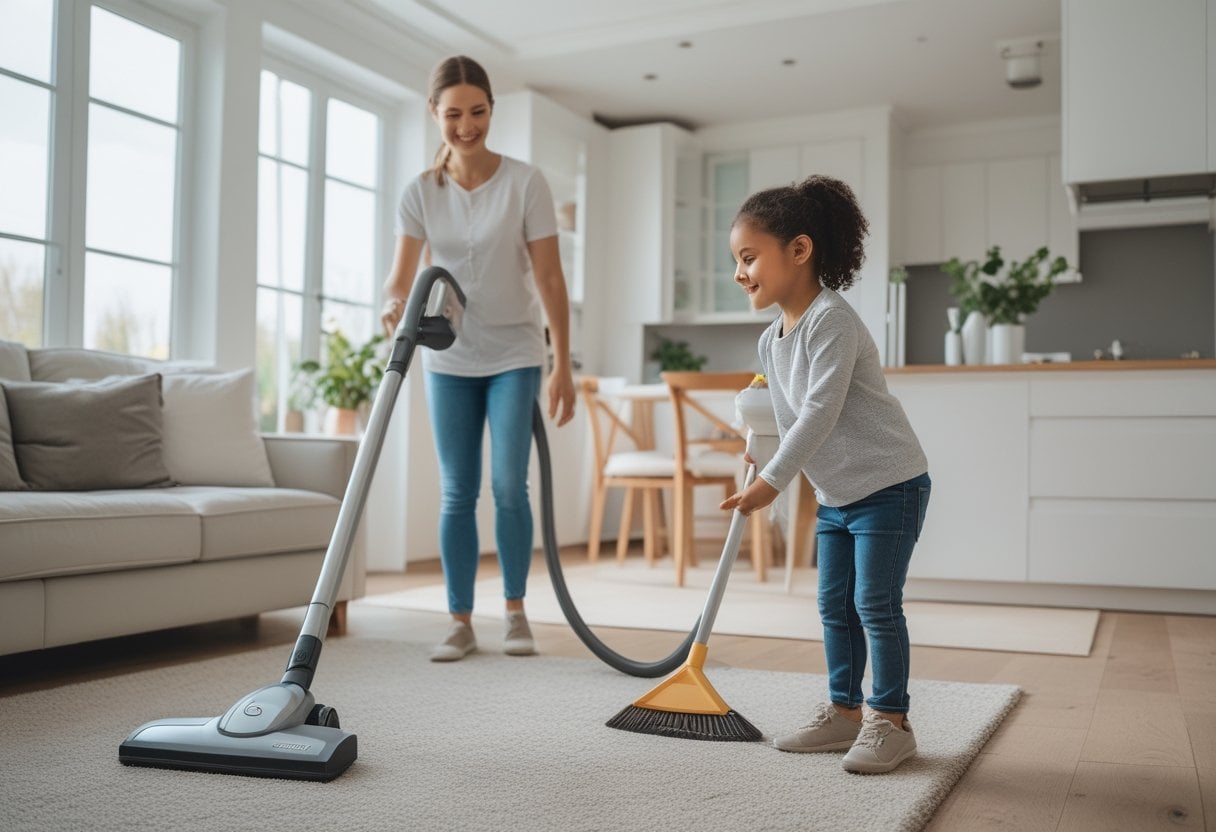
Teaching your children household cleaning skills prepares them for independent living and instills responsibility. Start with basic tasks like sweeping floors and wiping counters before progressing to vacuuming and sanitizing surfaces.
Demonstrate each cleaning task step-by-step. Show your child how to use a broom effectively, push a vacuum in overlapping rows, and apply appropriate cleaning products to different surfaces. Let them practice under your supervision until they can complete tasks independently.
Match cleaning responsibilities to your child’s age and abilities. Younger children can dust low surfaces and spot-clean spills. Older children can handle vacuum cleaners, mop floors, and sanitize bathrooms and kitchens with proper instruction on cleaning product safety.
Regular practice builds competence and confidence. Assign age-appropriate cleaning tasks as part of your child’s routine contributions to household maintenance.
7. Time management (using a planner, prioritizing tasks, setting timers)

Time management helps children feel more in control of their day and less stressed about what needs to get done. Start by introducing a simple planner or calendar where your child can write down homework, activities, and responsibilities.
Teaching prioritization means showing them how to identify what needs attention first. Help them distinguish between urgent tasks and those that can wait.
Timers make abstract time concrete for children. Set a timer for homework sessions or chores so your child can see how long activities actually take. This builds awareness and helps them estimate time more accurately in the future.
Visual tools like color-coded charts and checklists work well for younger children who benefit from seeing their schedule laid out clearly. As your child grows, these foundational skills evolve into more sophisticated planning abilities that serve them through school and beyond.
8. Safe online behavior and privacy management

Teaching your children about online safety has become as fundamental as teaching them to look both ways before crossing the street. Start these conversations early, as soon as they begin using devices or accessing the internet.
Help your children understand which personal information should remain private. This includes their full name, address, phone number, school name, and passwords. Explain that companies and websites collect their data, and they should be mindful about what they share.
Teach them to communicate respectfully online and recognize that their digital actions have real-world consequences. They need to understand concepts like cyberbullying, inappropriate content, and how to respond when something online makes them uncomfortable.
Show them how to create strong passwords, recognize suspicious links, and understand privacy settings on apps and websites. These practical skills will protect them throughout their lives as technology continues to evolve.
9. Password creation and secure storage

Children need password skills as soon as they start using online accounts for games, school platforms, and learning apps. Teaching them to create strong passwords protects their personal information and builds digital responsibility.
Show your children how to make memorable yet secure passwords by combining unrelated words, numbers, and symbols. Avoid obvious choices like birthdays, pet names, or simple sequences. A strong password should be unique for each account.
Teach them never to share passwords with friends or classmates. Explain that passwords are like house keys—they keep private things safe. Help younger children store passwords in a designated notebook kept in a secure location at home.
As children grow older, introduce them to the concept of password managers. These tools safely store multiple passwords and reduce the risk of forgotten credentials or weak password choices.
10. Emergency preparedness (creating a family emergency plan)

Teaching your children emergency preparedness builds confidence and readiness when unexpected situations arise. Start by identifying potential disasters in your area and discussing them openly with your kids.
Create a communication plan that includes how family members will contact each other if separated. Designate two meeting places: one near your home and another outside your neighborhood.
Help children memorize essential information like your phone number, address, and an out-of-area contact. Practice escape routes from each room in your house and conduct regular safety drills.
Assemble an emergency kit together, letting children help choose items and understand their purpose. Teach age-appropriate skills like calling 911, basic first aid, and when to seek help.
Review and update your plan regularly as your children grow and circumstances change.
11. First aid basics (bleeding control, treating burns, CPR awareness)
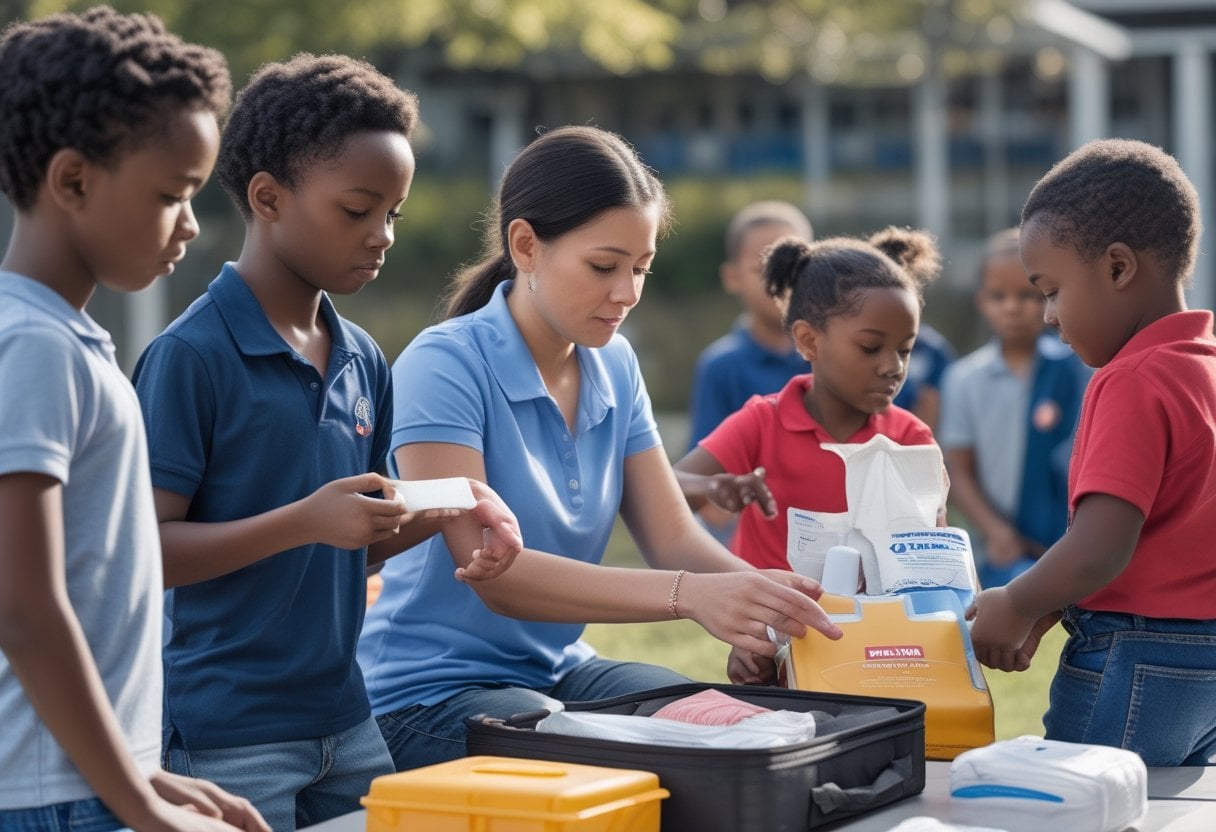
Teaching your children basic first aid skills prepares them to respond effectively during emergencies. Start with age-appropriate techniques that match their developmental level and understanding.
For bleeding control, show them how to apply direct pressure using a clean cloth and when to seek adult help. Demonstrate proper wound cleaning for minor cuts and scrapes.
Burn treatment education should cover the importance of running cool water over minor burns and never applying ice directly to skin. Teach them to recognize when a burn requires medical attention.
CPR awareness gives children foundational knowledge about this life-saving technique. While full CPR certification typically comes later, even young children can learn to recognize when someone needs help and how to call emergency services.
Practice these skills regularly through age-appropriate role-playing scenarios. This repetition builds confidence and helps children remember the proper steps when actual emergencies occur.
12. Fire safety and escape planning
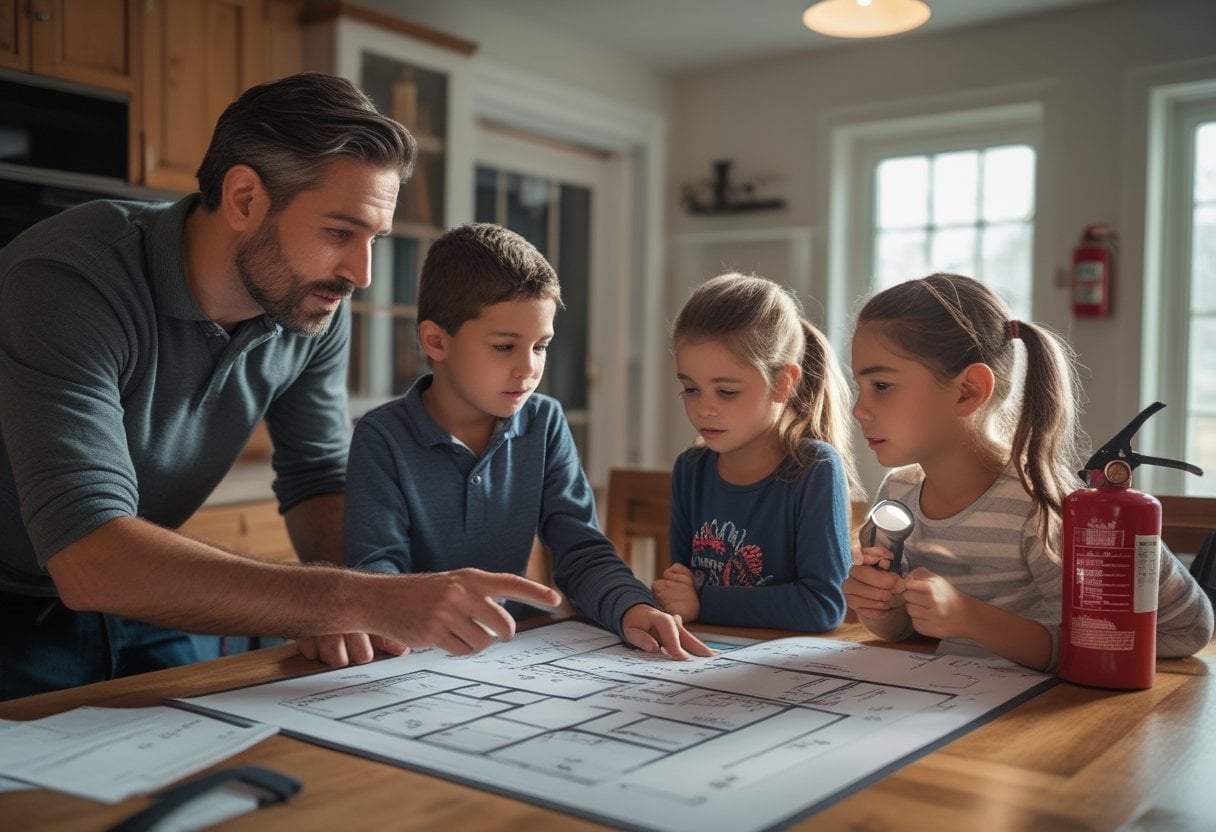
Teaching your children fire safety can save their lives. Start by explaining how fires spread quickly and why they need to react immediately when they hear a smoke alarm.
Create a fire escape plan together. Walk through your home and identify two exits from every room. Choose a meeting spot outside where everyone will gather after escaping.
Practice fire drills several times a year so the routine becomes automatic. Teach your children to crawl low under smoke, feel doors before opening them, and never hide during a fire.
Show them how to stop, drop, and roll if their clothing catches fire. Make sure they know to get out first and call for help from outside, never going back inside for pets or belongings.
Young children who cannot escape alone need special consideration in your plan.
13. Navigating public transportation (reading schedules, buying tickets)

Teaching your child to use public transportation builds independence and confidence for real-world situations. Start with the basics of reading bus and train schedules, including understanding route numbers, departure times, and destination points.
Show your child how to locate stops and stations using maps and mobile apps. Practice identifying the correct platform or boarding area before your scheduled departure.
Explain the ticketing process, whether using cash, cards, or transit apps. Walk through purchasing options at kiosks and ticket windows, and demonstrate how to validate tickets when required.
Practice together on actual trips, allowing your child to take the lead while you supervise. Have them plan the route, purchase tickets, and navigate transfers between different lines or modes of transportation.
Emphasize safety awareness, including staying alert, keeping belongings secure, and knowing when to ask transit staff for help.
14. Phone and email etiquette

Teaching your children proper digital communication skills prepares them for academic and professional success. Start with phone basics like answering politely, speaking clearly, and identifying themselves when calling someone.
Email etiquette requires different attention. Your child should learn to write clear subject lines, use appropriate greetings, and maintain a respectful tone. Teach them to proofread before sending and understand when email is more suitable than texting.
Response time matters too. Help your children understand that emails don’t require immediate replies like text messages, but shouldn’t be ignored for days either.
Set guidelines for appropriate communication hours. Calling or emailing late at night or too early in the morning shows poor judgment.
Practice these skills together through role-playing scenarios. Let your children send emails to family members or answer calls from relatives under your supervision until they feel confident.
15. Conflict resolution and respectful communication
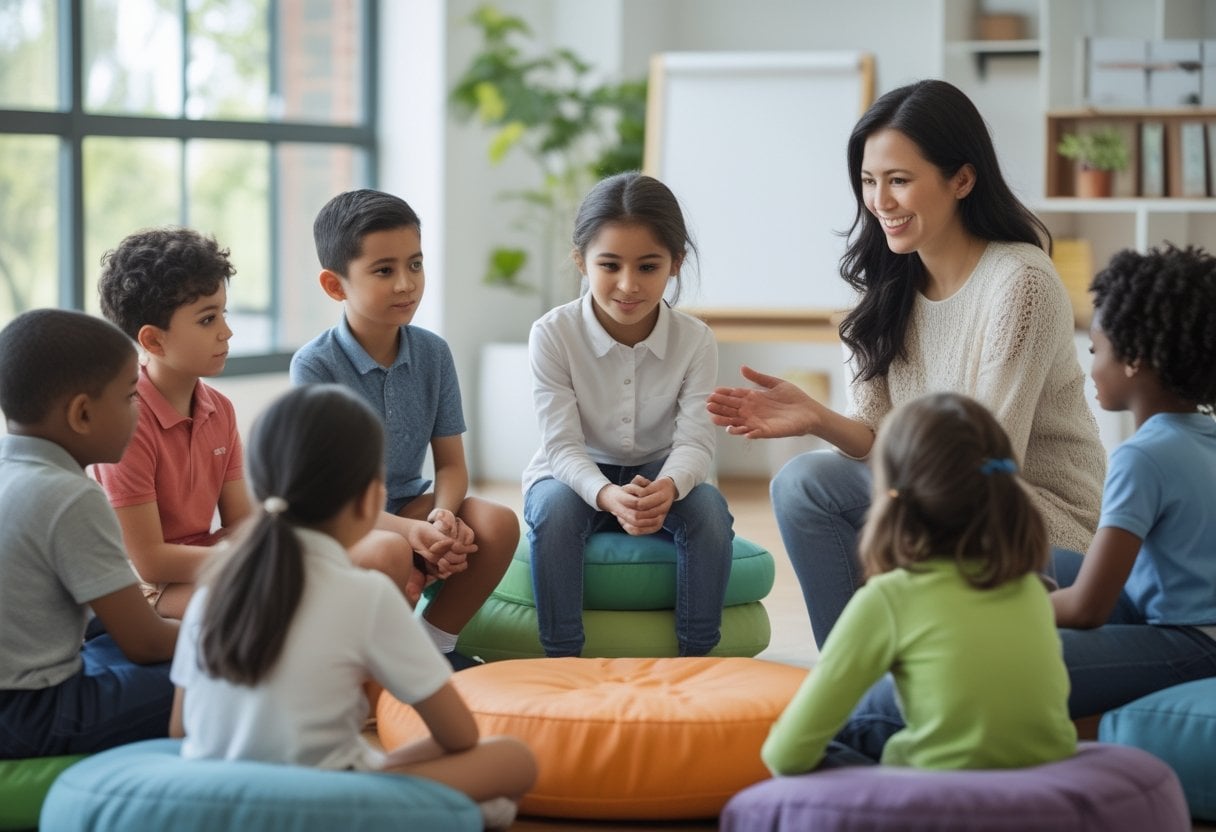
Teaching your children how to navigate disagreements constructively prepares them for countless social situations throughout life. These skills help them maintain relationships and handle emotions effectively when tensions arise.
Start by modeling respectful communication in your own interactions. Children learn by observing how you express disagreement, listen to others, and work toward solutions.
Practice active listening with your child by encouraging them to hear the other person’s perspective before responding. This builds empathy and reduces reactionary behavior during disputes.
Role-playing common scenarios gives children hands-on experience with conflict resolution. Act out situations like sharing toys, asking for help, or resolving playground disagreements so they develop confidence in real interactions.
Teach your child to express their feelings clearly using “I” statements rather than blame. This approach helps them communicate needs without escalating conflict, fostering mutual respect in all relationships.
16. Active listening and giving constructive feedback

Active listening requires your child to focus on what others are saying rather than simply waiting their turn to speak. This skill forms the foundation for meaningful relationships and effective learning throughout life.
You can teach active listening by encouraging your child to maintain eye contact, ask clarifying questions, and repeat back what they’ve heard. Practice these techniques during everyday conversations at home.
Giving constructive feedback is equally important. Your child needs to learn how to share their thoughts in ways that are helpful rather than hurtful. Teach them to focus on specific behaviors instead of making personal criticisms.
When receiving feedback, guide your child to listen with an open mind and view criticism as an opportunity for improvement. These combined skills create stronger communication patterns that will benefit them in school, friendships, and future careers.
17. Emotional regulation techniques (breathing, grounding, journaling)

Teaching your children to manage their emotions equips them with tools they’ll use throughout life. Emotional regulation techniques help kids handle the intensity and duration of their feelings in healthy ways.
Breathing exercises offer a simple starting point. You can teach your child to take slow, deep breaths when upset, which naturally calms their nervous system. Even young children around age three can begin learning these basic techniques through playful practice.
Grounding techniques help children reconnect with the present moment when overwhelmed. These might include naming five things they can see or feeling their feet on the floor.
Journaling works well for older children who can express themselves through writing. It gives them a private space to process emotions and identify patterns in their feelings. All emotions are valid, but these techniques give your child control over their responses and behaviors.
18. Growth mindset and resilience building
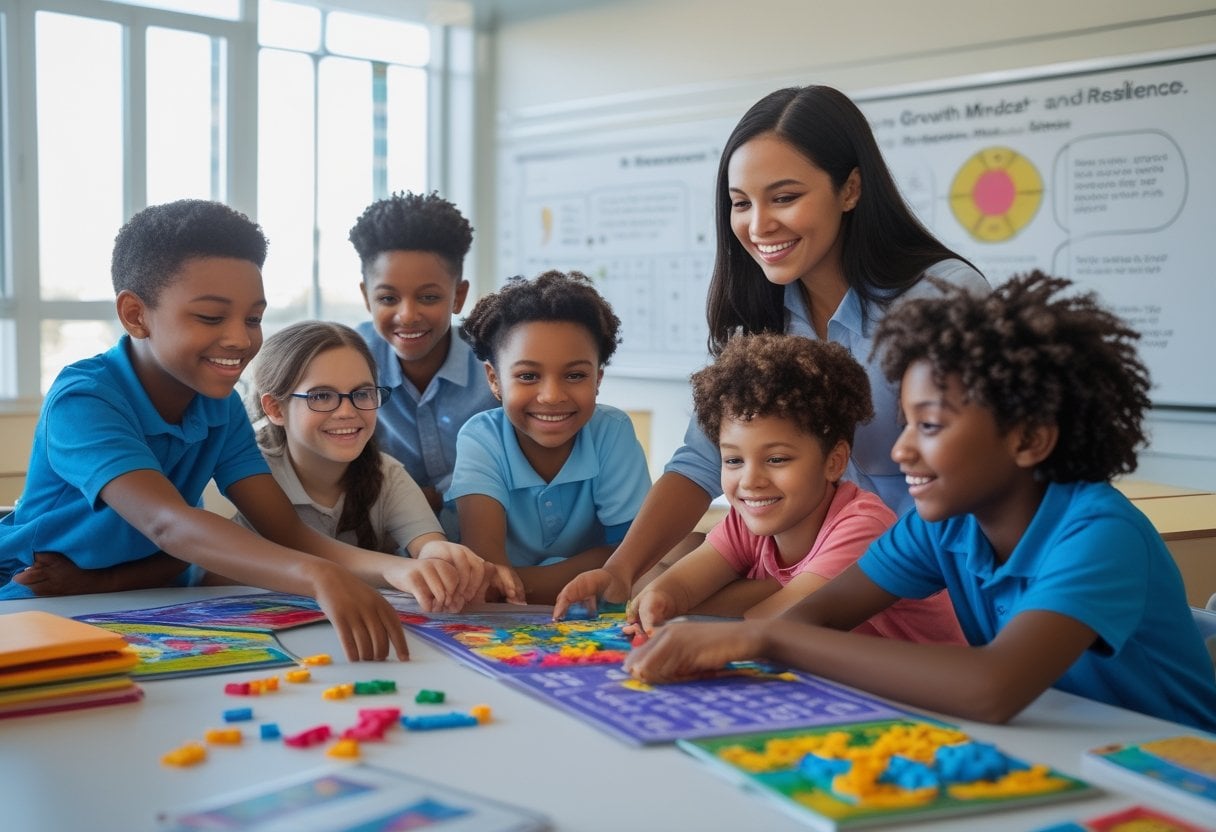
Teaching your children that abilities can be developed through effort helps them embrace challenges rather than avoid them. This growth mindset transforms setbacks into learning opportunities.
When children believe they can improve through practice, they build resilience naturally. They learn to view mistakes as part of the learning process rather than evidence of failure.
You can foster this mindset by praising effort instead of innate talent. Focus on the strategies your children use and the progress they make. Encourage them to use phrases like “I can’t do this yet” rather than “I can’t do this.”
Help your children reframe difficulties as chances to grow. When they struggle with schoolwork or social situations, guide them to identify what they can learn from the experience. This approach builds the mental resilience they need to navigate life’s challenges effectively.
19. Goal-setting and breaking tasks into steps
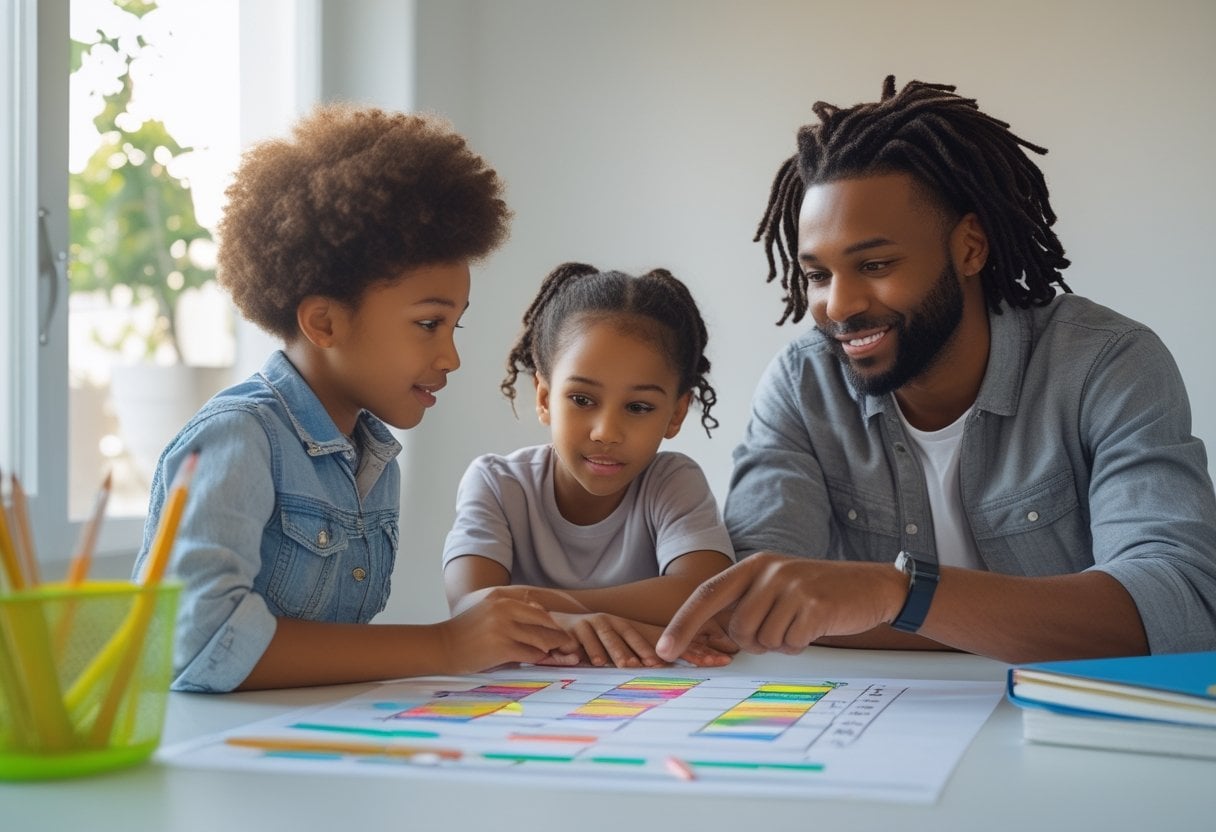
Teaching your child to set goals and break them into manageable steps builds confidence and planning skills. This ability helps children approach big projects without feeling overwhelmed.
Start by helping your child identify something they want to achieve. Guide them through dividing that goal into smaller, concrete actions they can complete one at a time.
Use visual tools like charts or checklists to map out each step. This makes progress tangible and gives your child a sense of accomplishment as they check off completed tasks.
Practice with everyday activities first. Simple goals like organizing their room or completing a craft project teach the fundamentals before moving to longer-term objectives.
As your child gains experience, encourage them to create their own action plans. This develops critical thinking and helps them understand that most achievements require planning and persistence.
20. Basic cooking skills (boiling, chopping safely, reading recipes)

Teaching your children to cook gives them independence and prepares them for adult life. Start with fundamental techniques that build confidence in the kitchen.
Boiling is one of the simplest cooking methods to teach. Your child should learn to fill pots appropriately, understand when water reaches a boil, and use timers to prevent overcooking.
Safe knife skills require proper instruction and supervision. Teach your child how to hold a knife correctly, keep fingers curled while cutting, and use a stable cutting board. Start with softer foods before progressing to harder ingredients.
Reading recipes develops comprehension and following multi-step directions. Your child needs to understand measurement conversions, ingredient lists, and the sequence of steps. This skill combines literacy with practical application.
These foundational cooking abilities touch on safety, nutrition, and basic science concepts. They provide your child with the tools to prepare simple meals independently.
21. Food safety and nutrition basics

Teaching your children about food safety and nutrition equips them with knowledge they’ll use throughout their lives. Start with basic hygiene practices like washing hands before handling food and understanding proper food storage temperatures.
Children should learn to identify safe cooking practices, including how to prevent cross-contamination and recognize when food has spoiled. These skills become increasingly important as they gain independence in the kitchen.
Nutrition education helps your children make informed food choices. Teach them to recognize balanced meals that include proteins, vegetables, fruits, and whole grains. Understanding food labels and portion sizes enables them to develop healthy eating habits.
Getting children involved in meal planning and preparation reinforces these concepts practically. They’ll learn to apply both safety protocols and nutritional knowledge while building confidence in the kitchen.
22. Self-advocacy (talking to teachers, doctors, employers)
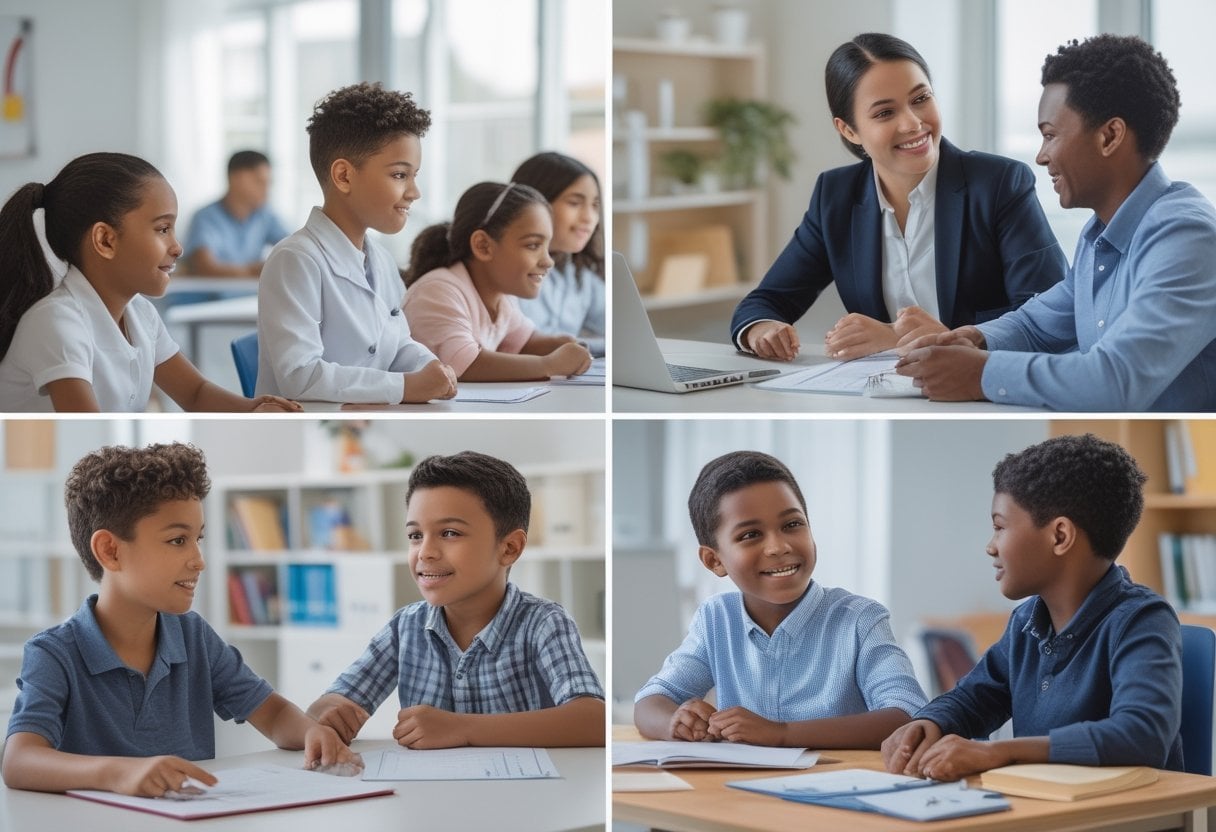
Self-advocacy means speaking up for your needs and rights in different situations. This skill helps your child communicate effectively with authority figures throughout their life.
Start by teaching your child to identify what they need. They should understand their feelings, preferences, and challenges before expressing them to others. Practice through role-playing conversations with teachers about assignments, doctors about health concerns, or future employers about workplace needs.
Teach specific phrases they can use. For younger children, simple statements like “I don’t understand this part” or “I need help” work well. Older children can learn more detailed communication, such as requesting accommodations or clarifying expectations.
Encourage your child to speak respectfully but confidently. They should maintain eye contact, use a clear voice, and explain their situation without apologizing unnecessarily. These habits build lifelong communication skills that serve them in school, healthcare settings, and their future careers.
23. Job readiness (writing a simple resume, interviewing basics)

Teaching your children basic job readiness skills prepares them for future employment opportunities. Start with resume writing by showing them how to list their education, any volunteer work, and relevant skills in a clear format. Keep it simple at first, focusing on contact information, a brief objective statement, and their strengths.
Interview preparation is equally important. Practice common questions like “Tell me about yourself” and “Why do you want this job?” Teach your children to make eye contact, offer a firm handshake, and dress appropriately for the position they’re seeking.
Role-playing interviews at home helps build confidence. You can also review how to fill out job applications accurately and completely. These foundational skills give your children a practical advantage when they begin their working lives.
24. Household budgeting and bill-paying

Understanding household finances prepares your children for independent living. Start by explaining how money comes in through work and goes out through expenses like rent, utilities, and groceries.
Show your children actual bills and walk them through the payment process. Let them see due dates, amounts owed, and what happens when you pay online or by check. This transparency makes abstract concepts tangible.
For older children, consider giving them responsibility for tracking a household expense category. They could monitor the electricity bill or grocery budget for a month. This hands-on experience builds practical skills they’ll use throughout adulthood.
Create practice scenarios where they allocate a fictional income across necessary expenses. This helps them understand trade-offs and priorities before managing real money on their own.
25. Basic car knowledge (checking oil, tire pressure, jump-starting)
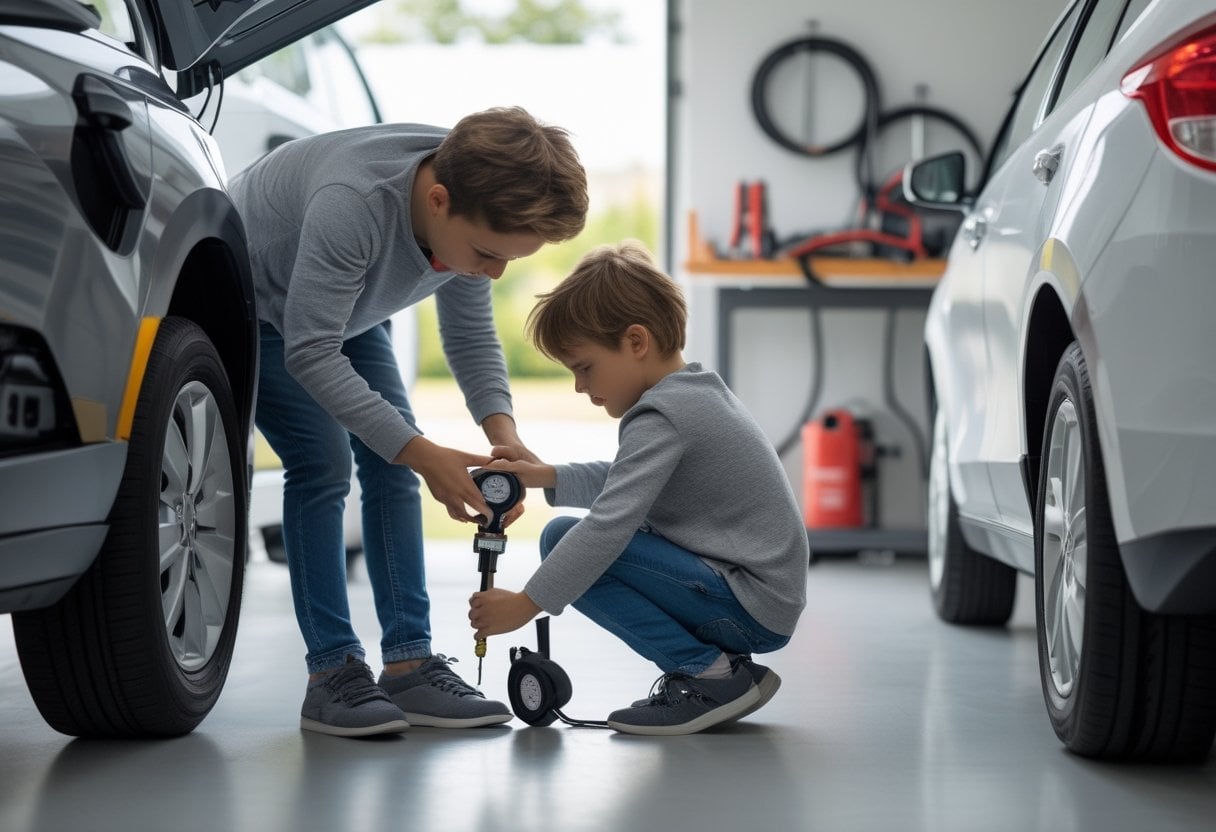
Teaching your teen basic car maintenance builds independence and keeps them safe on the road. Start with checking the oil level using the dipstick, explaining how to read it and when to add more. This simple task prevents engine damage and costly repairs.
Tire pressure checks are equally important since tires are the only contact point between the car and road. Show your teen how to use a tire pressure gauge and locate the recommended PSI in the owner’s manual or door jamb.
Jump-starting a dead battery is an essential emergency skill. Demonstrate the proper order for connecting jumper cables and the safety precautions to follow.
Let your teen practice these tasks under your supervision. Hands-on experience builds confidence and ensures they’ll remember these skills when needed. Regular practice reinforces proper technique and makes maintenance feel routine rather than overwhelming.
26. Decision-making and problem-solving frameworks
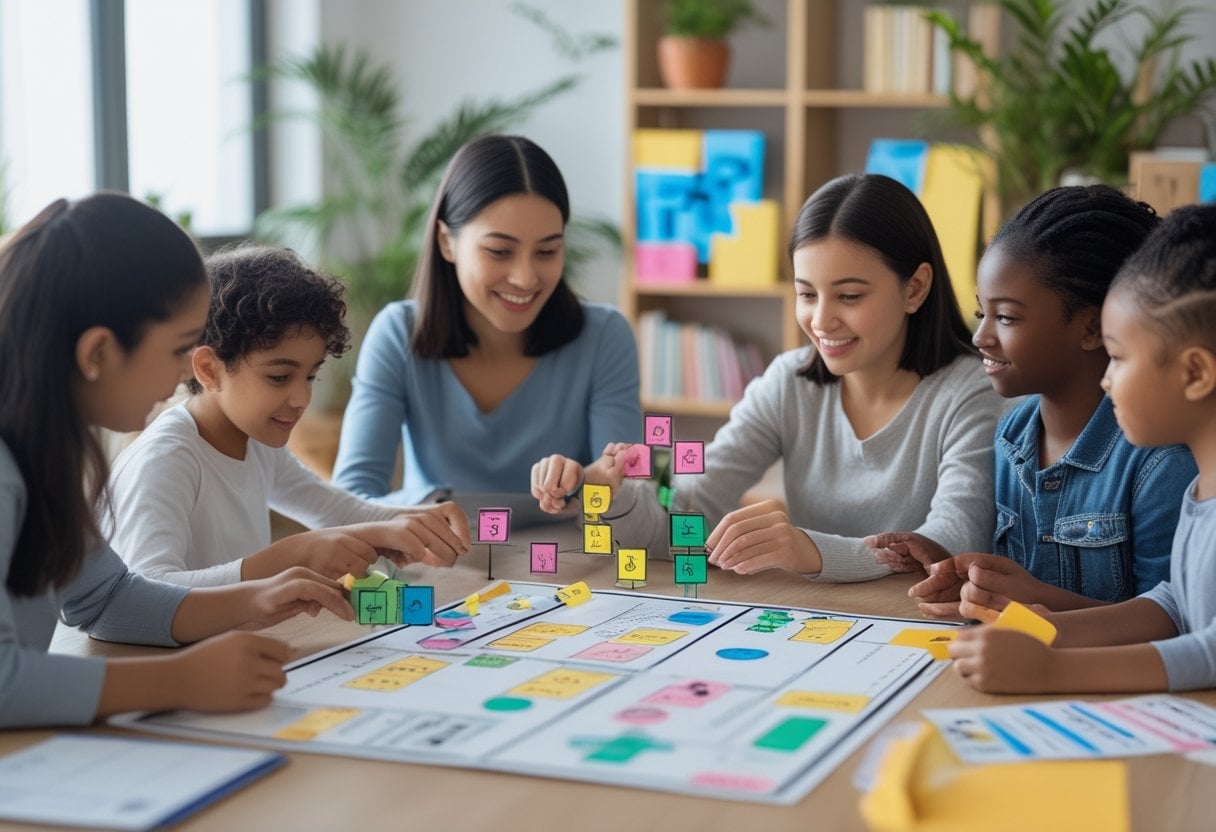
Teaching your children structured approaches to decisions helps them navigate challenges independently. Frameworks provide step-by-step methods that reduce overwhelm when facing choices.
Start with simple models like identifying the problem, listing possible solutions, weighing pros and cons, and selecting an action. This process works for everyday decisions like choosing activities or resolving conflicts with friends.
Problem-solving frameworks teach children to analyze situations from multiple perspectives. They learn to consider consequences before acting and adjust their approach when initial solutions don’t work.
Practice these frameworks through real scenarios your children encounter. Let them work through decisions about homework timing, spending money, or handling disagreements. Structured thinking becomes automatic with repetition.
These tools build confidence in their judgment. Your children develop the ability to make informed choices without constant guidance from adults.
27. Respectful relationship skills and consent education

Teaching your children about consent and healthy relationships equips them with skills they’ll use throughout their lives. Start these conversations early by helping your child understand bodily autonomy and personal boundaries.
For younger children, teach them they have the right to say no to unwanted physical contact, even hugs from relatives. Model asking permission before touching others and respect their answers. This builds the foundation for understanding mutual agreement and personal space.
As your children grow, expand these lessons to include communication, respect for others’ choices, and recognizing their own comfort levels. Teach them that consent applies to all interactions, from borrowing possessions to sharing photos online.
Focus on practical examples they encounter daily. Help them practice expressing boundaries clearly and honoring when others set limits. These skills create a framework for navigating social relationships with confidence and respect.
28. Critical thinking and media literacy
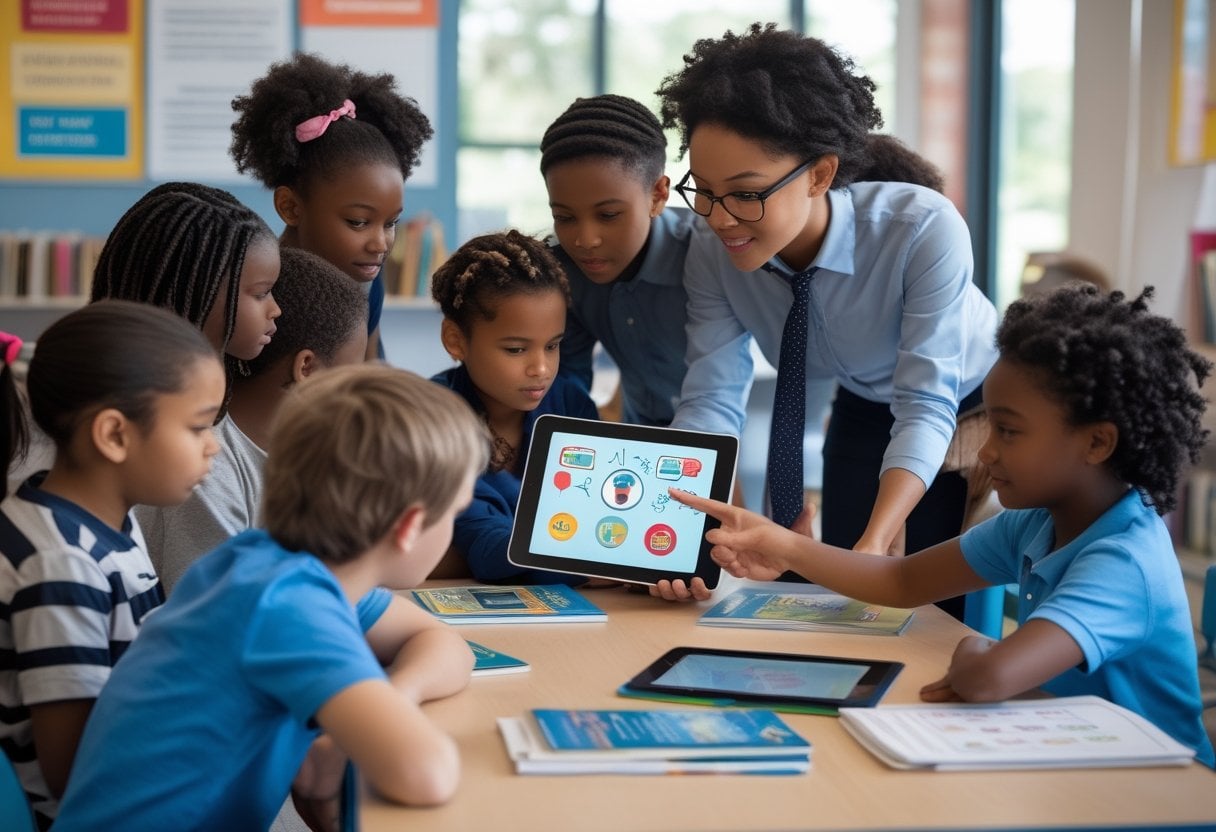
Your children need the ability to analyze and evaluate the content they encounter daily. Critical thinking and media literacy work together to help them question what they see, hear, and read across all platforms.
Start by teaching your children to identify the source of information and consider who created it. Show them how to recognize bias, persuasive techniques, and the difference between facts and opinions.
Practice these skills regularly by discussing news stories, advertisements, and social media posts together. Ask your children questions about the intent behind messages and whether claims are supported by evidence.
These abilities extend beyond media consumption into problem-solving and decision-making. When your children learn to evaluate information critically, they become better equipped to navigate misinformation and make informed choices in their daily lives.
29. Basic sewing (mending a button, repairing a hem)

Teaching your child basic sewing skills saves money and reduces waste. Start with simple repairs like sewing on a button and fixing a fallen hem.
Show your child how to thread a needle and tie a secure knot. These foundational skills apply to all hand sewing tasks. Practice on scrap fabric before moving to actual clothing.
Button sewing requires passing thread through the button holes and the fabric several times, creating a secure attachment. Your child should learn to anchor the thread properly at the start and finish.
Hem repairs typically use a simple slip stitch or running stitch to reattach fallen fabric. Demonstrate how to match the thread color to the garment for less visible repairs.
These skills build confidence and self-sufficiency. Your child will be able to maintain their clothing rather than discarding items over minor damage.
30. Gardening and basic food-growing skills
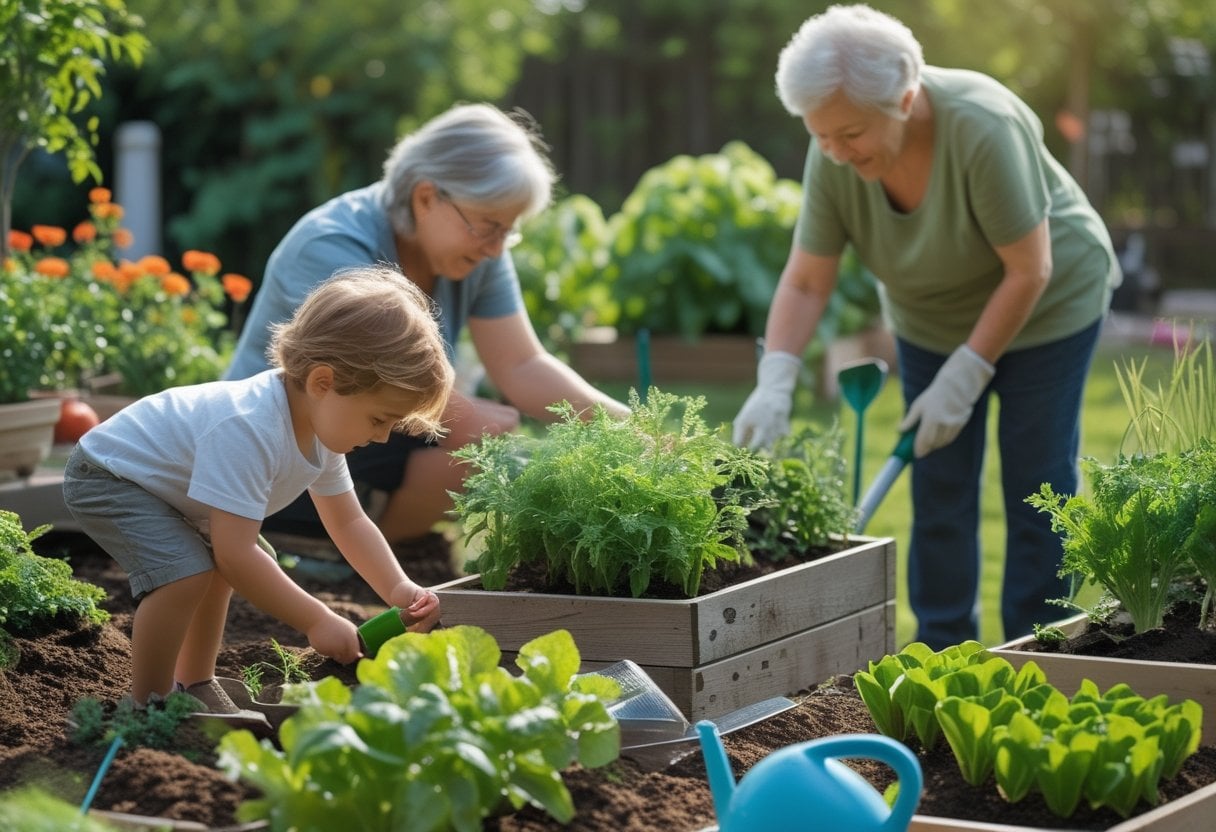
Teaching your children how to grow food connects them to their meals in a tangible way. Start with simple plants like tomatoes, herbs, or lettuce that produce visible results quickly.
Gardening builds patience as children learn that growth takes time and consistent care. They’ll understand that watering, weeding, and monitoring plants requires regular attention and responsibility.
Your children will develop problem-solving abilities by observing how weather, pests, and soil conditions affect their plants. They learn to troubleshoot issues and adapt their approach based on what works.
Basic gardening skills also teach children where food comes from, reducing reliance on grocery stores alone. This knowledge becomes increasingly valuable as they grow into independent adults who can supplement their food supply.
Even small spaces work for teaching these skills. Container gardens, windowsill herbs, or community garden plots provide adequate learning environments.
Why Practical Knowledge Shapes Lifelong Success

Children equipped with practical life skills develop stronger problem-solving abilities, emotional resilience, and self-sufficiency that directly impact their adult achievements. Research demonstrates measurable improvements in career outcomes, relationship quality, and overall life satisfaction among individuals who received early life skills training.
Long-Term Benefits for Children
Practical life skills create tangible advantages that extend far beyond childhood. Children who learn essential capabilities early demonstrate better professional outcomes, including higher employment rates and stronger workplace performance.
Communication skills, identified as the most valued ability in recent surveys, directly influence career advancement and relationship building. Children who develop these skills navigate workplace dynamics more effectively and build stronger professional networks.
Financial literacy learned during childhood translates to better money management in adulthood. Young people who understand budgeting, saving, and basic economic principles make fewer costly financial mistakes and achieve greater economic stability.
Key long-term outcomes include:
- Enhanced decision-making capabilities in personal and professional contexts
- Improved emotional regulation and stress management
- Greater adaptability to changing circumstances
- Stronger interpersonal relationships throughout life
Building a Strong Foundation Early On
Early childhood represents a critical window for developing fundamental capabilities. Children absorb practical knowledge more readily when introduced during age-appropriate developmental stages.
Basic skills like time management and organization taught between ages 6-10 become automatic behaviors by adulthood. These habits reduce stress and increase productivity across all life areas.
Starting with simple tasks appropriate for each age group prevents overwhelming children while building competence progressively. A three-year-old learning to put away toys develops the same organizational thinking that a teenager uses for managing schoolwork.
The foundation established through early practical education creates neural pathways that support complex skill development later. Children who master basic self-care naturally progress to more sophisticated capabilities like meal planning and household management.
Fostering Independence and Confidence
Practical skills directly correlate with self-assurance and autonomy. Children who successfully complete everyday tasks develop genuine confidence rooted in actual capability rather than empty praise.
Each mastered skill reinforces a child’s belief in their ability to handle challenges. A ten-year-old who can prepare a simple meal knows they can feed themselves, creating legitimate self-reliance.
Independence gained through practical knowledge reduces anxiety about future transitions. Teenagers equipped with cooking, cleaning, and basic maintenance skills approach college or independent living with security rather than fear.
Independence markers include:
- Self-directed completion of personal care routines
- Ability to solve common household problems without assistance
- Comfort navigating unfamiliar situations independently
- Willingness to attempt new challenges without excessive support
Children with strong practical foundations feel more capable in unfamiliar situations because they trust their problem-solving abilities.
Overcoming Common Barriers When Teaching Essential Skills
Parents often struggle with finding time, adapting to their child’s unique learning pace, and staying patient through the teaching process. Understanding these challenges and implementing practical solutions makes skill-building more effective for both you and your child.
Recognizing Learning Styles
Children absorb information differently based on their individual learning preferences. Visual learners grasp concepts better through demonstrations, charts, and written instructions. Auditory learners benefit from verbal explanations and discussions about tasks. Kinesthetic learners need hands-on practice and physical involvement to master new skills.
Observe how your child responds to different teaching approaches. If they struggle with verbal instructions but excel when shown a demonstration, you’re likely working with a visual or kinesthetic learner.
Adjust your teaching methods accordingly. For financial literacy skills, visual learners might respond well to charts tracking savings, while kinesthetic learners need to physically handle money and practice transactions. Don’t force a single approach when your child shows clear preferences for another method.
Common Learning Style Indicators:
- Visual: Prefers reading, watching, or seeing examples
- Auditory: Asks questions, likes discussions, remembers what they hear
- Kinesthetic: Fidgets while learning, excels with hands-on activities
Strategies for Busy Parents
You don’t need dedicated teaching sessions to build life skills. Integration into daily routines creates natural learning opportunities without adding pressure to your schedule.
Meal preparation offers chances to teach time management, following instructions, and basic math through measuring ingredients. Grocery shopping builds budgeting skills and decision-making when comparing prices. Commute time provides moments for communication practice and problem-solving discussions.
Start with one skill at a time rather than overwhelming yourself and your child. Choose skills that align with activities you already do. A child learning organization can help sort laundry or arrange their school supplies.
Delegate age-appropriate responsibilities that teach skills while helping your household function. This approach transforms chores into valuable teaching moments without requiring extra time from your day.
Maintaining Consistency and Patience
Skill development requires repeated practice over weeks or months, not days. Your child will make mistakes, forget steps, and need reminders.
Set realistic expectations based on developmental stages. A six-year-old learning to tie shoes needs more time than a ten-year-old learning the same task. Frustration grows when you expect mastery too quickly.
Create simple routines that reinforce specific skills daily. Morning routines can include making beds, choosing weather-appropriate clothing, and preparing breakfast items. Evening routines might focus on homework organization and preparing the next day’s materials.
Track progress with visual tools like sticker charts or photo documentation showing improvement over time. These reminders help both you and your child see advancement during frustrating moments.
When setbacks occur, address them calmly and return to basics. Break complex skills into smaller steps if your child seems overwhelmed. Consistent, patient instruction builds competence more effectively than sporadic intensive sessions.


