35 Things Every 80s Kid Looked Forward to After School: The Nostalgic Rituals That Defined a Generation
Would you like to save this?
The hours between the final school bell and dinner time held a special magic for children growing up in the 1980s. These were precious stretches of unstructured freedom where kids created their own entertainment without the constant presence of smartphones or scheduled activities.
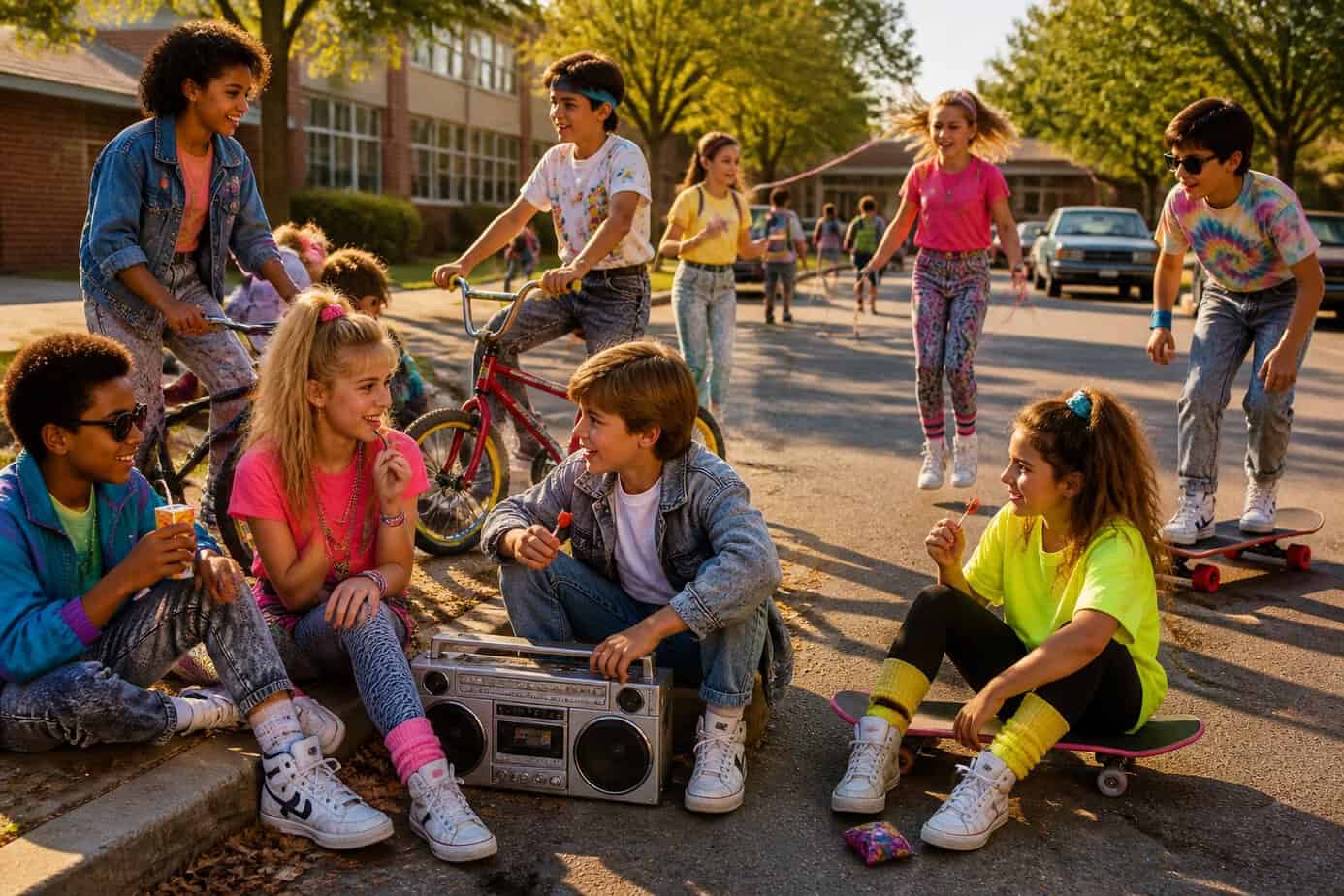
After-school life in the 1980s revolved around simple pleasures like riding bikes to local hangouts, playing outside until dark, watching cartoons, and connecting with friends through landline phones and face-to-face interactions.
From arcade visits and mall food courts to trading collectibles and mastering Nintendo games, the decade offered a unique blend of emerging technology and traditional outdoor play.
The cultural landscape combined physical activity with new forms of entertainment that defined an entire generation’s childhood experience.
1. Riding bikes to the local arcade
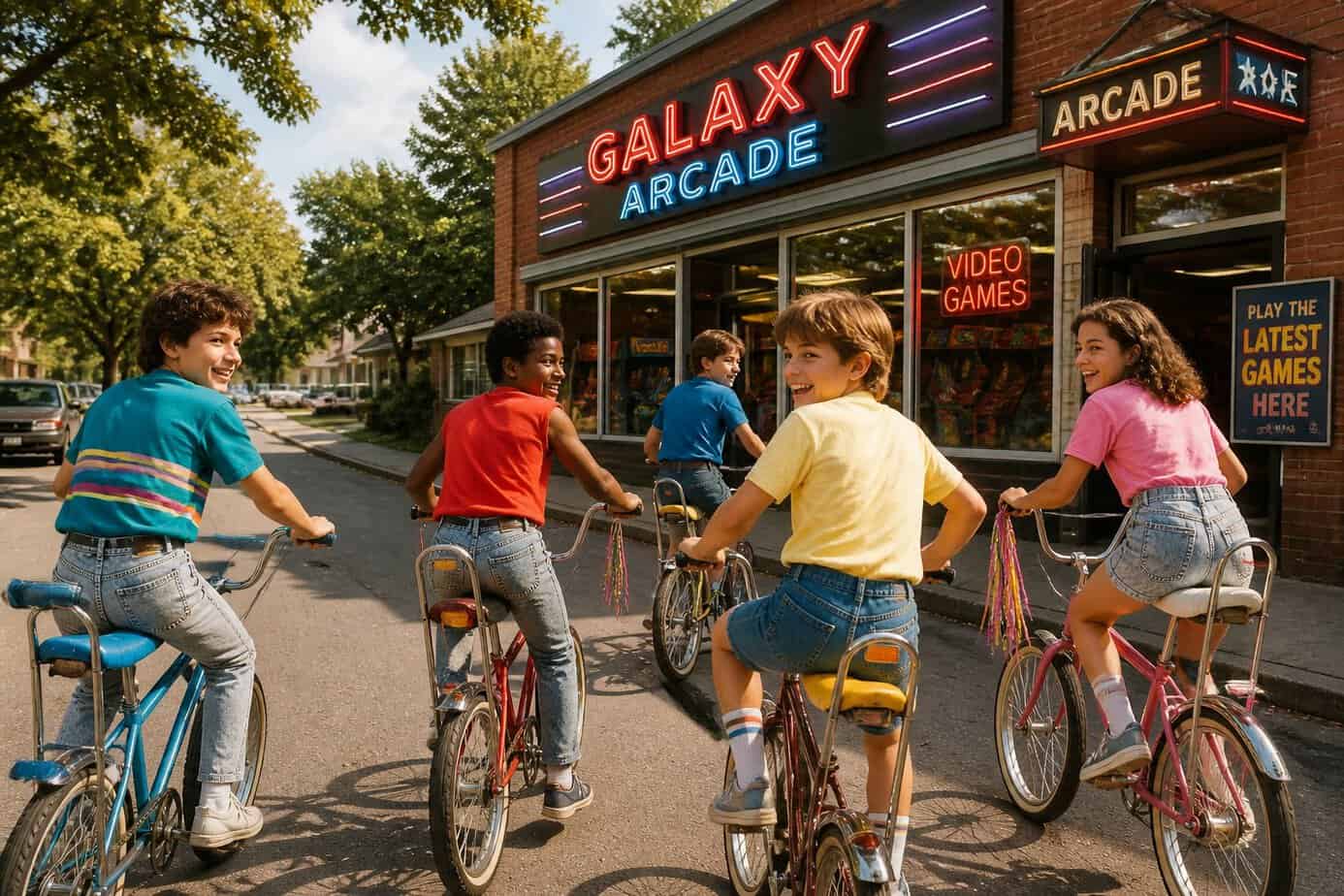
You’d grab your bike from the garage and pedal off without a second thought, helmet-free and ready for adventure. The local arcade was your destination, and getting there was half the fun.
Your bike provided complete freedom to roam the neighborhood. You’d meet up with friends along the way, racing each other down side streets and through shortcuts only local kids knew about.
The arcade meant hours of entertainment with quarter-filled pockets. You’d spend the afternoon mastering Pac-Man, Donkey Kong, or whatever new game had just arrived. The journey there on two wheels made the experience even better, giving you independence your parents trusted you to handle.
No cell phones meant your parents expected you home by dinner, and that was enough supervision for the era.
2. Renting VHS tapes from the video store
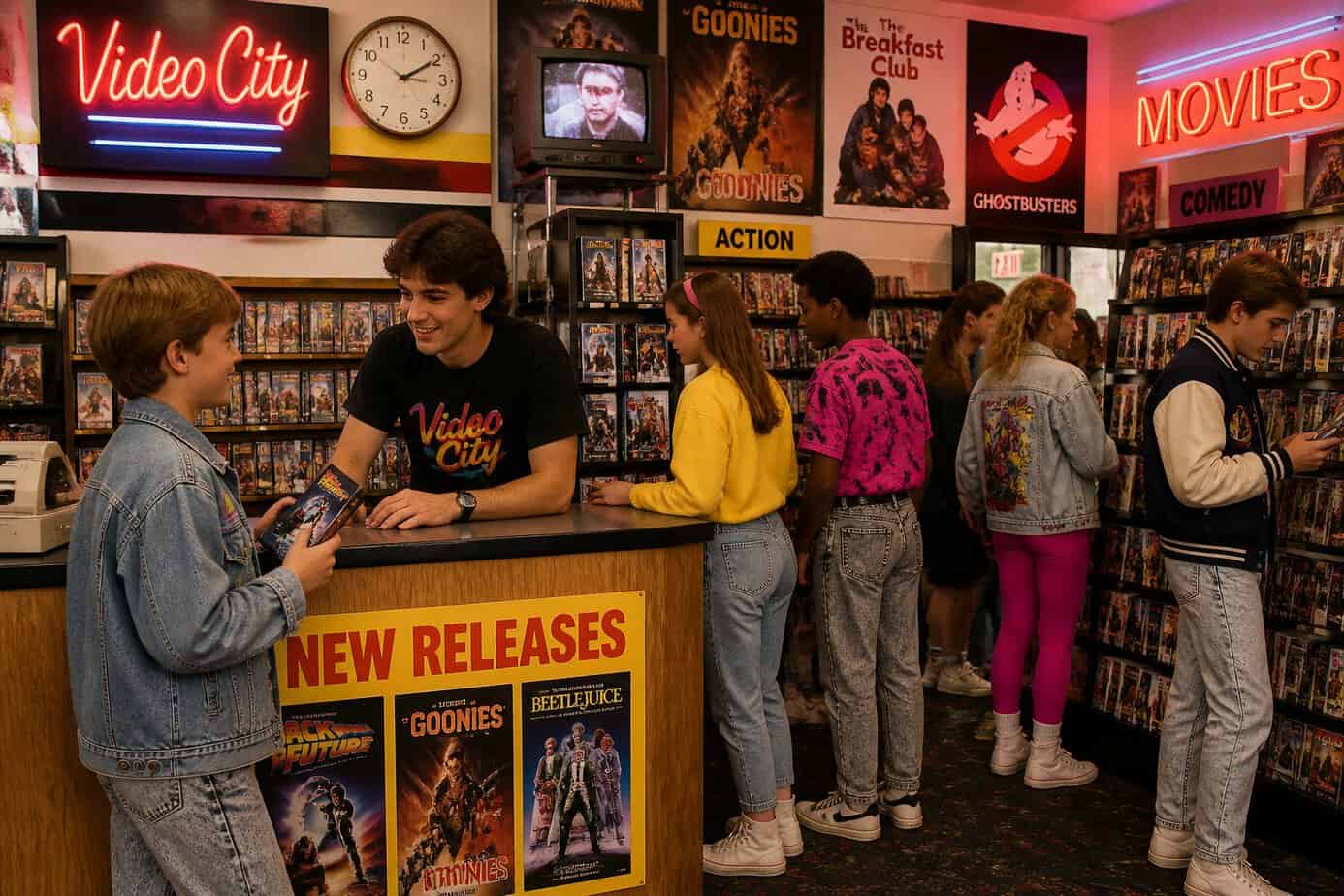
Friday nights meant one thing: a trip to your local video rental store. You’d walk through those glass doors and spend what felt like hours scanning the shelves for the perfect movie.
The new releases section was always picked over. Studios charged stores $60 to $80 per VHS tape, so there were never enough copies to go around. You learned to arrive early or settle for your second choice.
Some stores rented VHS players along with the tapes. You’d grab snacks from the candy aisle while your parents handled the rental process at the counter.
The clerks knew the regulars by name. They’d recommend movies based on what you’d rented before, making each visit feel personal and exciting.
3. Playing outside until streetlights came on
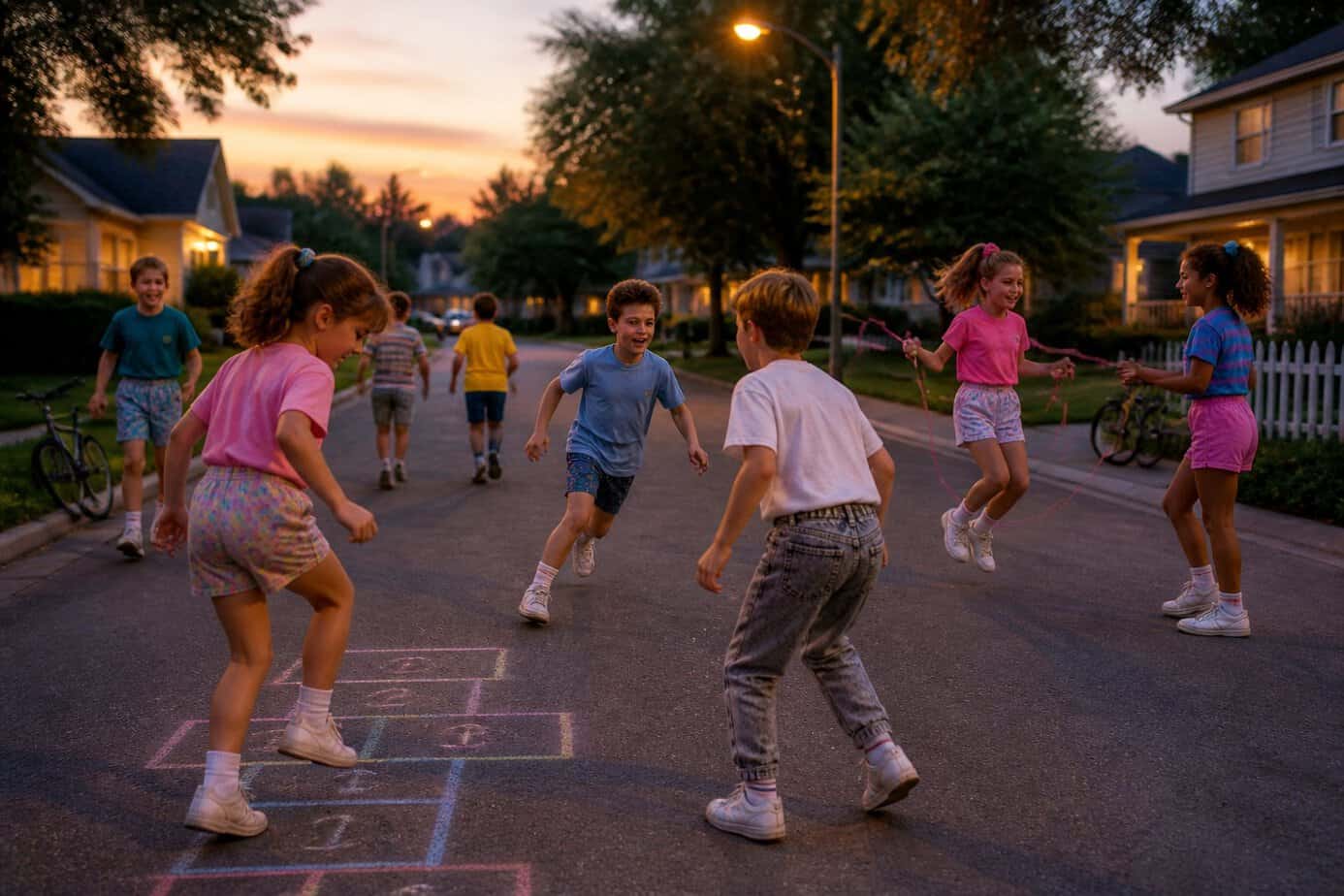
Your parents had a simple rule: be home when the streetlights turn on. This gave you hours of unsupervised freedom to roam the neighborhood with friends.
You didn’t need planned activities or adult supervision. The moment school ended, you dropped your backpack and headed straight outside. Games like tag, hide and seek, and kick the can happened spontaneously once enough kids gathered.
Your bike took you to every corner of the neighborhood. You climbed trees, drew with sidewalk chalk, and invented games with whatever you found.
The streetlights served as your universal curfew. When they flickered on, you knew it was time to head home for dinner. No watches or phone calls needed.
4. Watching after-school cartoons on Saturday mornings
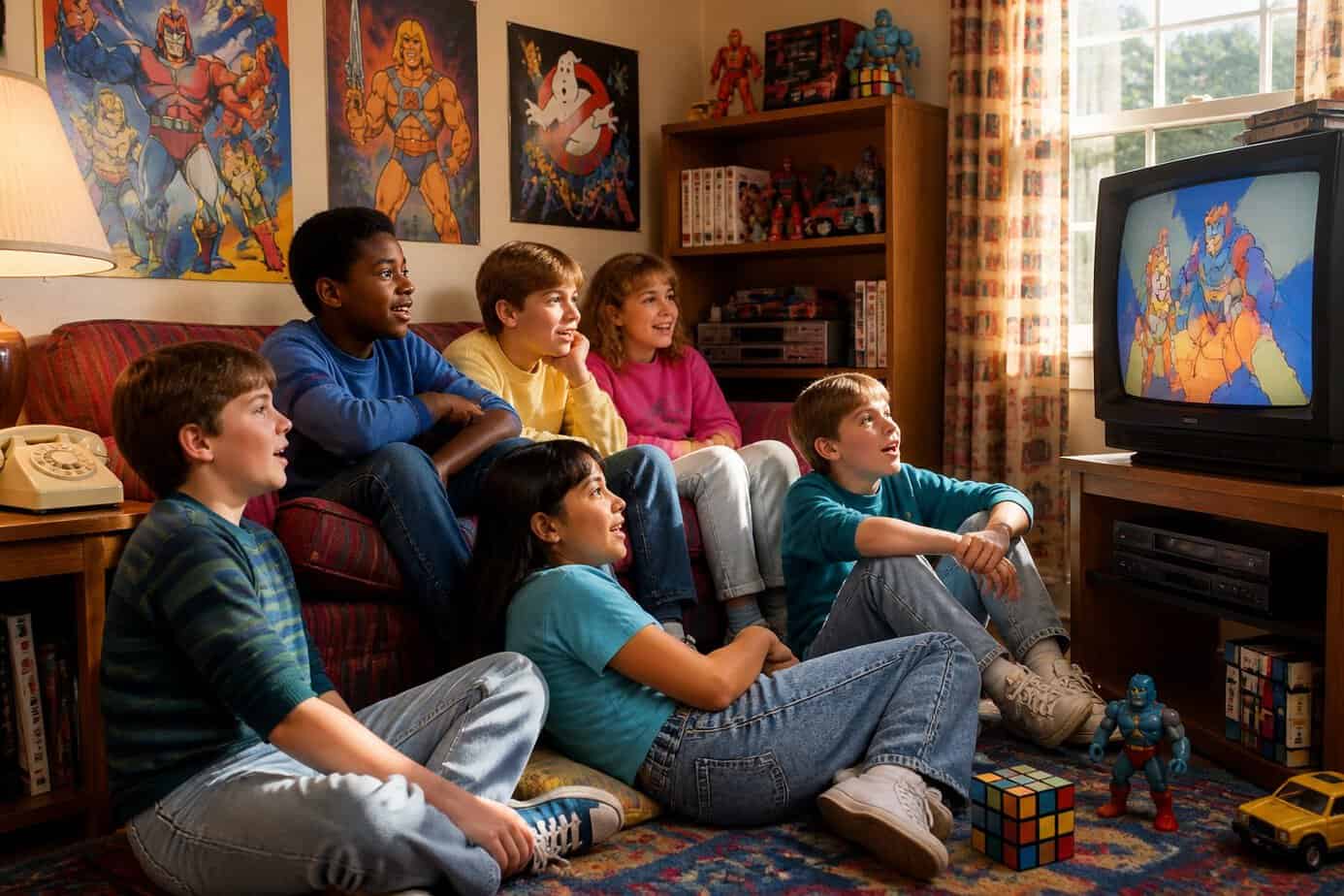
Saturday mornings offered a different kind of after-school energy. You’d wake up early without an alarm, grab your favorite cereal, and claim your spot in front of the TV while the house was still quiet.
Shows like He-Man, Transformers, and The Bugs Bunny & Tweety Show aired in blocks that lasted for hours. You didn’t have streaming options or on-demand replays. Whatever was on at that moment was what you watched, and you planned your morning around it.
These weren’t just cartoons. They were weekly rituals you looked forward to all week long. The combination of animated adventures and sugary breakfast made Saturday mornings feel distinct from regular after-school viewing, even though many of the same shows appeared in both time slots.
5. Dialing rotary or landline phones to make plans
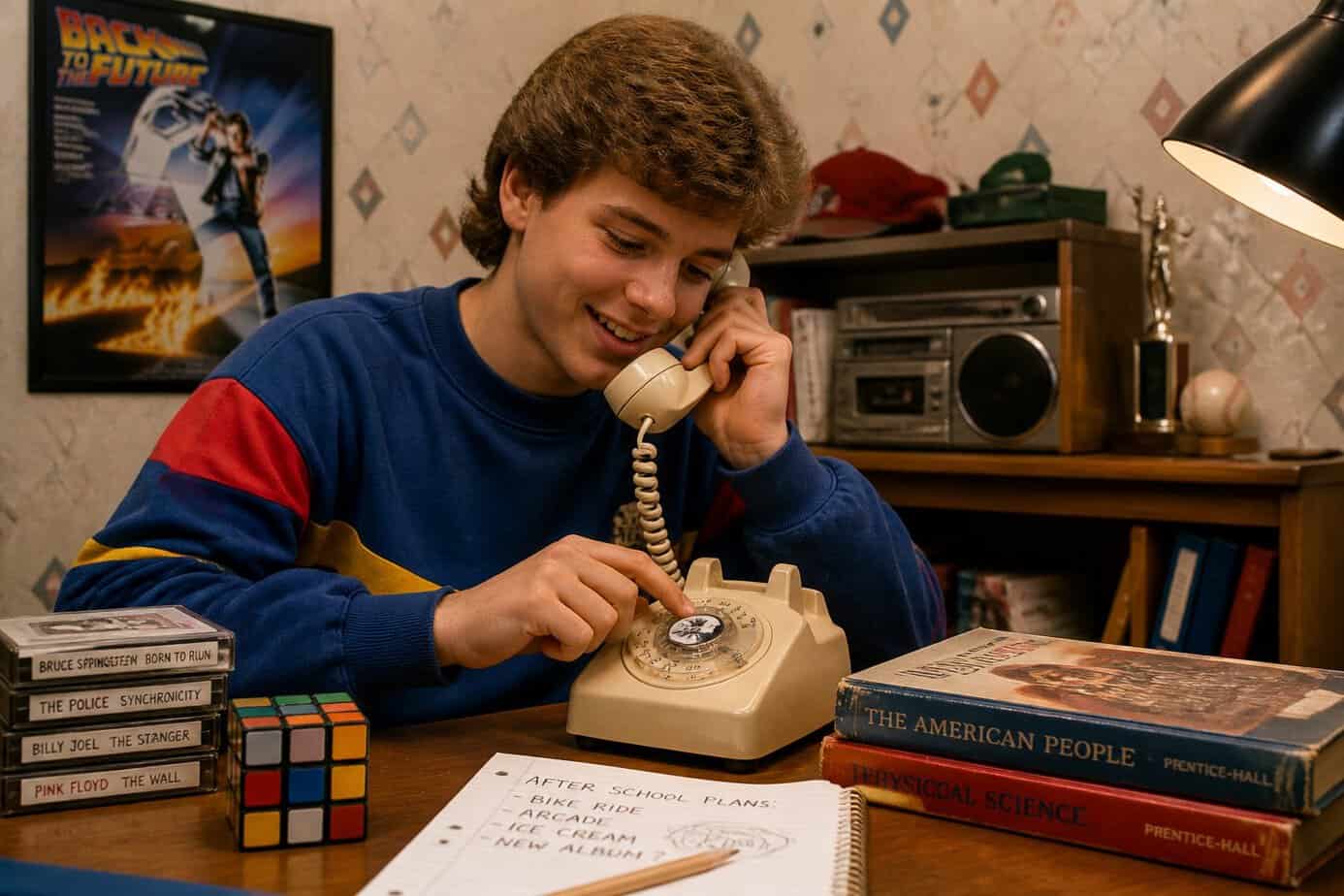
You couldn’t just send a quick text to coordinate plans. Making arrangements meant actually dialing a phone number and having a real conversation.
If your family had a rotary phone, you spun the dial for each digit and waited as it clicked back into place. Numbers with lots of nines and zeros took longer to dial. Push-button phones were faster, but either way, you had to memorize your friends’ numbers since there was no contact list to save them.
The phone was shared with your entire family, so privacy was limited. You might have to wait your turn to use it, and if someone else picked up an extension, they could listen in on your conversation.
Every call required commitment. You actually talked through your plans instead of sending a quick message.
6. Trading baseball cards with friends
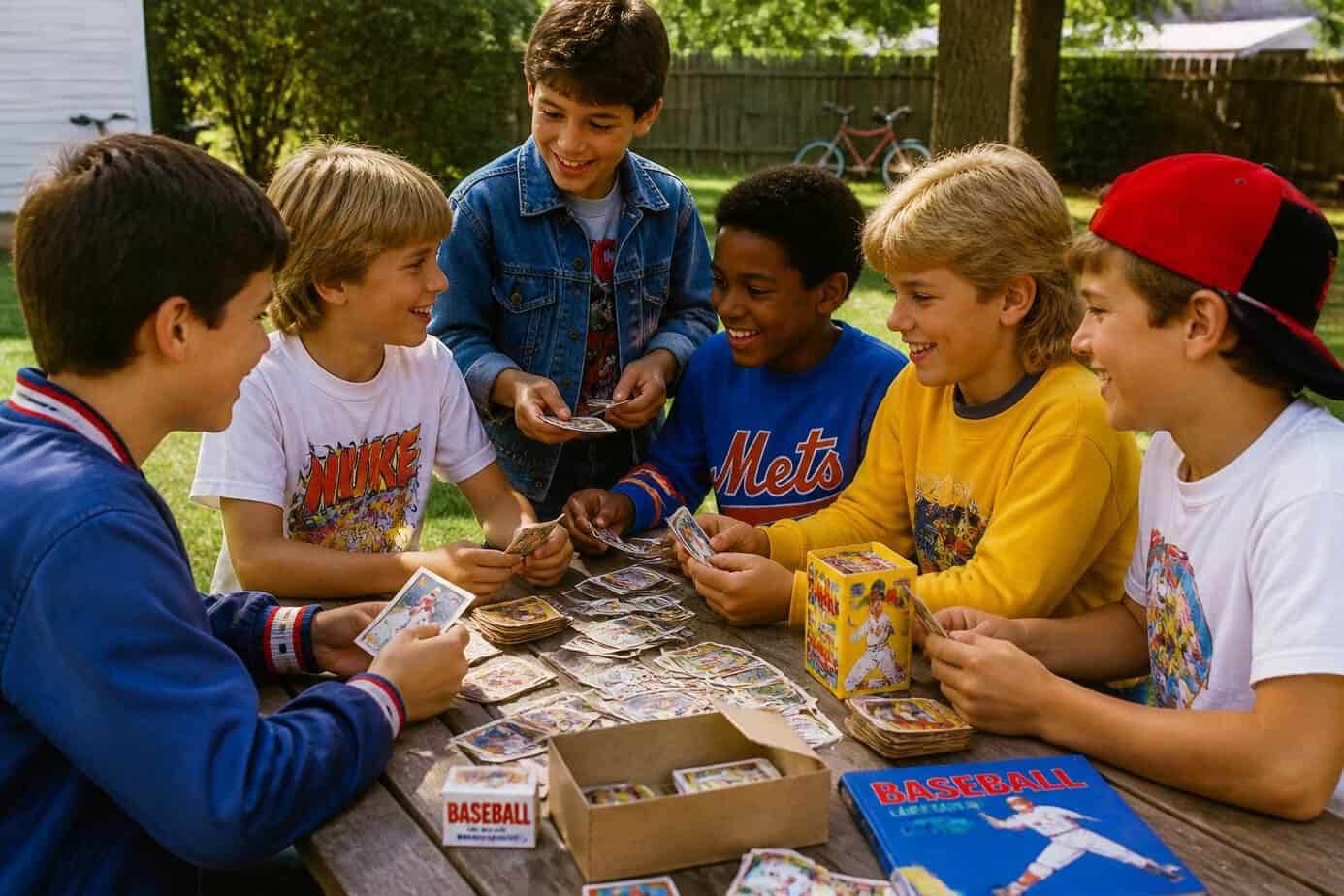
You gathered with friends after school to trade baseball cards, treating them like playground currency. Each card represented potential value, whether it featured a rookie player or a star athlete from your favorite team.
The trading process involved serious negotiation. You debated player statistics, team performance, and card condition before agreeing to swap. Some cards were more desirable than others, and you learned quickly which ones gave you leverage in trades.
Your collection grew through strategic exchanges rather than just purchases. You kept your best cards in protective sleeves while using duplicates as trading material. The social aspect mattered as much as the collecting itself, creating bonds with other kids who shared your interest in baseball and card collecting.
These trading sessions turned you into a young negotiator, sharpening your ability to assess value and make deals.
7. Building forts in the woods or backyard
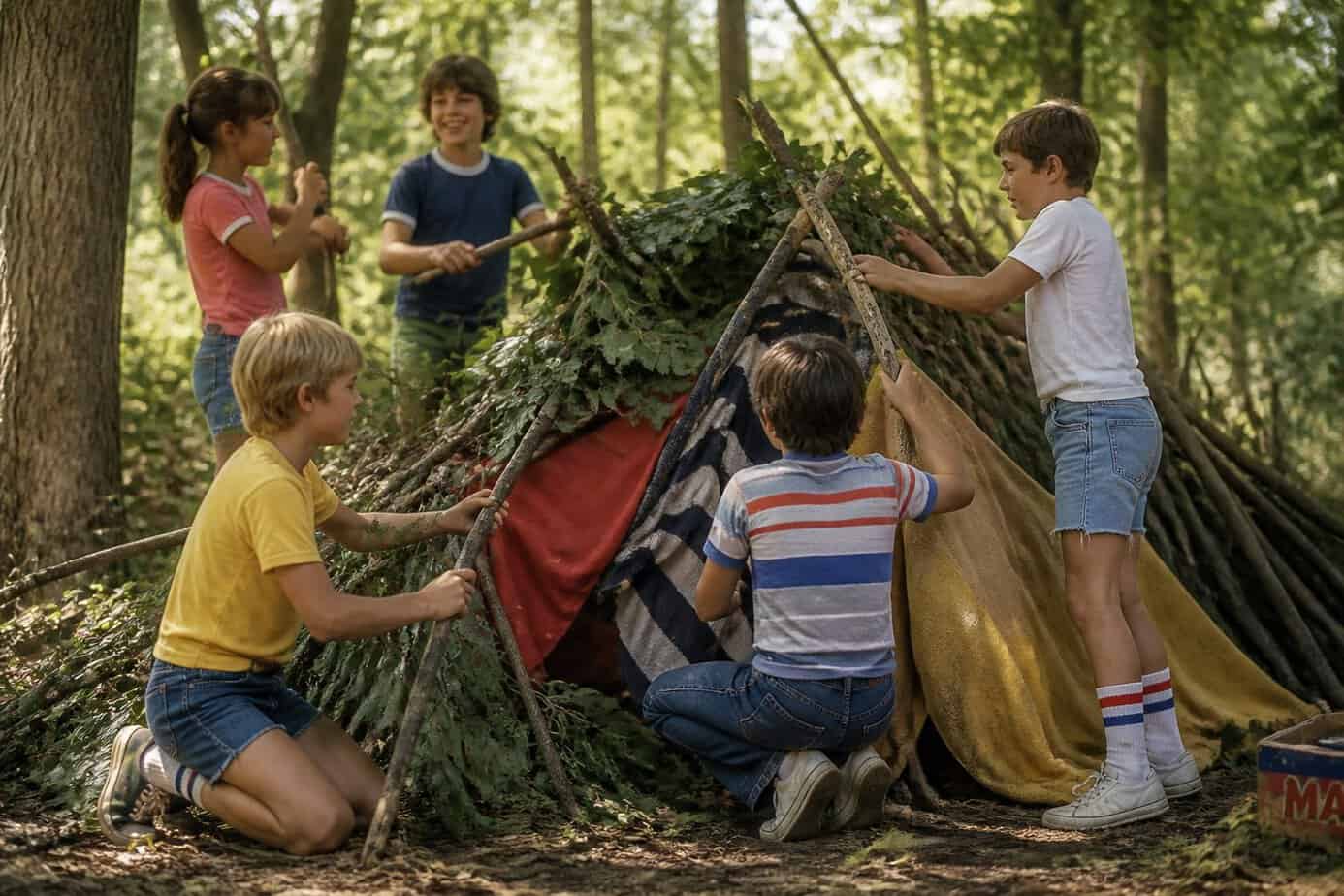
You’d scour the neighborhood for scrap wood, old blankets, and whatever materials you could find to construct your perfect hideout. Building forts was less about the finished product and more about the process itself.
You learned spatial reasoning as you figured out how to make walls stand up. When something collapsed, you problem-solved and tried again.
Your backyard or nearby woods became construction sites where you spent hours creating spaces that felt entirely yours. No blueprints, no adult supervision—just your imagination and whatever supplies you could gather.
The fort might have been wobbly and rough around the edges, but it was yours. You’d disappear into these homemade structures for entire afternoons, turning them into clubhouses, castles, or secret bases depending on the day’s adventure.
8. Listening to Top 40 hits on a boombox
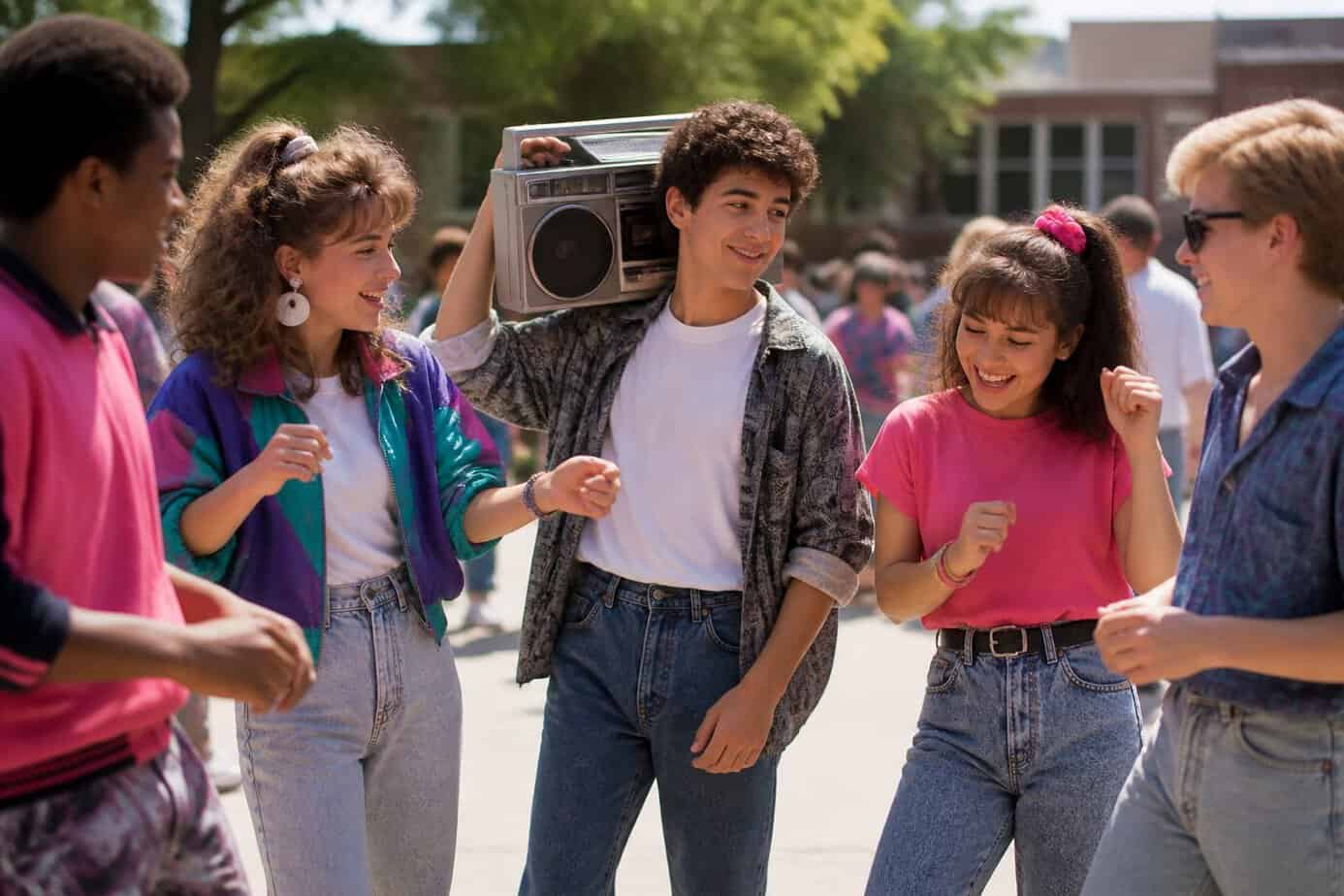
You’d rush home to catch Casey Kasem counting down the latest hits on American Top 40. Your boombox sat ready on your desk or bedroom floor, antenna extended for the best reception.
The ritual was simple but exciting. You’d tune in every week to hear which songs climbed the charts and which new artists debuted. Sometimes you’d wait through the entire countdown just to hear the number one song.
If you were prepared, you had a blank cassette ready to record your favorites. The timing had to be perfect to catch the song without too much DJ talk. Missing a recording meant waiting another week or hoping the station would play it again.
Those weekly countdowns shaped your music taste and gave you something to discuss with friends at school the next day.
9. Playing Nintendo Entertainment System (NES) games
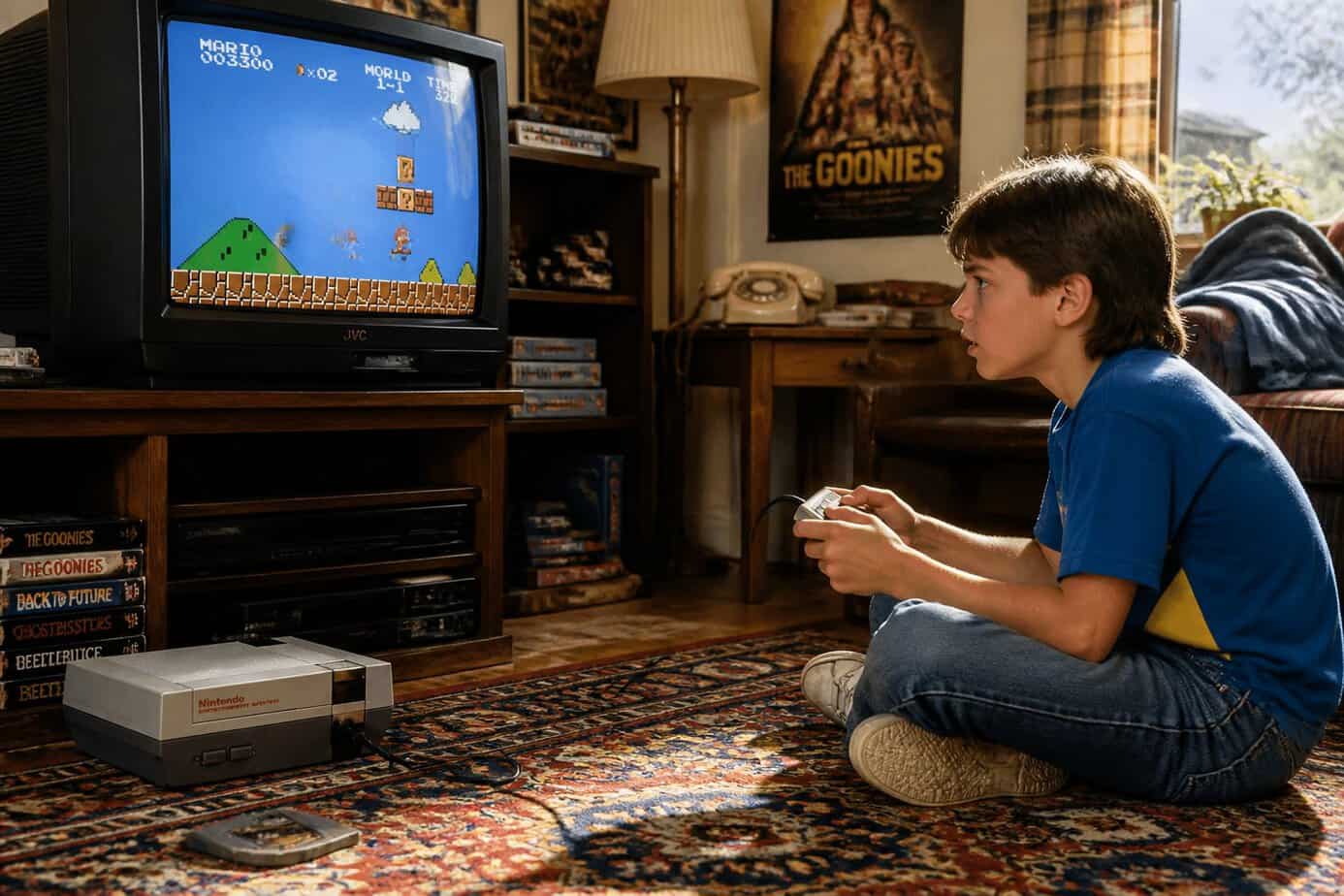
You rushed home to power up your NES and dive into its library of games. The console revolutionized home gaming after the video game industry had struggled in the early 1980s.
You had access to titles that became instant classics. Games like Super Mario Bros., The Legend of Zelda, and Metroid filled your afternoons with adventure. You might have spent hours mastering difficult platforming sections or exploring dungeons.
The NES brought arcade-quality gaming into your living room. You could save your progress, compete with friends for high scores, and discover secrets hidden throughout each game.
Third-party developers added even more variety to your gaming options. You chose from sports titles, puzzle games, and action adventures, building a collection that kept you entertained for years.
10. Hanging out at the mall food court
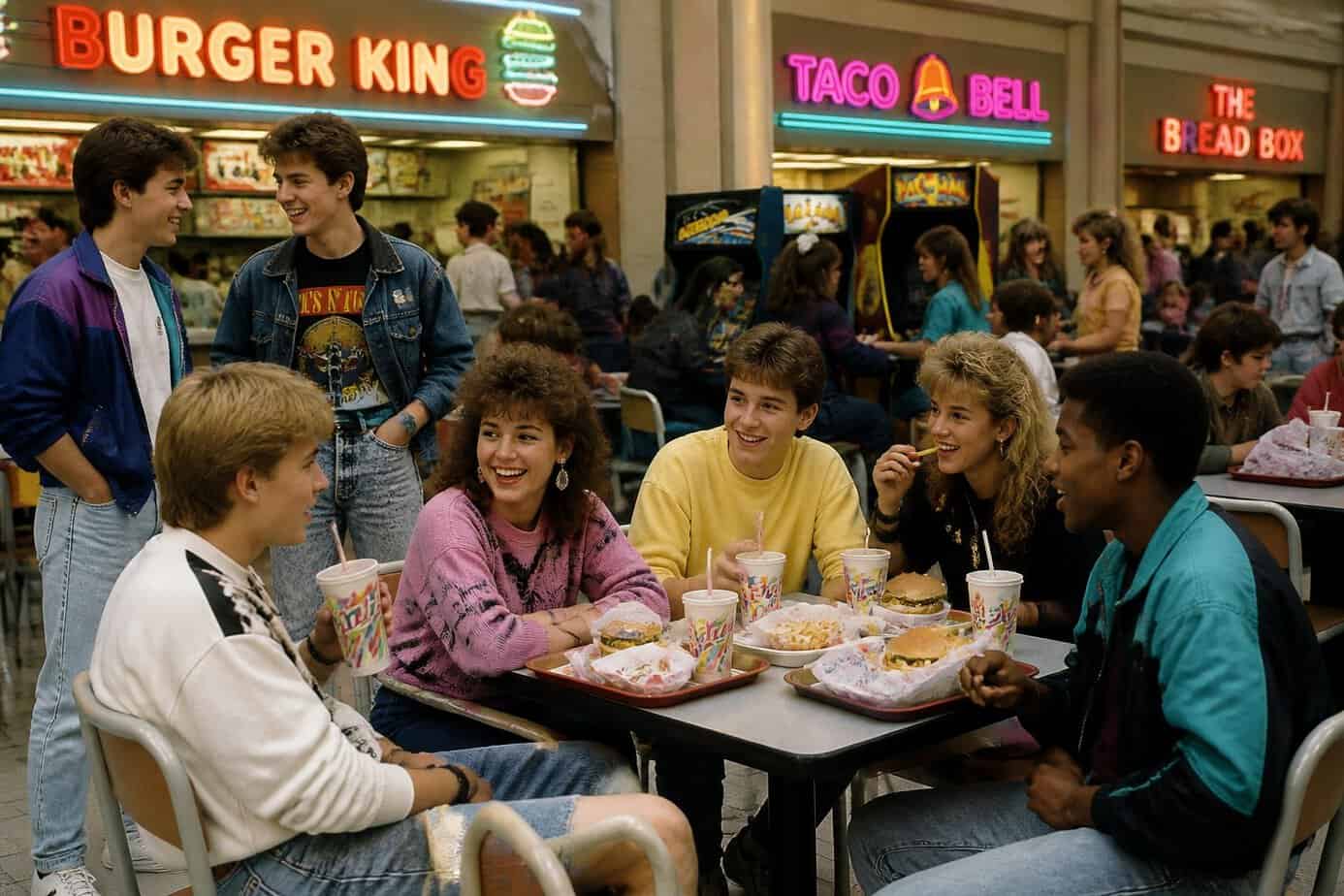
The mall food court was your afternoon headquarters. You could grab a meal for just a few dollars and claim a table for hours without anyone bothering you.
The food court served as your social network before social media existed. You’d meet friends from different schools, catch up on gossip, and watch the stream of shoppers pass by. It was entertainment and a hangout spot rolled into one.
The variety of cheap food options made it perfect for your limited budget. Whether you wanted pizza, Chinese food, or a pretzel, everything was within walking distance. The noise and energy of the space created a backdrop where you felt independent.
Parents would drop you off, and the food court became your base of operations between browsing stores and hitting the arcade.
11. Collecting and trading cassette mixtapes
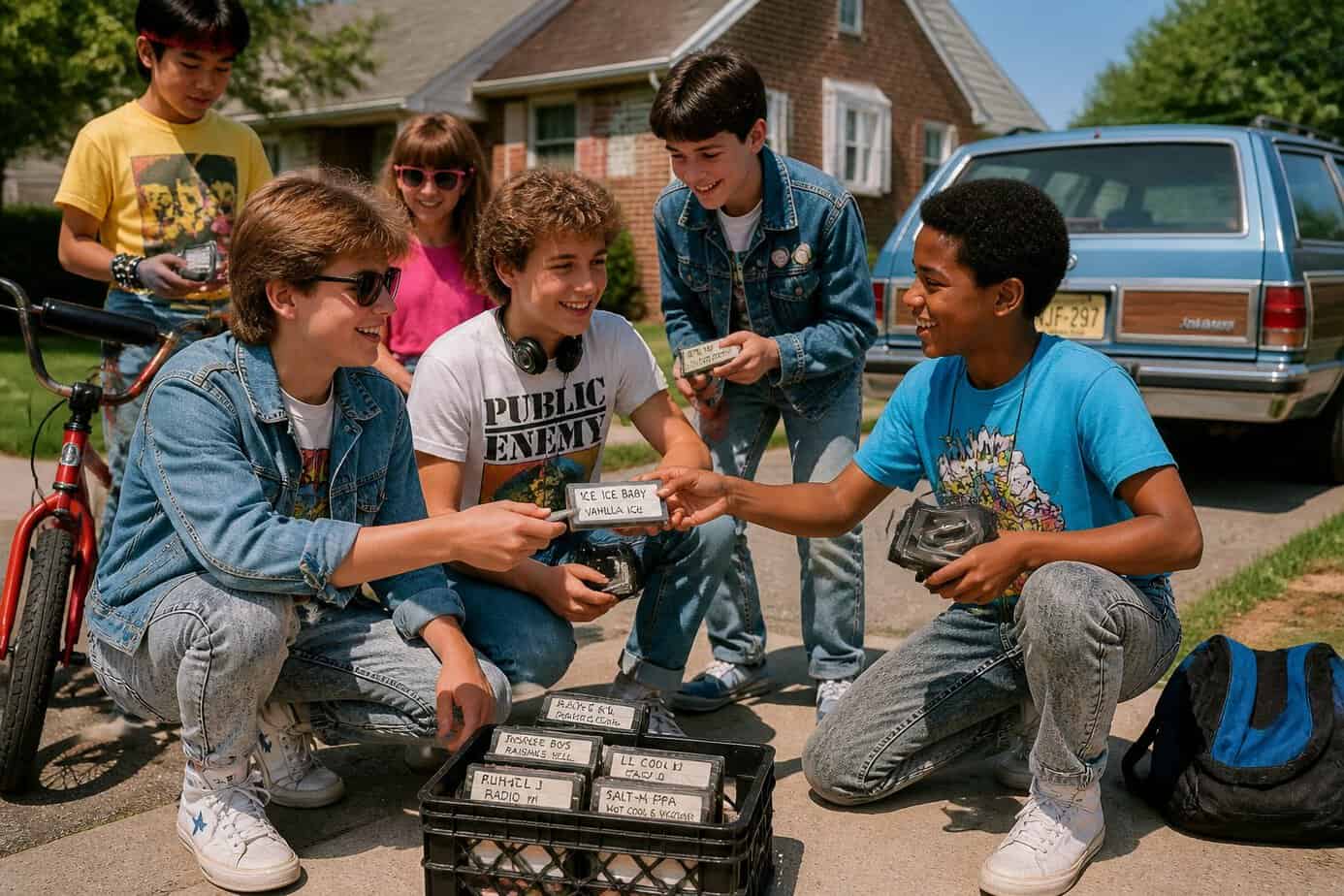
You carefully built your cassette collection through trades with friends who had different music tastes. Each tape represented hours of work, recording songs from the radio or copying albums borrowed from classmates.
Trading mixtapes was a social currency. You evaluated potential swaps based on the quality of recordings and the selection of tracks. A well-curated tape with minimal radio DJ talk-overs was highly prized.
You labeled each cassette with track listings written in your best handwriting. Some friends decorated their tapes with artwork or inside jokes. The exchange of mixtapes strengthened friendships and introduced you to new artists you wouldn’t have discovered otherwise.
Your collection grew steadily, stored in shoeboxes or special carrying cases. You knew exactly which friend had given you each tape and what made it special.
12. Going to the local roller rink
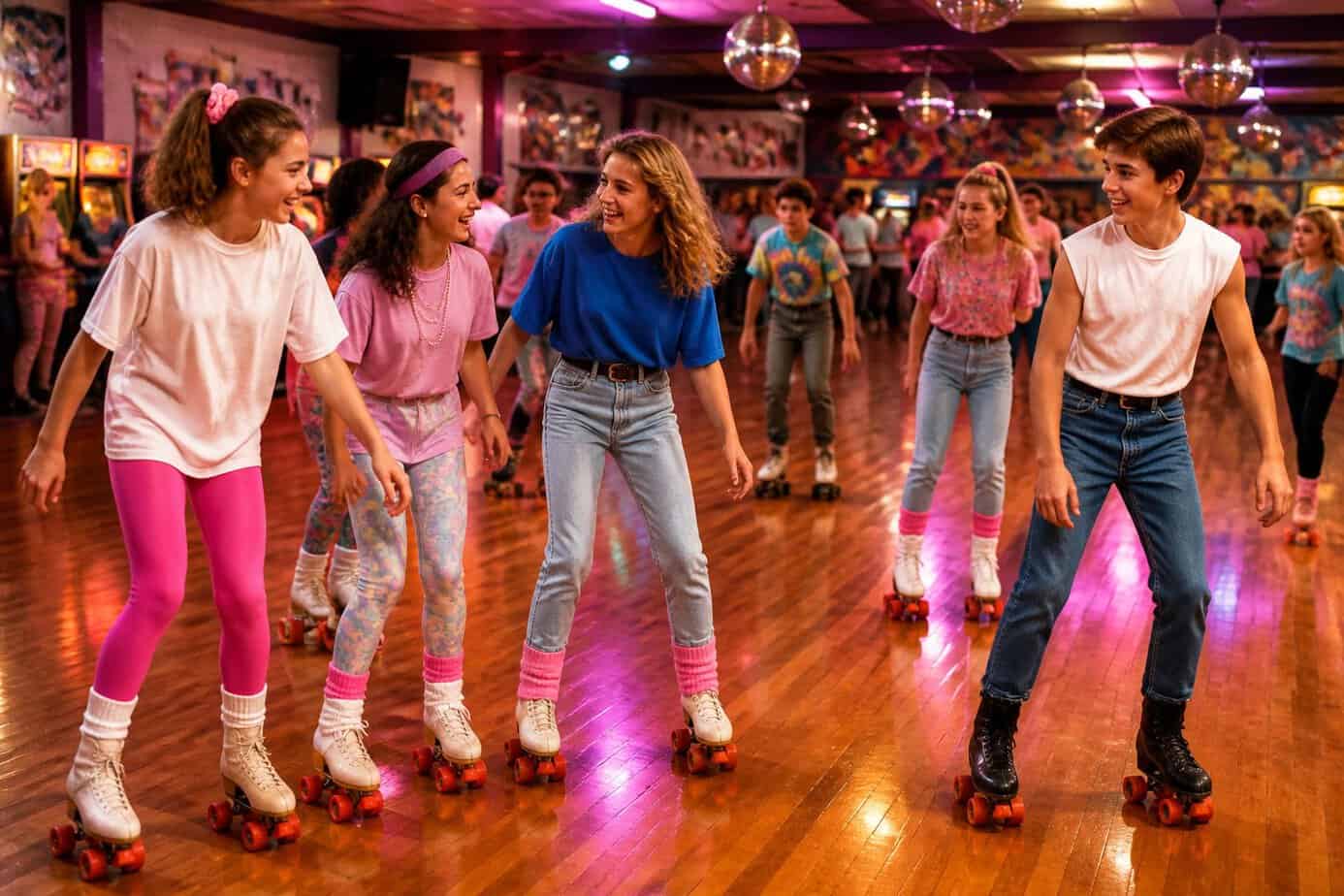
The roller rink was where you spent your weekend nights in the 1980s. You laced up rental skates or brought your own, ready to circle the glossy floor under neon lights and spinning disco balls.
The atmosphere made every visit feel special. Music blared from massive speakers while colorful lights swept across the rink. You either glided confidently around the floor or clung to the railing, working up the courage to let go.
The rink peaked in popularity during the early 1980s, with over 4,000 operating across the United States by 1983. Your school sometimes organized group events there, turning an ordinary weeknight into something memorable.
You practiced moves, played games called by the DJ, and hung out with friends between skating sessions. When the night ended, you gathered in the parking lot for long goodbyes, already planning your return.
13. Attending neighborhood pickup basketball games
Would you like to save this?
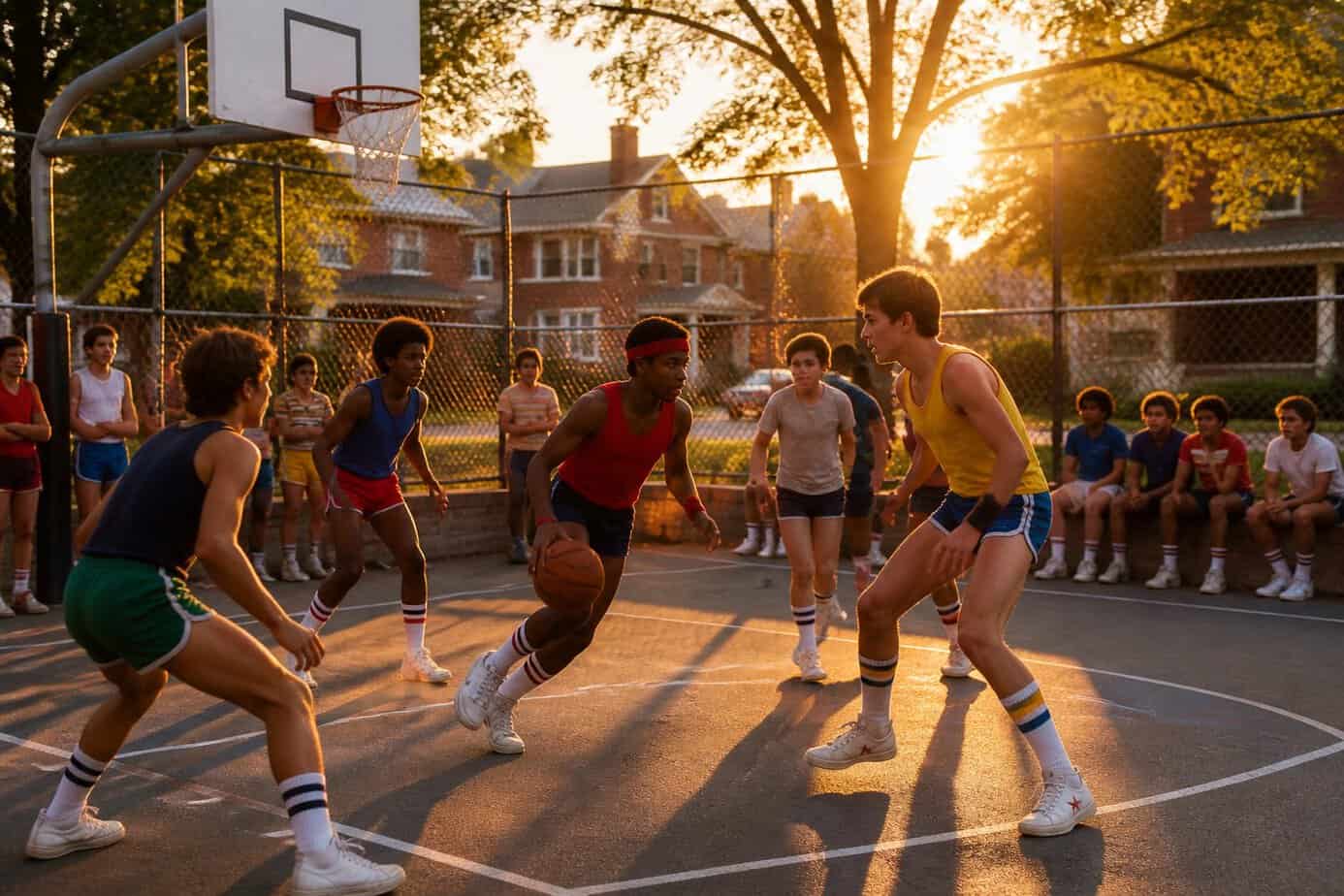
You didn’t need organized leagues or official coaches to play basketball in the 80s. Neighborhood courts were where the real action happened, with kids showing up after school to see who else was around for a game.
These pickup games started whenever enough players arrived. You learned the unwritten rules quickly: winners stay on, call your own fouls, and next team waits on the sideline. The games taught you negotiation and problem-solving without adult intervention.
You’d find these courts at local parks, school playgrounds, or sometimes just a hoop mounted on someone’s garage. Equipment was minimal—just a ball and a willingness to play. Games continued until dinner time or until it got too dark to see the basket.
14. Practicing skateboard tricks on sidewalks
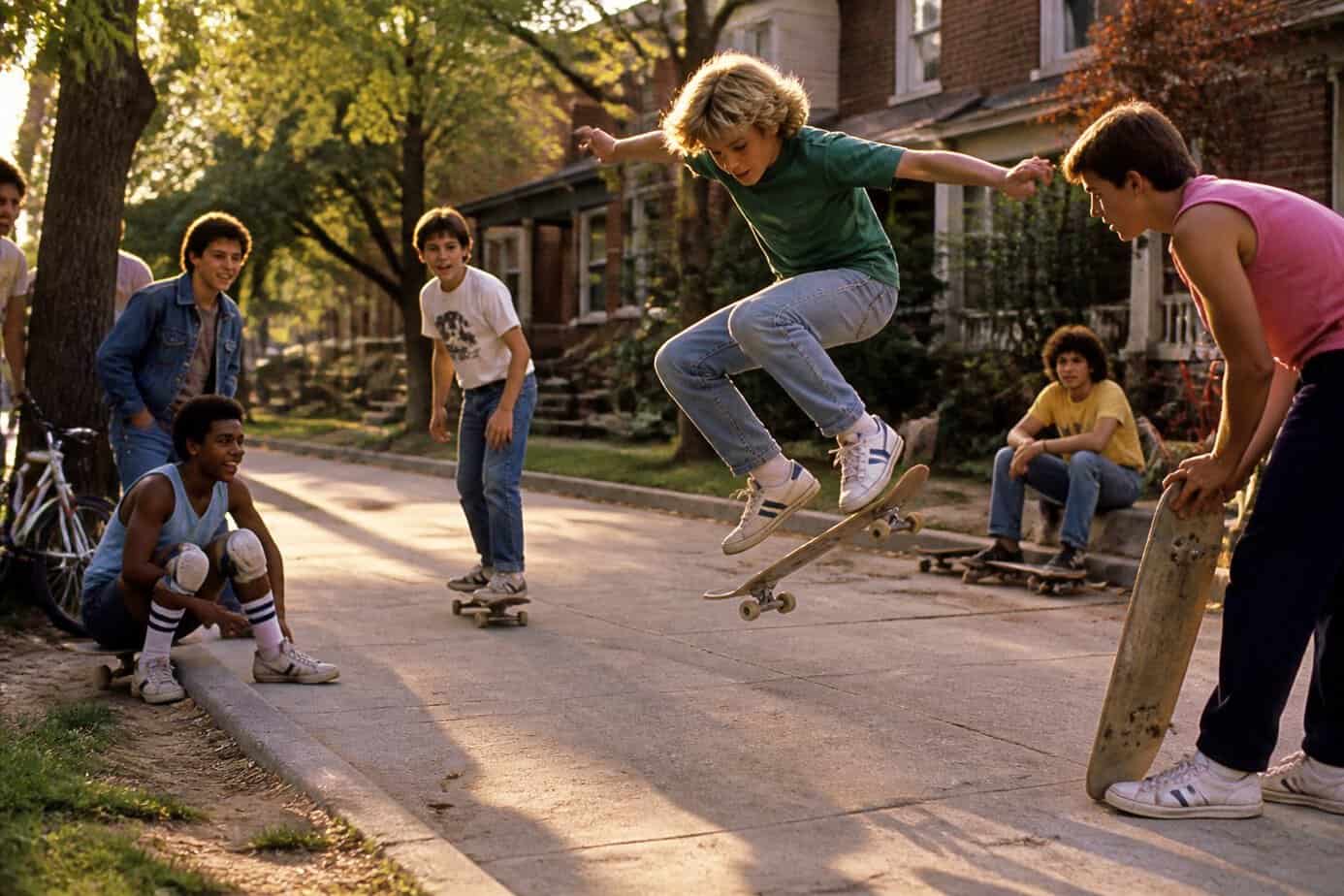
You spent countless hours perfecting tricks on whatever flat concrete you could find. The sidewalk became your practice ground for basic moves and increasingly complex maneuvers.
Street-style skating dominated the 1980s, with tricks like the Boneless and various grab variations spreading from skate parks to neighborhood sidewalks. You learned by watching friends and trying moves repeatedly until you landed them.
The sound of wheels on pavement signaled another afternoon session. You practiced ollies, kickflips, and footplants until the streetlights came on. Every crack and curb presented a new challenge or obstacle to incorporate into your runs.
Your knees and elbows bore the marks of failed attempts, but that never stopped you from trying again. Skateboarding after school meant freedom to progress at your own pace.
15. Watching MTV music videos
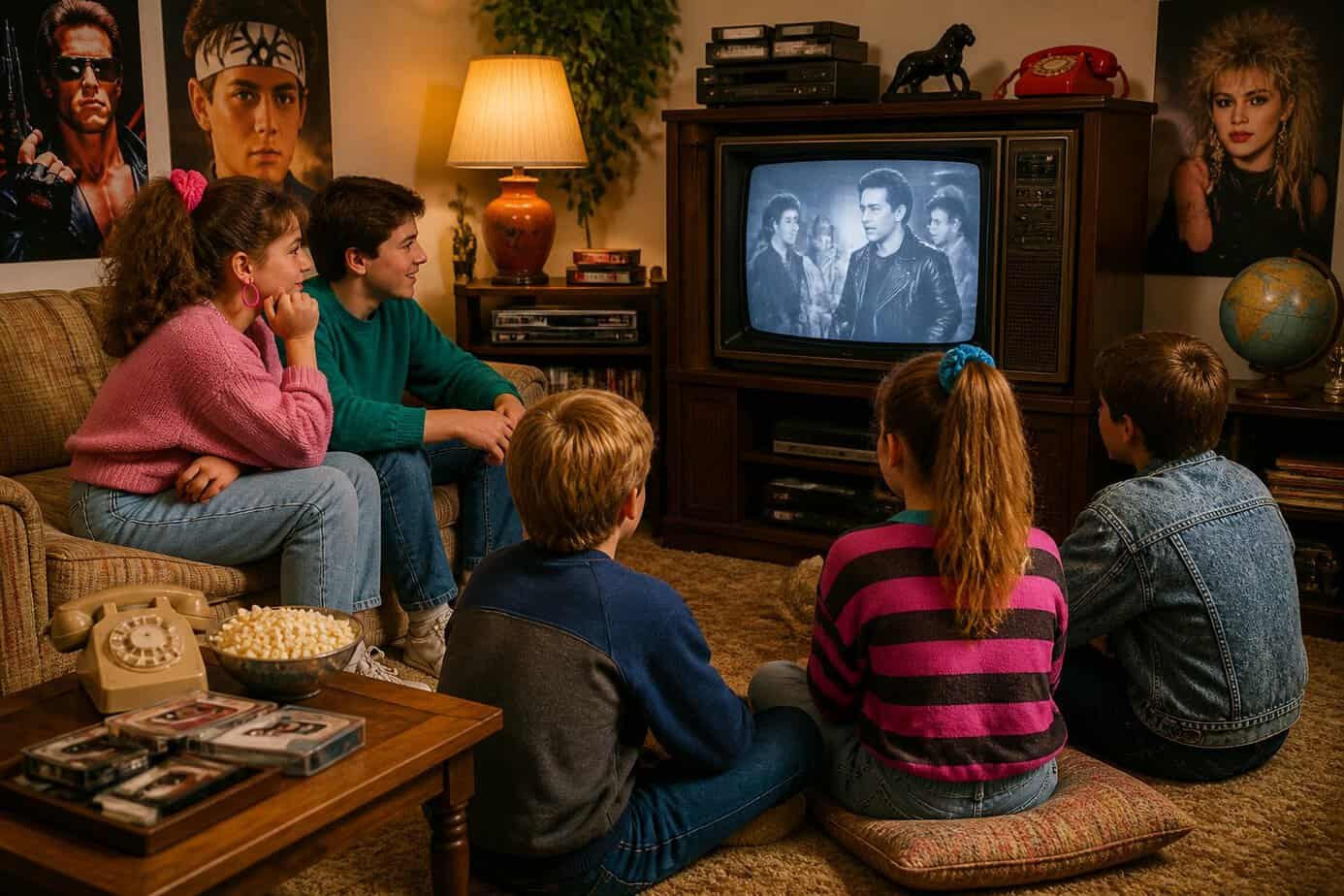
You raced home to catch the latest music videos on MTV, which launched in 1981 and quickly became essential viewing. The channel played music videos continuously, making it easy to discover new songs and artists simply by turning on your television.
MTV shaped what you wore and how you talked about music. Videos from Michael Jackson, Madonna, and Duran Duran weren’t just background entertainment—they were events you discussed at school the next day. You learned the dance moves, memorized the storylines, and waited patiently for your favorite videos to appear in rotation.
The early computer graphics and creative concepts made many videos feel groundbreaking. You planned your afternoon around MTV’s programming schedule, making sure you didn’t miss the newest releases or the weekly countdown shows that ranked the most popular videos.
16. Visiting the local comic book shop
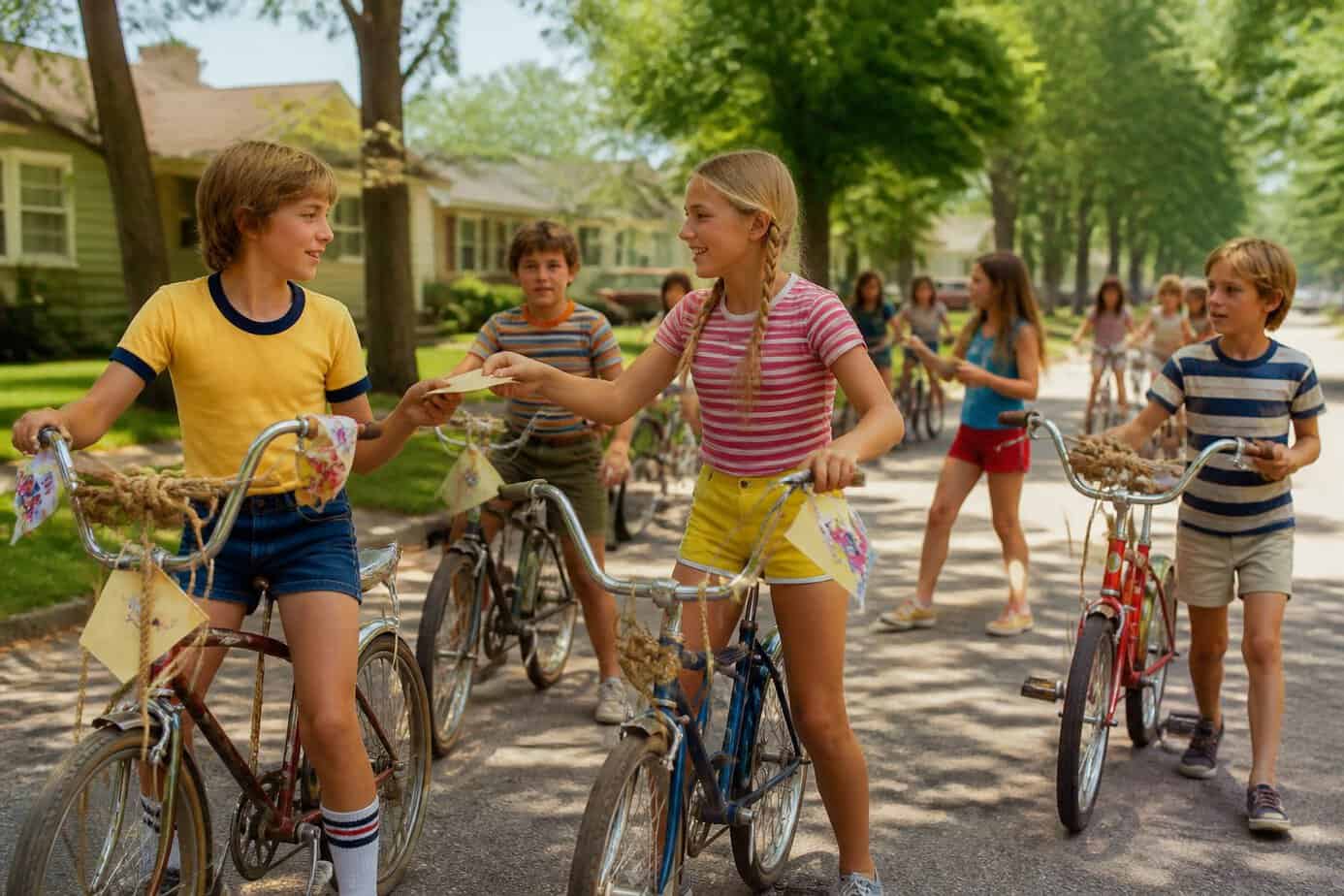
The local comic book shop was a destination worth the trip after school let out. You’d save up your allowance or lawn mowing money to buy the latest issues of X-Men, Spider-Man, or whatever series you were collecting at the time.
These shops became gathering spots where you could flip through new releases and talk with other kids about storylines. The smell of fresh paper and plastic bags filled the air as you browsed spinner racks and wall displays.
Many of you made regular pilgrimages to these stores, whether you walked, rode your bike, or convinced a parent to drive you. Store owners often knew their young customers by name and would set aside special issues they knew you’d want.
The anticipation of discovering what adventures awaited inside each comic made every visit exciting.
17. Doing homework at the kitchen table with the radio on
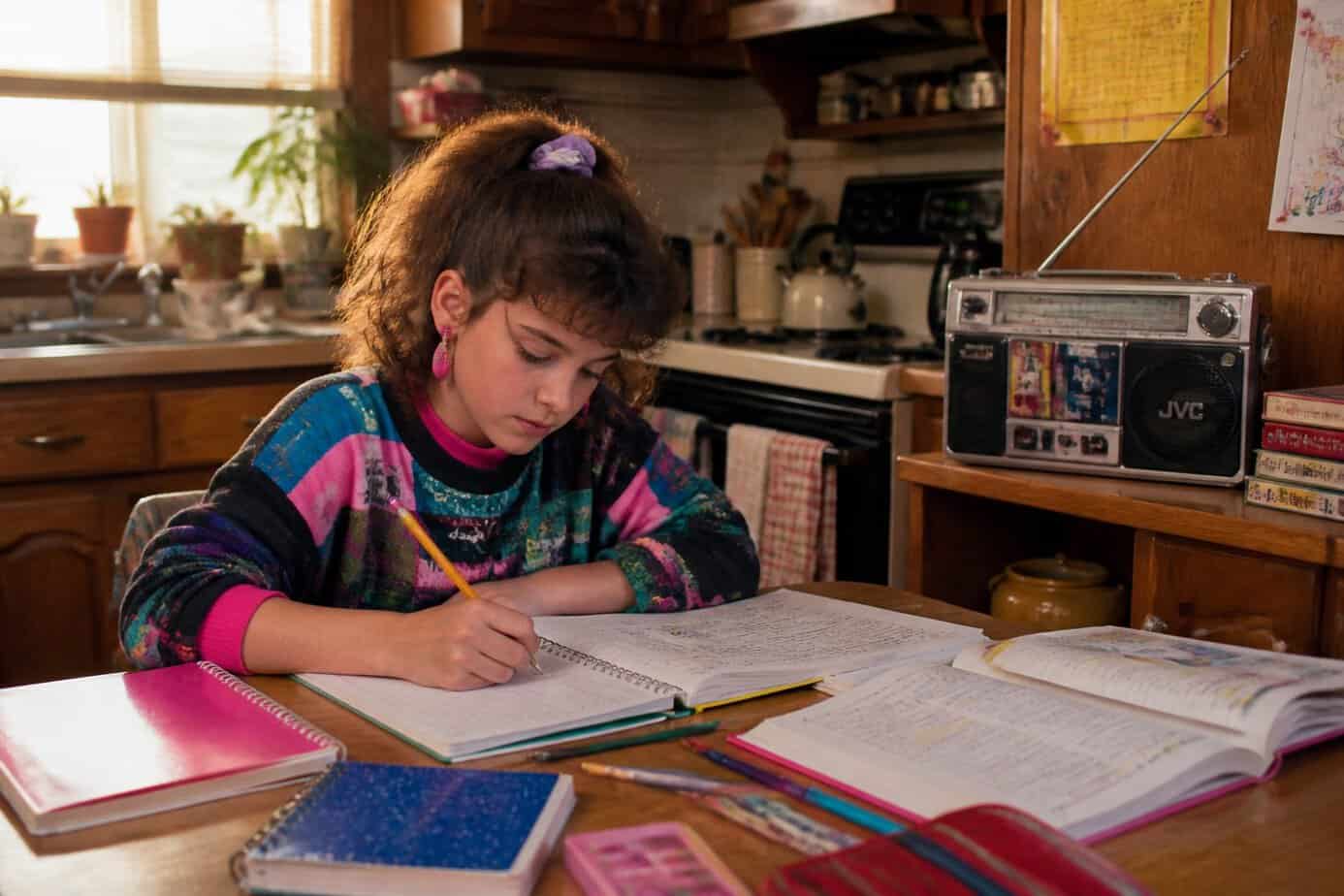
The kitchen table doubled as your homework station in the 1980s. You’d spread out your textbooks and notebooks while the radio played your favorite top 40 hits in the background.
This setup became standard as kitchens evolved into the family command center. Kitchen islands and counters offered plenty of space for schoolwork, especially when parents were still at work.
You learned to balance Casey Kasem’s American Top 40 countdown with math problems and book reports. The radio provided the perfect ambient noise without the isolation of studying alone in your room.
Most families had a portable radio or boom box perched on the counter. You’d keep the volume low enough to concentrate but high enough to catch your favorite songs between assignments.
18. Making prank calls (briefly and harmlessly)
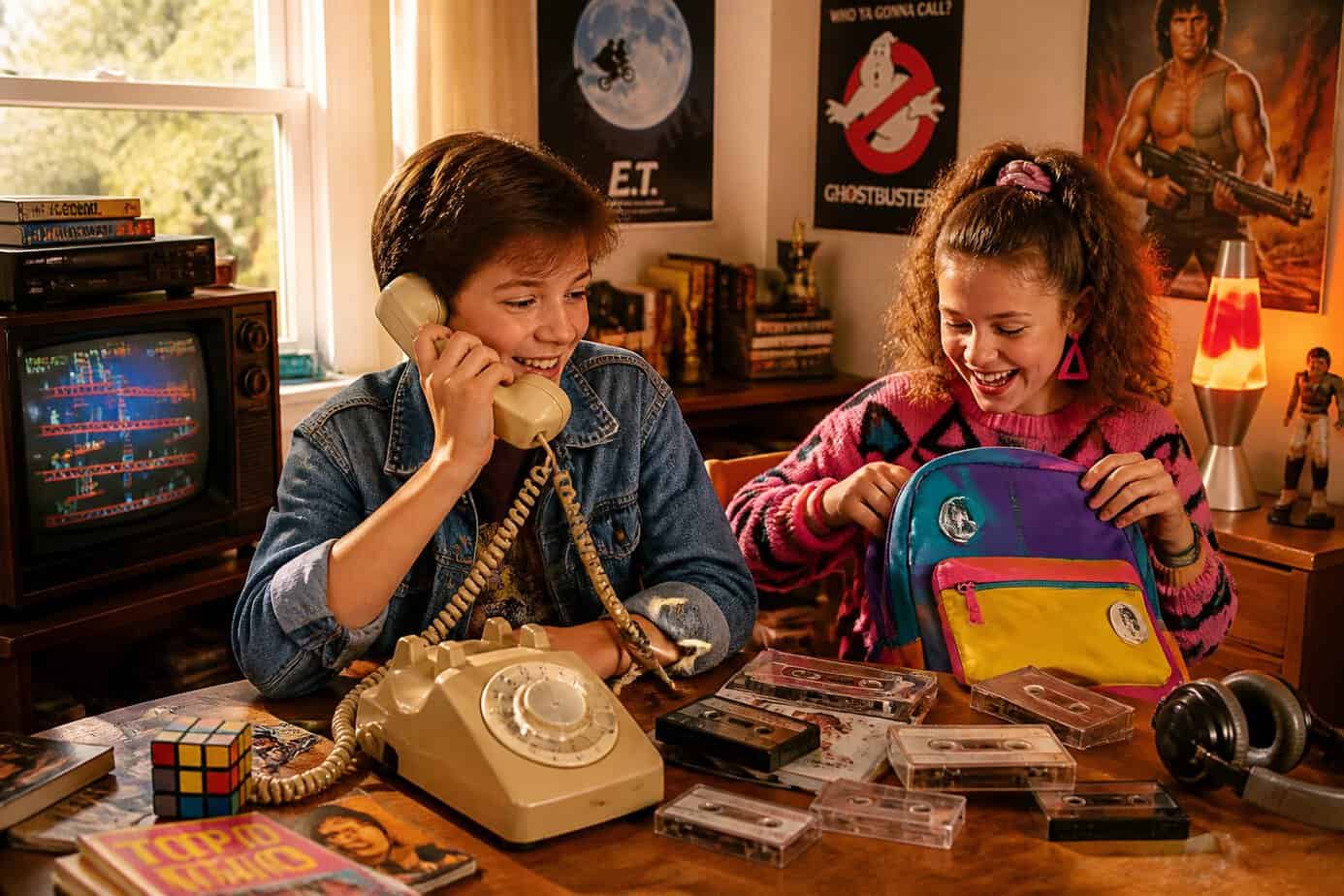
Before caller ID existed, the telephone became your entertainment system after school. You’d gather with friends and dial random numbers from the phone book, trying not to laugh before delivering your carefully planned jokes.
The classics included asking if someone’s refrigerator was running or ordering imaginary pizzas. You’d use fake accents and struggle to keep a straight face while your friends giggled in the background. Most calls lasted only a minute or two before you hung up, dissolving into laughter.
Some kids kept notebooks with phone numbers they’d called, treating it like a hobby. The thrill came from the anonymity and the challenge of pulling off the prank without cracking up. It was simple, silly fun that filled those hours between homework and dinner.
19. Helping with family chores before dinner
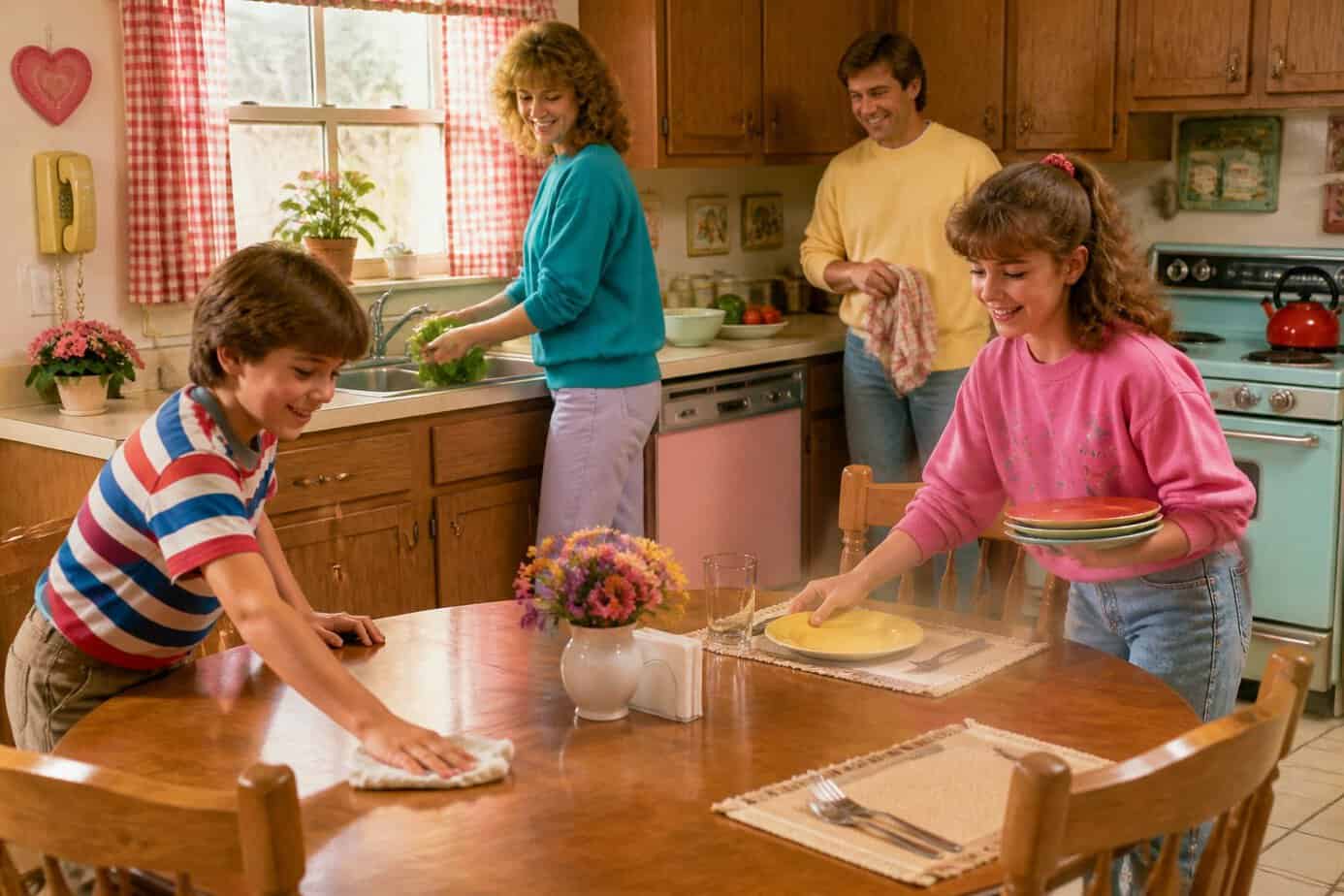
After school, you’d drop your backpack and head straight into your assigned tasks. Washing dishes, setting the table, or vacuuming the living room weren’t optional activities. They were expected contributions to keeping the household running.
Most families in the 1980s relied on shared responsibility to manage daily routines. You might have folded laundry while watching afternoon cartoons or helped prepare vegetables for dinner. These tasks taught time management and basic life skills without anyone making a big deal about it.
The chores varied depending on what your parents needed that day. You could be dusting furniture, taking out the trash, or organizing cluttered spaces. There was a straightforward understanding that everyone pitched in before sitting down to eat together.
20. Riding the bus with friends after school
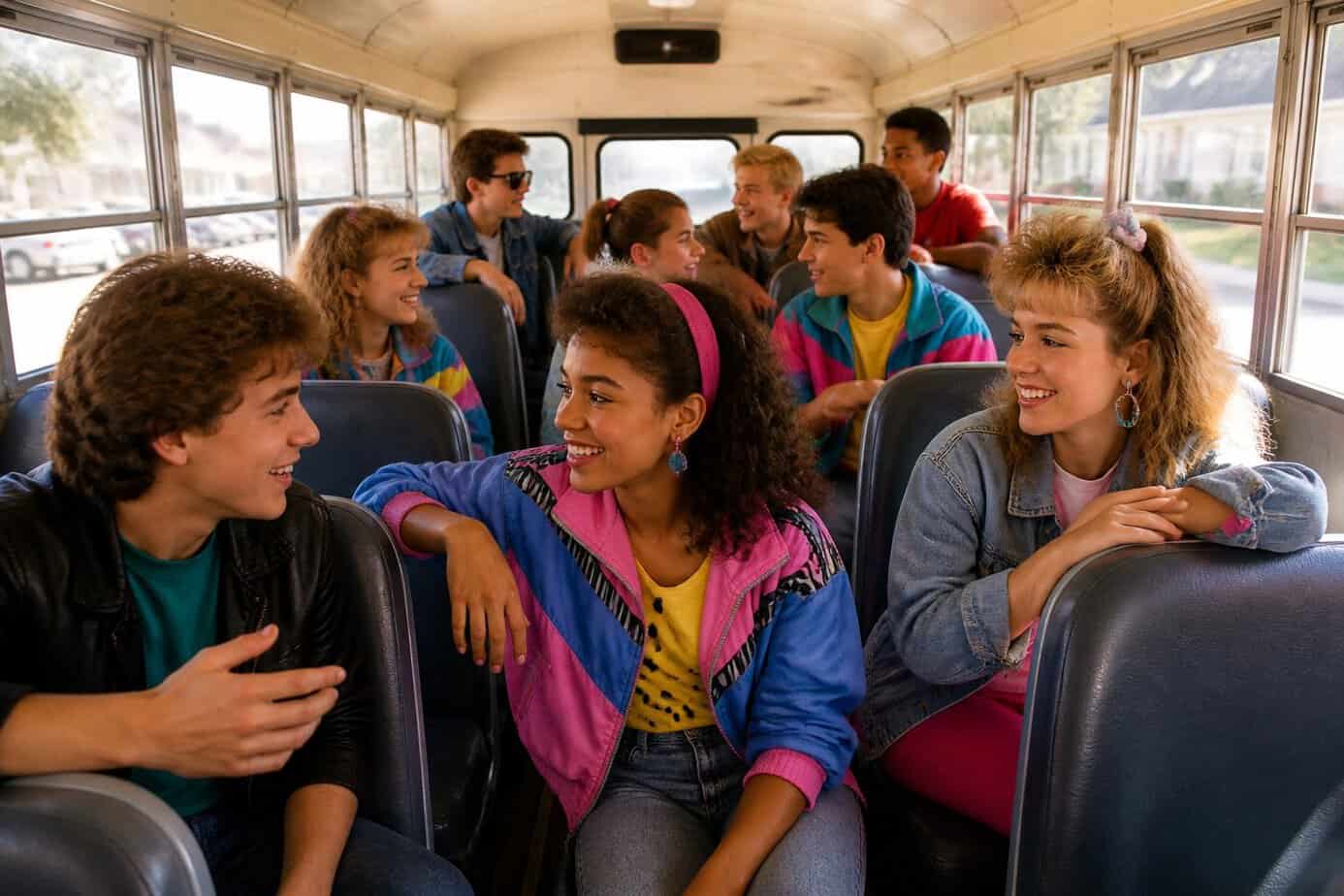
The afternoon bus ride home was where your day truly began. Without seat belts or strict supervision, you bounced around freely, switching seats to sit with different friends throughout the journey.
The back of the bus was prime real estate, reserved for the coolest kids or those brave enough to handle the bumpy ride. You shared snacks, traded stickers, and planned meetups for later that evening.
These rides were filled with chatter about everything from homework to weekend plans. The bus driver occasionally yelled for quiet, but the noise level rarely stayed down for long.
You watched familiar neighborhoods pass by the windows, counting down the stops until yours arrived. Those thirty minutes of unsupervised time with friends felt like pure freedom.
21. Joining scouts or community youth groups
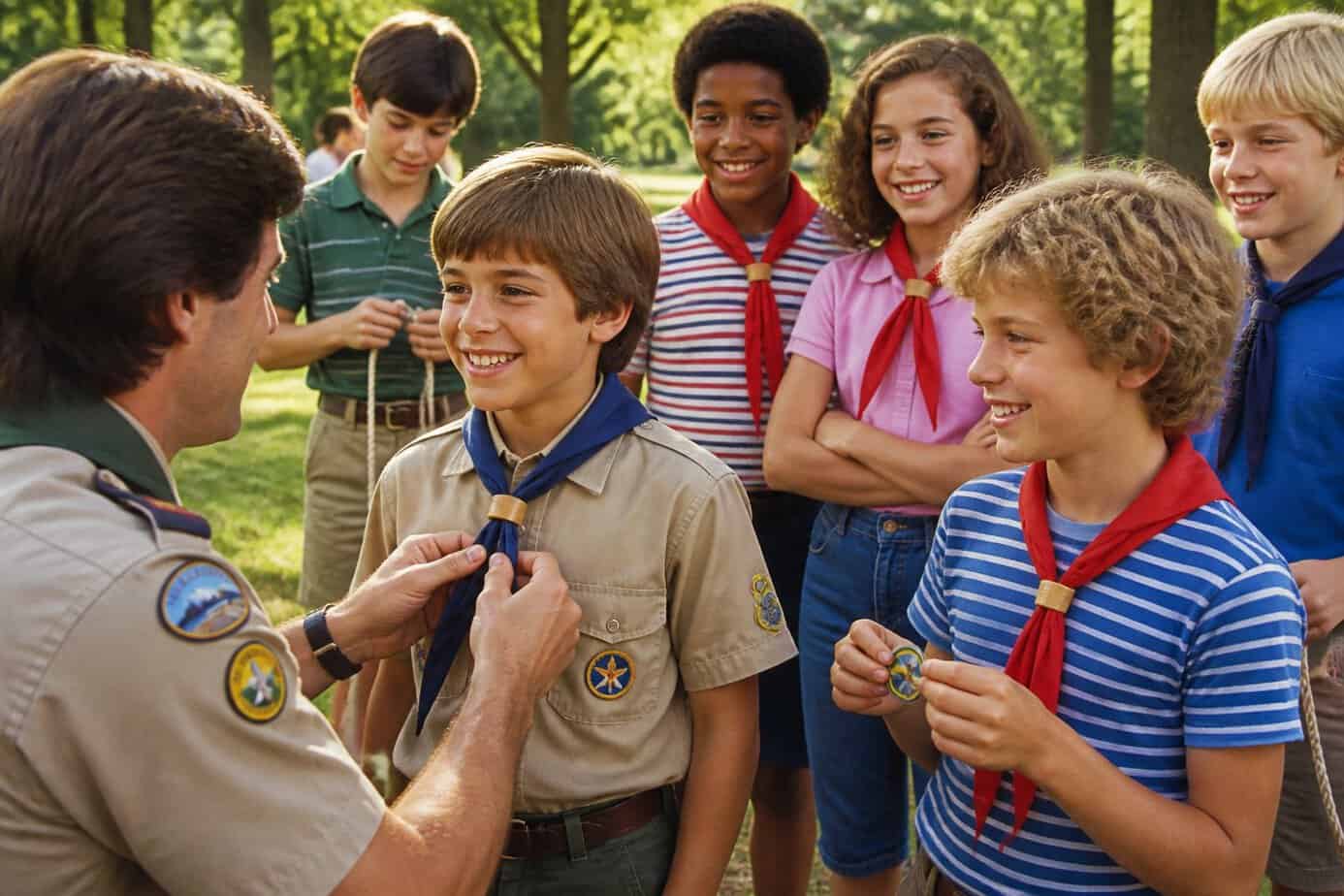
After-school hours often meant heading to Scout meetings or other community youth organizations. These groups provided structured activities that taught practical skills like camping, knot-tying, and first aid.
You looked forward to earning badges and participating in group projects with friends from school and your neighborhood. Meeting nights typically involved working on specific skills, planning weekend trips, or preparing for community service projects.
Many kids joined groups like Boy Scouts, Girl Scouts, 4-H, or local church youth organizations. These gatherings offered a sense of belonging and gave you responsibilities that felt genuinely important.
The social aspect was just as valuable as the activities themselves. You built friendships outside your regular school circles and learned teamwork through group challenges and service projects.
22. Playing Dungeons & Dragons with a homemade map
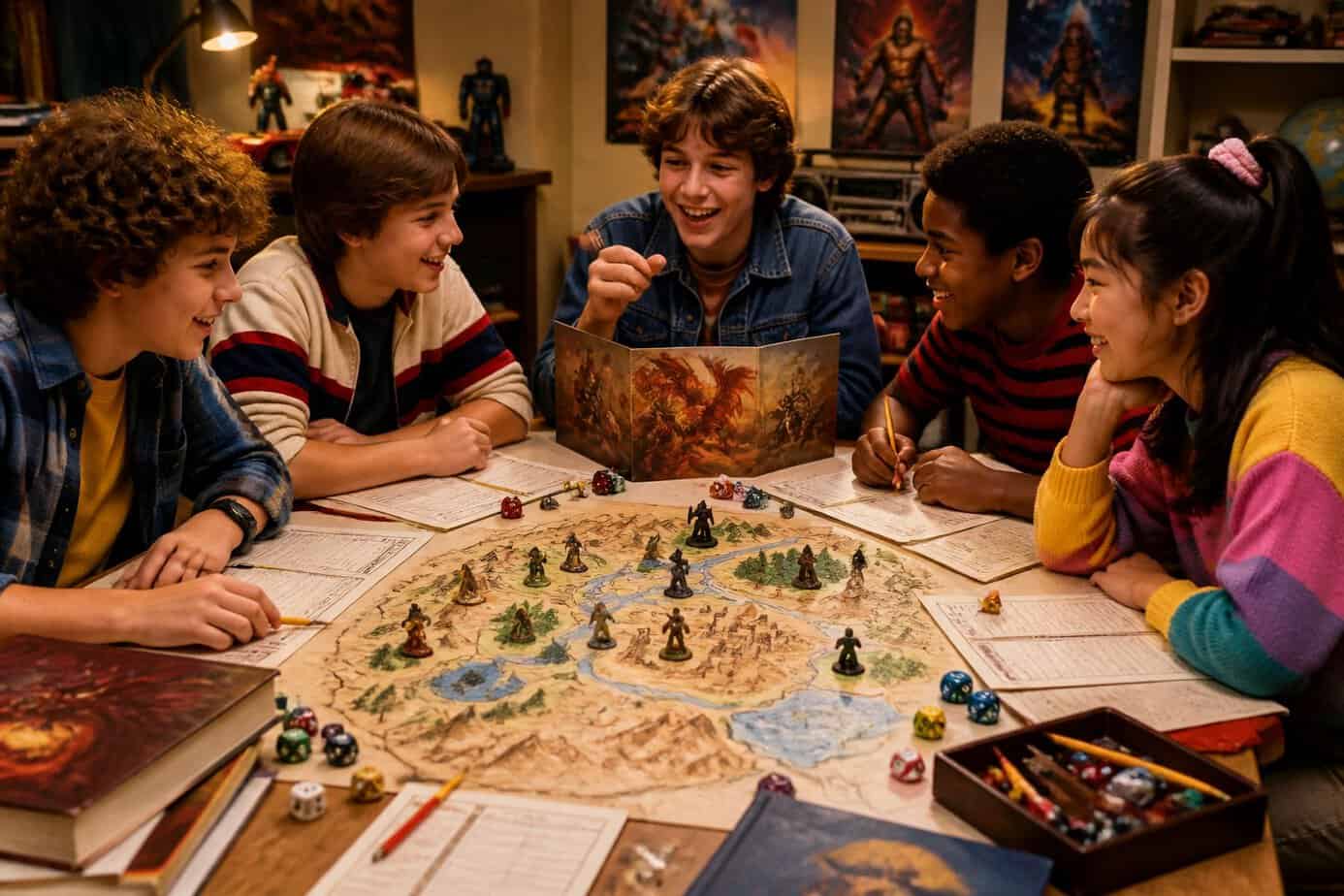
You’d rush home from school, grab your graph paper, and start sketching out dungeon corridors and treasure rooms. Creating your own D&D maps was as much fun as the actual gameplay.
Your homemade maps didn’t need to be professional. You drew them with pencils, markers, and sometimes colored pencils to highlight different areas. Each square represented a specific distance, and you carefully labeled rooms, traps, and monster locations.
The maps gave your adventures a tangible quality that made everything feel more real. You spent hours planning layouts, adding secret passages, and designing challenging encounters for your friends to navigate.
When your group gathered around the table, you’d unveil your creation. Everyone leaned in to study the paths, strategize their approach, and imagine what dangers lurked in each room you’d crafted.
23. Watching after-school specials on network TV
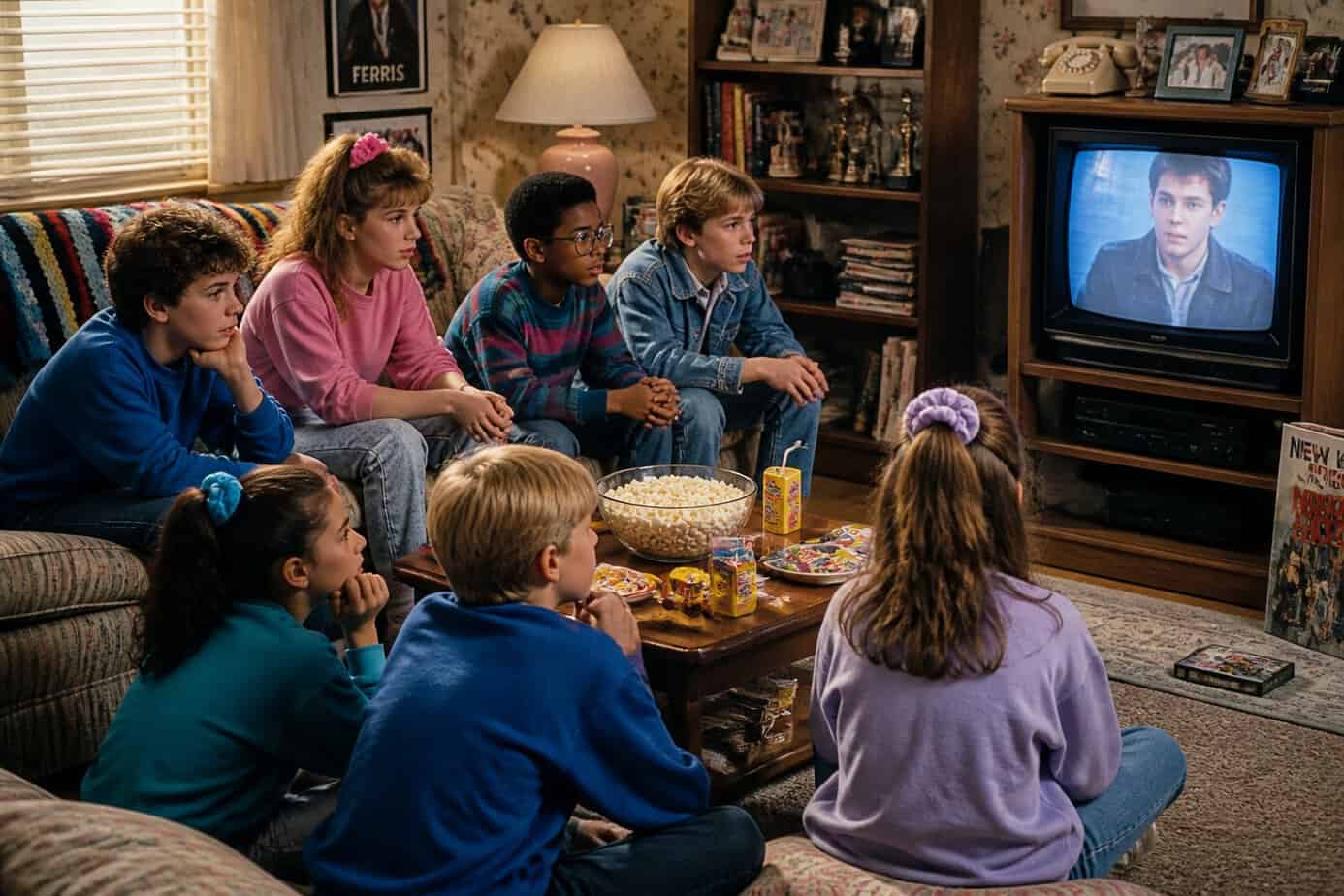
ABC, CBS, and NBC dominated your after-school viewing with their dramatic specials that tackled real-life issues. These weren’t regular shows. They were hour-long movies that dealt with topics like peer pressure, family problems, and social challenges affecting kids and teens.
You’d tune in knowing you were about to watch something serious and relevant. The specials featured young actors dealing with situations you might face yourself or see among your friends. Networks scheduled them specifically for the after-school time slot when kids would be watching.
ABC’s Afterschool Specials ran from the 1970s through the 1990s and became particularly popular during the 1980s. You’d discuss the episodes at school the next day, sharing reactions to the dramatic plots and clear moral lessons each story delivered.
24. Snapping Polaroid photos with friends
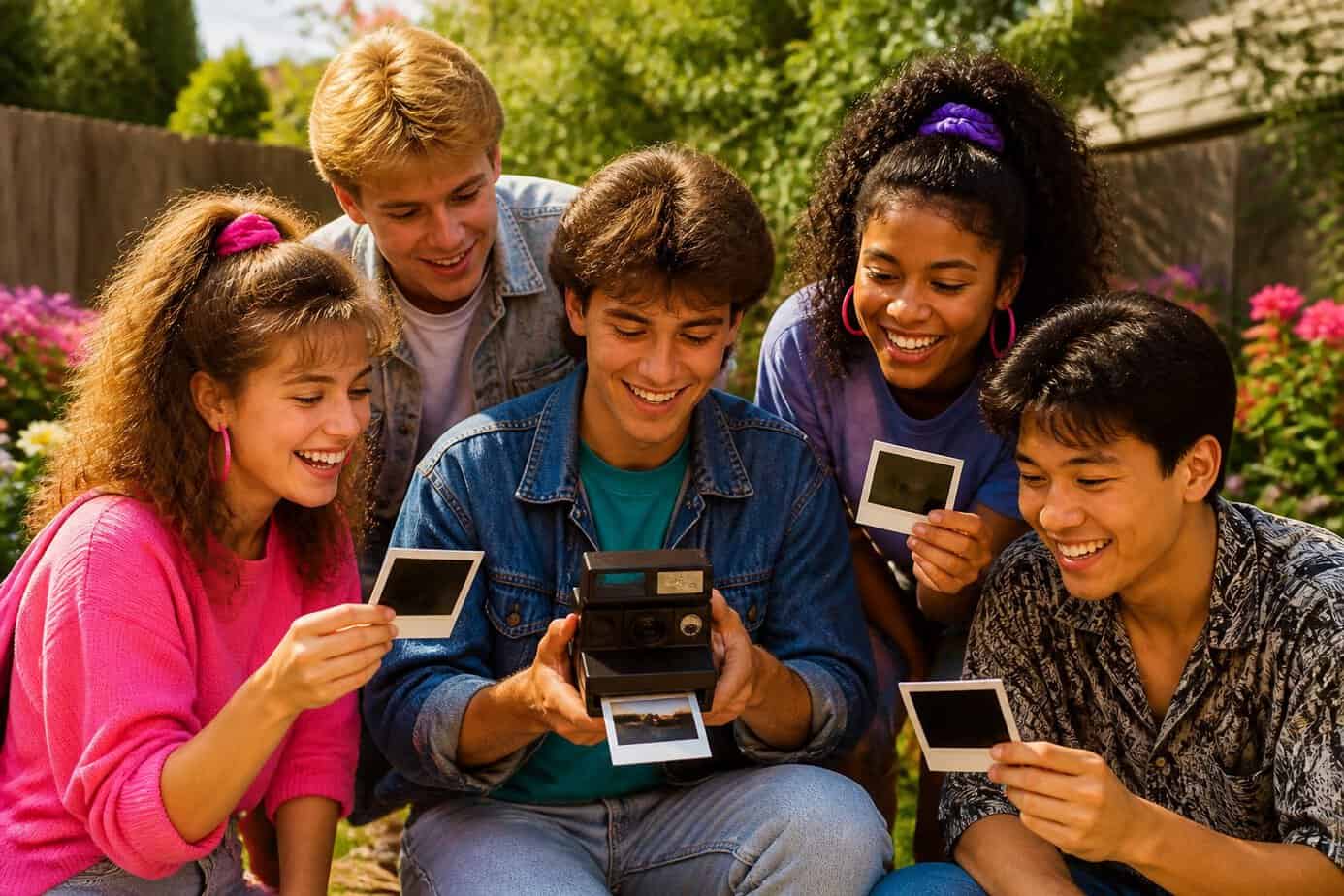
You didn’t need to wait days to see your pictures develop. Polaroid cameras let you capture a moment and watch it appear right before your eyes in minutes.
The ritual was part of the fun. You’d shake the photo gently while waiting for the image to emerge from the white square. Everyone gathered around to watch faces and backgrounds slowly materialize.
These instant photos became treasures you could hold immediately. You decorated your bedroom walls with them, tucked them into your locker, or traded copies with friends. The grainy quality and oversaturated colors gave each shot a distinctive look that felt more authentic than perfect studio prints.
Taking Polaroids meant being selective since film cartridges were expensive. You made each shot count, which made every photo feel more meaningful than the hundreds of digital images kids take today.
25. Buying snacks from the corner store
Would you like to save this?
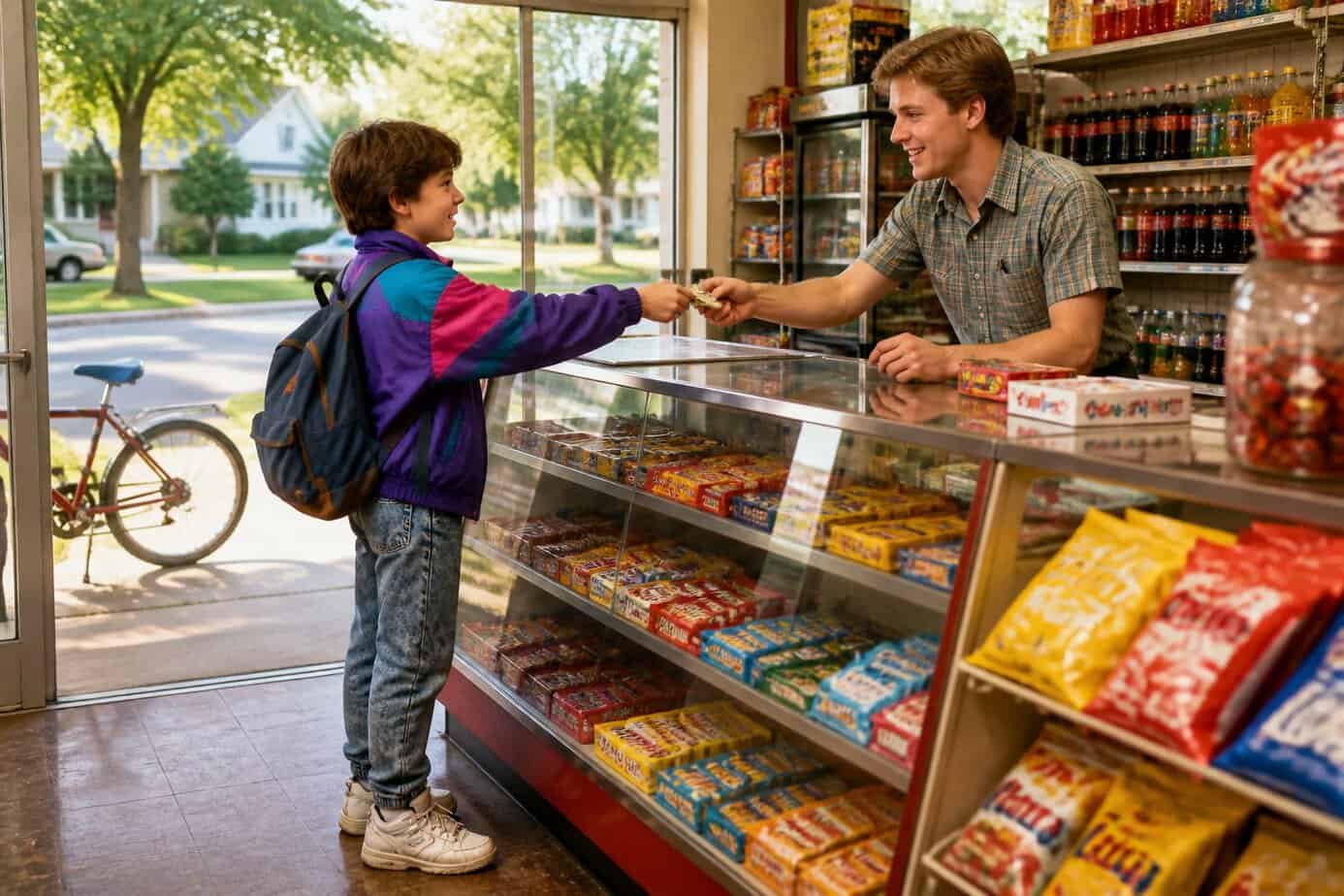
Walking to the corner store after school was a daily ritual. You had a few coins in your pocket and the freedom to choose whatever you wanted.
The candy aisle offered options like Now and Laters, Blow Pops, and Fun Dip. You could get chips, a candy bar, and a soda for under two dollars. The store owner knew most kids by name since you visited so often.
You’d carefully count your change at the counter, making sure you had enough for everything. The variety of snacks was impressive, from bright packaging to quirky flavors designed specifically for kids and teens. These quick trips gave you a sense of independence before heading home to finish homework or watch cartoons.
26. Tuning and swapping VHS tapes for better tracking
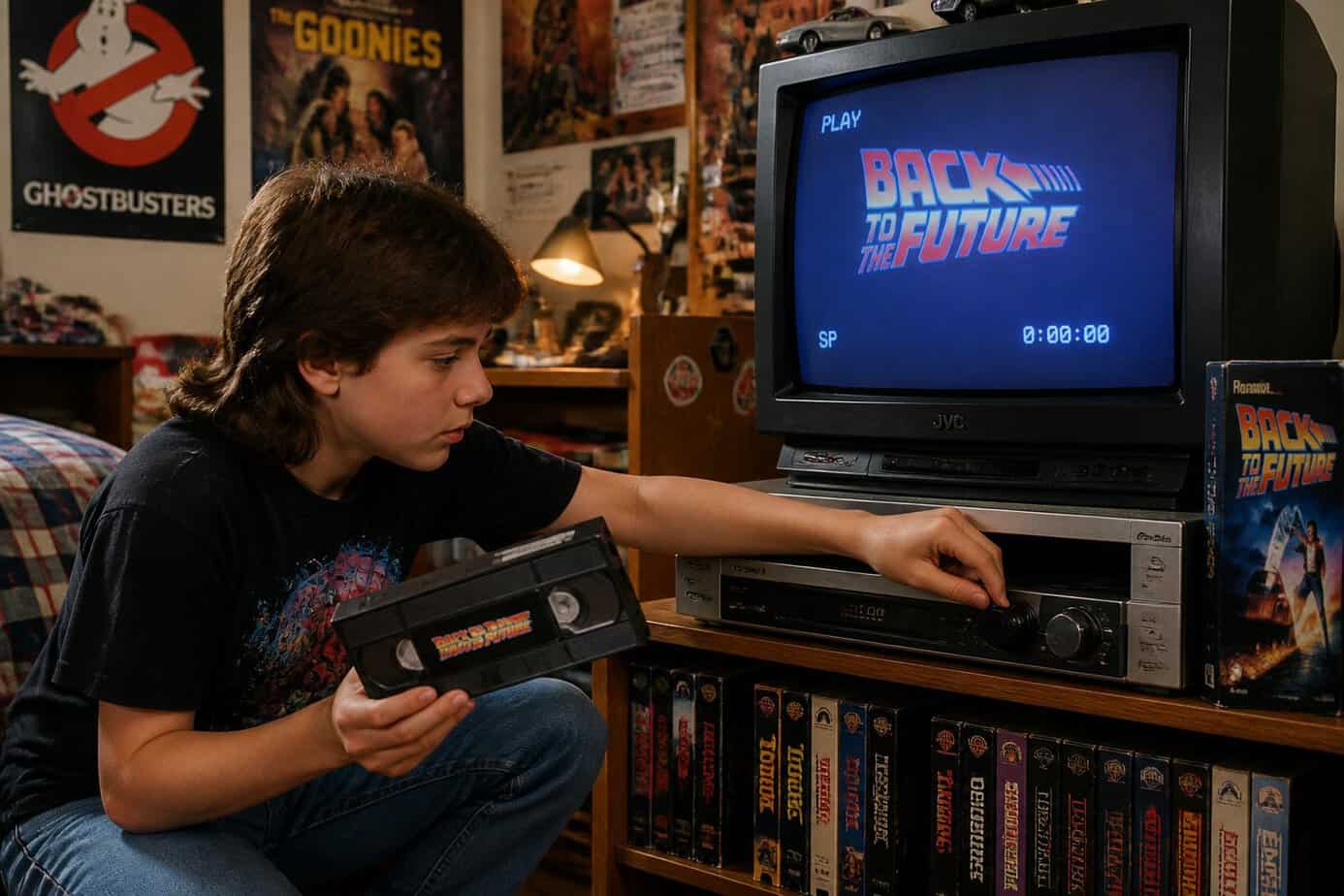
Getting the perfect picture on your VHS tape required patience and skill. You’d pop in a tape only to see wavy lines or static rolling across the screen, forcing you to fiddle with the tracking buttons on your VCR remote.
Sometimes adjusting the tracking knob didn’t solve the problem. The tape itself might have been stretched or damaged from previous viewings. You’d eject it, fast-forward to a different section, then rewind to see if that fixed the alignment issues.
Rental tapes from Blockbuster often had the worst tracking problems since they’d been played dozens of times. You learned which tapes in your collection were reliable and which ones needed constant adjustment throughout the movie. Trading tapes with friends meant hoping their copy had better tracking than the one you owned.
27. Collecting and trading pogs and slap bracelets
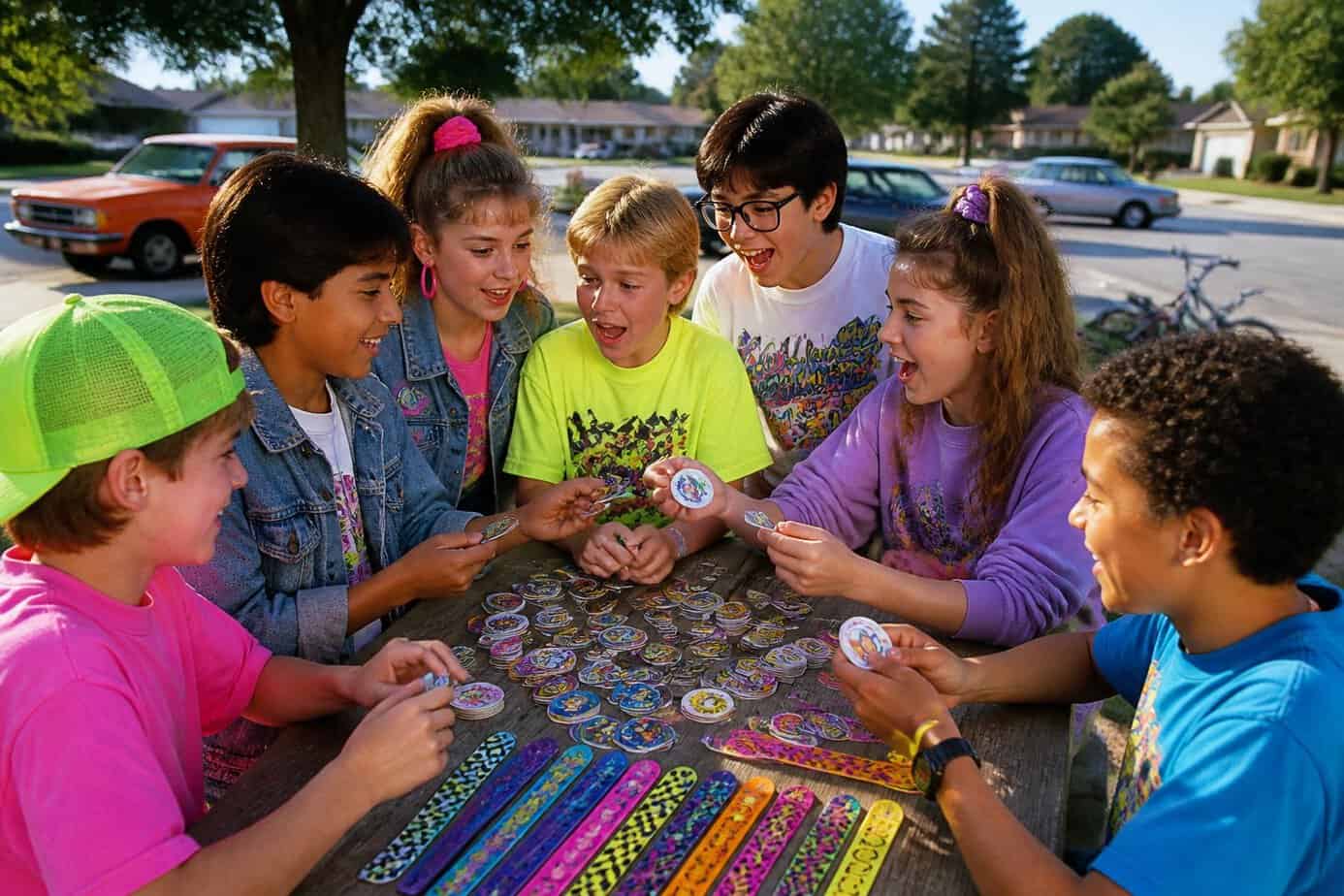
You spent countless after-school hours building your collection of pogs and slap bracelets. Both became essential schoolyard currency in the late 80s.
Slap bracelets exploded onto the scene in 1988 after shop teacher Stuart Anders created them. You collected every neon color and pattern available, enjoying the satisfying snap as they curled around your wrist. The distinctive slapping sound filled hallways until schools started banning them over safety concerns.
Pogs followed closely behind, transforming simple milk caps into a competitive game. You used heavy slammers to flip stacks of pogs, keeping any that landed face-up. Trading became serious business as you negotiated with friends to complete your collection.
Both items were cheap to produce, making them accessible for your allowance. You could always find someone willing to trade during recess or after the final bell rang.
28. Reading Choose Your Own Adventure books
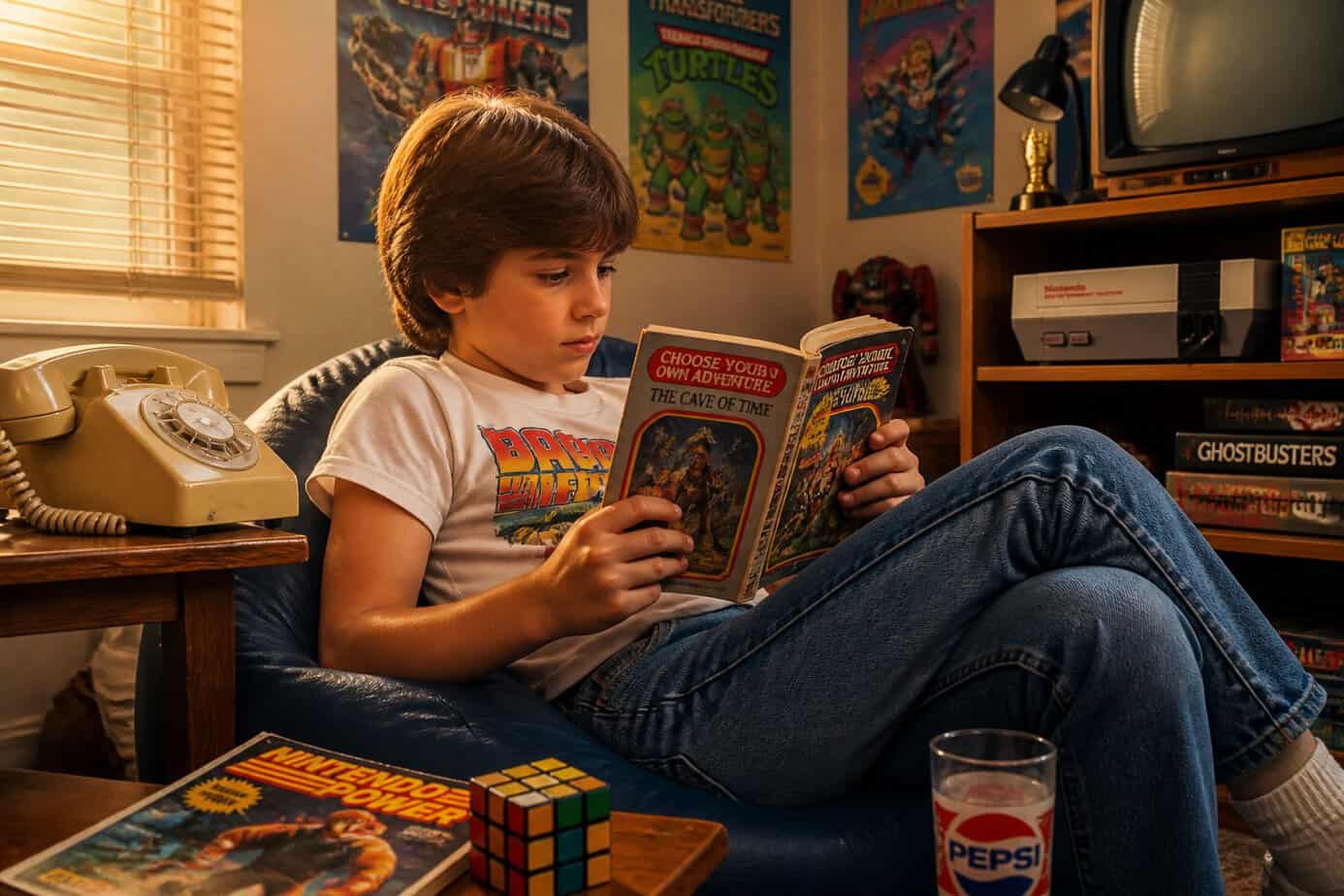
You controlled the story in ways no other book allowed. Choose Your Own Adventure books turned reading into an interactive experience where your decisions determined the outcome.
The series launched in 1979 and dominated the 1980s, selling over 250 million copies worldwide. You’d reach a crucial moment in the story, then flip to a specific page based on your choice. Would you explore the mysterious cave or return to camp? Each decision led you down a different path.
The books felt part story, part game. You could read the same book multiple times and experience completely different adventures. Some choices led to triumph, while others resulted in quick endings that sent you back to try again.
These interactive books stood out on your bookshelf, offering something traditional novels couldn’t match: control over your own reading adventure.
29. Playing hopscotch and double Dutch on the sidewalk
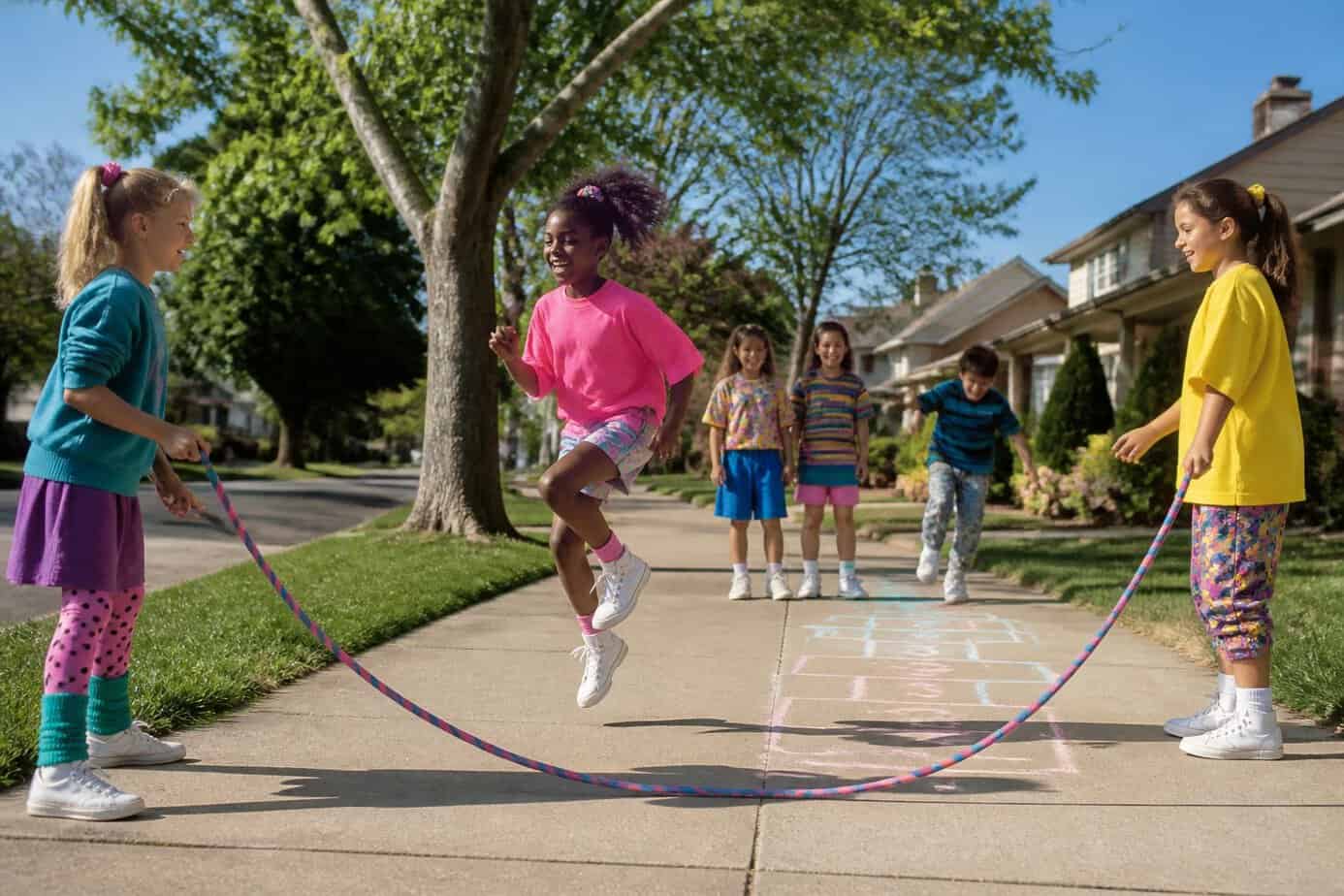
You grabbed a piece of chalk and turned any sidewalk into your personal playground. Hopscotch grids appeared on driveways and concrete paths throughout the neighborhood, requiring nothing more than a small stone and some creativity.
The game was simple. You tossed your marker, hopped through the numbered squares, and tried to maintain your balance on one foot. Everyone knew the rules, and games could start within minutes of stepping outside.
Double Dutch added another layer of challenge to your after-school routine. Two kids turned the ropes while you waited for the perfect moment to jump in. The rhythmic slapping of rope against pavement created its own soundtrack as you hopped and moved through increasingly complex patterns.
Both activities required minimal equipment and maximum participation. Your scraped knees were badges of honor from hours spent mastering these street games.
30. Watching Saturday morning cartoons on network TV
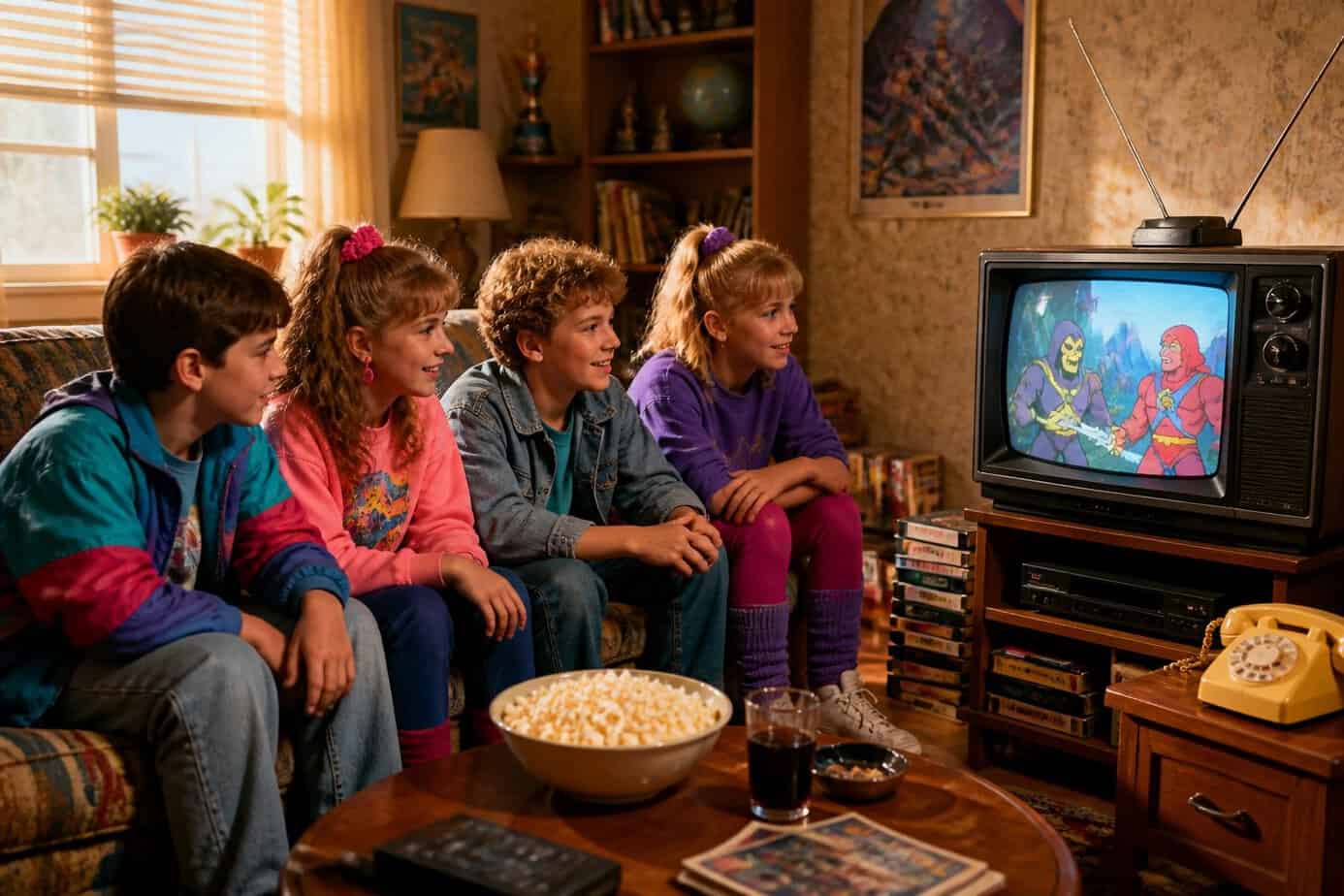
Saturday mornings had their own magic. You’d wake up early, pour a bowl of cereal, and claim your spot in front of the television while the house was still quiet.
The lineup on ABC, NBC, and CBS was everything. Shows like Scooby-Doo, He-Man, The Smurfs, and Thundercats aired in a four-hour block that became the highlight of your week. You didn’t have streaming options or on-demand replays.
Whatever was on at that moment was what you watched. The cartoons were bold and colorful, often tied to toy lines and action figures. This ritual gave you something to look forward to after surviving the school week, and those Saturday mornings stuck with you long after the shows ended.
31. Going to rollerblading meets (late-80s)
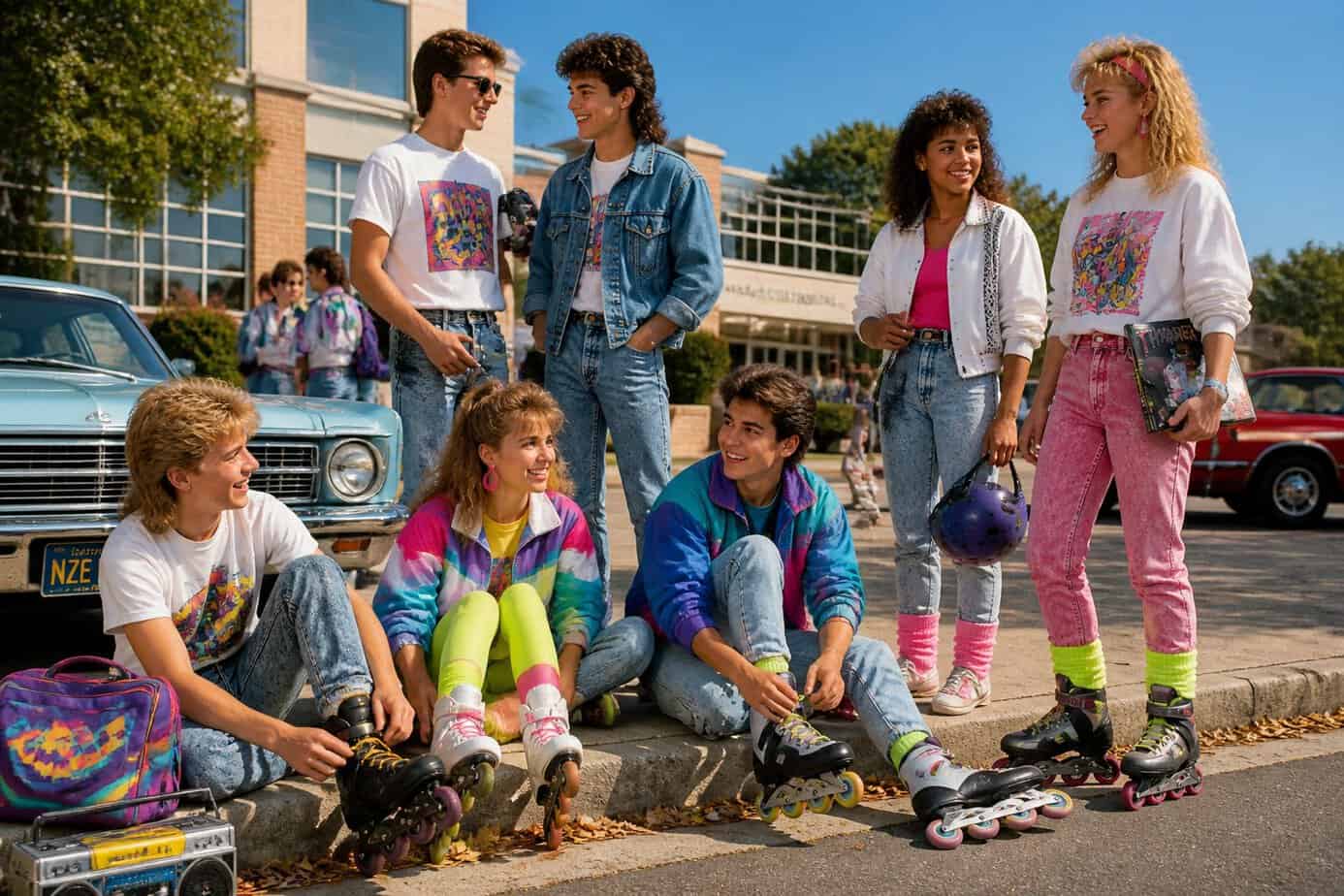
As the 80s progressed, rollerblading emerged as the cooler, edgier cousin of traditional roller skating. You’d gather with other kids at parking lots, abandoned basketball courts, or designated skating spots to practice tricks and show off your skills.
These informal meets gave you the chance to learn new techniques from older bladers and push your abilities. You worked on jumping curbs, skating backward, and perfecting your stops.
The inline skate design made everything feel faster and more agile than quad skates. You loved the freedom of movement and the street-skating culture that came with it.
Your parents probably bought you protective gear, though you didn’t always wear it. The meets created a sense of community among local bladers who shared tips and challenged each other to improve.
32. Listening to mixtapes made on a Walkman
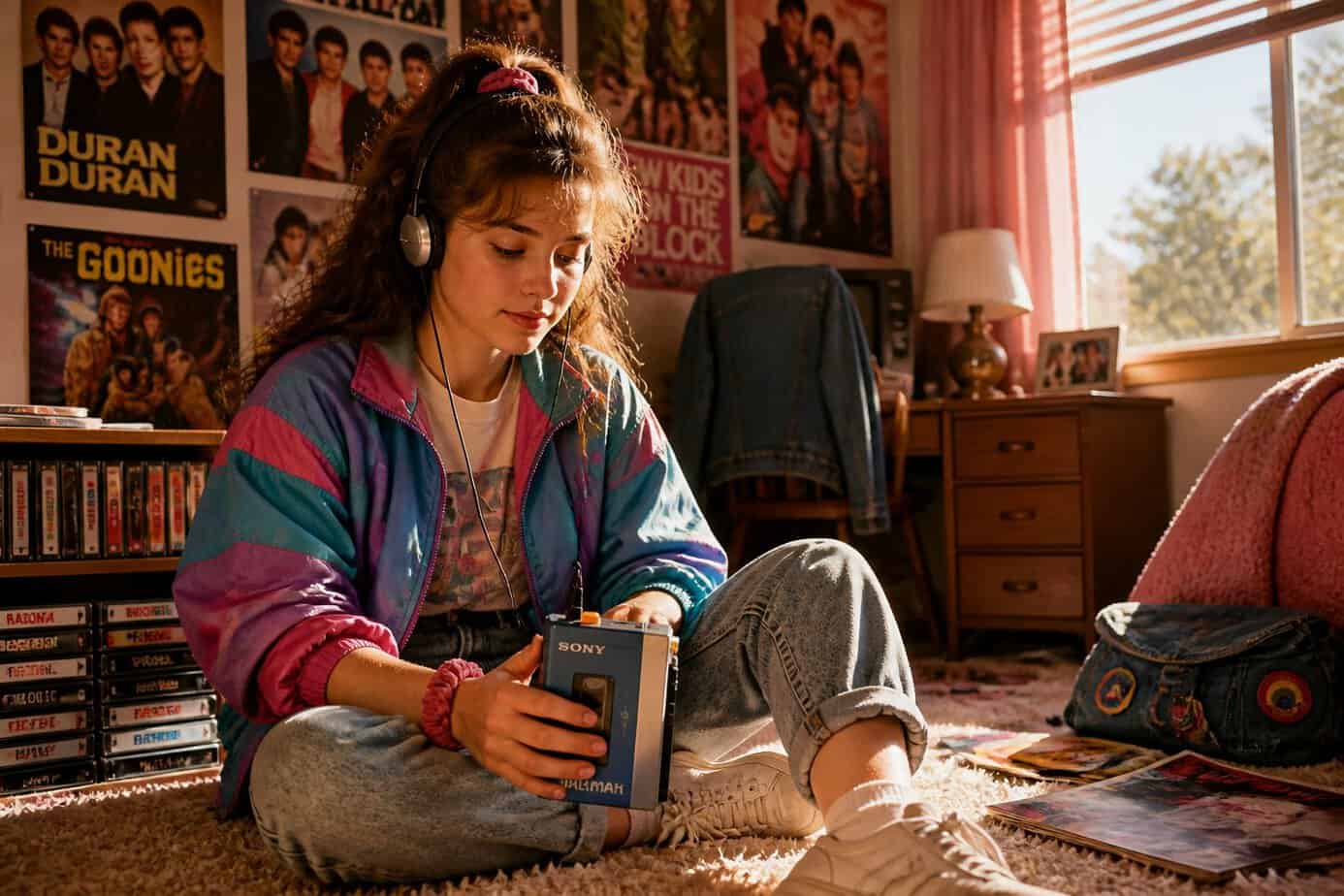
The Sony Walkman transformed how you experienced music in the 1980s. You could slip on foam headphones and take your soundtrack anywhere—to the bus stop, on bike rides, or just walking around the neighborhood.
Creating the perfect mixtape was an art form. You’d record songs off the radio, waiting with your finger hovering over the record button to catch tracks at just the right moment. The timing had to be perfect to avoid cutting off the beginning or capturing the DJ’s voice.
Each mixtape reflected your personality and mood. You organized songs carefully on Side A and Side B, crafting playlists for different occasions. Friends exchanged tapes as tokens of friendship, and making someone a mixtape was a genuine gesture that required time and thought.
33. Catching reruns of classic TV shows on cable
Cable networks transformed your after-school routine by offering endless reruns of beloved shows. You no longer had to worry about missing an episode since stations replayed your favorites throughout the week.
Channels dedicated to kids’ programming meant you could flip between multiple shows and always find something worth watching. The rise of 24-hour networks gave you access to cartoons and sitcoms that had aired years before you were born.
Reruns let you catch details you missed the first time around and rewatch your favorite moments. You built deeper connections with characters when you could revisit their stories day after day.
The predictable schedule meant you knew exactly when your show would air. You’d rush home, grab a snack, and settle in front of the TV for an afternoon of familiar entertainment.
34. Making paper fortune tellers and notes at school
Would you like to save this?
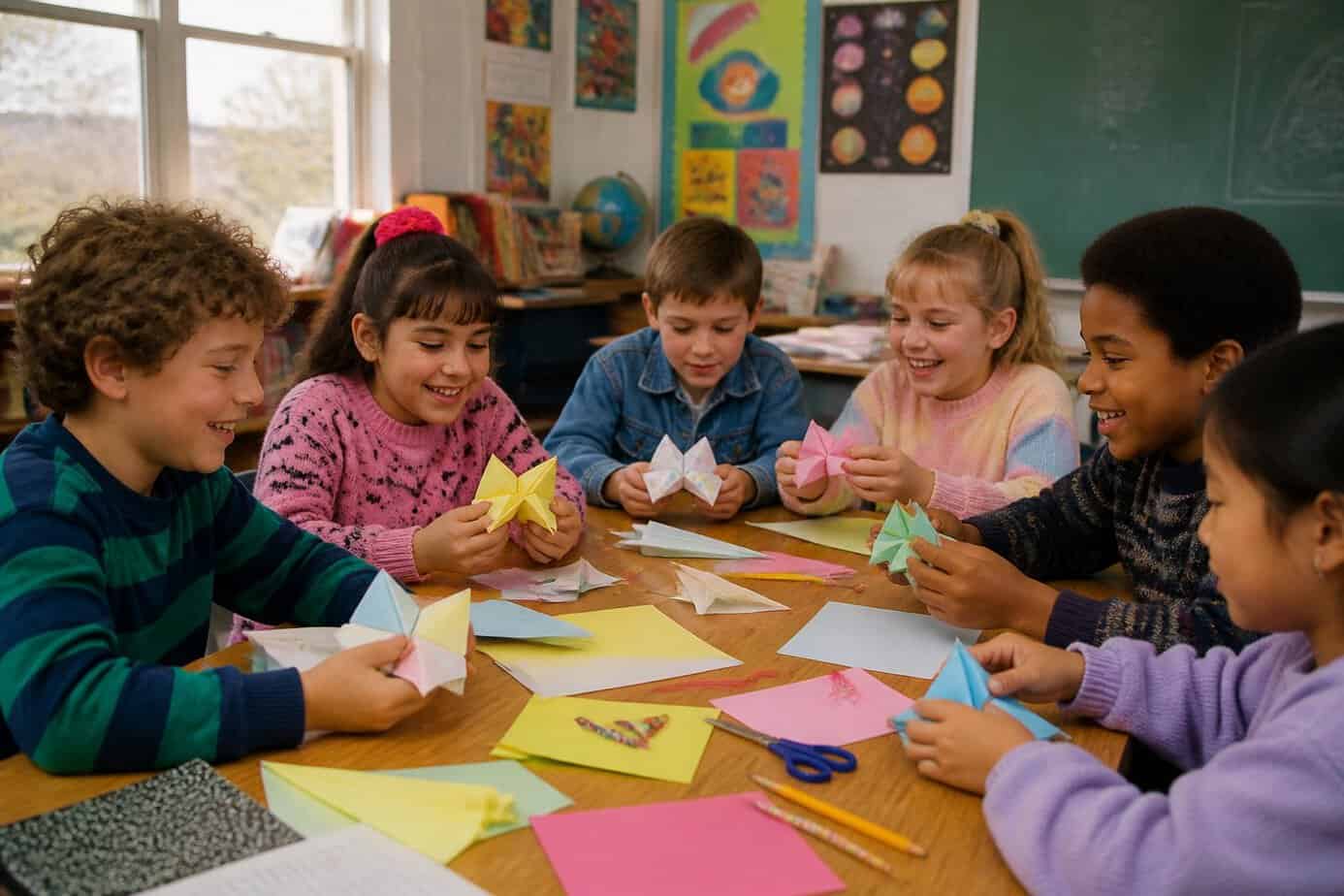
You could turn a simple sheet of notebook paper into a fortune teller in minutes. These folded paper games went by different names depending on your school—cootie catchers, chatterboxes, or fortune tellers.
You’d fold the corners into the center, flip it over, and write colors on the outside flaps. Inside, you’d add numbers and fortunes predicting who you’d marry, how many kids you’d have, or what car you’d drive. Your friends picked a color, then a number, and you’d open and close the folds to reveal their fate.
The predictions were silly, but making them was half the fun. You decorated every flap with markers and doodled designs between classes. These paper creations spread from desk to desk and playground to playground on pure social momentum.
35. Visiting the neighborhood pool in summer
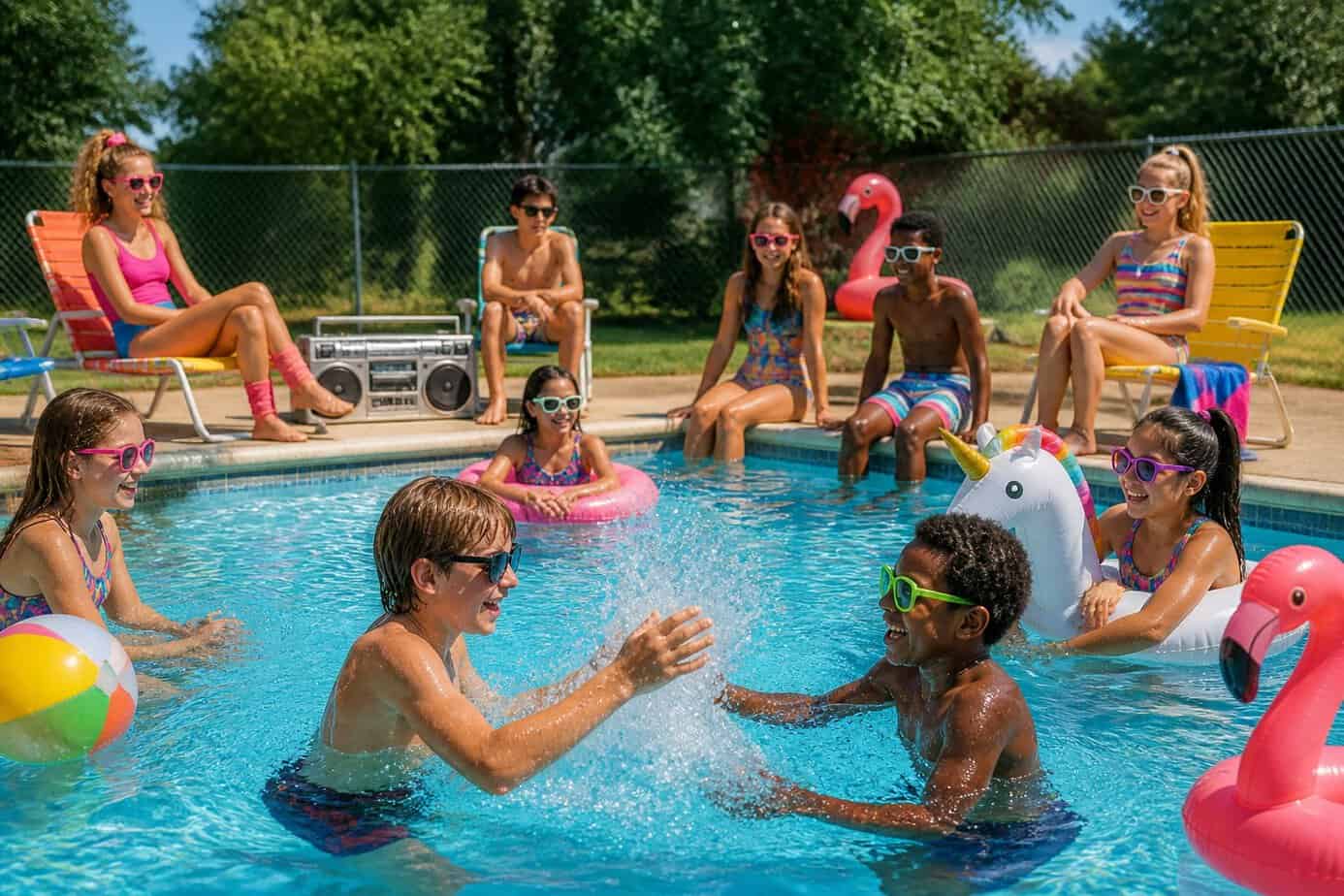
When school let out for summer, the neighborhood pool became your social headquarters. You’d grab your towel and bike over, hoping your friends would already be there.
The pool wasn’t just about swimming. You’d spend hours playing Marco Polo, diving for rings, and perfecting your cannonball technique. The snack bar sold candy, soda, and those frozen treats that turned your tongue blue.
You knew everyone at the pool. It’s where you ran into classmates, played games with neighborhood kids, and sometimes spotted your crush. The smell of chlorine and sunscreen meant freedom.
Adult swim breaks felt like they lasted forever. You’d sit on the edge, legs dangling in the water, counting down the minutes until you could jump back in.
How 1980s Culture Shaped Childhood After School
Television networks designed programming blocks specifically for young viewers, parents worked traditional schedules that left kids unsupervised for hours, and neighborhoods functioned as extended play spaces where children moved freely between homes.
The Influence of Television Programming
Networks created dedicated afternoon time slots that became appointment viewing for an entire generation. Shows like DuckTales, He-Man, Transformers, and G.I. Joe aired between 3:00 and 6:00 PM, establishing a predictable routine you could count on.
Saturday morning cartoons extended this influence into weekends, but weekday programming held special significance because it marked your transition from school to home. You rushed through the door to catch the opening theme of your favorite show.
Popular After-School Programming:
- Animated series based on toy lines
- Sitcom reruns like The Brady Bunch and Gilligan’s Island
- Music videos on MTV
- Local children’s show hosts
These shows didn’t just entertain—they created shared cultural touchstones. The next day at school, you discussed plot developments and quoted catchphrases. Television served as both babysitter and social connector during those unsupervised hours.
Impact of Neighborhood Friendships
Your social circle extended across your entire street or apartment complex. Kids gathered outdoors without pre-arranged playdates or adult supervision, creating spontaneous games and adventures.
You knocked on doors to see who could come out to play. Older kids looked after younger ones, and you learned social dynamics through direct interaction rather than screens. Your neighborhood friends became your primary social network, available any afternoon simply by stepping outside.
Groups formed around shared interests—BMX riders, skateboarders, kids who played street hockey. You knew which houses welcomed visitors and which yards offered the best climbing trees. Geographic proximity determined friendship more than carefully curated social connections.
This freedom built independence and problem-solving skills. You navigated conflicts, created rules for games, and explored your surroundings with minimal adult intervention.
Role of Family Schedules
Most households operated on single-income or dual-income schedules where parents worked standard 9-to-5 jobs. This created a predictable window of unsupervised time between school dismissal and when adults arrived home around 6:00 PM.
You became a latchkey kid, carrying a house key on a string around your neck or hidden under a doormat. Parents left instructions on notes attached to the refrigerator. You knew to call when you got home, do your homework, and avoid using the stove.
Siblings often shared supervision duties, with older children responsible for younger ones. This arrangement taught self-reliance and time management. You learned to prepare simple snacks, handle minor emergencies, and entertain yourself for extended periods.
Dinner time served as the hard boundary for your afternoon freedom. When parents arrived home, the unsupervised portion of your day ended, and family structure resumed.
Technological and Social Changes Since the 1980s
The shift from the 1980s to today reflects fundamental changes in how children spend their free time, driven largely by digital technology replacing analog experiences and structured activities superseding unsupervised play.
Evolving Entertainment and Leisure Trends
Entertainment in the 1980s centered on physical media and shared experiences. You watched three to five television channels at scheduled times, adjusted VHS tracking manually, and waited days or weeks to see your favorite shows. Music came from cassette tapes and vinyl records that you played on boom boxes or stereo systems.
Today’s entertainment is digital, on-demand, and personalized. Streaming services replaced physical media, giving you instant access to millions of songs, shows, and movies. Gaming evolved from 8-bit consoles you played on television screens to sophisticated online multiplayer experiences accessible on multiple devices.
The social aspect of entertainment has transformed completely. In the 1980s, you gathered physically with friends to watch movies, play games, or listen to music. Now you interact through screens, messaging friends while consuming content separately. The spontaneous neighborhood gatherings that characterized 1980s leisure time have largely disappeared, replaced by scheduled playdates and organized activities.
Comparing After-School Activities Across Generations
After-school life in the 1980s meant unsupervised freedom. You rode bikes around the neighborhood without helmets or GPS tracking, came home when streetlights turned on, and created your own games without adult intervention.
Modern after-school schedules are heavily structured. Your children attend organized sports, tutoring sessions, music lessons, and supervised programs. Free play has decreased significantly as safety concerns and academic pressure increased.
Communication methods reflect this generational divide clearly:
1980s: Rotary or push-button phones attached to walls, limited to home conversations
Today: Personal smartphones with instant messaging, video calls, and constant connectivity
The independence you experienced as an 1980s child—walking to friends’ houses unannounced, spending hours outside without check-ins—would concern many parents today. This shift reflects broader cultural changes around parenting, safety perceptions, and childhood development philosophy.