
37 Little Things Mom Did Every Day in the 1980s That We Never Appreciated Until We Had Kids of Our Own: The Daily Acts of Love That Shaped a Generation
Would you like to save this?
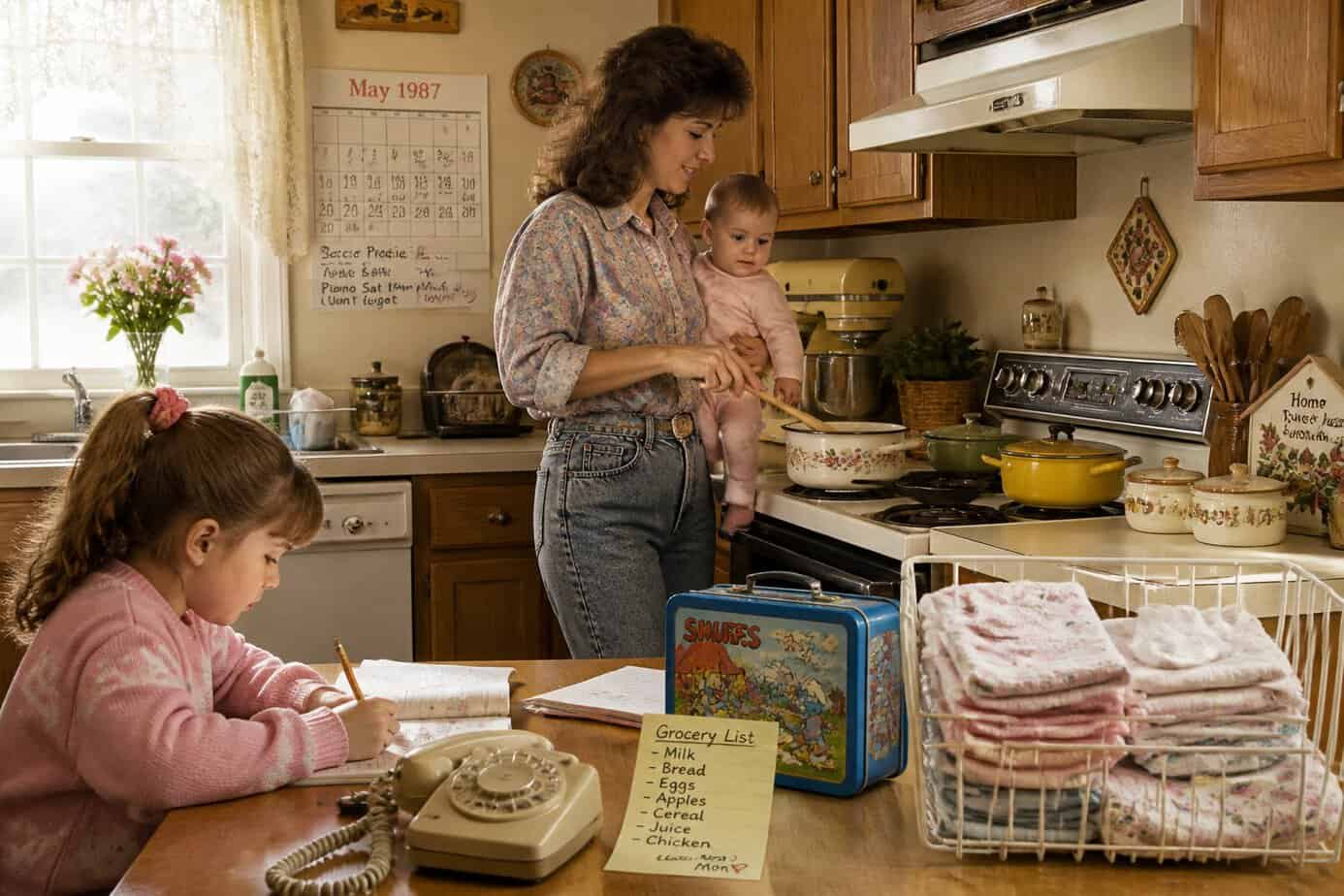
Looking back at the 1980s, it’s easy to remember the bigger moments, birthday parties, family vacations, holiday gatherings. But the real magic of childhood often lived in the quiet, everyday actions our mothers performed without fanfare or recognition.
These small, repetitive tasks, from packing thermoses to mending clothes by hand, created the structure and comfort that defined growing up in that decade.
Most of us sailed through our days without noticing the effort behind a labeled pencil case or a coin purse filled with exact change for a field trip. We simply enjoyed the benefits while our moms handled the invisible work.
Now that you’re raising your own children, those little things suddenly come into sharp focus. You find yourself doing similar tasks and realizing the care, planning, and love that went into each one. The 1980s parenting playbook was full of hands-on, analog solutions that required time and attention, and your mother showed up for all of it.
1. Packing a thermos of soup for a sick child
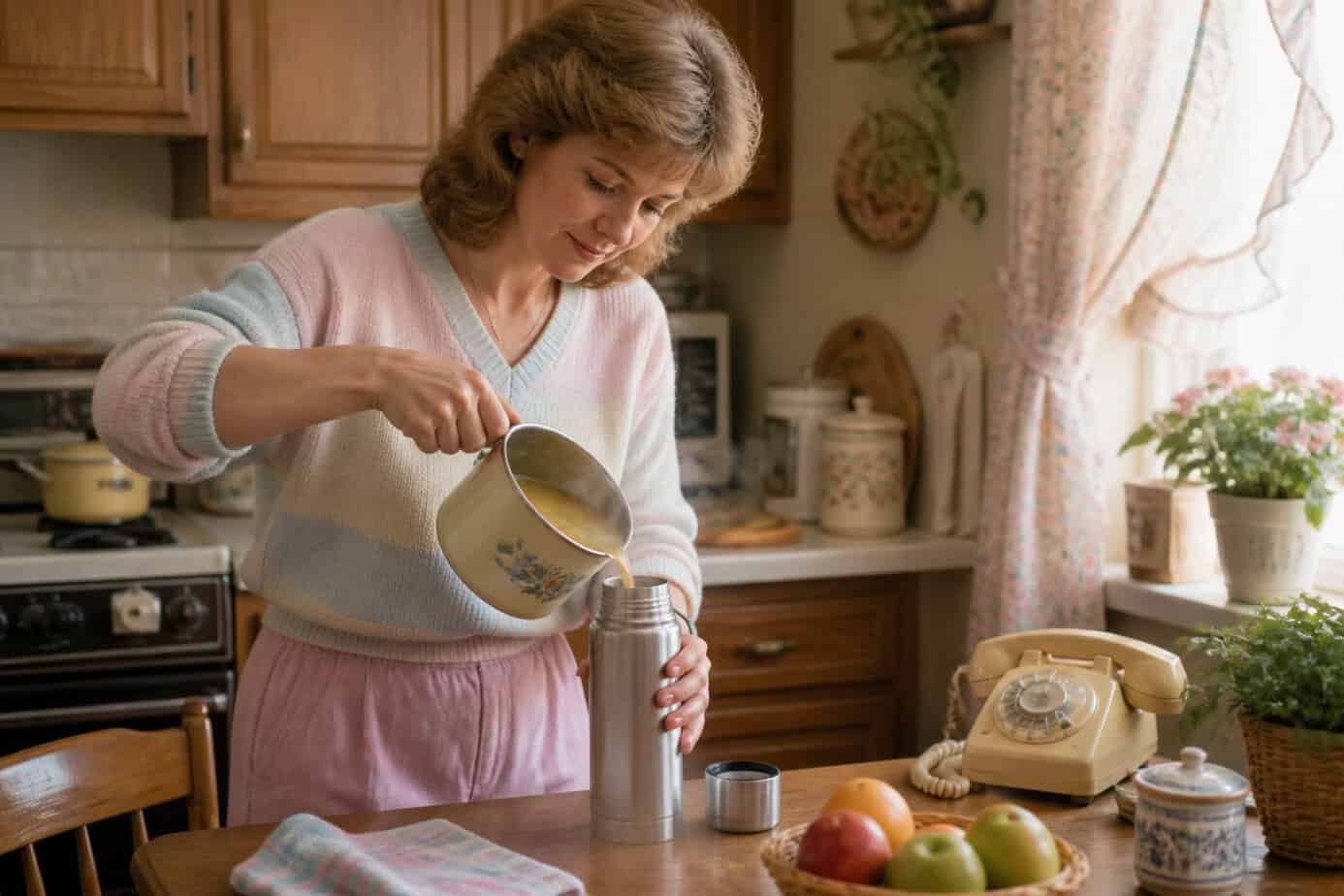
When you stayed home sick from school in the 1980s, your mom had a morning routine that started early. She’d pull out the thermos and fill it with warm soup, usually something simple like chicken noodle or tomato from a Campbell’s can.
The process took just a few minutes, but it meant you had something hot to eat hours later when you were ready for lunch. She’d prep the thermos while you were still bundled up on the couch, half-watching morning television.
Now that you’re the parent, you understand the thought behind that small gesture. It wasn’t just about feeding a sick kid. It was about providing comfort when you felt miserable, ensuring you had something warm and easy to eat without her having to stop everything mid-day.
2. Pressing a handwritten note into a lunchbox
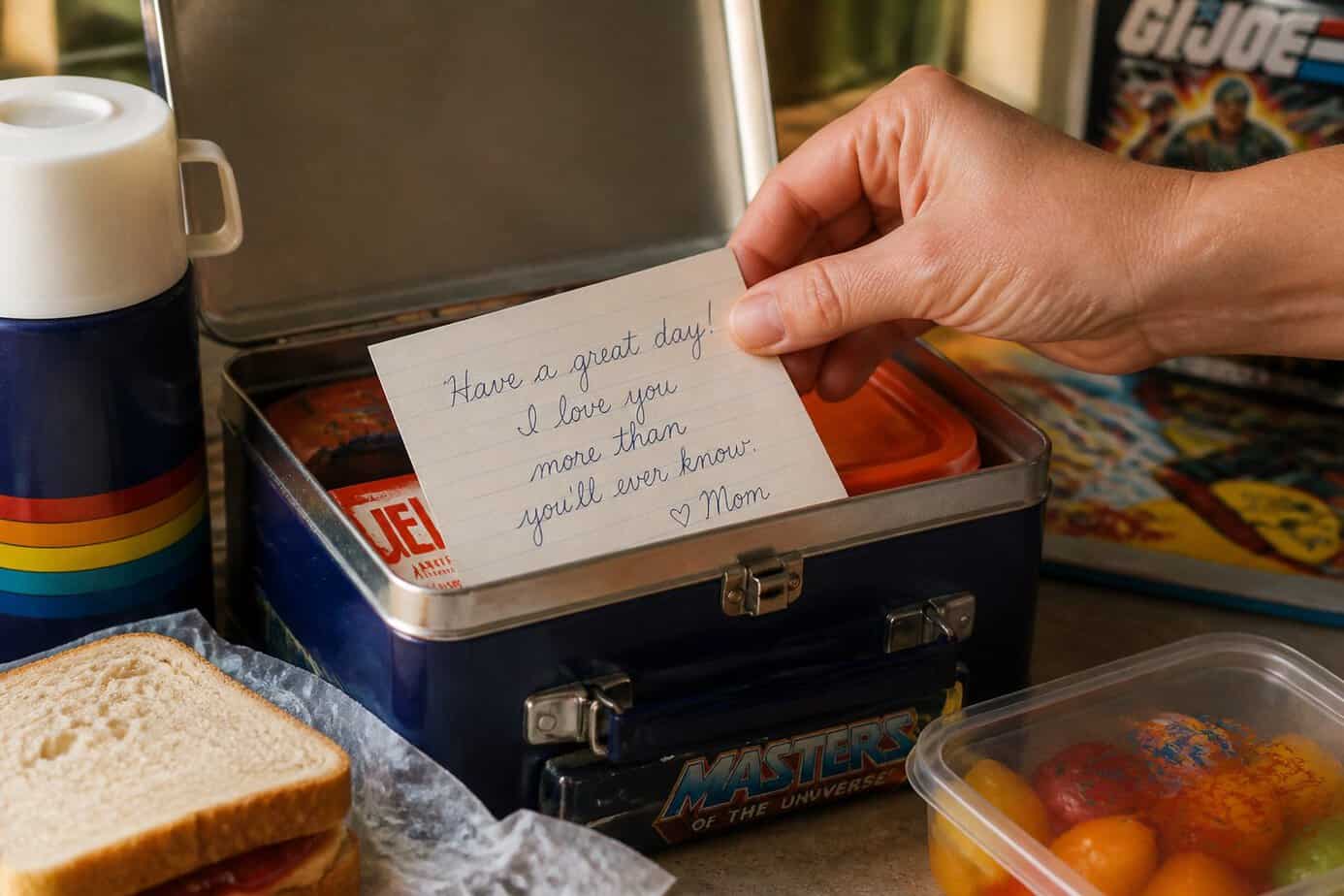
Your mom slipped those notes between your sandwich and juice box without fanfare. A quick “Love you!” scribbled on a napkin or “You’ve got this!” on a sticky note took her maybe ten seconds.
You probably tossed most of them without much thought. But those small pieces of paper carried more weight than you realized as a kid eating lunch in the cafeteria.
The practice became less common as more mothers entered the workforce during the 1980s and pre-packaged lunches replaced homemade ones. Your mom was maintaining a tradition that would soon fade.
Now that you’re packing lunches for your own kids, you understand what went into that simple gesture. It wasn’t just about the words. It was her way of extending her presence into your day when she couldn’t physically be there.
3. Stitching a missing button by hand
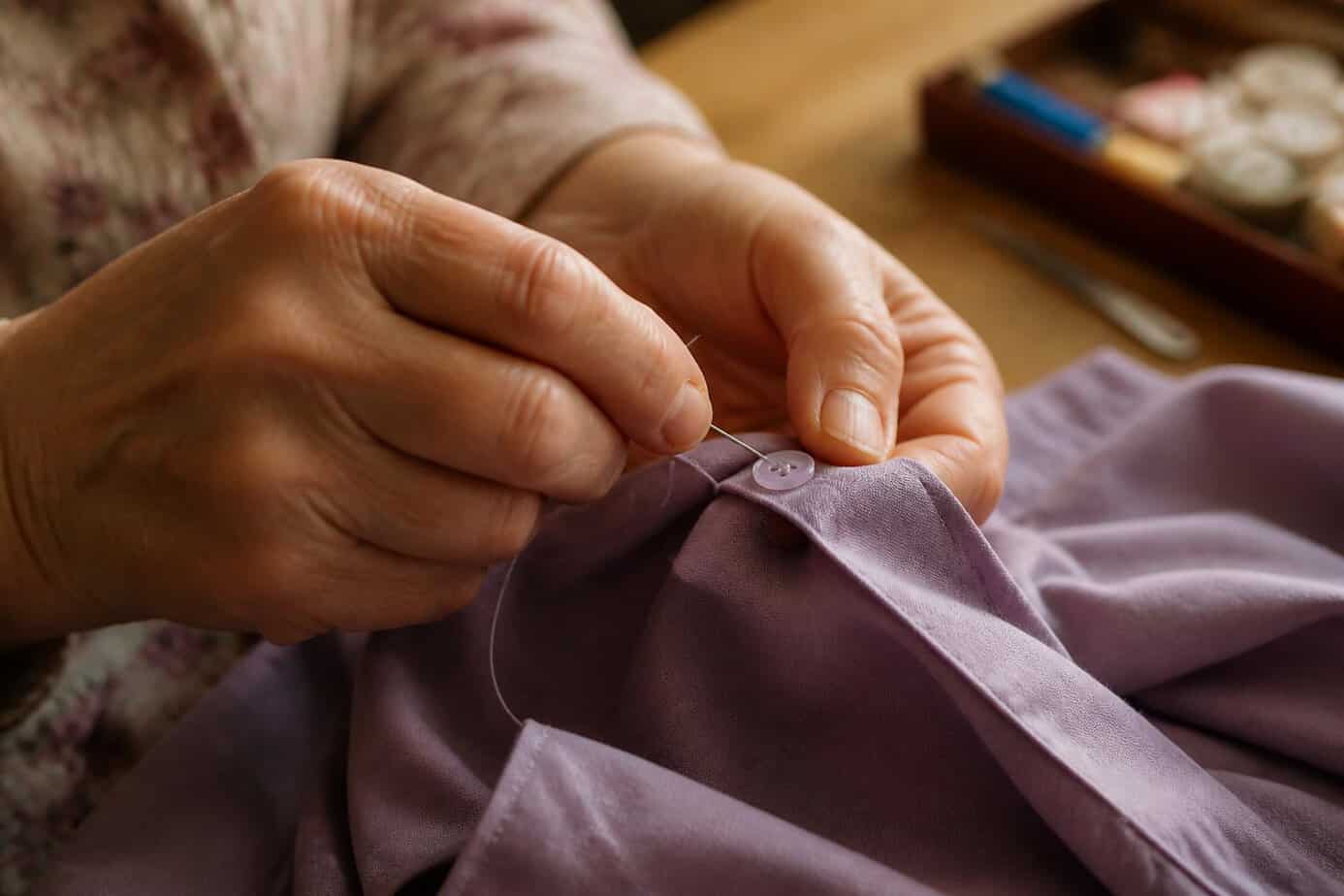
Your mom kept a small sewing kit in a drawer and could reattach a button in five minutes flat. She’d thread a needle, make a few quick stitches through the button holes, and you’d be ready for school without missing a beat.
This wasn’t a special skill back then. It was just something moms did when buttons popped off shirts or jackets.
She knew exactly how to secure it properly, creating a small thread shank so the button could fasten without pulling. The stitches went through in a neat pattern, either crossing diagonally or running parallel, depending on the button style.
Now when your child’s button falls off, you realize how much time and money she saved by fixing things instead of replacing them. That simple habit kept clothes wearable and taught resourcefulness without ever making a fuss about it.
4. Labeling school supplies with a permanent marker
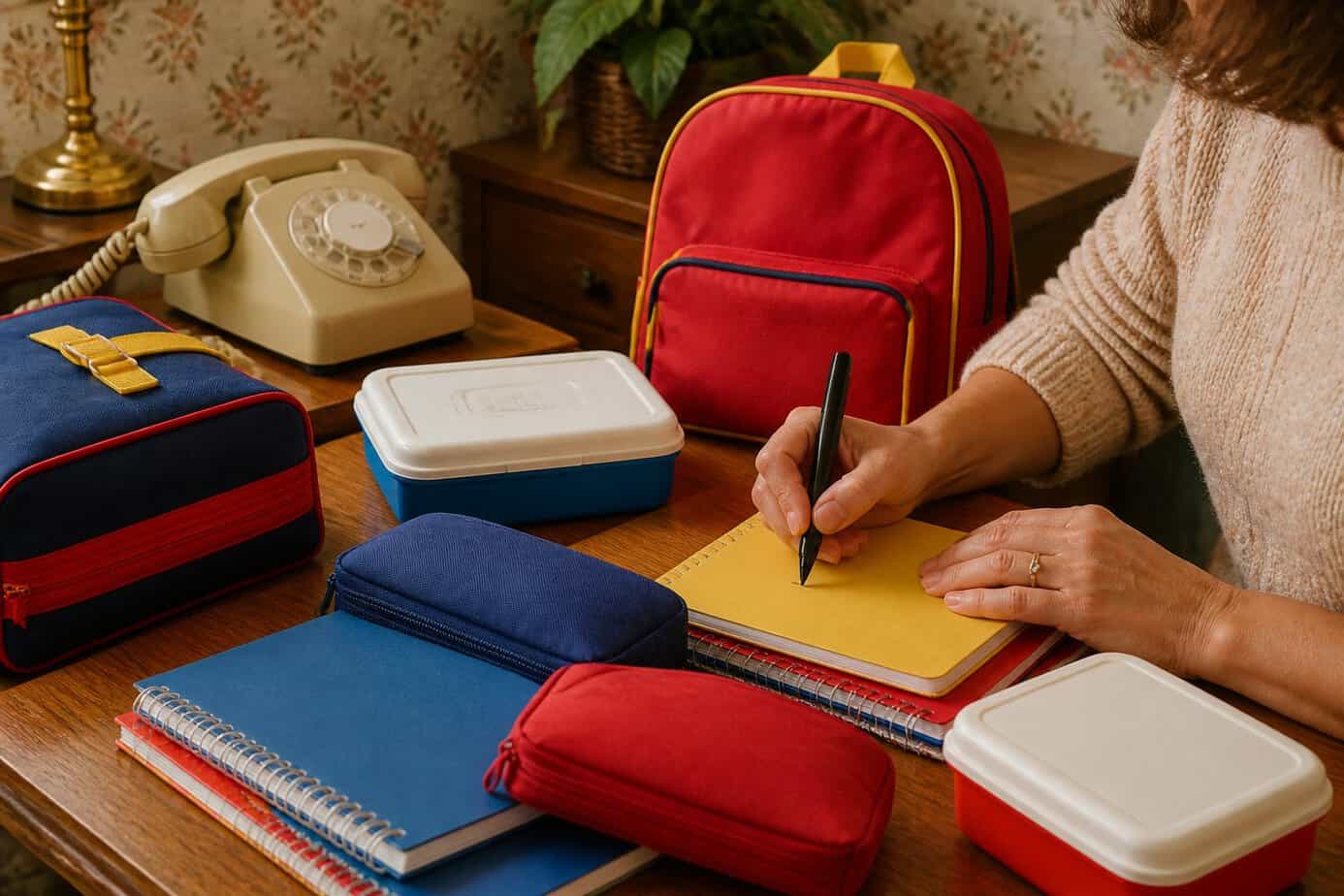
Your mom sat at the kitchen table with a black Sharpie, methodically writing your name on every single pencil, eraser, and crayon. It seemed excessive at the time, but she knew exactly what she was doing.
Without labels, your supplies would disappear within days. Teachers spent significant time reuniting kids with their belongings, and identical items created constant confusion in the classroom.
That permanent marker meant your things came back home. Your mom understood that labeled supplies helped you stay organized and accountable for your belongings throughout the year.
Now that you’re buying school supplies for your own kids, you appreciate the time she invested. Labeling everything protects your investment and teaches responsibility. That simple marker turned anonymous objects into your personal property, making school life smoother for everyone involved.
5. Hemming a pair of pants with simple blind stitch
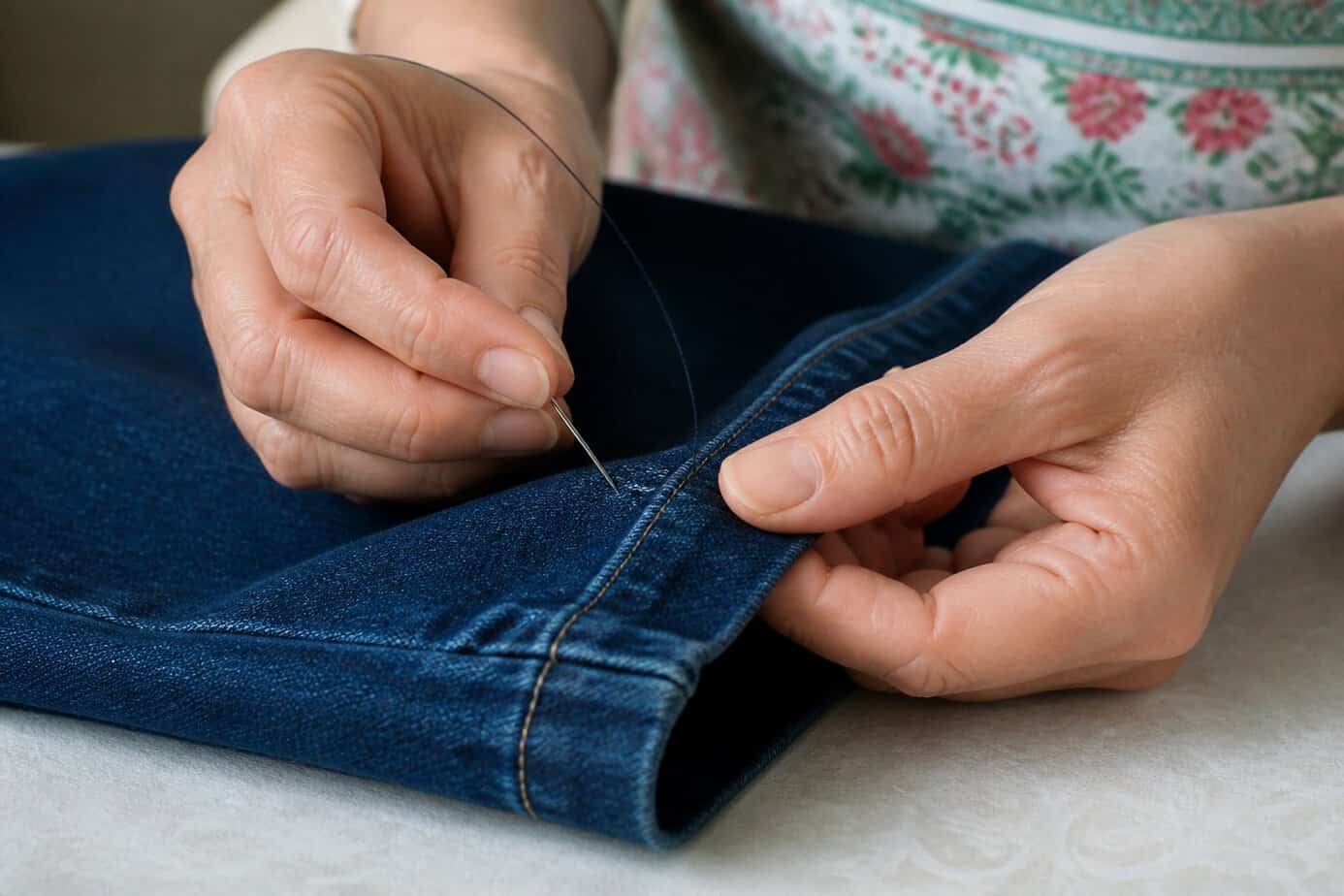
Your mom could shorten any pair of pants with just a needle and thread. She’d fold the fabric to the right length, pin it in place, and work her way around the hem with a blind stitch that was nearly invisible from the outside.
The technique involved catching just a tiny bit of the outer fabric with each stitch, keeping most of the thread hidden inside the folded hem. This created a clean, professional finish that held up through countless washes.
She didn’t need special equipment or a trip to the tailor. Whether it was your school pants or your dad’s dress trousers, she handled it at home in the evening while watching TV.
Now you realize how much money and time she saved with this simple skill. Those perfectly hemmed pants weren’t store-bought that way.
6. Laying out matching outfits the night before school
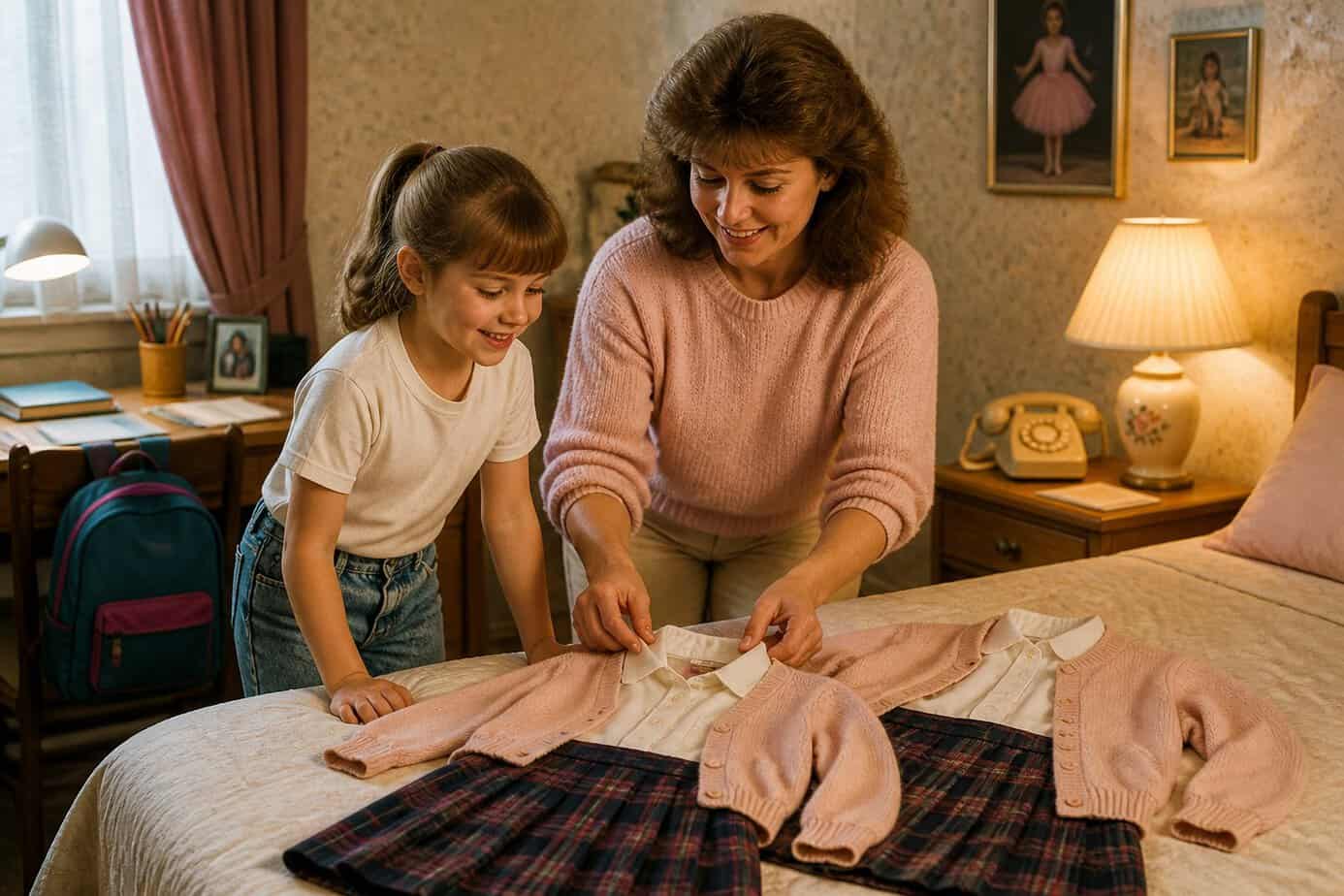
Your mom spent time each evening selecting and arranging your complete outfit on your bed or chair. She coordinated shirts with pants, picked out matching socks, and made sure everything was clean and ready to wear.
This nightly ritual eliminated morning chaos and decision-making when you were half-asleep. She considered the weather forecast, upcoming school activities, and whether your favorite jeans were actually clean. The outfit was displayed like a flat paper doll, sometimes including accessories and shoes.
You probably resisted her choices or complained about her selections. Now that you’re rushing to get your own kids ready for school, you understand the strategic thinking behind this preparation. Those few minutes the night before saved precious time during hectic mornings and prevented last-minute wardrobe meltdowns.
7. Filling a coin purse with spare change for field trips
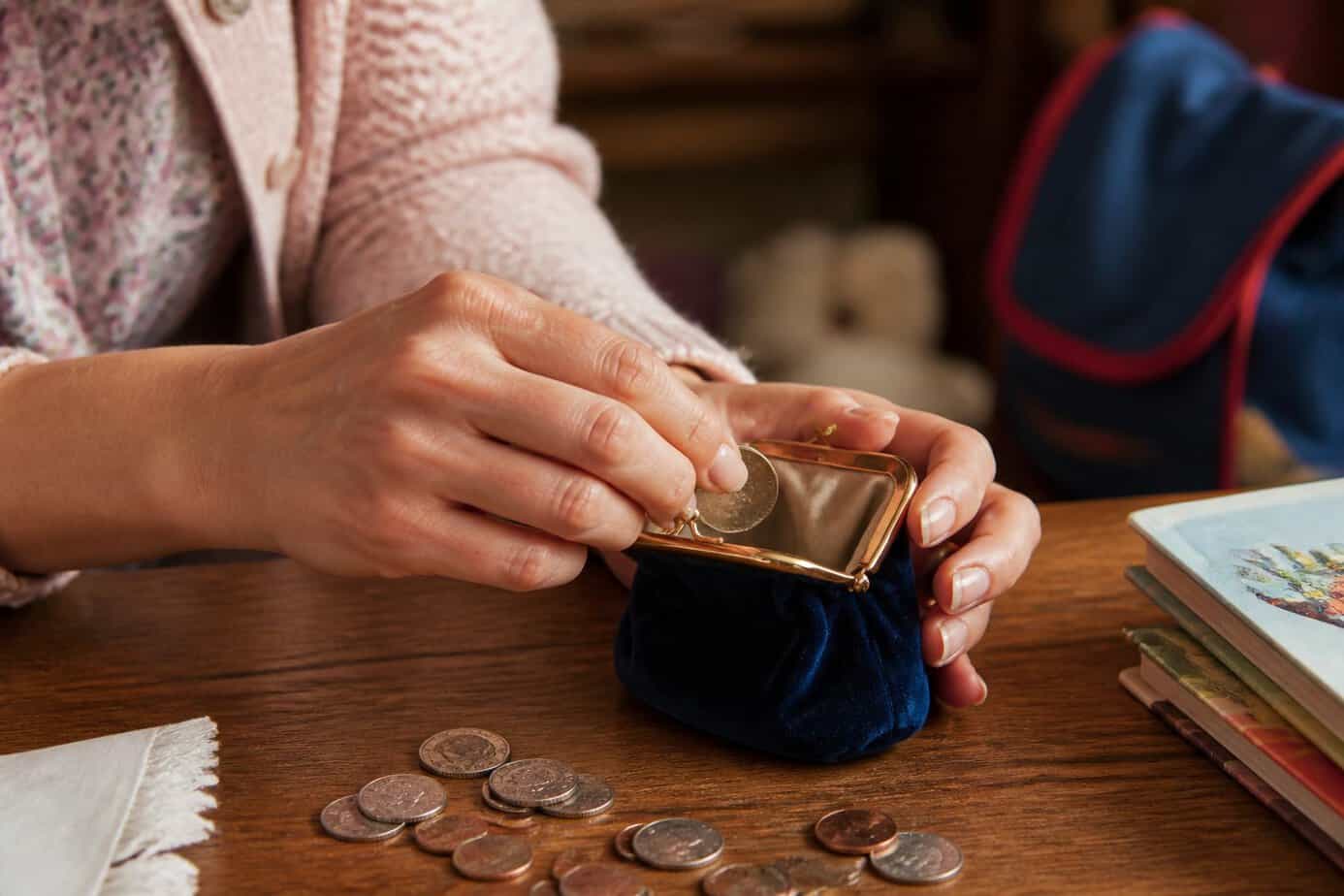
Your mom kept a stash of coins ready for those permission slips that always came with a request for exact change. She’d carefully count out quarters and dimes, tucking them into a small purse or envelope pinned to your jacket.
This wasn’t just about the money. It was about ensuring you had exactly what you needed without the embarrassment of borrowing from classmates or teachers. She knew the bus driver wouldn’t have change for a twenty-dollar bill.
Those coins represented preparation and care. Your mom gathered spare change throughout the week specifically for these moments. Now when your own child brings home a field trip form, you find yourself doing the same thing, digging through cup holders and jars to assemble the right combination of coins.
8. Programming the VCR to record a favorite kids’ show
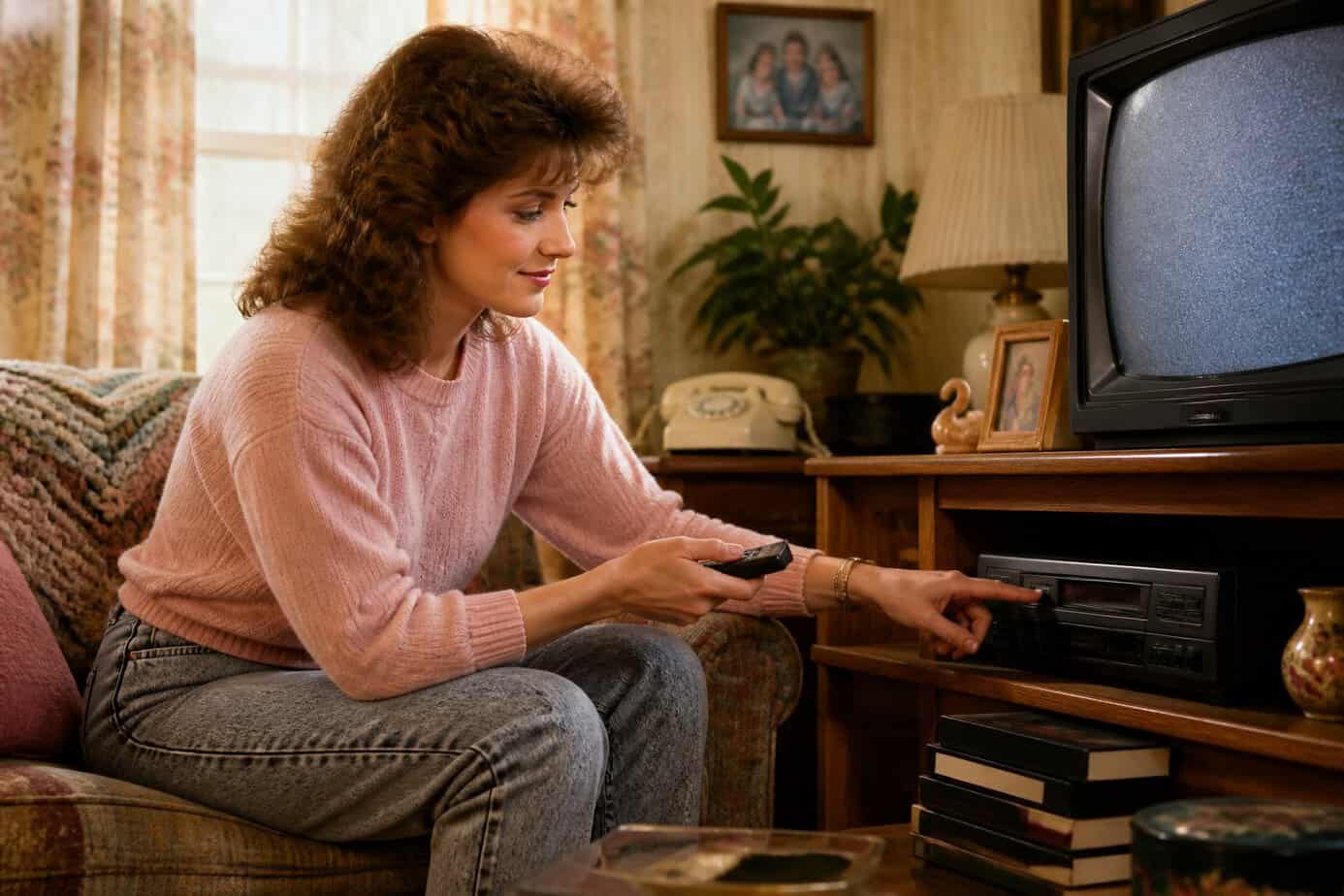
Your mom navigated the VCR’s cryptic buttons and tiny display screen to ensure you never missed Saturday morning cartoons or your weekday favorites. She memorized which channel to select, what time to set, and how long the recording should run.
Programming a VCR required precise timing and attention to detail. One wrong button press meant recording the wrong channel or missing half the show. She made sure a blank tape was ready with enough space left, rewinding if necessary.
If you had piano lessons or a dentist appointment during your must-see program, she handled it. While you were out, the VCR silently captured every moment. When you returned home, your show was waiting on tape, ready to watch at your convenience.
9. Making homemade playdough from flour and salt
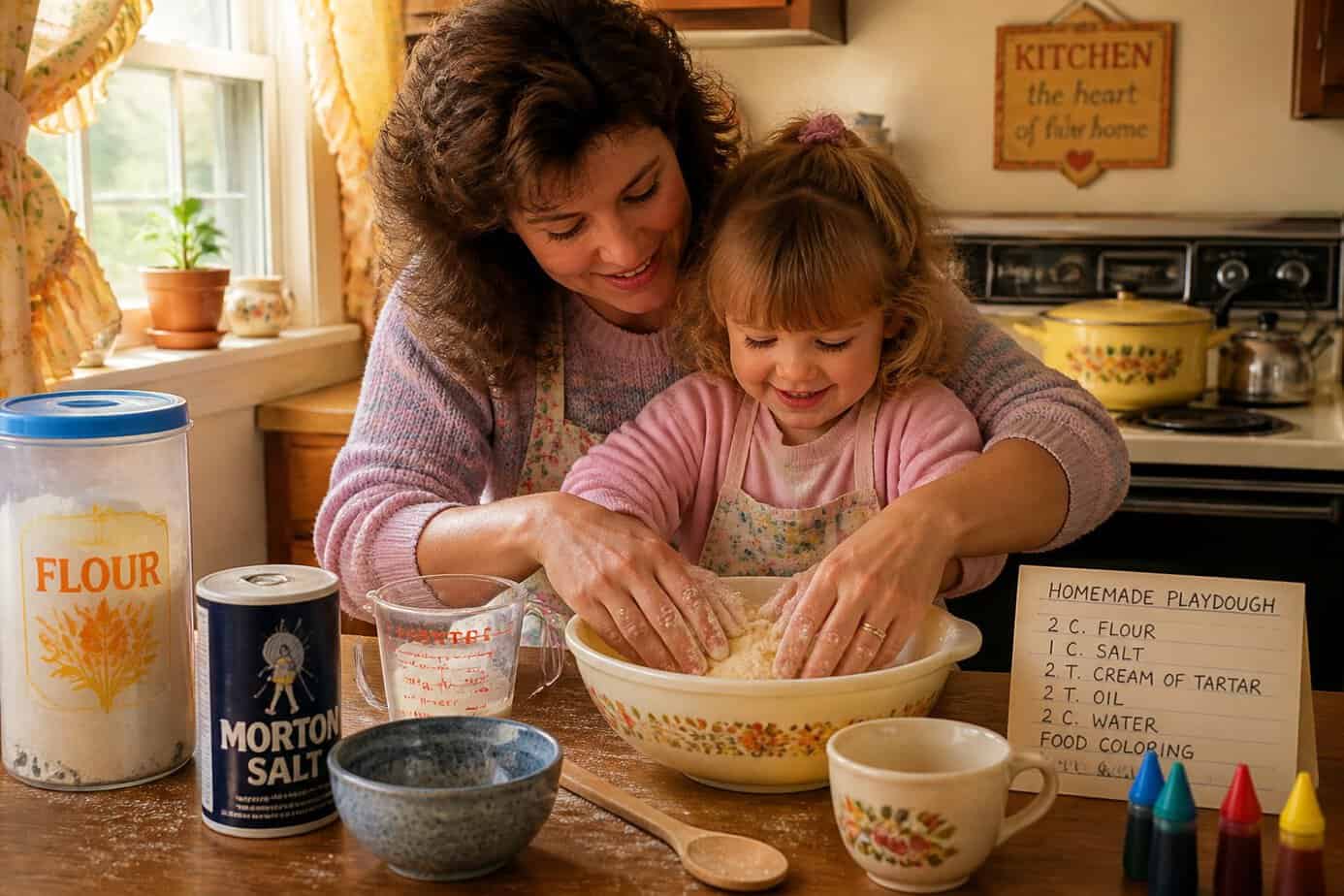
Your mom mixed flour, salt, and water in a bowl without measuring twice or consulting a recipe. She added a splash of oil and food coloring, then kneaded it into soft dough that kept you entertained for hours.
Store-bought playdough wasn’t always in the budget, so she made it herself. The ingredients were already in the pantry, and the whole process took less than ten minutes.
You didn’t realize she was saving money while giving you the same creative play experience. The homemade version lasted just as long and felt better in your hands.
Now that you’re making it for your own kids, you understand the simplicity of it. Three basic ingredients turned into an afternoon of quiet play while she tackled everything else on her list.
10. Saving birthday candles from the cake tin
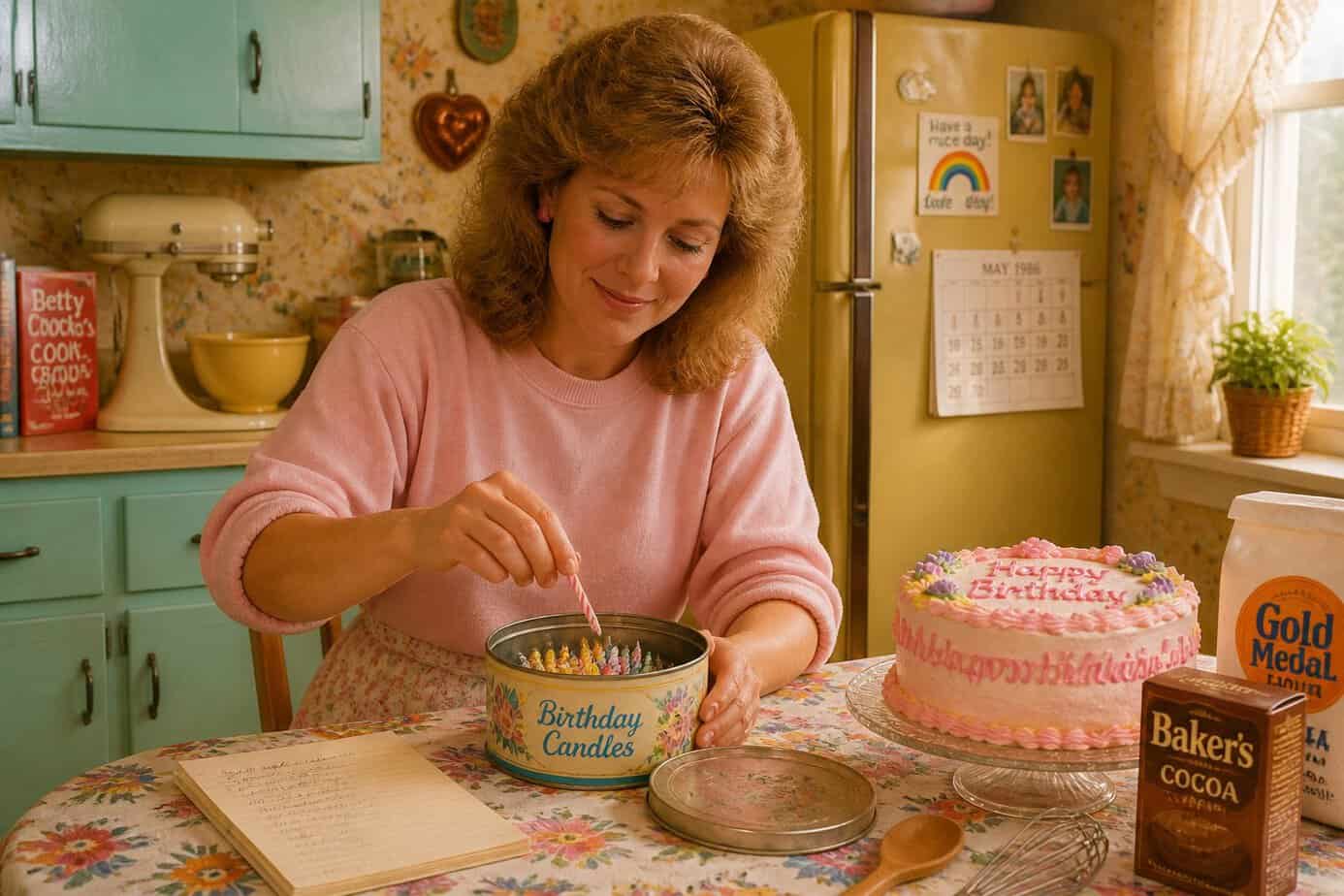
Your mom never threw away birthday candles after the cake was cut. She’d pull them from the frosting, wipe off the icing with a paper towel, and tuck them back into the cake tin for next year.
It seemed pointless at the time. Birthday candles cost nearly nothing, so why save used ones with burnt wicks and waxy bottoms?
Now you understand it wasn’t about saving money. It was about reducing waste and making things last. She reused those candles the same way she saved buttons, twist ties, and glass jars.
When you became a parent, you probably found yourself doing the same thing. You wipe down the candles and store them away, passing along a small habit that connects generations through something as simple as not being wasteful.
11. Tucking a handwritten permission slip into a backpack
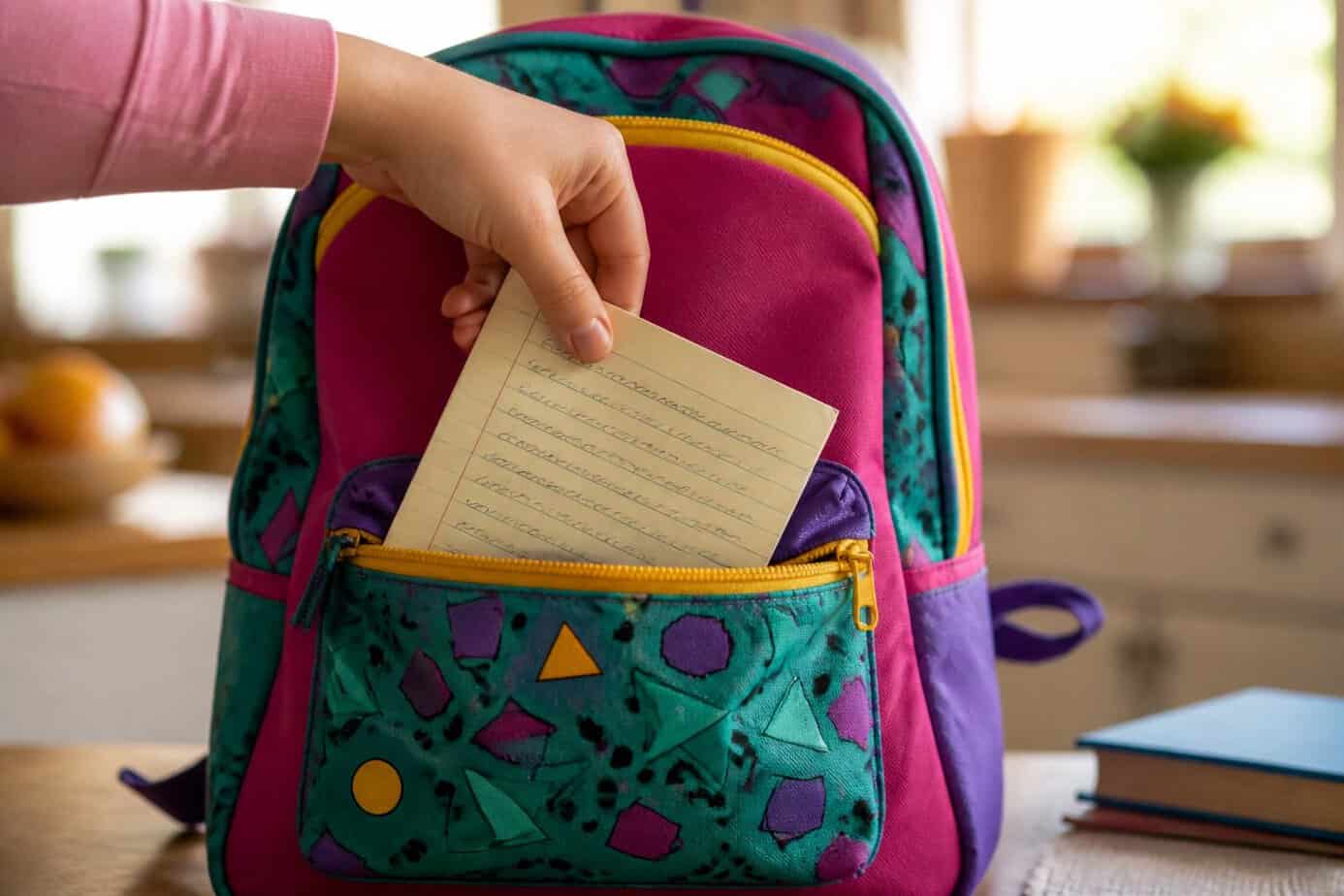
Your mom kept a stack of blank permission slips from your school, ready to fill out at a moment’s notice. She’d grab one when you mentioned an upcoming field trip, writing in her careful handwriting with a ballpoint pen at the kitchen table.
She signed her name, added the date, and sometimes included a note about your lunch money or special instructions. Then she’d fold it neatly and tuck it into your backpack’s front pocket, making sure you knew exactly where to find it.
There were no digital forms to fill out or emails to send. Everything required her physical signature and a paper trail. She tracked these deadlines without calendar apps or automated reminders, relying instead on notes stuck to the refrigerator and her own memory to keep you prepared for every school activity.
12. Replacing batteries in a transistor radio
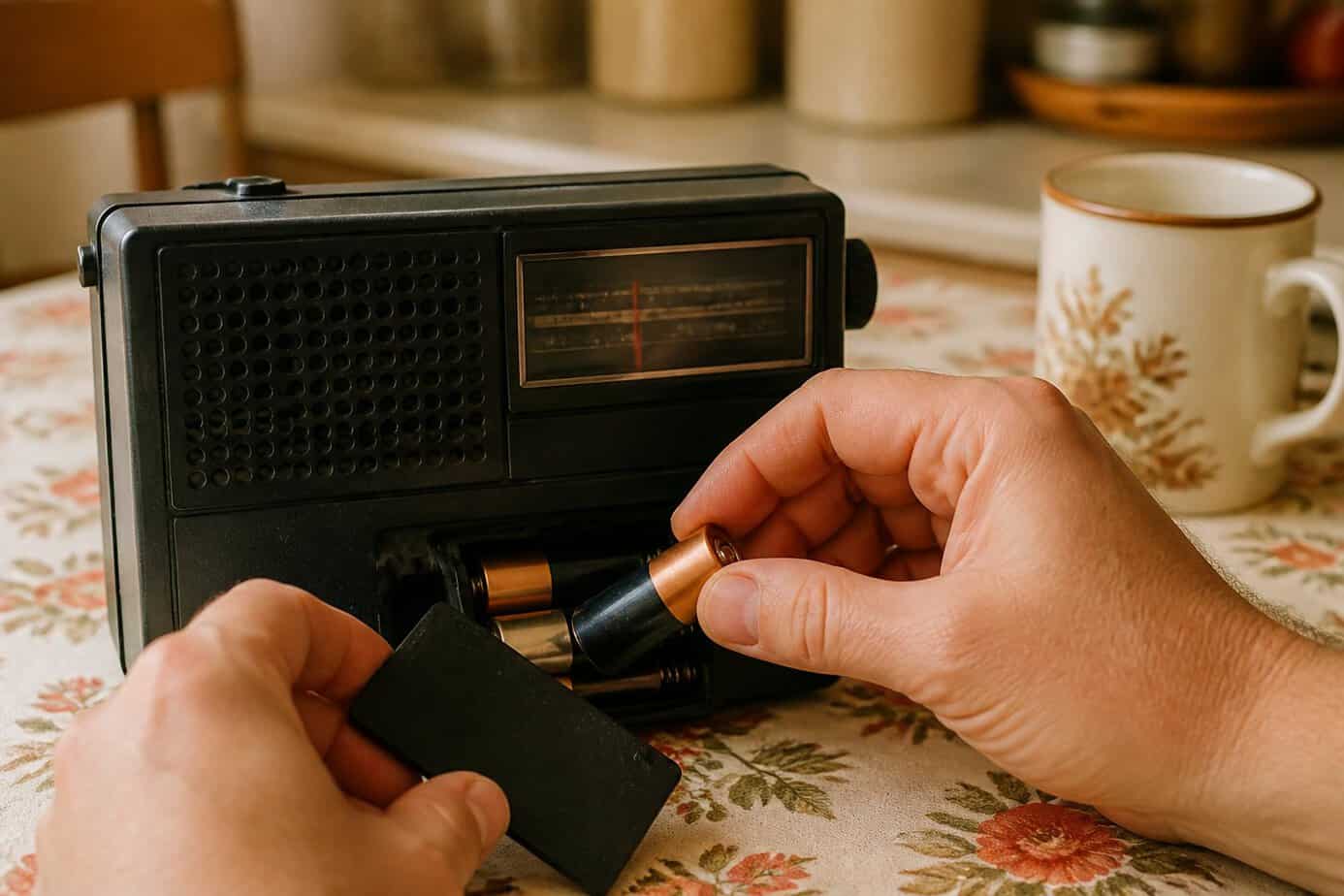
Your mom knew exactly when the transistor radio needed fresh batteries. The static would start, the sound would fade, and she’d reach for a new set without missing a beat.
Most transistor radios in the 1980s ran on simple AA or 9-volt batteries. Your mom kept spares in a kitchen drawer, ready to swap them out so the morning news or her favorite station never went silent. She’d pop open the back panel, check which batteries were needed, and have it working again in seconds.
It seemed like such a small task back then. Now you realize she was maintaining the household’s connection to news, weather, and entertainment. No streaming services or backup devices existed. When those batteries died, silence followed until someone replaced them.
13. Ironing uniforms on a weekly schedule
Would you like to save this?
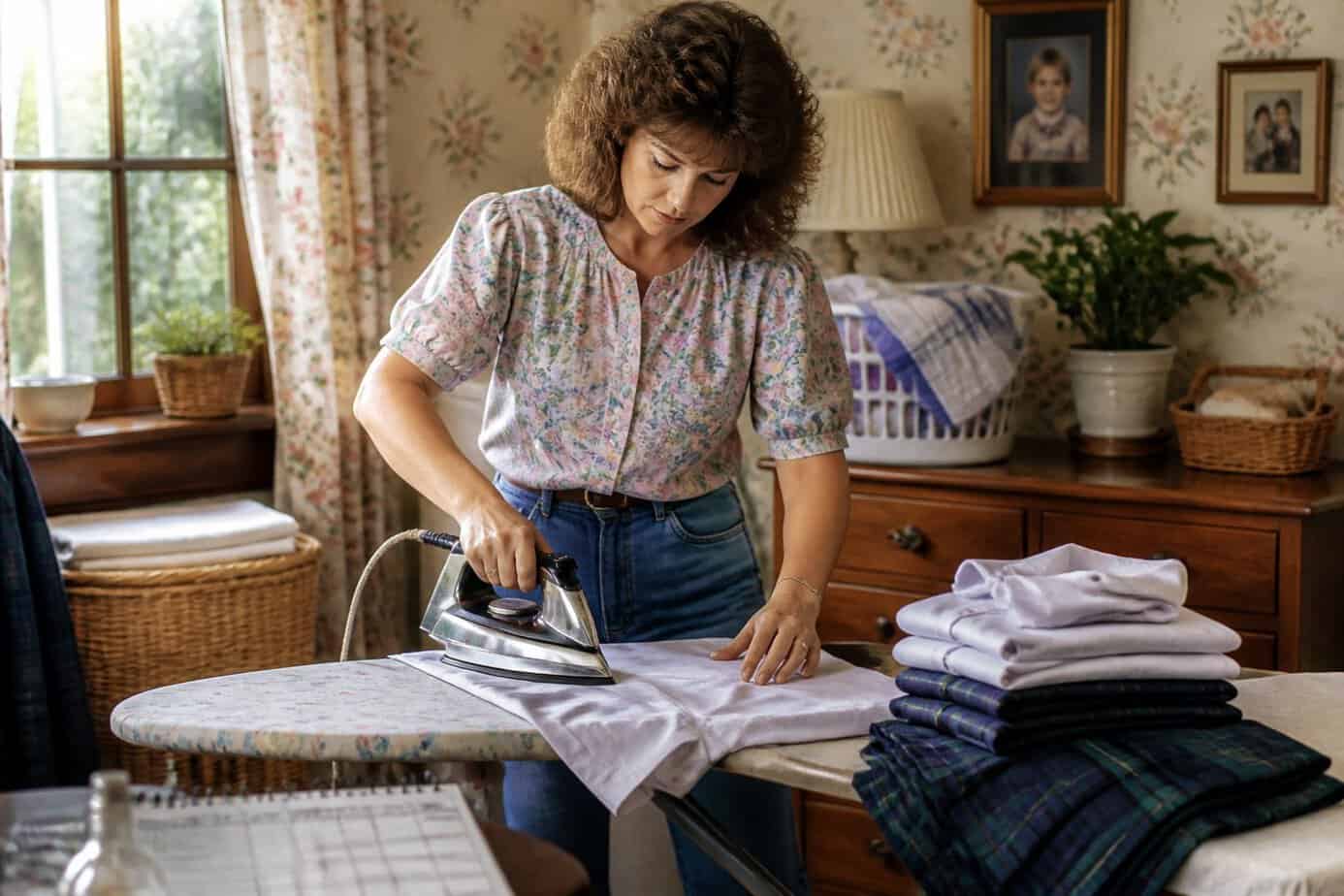
Your mom set aside specific time each week to iron school uniforms, Scout shirts, and sports jerseys. She hauled out the ironing board and worked through the basket methodically, ensuring every pleat and collar looked crisp for the week ahead.
This wasn’t a quick touch-up job. She pressed each uniform with care, smoothing wrinkles from cotton blends that seemed to crease if you looked at them wrong. The iron heated up while she sorted through the pile, and she moved from one piece to the next with practiced efficiency.
You probably never thought twice about having fresh, pressed uniforms ready every Monday morning. Now that you’re doing laundry for your own kids, you realize how much effort went into that weekly routine. The dedication to maintaining those standards meant hours spent standing at the ironing board.
14. Packing the family cassette tape for car rides
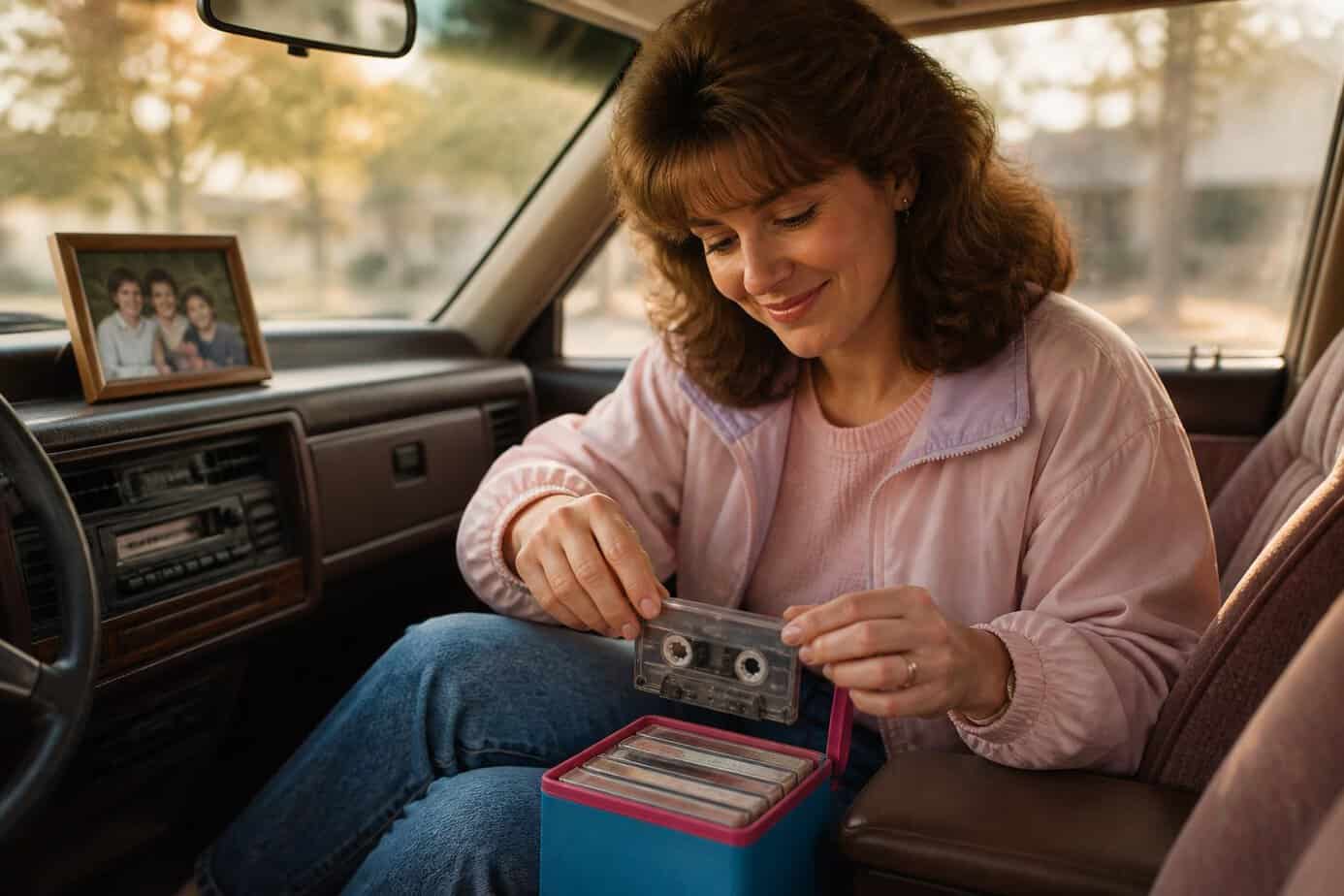
Your mom carefully selected which cassette tapes made it into the car before every trip. She knew exactly which albums would keep everyone happy for at least the first hour of driving.
The family road trip mix became as essential as snacks and maps. She’d test the tape beforehand to make sure it wouldn’t get eaten by the player mid-journey.
She kept a rotating collection in the glove compartment or center console, organized by mood and trip length. When someone requested a specific song, she’d rewind or fast-forward by sound alone, somehow knowing exactly when to stop.
This small act of curation shaped the soundtrack of your childhood. She turned car time into shared listening experiences, before anyone had personal devices or streaming options.
15. Keeping a box of fabric scraps for craft projects
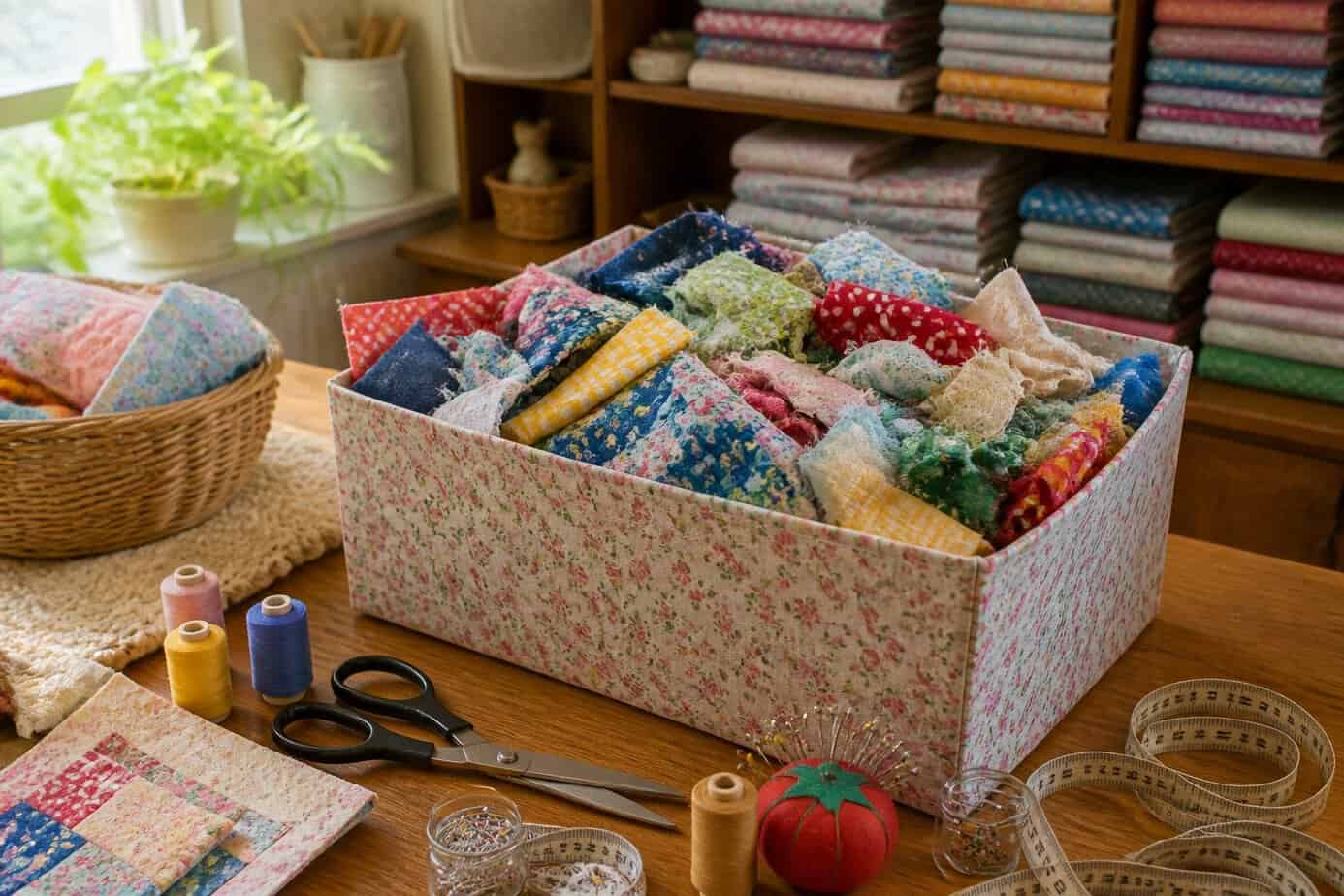
Your mom kept a dedicated box stuffed with fabric remnants from old clothes, curtains, and sewing projects. She never threw away a piece that might be useful later.
When you needed a costume for school or wanted to make something creative, she’d pull out that box. Those scraps became patches for torn jeans, doll clothes, or material for art projects.
You probably rolled your eyes at her insistence on saving every scrap. Now that you’re a parent, you understand the practicality of having craft materials ready when your kids need them.
Those leftover pieces meant she didn’t have to run to the store for every small project. She could create handmade gifts, repair clothing, or entertain you on rainy days without spending extra money.
16. Writing chore charts on poster board
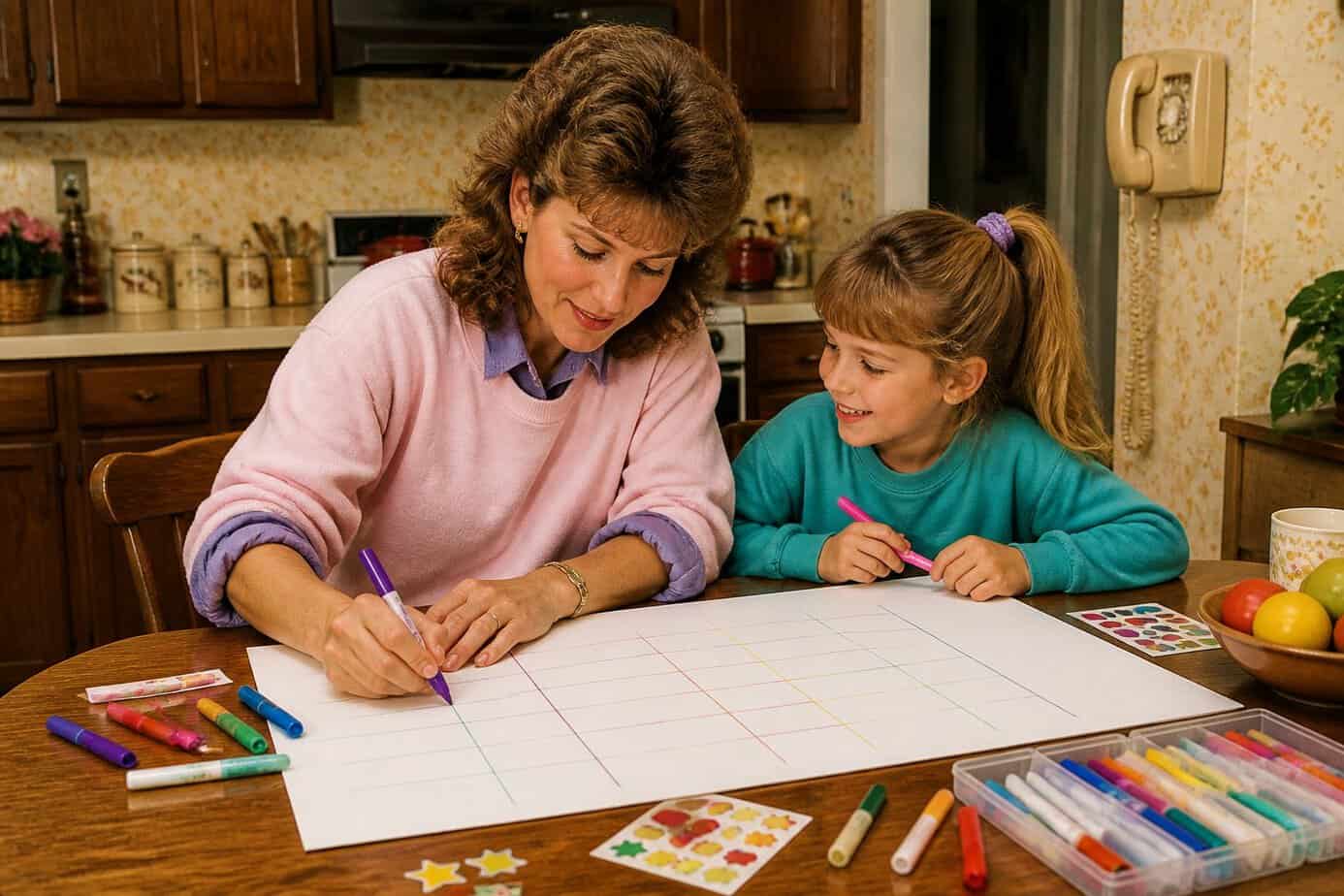
Your mom pulled out poster board and markers to create chore charts from scratch. She carefully drew grids and wrote each family member’s name along with their assigned tasks. There were no apps or printable templates back then.
The poster board chart hung on the refrigerator or kitchen wall where everyone could see it. Your mom used different colored markers to make it clear and organized. She updated it weekly with a fresh layout when needed.
This hands-on approach took real time and effort. Each chart was custom-made for your family’s specific needs and schedule. Gold stars or checkmarks tracked completed chores throughout the week.
Now you realize how much thought went into keeping the household running smoothly. That simple poster board system taught responsibility and kept everyone accountable.
17. Teaching kids to ride a bike in the cul-de-sac
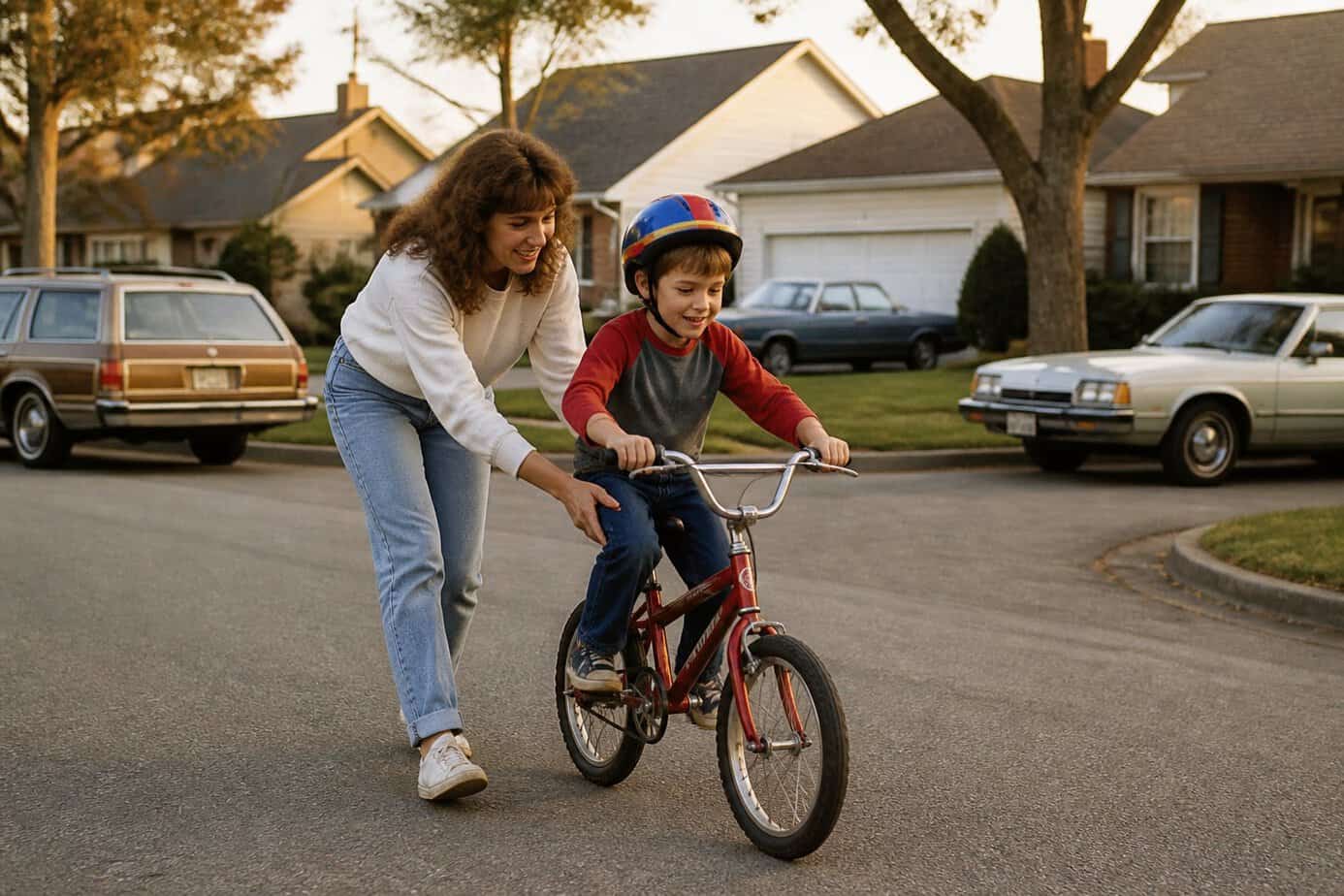
Your mom didn’t hover with a helmet checklist or scout the pavement for hazards. She simply walked you and your bike to the cul-de-sac, gave you a push, and let you figure it out.
The cul-de-sac was the perfect training ground. Minimal traffic meant you could wobble and swerve without much danger. Your mom might have jogged alongside you for the first few attempts, but she quickly stepped back.
Falls were expected. Scraped knees and bruised elbows were part of the process. She’d call out encouragement from the driveway while chatting with neighbors, trusting you to get back up and try again.
There were no training wheel graduations or elaborate celebrations. Once you could balance and pedal, you were a bike rider. That straightforward approach taught you persistence without making a big production out of normal childhood milestones.
18. Mending a torn seam instead of buying new clothes
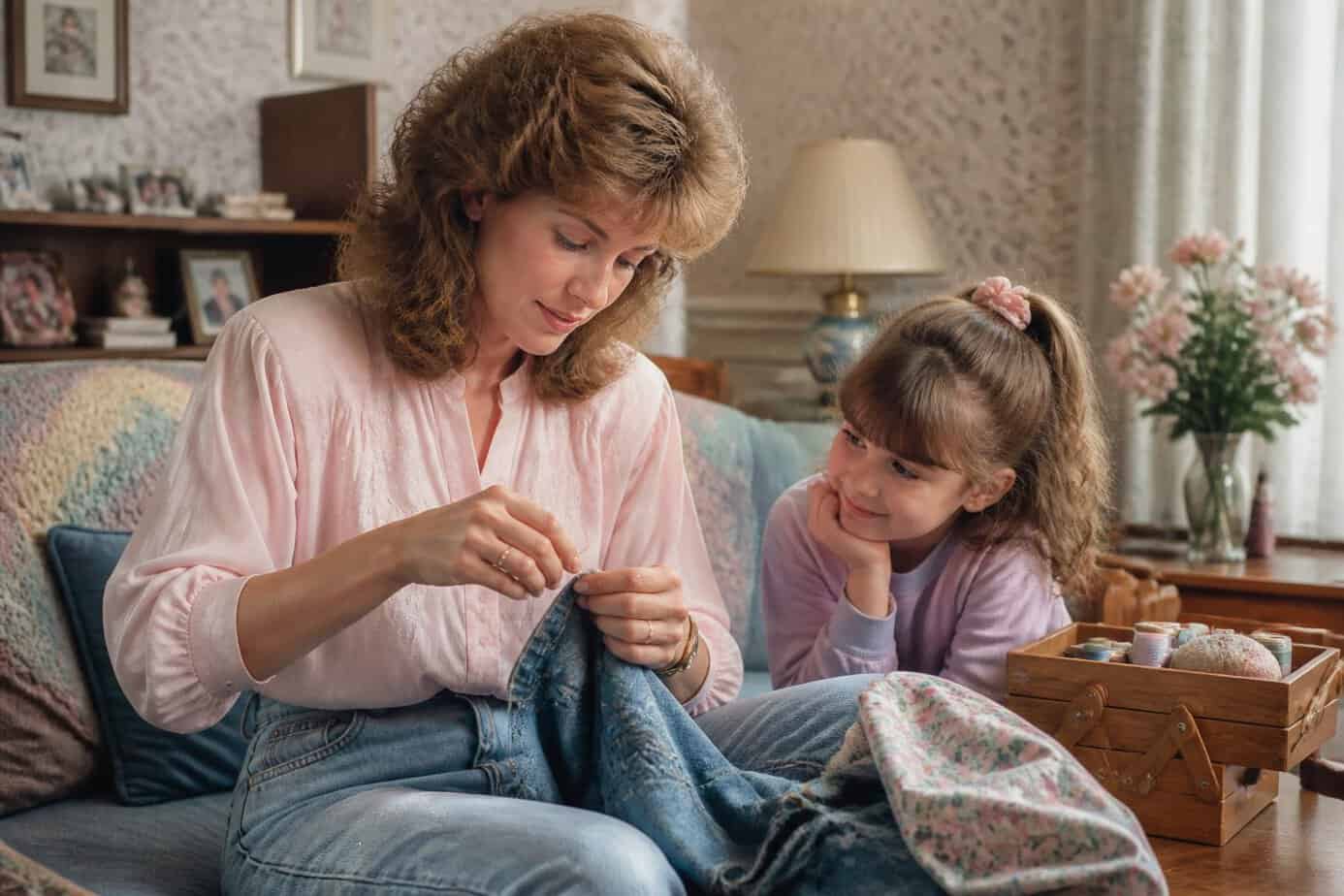
Your mom kept a sewing kit within easy reach, ready to fix ripped seams the moment they appeared. A split side seam or torn knee didn’t mean the garment was done. She’d sit down with needle and thread after dinner and repair it by hand.
This wasn’t just thriftiness. Clothes were more expensive relative to household budgets back then, so repairs made financial sense. She knew basic stitching techniques and could whip through a simple seam repair in minutes.
You probably rolled your eyes when she insisted on fixing your jeans instead of buying new ones. Now that you’re buying kids’ clothes, you understand why she bothered. Those quick repairs stretched the family budget and taught everyone that things were worth fixing rather than tossing at the first sign of wear.
19. Mixing Kool-Aid for after-school snacks
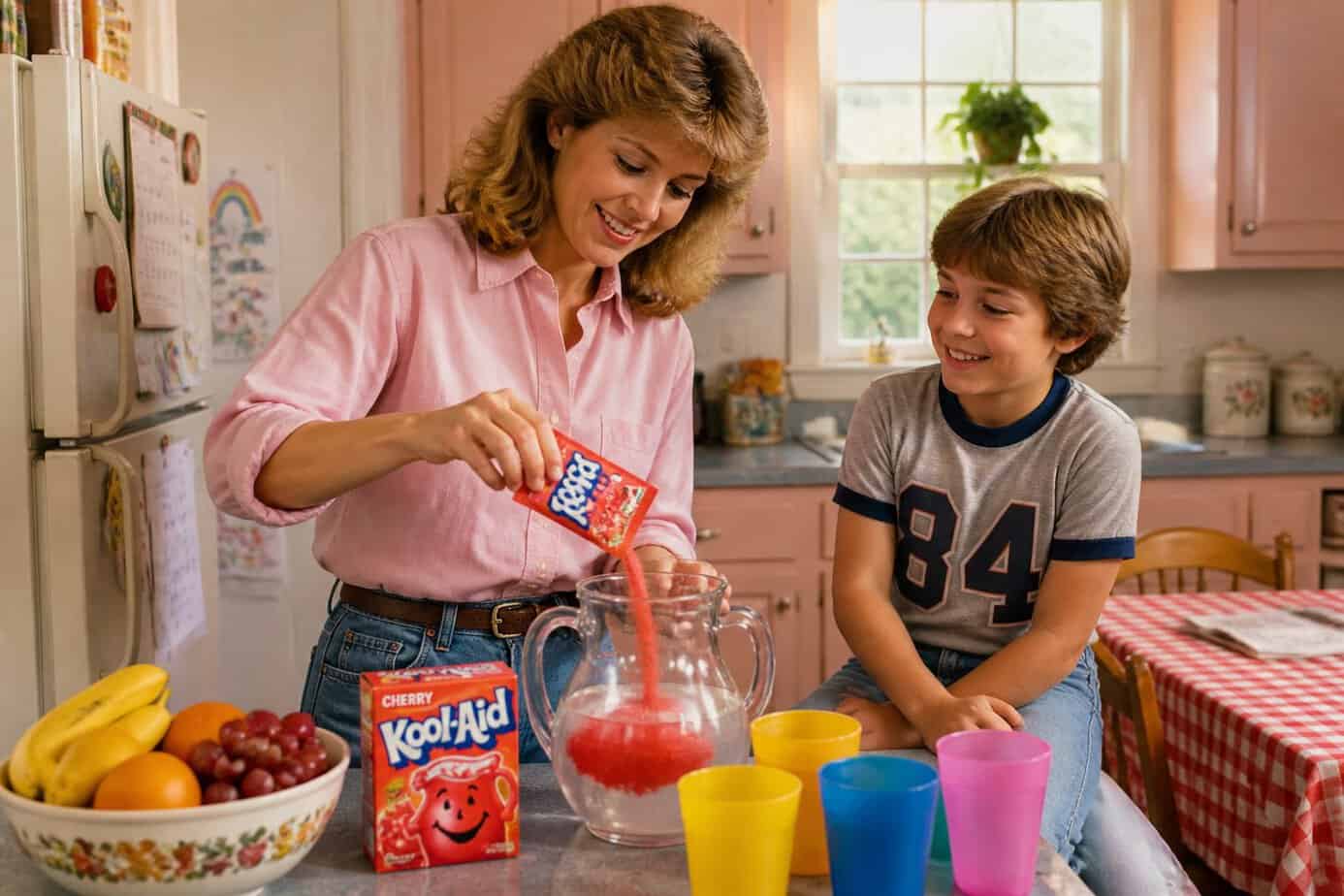
Your mom stood at the kitchen counter, transforming a 10-cent packet of powder into a pitcher of sweet refreshment. She knew the exact ratio of sugar to powder, stirring until every granule dissolved.
The ritual happened almost daily. She’d pull out the plastic pitcher, add cold water, and mix it before you even dropped your backpack. That bright red or purple drink waited in the fridge, ready to pour.
You probably gulped it down without a second thought. Now you realize she could have handed you water and called it a day. Instead, she took those extra minutes to make something you actually wanted to drink.
The simple act of mixing Kool-Aid represented her effort to make ordinary afternoons feel special.
20. Calling school to check on a child after a fever
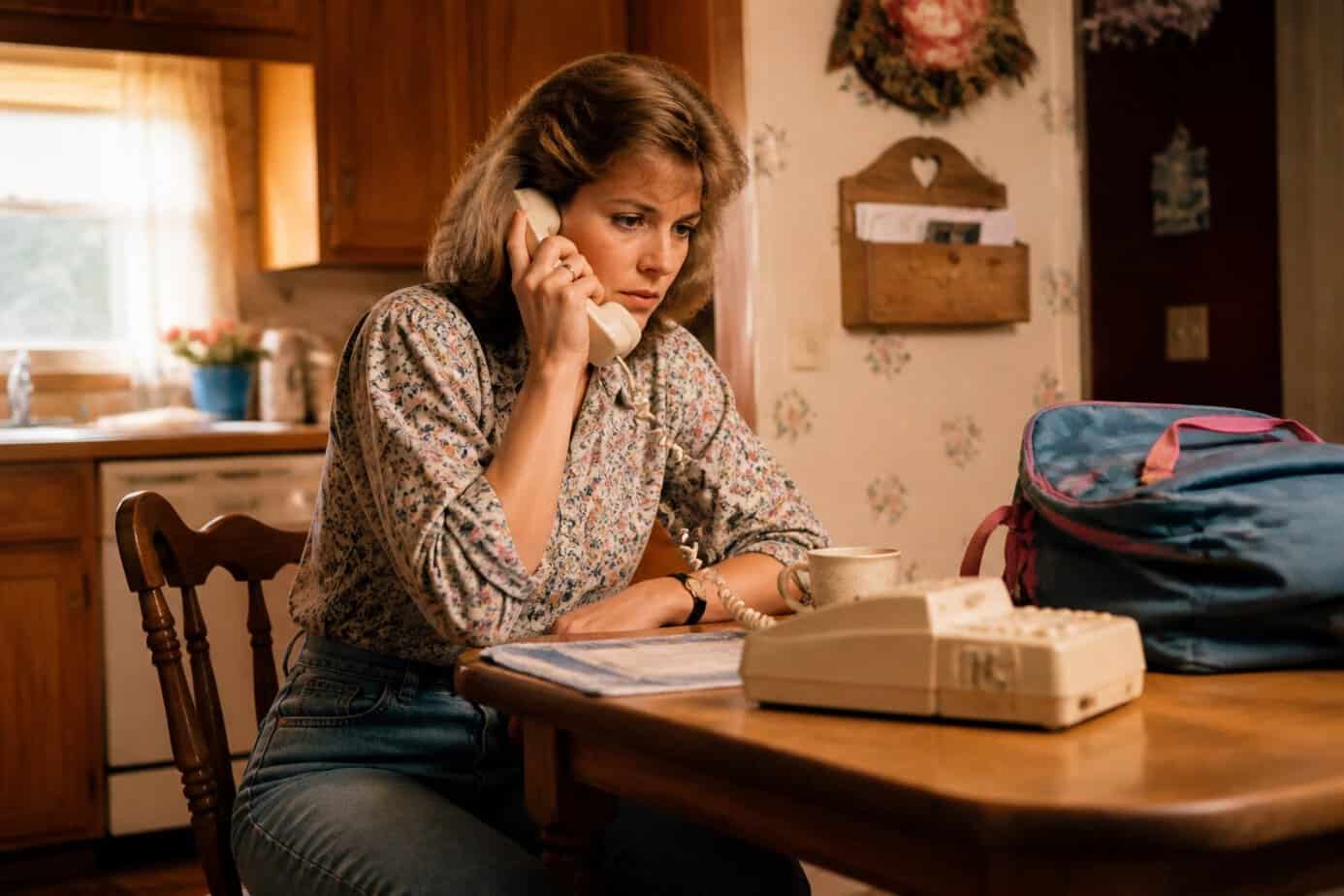
Your mom kept you home when you had a fever, but her job didn’t stop there. Once your temperature dropped below 100.4°F and stayed down, she’d make that follow-up call to the school office.
She’d check what assignments you missed and when you could return. The school secretary knew her voice. They’d discuss whether you needed a doctor’s note or how long you’d been on antibiotics if it was strep throat.
There was no parent portal to check grades online. No class websites listing homework. Just that phone call, often made while balancing the receiver between her shoulder and ear as she prepared your first real meal in days.
She tracked your recovery and your schoolwork simultaneously, making sure you wouldn’t fall behind once you felt better.
21. Sewing name tags into clothing labels
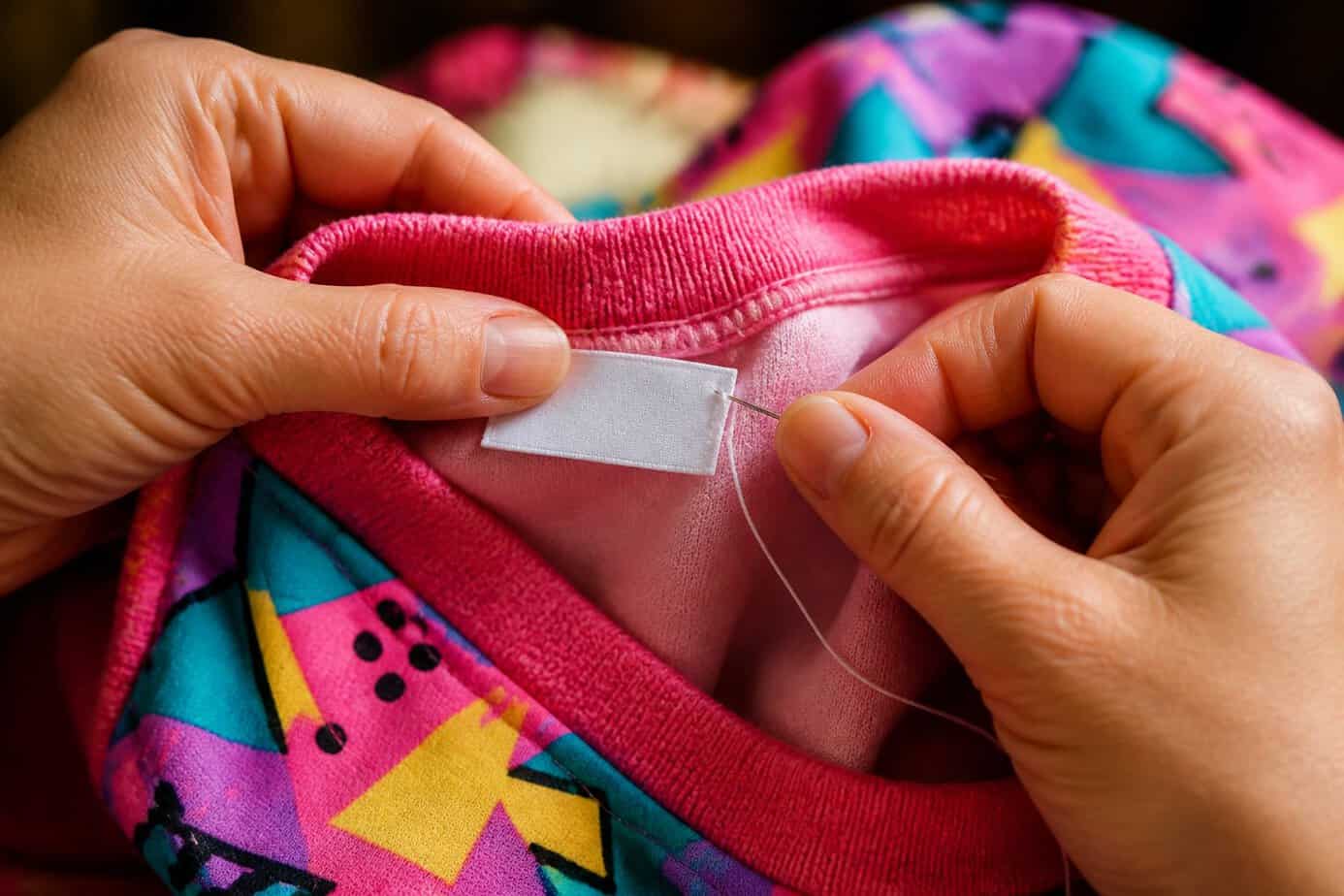
Your mom spent countless evenings with her sewing kit, carefully stitching name tags into every piece of clothing you owned. She’d fold the tag neatly into the collar or waistband and secure it with tight, precise stitches that would survive years of washing and wear.
This wasn’t just about labeling your clothes. It was about ensuring your favorite jacket didn’t end up in the school lost and found or that your gym clothes made it back from camp.
Now that you have kids, you understand the value of this task. Between school uniforms, sports gear, and playdates, unlabeled clothing disappears constantly. Your mom’s hand-sewn tags were a practical solution that took time and patience, done without complaint because it meant keeping track of your belongings and saving money on replacements.
22. Preparing school lunches with thermos and napkin
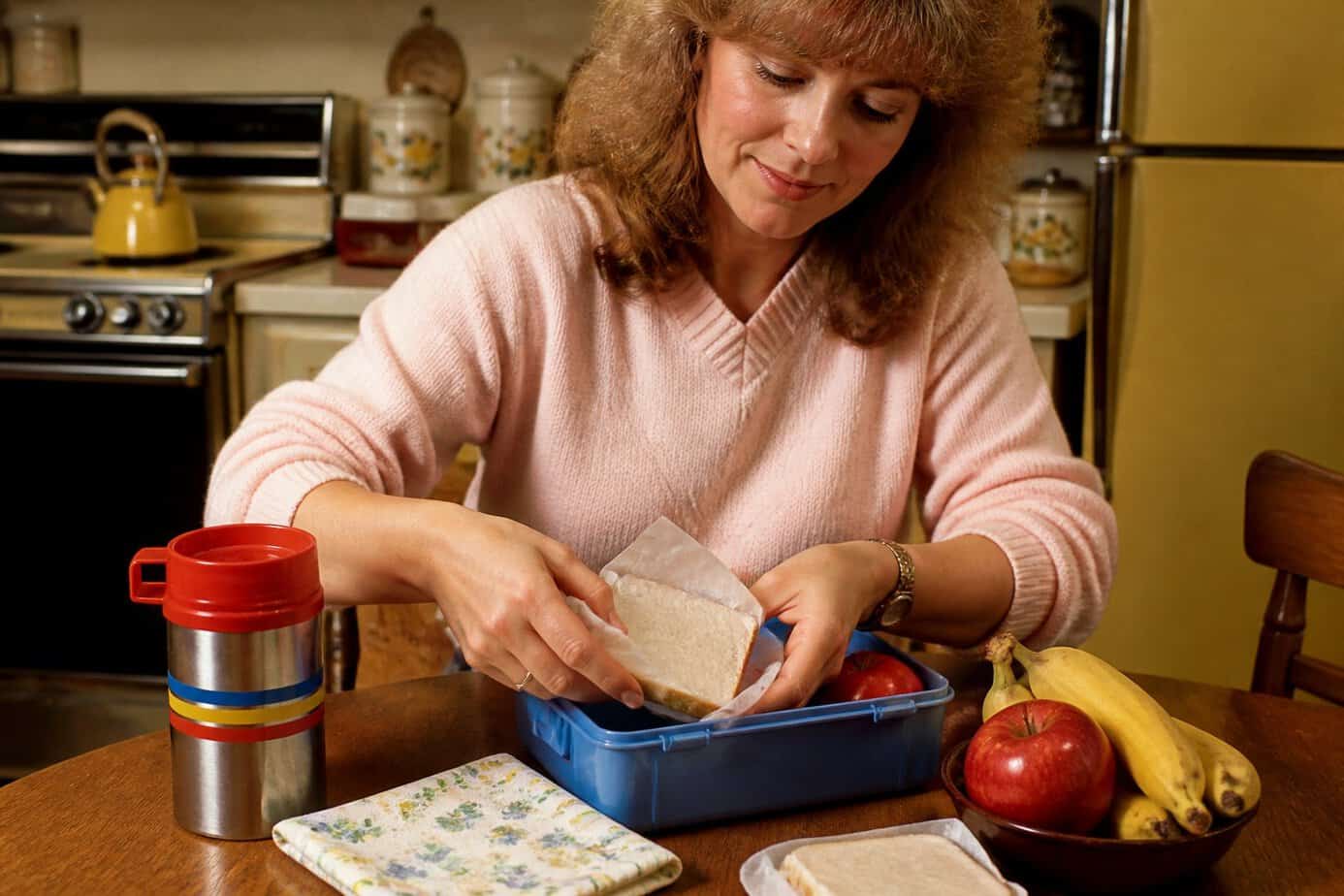
Your mom filled that metal thermos with hot soup or leftovers from dinner, sealing it tight so you’d have a warm meal at lunchtime. She preheated it with hot water first to keep the food at the right temperature for hours.
The cloth napkin she tucked inside wasn’t just practical. It was a small gesture that made your lunch feel more intentional than disposable paper products ever could.
She used wax paper to wrap sandwiches and added utensils you’d bring back home to wash. These packed lunches required actual planning the night before or an early morning routine.
Now you realize how much effort went into those daily thermos lunches. The preparation, the cleanup, and the deliberate choice to send something homemade instead of easy pre-packaged options all took time she quietly made available.
23. Rolling up a sweater to use as a pillow for car naps
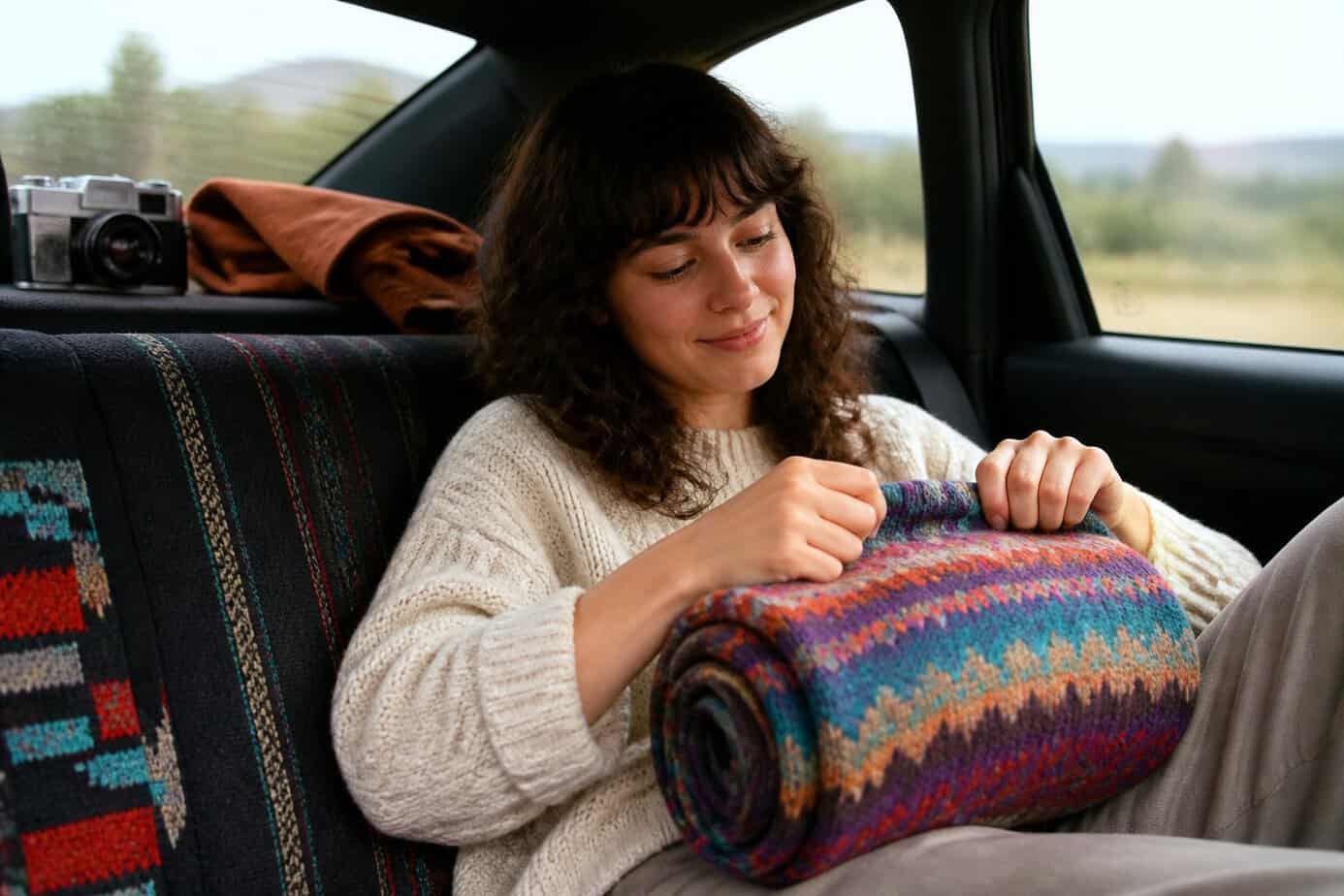
Your mom always kept an extra sweater in the car for those inevitable drowsy moments during long drives. She’d roll it up into a makeshift pillow without hesitation, creating an instant comfortable spot for you to rest your head against the window or car door.
This simple gesture provided cushioning and support that car seats of the 1980s lacked. No special travel pillows or elaborate preparations were needed.
Now that you’re the parent on road trips, you find yourself doing the exact same thing. You grab whatever sweater is handy and bundle it up for your own kids. It’s a practical solution that costs nothing and works just as well today as it did decades ago.
24. Baking banana bread to use up brown bananas
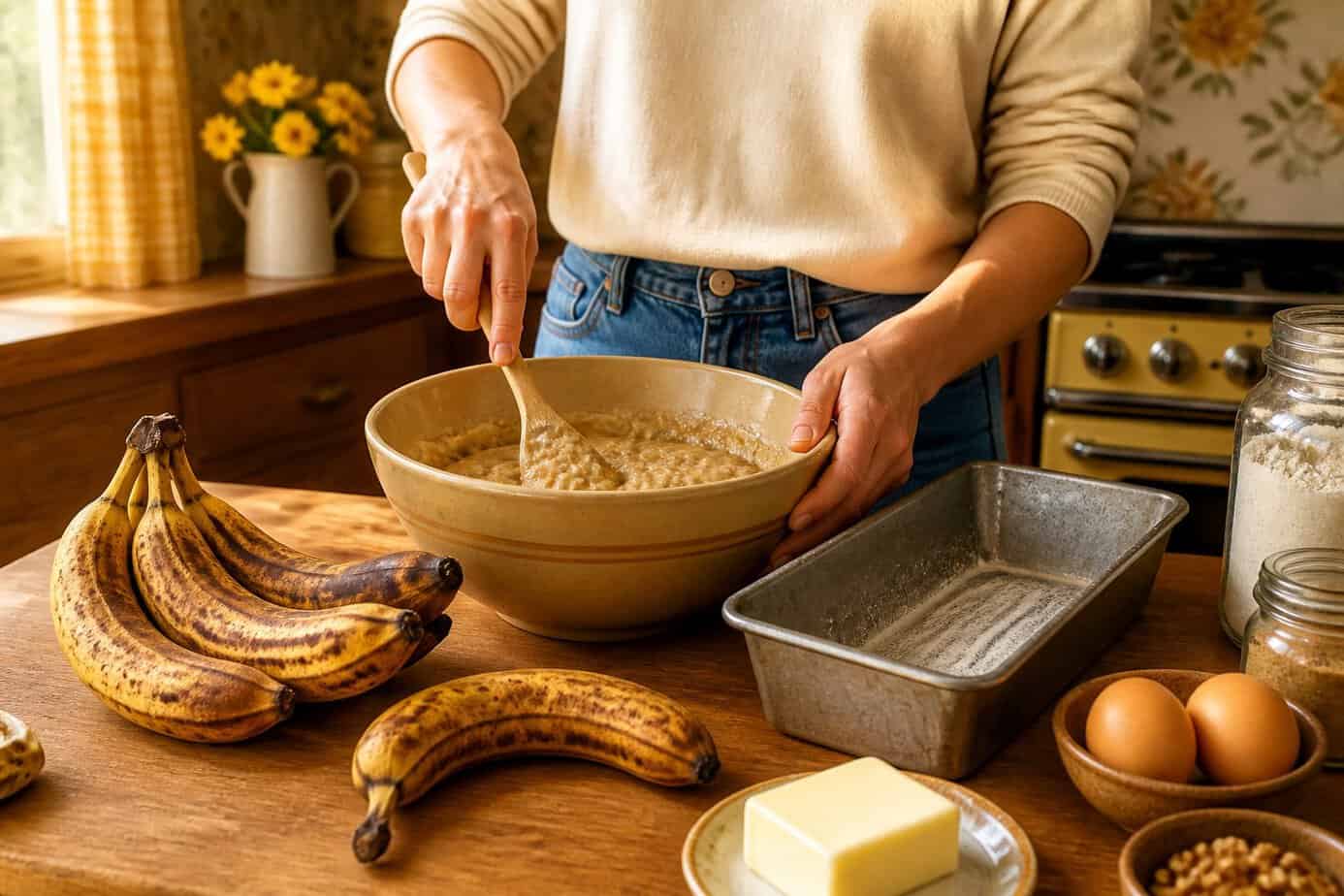
Your mom never threw away those spotty brown bananas sitting on the counter. Instead, she’d pull out her mixing bowl and turn them into moist, fragrant banana bread.
This wasn’t just about baking. It was a practical lesson in reducing waste and making something delicious from ingredients others might discard. She knew those overripe bananas were actually perfect for baking, their extra sweetness and soft texture creating better bread than fresh yellow ones ever could.
The whole house would fill with that unmistakable smell of banana bread baking. She’d often make it in one bowl with simple ingredients, no fancy mixer required.
Now that you’re managing your own kitchen, you understand the wisdom. Those brown bananas represent an opportunity rather than waste, just like she always knew.
25. Keeping a shoebox of school photos and report cards
Would you like to save this?
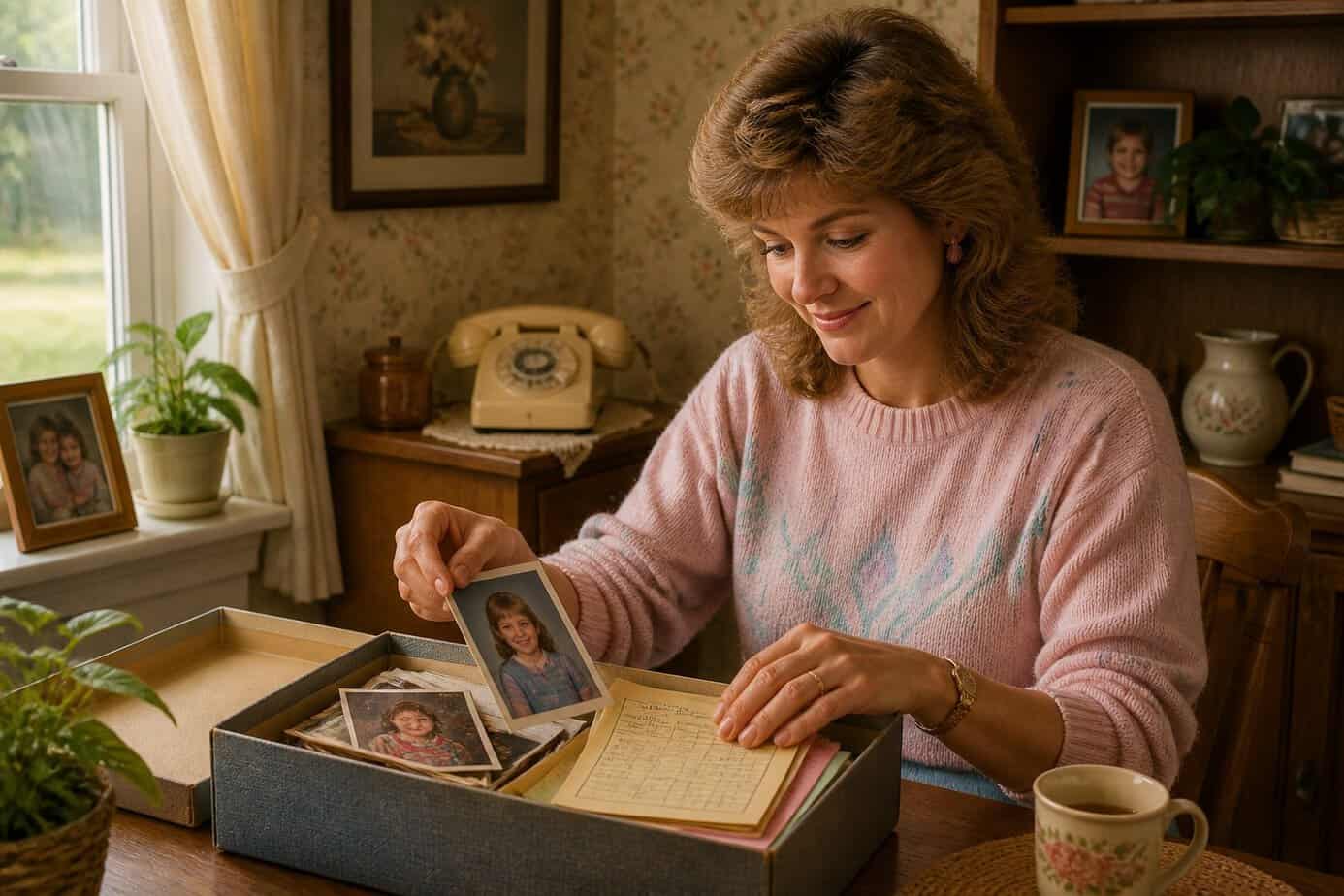
Your mom tucked away every school photo, report card, and achievement certificate into a shoebox at the back of her closet. She didn’t have fancy organizational systems or labeled storage bins. She simply grabbed whatever box was available and filled it with your school memories.
That shoebox held your awkward second-grade photo with the missing front teeth, your spelling bee certificate, and every report card from kindergarten through high school. She saved the artwork you made, the programs from school plays, and notes from teachers.
Now that you’re a parent, you understand why she kept these items. They weren’t just paper and photos. They were markers of your growth, achievements, and childhood moments she wanted to preserve for you to discover years later.
26. Collecting and saving TV guide listings for kids’ shows
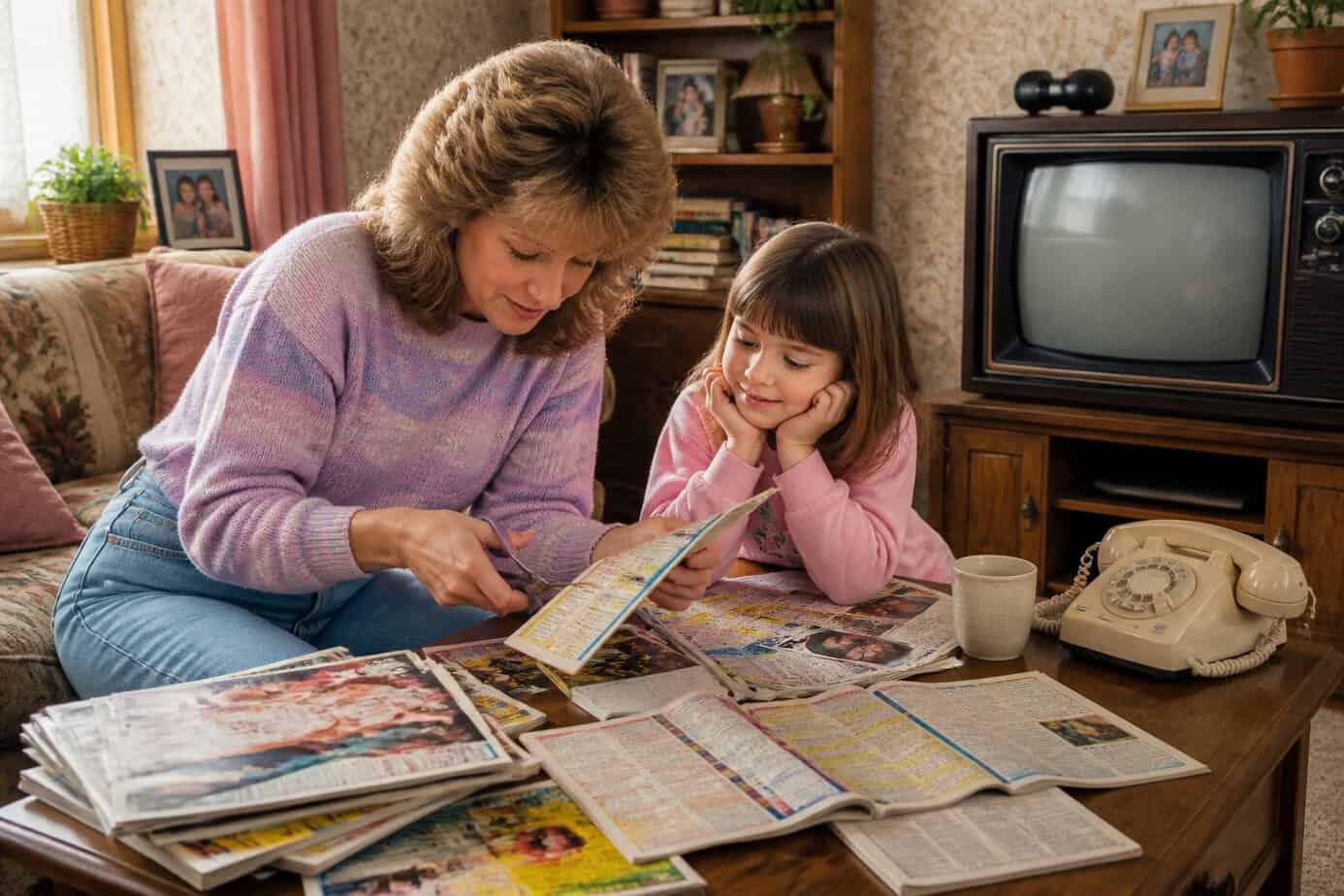
Your mom circled Saturday morning cartoons in the TV Guide with a pen, marking exactly when your favorite shows aired. She kept these marked-up guides on the coffee table or near the TV so you wouldn’t miss a single episode.
Without DVRs or streaming services, missing a show meant waiting weeks for a rerun. Your mom tracked air times for Scooby-Doo, Smurfs, and He-Man across different channels. She knew which station played what at what time.
She’d clip listings or jot down schedules on notepads stuck to the fridge. When shows changed time slots, she updated her notes. This simple act of tracking TV schedules ensured you caught your shows while she managed the rest of the household chaos.
27. Setting out plastic-wrapped ice packs for lunchboxes
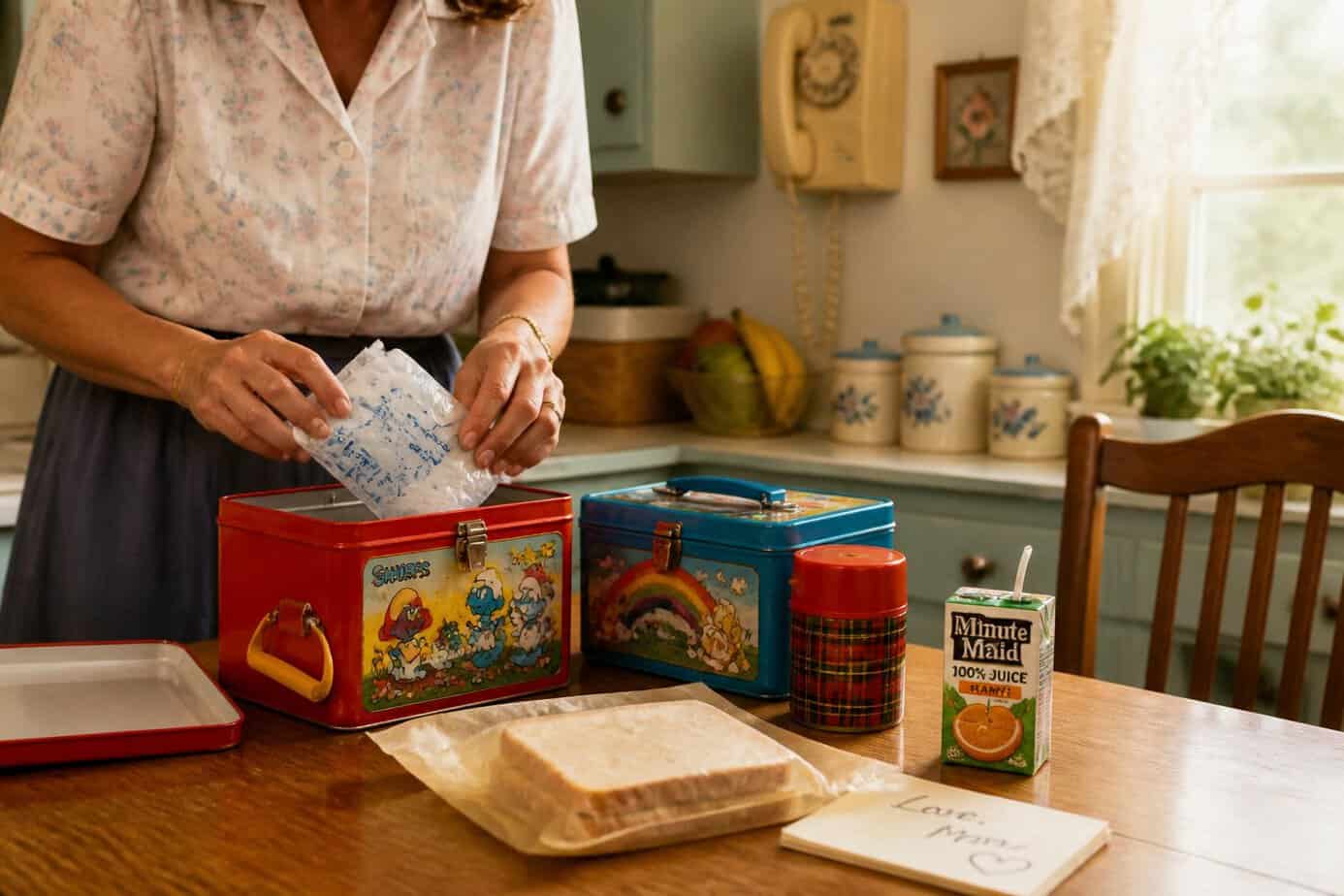
Your mom understood that keeping your lunch safe meant planning ahead. Every night, she’d pull those hard plastic ice packs from the freezer and set them on the counter, ready to slip into your lunchbox the next morning.
This wasn’t just about keeping your sandwich cold. It was about food safety and making sure you had a fresh meal at lunchtime. Those blue gel packs were a staple in every household, thawing slightly overnight before being tucked alongside your food.
She knew exactly which packs to rotate and when they needed replacing. The routine was seamless. You grabbed your lunch, and the ice pack was already there, doing its job without fanfare.
Now you’re the one setting out ice packs each night. You finally appreciate that small act of preparation that kept your lunches fresh day after day.
28. Teaching kids to cross the street and watch for cars

Your mom walked you to busy intersections and made you practice looking both ways until it became second nature. She taught you to wait for the walk signal, check for turning cars, and listen for approaching traffic.
This wasn’t helicopter parenting. It was practical skill-building that prepared you for independence.
She’d stand back and watch as you demonstrated what you’d learned, correcting you when needed. Once she trusted your judgment, you were allowed to walk to school or the store on your own.
You probably rolled your eyes at the repetition back then. Now that you’re teaching your own kids, you understand why she drilled those basics so thoroughly. Those lessons kept you safe during all those unsupervised hours spent roaming the neighborhood.
29. Making hair bows and barrettes for school pictures
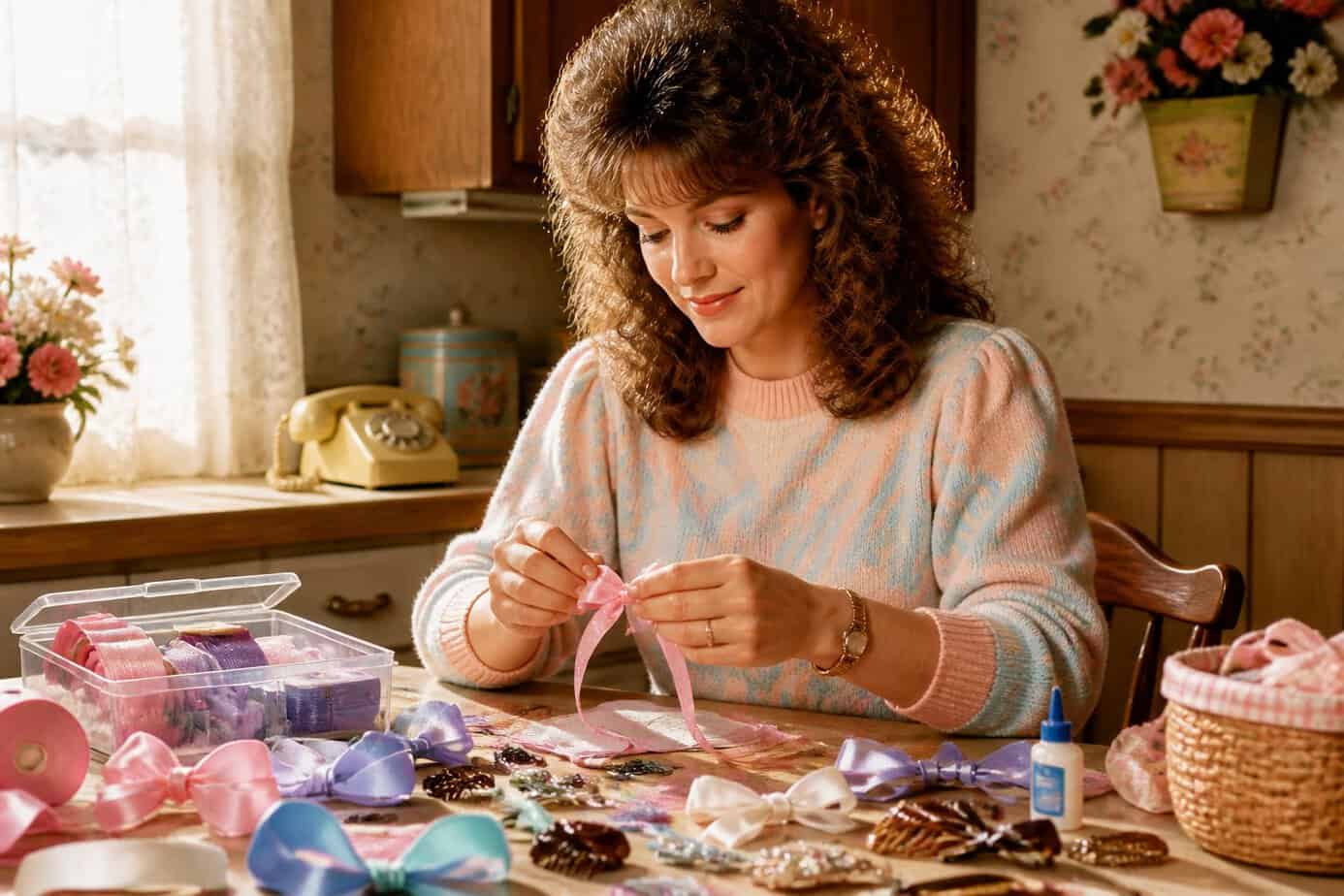
Your mom sat at the kitchen table with spools of ribbon, scissors, and a glue gun the night before picture day. She carefully measured and cut each piece, creating perfectly coordinated bows to match your outfit.
Store-bought hair accessories were expensive, especially for something you’d wear once or twice. Making them at home saved money and allowed for custom colors that actually matched your clothes.
She learned the techniques from friends or family members who had their own bow-making traditions. The process involved folding ribbon into loops, securing the center with thread, and attaching everything to a barrette or clip.
Those handmade bows weren’t just accessories. They represented the time and effort your mom invested to make sure you looked your best in those annual school photos that would sit on grandparents’ mantels for years.
30. Teaching basic first aid for playground scrapes

Your mom kept bandages in her purse and knew exactly how to handle every scraped knee that came her way. She taught you the basics without making it dramatic.
First, she showed you how to rinse cuts with clean water and mild soap. No need for anything fancy. She explained that removing dirt prevented infection, a lesson that seemed boring at the time but makes perfect sense now.
She kept antibiotic ointment handy and demonstrated how to apply it gently. Then came the bandage, positioned just right to protect the wound while you kept playing.
Your mom understood that teaching you these skills built your confidence. You learned to handle minor injuries calmly, whether it was your own scrape or a friend’s. That knowledge stayed with you, and now you pass the same practical wisdom to your own children.
31. Organizing a shoebox of spare socks and mittens
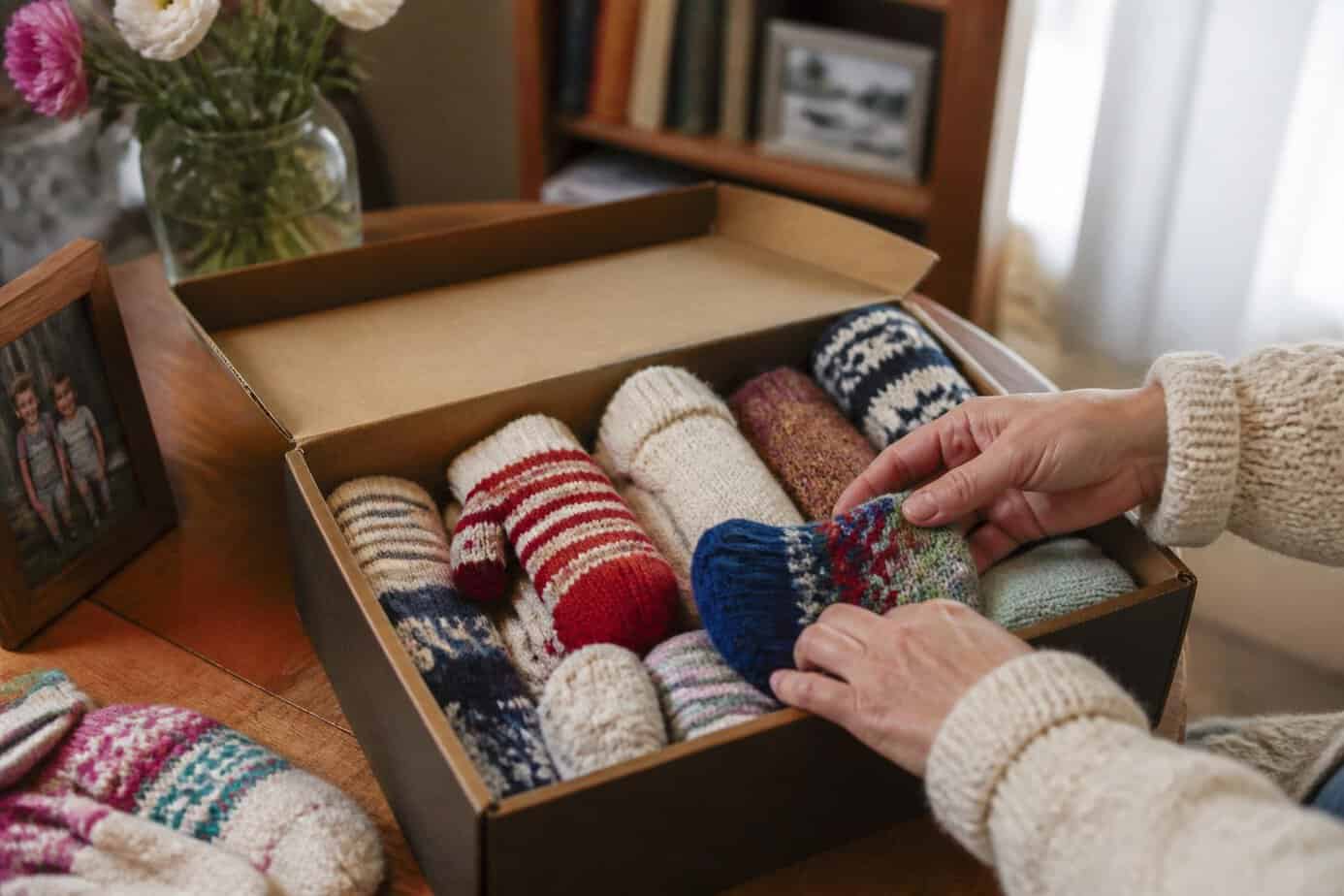
Your mom kept a shoebox near the door filled with mismatched socks and extra mittens. Every time someone lost a glove or came home with one wet mitten, she’d pull out a replacement without missing a beat.
That simple shoebox system meant no one left for school with cold hands. She knew exactly where to find a backup when the dryer ate another sock or winter gear went missing.
Now you understand why she never threw away singles. She’d toss them in that box, knowing the match might turn up eventually. If it didn’t, at least there was a spare for emergencies.
Shoeboxes work perfectly for storing small items like socks and mittens because they’re just the right size. Your mom’s organizational habit saved countless mornings from turning into frantic searches.
32. Taping handwritten recipes into a recipe box
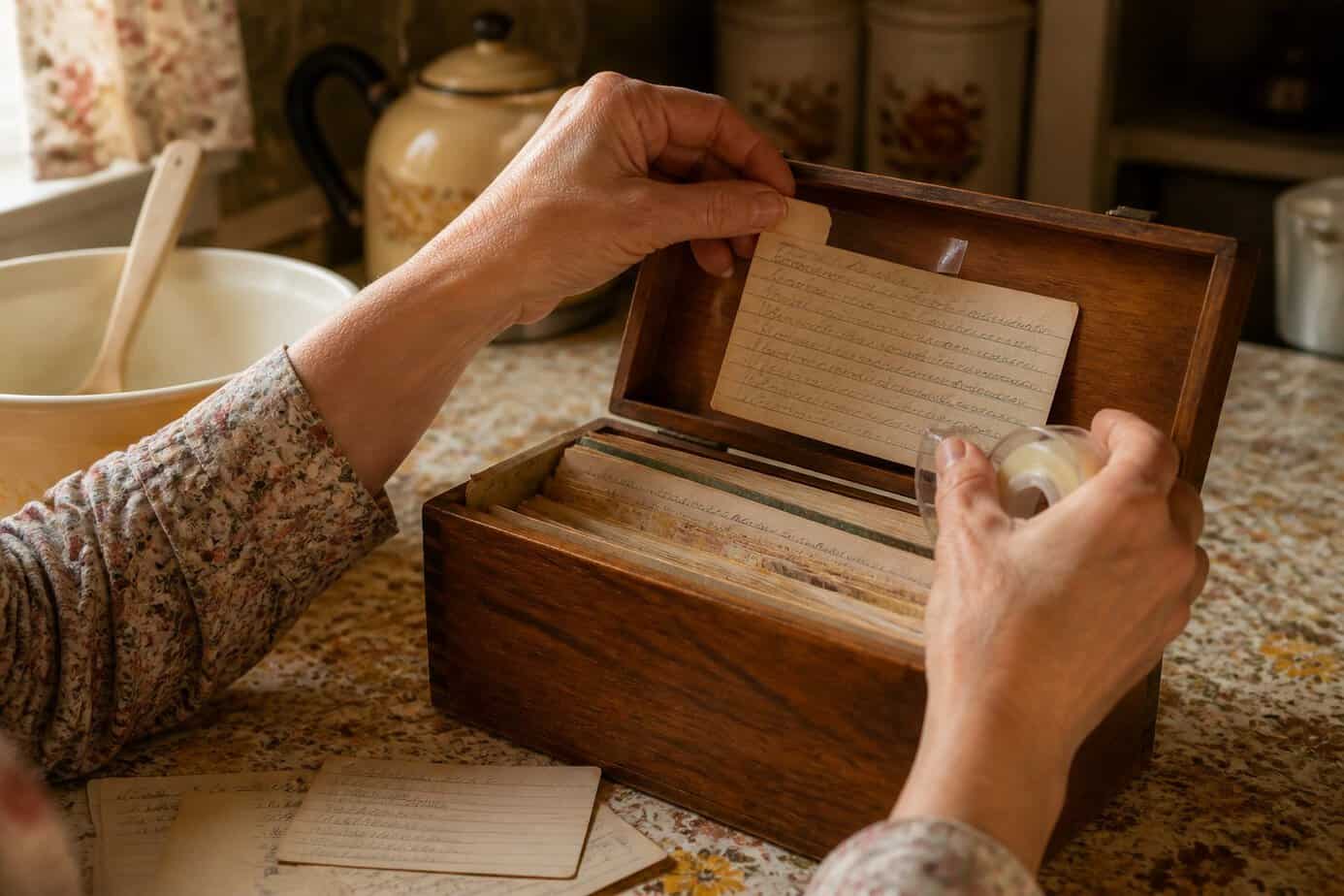
Your mom maintained a carefully organized recipe box, taping each handwritten card into place with yellowed scotch tape. She treated those index cards like precious documents, preserving the smudged pencil marks and ingredient lists passed down from her own mother.
You probably rolled your eyes when she asked you to help sort them. Now you understand what she was actually doing. Those taped cards preserved more than cooking instructions.
The grease stains and crossed-out substitutions documented how your family actually cooked. Her careful filing system meant she could find any recipe in seconds, no scrolling required.
Today you have a box of those same cards, some with edges softened by tape decades old. You finally grasp that she wasn’t being old-fashioned. She was protecting family history in the most practical way she knew.
33. Keeping a list of emergency contacts on the fridge
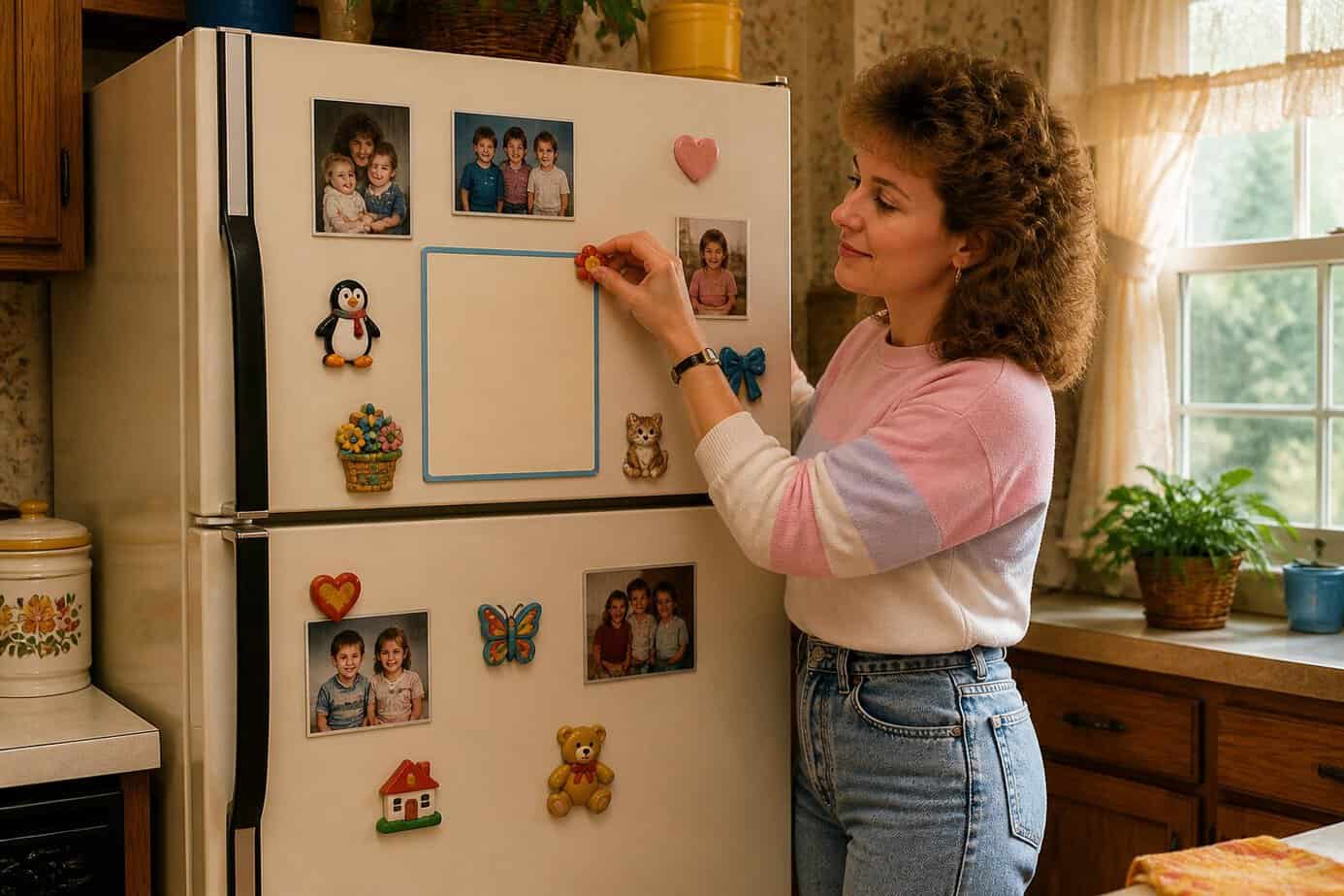
Your mom kept a handwritten sheet of paper stuck to the refrigerator with important phone numbers. It had the neighbor’s number, poison control, your pediatrician, and relatives who could help in a pinch.
Back then, you barely noticed it among the grocery lists and school permission slips. Now you understand why she took the time to write everything down.
Without cell phones storing contacts, that list was essential. If your babysitter needed help or you had an emergency while mom was out, all the critical information was right there at eye level.
She updated it whenever someone’s number changed or you switched doctors. It was simple preparation that gave her peace of mind and kept your household running safely.
34. Showing how to balance a checkbook by hand
Would you like to save this?
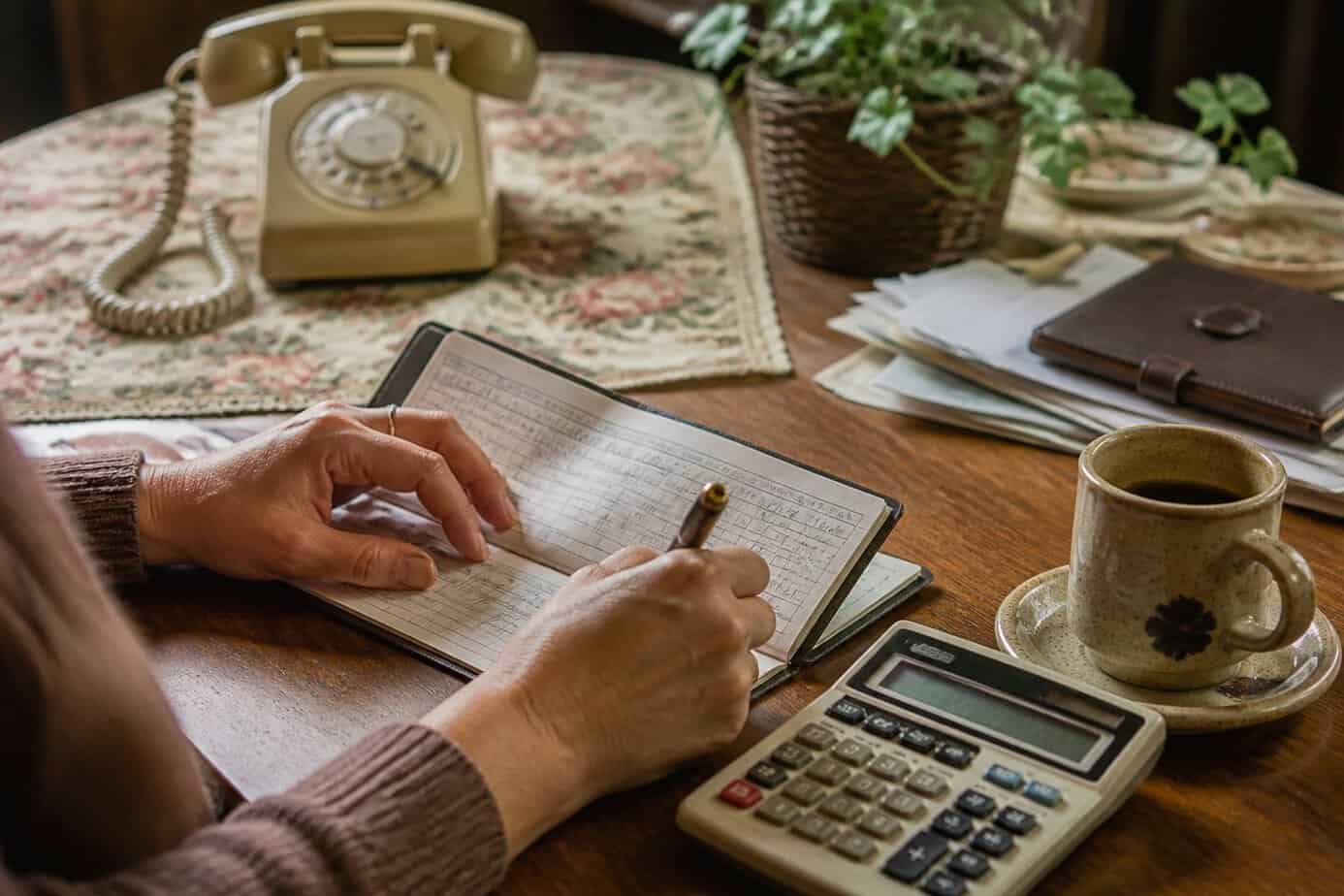
Your mom sat at the kitchen table with her checkbook register, calculator, and bank statement spread out before her. She recorded every check written, every deposit made, and every ATM withdrawal in that little booklet.
She taught you the process: start with your previous balance, subtract checks and withdrawals, add deposits, then compare your calculations to the bank statement. It seemed tedious at the time.
This monthly ritual helped her catch bank errors, avoid overdraft fees, and know exactly where the money went. There were no apps to check balances instantly or alerts for low funds.
Now that you manage your own household expenses, you understand why she was so meticulous. She was teaching financial awareness and responsibility through simple addition and subtraction. That discipline of tracking every dollar prevented overspending and kept the family budget on track.
35. Wiping down cereal bowls into a second breakfast for little ones
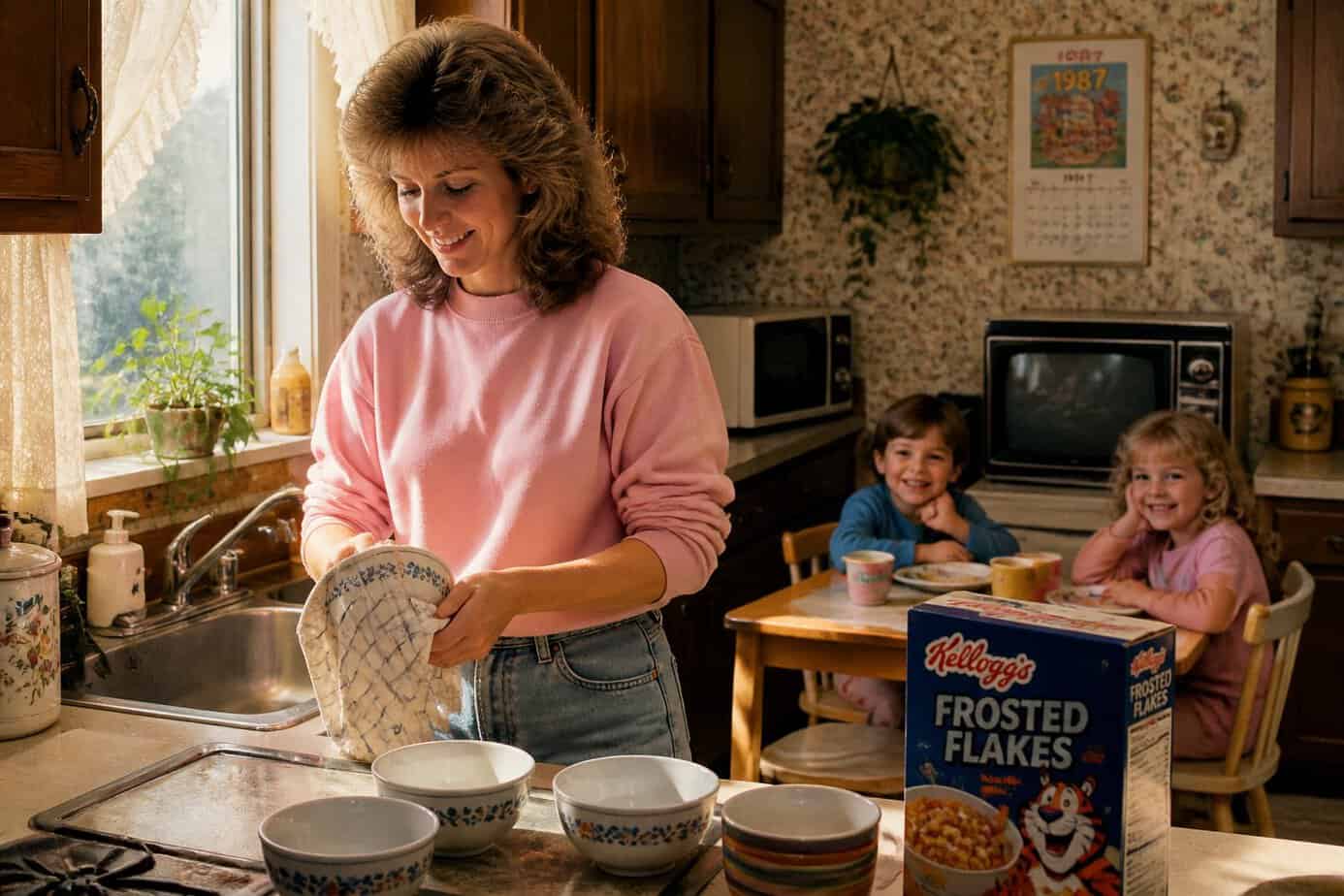
Your mom knew how to stretch a breakfast. When your older sibling finished their cereal, she’d quickly wipe down the bowl and pour a fresh serving for you. There was no waiting for the dishwasher or hand-washing between kids.
This quick rinse-and-reuse method kept the morning moving efficiently. She’d use a dish towel or quick rinse under the tap, and the bowl was ready for the next child at the table.
It wasn’t about cutting corners on cleanliness. Your mom was managing multiple hungry kids who needed to eat before school started. The cereal box stayed on the table, the milk remained out, and bowls cycled through as each child took their turn at breakfast.
36. Saving old sweaters to make into mittens
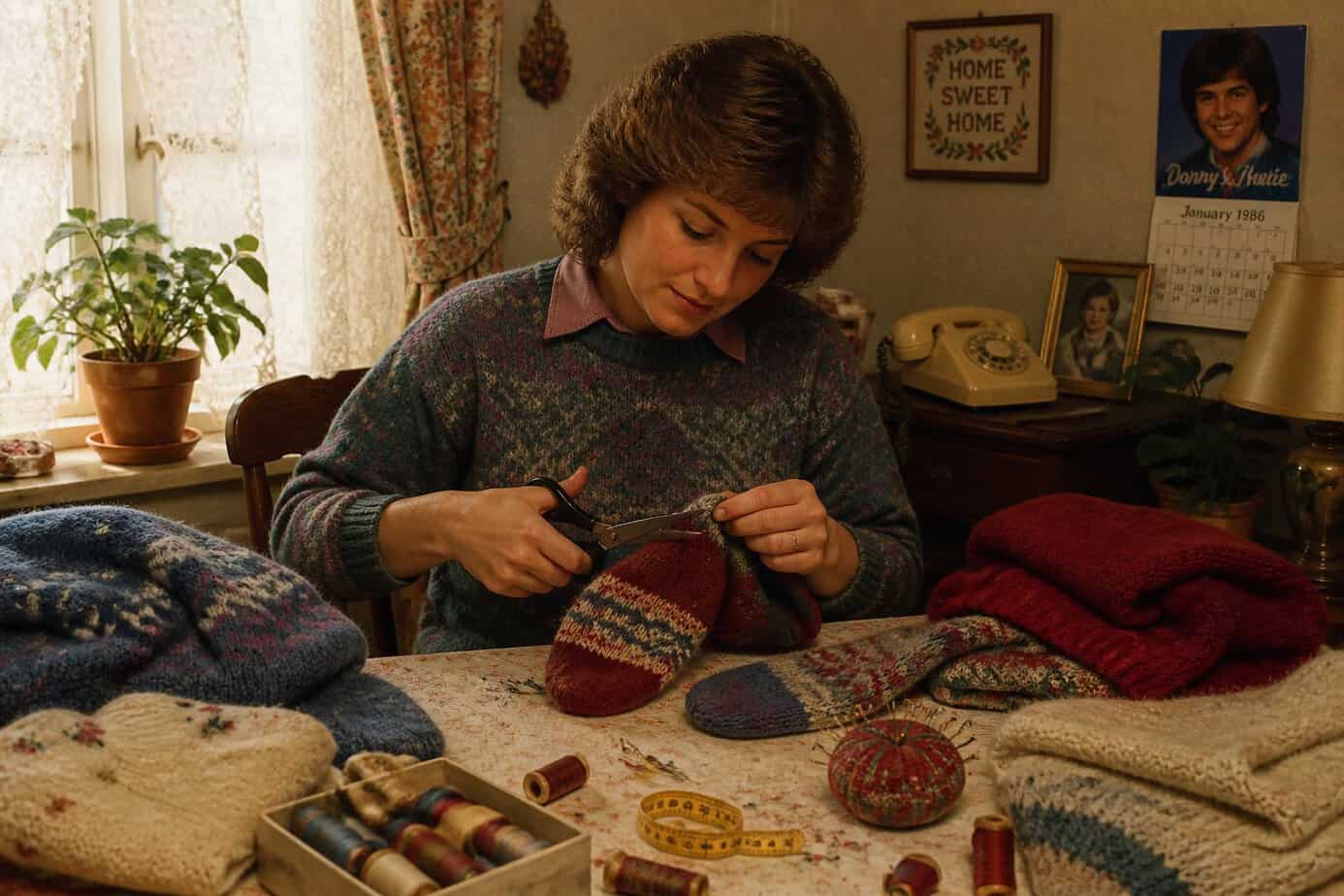
Your mom never threw away a worn-out sweater without considering its second life as mittens. She’d set aside wool sweaters that had seen better days, storing them in a bag until she had time to transform them into something useful.
The process was straightforward. She’d felt the sweaters by washing them in hot water, then trace a mitten pattern onto the fabric and cut it out. A few simple stitches later, you had a new pair of warm gloves.
This practice wasn’t just frugal. It was practical parenting at its finest. She created functional winter gear from items that would have otherwise ended up in the trash.
Now that you’re buying mittens for your own kids at $15 a pair, you understand the appeal. Those homemade sweater mittens kept your hands warm while keeping her budget intact.
37. Preparing envelopes of allowance change for chores
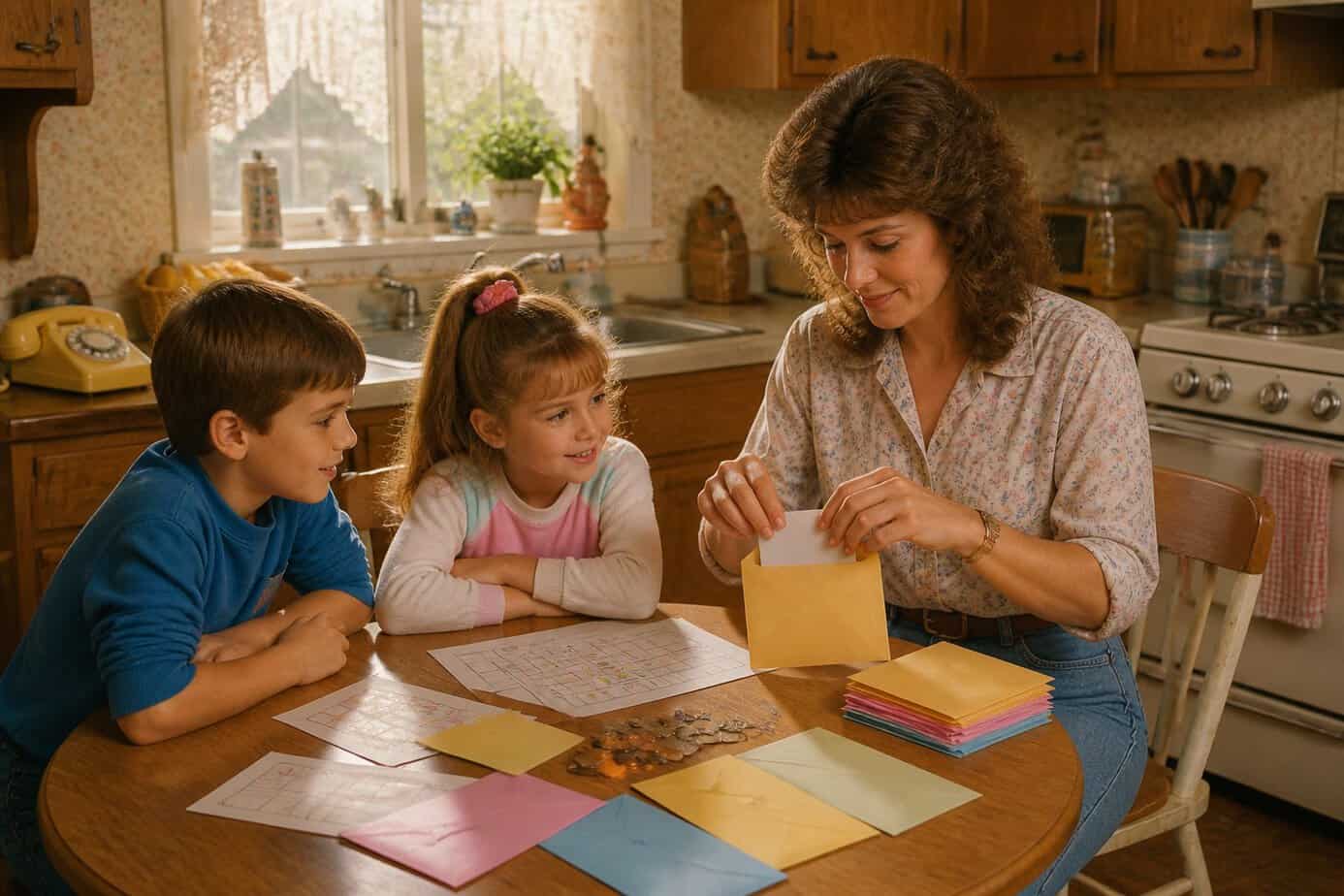
Your mom sat at the kitchen table every week, sorting coins and bills into small envelopes with your name on them. She tracked which chores you completed and calculated exactly what you earned.
This system taught you that work had value. Each envelope represented specific tasks you finished, from making your bed to mowing the lawn. Your mom connected effort to reward in a tangible way you could hold in your hands.
She kept detailed records of what you owed for each chore. The physical act of receiving that envelope made the connection between work and money concrete. Now you realize how much time she spent maintaining this system when she could have simply handed you cash without tracking anything.
How Family Routines Shaped Childhoods
The daily rhythms your mom established in the 1980s—from structured mealtimes to predictable bedtime rituals—created far more than just household order. These consistent patterns laid the foundation for emotional stability and psychological security that many of us only recognize now as parents ourselves.
Impact on Emotional Development
When your mom insisted on family dinners at 6 PM sharp or maintained the same Saturday morning routine week after week, she was doing more than keeping the household organized. These predictable patterns taught you how to regulate emotions and anticipate what came next in your day.
Repetitive routines helped you develop self-control and patience. Waiting for dinner at the same time each evening or knowing that cartoons only aired on specific mornings taught delayed gratification. Your brain learned to manage expectations and emotions within a structured framework.
The consistency also built your ability to form healthy attachments. When your mom showed up every day for the same activities—packing lunches, reading bedtime stories, or driving carpool—you internalized that relationships could be dependable. This pattern recognition became the template for how you understood trust and reliability in all future relationships.
These daily interactions gave you countless opportunities to practice emotional communication in low-stakes settings. You learned to express needs, navigate disappointments, and celebrate small victories within the safety of established routines.
Building a Sense of Security
Your mom’s unwavering commitment to daily routines created a psychological anchor during childhood’s uncertainties. Knowing exactly what would happen after school or how Sunday mornings would unfold gave you a sense of control in a world where you had very little power.
The predictability of routines acted as a buffer against stress and anxiety. When everything from morning rituals to evening wind-downs followed the same pattern, your nervous system learned to stay calm. You knew what was coming, which freed your mental energy for learning and play rather than worrying about what might happen next.
Physical routines reinforced this security. Your mom’s consistent presence at pickup time, the same sequence of bath-pajamas-story every night, or the reliable appearance of after-school snacks communicated that your world was stable. These weren’t just tasks—they were nonverbal promises that you were cared for and protected.
This foundation of security gave you confidence to explore and take appropriate risks. You could venture into new experiences knowing you had a stable home base to return to.
The Parenting Culture of the 1980s
Parenting in the 1980s operated within a framework of limited technology and distinct household dynamics, where mothers managed daily routines through analog systems and largely traditional family structures.
Daily Life Without Modern Technology
Your mom’s daily routine in the 1980s required physical organization systems that modern parents rarely encounter. She kept handwritten calendars on the kitchen wall, maintained paper address books, and tracked appointments without digital reminders.
Communication happened through landline phones with cords that stretched across the kitchen. If she needed to reach another parent, she called during specific hours when people were typically home. No text messages existed to confirm playdates or last-minute schedule changes.
Shopping required catalog browsing at the coffee table, where she’d circle items with a pen and mail order forms. Grocery shopping meant clipping coupons from newspapers and organizing them in accordion folders. She couldn’t compare prices online or check product reviews.
Entertainment for kids meant she curated physical media like cassette tapes, library books, and board games. She couldn’t stream a show to occupy children during dinner preparation. Instead, she established routines around limited TV time and expected kids to entertain themselves outdoors until streetlights came on.
Differences in Parental Roles Then and Now
Mothers in the 1980s typically shouldered the majority of childcare and household management, even when working outside the home. The concept of equal partnership in parenting wasn’t widely practiced or expected.
Traditional responsibilities included:
- Managing all meal planning and preparation
- Handling school communications and volunteering
- Coordinating children’s activities and transportation
- Maintaining household organization and cleaning schedules
Fathers generally focused on financial provision and specific tasks like yard work or home repairs. Dropping kids at practice or attending weekday school events wasn’t standard for working dads. The term “babysitting” was commonly used when fathers watched their own children.
Modern parenting culture emphasizes shared responsibilities and emotional attunement from both parents. Flexibility in roles and expectations around father involvement have shifted dramatically. The intensive parenting approach common today contrasts with the more hands-off supervision style of the 1980s, where independence and resilience were prioritized over constant parental engagement.


