
33 Home Habits That Make Guests Think You’re More Organized Than You Really Are
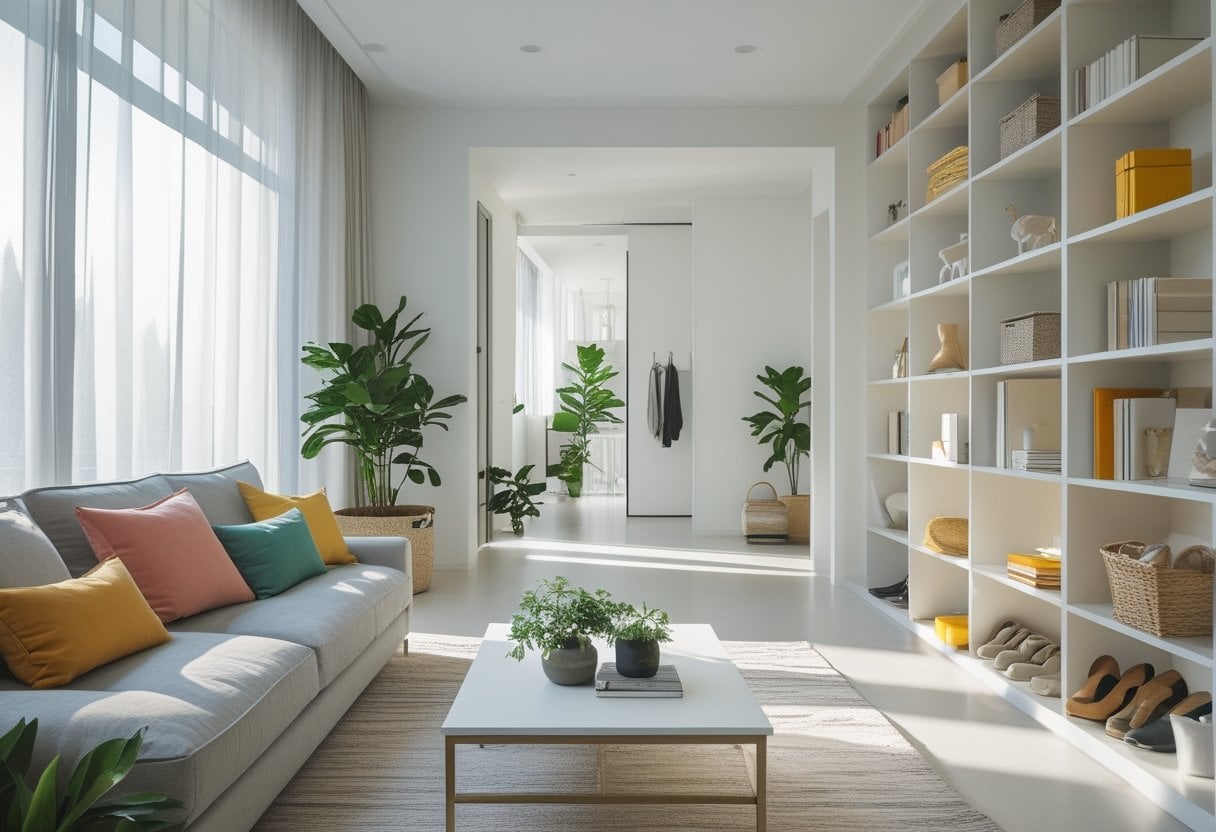
Walking into someone’s home and getting an immediate impression of effortless organization isn’t necessarily the result of hours of meticulous cleaning or a naturally tidy personality.
Often, it’s the result of a few strategic habits that create visual calm and functional order in the spaces guests see most. These small, intentional choices work together to signal that you have your life together, even when the reality behind closed doors might tell a different story.
The key to appearing organized isn’t perfection in every corner of your home, it’s about mastering specific touchpoints that shape how visitors perceive your space.
From the moment someone steps through your front door to the time they use your bathroom or sit in your living room, certain visual cues communicate order and thoughtfulness. Understanding which habits make the biggest impact allows you to focus your energy where it counts.
The following habits range from quick daily resets to simple organizational systems that maintain themselves with minimal effort. Some involve designated zones for common clutter, while others rely on visual consistency and strategic editing of what stays out in the open. Together, they create an environment that feels intentionally curated rather than accidentally tidy.
1. Designated drop zone by the front door (bench + tray for keys)
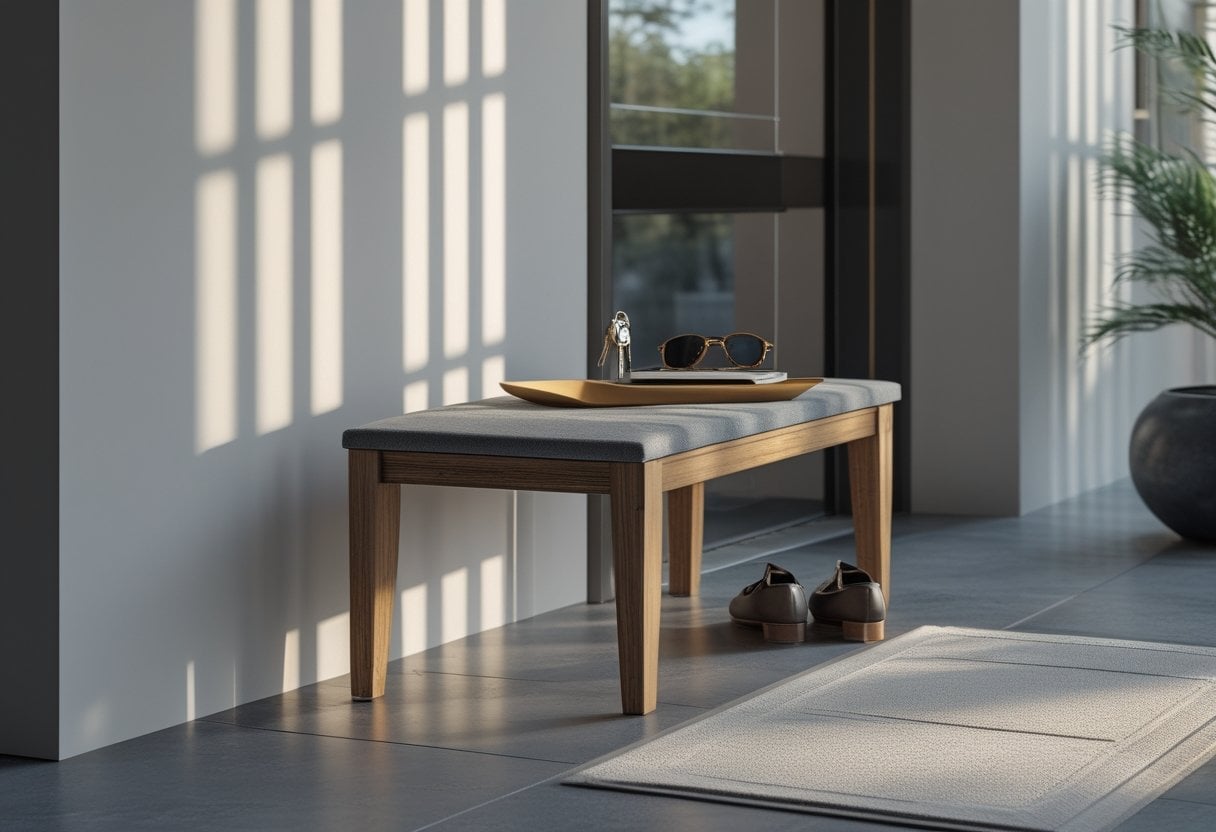
A drop zone is a designated spot near your entrance where you organize everyday items like keys, shoes, and bags. When guests arrive, this simple setup creates an immediate impression of order.
The key components are straightforward. Place a bench by the door for seating and shoe storage underneath. Add a tray or bowl on top for keys, sunglasses, and other small items you grab on your way out.
This arrangement works because it gives everything a specific home. Your guests won’t see scattered shoes or keys tossed randomly on surfaces. Instead, they’ll notice a purposeful system that suggests you have your household under control.
The bench serves double duty by providing a place to sit while putting on shoes and concealing footwear below. The tray catches items before they migrate to other surfaces throughout your home.
2. Clear, narrow hallway with a single runner rug
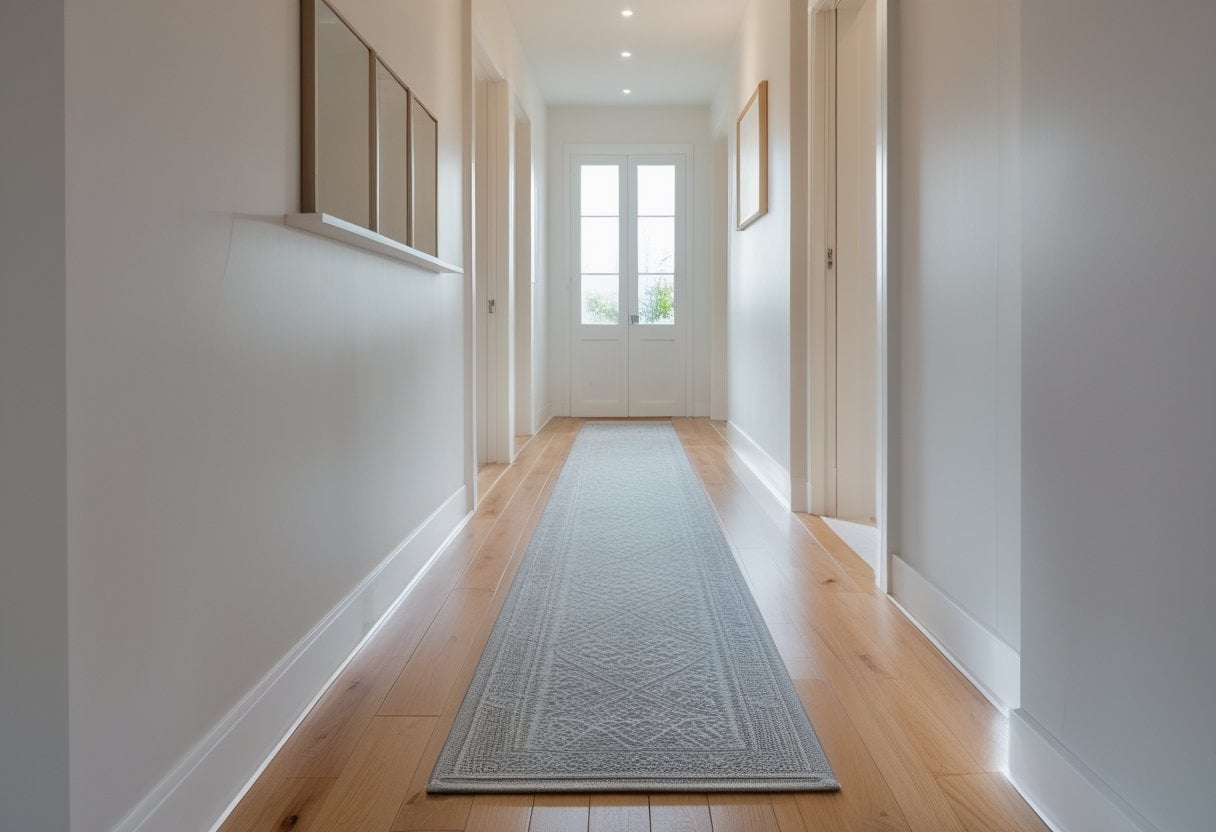
A centered runner rug makes your hallway look intentional and well-planned. Guests notice when a space has clear purpose, and a single long runner creates visual flow that draws the eye through the corridor.
The key is keeping the runner centered with equal floor space visible on both sides. This creates balance and makes narrow hallways feel more organized rather than cluttered.
Choose a runner that leaves about 4-6 inches of floor exposed on each side. This shows you’ve measured and planned the space deliberately.
The runner also serves a practical purpose by protecting high-traffic flooring. When guests see a well-placed runner in a tidy hallway, they assume the rest of your home receives the same thoughtful attention to detail.
3. Closet hanger uniformity (all wooden hangers)

Switching to all wooden hangers creates an instant impression of organization. When guests peek into your closet, they’ll notice the uniform appearance rather than a jumble of mismatched plastic and wire hangers.
Wooden hangers provide a consistent look that makes any closet appear more intentional and curated. They also keep clothes properly spaced and wrinkle-free, which adds to the organized aesthetic.
You don’t need an expensive set to achieve this effect. An eight-pack costs around $5.49 at stores like IKEA, making it an affordable upgrade. The key is consistency, using the same style throughout creates that boutique appearance that suggests you have your home under control, even if other areas need work.
4. Floating shelf with labeled baskets in entryway
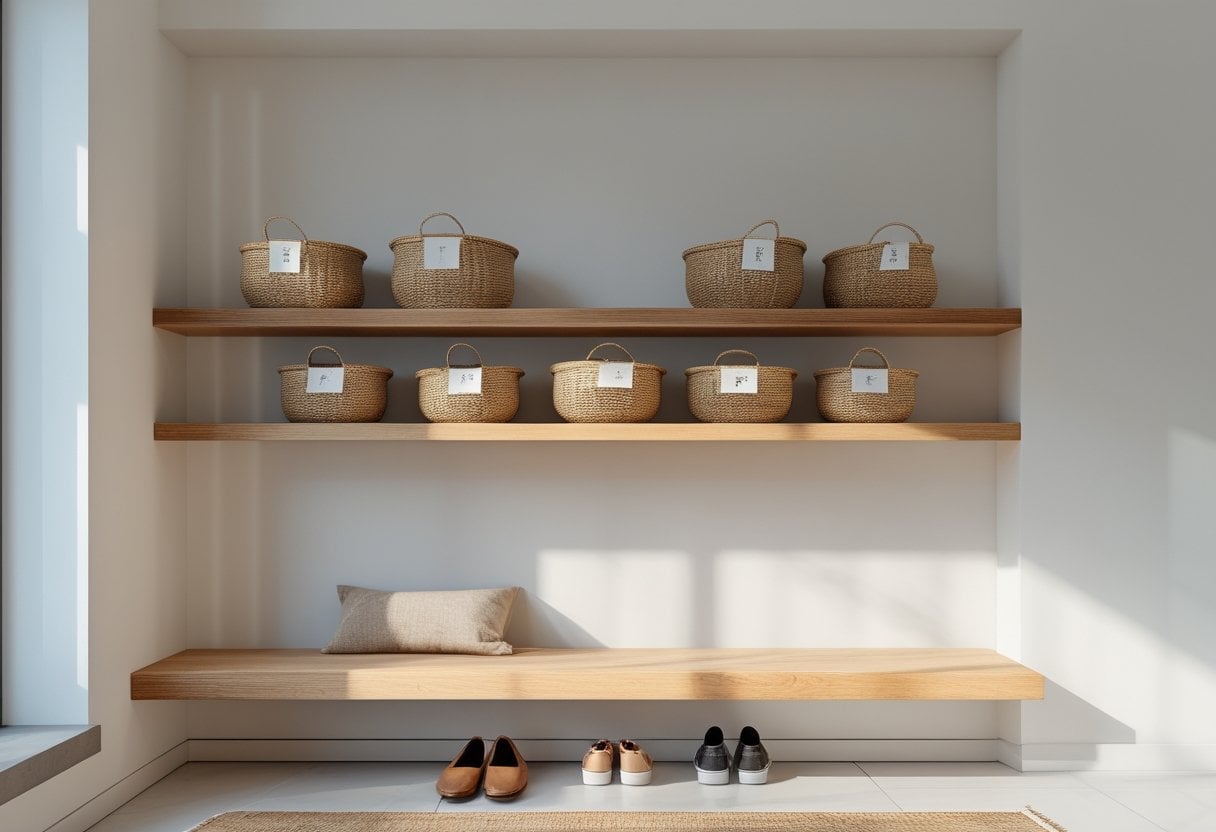
A floating shelf with labeled baskets creates an instant drop zone that signals organization from the moment guests walk in. Mount the shelf at eye level near your front door and add two or three matching baskets underneath or on top.
The labels make all the difference. Simple tags like “keys,” “mail,” or “sunglasses” show you have a system in place, even if you tossed everything in there five minutes before guests arrived.
Choose baskets in fabric, wicker, or wire mesh that complement your entryway style. The floating design keeps floor space clear while providing visible storage that looks intentional rather than cluttered. This setup works in narrow hallways and small entryways where traditional furniture won’t fit.
5. Minimalist coat rack with only season-appropriate coats
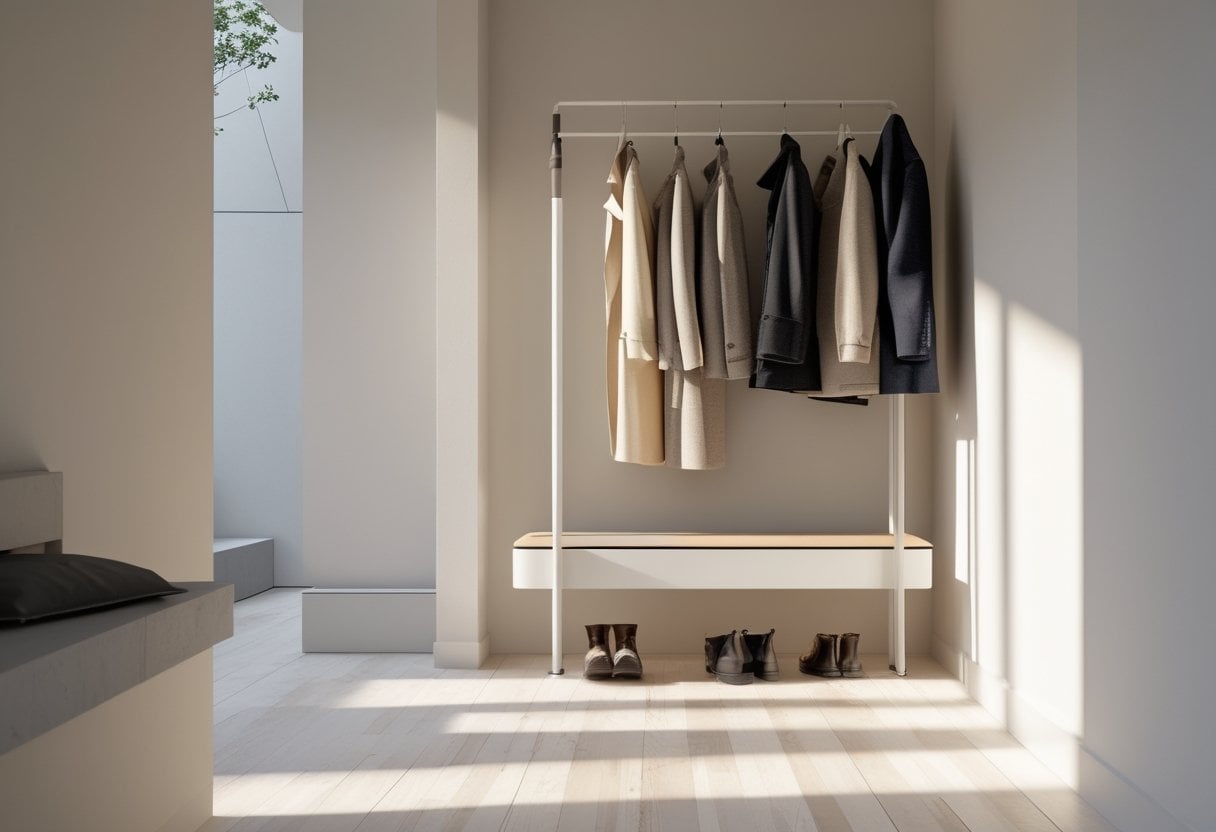
A streamlined coat rack instantly signals organization. Choose a simple freestanding or wall-mounted design with five to eight hooks. This provides enough storage without creating visual clutter.
The key is keeping only current-season outerwear on display. In June, this means light jackets and raincoats. Store your winter parkas and heavy coats elsewhere until needed.
Limit what hangs on your rack to items you actually use. Remove anything that’s been there untouched for weeks. Your guests will notice the intentional curation.
Freestanding metal racks work well in entryways and mudrooms. They offer a designated spot for coats, hats, and bags without requiring wall installation. The clean lines of a minimalist design make even a functional piece look deliberate rather than cluttered.
6. Console table with a single decorative tray
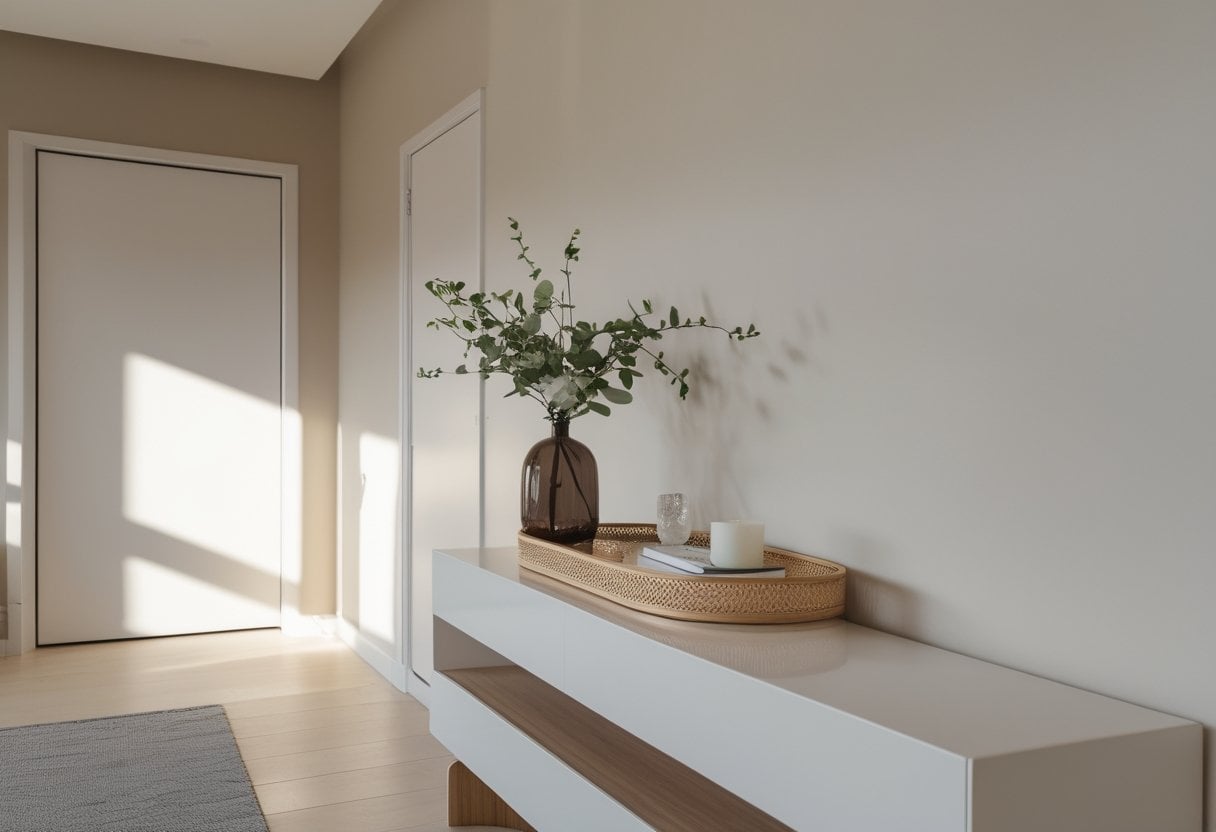
A single tray on your console table creates an instant impression of intentional design. It signals that you’ve carefully considered your space rather than letting items accumulate randomly.
The tray acts as a boundary for smaller objects like keys, mail, or personal items. This simple container keeps everyday clutter contained and gives these necessary items a designated home. Your guests see order instead of scattered belongings.
Choose a tray that complements your console table’s finish and style. Metal, wood, or ceramic options all work well depending on your existing decor.
The beauty of this approach is its simplicity. You don’t need multiple decorative elements or complex arrangements. One well-placed tray suggests you have a system for everything in your home, even if the rest of your spaces tell a different story.
7. Visible charging station hidden in a woven box
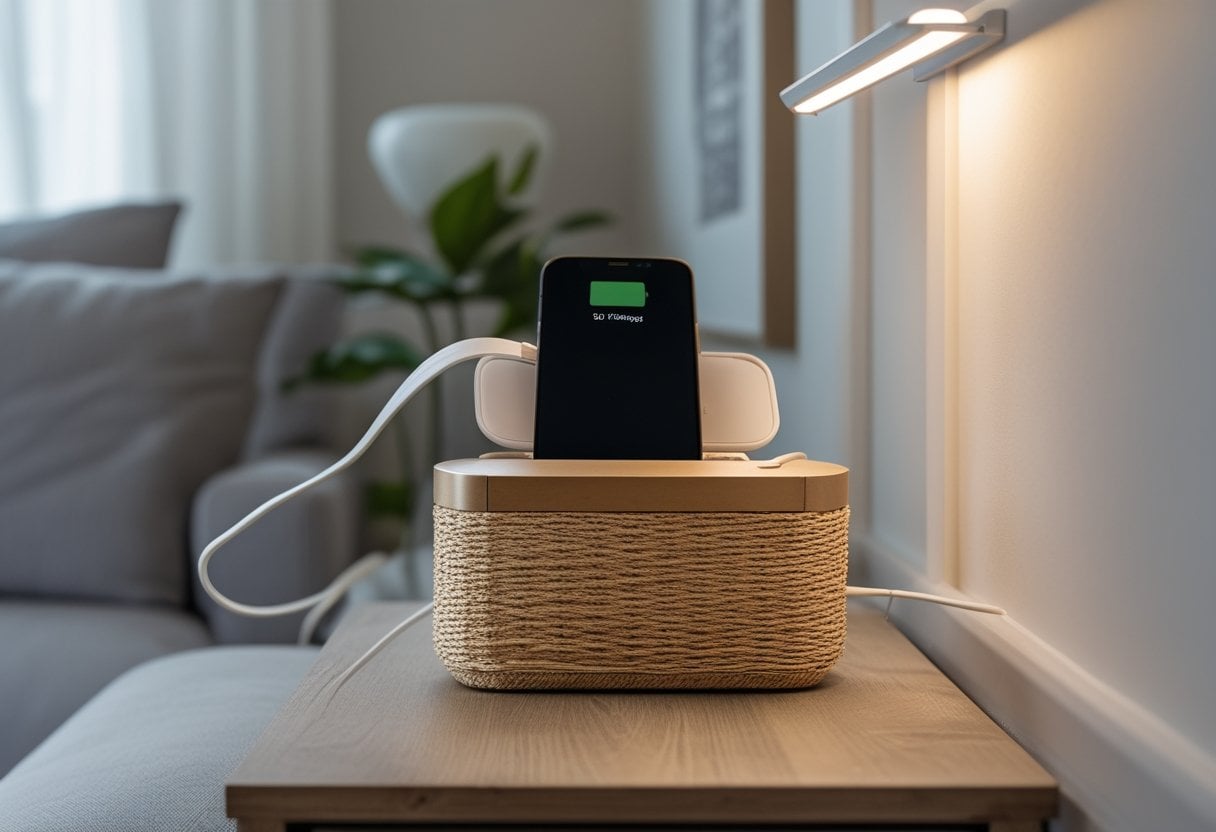
A woven basket or rattan box creates an attractive charging station that guests will admire rather than question. You can place phones, tablets, and other devices inside while cords feed through openings in the back or bottom.
This setup keeps your devices accessible without exposing tangled cables. Wicker and woven materials add texture to your space while naturally concealing the technical clutter inside.
Position the basket on a console table, kitchen counter, or entryway surface where you normally charge devices. Guests see a stylish decorative piece that fits your home’s aesthetic. They won’t realize it’s solving your cord management problem unless they look closely.
The key is choosing a basket with enough depth to hold multiple devices and a design that allows ventilation to prevent overheating.
8. Coffee table with one curated stack of books and a small plant
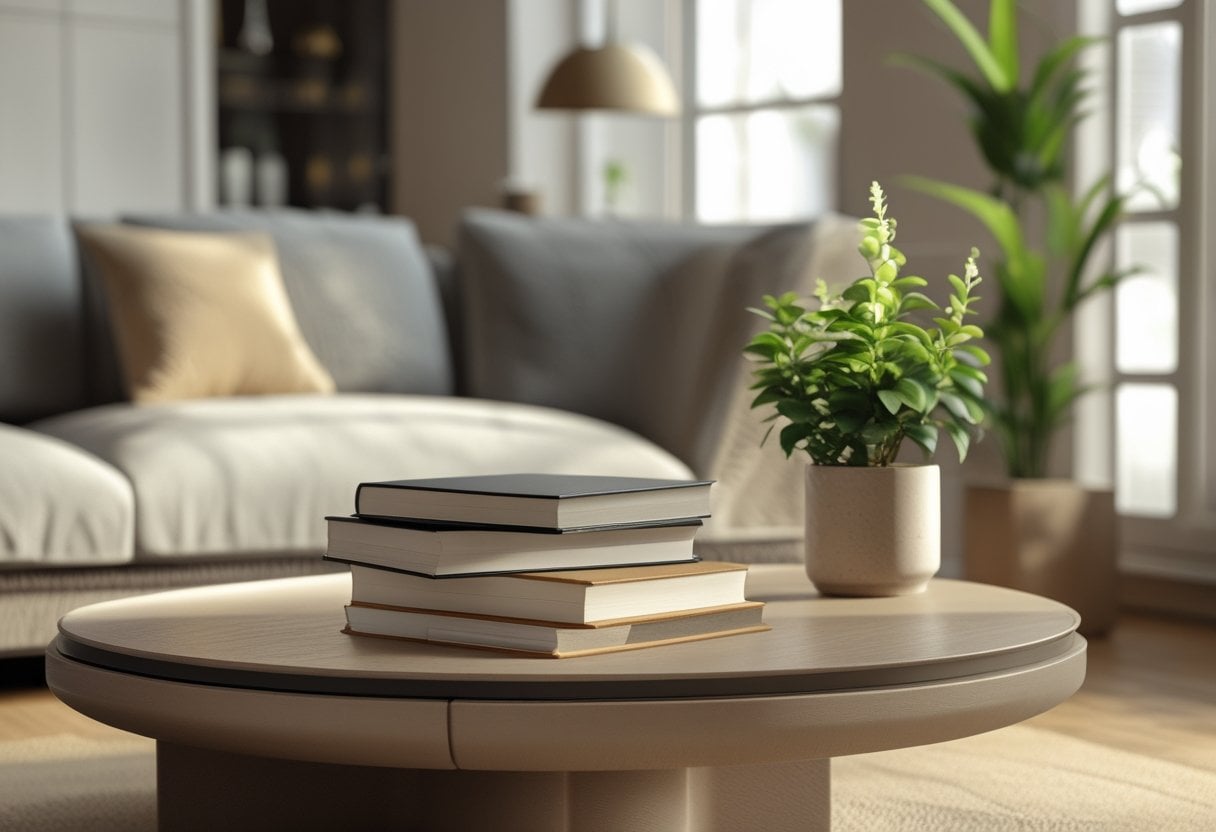
A single stack of books paired with a small plant creates the impression of intentional design without requiring constant maintenance. Choose three to five books of varying sizes and stack them horizontally, arranging them from largest to smallest for visual stability.
The books themselves serve a dual purpose. They provide height variation on your table surface while suggesting you’re well-read and culturally engaged.
Place a low-maintenance plant like a succulent on top of or beside the stack. This adds a touch of life to the arrangement without demanding daily attention. The key is restraint, one thoughtful stack looks curated, while multiple scattered books appear cluttered.
This simple combination takes less than two minutes to arrange but signals to guests that you pay attention to your living space. The clean, minimal approach suggests organization even if the rest of your home needs work.
9. Magazine holder with current reading only
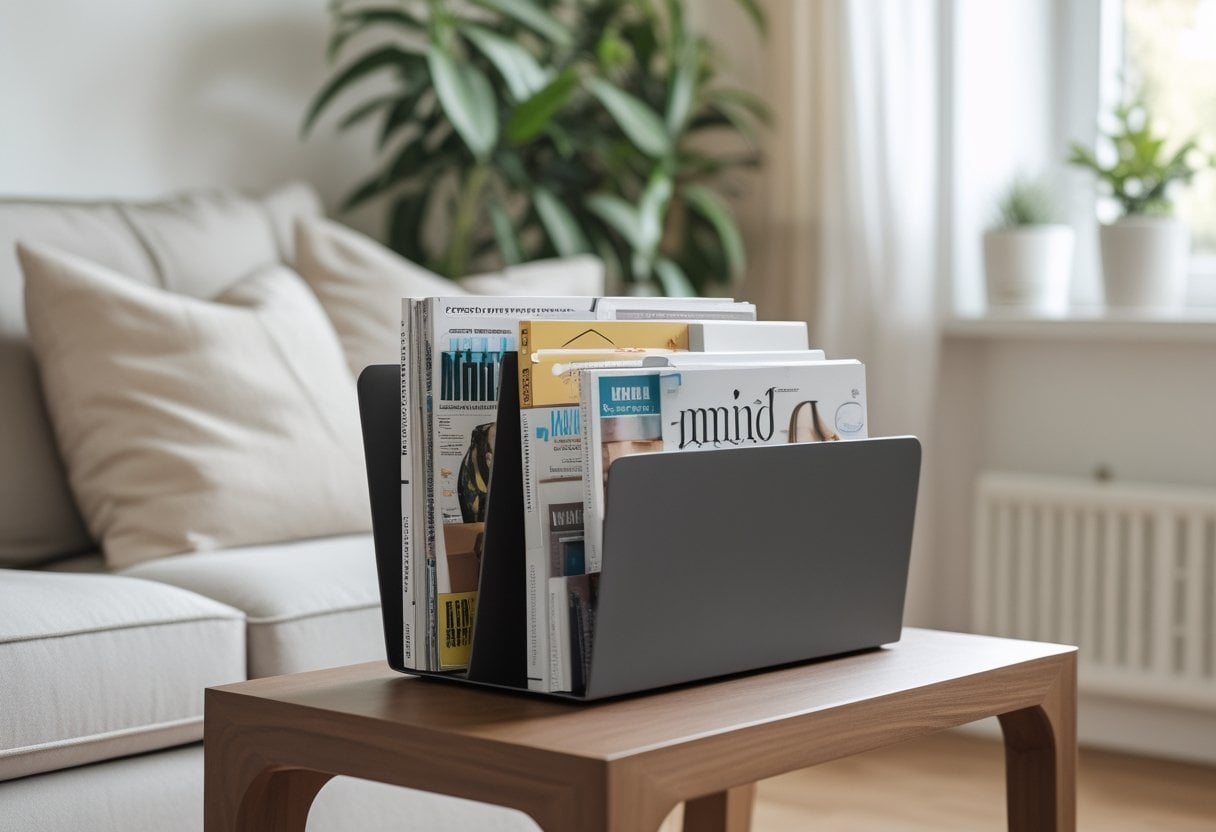
A single magazine holder with just your current reads creates the impression of intentional curation. You’re not keeping stacks of outdated publications or random clutter. Instead, you display only what you’re actively reading.
This approach works because it signals selective taste rather than accumulation. Guests notice the difference between someone who hoards every magazine and someone who keeps only relevant material. The holder itself becomes a design element rather than a storage necessity.
Choose a style that matches your space, whether that’s wood, metal, or simple cardboard. Place it in a visible spot like your living room or entryway. Rotate materials weekly and recycle anything you’ve finished reading.
The key is maintaining that “current only” rule. Three to five items maximum keeps the holder from looking overcrowded while showing you’re engaged with your interests.
10. Hidden cord management using adhesive clips and a cable box
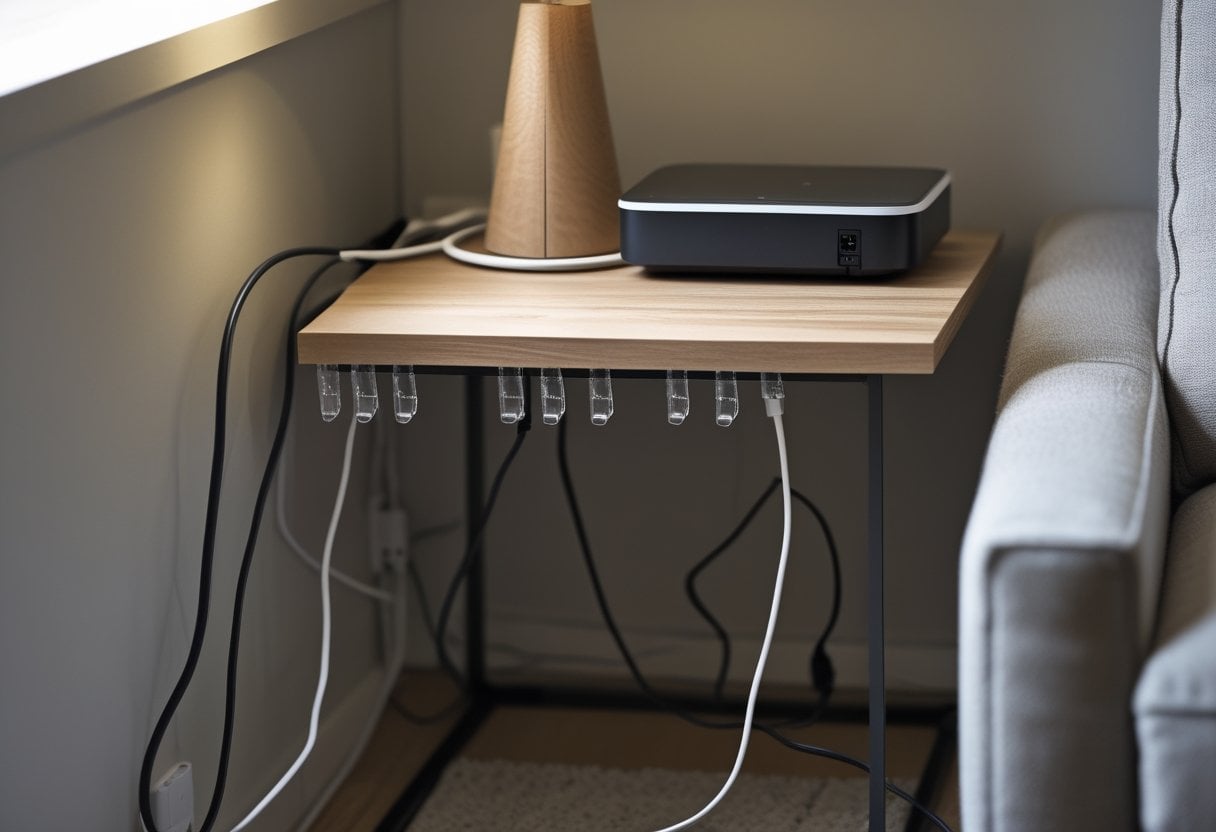
Visible cords create visual clutter that makes any space look disorganized. Adhesive cable clips offer a simple solution by securing wires along baseboards or behind furniture, keeping them out of sight.
Start by planning the path your cords will take from the outlet to each device. Attach adhesive clips along this route to guide cables neatly. This works particularly well for TV wires, phone chargers, and lamp cords.
A cable management box handles the mess of power strips and excess cord length. These boxes sit on the floor or mount under desks, concealing the tangled sections that usually pile up near outlets.
The combination of clips and a box creates a complete system. Your guests will notice clean surfaces and uncluttered floors without realizing you’ve simply hidden the cords rather than eliminated them entirely.
11. Bathroom counter with matching glass pump dispensers
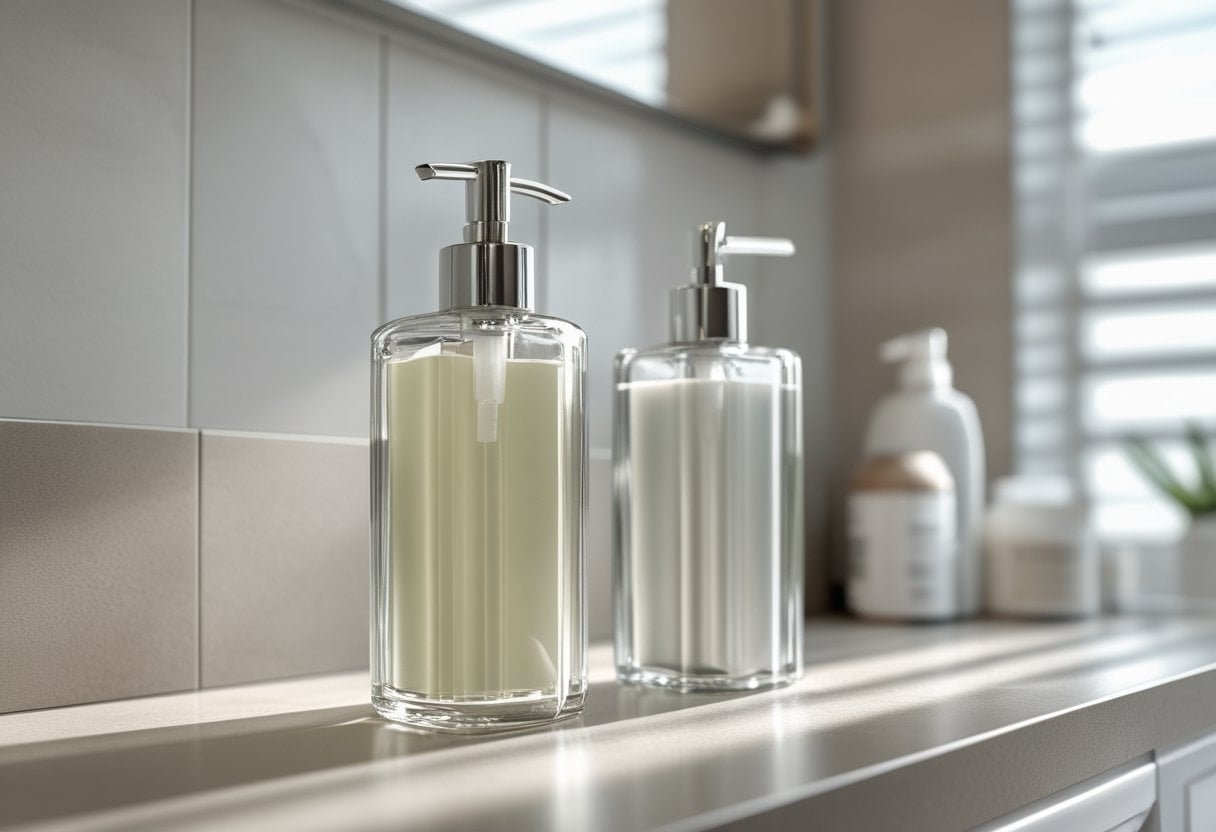
Mismatched soap bottles instantly make your bathroom look cluttered. Switching to a coordinated set of glass pump dispensers creates the impression of deliberate organization, even if the cabinets below remain chaotic.
Clear glass dispensers with matching pump tops work in any bathroom style. You can fill them with hand soap, lotion, or liquid hand sanitizer. The transparency lets guests see the contents while the uniform design suggests you’ve put thought into your space.
A simple tray underneath the dispensers adds another layer of polish. This setup takes about five minutes to arrange but signals that you maintain an organized home. The matching elements create visual cohesion that guests notice immediately upon entering your bathroom.
12. Rolled hand towels in a shallow basket on vanity
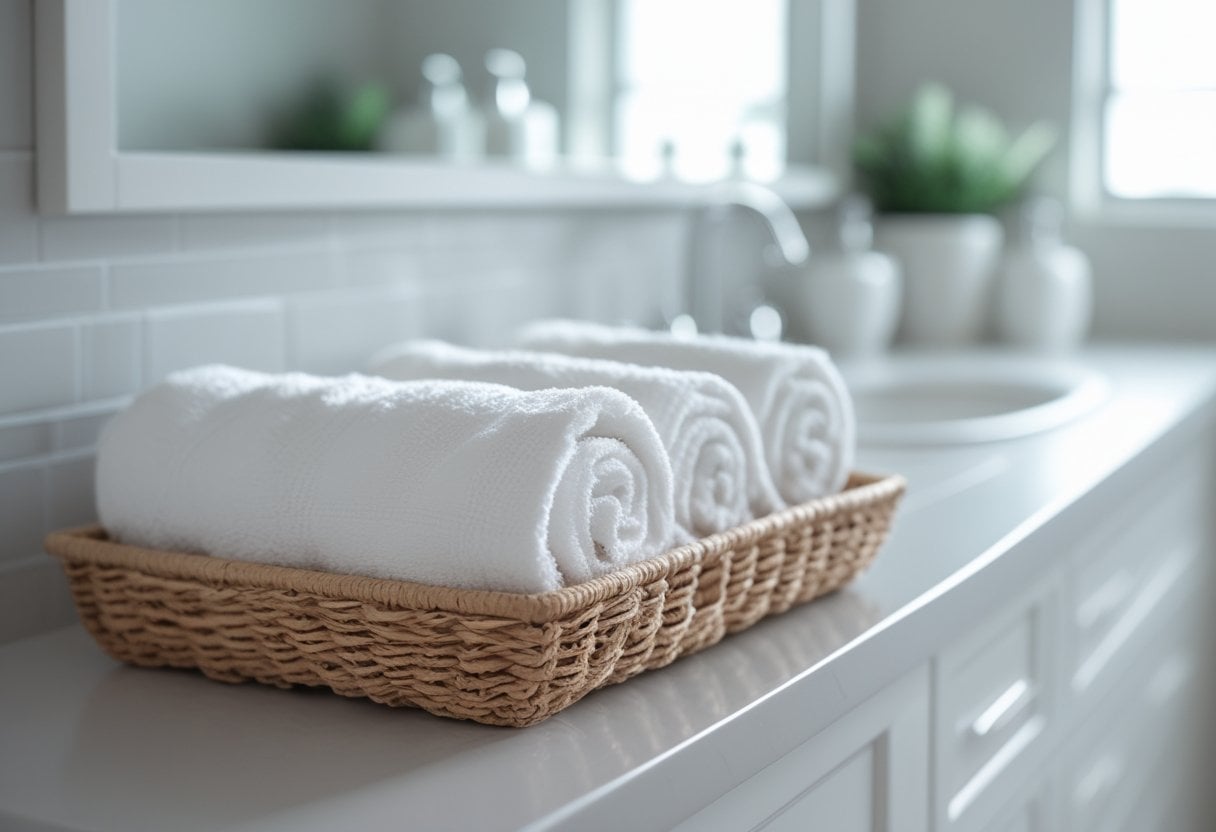
A shallow basket of rolled hand towels on your bathroom vanity creates an instant spa-like impression. This simple display signals intentional design rather than everyday clutter.
Rolling towels takes the same time as folding them flat, but the visual impact is different. Guests perceive rolled towels as more deliberate and styled. The basket keeps them contained and accessible while adding texture to your vanity.
Choose a wide, low-profile basket that fits your counter space. White or neutral-colored towels work best for a clean, coordinated look. You only need three to five rolled towels to fill a small basket effectively.
Position the basket near the sink where guests will naturally reach for it. This practical placement makes your bathroom feel thoughtfully arranged, even if the rest of your linen closet tells a different story.
13. Toilet-paper spare stored in an attractive wicker basket
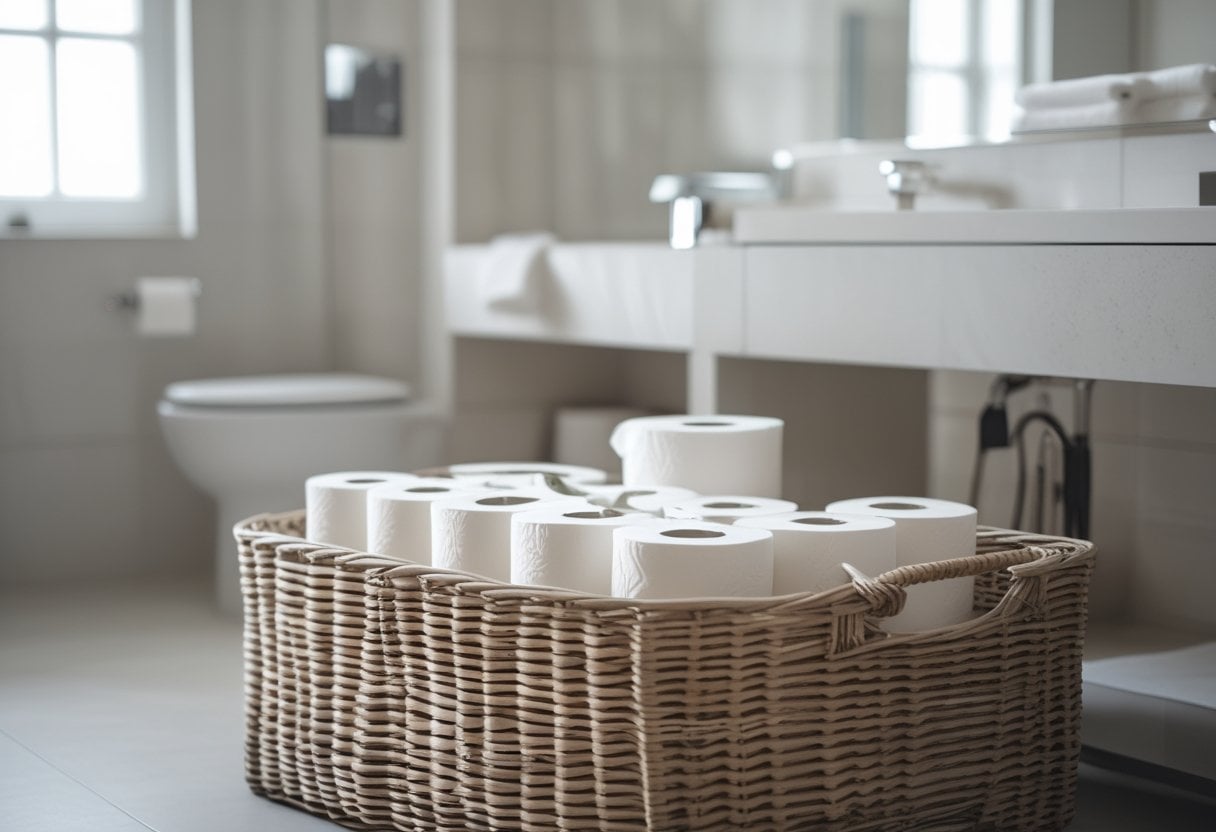
A wicker basket transforms mundane toilet paper storage into intentional bathroom decor. Natural water hyacinth or rattan baskets add texture and warmth to your space while keeping extra rolls neatly contained.
Choose a basket that fits your bathroom dimensions. Narrow rectangular designs work well in tight spaces, while larger baskets with lids can hold six or more mega rolls. The natural material complements various design styles from farmhouse to coastal.
Place your basket on the floor beside the toilet, on a shelf, or tucked into a cabinet. Built-in handles make it easy to move when cleaning. This simple addition suggests you’ve thoughtfully considered every detail of your bathroom organization, even though you’ve simply corralled spare rolls into an attractive container.
14. Shower curtain hung neatly with matching hooks
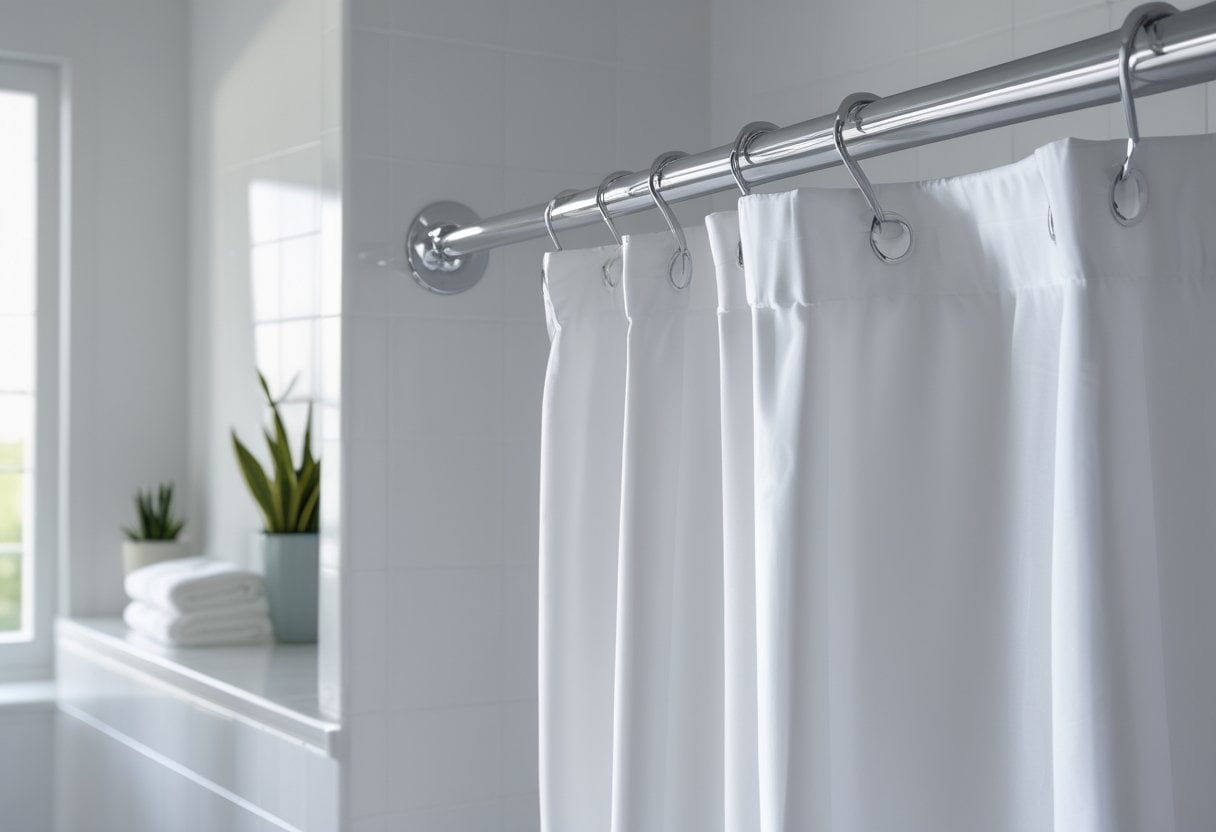
A properly hung shower curtain with coordinated hooks creates an immediate impression of attention to detail. Guests notice when your curtain hangs evenly along the rod without bunching or sagging.
Matching hooks signal intentionality in your design choices. Whether you choose simple rings or decorative options, consistency across all hooks demonstrates thoughtfulness. This small upgrade takes minimal effort but significantly elevates your bathroom’s appearance.
The curtain itself should hang at the correct length, typically just grazing the tub edge or stopping an inch above the floor. Ensure all hooks are spaced evenly for a clean, tailored look. Replace any broken or mismatched hooks before guests arrive.
This detail works because it’s visible the moment someone enters your bathroom, yet it’s something many people overlook in their own homes.
15. Shallow snack bowl for guests filled with mints or wrapped candies
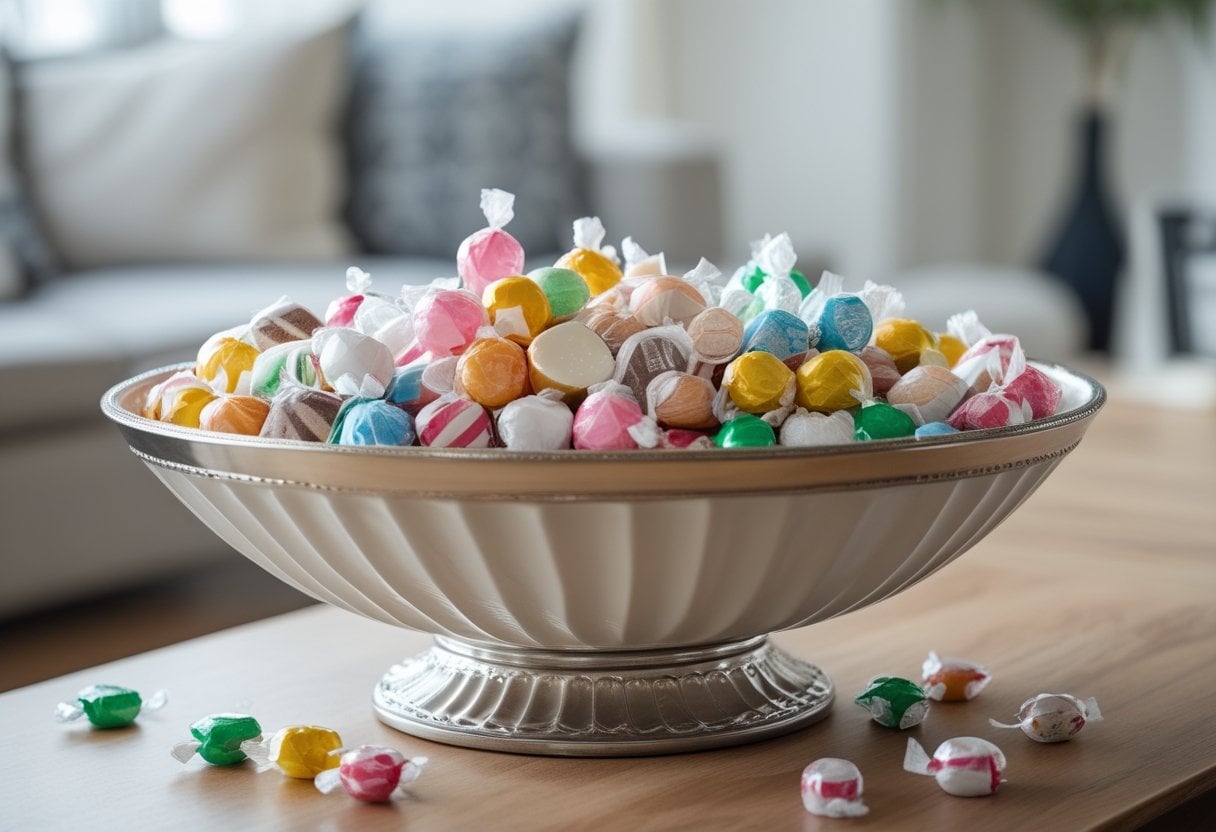
A small bowl of mints or wrapped candies on your coffee table or entryway console signals thoughtful hospitality. This simple touch takes seconds to arrange but makes guests feel welcome the moment they arrive.
Choose a shallow dish that complements your decor. Glass, ceramic, or even a small wooden bowl works well for displaying individually wrapped treats or mints. The key is keeping it visible and accessible without looking cluttered.
Refresh the contents regularly to avoid stale candy. Wrapped chocolates, peppermints, or mixed hard candies are reliable options that don’t require refrigeration. This small gesture creates the impression that you’re always prepared for visitors, even if you just refilled it five minutes before they walked in.
Keep extra candy stored nearby so you can quickly replenish the bowl between guest visits.
16. Matching place settings displayed on the dining table
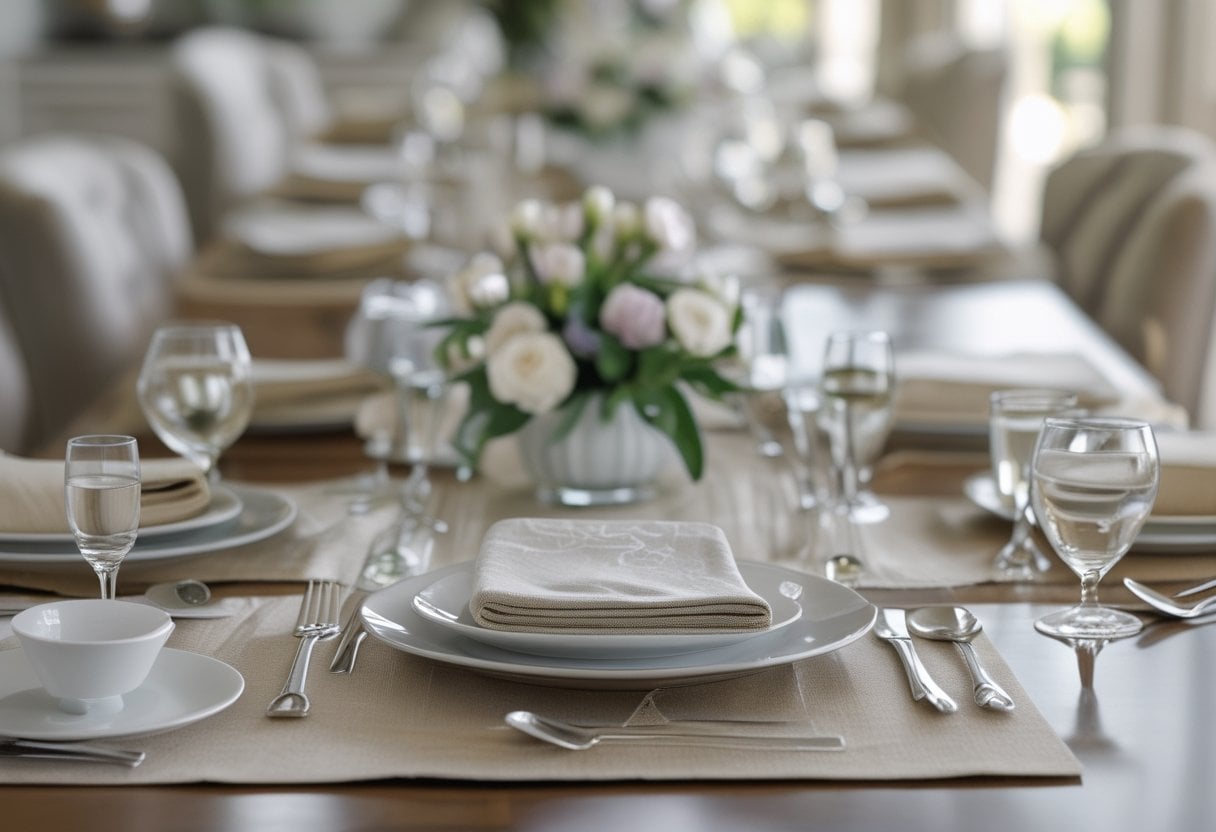
Coordinated place settings signal an attention to detail that guests notice immediately. When your plates, bowls, and serving pieces belong to the same collection, it creates a polished look that suggests thoughtful organization.
You don’t need expensive china to achieve this effect. A simple set of matching dishes in a neutral color works perfectly well. The key is consistency across each place setting at the table.
Keep your everyday dinnerware uniform and store it in an accessible location. This makes setting the table quick and straightforward while maintaining that put-together appearance.
Even if you own mismatched pieces, designating one complete set for guest meals creates the impression of careful planning. Store these matching items together so you can retrieve them easily when company arrives.
17. Centerpiece of one low vase with fresh flowers
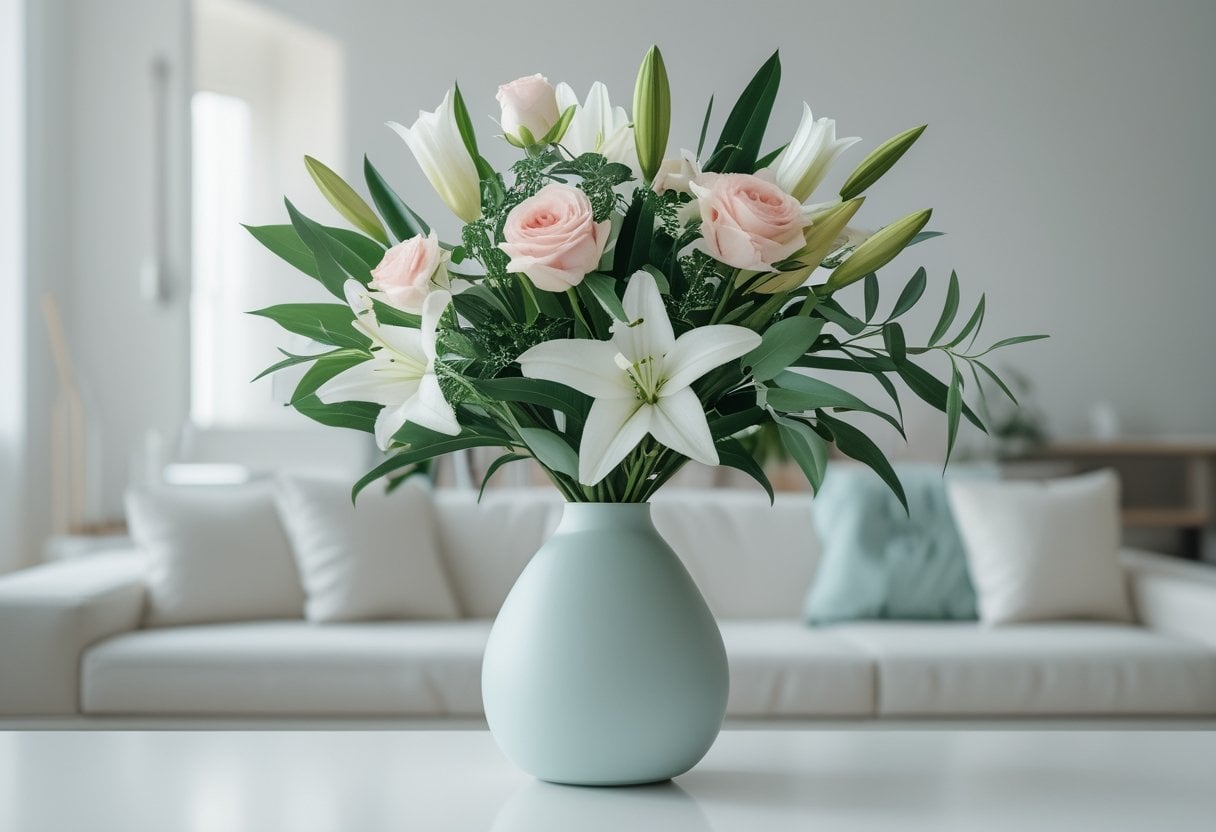
A single low vase with fresh flowers creates an immediate impression of thoughtful hosting. The key is keeping it low-profile so guests can easily see and talk across the table.
Choose a compact vase and fill it with in-season blooms for the freshest look. Simple arrangements work best—three to five stems of the same flower or a small cluster of complementary varieties.
Place your vase in the center of your dining table or coffee table where it naturally draws the eye. Fresh flowers signal that you’ve prepared for company, even if you grabbed them from the grocery store that morning.
Change the water every few days to keep blooms looking crisp. This small centerpiece requires minimal effort but makes your space feel cared for and guest-ready.
18. Under-sink caddy labeled for cleaning supplies
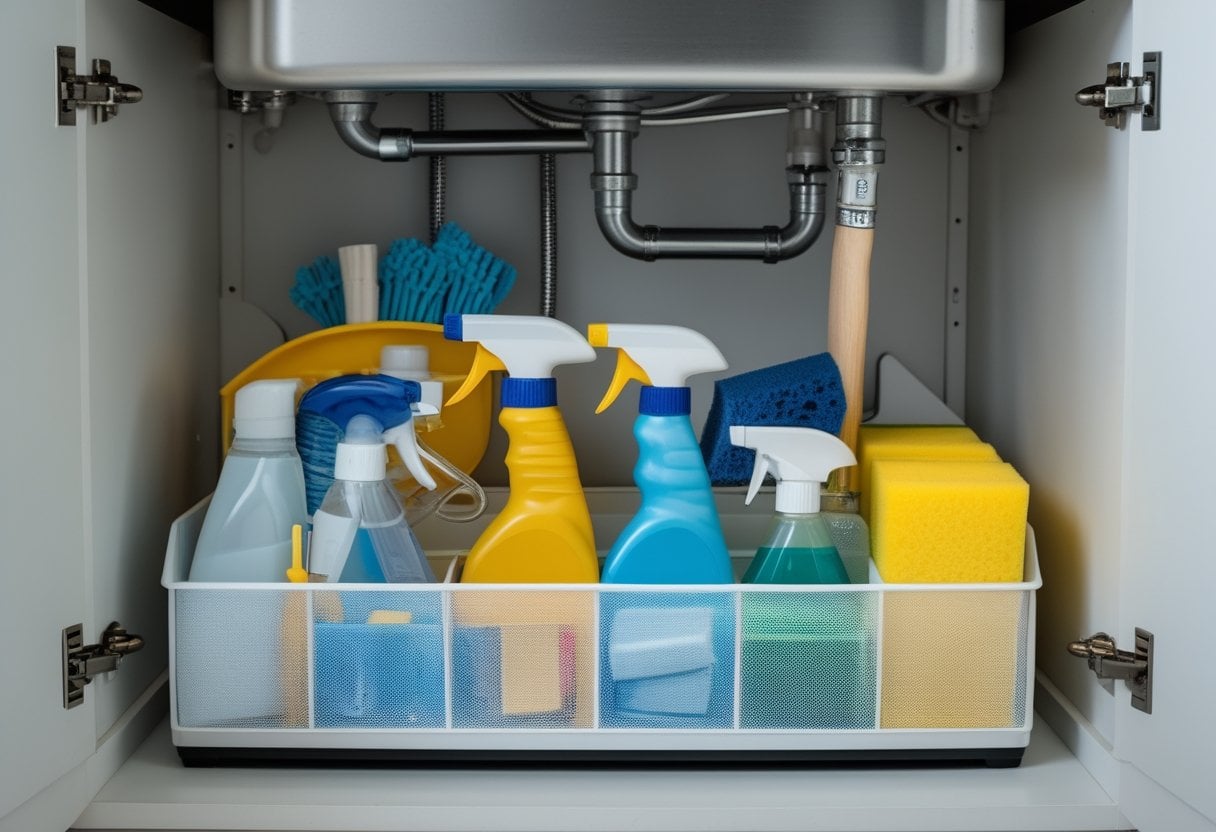
A labeled under-sink caddy creates an instant impression of organization when guests peek under your kitchen or bathroom sink. These caddies come with compartments and dividers that keep cleaning supplies separated and easy to locate.
The key is adding simple labels to each section. You can designate spots for specific items like glass cleaner, disinfectant, or sponges. This setup prevents the chaotic jumble that typically accumulates under sinks.
Choose a caddy with a handle for portability. Some models include wheels that roll out smoothly, making it easy to grab what you need. Hanging loops or side pockets provide extra storage for spray bottles and cloths.
The labeled system shows guests you’ve thought through your storage solutions. It takes minimal effort to maintain once established.
19. Guest towel set folded and placed on bathroom shelf
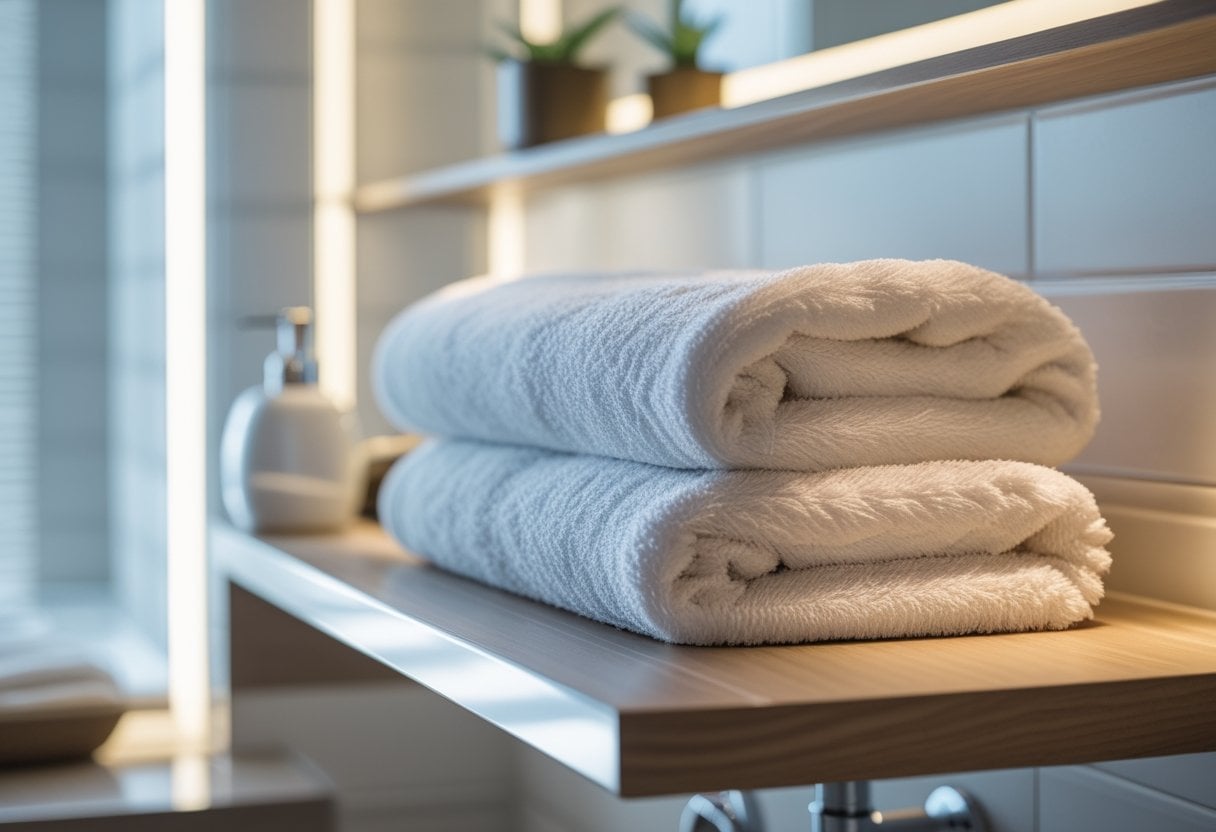
A neatly folded towel set on display instantly signals that you’re prepared for visitors. The key is folding your guest towels uniformly and stacking them where guests can easily spot them.
Start by folding bath towels, hand towels, and washcloths into matching thirds. Stack them by size with the largest on the bottom, creating a cohesive set. Place this arrangement on an open bathroom shelf or counter near the sink.
This simple display makes it clear which towels are intended for guests, eliminating any confusion about what they should use. The organized presentation suggests you routinely maintain this level of order throughout your home.
Consider placing the towel set on a small tray or beside a spare bar of soap to enhance the welcoming effect. This thoughtful touch requires minimal effort but creates a polished, hotel-like atmosphere.
20. Night-before prep routine: clear countertops and wipe surfaces
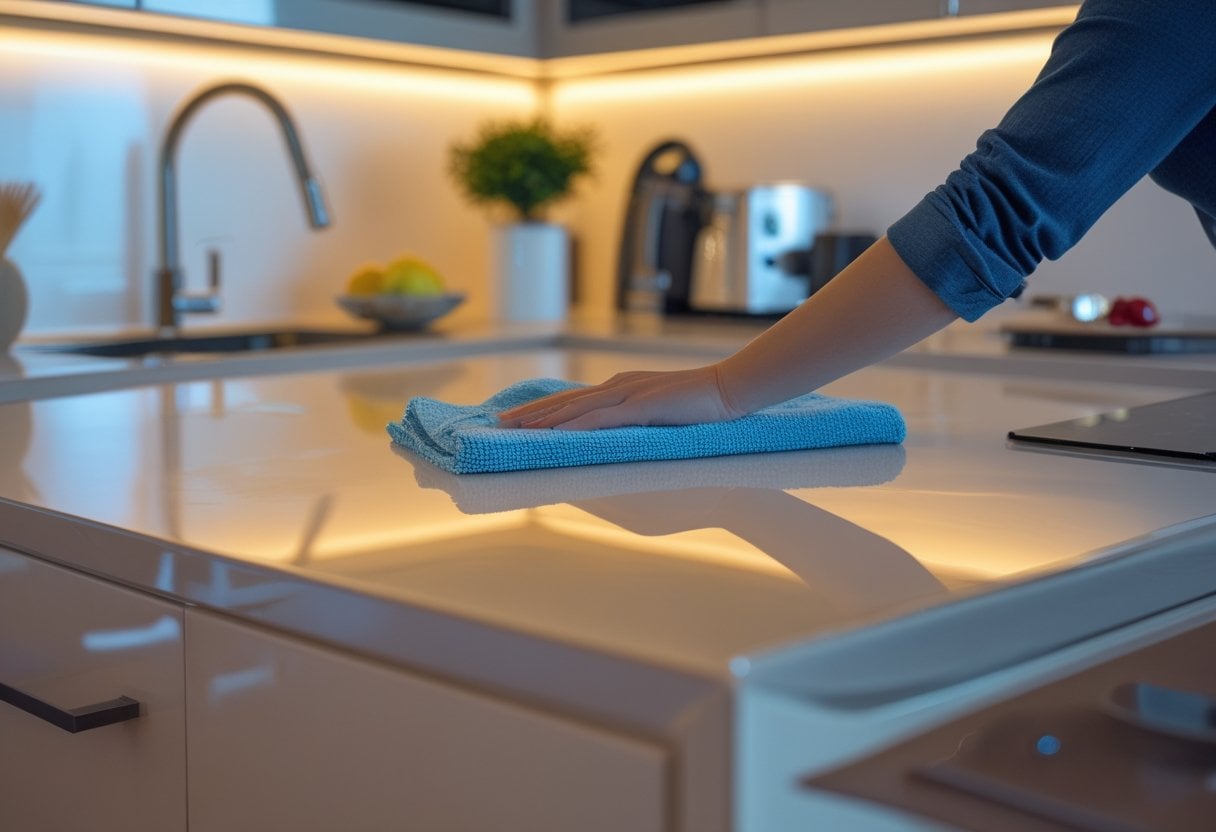
A quick evening reset of your kitchen counters creates an immediate impression of organization. Clearing surfaces before bed takes just minutes but transforms how guests perceive your home. Remove appliances you don’t use daily, put away mail and paperwork, and store dishes properly.
Wiping down countertops at night prevents buildup and makes your kitchen look effortlessly maintained. Kitchen sinks can harbor more bacteria than toilet seats, so giving surfaces a quick clean addresses both appearance and hygiene.
This simple habit ensures you wake up to a fresh space and guests arriving unexpectedly won’t find clutter. The less you leave out, the more organized you appear. When counters stay clear, your whole kitchen looks more polished and intentional, even if the rest of your home needs attention.
21. Weekly 10-minute ‘reset’ where each room is tidied
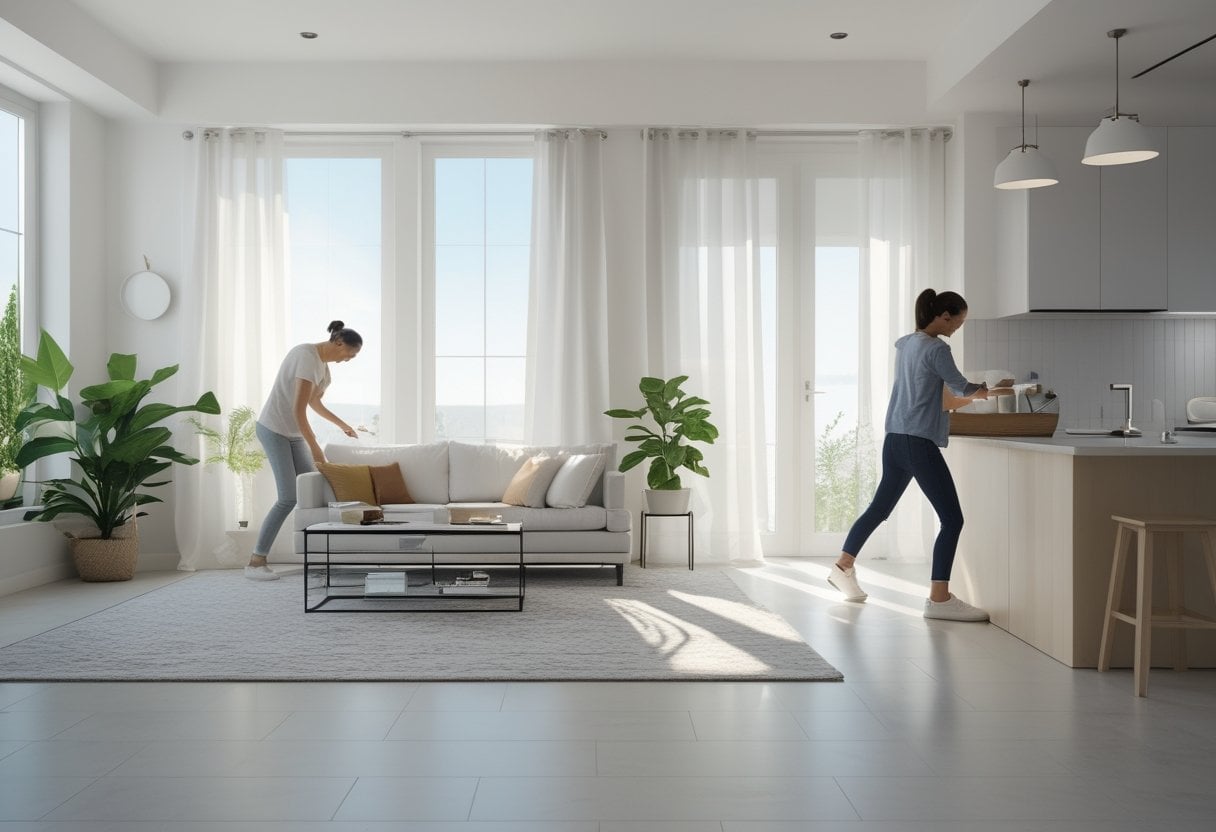
A regular 10-minute reset creates the appearance of someone who maintains their home effortlessly. You tackle one room at a time with a simple system: collect trash, return misplaced items, wipe surfaces, and straighten visible areas.
Guests notice rooms that feel intentionally maintained rather than frantically cleaned. The consistent attention prevents clutter from accumulating to overwhelming levels.
You can complete this reset during natural breaks in your week. Focus on high-traffic areas like the living room, kitchen, and bathroom that visitors typically see. The time constraint forces you to address only what matters most visually.
This approach works because it prevents the chaos that requires hours to fix later. Your home maintains a baseline level of order that looks like careful planning rather than quick damage control.
22. Labelled spice jars in the kitchen with consistent fonts
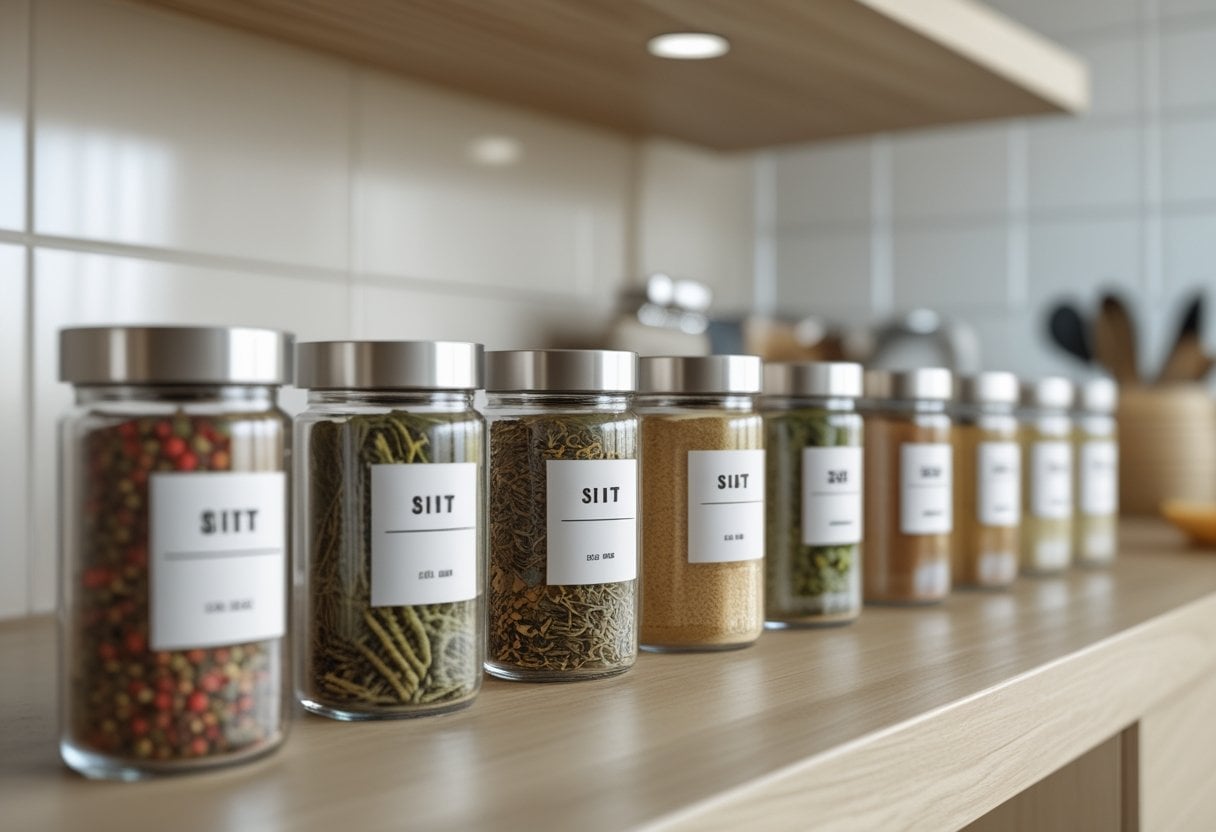
Uniform spice jar labels create an immediate impression of organization when guests open your cabinets or see your spice rack. The key is using identical fonts across all jars, which makes your collection look curated rather than random.
You don’t need to reorganize your entire spice system. Simply printing matching labels for your existing jars transforms them from cluttered to coordinated. Choose a clean, readable font and apply it consistently to every container.
The labels themselves can be handwritten if you have neat penmanship, printed on adhesive paper, or ordered as premade sets. What matters most is the visual consistency. When every jar follows the same style, it signals attention to detail.
This works even if your actual spice organization system is basic. Matching labels suggest a level of kitchen management that extends beyond what’s actually there.
23. Clear countertop policy – only one frequently used appliance out
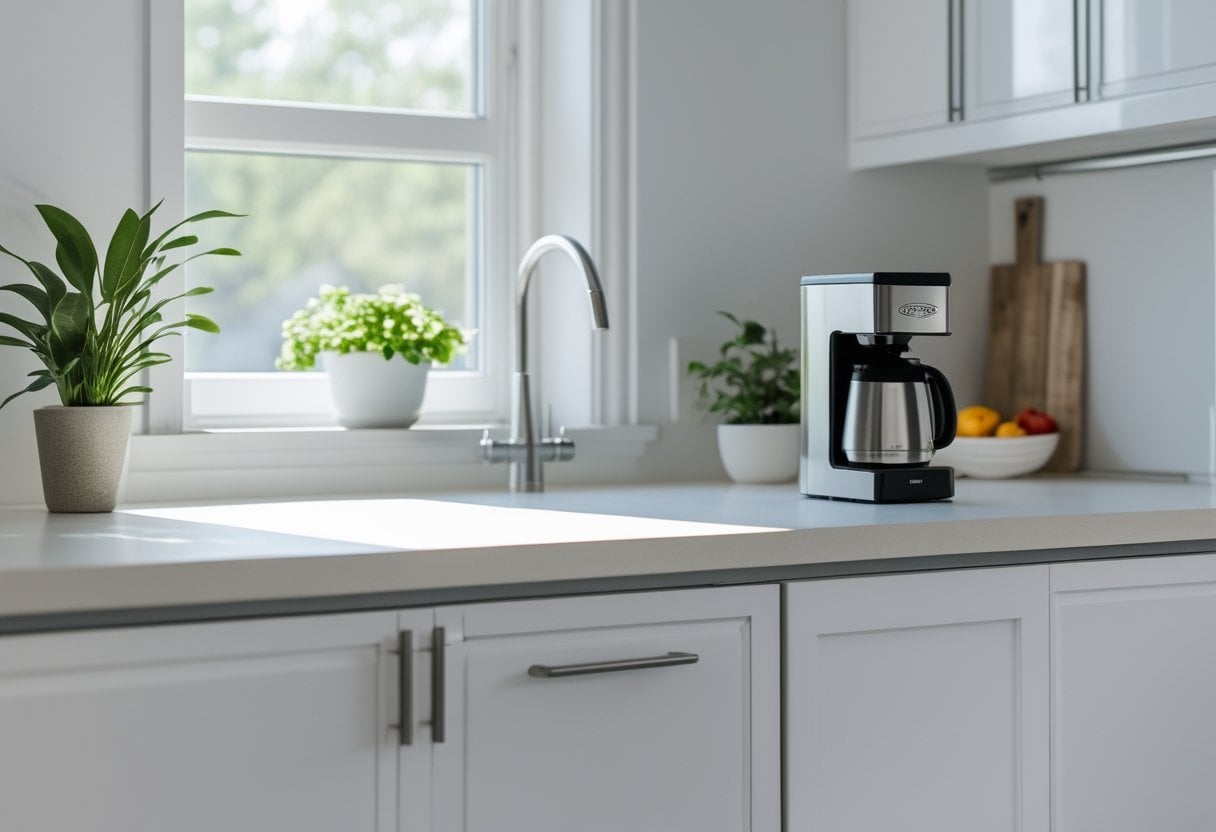
Guests notice cluttered counters immediately. They signal disorganization even when the rest of your home is tidy.
The solution is simple: choose your most-used appliance and put everything else away. If you make coffee daily, your coffee maker stays out. Everything else, toasters, blenders, mixers, gets stored in cabinets or an appliance garage.
This single-appliance rule creates visual calm and makes your kitchen look professionally organized. It also gives you more usable prep space for cooking.
Store less frequent appliances in designated cabinet spaces so you can access them when needed. The key is being honest about what you actually use daily versus what you think you might need.
Clear counters look intentional and curated. Guests will assume you have organizational systems throughout your entire home.
24. Pantry bins with visible labels and uniform containers
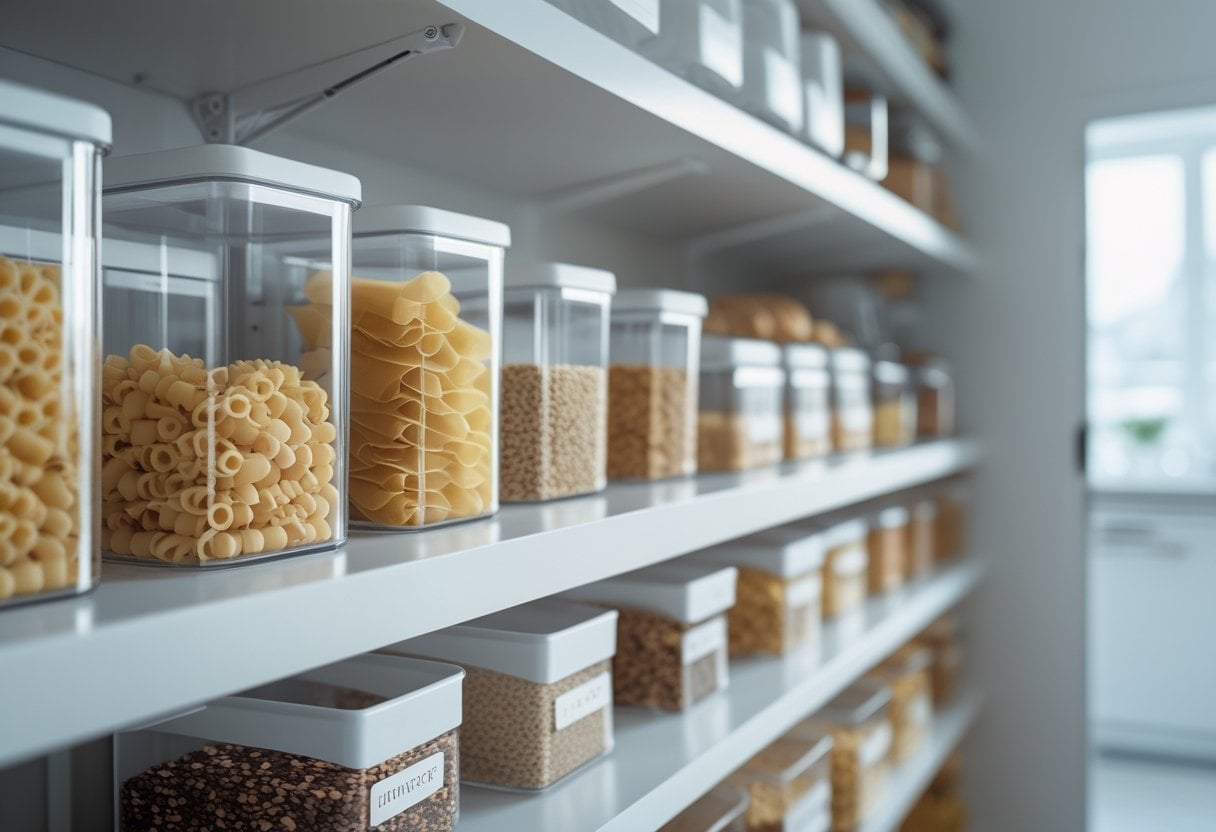
Transferring items into matching containers creates an immediate visual impact when guests peek into your pantry. Clear bins allow you to see contents at a glance while maintaining a streamlined appearance.
Labels on containers signal that you have a system in place, even if you only organized yesterday. You can use simple printed labels or handwritten tags to identify pasta, grains, snacks, and baking supplies.
White or clear containers work well because they create cohesion across different food categories. You don’t need to containerize everything—focus on the items at eye level where guests naturally look first.
Group similar items together in bins with handles for easy access. This approach works particularly well for snacks, baking ingredients, and breakfast items that tend to create clutter when stored in original packaging.
25. Color-coordinated throw pillows arranged symmetrically
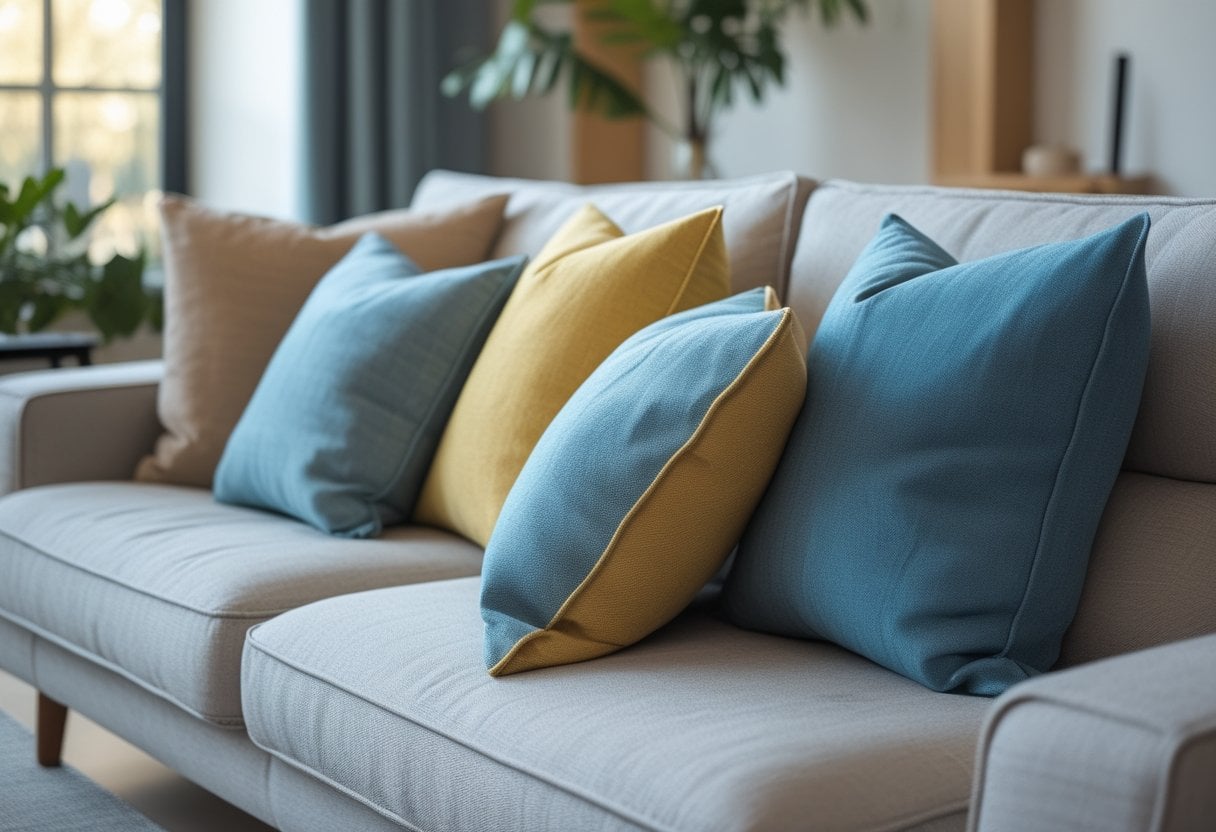
Throw pillows arranged in a coordinated, symmetrical layout create an immediate impression of intentionality. When your pillows match in color scheme and sit evenly spaced on your sofa or bed, guests assume you’ve put thought into your decor.
The key is selecting pillows that share a common color palette, even if the patterns differ. You don’t need expensive designer sets. Three to five pillows in complementary shades arranged in mirror formation work well.
Place larger pillows on the outer edges and smaller ones toward the center. This balanced approach takes minutes to set up but signals that you maintain order in your home.
The symmetrical arrangement makes your space look polished without requiring actual organizational skills. You’re simply positioning existing items in a deliberate pattern that catches the eye and suggests careful attention to detail.
26. Shoe tray at entry with one-pair rule for guests
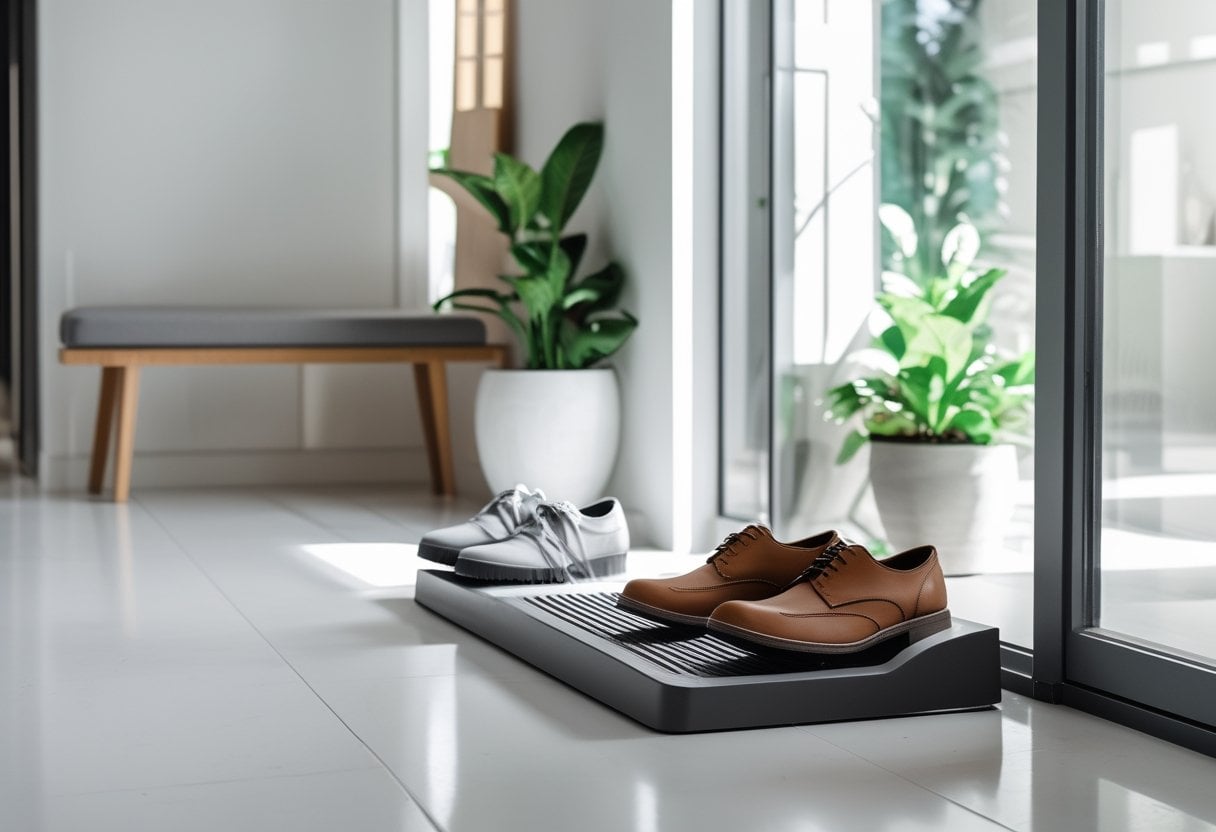
A designated shoe tray near your front door immediately signals to guests that you have systems in place. The key is implementing a simple one-pair limit for guest shoes, which prevents the entryway from looking cluttered.
Position a low-profile tray or mat just inside the entrance where guests can naturally place their footwear. This creates a clear boundary for where shoes belong without requiring verbal instruction.
The one-pair rule means each guest gets one spot on the tray. If someone has multiple pairs, extras go in a nearby closet or designated overflow area. This approach keeps the visible space tidy while still being practical.
Choose a tray that complements your entryway style. Materials like rubber, woven bamboo, or metal work well for containing dirt and moisture while looking intentional rather than messy.
27. Closet-surface declutter: donate pile box visible but tidy
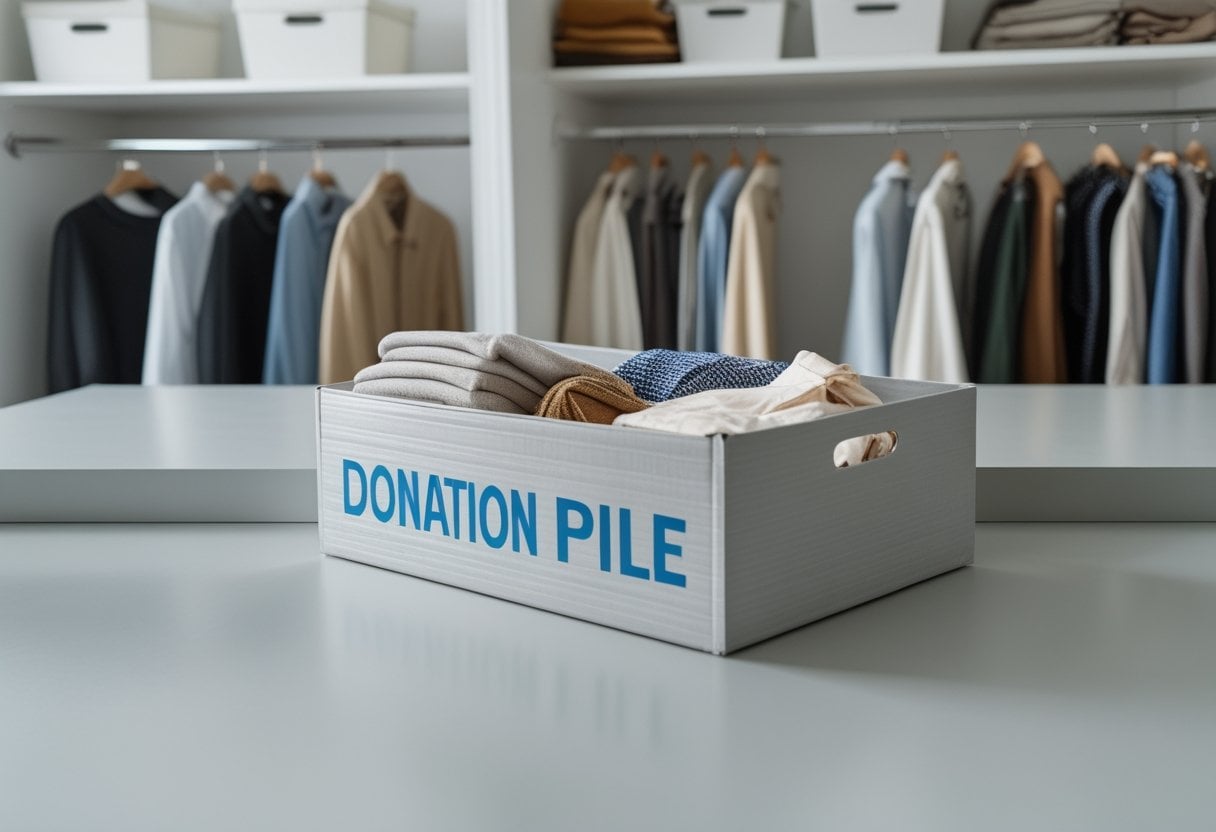
Keep a designated donation box in your closet where guests might peek. This signals you’re actively managing your belongings rather than hoarding them.
Choose a clean, uniform container that looks intentional. A simple cardboard box or fabric bin works well and shows you have a system in place.
Position it in a visible but unobtrusive spot. When guests see this box, they assume you regularly sort through your wardrobe and make thoughtful decisions about what to keep.
The key is maintaining the box itself in tidy condition. Don’t let it overflow or collect dust. An organized donation station suggests you’re on top of closet maintenance, even if the rest of your storage needs work.
This single element creates the impression of someone who declutters consistently and has their household routines under control.
28. Mail sorting station with inbox/outbox trays
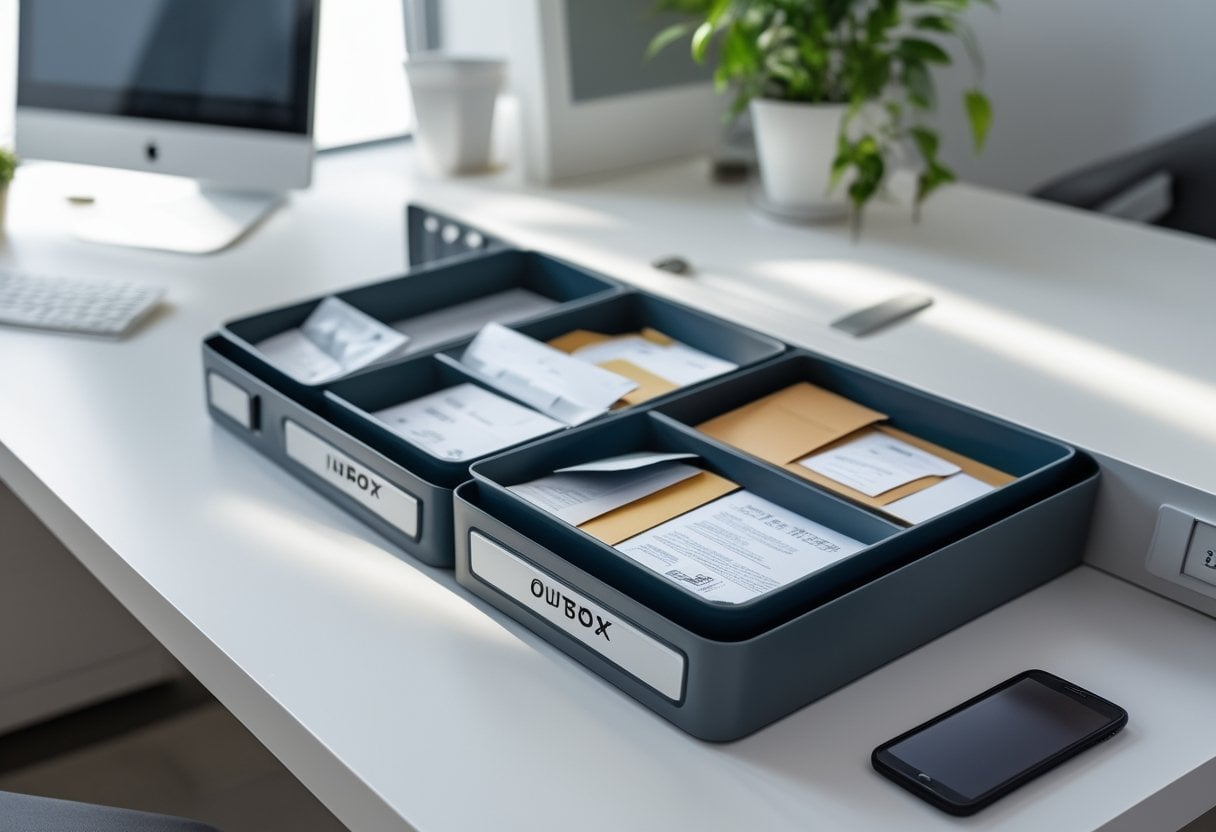
A designated mail station immediately signals organization to guests who spot it in your entryway or mudroom. Set up a simple system with labeled inbox and outbox trays to sort incoming and outgoing mail in one visible location.
Wall-mounted organizers with compartments work well for smaller spaces, while desktop units offer more sorting options. The key is keeping it visible so you actually use it consistently.
Label one section for incoming mail that needs attention and another for outgoing items. You can add a third compartment for items to file if needed. This prevents the dreaded paper pile-up on kitchen counters that makes spaces look cluttered.
The system only works if you sort mail immediately when it arrives. Make it a quick daily habit to process each piece right away rather than setting it aside for later.
29. Mirror cleaned and streak-free in entry and powder room
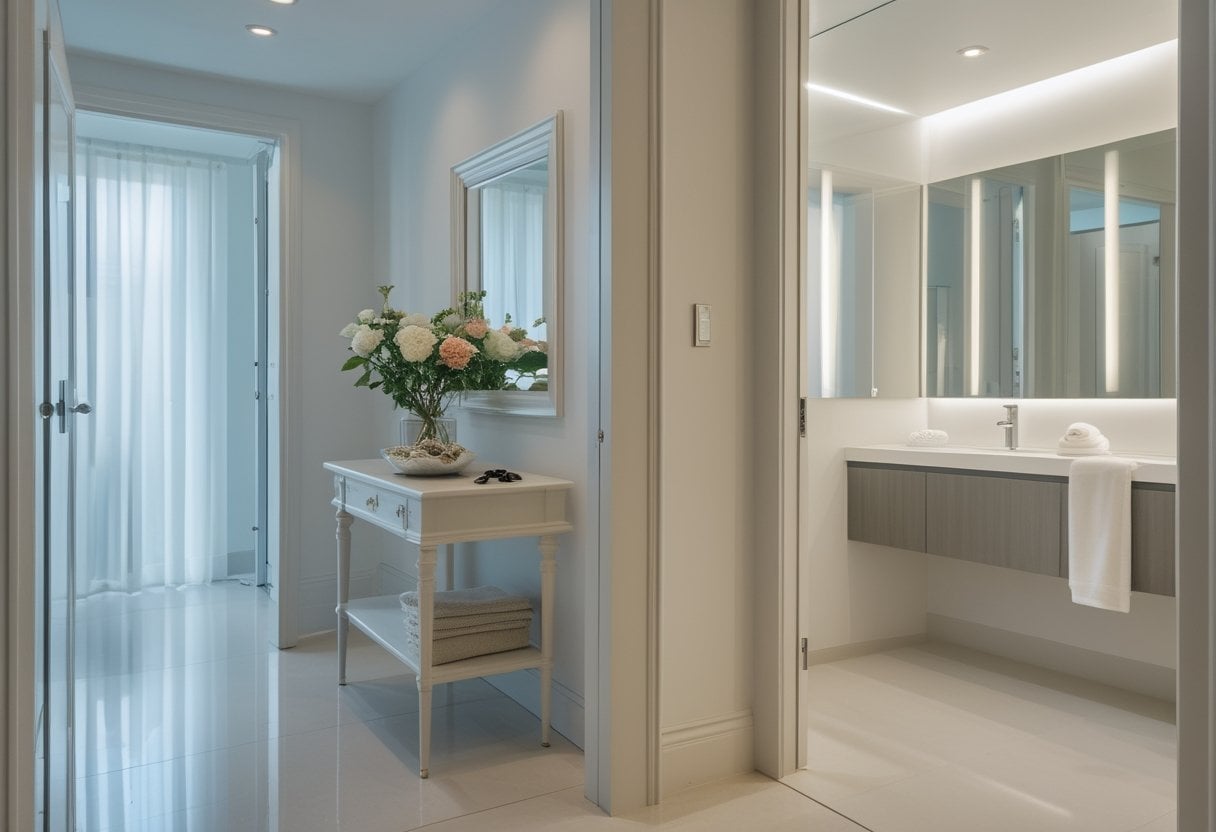
Clean mirrors in high-traffic areas signal that you maintain your home with care. Guests notice smudged or streaky mirrors immediately, especially in entryways and powder rooms where they check their appearance.
The key to streak-free mirrors is using the right materials. A simple solution of equal parts white vinegar and water works as effectively as commercial cleaners. Apply it with a microfiber cloth or coffee filter, which won’t leave lint behind.
Your technique matters as much as your cleaning solution. Spray lightly and wipe in consistent strokes rather than circular motions. Use a dry cloth or coffee filter to buff the surface immediately after cleaning.
Keep a small cleaning kit near these mirrors so you can quickly wipe away fingerprints or water spots before guests arrive. This five-minute task creates an impression of meticulous organization.
30. Scented candle or reed diffuser in living area (subtle scent)
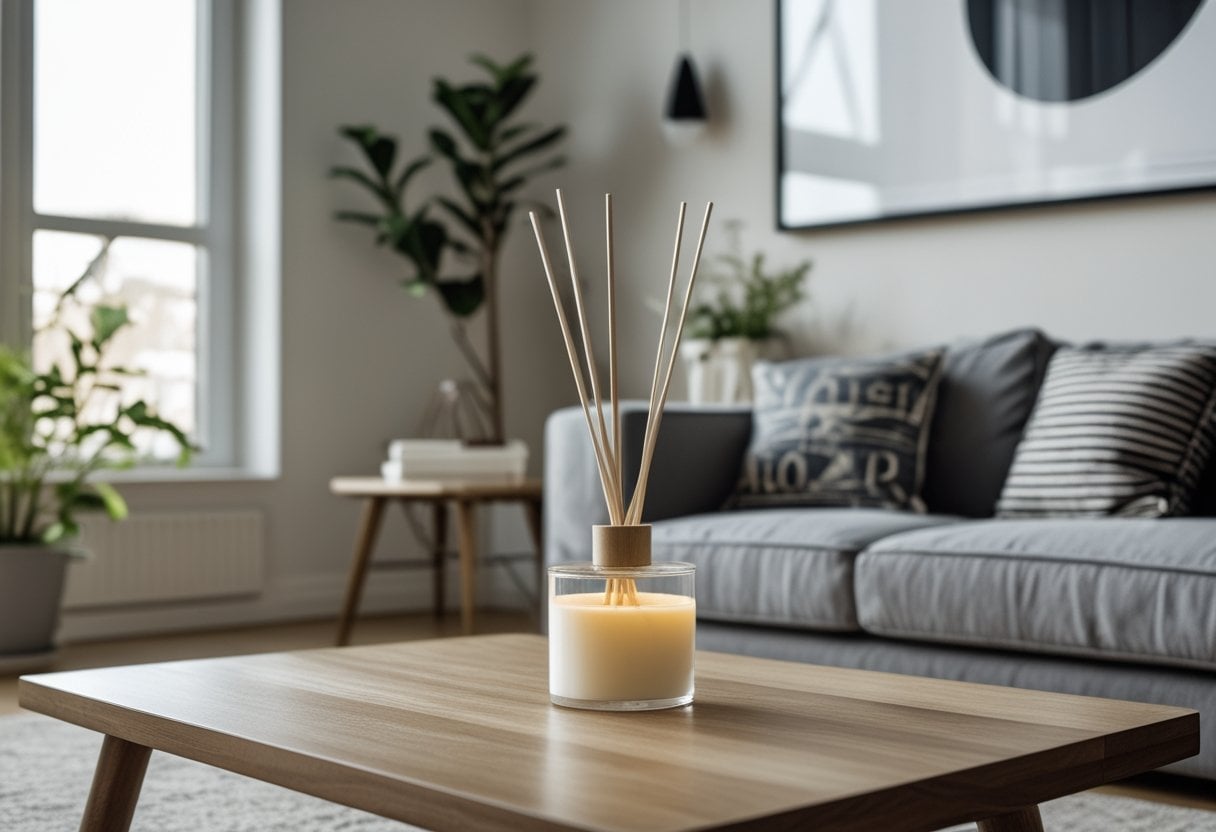
A subtle fragrance in your living area signals that you maintain your space with care and attention to detail. Guests associate pleasant scents with cleanliness and organization, even if the rest of your routine is less structured than it appears.
Reed diffusers work continuously without maintenance, dispersing scent around the clock through fragrance-soaked reeds. This makes them practical for maintaining a consistent aroma without remembering to light anything.
Candles create a more intentional ambiance when lit and offer stronger scent throw during use. They work well when you know guests are arriving and want to quickly freshen your space.
The key is keeping the scent subtle rather than overwhelming. A light fragrance suggests refinement and control, while strong scents can seem like you’re masking something. Choose neutral options like linen, citrus, or light florals that appeal to most preferences.
31. Folded throw blanket on armchair, not draped messily
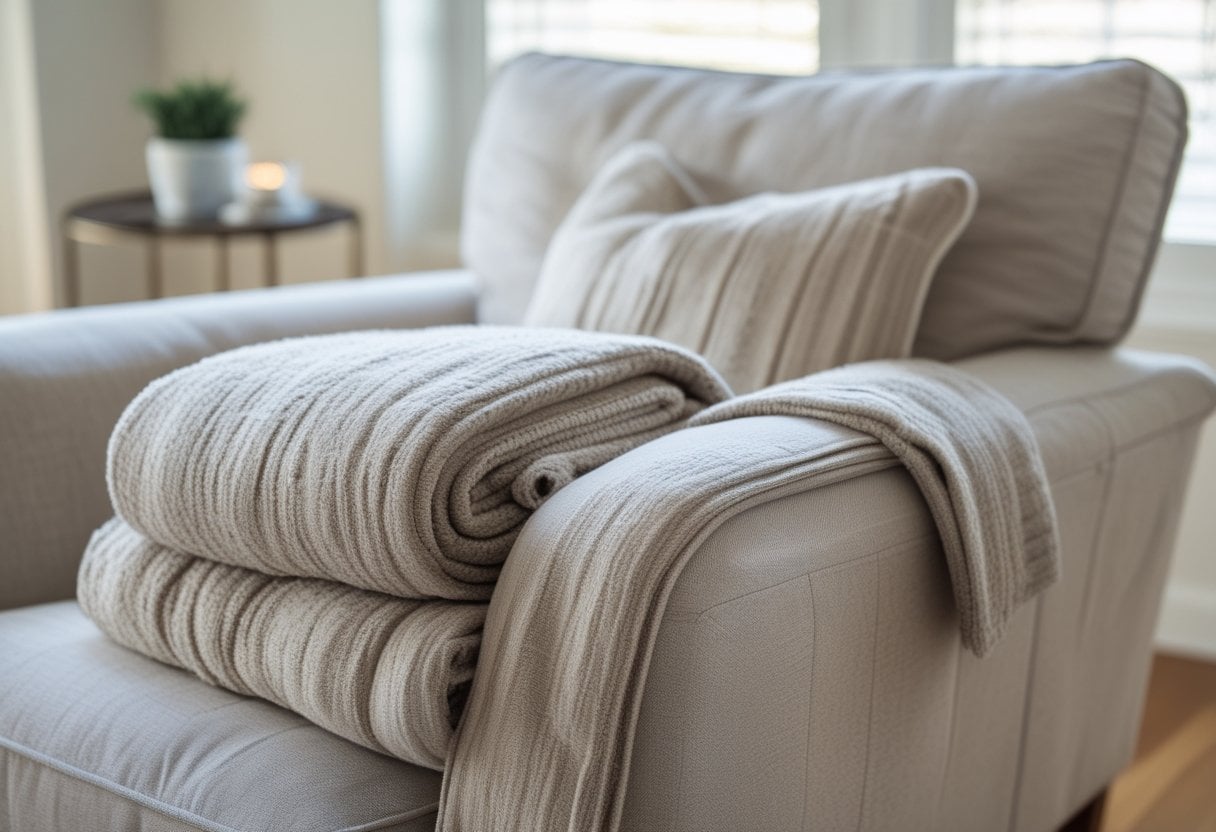
A neatly folded throw blanket creates an instant impression of intentional design rather than clutter. When you fold your blanket over the arm or back of an armchair, it signals a put-together space instead of a hasty toss.
The folding method matters. A simple rectangular fold works for most blankets, creating clean lines that look deliberate. Drape it evenly over one arm so the edges align, or fold it lengthwise and hang it across the back of the chair.
This approach gives your living space a more formal, sophisticated feel compared to a randomly tossed blanket. Guests notice the difference between purposeful placement and everyday disorder.
Keep the blanket’s texture and color in mind when positioning it. The folded arrangement adds visual interest while maintaining accessibility, so you can still grab it when needed without disrupting the organized appearance.
32. Open bookshelf organized by height and color blocks
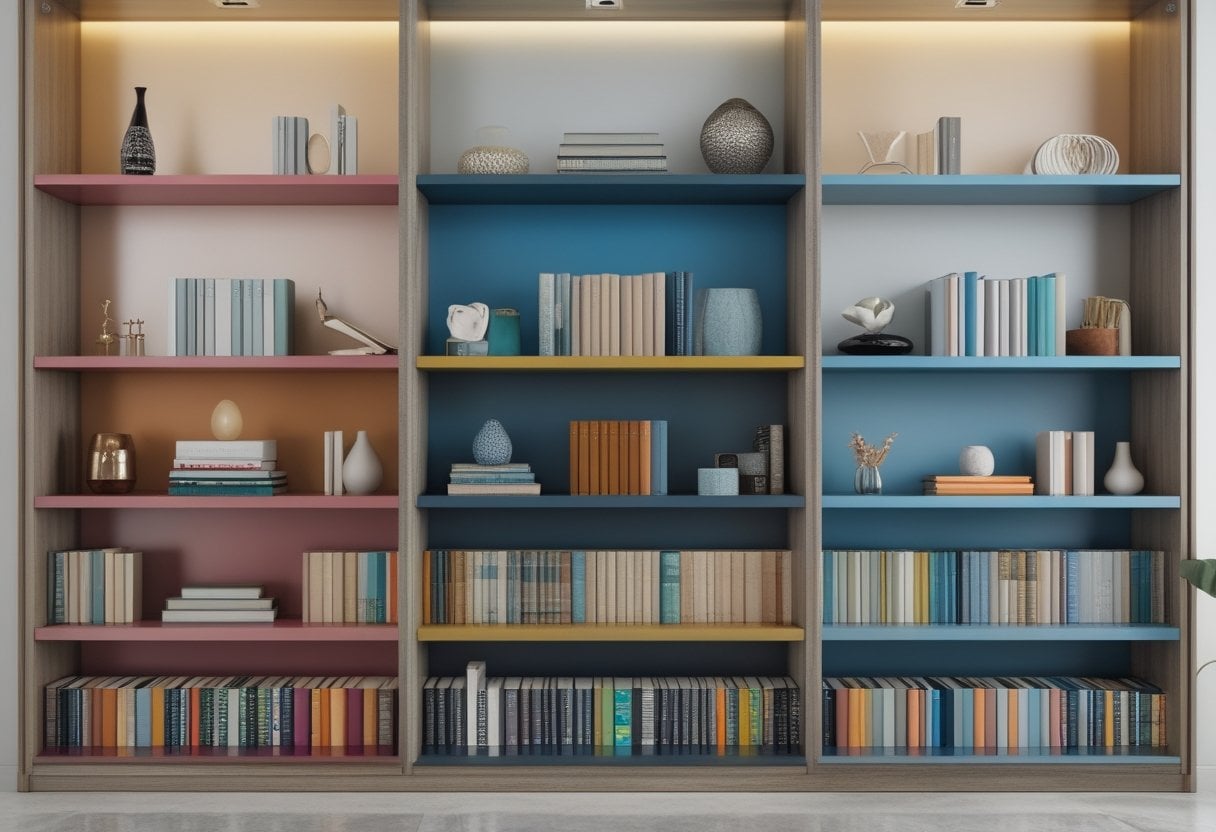
Your bookshelf can look deliberately styled with a simple height and color-blocking system. Group books of similar heights together to create clean visual lines across each shelf.
Start by sorting your books into color groups. Arrange them in blocks of color rather than mixing hues randomly across the shelves. This creates intentional-looking sections that catch the eye.
Place taller books on lower shelves and graduate to shorter volumes as you move upward. This creates natural balance and makes the shelving feel purposeful.
The color-blocking technique works because it suggests you’ve carefully curated your collection. Guests will assume you spent hours organizing when the system actually takes minimal time to maintain. You can adjust books within their color groups without disrupting the overall organized appearance.
33. Laundry basket hidden in bedroom closet with lid
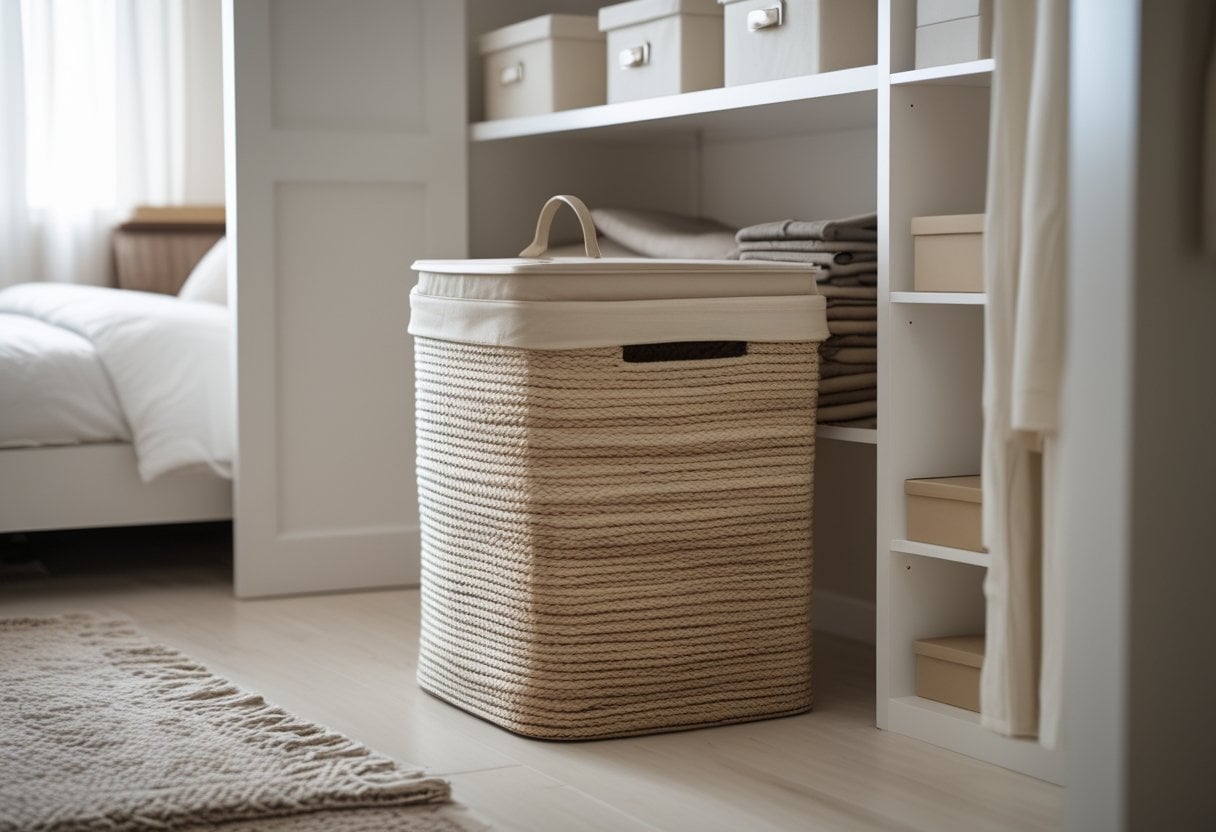
A lidded laundry basket tucked inside your bedroom closet creates an instant impression of tidiness. Guests won’t see piles of dirty clothes, even if your laundry routine isn’t perfect.
Woven baskets with lids work well because they provide ventilation while keeping contents concealed. Choose neutral colors like beige, brown, or light grey to blend with your closet interior.
The key is placement. Position the basket on the closet floor where it’s accessible but not immediately visible when doors open. You can also use the top of the basket as extra storage space for folded items.
This setup requires minimal effort but delivers maximum visual impact. Your bedroom appears more organized while you maintain easy access to your hamper for daily use.
You might also enjoy 27 household rules Grandma followed that actually made life easier and 33 DIY kitchen upgrades that cost less than a night out.
The Psychology Behind First Impressions
Guests form judgments about your home within seconds of entering, relying on rapid mental assessments that evaluate safety, order, and attention to detail. These snap decisions stem from deeply rooted psychological processes that prioritize pattern recognition and environmental cues.
Why Perceived Organization Matters
Your brain processes visual information about cleanliness and order faster than conscious thought. When guests enter your space, they automatically scan for signs of chaos or control, using these observations to draw conclusions about reliability and competence.
A tidy entryway triggers assumptions that extend throughout your entire home. Visitors mentally extrapolate from what they see first, believing that an organized entrance reflects the same level of care in unseen rooms. This cognitive shortcut happens without deliberate effort.
Organized spaces create psychological comfort by reducing mental load. Clutter forces the brain to process multiple stimuli simultaneously, creating subtle stress that guests may not consciously recognize but definitely feel. Clean surfaces and clear pathways signal that you’ve created a space where they can relax.
The perception of organization also influences how guests view you personally. Maintained spaces suggest discipline, respect for others, and emotional stability, qualities that shape social relationships before any meaningful conversation occurs.
How Subtle Visual Cues Influence Guests
Small details carry disproportionate weight in forming impressions. A single visible element, like coat hooks with minimal items or a clear console table can anchor positive perceptions that overshadow less perfect areas.
Strategic focal points redirect attention from problem zones. A fresh plant, purposefully arranged books, or proper lighting draws the eye to intentional design choices rather than minor imperfections. Guests naturally focus on what you highlight.
Cohesive color schemes and consistent styling patterns signal thoughtfulness even when actual organization is minimal. Your decorative choices communicate personality and intention, creating the impression of someone who plans and executes with care. Mismatched or haphazard arrangements suggest the opposite, regardless of cleanliness levels.
Sustaining the Illusion of Orderliness
The appearance of organization requires consistent upkeep through targeted routines and accepting that your home doesn’t need to be perfect to look put-together. What matters is maintaining visible order in high-traffic areas while letting less-seen spaces exist as they are.
Daily and Weekly Maintenance Strategies
A five-minute nightly reset keeps your home looking intentional. Walk through main living areas and return items to their designated spots, straighten throw pillows, and wipe down counters. This prevents clutter from accumulating into overwhelming piles.
Focus your efforts on surfaces guests see first. Kitchen counters, entryway tables, and coffee tables should stay clear between uses. Keep a basket or bin in each main room to quickly gather stray items when someone’s coming over.
Weekly tasks that maintain the illusion:
- Vacuum or sweep visible floor areas
- Clean bathroom mirrors and sinks
- Fluff couch cushions and fold throws
- Empty all visible trash bins
- Organize items that migrated from their homes
These routines take 20-30 minutes total when done consistently. You’re not deep cleaning—you’re maintaining the appearance established by your strategic organization choices.
Balancing Realism and Presentation
Your home needs to function for daily life, not exist as a showroom. Closed doors hide reality while open spaces showcase your organizational systems. Guest bathrooms and living rooms deserve attention; your bedroom closet doesn’t need to pass inspection.
Accept that some areas will always be messier. Designate specific zones as “utility spaces” where function trumps appearance. A craft room, home office, or pantry can operate at different standards than your entryway.
Use the “10-minute guest prep” rule. When visitors call, you should be able to make your home presentable in ten minutes or less. If this feels impossible, your systems need adjustment. Strategic placement of decorative storage, consistent quick resets, and focusing only on visible areas make this timeline realistic.
The goal isn’t perfection, it’s creating enough visual order that guests feel comfortable and assume your whole home operates at this level.