
29 Things Every 1970s Housewife Had That Have Completely Disappeared
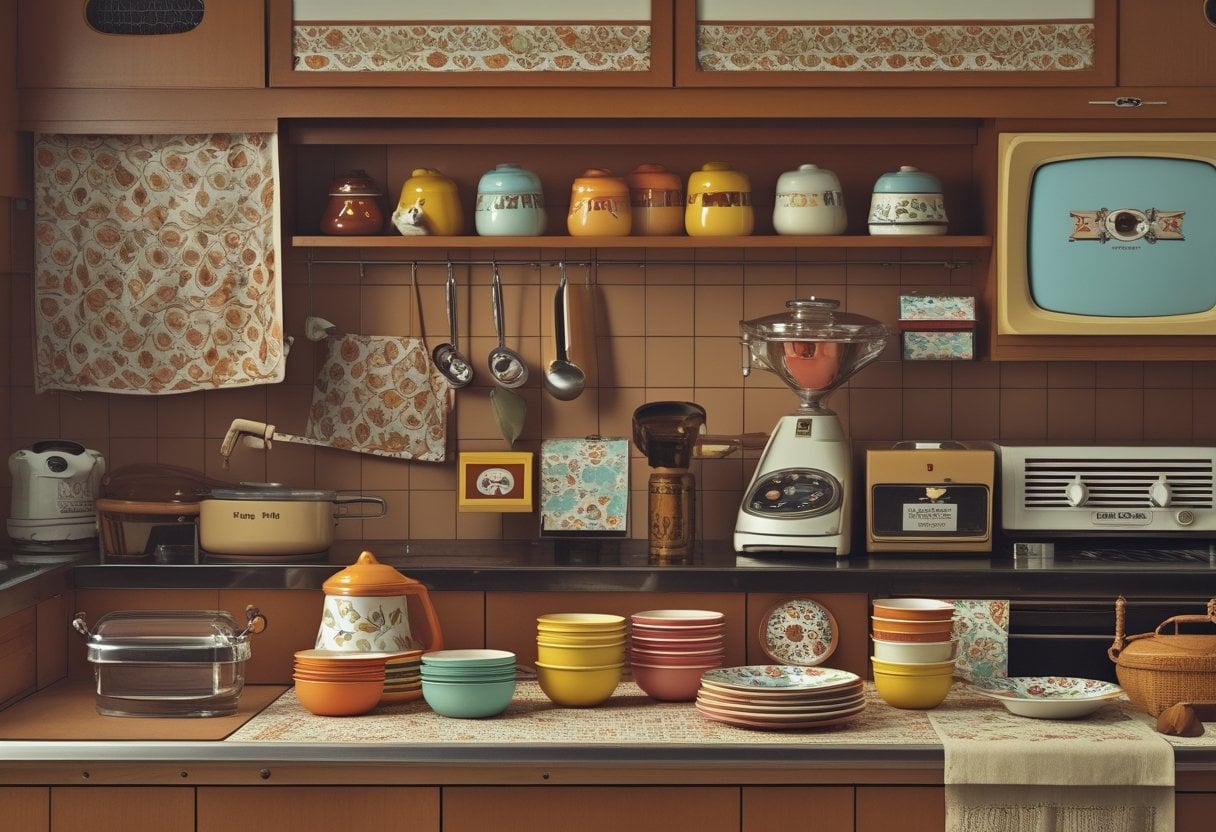
Walking into an American home during the 1970s meant encountering a distinct collection of household items that defined daily life for that generation. From avocado-colored appliances to rotary phones with message pads, these objects were practical fixtures that served clear purposes in managing a household.
These once-essential items have now vanished from modern homes, replaced by digital technology, changing lifestyles, and evolving design preferences.
The transition happened gradually as new innovations made older tools obsolete and cultural shifts altered how families communicated, cooked, and entertained themselves.
The items that filled 1970s homes reflected a different pace of life, where analog tools required hands-on interaction and physical storage space. Understanding what disappeared and why offers insight into how dramatically domestic life has transformed over the past five decades.
1. Rotary telephone with coiled handset cord
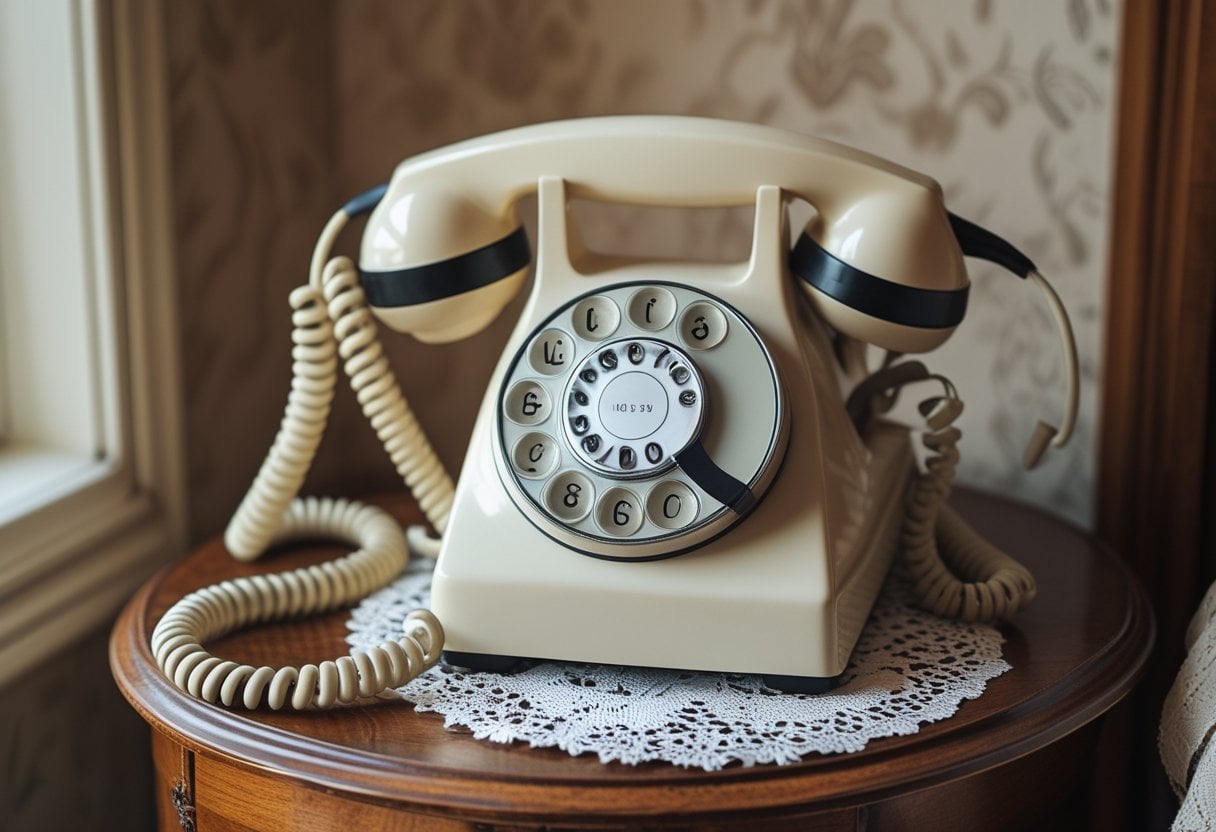
Your kitchen wall likely featured a rotary phone, often in avocado green or mustard yellow. The coiled handset cord became a household fixture in 1953 and stretched through kitchens and hallways during long conversations.
You had to stand in one spot and physically dial every digit by rotating the dial clockwise. The process took time and required patience.
These phones were built to last forty years, and most of them did exactly that. You could drop one down the stairs and still hear a dial tone.
As push-button touch-tone phones expanded in the late 1970s, rotary phones rapidly disappeared from daily life. The phone represented your primary connection to the world beyond your front door.
2. Console stereo with record player and 8-track player
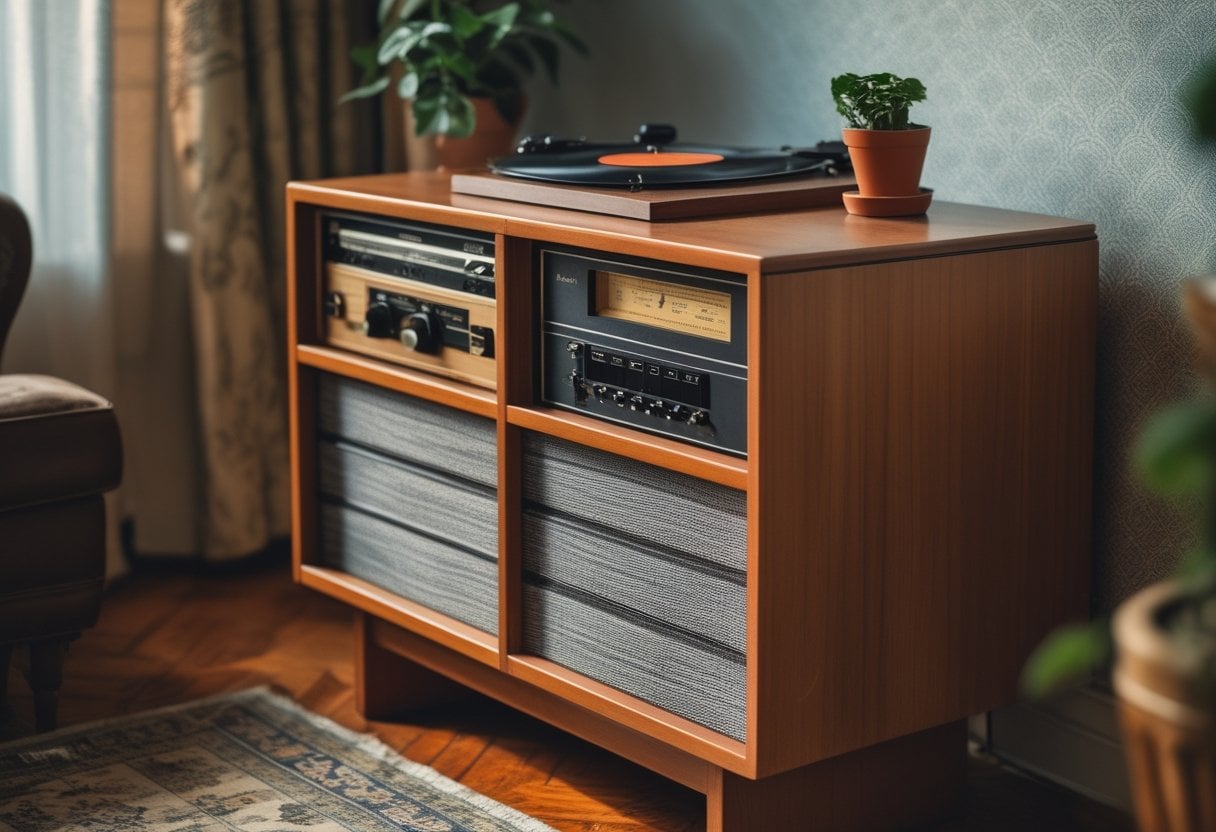
Your living room likely featured a large wooden console stereo that served as both furniture and entertainment center. These units combined an AM/FM radio, turntable, and 8-track tape player in a single cabinet.
Manufacturers like Zenith, Magnavox, and Motorola produced these all-in-one systems throughout the 1970s. The cabinets often included built-in storage for records and sat on small casters for easier movement.
The 8-track format dominated home audio during this era before cassette tapes offered better sound quality and rewinding capabilities. These console stereos disappeared as components became smaller and separate systems replaced bulky furniture pieces. Today’s streaming services and compact speakers have made these vintage consoles a distant memory for most households.
3. Vinyl LP record collection (45s and 33⅓s)
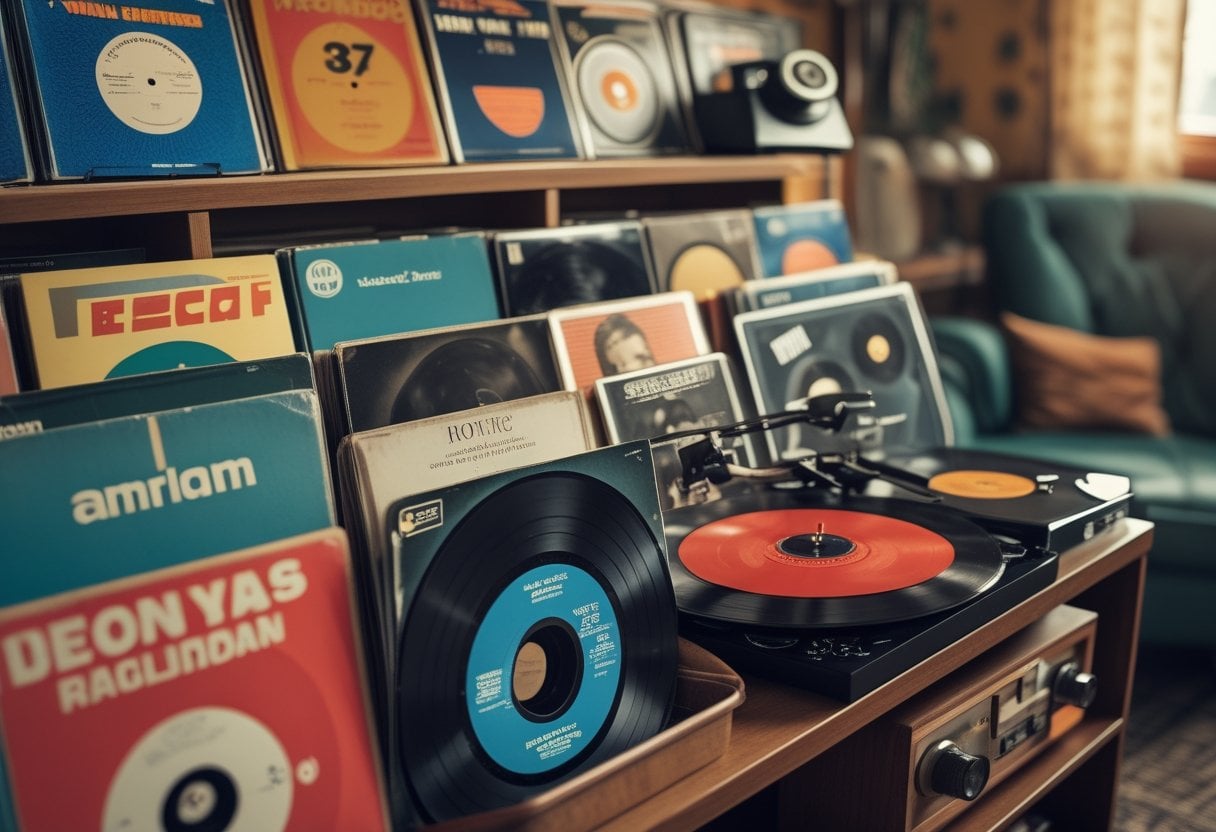
Your 1970s living room likely featured a cabinet dedicated to vinyl records. Most households maintained two distinct collections: 33⅓ RPM long-play albums and smaller 7-inch 45 RPM singles.
The larger LPs held entire albums from your favorite artists, while 45s were perfect for individual hit songs. You probably stored them in special sleeves to prevent scratches and kept them organized alphabetically or by genre.
Playing records was a hands-on experience. You had to physically flip the disc to hear the other side and carefully place the needle on the groove.
These collections have largely vanished from modern homes, replaced by digital streaming services. While vinyl has seen a collector’s resurgence, the average household no longer maintains a working record player or music collection in physical format.
4. 8-track cartridges (e.g., RCA or Columbia 8-Track)
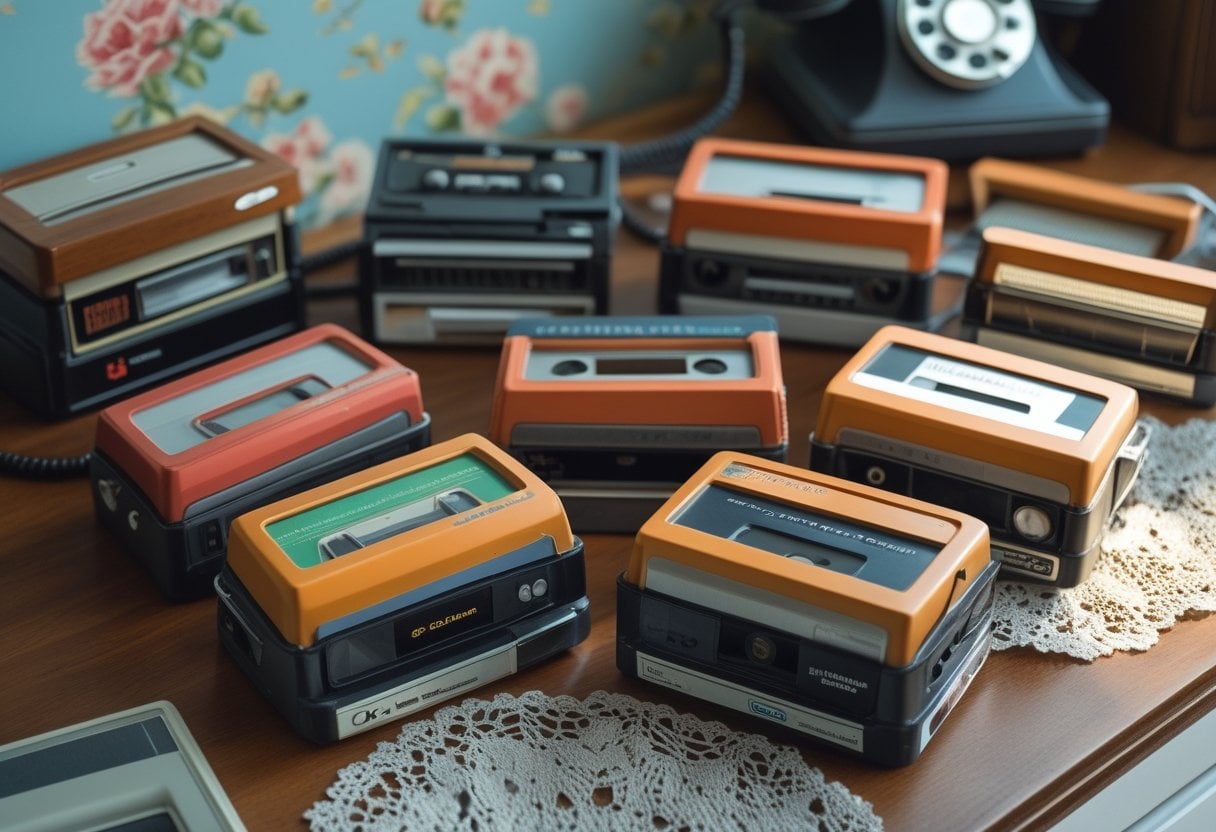
Your 1970s living room likely featured a collection of 8-track tapes stacked near the stereo system. These magnetic-tape cartridges were the preferred format for pre-recorded music during that decade, with major labels like RCA and Columbia releasing albums on 8-track alongside vinyl records.
The format gained popularity in the mid-1960s and peaked throughout the 1970s. You could find 8-tracks at record stores, auto parts shops, and even truck stops, since they were especially common in car stereo systems.
The compact cassette eventually surpassed 8-tracks in the early 1980s. By late 1982 and early 1983, retailers phased out 8-track cartridges from their shelves. What was once a household staple became obsolete within a few years.
5. Yellowed TV Guide magazine
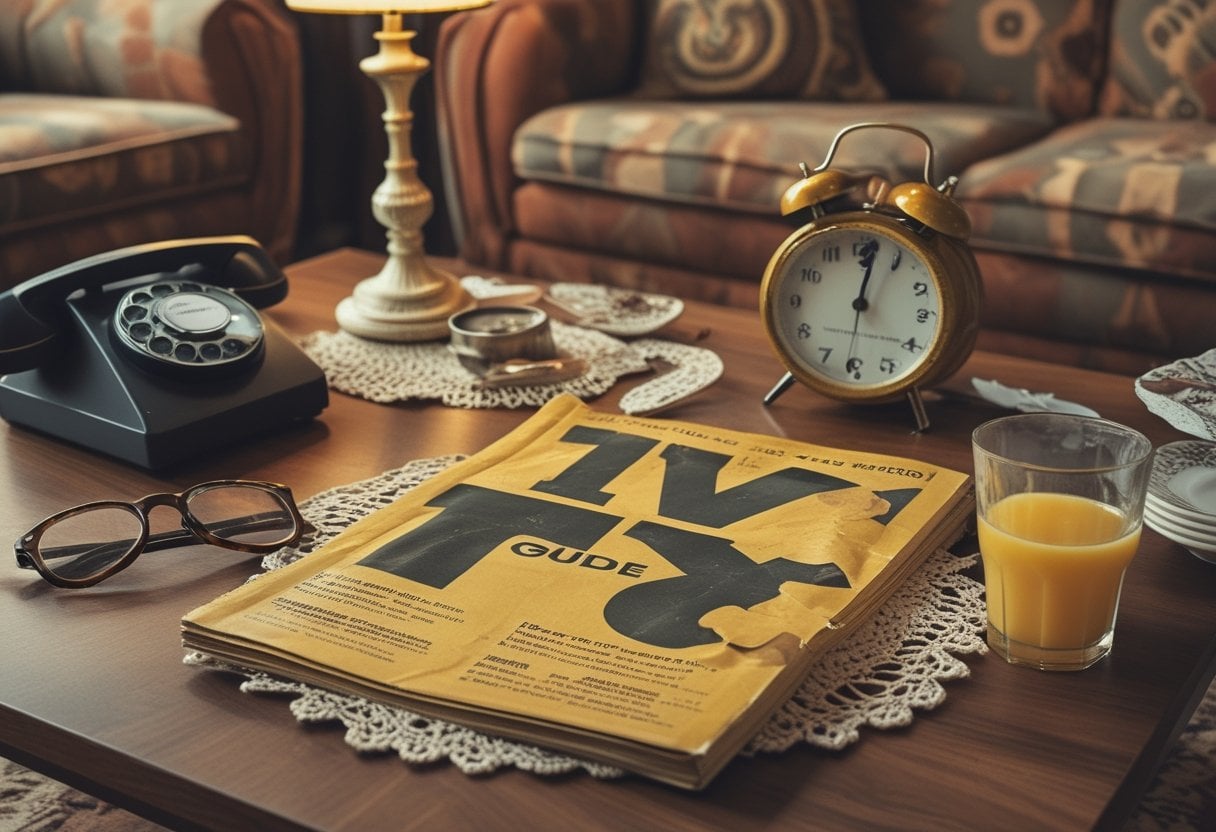
TV Guide was a weekly staple in nearly every 1970s household. You kept the thin magazine near your television set, using it to plan your viewing schedule for the entire week ahead.
The publication featured detailed program listings for every channel, along with cast photos and articles about upcoming shows. You would circle programs you wanted to watch and leave it open on the coffee table for family reference.
Over time, these magazines yellowed from exposure to light and air. They accumulated in stacks beside armchairs or in magazine racks throughout the home.
Today, printed TV guides have disappeared from most homes. On-screen program guides and streaming platforms replaced the need for weekly magazines, making this once-essential household item obsolete.
6. Wall-mounted landline phone with pencil and message pad
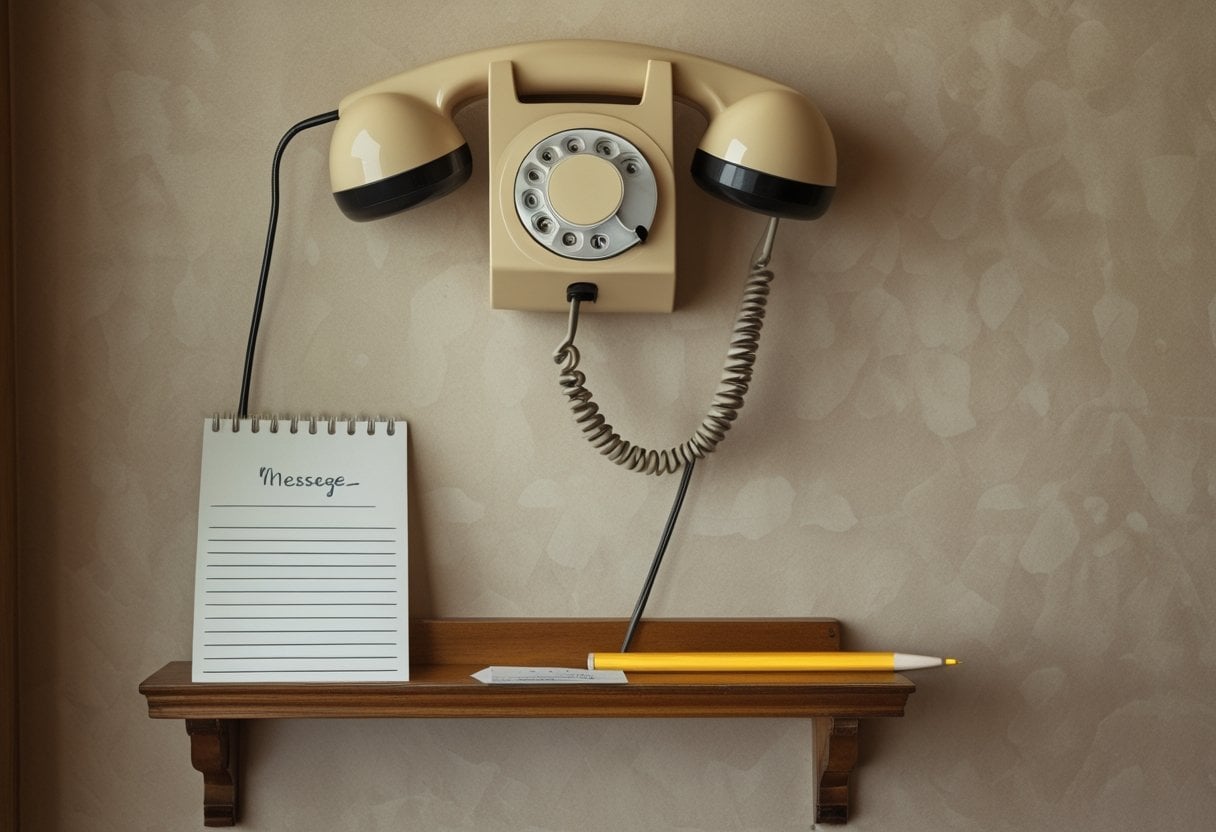
Your kitchen or hallway featured a wall-mounted phone that served as the household communication hub. The phone hung in a central location where everyone could access it, often in avocado green, harvest gold, or yellow to match 1970s decor trends.
You kept a pencil on a string and a message pad nearby because there was no other way to track calls. When someone phoned while a family member was out, you wrote down the name, number, and message by hand.
The rotary dial required you to physically turn it for each digit, though push-button models became more common as the decade progressed. If you got your finger stuck in the rotary dial, you learned to use a pencil instead.
These phones connected directly to the wall with no portability. Taking a call meant standing in one spot for the entire conversation.
7. Formica-top kitchen table with chrome edging
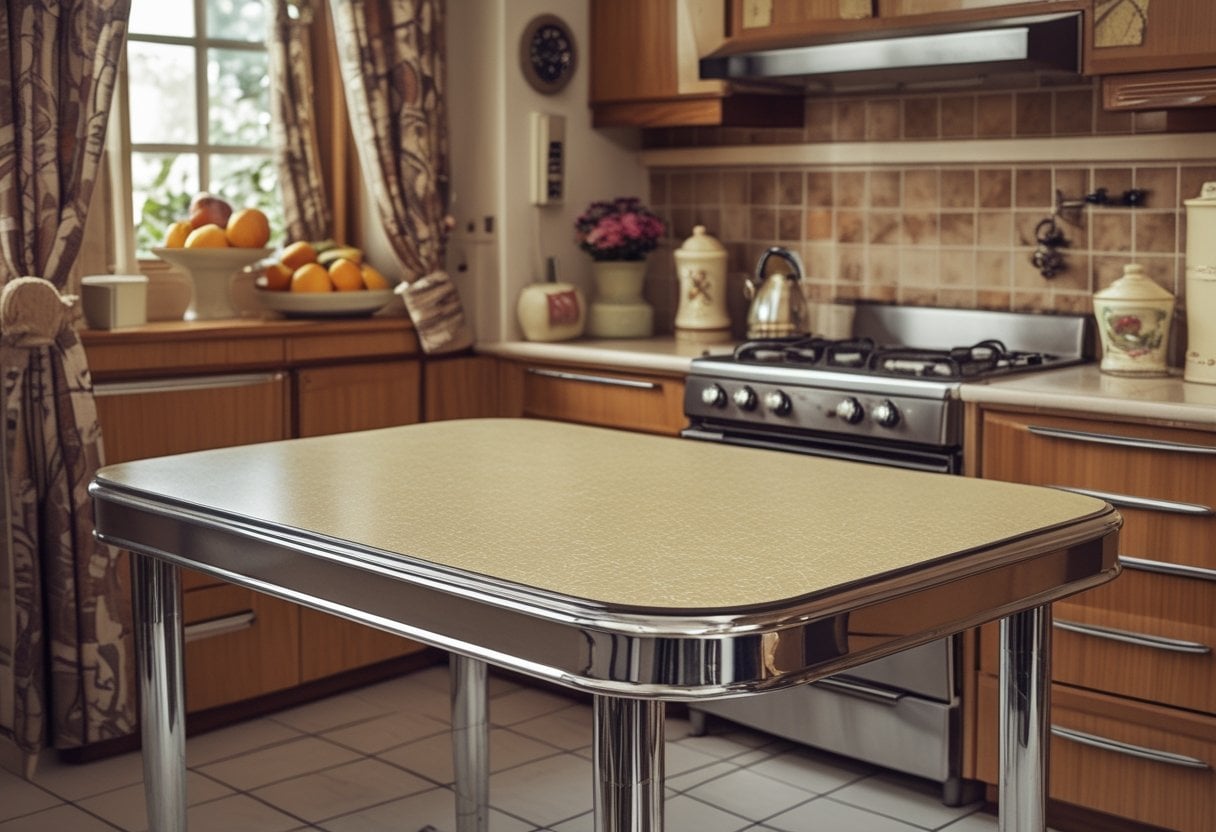
Your grandmother’s kitchen likely featured a Formica-top table with shiny chrome edging. These durable tables became the centerpiece of 1970s kitchens, where families gathered for meals and conversation.
The laminate surface resisted stains and cleaned easily with a quick wipe. Chrome trim along the edges added a modern touch while protecting the corners from wear. You could find these tables in various colors and patterns, from simple white to bold reds and geometric designs.
The tubular chrome legs matched the edging, creating a cohesive look that defined the era’s aesthetic. Unlike today’s wood or glass dining tables, these required minimal maintenance. The formica top withstood hot dishes, spills, and daily use without showing much damage.
Most homes have replaced these practical pieces with different materials and styles, making authentic chrome-edged formica tables primarily collectible vintage items now.
8. Avocado- or harvest-gold-colored appliances (stove/refrigerator)
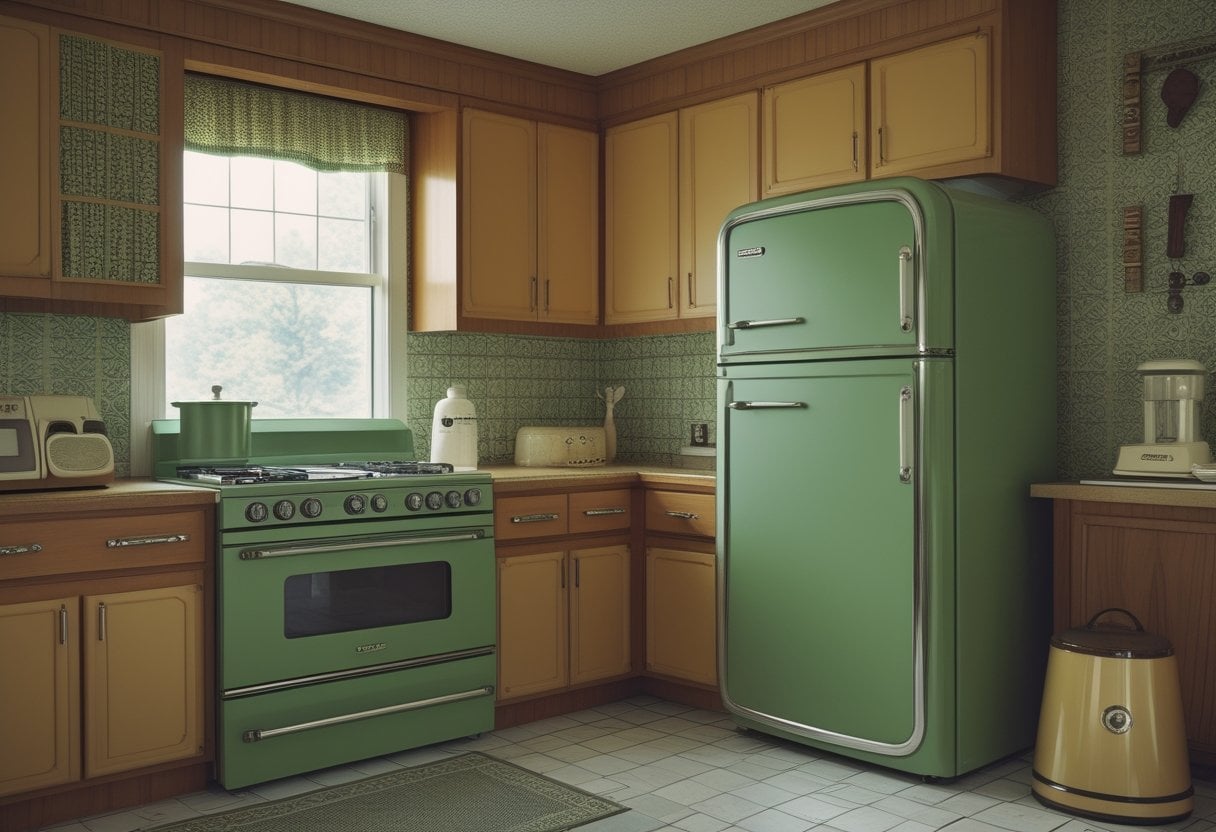
Your 1970s kitchen likely featured a matching set of appliances in either avocado green or harvest gold. These earthy tones dominated kitchen design throughout the decade, appearing on refrigerators, stoves, and dishwashers.
The colors were considered sophisticated and modern at the time. You chose appliances that coordinated with wood-paneled cabinetry and patterned linoleum floors to create a cohesive look.
These colored appliances were built to last, with many sets remaining functional for decades. However, tastes changed quickly. By the 1980s, avocado green and harvest gold became symbols of an outdated era rather than fashionable choices.
When you renovated your kitchen in later years, replacing these colorful appliances was often a top priority. White and stainless steel finishes took over as the preferred options for modern kitchens.
9. Mod shag area rug
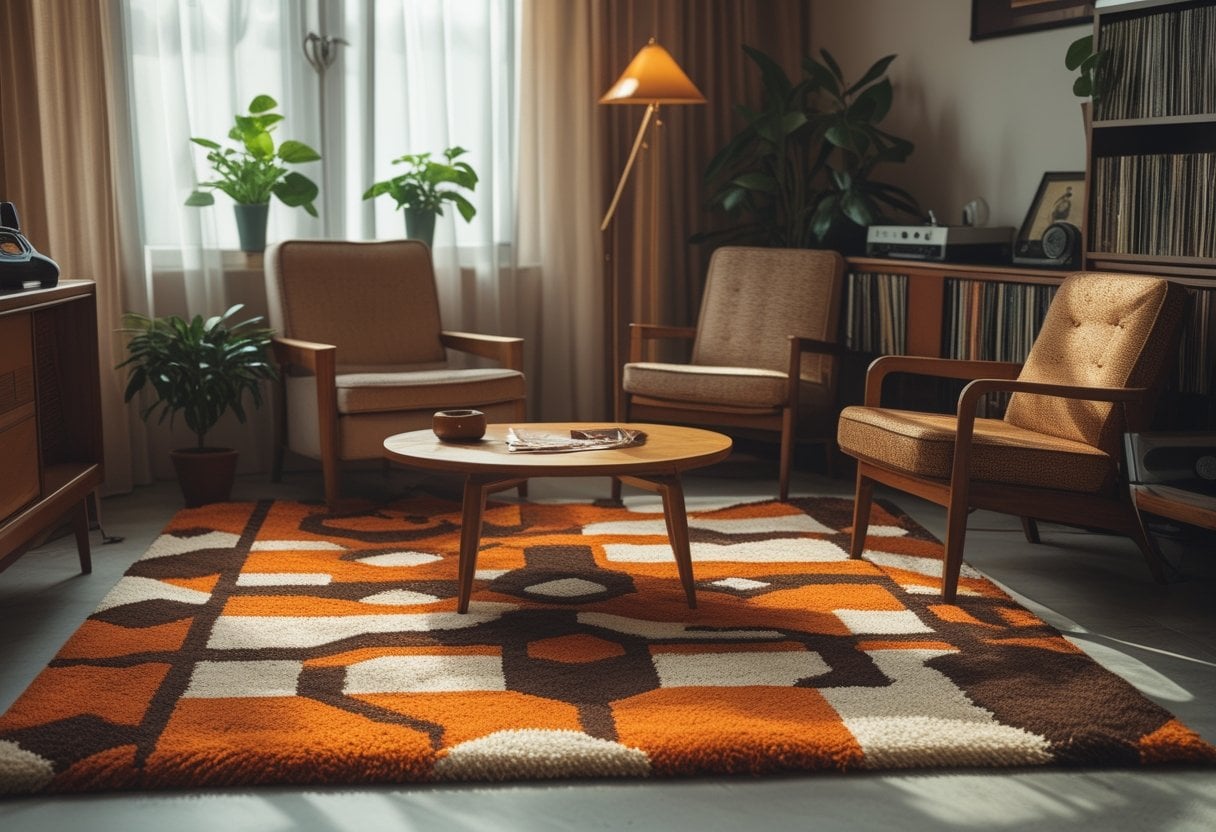
Your 1970s living room wasn’t complete without a shag area rug in a bold color. These plush rugs came in shades like burnt orange, avocado green, and mustard yellow that matched the decade’s vibrant aesthetic.
The deep pile made them soft underfoot during family gatherings and movie nights. You placed them in high-traffic areas where everyone could enjoy the bouncy texture.
Shag rugs required special care with frequent vacuuming and occasional raking to maintain their appearance. The thick fibers trapped dirt easily, making maintenance more demanding than modern options.
As design trends shifted toward minimalism and easier-care flooring, these statement pieces gradually disappeared from homes. Today you’ll mostly find vintage shag rugs at estate sales or specialty retailers catering to retro collectors.
10. Macramé plant hangers
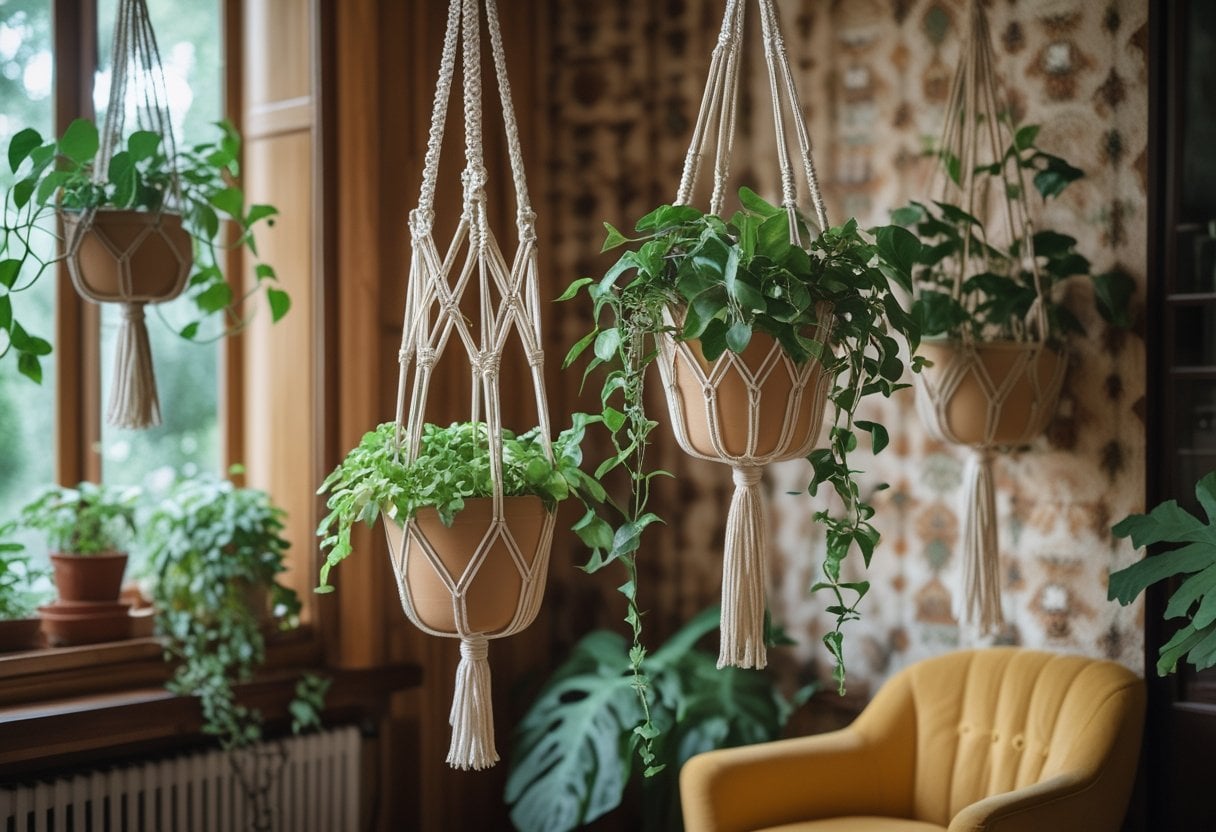
You couldn’t walk into a 1970s living room without spotting at least one knotted macramé plant hanger suspending a spider plant or fern from the ceiling. These handcrafted rope holders were everywhere, often made from natural jute or colorful cords in intricate patterns.
Many housewives created their own using craft kits and patterns from women’s magazines. The more knots, beads, and tassels they featured, the better.
These hangers gave homes that earthy, bohemian feel that defined the decade’s aesthetic. They worked perfectly with the warm earth tones and natural materials popular at the time.
While you can still find macramé plant hangers today marketed as vintage or retro items, they’re no longer the ubiquitous household staple they once were. The craft that once filled nearly every home has become a niche decorating choice rather than a standard fixture.
11. Beaded door curtain
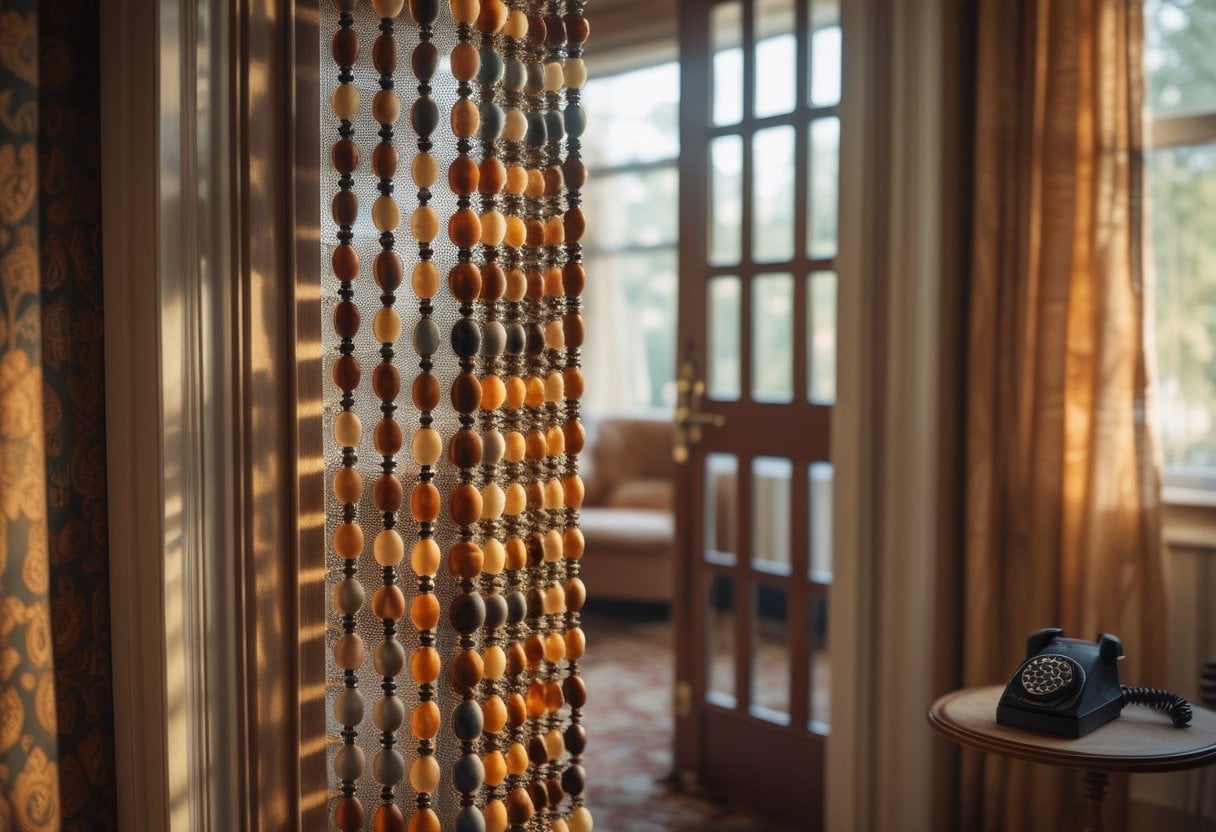
You couldn’t walk through a 1970s home without hearing the distinctive clinking sound of beaded curtains swaying in doorways. These colorful strands of wood, glass, or plastic beads replaced traditional doors in bedrooms, hallways, and between living spaces.
Beaded curtains served multiple purposes in your home. They created visual separation between rooms while maintaining an open, flowing feel that matched the era’s design philosophy. You could see through them, yet they still provided a sense of privacy and drama.
The curtains came in various designs, from simple wooden beads to elaborate patterns with vibrant colors. When you brushed past them, they made a soft clinking noise that became part of the household soundtrack.
Their impracticality eventually led to their disappearance. The beads required regular dusting, tangled easily, and the noise grew tiresome over time.
12. Encyclopedia Britannica set on the bookcase
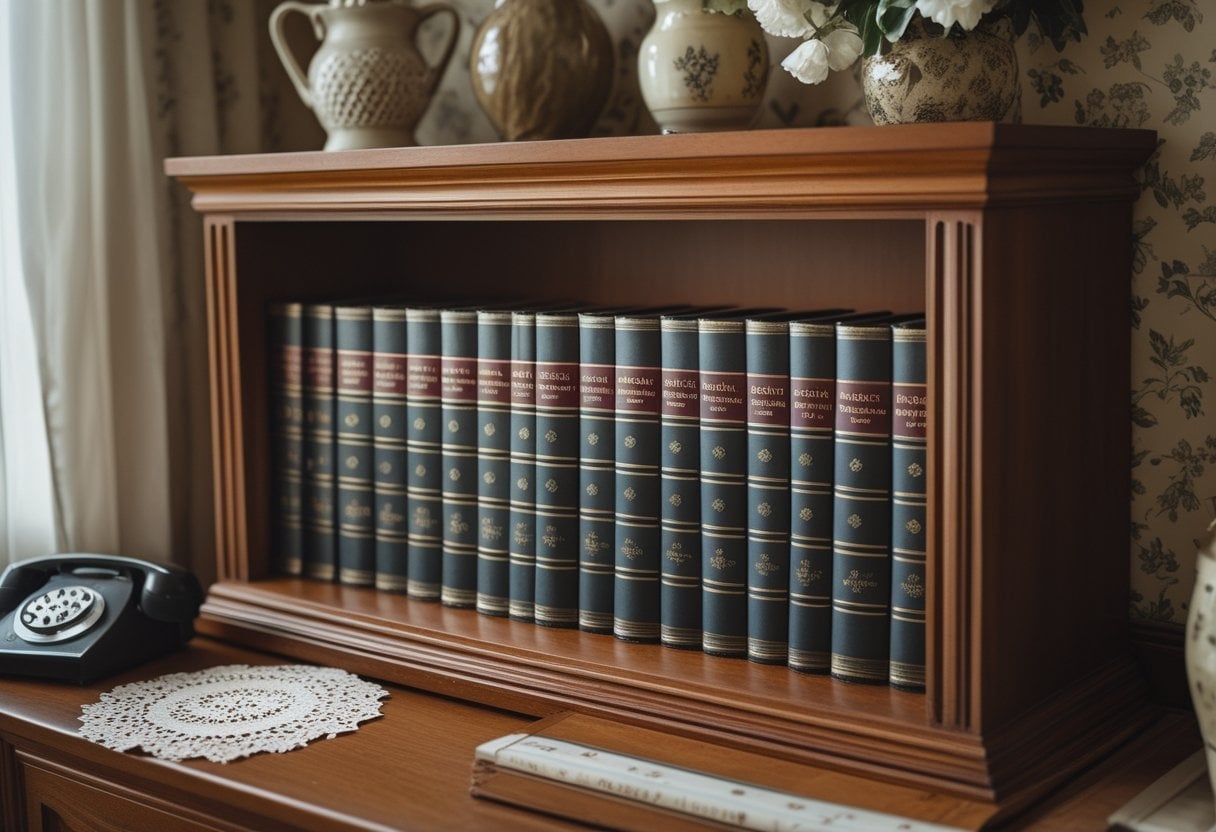
Your living room bookcase likely displayed a complete encyclopedia set in the 1970s. Encyclopedia Britannica, World Book, or Funk & Wagnalls were the most common choices for middle-class American households.
These multi-volume sets represented a significant investment. They served as the primary reference source for homework help, settling family debates, and general learning before the internet existed.
You probably kept your encyclopedia set prominently displayed as both a functional resource and a status symbol. The leather-bound or hardcover volumes signaled that your household valued education and knowledge.
Today, these comprehensive print encyclopedias have been replaced by online searches and digital databases. Most surviving sets now sit in thrift stores or on curbs, no longer serving their original purpose in modern homes.
13. Canned TV dinners (TV tray and gravy boat)
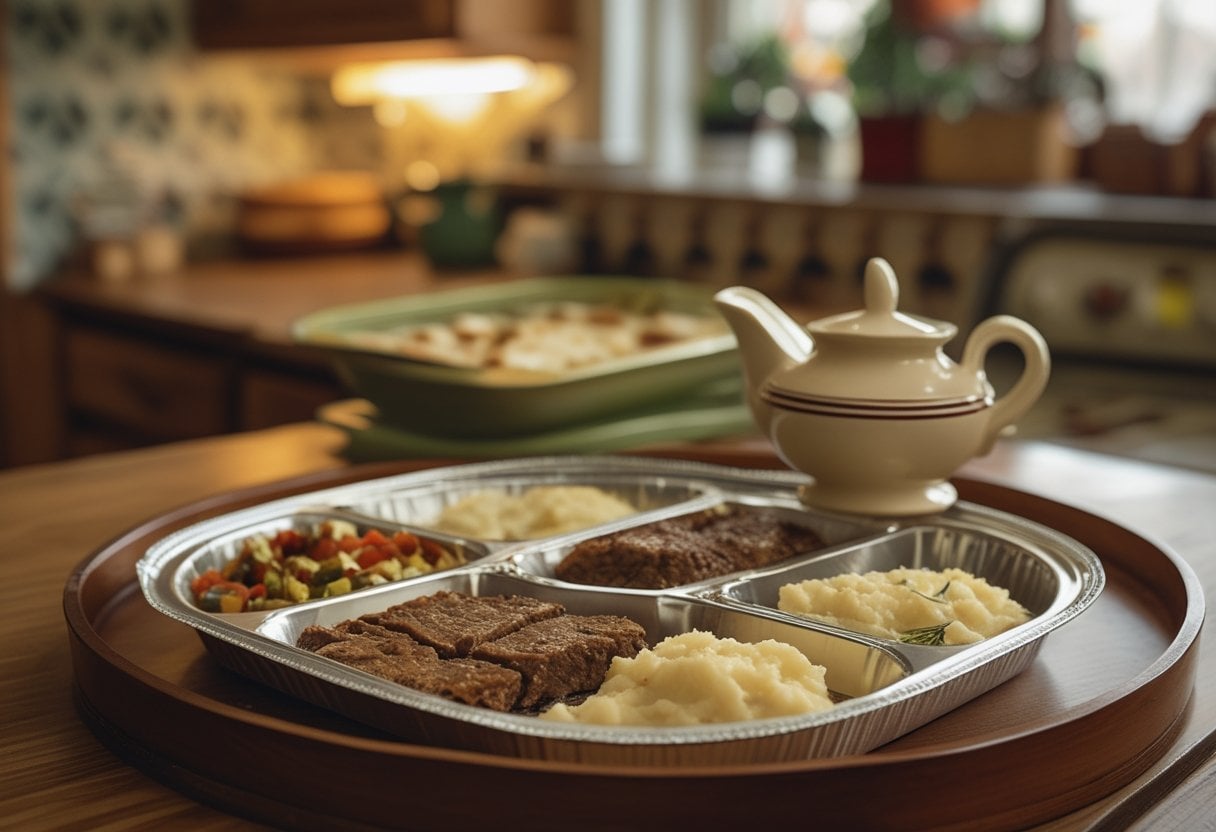
TV dinners in aluminum trays were a staple of 1970s kitchens. You kept them stacked in your freezer, ready for busy weeknights when cooking from scratch wasn’t an option.
By the mid-1960s and into the 1970s, Swanson offered multiple variations, from fried shrimp to sirloin beef with brown gravy. You’d heat them in the oven and carry them to your living room on folding TV trays.
Those compartmentalized foil trays kept your meat, vegetables, and dessert separate. The gravy boat sat on your dining table for family dinners, but TV dinner nights meant everything came pre-portioned and ready to eat in front of the television.
These complete frozen meals have evolved significantly. The classic aluminum trays and the ritual of eating on TV trays have largely disappeared from modern homes.
14. Rotary egg beater and hand-crank food mill
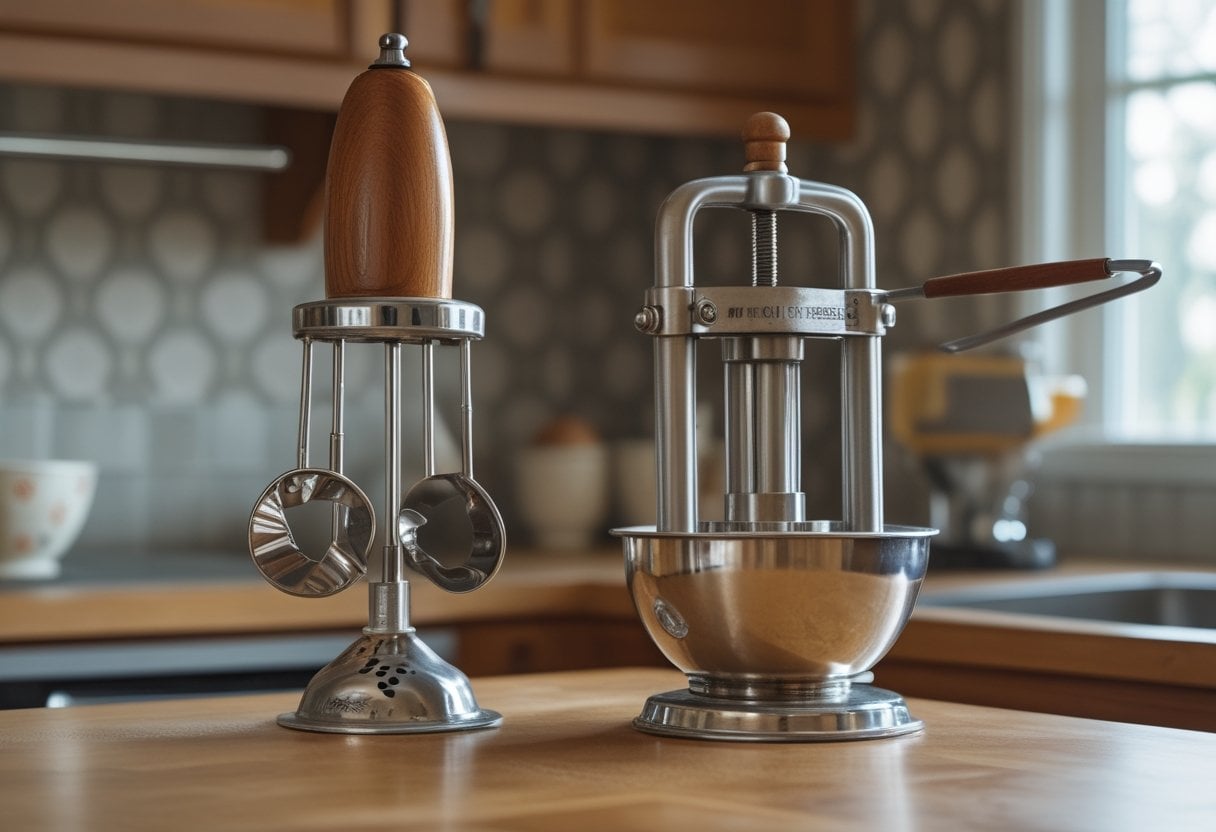
Your mother’s kitchen drawer likely held a rotary egg beater with its distinctive hand-crank mechanism and spinning metal whisks. You gripped the top handle while turning the side crank, which rotated a wheel that spun the beaters below.
These manual tools were essential for whipping eggs, mixing batters, and preparing cream before electric mixers became affordable household items. The rotary food mill served a different purpose, using a hand crank to push cooked foods through a perforated plate while separating skins and seeds.
By the late 1970s, electric hand mixers began replacing these manual devices in most homes. The convenience of pressing a button instead of cranking a handle made the transition inevitable. Today, you’d be hard-pressed to find either tool in a modern kitchen.
15. Percolator coffee pot
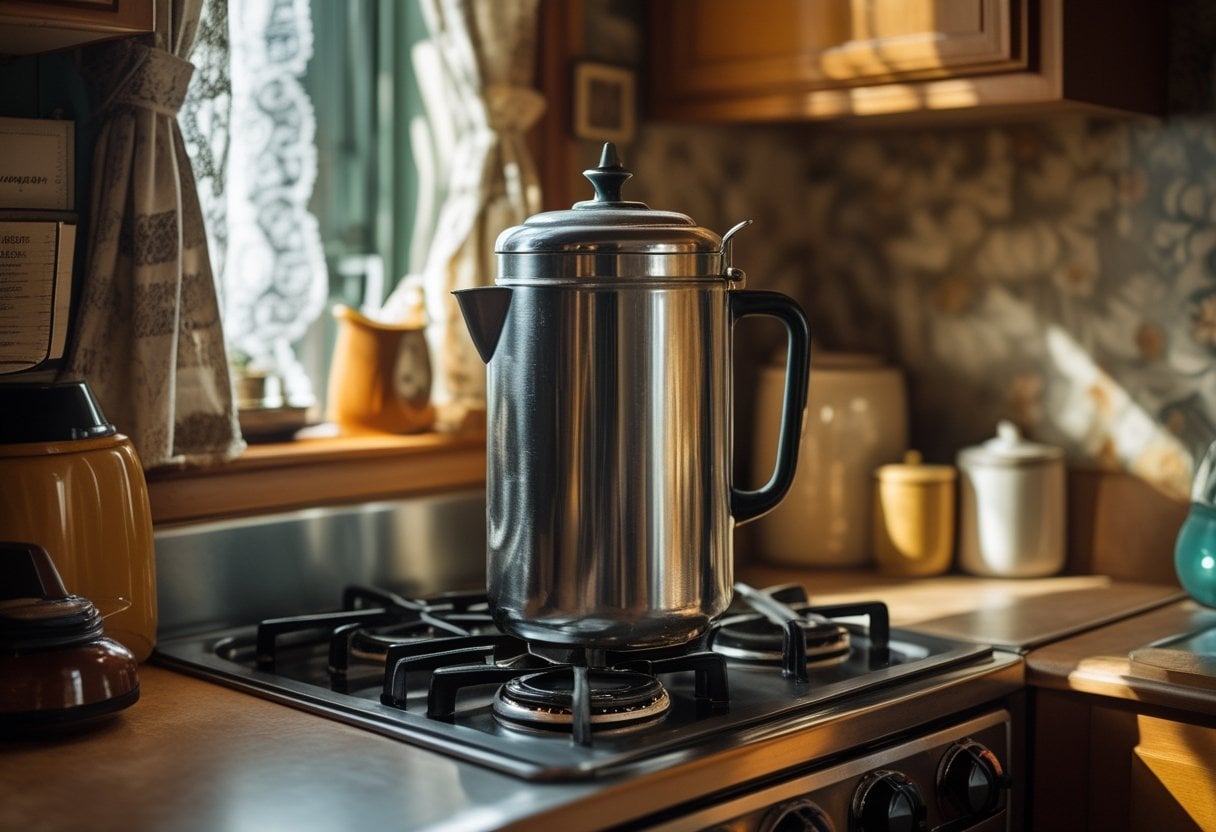
Your mother’s electric percolator was the centerpiece of 1970s morning routines. Hot water cycled through coffee grounds in a metal basket, creating that distinctive bubbling sound that signaled breakfast was underway.
The brewing process filled the kitchen with rich coffee aromas. Brands like General Electric and West Bend dominated countertops across America. The percolator’s rhythmic sound and smell turned coffee making into a sensory ritual.
By the late 1970s, automatic drip coffee makers began replacing these reliable machines. The new Mr. Coffee systems offered convenience without the need to monitor the brewing cycle. Within a few years, percolators largely vanished from American kitchens, replaced by quieter drip machines and eventually single-serve pod systems.
16. Wall phone directory or phone book index
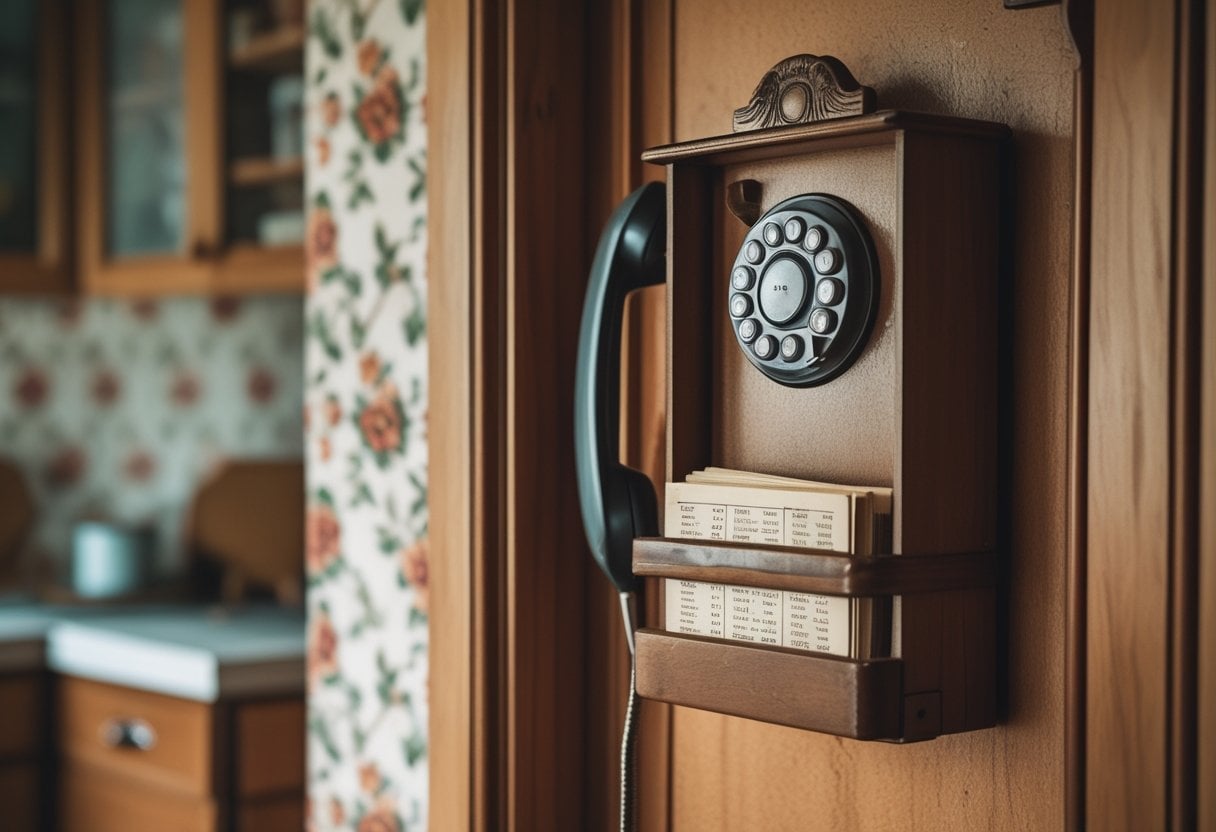
Your wall phone came with its own organizational system. A small index list or pop-up directory sat right next to the telephone, designed specifically for handwritten contact information.
These compact address finders featured alphabetical tabs that allowed you to quickly flip to the right section. You carefully wrote down phone numbers for family, friends, neighbors, and local services in pen or pencil.
The phone table often included a built-in shelf or drawer specifically designed to hold these directories. Some housewives kept multiple indexes—one for personal contacts and another for business numbers and emergency services.
Unlike today’s digital contacts that sync automatically, you maintained these indexes yourself. Every new number required a manual entry, and updates meant crossing out old information or starting fresh with a new directory.
17. Sunburst or starburst clock
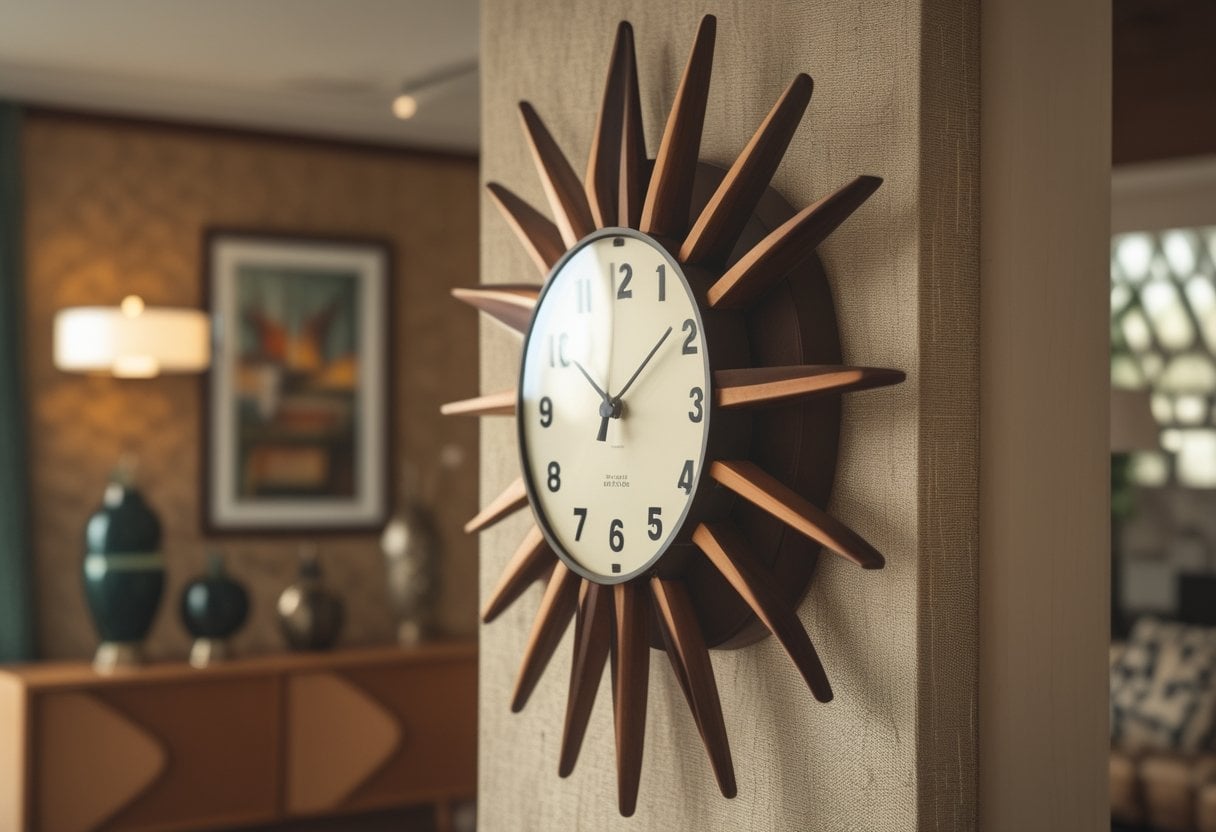
Your 1970s living room likely featured one of these decorative timepieces on the wall. The sunburst clock, with its rays extending outward from a central clock face, became a fixture in American homes during this decade.
These clocks often incorporated dark brown wooden elements that matched the popular wood paneling of the era. The design had actually originated in the 1950s, but it evolved in the 1970s to reflect contemporary tastes and materials.
You would find them in various finishes, including teak, brass, and gold accents. The distinctive radiating pattern made them as much a piece of art as a functional timepiece. Most households owned at least one, making it nearly as common as the television set in the American home.
18. Ashtray on the coffee table
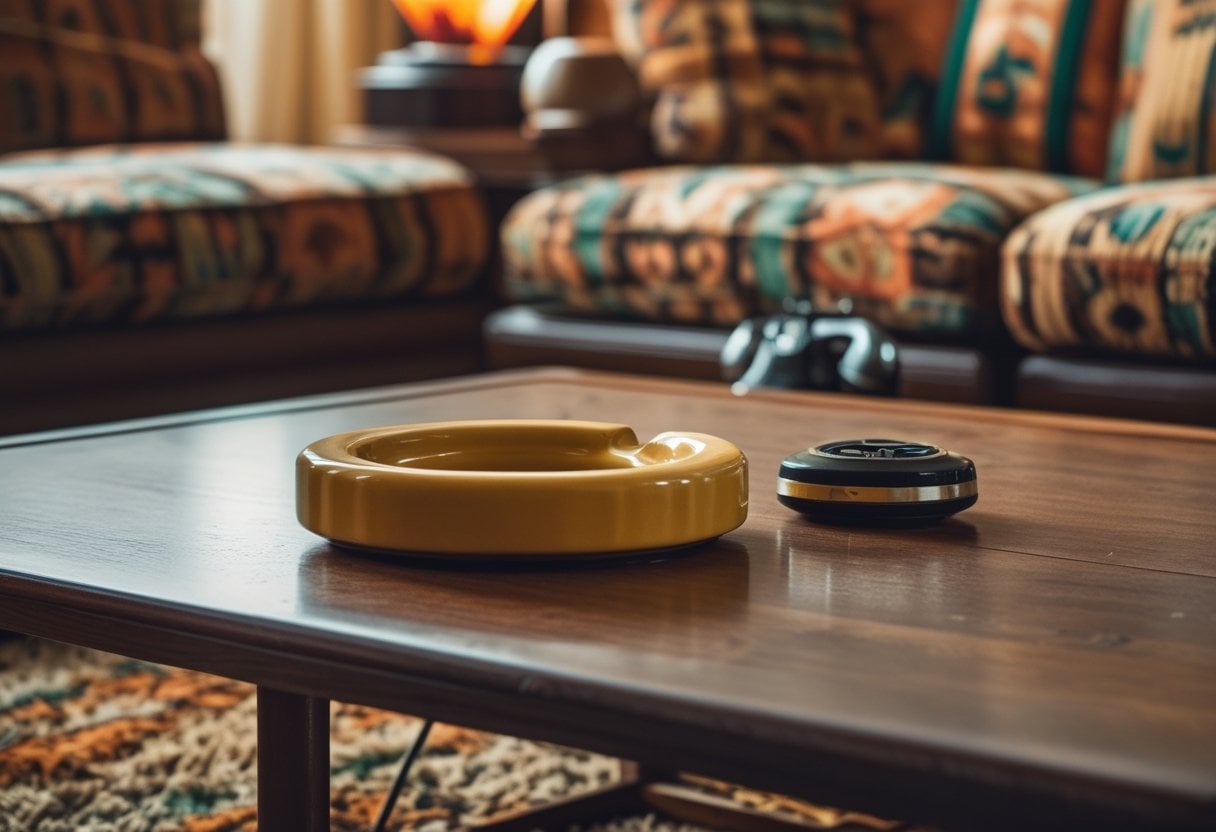
You couldn’t walk into a 1970s living room without spotting at least one ashtray on the coffee table. These weren’t just functional items—they were part of the decor.
Heavy glass ashtrays sat prominently on coffee tables, end tables, and even kitchen counters. Many housewives displayed decorative versions shaped like leaves, shells, or geometric designs. Some families owned matching sets that coordinated with their lighters and cigarette holders.
The ashtray was always cleaned and ready for guests, even if your own family didn’t smoke heavily. It was considered essential hospitality.
Today, smoking indoors has become uncommon, and ashtrays have vanished from most homes. The coffee table now holds remotes, coasters, and decor instead of the heavy glass dishes that once seemed permanent.
19. Slide projector with carousel
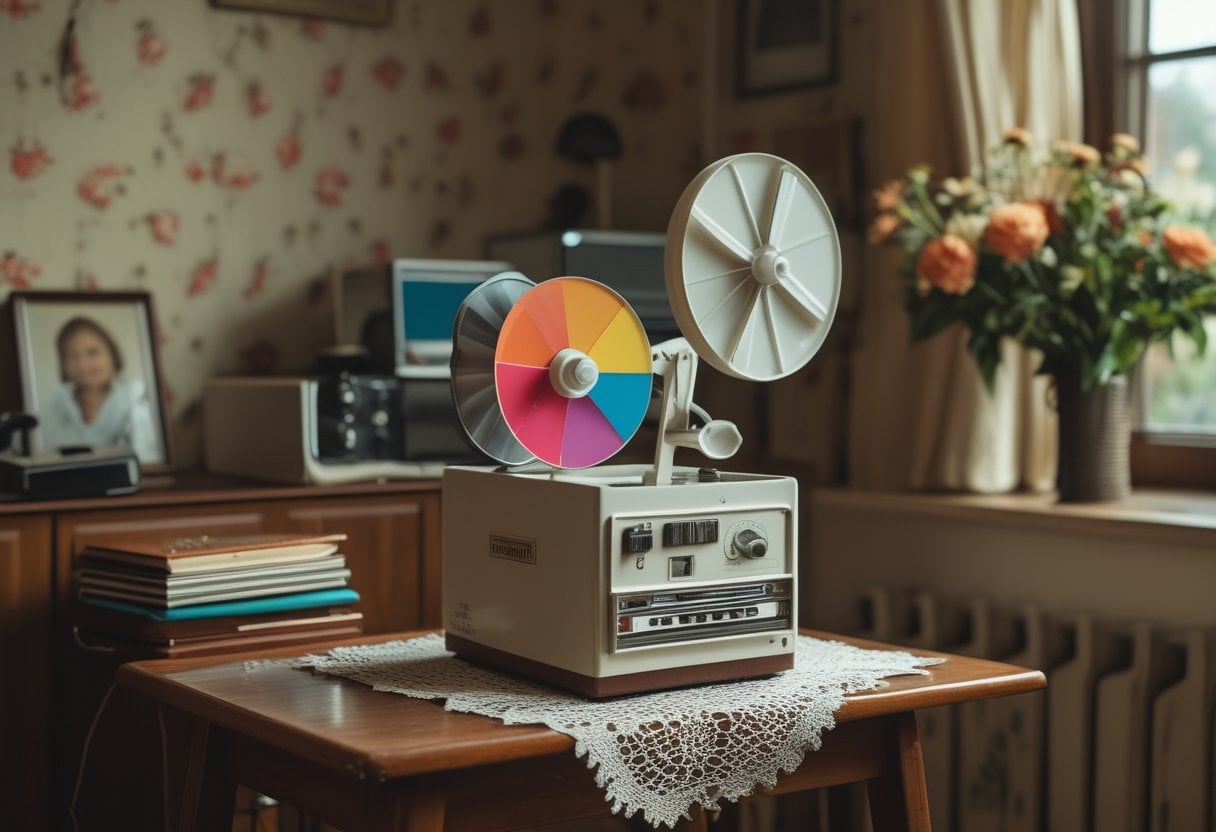
Your living room likely featured a Kodak Carousel projector sitting prominently in the corner, ready for family slideshow nights. These rotary tray projectors became household staples after their introduction in 1962, solving the jamming problems that plagued earlier linear tray models.
You’d carefully load up to 80 slides into the circular carousel, which rotated horizontally and dropped each slide into position for projection. The clicking sound of advancing slides became synonymous with vacation recaps and holiday gatherings.
Setting up the projector meant pulling out the screen, threading the carousel, and dimming the lights while friends and family settled in for your narrated photo presentation. This ritual of shared photo viewing disappeared with digital cameras and personal devices, making the communal slideshow experience a distinctly 1970s memory.
20. Tupperware with matching lids in pastel colors
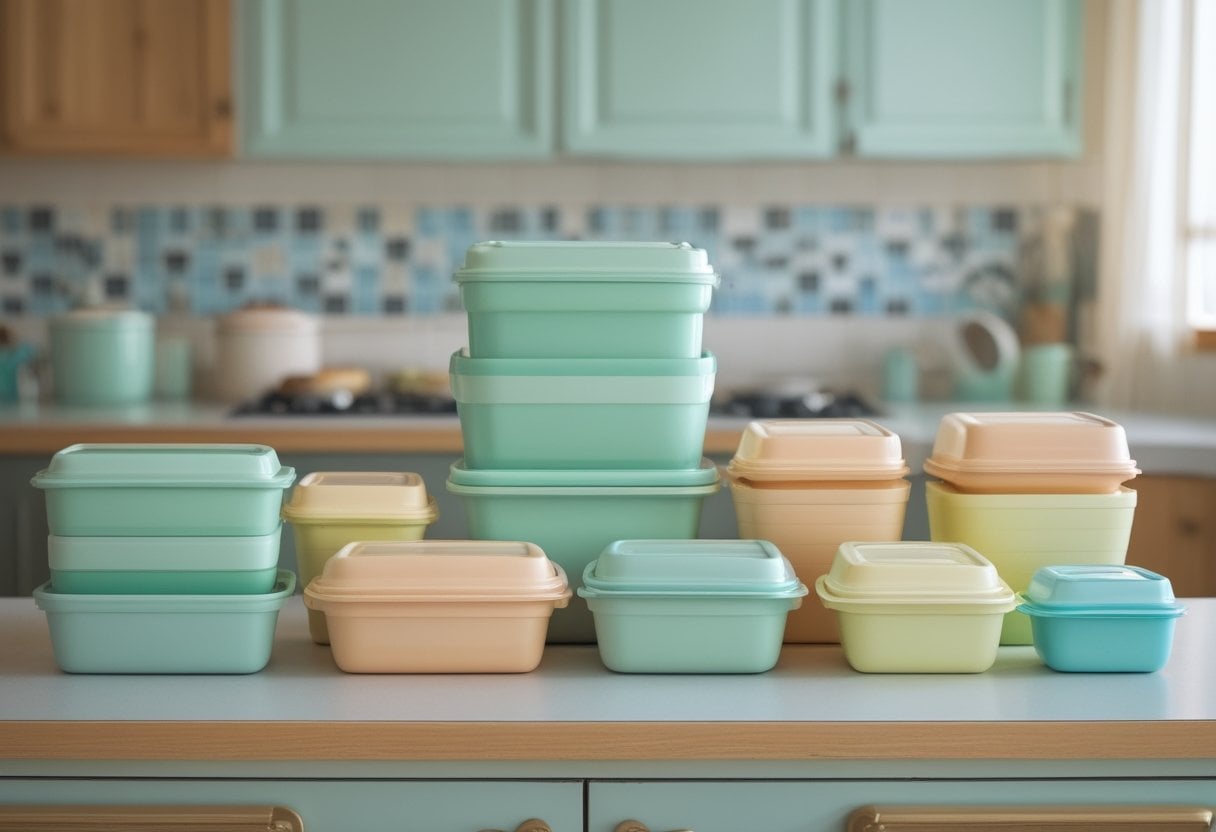
Your mother’s kitchen cabinets were likely filled with coordinated Tupperware sets in soft pastel shades. These containers came in mint green, pale pink, baby blue, and butter yellow, creating a cohesive look that 1970s housewives prized.
The key feature was having lids that actually matched their containers. You could easily find the right top for each bowl without digging through a messy drawer. This matching system made kitchen organization straightforward and efficient.
As the decade progressed, Tupperware shifted toward earth tones like harvest gold and avocado green. The pastel era gave way to bolder colors that reflected changing design trends.
Today, finding complete vintage sets with all their original matching lids is rare. Most pieces have been separated, lost, or replaced with mismatched modern containers.
21. Handwritten family recipe box with index cards
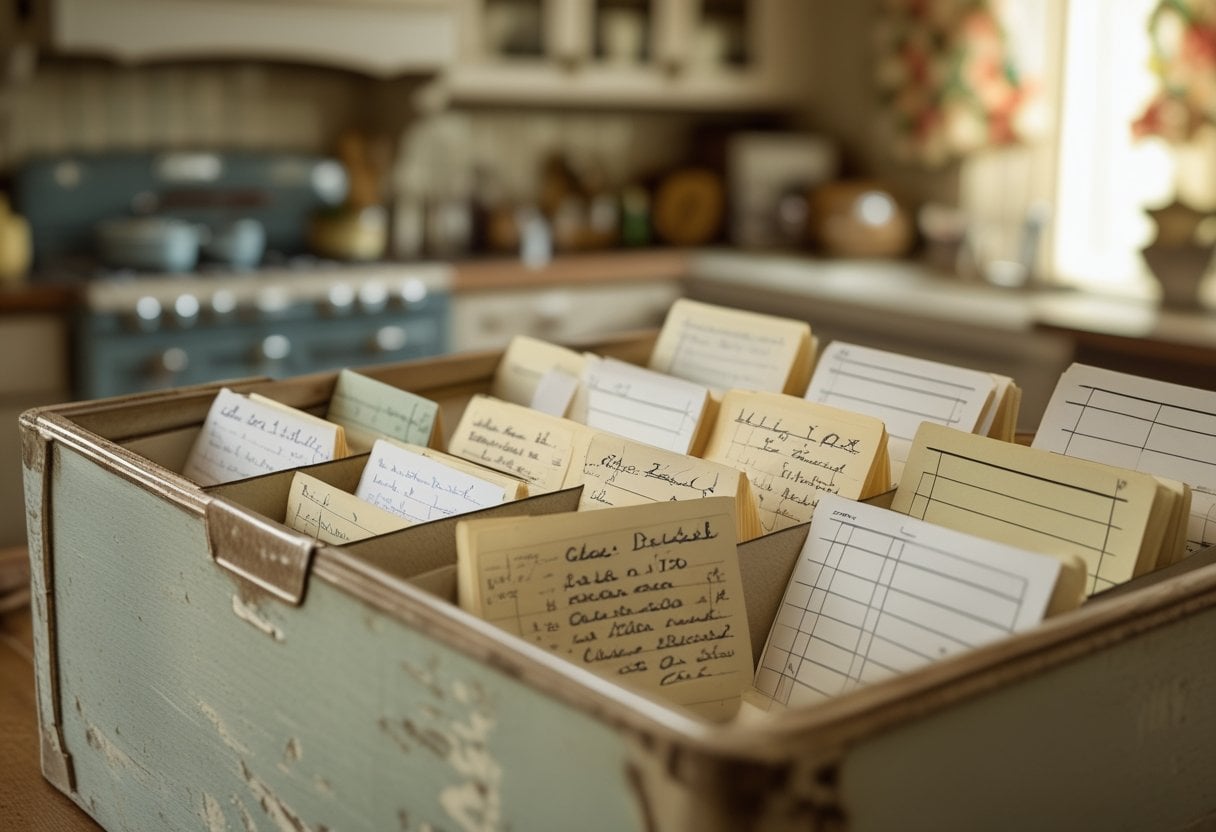
Your mother or grandmother likely kept a wooden recipe box on the kitchen counter, filled with index cards covered in her own handwriting. These boxes held the family’s entire culinary identity, organized with alphabetical tabs that separated main dishes from desserts and casseroles from cookies.
The cards themselves told stories beyond measurements and cooking times. You’d find neatly written recipes alongside grease-stained cards and clipped newspaper columns, each representing a dish that was cooked, shared, and loved at family gatherings.
These boxes served as working kitchen tools rather than decorative items. Your family relied on them daily, pulling out specific cards to recreate favorite meals or adapt recipes for special occasions.
Today, most recipes live in apps or bookmarked websites. The tactile experience of flipping through handwritten cards has largely disappeared from modern kitchens.
22. Floral wallpaper borders and paneling
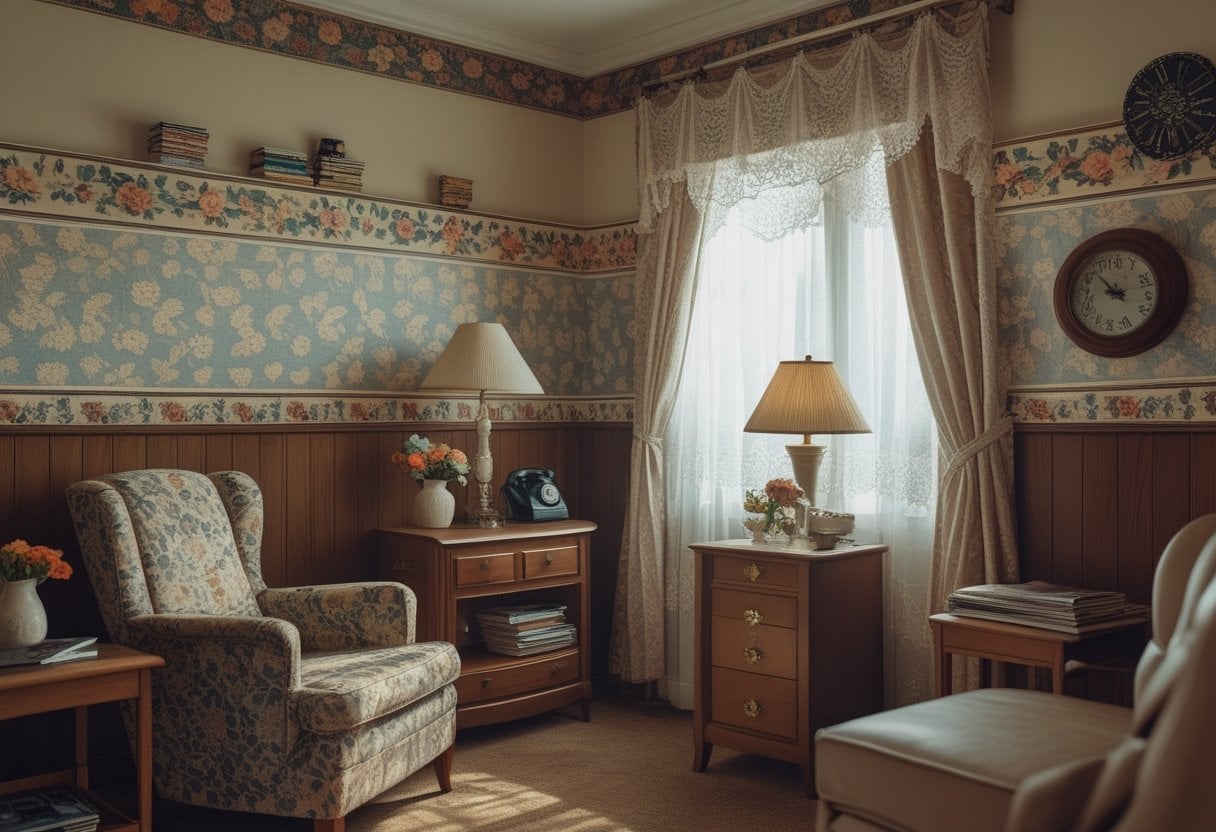
You couldn’t walk into a 1970s home without encountering floral wallpaper somewhere. Every room seemed to have its own pattern, from groovy mod flowers in the living room to delicate botanical prints in the bedroom.
Wallpaper borders were particularly popular. You’d find them running along the tops of walls, separating different patterns, or framing doorways and windows. These decorative strips added another layer of visual interest to already busy walls.
The florals themselves were bold and unapologetic. Large-scale blooms in earthy oranges, browns, and yellows dominated kitchen and dining spaces. Many homes featured floor-to-ceiling floral designs that would seem overwhelming by today’s minimalist standards.
This trend eventually faded as homeowners moved toward simpler, cleaner wall treatments. The effort required to remove layers of vintage wallpaper became a common renovation project for decades after.
23. Frosted glass lamp with fringed lampshade
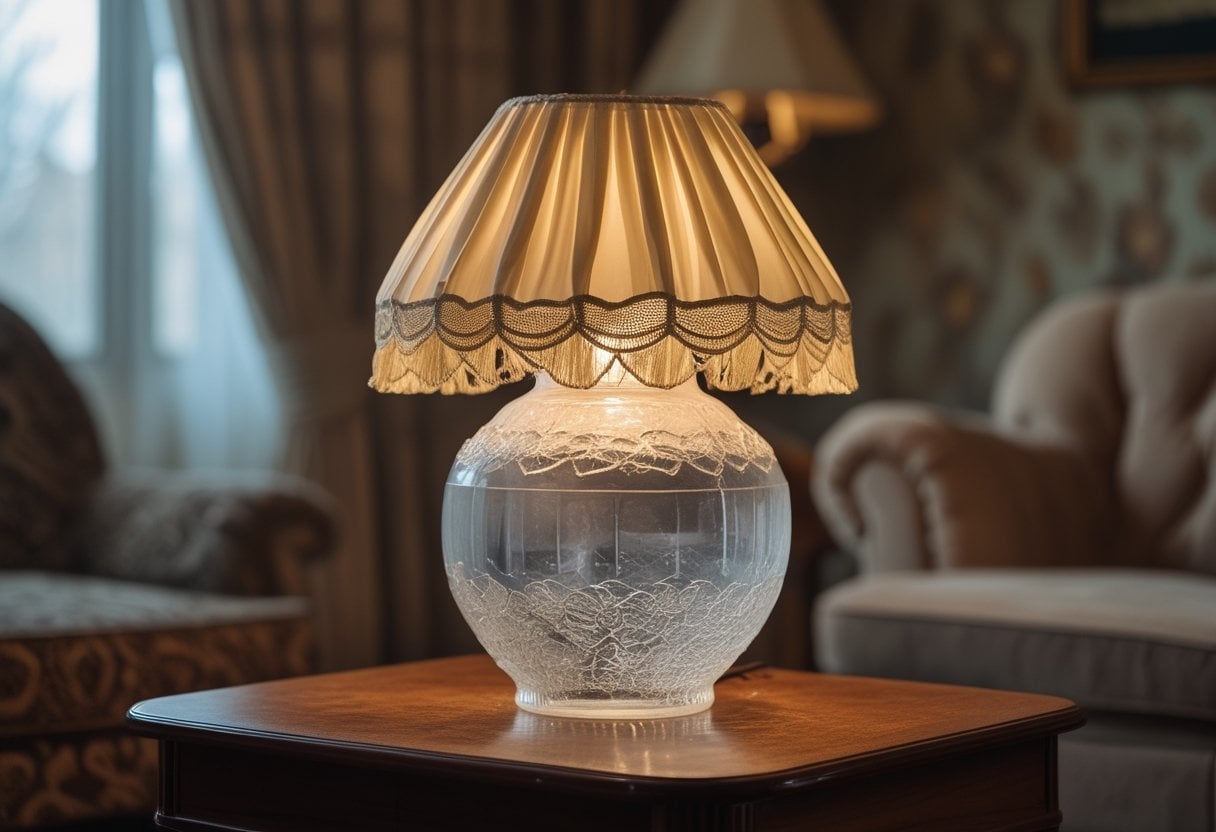
Your living room likely featured a frosted glass lamp adorned with a fringed lampshade in the 1970s. These lamps combined practical lighting with decorative appeal, creating the soft, ambient atmosphere that defined the era’s interior design.
Frosted glass diffused the light gently throughout the room, while fringe trim added texture and visual interest. The fringe filtered the light and contributed to a relaxed, comfortable environment. You’d find these lamps on end tables, nightstands, and credenzas throughout the home.
These lamps complemented the popular brown, avocado green, and harvest gold color schemes of the decade. Today, they’ve largely disappeared from modern homes, replaced by minimalist designs without ornamental details. The fringed lampshade, once a staple decorative element, has become a nostalgic symbol of 1970s style.
24. Emergency Candles and oil lamp set
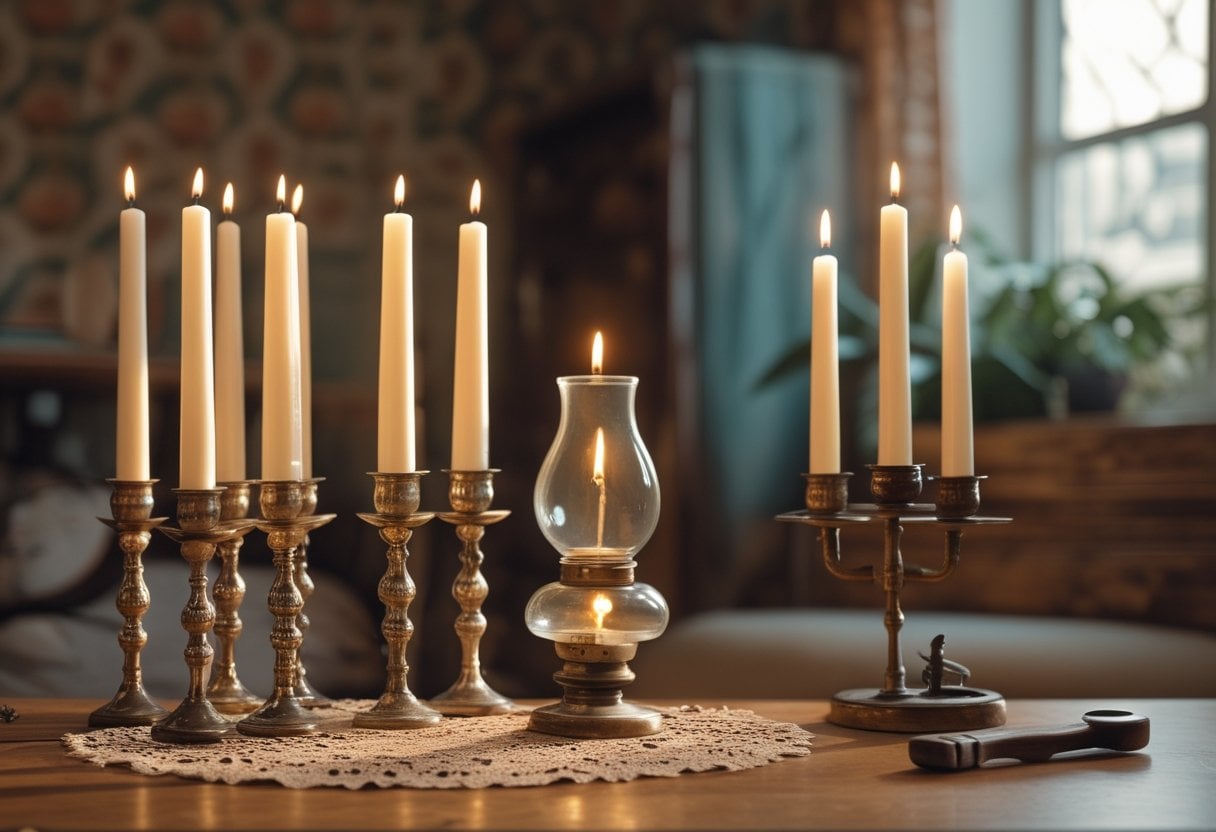
Your mother likely kept a dedicated drawer or cabinet stocked with emergency candles and at least one oil lamp. These weren’t decorative items but practical necessities for frequent power outages.
Most households maintained boxes of white utility candles alongside candleholders placed in strategic locations throughout the home. You’d find them in the kitchen, hallway, and bedrooms for quick access during blackouts.
Oil lamps served as backup lighting that lasted longer than candles. Many housewives filled and trimmed lamp wicks regularly, keeping them ready for extended outages. The distinctive glass chimneys required careful cleaning to maintain proper lighting.
Today’s homes rely on flashlights, battery-powered LED lights, and backup generators. The ritual of lighting oil lamps during storms has become a distant memory for most families.
25. Pressure cooker (stovetop model)
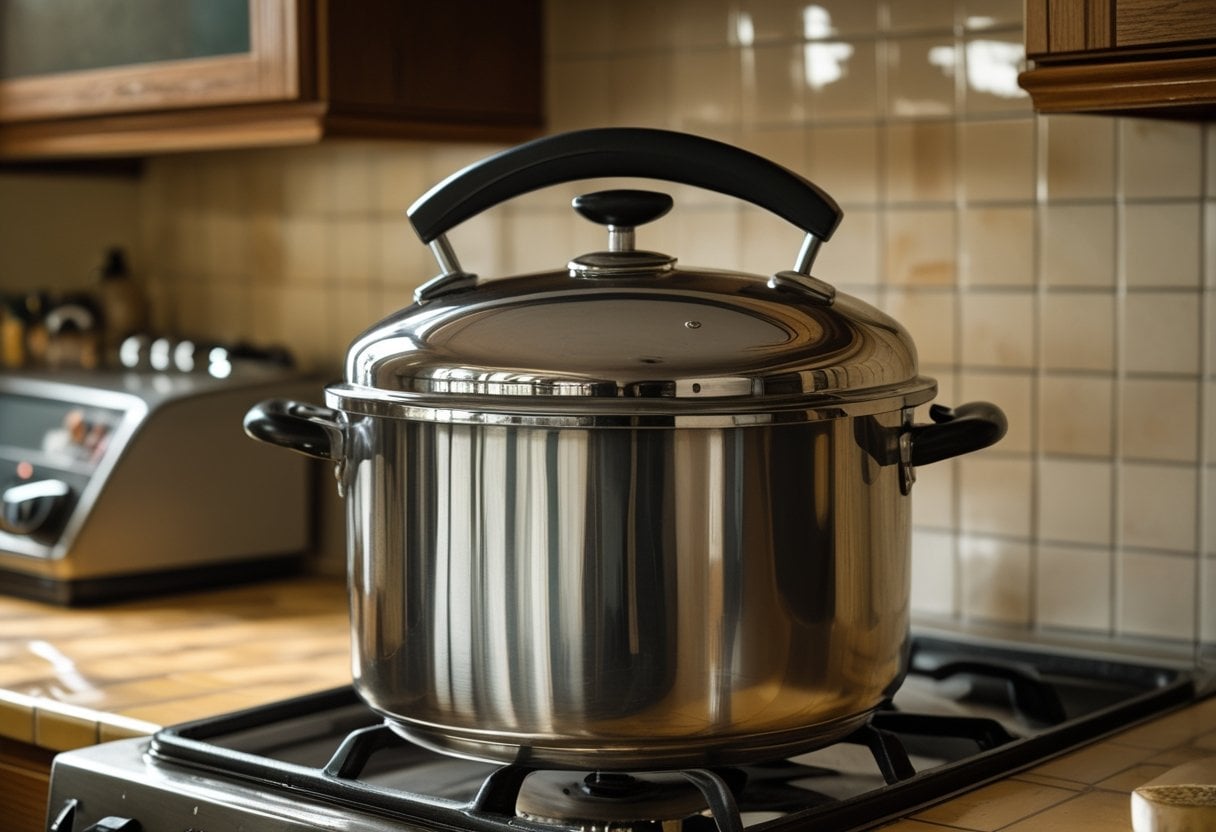
Before electric Instant Pots revolutionized meal prep, your mother likely owned a stovetop pressure cooker that rattled and hissed on the stove. These heavy metal contraptions came in popular 1970s colors like avocado green and harvest gold, matching the rest of the kitchen appliances.
The stovetop pressure cooker was essential for busy housewives who needed to prepare meals quickly. It reduced cooking times significantly, making tough cuts of meat tender in a fraction of the usual time.
These devices required careful monitoring and proper venting to avoid accidents. You had to understand the pressure gauge and release valve to use them safely. Many cooks found them intimidating, which contributed to their eventual decline in popularity.
Today, electric pressure cookers have largely replaced these stovetop models, though some vintage units from the 1970s still function in kitchens.
26. Bakelite or plastic breadbox
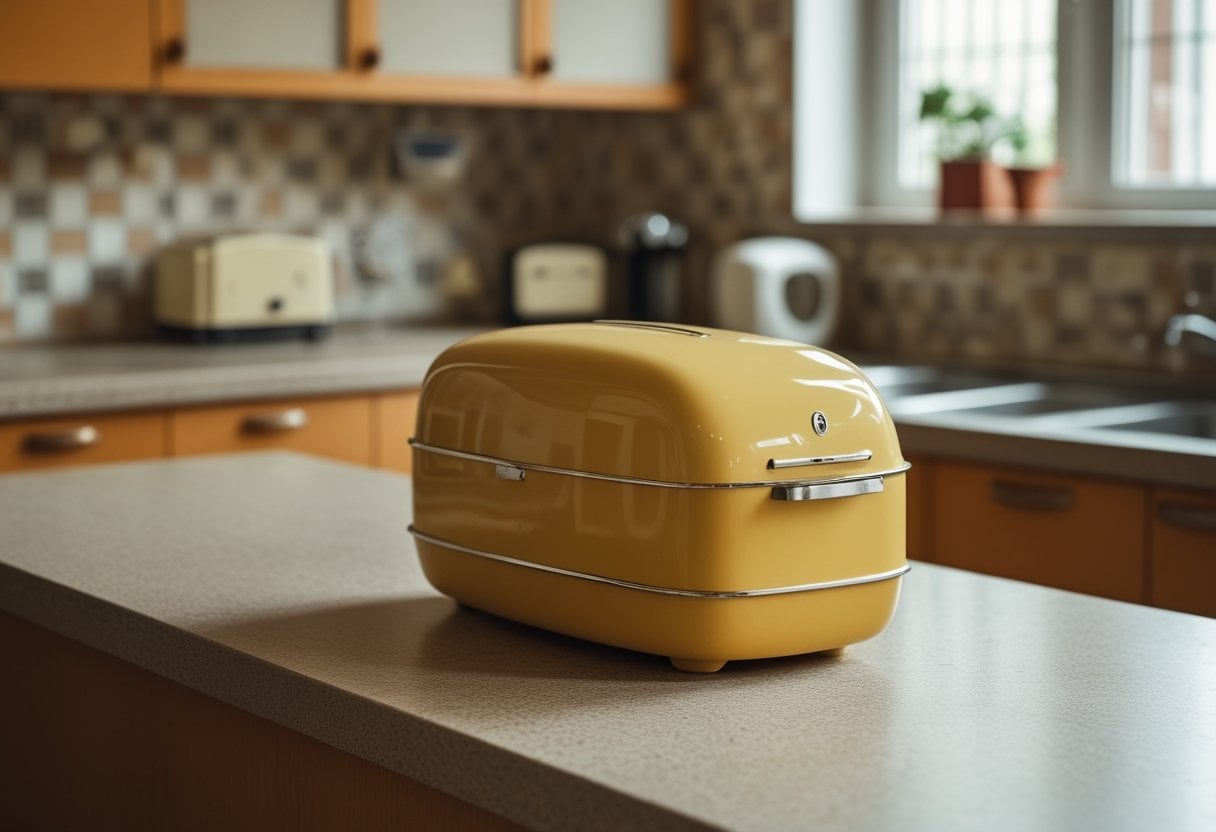
Your grandmother likely kept a breadbox prominently displayed on her kitchen counter. These containers, made from Bakelite or colorful plastic, were essential for keeping bread fresh before the widespread use of plastic bags with twist ties.
Breadboxes came in various colors to match 1970s kitchen décor, from avocado green to harvest gold. They featured roll-top lids or hinged doors that allowed air circulation while protecting loaves from becoming stale too quickly.
The breadbox served a single, clear purpose in an era when most families baked homemade bread or purchased unwrapped loaves from local bakeries. Modern pre-sliced bread in sealed plastic packaging has made these countertop fixtures largely unnecessary, relegating them to antique stores and vintage collections.
27. Squeeze bottle squeeze-on condiment dispensers (glass mustard/squirt ketchup)
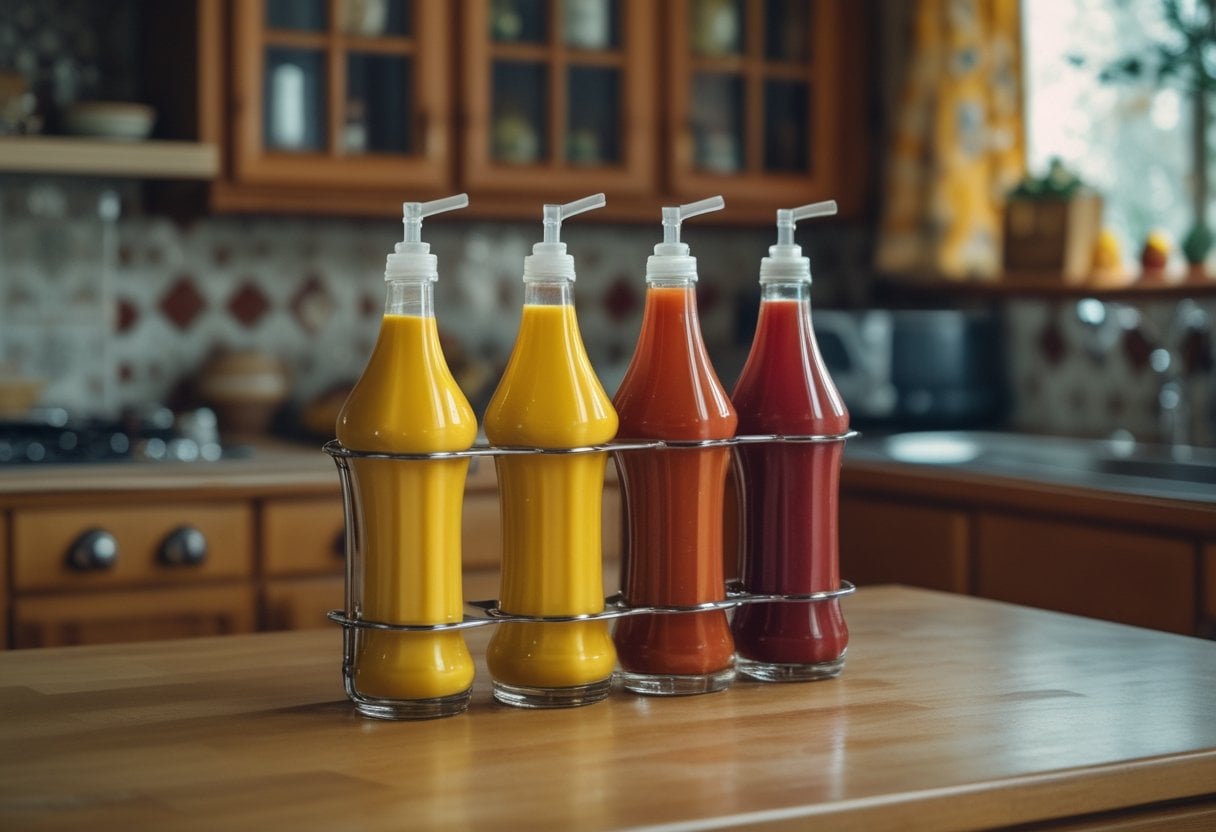
Your mother’s kitchen counter likely featured plastic squeeze bottles for ketchup and mustard in bright red and yellow. These refillable dispensers were standard at every backyard barbecue and family dinner table throughout the 1970s.
The bottles came in various sizes and were designed to be washed and refilled from larger economy-sized containers. You squeezed them to dispense condiments directly onto hot dogs, burgers, and sandwiches.
These reusable plastic bottles have largely disappeared from home kitchens. Most families now use the original manufacturer bottles or single-serving packets instead. The dedicated condiment dispensers you remember have become vintage collectibles rather than everyday kitchen items.
Today’s squeeze bottles are typically disposable commercial packaging. The refillable versions your family used have been replaced by more convenient ready-to-use options.
28. Vinyl slipcovers on sofas
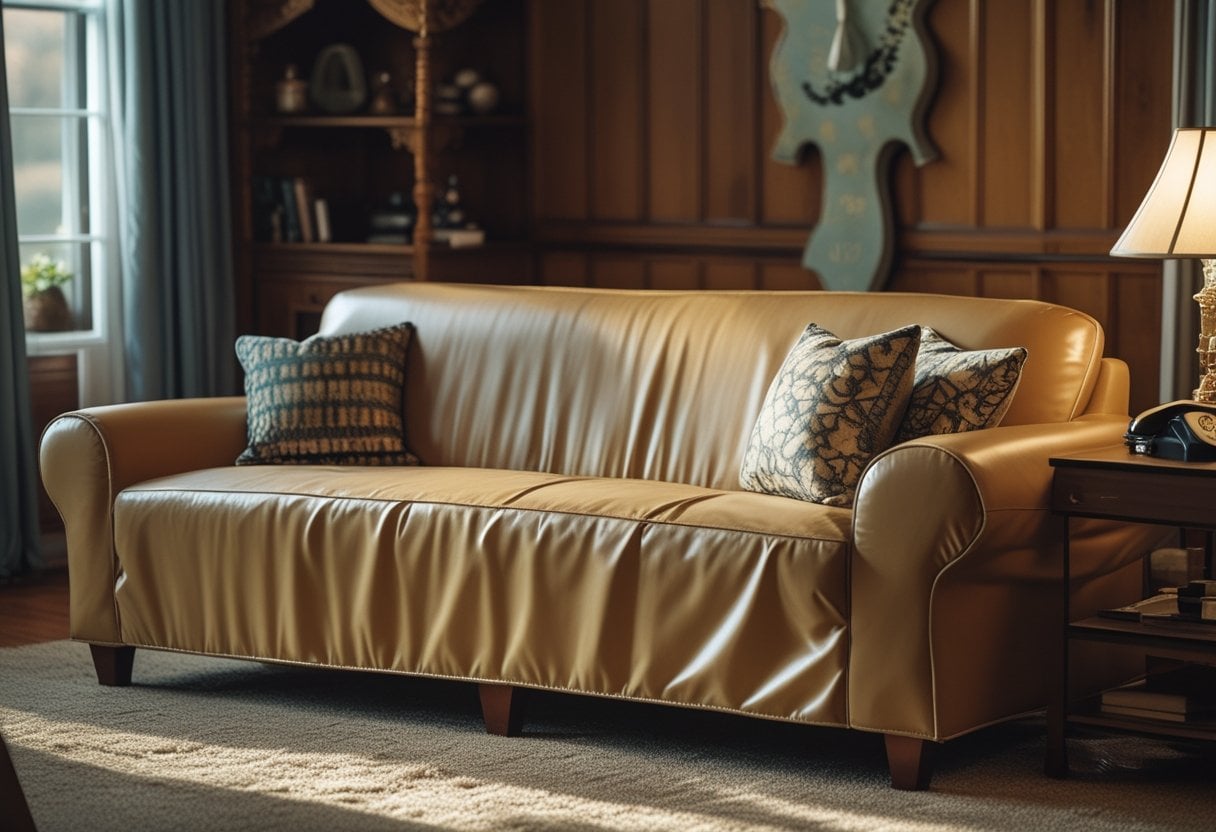
Your grandmother probably had thick plastic or vinyl slipcovers protecting her living room furniture. These clear covers stretched over sofas and chairs to preserve the upholstery underneath, keeping it spotless for special occasions.
The covers were marketed as practical solutions for busy households. They protected expensive furniture from spills, stains, and everyday wear. Many families kept these slipcovers on for years, sometimes decades.
The drawback was obvious to anyone who sat on them. The plastic stuck to bare skin in summer, making uncomfortable squeaking and crinkling sounds with every movement. You likely weren’t allowed to remove them, even when company visited.
Most households abandoned this practice by the 1980s. People decided that actually enjoying their furniture mattered more than keeping it pristine.
29. Rotary dial answering machine (external mechanical model)
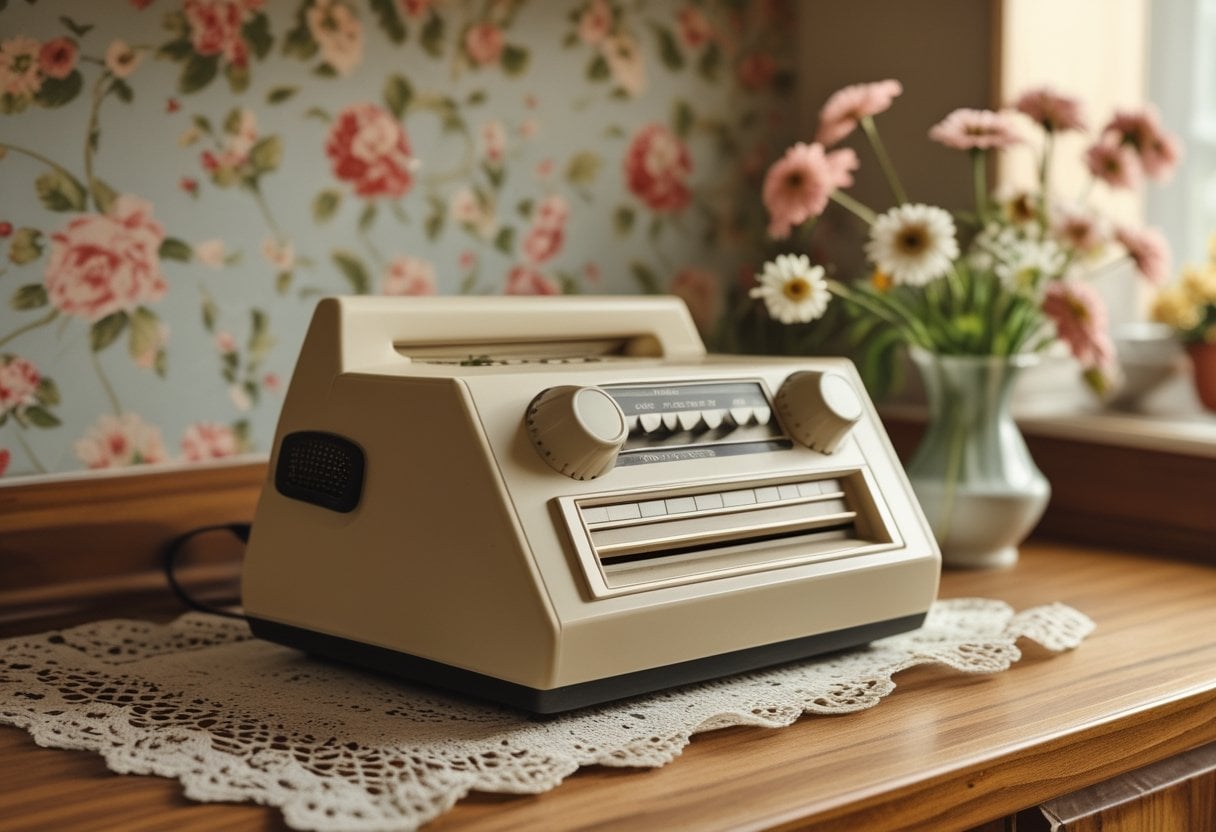
Your 1970s answering machine was a bulky standalone device that connected to your rotary telephone through an acoustic coupler or direct line connection. These machines used cassette tapes to record incoming messages, with one tape for your outgoing greeting and another for messages from callers.
You had to manually check the machine by pressing physical buttons and rewinding tapes to hear your messages. The recording time was limited, typically allowing just 15-30 seconds per message before a beep signaled the caller to finish.
These mechanical units required regular maintenance. You replaced tapes frequently and adjusted the recording levels to ensure clear playback. The technology disappeared as digital answering machines arrived in the 1980s, followed by voicemail systems built directly into phone service.
Cultural Shifts That Shaped Modern Households
The transformation of American homes since the 1970s reflects profound changes in how families work, communicate, and define domestic responsibilities. Women’s increased workforce participation, digital technology adoption, and shifting attitudes about marriage and household management fundamentally altered what items people needed and valued in their homes.
Evolving Gender Roles
The 1970s marked a turning point as women entered the workforce in unprecedented numbers. By 1979, over 50% of married women held jobs outside the home, compared to just 40% at the decade’s start.
This shift eliminated the need for items designed exclusively for full-time homemakers. You no longer saw elaborate mending kits, specialized ironing equipment, or multiple sets of formal entertaining pieces in every household. The traditional division of labor that assumed one person managed all domestic tasks dissolved.
Key changes included:
- Decline in time-intensive cooking tools and specialized serving pieces
- Reduced emphasis on elaborate home maintenance equipment
- Shift from formal entertaining to casual gatherings
- Less focus on handmade household items and crafts
Convenience became paramount as dual-income households prioritized efficiency over elaborate domestic routines. Your grandmother’s extensive collection of specialized kitchen gadgets gave way to multi-purpose tools and prepared foods.
Technological Advancements in the Home
Digital technology eliminated entire categories of household items that 1970s families considered essential. Personal computers, smartphones, and internet connectivity replaced physical objects that once filled closets and drawers.
Paper-based systems disappeared first. You no longer needed phone books, extensive recipe card files, or encyclopedias. Physical media like vinyl records, cassette tapes, and later VHS tapes vanished as streaming services emerged.
Communication technology transformed fastest. A single smartphone now performs functions that required a rotary phone, calculator, camera, alarm clock, calendar, and address book in the 1970s. Your household footprint shrunk dramatically as digital devices consolidated dozens of separate items.
Changing Social Expectations
Formality in daily life declined sharply after the 1970s. You stopped needing separate living spaces for entertaining guests versus family use. The concept of a formal parlor or “good dishes” used only for company became obsolete.
Casual lifestyles meant fewer specialized items. Hostess carts, fondue sets, and elaborate bar accessories disappeared as entertaining became more relaxed. You likely own far fewer dishes, linens, and serving pieces than your 1970s counterpart.
Environmental awareness and minimalism also reshaped households. Disposable and single-use items fell out of favor. You now choose durable, multi-purpose products over specialized gadgets that serve one function.
Preserving the Legacy of 1970s Domestic Life
The distinctive items from 1970s households continue to find new life through dedicated collectors and influence modern design choices. These objects offer tangible connections to a transformative decade in American domestic history.
Collecting and Restoring Vintage Household Items
You can find authentic 1970s household items at estate sales, antique shops, and online marketplaces specializing in mid-century collectibles. Popular items include avocado green appliances, harvest gold cookware, and Pyrex in period-specific patterns.
Restoration requires specific knowledge of materials common to the era. Many 1970s plastics need gentle cleaning with non-abrasive products to prevent discoloration. Metal components on appliances often need rewiring to meet current safety standards.
Key preservation considerations:
- Store fabrics like macramé and needlepoint away from direct sunlight
- Test vintage electrical items before regular use
- Document original finishes before attempting restoration
- Keep period-appropriate replacement parts for future repairs
Collectors value items in original condition with minimal wear. A complete set of Tupperware in signature 1970s colors can command premium prices. Encyclopedia sets from this era, once household staples, now serve as decorative pieces rather than reference materials.
Impact on Contemporary Home Design
Modern designers draw inspiration from 1970s aesthetics, reinterpreting earth tones and organic shapes for current tastes. You’ll notice avocado green and harvest gold returning in kitchenware and small appliances, though updated with contemporary finishes.
The decade’s emphasis on durable, single-purpose items influences today’s sustainability-focused consumers. Many people seek out quality vintage percolators and manual kitchen tools as alternatives to disposable modern equivalents. Wood paneling, once ubiquitous in 1970s homes, appears in renovated spaces as accent walls rather than room-covering installations.
Furniture makers reproduce the clean lines and warm wood tones characteristic of 1970s design. Contemporary pieces often feature the same walnut and teak finishes, paired with modern upholstery fabrics that echo the textured aesthetics of shag carpeting and macramé wall hangings.