
35 Things Women Over 50 Secretly Wish They Had Started 20 Years Earlier

Would you like to save this?
Reaching your 50s often brings clarity about which habits truly matter for long-term health, financial security, and personal fulfillment. Many women find themselves looking back and recognizing that certain practices, if started earlier, could have made a significant difference in their physical wellbeing, mental resilience, and overall quality of life.
The good news is that understanding what women over 50 wish they had prioritized in their 30s can help you make informed decisions now, regardless of your current age.
From preventive health screenings and strength training to financial planning and boundary-setting, these practices span physical health, emotional wellness, and practical life management.
This isn’t about regret or missed opportunities. It’s about learning from the experiences of those who’ve navigated these decades and gained valuable perspective on what creates lasting health and stability.
1. Strength training routine with free weights
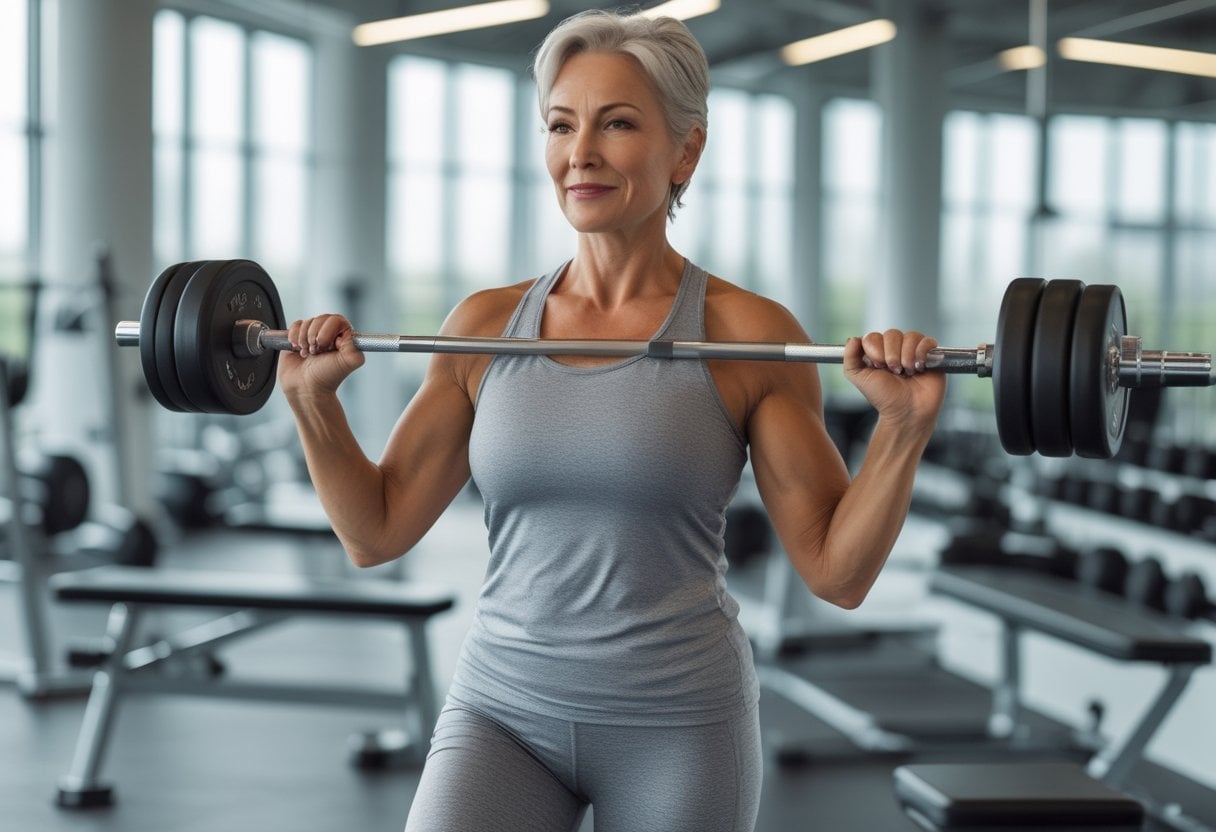
Starting a strength training routine with dumbbells in your 30s could have preserved muscle mass that naturally declines 3-5% per decade. Women over 50 often wish they had begun lifting weights earlier to maintain bone density and functional strength.
Free weights offer advantages over machines by engaging stabilizer muscles and allowing natural movement patterns. You can perform compound exercises like dumbbell squats, chest presses, and rows that work multiple muscle groups efficiently.
A basic routine requires just 20-30 minutes, two to three times weekly. Progressive overload gradually increasing weight or repetitions builds strength safely over time.
Many women avoided weights due to myths about bulking up, missing years of benefits including improved metabolism, joint support, and independence in daily activities. The earlier you start, the more muscle reserve you build for later decades.
2. Daily collagen supplementation (hydrolyzed bovine collagen)

Your body’s natural collagen production declines significantly after age 30. By 50, you’ve likely noticed thinner skin, weaker joints, and reduced elasticity that starting supplementation in your 30s could have addressed.
Hydrolyzed bovine collagen peptides dissolve easily and absorb efficiently. Studies show that taking 5-10 grams daily can improve skin hydration and reduce wrinkle depth within 8-12 weeks.
The key is consistency. You’ll get better results by taking it daily rather than sporadically. Mix it into your morning coffee or smoothie since it’s tasteless and won’t change your routine.
Pair your collagen with 50-100 mg of vitamin C to support synthesis. This combination helps your body use the collagen more effectively for skin, joints, and bones.
3. Routine mammogram scheduling and breast health tracking

Starting regular mammograms at age 40 allows for earlier detection of breast cancer when treatment is most effective. Current guidelines recommend screening every other year for women at average risk, though annual screenings remain an option based on individual circumstances.
One in six breast cancers occurs in women ages 40 to 49. By establishing this habit in your forties, you create a baseline for comparison and normalize the screening process.
Beyond scheduling mammograms, tracking changes in your breast tissue matters. Monthly self-examinations help you recognize what’s normal for your body. You can identify unusual lumps, changes in shape, or skin texture differences more quickly when you monitor regularly.
Keeping records of your mammogram dates and results simplifies communication with healthcare providers. This organized approach reduces scheduling gaps and ensures continuity in your breast health monitoring as you age.
4. Consistent pelvic floor exercises (Kegel program)

Your pelvic floor muscles form a supportive structure at the base of your pelvis, holding your bladder, bowel, and uterus in place. Starting Kegels in your 30s would have made a significant difference in how your body handles the natural changes of aging.
These exercises strengthen the muscles that control urinary and bowel function. Women who practice them regularly experience better bladder control and reduced risk of incontinence when coughing, sneezing, or lifting heavy objects.
The exercises are simple to perform anywhere, anytime. You contract the same muscles you’d use to stop urinating midstream, hold for a few seconds, then release.
Starting earlier builds a stronger foundation before menopause and childbirth take their toll. Even if you’re beginning now, consistent practice still offers meaningful improvements in pelvic health and muscle strength.
5. Annual comprehensive bone density (DEXA) scans
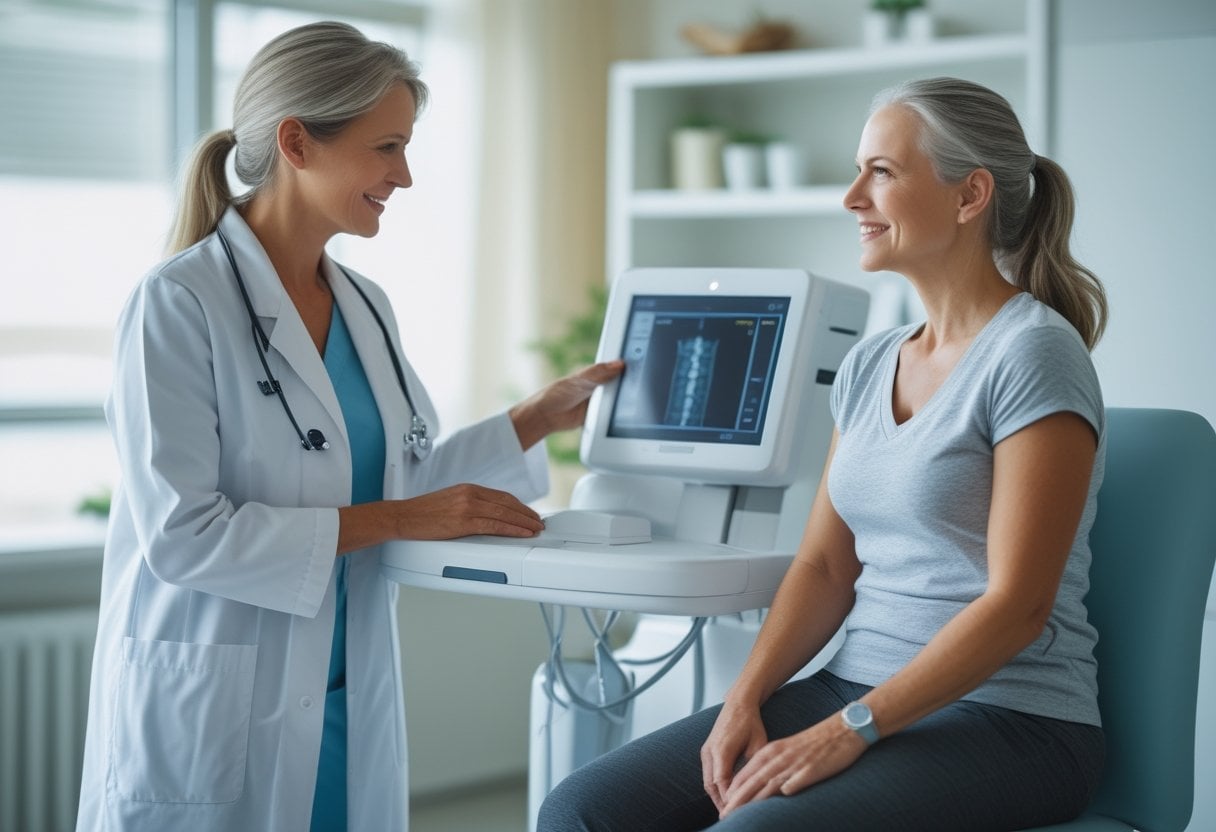
Standard medical guidelines recommend DEXA scans starting at age 65, but bone loss begins decades earlier. If you’re over 50, you’ve likely already experienced significant changes in bone density that went undetected.
A DEXA scan measures bone mineral density using low-dose X-rays. It identifies osteoporosis risk before fractures occur and establishes a baseline for tracking changes over time.
Women aged 50-64 with private insurance had screening rates of only 27.9%, meaning most went without this assessment during critical years. Starting scans at 50 instead of 65 gives you 15 additional years of data to guide prevention strategies.
The test takes minutes and provides clear metrics about your skeletal health. Medicare covers scans every two years after 65, but earlier annual monitoring offers better trend analysis when bone loss accelerates during menopause.
6. Regular Mediterranean-style meal planning

Planning your meals around Mediterranean principles becomes easier when you make it a weekly habit. This approach centers on vegetables, legumes, whole grains, fish, nuts, and olive oil rather than restrictive rules.
Women who adopt this pattern in their 30s often report better energy levels and easier weight management by their 50s. The diet supports heart health, bone strength, and cognitive function through nutrient-dense whole foods.
You don’t need elaborate cooking skills to follow this eating pattern. Stock your kitchen with staples like canned beans, frozen fish, leafy greens, and quality olive oil. Map out simple meals each Sunday that incorporate these ingredients throughout the week.
The Mediterranean approach works because it’s sustainable. You’re adding flavorful, satisfying foods rather than eliminating entire food groups. Starting this practice earlier means decades of accumulated health benefits.
7. Professional financial planning and retirement projection

Working with a financial professional ranks as one of the most effective steps you can take for retirement preparation. Research shows that 35 percent of retired women credit this as their key success factor.
The challenge is timing. Many women wish they had started this partnership decades earlier, when compound growth and strategic planning could have maximized their outcomes.
Your 50s represent a critical window for financial decisions. The choices you make now directly impact whether your retirement feels comfortable or stressful.
Professional guidance helps you address specific concerns like longevity planning, income gaps, and tax optimization. A comprehensive retirement projection reveals whether your current savings trajectory aligns with your goals. This clarity allows you to make informed adjustments while you still have time to course-correct.
Without professional input, you risk joining the 20 percent of adults over 50 who have no retirement savings at all.
8. High-quality sleep routine with blackout curtains and sleep mask

Your sleep quality directly affects muscle repair, brain recovery, and skin regeneration. Darkness triggers melatonin production, which declines naturally with age.
Blackout curtains block 85-99% of light from outdoor sources. Install curtains wide enough to cover light gaps around your windows. They create a consistent sleep environment for your entire bedroom.
Sleep masks offer 100% light blocking and work for both outdoor and indoor light sources. A 3D contoured mask won’t put pressure on your eyes and stays in place throughout the night.
Combining both tools provides maximum protection for your circadian rhythm. The curtains handle ambient light while the mask addresses any remaining gaps. This setup stabilizes cortisol levels and deepens sleep cycles.
Premium options are more effective than basic versions, but even standard blackout solutions improve rest quality.
9. Regular skin-checks with a dermatologist

Years of sun exposure accumulate over time, making professional skin cancer screenings increasingly important after age 50. Early detection can make a significant difference in treatment outcomes.
Many women skip regular dermatology appointments when their skin looks fine. However, skin cancer warning signs aren’t always obvious to the untrained eye. A dermatologist can identify suspicious moles, precancerous spots, and other concerns you might miss.
Annual skin checks become more valuable as you age. Your dermatologist examines areas you can’t easily see yourself, like your scalp and back.
Starting these appointments in your 30s establishes a baseline for comparison and builds a relationship with a provider who knows your skin’s history. Regular monitoring allows for early intervention when treatments are most effective.
10. Daily vitamin D3 supplementation at physician-recommended dose

Many women over 50 wish they had started taking vitamin D3 in their thirties. Your body’s ability to produce vitamin D from sunlight decreases with age, making supplementation increasingly important for bone health and immune function.
The recommended daily dose is 600 IU for adults up to age 70 and 800 IU for those over 70. Your physician may suggest higher amounts based on your blood test results and individual needs.
Starting earlier could have helped maintain stronger bones and reduced your risk of osteoporosis. Vitamin D works alongside calcium to support bone density, which becomes harder to preserve after menopause.
A simple blood test determines your current levels. Taking vitamin D3 consistently for the past two decades would have given your body decades of additional bone protection during the critical pre-menopausal years.
11. Learning to say no and set firm boundaries

You spent decades saying yes to everyone but yourself. Yes to volunteer commitments, last-minute favors, and obligations that drained your energy. The exhaustion accumulated while you put everyone else first.
Setting boundaries isn’t selfish. It’s essential for protecting your emotional well-being and preventing burnout.
When you say no without guilt, you create space for what actually matters to you. You teach others how to treat you and stop feeling resentful about being taken for granted.
Start small. Decline one request that doesn’t align with your priorities. You don’t need to justify or over-explain your decision.
Boundaries preserve your time and energy for activities that bring genuine fulfillment. The peace that comes from protecting your resources is worth any temporary discomfort from speaking up.
12. Practice of mindfulness meditation (10-minute daily practice)

Mindfulness meditation doesn’t require hours of your time or a quiet mountaintop retreat. A simple 10-minute daily practice can reduce stress, sharpen your focus, and improve your overall mental well-being.
You can start with a straightforward routine: spend two minutes on deep breathing, three minutes scanning your body for tension, two minutes observing your surroundings, and three minutes in guided meditation. This practice focuses on awareness of the present moment without judgment of your thoughts or feelings.
Research shows that regular mindfulness practice supports both mental and physical health. Many women wish they had discovered this accessible tool decades earlier, as it helps manage anxiety and enhances the quality of daily life and relationships.
You don’t need special equipment or training to begin. Just ten minutes each day can create meaningful change in how you experience stress and navigate daily challenges.
13. Regular colon cancer screening starting per guidelines

Would you like to save this?
Current guidelines recommend starting colorectal cancer screening at age 45 for people at average risk. This means if you’re over 50 now, you ideally should have begun screening at 45, though many women waited until 50 under older recommendations.
Screening can detect cancer early when it’s most treatable and even prevent it by finding precancerous polyps. You should continue regular screening through age 75 if you’re in good health with a life expectancy greater than 10 years.
If you have risk factors like inflammatory bowel disease or a family history of colorectal cancer, you may need to start screening earlier than 45. Several screening options exist, including colonoscopy and stool-based tests, so you can discuss what works best for your situation with your doctor.
14. Establishing an emergency savings fund covering 6 months’ expenses

An emergency fund acts as a financial cushion when unexpected expenses arise. You set aside money specifically for unplanned costs like medical bills, car repairs, or job loss.
To determine your target amount, review your bank and credit card statements from the past year. Calculate your average monthly spending on essential expenses, then multiply by six. This gives you a clear savings goal.
Building six months of expenses takes time. Start with smaller milestones, like saving $1,000 first, then working toward one month’s expenses before scaling up.
Keep your emergency fund in a separate high-yield savings account. This ensures the money remains accessible while earning interest. You avoid the temptation to use it for non-emergencies when it’s kept separate from your regular checking account.
Regular monthly contributions make the process manageable and help you reach your goal steadily.
15. Pelvic health physical therapy when needed

Many women discover pelvic floor physical therapy only after problems arise, when earlier intervention could have prevented years of discomfort. This specialized treatment addresses issues like bladder leakage, pelvic pain, and sexual dysfunction that become more common during perimenopause and menopause.
Your pelvic floor changes throughout life, particularly after childbirth and as hormone levels shift. A pelvic floor physical therapist can assess muscle strength and function, then create a targeted treatment plan.
Strengthening these muscles goes beyond basic Kegel exercises. Professional guidance ensures you’re performing exercises correctly and addressing your specific needs. This therapy can restore bladder control, reduce pain, and improve quality of life.
You don’t need to wait for severe symptoms to seek help. Early assessment and treatment prevent minor issues from becoming major limitations as you age.
16. Scheduled social club or women’s group membership

Building friendships becomes harder as life gets busier with career and family obligations. Many women find themselves isolated in their 50s, wishing they had invested in structured social connections earlier.
Regular membership in a women’s group creates accountability and consistency that casual friendships often lack. You show up because it’s scheduled, not because you have to muster energy after an exhausting week.
These communities provide built-in support systems during life transitions like career changes, empty nesting, or divorce. Women who joined groups in their 30s report stronger social networks and less loneliness decades later.
Organizations offering local chapters, regular meetups, and shared activities help you maintain connections that might otherwise fade. The structure removes the burden of constantly initiating plans yourself.
17. Consistent walking routine of 30 minutes most days

Walking offers benefits that become clearer after 50, when your body responds differently to exercise. A 30-minute daily walk strengthens your cardiovascular system and reduces your risk of heart disease and stroke.
This simple routine helps maintain bone density, which naturally declines with age. It also supports weight management by keeping your metabolism active and reducing visceral fat.
The mental health benefits are significant. Regular walking improves mood, reduces stress, and supports cognitive function as you age.
You don’t need special equipment beyond supportive shoes and a water bottle. The consistency matters more than intensity. Most women who establish this habit in their 30s find it easier to maintain as they age, avoiding the challenge of building new exercise patterns later in life.
18. Professional grief or life coaching after major losses

When you experience significant loss in your 30s, you might try to power through alone. Many women wish they had sought professional support earlier to process grief from divorce, death, career changes, or other major transitions.
Grief coaching focuses on building resilience and developing practical coping mechanisms. Unlike traditional therapy, it emphasizes moving forward while honoring your emotions and experiences.
A coach helps you navigate the present and create a fulfilling future after loss. This support is particularly valuable during midlife transitions like empty nest syndrome, retirement, or becoming a widow.
Working with a professional provides structured guidance when you feel stuck or isolated. Women who connected with coaches during difficult times often report finding clarity and renewed purpose faster than those who waited.
19. Yearly hearing tests and follow-up care
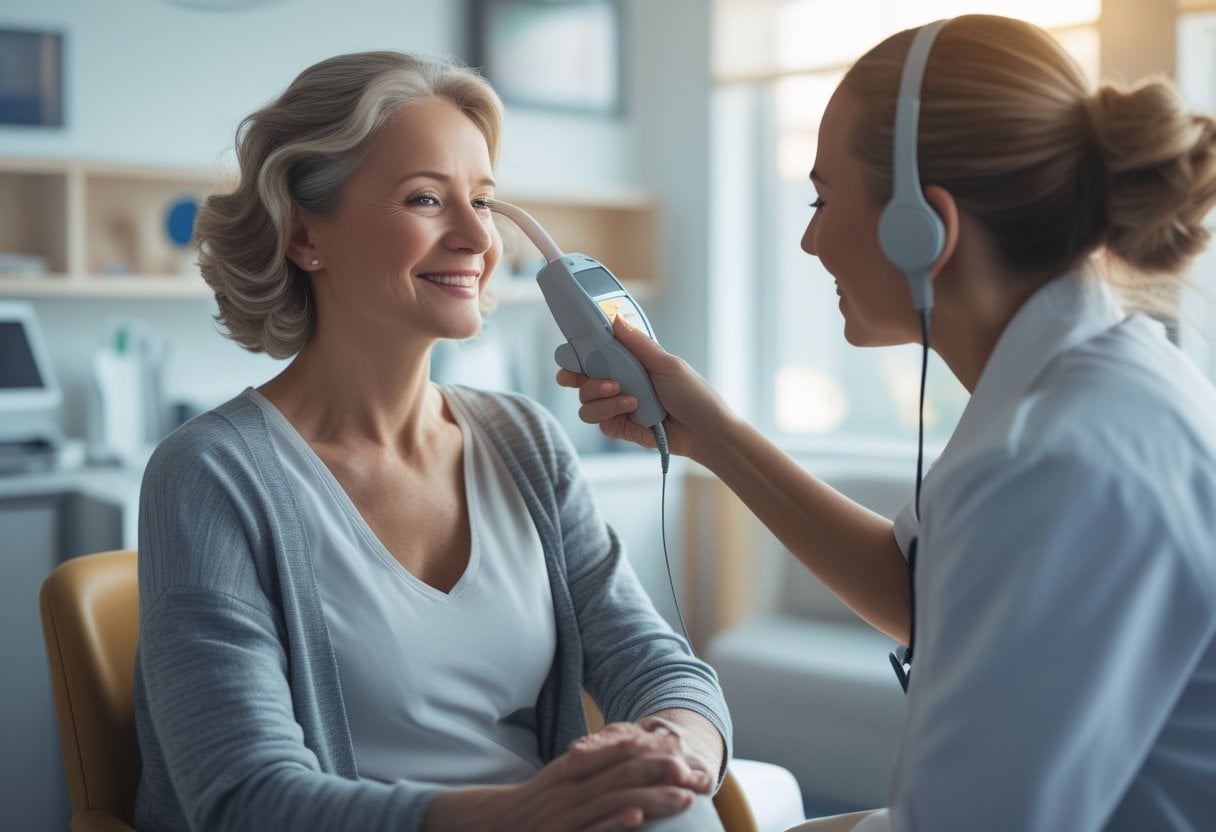
Primary care doctors often skip hearing checks during routine appointments. Studies show that 80% of Americans over 50 haven’t been asked about their hearing in the past two years.
Hearing changes happen gradually, making them easy to miss. You might not notice until you’re frequently asking people to repeat themselves or increasing the television volume.
Starting annual hearing tests at age 50 helps catch problems early. Hormonal shifts and cumulative noise exposure affect your auditory function over time, making regular monitoring valuable.
Early detection allows for timely intervention. Addressing hearing loss sooner rather than later helps maintain your quality of life and makes treatment more effective.
Bring up hearing screenings with your doctor if they don’t. Making this part of your preventive care routine protects your long-term hearing health.
20. Prioritizing annual dental cleanings and periodontal care
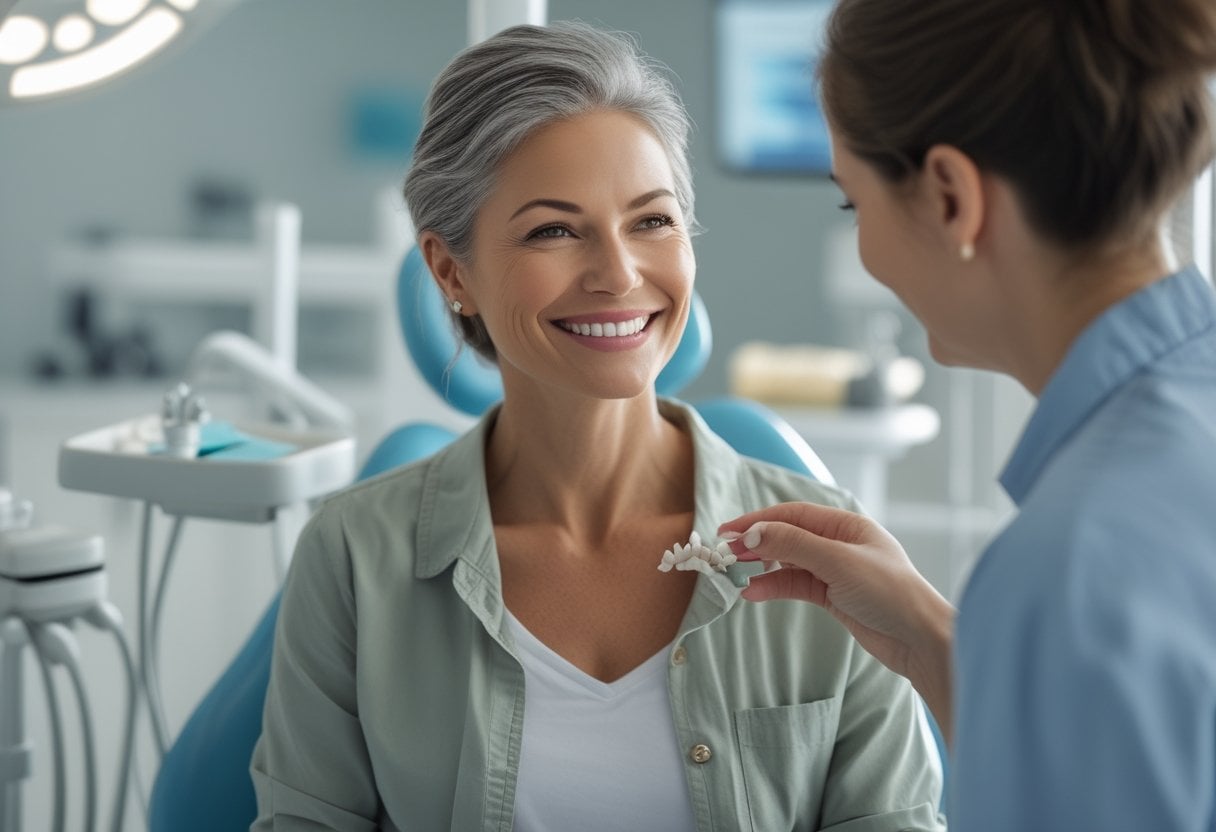
Regular dental cleanings become increasingly important after age 30, when nearly half of adults begin experiencing gum disease. Waiting until problems arise often leads to more invasive and expensive treatments like root canals or extractions.
Preventive care through twice-yearly cleanings helps detect issues early. Your dentist can spot the beginning stages of decay, gum disease, or other oral health problems before they require major intervention.
Periodontal care specifically addresses gum health, which affects more than just your mouth. Untreated gum infections can impact your overall health and lead to bone loss around your teeth.
The investment in preventive appointments costs significantly less than treating advanced dental disease. Professional cleanings remove plaque buildup that daily brushing and flossing miss, protecting both your teeth and gums from damage.
21. Switching to SPF 30+ broad-spectrum sunscreen daily
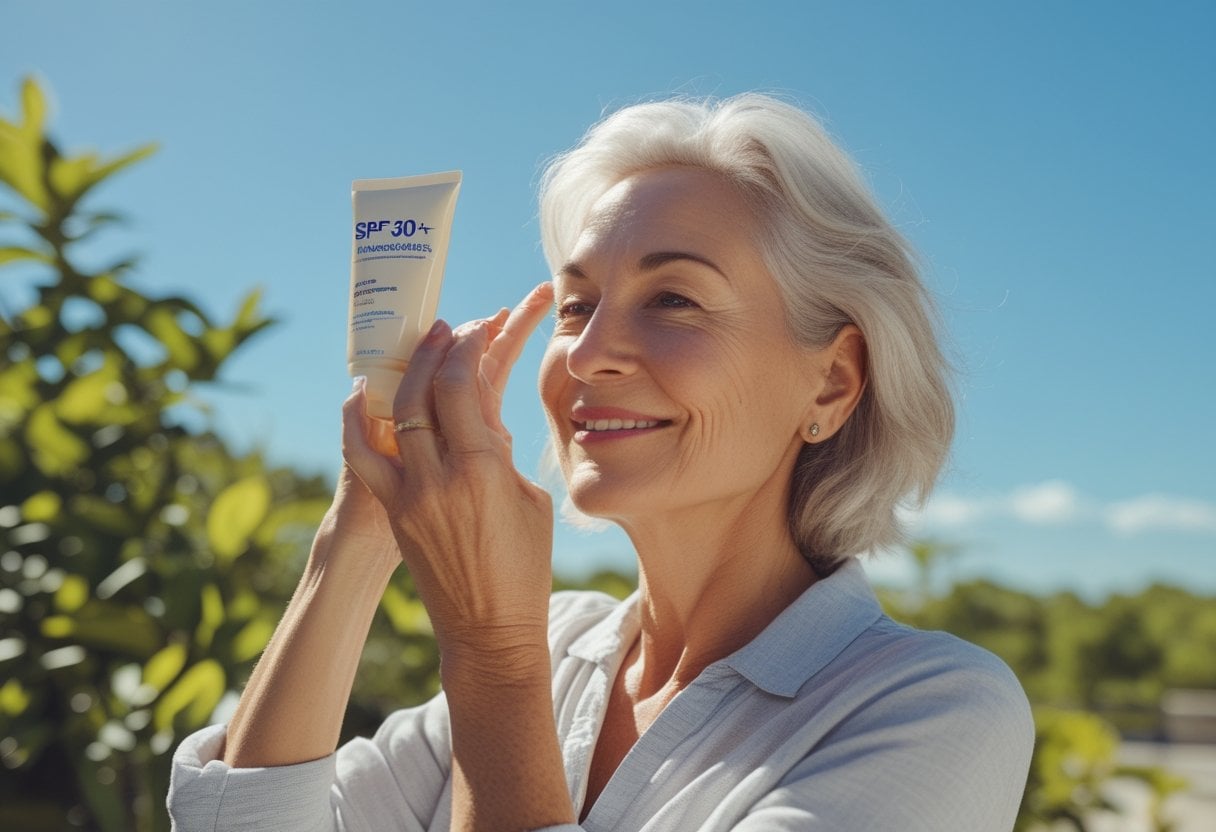
You probably didn’t think much about daily sunscreen in your thirties, but dermatologists agree it’s the most effective anti-aging product available. Broad-spectrum protection shields your skin from both UVA and UVB rays, preventing further damage and visible signs of aging.
SPF 30 or higher provides adequate protection when applied consistently. The key word is daily—not just for beach days or summer months. Your skin needs protection year-round, even on cloudy days or when you’re indoors near windows.
The best sunscreens for mature skin now include hydrating ingredients and lightweight formulas that work well under makeup. Finding one you actually enjoy applying makes daily use effortless. Your skin will thank you for the protection, even if you’re starting later than you’d like.
22. Regular pelvic/gynecologic care including hormone review

Many women stop scheduling gynecological appointments after their childbearing years end. This is a mistake, as significant health issues often emerge during and after menopause.
Regular pelvic exams help doctors detect early signs of cancer, monitor changes in reproductive organs, and address concerns before they become serious problems. Your gynecologist can screen for conditions specific to this stage of life that require ongoing attention.
Hormone testing between ages 35 and 55 provides insight into fluctuations in estrogen, progesterone, and testosterone. These changes may explain symptoms like irregular periods, mood shifts, weight gain, or fatigue. Understanding your hormone levels allows for informed decisions about treatment options.
Continuing gynecological care throughout your 50s and beyond supports overall wellness and catches potential issues when they’re most treatable.
23. Legal estate planning: will, advance directive, durable power of attorney

Estate planning protects your assets and ensures your wishes are followed. Many women wish they had addressed these critical documents in their thirties instead of putting them off.
A will directs how your assets get distributed after you pass away. Without one, state laws determine who receives your property, which may not align with your preferences.
An advance directive provides instructions for your medical care if you cannot communicate your wishes due to illness or injury. This document typically includes a living will that specifies your treatment preferences.
A durable power of attorney designates someone to handle your financial decisions if you become incapacitated. A healthcare power of attorney names someone to make medical choices on your behalf when you cannot.
These documents save your loved ones time, stress, and potential conflicts during difficult moments.
24. Learning basic digital literacy and smartphone skills

You probably didn’t anticipate how central technology would become to daily life. Many women over 50 wish they had built digital confidence earlier, when the learning curve felt less steep.
Basic skills like downloading apps, managing settings, and navigating smartphones can feel demanding without prior experience. What’s often labeled as “entry-level” technology knowledge actually requires significant effort to master, especially if you’re starting from scratch.
Starting earlier would have meant less frustration and more independence now. Digital literacy affects your ability to access essential services, stay connected with family, and maintain financial stability.
The gap isn’t insurmountable, but two decades of gradual learning would have felt less overwhelming than trying to catch up all at once. Technology education tailored for older adults exists now, but early adoption would have made today’s digital world far more manageable.
25. Investing in a high-quality supportive mattress

Would you like to save this?
Your body changes as you age, and the mattress that worked in your thirties may not provide adequate support now. A quality mattress typically lasts seven to ten years, but many women continue using theirs far longer than recommended.
Proper spinal alignment becomes increasingly important after 50. A supportive mattress can reduce pressure points and alleviate common issues like back pain and stiffness that interrupt sleep.
Materials matter when selecting a mattress. High-density foam and natural latex options often provide better longevity and support than budget alternatives. These materials conform to your body while maintaining proper alignment.
Your sleep quality directly affects your energy levels, mood, and overall health. Starting this investment earlier would have meant years of better rest and fewer mornings waking up with aches and discomfort.
26. Cultivating hobbies outside work: painting, gardening, or pottery

Many women reach their fifties wishing they’d devoted time to creative pursuits decades earlier. Painting, gardening, and pottery offer tangible benefits beyond simple enjoyment.
These hobbies provide mental stimulation and stress relief that’s difficult to find in professional environments. Gardening combines physical activity with the satisfaction of nurturing living things. Painting and pottery allow for creative expression without the pressure of workplace performance.
Starting creative hobbies in your thirties gives you twenty additional years to develop skills and build a body of work. You gain a separate identity outside your career, which becomes valuable during career transitions or retirement.
The challenge is that work demands often feel more urgent than personal interests. However, women who prioritize hobbies earlier report greater life satisfaction and smoother transitions into their later years. Even weekly sessions can build meaningful skills over time.
27. Regular lipid and metabolic health monitoring with PCP

Lipid levels change significantly as you age, particularly after menopause. What seemed stable in your 30s often shifts dramatically once hormonal changes begin.
Your primary care physician can track your cholesterol, triglycerides, and metabolic markers through routine blood work. These tests detect early warning signs of cardiovascular disease and diabetes before symptoms appear. Regular monitoring allows you to establish baseline values and notice trends over time.
Many women wish they had started annual lipid panels earlier to understand their personal patterns. This data helps your doctor create treatment plans tailored to your specific risk factors.
Starting these screenings at 30 instead of 50 provides decades of valuable information. You gain time to make lifestyle adjustments or begin preventive treatments when they’re most effective. Cardiovascular disease remains the leading cause of death for women, making early detection through consistent monitoring essential.
28. Practicing regular flexibility and mobility stretching sessions

Your body loses flexibility naturally as you age, making everyday movements harder than they need to be. Women who started stretching regularly in their 30s or 40s report better joint health and less stiffness now.
Flexibility and mobility work doesn’t require much time. An 8-minute daily routine can improve your range of motion and reduce joint discomfort. These sessions protect your independence by keeping you able to bend, reach, and move comfortably.
Stretching also improves circulation and helps prevent injuries during other activities. You don’t need equipment or a gym membership to start.
The women who began this practice earlier wish they hadn’t waited until stiffness became a daily issue. Starting sooner means maintaining the flexibility you already have rather than working to regain what you’ve lost.
29. Therapeutic talk therapy for long-standing emotional patterns

Many women over 50 recognize recurring emotional patterns that have shaped their relationships, work life, and self-perception for decades. Starting therapy earlier could have helped identify these patterns when they were still forming.
Long-standing emotional patterns often include anxiety, self-criticism, relationship difficulties, or feelings of being stuck despite having insight into the problems. These patterns tend to repeat themselves because they’re deeply rooted in your history and experiences.
Talk therapy provides a structured space to examine why certain emotional responses feel automatic. You can explore how past experiences influence present reactions and learn new ways of responding.
Schema therapy and similar approaches are particularly effective for patterns that have persisted over many years. The therapeutic relationship itself becomes a tool for understanding and changing how you relate to others and yourself.
30. Starting a diversified investment portfolio earlier

Most women begin investing around age 31, but many wish they had started sooner. The earlier you start, the more time your money has to grow through compound interest.
A diversified portfolio spreads your investments across different assets like stocks, bonds, mutual funds, and real estate. This approach balances risk and reward, providing steadier returns over time rather than putting all your money in one place.
Starting 20 years earlier would have given your investments two additional decades to weather market fluctuations and build substantial wealth. Even small, consistent contributions in your 30s can grow significantly by your 50s.
You don’t need large sums to begin. Starting with whatever amount you can afford and maintaining consistency matters more than waiting until you have more money. The key is taking that first step.
31. Taking a probiotics regimen tailored to antibiotic history
Antibiotics disrupt your gut microbiome by eliminating both harmful and beneficial bacteria. Women over 50 often require antibiotics more frequently due to increased susceptibility to infections, which compounds the problem.
Starting probiotics during antibiotic treatment can help maintain gut balance. The timing matters—take probiotics a few hours apart from your antibiotic dose to maximize their survival and effectiveness.
Your antibiotic history should inform your probiotic choices. If you’ve completed multiple antibiotic courses over the years, you may benefit from targeted strains that specifically restore depleted beneficial bacteria. Certain probiotic strains have shown effectiveness in reducing antibiotic-associated diarrhea and supporting gut health recovery.
Consider beginning probiotics before starting antibiotics and continuing them for several weeks after completing your course. This approach supports thorough gut flora restoration and helps prevent digestive issues.
32. Learning to negotiate salary and ask for promotions

Many women reach their 50s wishing they had advocated for themselves earlier in their careers. The financial impact of not negotiating compounds over decades, affecting retirement savings and lifetime earnings.
Research shows women with advanced business skills now ask for raises at similar or higher rates than men. The gap isn’t about asking anymore—it’s about preparation and execution.
Effective salary negotiations require three elements: specific numbers backed by market data, a clear connection to your business impact, and confident delivery. You need to practice your ask out loud before the actual conversation.
Negotiation extends beyond salary to promotions, project assignments, and professional development opportunities. Each time you advocate for yourself, you set a precedent for fair compensation in your workplace.
The skills you develop through negotiation benefit your entire career trajectory. Starting earlier means more opportunities to build wealth and advance professionally.
33. Volunteering regularly for community engagement
Starting a volunteer routine in your 30s would have given you decades of meaningful connections and purpose. Regular volunteering creates lasting friendships with people who share your values and commitment to making a difference.
The health benefits are significant. Adults who volunteer at least 100 hours yearly show reduced mortality risk and better physical functioning as they age. You’ll maintain higher activity levels and improved self-rated health compared to non-volunteers.
Beyond personal gains, your community needs your skills and experience. Adults over 50 now contribute nearly 54 percent of all volunteer hours, up from 42 percent two decades ago. Your expertise matters more than you realize.
The work itself keeps you engaged and grateful. Many women find that volunteering provides the sense of purpose they were seeking, whether through mentoring programs, food banks, or environmental initiatives.
34. Scheduling annual full-body health physicals

Would you like to save this?
Annual physical exams become increasingly important after 50, yet many women wish they had established this habit earlier. These comprehensive checkups allow your doctor to catch potential health issues before they become serious problems.
A full physical typically includes blood pressure monitoring, cholesterol screening, blood sugar tests, and cancer screenings. Women over 50 need specific tests like mammograms every one to two years, bone density scans for osteoporosis, and colorectal cancer screening.
Your annual exam is also the time to update immunizations. You’ll need flu shots yearly, along with tetanus boosters and vaccines for pneumococcal diseases and shingles.
Starting this routine in your 30s creates a baseline health record that helps your doctor track changes over time. Regular physicals also build a stronger relationship with your healthcare provider, making it easier to discuss health concerns as they arise.
35. Adopting a home-strengthening yoga practice (vinyasa or restorative)

Starting a yoga practice at home offers flexibility and convenience that many women wish they’d embraced earlier. You don’t need to commit to studio schedules or feel self-conscious as a beginner.
Vinyasa yoga links breath with movement through flowing sequences that build strength and flexibility. Restorative yoga focuses on gentle, supported poses that promote relaxation and recovery. Both styles can be modified to suit your current fitness level and physical needs.
A home practice allows you to move at your own pace and customize your routine. You can focus on poses that address your specific concerns, whether that’s improving balance, maintaining bone density, or reducing stress.
The key is consistency rather than perfection. Even 15-20 minutes several times per week can yield meaningful benefits for your body and mind.
Benefits of Early Self-Investment

Self-investment compounds in ways that extend far beyond immediate returns. Women who prioritize their health, finances, and emotional well-being in their 30s and 40s create advantages that multiply over decades.
Health Advantages Accumulated Over Time
Your body responds better to preventive care when you start earlier. Regular exercise routines established in your 30s build bone density that protects against osteoporosis later. Cardiovascular health improves more dramatically when you address it before age 50.
Early health investments include consistent sleep schedules, stress management practices, and nutritional habits. These create cellular-level changes that slow aging processes. Women who begin strength training in their 30s maintain muscle mass more effectively through menopause.
Preventive medical screenings catch issues when they’re most treatable. Starting mammograms, bone density tests, and cardiovascular assessments at recommended ages increases survival rates significantly. Your immune system also maintains stronger function when supported by decades of healthy choices rather than reactive interventions.
Financial Growth From Strategic Planning
Time amplifies money through compound interest. A woman who invests $500 monthly starting at age 30 accumulates substantially more than someone who invests $1,000 monthly starting at age 50, assuming equivalent returns.
Early retirement contributions benefit from employer matching programs and tax advantages over longer periods. You have more flexibility to weather market fluctuations when your investment timeline spans 30 years instead of 15. Studies show that women who invest begin at age 31 on average, yet most wish they had started sooner.
Strategic planning in your 30s allows for calculated risks that build wealth. You can diversify investments, develop multiple income streams, and recover from setbacks. Financial literacy developed early creates confidence in decision-making that persists throughout your career.
Strengthening Emotional Resilience
Emotional skills develop through practice and repetition. When you invest in therapy, coaching, or personal development earlier, you build coping mechanisms that serve you through life’s challenges. Processing past trauma in your 30s prevents it from compounding into chronic anxiety or depression.
Self-awareness grows deeper with consistent reflection. Journaling practices, meditation, or therapy sessions create neural pathways that make emotional regulation easier over time. You develop better boundaries in relationships when you practice assertiveness for decades rather than years.
Early investment in your mental health creates a foundation that supports you through menopause, career transitions, and relationship changes. Women who prioritize emotional wellness earlier report higher life satisfaction and stronger interpersonal connections in their 50s and beyond.
Changing Perspectives on Aging
Many women over 50 report that their biggest regret involves not challenging societal narratives about aging sooner, particularly the belief that milestone achievements and personal growth have expiration dates.
Breaking Stereotypes Around Milestones
You’ve likely encountered the persistent myth that significant achievements belong to youth. Research shows that women who reach personal and professional milestones after 50 often wish they hadn’t internalized these limiting beliefs earlier in life.
The reality contradicts these stereotypes. Many women experience career breakthroughs, start businesses, change industries, or pursue creative endeavors well past 50. You don’t need to accept the narrative that your value diminishes with age.
Common milestone stereotypes to reject:
- Career advancement stops at a certain age
- Physical transformation requires youth
- Creative pursuits need early starts
- Relationship changes aren’t possible later in life
Societal pressures create what researchers call “intersectional discrimination” at the nexus of ageism and sexism. When you internalize these messages, you may hold back from opportunities that align with your actual capabilities and desires.
Lifelong Learning and Adaptability
Your brain maintains remarkable capacity for learning and growth throughout your lifespan. The aging brain often excels at nuanced decision-making and synthesizing knowledge from experience, advantages you couldn’t access in your 30s.
Women over 50 frequently cite not embracing adaptability earlier as a missed opportunity. You can develop new skills, change thought patterns, and adjust perspectives at any age. Studies indicate that people with positive beliefs about aging experience better health outcomes and greater life satisfaction.
You have the ability to reshape ingrained perceptions about aging, even those formed unconsciously decades ago. This shift requires active effort but produces tangible benefits in how you approach opportunities and challenges.