33 Saturday Morning Rituals Every Gen X Mom Still Remembers: A Nostalgic Journey Through the 70s and 80s
For Gen X moms, Saturday mornings weren’t just the start of the weekend, they were a weekly ritual built around cereal, cartoons, and complete freedom.
Before streaming services and on-demand entertainment, you had one chance each week to catch your favorite shows, and missing an episode meant waiting for reruns or hoping a friend recorded it on VHS.
These Saturday morning rituals shaped an entire generation’s childhood experience, creating memories that still resonate decades later. From the specific cereals you poured to the way you positioned yourself in front of the television, these small routines became defining moments of Gen X life.
The excitement of waking up early, the sound of static as channels warmed up, and the unspoken rules about couch positioning all contributed to a cultural experience unique to your generation.
This shared experience created a blueprint for weekend mornings that influenced everything from breakfast choices to social interactions with friends.
The rituals extended beyond just watching television, they included trading collectibles, planning your viewing schedule with TV Guide, and negotiating household rules to maximize cartoon time.
1. Pouring a bowl of Count Chocula or Franken Berry cereal
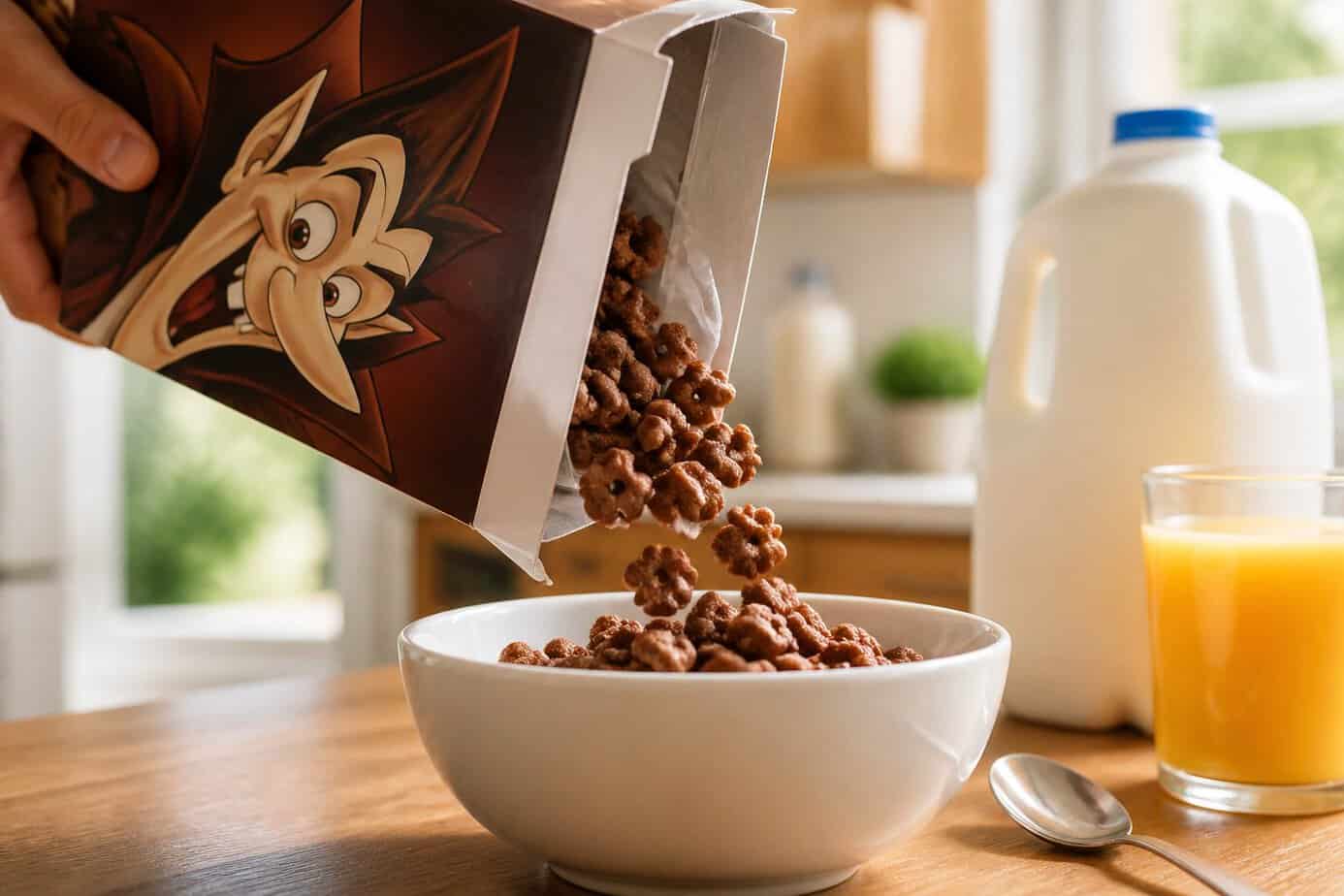
Saturday mornings meant one thing: monster cereals. You grabbed the box of Count Chocula or Franken Berry from the top of the fridge, feeling like you’d won a small victory.
General Mills launched these cereals in 1971, turning breakfast into something special. Count Chocula delivered chocolate-flavored oat cereal with marshmallows, while Franken Berry offered the same base with strawberry flavor and those distinctive pink pieces.
You’d pour a generous bowl, probably more than your mom intended. The cereal would pile high as you settled onto the carpet in front of the TV. The milk turned colors as you ate, chocolate brown or strawberry pink, which somehow made the whole experience even better.
These weren’t everyday cereals. They were treats reserved for weekend mornings when you could take your time and enjoy every sugary bite.
2. Tuning the dial to Saturday morning cartoon blocks
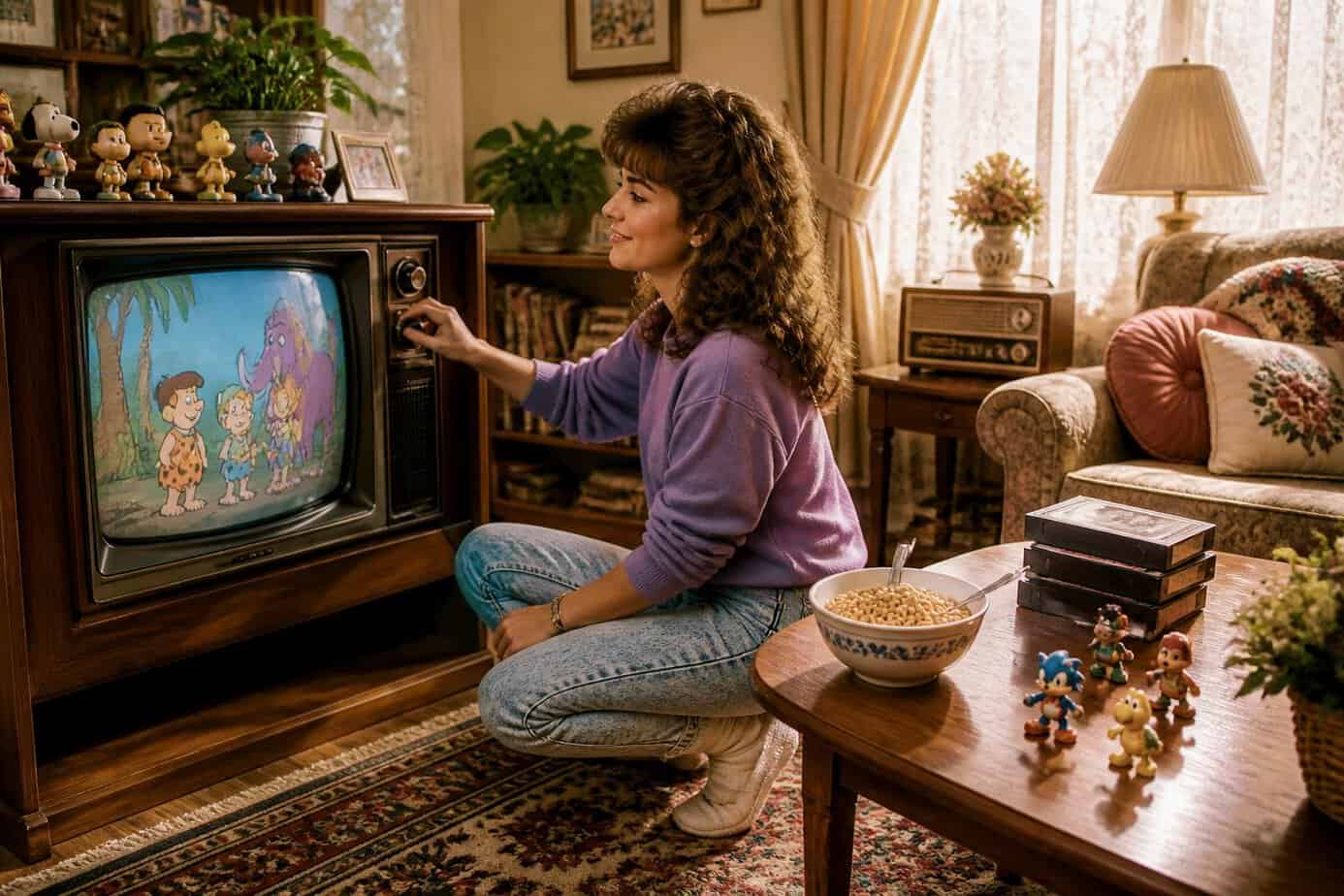
You knew exactly which channels had the best lineups. ABC, CBS, NBC, and FOX each offered their own Saturday morning cartoon blocks, and switching between them was an art form.
The dial clicked from one network to another as you searched for your favorites. You memorized the schedules, knowing when to flip from one show to the next without missing a beat.
Each network had its signature style. You might start with one channel’s superhero cartoons, then switch to another for comedy shows. The remote control made this easier, but many of you still remember getting up to manually turn the dial.
This channel-surfing ritual was part of the experience. You became an expert at timing your switches during commercial breaks.
3. Sneaking downstairs before parents woke
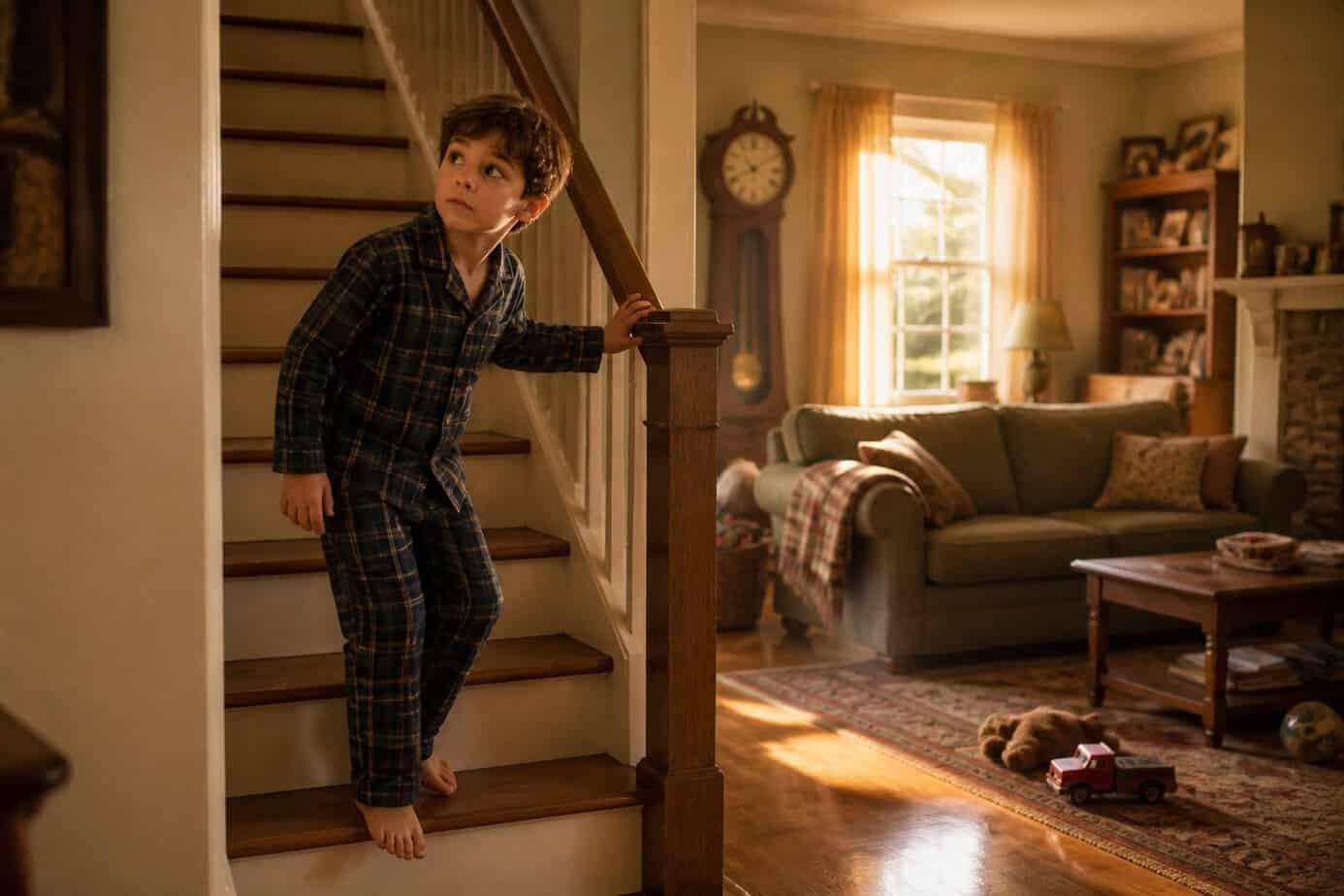
You mastered the art of silent movement on Saturday mornings. The goal was reaching the TV before anyone else stirred, which meant navigating creaky stairs and avoiding that one squeaky floorboard you’d memorized.
You moved deliberately, skipping the third step that always groaned under weight. Your parents were still asleep upstairs, and you wanted to keep it that way. Those early hours belonged to you alone.
The house felt different in that pre-dawn quiet. You’d grab your cereal and claim your spot on the couch, remote in hand. By 7:00 a.m., you were already settled in your pajamas with the TV volume low enough not to wake anyone.
This wasn’t rebellion. It was simply understanding that the best cartoons aired early, and sleeping in meant missing out.
4. Plopping on the living room carpet with a cereal bowl

You didn’t sit on the couch. That wasn’t the spot. The living room floor was your territory, and you claimed it every Saturday morning with your bowl of cereal in hand.
You’d settle cross-legged or sprawl out on your stomach, positioning yourself directly in front of the TV. The carpet became your personal dining spot, and nobody questioned it. Your parents were still asleep upstairs, and the house was yours.
The cereal box sat within arm’s reach so you could read the back between commercials. By the last spoonful, the milk had turned sweet from the sugar-coated cereal. That spot on the floor wasn’t just where you watched cartoons. It was your Saturday morning headquarters for those few precious hours of complete freedom.
5. Watching Scooby-Doo and pausing for commercials

Scooby-Doo owned Saturday mornings. You settled in with your cereal bowl and watched the Mystery Inc. gang unmask yet another villain in a rubber mask.
The commercials were part of the experience. You sat through ads for Post Alpha-Bits, Sugar Corn Pops, and Chuck E. Cheese. These weren’t interruptions you could skip with a remote. You watched them or you got up to grab more cereal.
ABC ran Scooby-Doo in various formats throughout the early 1980s, including The Scooby-Doo Puppy Hour. The pattern was predictable: cartoon, commercial break, cartoon. You knew exactly when to refill your bowl without missing the unmasking scene.
Those commercial breaks shaped your Saturday rhythm. They gave you time to debate with your siblings about who the monster really was.
6. Rewinding and replaying VHS recordings of cartoons
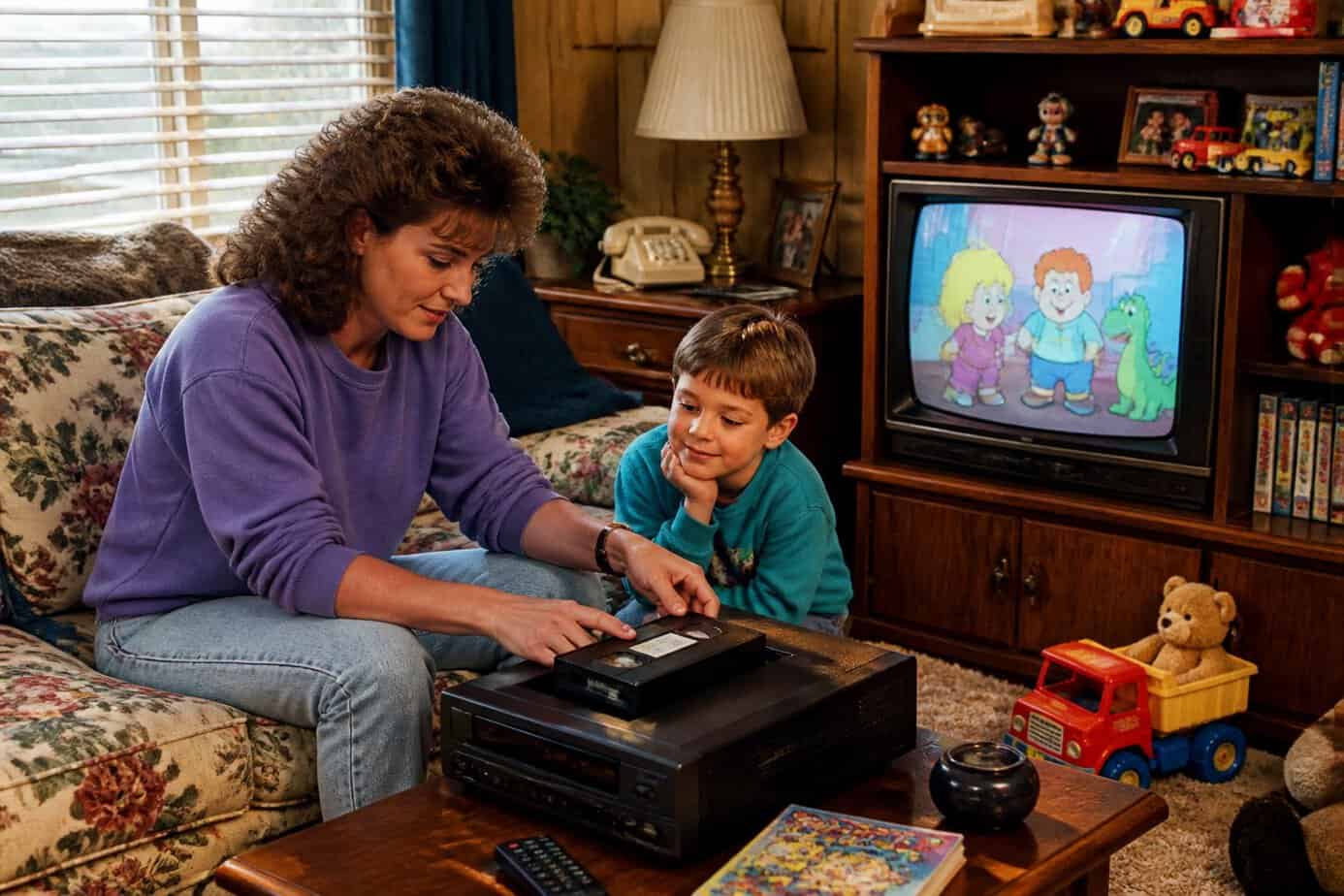
You recorded your favorite cartoons on blank VHS tapes, carefully timing the recording to avoid missing the opening credits. The VCR became essential for catching shows you might sleep through or wanted to watch again.
Rewinding those tapes was part of the routine. You’d press the rewind button and wait, listening to the mechanical whir as the tape spooled backward. Some households followed the “be kind, rewind” rule religiously.
You replayed specific episodes until the tape wore thin, watching the same scenes over and over. The tracking lines and fuzzy audio on overused tapes became familiar quirks. You knew exactly where each cartoon started on the tape, fast-forwarding through commercials you’d seen dozens of times.
Those recorded tapes let you control what network schedules dictated, giving you power over your Saturday morning experience.
7. Trading sealed POGs and Slammers at the kitchen table
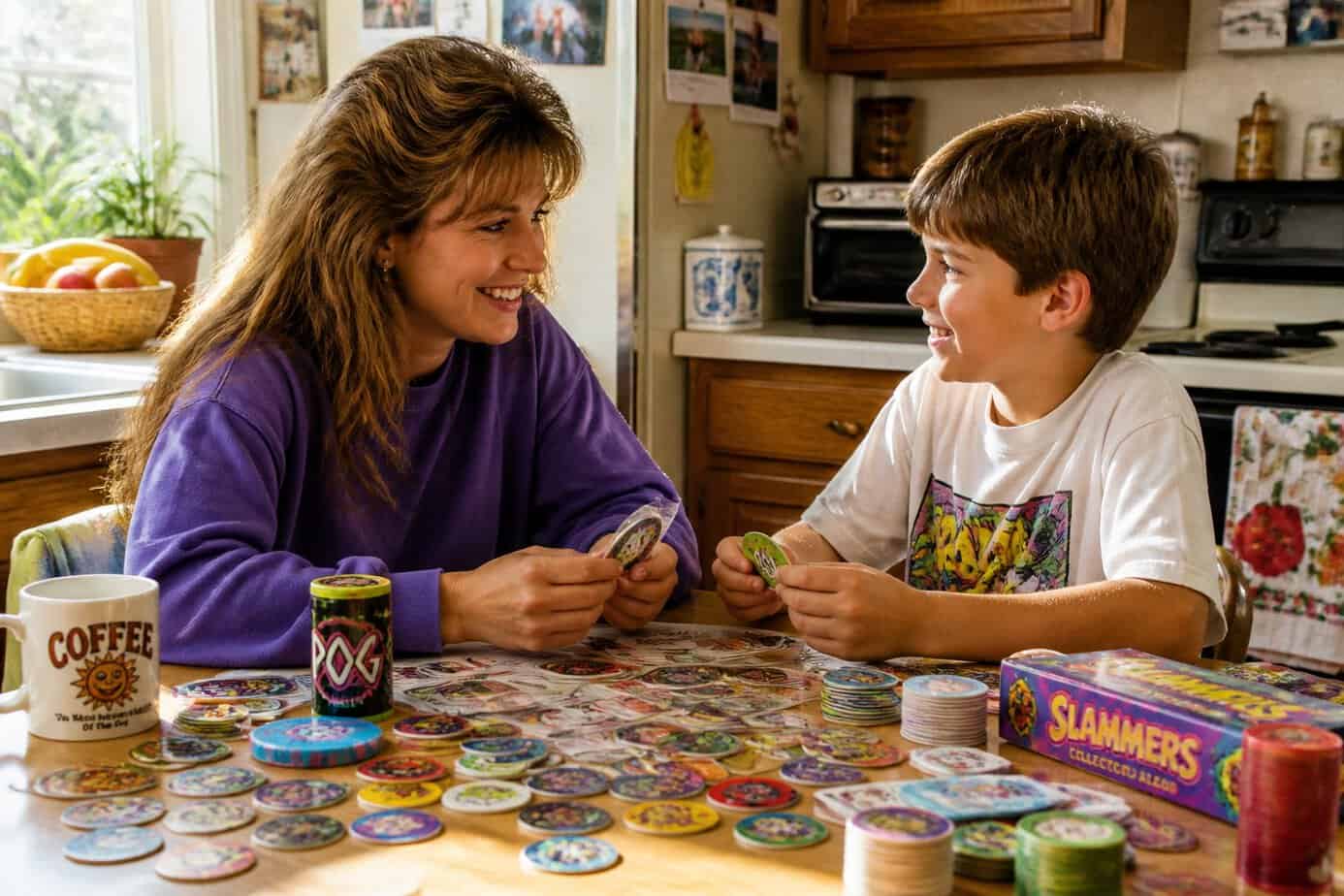
Saturday mornings meant spreading your POG collection across the kitchen table, organizing discs by rarity and design. You negotiated complex trades with siblings or friends who came over early, weighing whether to swap ten common caps for one holographic treasure.
The slammers were the real currency. A heavy metal slammer could shift the balance of any deal, and you knew exactly which ones had the best weight and design.
Your mom tolerated the clutter as long as you cleared the table before lunch. You’d arrange stacks by theme—sports, cartoons, or limited editions—debating each trade’s fairness. The sound of cardboard tubes opening and POGs clicking together became the soundtrack to those quiet morning hours.
Some discs stayed sealed in their original packaging, too valuable to risk in actual games. Those were your bargaining chips for serious trades.
8. Timing cartoons between cartoons with a wall clock
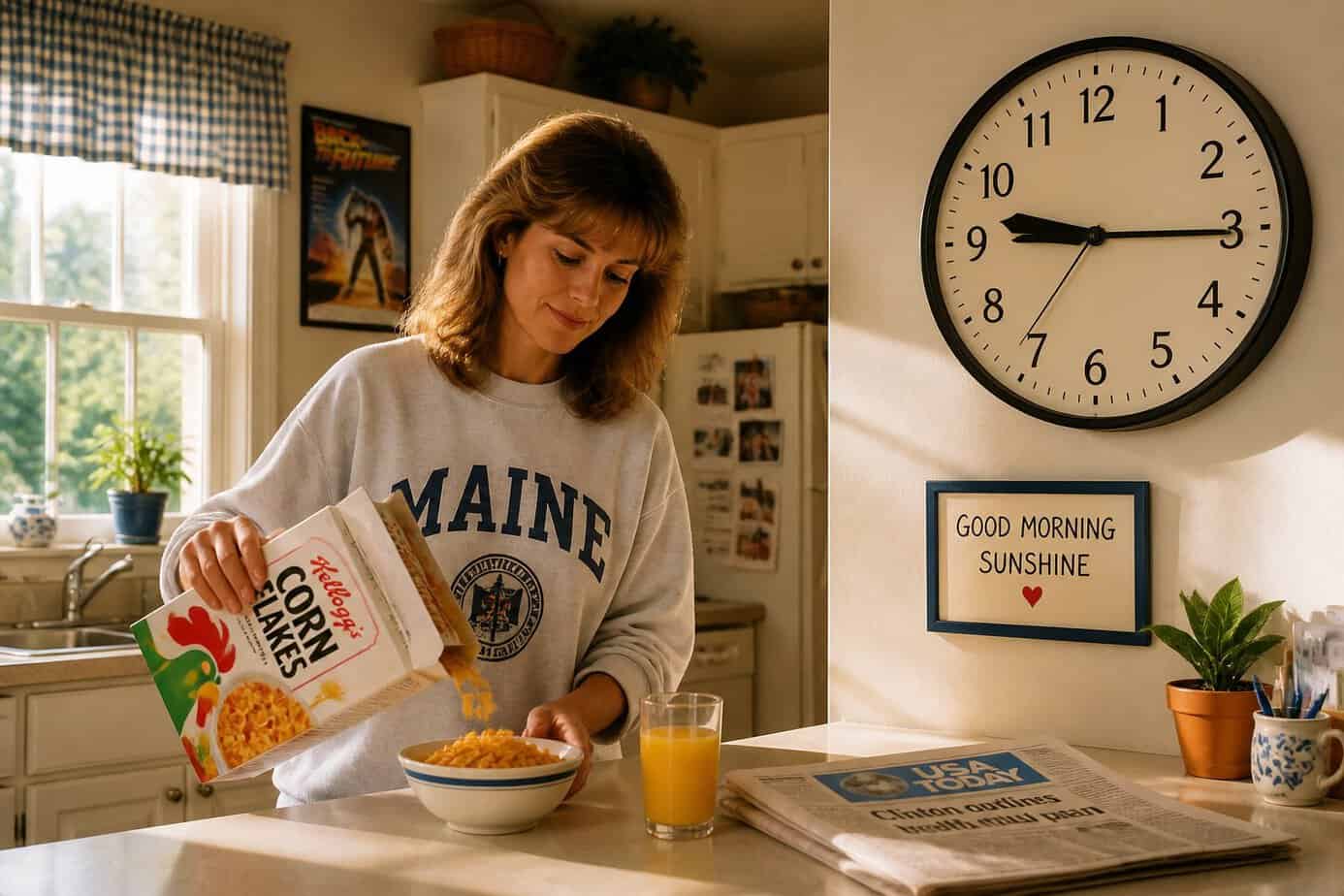
You kept one eye on that wall clock because timing was everything. Missing the start of your favorite cartoon meant catching only the tail end of the episode.
The TV Guide helped you map out your Saturday morning schedule, but the clock kept you on track. You knew exactly when to finish your cereal and when to dash back from the bathroom.
Commercial breaks gave you brief windows to move around. You calculated these transitions down to the minute, glancing at the clock to make sure you wouldn’t miss anything important.
There was no pause button or DVR to save you. If you mistimed your morning, that episode was gone until reruns came around. The wall clock ruled your Saturday mornings with absolute authority.
9. Arguing over who got the front row of the couch
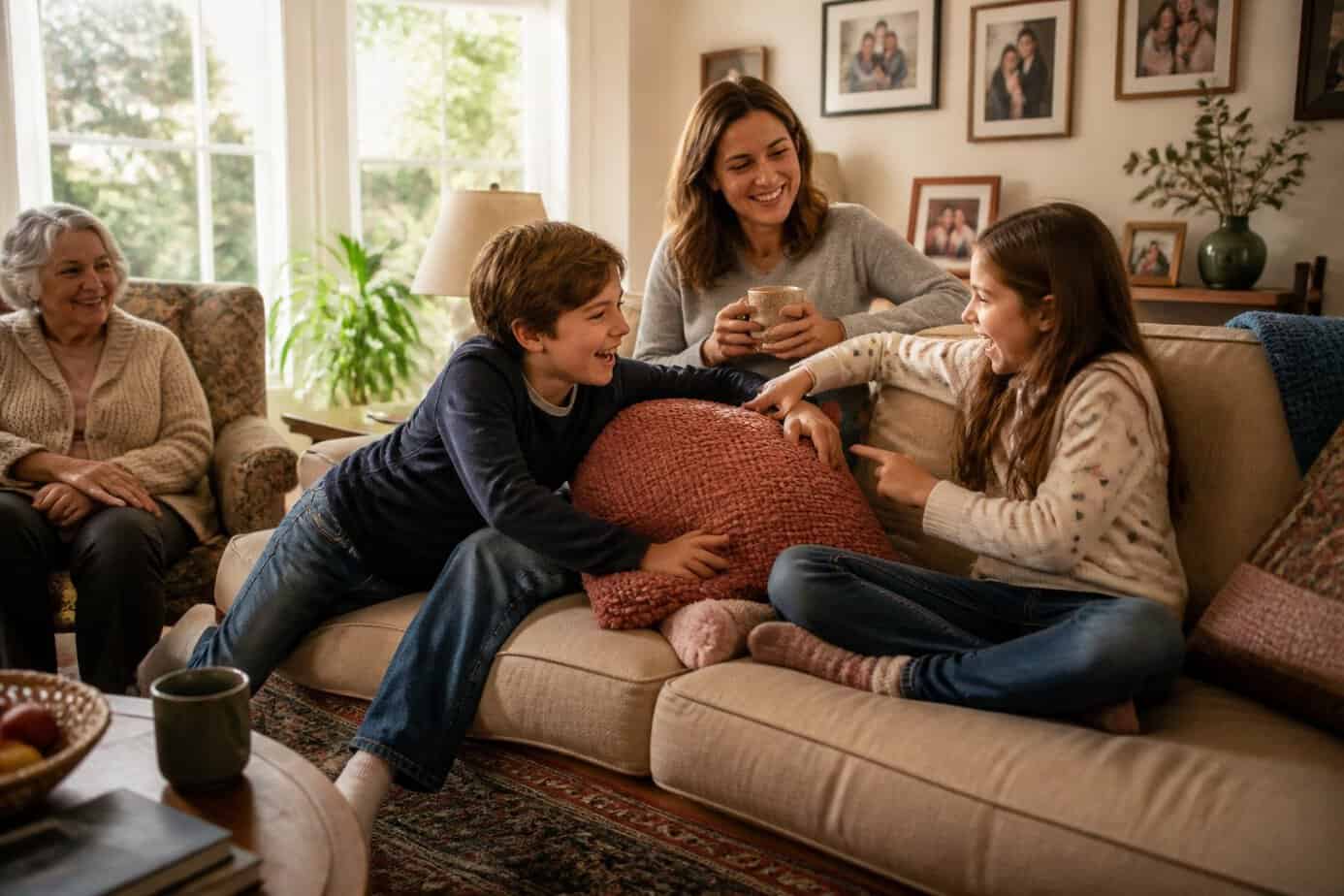
Saturday morning seating arrangements were serious business. The spot closest to the TV wasn’t just a preference—it was prime real estate that determined your entire cartoon-watching experience.
You and your siblings had an unspoken hierarchy based on who woke up first, who claimed it loudest, or sometimes who won last week’s argument. The front row meant you controlled the optimal viewing angle and could see every detail without squinting.
If you were stuck in the back, you’d spend half the morning complaining about someone’s head blocking the screen. Some families rotated spots weekly to keep the peace. Others let the battle play out every single Saturday.
Your mom probably yelled from the kitchen more than once to “just sit down anywhere and be quiet.” But you all knew the front row was worth fighting for.
10. Mixing different cereals into one big bowl

You knew the ultimate Saturday morning power move was combining the last bits of multiple cereal boxes into one massive bowl. This wasn’t just about finishing off boxes before they went stale. It was about creating your own custom breakfast blend that no cereal company could match.
You’d mix the sweetness of Frosted Flakes with the crunch of Cheerios, maybe throw in some Lucky Charms marshmallows for good measure. The combinations were endless, and you were the master chef of your cereal domain.
Your parents probably thought it was weird, but you understood the genius of balancing textures and flavors. That oversized pasta bowl became your mixing vessel, and you’d settle in front of the TV with your personalized creation, ready for hours of cartoons.
11. Waiting for the Saturday morning local news cut-in
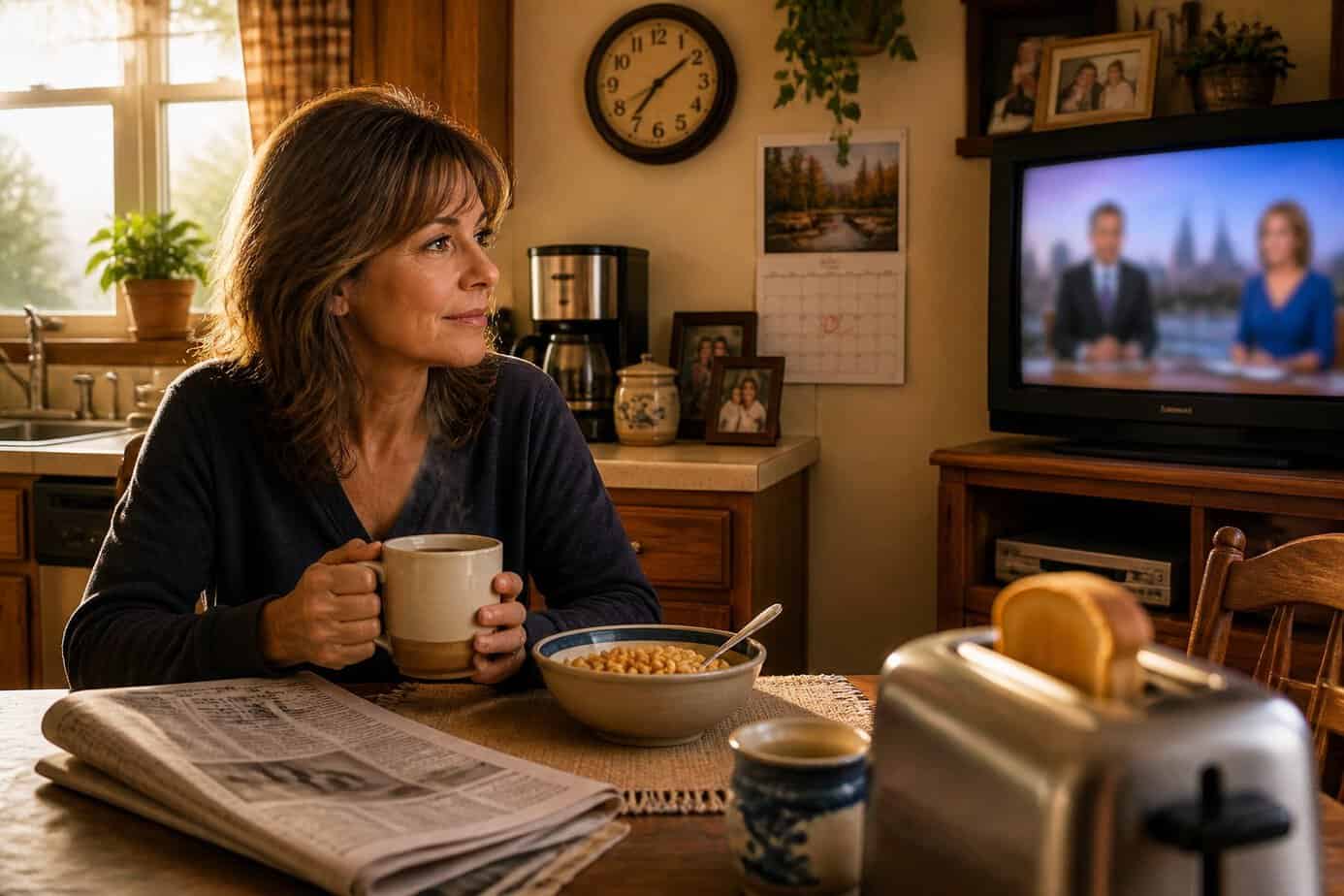
Right in the middle of your favorite cartoon, the network would cut away to local news updates. You learned to expect it, usually around the top of the hour.
The local anchor would appear on screen to deliver weather forecasts and community announcements. Sometimes they’d mention school closings or local events happening that weekend.
These interruptions felt like a small price to pay for your Saturday morning programming. You sat through them patiently, counting down the seconds until your show returned.
The news cut-ins connected you to your local community in ways streaming services never could. You heard about neighborhood happenings and learned what was going on in your town while waiting for the cartoons to resume.
12. Sorting Beanie Babies by name and rarity
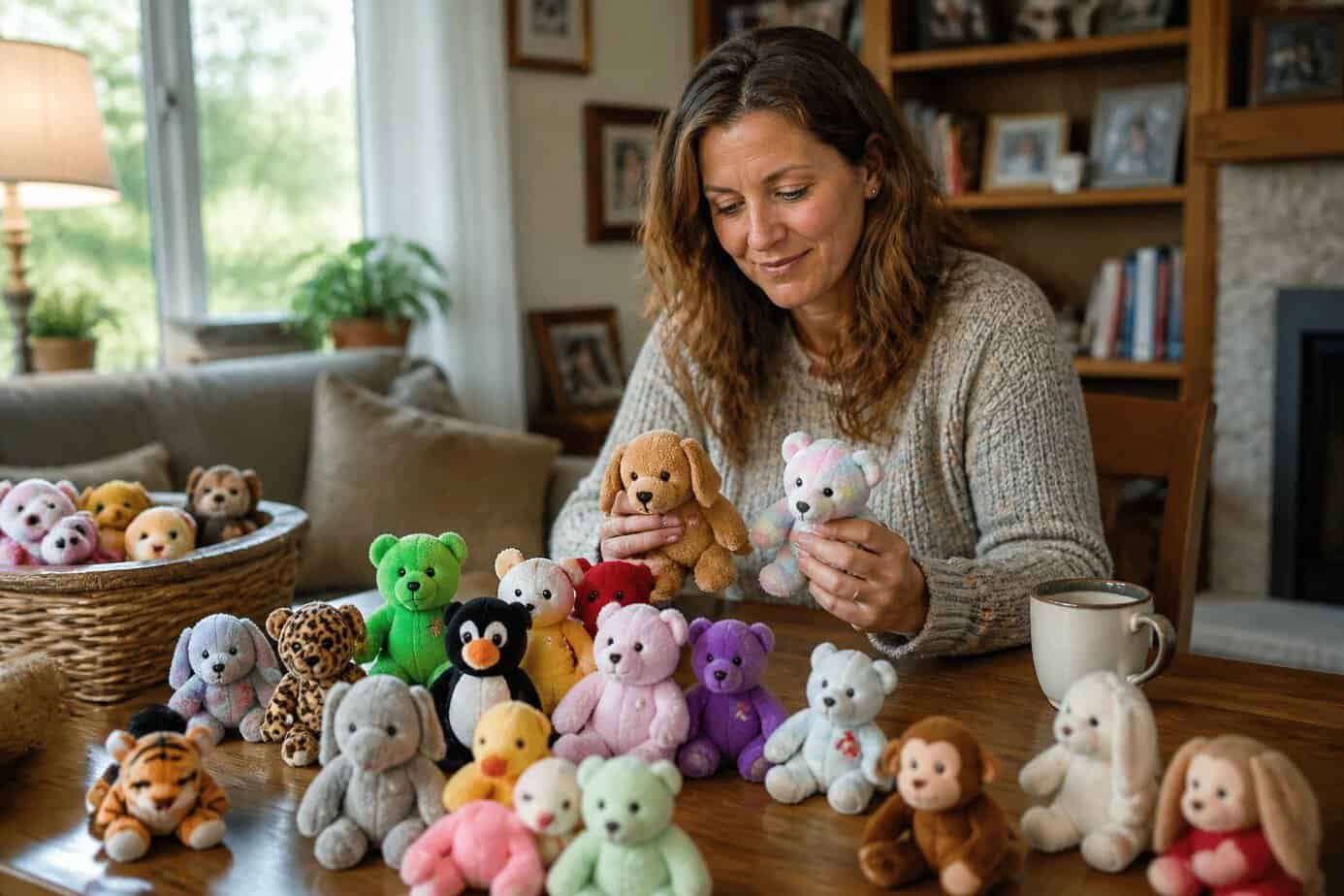
You’d spread your entire Beanie Baby collection across the living room floor, carefully organizing each plush by alphabetical order or value. The Original Nine from 1993 held special status in your collection, and you knew exactly which ones you owned.
Your system was meticulous. You grouped common releases separately from harder-to-find editions, checking hang tags for errors that might increase value. Each Beanie had its place in your personal catalog.
You referenced printed price guides and compared notes with other collectors about which releases were becoming scarce. Saturday mornings meant updating your handwritten inventory lists and rearranging display shelves. The satisfaction of a well-organized collection made the effort worthwhile.
Some Beanies stayed in protective cases while you debated their potential future worth.
13. Drawing favorite cartoon characters on notebook paper
You’d sit with your bowl of cereal and a pencil, attempting to sketch He-Man, Scooby-Doo, or the Smurfs on loose notebook paper. The margins of your school notebooks were filled with crude drawings of Saturday morning heroes.
You didn’t need fancy art supplies. Regular notebook paper and a number two pencil were enough to recreate your favorite characters from memory.
Some drawings turned out better than others. You’d practice the same character repeatedly, trying to get the proportions right or capture that signature pose you’d seen on screen.
These sketches were your way of holding onto the magic after the cartoons ended. You’d share your drawings with friends at school, comparing artistic interpretations of the same characters you’d all watched that weekend.
14. Re-enacting cartoon theme songs with friends
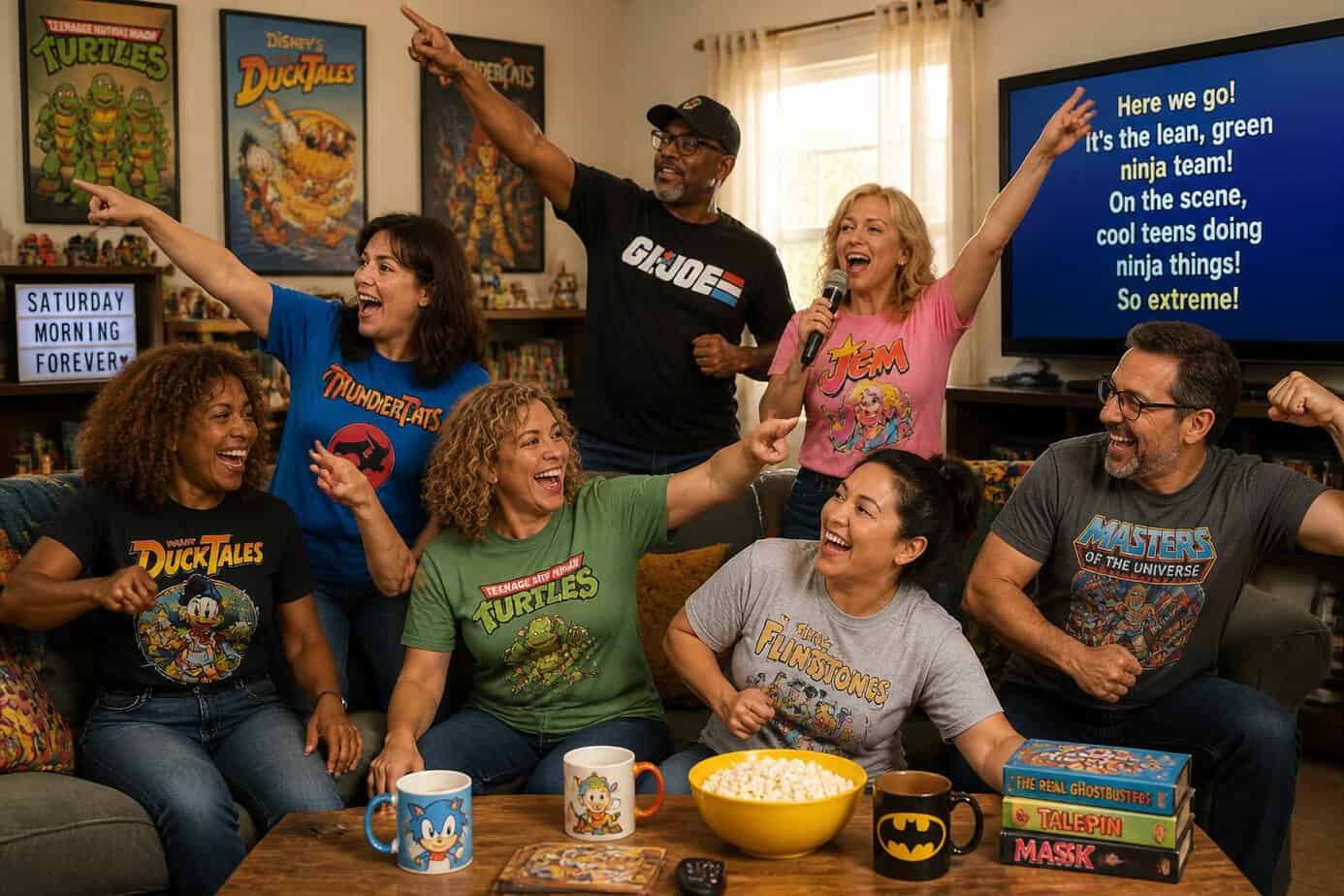
You didn’t just watch Saturday morning cartoons. You lived them through elaborate performances in your living room or backyard.
The SuperFriends theme turned you into heroes assembling for justice. You and your friends belted out the Smurfs song while hopping around like tiny blue creatures. He-Man’s “I have the power!” became a rallying cry that echoed through neighborhoods.
Someone always claimed the lead role while others provided backup vocals or sound effects. You knew every word to Scooby-Doo, Garfield, and The Jetsons without trying. These performances happened spontaneously, triggered by a single opening note or catchphrase.
No scripts were needed. The theme songs were already memorized from weekly repetition, ready to transform any ordinary moment into animated adventure.
15. Humming the ABC network jingle
You can probably still hear those distinctive notes in your head. The ABC Saturday morning bumpers played between shows, signaling that your favorite cartoons would return “after these messages.” That simple jingle became as familiar as the theme songs themselves.
The network used these musical cues throughout the late 70s, 80s, and into the 90s. You’d recognize them instantly, even today. They marked the rhythm of your Saturday mornings, creating a sense of anticipation before the next cartoon began.
The bumpers served a practical purpose, letting you know commercials were starting or ending. But they also became part of the experience itself. You’d hum along without thinking, the melody embedded in your memory alongside the shows you loved. Those few notes represented the entire ritual of weekend television.
16. Asking mom for a later chore allowance to extend TV time
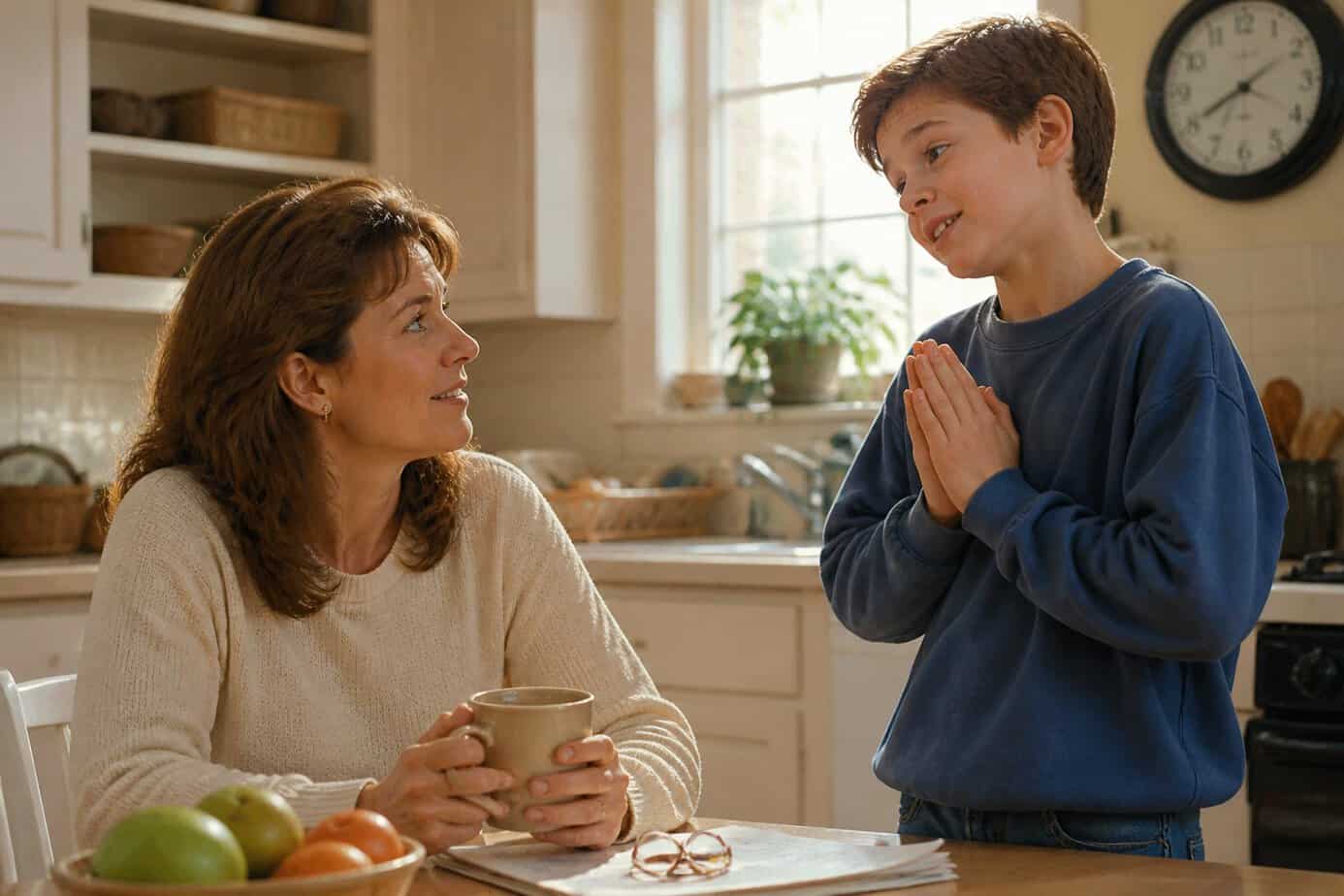
Saturday morning cartoons had a finite window, and you knew exactly how to negotiate for maximum viewing time. You’d approach mom with a carefully rehearsed pitch about finishing your chores after the shows ended.
The bargaining usually involved promises to complete tasks without being asked twice. You’d offer to vacuum the living room, dust the furniture, or clean your room immediately after the final credits rolled.
Some moms required chores first, no exceptions. Others allowed the trade if you’d proven reliable in past weeks. The key was timing your request during a commercial break when she seemed relaxed.
This weekly negotiation taught you early lessons about managing responsibilities and earning privileges. Screen time wasn’t unlimited or automatic. It required planning, communication, and follow-through on your commitments.
17. Trading sticker sheets and collectible mail-away offers
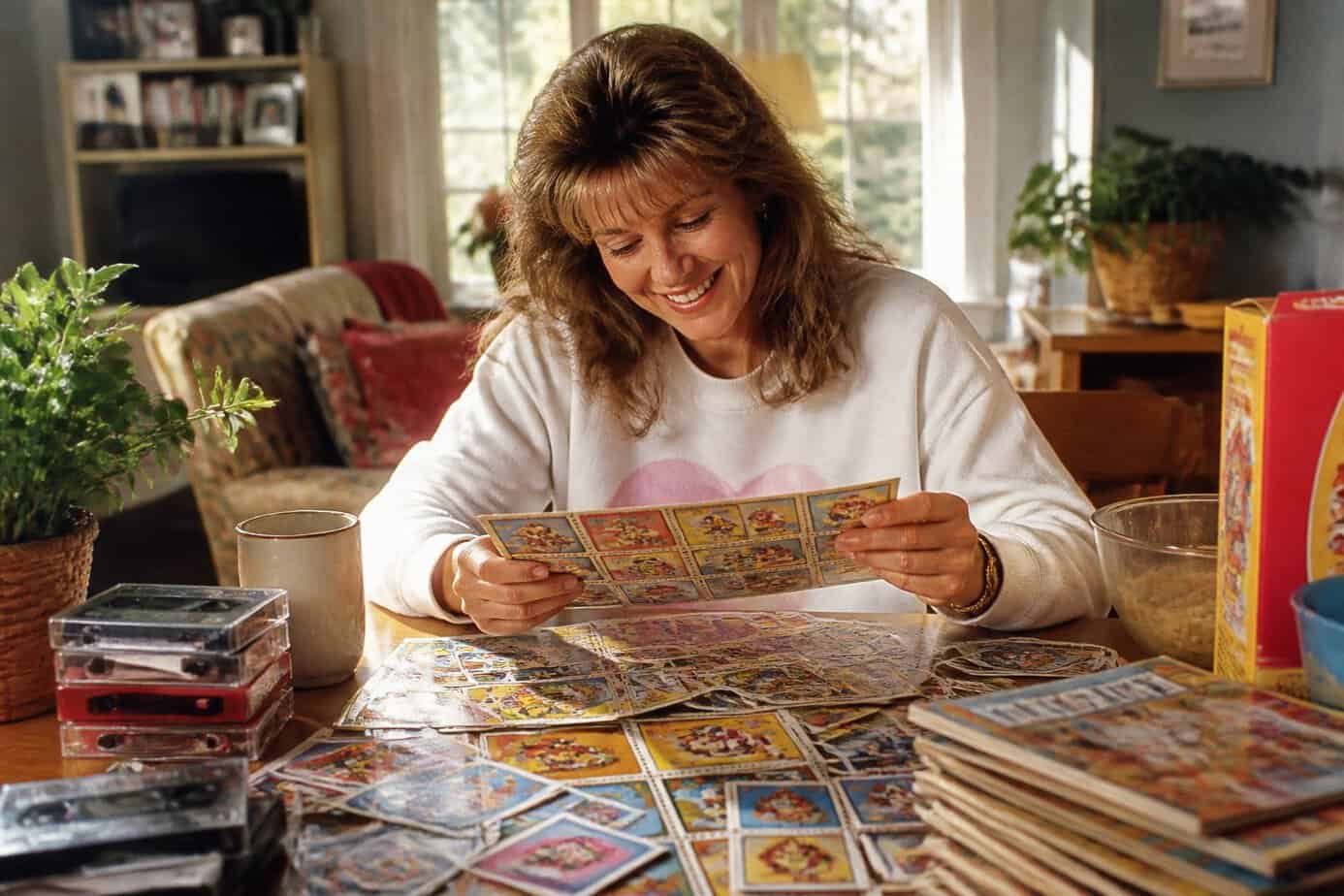
Sticker collecting was more than a hobby—it was currency on the playground. You’d carefully peel sheets of Scratch ‘n Sniff, puffy stickers, or character designs from Saturday morning shows and trade them like stocks.
The thrill came from finding someone who had what you needed to complete your collection. You’d negotiate deals during recess, swapping duplicates and debating the value of holographic versus regular finishes.
Mail-away offers added another layer of excitement. You’d clip proof-of-purchase seals from cereal boxes, fill out forms in crayon, and wait weeks for your prize to arrive. The anticipation made checking the mailbox a daily ritual.
These collectibles rarely became the fortune you imagined, but they taught you patience and the art of negotiation.
18. Wearing footed pajamas through the entire cartoon block
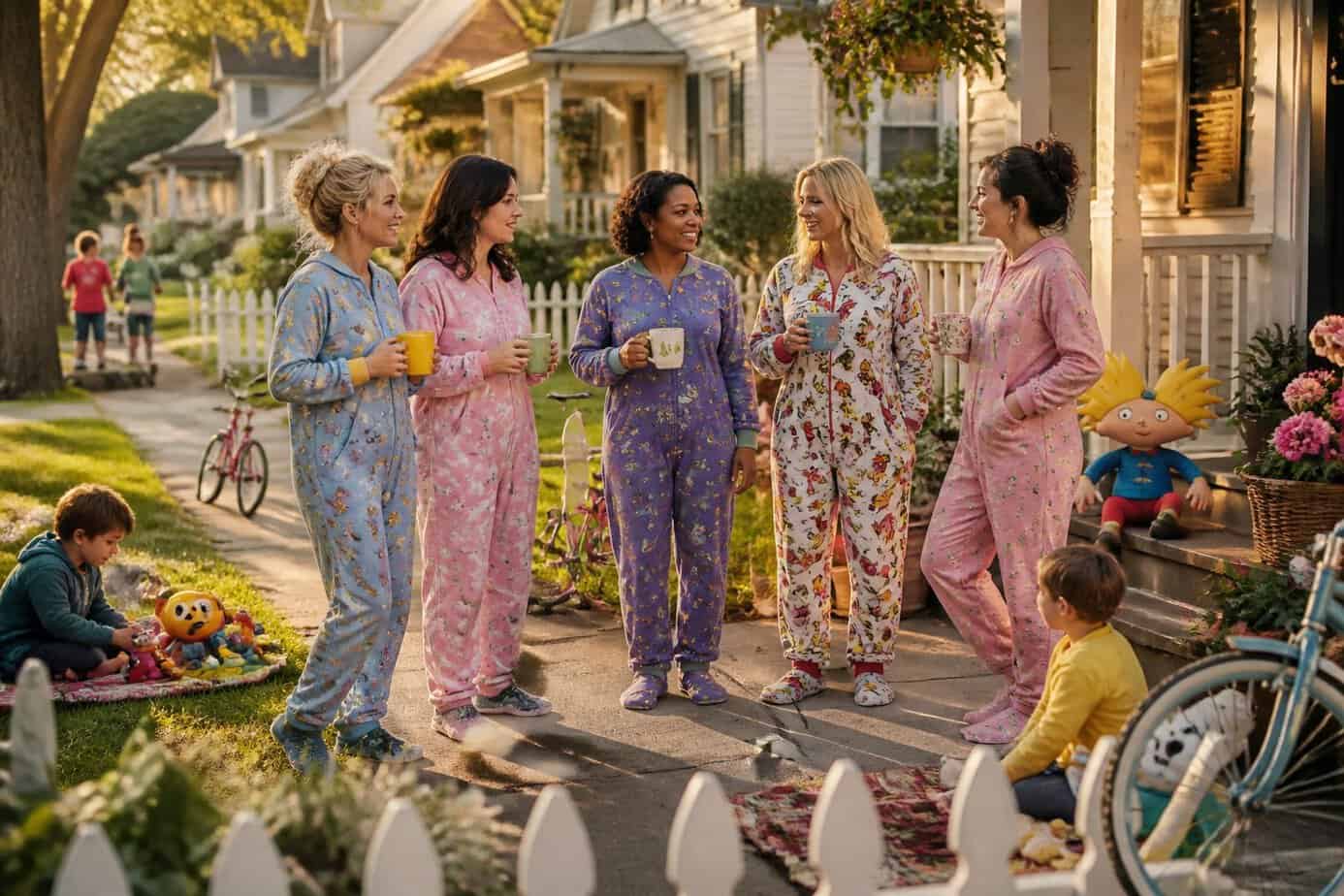
You stayed in those footed pajamas until the last cartoon ended. There was no reason to get dressed when the entire morning belonged to you and the television.
The vinyl soles made a distinctive sound as you walked across the kitchen floor for another bowl of cereal. You’d settle back onto the couch, feeling the warmth of the footies against your legs as the next show began.
Your mom didn’t push you to change clothes until the cartoon block finished. Those few hours in your pajamas marked the boundary between the school week and weekend freedom. The moment you finally changed meant Saturday morning was officially over.
Some of those footies had zippers running up the front. Others had worn-out soles from too many trips between the TV and kitchen.
19. Listening to the TV static as channels warmed up
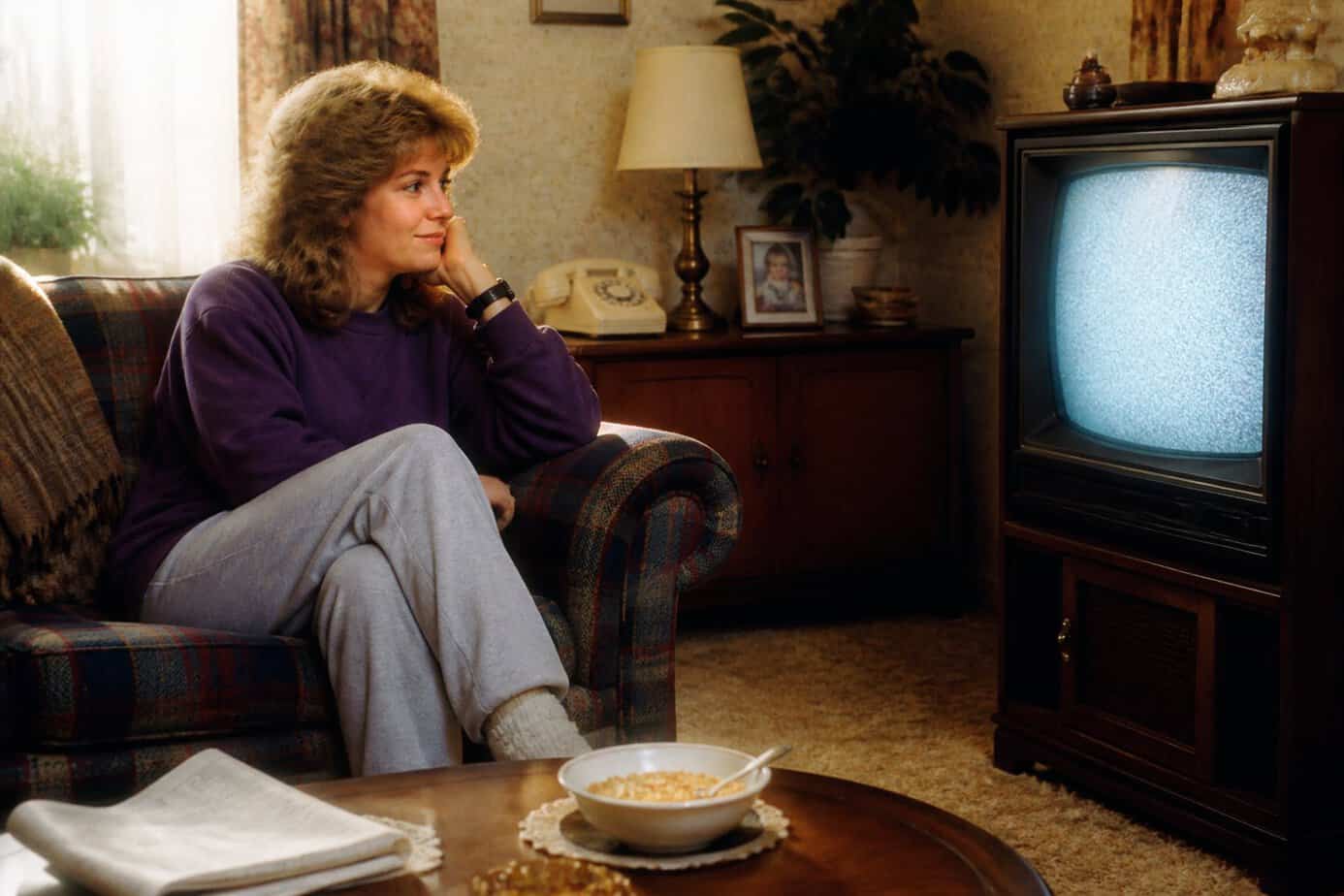
You knew that hiss and crackle meant the television was coming to life. Older TVs needed time to warm up before the picture appeared, so you’d hear static first.
That white noise filled the living room as you waited impatiently for your shows to start. The sound was part of the Saturday morning experience, just like the glow of the screen brightening in a dark room.
You learned to keep the volume low during this warm-up phase. Waking parents with loud static was a rookie mistake that could end your cartoon marathon before it started.
The fuzzy screen would gradually sharpen into actual programming. That transition from static to sound marked the official beginning of your Saturday ritual.
20. Making cereal forts out of empty boxes
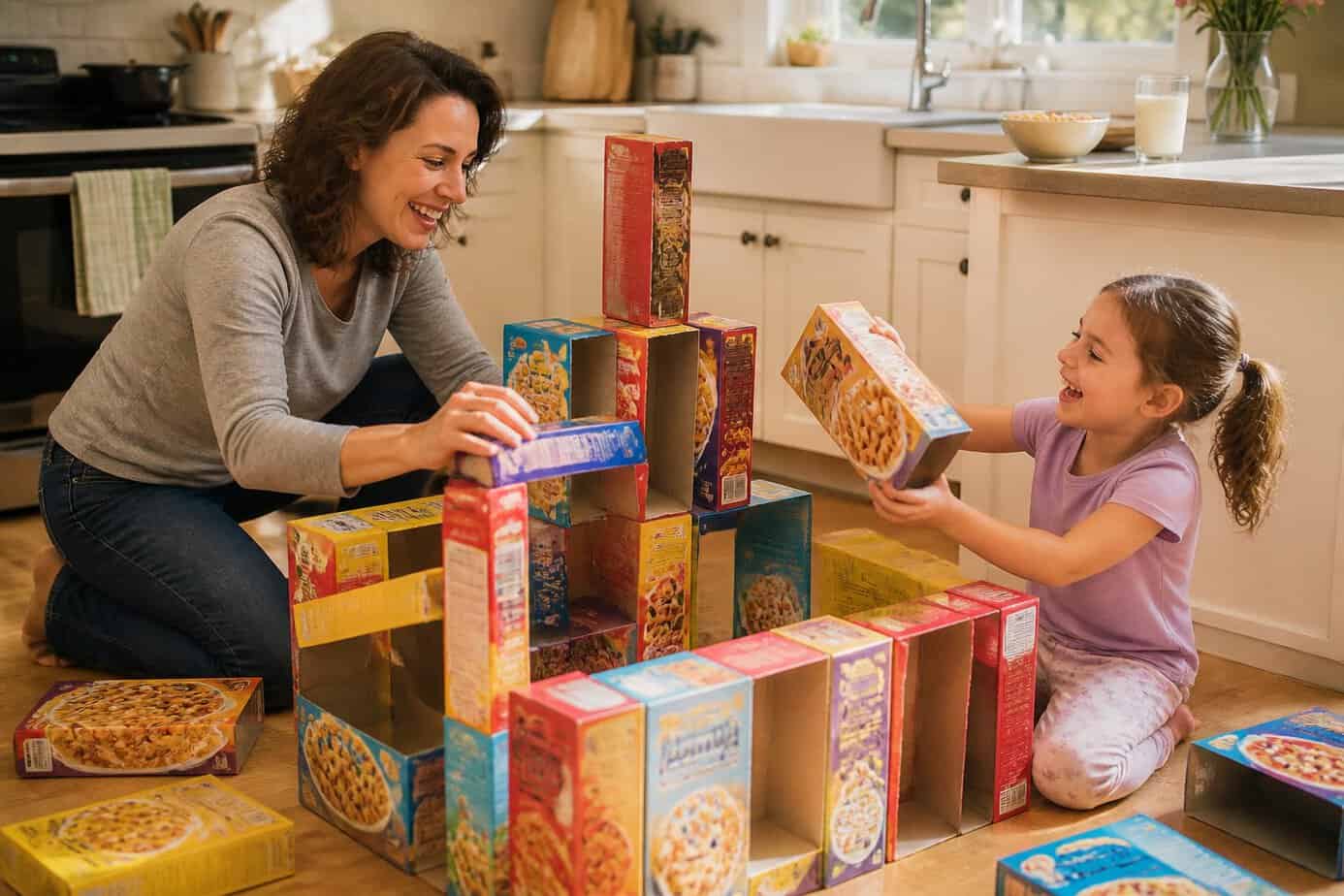
You didn’t throw away empty cereal boxes right after breakfast. Instead, you stacked them in your room, waiting for the perfect Saturday to build something impressive.
Those cardboard boxes became walls for forts, tunnels for toy cars, or even pretend houses for your dolls. You cut doors and windows with your safety scissors, carefully creating architectural masterpieces that your parents would eventually recycle weeks later.
The best part was having multiple boxes from different cereals. Cap’n Crunch, Lucky Charms, and Frosted Flakes logos became the exterior design of your weekend construction projects. You arranged them into towers, mazes, or whatever your imagination demanded that morning.
Your younger siblings wanted in on the action too. Together, you transformed the living room floor into an entire cereal box city.
21. Calling a friend’s landline to discuss the latest episode
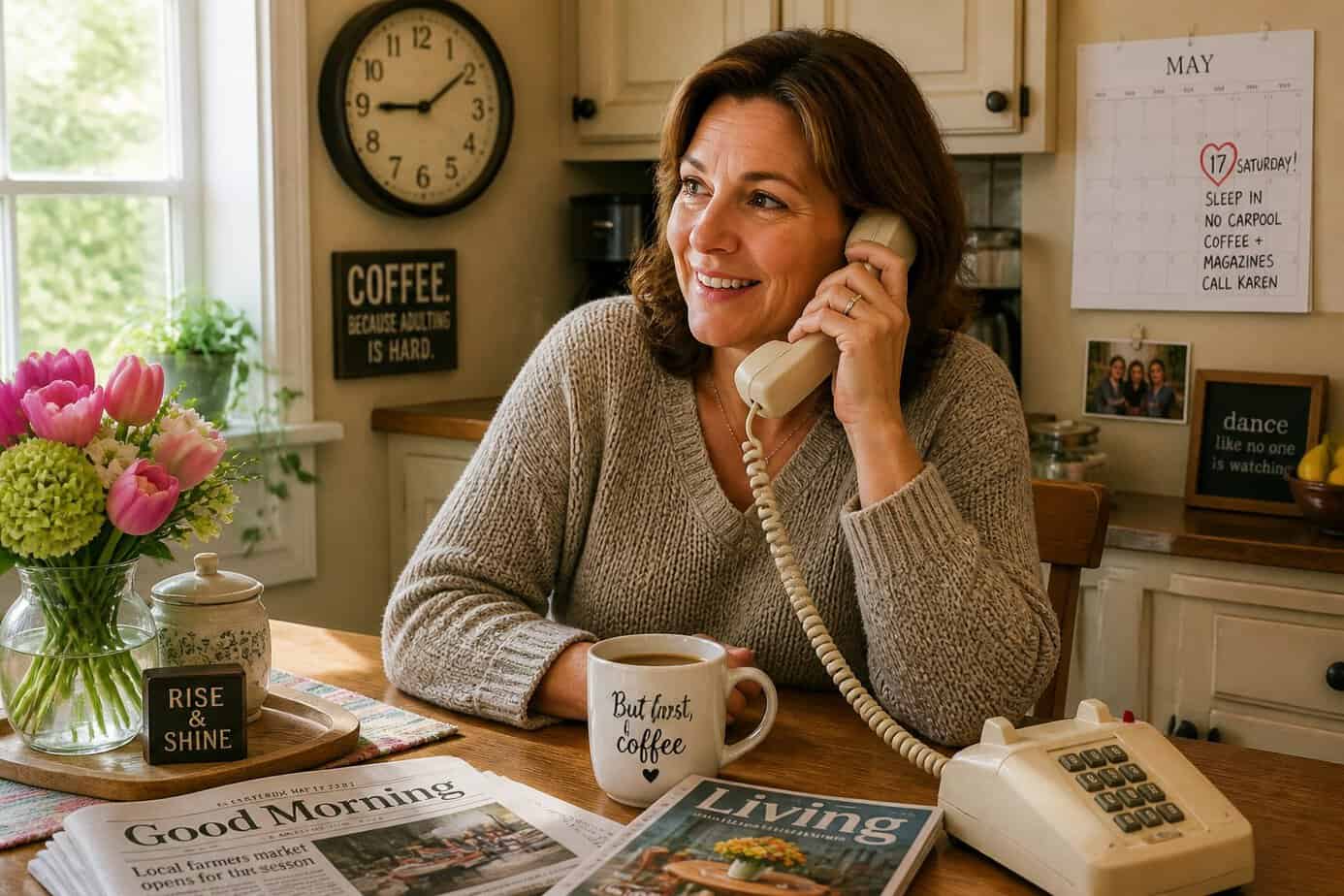
You’d wait until the commercial break ended, then immediately dial your best friend’s number from memory. The goal was simple: dissect every plot twist from the cartoon you’d just watched together, even though you were in separate houses.
The tricky part was who answered the phone. Sometimes you’d get her dad or older brother, forcing you to politely ask if she was available. You learned phone etiquette fast.
These conversations happened in real-time, often while the next show was already starting. You’d stretch the cord as far as it would go, trying to maintain some privacy while your siblings hovered nearby. There was no texting or group chat to process what you’d just seen.
The landline made every discussion feel more urgent and important than it probably was.
22. Saving prize box tops and UPCs for mail-order offers
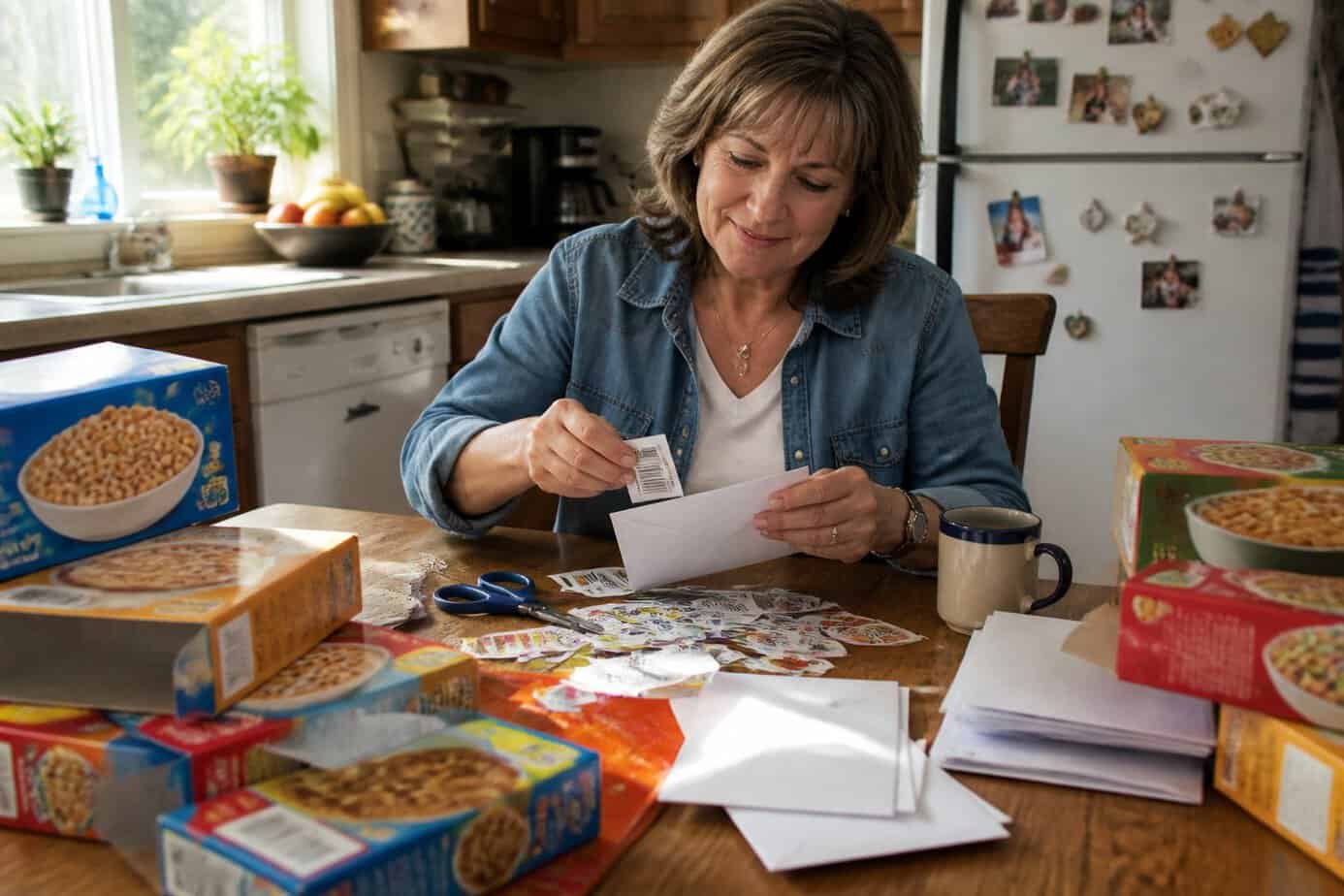
You clipped those cereal box tops with precision, storing them in a kitchen drawer until you had enough to send away. General Mills and other brands offered everything from plastic bowls to t-shirts in exchange for proof of purchase.
The wait was agonizing. You’d mail your envelope with the required number of box tops and then check the mailbox daily for weeks. When your prize finally arrived, it felt like winning the lottery.
Box Tops for Education later turned this into a school fundraising program, where schools earned money for collected tops. Today the program uses a mobile app instead of physical clipping, but you remember when scissors and envelopes were essential tools for scoring free stuff.
Those mail-order forms on the back of boxes taught you patience and delayed gratification in ways instant online shopping never could.
23. Sketching TV guide cartoons to remember episode times
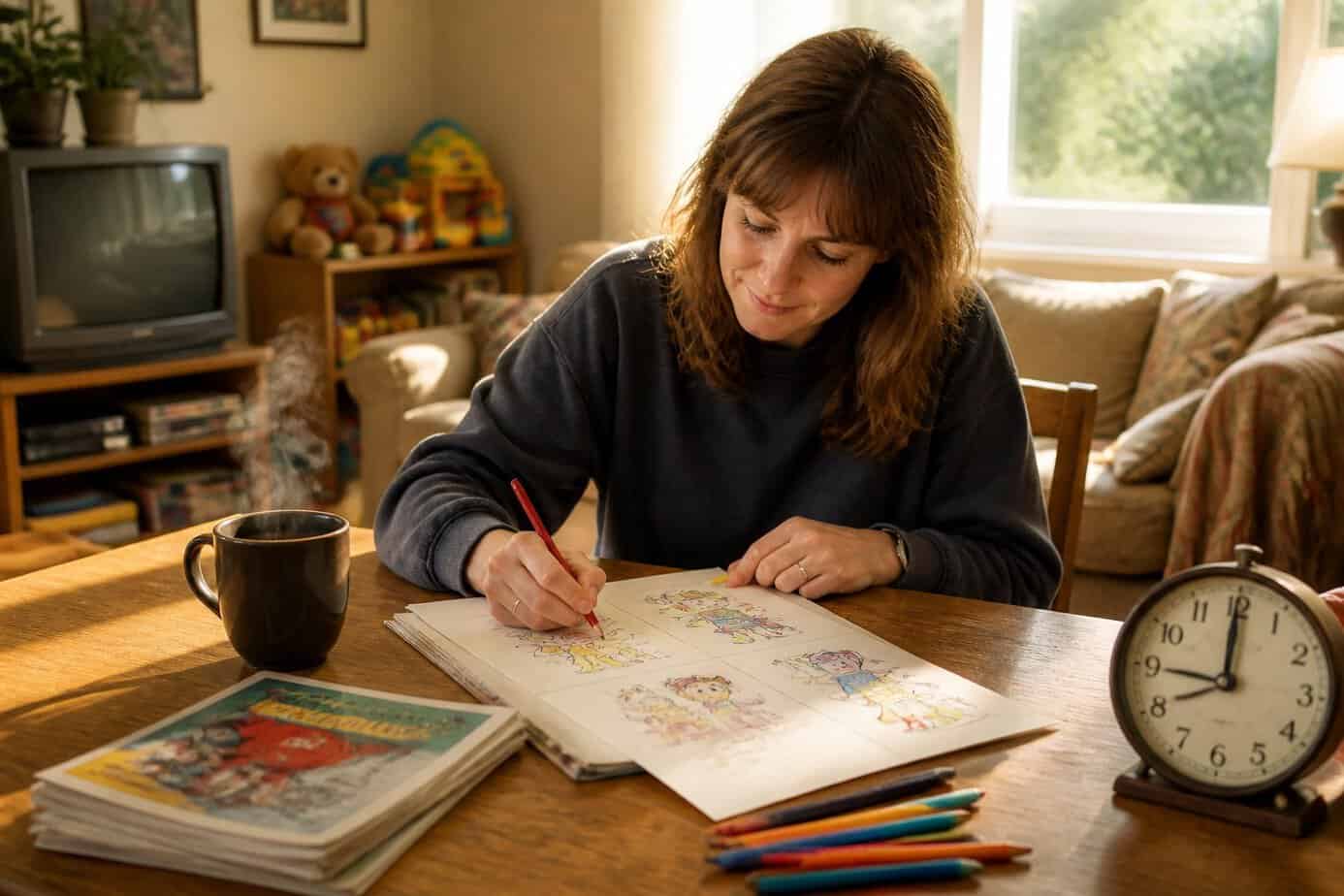
You circled your favorite shows in the TV Guide, but sometimes that wasn’t enough. You grabbed a pen and drew little stars or sketches next to the cartoon listings you couldn’t miss.
Your homemade symbols reminded you which episodes were reruns versus new content. You developed your own shorthand system, marking priorities when two shows aired at the same time.
Some of you kept dedicated notebooks with the weekly cartoon schedule written out by hand. You’d copy down the times for each show, creating your own personalized viewing guide that sat next to the TV all weekend.
This planning process made Saturday mornings feel more official. Your hand-drawn schedules became maps that guided your entire morning routine.
24. Binge-watching Saturday morning animation on rainy weekends
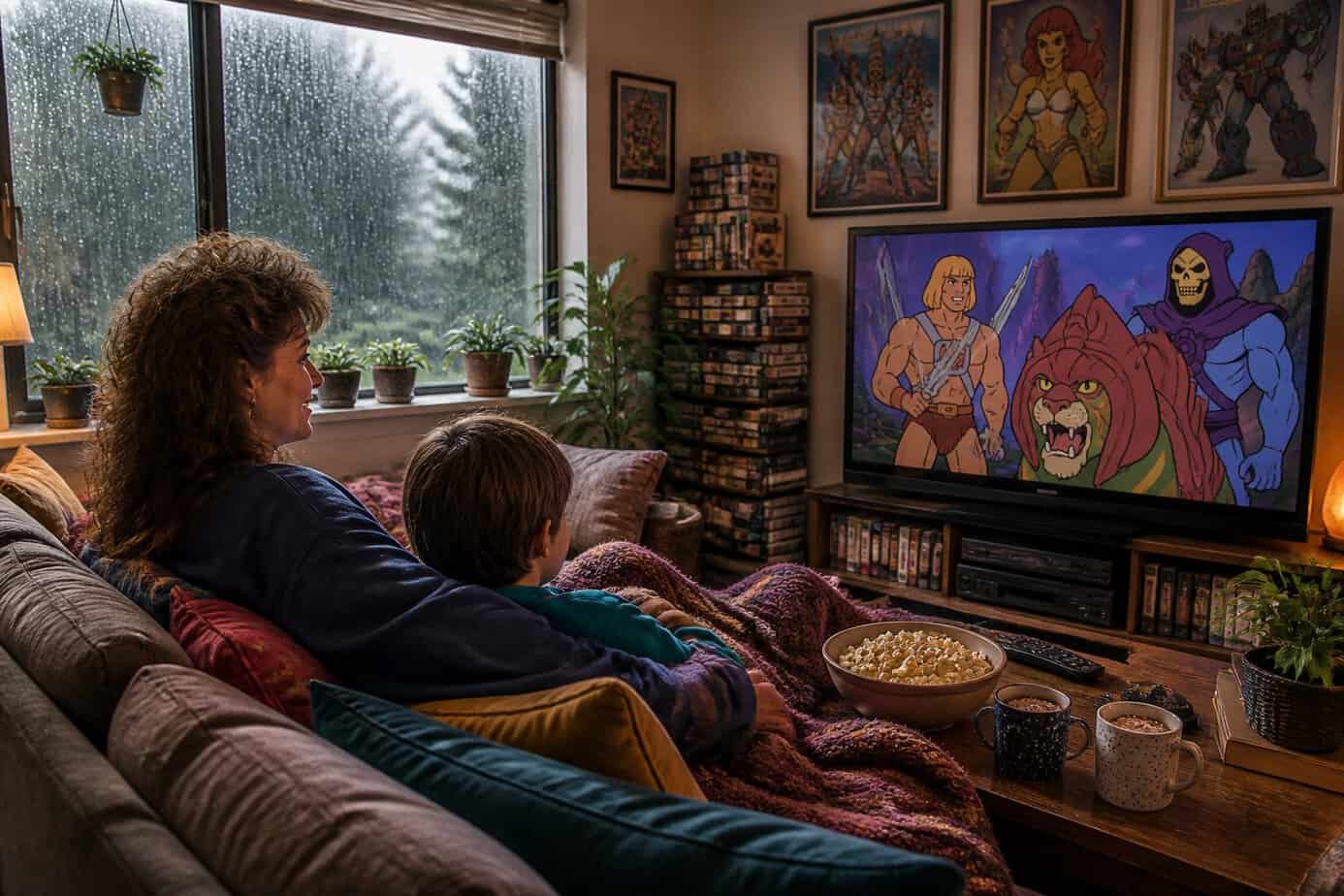
Rainy Saturdays meant an extended cartoon marathon without guilt. You didn’t have to go outside, so the television became your entire world for hours.
The rain gave you permission to stay in pajamas longer. Your cereal bowl got refilled multiple times as one show rolled into the next. The sound of rain against the windows mixed with cartoon theme songs created the perfect Saturday soundtrack.
You watched shows you might normally skip just because they were on. The weather outside made the glow of the television screen feel warmer and more inviting. These rainy mornings stretched the usual routine into an all-day event.
Nobody questioned why you were still watching cartoons at noon. The rain justified everything.
25. Setting a kitchen timer to catch the next show
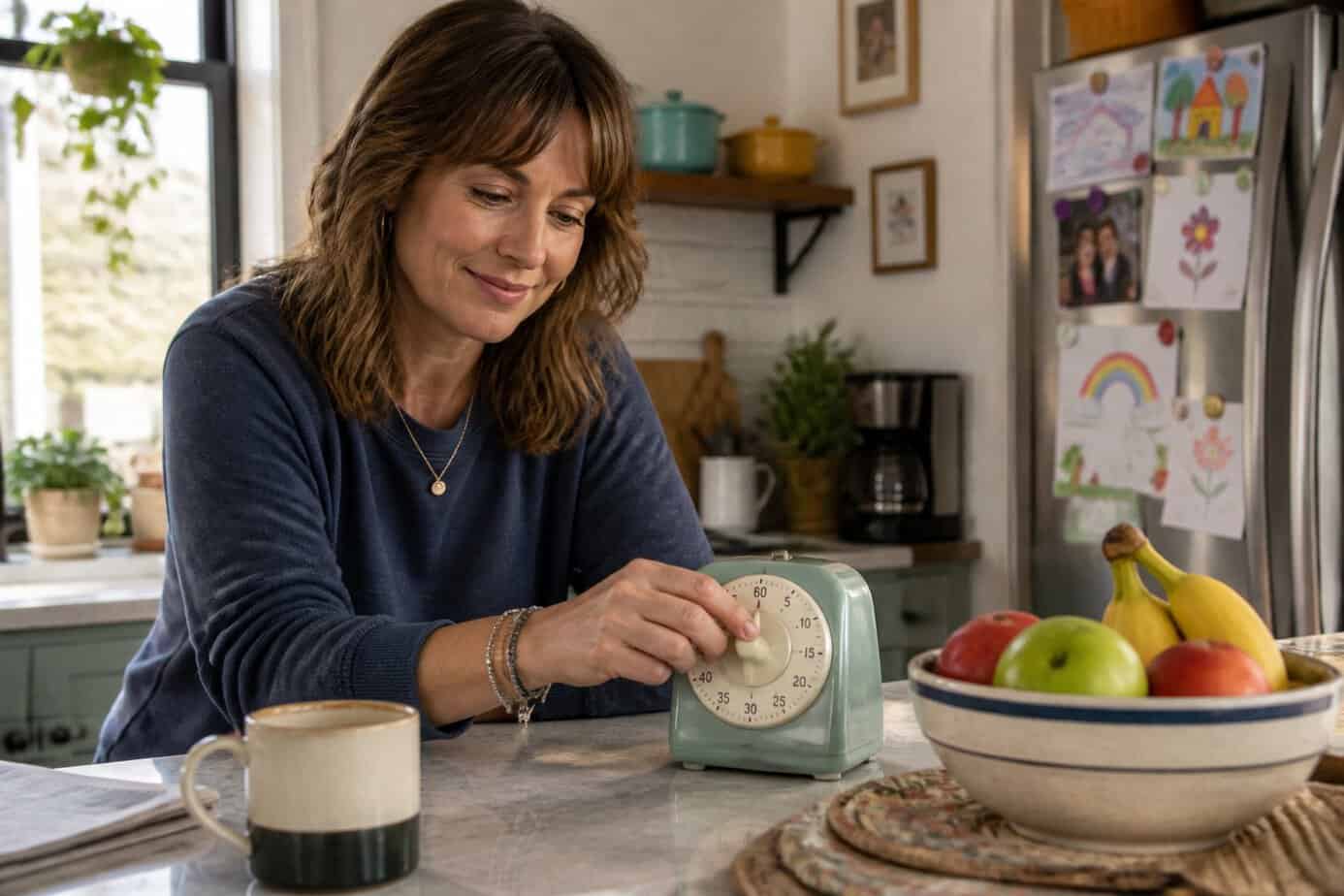
You couldn’t afford to miss the start of your favorite show. Saturday morning programming ran on a strict schedule, and networks didn’t wait for anyone.
The kitchen timer became your best friend. You’d wind it up during commercial breaks or between shows, giving yourself just enough time to grab a snack or finish breakfast.
That distinctive ring meant it was time to run back to the TV. You learned to calculate exactly how many minutes you had before the next cartoon started.
There was no pause button or DVR to save you. If you missed the opening credits, you missed them for good until the show aired again next week.
26. Arguing over whose turn to change channels with the remote
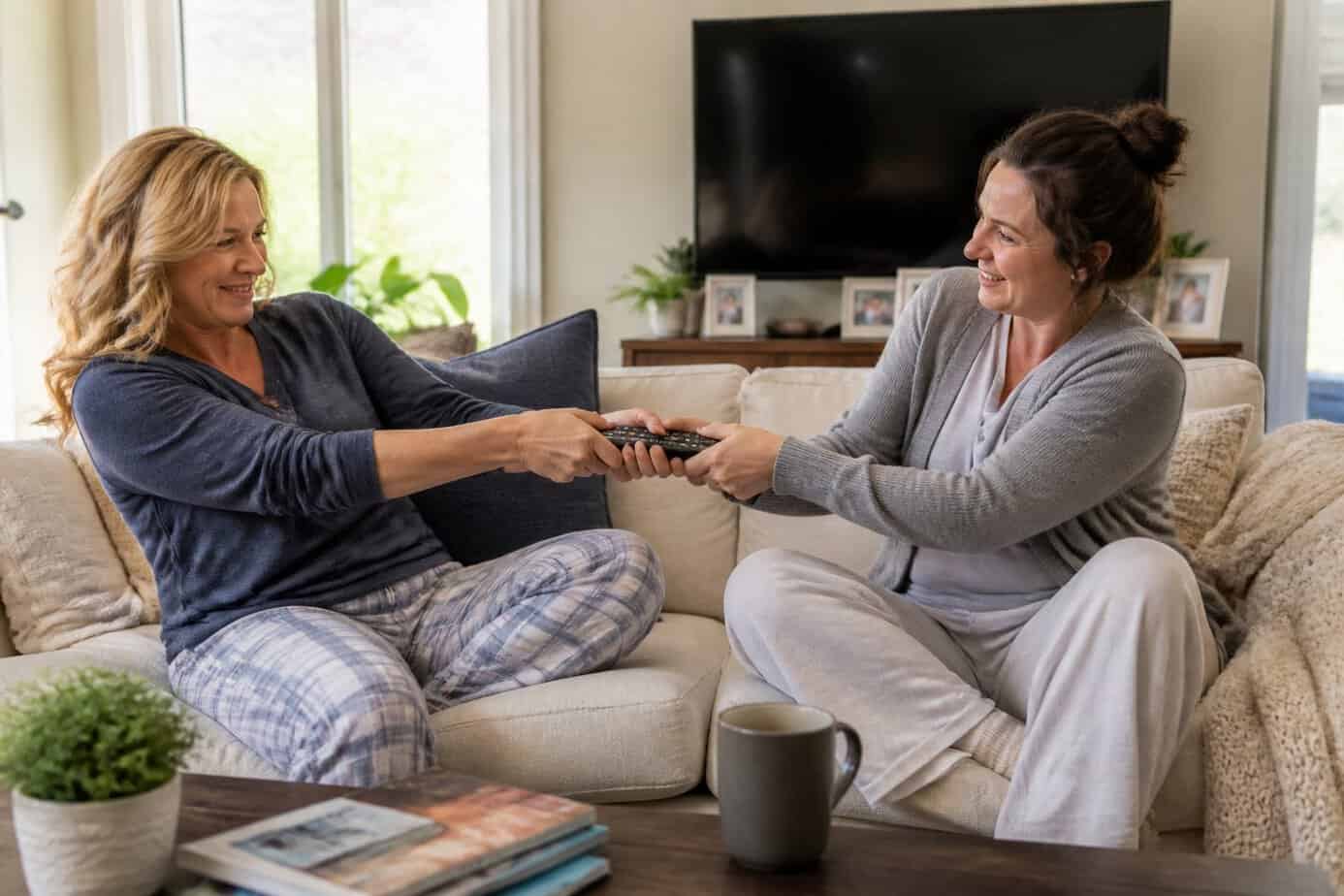
The TV remote became the most coveted object in the living room on Saturday mornings. You and your siblings likely engaged in heated debates about whose turn it was to hold it, especially when multiple cartoon blocks competed for attention.
Each kid wanted control over what played next. The remote holder had all the power, deciding whether to stick with one show or flip channels during commercials to catch another program.
Parents often had to intervene and set up rotation systems. Some families used timers while others simply declared that whoever got to the TV first won the privilege. The fights were real, and losing remote privileges felt like a genuine injustice that could ruin your entire morning.
27. Rewatching a favorite episode until the TV rabbit-eared antennas shifted
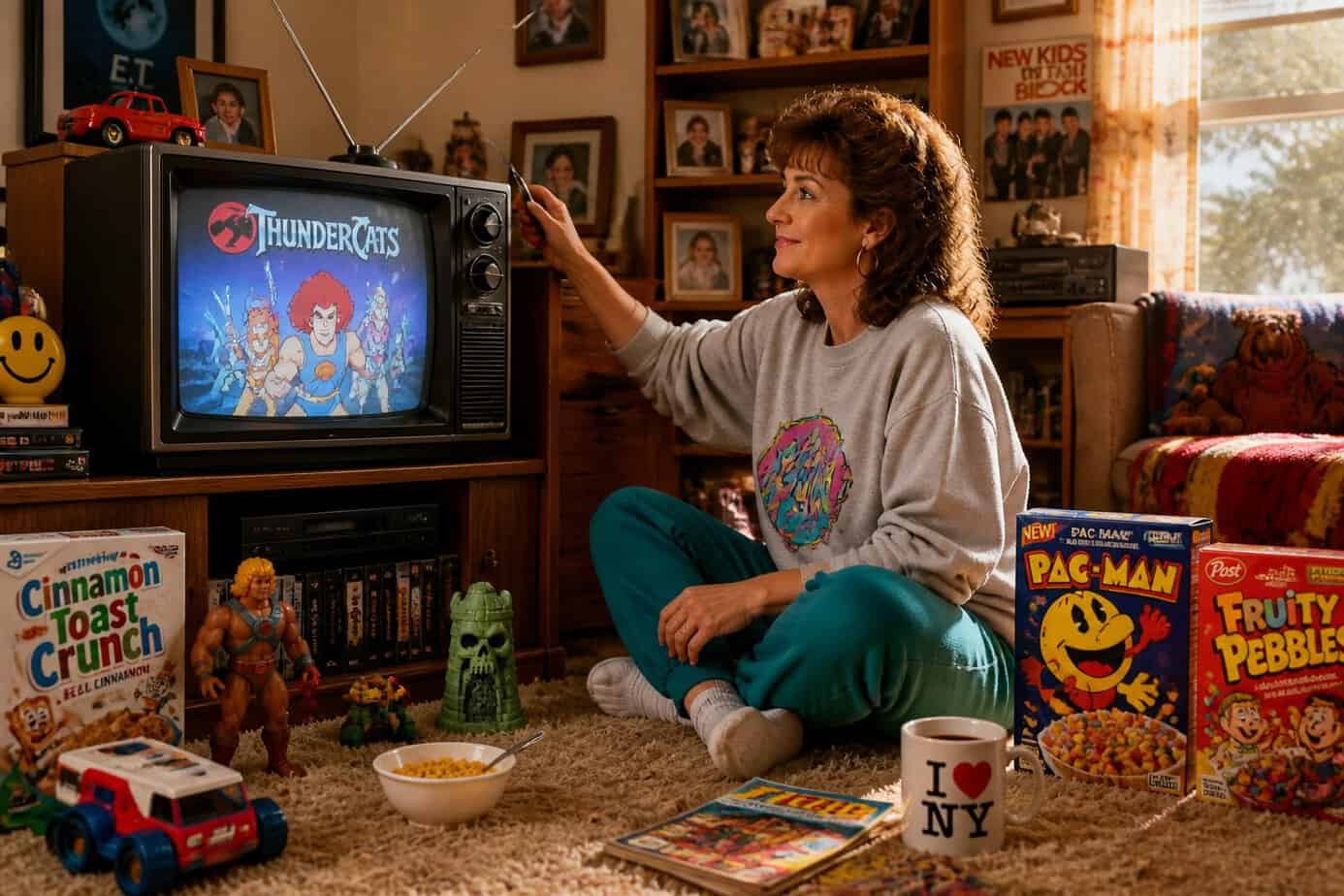
You found your favorite cartoon and settled in, only to watch the picture dissolve into static halfway through. The rabbit ears needed adjusting again.
You stood by the television, carefully moving those silver antennas until the image came back into focus. Sometimes you had to hold them in place for a minute to make sure the signal stuck. Your siblings yelled from the couch when you moved too fast and made it worse.
Rewatching episodes wasn’t a choice you made for comfort. If you loved a show, you watched it every time it aired because that was your only option. There was no pause button or rewind.
The ritual of fixing the antenna became as familiar as the shows themselves. You learned which angle worked best and how gently you needed to move to keep the picture clear.
28. Collecting Saturday morning show lunchboxes
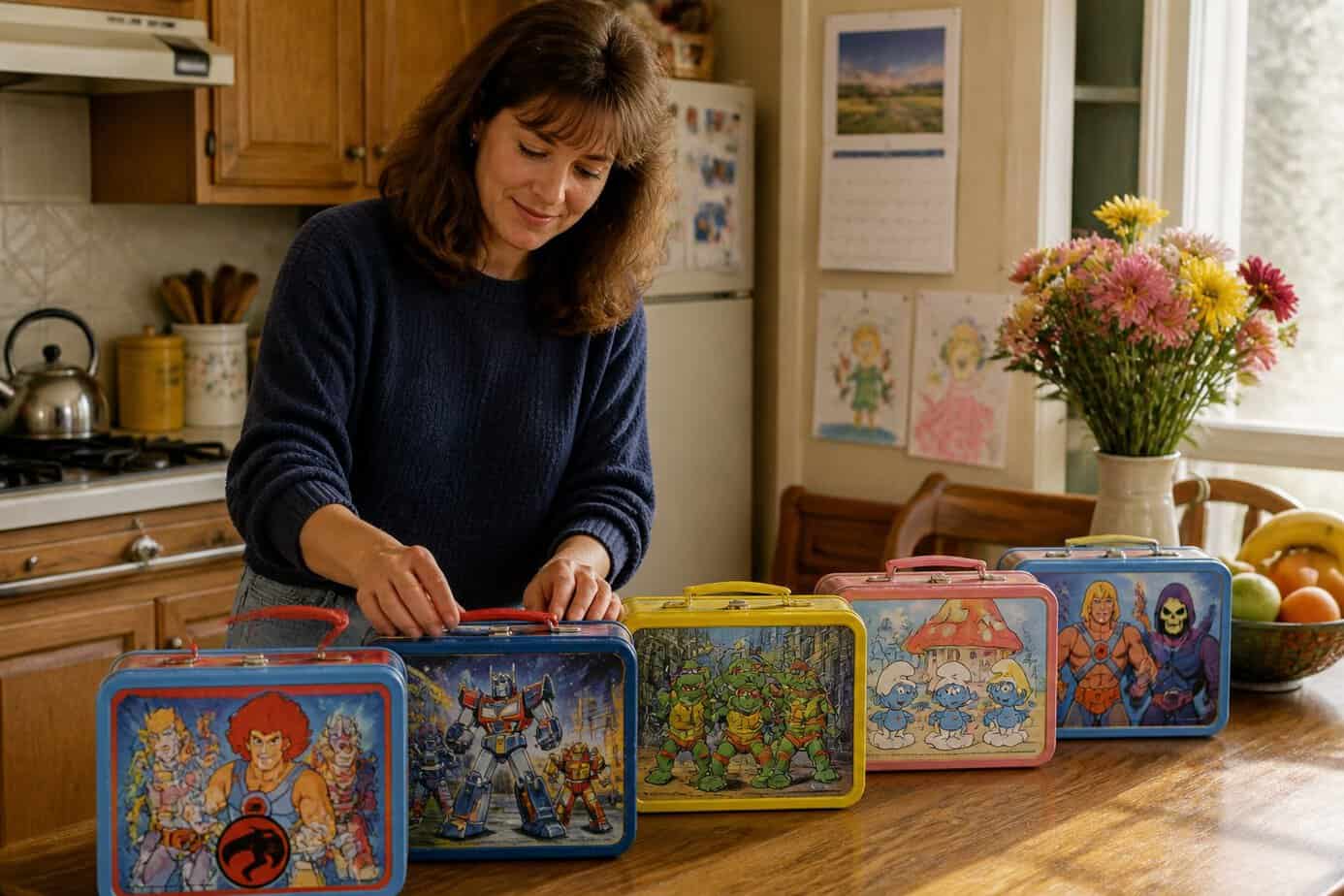
Your Saturday morning cartoon obsession didn’t end when the TV turned off. You carried it straight to school in the form of a metal lunchbox featuring your favorite characters.
Metal Aladdin and Thermos brand lunchboxes turned your lunch period into a showcase moment. You had options for every interest, from Josie and the Pussycats to The Real Ghostbusters. The best ones came with a matching steel thermos that fit perfectly in the side compartment.
Your lunchbox made a statement about your personality. Opening that metal latch revealed not just your sandwich but your identity as a Saturday morning cartoon fan. Your classmates knew exactly what shows you watched based on what you carried.
The dome-shaped boxes with plastic handles were particularly prized. You treated these lunchboxes like collectibles even then, knowing they represented something special about your Saturday morning ritual.
29. Playing with action figures inspired by cartoon heroes
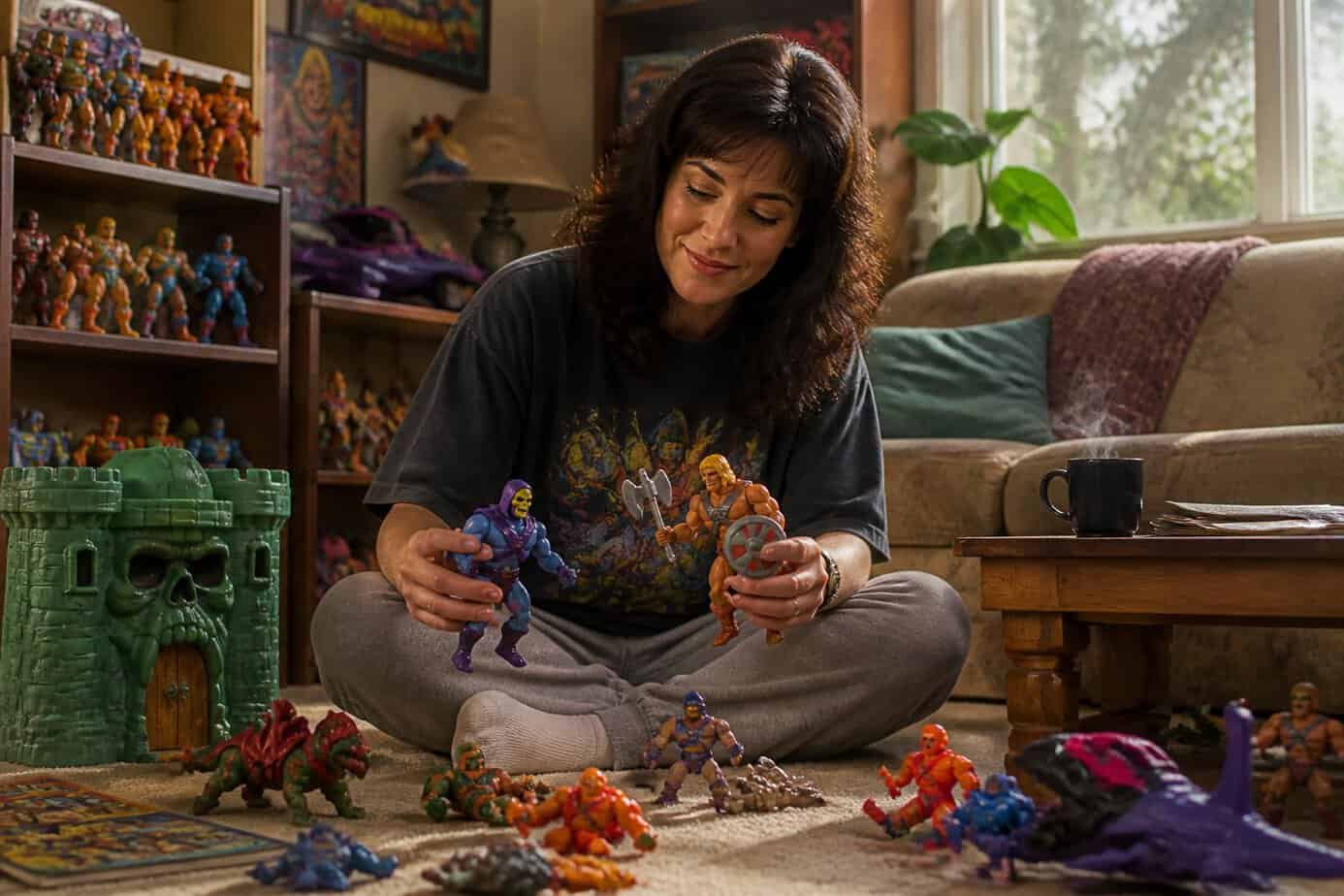
Saturday morning cartoons didn’t end when the TV turned off. You carried those adventures into the afternoon with action figures of your favorite characters.
He-Man, G.I. Joe, and Transformers lined your bedroom shelves. You recreated epic battles and invented new storylines that went beyond what aired on television. The action figures became an extension of the shows you loved.
Companies like Mattel and Hasbro made these toys widely available at stores like Toys”R”Us. You begged your parents for the latest figure to complete your collection or get that one character you were missing.
The toys bridged the gap between passive watching and active play. You weren’t just a viewer anymore—you controlled the narrative. Those plastic heroes gave you hours of imaginative play that stretched far beyond Saturday morning.
30. Reading TV Guide to plan the whole Saturday lineup
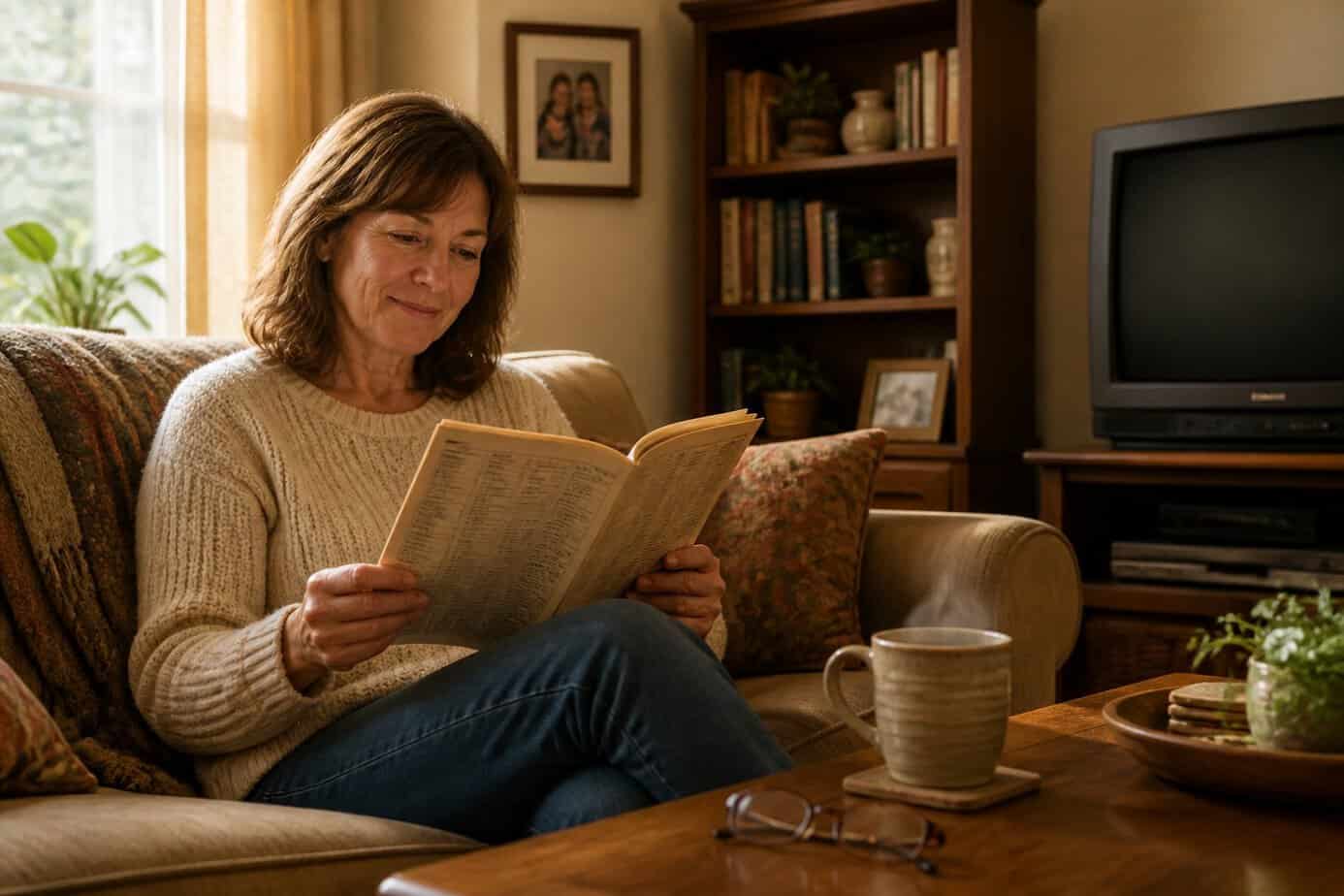
You treated TV Guide like a study program, carefully scanning the grid to map out your Saturday morning viewing strategy. The thin magazine arrived weekly, and you’d flip straight to Saturday’s listings to see what cartoons were airing and when.
Planning was essential. You knew which shows you couldn’t miss and which ones were acceptable backup options. Some Gen X kids even circled their must-watch programs, creating a personalized schedule for the morning.
The guide helped you navigate between networks without missing your favorites. You’d memorize the time slots so you could switch channels at exactly the right moment. Without streaming or DVRs, this advance planning meant the difference between catching your show or missing it entirely.
That small TV listing grid gave you control over your Saturday morning experience.
31. Putting a blanket over the TV for a clubhouse vibe
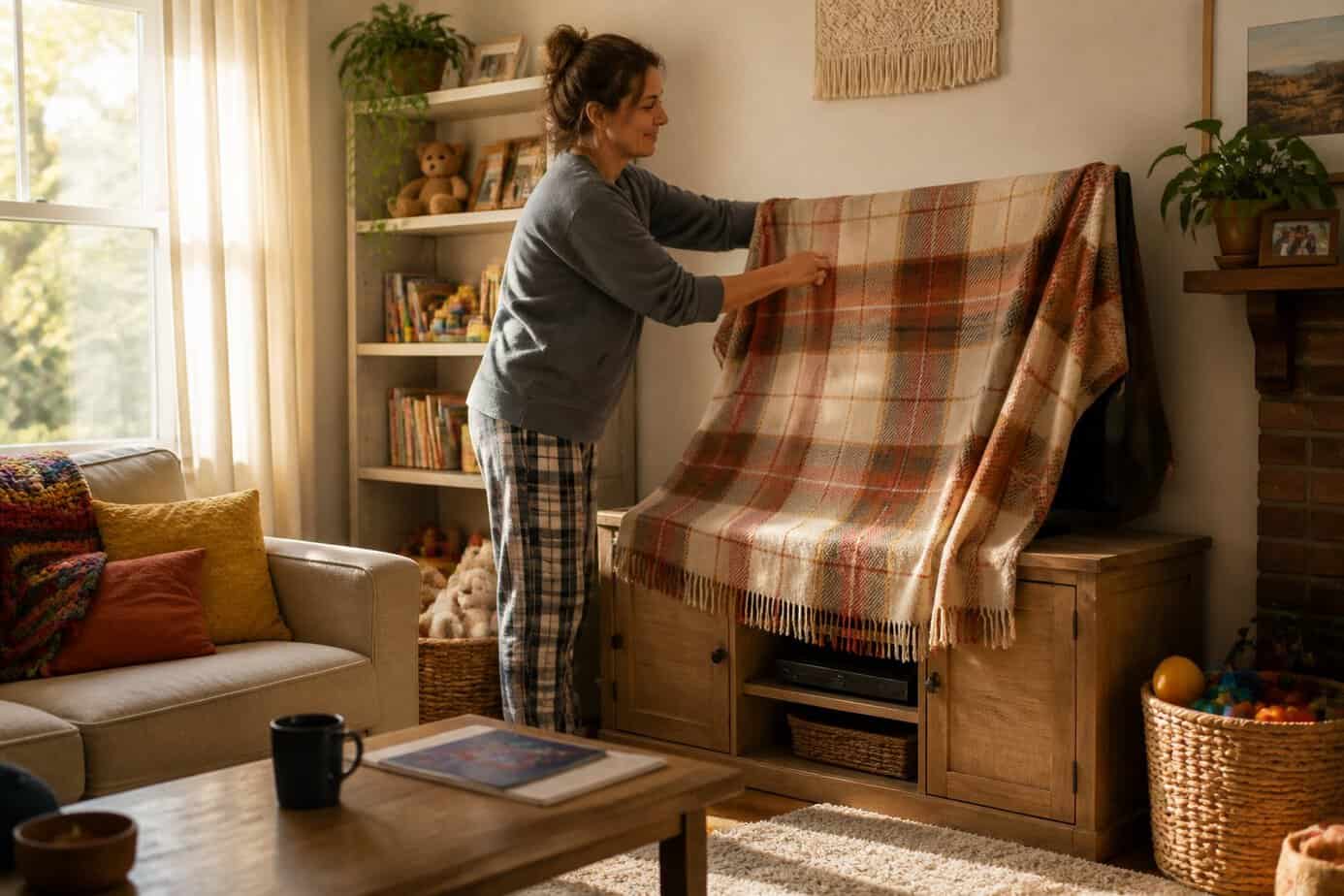
Sometimes Saturday morning cartoons weren’t enough on their own. You’d grab the biggest blanket you could find and drape it over the TV console, creating an instant fort.
The living room transformed into your private clubhouse. You’d crawl underneath with your bowl of cereal, positioning yourself just right to see the screen. The blanket walls blocked out the rest of the house and made everything feel more secret.
Your siblings would squeeze in beside you, and suddenly you weren’t just watching cartoons. You were in your own world. The shows felt different from inside that makeshift tent, like you’d discovered a better way to experience Saturday mornings.
Your parents probably wondered why you needed to complicate something as simple as watching TV.
32. Using sticky notes to mark must-watch shows
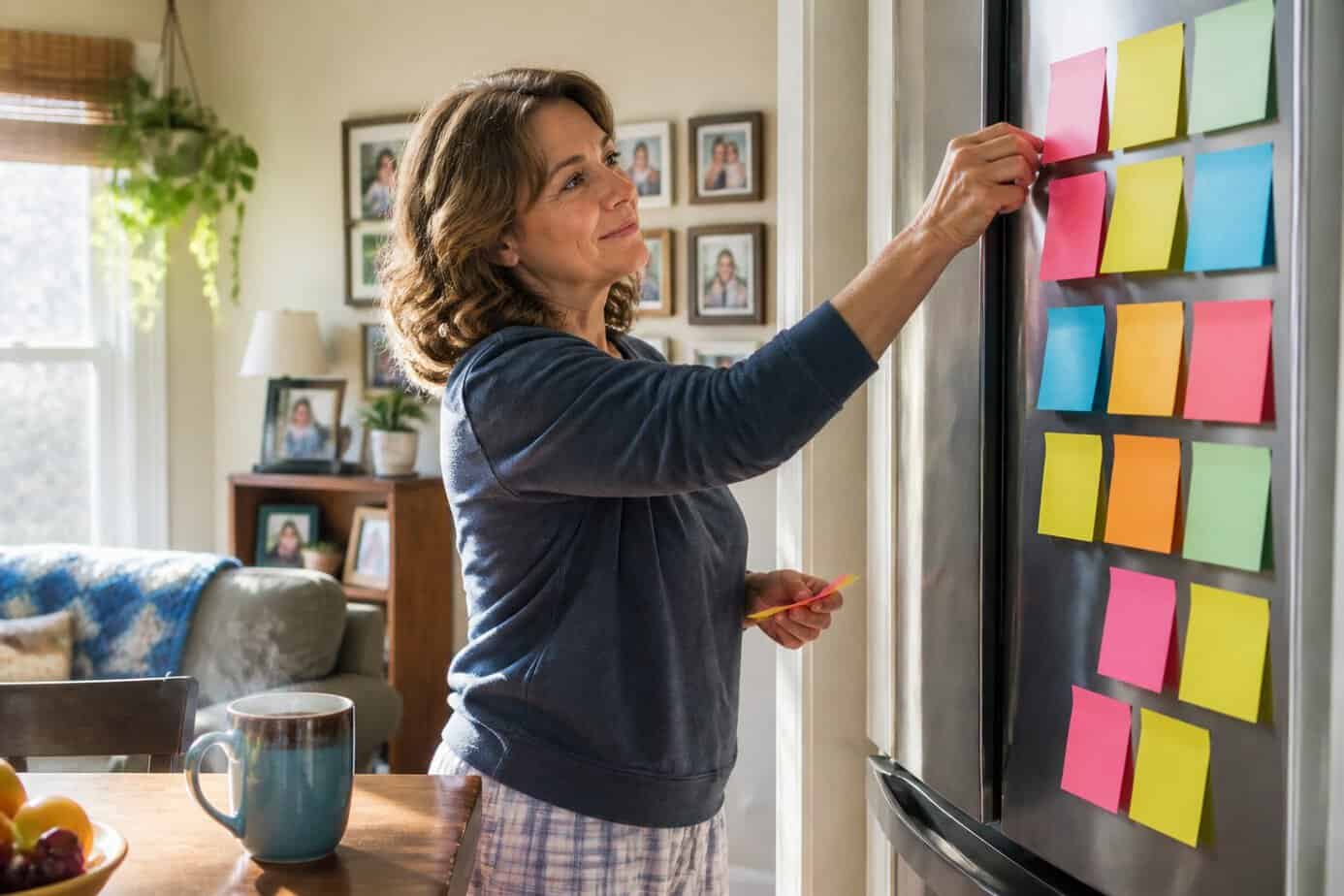
Before streaming services and DVRs, you relied on sticky notes to track your favorite Saturday morning shows. You’d attach them to the TV Guide or stick them on the television frame itself, marking which cartoons aired at what time.
Your color-coded system helped you prioritize which shows were absolute must-sees versus which ones you could miss. Pink might mean “watch first,” while yellow indicated “only if you wake up early enough.”
You’d update these notes weekly as programming changed or new shows premiered. The sticky note method kept you organized when multiple siblings competed for TV time.
This simple paper-based tracking system was your personal scheduling assistant. It ensured you never missed an episode of your favorite cartoon series during those precious weekend mornings.
33. Trading comic strips torn from Sunday papers
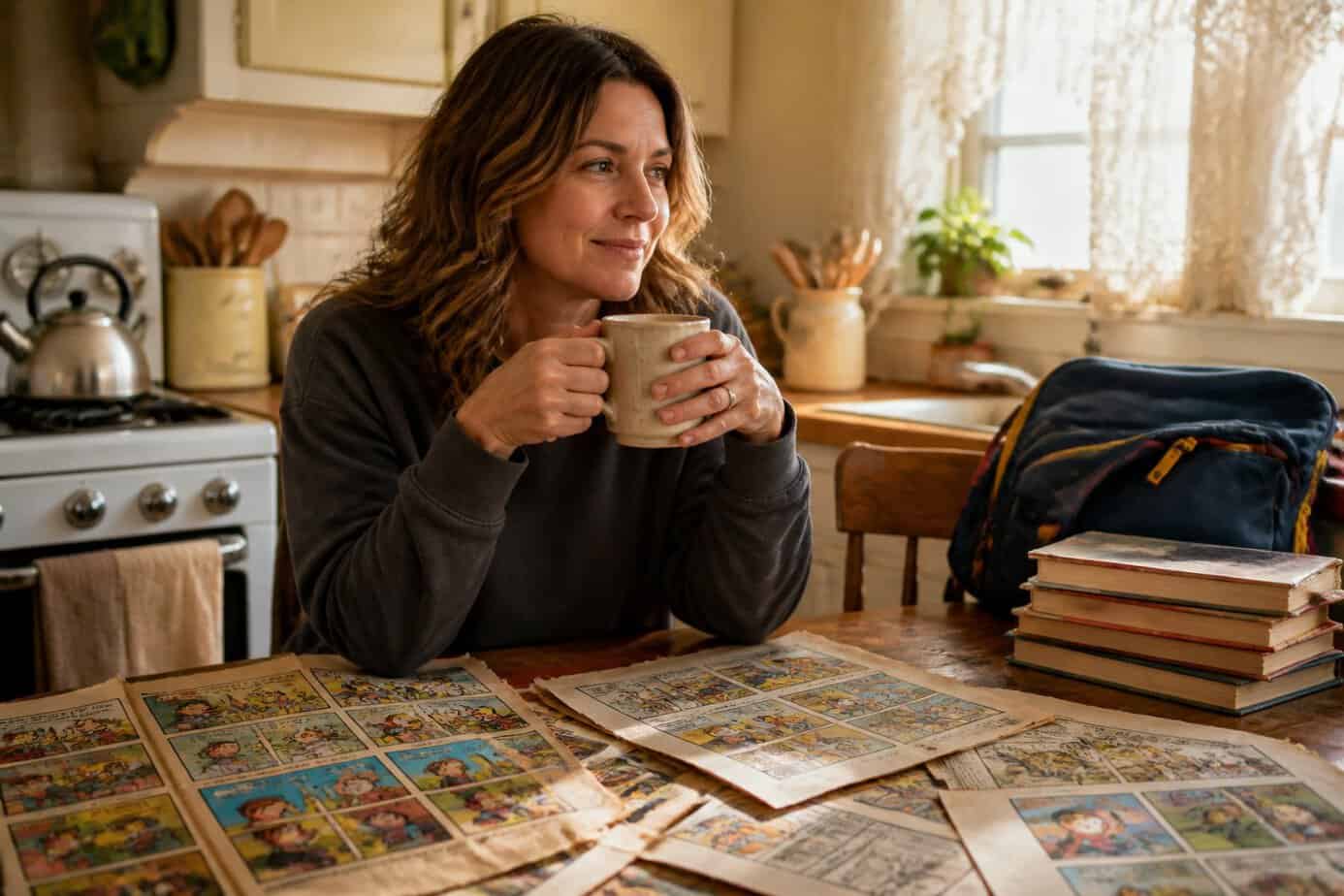
You carefully tore out your favorite strips from the Sunday comics section, building a collection worth bargaining with. Calvin and Hobbes, The Far Side, and Bloom County became currency among friends who shared your love for specific characters and storylines.
The thick Sunday paper delivered color comics that felt special compared to weekday black-and-white panels. You negotiated trades at school or with siblings, swapping duplicate Garfields for that one Peanuts strip you missed.
Some of you kept folders or binders organized by comic title. Others pinned favorites to bedroom walls or tucked them into school notebooks. The slightly cool newsprint with its distinctive ink smell made each strip feel like a miniature treasure.
Your collections grew through strategic exchanges, creating informal comic strip economies in neighborhoods and classrooms across the country.
Cultural Influences That Shaped Saturday Mornings
Saturday mornings for Gen X moms weren’t created in a vacuum. Three distinct forces converged to create this weekly ritual: network television’s programming strategies, the explosion of kid-targeted marketing, and the shift in how American families structured their weekends.
TV Programming and Family Entertainment
The major networks—ABC, CBS, and NBC—dominated Saturday morning airwaves from the 1970s through the early 1990s. Each network ran cartoon blocks from approximately 8 a.m. to noon, creating a predictable schedule you could count on week after week.
Networks partnered with animation studios like Hanna-Barbera, Filmation, and Marvel Productions to produce shows specifically for this time slot. The Smurfs, Scooby-Doo, and The Bugs Bunny/Road Runner Show became cultural touchstones because millions of kids watched the same programs simultaneously. You couldn’t stream episodes later or watch on demand.
This shared viewing experience created common references across an entire generation. The shows you watched weren’t personalized or algorithm-driven. They were the same for every kid in your neighborhood, which made Monday morning playground conversations revolve around what happened on Saturday.
Advertising and Consumer Trends
Saturday morning television became prime real estate for companies selling to children. Toy manufacturers, cereal brands, and fast-food chains concentrated their advertising budgets on these four-hour blocks.
The commercials shaped what you wanted as much as the shows themselves. Action figures, breakfast cereals, and video games were marketed directly to you through repetitive, memorable ads. Products tied to popular cartoons—like He-Man action figures or Strawberry Shortcake dolls—created a merchandising ecosystem.
Cereal companies especially capitalized on Saturday mornings. Brands like Cap’n Crunch, Fruit Loops, and Lucky Charms became synonymous with the ritual. The commercials promised adventure and excitement in every box, often featuring prizes or games on the packaging.
Changes in Household Dynamics
The rise of dual-income households in the 1970s and 1980s changed how families operated on weekends. Parents who worked all week needed Saturday mornings for household tasks, errands, or simply rest.
Saturday morning cartoons provided built-in childcare. You were occupied and entertained for four hours, giving your parents time to sleep in, do chores, or have quiet coffee. This wasn’t neglect—it was a practical solution that worked for everyone.
The latchkey kid phenomenon extended to weekends. You learned self-sufficiency by managing your own breakfast and entertainment. By 2010, this dynamic had shifted entirely as structured activities and supervised playdates replaced unsupervised cartoon watching.
Why Nostalgia Resonates With Gen X Moms
Remembering Saturday morning rituals offers Gen X moms both emotional comfort and a sense of belonging to a shared experience that shaped their generation.
Psychological Benefits of Reminiscing
Nostalgia serves as a protective mechanism for your emotional well-being. Research from the University of Southampton suggests that longing for the past helps you navigate present-day stress and uncertainty.
When you recall Saturday morning cartoons, you’re accessing memories of freedom and simplicity. Those mornings had no school, no responsibilities, and no digital distractions. Your brain processes these memories as safe anchors during challenging times.
The duality you absorbed from Saturday mornings built genuine emotional resilience. You learned to balance sincerity with humor and process serious themes through entertainment. This skill translates directly to modern motherhood, where you manage multiple roles while maintaining perspective.
Revisiting these memories isn’t about living in the past. You’re drawing strength from experiences that taught you independence, imagination, and self-regulation. The ritual of cereal bowls and cartoons created neural pathways that still influence how you handle stress and find joy.
Shared Traditions and Community Bonds
Your Saturday morning memories connect you to millions of Gen X moms who followed the same ritual. This shared experience creates immediate understanding when you discuss favorite shows or cereals with other Gen X women.
You’re now preserving these traditions for your children. Whether through streaming classic cartoons or explaining the significance of Walkmans and mixtapes, you’re building bridges between generations. Your kids gain context for your values and personality.
These shared memories form the foundation of Gen X identity. When you reminisce with friends about Saturday morning lineups, you’re reinforcing bonds that go deeper than simple nostalgia. You’re validating each other’s childhoods and the unique circumstances that shaped your generation’s independence and resilience.