
31 Little Things Every 1980s Mom Did That Made Childhood Feel Safe: Forgotten Rituals That Created Security
Would you like to save this?
The 1980s represented a distinct era of parenting where mothers created a sense of security through daily routines and small, thoughtful gestures.
Before smartphones and digital reminders, moms relied on hands-on habits that kept households running smoothly and children feeling cared for. These weren’t grand gestures or expensive purchases, but rather consistent actions that built trust and stability.
The small, repeatable tasks that 1980s moms performed daily created a foundation of safety and predictability that many adults now recognize as formative to their sense of well-being.
From labeling belongings to maintaining household routines, these practices emphasized preparedness, physical care, and direct engagement. The habits ranged from practical safety measures to nurturing touches that made children feel noticed and protected in their everyday lives.
1. Packing a Thermos of Homemade Soup for Sick Days
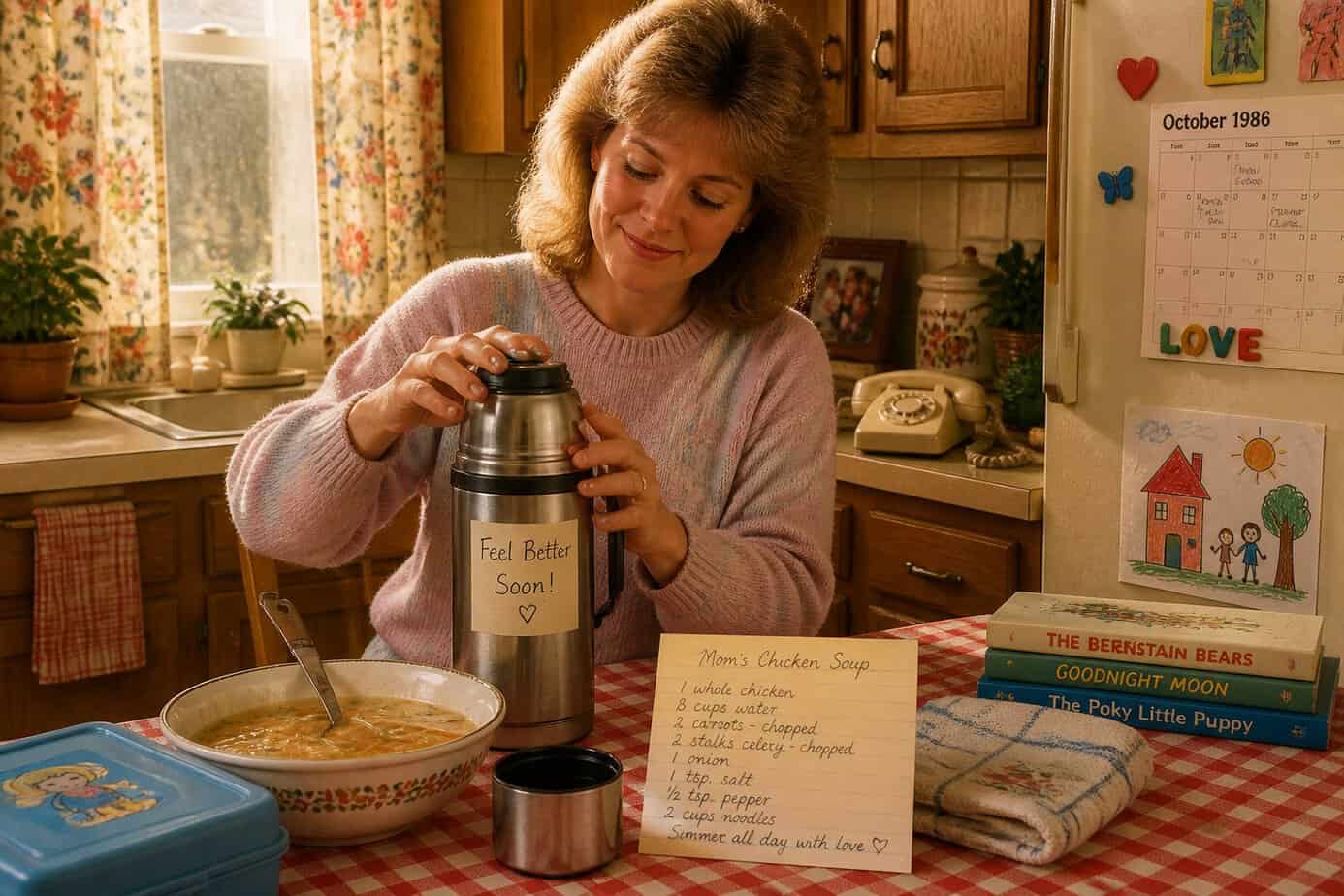
When you stayed home sick from school, your mom’s morning routine kicked in early. She’d head to the kitchen and prepare a thermos of warm soup before leaving for work or tending to other responsibilities.
The soup was often something simple and comforting. Chicken noodle was a frequent choice, sometimes made from scratch but often from a can. Your mom knew that keeping the soup hot in a thermos meant you could eat whenever you felt up to it, even if she couldn’t be there at lunchtime.
She’d preheat the thermos with hot water first, then fill it with the warmed soup. This small act ensured you had a hot meal waiting, which felt reassuring when you were stuck at home feeling miserable. The thermos sat on your nightstand, ready when you needed it.
2. Taping a Safety Gate Across the Top of the Stairs
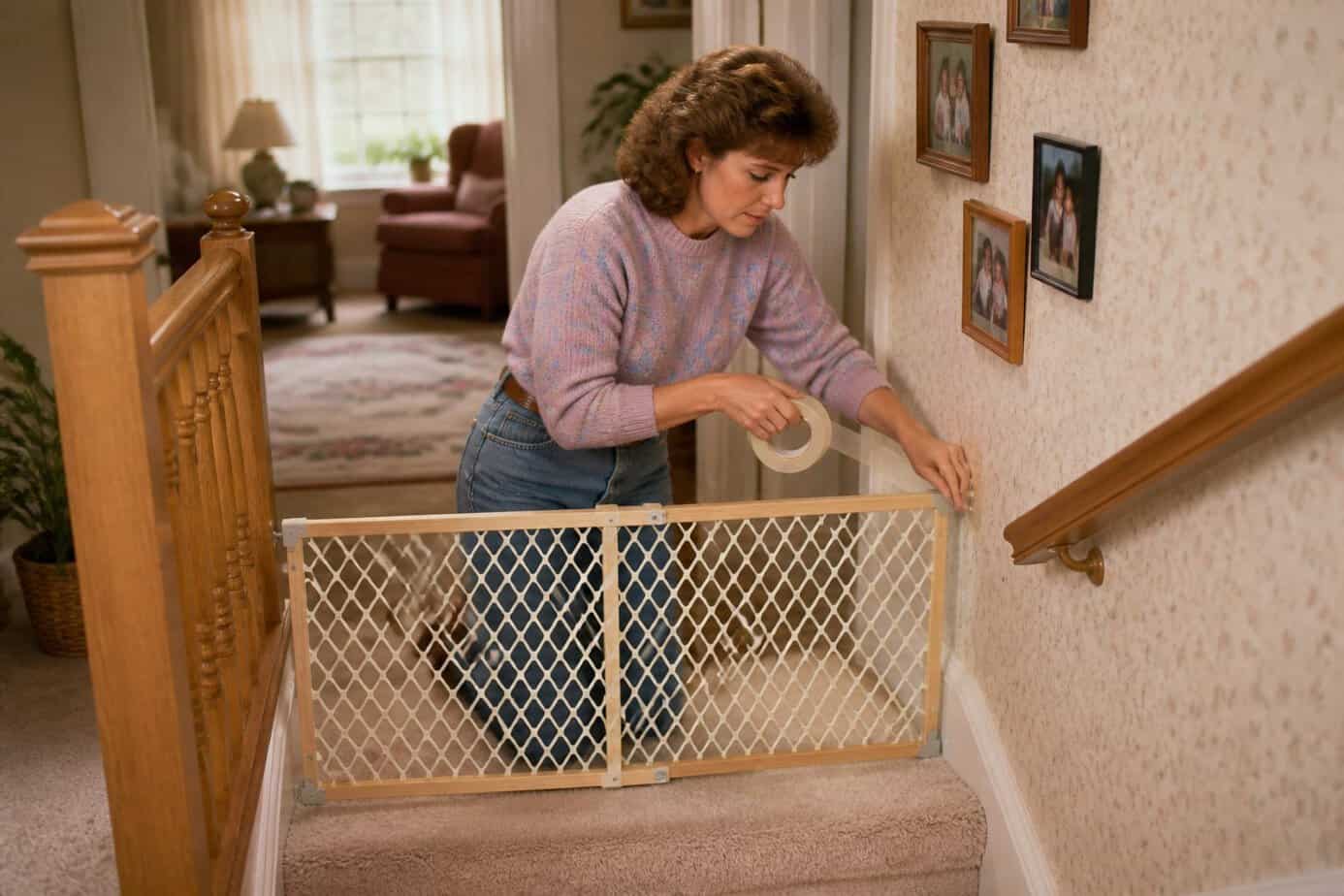
Your mom knew that hardware-mounted gates were the gold standard for stairway safety. But before running to the store, she’d temporarily secure a makeshift barrier with sturdy tape to block your access to the stairs.
This quick fix gave her peace of mind while she researched proper baby gates that met safety standards. The tape held a lightweight barrier in place just long enough to prevent you from wandering toward the edge.
She understood this wasn’t a permanent solution. Once she installed a proper hardware-mounted gate according to the manufacturer’s instructions, the tape came off. The real gate stayed up until you were around 24 months old and could navigate stairs safely.
That temporary tape barrier represented her immediate response to keeping you safe, buying time until a more secure system was in place.
3. Labeling Schoolbooks and Lunchboxes with Permanent Marker
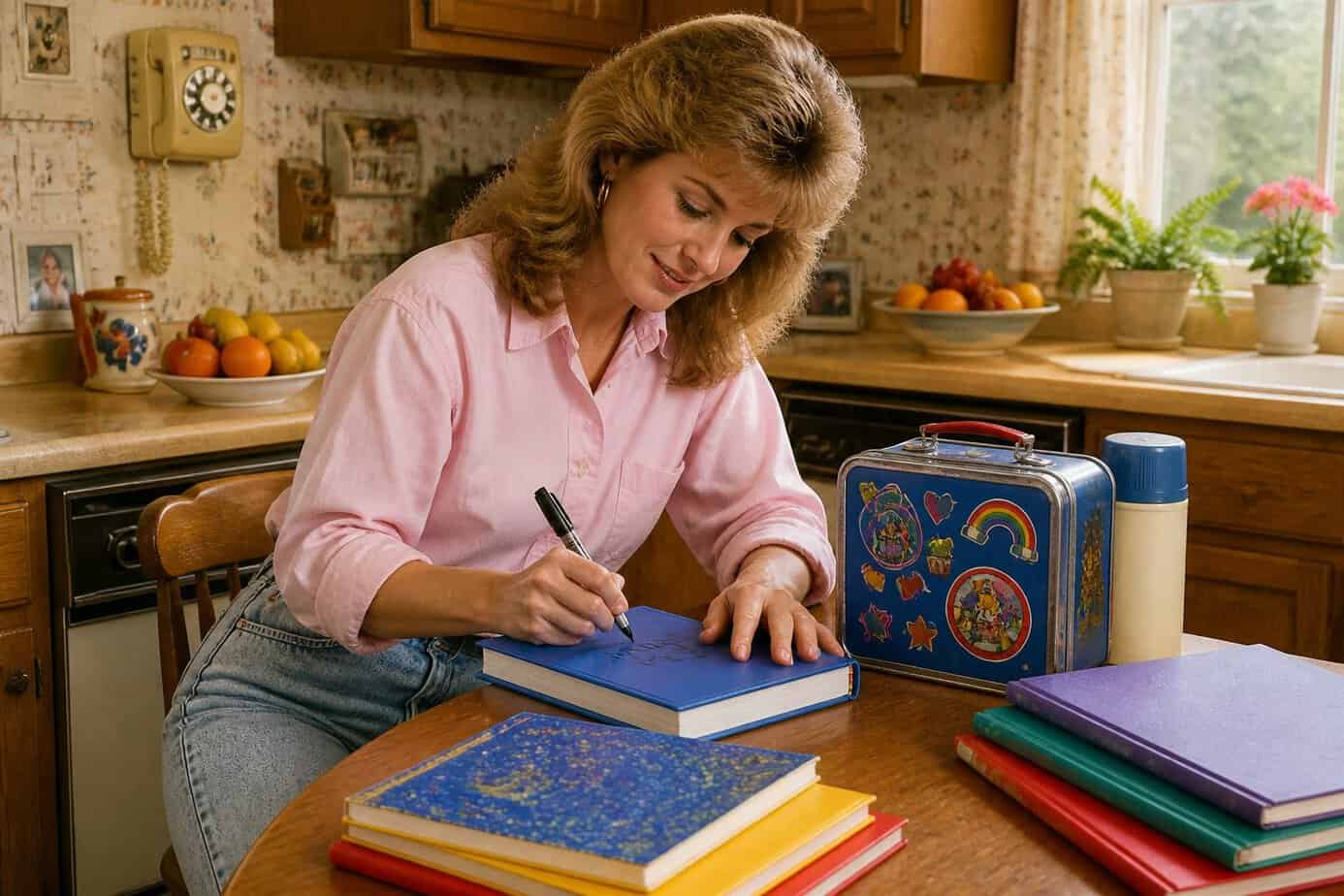
Your mom pulled out that thick black Sharpie on the first day of school without fail. She wrote your name in bold letters across the top of your lunchbox, on the inside cover of every textbook, and along the spine of your notebooks.
This simple act meant your belongings had a better chance of making it back home if you left them behind. When multiple kids had the same cartoon character lunchbox, that permanent marker label was the only way to tell them apart.
The ritual happened every September. Your mom carefully printed your full name, sometimes adding your grade or teacher’s name for extra identification. Those black letters didn’t wash off easily, which was exactly the point. It was a practical solution that gave both you and your mom peace of mind throughout the school year.
4. Stitching a Loose Button Back on Overnight
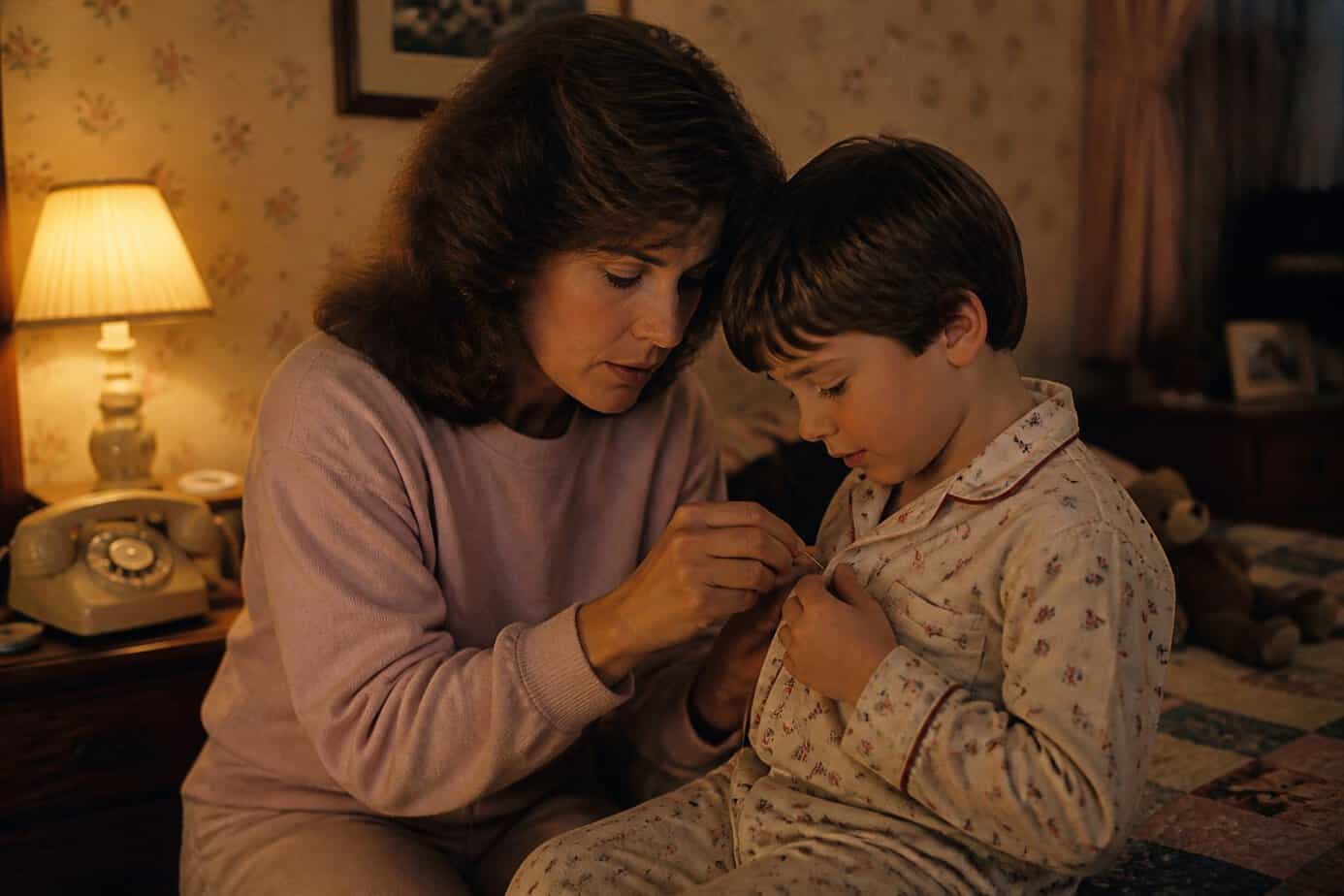
Your mom noticed a dangling button on your school shirt before you did. She’d pull out her small sewing kit from the kitchen drawer without making it into a big production.
By morning, the button was securely reattached. You’d find your shirt hanging in your closet or folded on your dresser, ready to wear. She didn’t need to announce what she’d done or expect thanks.
This was just standard maintenance in her mind. She kept thread in multiple colors and always had spare buttons stored in an old tin or jar. The repair took five minutes, but it meant you could get dressed without worry or embarrassment at school.
It was one of those quiet acts that kept your world running smoothly.
5. Keeping a Mason Jar of Spare Change for the Ice Cream Truck
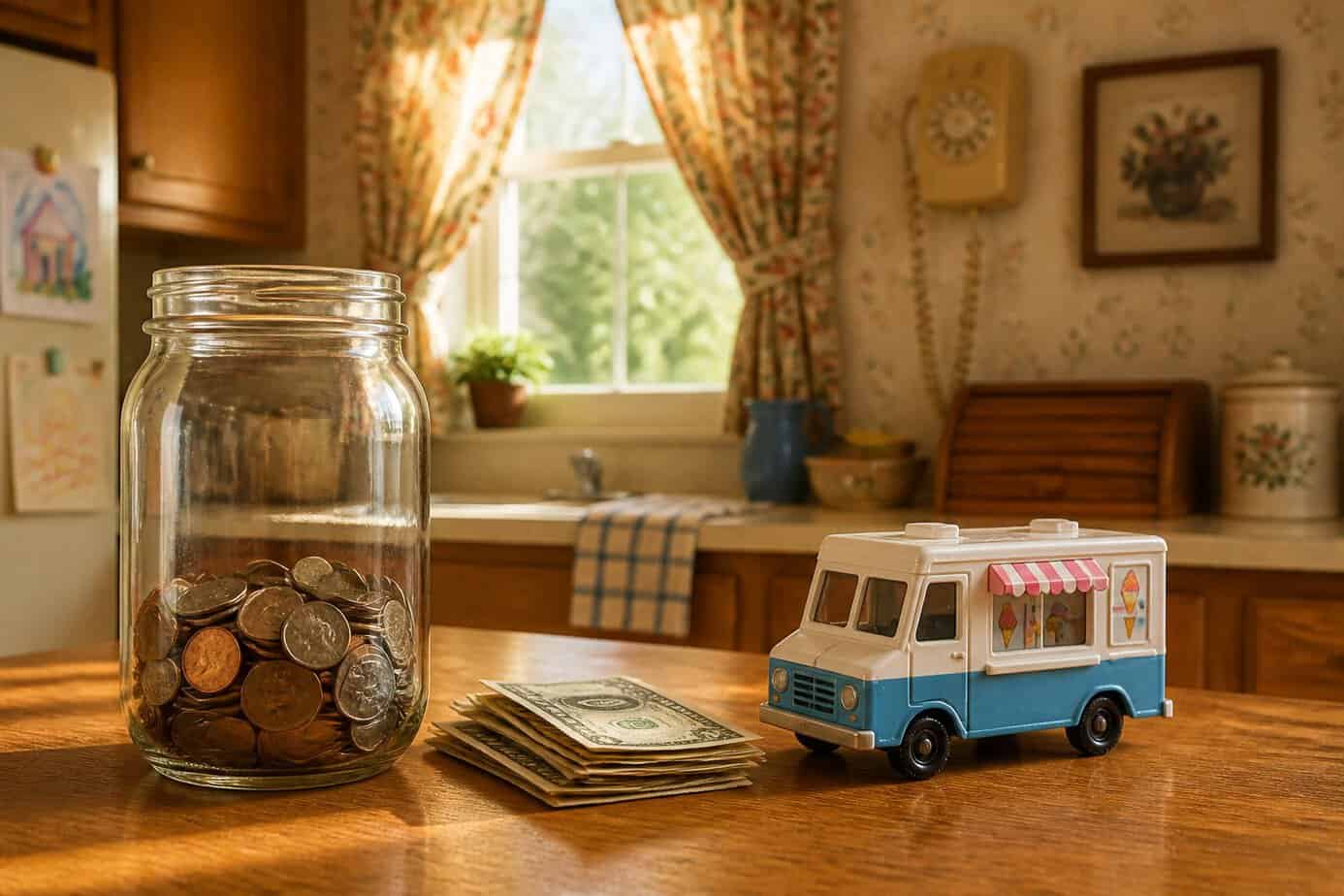
Your mom kept a mason jar filled with quarters, dimes, nickels, and pennies in the kitchen. When you heard the ice cream truck’s melody drifting down the street, you knew exactly where to find money for a treat.
She collected spare change throughout the week specifically for these moments. The jar sat within easy reach, ready for when the truck appeared in your neighborhood.
You’d grab a handful of coins and race outside to catch the truck before it left your block. This simple act meant your mom had thought ahead about small joys that mattered to you.
The change jar covered more than just ice cream. It also provided money for school trips, arcade games, or other small expenses that came up during the week.
6. Hiding a Secret Stash of Halloween Candy for After-Party Rations
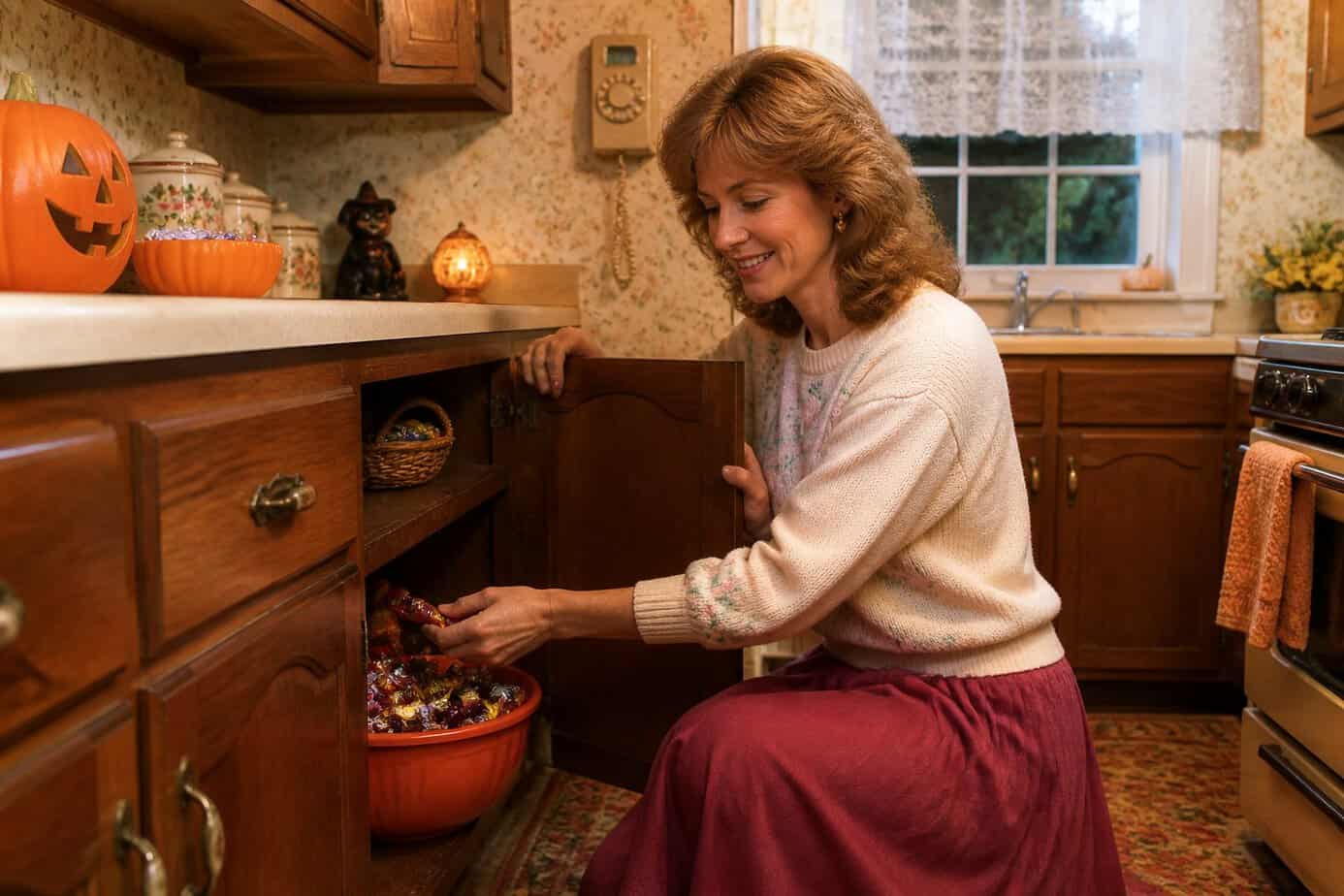
Your mom knew the Halloween haul wouldn’t last if left to your own devices. She’d discreetly pocket some of the best pieces while you sorted through your candy on the living room floor.
The stash went somewhere clever. Behind canisters in the pantry, in her closet behind sweaters, or tucked in the linen closet worked perfectly. She’d inspect your candy for safety first, then quietly set aside a reserve supply.
This wasn’t about deprivation. Your mom rationed treats to prevent stomachaches and make the candy last beyond the first weekend. When you’d exhausted your visible supply by mid-November, she’d produce a few pieces from her hidden reserve.
You probably suspected she had candy somewhere. Most 1980s kids developed a sixth sense about hidden treats but rarely found the actual location.
7. Tucking a Handwritten Lunchbox Note Under the Sandwich
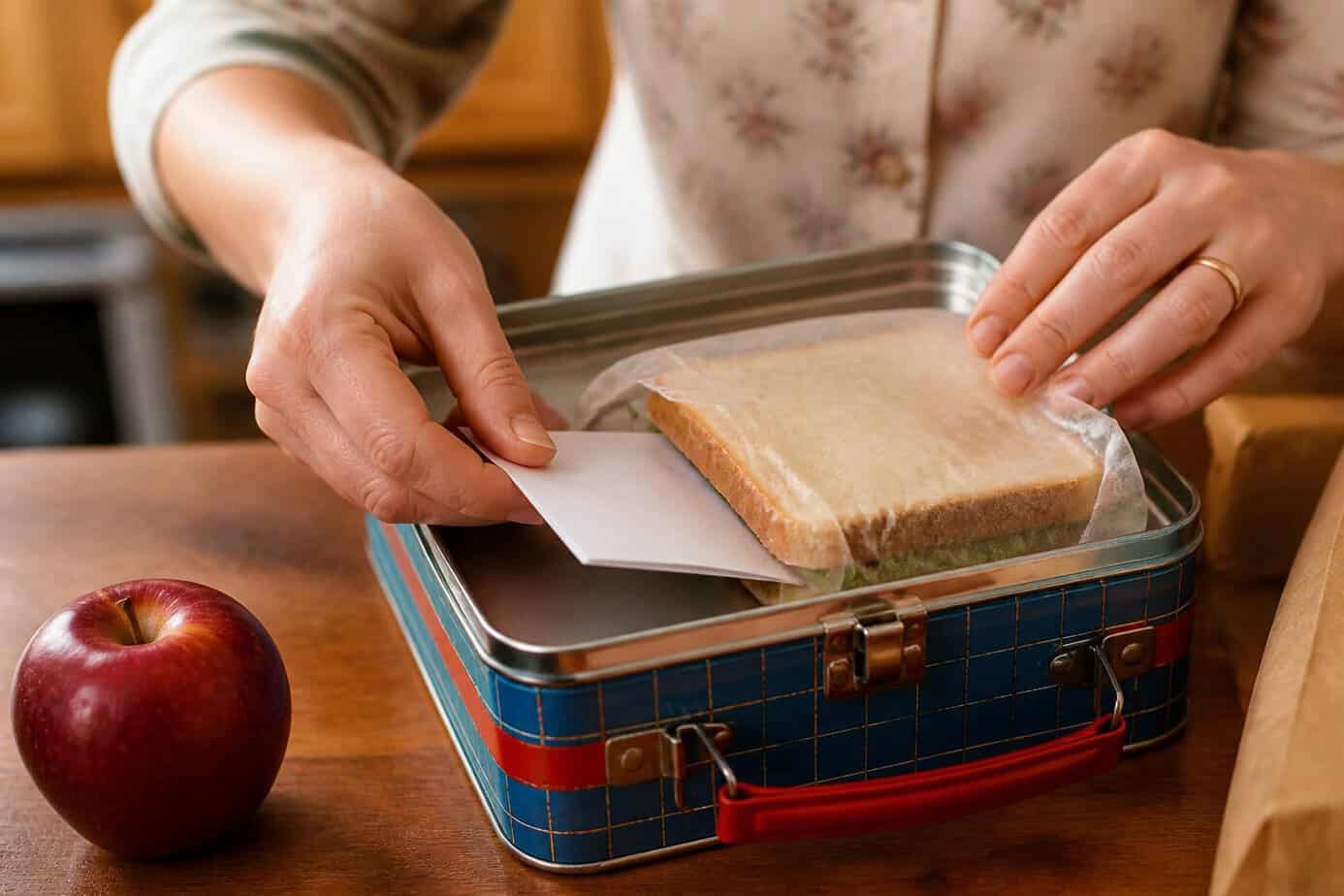
Your mom would slip a small note under your sandwich or beside your juice box. These weren’t elaborate letters, just quick messages on napkins, Post-its, or scraps of paper.
The notes said simple things like “Have a great day” or “Love you lots.” You’d open your lunchbox at the cafeteria table and find her handwriting waiting for you.
This small gesture made lunch feel less ordinary. It reminded you that someone was thinking about you during the school day.
Many moms included these notes on Fridays or tucked them in when they knew you had a test. The ritual was part necessity and part connection, requiring no extra supplies beyond what was already in the kitchen drawer.
These handwritten messages became small touchstones that many people still remember decades later.
8. Teaching Kids to Cross the Street at the Same Corner Spot

Your mom picked one specific corner in the neighborhood to teach you proper street-crossing skills. She walked you to that same spot repeatedly, turning it into your outdoor classroom for pedestrian safety.
She made you practice the routine until it became second nature. Stop at the curb, look left, look right, then left again. Listen for traffic and wait for a clear gap before stepping off the sidewalk.
This consistent location allowed you to learn the specific traffic patterns and potential hazards of that particular intersection. You knew which direction cars came from and where the blind spots were. The repetition built confidence and muscle memory that carried over to crossing streets throughout the neighborhood.
Your mom supervised every crossing until she felt certain you understood the process completely.
9. Folding Sock Pairs Together Before Laundry Day
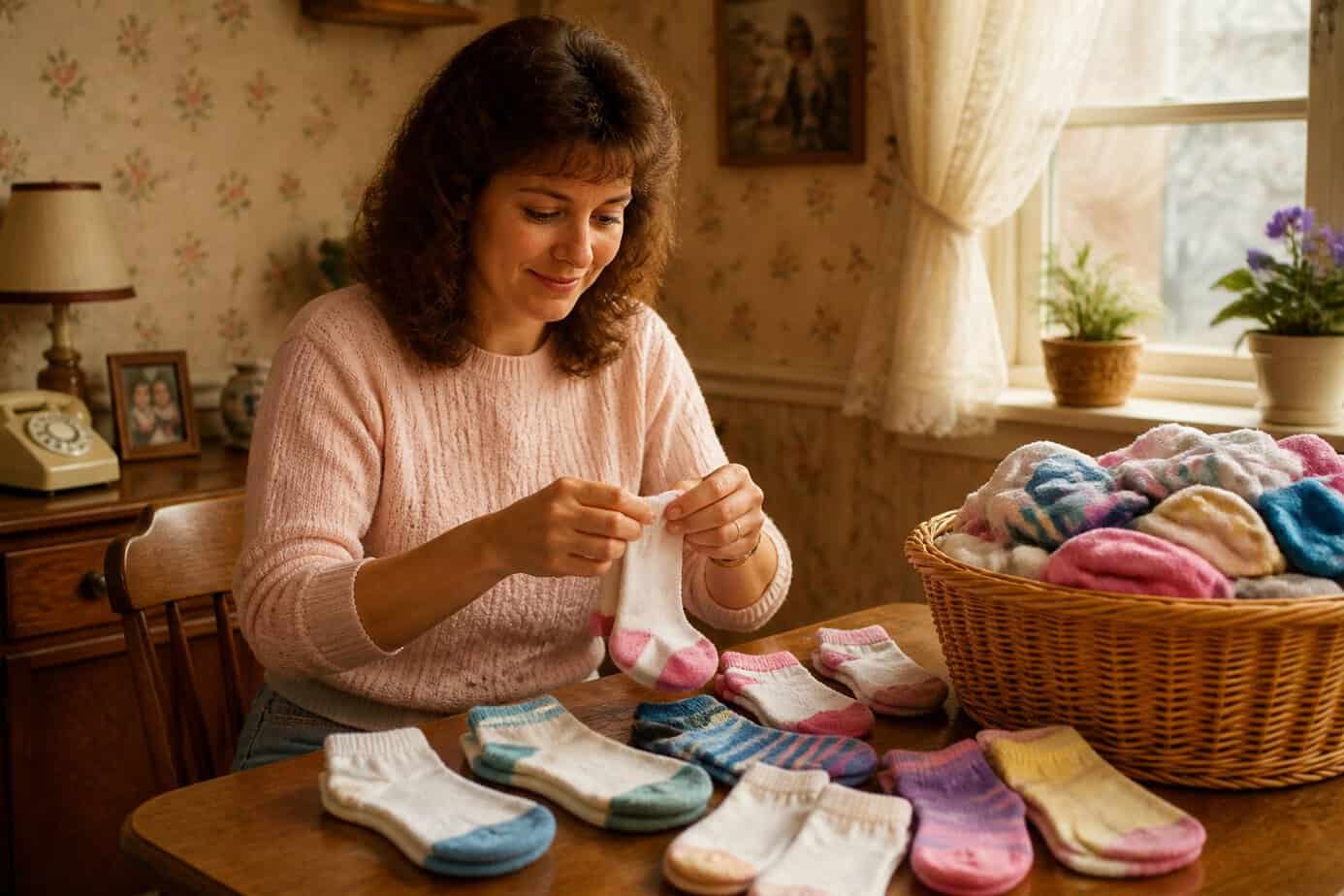
Your 1980s mom kept the sock drawer organized with a simple system. She folded each pair together right after pulling them from the dryer, ensuring they stayed matched and ready to wear.
This wasn’t just about neatness. It was a practical solution that saved time during busy morning routines. You never had to dig through a drawer searching for a matching sock before school.
The technique was straightforward. She’d match each sock with its partner, then fold or roll them together using the cuff method. This kept pairs intact through weeks of storage.
Your mom knew that small organizational habits prevented daily frustrations. By handling socks this way, she created a reliable system that made getting dressed easier for everyone in the household.
10. Ironing School Uniforms or Favorite Dresses on Sunday Night
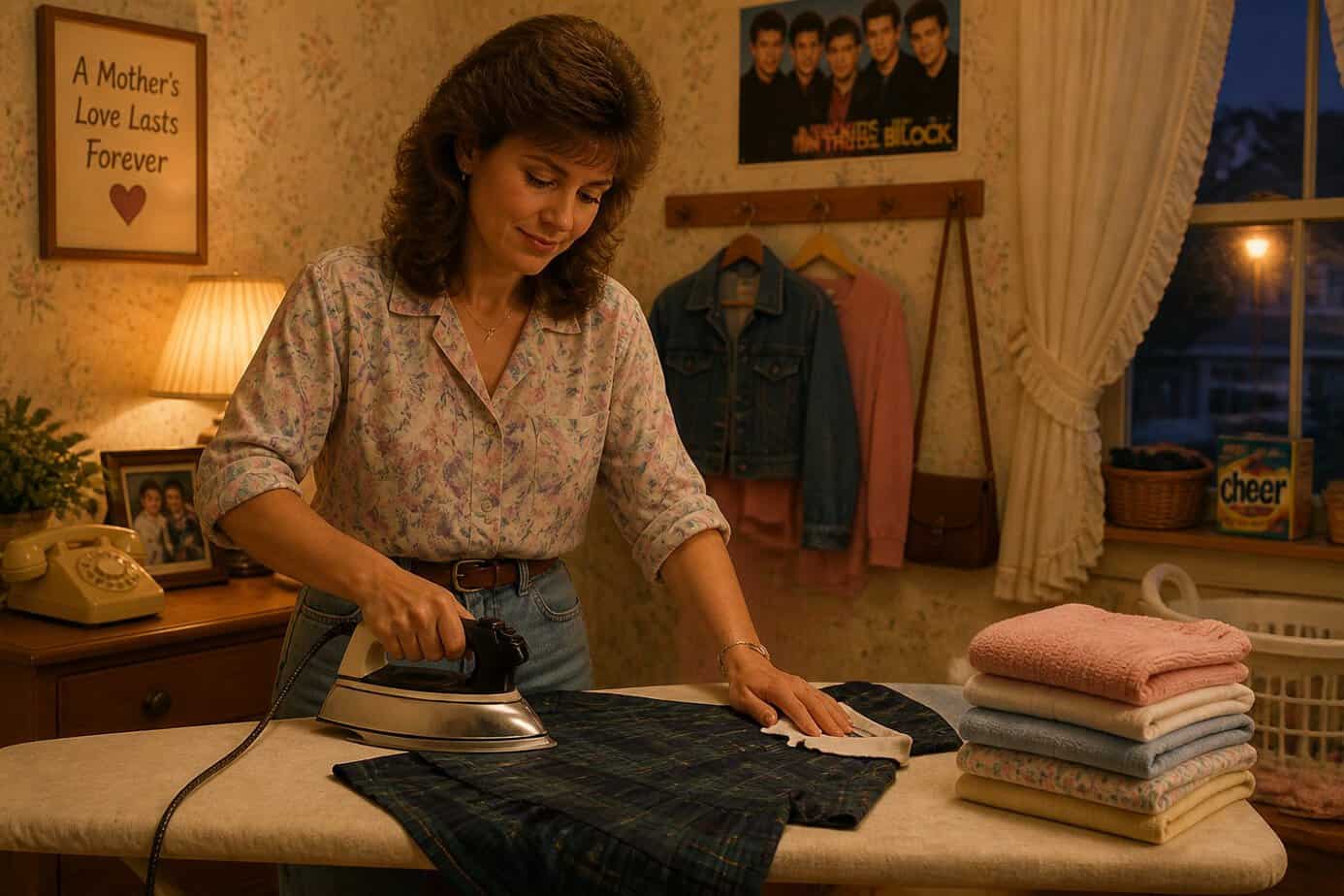
Sunday nights had a familiar rhythm, and the sound of the iron was part of it. Your mom would set up the ironing board after dinner, smoothing out your school clothes for the week ahead. The hiss of steam and the warm smell of pressed fabric filled the room.
She’d carefully iron pleats, collars, and hems until everything looked crisp and neat. This wasn’t just about wrinkle-free clothes. It was her way of making sure you started each week prepared and put together.
You’d often sit nearby doing homework or watching TV while she worked. The routine felt reassuring, like everything was under control. By the time you went to bed, your outfits hung ready on the closet door, one less thing to worry about on Monday morning.
11. Making a Batch of Classic Tuna Noodle Casserole
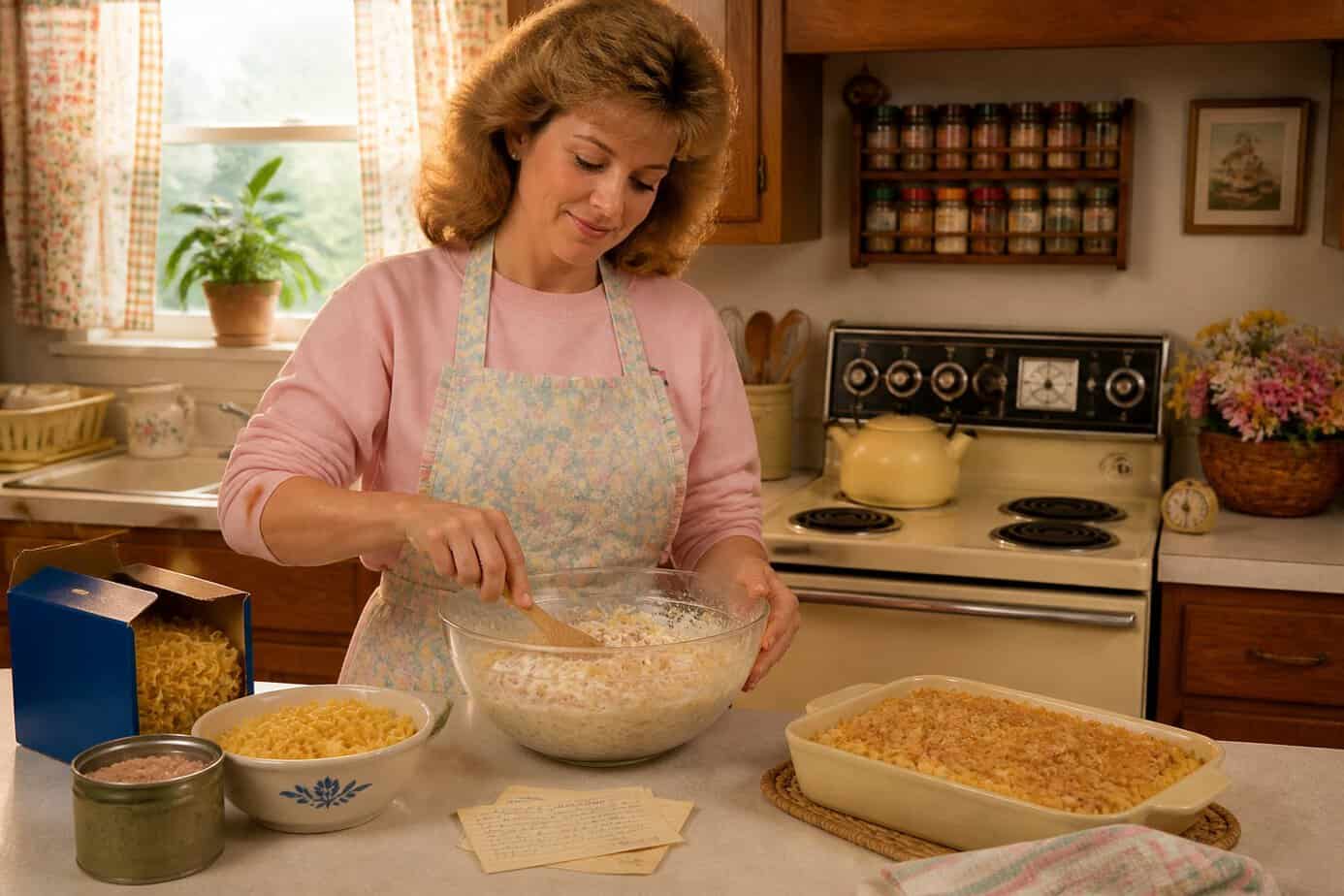
Your mom pulled out a casserole dish and combined egg noodles, canned tuna, cream of mushroom soup, and frozen peas without consulting a recipe. She knew the proportions by heart.
The dish baked until golden and bubbly, filling the house with familiar smells. It stretched the family budget while feeding everyone at the table.
Tuna noodle casserole represented practical home cooking. Your mom could assemble it quickly using pantry staples, making dinner predictable and reliable. The crispy topping provided texture against the creamy interior.
This meal appeared regularly in your weekly rotation. It required minimal preparation and delivered consistent results your family expected. The simplicity of canned ingredients and straightforward assembly made it a dependable choice for busy weeknights.
12. Keeping a Simple First-Aid Kit with Neosporin and Band-Aids
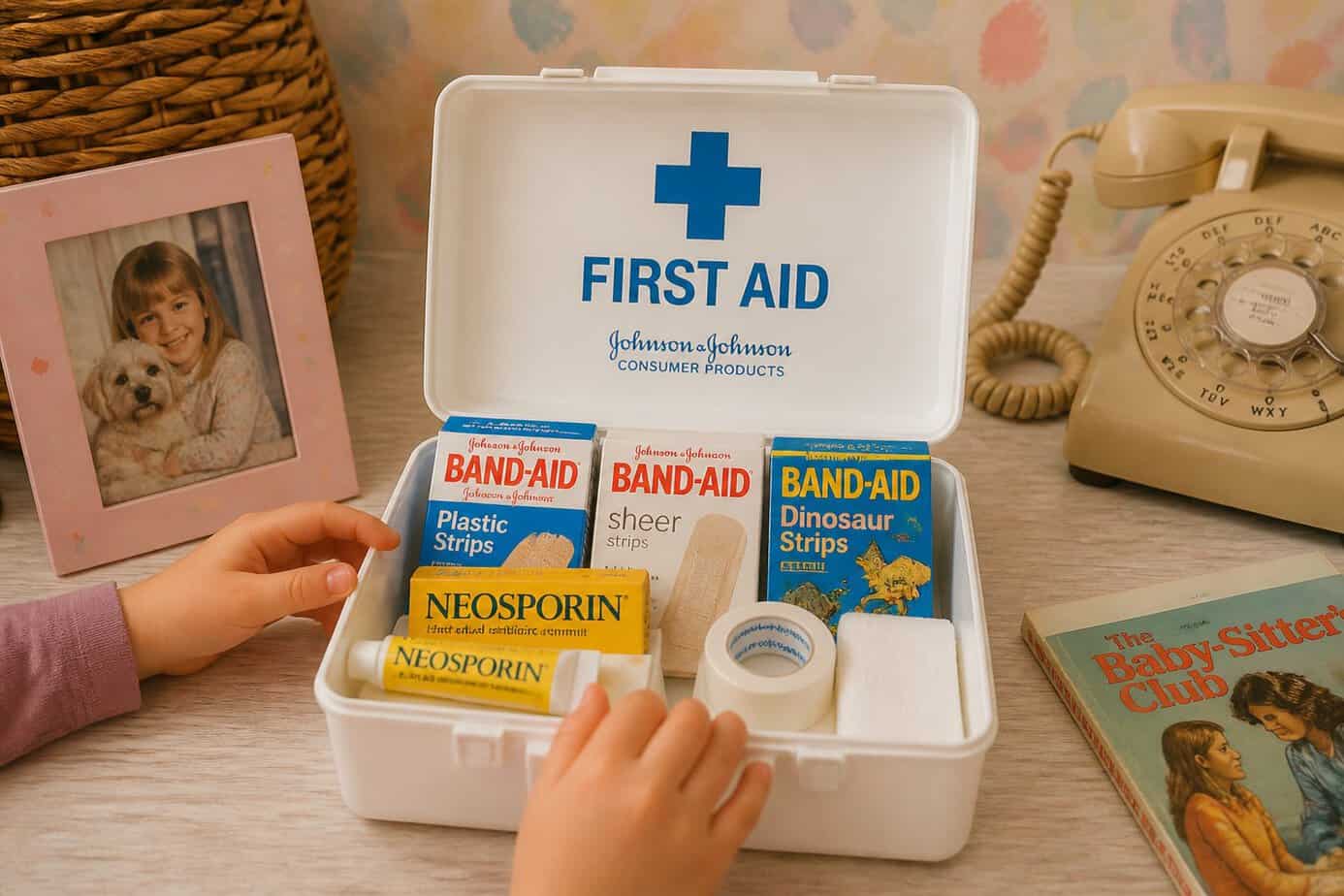
Your mom didn’t need a hospital-grade medical supply cabinet. She kept a basic first-aid kit stocked with the essentials that handled most childhood mishaps.
The kit lived in a predictable spot, usually the bathroom cabinet or kitchen drawer. Inside, you’d find a tube of Neosporin antibiotic ointment and a box of Band-Aids in assorted sizes.
When you scraped your knee or got a minor cut, your mom cleaned the wound and applied a thin layer of Neosporin before covering it with a bandage. This simple routine helped prevent infection and protected the injury while it healed.
She might have added gauze pads, adhesive tape, and alcohol wipes to the collection. Nothing fancy or complicated. Just the basics that addressed the most common injuries kids encountered during active play and daily adventures.
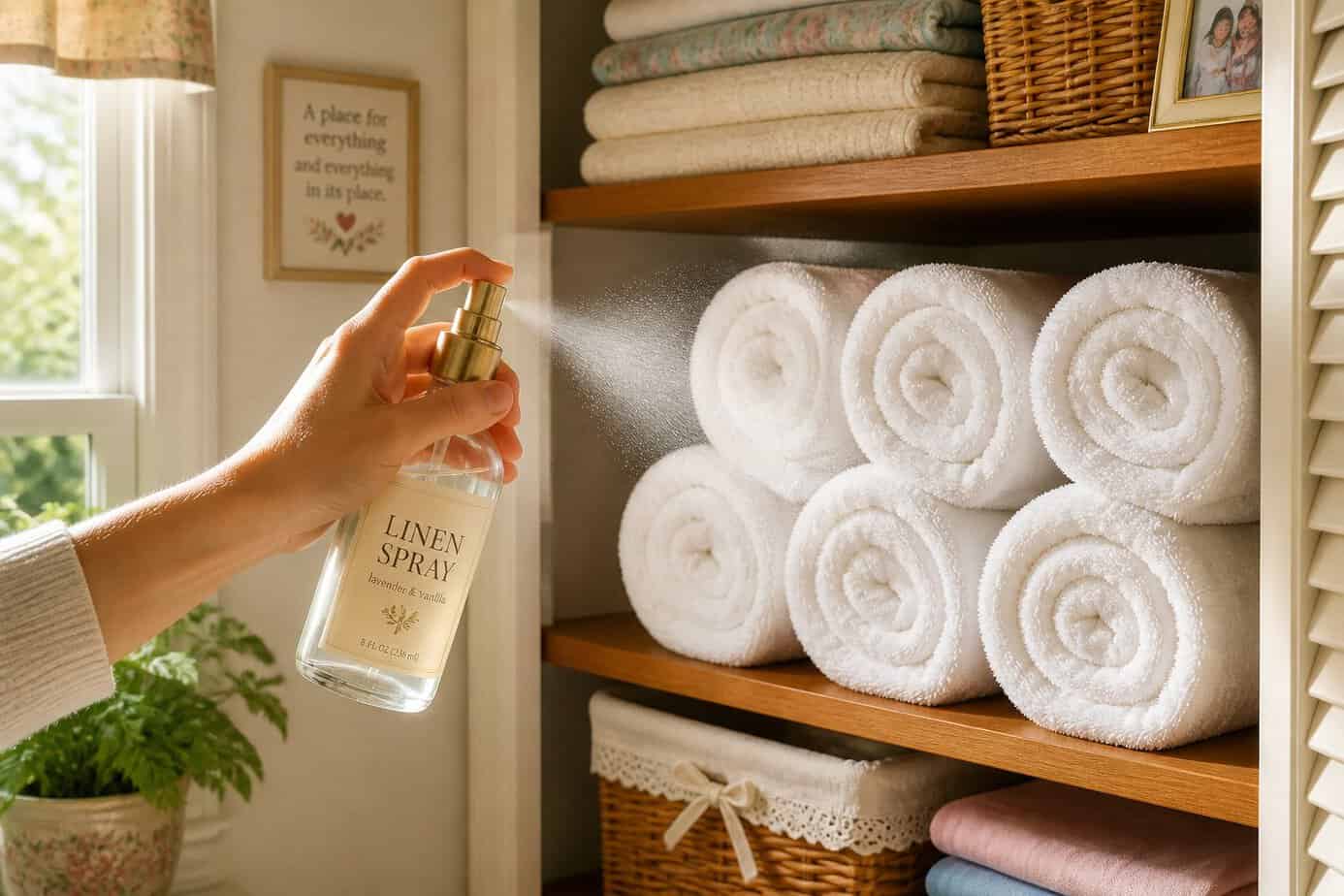
13. Rolling Up Fresh Towels with a Spritz of Linen Spray
Would you like to save this?
Your mom had a system for everything, including how she stored towels in the linen closet. She’d pull them fresh from the dryer, give them a light mist of linen spray, then roll them up neatly before tucking them away.
The spray was often homemade, just water mixed with a bit of her favorite scent. Some moms kept a spray bottle right by the ironing board for this purpose.
Rolling towels instead of folding them flat saved space and kept them wrinkle-free. When you grabbed one for your bath, it still smelled clean and fresh days later.
This small ritual made the bathroom feel more organized. It was one of those quiet touches that added comfort to your daily routine without you even realizing it at the time.
14. Using a Chalkboard by the Door for Appointments and Notes
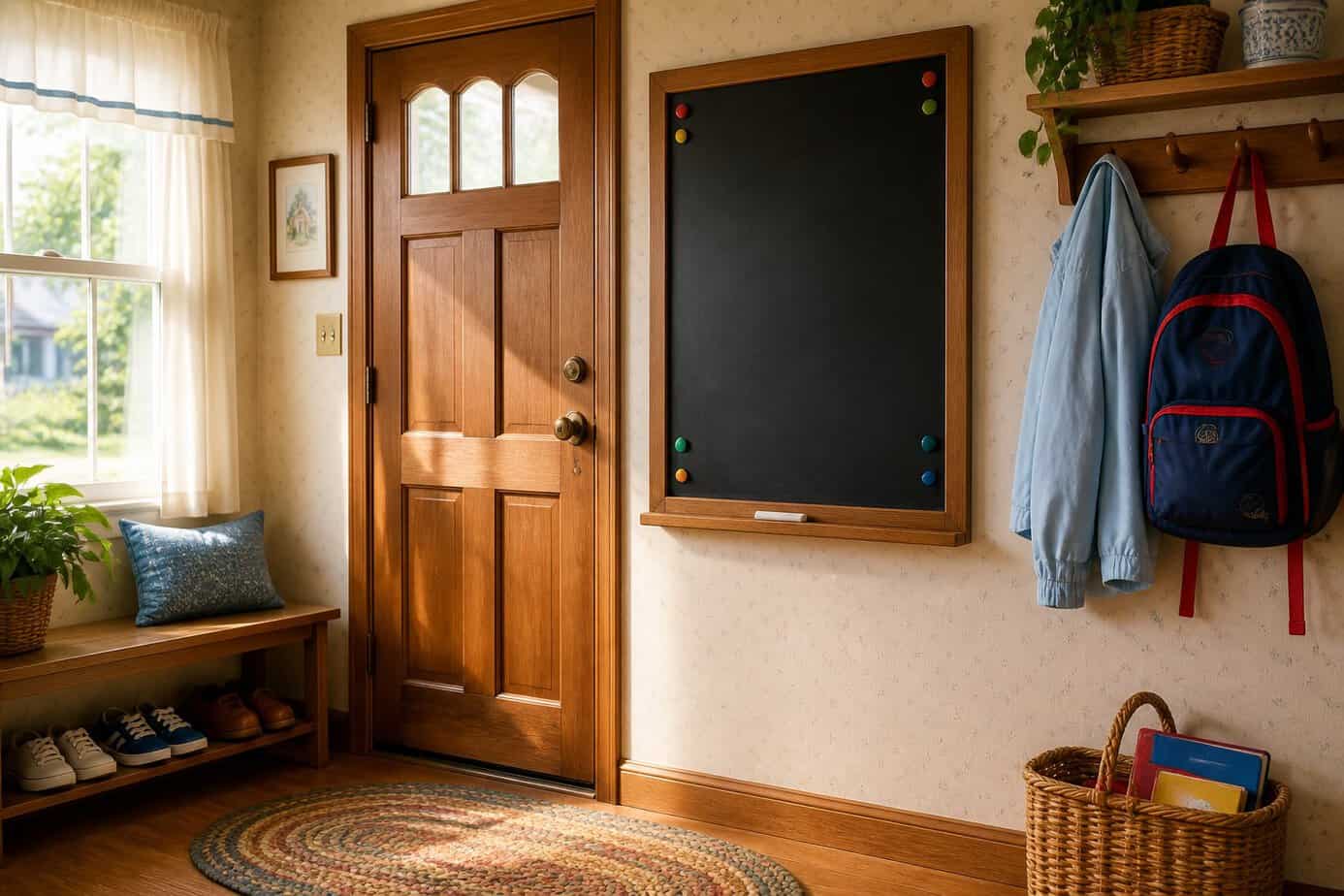
Your mom kept a chalkboard mounted near the front or back door where everyone could see it. She wrote down dentist appointments, piano lessons, and after-school pickups in her distinctive handwriting.
The chalkboard served as the family’s central communication hub before cell phones and shared digital calendars existed. Your mom updated it daily with reminders about whose turn it was to take out the trash or what time dinner would be ready.
You checked that board every morning before heading to school. It told you if you had soccer practice that afternoon or if you needed to bring permission slips home.
The simple act of writing things down in chalk made schedules feel tangible and manageable. Your mom could erase and adjust plans as needed, keeping the entire household coordinated with just a piece of chalk.
15. Sewing Name Tags into Jackets and Coats
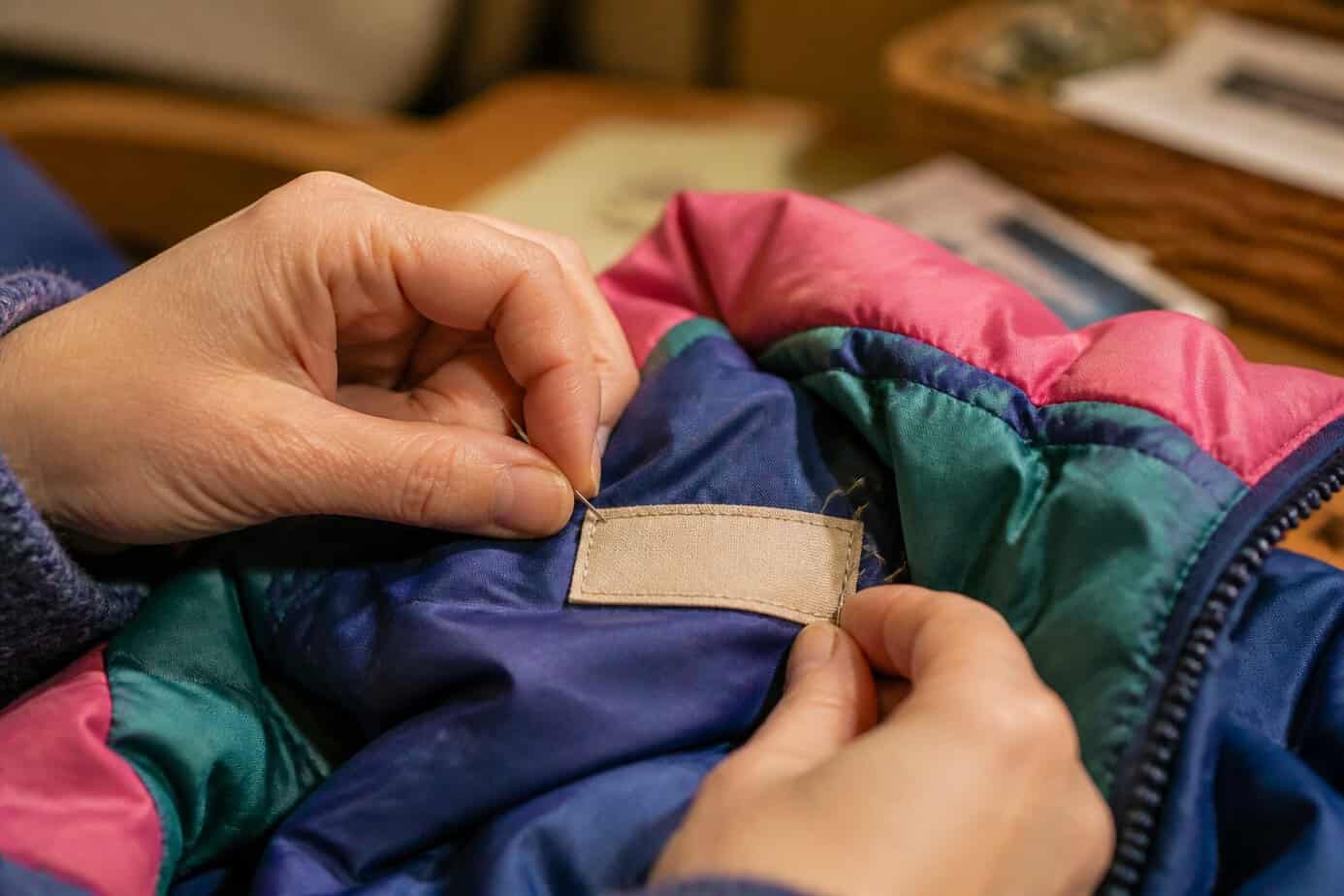
Your mom sat down with needle and thread every fall, carefully stitching name tags into the collar of your jacket. She knew how easily coats disappeared at school or after sports practice.
The process took only a few minutes per garment. She folded the tag properly and secured it with small, tight stitches that could withstand hundreds of wash cycles. Your name appeared in permanent marker or printed fabric, clearly visible to teachers and lost-and-found volunteers.
This simple act prevented countless trips to retrieve lost items. When jackets got mixed up in the classroom closet, yours came home every time. The sewn-in tags outlasted iron-on versions that peeled away after a few washes.
Your mom understood that labeled clothing meant one less thing to worry about in your daily routine.
16. Teaching How to Ride a Bike in the Cul-de-Sac

Your mom knew the cul-de-sac was the perfect spot for learning to ride a bike. The dead-end street meant no through traffic, giving you space to wobble and fall without danger.
She’d walk alongside you, one hand steadying the seat while you pedaled. The curved road gave you room to practice turns naturally. Other neighborhood kids would watch from their driveways, creating an encouraging audience.
Your mom never made it feel like a chore. She’d let you rest when frustrated and celebrate every small victory. The pavement became your practice ground, marked by training wheel scratches and the occasional scraped knee.
When she finally let go and you rode on your own, the whole cul-de-sac felt like it belonged to you. That safe, contained space let you build confidence before venturing onto bigger streets.
17. Reheating Leftover Chicken on a Cast-Iron Skillet
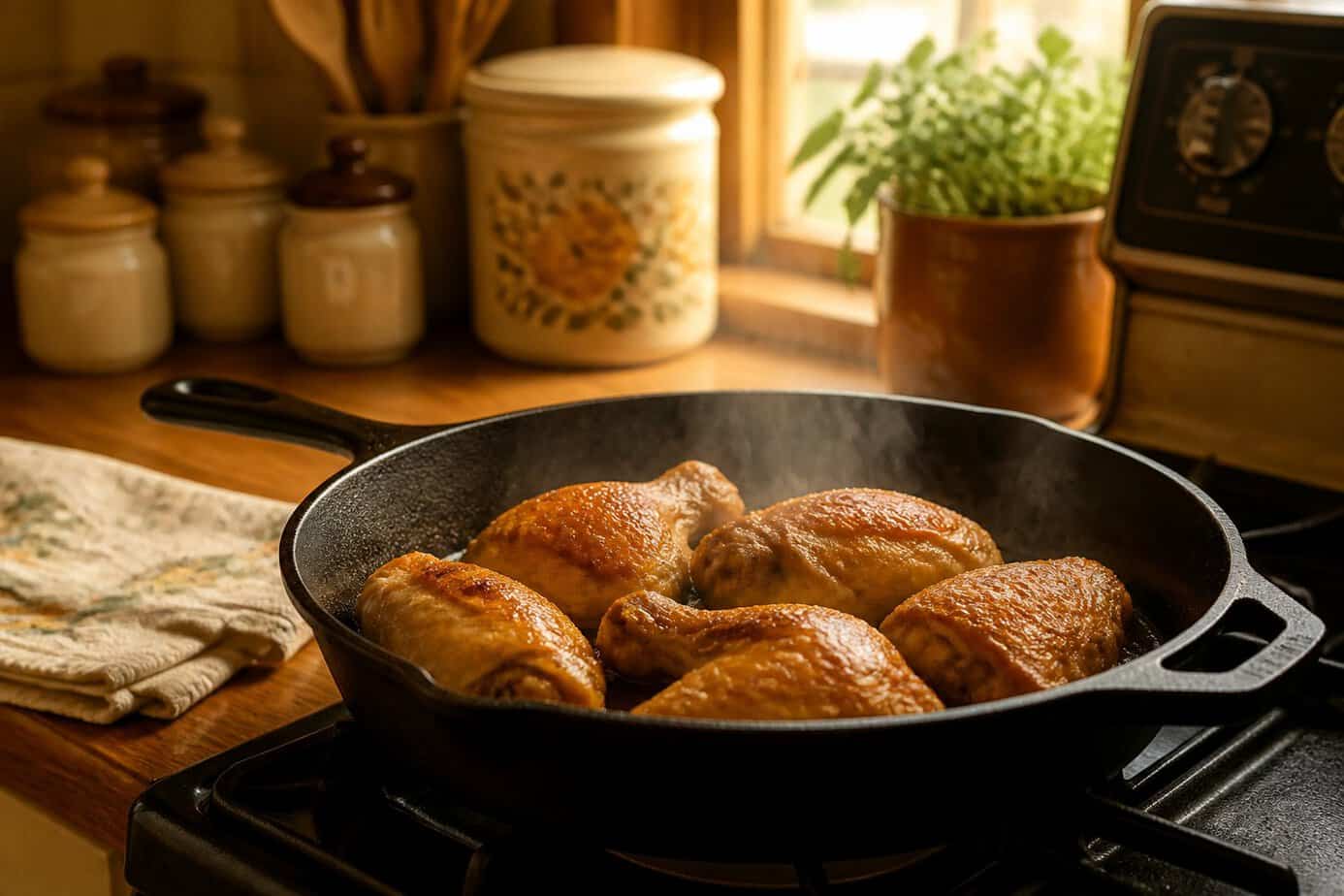
Your mom knew the best way to bring last night’s chicken back to life was on her trusty cast-iron skillet. She’d set it on medium-low heat and add a small pat of butter or splash of broth to keep the meat moist.
The cast-iron distributed heat evenly, warming the chicken through without turning it rubbery. She’d flip each piece once, letting it heat for just a few minutes per side. The skillet’s retained heat meant she didn’t need high temperatures that would dry out the meat.
This stovetop method gave her control that microwaves couldn’t match. She could see and feel when the chicken was perfectly warmed. The result was tender leftover chicken that tasted nearly as good as when it was first cooked, ready for your after-school snack or quick dinner.
18. Stocking the Pantry with Canned Spaghetti and Jell-O Mix
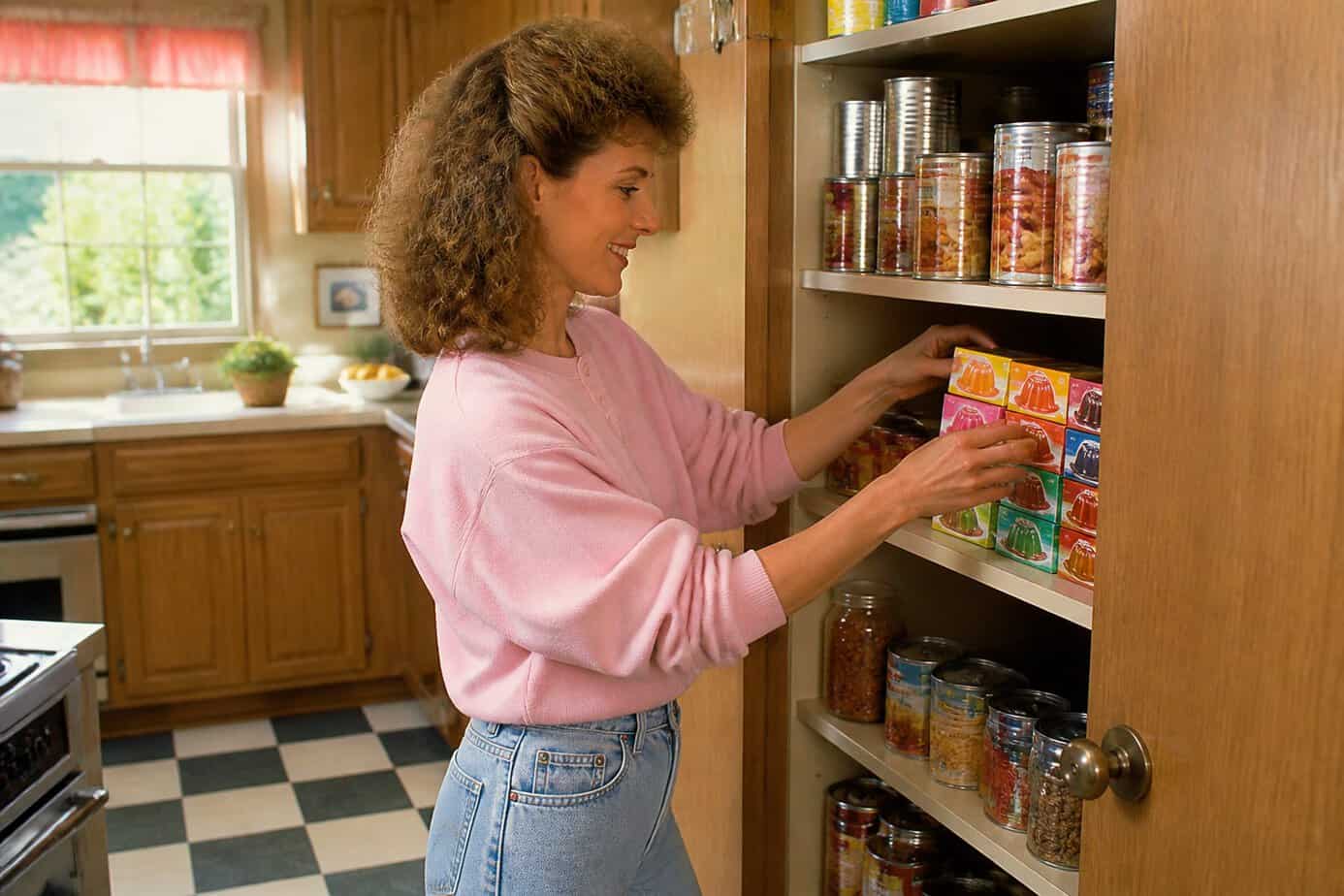
Your mom kept a steady supply of canned spaghetti and boxes of Jell-O in the pantry because they solved different problems. The canned spaghetti meant you always had something to eat when she was running late or you stayed home sick from school.
SpaghettiOs and similar products required nothing more than a can opener and a pot. Your mom could have lunch ready in minutes.
The Jell-O boxes served another purpose entirely. They turned into quick desserts for family dinners or molded salads for potlucks and gatherings. She’d reach for cherry or lime flavors depending on the occasion.
These pantry staples gave your mom flexibility. She knew exactly what she had on hand and could feed you without a last-minute grocery run.
19. Mixing Homemade Playdough and Storing It in Tupperware
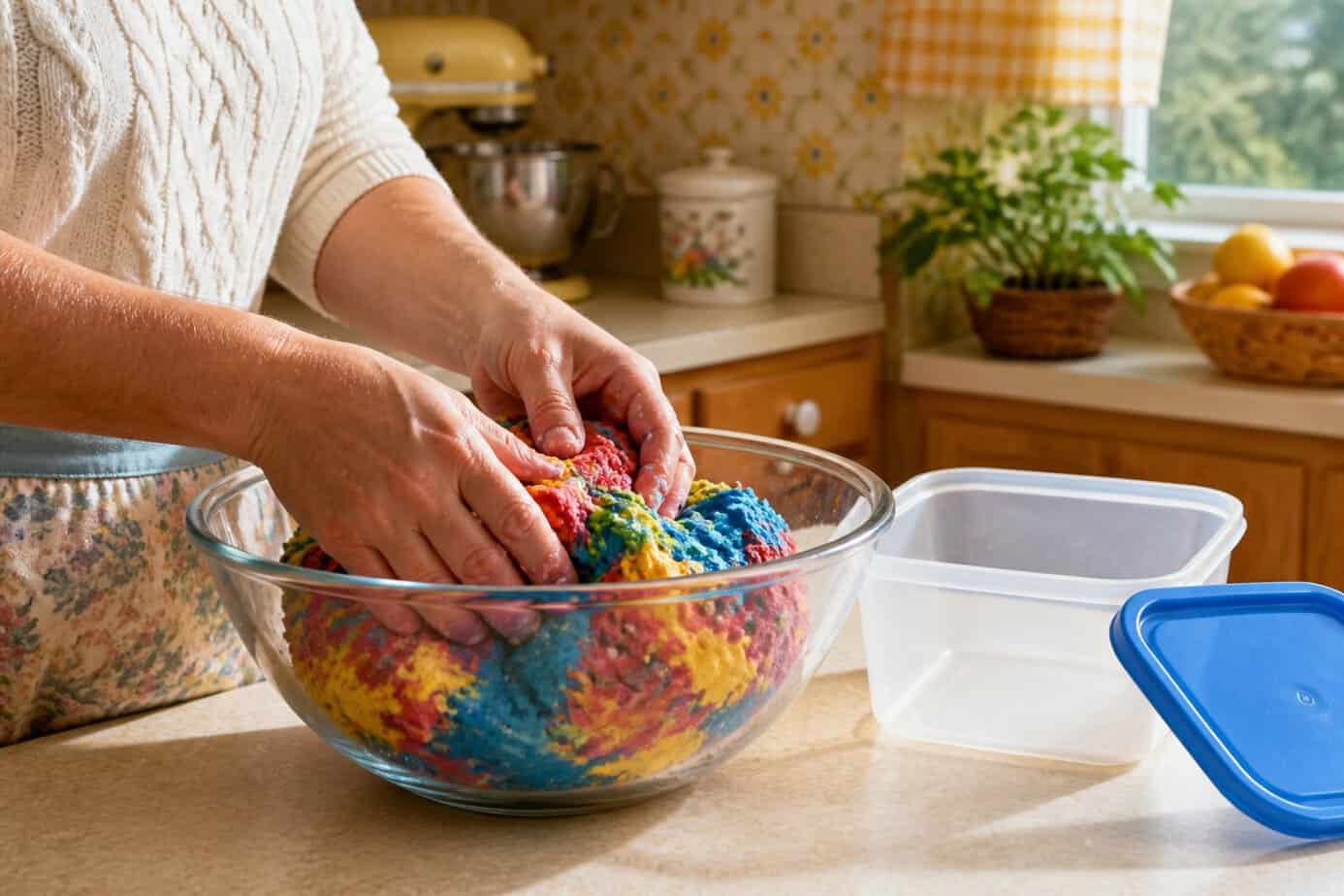
Your mom didn’t reach for store-bought playdough when you needed entertainment. She pulled out flour, salt, water, and a bit of oil from the pantry. She mixed everything in a bowl without measuring twice, adding food coloring until the dough turned your favorite shade of blue or red.
The magic happened when she kneaded it all together into soft, pliable dough that kept you occupied for hours. Once playtime ended, she packed it away in Tupperware containers that sealed tight. This simple storage method kept the dough fresh for weeks or even months.
Those containers sat in the cupboard, ready for rainy days. The flour-and-salt recipe cost pennies compared to store versions, and your mom knew exactly what went into it.
20. Calling the Bus Driver by Name to Confirm Pickup
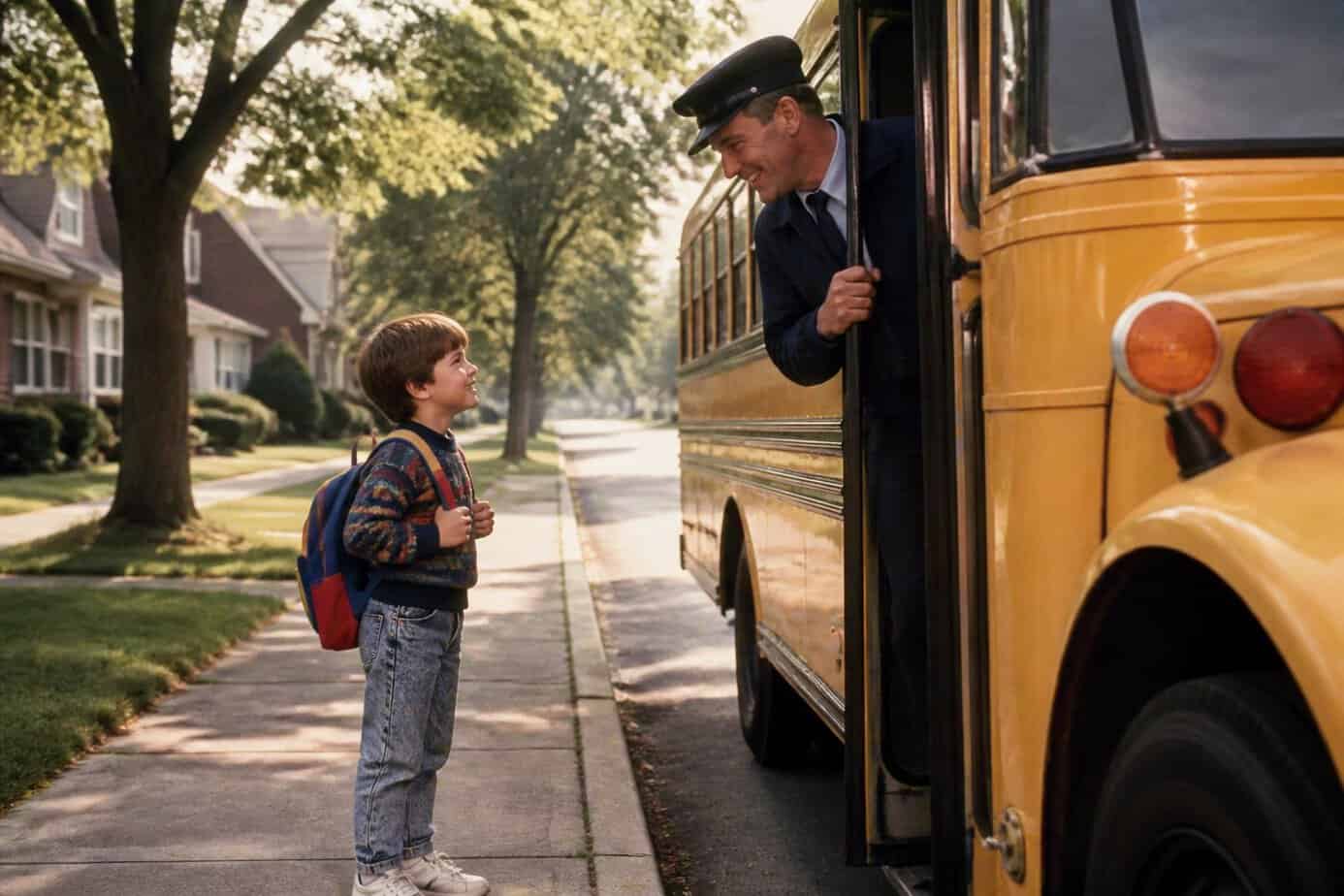
Your mom knew the bus driver’s name and phone number by heart. When weather turned bad or schedules changed, she’d pick up the phone and call directly to confirm pickup times.
This wasn’t about helicopter parenting. It was practical communication in an era before apps and automated alerts. Bus drivers appreciated the calls because it helped them plan their routes around absent students.
The relationship between parents and bus drivers was personal and professional. Your mom might chat with the driver about route changes or let them know you’d be staying home sick. These brief conversations created a safety net that made both parents and drivers feel more connected to the kids in their care.
The bus driver wasn’t a stranger. They were part of your extended community.
21. Keeping a Box of Classic VHS Cartoons for Rainy Afternoons
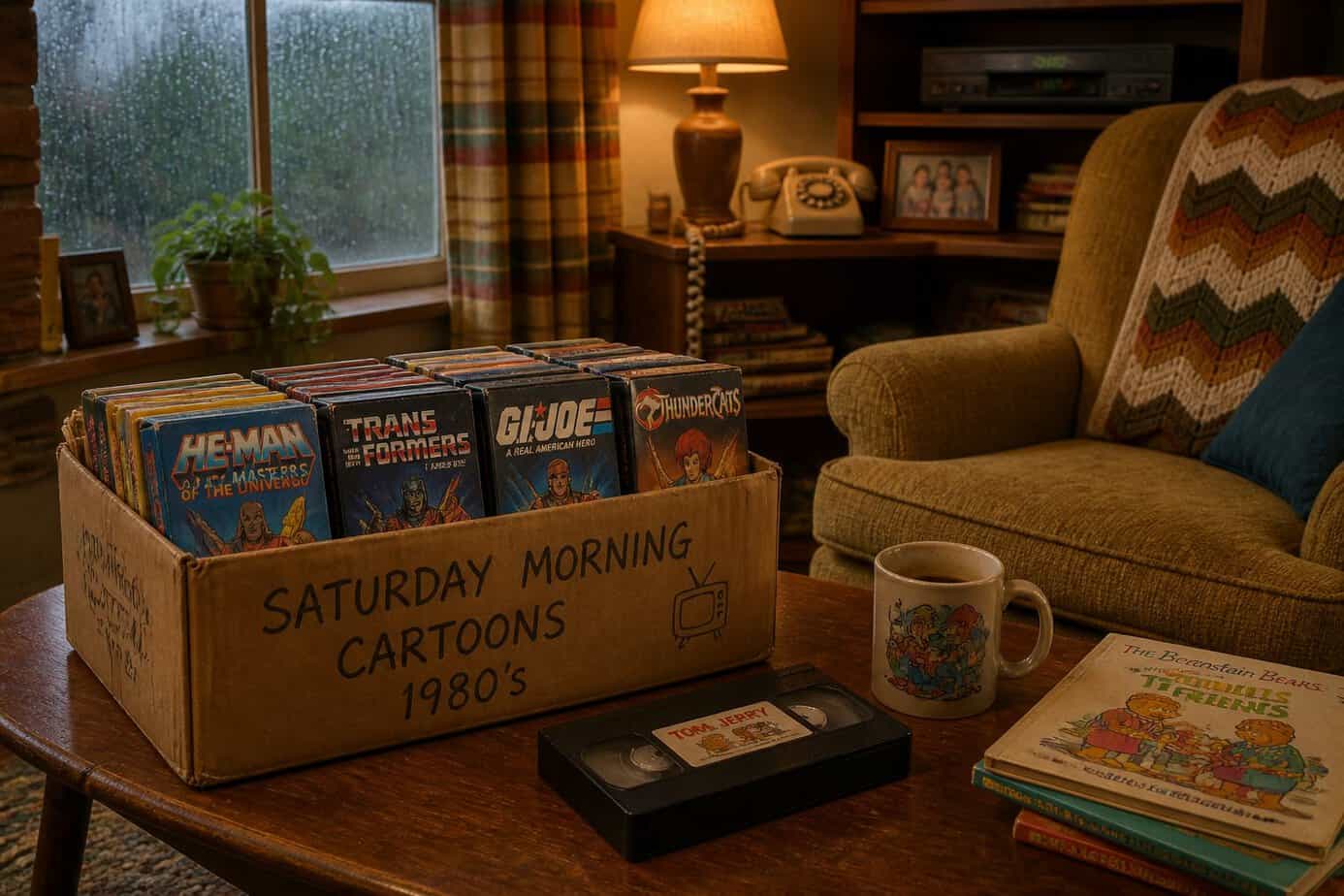
Your mom maintained a dedicated collection of cartoon VHS tapes in a specific box or shelf location. This wasn’t random storage. It was an organized system for managing indoor entertainment when weather prevented outdoor play.
The collection typically included compilation tapes featuring characters like Looney Tunes, Popeye, Felix the Cat, and Betty Boop. Many moms purchased multi-hour collections that offered three hours of programming on a single tape.
These tapes served a practical purpose. When rain started falling or sick days happened, your mom knew exactly where to find reliable entertainment. The box represented preparation and control over unpredictable situations.
You didn’t need to ask what to do on a rainy afternoon. The routine was established. Your mom would pull out the familiar box, and you’d select from the known options. This predictability created comfort during disrupted schedules.
22. Making Rice Heating Bags for Chilly Nights
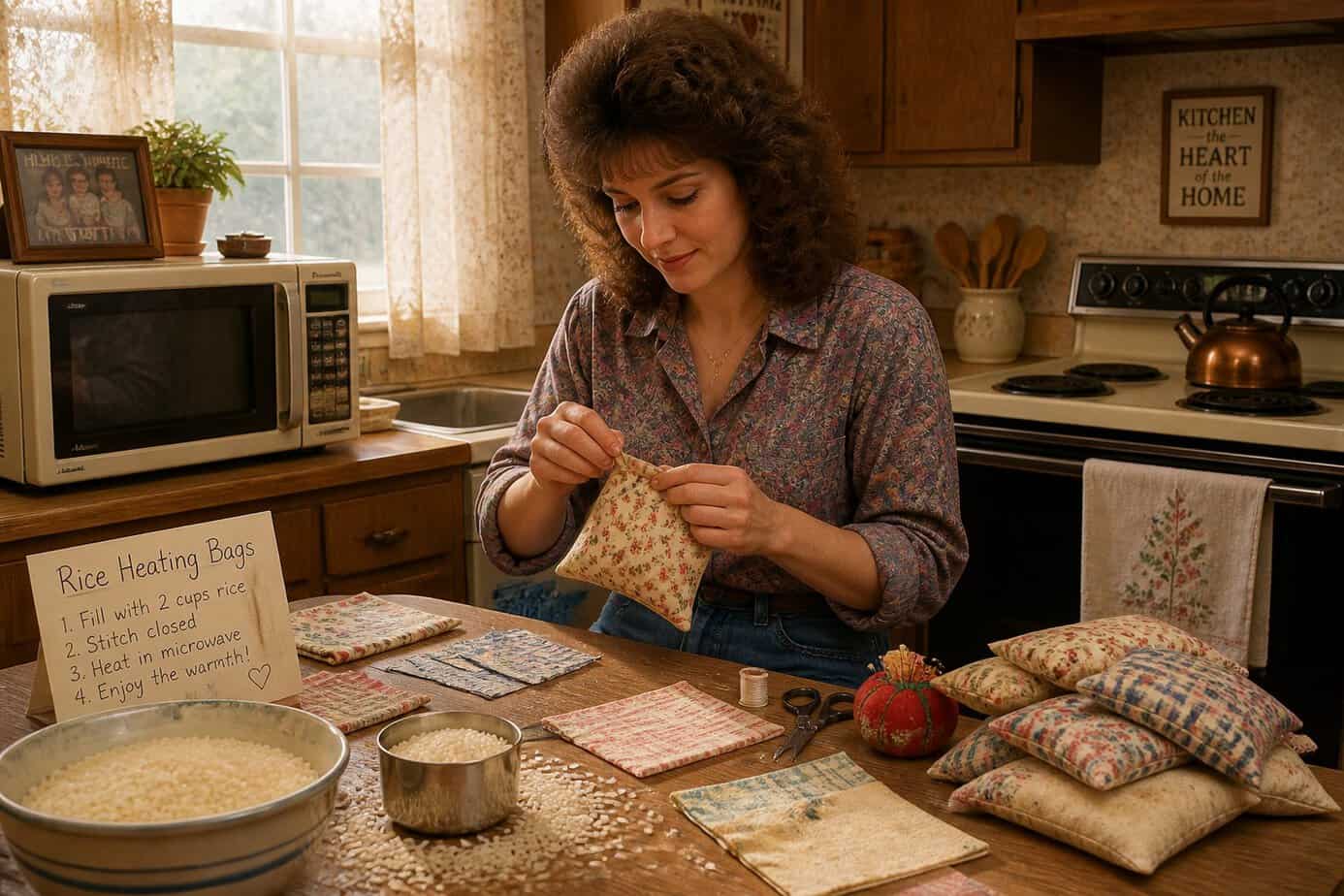
Your mom likely kept a simple rice-filled fabric bag in the linen closet for cold winter evenings. She would heat it in the microwave for a few minutes, then tuck it under your covers or place it at your feet before bedtime.
These homemade heating pads cost almost nothing to make. Your mom sewed together two pieces of cotton fabric, filled it with uncooked rice, and stitched it closed. The rice retained heat for 20 to 30 minutes, providing steady warmth throughout the night.
When you complained of an earache or sore muscles, she reached for the same rice bag. It served multiple purposes in your household, from warming cold sheets to soothing minor aches. This practical solution reflected the resourcefulness of 1980s parenting, when simple homemade remedies took priority over store-bought alternatives.
23. Wrapping a Bandaged Knee with Extra Care and a Chocolate Treat
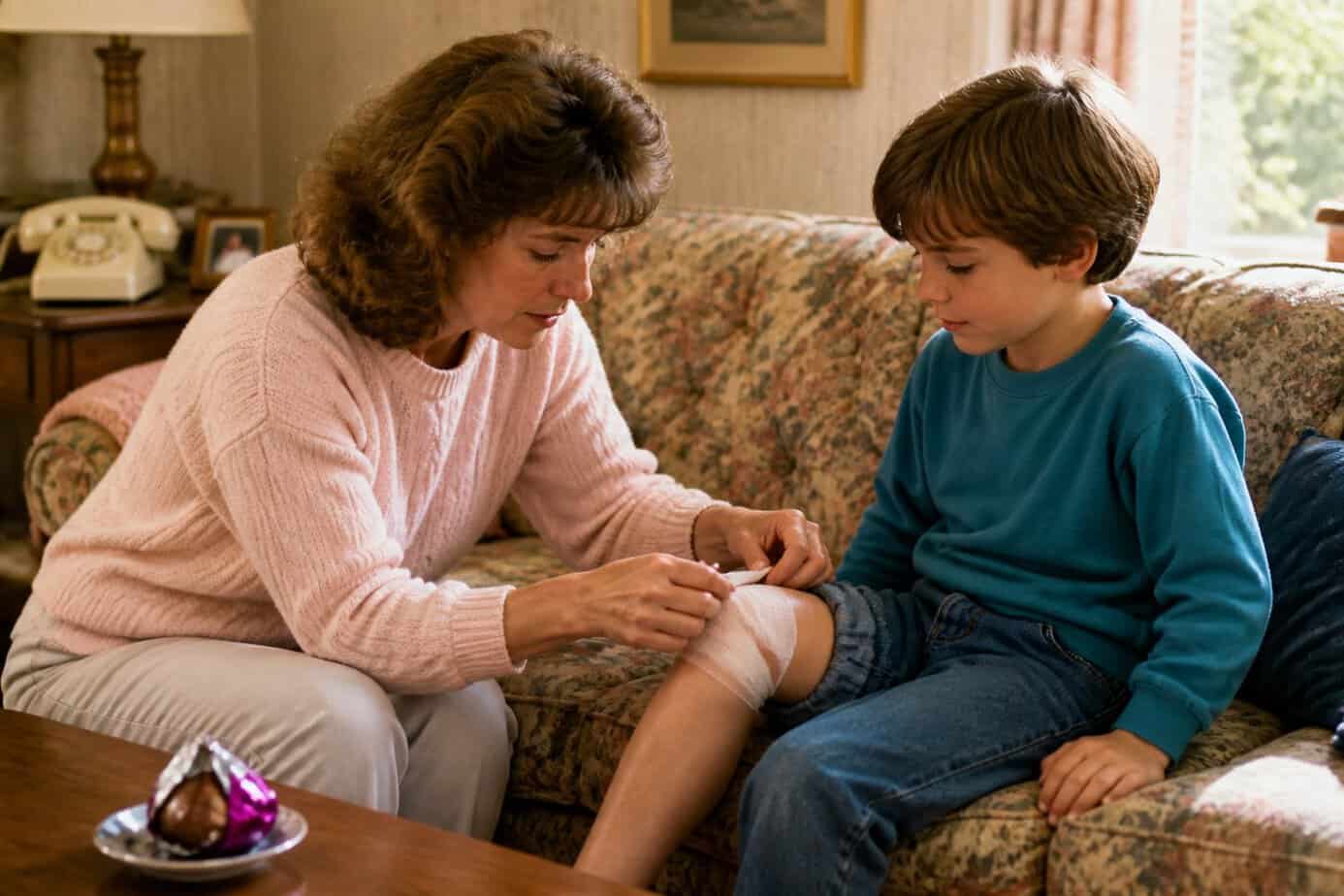
Your mom had a routine for every scraped knee. She’d guide you to the bathroom and pull out the first aid kit from under the sink.
The cleaning came first, with gentle dabs of antiseptic that stung just enough to make you wince. She’d blow on the scrape to ease the sting while unwrapping a fresh bandage. Her hands worked carefully to smooth the adhesive edges so they wouldn’t peel off too quickly.
Once the bandage was secure, she’d produce a small chocolate treat from the kitchen cupboard. This wasn’t just distraction. It was her way of marking the end of the ordeal and letting you know everything was fine now.
The combination of her calm attention and that sweet reward made minor injuries feel manageable rather than catastrophic.
24. Using a Well-Worn Recipe Card Box for Family Meals
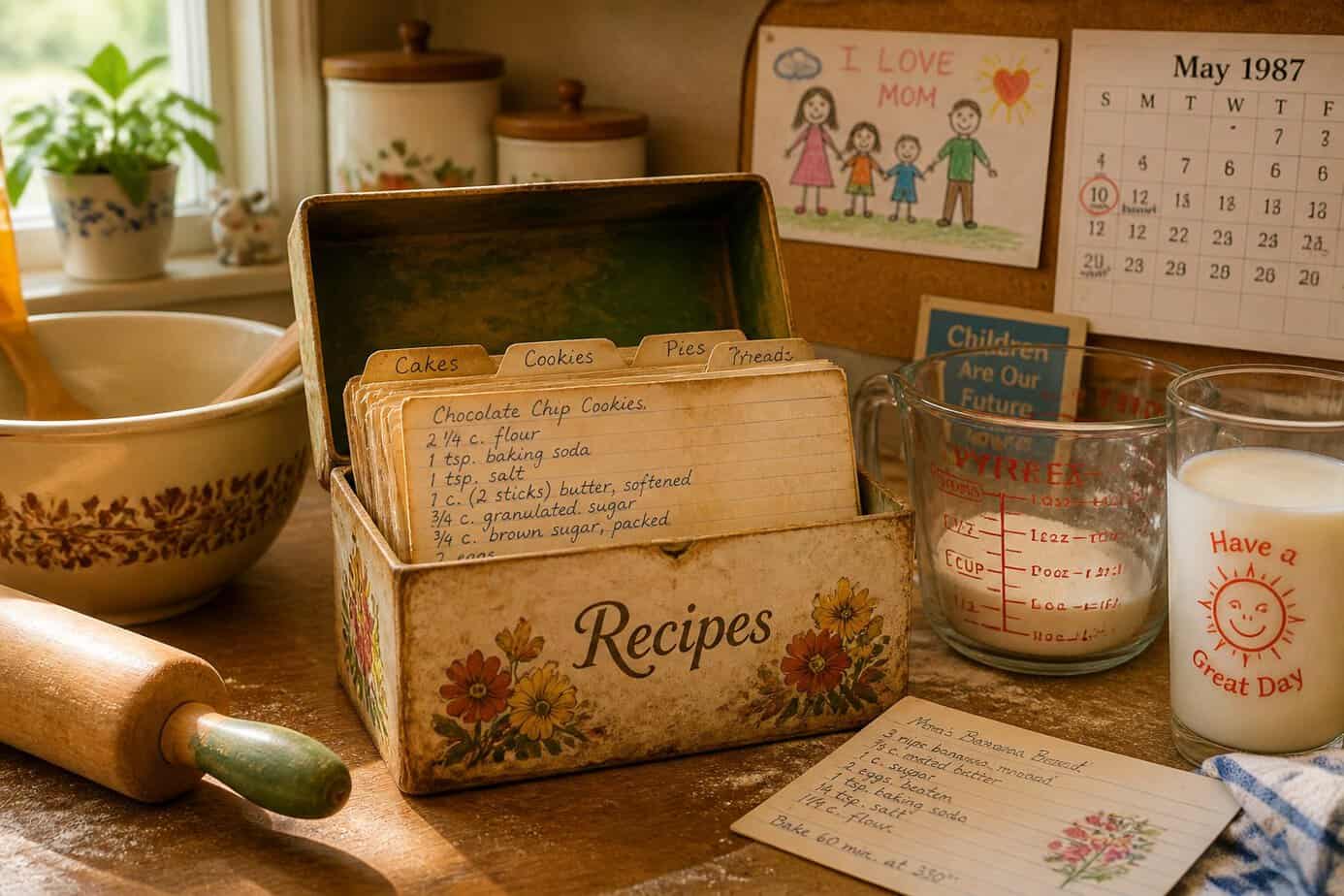
Your mom’s recipe card box sat on the kitchen counter, its edges worn from years of use. The cards inside were stained with flour fingerprints and splattered with sauce. Each one represented a reliable family favorite.
She flipped through those cards planning weekly dinners. The meatloaf recipe came from your grandmother. The chocolate chip cookies were written in your aunt’s handwriting. These weren’t just instructions for cooking. They were connections to family history.
The box meant predictability in the best way. You knew what Thursday’s dinner would be before you got home from school. That recipe card system created a rhythm to family life that felt steady and secure.
When she pulled out a specific card, you already knew what the kitchen would smell like that evening.
25. Tucking a Folded Dollar Into a Birthday Card Envelope
Would you like to save this?
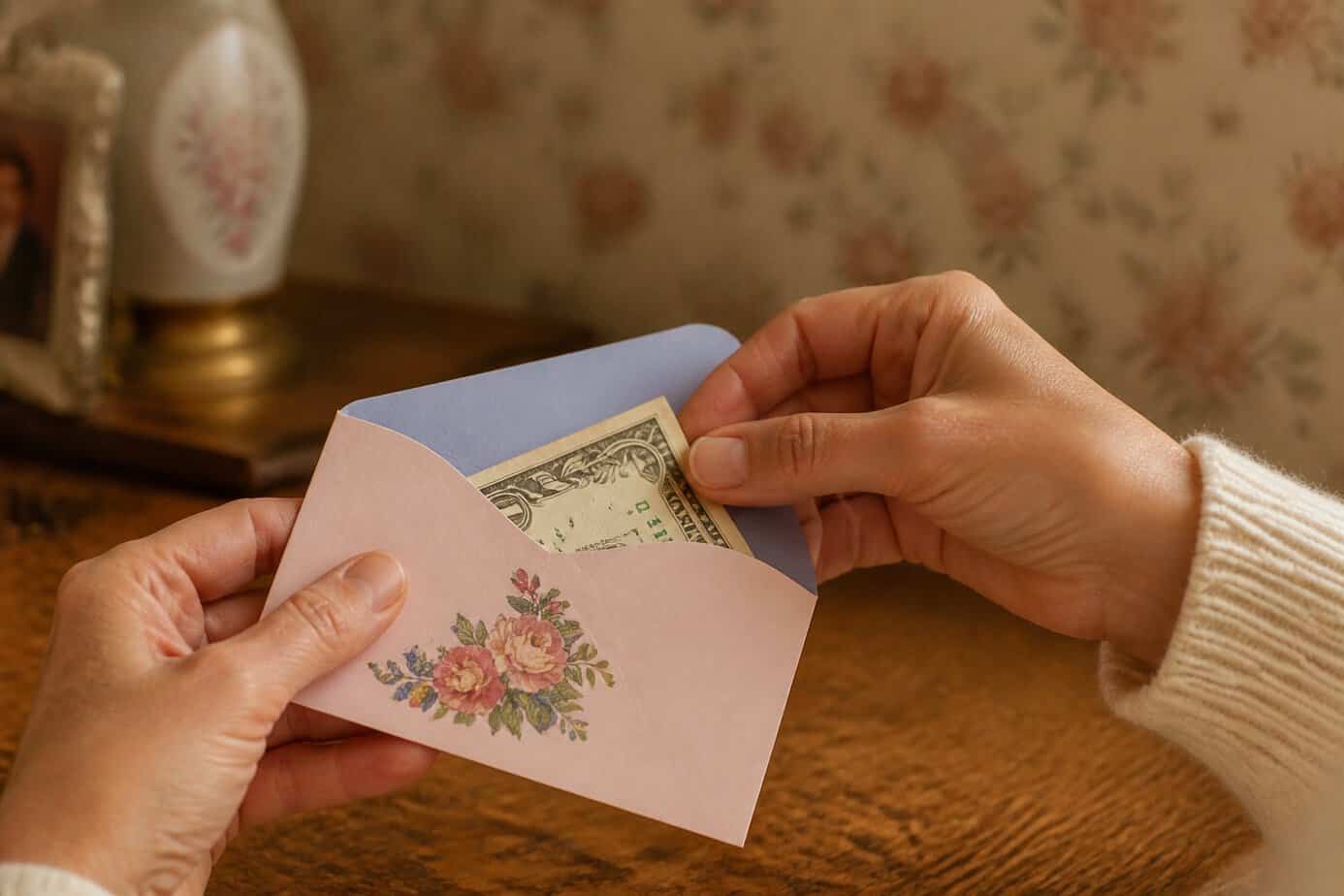
Your mom knew how to make a birthday card feel special without spending much. She’d fold a crisp dollar bill and tuck it inside the envelope before sealing it up. Sometimes she’d fold it into a creative shape or simply slip it in as a flat surprise.
This small gesture turned an ordinary greeting card into something more memorable. The dollar wasn’t about the amount. It was about adding a tangible gift that fit perfectly in the envelope.
She did this for your friends’ birthday parties, for cousins, and for neighbors’ kids. It was a practical way to give a little extra without overthinking the gift. The folded bill made opening the card more exciting, and every kid appreciated having their own money to spend however they wanted.
26. Mending a Favorite Stuffed Animal With Extra Thread and Love
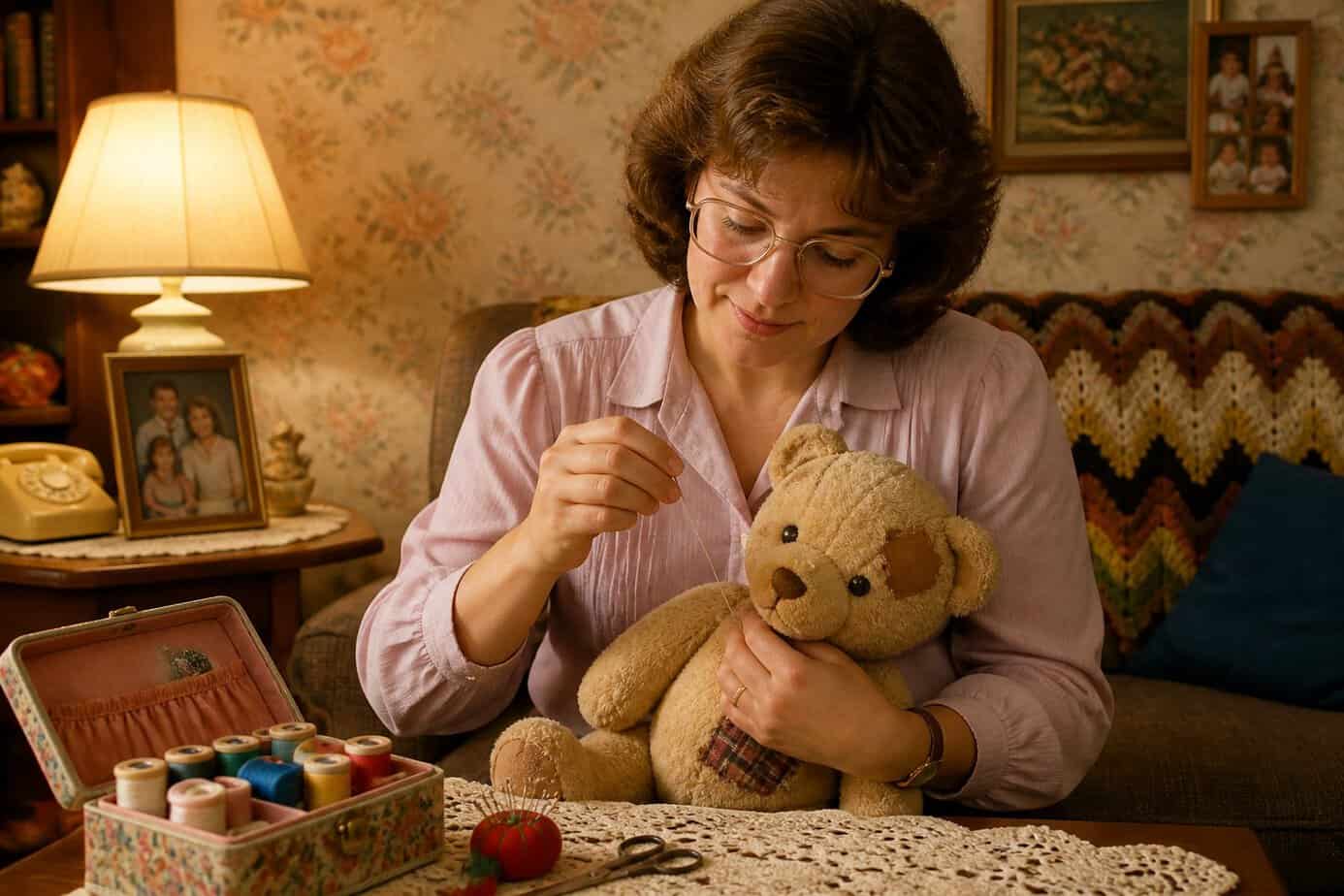
Your mom knew when your stuffed companion needed emergency surgery. She’d pull out her sewing kit and carefully stitch up torn seams or reattach loose limbs while you watched anxiously nearby.
The ladder stitch was her go-to technique for nearly invisible repairs. She’d match the thread color as closely as possible and work patiently to restore your treasured toy. For bigger tears, she’d add a patch from scrap fabric, ensuring your stuffed animal could withstand more adventures.
She understood these weren’t just toys. Each repair session meant your beloved bear or bunny could stay with you longer. The stitches might not have been perfect, but they held everything together securely.
Those mended spots became part of your stuffed animal’s story, proof that something loved was worth fixing.
27. Labeling Home Phone Numbers and Address on a Card in the Drawer
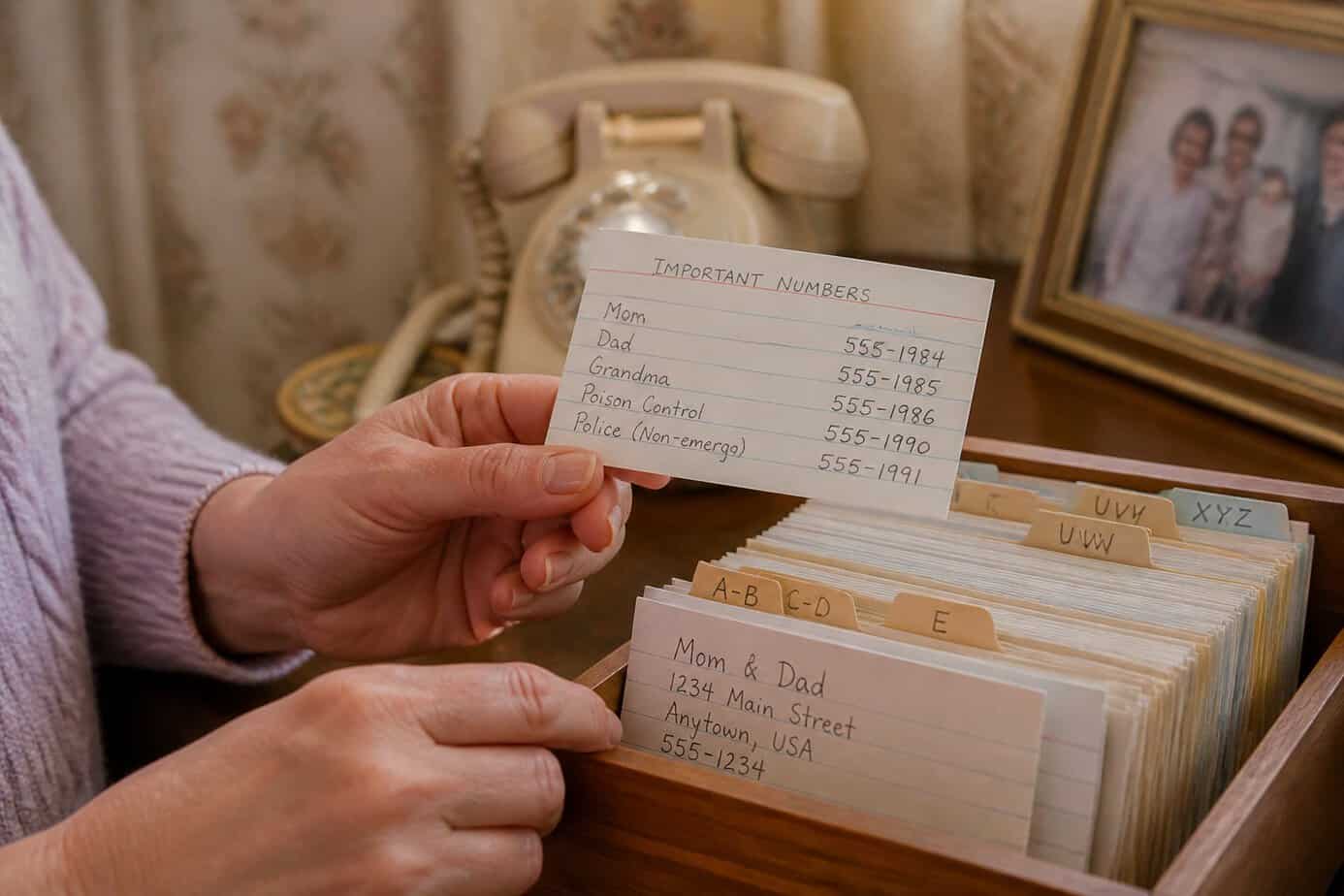
Your mom kept a handwritten card in the kitchen drawer with essential information clearly printed on it. The card listed your home phone number, address, and often a neighbor’s contact details.
This simple habit served as a safety net for emergencies. If you needed to give information to a school secretary or call home from a friend’s house, you knew exactly where to find it. Young children who hadn’t yet memorized their address could reference the card when needed.
The practice reflected your mom’s practical approach to household management. She understood that having critical information accessible mattered, especially before cell phones stored everything digitally. That card represented preparedness without fuss, ensuring you always had the details necessary to get home safely.
28. Keeping a Spare Set of House Keys in the Mailbox Key Safe
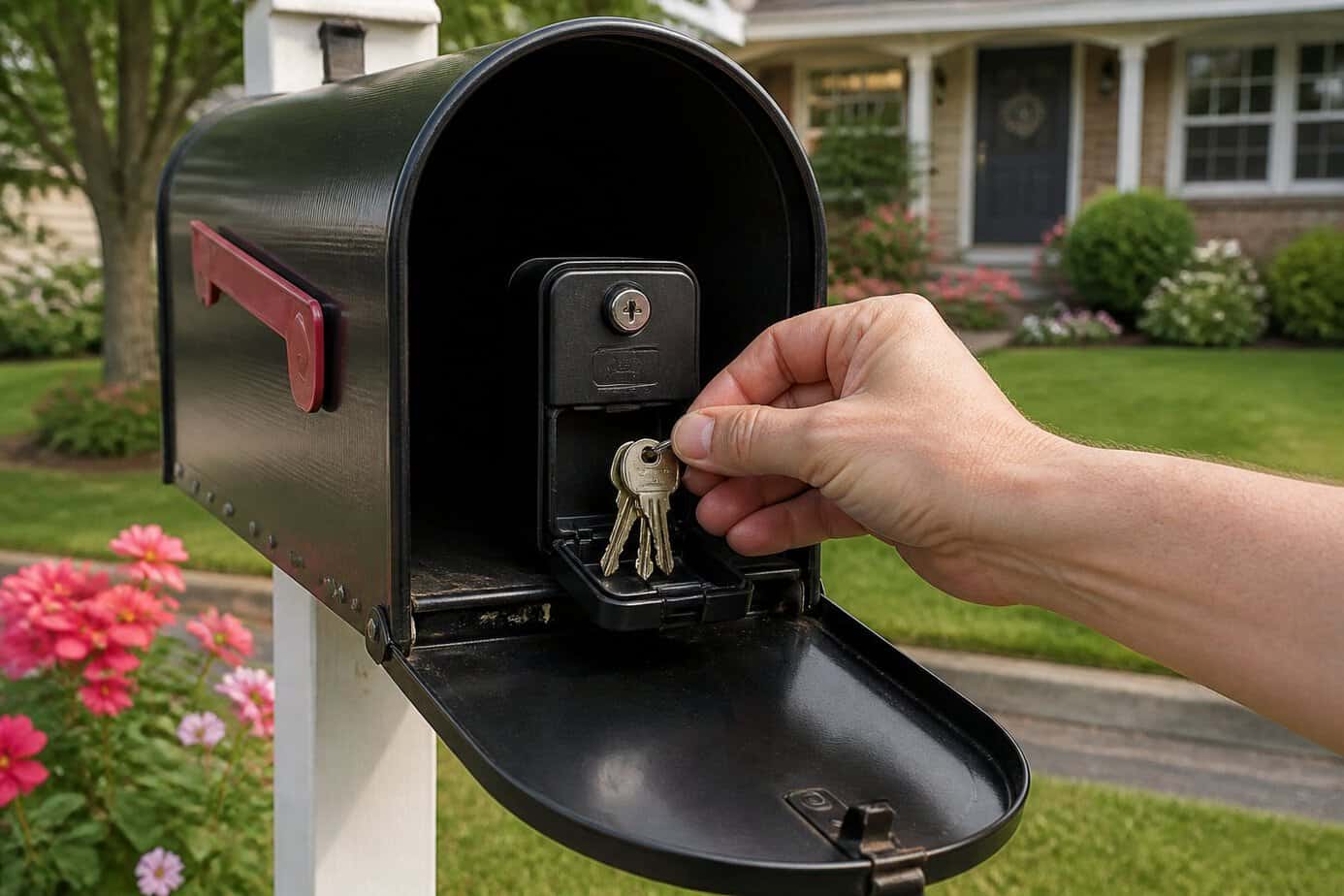
Your mom likely kept a spare set of house keys tucked away in a small lockbox or key safe near the front door. This wasn’t stored under the doormat or in a fake rock. Instead, she used an actual secure container with a combination lock.
The mailbox key safe was a practical solution for the 1980s. If you forgot your keys at school or came home early from a friend’s house, you could access the spare without waiting on the porch for hours.
She probably showed you the combination once you were old enough to be trusted with it. This simple backup system meant fewer locksmith calls and less worry about being locked out. The key safe provided peace of mind without compromising home security.
29. Teaching Kids to Run Errands to the Corner Store Alone

Your mom probably sent you to the corner store with a short list and exact change by the time you were seven or eight. This was standard practice in the 1980s, when neighborhoods felt safer and parents viewed solo errands as essential life training.
You’d memorize what to buy, count your money carefully, and navigate the trip there and back on your own. The store owner usually knew all the neighborhood kids by name.
These small missions taught you responsibility and built your confidence. You learned to interact with adults, handle money, and solve minor problems independently. Running errands was considered a normal part of growing up, not a safety concern.
Your success meant your parents trusted you with bigger responsibilities. That trust felt important and made you proud.
30. Putting a Nightlight in the Hallway Outside Kids’ Rooms
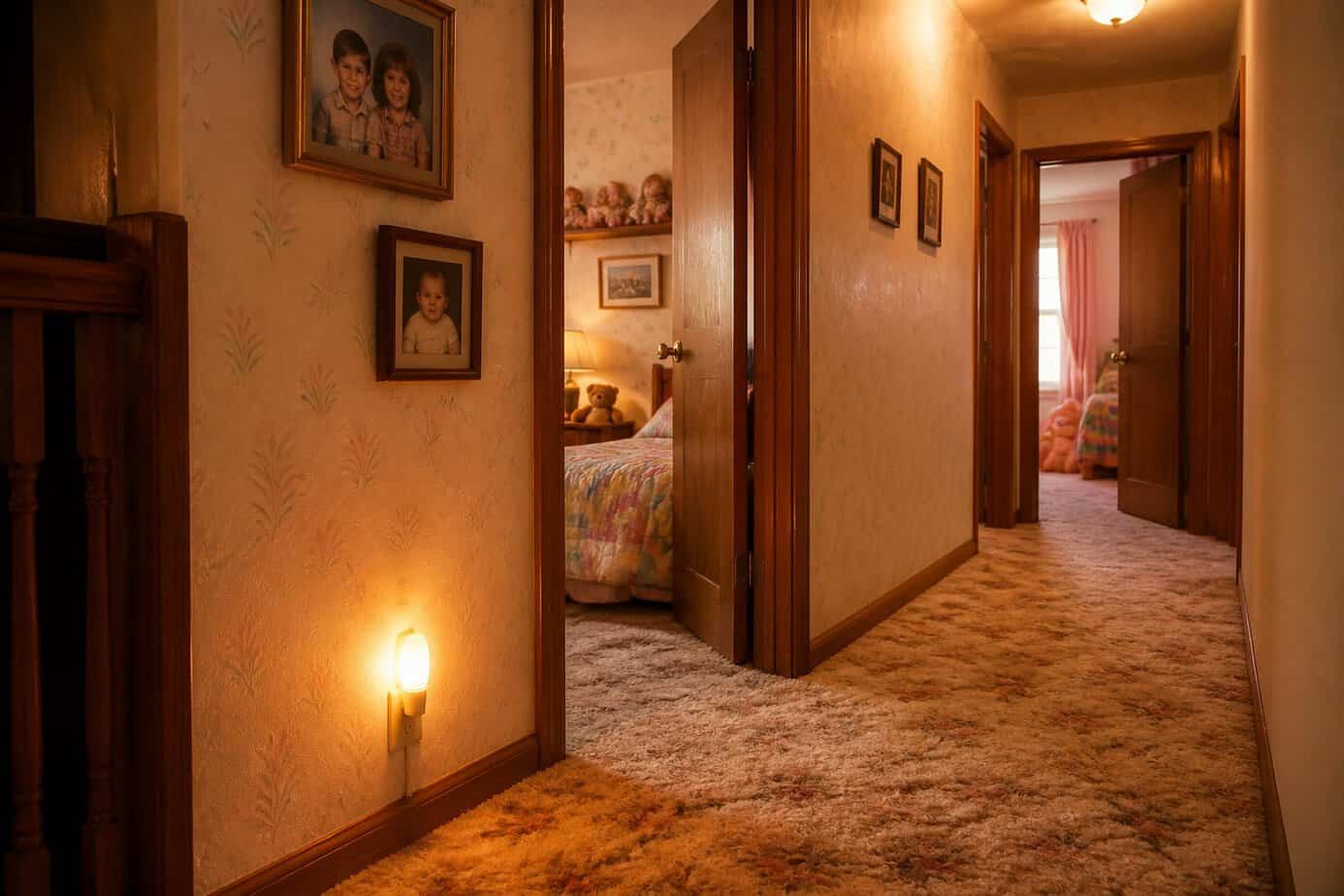
Your mom kept a small nightlight glowing in the hallway just outside your bedroom door. It wasn’t bright enough to keep you awake, but it provided just enough light for those inevitable middle-of-the-night bathroom trips.
The soft glow made the house feel less scary when you woke up from a bad dream. You could see the familiar shapes of furniture and doorways instead of stumbling through total darkness.
That simple plug-in light served a practical purpose too. Your mom could check on you without flipping on harsh overhead lights that would wake everyone up.
The hallway nightlight was a quiet way of saying someone was looking out for you, even in the dark hours. It turned a potentially frightening nighttime house into a manageable space for a child.
31. Alerting Neighbors When Kids Were Playing Out Back

Your mom would step outside or make a quick phone call to let the neighbors know you’d be playing in the backyard. This simple heads-up created an informal network of watchful adults without hovering directly over you.
The practice worked because neighbors actually knew each other and looked out for one another’s kids. Your mom trusted that Mrs. Johnson next door would glance over the fence occasionally while hanging laundry or gardening.
It gave you freedom to play while adults maintained a loose perimeter of awareness. This wasn’t helicopter parenting. It was community-based supervision that let kids explore and take reasonable risks within earshot of multiple households.
The system relied on trust and shared responsibility that defined many 1980s neighborhoods.
Parenting Values of the 1980s
The 1980s established distinct parenting values centered on neighbors looking out for each other’s children and giving kids room to explore while maintaining clear household expectations.
Emphasis on Community
Your neighbors knew your name in the 1980s, and more importantly, they knew your kids. Parents operated within an informal network where other adults felt comfortable correcting children who misbehaved or wandered too far from home.
This community approach meant your mom could send you outside to play without constant supervision because Mrs. Johnson next door kept an eye out. The milk man, mail carrier, and crossing guard all served as additional watchful presences in your daily routine.
Key community touchpoints included:
- Neighborhood block parties and cookouts
- Carpools shared among multiple families
- Parents taking turns supervising groups of children
- Local businesses that knew families by name
Your parents trusted the adults around them to uphold similar values and standards. This collective responsibility created invisible safety nets throughout neighborhoods. When something went wrong, word traveled quickly through phone trees and over backyard fences.
Balancing Freedom and Structure
Your 1980s mom let you roam the neighborhood until the streetlights came on, but dinner was at 6 PM sharp. This balance between independence and routine defined the era’s parenting philosophy.
Parents emphasized self-reliance by allowing children to solve minor problems independently. You walked or biked to school, settled playground disputes without adult intervention, and figured out how to entertain yourself on long summer days. These experiences built confidence and decision-making skills.
Yet structure remained non-negotiable in specific areas. Family dinners happened regularly, bedtimes were enforced, and homework got completed before playtime. Your parents set clear boundaries about respect, chores, and basic safety without micromanaging every moment.
This approach taught you personal responsibility while providing the stability of predictable routines and expectations.
Home Environment and Childhood Well-Being
1980s mothers shaped home environments through predictable daily patterns and spaces where children knew they belonged. These elements worked together to create psychological security that didn’t require constant supervision or intervention.
Importance of Routine
Your 1980s mom maintained consistent daily rhythms that structured your entire childhood. Dinner happened at the same time every night, usually around 6:00 PM, with the whole family gathered at the table. Bedtime followed a fixed schedule on school nights, typically between 8:00 and 9:00 PM depending on your age.
These routines extended beyond mealtimes and sleep schedules. Saturday mornings meant cartoons and cereal in pajamas. Sunday evenings often included meal preparation for the week ahead. Your mom handled laundry on specific days, cleaned the house following the same weekly pattern, and ran errands on predictable schedules.
This consistency gave you an internal framework for understanding time and expectations. You knew what would happen next without needing to ask. The predictability reduced anxiety because surprises were rare and your world felt ordered and manageable.
Creating a Sense of Belonging
Your bedroom remained your designated space, even if you shared it with siblings. Your mom respected this territory by knocking before entering (most of the time) and allowing you to display posters, collections, or artwork that reflected your interests. She might not have loved your choices, but she rarely interfered.
Common spaces in the home also accommodated children’s needs. The kitchen had a drawer or cabinet where your school lunch supplies lived. The entryway featured hooks at your height for coats and backpacks. These small accommodations signaled that you were a valued member of the household.
Family photos lined hallways and mantels, documenting your presence and importance within the family unit. Your artwork made it onto the refrigerator. Your achievements earned spots on walls or shelves where visitors could see them.