
35 Simple Weeknight Traditions from the 1980s That Turned Ordinary Houses Into Happy Homes: Nostalgic Rituals That Created Family Bonds
Would you like to save this?
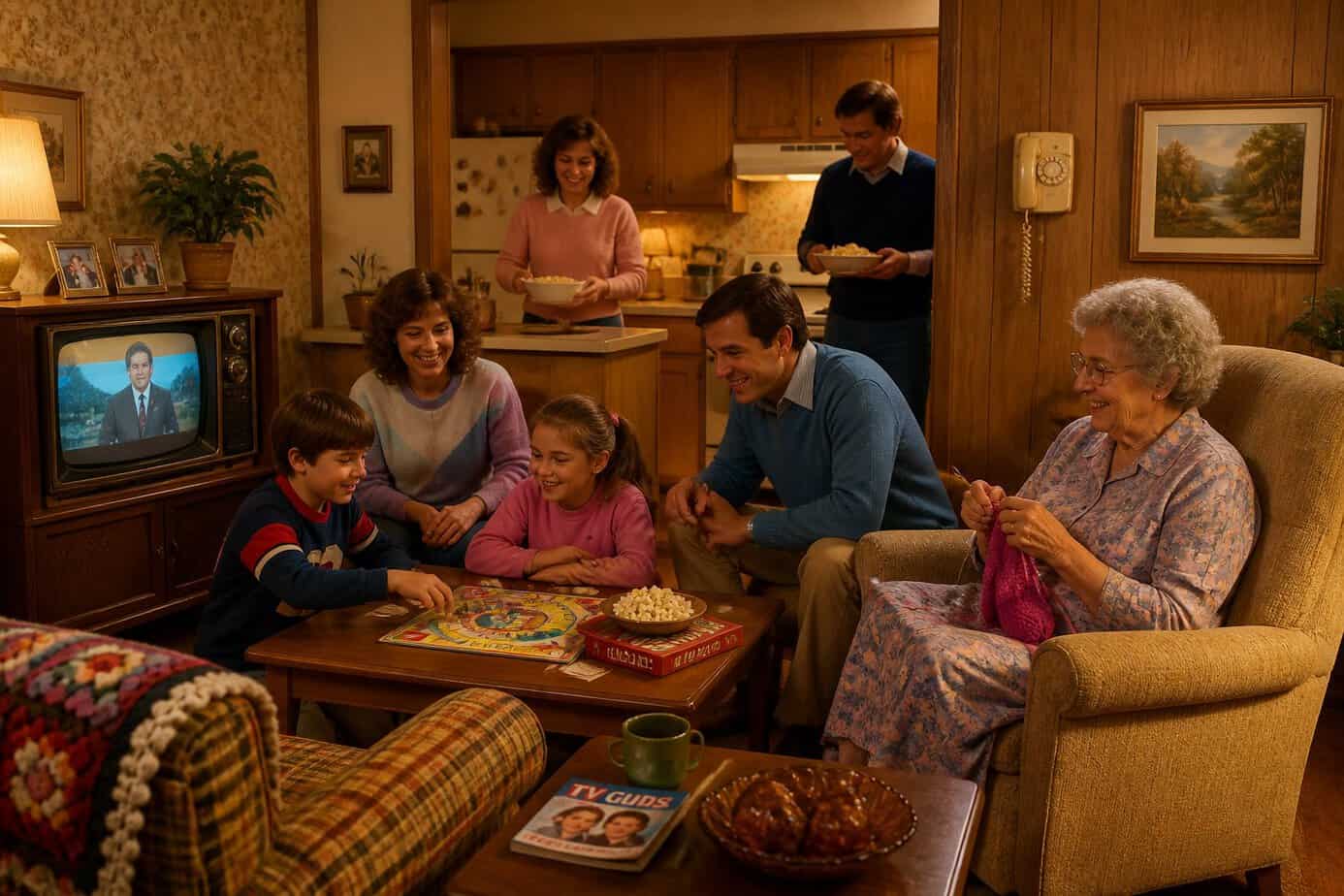
The 1980s had a particular rhythm to weeknight life that many people remember with fondness. Between homework, dinner prep, and bedtime, families built small rituals that brought structure and warmth to ordinary evenings.
These weren’t grand gestures or expensive outings, they were simple, repeatable habits that turned regular Tuesday nights into something that felt reliable and connected.
These weeknight traditions created consistency and togetherness in ways that didn’t require much money or planning, just intention and presence.
You didn’t need to schedule elaborate activities or buy special equipment. Most of these practices happened naturally in kitchens, living rooms, and backyards, using what families already had on hand.
Looking back at these routines offers insight into how small, regular moments shaped family culture. From dishwashing roles to porch conversations, these traditions gave everyone a predictable place in the household rhythm. They made homes feel lived-in and stable, week after week.
1. Weekly family TV night with a rental VHS or taped movie
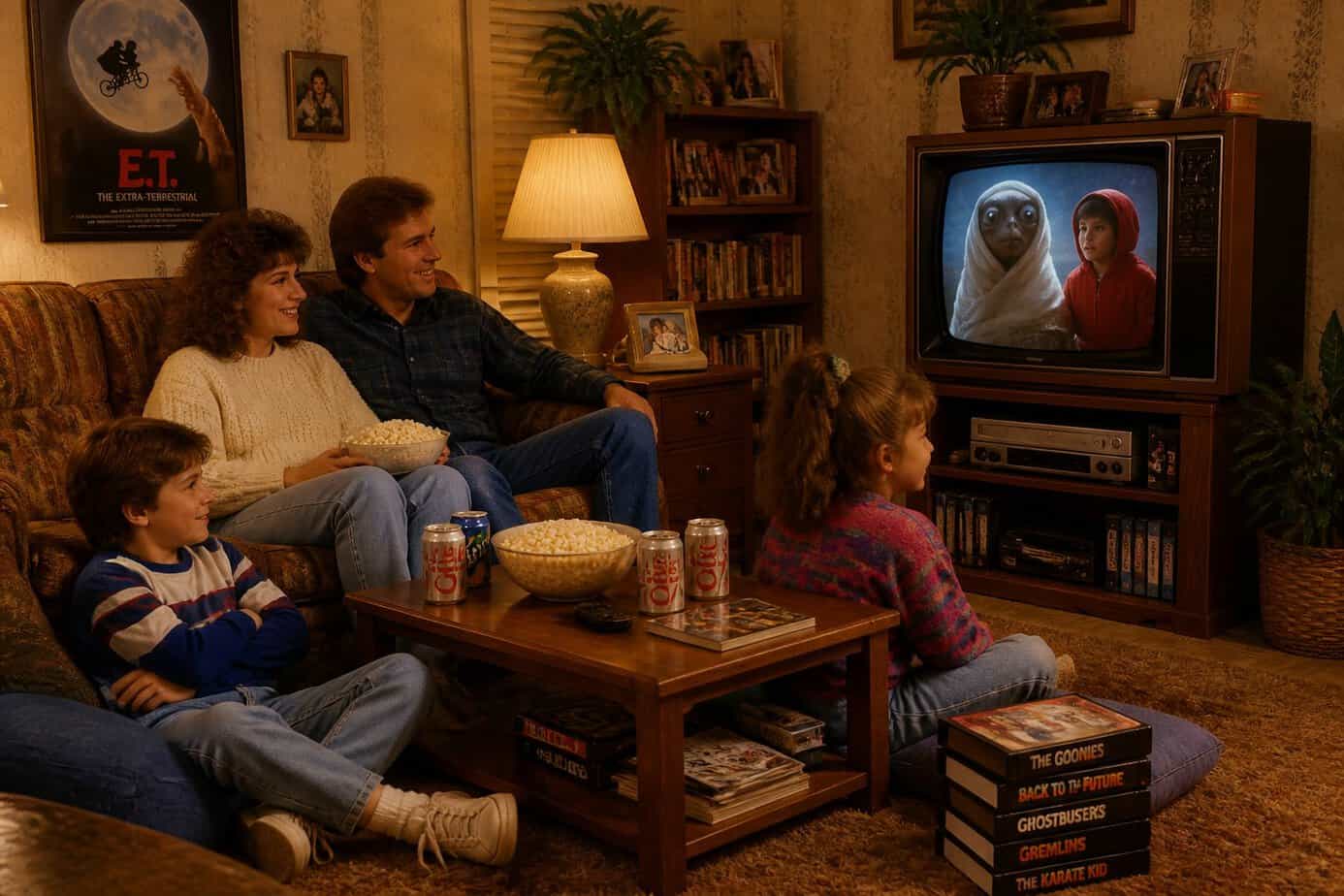
Friday or Saturday evenings meant one thing in the 1980s: gathering around the television for family movie night. You’d head to the local video rental store and spend twenty minutes debating which VHS tape to bring home, with everyone getting a vote.
Many families recorded movies and shows on blank VHS tapes to build their own collections. You’d carefully label each tape and arrange them on shelves near the TV. These time-shifted recordings gave you something to watch without another trip to the rental store.
The ritual itself mattered as much as the movie. You’d pop popcorn, dim the lights, and settle onto the couch together. Your parents controlled the remote, and everyone stayed put until the credits rolled.
This simple weekly tradition created predictable family time in busy schedules.
2. Saturday morning cereal and cartoon marathon
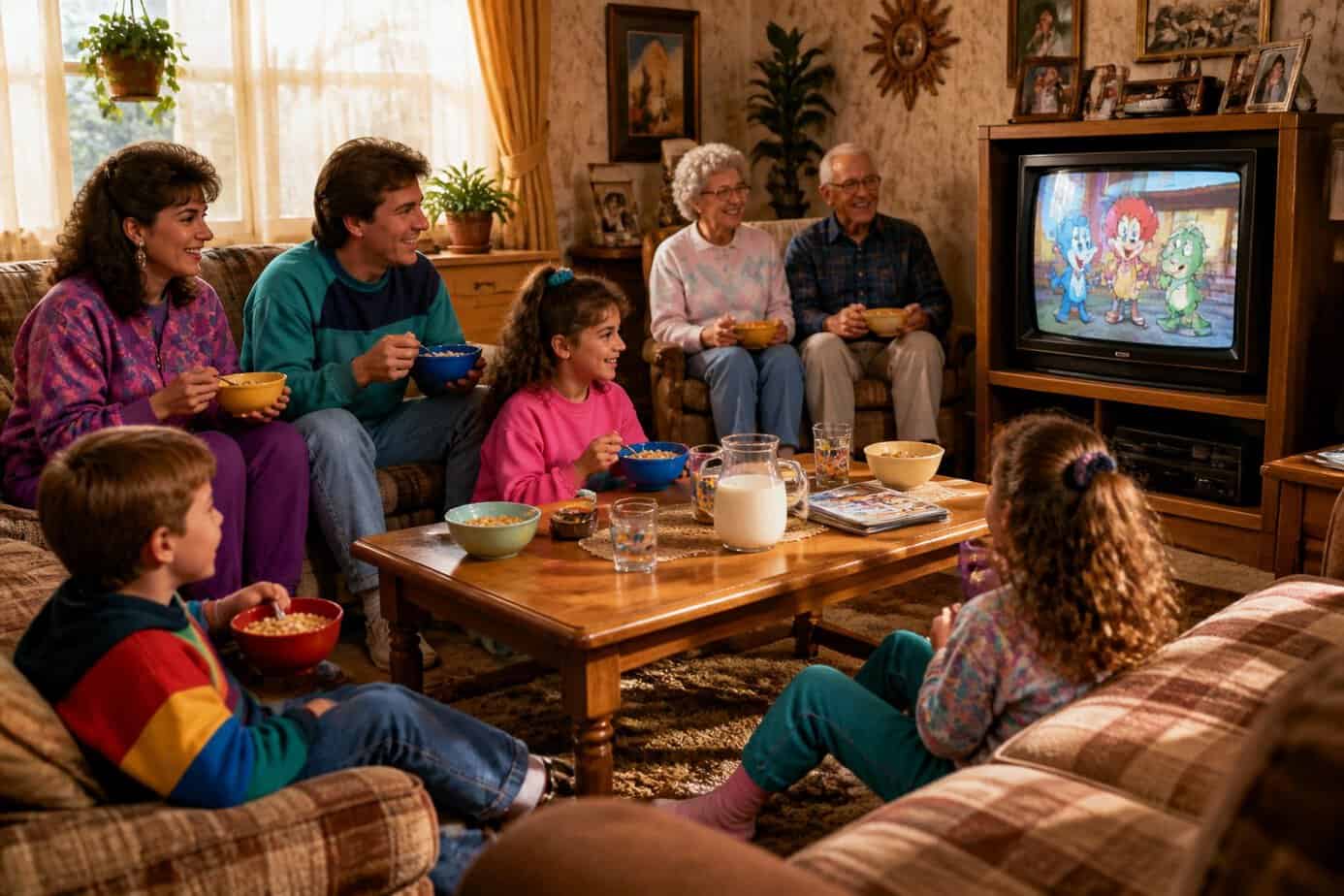
Saturday mornings in the 1980s followed a predictable rhythm that brought families together. Kids woke up early, poured oversized bowls of sugary cereal, and planted themselves in front of the television in their pajamas.
The cartoons started around 6 AM and ran until noon. You memorized the schedule and knew exactly when your favorite shows aired. There was no streaming or rewinding, so you planned bathroom breaks during less interesting segments.
The cereal choices mattered. Bright boxes lined kitchen shelves, and picking the right one felt like an important decision. You often refilled your bowl multiple times throughout the morning.
Parents appreciated the quiet hours while kids stayed entertained. This weekly ritual created a sense of anticipation and belonging that marked the transition from school week to weekend.
3. After-dinner dishwashing assembly line with family roles
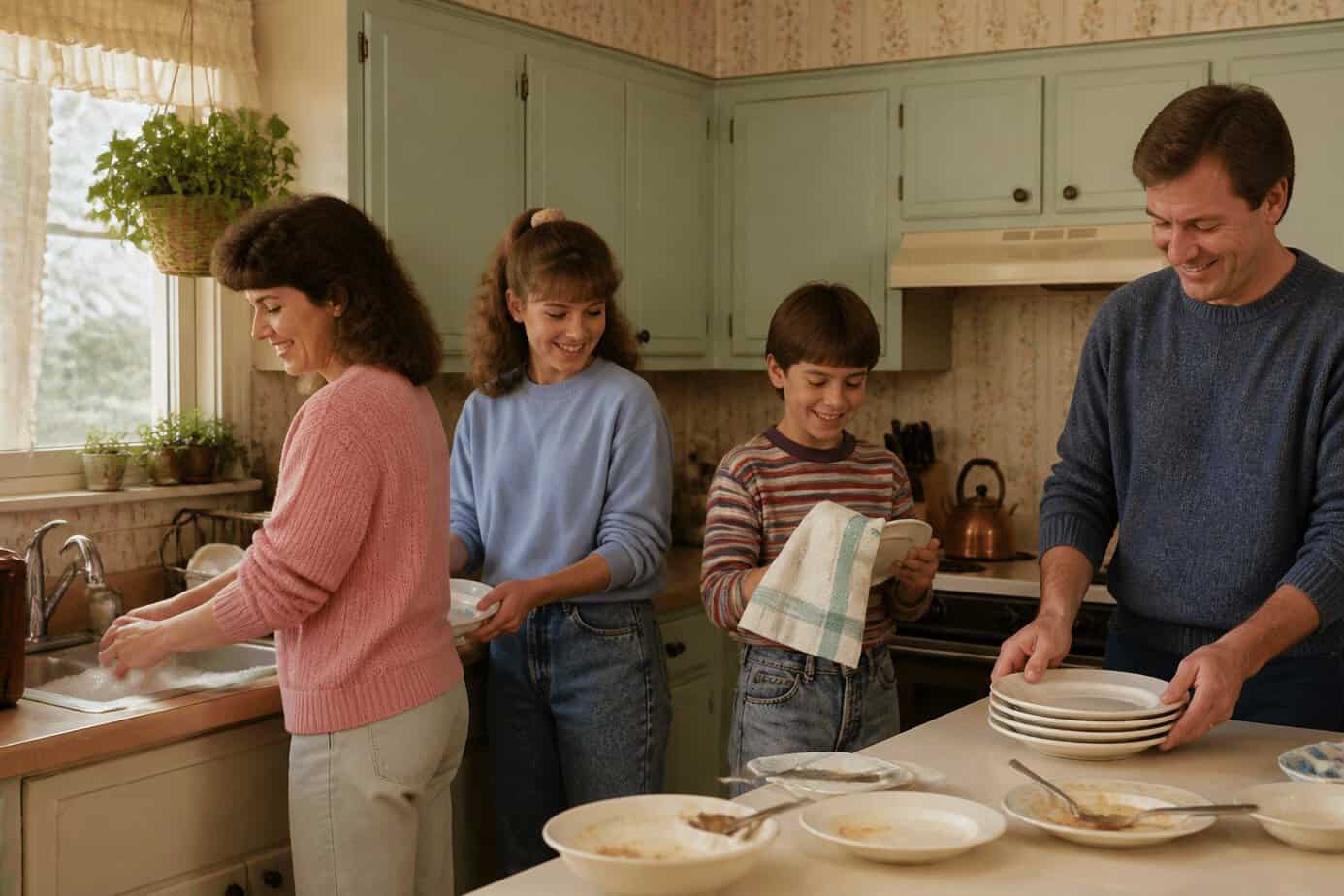
In 1980s households, cleaning up after dinner operated like a well-rehearsed production. Each family member had a specific job in the dishwashing chain.
One person scraped plates and sorted silverware. Another filled the sink with soapy water and handled the actual washing. A third stood ready with a dish towel for drying, while the youngest capable child put items away in their proper cabinets.
This system meant dishes were done in fifteen minutes instead of one person spending half an hour alone at the sink. Your parents assigned these roles based on age and ability, rotating them weekly to keep things fair.
The assembly line taught you efficiency and cooperation. You learned to work alongside siblings without arguing, and you understood that household responsibilities belonged to everyone, not just mom.
4. Sunday meatloaf dinner recipe passed down verbatim
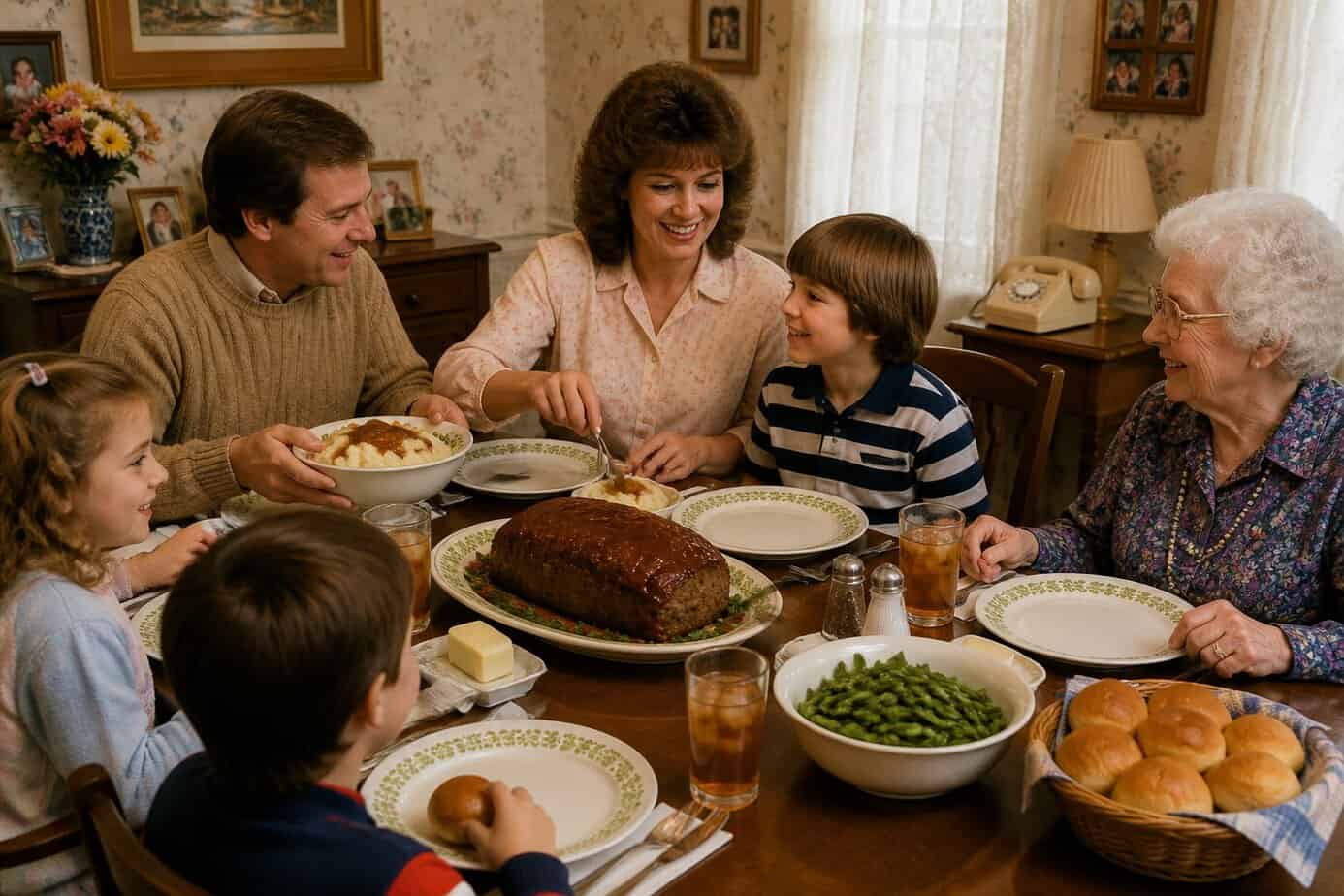
Your mother likely had a meatloaf recipe written on a stained index card tucked in her recipe box. The beauty of Sunday meatloaf was its simplicity and consistency.
Most 1980s families relied on the same basic formula: ground beef, eggs, breadcrumbs or oats, and ketchup. You mixed everything by hand in a large bowl, shaped it into a loaf, and baked it for an hour. The glossy ketchup glaze on top was non-negotiable.
These recipes rarely changed because they didn’t need to. Your family knew exactly what to expect each Sunday, and that predictability brought comfort. The leftovers made excellent sandwiches for Monday lunch boxes.
This wasn’t fancy cooking. It was practical, filling, and brought everyone to the table without fail.
5. Neighborhood bike ride at dusk with flashlights

You grabbed your bike when the heat started to fade and met your friends at the corner. No one planned it formally. You just knew when everyone would show up.
Flashlights taped to handlebars turned your group into a mobile light show as darkness settled in. You rode familiar streets that felt different at dusk, racing to the end of the block and back. The ritual mixed freedom with just enough supervision since parents could hear you from their porches.
Your route rarely changed, but it didn’t need to. The appeal was the movement itself and the friends riding beside you. You stayed out until the streetlights came on, which was your signal to head home without anyone needing to call you in.
6. Friday pizza-and-board-games night (Monopoly or Scrabble)
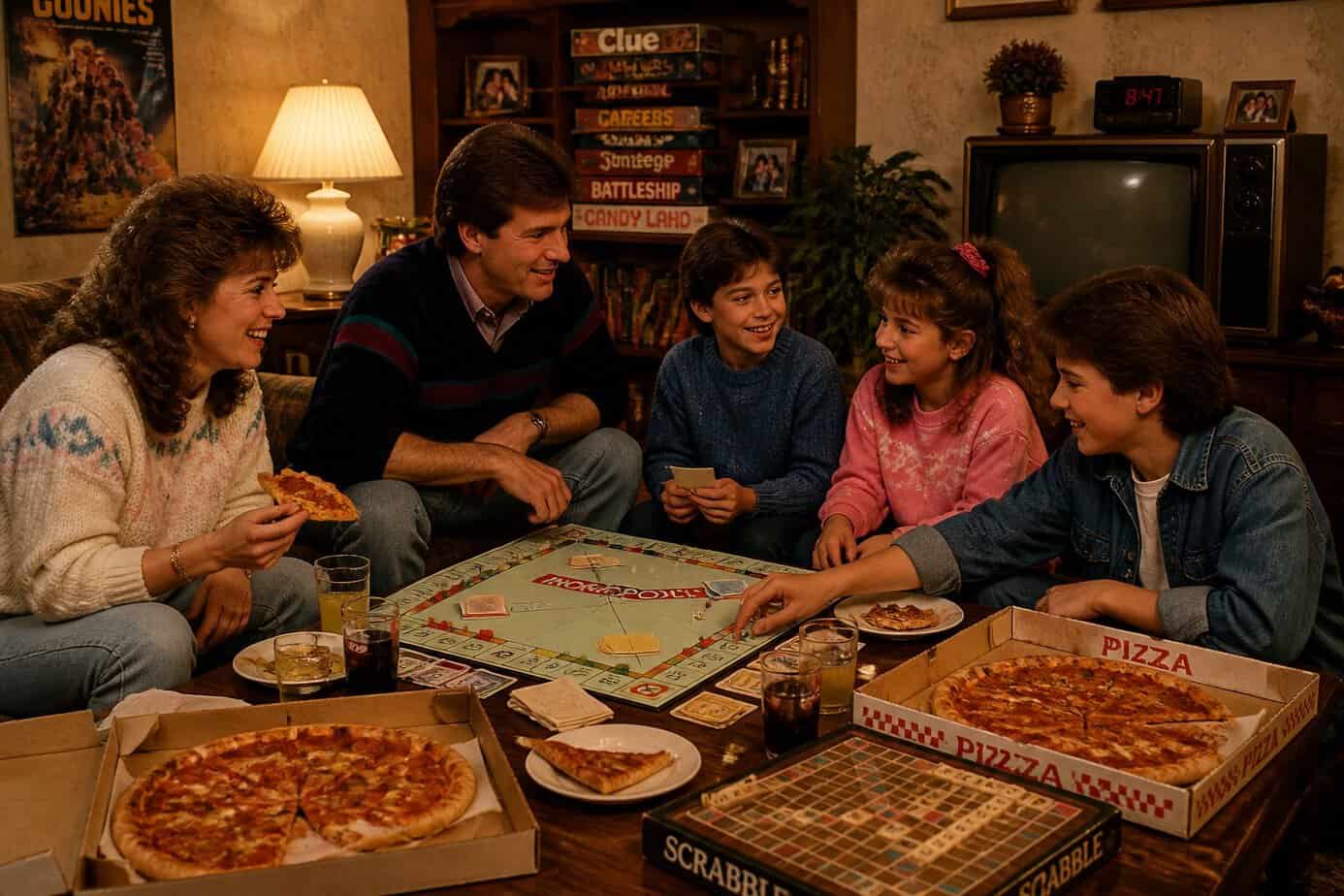
Friday nights in the 1980s often meant pizza boxes on the table and a board game ready to go. You didn’t need elaborate plans or expensive outings to make the evening special.
Monopoly and Scrabble were household staples that brought everyone together after a long week. The pizza provided easy comfort food while the games offered hours of entertainment and friendly competition. You could focus on spending time together rather than cooking or cleaning up complicated meals.
These nights created a reliable rhythm to family life. Your kids knew Friday meant they’d have your attention without distractions. The combination of familiar food and classic games removed any pressure to make the evening complicated.
The tradition worked because it was simple and repeatable. You needed only a pizza order and a game already sitting on your shelf.
7. Handwritten family chore chart on the fridge
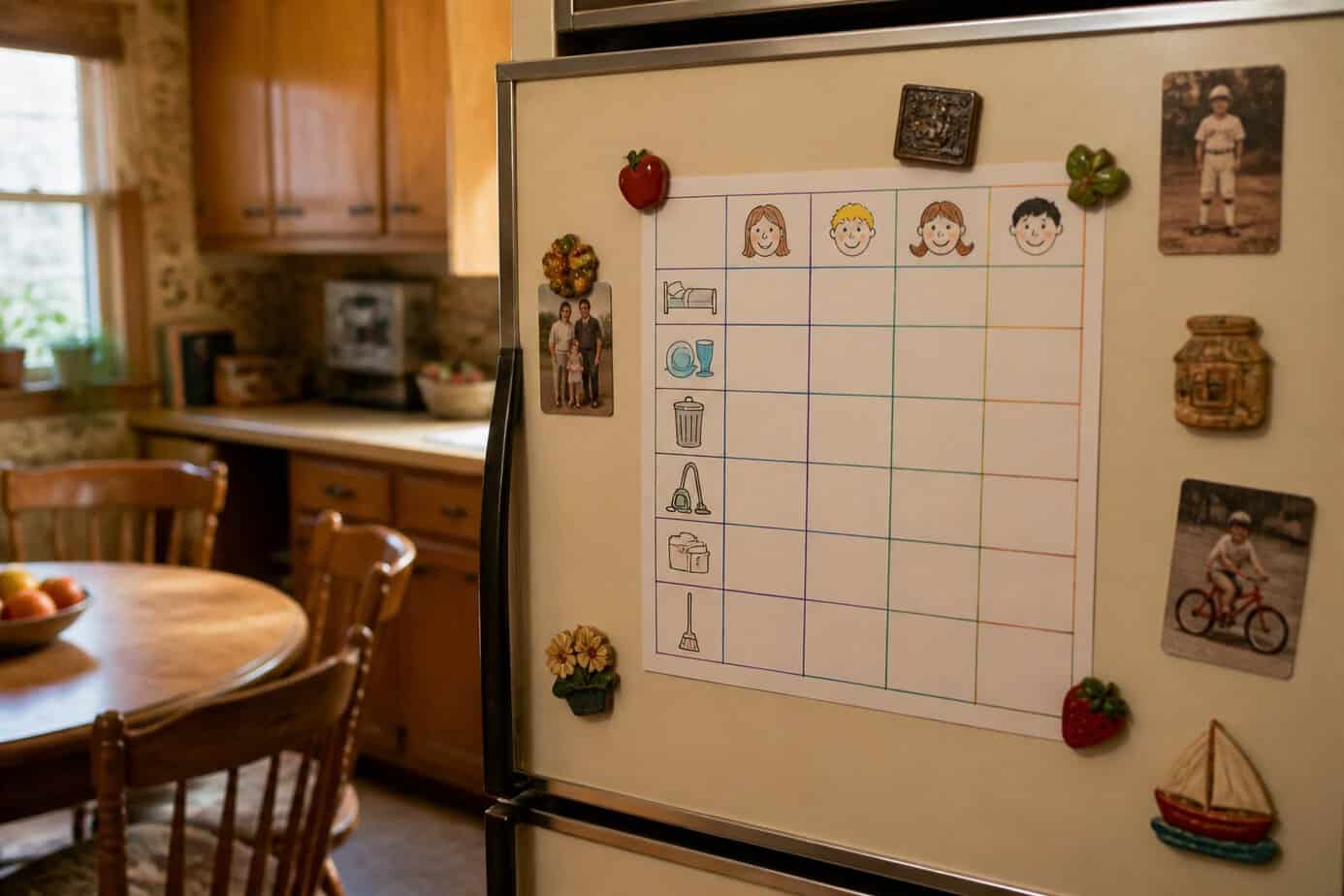
Your family’s chore chart claimed prime real estate on the fridge door in the 1980s. Parents wrote everyone’s names and tasks on lined paper or poster board, often color-coded by family member.
Each child knew exactly which responsibilities belonged to them. You’d see tasks like “set the table,” “feed the dog,” or “take out trash” listed in your mom’s handwriting. Some families used star stickers or checkmarks to track completion.
The chart stayed visible throughout the week, right where everyone grabbed milk or juice. This simple system kept the household running smoothly without constant reminders.
Unlike today’s apps and digital trackers, these handwritten charts required no batteries or screens. You simply checked off your tasks with a pencil or marker. The physical act of marking a chore complete gave you a small sense of accomplishment before moving on to homework or play.
8. Rotary phone tuck-in rule: one call after 9 p.m.
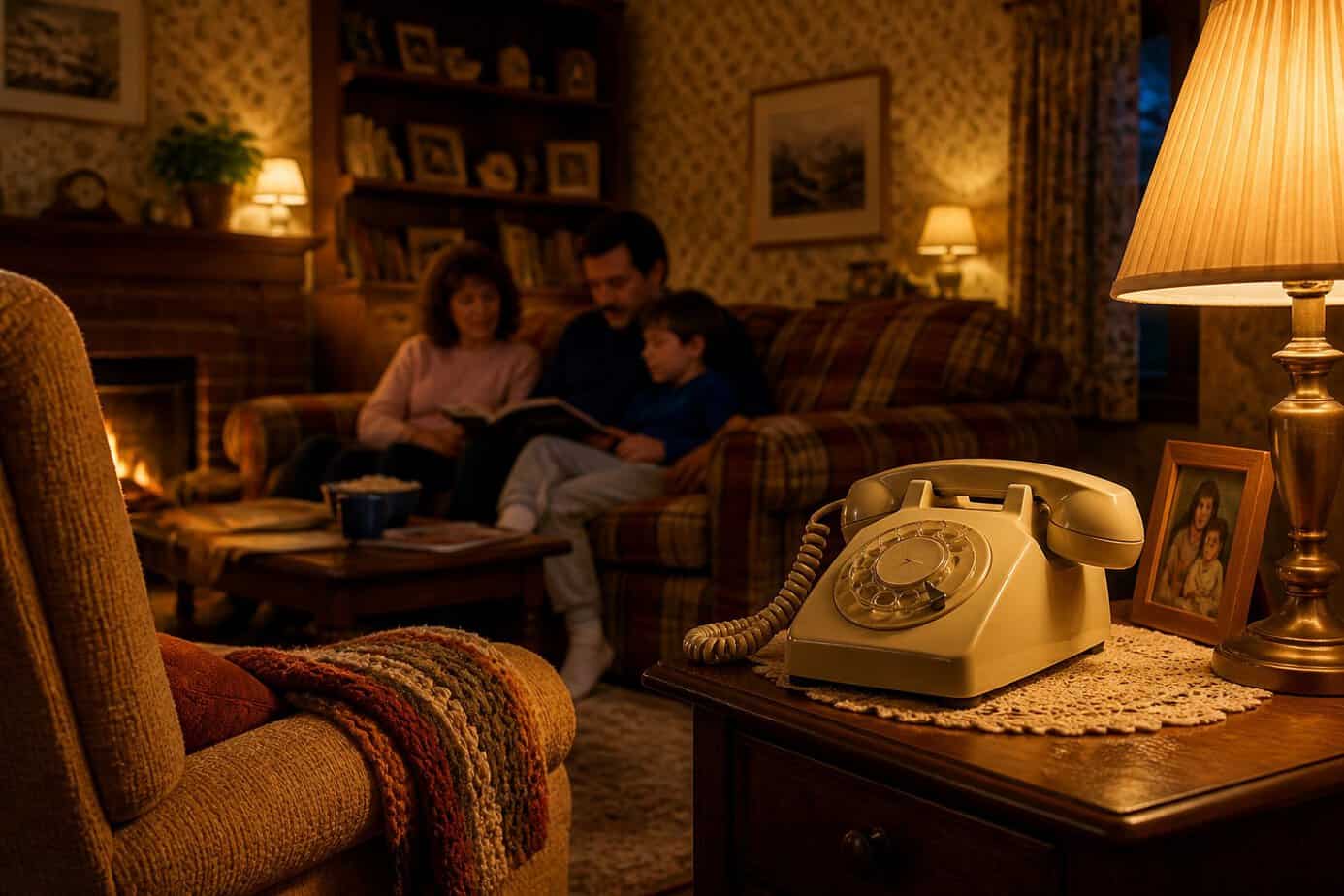
Many 1980s households enforced a simple boundary: one phone call allowed after 9 p.m. This rule made sense when families shared a single rotary phone mounted in the kitchen or hallway.
You learned to make that evening call count. Whether it was checking homework answers with a classmate or saying goodnight to a friend, you had to dial carefully and keep it brief.
The physical act of dialing each number on the rotary disk slowed everything down. You couldn’t quickly fire off messages or scroll through contacts. Each number required you to insert your finger, pull the dial clockwise, and wait for it to return.
This tradition taught restraint and respect for shared family resources. Everyone knew when someone was on the phone, and late calls disrupted the entire household.
9. Monthly photo-printing night and album assembly
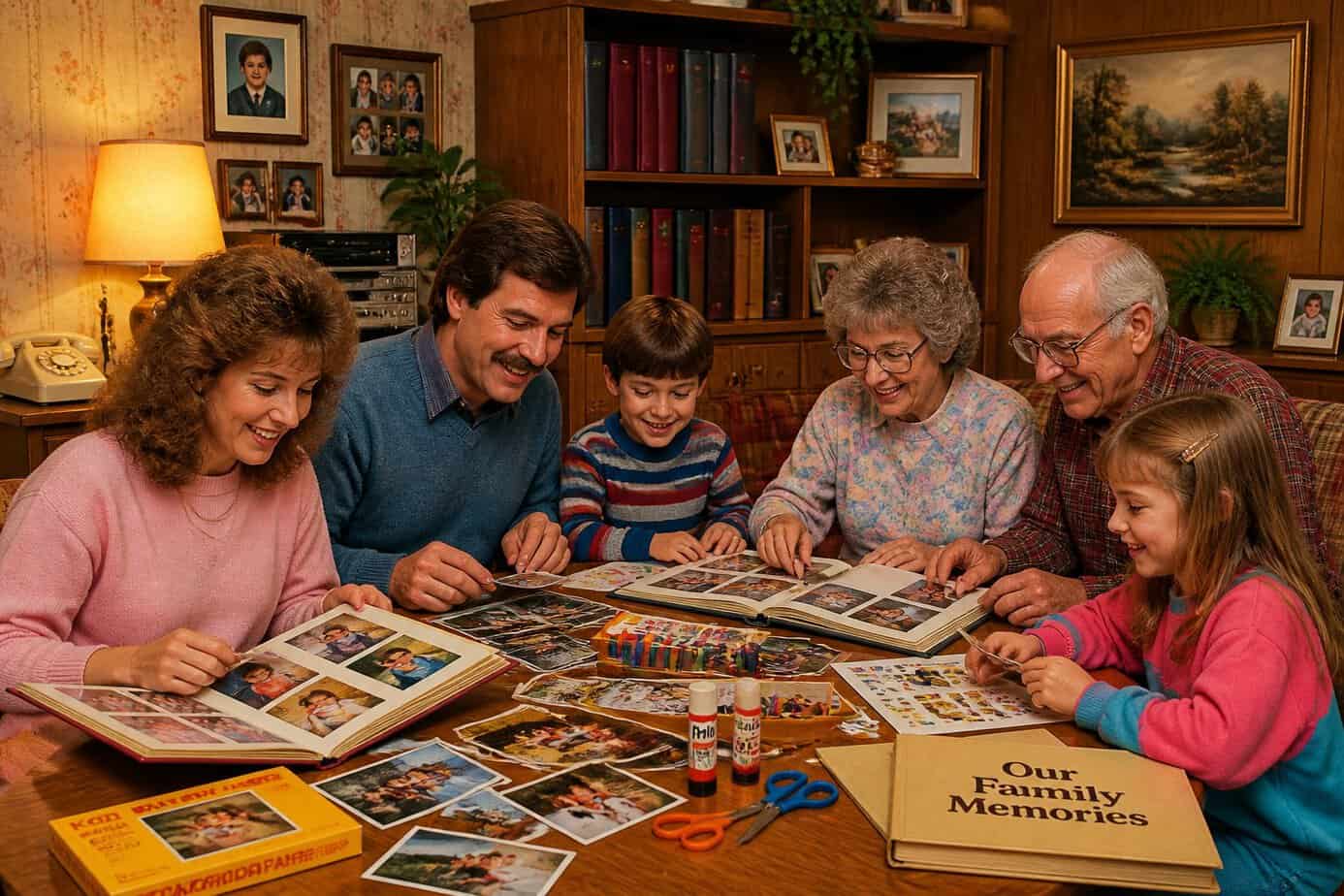
In the 1980s, families gathered once a month to sort through newly developed film rolls and organize prints into albums. You’d pick up your photos from the drugstore or photo counter, then spend an evening deciding which shots made the cut.
The ritual was simple. You spread prints across the kitchen table, laughed at the blurry ones, and carefully slid keepers into magnetic or slip-in albums. Some families kept contact sheets to remember the full roll.
This monthly routine gave structure to memory-keeping without requiring special occasions. You documented everyday moments because film processing encouraged batch thinking rather than instant deletion. The tactile act of handling prints and arranging pages made memories feel more permanent than simply storing negatives in a drawer.
10. Listening to a dedicated family mixtape cassette during chores
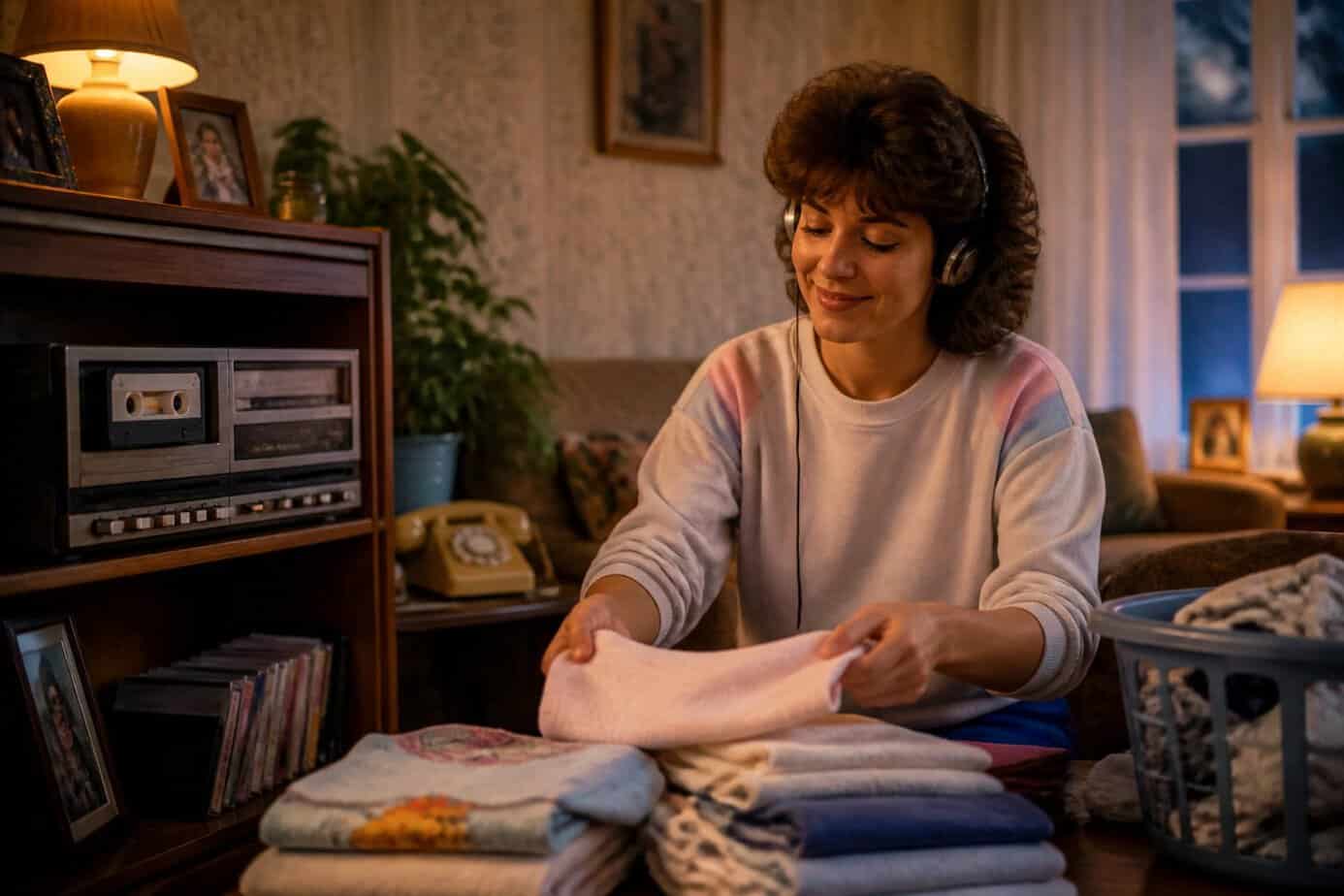
Your family likely had a special cassette tape that played during Saturday morning cleanups or weeknight dish duty. Someone in the household curated it with songs everyone could tolerate, creating a soundtrack that made mundane tasks feel less tedious.
These family mixtapes were different from personal ones. They balanced everyone’s preferences, mixing upbeat tracks that kept energy high while you vacuumed or folded laundry. The tape became associated with getting things done together.
You knew exactly when to expect your favorite song in the rotation. That predictability turned chores into something slightly more bearable. The cassette stayed near the kitchen or living room stereo, ready to transform cleaning time into a shared experience rather than isolated work.
11. Watching the evening news together before bed
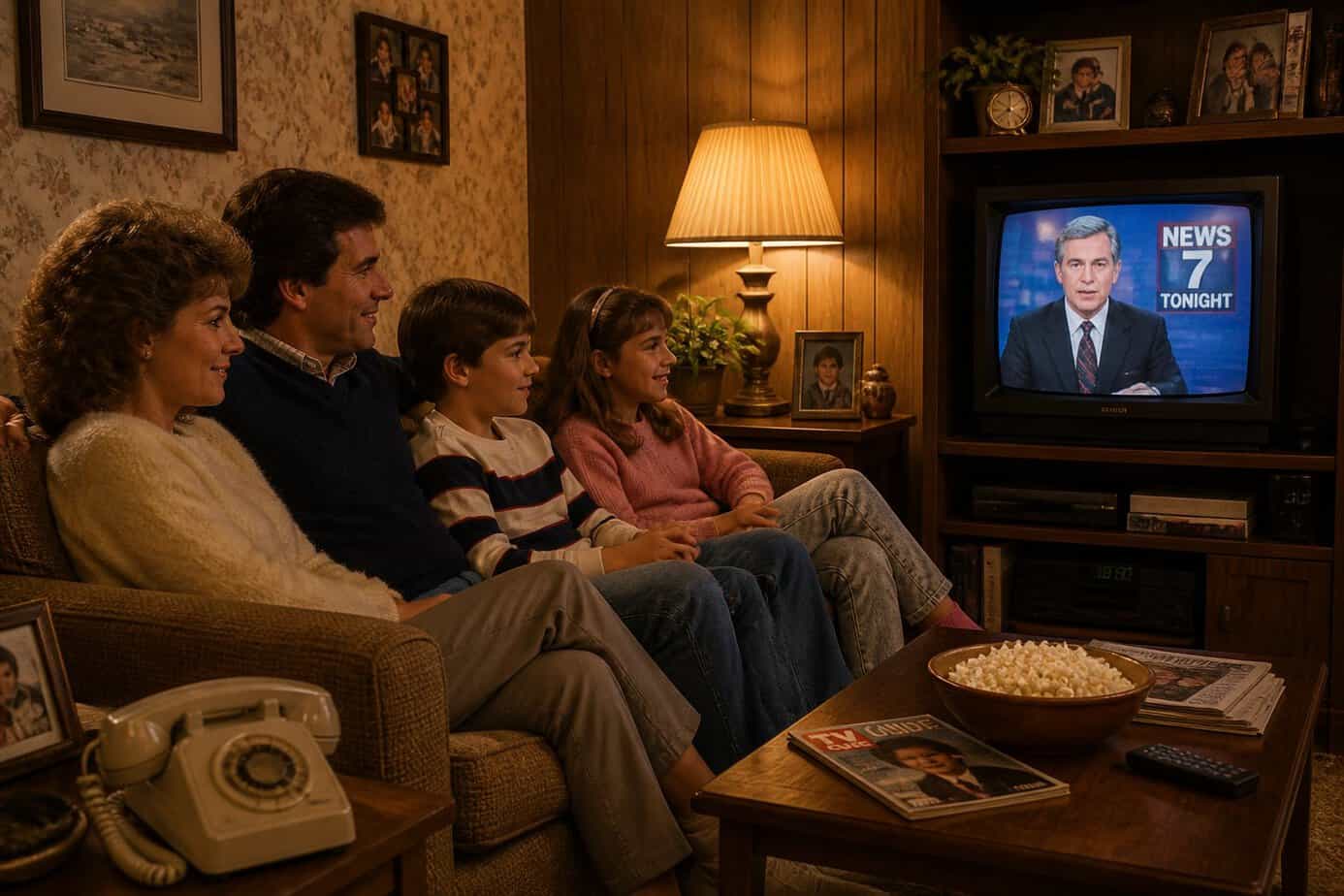
Every weeknight at 6:30 PM, families gathered around the television to watch the evening news. Walter Cronkite, Tom Brokaw, or Peter Jennings delivered the day’s events to roughly 50 million Americans who received the same information at the same time.
This shared viewing created a natural endpoint to the day’s activities. You sat together, learned what happened in the world, and often discussed the stories afterward.
The ritual provided structure to your evening routine. By 7:00 PM, you knew what was happening beyond your neighborhood and had a common reference point with neighbors and coworkers the next day.
Unlike today’s personalized news feeds, everyone watched the same broadcast. This created shared knowledge across households and generations, turning a simple half-hour program into a connecting thread between families nationwide.
12. Weekend yard barbecue with charcoal grill and potato salad

Your weekend routine likely included firing up the charcoal grill in the backyard. The smell of lighter fluid and charcoal smoke signaled the start of something special, even on an ordinary Saturday.
You didn’t need a fancy gas grill or complicated recipes. A basic charcoal setup and some burgers or hot dogs created a gathering spot for your family. The ritual of arranging the coals and waiting for them to turn gray-white was part of the experience.
Your mom’s potato salad sat in a large bowl on the picnic table, a reliable side dish that appeared at nearly every cookout. The creamy, tangy mixture paired with whatever came off the grill.
These simple backyard meals transformed your yard into the center of family time without requiring much effort or expense.
13. Collective homework hour at the kitchen table
Would you like to save this?
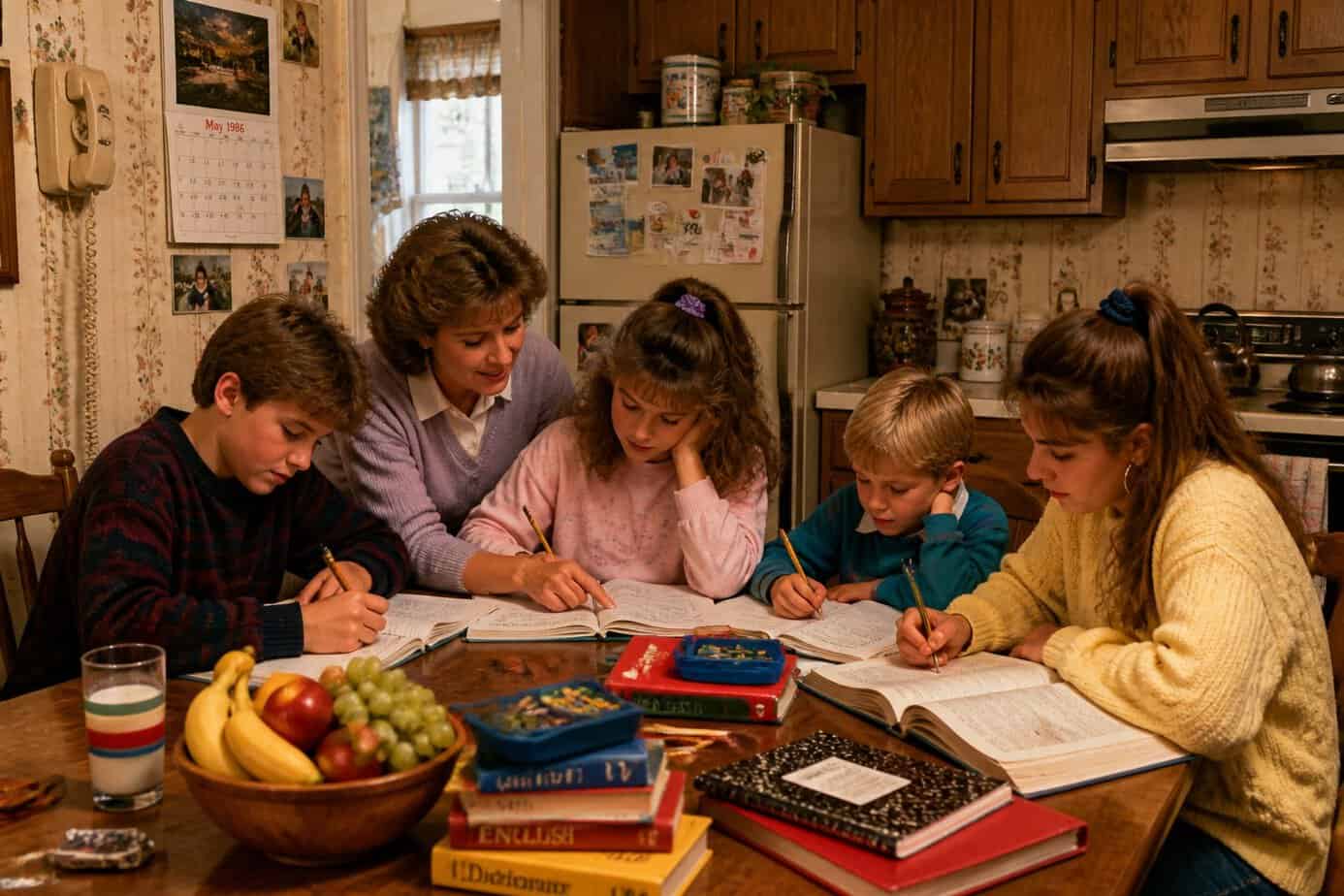
The kitchen table served as command central for homework in 1980s households. Parents could monitor progress while prepping dinner, and siblings worked side by side on their assignments.
This setup meant math problems happened next to spelling lists, with older kids sometimes helping younger ones. You didn’t retreat to separate rooms with devices. Everyone stayed in the same space, creating accountability through proximity.
The arrangement had practical benefits. Parents answered questions between stirring pots and setting the table. Younger children learned study habits by watching older siblings. The shared environment turned homework from an isolated chore into a communal routine.
This tradition made the kitchen table more than furniture. It was where learning happened alongside daily life, keeping families connected during the weekday rush.
14. Bedtime story read aloud from a hardcover children’s book
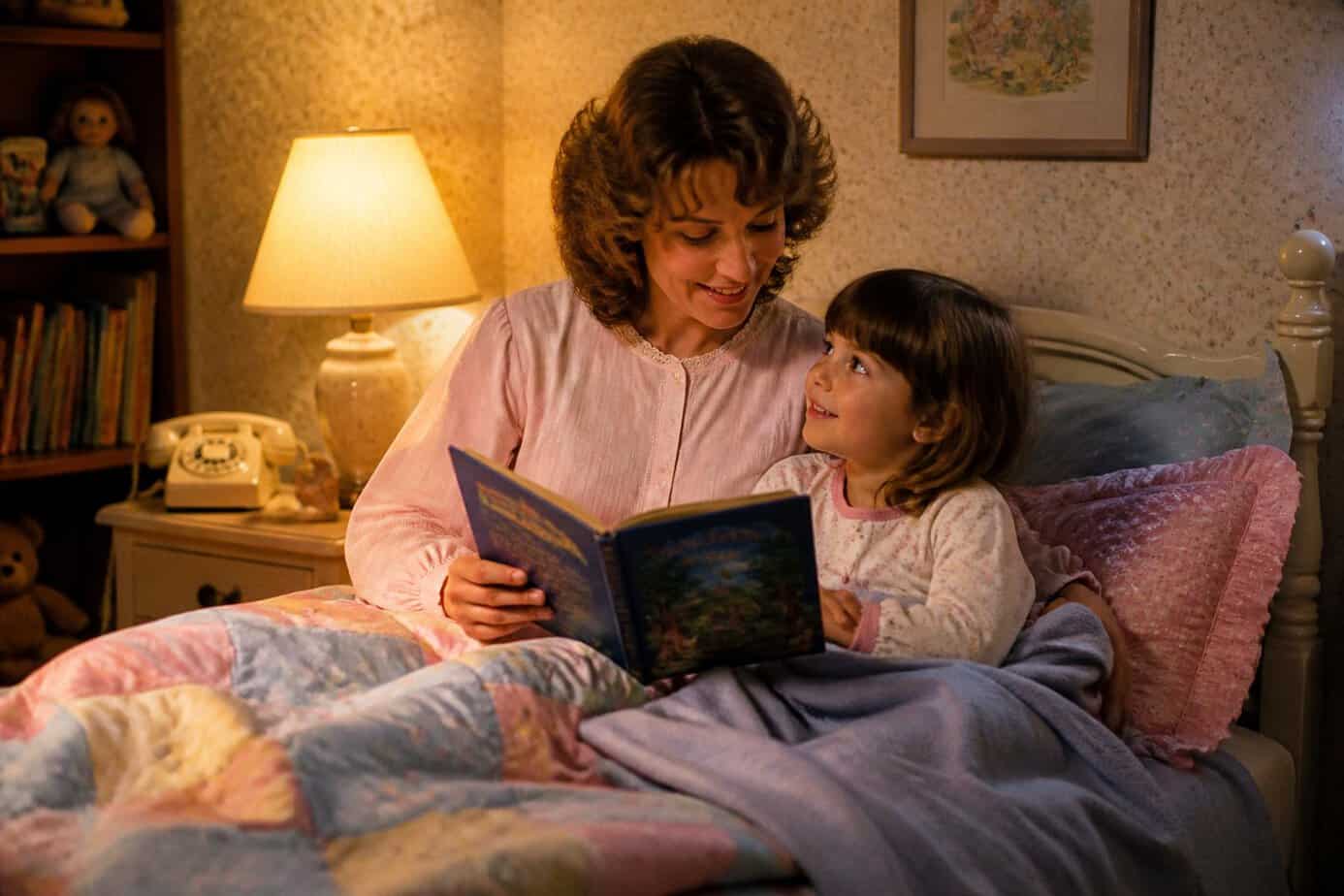
Parents in the 1980s made bedtime special by reading aloud from hardcover children’s books. These weren’t digital stories or apps, but physical books with colorful illustrations that children could touch and turn.
The ritual happened in your child’s bedroom, often with the book propped open so both reader and listener could see the pictures. You sat on the edge of the bed or in a nearby chair, using different voices for characters and pointing to illustrations as the story unfolded.
This nightly practice created a predictable routine that helped children wind down before sleep. Popular titles stayed on bookshelves for years, becoming family favorites that were requested repeatedly. The practice strengthened parent-child bonds through quiet, focused time together away from television and other distractions.
15. Sunday paper comic-strip reading ritual
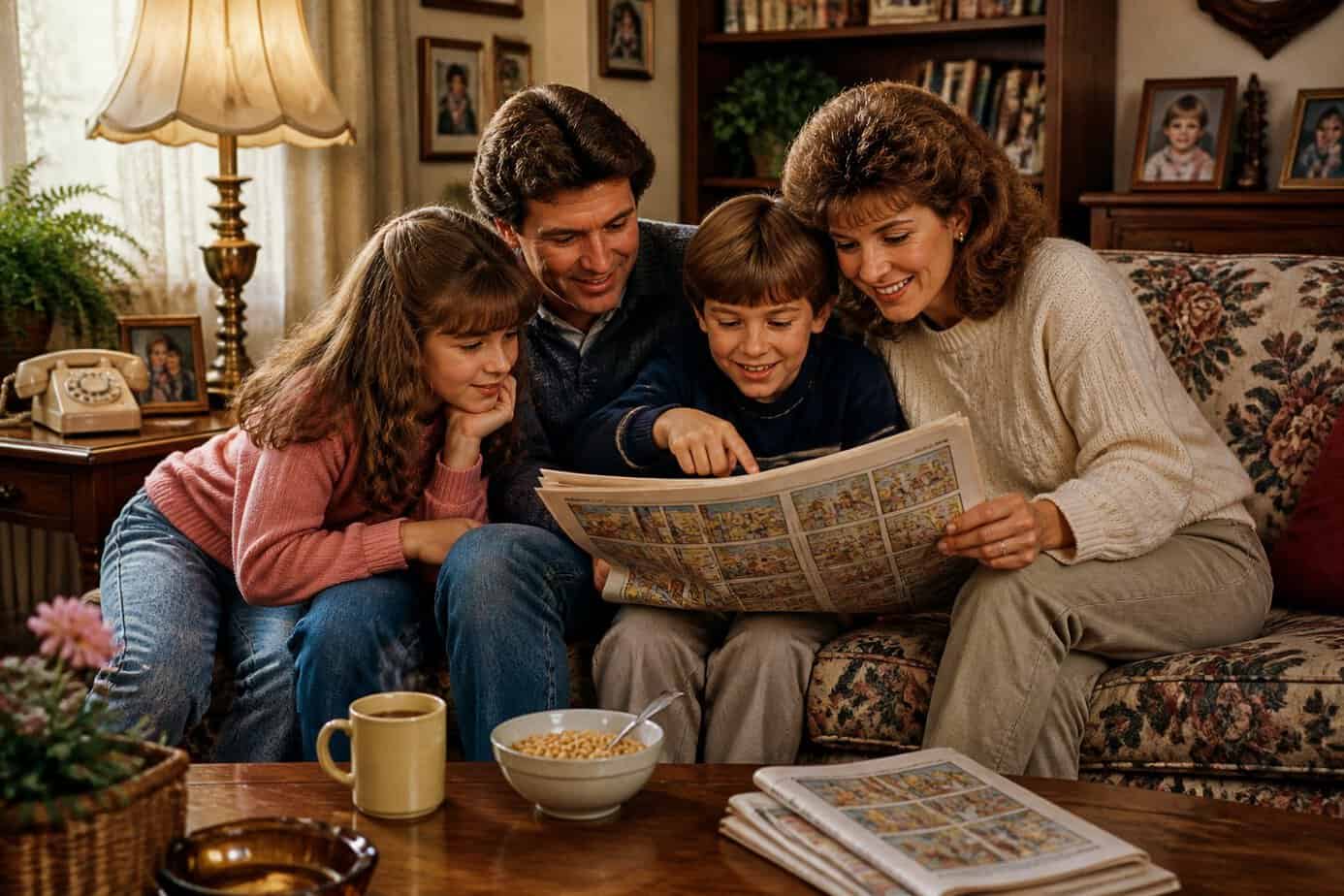
The Sunday paper arrived with a satisfying thud on the doorstep, and the race to claim the comics section began. You unfolded the colorful pages across the kitchen table while breakfast simmered on the stove.
Garfield, Calvin and Hobbes, The Far Side, and dozens of other strips filled those oversized sheets. Reading them wasn’t just entertainment—it was a weekly appointment that organized your weekend rhythm.
Parents pretended the funnies were for kids, but everyone grabbed them first. You’d read your favorites, then pass sections around the table so nobody missed anything. The ritual created a shared experience before the day’s activities scattered everyone in different directions.
That big crinkly paper became a gathering point. The smell of newsprint mixed with coffee and breakfast defined Sunday mornings in ways streaming services never could replicate.
16. Weekly mail-sorting moment where everyone reads one note
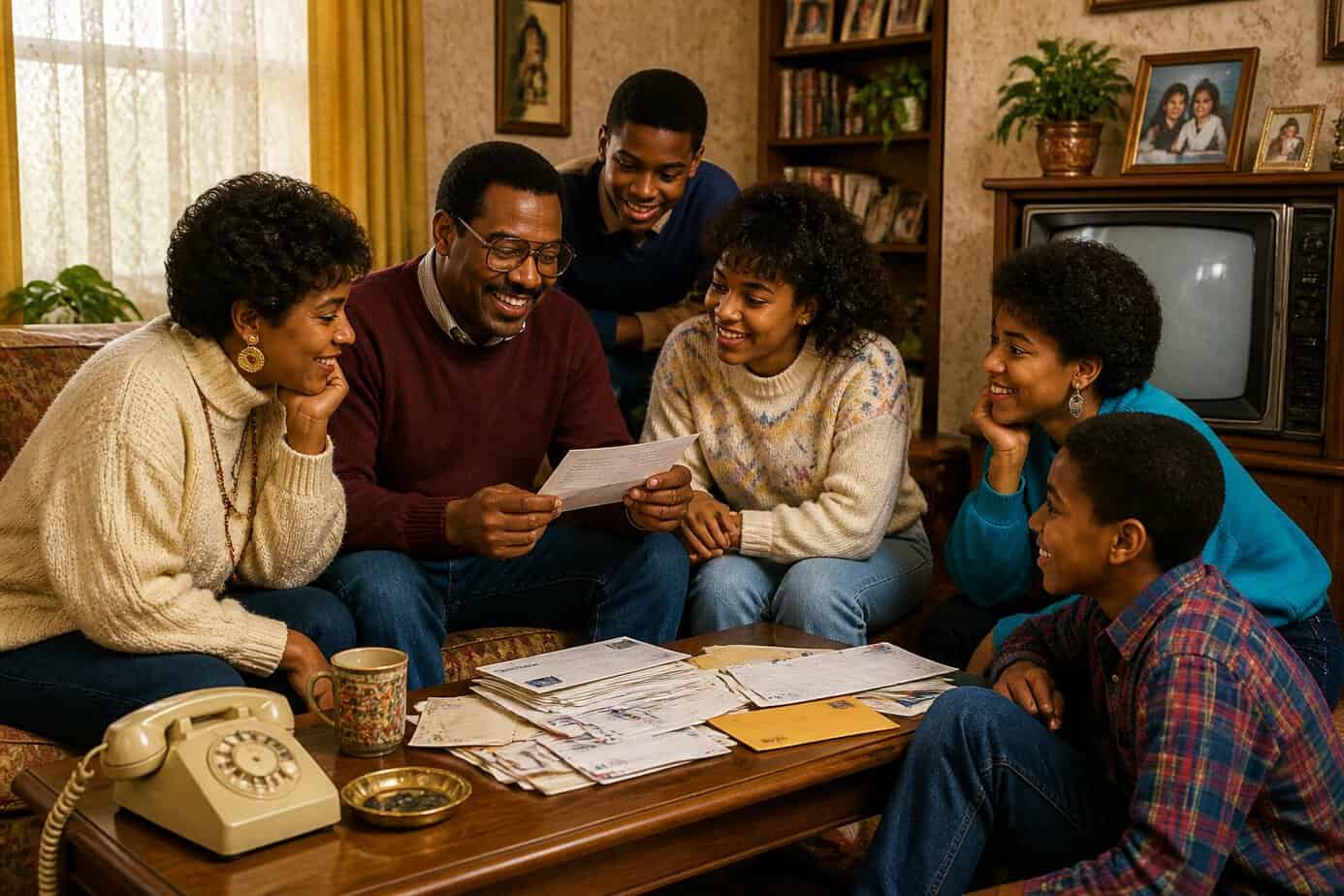
The mail arrived once a day, and families developed a simple ritual around it. You gathered at the kitchen table or counter to sort through envelopes, catalogs, and handwritten notes together.
Each person took turns reading something interesting aloud. Your mom might share a funny postcard from relatives on vacation. Your dad read updates from his college friend who moved across the country.
The practice created a natural moment to connect. Bills got separated from personal letters, but the shared reading made mail feel communal rather than like a chore. You learned about extended family news and heard stories about people you’d never met.
This weekly tradition took only minutes but gave everyone a reason to pause together. The physical act of opening envelopes and passing letters around made communication feel tangible and worth your attention.
17. Family sing-along to an album on vinyl or cassette
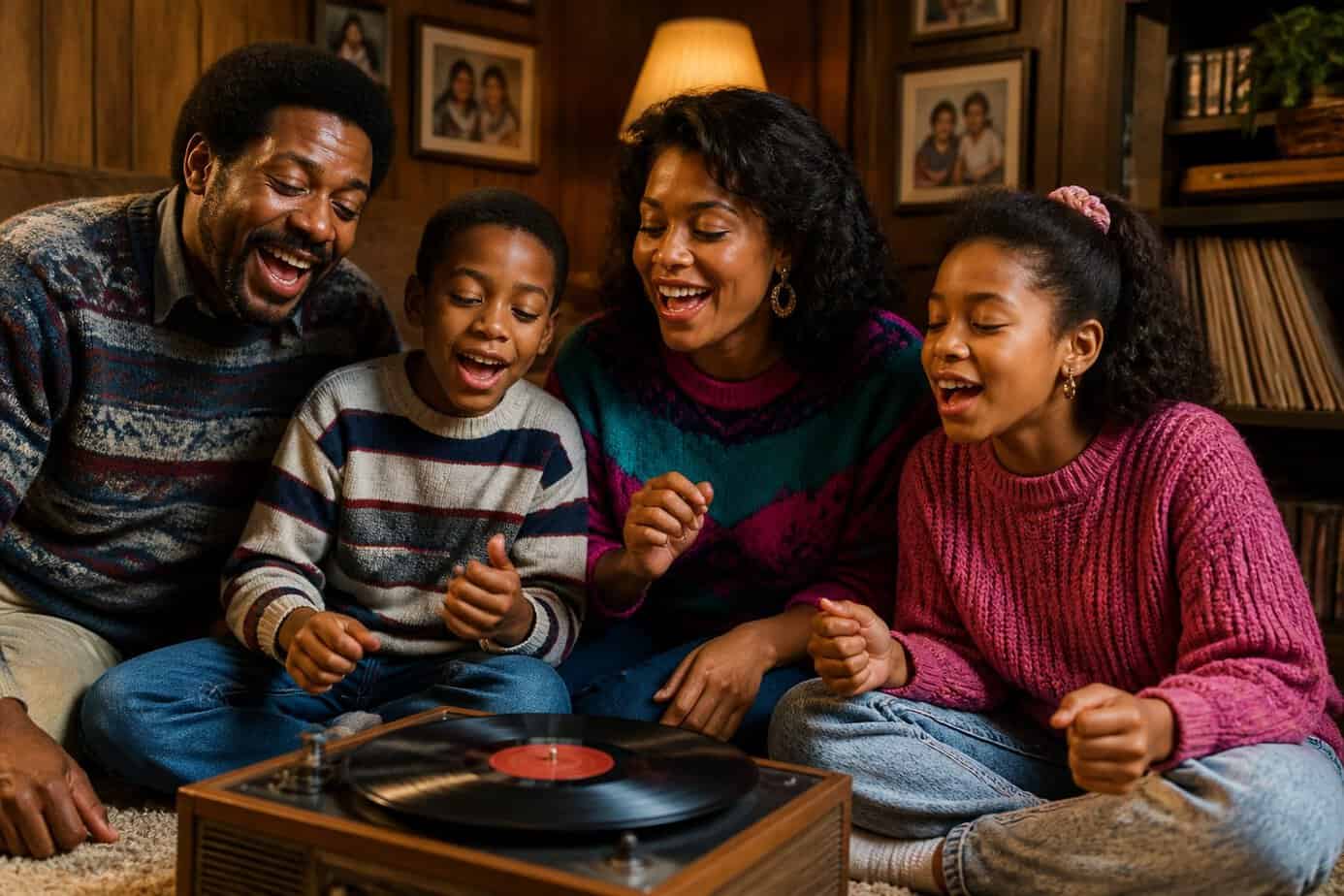
You gathered around the stereo system with your family, waiting for someone to drop the needle on a vinyl record or press play on a cassette tape. This simple ritual turned weeknights into memorable moments of connection.
Each family had their go-to albums. Maybe yours belted out hits from the Beatles or joined in on upbeat tracks from popular artists of the decade. The crackle of vinyl or the soft hiss of cassette tape became familiar background sounds.
You didn’t need perfect pitch or musical talent. The point was participating together, sharing laughs when someone missed a lyric or hit the wrong note. These sing-alongs required no planning or special equipment beyond what you already owned.
The physical act of selecting an album and playing it from start to finish created a focused experience that brought everyone together in one room.
18. Rotating family DJ: everyone picks one song on weekend drives
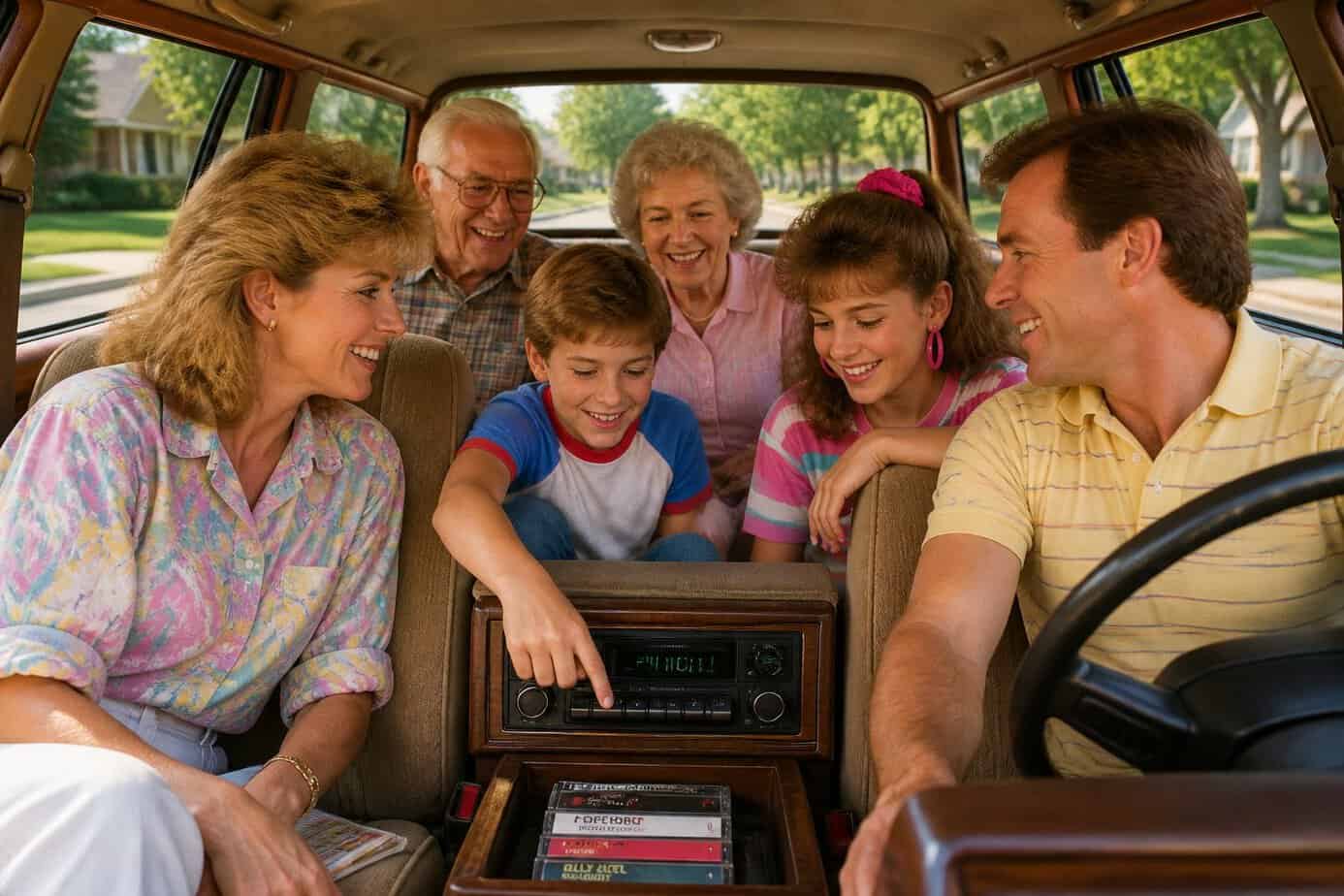
Weekend drives in the 1980s meant someone controlled the radio dial, and families turned this into a simple tradition. Each person got to choose one song during the drive, creating a natural rotation through the car.
Your dad might pick his classic rock favorite. Your sister chose the latest pop hit. Mom selected something from her collection, and you added your preference to the mix.
This rotation gave everyone a voice in the car’s atmosphere. Kids learned to appreciate different music styles while parents discovered what their children were listening to. The tradition worked because it was fair and predictable.
No arguments about the radio station. No fights over who controlled the music. Just a simple system where everyone’s turn mattered equally, making ordinary weekend drives more enjoyable for the whole family.
19. Leaving shoes by the door and swapping into slippers
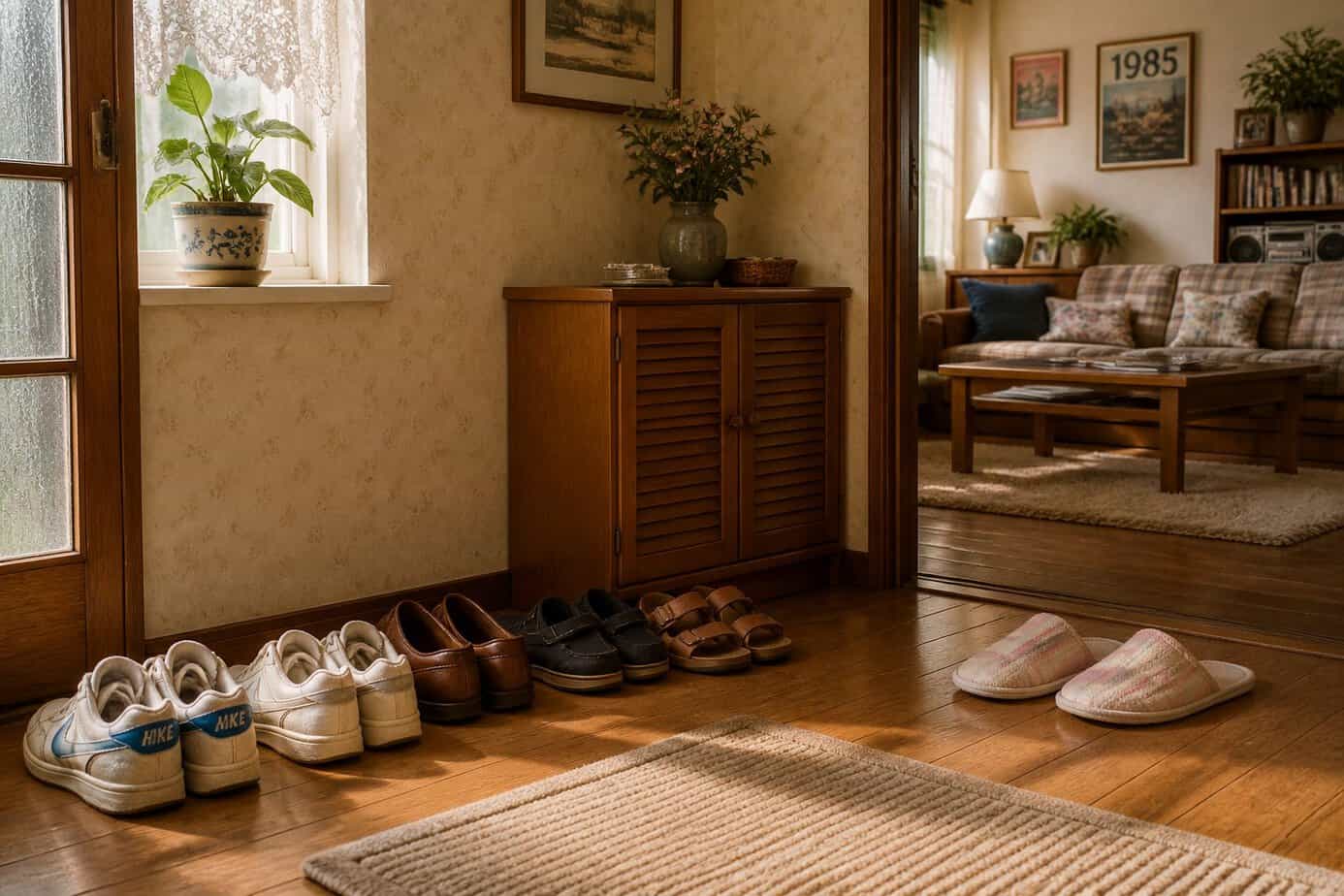
You kicked off your shoes the moment you got home and slid into your slippers. This simple routine marked the transition from the outside world to your family space.
Many households kept a basket or mat by the door specifically for shoes. Your parents didn’t need to remind you—it was just what everyone did. Slippers were practical, keeping your feet warm on cold floors while protecting carpets from outdoor dirt.
This habit turned your home into a cleaner, more comfortable retreat. You left the day’s worries at the threshold along with your shoes. The ritual signaled you were truly home, ready to relax with your family for the evening.
20. Birthday-card crafting night with markers and glitter
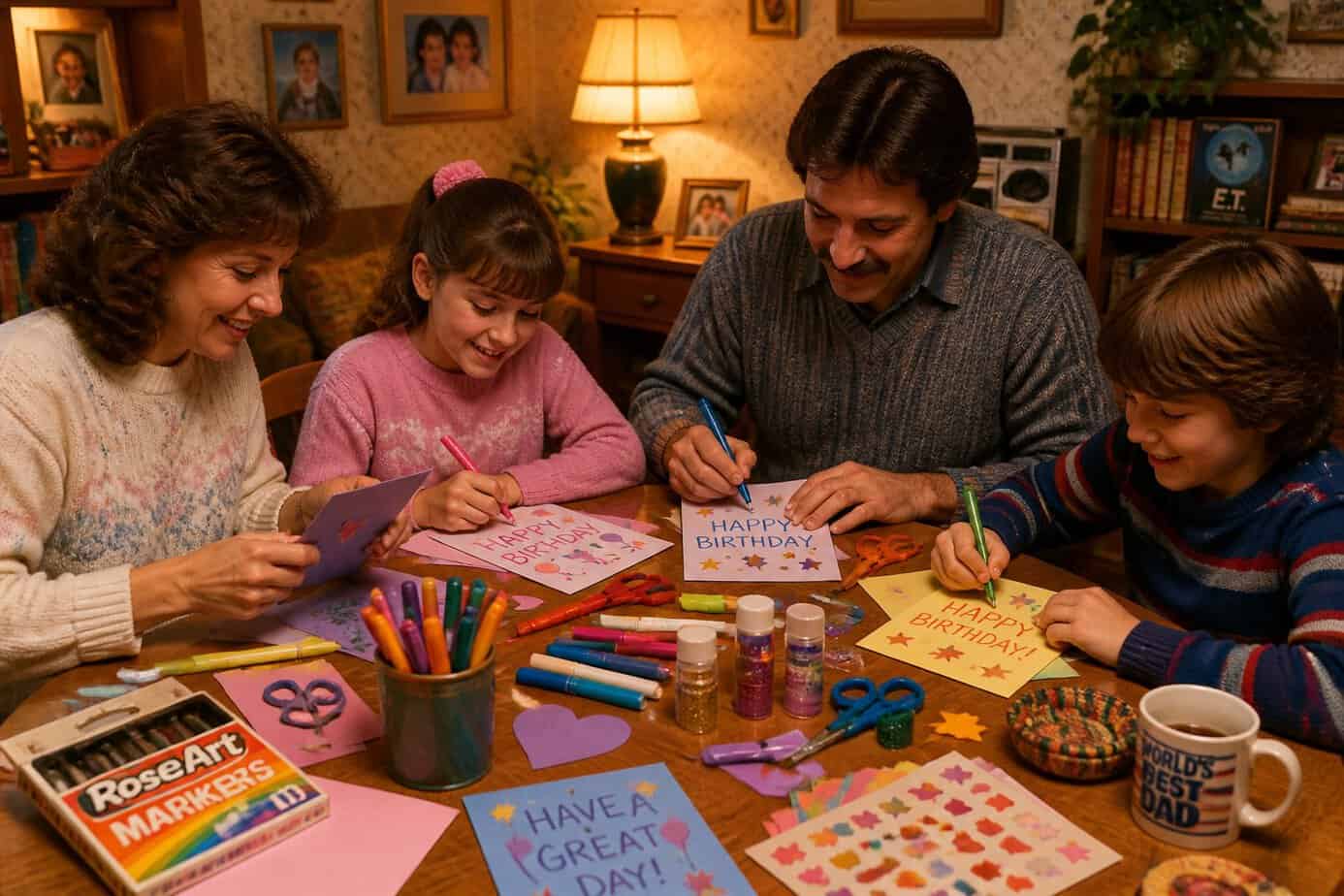
Setting aside one weeknight each month to make birthday cards kept your family prepared for upcoming celebrations. You’d spread newspapers across the kitchen table and pull out construction paper, markers, and glitter.
Each family member created cards for friends and relatives with birthdays in the coming weeks. The simple act of folding cardstock in half and adding hand-drawn designs meant more than store-bought cards.
You experimented with different techniques, from fingerprint balloons to written messages surrounded by glitter borders. Kids practiced their handwriting while adults helped with spelling.
This tradition saved money and taught children to plan ahead. The homemade cards you mailed showed recipients they were worth your time and creativity, making the tradition valuable for both givers and receivers.
21. Evening porch sit-and-chat after dinner
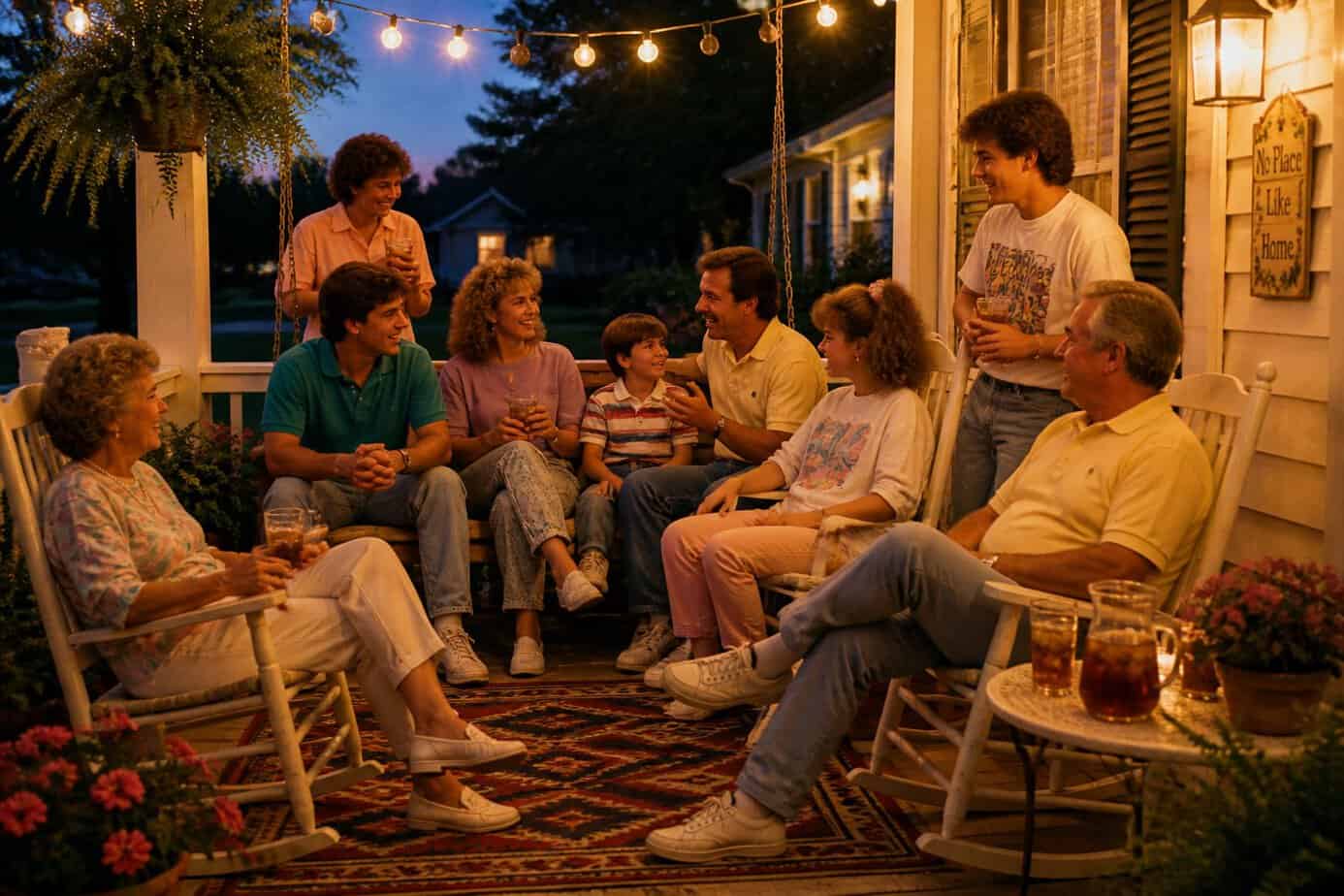
After clearing the dinner dishes, you’d head outside to the front porch while the evening cooled down. Your neighbors did the same, creating an unplanned social hour that happened naturally most nights.
You’d settle into rockers or lawn chairs positioned to catch the breeze and watch people walk by. Conversations started with a wave or comment about the weather, then moved to updates about kids, work, or weekend plans.
This wasn’t a scheduled event. It simply happened because porches were designed close to sidewalks, and people spent their evenings outside before air conditioning made indoor living more comfortable. The proximity made it easy to chat with anyone passing by.
These casual interactions built familiarity with your neighbors. You learned names, shared concerns, and kept tabs on each other’s lives through regular contact that required no special effort or planning.
22. Regularly scheduled home movie night with camcorder footage
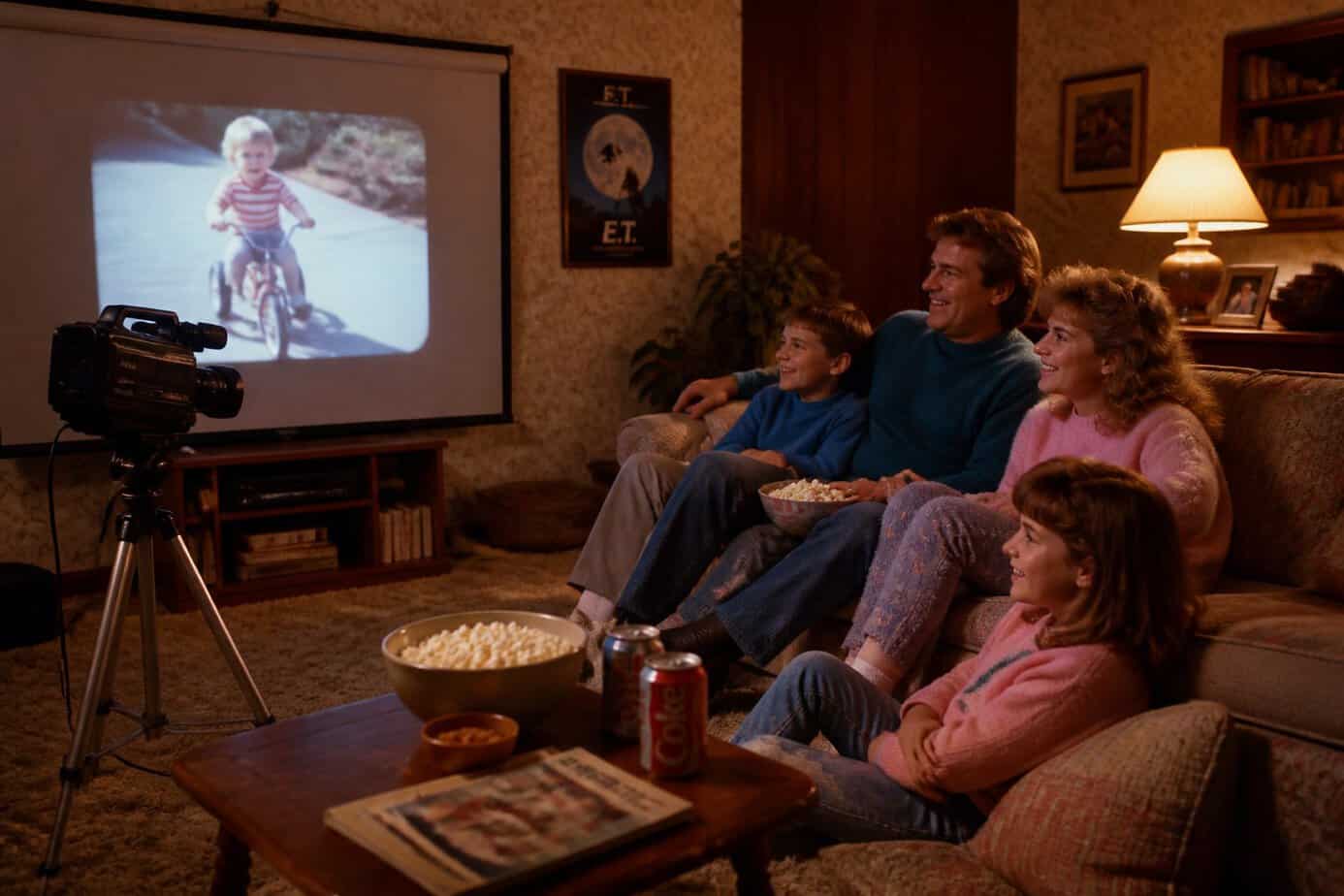
VHS camcorders became household items in the mid-1980s, and families quickly turned their recorded footage into weekly entertainment. You would gather in the living room to watch birthday parties, vacations, and everyday moments replayed on your TV screen.
These nights transformed recent memories into shared experiences. Your family could laugh at embarrassing moments, recall forgotten details, and see how much younger siblings had grown in just months.
The ritual was simple but meaningful. You would pop in a tape, rewind to the right spot, and watch yourselves living life from a new perspective. Unlike photo albums, these recordings captured voices, movements, and spontaneous moments that photos couldn’t preserve.
Setting aside time each week to review footage made documenting life feel purposeful rather than pointless.
23. Polished-apple pie baking tradition after grocery shopping
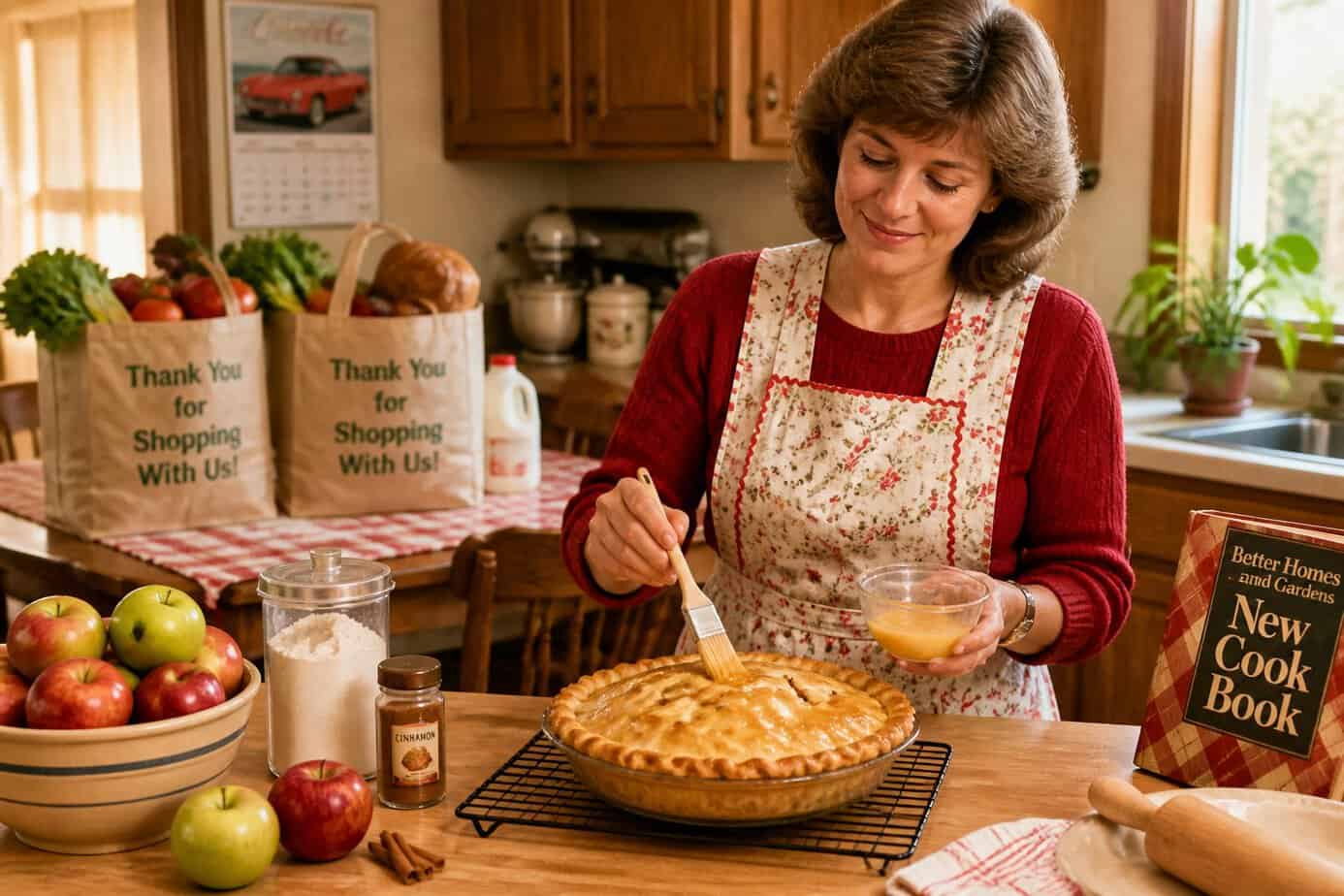
Saturday grocery trips in the 1980s often ended with a bag of fresh apples and an unspoken plan to bake. You’d arrive home, unpack the groceries, and move straight into pie preparation while the kitchen still smelled like brown paper bags.
The routine was simple. You’d wash and polish each apple until it shined, then peel and slice while your homemade crust chilled in the refrigerator. The process didn’t require special equipment or complicated techniques.
Baking happened in the late afternoon, filling the house with cinnamon and butter smells by dinnertime. Your pie cooled on the counter while you finished other tasks.
This tradition transformed basic pantry ingredients into something that made your home feel intentional and cared for. The act of baking after shopping created a reliable rhythm that marked the end of errands and the beginning of weekend relaxation.
24. Paper calendar appointment ritual on the kitchen wall
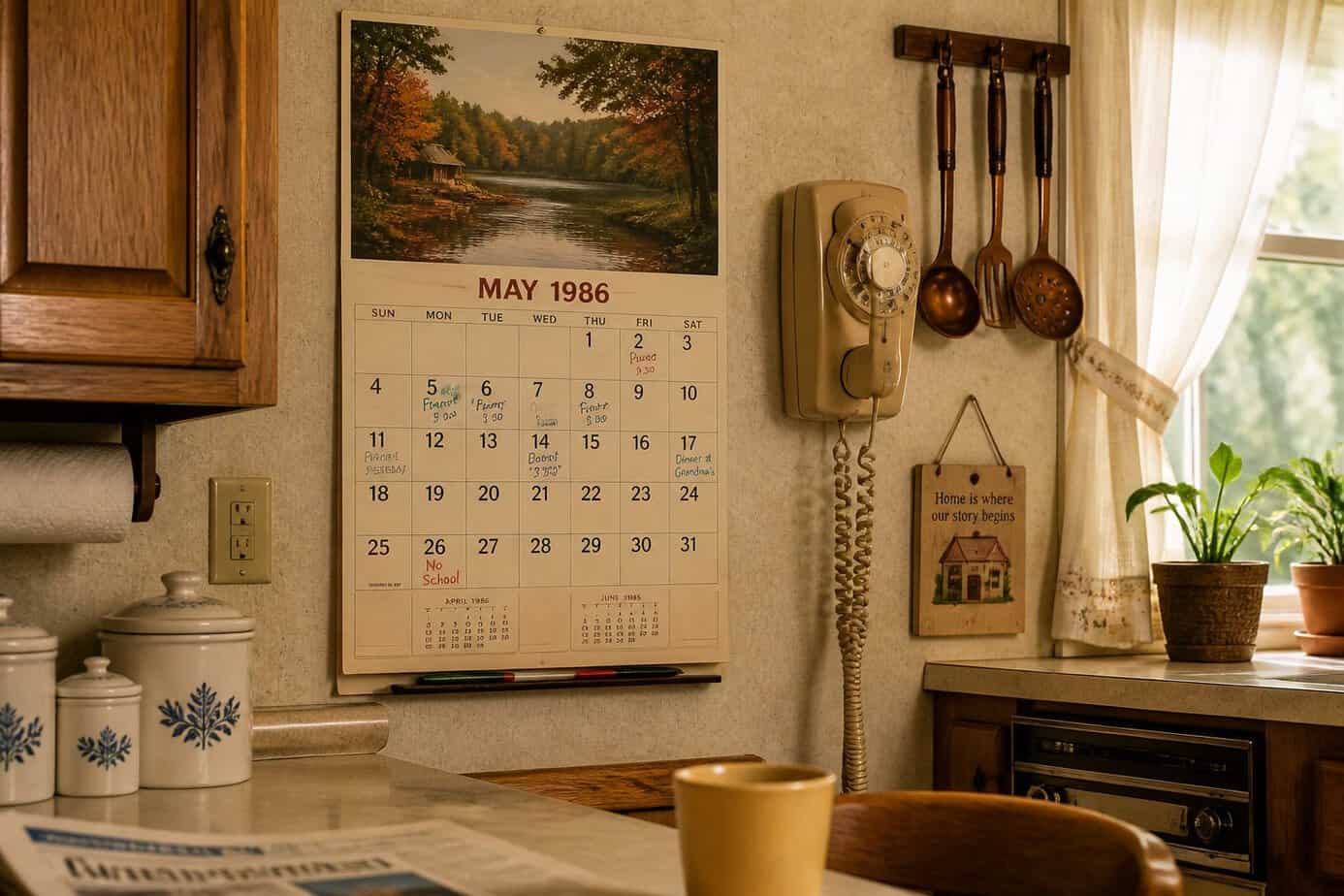
Your kitchen wall held a large paper calendar that served as command central for the entire household. The primary scheduler wrote down everyone’s appointments, practices, and commitments in one visible spot where no one could miss them.
Writing things down by hand activated your memory differently than digital reminders ever could. You physically engaged with each date as you added it to the grid.
At the end of each month, you tore off the old page and started fresh. That simple act marked a new chapter and gave everyone a clean slate to fill.
The calendar hung where family members passed by multiple times daily. You checked it during breakfast, after school, and before bed to stay coordinated without phones or apps.
25. Window-screen repair and home maintenance Saturday morning
Would you like to save this?
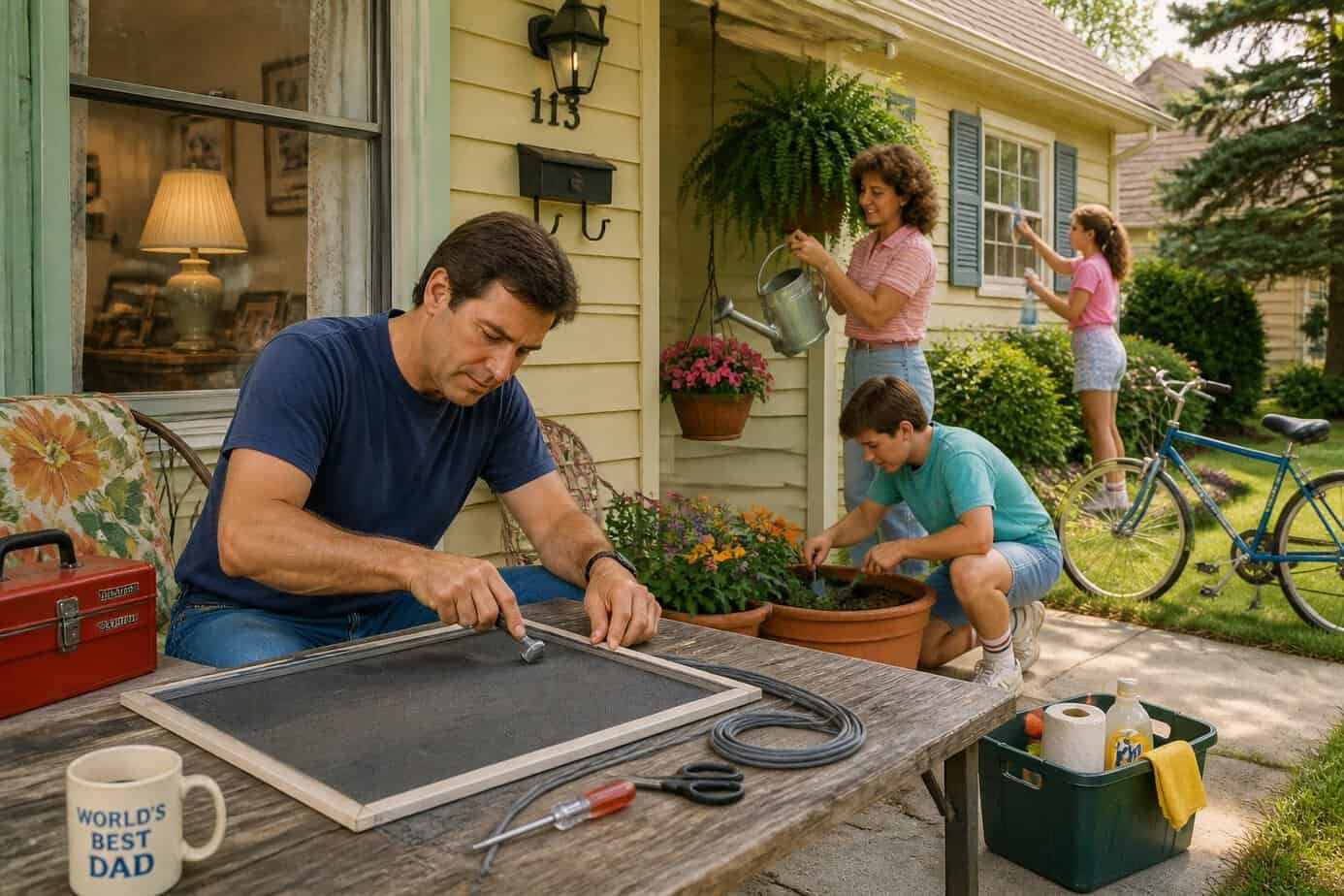
Saturday mornings in the 1980s meant tackling small home repairs before the weekend fun began. You’d wake up early and spend an hour or two fixing window screens, tightening loose doorknobs, or oiling squeaky hinges.
These maintenance sessions taught practical skills while keeping your house functional. Your parents involved you in simple tasks like cleaning window tracks or replacing torn screen mesh. You learned how things worked by actually fixing them.
The tradition created a sense of ownership and pride in your home. Instead of calling professionals for minor issues, your family handled basic repairs together. You kept a toolbox ready and knew where to find the hardware supplies.
This routine meant your house stayed in better condition through regular attention to small problems before they became expensive ones.
26. Family-led prayer or moment of gratitude before meals
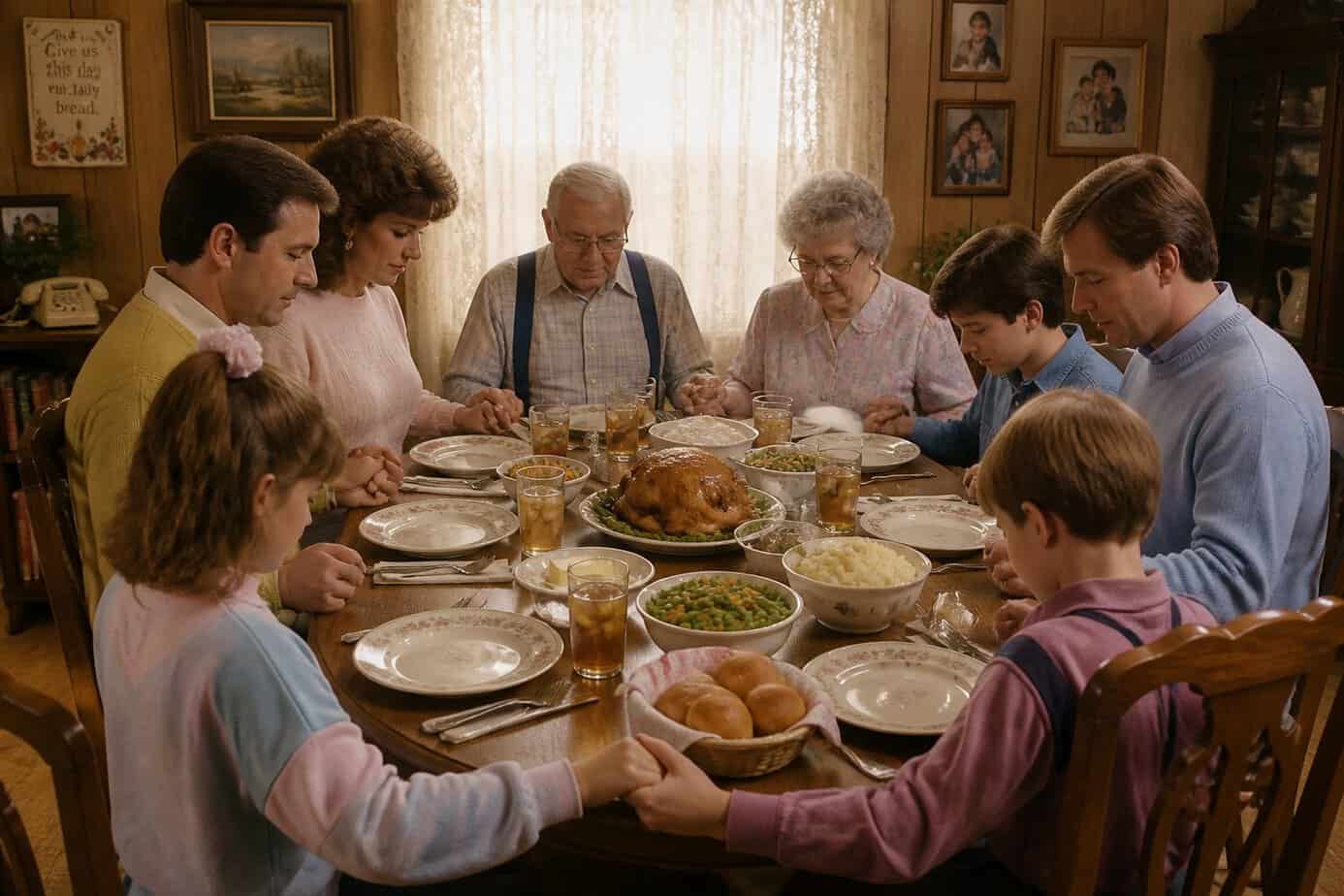
Before digging into weeknight dinners, many 1980s families paused for a brief prayer or moment of thanks. This practice created a natural transition from the day’s activities to shared mealtime.
The tradition wasn’t always religious. Some households simply took turns expressing what they were grateful for that day. Others recited a standard blessing that took less than thirty seconds.
This ritual served a practical purpose beyond spirituality. It gathered everyone’s attention and signaled that the meal was beginning. Kids learned to wait before reaching for food, and parents had a moment to center the family together.
The practice required no special preparation or supplies. One person would lead, whether it was always a parent or rotating family members. This simple act transformed dinner from just eating into a shared experience with intention.
27. Monthly neighborhood potluck with signature casserole dishes
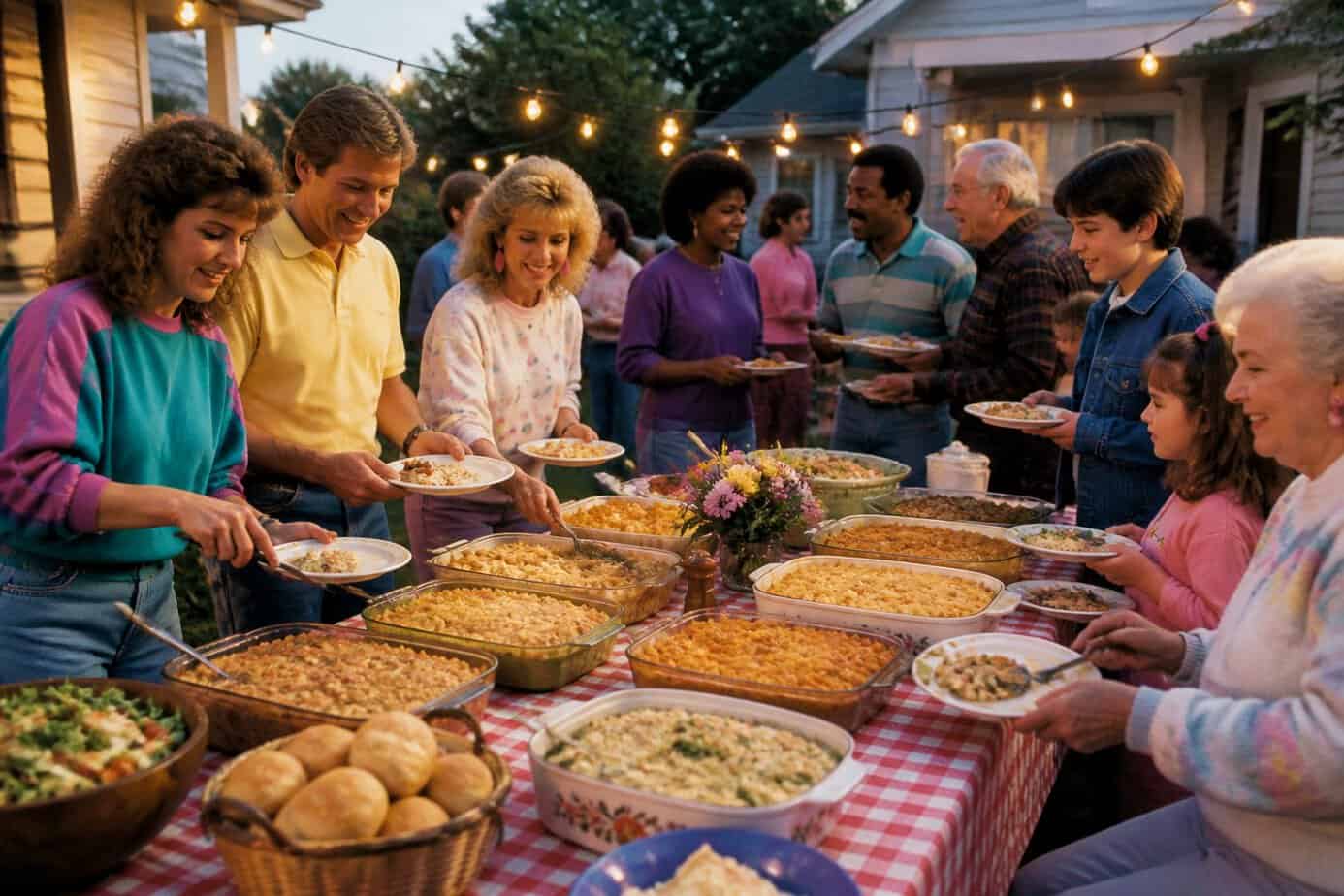
Monthly neighborhood potlucks became social anchors in 1980s suburban communities. You brought your signature casserole dish, the one everyone expected from you at every gathering.
These weren’t casual affairs. You planned your contribution days in advance, ensuring your specialty was prepared perfectly. Tuna noodle, green bean, and Mexican-layered casseroles circulated from kitchen to kitchen, each family developing their own trusted recipe.
The potluck rhythm created predictable comfort. You knew the Johnsons would bring their cheesy chicken rice bake, while the Martins always arrived with their famous hamburger casserole. These dishes weren’t just food—they became part of neighborhood identity.
The gatherings strengthened community bonds beyond what casual conversations could achieve. You shared recipes, swapped cooking tips, and built relationships over simple, hearty food that anyone could make.
28. Routine backyard stargazing on summer nights

You didn’t need special equipment or a planned outing to enjoy the night sky in the 1980s. Families simply spread a blanket on the grass after dinner and looked up.
The ritual happened organically on warm evenings when the heat finally broke. Parents pointed out the Big Dipper while kids competed to spot the first star of the night. Some households kept a basic star chart or a library book on constellations by the back door.
Central air conditioning wasn’t as common then, so spending time outside after dark felt natural rather than intentional. The backyard offered cooler air and a free show that didn’t require driving anywhere.
This simple tradition cost nothing but created lasting memories. You learned patience, curiosity, and how to appreciate something beautiful without needing to be entertained.
29. Weekly houseplant watering and naming ritual
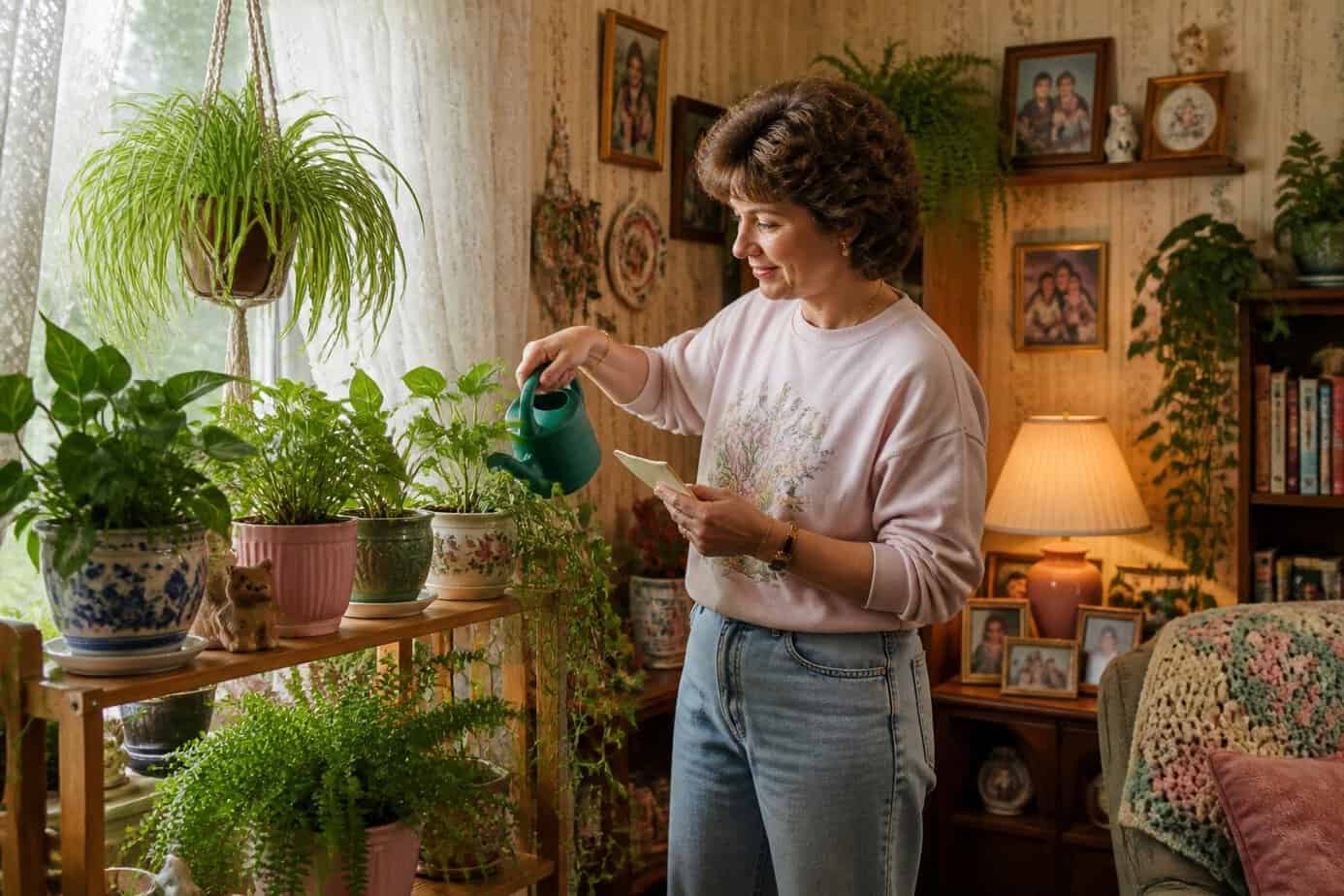
Every Wednesday evening, families gathered their watering cans and made rounds to each houseplant. You checked the soil, watered spider plants hanging in macramé holders, and misted the ferns on plant stands.
This wasn’t just about keeping greenery alive. You gave each plant a name, often after relatives or favorite characters. The rubber tree might be “Aunt Margaret” while the philodendron answered to “Fred.”
Children learned responsibility through this ritual. You taught them to touch the soil first and look for drooping leaves. The routine took fifteen to twenty minutes and created a predictable rhythm in your week.
These named plants became family members. You talked to them while watering, creating a calming tradition that connected your household to nature despite being indoors.
30. Holiday cookie-decorating party with handwritten recipe cards
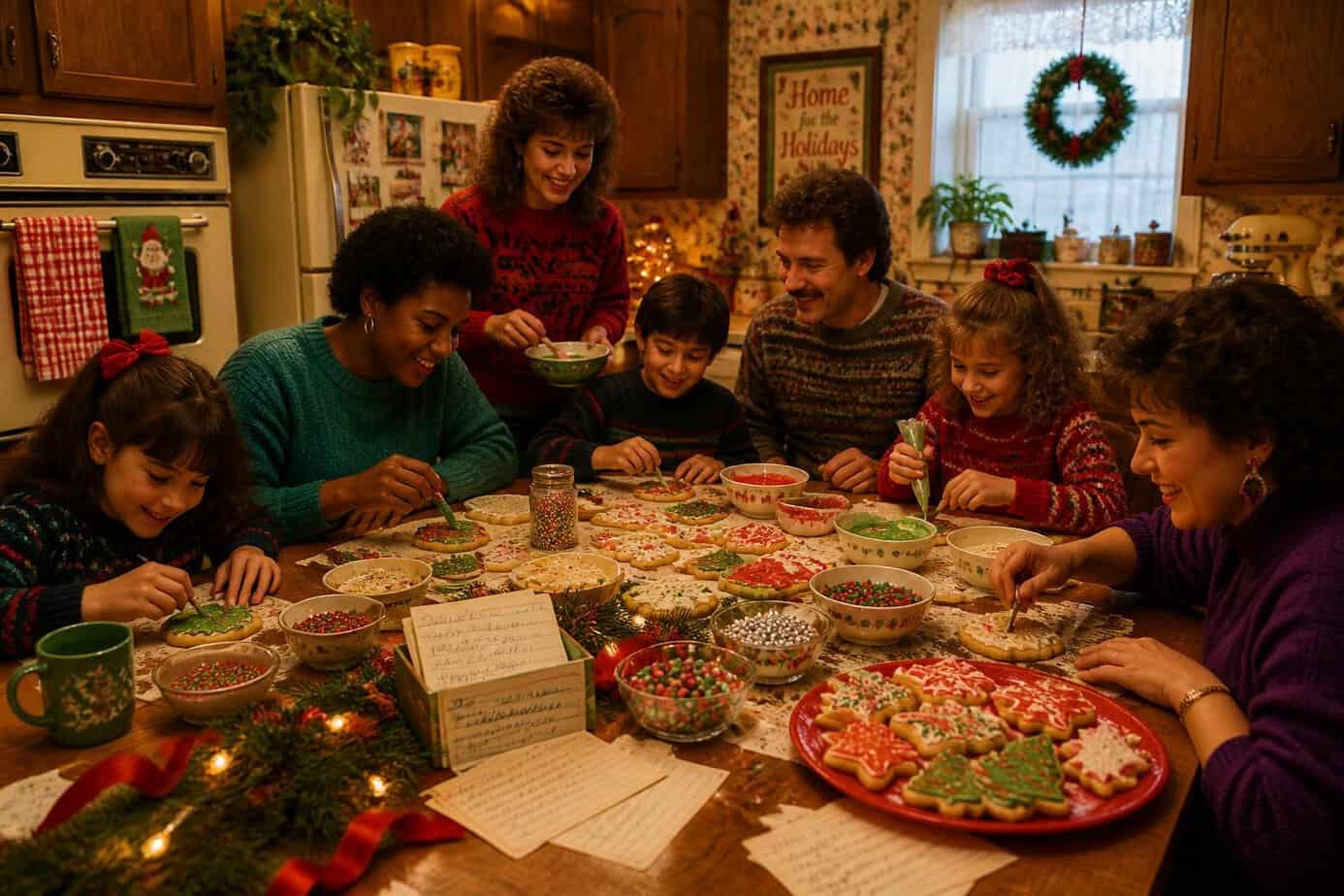
During the 1980s, families turned December evenings into informal cookie parties. You’d gather around the kitchen table with plain sugar cookies, bowls of colored frosting, and sprinkles in every shade.
The tradition often included handwritten recipe cards passed between neighbors and friends. Your mother might copy her favorite gingerbread recipe onto an index card for a guest to take home. These cards became keepsakes that preserved family recipes and connected households throughout the neighborhood.
The setup was simple. You needed pre-baked cookies, basic decorating supplies, and time to sit together. Children decorated cookies for Santa while adults exchanged recipes and caught up on neighborhood news.
These parties required minimal planning but created regular opportunities for connection. The handwritten cards served as tangible reminders of the evening, often tucked into recipe boxes and used year after year.
31. Consistent Sunday laundry-and-folding family assembly
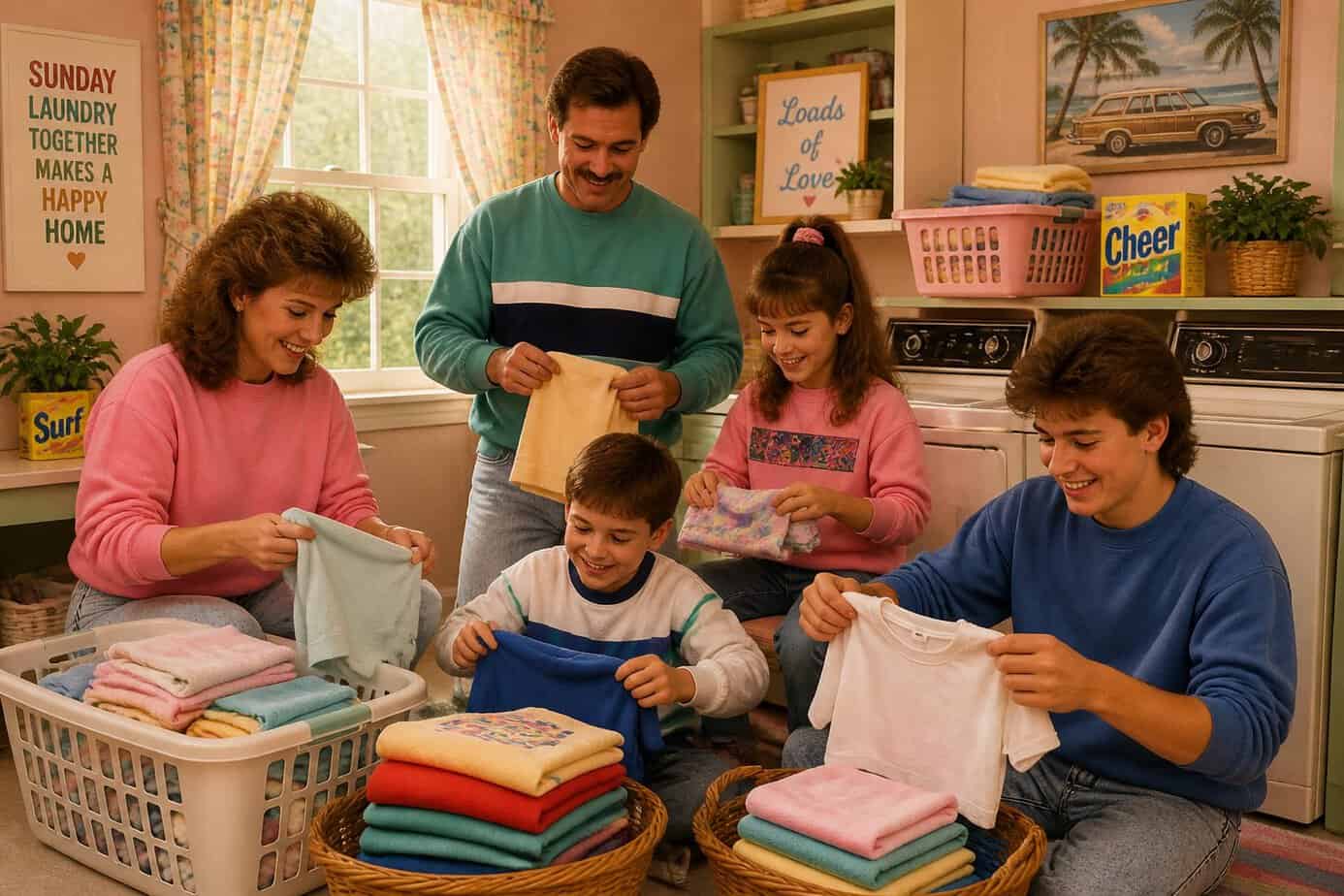
Sunday evenings brought families together around mountains of clean clothes that needed folding. Parents would haul baskets from the dryer and spread everything across the living room floor or couch while the TV played in the background.
Each family member took their spot and worked through the pile together. Kids learned to match socks, fold towels, and organize their own clothes for the school week ahead.
The task turned mechanical quickly, which made conversation flow naturally. You discussed the past week, made plans for Monday, and caught up without the pressure of sitting face-to-face.
This weekly assembly kept laundry from piling up endlessly. It also taught children responsibility and the value of shared household work. The routine created predictability that kids could count on, even if they grumbled about it.
32. Family letter-writing session to a distant relative
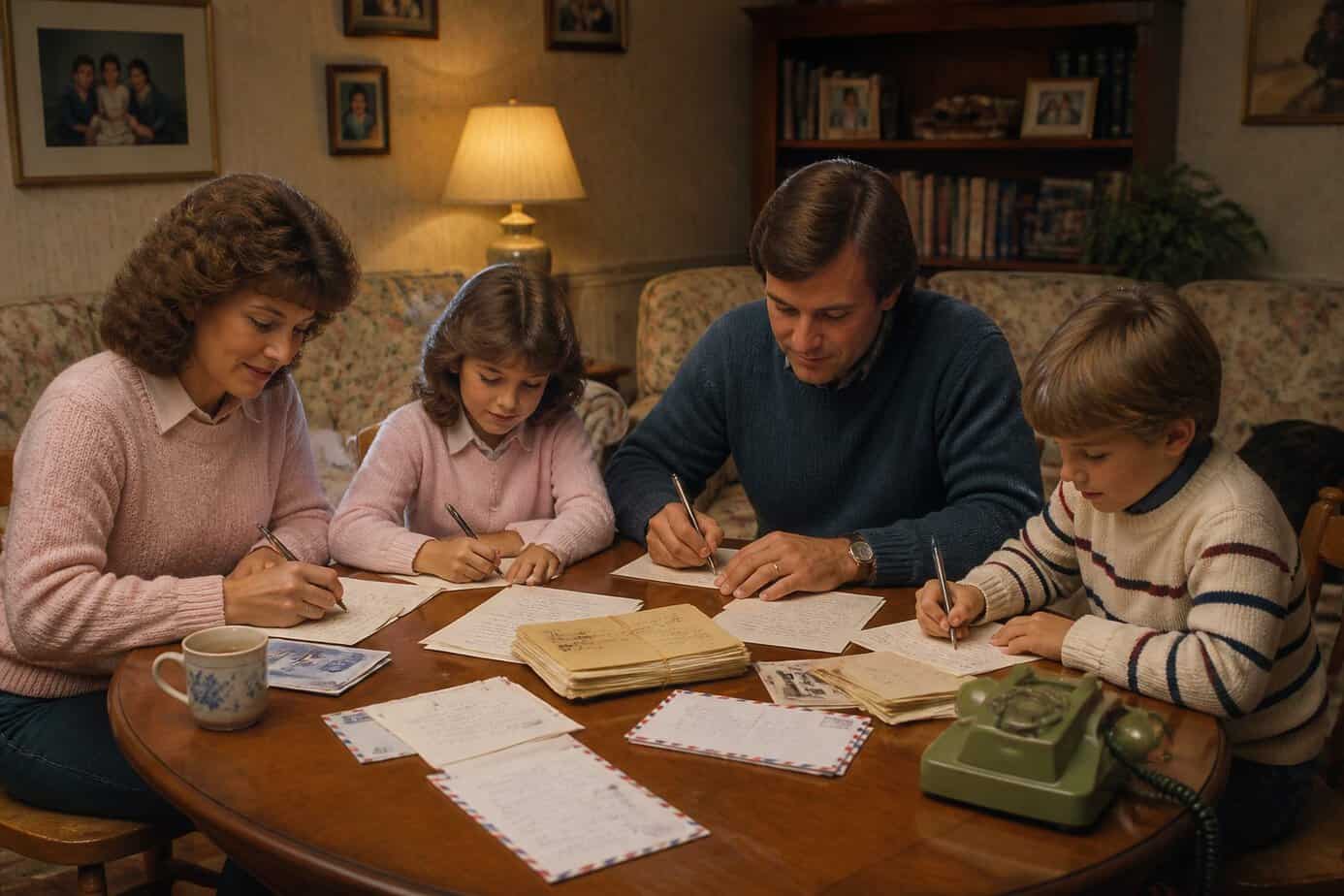
You gathered around the kitchen table on weeknight evenings with stationery, pens, and stamps to write letters to grandparents, cousins, or aunts and uncles who lived far away. Each family member composed their own section, sharing updates about school, work, or recent activities.
Kids learned to organize their thoughts and express themselves through written words rather than quick phone calls. Parents often added their own notes at the end, creating a collective family update.
The ritual of addressing envelopes and choosing stamps made the process feel special. You walked together to the mailbox to send off your letters, knowing a response would arrive in a week or two.
This simple practice maintained connections across distances and taught children that relationships required effort and intention.
33. Shared Saturday-morning hardware-store run with DIY projects

Saturday mornings meant piling into the car for a trip to the local hardware store. You walked the aisles with your dad or mom, learning the difference between Phillips and flathead screwdrivers while they chatted with the owner about fix-it projects.
These weren’t big-box warehouses. Your neighborhood hardware store had dusty bins, knowledgeable staff, and retired tradespeople who offered free advice. You picked up supplies for weekend repairs—a new hinge, wood stain, or weatherstripping.
The trip itself taught practical skills. You learned how things worked and how to fix them. Back home, you’d spend the afternoon tackling projects together—fixing squeaky doors, patching drywall, or building simple furniture.
These hardware runs created capable adults who knew their way around a toolbox. The tradition built confidence and self-reliance one small repair at a time.
34. End-of-day checking-in round where everyone shares a highlight
Would you like to save this?
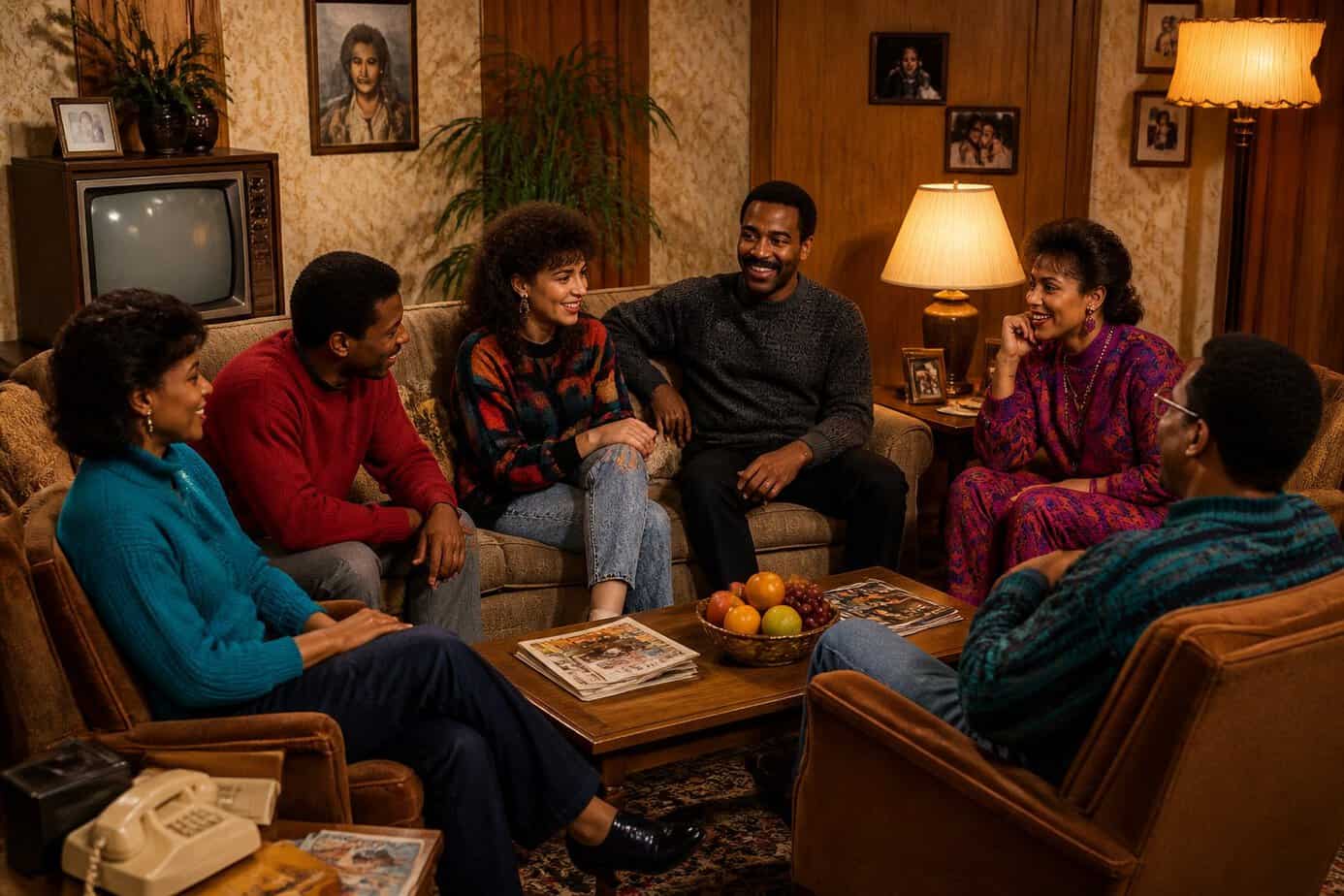
Before bedtime in many 1980s households, families gathered to share one good thing from their day. You might have sat on the couch or around the kitchen table while each person took a turn. This simple ritual took just five to ten minutes.
Parents often started by sharing something positive from work or an errand. Kids talked about school achievements, playground fun, or something they learned. Even small highlights counted, like enjoying a favorite lunch or finishing homework early.
This practice helped family members stay connected to each other’s daily lives. You learned what mattered to your siblings and parents beyond the dinner table conversation. The routine created a peaceful transition to bedtime while ending the day on a positive note.
35. Keeping a communal mason jar jar-of-ideas for weekend plans
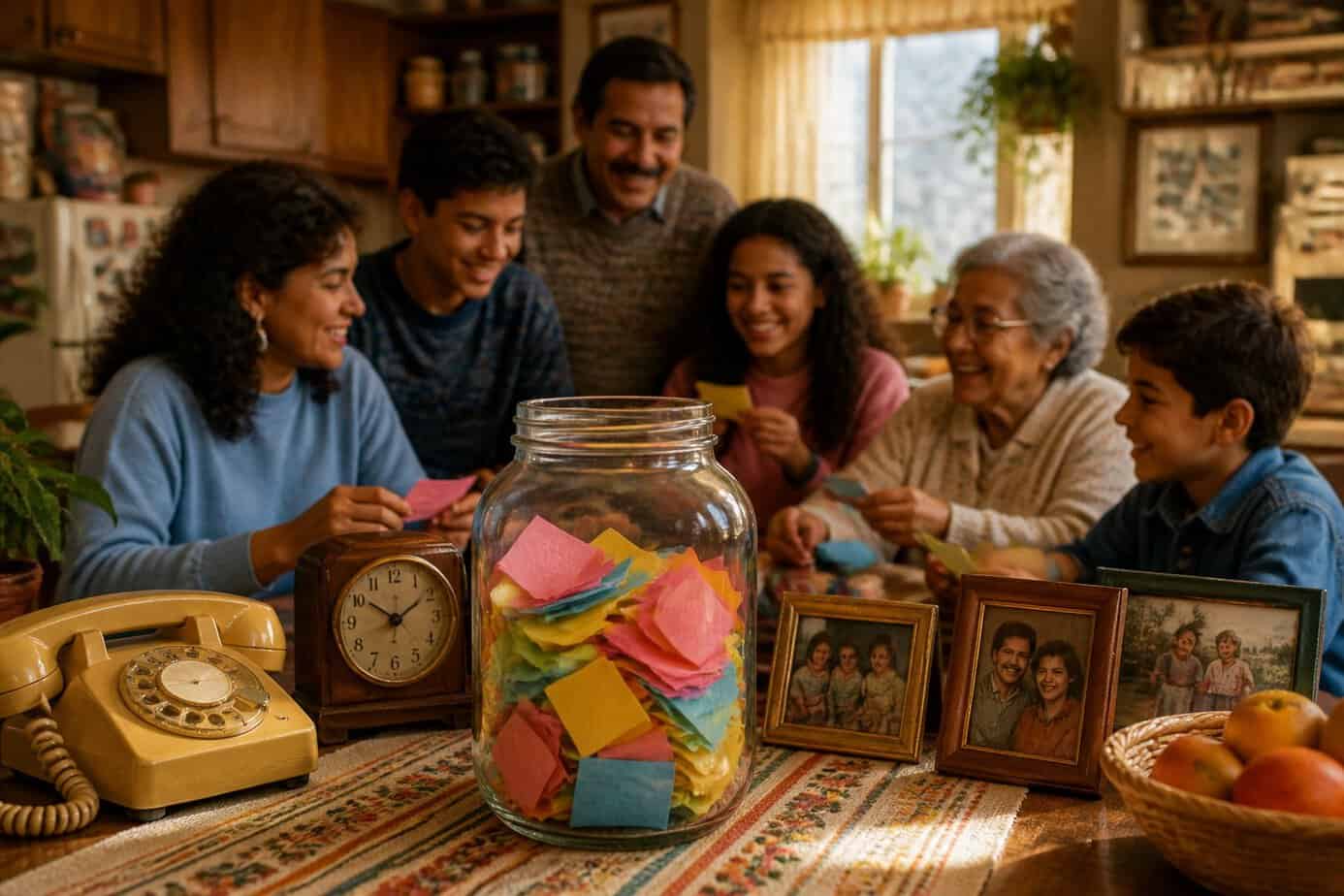
Many 1980s families kept a mason jar in the kitchen filled with folded paper slips. Each family member could write down activity suggestions throughout the week. When Friday arrived, someone would pull a slip from the jar to decide the weekend plans.
This simple system eliminated the weekly debate about what to do together. Kids felt heard because their ideas had equal chance of being chosen. Parents appreciated having a ready list of options instead of scrambling for plans.
The jar worked because it was always accessible. You could add ideas whenever inspiration struck, not just during family meetings. Some families decorated their jars, while others used plain ones from the pantry.
This tradition created anticipation throughout the week. Everyone looked forward to the Friday evening draw that would shape their weekend together.
The Cultural Context of 1980s Family Life
The 1980s household operated within distinct social patterns and technological shifts that made weeknight routines both structured and memorable. Families balanced traditional values with new consumer technologies that were just beginning to reshape domestic life.
Social Trends That Shaped Household Routines
The 1980s marked a period when dual-income households were becoming more common, yet family dinners remained a priority for most American homes. Parents typically worked standard 9-to-5 schedules with limited overtime expectations, allowing for predictable evening routines.
The decade emphasized structured family time without the constant connectivity that would come later. You couldn’t check work emails at home or receive calls outside of landline hours. This natural boundary between work and home life created space for regular family interactions.
Neighborhoods functioned as extended social networks. Children played outside until streetlights came on, and parents knew their neighbors well enough to watch each other’s kids. This community structure supported weeknight traditions because families could rely on informal support systems.
Television programming reinforced family-oriented content with shows that aired at specific times, creating shared cultural experiences. The limited entertainment options meant families often gathered around the same activities rather than dispersing to individual devices.
Influence of Technology and Media on Evening Rituals
Home technology in the 1980s was simple and centralized. Most households had one television, one telephone, and perhaps one family computer by the late decade. This centralization naturally brought family members together in shared spaces.
The VCR revolutionized evening entertainment by allowing families to rent movies for Friday or weekend viewing. Video rental stores became weekly destinations, and choosing a film together was its own tradition. Recording television shows meant you could watch programs on your schedule, though most families still watched at air time.
Cable television expanded from limited availability to widespread adoption during this decade. MTV launched in 1981, and specialized channels gave families more viewing options while still maintaining appointment viewing for favorite shows.
Home computers like the Commodore 64 and early Apple models entered households primarily as educational tools and gaming devices. Parents often supervised computer time, and the whole family might gather to watch someone play a game or work on a school project.
Lasting Benefits of Consistent Evening Routines
Regular evening traditions create measurable improvements in family relationships and child behavior patterns, while also adapting effectively to contemporary lifestyles without losing their core value.
Impact on Family Bonds and Child Development
Dedicated evening time together strengthens parent-child attachment through predictable, positive interactions. Children who experience consistent evening routines show better emotional regulation and fewer behavioral problems at school.
Research indicates that children with structured evening schedules demonstrate improved academic performance and sleep quality. The predictability helps reduce anxiety and creates a sense of security that extends into other areas of life.
Key developmental benefits include:
- Enhanced communication skills from regular family conversations
- Stronger problem-solving abilities through shared activities
- Increased emotional intelligence from observing family dynamics
- Better time management skills learned through routine adherence
The practice of sitting together regularly builds trust and opens communication channels. You create natural opportunities for children to share concerns or successes without the pressure of formal discussions.
Modern Adaptations of Classic Traditions
Traditional 1980s evening practices translate effectively into current schedules with minor adjustments. Screen-free dinner times now mean placing phones in another room rather than turning off the television alone.
Board game nights have expanded to include video games played together in the same room. The core principle remains unchanged: shared engagement rather than parallel activities.
You can maintain the spirit of designated family time by blocking calendar notifications during specific hours. Many families now use Sunday meal prep sessions to preserve the weeknight dinner tradition despite busier schedules.
The practice of setting aside work materials after certain hours continues through digital boundaries. Enabling “do not disturb” modes serves the same purpose as leaving briefcases by the door once did.


