
27 Things Moms Never Had to Buy in the 1980s Until Social Media Came Along: How Marketing Changed Parenting Forever
Would you like to save this?
Parenting in the 1980s operated on a simpler economic model. Moms raised their children without the constant pressure to purchase products they discovered through social media algorithms, influencer partnerships, or viral trends. The baseline necessities of childcare remained consistent, but the add-ons were minimal.
Social media platforms introduced an entirely new category of parenting expenses that didn’t exist before the digital age. From aesthetic milestone documentation to subscription services marketed through targeted ads, modern parents face purchasing decisions their 1980s counterparts never encountered. These products aren’t traditional necessities but have become normalized through online visibility and peer comparison.
The financial gap between raising children then and now extends beyond inflation. You’re navigating a marketplace shaped by Instagram aesthetics, TikTok trends, and Pinterest standards that create perceived needs rather than actual ones. Understanding what previous generations managed without helps clarify which modern purchases stem from genuine necessity versus digital marketing influence.
1. Instagram-worthy staged milestone photoshoots

In the 1980s, your mom captured baby milestones with a simple snapshot from the family camera. She didn’t hire professional photographers for monthly updates or invest in elaborate props and backdrops.
The pressure to document every moment didn’t exist before social media platforms created an expectation for polished, professional-looking content. Your parents recorded first steps and birthdays without needing themed decorations, matching outfits, or picture-perfect settings.
Today’s moms spend money on monthly milestone boards, specialized props, and coordinated clothing sets that didn’t exist in the 80s marketplace. Professional newborn photography sessions with multiple outfit changes and artistic poses have become standard expenses.
Back then, candid photos in everyday settings were enough. Your mom didn’t feel compelled to create content or compete with carefully curated feeds showing other families’ highlight reels.
2. Pinterest-inspired themed birthday party supplies

In the 1980s, you threw a birthday party with homemade cake, balloons from the grocery store, and maybe some streamers. That was enough.
Today, Pinterest has transformed birthday parties into elaborate themed productions. You now feel pressure to purchase coordinated decorations, custom banners, milestone balloons, and specialty tableware that match a specific aesthetic. The platform showcases perfectly curated celebrations that make simple parties feel inadequate.
Your mom never browsed hundreds of 1980s party supply ideas or felt compelled to buy cassette tape centerpieces and neon backdrops. She didn’t spend hours planning coordinated color schemes or searching for era-specific props.
The expectation to create Instagram-worthy celebrations means you’re buying products that didn’t exist as consumer necessities before. Social media turned basic birthday gatherings into events requiring specialized supplies and significant financial investment.
3. Momfluencer-grade ring light
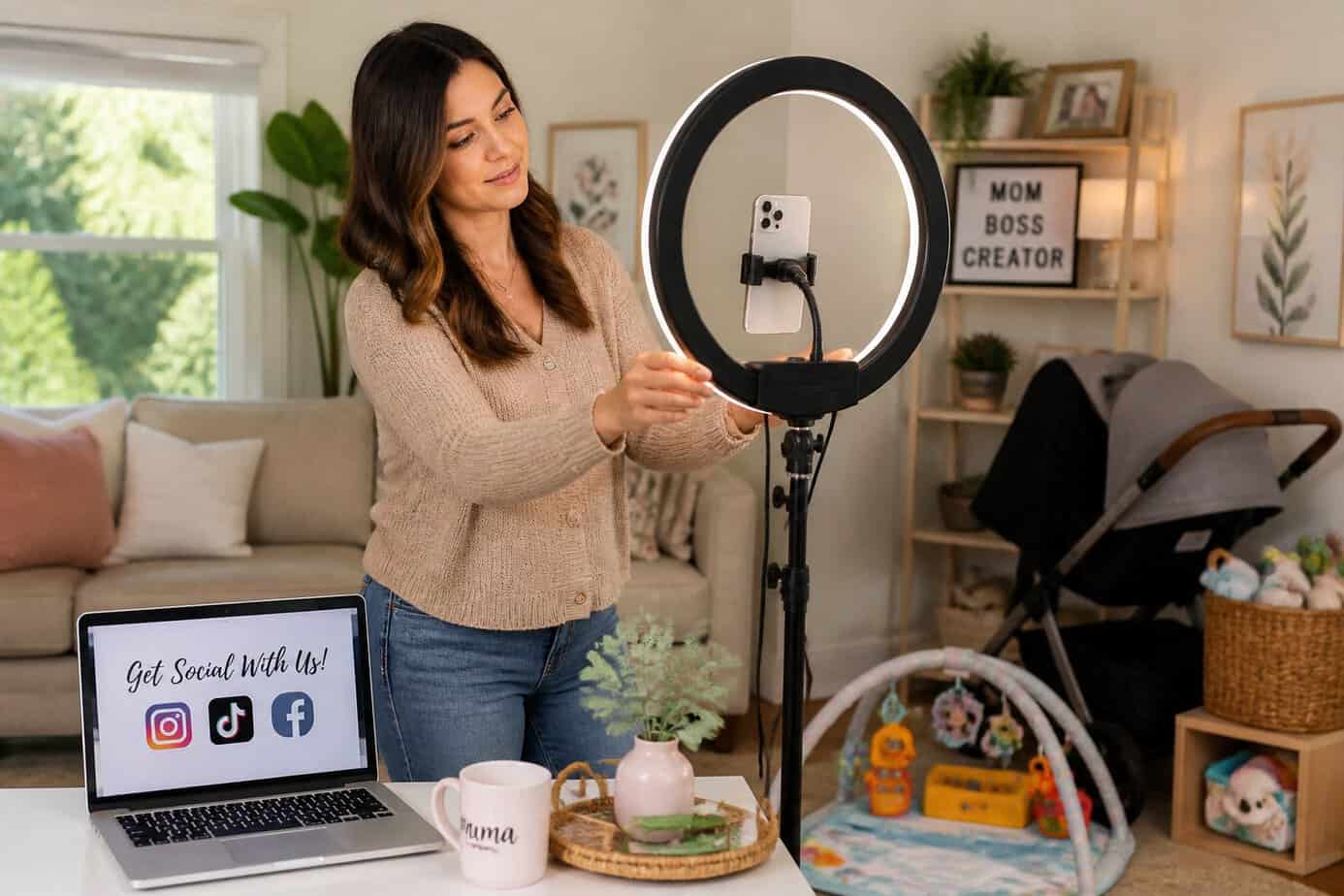
Your mother never needed professional lighting equipment to document her parenting. She took snapshots with a basic camera and moved on with her day.
Today’s mothers face different expectations. Momfluencers are mothers who share content on social media platforms like Instagram and TikTok, often monetizing their posts through affiliate marketing and brand partnerships. Research from Carleton University found that digital influence relies on promoting an idealized version of motherhood.
To achieve the polished aesthetic that performs well on social media, many mothers now purchase ring lights. These circular LED fixtures create flattering, shadow-free lighting for photos and videos. What was once equipment reserved for professional photographers has become a common household item.
Your purchase decision likely stems from seeing other mothers’ well-lit content online. The 1980s mother simply didn’t have this comparison point or pressure to produce studio-quality content from home.
4. Custom hashtag merchandise (e.g., #MomLife T-shirts)
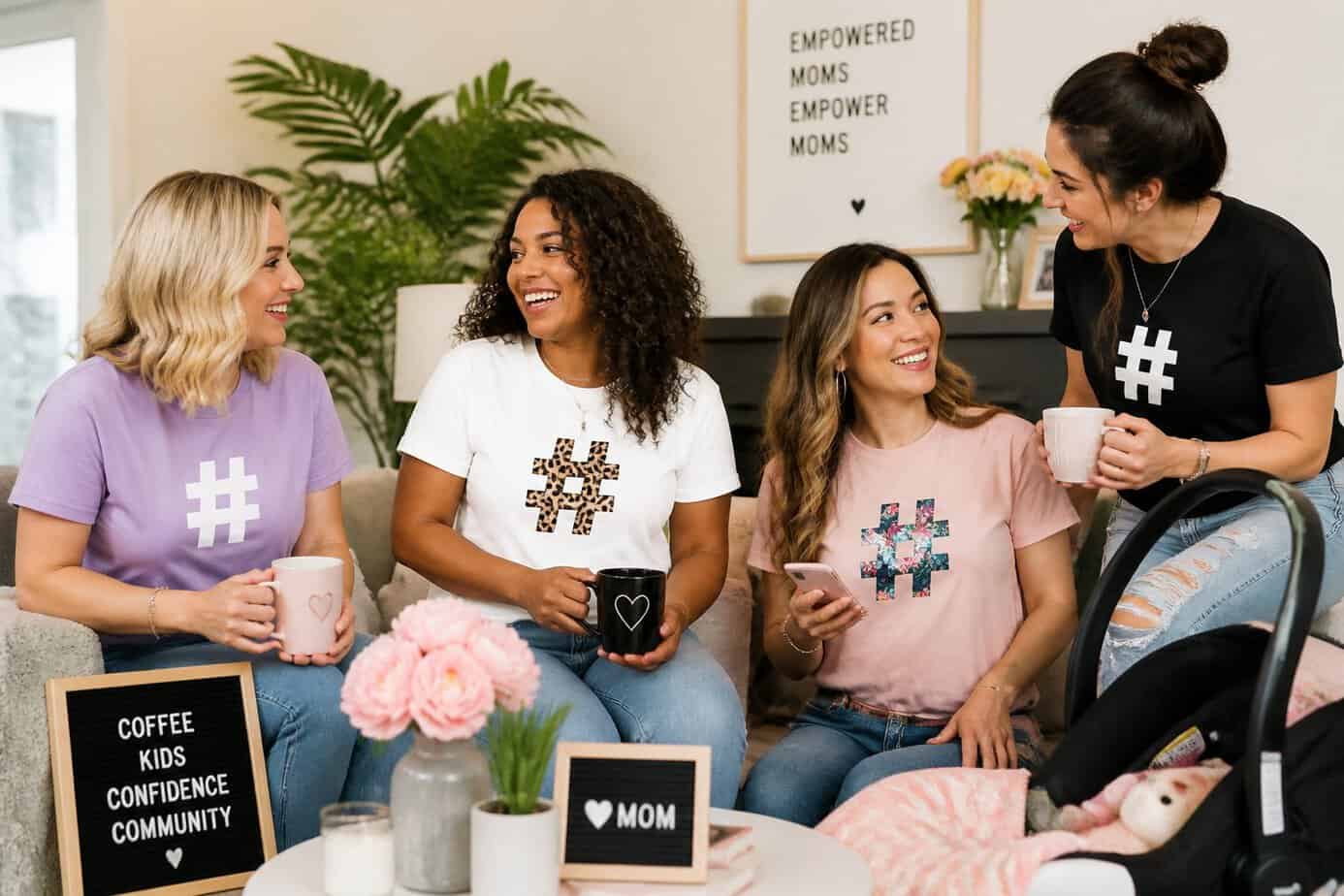
In the 1980s, moms wore regular t-shirts without slogans announcing their parenting status. Social media platforms introduced hashtags in the 2000s, and by the 2010s, terms like #MomLife became widespread identifiers for mothers online.
This digital trend spawned an entire merchandise industry. You can now find t-shirts, hoodies, mugs, and home decor emblazoned with #MomLife and similar hashtags. Independent artists and major retailers sell these items through platforms like Etsy, Amazon, and Redbubble.
The merchandise ranges from simple text designs to elaborate graphics celebrating motherhood’s challenges. Some shirts embrace humor about sleep deprivation and chaos, while others feature faith-based messaging.
Your mother didn’t need clothing to broadcast her mom status to strangers. The hashtag merchandise phenomenon exists purely because social media created these digital identifiers, which then jumped from screens to wardrobes.
5. Blue light blocking glasses marketed for kids

In the 1980s, children spent far less time staring at screens. Computers were rare in homes, and smartphones didn’t exist. Today’s kids use tablets for homework, play games on devices, and attend virtual classes.
Blue light blocking glasses for children have become a booming market. These specialized glasses claim to filter out blue light from digital screens, potentially reducing eye strain and sleep disruption. You’ll find thousands of options marketed specifically for kids, with flexible frames and colorful designs.
Manufacturers promote these glasses as essential protection for young eyes exposed to screens for hours daily. Some brands offer daytime versions for computer use and nighttime versions to support better sleep patterns.
Your parents never considered buying special eyewear just for screen time. The need simply didn’t exist when outdoor play dominated childhood and screen exposure was minimal.
6. Meal-prep subscription boxes (e.g., HelloFresh)

In the 1980s, moms planned meals from cookbooks or recipe cards passed down through families. You bought ingredients at the grocery store and figured out portions yourself.
Today’s meal kit services like HelloFresh and Blue Apron deliver pre-portioned ingredients with recipe cards directly to your door. These subscriptions became popular through social media marketing and influencer partnerships that didn’t exist decades ago.
The concept targets busy parents who want convenience without sacrificing home-cooked meals. You’re essentially paying for the planning and portioning work your mother did herself.
While these boxes save time on meal planning and shopping, they represent another recurring expense that previous generations managed without. The 1980s mom would have considered this an unnecessary cost when she could accomplish the same task with a weekly grocery trip and her recipe collection.
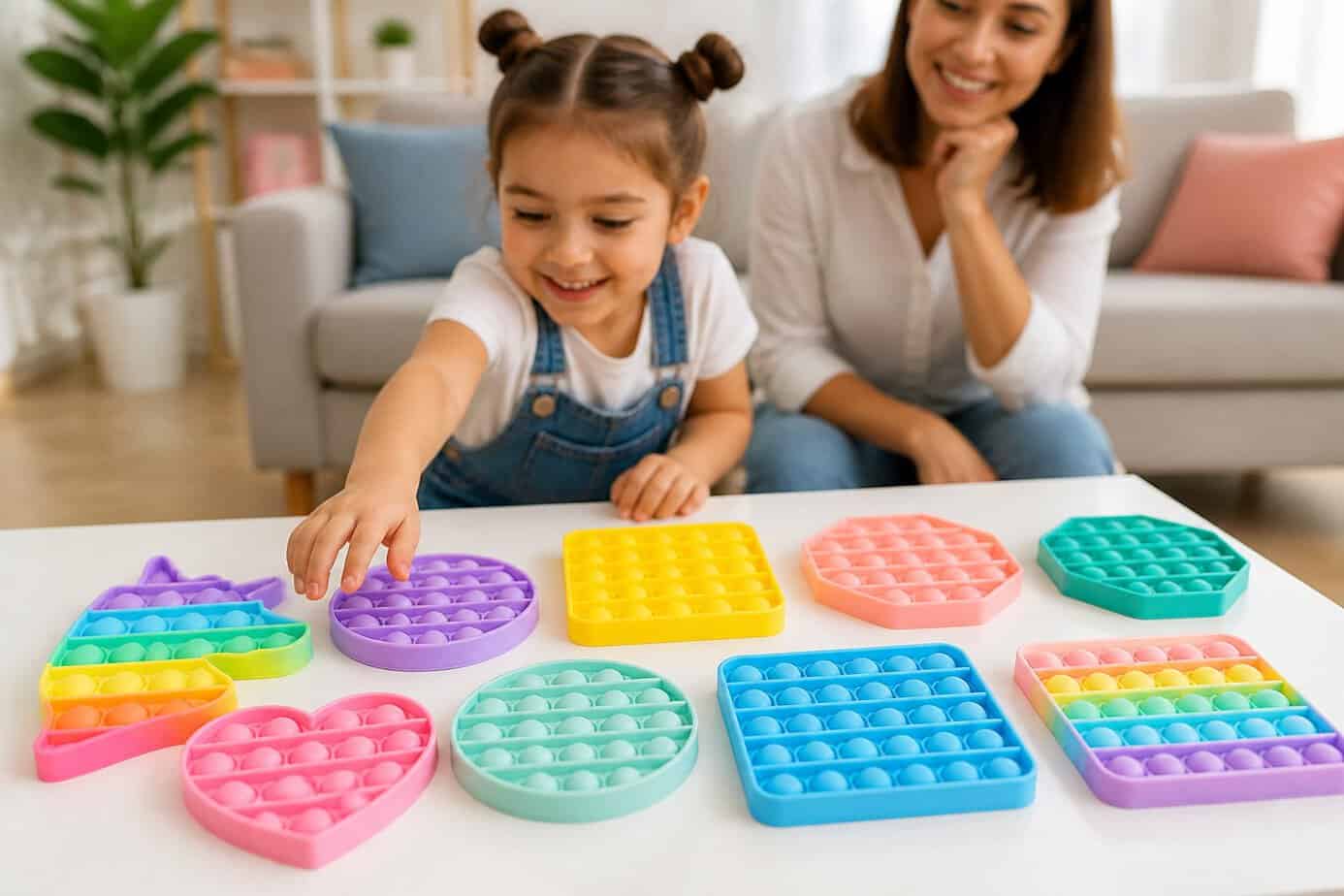
7. TikTok viral toy clones (e.g., Pop It knockoffs)
In the 1980s, you bought toys from store shelves or catalogs. There was no algorithm pushing trending fidget toys into your daily feed.
Today, your kids see a viral sensation like Pop Its or Labubu on TikTok and immediately add it to their wish list. The problem isn’t just the original toy. It’s the dozens of knockoff versions that flood online marketplaces within days of something going viral.
You’re now navigating a marketplace filled with counterfeit versions of whatever toy is trending that week. Some knockoffs are harmless imitations, while others are poorly made products that break quickly or fail safety standards.
Your mother never dealt with identifying authentic toys versus fake versions of viral sensations. She didn’t face the pressure of kids requesting specific items they watched strangers unbox in 15-second videos.
8. Sponsored “cleaning hack” single-use cleaning products
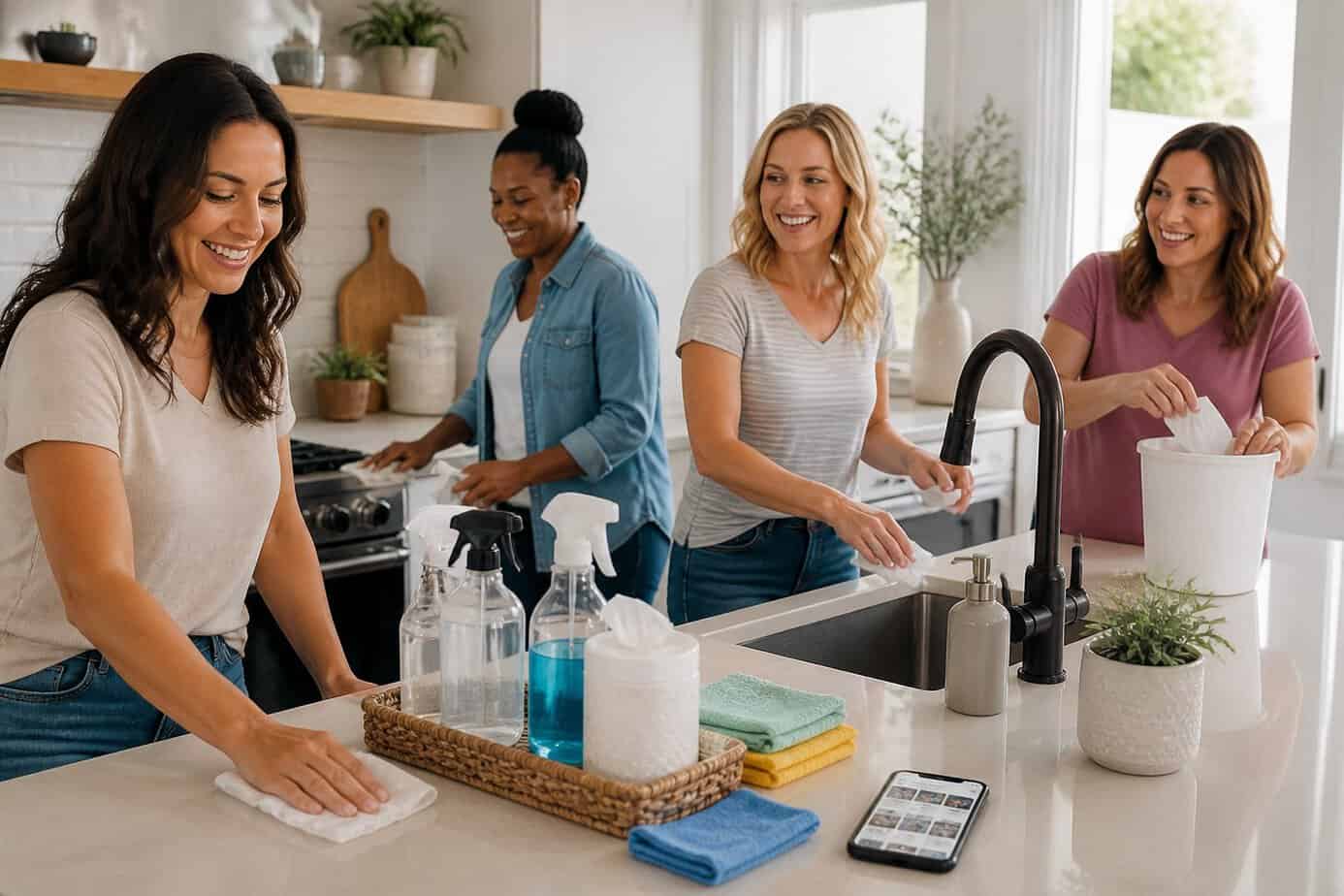
In the 1980s, your mom cleaned with basic supplies like vinegar, baking soda, and all-purpose cleaner. She didn’t buy specialized products for every surface or task.
Social media changed this by promoting viral cleaning hacks that often require specific single-use products. These sponsored posts disguise advertisements as helpful tips, encouraging you to purchase items you don’t actually need.
TikTok and Instagram influencers demonstrate cleaning methods that look impressive but typically involve buying branded pods, wipes, or specialty solutions. Many of these products accomplish what traditional cleaners already do.
Your mother’s generation simply wasn’t exposed to this constant stream of product-based cleaning content. They made do with fewer items and achieved clean homes without the marketing pressure that now comes through your social media feeds.
9. Affiliate-linked parenting e-books with opt-in lists

In the 1980s, you learned parenting tips from books, magazines, or family members. No one asked for your email address in exchange for a free guide.
Today’s parenting landscape includes digital products designed to build email lists. Bloggers and influencers offer free e-books about sleep training, potty training, or meal planning. You provide your email to download them.
These e-books often contain affiliate links to products or courses. The creator earns commissions when you purchase through those links. Your inbox then receives promotional emails for baby products, parenting courses, or family services.
This marketing model didn’t exist before social media created platforms for mom bloggers and parenting influencers. Your mother simply bought a parenting book from a bookstore without joining a mailing list or encountering affiliate promotions.
10. Micro-influencer brand-collaboration diaper bags

In the 1980s, you grabbed a basic diaper bag from the local department store without a second thought. Today, brands like MINA BAIE, Caraa, and HAPP have transformed diaper bags into luxury accessories promoted through micro-influencer partnerships.
These collaborations create demand for premium bags that cost significantly more than their vintage counterparts. You’ll find influencers showcasing sleek designs with “smart compartments” and “everyday functionality” across social media platforms.
Brands work with micro-influencers to reach specific parenting communities, making these bags feel essential rather than optional. Previous generations carried simple vinyl or canvas bags that served the same basic purpose. The difference now is the marketing strategy that positions designer diaper bags as status symbols among modern parents.
You’re paying for branding and influencer partnerships as much as the product itself.
11. Customized milestone boards sold on Etsy
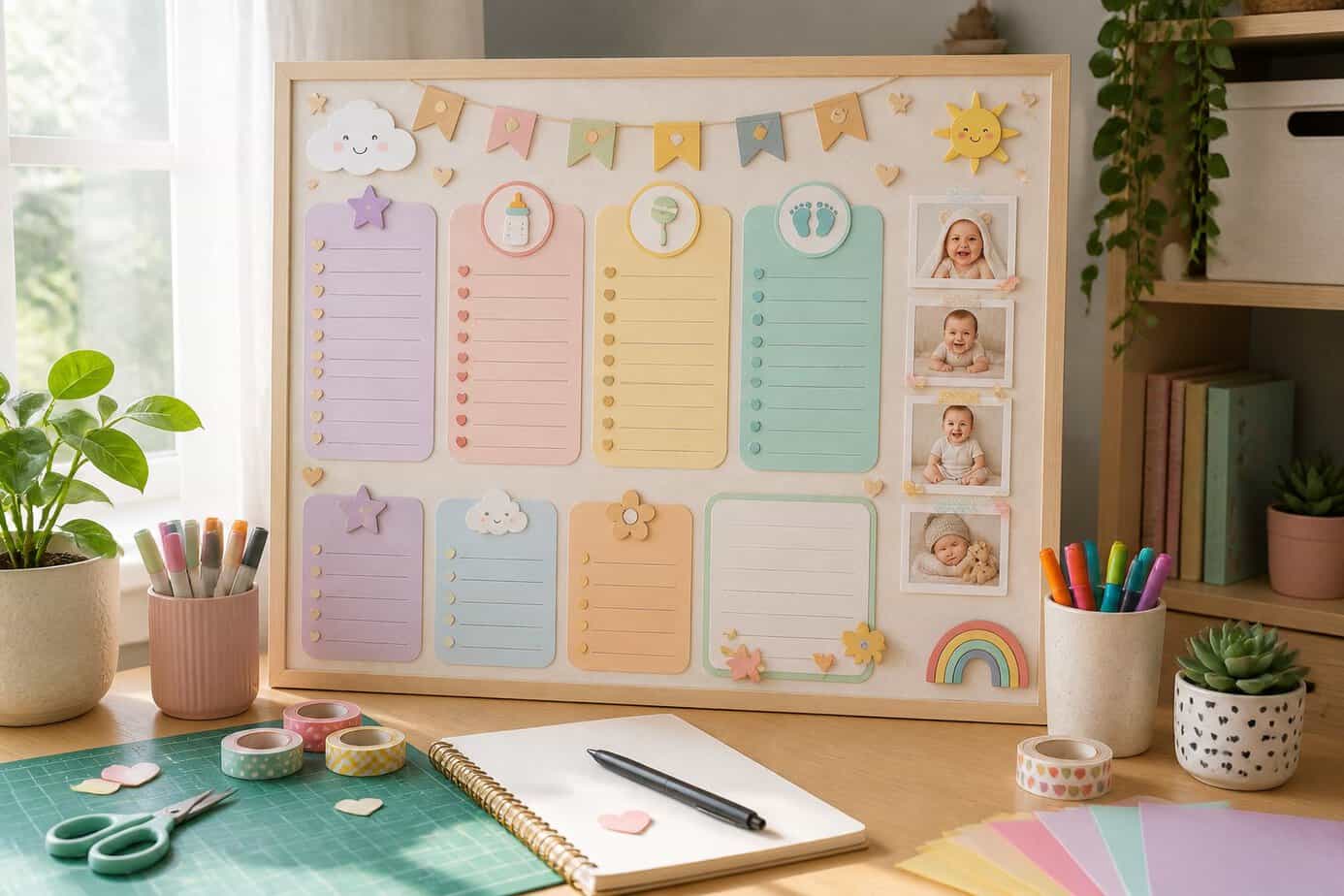
In the 1980s, moms documented their children’s growth with simple photographs or handwritten notes in baby books. Today, you’re expected to create picture-perfect moments with customized milestone boards for every occasion.
These personalized boards feature your child’s age, weight, favorite activities, and other details. You can find them on platforms like Etsy, where sellers offer handmade designs for first birthdays, monthly updates, and school years.
The boards come in countless themes and styles, from chalkboard aesthetics to strawberry motifs. Many parents feel pressure to purchase these props to keep up with what they see in their social media feeds.
Your mother likely never considered buying specialized boards to photograph your milestones. A simple snapshot was enough to preserve memories without the added expense or staging effort.
12. Subscription craft kits for kids (e.g., KiwiCo)

In the 1980s, your kids made do with basic art supplies from the local store or whatever you had around the house. Craft time meant pulling out construction paper, glue, and markers you bought once and used until they ran out.
Today, companies like KiwiCo deliver monthly boxes filled with pre-planned projects, specialized materials, and detailed instructions. These subscription services provide STEM activities, art projects, and educational content designed for specific age groups. Each box costs between $20 and $40 per month.
Your mother never subscribed to anything for entertainment. She simply handed you supplies and let you figure out what to create. The constant stream of curated activities didn’t exist, and kids learned to be creative with whatever materials were available at home.
13. Influencer-recommended probiotic gummies for toddlers

Would you like to save this?
In the 1980s, you didn’t scroll through social media seeing parenting influencers promote specialized supplements for your toddler’s gut health. Kids ate yogurt and that was about it.
Today’s probiotic gummy market for children barely existed back then. You’ll now find countless options marketed through Instagram posts and TikTok videos, from Bacillus subtilis DE111 strains to multi-strain formulas combined with prebiotics and postbiotics.
These products typically cost between $15 and $30 per bottle. Many parents purchase them after seeing influencer recommendations highlighting digestive support and immune function benefits.
Your mother likely never considered whether your childhood diet needed supplemental beneficial bacteria in candy form. The concept of researching probiotic strains, CFU counts, and whether to choose gummies versus powders simply wasn’t part of 1980s parenting vocabulary.
14. Branded foam play mats marketed on social
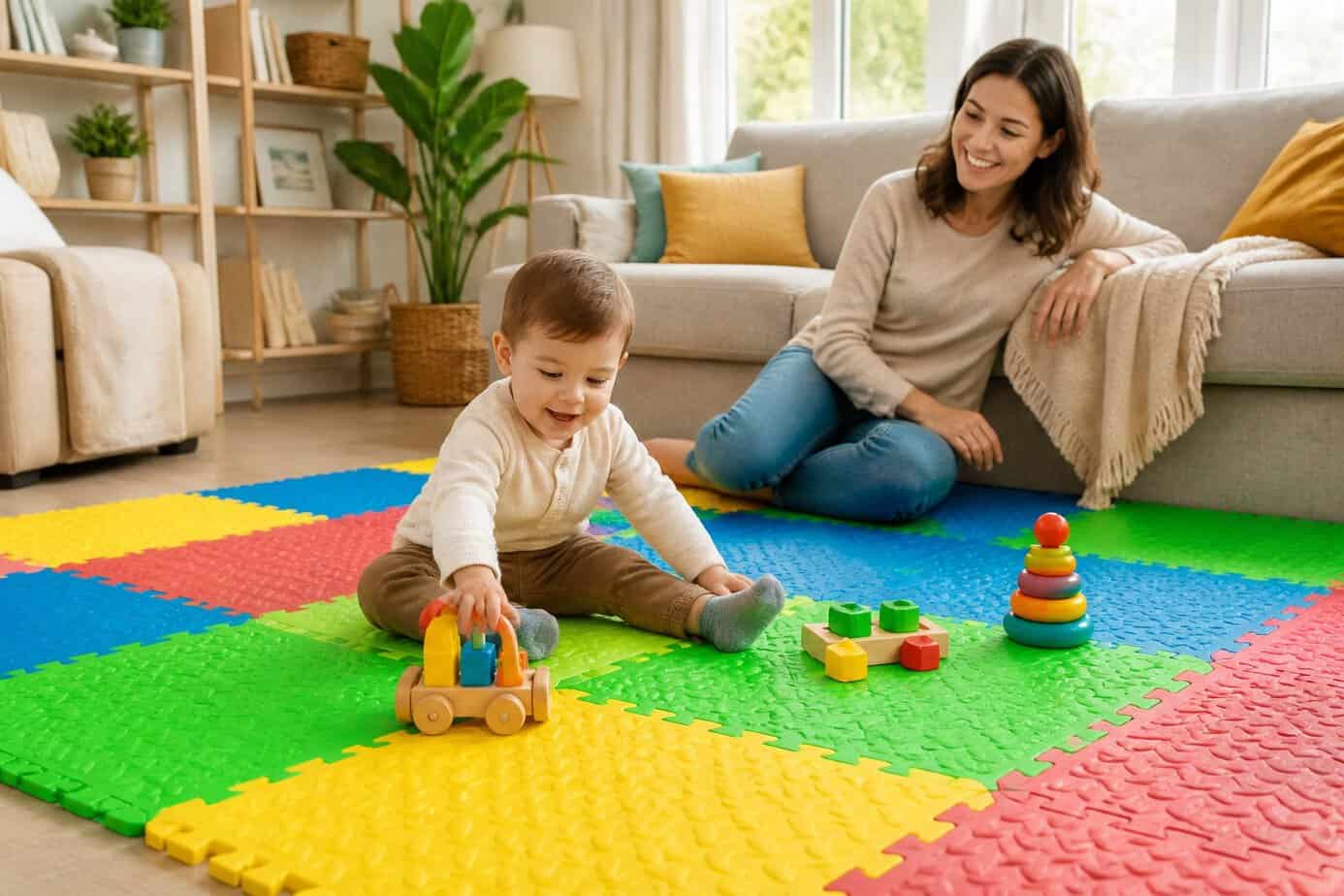
In the 1980s, babies played on carpet, blankets, or whatever flooring you had. There was no expectation to purchase specialized foam mats for everyday play.
Today’s parents encounter constant marketing for premium branded play mats through Instagram and Facebook ads. Companies position these products as essential safety items rather than optional accessories. You’ll see influencers showcasing aesthetically pleasing mats that coordinate with home décor, priced anywhere from $100 to over $200.
These foam mats promise non-toxic materials and modern designs that blend seamlessly with your living space. Social media has transformed a simple play surface into a curated lifestyle product.
Your parents likely never considered flooring inadequate for tummy time. The rise of these marketed solutions reflects how social platforms create new categories of “necessary” purchases that previous generations managed without.
15. Paid Facebook group memberships for parenting advice

In the 1980s, moms turned to pediatricians, family members, or parenting books when they needed advice. You didn’t pay monthly fees to access expert guidance or community support.
Today, paid Facebook groups have become a billion-dollar industry. You can find specialized communities for nearly every parenting situation, from sleep training to managing teen challenges. Some groups charge anywhere from $10 to $50 per month for access to exclusive content and expert moderators.
While many free parenting groups exist on Facebook, premium memberships promise faster responses, verified information, and smaller communities. Your mother never needed to budget for online parenting advice subscriptions. She managed perfectly well with phone calls to friends and her pediatrician’s office hours.
16. YouTube nursery playlist subscriptions
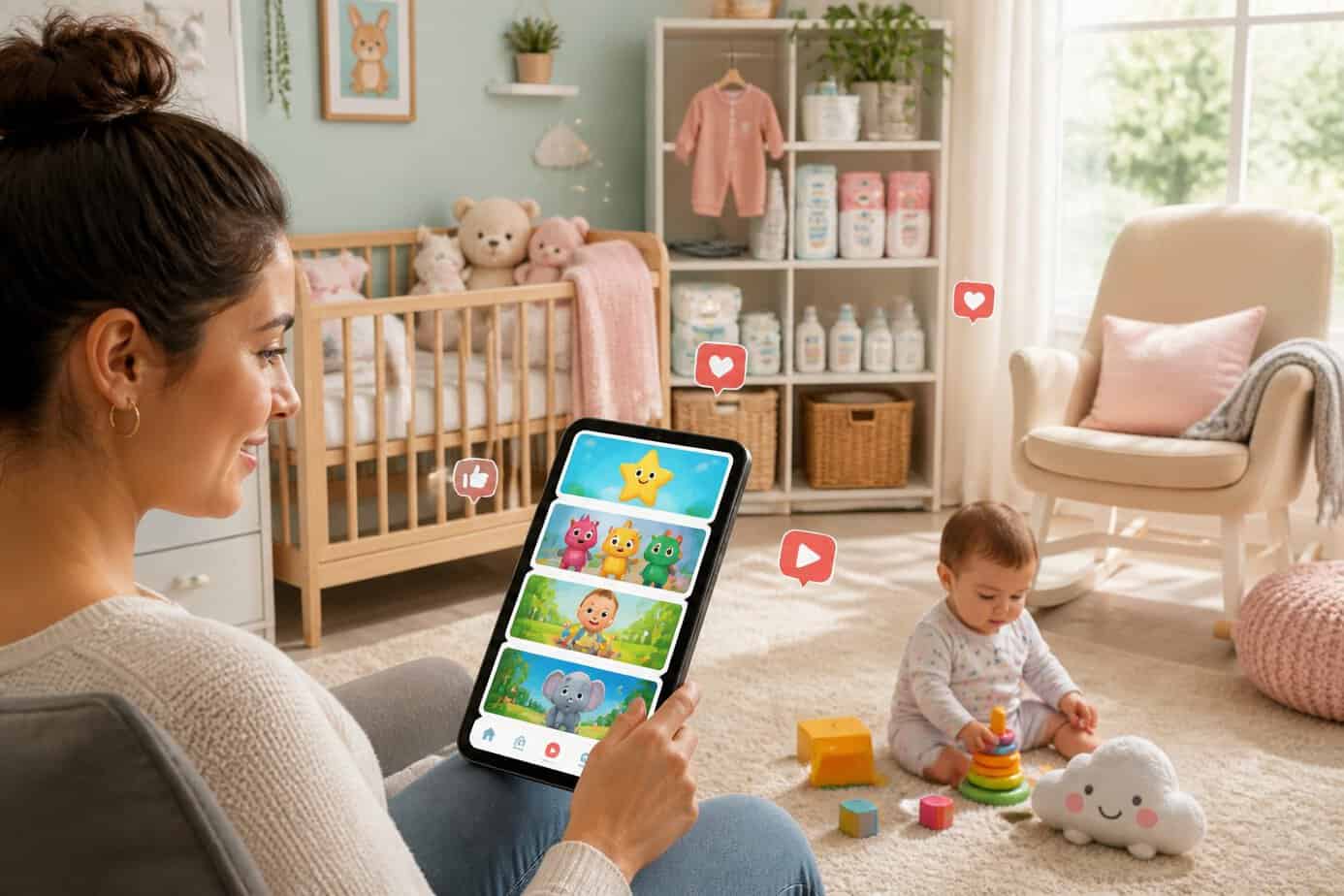
In the 1980s, you sang nursery rhymes to your children from memory or played simple cassette tapes. There was no need to subscribe to anything.
Today, channels like Super Simple Songs and Bounce Patrol dominate screens with animated nursery rhymes and educational content. You might feel pressured to access premium playlist subscriptions for ad-free viewing or exclusive songs.
Your mother never worried about curating the perfect digital music collection for your development. She simply sang “Twinkle, Twinkle Little Star” without needing an internet connection or monthly fee.
The expectation that children need constant access to professionally produced musical content is entirely new. You’re now navigating subscription services and screen time decisions that didn’t exist in previous decades. The financial cost adds up when multiple streaming platforms compete for your attention.
17. Instagram-curated capsule wardrobe bundles
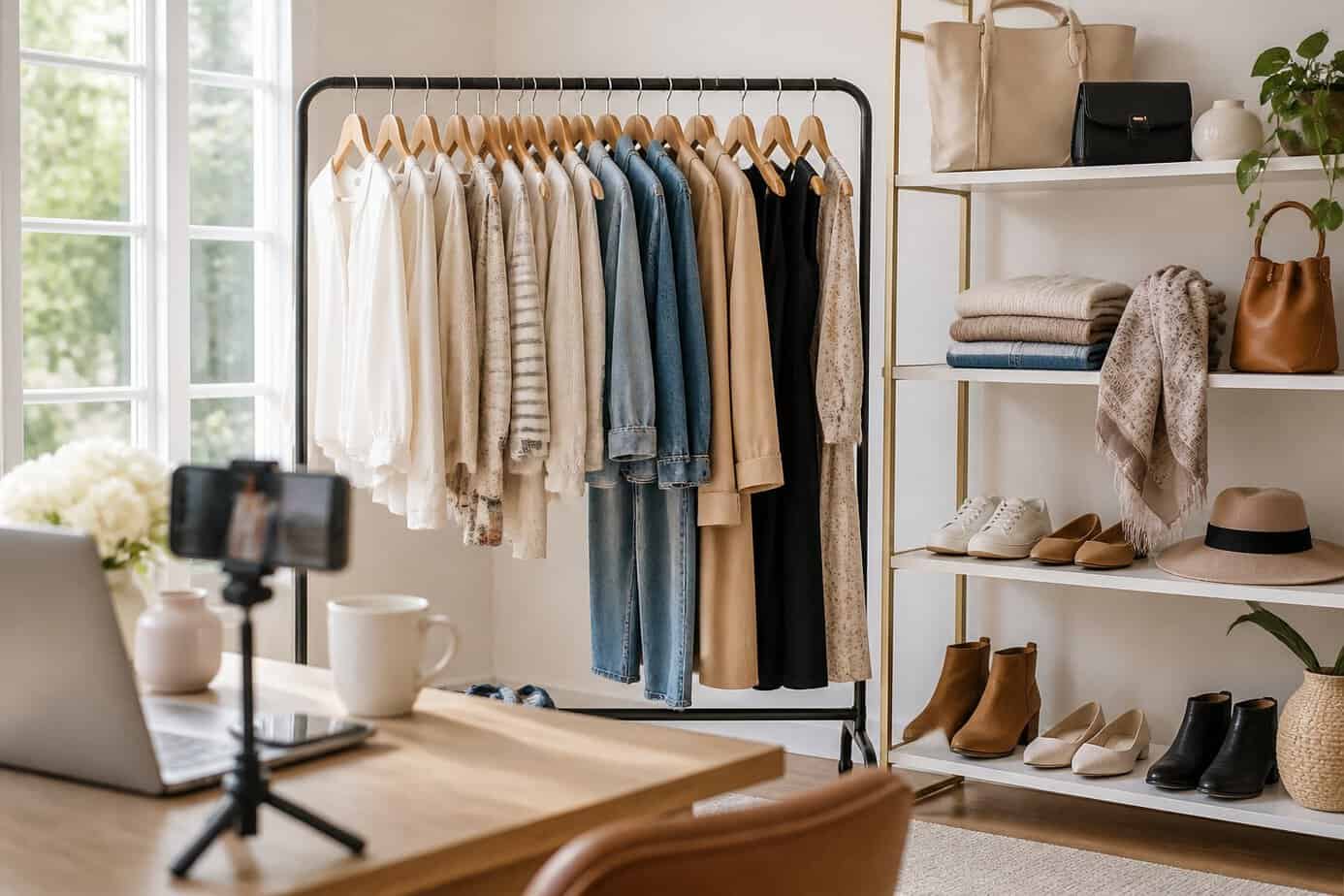
In the 1980s, you bought clothes as you needed them or found pieces you liked. There was no concept of purchasing a pre-selected “capsule wardrobe” as a complete package.
Social media platforms now showcase carefully curated wardrobe collections that promise to simplify your life. These bundles typically include 15-20 coordinating pieces selected by influencers or styling services. You can purchase them as complete sets rather than building your own wardrobe organically.
The capsule wardrobe concept existed before Instagram, but the platform transformed it into a purchasable product. Companies now sell premade collections marketed specifically to moms, eliminating the need to choose individual items yourself.
Your mother simply shopped for clothes when she needed them. She didn’t feel pressure to buy an entire coordinated system at once based on what influencers wore online.
18. Paid shoutout posts from parenting accounts

In the 1980s, word-of-mouth recommendations from other parents happened naturally at playgrounds and PTA meetings. You didn’t pay for them.
Today’s social media landscape has created a marketplace where parenting influencers charge fees for shoutout posts. These paid promotions involve larger parenting accounts sharing your content, product, or profile with their followers in exchange for money.
The practice emerged as Instagram and other platforms became central to how parents discover products and services. Brands and smaller accounts now budget for these promotional posts to reach target audiences.
You can find rates varying widely based on follower counts and engagement metrics. Some parenting accounts have turned shoutouts into their primary revenue stream. This transaction-based promotion system simply didn’t exist before social media created these digital marketplaces for parental influence.
19. ASMR bedtime audio files sold online

In the 1980s, you simply tucked your kids into bed without purchasing specialized audio content. Today, parents buy ASMR bedtime files designed to help children fall asleep through whispered voices and soft sounds.
These digital products range from free content to paid downloads and subscription services. Content creators produce recordings featuring tapping, brushing sounds, and gentle storytelling specifically marketed for bedtime use.
Social media platforms introduced parents to ASMR content and created demand for these products. You can now find dedicated channels, podcasts, and audiobooks focused on sleep-inducing sounds. Companies like Emma WhispersRed offer books and audio files targeting parents seeking bedtime solutions.
This represents another digital purchase that didn’t exist in your childhood. Your parents managed bedtime routines without downloading audio files or subscribing to specialized content channels.
20. Mompreneur digital printable planners

In the 1980s, mothers who ran businesses from home used standard paper calendars and notebooks. The term “mompreneur” didn’t exist yet, and neither did the specialized digital planners designed for this demographic.
Today’s market offers countless digital planners specifically marketed to mom entrepreneurs. These products combine business tracking tools with family management features like meal planners and chore schedules. You can find them as downloadable PDFs or editable templates in platforms like Canva.
The planners often include social media tracking sheets, content calendars, and revenue trackers alongside traditional family organization tools. Many are sold with resale rights, creating another layer of digital products that didn’t exist before.
Your mother managed her household and any business ventures with basic paper systems. She didn’t spend money on branded digital downloads tailored to the “mompreneur” identity that social media helped create.
21. Sponsored “detox” tea blends aimed at busy moms

You didn’t see detox teas marketed to mothers in the 1980s because social media didn’t exist to promote them. These products gained popularity around 2016 when influencers began advertising them on platforms like Instagram.
The teas are marketed as natural solutions for weight loss and cleansing. They typically contain ingredients like oolong tea, ginger, and senna leaf. Many brands use celebrity endorsements to reach their target audience of busy mothers looking for quick health solutions.
Health experts have raised concerns about these products. The Federal Trade Commission has taken action against detox tea companies for misleading health claims. One brand paid $1 million after influencers failed to disclose paid promotions and made unsubstantiated health claims.
These teas are often just marketed laxatives. Your mother never needed to navigate these social media-driven products or question their legitimacy.
22. Custom newborn announcement templates
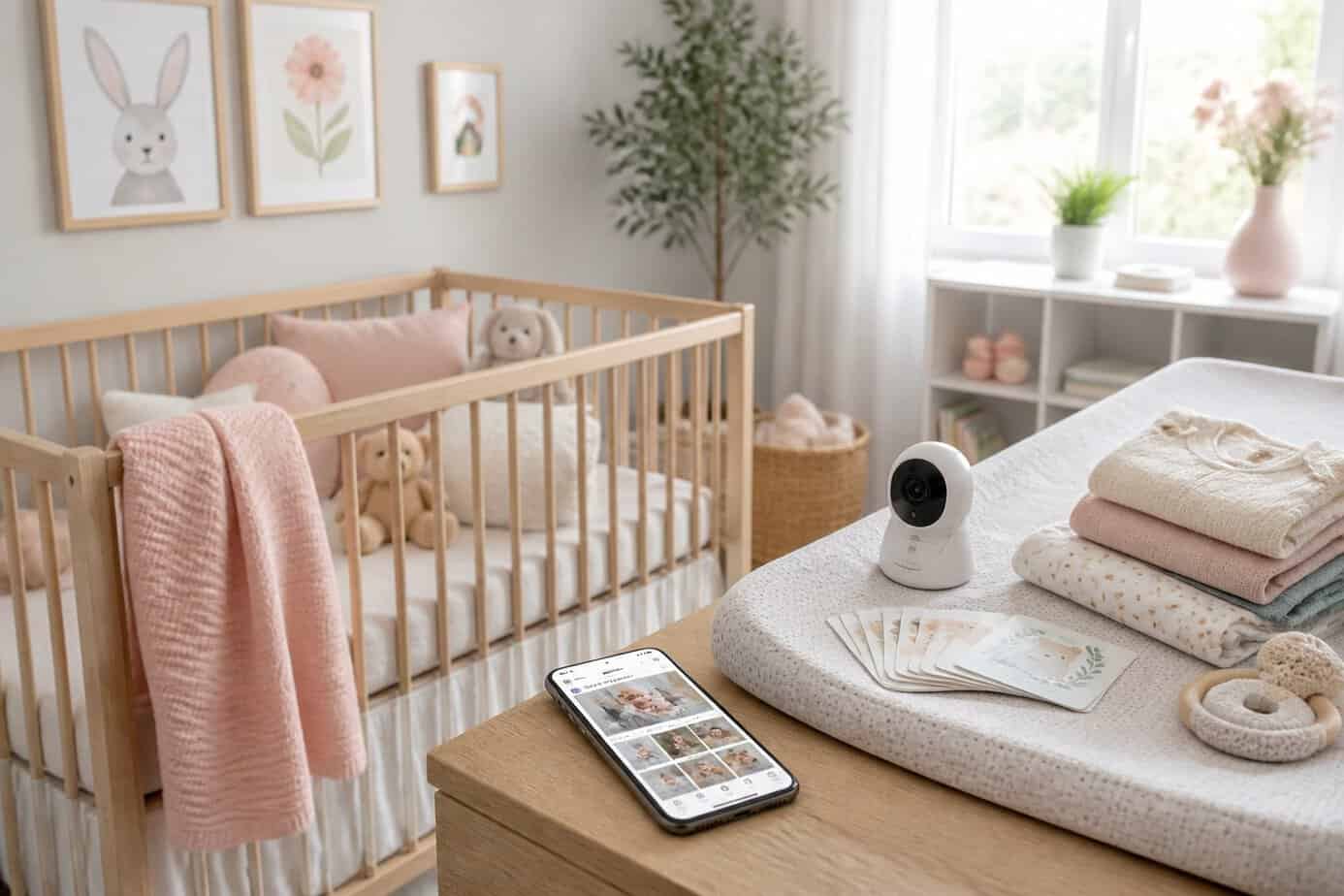
In the 1980s, you announced your baby’s arrival with a simple phone call or a basic card from the drugstore. Today, platforms like Canva, Adobe Express, and Etsy offer elaborate digital announcement templates that you can customize with specific fonts, colors, and professional layouts.
You now face pressure to create picture-perfect announcements for social media within hours of delivery. These templates often require photo editing skills and design decisions that weren’t part of motherhood three decades ago.
Many moms spend time selecting from dozens of styles, from boho to minimalist designs, when a handwritten note once sufficed. Services like Vistaprint and Minted have turned birth announcements into another purchase on your new parent checklist. Your mother simply made a few phone calls and moved on with her day.
23. Pinterest-curated nursery wall art prints

In the 1980s, you decorated your baby’s nursery with whatever was available at local stores or hand-me-down items from relatives. Wall art meant a single framed poster or perhaps some decals.
Today’s parents face pressure to create Pinterest-worthy gallery walls with coordinated vintage prints, woodland animal collections, and carefully curated color schemes. These digital downloads and custom art sets weren’t part of nursery planning three decades ago.
Social media platforms showcase elaborate nursery designs that make simple rooms feel inadequate. You now see parents purchasing multiple matching prints to achieve a specific aesthetic rather than hanging what they already owned.
The 1980s nursery was functional and sweet without requiring themed art collections. Your baby’s room didn’t need a cohesive visual story told through expensive wall prints.
24. Branded milestone sticker sets for monthly photos
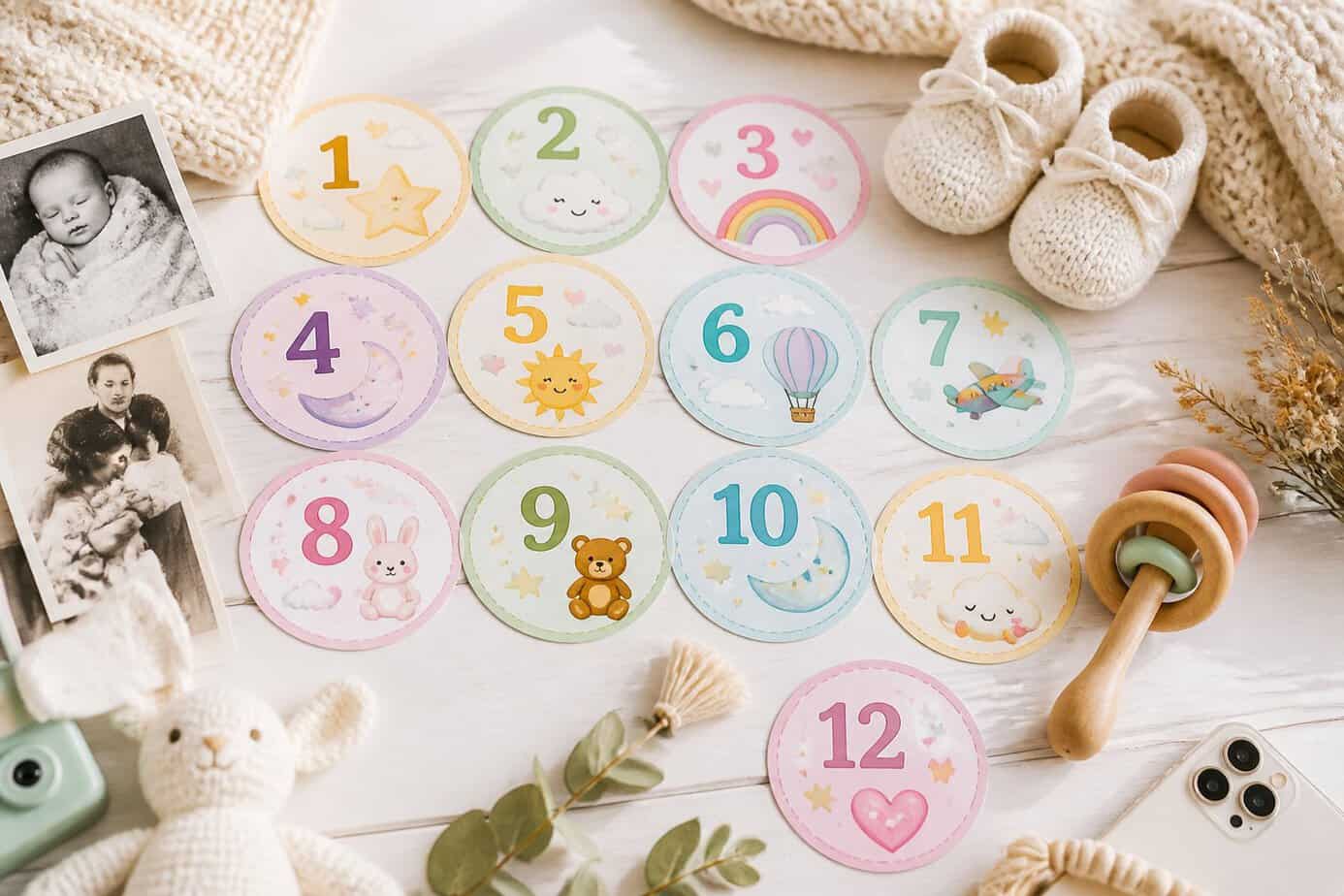
In the 1980s, you documented your baby’s first year with occasional snapshots. There was no pressure to create monthly photo series or track growth with matching props.
Today’s parents face expectations to purchase branded milestone sticker sets for documenting each month. These adhesive decals display your baby’s age and attach to clothing or backdrops for consistent monthly portraits. The practice emerged from social media, where sharing these uniform photo progressions became standard.
Your mother likely never considered buying specialized stickers just for photography. She took pictures when convenient, without coordinating accessories or maintaining visual themes.
Now you can find countless designs on Etsy, Amazon, and specialty sites. These sets often include holiday markers and achievement trackers alongside numbered months. While charming, they represent another product category that simply didn’t exist in previous decades.
25. Virtual sleep-coaching packages
Would you like to save this?
In the 1980s, moms relied on pediatricians, family advice, and parenting books when babies wouldn’t sleep. Professional sleep consulting didn’t exist as a commercial service.
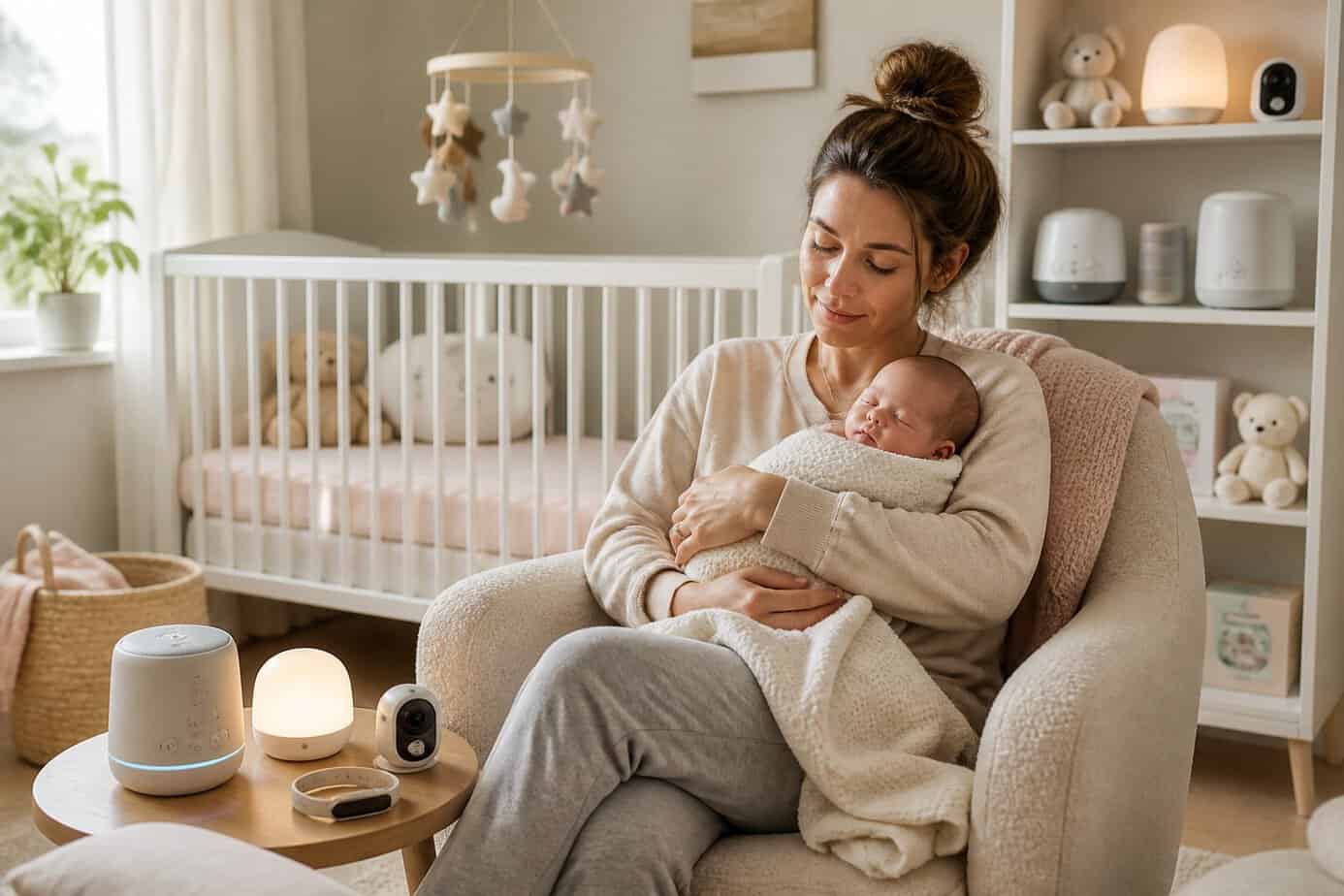
Today, virtual sleep-coaching packages have become a thriving industry. These services offer customized sleep plans, video consultations, and weeks of direct support through apps and video calls. Some packages include overnight virtual assistance and unlimited messaging with certified sleep consultants.
Social media amplified awareness of these services while creating pressure around infant sleep expectations. You’ll find sleep coaches advertising packages ranging from one-time consultations to comprehensive four-week programs.
Your grandmother managed sleepless nights without paid coaching services. The concept of hiring a professional to teach your baby to sleep independently wasn’t part of the parenting landscape three decades ago.
26. Influencer-endorsed baby milestone outfits
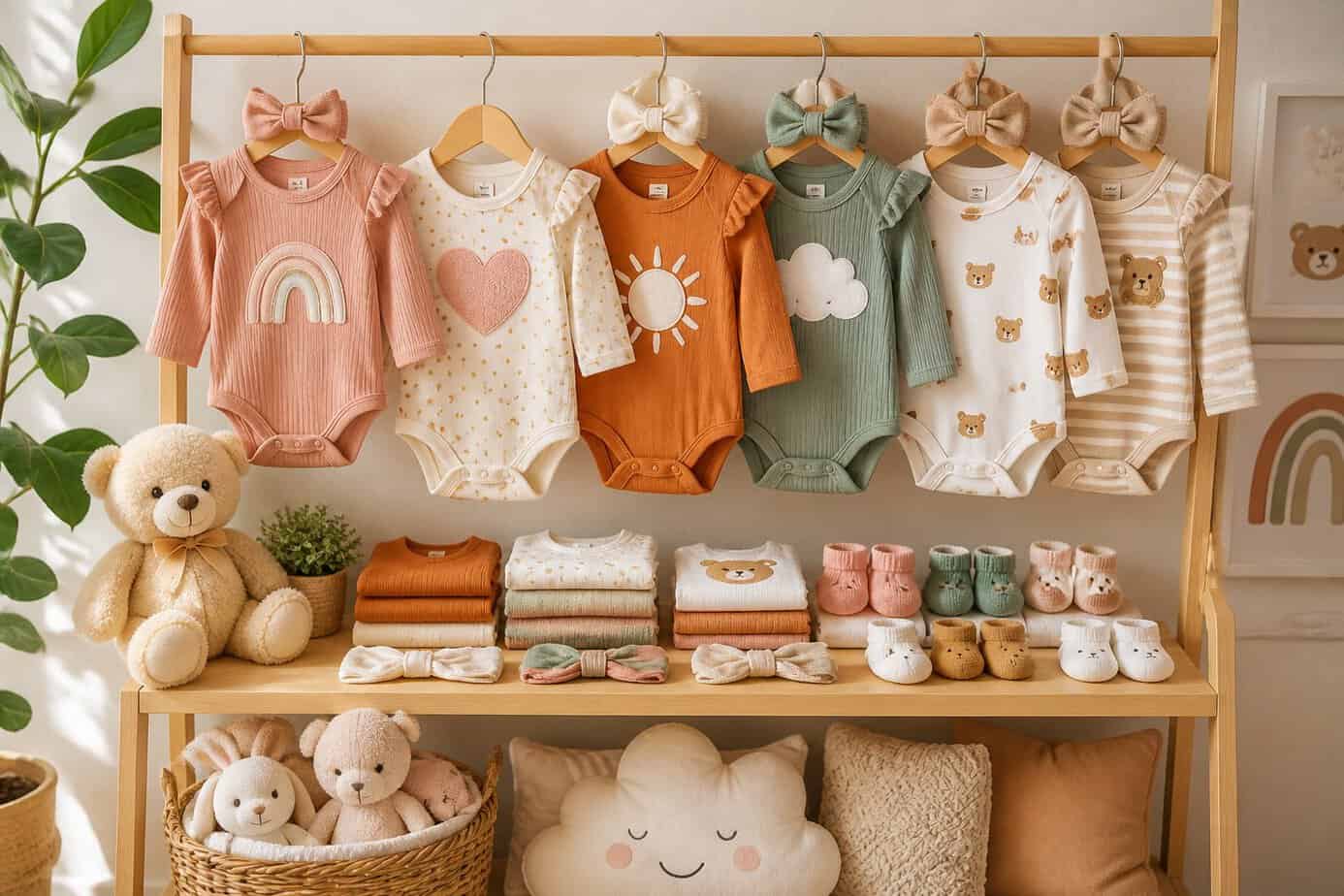
In the 1980s, you dressed your baby in whatever was clean and comfortable for monthly photos. Today, social media has created demand for special milestone outfits endorsed by parenting influencers.
These outfits are designed specifically for first-time sitting up, monthly birthday markers, and seasonal photoshoots. Influencers showcase coordinated looks that often match parent and baby clothing, driving purchases your mother never considered necessary.
You now see curated collections marketed for each developmental stage and holiday. The clothes are worn once, photographed, and shared online.
Your parents simply reused the same nice outfit for special occasions throughout your first year. The concept of purchasing separate clothing for each milestone moment didn’t exist before Instagram and Pinterest created visual pressure to document every stage with fresh styling.
27. Paid product review samples for “mom testers”
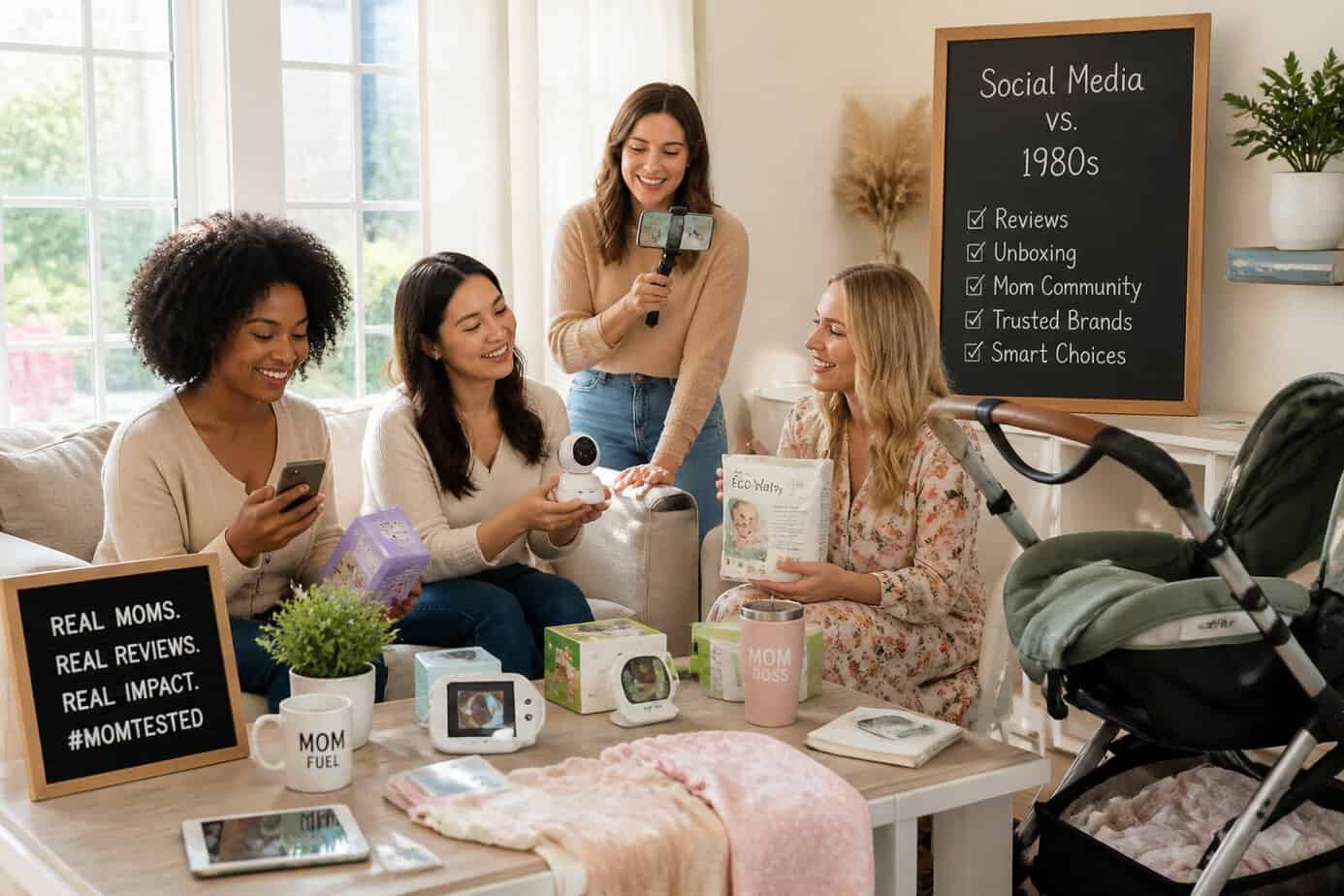
In the 1980s, you bought products based on recommendations from friends or advertisements. There was no concept of becoming a “mom tester” who received free products in exchange for online reviews.
Social media and parenting blogs created an entire ecosystem where companies seek out mothers to test and review their products. You can now sign up for programs that send you free diapers, toys, baby gear, and household items just for posting your opinions online.
This phenomenon didn’t exist before the internet made it possible for everyday parents to become micro-influencers. Your mother never had the option to receive complimentary products for sharing her thoughts with a digital audience.
The practice transformed regular moms into unpaid marketing partners, something that wasn’t part of the parenting experience in previous decades.
How Social Media Changed Modern Parenting
Social media platforms fundamentally altered how you make purchasing decisions and who influences those choices in your parenting journey.
Shifts in Consumer Habits
Before social media, you relied on pediatrician recommendations, word-of-mouth from neighbors, and parenting books to guide your buying decisions. Today, you scroll through Instagram, Pinterest, and Facebook to discover products you never knew existed.
The digital marketplace exposed you to specialized items marketed as essential for modern parenting. You now encounter targeted ads for milestone cards, monthly photo props, gender reveal supplies, and nursery aesthetic items that weren’t on store shelves in the 1980s.
Online parenting communities and product review groups shape what you add to your shopping cart. When you see the same Montessori toy or organic sleep sack recommended across multiple platforms, it creates purchasing momentum. Social media algorithms track your parenting stage and serve content that convinces you these items are necessary investments.
The ease of online shopping combined with social proof from other parents accelerated impulse purchases. You can buy products instantly while scrolling late at night, whereas 1980s parents made deliberate trips to physical stores.
The Rise of Influencer Culture
Parenting influencers emerged as a new category of trusted advisors in your decision-making process. These content creators share daily routines, product demonstrations, and affiliate links that directly connect their recommendations to your purchases.
You follow mommy bloggers and family vloggers who present curated versions of parenthood complete with specific brands and products. Their sponsored posts and partnership deals introduced you to premium diaper bags, matching family outfits, and subscription boxes designed for every developmental stage.
Influencers normalized the documentation of childhood milestones with professional-quality photos and videos. This shift created demand for props, backdrops, and camera equipment that 1980s parents never considered purchasing. The pressure to capture and share picture-perfect moments drives spending on items that enhance your family’s online presence.
Micro-influencers in niche parenting communities hold significant sway over your choices in areas like cloth diapering, baby-led weaning, and gentle parenting. Their authentic-seeming endorsements carry more weight than traditional advertising did for previous generations.
Financial Impact on Family Budgets
Social media has fundamentally changed how families allocate their money, creating budget pressures that didn’t exist in the 1980s. The cumulative cost of new product categories and increased spending expectations now represents a significant portion of household income.
Increased Pressure to Buy
Social media platforms generate constant exposure to products and lifestyles that create perceived needs rather than actual necessities. In the 1980s, families managed costs for housing, food, transportation, and education without the added pressure of digital-driven purchases.
Your monthly budget now includes streaming services, app subscriptions, smartphone plans, and internet access—expenses that weren’t part of household calculations in the 1980s. In 1983, only 1.4% of U.S. adults used the internet, so families didn’t have monthly internet bills or related technology costs.
The pressure extends beyond digital services. You face expectations for specialized children’s gear, branded athleisure wear, trendy home décor items, and frequent product updates that social media presents as standard purchases. Each scroll through your feed introduces new products positioned as essential for modern family life.
Comparing Then and Now: Cost Implications
The shift in household spending patterns reveals significant changes over the past four decades. Housing costs have increased dramatically, with low-income households now devoting 41% of their budgets to housing compared to 35% in 1984.
When you add modern expenses that didn’t exist in the 1980s, the financial burden becomes clear:
- Internet service: $50-100 monthly
- Streaming platforms: $30-80 monthly across multiple services
- Smartphone plans: $50-150 per family member
- App subscriptions: $20-50 monthly
- Social media-influenced purchases: Variable, often hundreds monthly
Families in the 1980s developed saving habits through limited credit options and a culture that valued thrift. You now navigate an environment designed for constant spending through one-click purchasing and endless payment options.