
31 Things Housewives Used to Do Every Week That Nobody Has Time for Anymore

Would you like to save this?
Housework looked dramatically different just a few generations ago. The weekly routines of mid-century housewives involved labor-intensive tasks that consumed entire days, from hand-washing linens to maintaining coal stoves to preserving food without modern refrigeration.
These weren’t occasional deep-cleaning projects but regular responsibilities built into the rhythm of domestic life. Most of these time-consuming chores have either disappeared completely or been replaced by modern conveniences that accomplish the same goals in a fraction of the time.
The shift reflects changes in technology, economics, and social expectations around how we maintain our homes. What your grandmother considered essential weekly tasks now seem impractical or unnecessary in today’s fast-paced world.
Understanding these forgotten routines offers perspective on how much domestic life has evolved. You’ll recognize some tasks from stories or old photographs, while others may surprise you with their complexity and frequency.
1. Washing and starching linens by hand
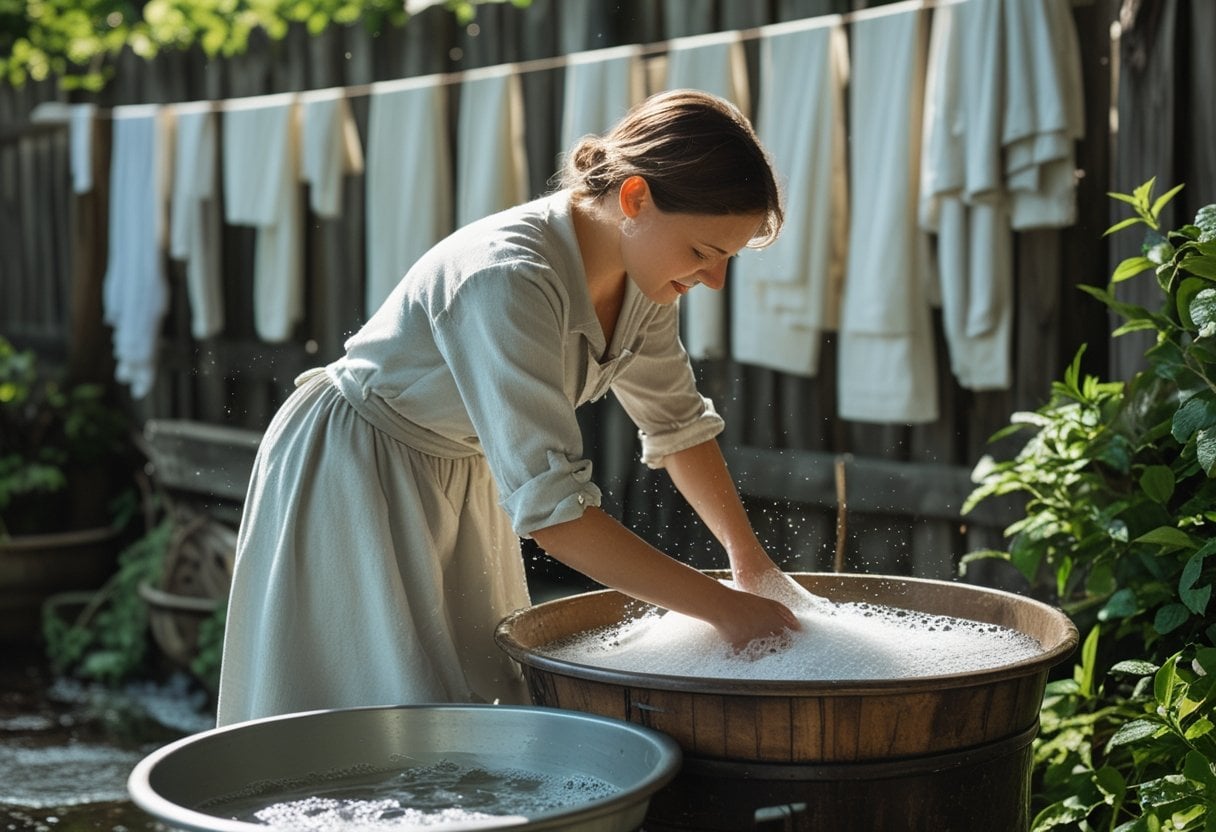
Before automatic washers became standard, you would have spent hours each week washing tablecloths, napkins, and bed linens entirely by hand. This involved filling large tubs with water, scrubbing items clean, rinsing them multiple times, and wringing out excess moisture.
The process didn’t end there. Starching was a common practice well into the 1950s, giving linens a smooth, glossy finish and making future cleaning easier. You’d prepare starch solutions by mixing cornstarch or wheat starch with water in varying concentrations depending on the item.
Different pieces required different stiffness levels. A chef’s hat needed much more starch than bed linens. After washing, you’d dip each item in the starch solution, wring it out, and hang it to dry before the laborious ironing process began.
2. Polishing silverware weekly

Your grandmother likely spent time each week polishing her silverware to maintain its shine and prevent tarnish buildup. This was standard household practice when silver flatware and serving pieces were everyday dining essentials.
Polishing is an abrasive process that removes the sulfur-based tarnish from silver surfaces. While necessary for maintaining silver’s appearance, experts now recommend doing it only once or twice a year rather than weekly.
Today, most people use stainless steel flatware that requires no polishing at all. If you do own silver pieces, you probably reserve them for special occasions and store them properly to minimize tarnishing. When cleaning is needed, a quick wash usually suffices for routine maintenance.
The weekly polishing ritual has disappeared from modern households simply because it’s no longer necessary for most people’s daily dining needs.
3. Boiling and ironing linens with a mangle
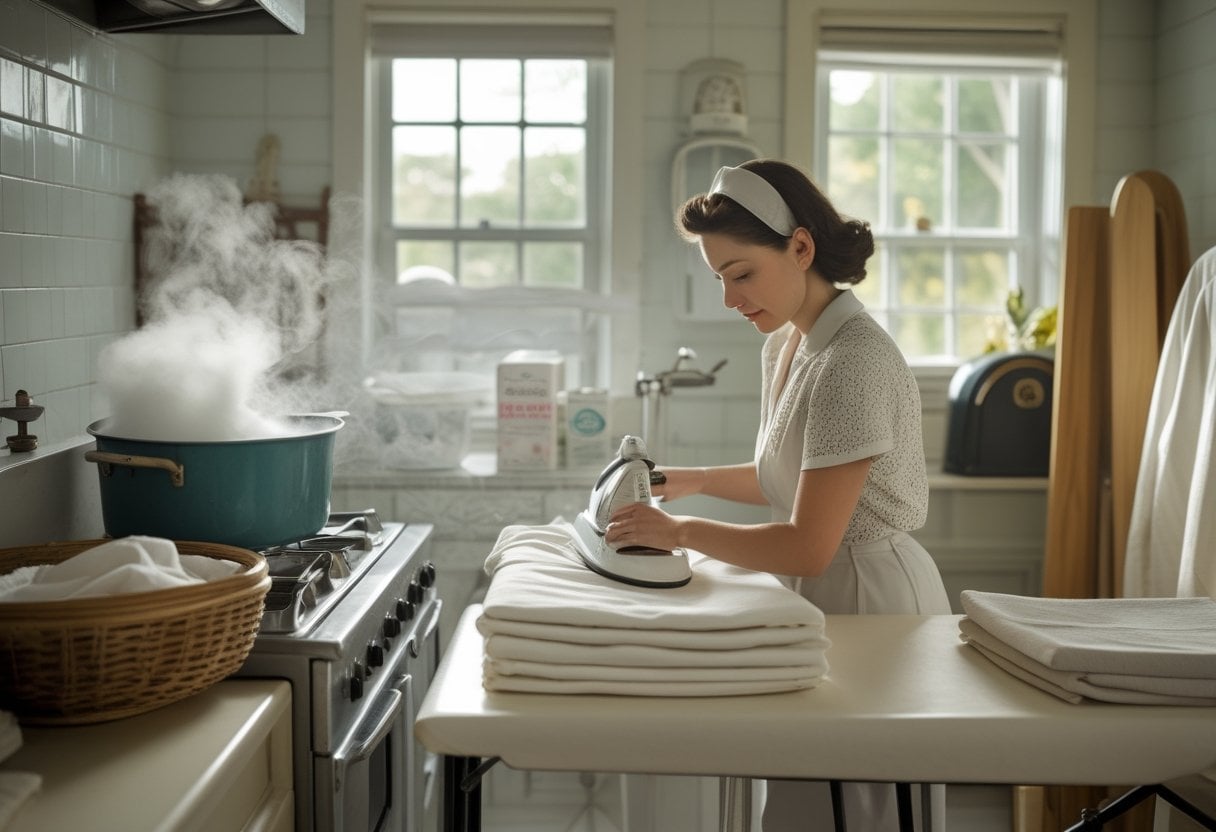
Housewives once boiled white linens and table cloths to keep them pristine. After washing, they used a mangle to remove excess water and press fabrics smooth.
A mangle was a mechanical device standing four to five feet high with two rollers connected by cogs. You turned a hand crank to squeeze water from wet laundry into a basin below. The pressure also flattened items like sheets, tablecloths, and napkins.
This method worked efficiently for large, flat items. After mangling, you would fold linens evenly and let them rest before finishing with a flat iron heated on the stove.
The entire process took considerable time and physical effort. Many women in cities who could afford it sent their washing to commercial laundries instead. Even domestic servants often preferred other household duties over laundry work.
4. Canning fruits and vegetables from scratch

Home canning was a weekly ritual for housewives who needed to preserve seasonal produce for year-round use. You would spend hours washing, peeling, and preparing fruits and vegetables before heating them to specific temperatures that destroyed harmful microorganisms. The process required specialized equipment like pressure canners, mason jars, and precise timing to ensure food safety.
Your grandmother likely maintained a well-stocked pantry of home-canned goods, from tomatoes to peaches. Today, you can simply buy canned products at the grocery store whenever needed. The time investment for proper canning techniques and the availability of affordable store-bought alternatives have made this practice largely unnecessary for modern households.
While some people still enjoy canning as a hobby, it’s no longer the weekly necessity it once was for preserving food and managing household resources.
5. Rendering lard and making homemade soap

Housewives once turned raw pork fat into lard through a multi-hour rendering process, then transformed it into bars of soap. This weekly ritual required cooking fat in a pot or crock pot for 2 to 4 hours, straining out the brown bits, and storing the pure white lard.
Making soap from scratch involved mixing the rendered lard with lye and water, a process that demanded careful measurements and patience. The lard created hard, white bars with a creamy lather that cleaned effectively.
This practice embodied complete self-sufficiency. You wasted nothing from butchering, and you controlled every ingredient that touched your family’s skin. The process required significant time blocks that modern schedules rarely accommodate.
Today, you can purchase both lard and soap ready-made. The hours once spent rendering fat and waiting for soap to cure now go toward other activities.
6. Churning butter at home

Before grocery stores stocked dairy aisles, you would have spent significant time each week transforming fresh cream into butter. The process required a butter churn, steady arm strength, and patience.
You’d pour cream into the churn and work the paddle or plunger repeatedly until the fat separated from the liquid. Depending on the cream’s temperature and your churning speed, this could take anywhere from 20 minutes to over an hour.
After churning, you’d rinse the butter in cold water to remove excess buttermilk, then press it into molds. This weekly task was essential for your household’s cooking and baking needs.
Today, butter is inexpensive and readily available at any store. The physical effort and time investment required for homemade butter simply doesn’t make practical sense for most modern households.
7. Preserving meat in a smokehouse

Before refrigeration became standard, you would have spent significant time each week tending to meat in your smokehouse. This wasn’t just about adding flavor—it was essential for preventing spoilage and ensuring your family had protein year-round.
You’d begin by curing the meat with salt, sugar, and spices to draw out moisture and inhibit bacterial growth. Once cured, you’d hang the meat in your smokehouse where wood smoke would slowly dry and preserve it over days or weeks.
The process required constant attention. You needed to maintain proper temperature and humidity levels while monitoring the smoke to prevent the meat from becoming bitter or over-dried.
Today, your refrigerator and freezer handle preservation instantly. Most people only smoke meat for flavor, not survival.
8. Making homemade yeast bread every few days

Your grandmother likely baked fresh bread multiple times a week because store-bought options were limited and expensive. Making yeast bread from scratch required several hours of active work, including kneading dough, monitoring rise times, and tending the oven.
The process demanded careful attention to ingredient temperatures and humidity levels. You had to plan ahead since most recipes needed at least two hours from start to finish, not counting cooling time.
Today, you can buy fresh bread at any grocery store or bakery for a few dollars. The convenience of pre-sliced loaves that stay fresh for days has replaced the weekly bread-baking routine. While some people still enjoy baking bread as a hobby, the necessity of doing it regularly has disappeared from most households.
9. Sweeping and beating rugs outdoors
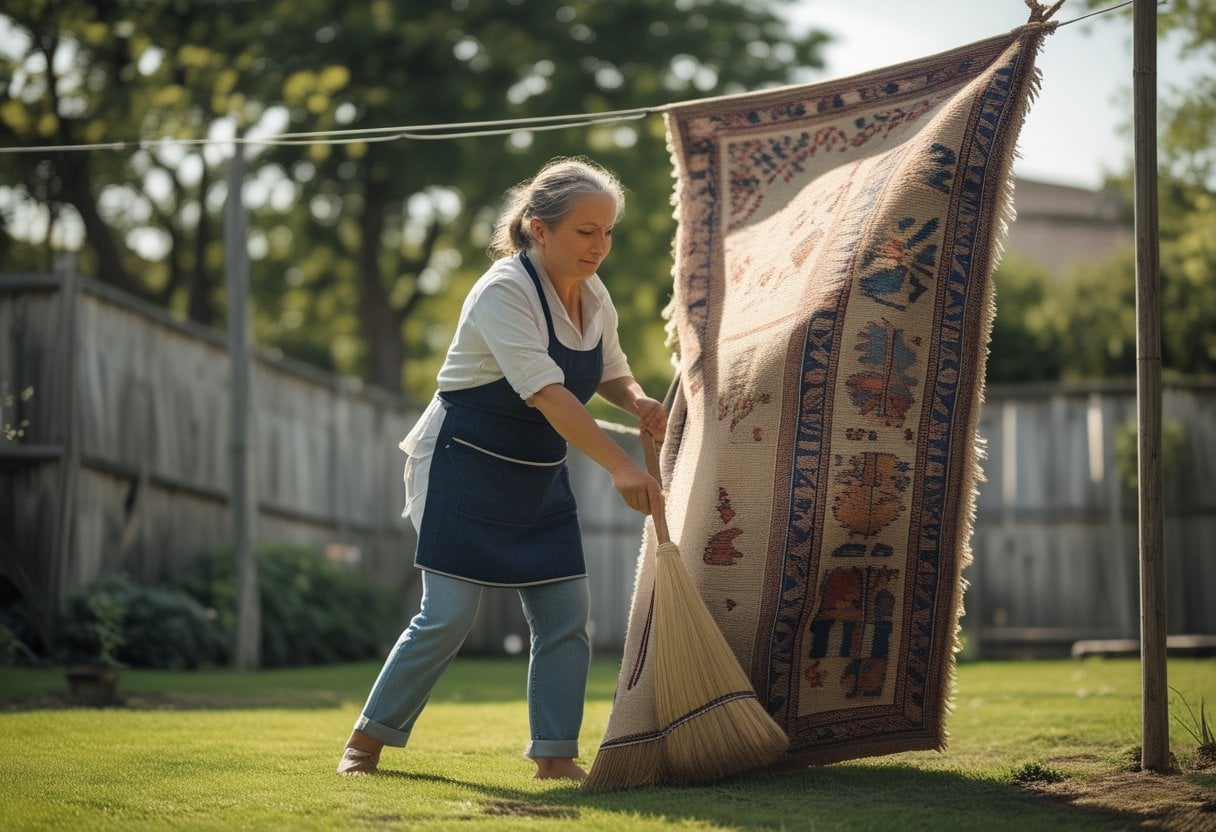
Before vacuum cleaners became household staples, you would have hauled your rugs outside for a thorough cleaning. This meant dragging heavy carpets through your home, draping them over a clothesline or fence, and beating them with a carpet beater or sturdy stick.
The process was physically demanding. You’d strike the rug repeatedly to dislodge dirt, dust, and debris embedded deep in the fibers. Clouds of dust filled the air with each whack, often covering you in the very dirt you were trying to remove.
This ritual was especially common during spring cleaning and after winter months when homes accumulated more dust. You might also sweep the rug’s surface with a broom before or after beating it. The entire process required significant time and effort, particularly with larger rugs that were difficult to move and handle.
10. Handwashing all clothing with a washboard
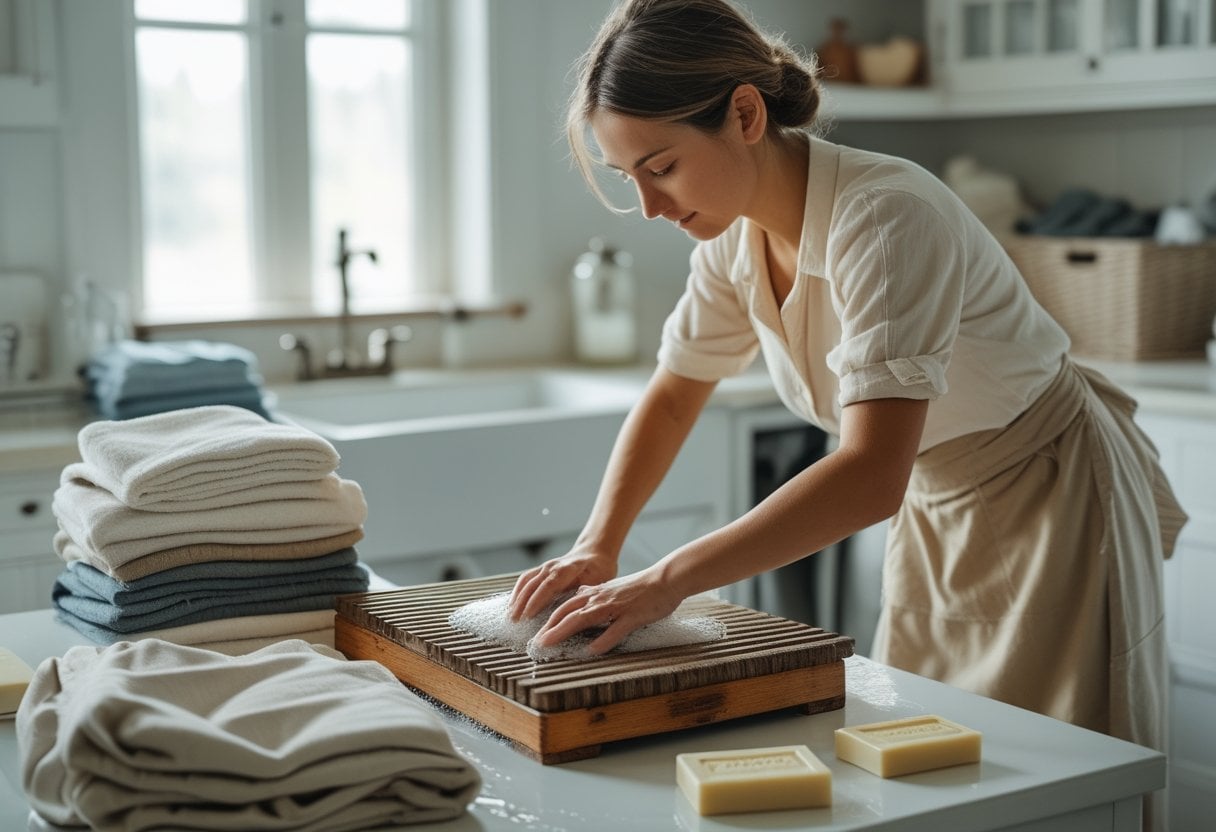
Before washing machines became household staples, you would have spent hours each week scrubbing laundry by hand using a washboard. This ridged wooden or metal board required you to rub each garment against its textured surface to remove dirt and stains.
The process was labor-intensive. You soaked clothes in soapy water, then gripped each item and worked it across the washboard’s ridges using circular motions. You had to wash every piece of your family’s clothing this way, from bed linens to work shirts.
A typical laundry day consumed most of your energy and time. The physical strain on your hands, arms, and back made it one of the most demanding weekly chores. While washboards are still available today for camping or delicate items, few people have the hours required to wash an entire household’s laundry this way.
11. Doling out weekly homemade remedies and tinctures

Your grandmother likely kept a well-stocked home apothecary filled with herbal tinctures and natural remedies she made herself. These concentrated liquid extracts required planning weeks in advance as herbs needed time to infuse in alcohol or vinegar.
Each week, she would prepare new batches, strain finished tinctures, and dispense them for various ailments. Elderflower for fevers, oregano for colds, and dozens of other herb combinations filled her shelves.
Making tinctures cost just pennies per ounce compared to store-bought versions. However, the process demanded regular attention and knowledge of proper ratios and steeping times.
Today, most people reach for over-the-counter medications instead. The time investment required to grow or source herbs, prepare tinctures, and maintain a home apothecary simply doesn’t fit modern schedules. Pre-made supplements have replaced this weekly ritual of natural medicine making.
12. Keeping a meticulous weekly household ledger

Housewives once sat down every week to record every penny spent on groceries, utilities, and household items in detailed ledgers. These handwritten account books tracked income against expenses, helping families stay within their means.
The practice required significant time and attention to detail. You would write down each purchase, categorize spending, and calculate running totals by hand.
Today, automated banking apps and digital budgeting tools handle most of this work instantly. Credit card statements provide automatic records of purchases, eliminating the need for manual entry.
While the Japanese kakeibo method of household accounting still has followers, most people lack the time for weekly ledger sessions. The ritual of sitting down with receipts and a notebook has largely disappeared from modern household management routines.
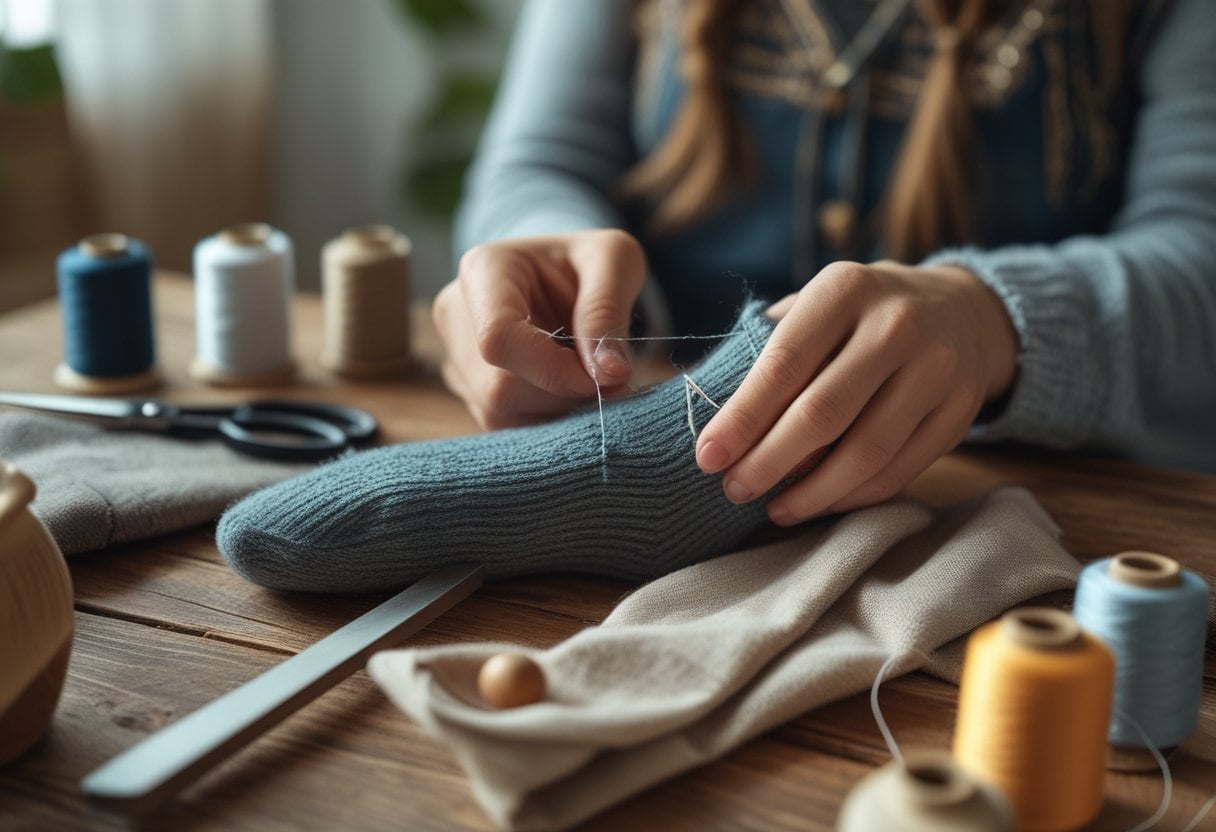
13. Mending clothing and darning socks by hand
Would you like to save this?
Housewives once spent hours each week repairing worn clothing and darning holes in socks. This practice extended the life of garments and saved money during times when replacing items was expensive.
Darning involves interweaving yarn across a hole to recreate the fabric’s structure. You would pull the sock over a darning egg or mushroom to hold the material taut while making precise stitches. The process required patience and skill to maintain the sock’s shape and comfort.
Beyond socks, household menders repaired tears in all types of clothing using various hand-sewing techniques. Different methods addressed different damage types, from small tears to large holes in fabric.
Today, most people simply discard damaged clothing rather than repair it. The time investment and specialized skills required for proper mending no longer fit into modern schedules.
14. Sewing entire wardrobes at home

Your grandmother likely made most of her family’s clothing from scratch. She’d spend hours at her sewing machine creating dresses, shirts, pants, and even undergarments. This was a standard weekly task that saved money and ensured everyone had properly fitted clothes.
Today, mass-produced clothing is so affordable and accessible that few people maintain this practice. The time investment alone makes it impractical for most households. Creating a single garment can take several hours, and building an entire wardrobe requires significant skill and dedication.
While some sewists still enjoy making their own clothes as a hobby, it’s rarely done out of necessity. The weekly routine of cutting patterns, fitting garments, and running up seams has largely disappeared from modern households.
15. Keeping a full weekly schedule of neighborhood social calls

Your grandmother likely maintained a predictable pattern of visiting neighbors throughout the week. These weren’t special occasions but regular drop-ins for coffee, conversation, and catching up on local news.
Many housewives would dedicate specific afternoons to certain neighbors, creating an informal rotation that kept everyone connected. You might visit Mrs. Johnson on Tuesdays and Mrs. Chen on Thursdays, with these visits functioning as both social time and community information exchange.
These calls served practical purposes beyond friendship. Neighbors shared recipes, borrowed ingredients, and coordinated childcare through these regular meetups.
Today, your calendar fills with work commitments, scheduled activities, and digital communication. The spontaneous neighborhood visit has largely disappeared, replaced by planned playdates and text messages. Most people simply don’t have the flexibility for regular midweek social calls anymore.
16. Polishing shoes and boots to a mirror shine weekly

Your grandmother likely spent part of her week polishing every pair of shoes in the house to a gleaming finish. This wasn’t just about appearance. Regular polishing protected the leather and extended the life of expensive footwear.
The process required multiple steps: cleaning off dirt, applying polish with a cloth, buffing with a brush, and then working in layers to achieve that signature mirror shine. Each pair could take 15 to 30 minutes of focused effort.
Today, most people own casual sneakers or synthetic shoes that don’t require polishing. Even those with leather dress shoes typically polish them only before important events rather than maintaining a weekly schedule. The time commitment no longer fits modern schedules, and footwear has become more disposable than it once was.
17. Maintaining a coal or wood-fired stove and ash cleanup
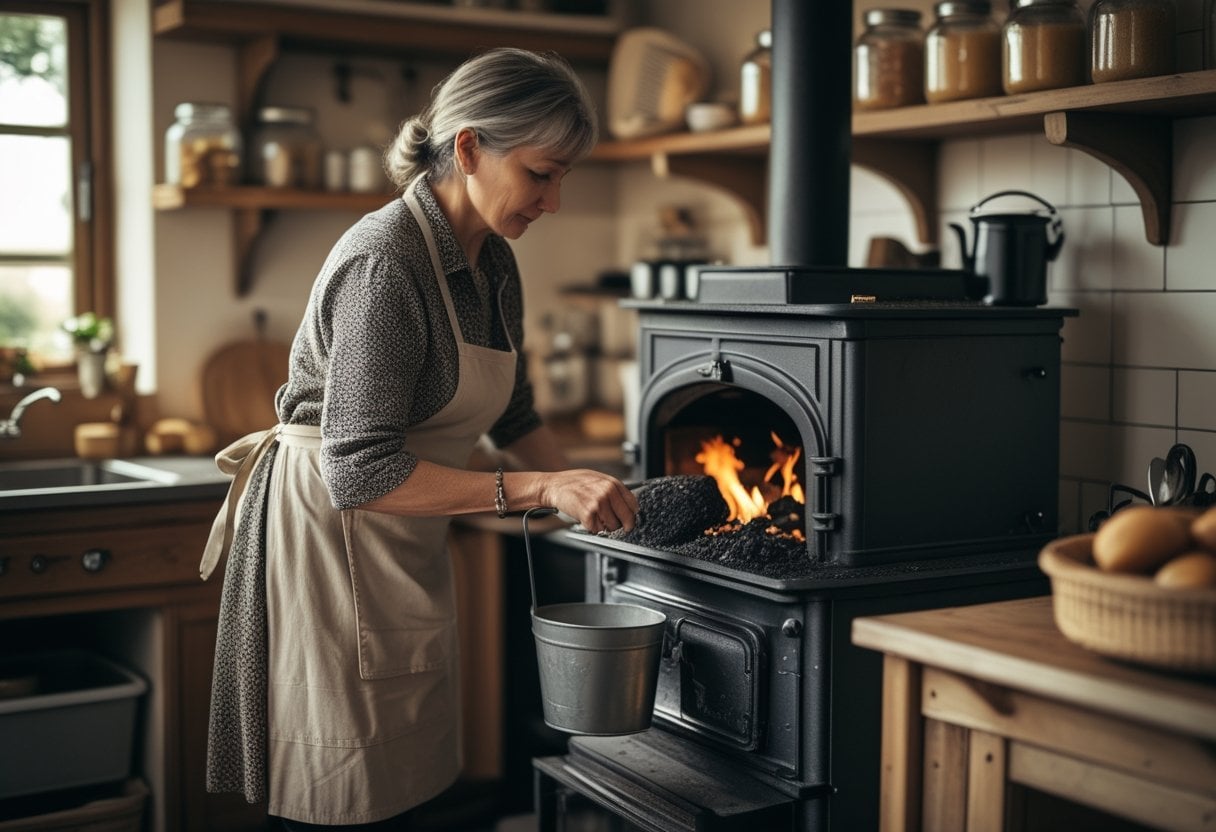
Wood and coal stoves required constant attention that most modern households would find overwhelming. You needed to remove ash buildup every few days to keep the stove functioning properly.
A thin layer of ash helped insulate the firebox and improved combustion, but too much reduced efficiency and created fire hazards. You had to find the right balance while managing the mess that came with regular ash removal.
Beyond ash cleanup, you monitored the firebox, cleaned the glass doors, and inspected the chimney regularly. Creosote buildup in chimneys posed serious fire risks, making seasonal deep cleaning essential for safety.
The daily commitment extended to sourcing and storing fuel, managing ventilation, and ensuring proper airflow. These heating systems demanded hands-on maintenance that kept housewives busy throughout the week.
18. Harvesting ice blocks for refrigeration

Before electric refrigerators became common, you would have spent winter days cutting large blocks of ice from frozen lakes and rivers. This wasn’t a quick task. You needed specialized saws to cut through thick ice, then heavy tongs to move the blocks.
You stored these ice blocks in well-insulated ice houses, packed with sawdust or straw to prevent melting. The ice you harvested in winter had to last through summer months.
Your ice box required regular attention. You placed the blocks inside the insulated wooden cabinet, and as they melted, you emptied drip pans daily. When the ice melted completely, you needed a fresh delivery or another trip to your ice house.
This weekly routine of managing ice storage disappeared once electric refrigeration became affordable and widespread in the mid-20th century.
19. Scrubbing linoleum and waxing floors by hand

Housewives once spent hours on their hands and knees scrubbing linoleum floors before applying fresh coats of wax. This weekly ritual required removing old wax layers, deep cleaning the surface, and carefully buffing new wax until it achieved a mirror-like shine.
The process demanded physical stamina and patience. You had to strip away built-up wax with chemical removers, scrub away dirt and grime, rinse thoroughly, and wait for complete drying before applying thin, even layers of new wax.
Modern households rarely maintain this schedule. Most people now use quick-mop cleaning systems or opt for newer flooring materials that don’t require waxing. When linoleum does need deep cleaning, mechanical floor buffers handle the heavy work that once took an entire afternoon of manual labor.
20. Rotating perishable food in a root cellar

Root cellars required constant attention to keep stored food from spoiling. You had to check your vegetables and fruits weekly, moving older items to the front and newer ones to the back.
This rotation system prevented waste and ensured nothing sat too long in storage. You needed to inspect each potato, carrot, and apple for signs of decay since one rotting item could ruin an entire batch.
The task demanded you maintain specific temperature and humidity levels for different foods. Onions required dry conditions while root vegetables needed moisture. You organized items by type and monitored ventilation to extend shelf life.
Most modern households rely on refrigerators and grocery stores instead. The weekly ritual of root cellar management has disappeared along with the structures themselves.
21. Growing, harvesting, and drying herbs for the kitchen

Housewives once maintained herb gardens as a weekly routine, growing everything from basil to oregano right outside their kitchen doors. They harvested herbs at peak freshness, typically in the morning after dew dried but before the sun grew too hot.
The drying process required careful attention to preserve flavor and prevent mold. Fresh-cut herbs were bundled and hung upside down in dark, well-ventilated spaces like pantries or attics. Some women spread individual leaves on screens or used their ovens on low heat for faster results.
Dried herbs were then stripped from stems, stored in glass jars, and labeled for winter use. This preserved the summer harvest for months of cooking.
Today, most people buy pre-dried herbs from the grocery store. The time investment needed for growing, maintaining, harvesting, and properly drying herbs no longer fits into modern schedules.
22. Preparing homemade broths and stocks from bones weekly

Housewives once kept a pot of stock simmering on the stove regularly, using leftover bones and vegetable scraps to create the foundation for soups and sauces. This practice required saving chicken, beef, or pork bones in the freezer until enough accumulated for a batch. The process took hours of slow simmering to extract nutrients and flavor.
You needed to skim foam, add aromatics like onions and carrots, and monitor the pot throughout the day. After straining and cooling, the stock was portioned and stored for the week’s cooking needs.
Today, most people buy pre-made stock from the store. The time commitment of 8-12 hours for a proper bone broth doesn’t fit into modern schedules. While homemade stock offers richer flavor and costs less, convenience typically wins over the traditional method.
23. Making and laying out cloth diapers to dry and sanitize
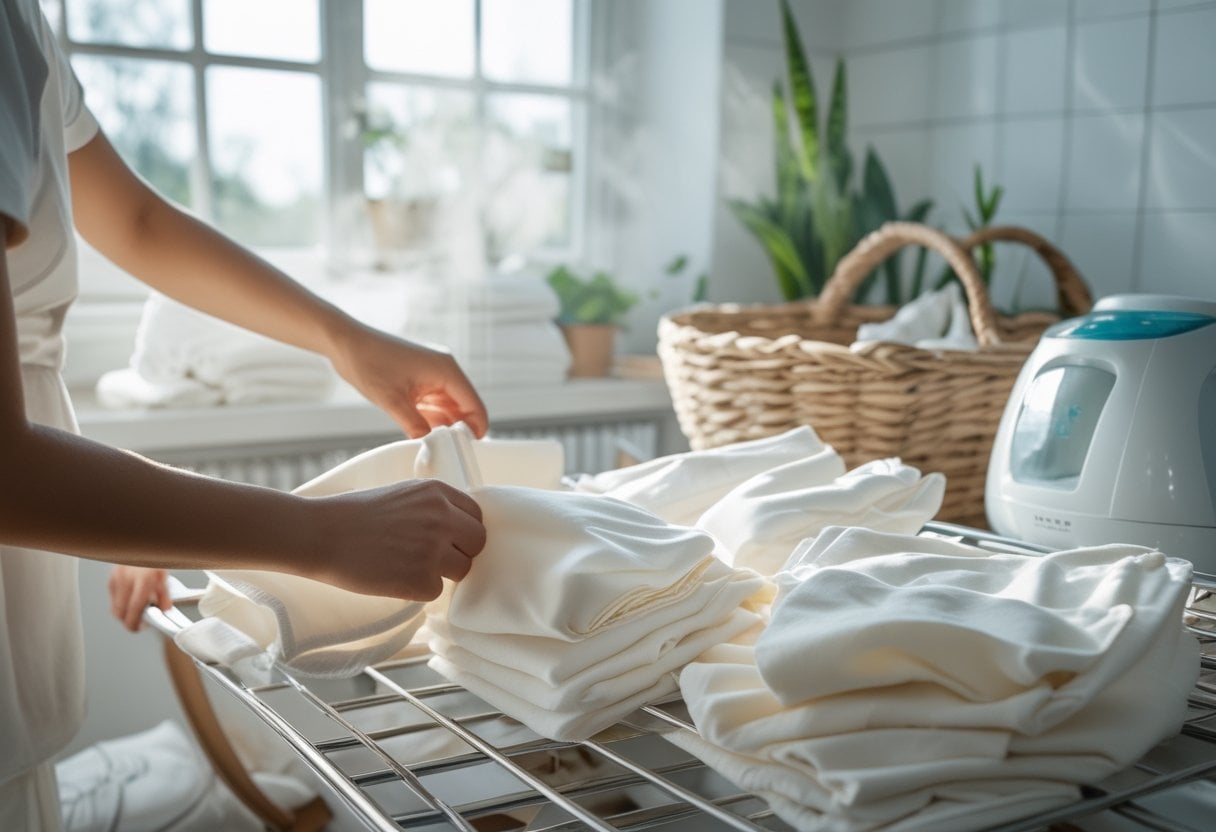
Before disposable diapers became the standard, you would have spent hours each week washing, sanitizing, and drying cloth diapers. The process required multiple steps, from removing solid waste to running several wash cycles with specific detergents.
After washing, you had to lay each diaper out in direct sunlight to naturally sanitize and bleach out stains. Sunlight was your best defense against bacteria and odors. You needed outdoor space or indoor drying racks to accommodate dozens of diapers at once.
The entire routine demanded careful attention to water temperature, drying methods, and storage practices. Modern parents who use cloth diapers typically rely on high-efficiency washers and dryers to simplify the process. The weekly time investment that previous generations accepted as normal would seem impractical to most households today.
24. Pressing clothes with a heavy flat iron heated on the stove
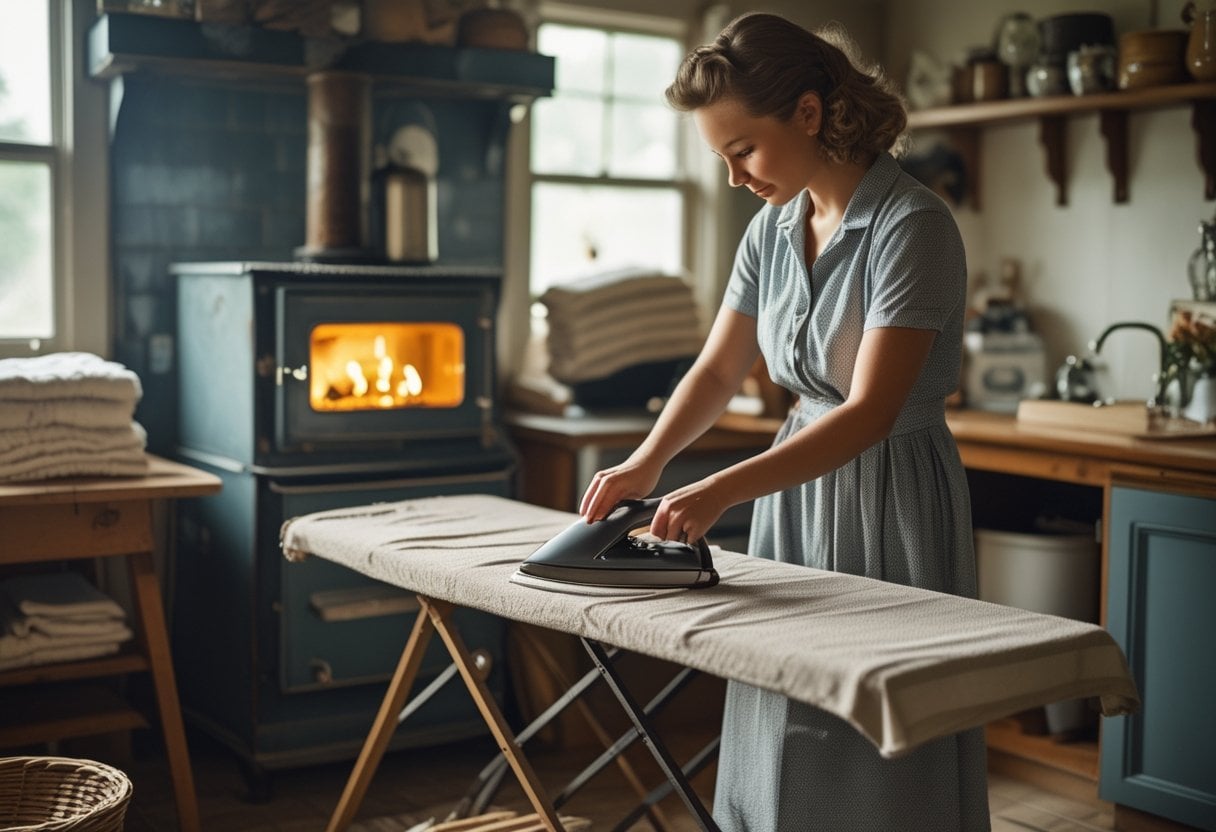
You would have kept multiple solid metal irons heating on your wood or coal stove while working through the laundry pile. These flat irons weighed between 5 to 10 pounds each, making the task physically demanding.
The process required you to swap irons constantly. While you pressed clothes with one iron, another heated on the stove surface. You needed a thick cloth or mitt to grip the metal handle safely and avoid burns.
Without temperature control, you had to judge the iron’s heat by experience to prevent scorching fabric. The work was time-consuming and exhausting, especially during summer months when the already-hot stove made your kitchen unbearable. You couldn’t simply plug in a lightweight electric iron and adjust the temperature with a dial.
25. Keeping formal place settings and polishing china weekly
Would you like to save this?
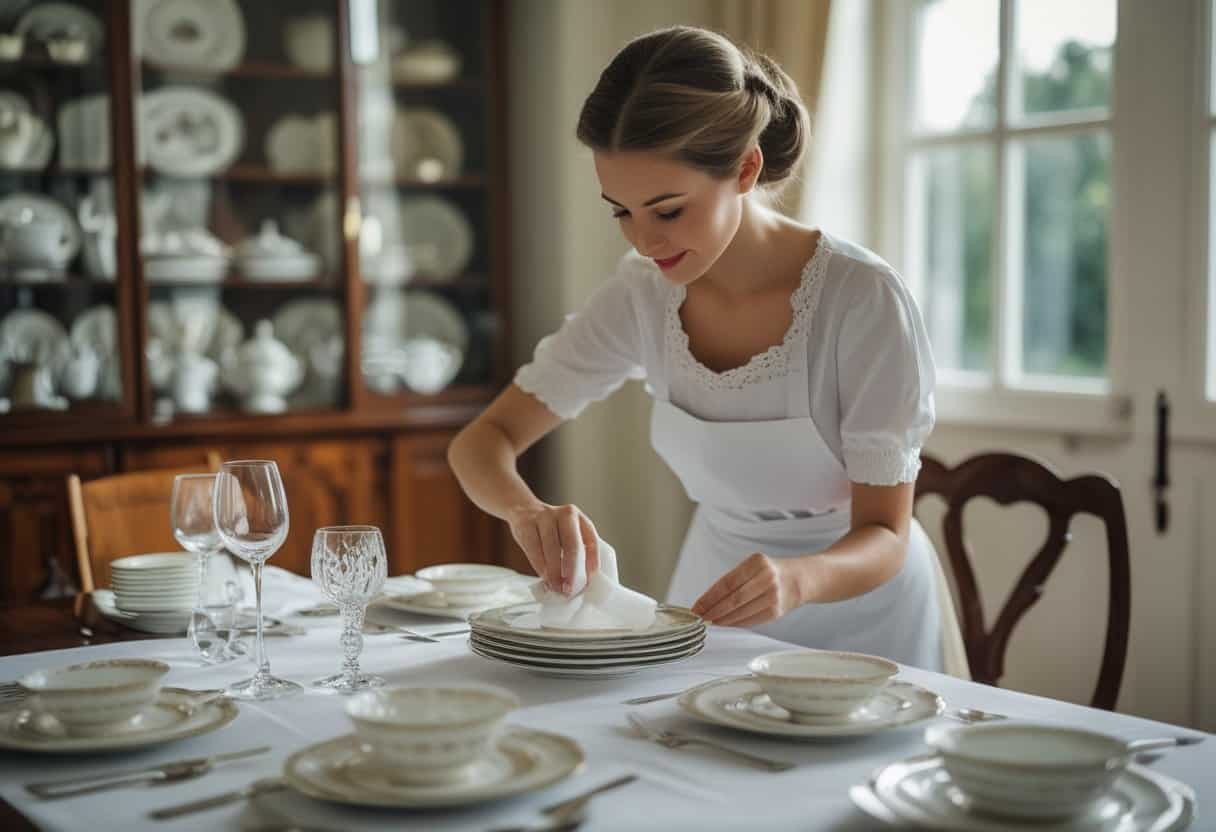
Housewives once maintained elaborate formal china collections that required weekly attention. You would polish each piece to keep it gleaming and ready for unexpected dinner guests. The china cabinet held multiple sets of dishes, serving pieces, and crystal that needed regular care.
Formal place settings involved specific arrangements of china, silverware, and glassware according to strict etiquette rules. Each item had its designated position and purpose. Women spent hours ensuring these pieces remained spotless and properly displayed.
Today, formal china sits unused in most homes. Many people have shifted to casual dining with everyday dishes that can go straight into the dishwasher. The time required to hand-wash delicate china and maintain formal place settings doesn’t fit modern schedules.
26. Maintaining a weekly housecleaning checklist with timed chores

Housewives once followed strict weekly cleaning schedules that assigned specific tasks to each day of the week. Monday was laundry day, Tuesday for ironing, Wednesday for deep cleaning, and so on.
These schedules included precise time allocations for each chore. You would budget 30 minutes for dusting, 45 minutes for bathroom scrubbing, and an hour for kitchen deep cleaning.
Many women kept printed charts or hand-written lists that tracked daily, weekly, and monthly tasks. Every activity had its designated time slot, creating a regimented cleaning routine.
Today’s schedules rarely accommodate such structured cleaning systems. Most households handle chores as needed rather than following a fixed weekly plan.
The modern approach favors flexibility over rigidity. You clean when time permits rather than adhering to predetermined schedules with stopwatch precision.
27. Sewing and repairing household linens (curtains, sheets) weekly
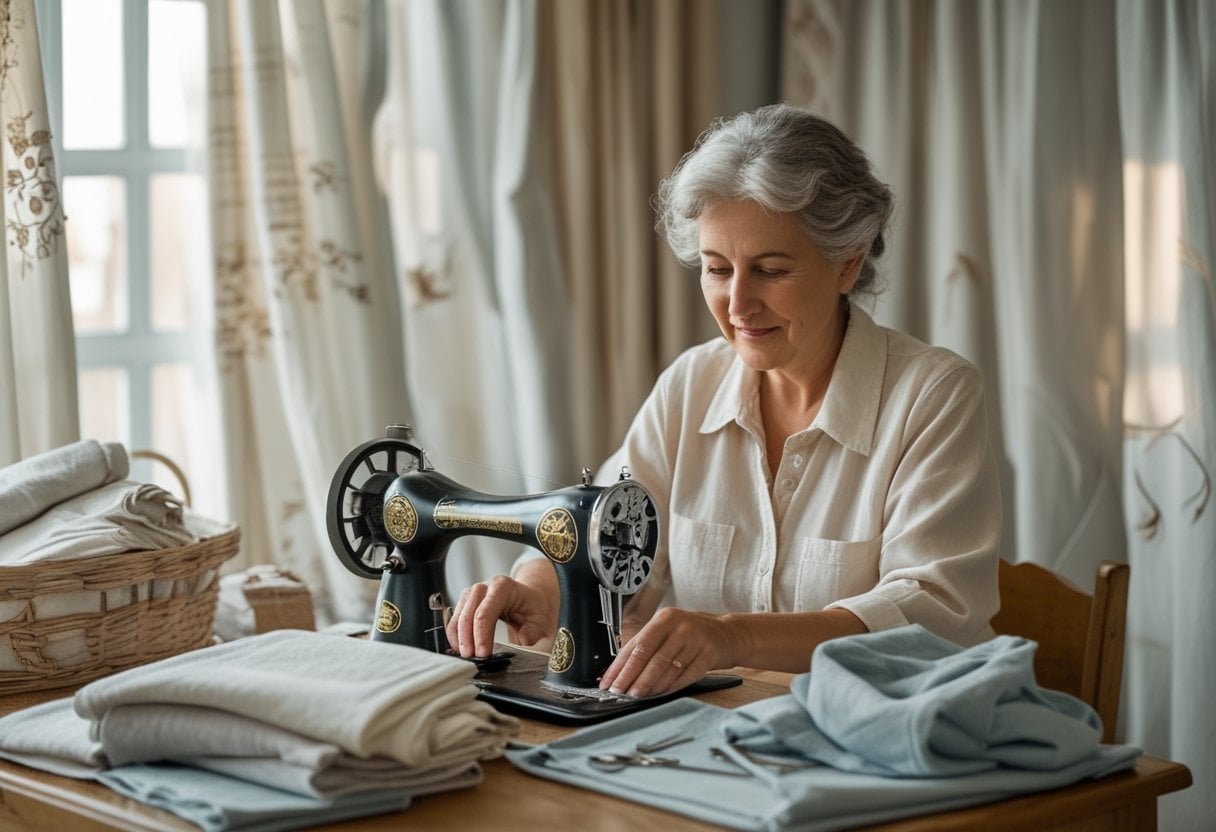
Housewives once set aside time each week to inspect and repair household linens. This included mending tears in sheets, fixing frayed towel edges, and patching worn curtains before small problems became larger ones.
Your grandmother likely kept a dedicated mending basket stocked with needles, thread, patches, and other repair supplies. She would work under good lighting during evening hours, darning holes and reinforcing weak seams in tablecloths, pillowcases, and draperies.
Regular maintenance extended the life of these items significantly, which helped household budgets stretch further. Today, most people simply replace damaged linens rather than repair them. The time required for weekly inspection and mending no longer fits into modern schedules, and fast fashion has made replacement cheaper and more convenient than learning traditional repair skills.
28. Bagging and reusing household scraps for compost and animal feed

Housewives once sorted every kitchen scrap with purpose. Vegetable peelings, coffee grounds, and eggshells went into designated containers for the compost pile. Stale bread and other edible scraps were saved for chickens or livestock.
This weekly routine required planning and organization. You had to separate materials, store them properly, and make regular trips to the compost bin or animal pen. The process demanded attention to what could be composted versus what should go to animals.
Today, most households toss everything into the trash. While composting has gained renewed interest, few people maintain the consistent sorting habits that were once standard. The convenience of garbage disposal has replaced the time-intensive practice of categorizing and repurposing every scrap that left your kitchen.
29. Mending household tools and building simple furniture
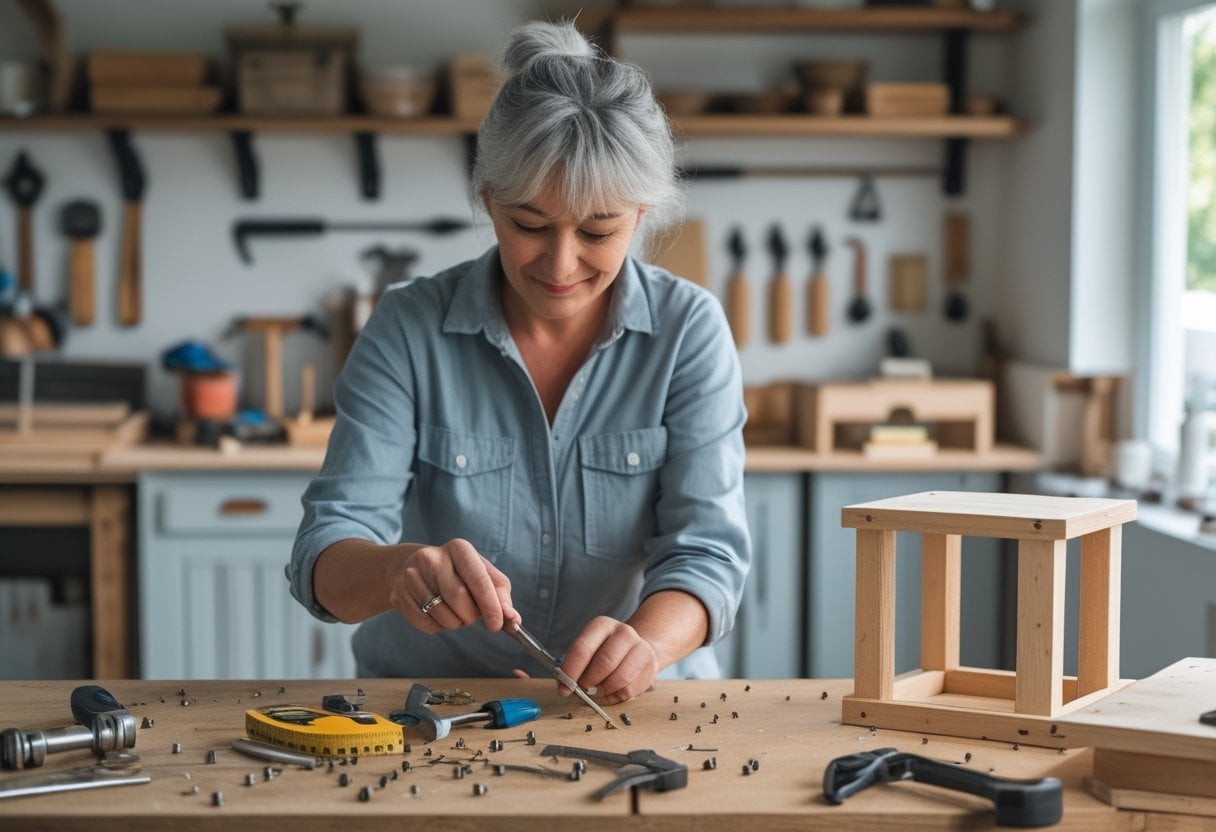
Housewives once kept toolboxes stocked with supplies for repairing broken furniture, loose hinges, and damaged household items. They regularly tightened screws, replaced handles, and refinished worn surfaces instead of buying replacements.
Building simple furniture was another weekly skill. You would find housewives constructing basic shelving units, stools, and storage boxes using scrap wood and basic carpentry techniques.
These repair tasks required knowledge passed down through generations. Women learned to assess what could be fixed versus what needed professional help. They kept homes running smoothly by addressing small problems before they became larger issues.
Today’s busy schedules and readily available replacement products have made these skills less common. Most people now hire professionals or purchase new items rather than spending time on repairs and construction projects.
30. Keeping a weekly icebox block schedule

Before modern refrigeration, housewives maintained detailed weekly schedules for icebox management. You would have tracked ice delivery days, planned meals around perishable foods, and organized your grocery shopping to minimize spoilage.
This system required careful time blocking. You needed to designate specific days for ice deliveries, typically twice per week. Your meal planning revolved around using the most perishable items first, right after the iceman’s visit.
The icebox required regular maintenance too. You would schedule time to empty the drip pan, wipe down shelves, and reorganize contents based on temperature zones. This meticulous planning ensured food safety and prevented waste.
Today’s frost-free refrigerators eliminate this constant monitoring. You can shop whenever convenient and store food for weeks without detailed scheduling systems.
31. Hand-washing delicate lace and heirloom textiles
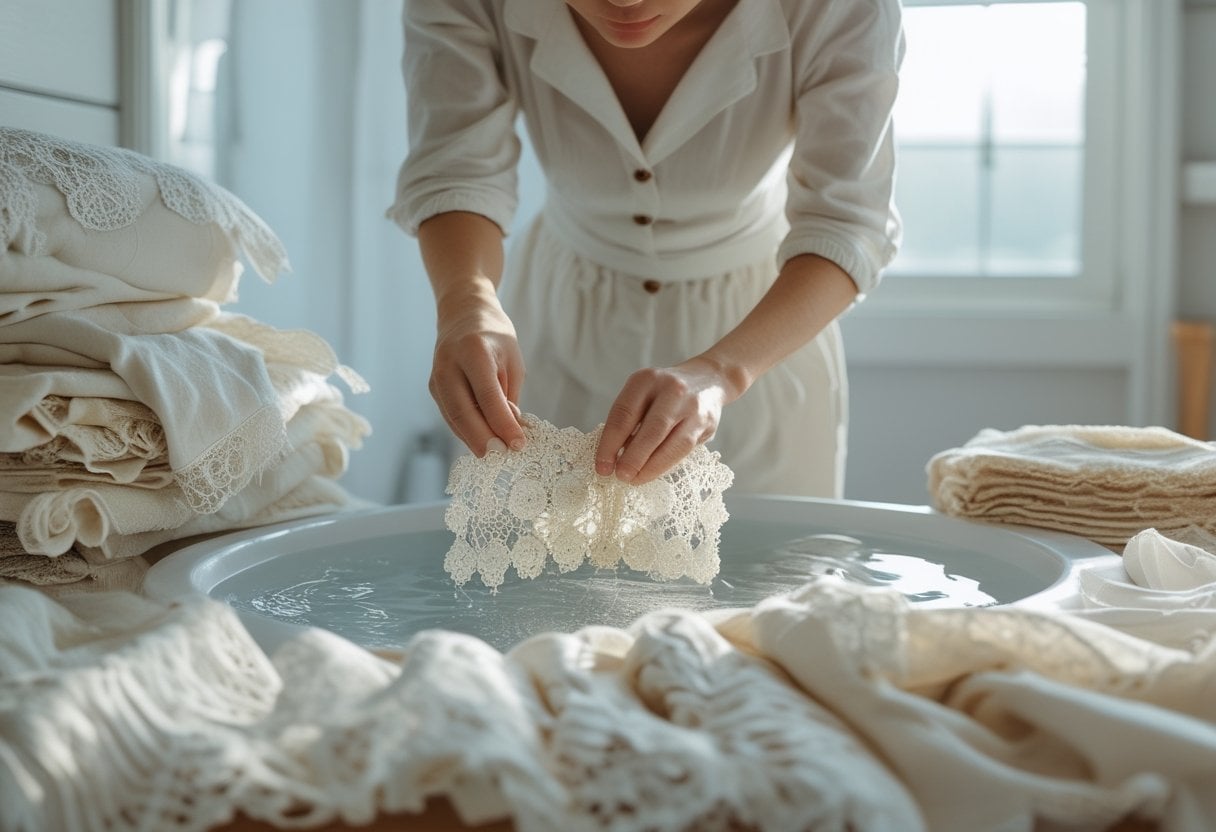
Your grandmother likely spent hours each week gently hand-washing lace doilies, embroidered linens, and delicate heirloom garments. This careful process involved filling basins with lukewarm water, using minimal detergent, and softly agitating fabrics to avoid tears or damage.
The drying process required equal attention. You would have laid wet items flat on clean towels, reshaping them carefully to maintain their original form. Machine washing wasn’t an option for these fragile materials.
Today, most people skip intricate lacework and vintage textiles altogether, opting for easy-care synthetic fabrics instead. When you do own delicate pieces, you probably send them to professional cleaners or use gentle machine cycles. The weekly ritual of hand-washing special fabrics has become a rare practice, reserved only for truly irreplaceable items.
Cultural Shifts and Modern Lifestyles

The transformation of household routines reflects broader changes in how you spend your time and what you prioritize. Technology adoption and evolving economic pressures have fundamentally altered the weekly tasks you perform at home.
Influence of Technology on Household Routines
Modern appliances have eliminated many time-intensive tasks that housewives once performed weekly. You no longer need to spend hours washing clothes by hand, wringing them through mangles, or hanging every item individually to dry. Automated washing machines and dryers complete these tasks in a fraction of the time.
Your kitchen routines have changed dramatically with the introduction of refrigeration, microwaves, and prepared foods. Weekly bread baking sessions became unnecessary when grocery stores began stocking fresh bread daily. You can now purchase pre-cut vegetables, pre-marinated meats, and ready-made meals that would have required hours of preparation in previous decades.
Key technological shifts include:
- Electric and gas appliances replacing coal and wood-burning stoves
- Dishwashers eliminating daily hand-washing of dishes
- Vacuum cleaners replacing manual carpet beating and sweeping
- Central heating systems removing the need for constant fire maintenance
Time Management Changes in Contemporary Households
Your household operates differently now because of increased workforce participation across all family members. The data shows that women’s participation in paid labor has significantly altered how housework gets distributed and prioritized. You face different time constraints than housewives from previous generations who could dedicate entire days to specific tasks.
You now allocate your time based on efficiency rather than tradition. Tasks like ironing every piece of clothing, polishing silver weekly, or hand-sewing garments have become optional or rare. The gender gap in housework time is shrinking as household members share responsibilities differently than before.
Your priorities reflect modern economic realities where both income generation and household maintenance compete for limited hours. You make trade-offs that previous generations didn’t consider, such as hiring cleaning services, ordering takeout, or accepting less stringent cleanliness standards to balance work and home life.
Historical Context of Traditional Domestic Duties
Women shouldered the vast majority of household labor through the 19th and early 20th centuries, driven by cultural expectations rather than personal choice. The structure of family life and women’s roles within it underwent significant transformation as economic production shifted from homes to factories.
Societal Expectations in Previous Generations
Domestic work consumed most of a woman’s waking hours in earlier generations. Whether married or single, you would have been expected to complete daily housework as your primary responsibility, with hired help or enslaved people sometimes assisting in wealthier households.
Cultural norms firmly established housework as “women’s work” throughout the 1800s and into the 20th century. Your domestic duties were considered necessary obligations rather than optional tasks. The work received little respect or economic recognition despite its demanding nature.
Key expectations included:
- Daily meal preparation from scratch
- Hand-washing and ironing all clothing and linens
- Maintaining cleanliness without modern equipment
- Managing food preservation and storage
- Caring for children and other family members
Domestic economy guides proliferated during the late 19th century, establishing standards for household management that persisted for generations. These manuals, precursors to publications like Good Housekeeping, codified the extensive weekly tasks expected of housewives.
Role Evolution Within Family Structures
Before the Industrial Revolution, your household would have functioned as the center of economic production. All family members, including servants and apprentices, contributed to both home maintenance and income-generating work under one roof.
The shift to factory-based labor separated economic production from domestic spaces. This transition fundamentally altered your role within the family structure, as housework became unpaid labor disconnected from direct economic output. Women’s work in the home lost visibility in standard economic measurements like employment figures and GDP calculations.
Labor markets in the modern era increased women’s participation in paid work outside the home. You now have significantly less time available for domestic labor compared to previous generations, yet the expectation that housework remains primarily women’s responsibility has persisted through cultural momentum.